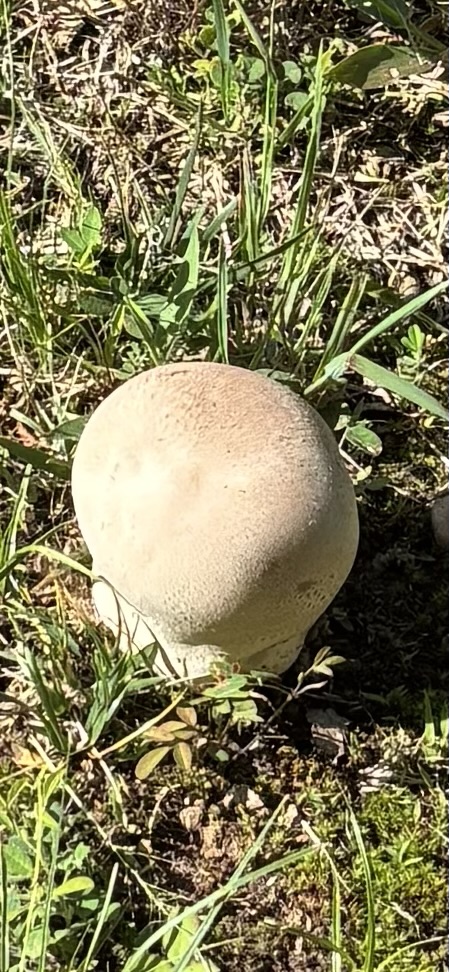
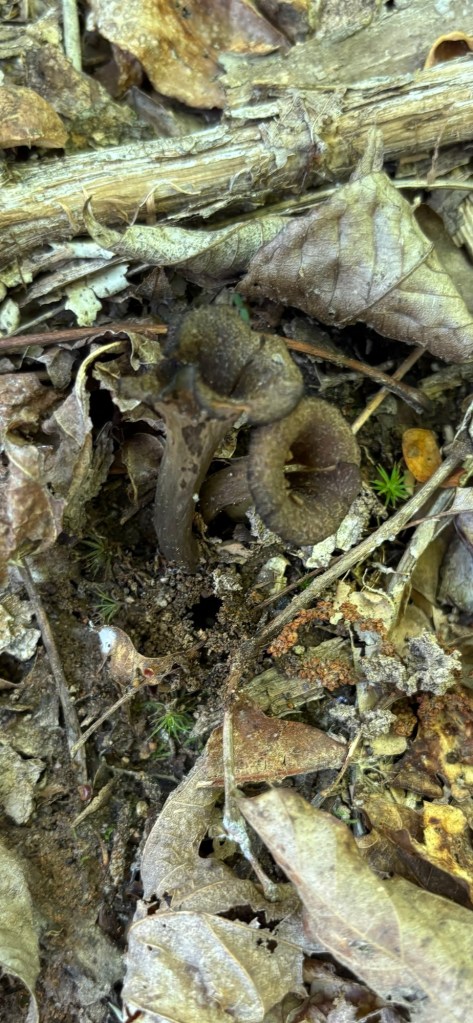
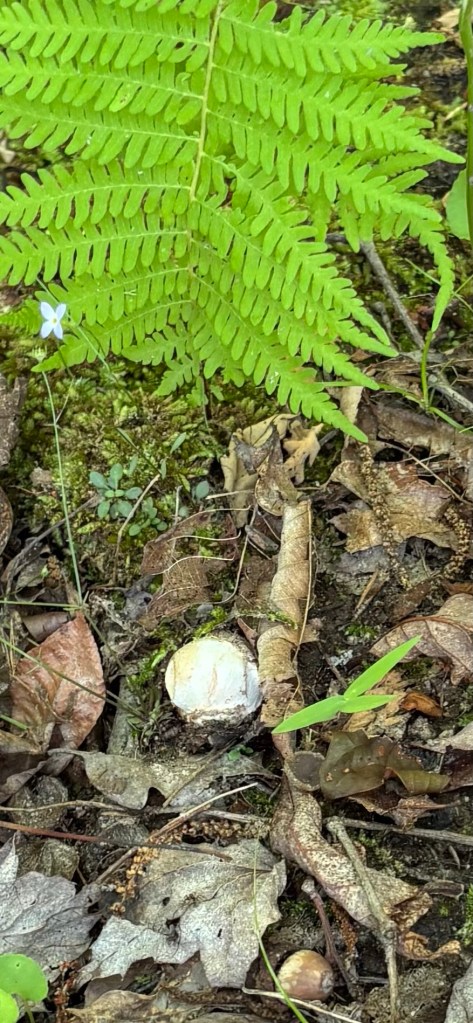
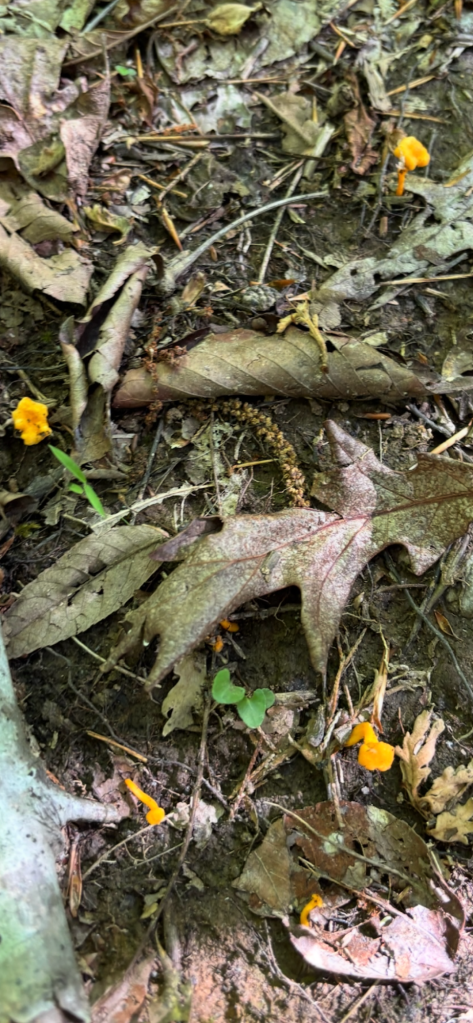
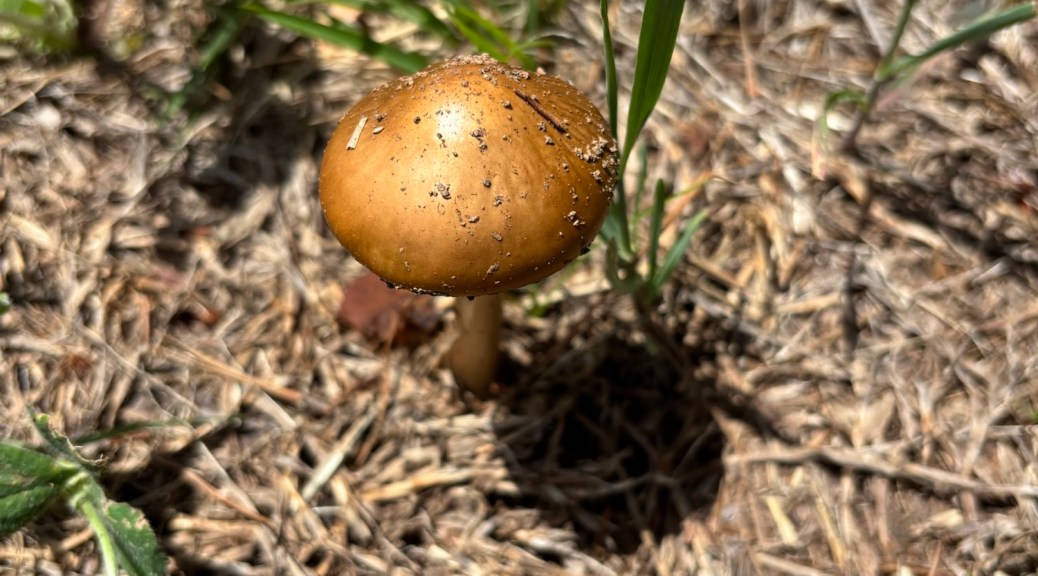
An edible Calvatia cyathiformis, Purple spored puffball, found at the top of Red Hawk Road on Saturday. We brought this home to slice and make mushroom pizzas by adding tomato, cheese and toppings.Craterellus fallax, Eastern black trumpet, found on the south set back line. Right on Black Trumpet Way near the base of an oak on Sunday. We left them to spore and hope to catch others in better shape to eat next time. We found another patch along the waterway and also left them to spore. They are excellent-tasting with eggs as well as highly nutritious.Right along the main waterway, it appears to be an Amanita completely enclosed in a sac-like membrane called the universal veil. The identity will be revealed as it opens. We hope to catch it as it develops. We are careful with Amanitas because of the dangers of eating any mushroom without identifying it. This truly is a class of fungus to know how to identify as it includes the several of the most toxic. However, it is only dangerous to ingest which we will not be doing. ☺️
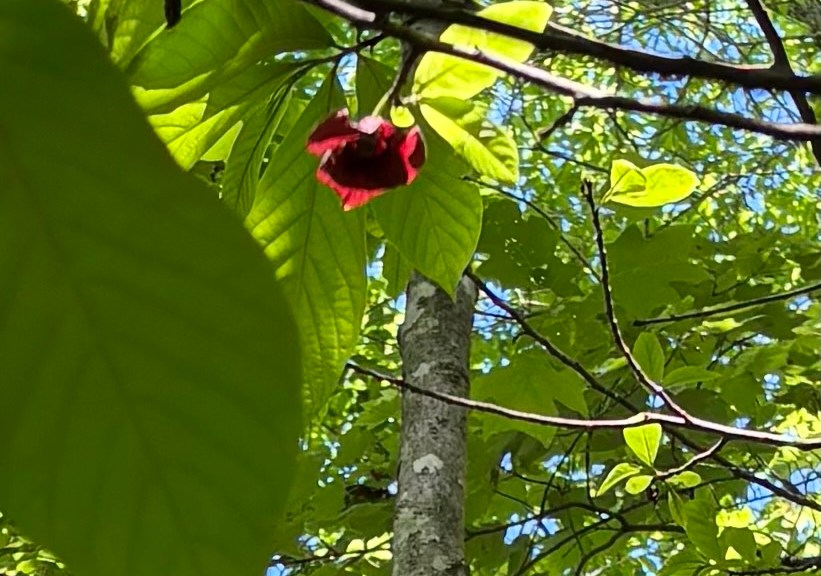
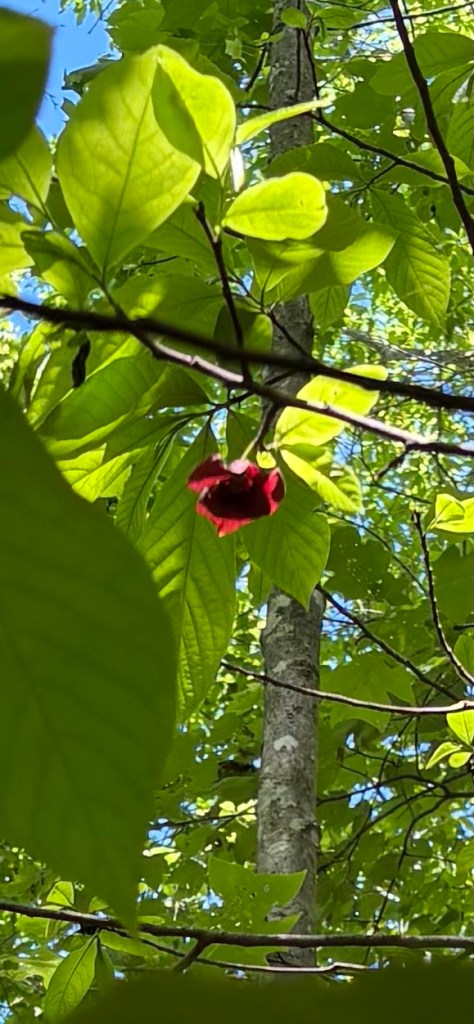
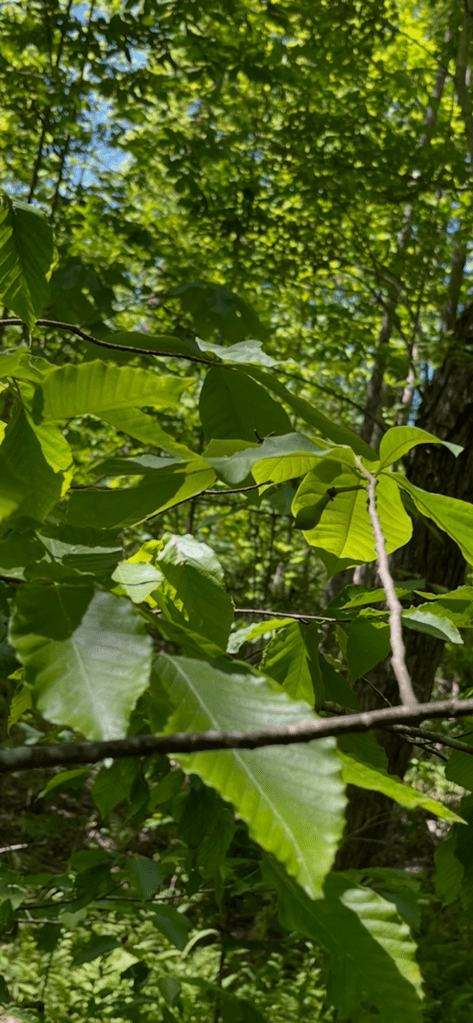
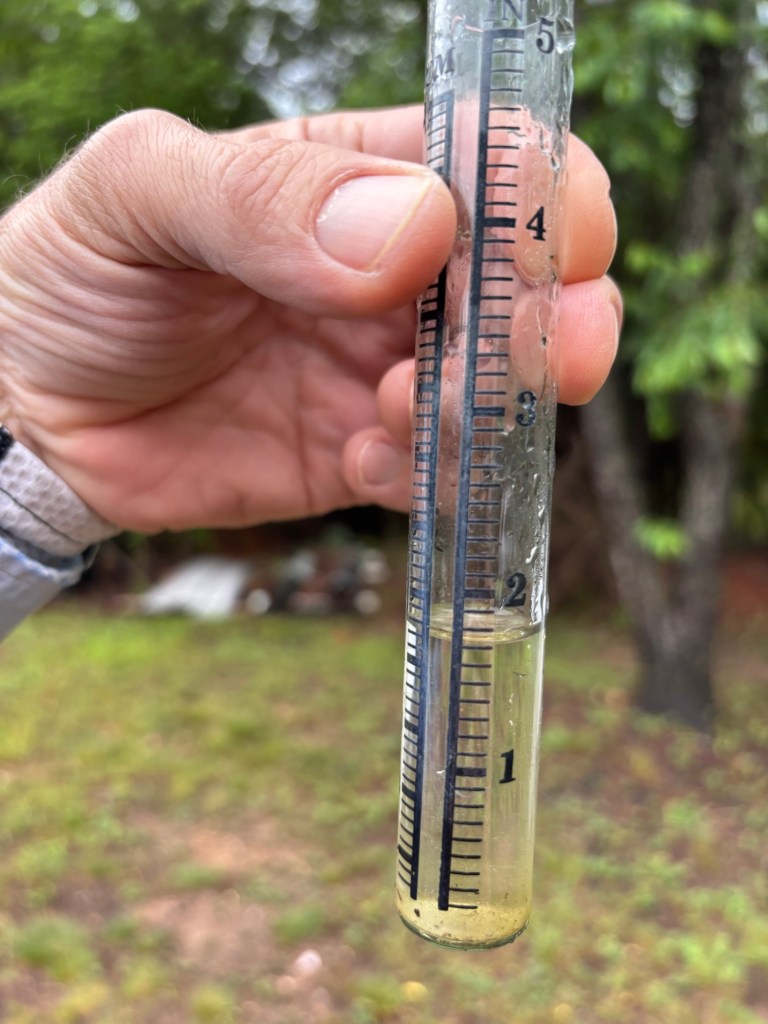
The weather has been wonderful. Mid-seventies and sunny the whole weekend. We spent afternoons at the farm Saturday and Sunday. We got plenty of chores done and enjoyed our walks around the forest. The rain gauge showed another inch and a third on Saturday—so with the last storm in May we got 4.35 inches! What a relief and gift. The mushrooms are showing up all over to our delight. It’s been such a long time! Seeing the puffballs, chanterelles and black trumpets this weekend was truly joyful. The vibrant colors and familiar shapes were a sight for sore eyes. The lushness and green of the forest has settled in after the rains as well making everything pop with lime, chartreuse, Kelly and neon greens. The old clonal colony pawpaw patch is all leafed out with the big drooping leaves and the two fruit continue to develop. 🤞
We leaned some of our metal roofing sideways against the tiny house for now which has stopped the water from getting in around the door and the back side. We are grateful for this temporary fix, as we continue to collect supplies and plan our front porch and covered back deck builds which will be a part of our permanent solution to the water problem.
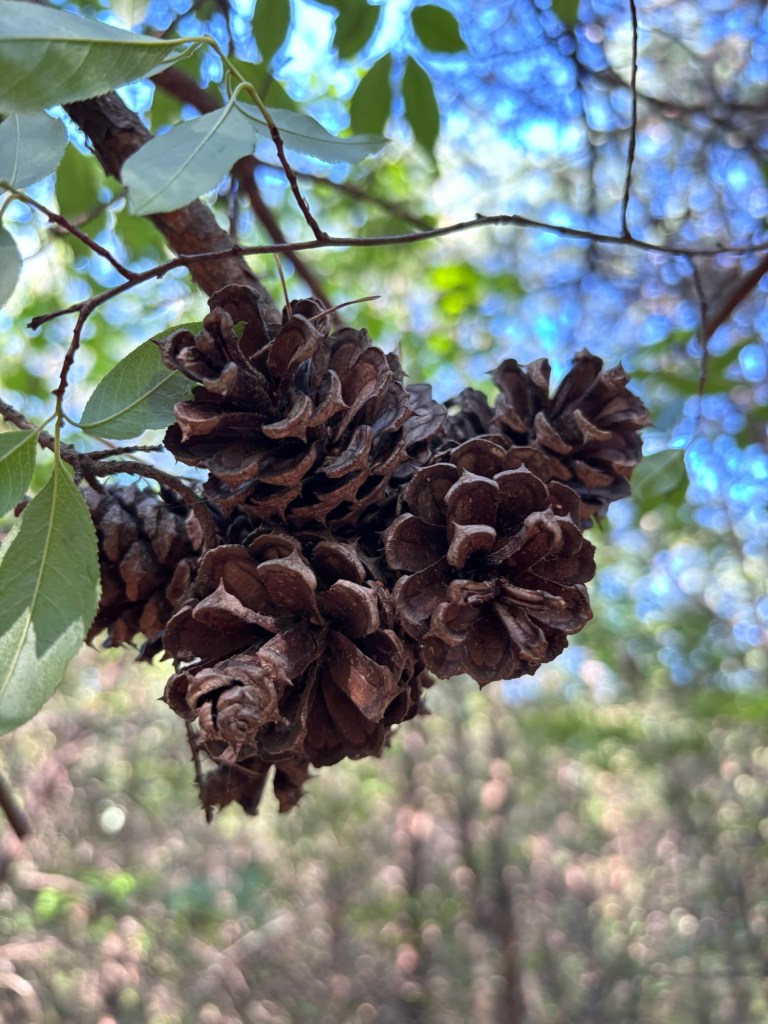
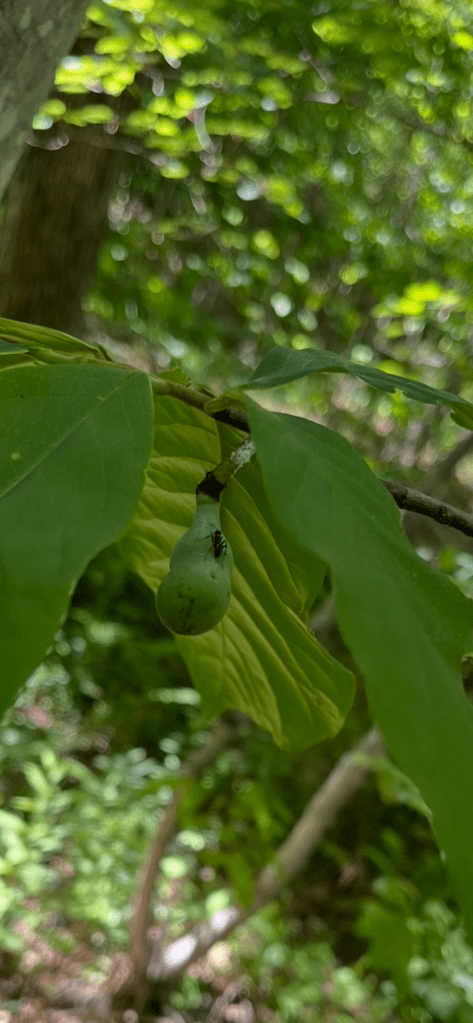
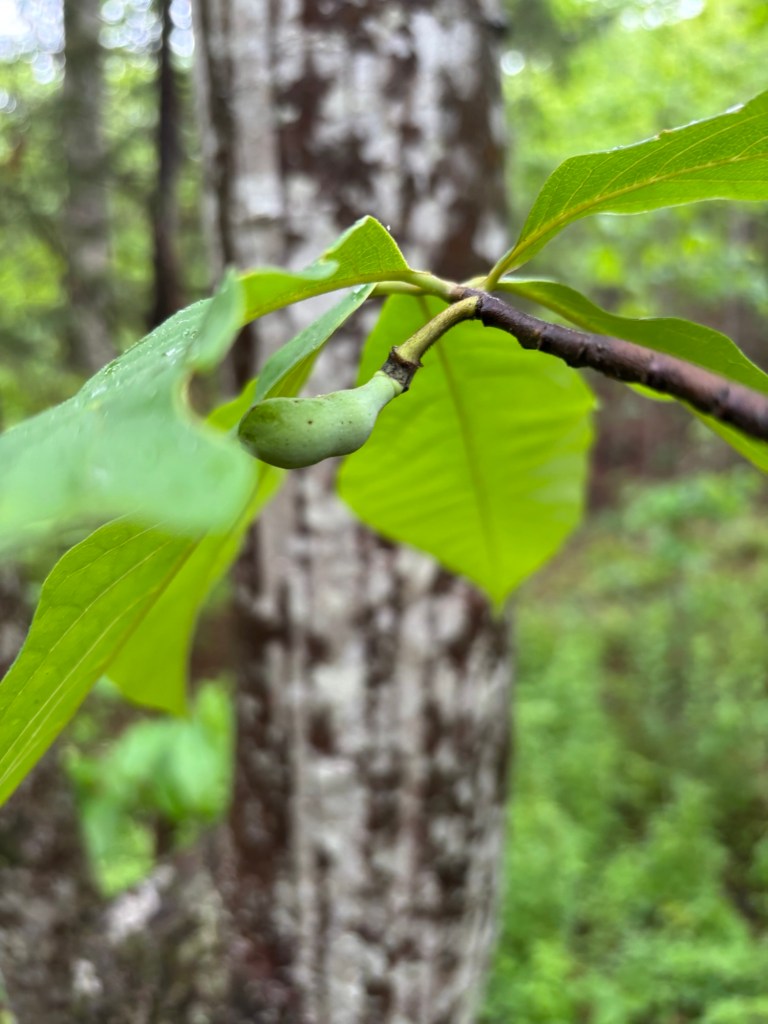
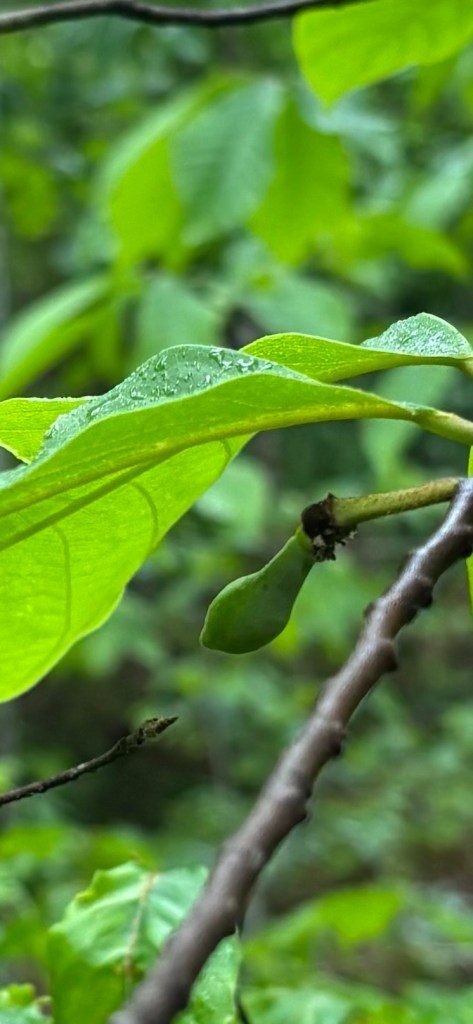
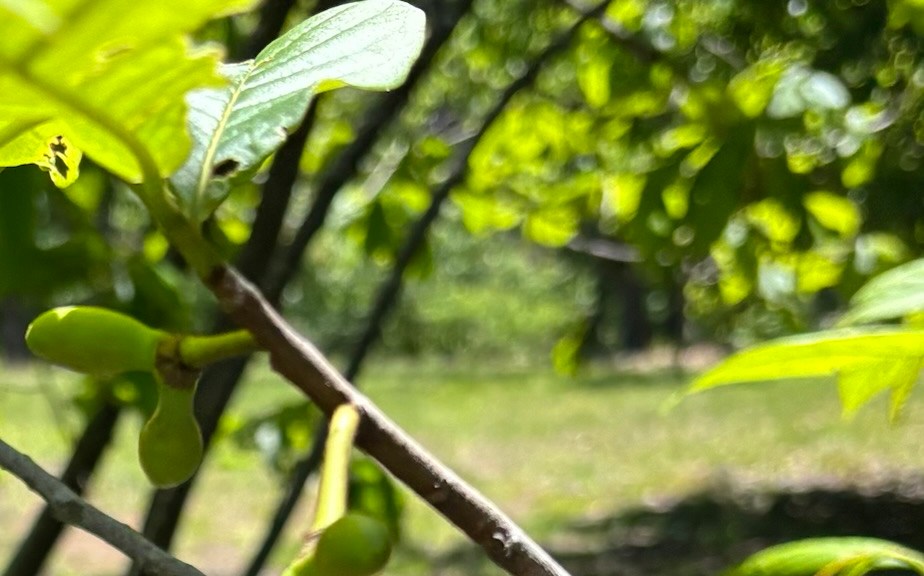
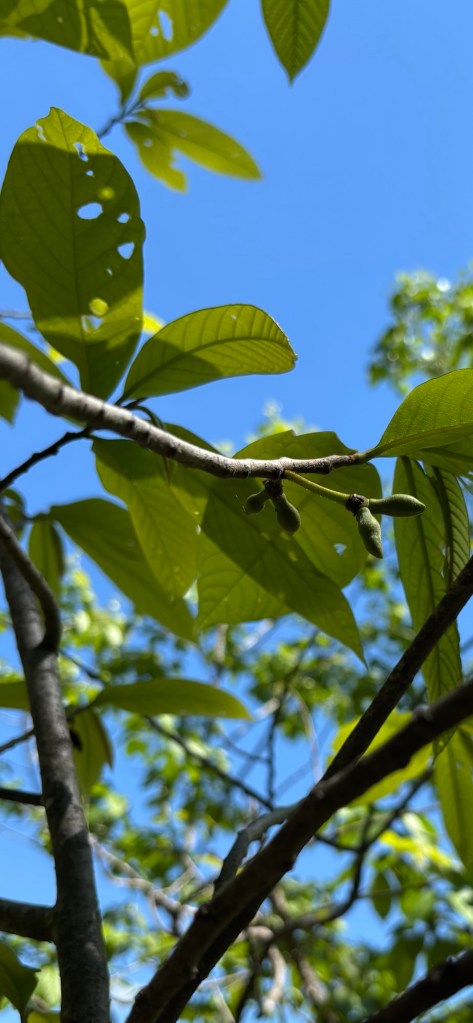
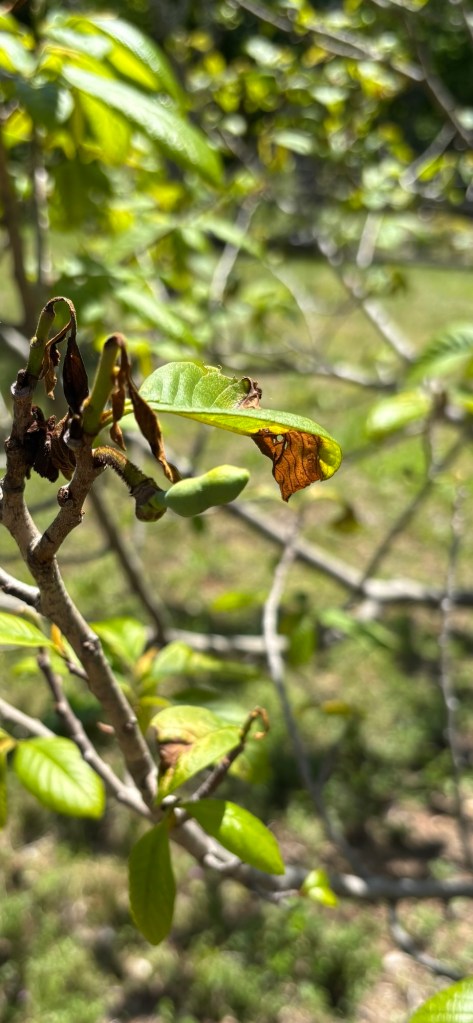
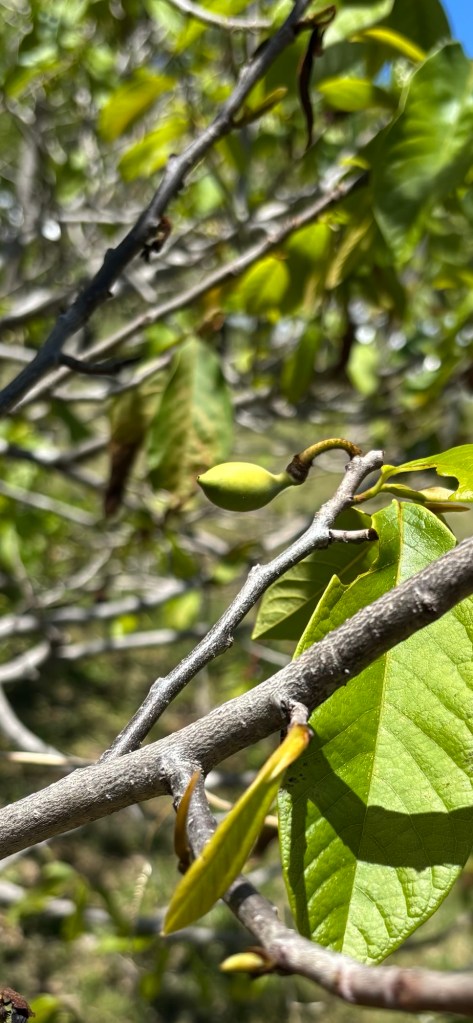
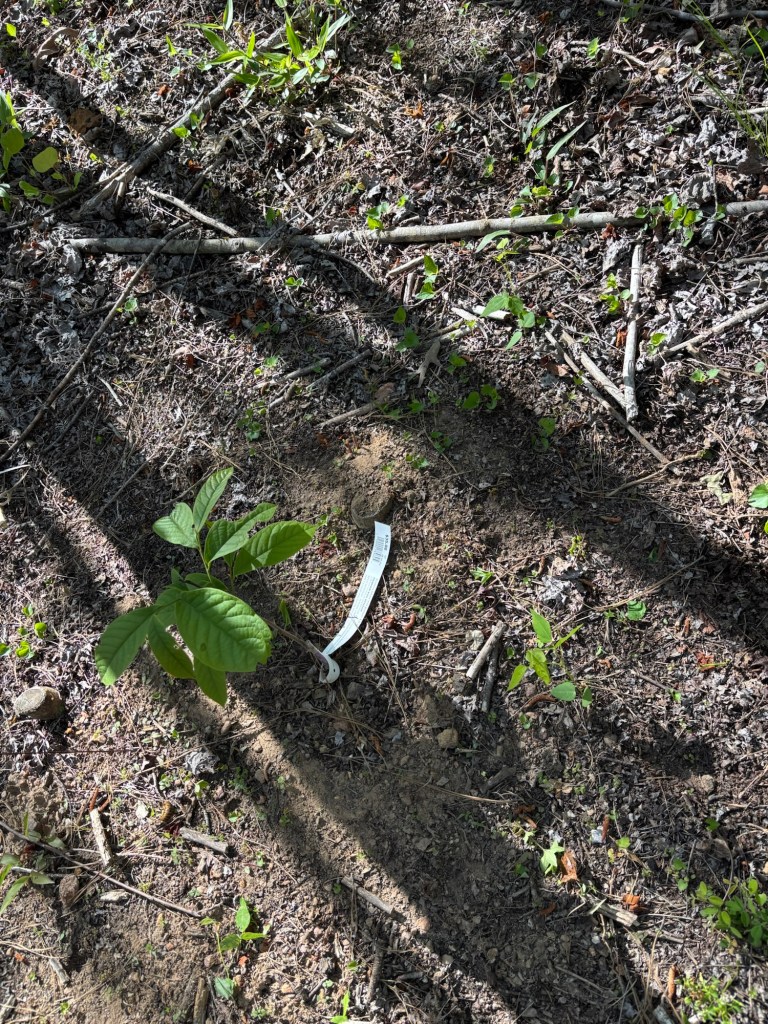
Asimina triloba flowering still at SAFF old clonal colony patch. Ipomoea pandurata, wild potato vine, a vigorous native perennial vine with large white funnel shaped flowers and a massive starchy tuber that can weigh over 20 pounds. We found it along Orchard Hill Road near the new Pawpaw patch with the seedlings and cultivars we grew and planted last fall. Tiny developing small chanterelles, Cantharellus minor, along the bottom waterway trail. Pinus virginiana, Virginia pine cones protecting the seeds. They will open to release them in warm dry weather and close when exposed to moisture. Asimina triloba leaves and developing fruit. The other pawpaw fruit with an ant and a white waxy substance on the peduncle. This is mealy bugs, Flatid plant hoppers or Woolly aphids, or their egg sac. They will cause premature dropping of the fruit or other damage. We will get this off tomorrow when we are out next.
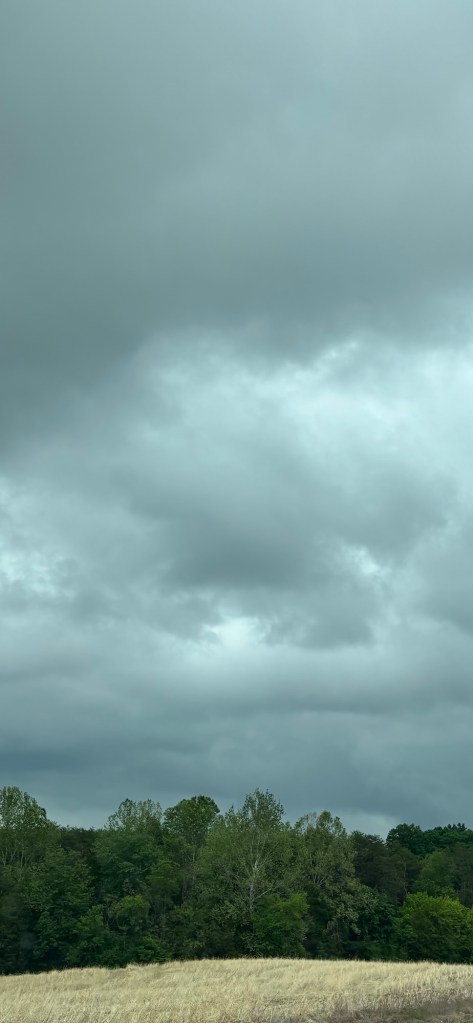
As we drove up to SAFF yesterday, we saw that it was raining from a distance.
SAFF had another tenth of an inch of rain when we arrived and .25 fell while we were there. So altogether now SAFF has had a little over 3 inches since last week. The rain was heavy at times. The plants were glowing.
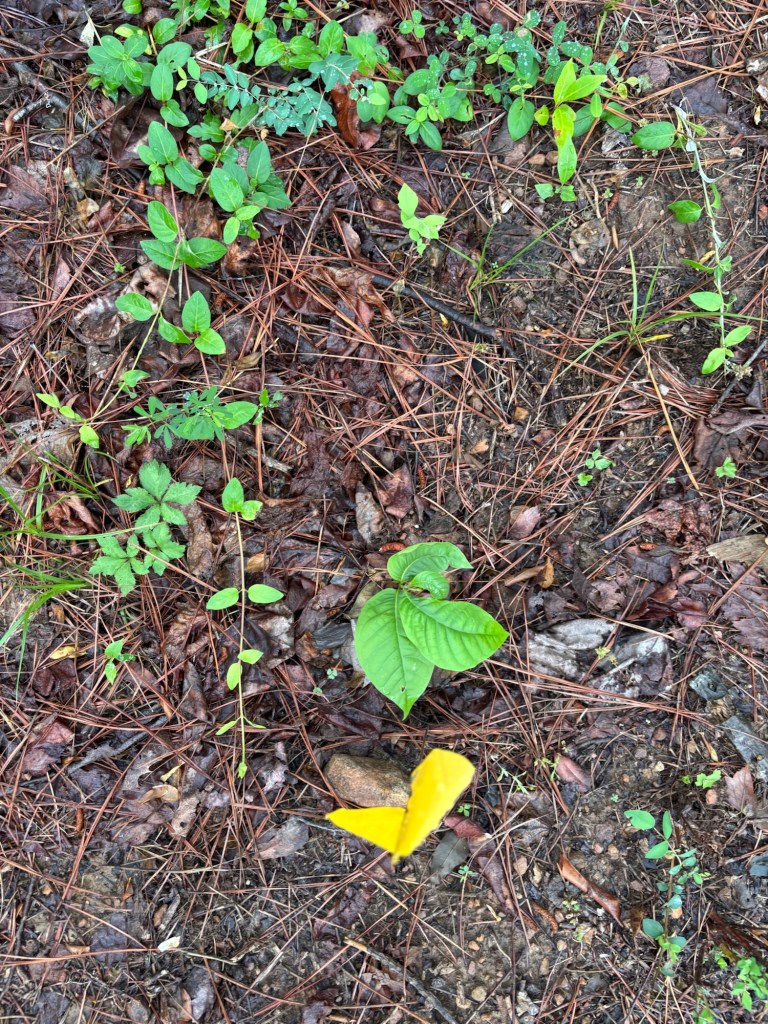
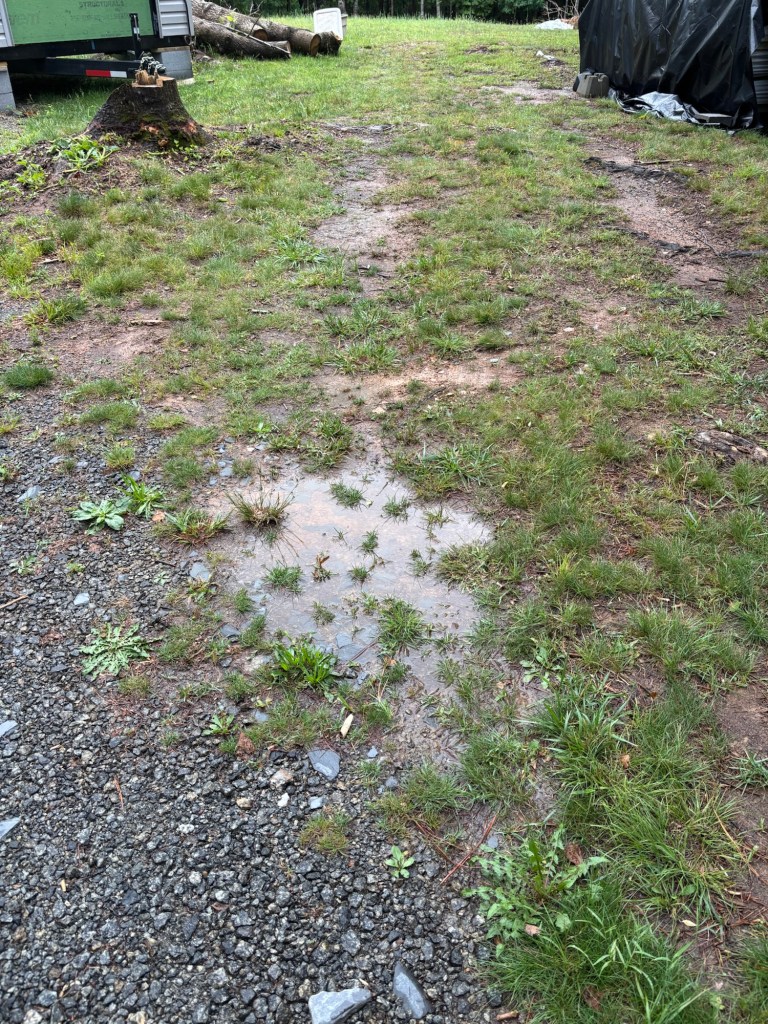
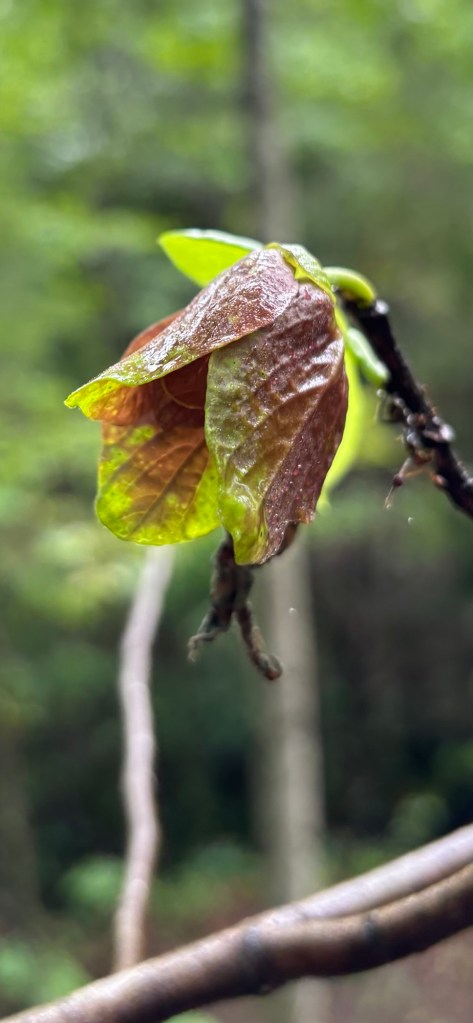
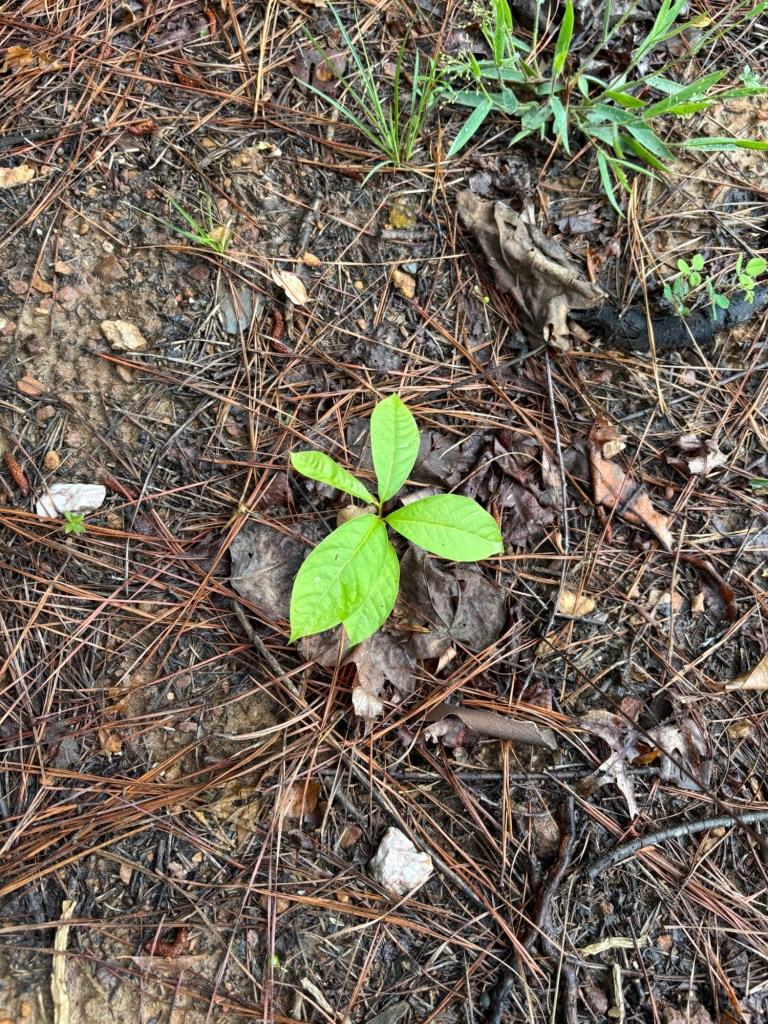
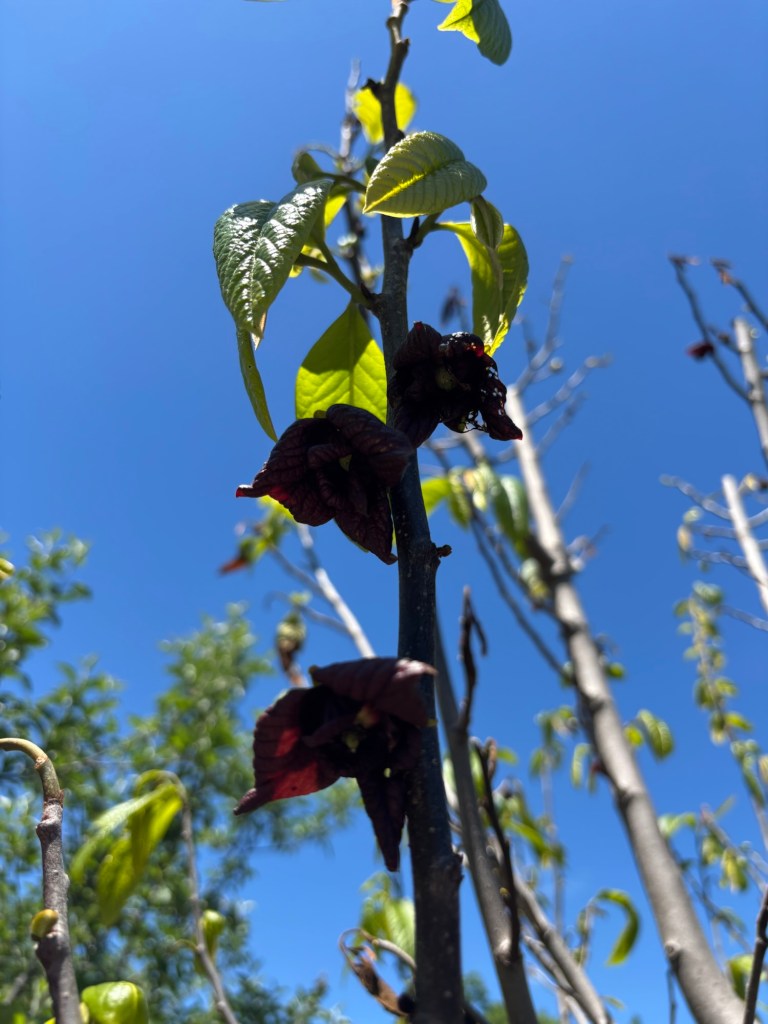
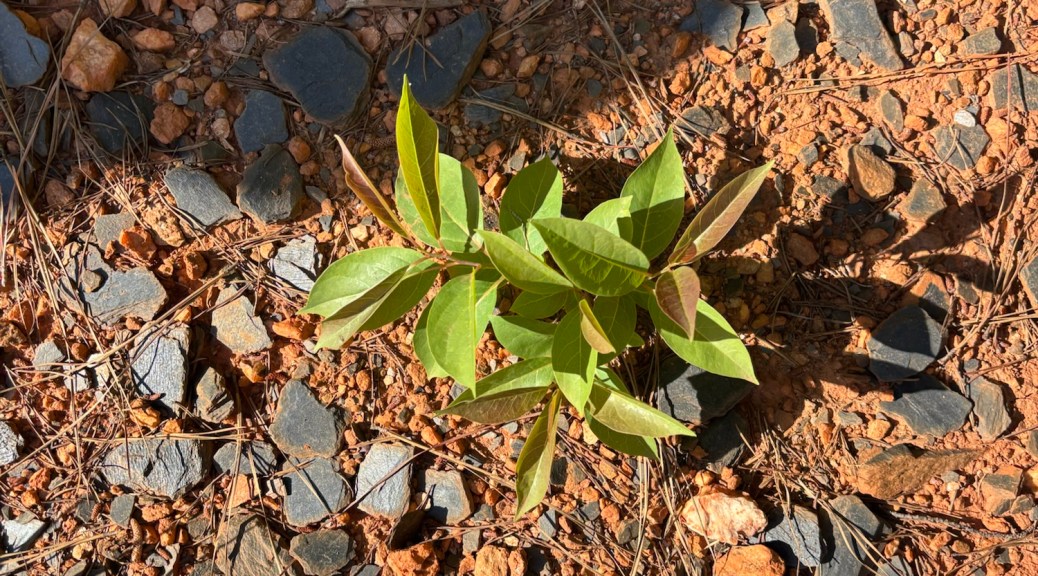
The native seedlings we planted last year are doing well surrounded by their nursemaids/nitrogen fixers. They will stay in the shade until they reach 2 1/2 feet tall. At that point, full sun will be most valuable for them in order to thrive and produce fruit. A native seedling we planted up top near the driveway and main clearing. Water puddle collecting in multiple spots up top even.This Asimina triloba is a SAFF native growing at the tip of the Pawpaw Peninsula. Along with a few others in the main colony, we have observed a secondary bloom. This occurs when the first bloom is damaged by frost. This picture shows the frost damage still apparent next to the bloom. Another native Asimina triloba seedling we planted up top near the driveway last fall.This tiny native seedling was damaged in the frost as well and is just resprouting leaves. The rain is the best thing for healing!
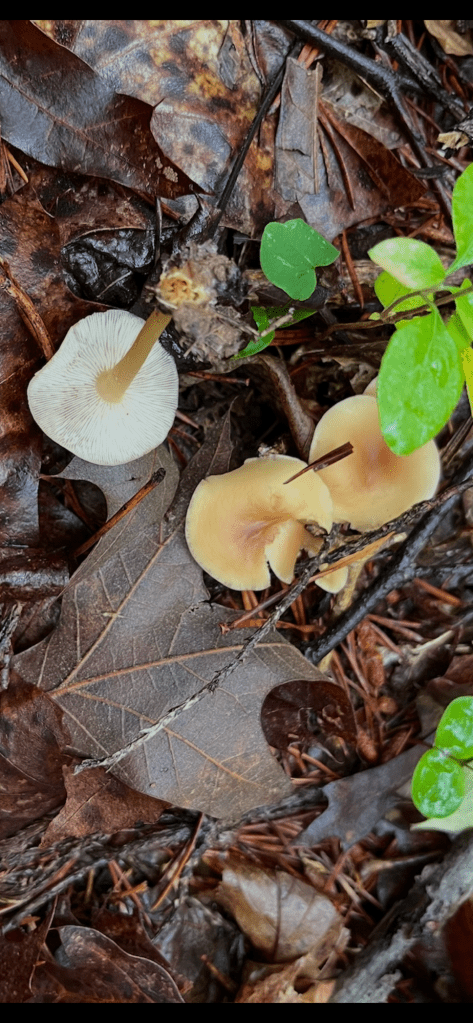
More rain is expected this week and temperatures will be in the 80’s. We can’t wait to get back out there and look for mushrooms. So far, we’ve seen a lot of the Gymnopus. Little brown mushrooms are dangerous unless you’re really knowledgeable. We are looking for boletes, chanterelles, black trumpets and milk cap mushrooms that are easily identifiable and have no poisonous lookalikes.
Thursday evening through this afternoon we got about 1.7 inches!
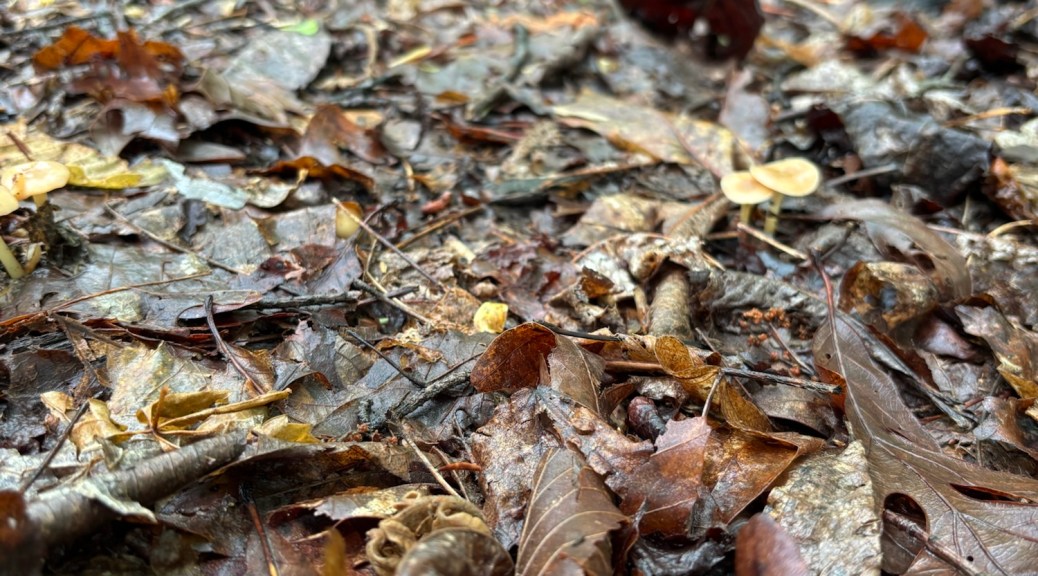
We are having a cool, wet weekend with rain that started Thursday evening and is expected to continue until next week. We couldn’t wait to get into the forest to look for mushrooms and we weren’t disappointed.
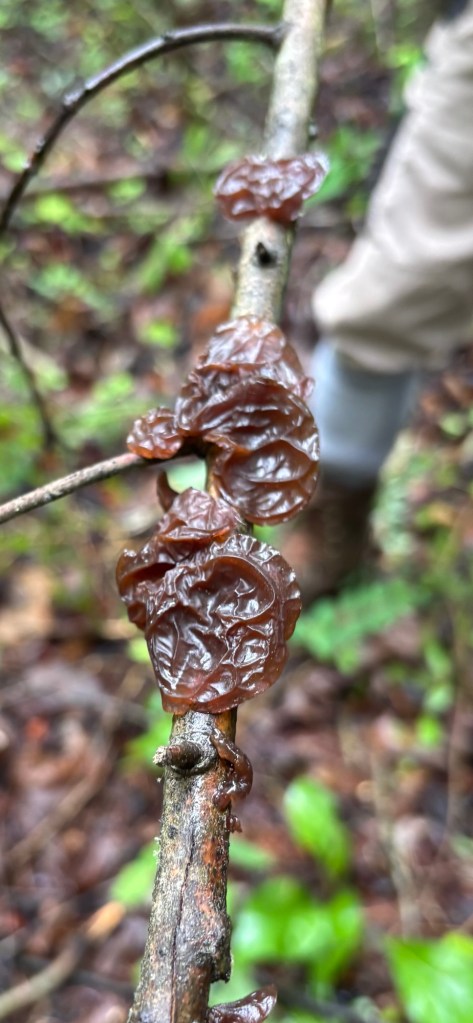
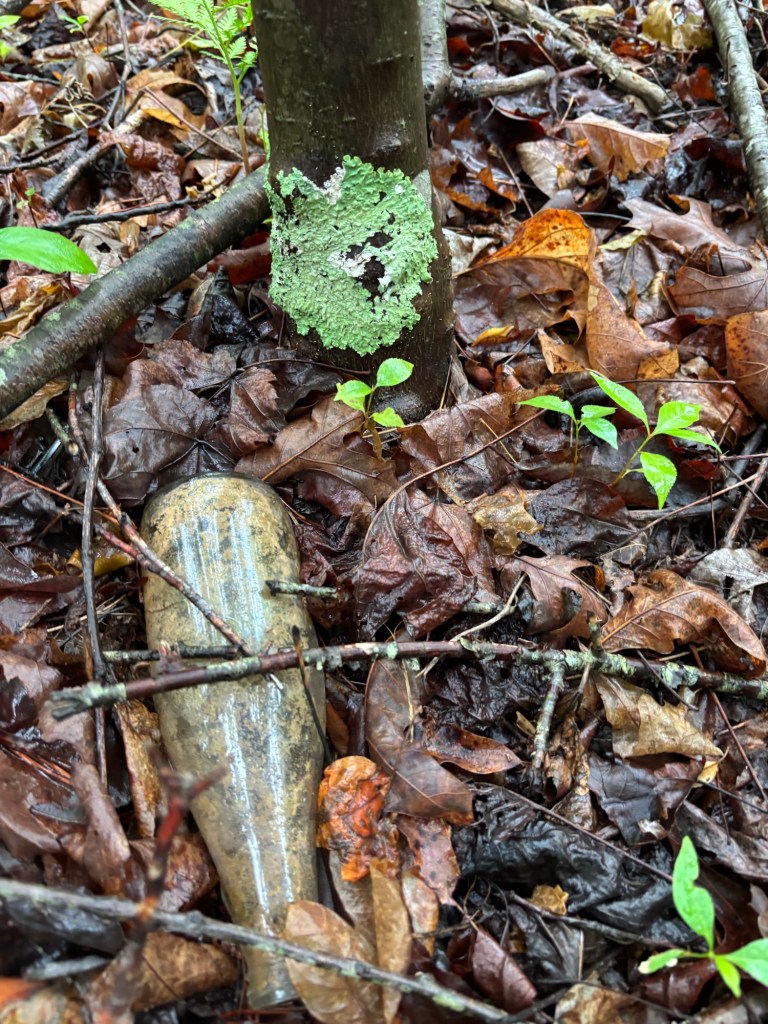
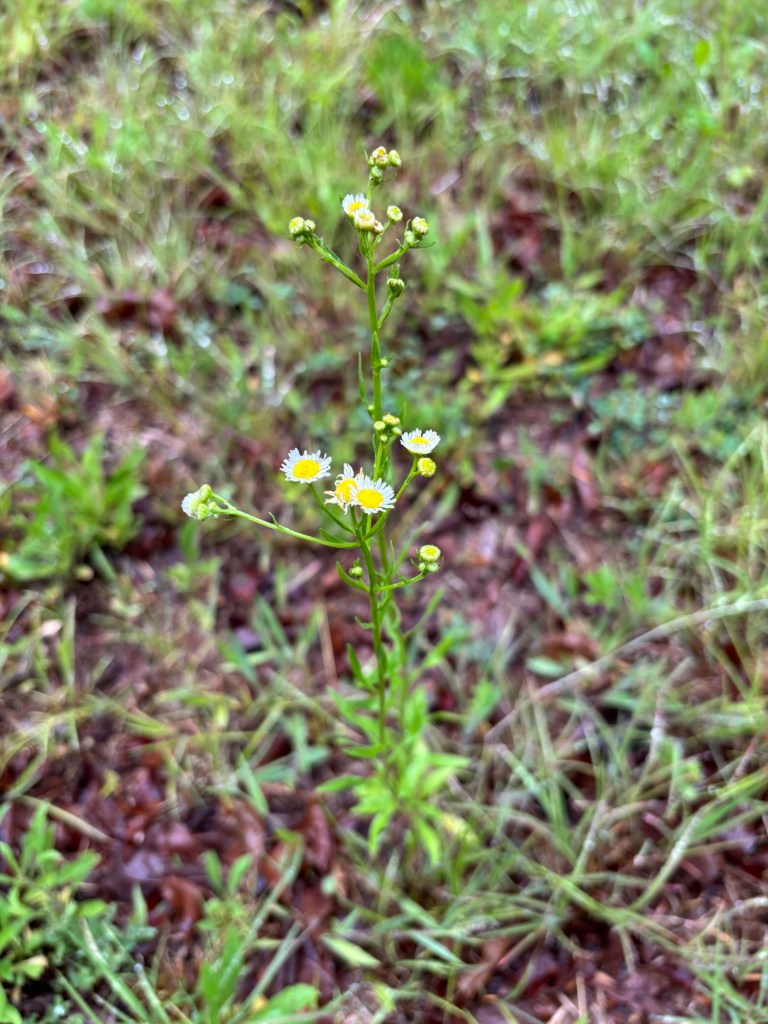
Genus Gymnopus, likely Gymnopus dryophilus (oak loving Gymnopus) found in the north side of SAFF. Exidia, a species of jelly fungi known for its brain or ear lobe shaped fruiting body. They grow on dead and decaying wood during cooler damp months. Flavoparmelia caperata, common green shield lichen, a symbiotic partnership between a fungus and algae or Cyanobacteria. Its presence on the tree trunk is widely considered beneficial to the surrounding ecosystem and is a sign of environmental health. Erigeron philadelphicus, Philadelphia fleabane, found on the south set back line.
We are so grateful for this rain and can’t remember getting so much at one time. The forest was lush and filled with layers of greens. We stopped in the old colony pawpaw patch and found two fruit continuing to grow.
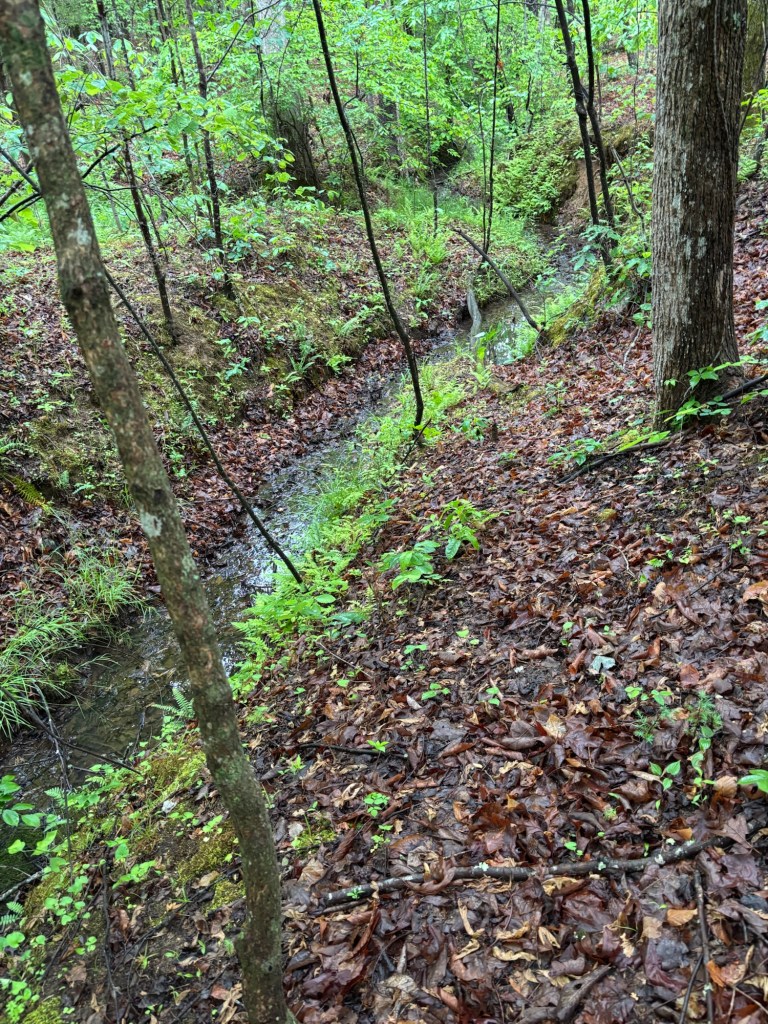
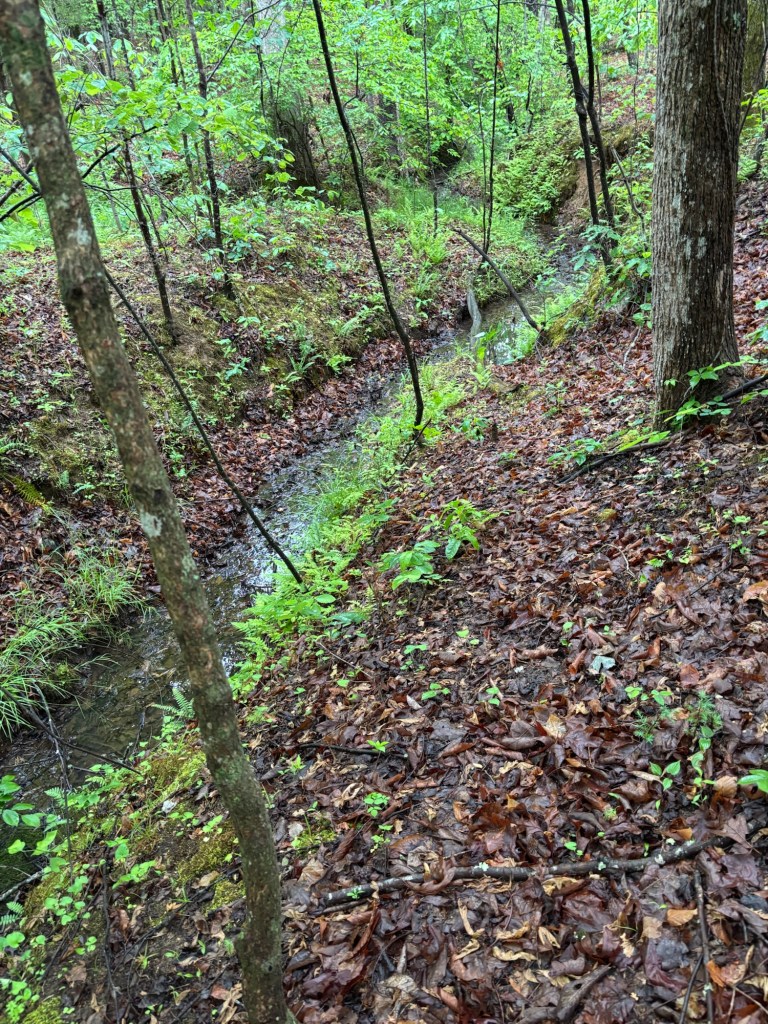
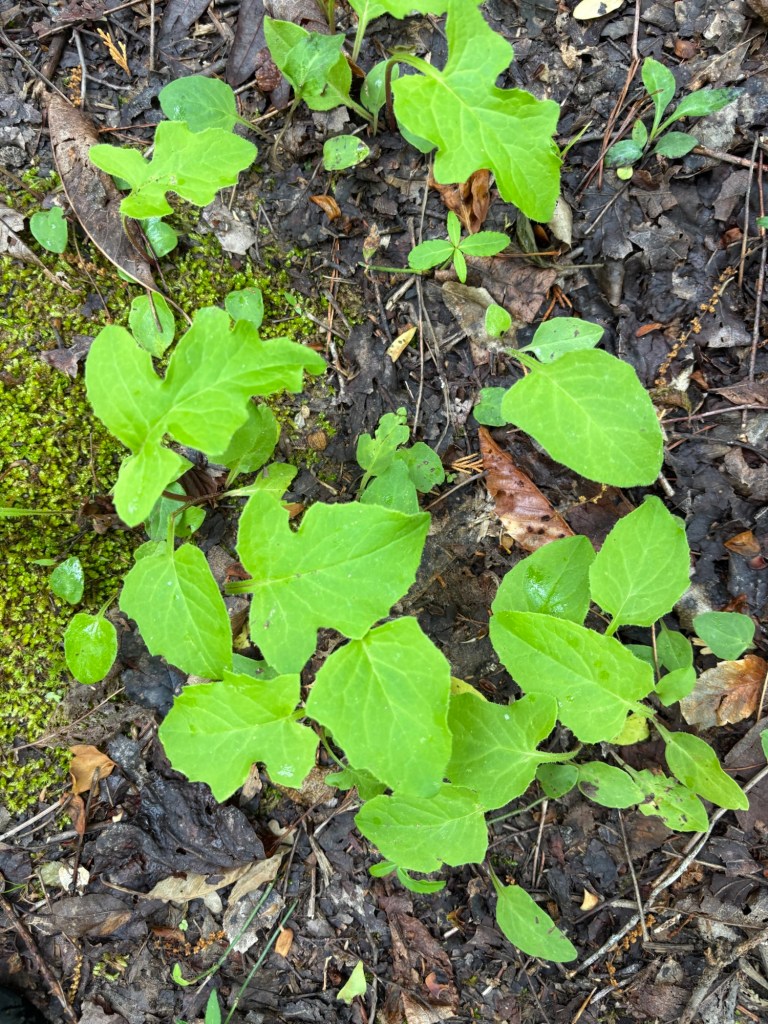
ASMR rainy walk through the Asimina triloba old colony of clones. Asimina triloba fruit developing at SAFF old clonal colony. We are thrilled. Pawpaw fruit hiding behind leaves.Angelica venenosa, hairy angelica, native perennial herb in the parsley family. It’s a host plant for the black swallowtail butterfly. It has toxic roots.The top of old farm road on a rainy Saturday. Young pawpaw trees by the main waterway.
Antennaria parlinii, Parlin’s Pussytoes, found along the old farm road near the culvert. It’s a native, mat forming perennial ground cover. Along with Antennaria plantaginifolia, plaintain-leaved pussytoes, which we found earlier this spring throughout SAFF, they are drought tolerant, deer resistant and low maintenance. They are also larval hosts for the American lady butterfly. The spreading root system stabilizes soil and controls erosion.Dichanthelium clandestinum, deertongue, a native perennial grass good for erosion control and a food source for birds like turkeys and sparrows.
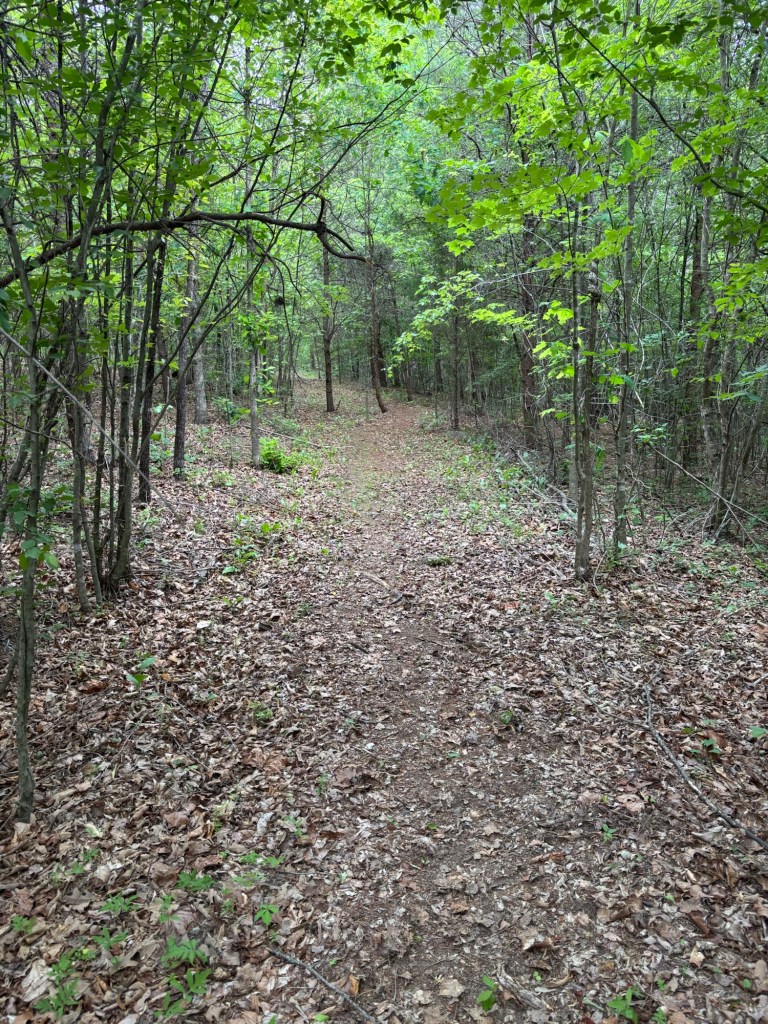
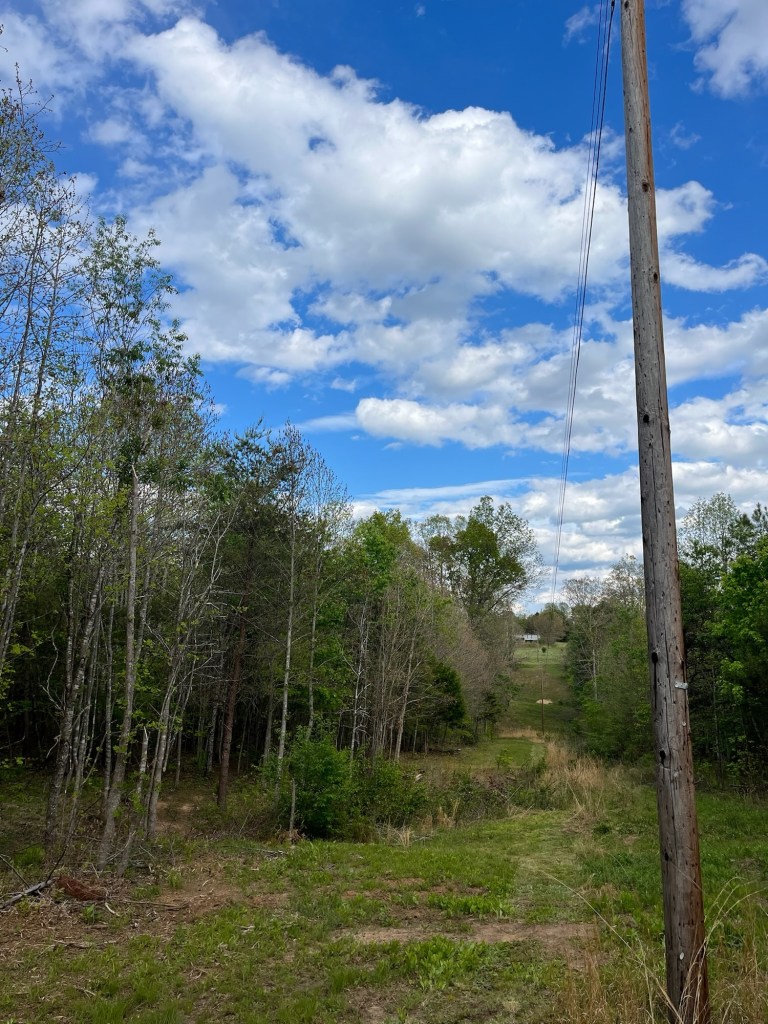
Yesterday afternoon at SAFF it was cooler and windy before the storms hit. 72 was the high with thick cloud cover. The rain gauge was empty. Not even a drop. We took the chainsaw with us as we walked our new access road to the old farm road and cleared stumps and smoothed out any pits. We’ve named it Persimmon Road in honor of all the Diospyros virginiana trees we’ve found in the area. We continued all the way down the old farm road past the culvert and opened up the back half to the tractor. Then we came back down and turned Orchard Hill Trail into a road for the tractor and trailer to access as well. We are officially all the way in the new pawpaw patch of seedlings planted last year! We are very pleased to be able to get to them with supplies and mow paths and keep the area free from overcrowding the Asimina triloba. We are also now very well poised to continue planting this year’s seedlings right along up the hill with much less effort than last year.
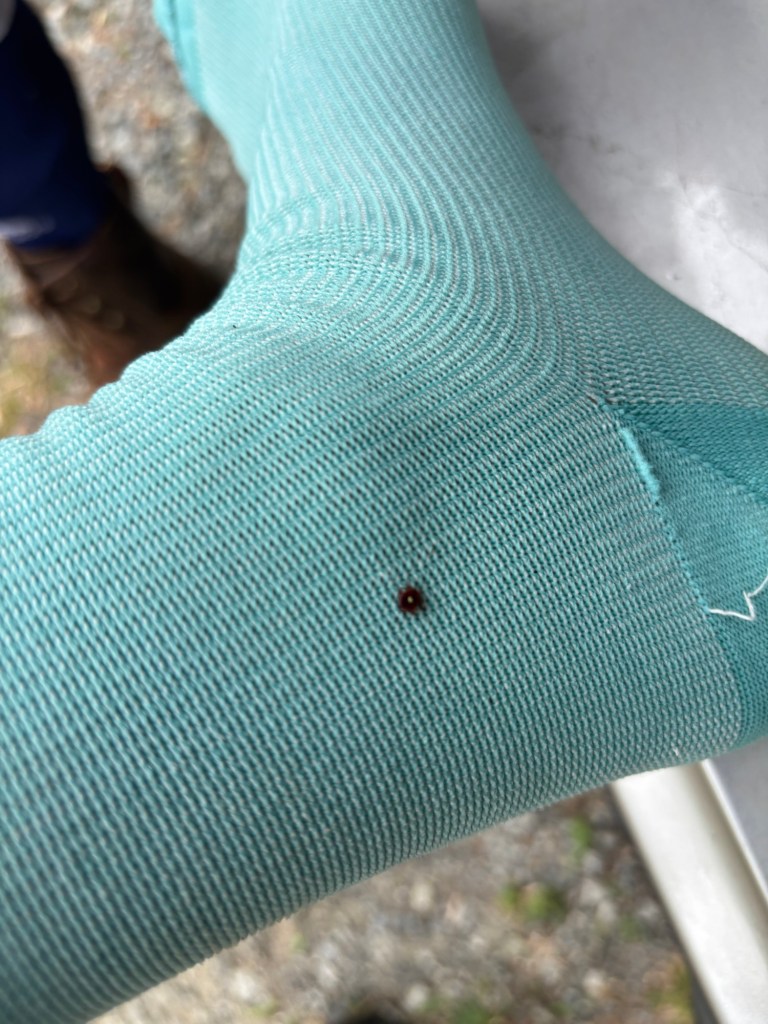
Everything was very dry and crunchy and yet we still had multiple lone star, Amblyomma americanum, tick encounters. Two nymphs and an adult female found on our socks not looking well after being exposed to the Sawyer’s permethrin we soaked them in. We got more blurry pictures of the lone star ticks. Most other types of ticks will stay burrowed into moist underground areas while it’s this dry. The lone star ticks are aggressively seeking hosts all over the east coast and midwestern United States.
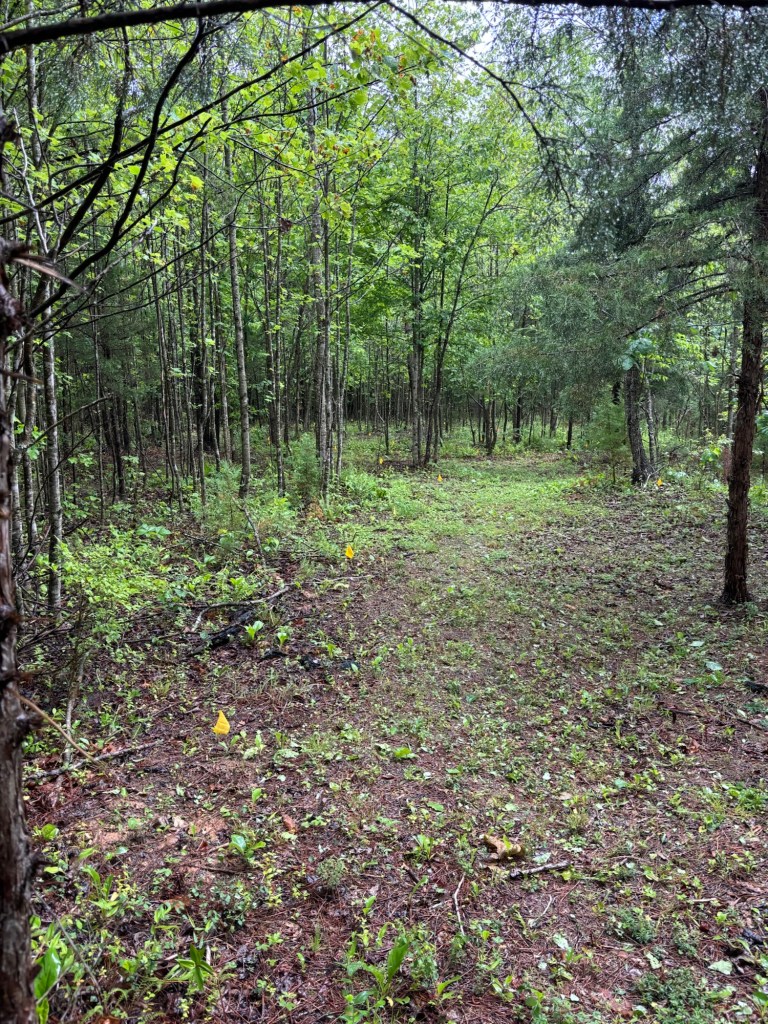
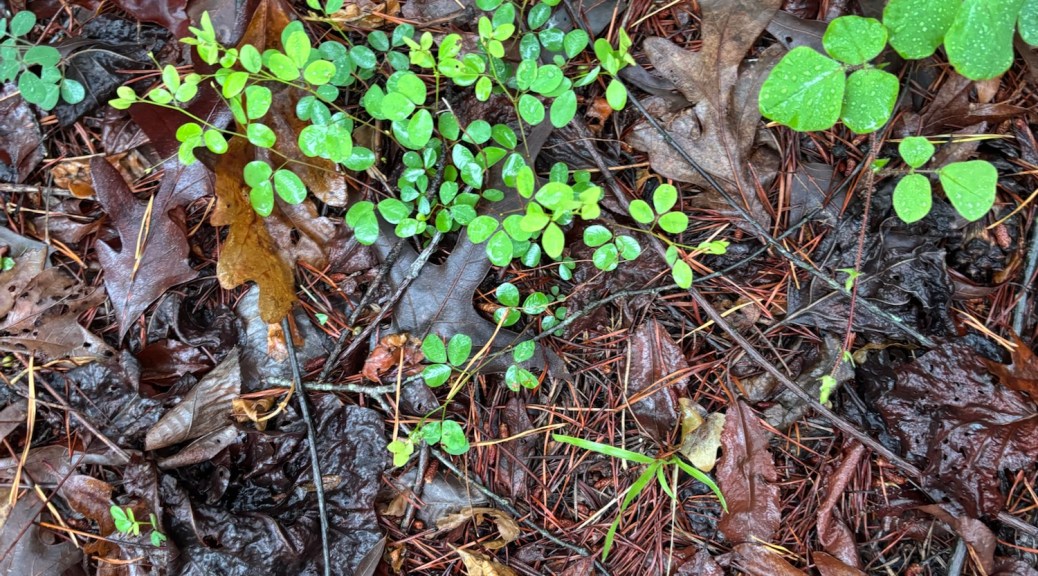
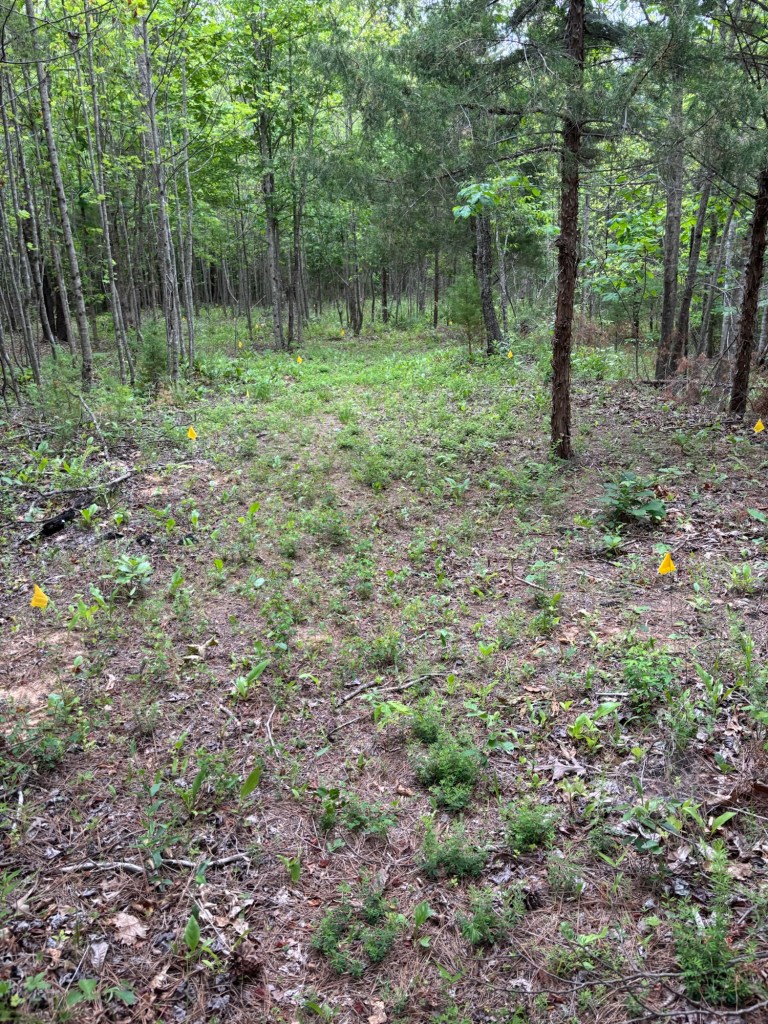
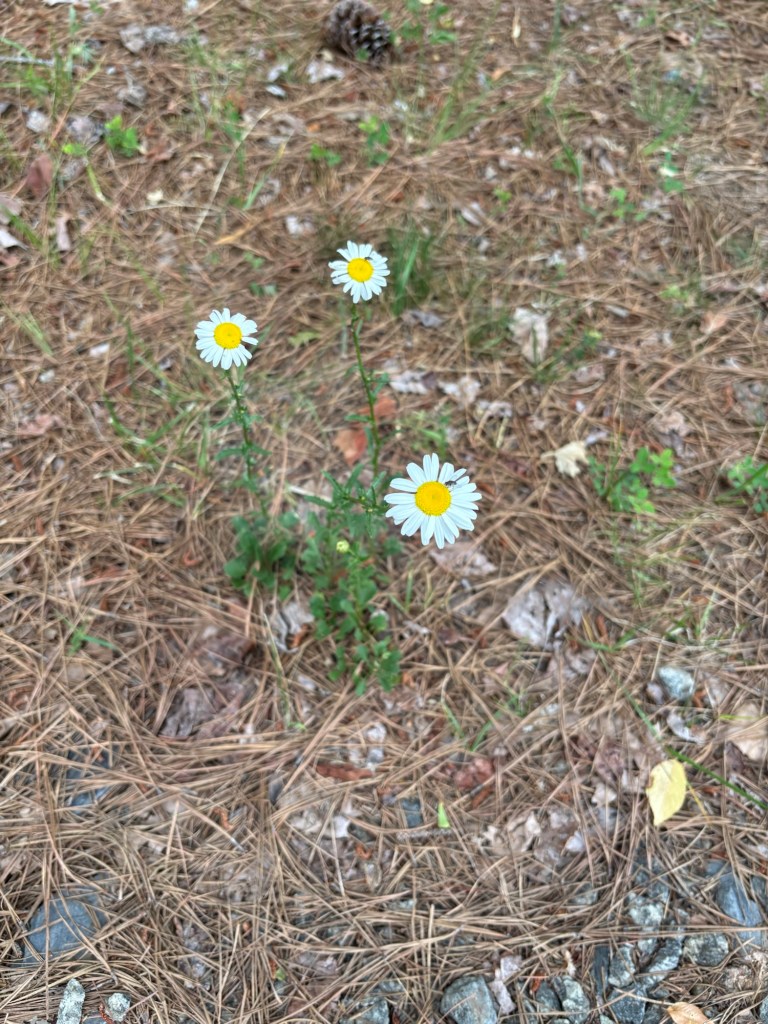
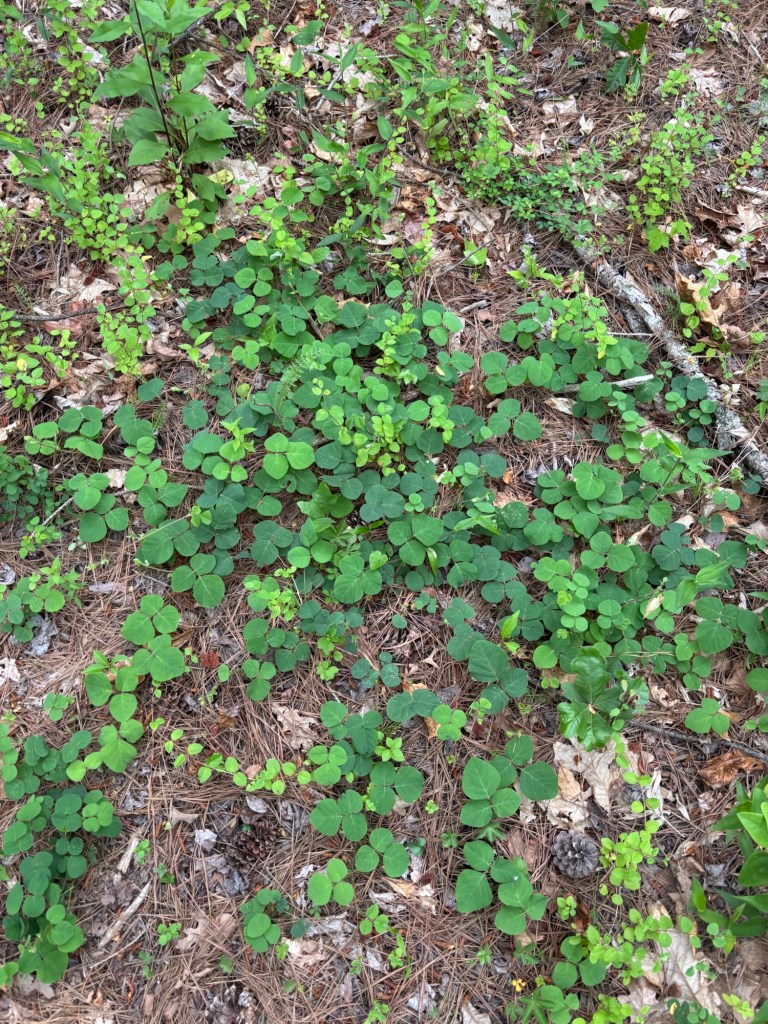
Old farm road looking northeast.Yellow flags show where the Rockfish River native Asimina triloba seedlings are planted. Most of the plants growing in the middle are nitrogen fixers and will be chopped and dropped by the tractor to feed the trees and keep our paths clear. Besides pulling it out, we have plans to use cardboard and heavy mulch to help abate any invasive privet, Japanese stilt grass or honeysuckle.Orchard Hill Road just off the new Pawpaw patch of seedlings and cultivars planted the last two years.Leucanthemum vulgare, oxeye daisy. An invasive from Europe that outcompetes in Virginia. It is classified as an aggressive weed. Desmodium rotundifolium, Round leaved trailing Tick trefoil, found below the loblolly pine at the Asimina triloba seedling orchard and all over SAFF. A trailing, mat forming native perennial legume valued as a nitrogen fixer and a food source for deer wild turkey and quail. It also serves as a larval host plant for butterflies such as Variegated Fritillary and the Southern Cloudywing. It is pleasing to look at with the light and dark shades of green and round leaves.Andersonglossum virginianum, wild comfrey, or blue hounds tongue, is a native perennial wildflower in the borage family. It’s a tough deer resistant woodland ground cover that stabilizes soil as well as prevents erosion. This is different than the European medicinal comfrey though it shares certain properties and also some toxic alkaloids.
We watched the FarmCam last night and today. It’s been raining and storming and drizzling since about 5:30pm last night. Weather says .7” of rainfall in last 24 hours and .45” expected in next 24 hours. 🎉🙌🙏🏼
An adult female lone star tick dying of permethrin poisoning.
Broody Thursday skies in Buckingham, Virginia as we drove to the county offices.
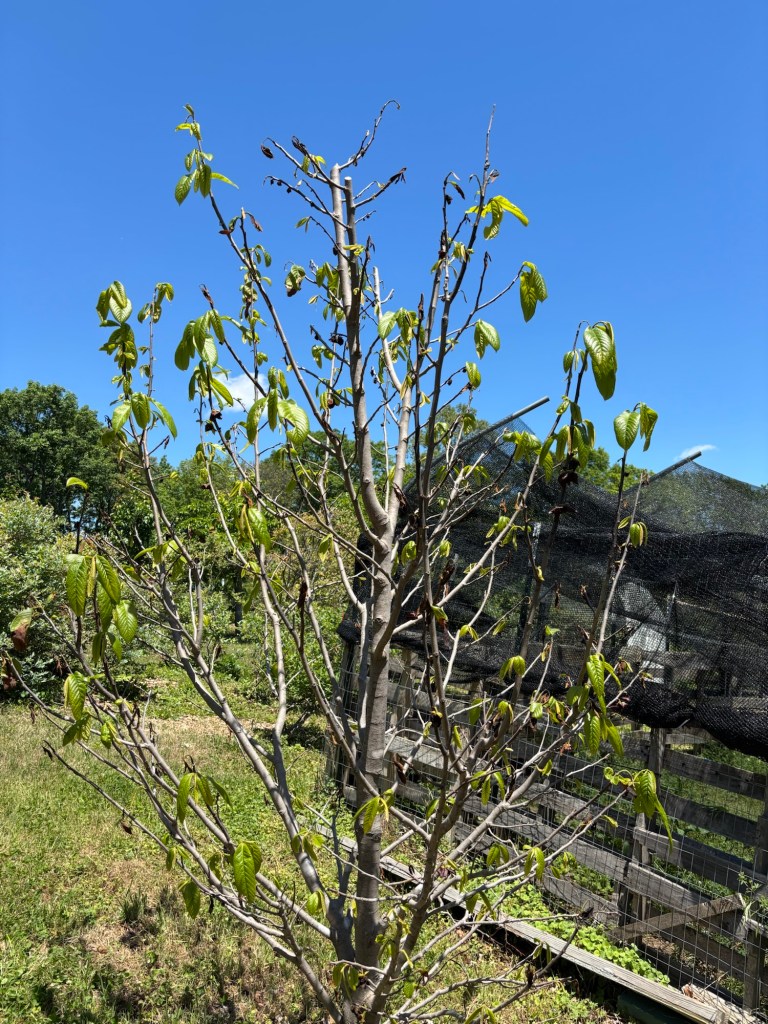
We drove over to meet the delivery driver for our roof insulation yesterday. After we got that stored, we ran to the county offices to drop off paperwork for permits. We came back and decided to go for a walk. We were glad to see all of the Asimina triloba that had been damaged in the freeze have begun to leaf back out, even the Tallahatchie. Although it had sprouted some below the graft leaf shoots that we plucked off. The late cold really stressed it. We were glad to see it made it. We are still waiting to begin grafting the pawpaws and persimmon trees when it’s up into to the 50s at night and there’s no rain for 3 days before or after. It’s been chilly here in Virginia this week overnight into the low 40s still. It’s been lovely.
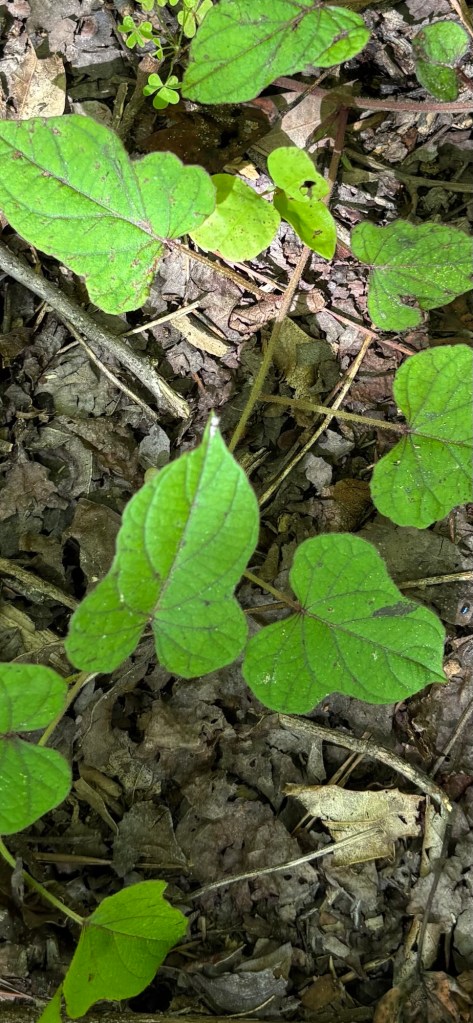
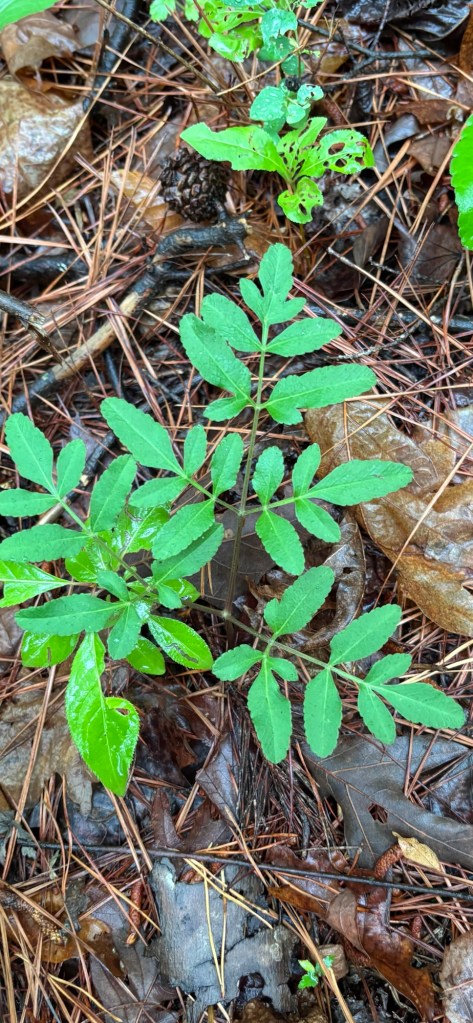
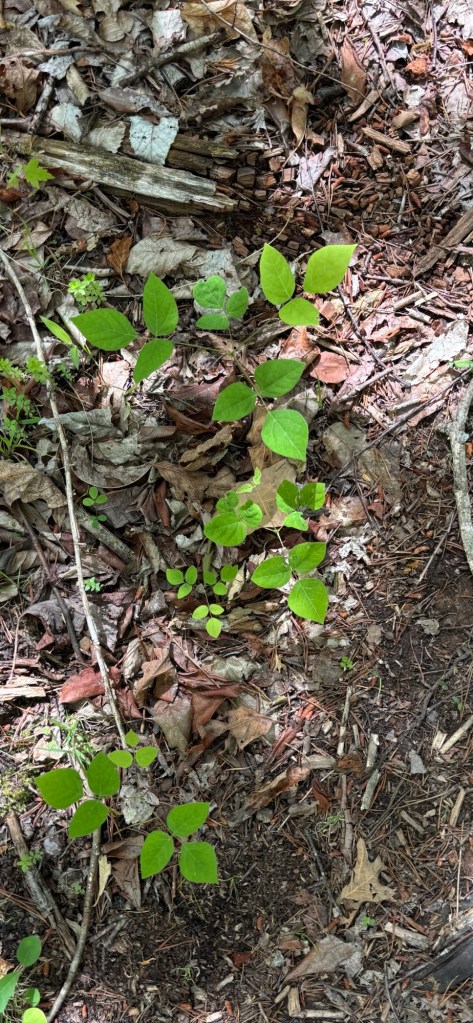
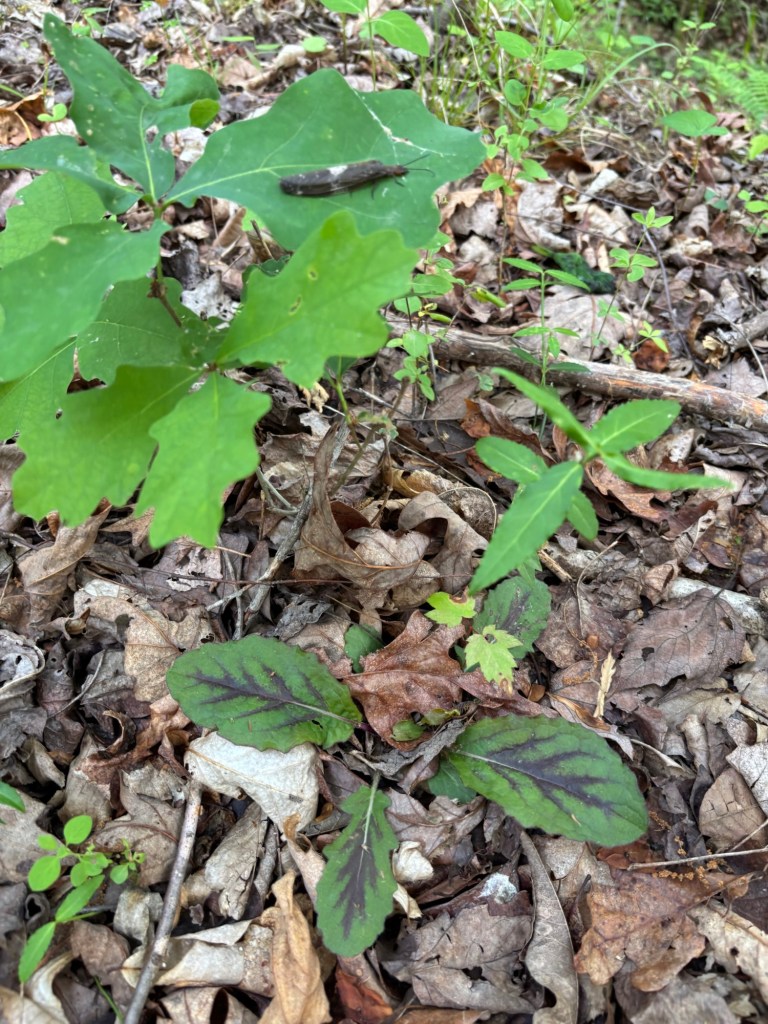
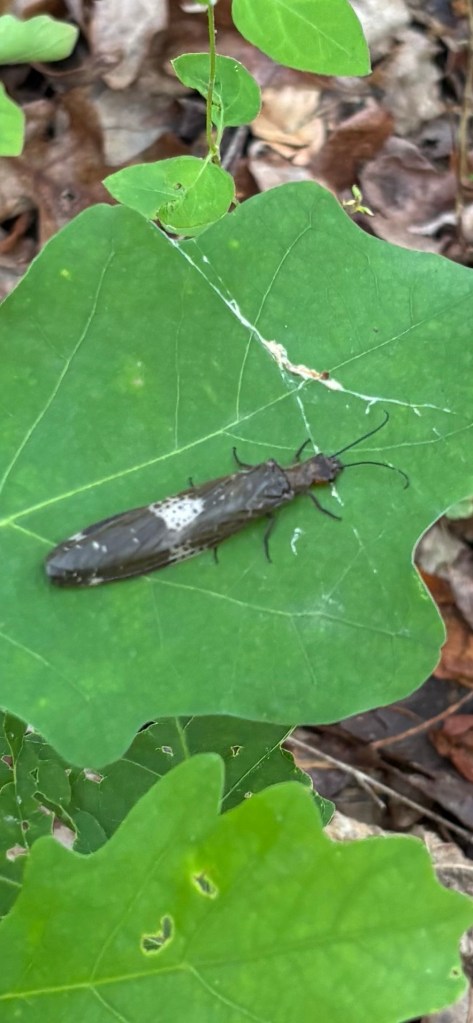
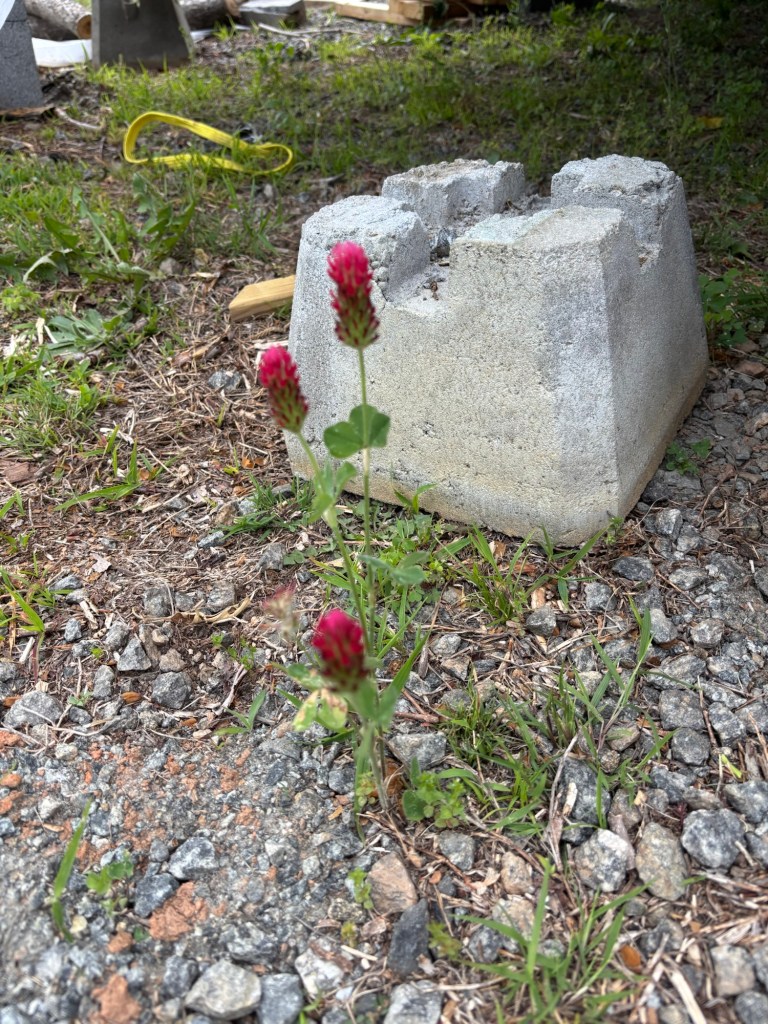
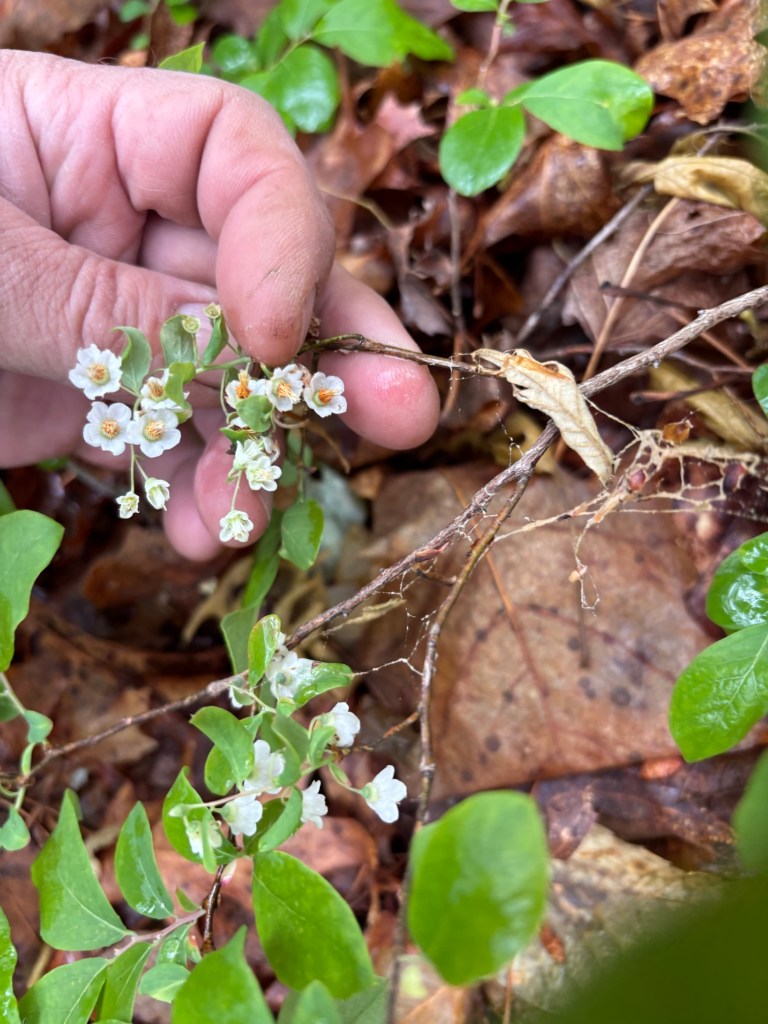
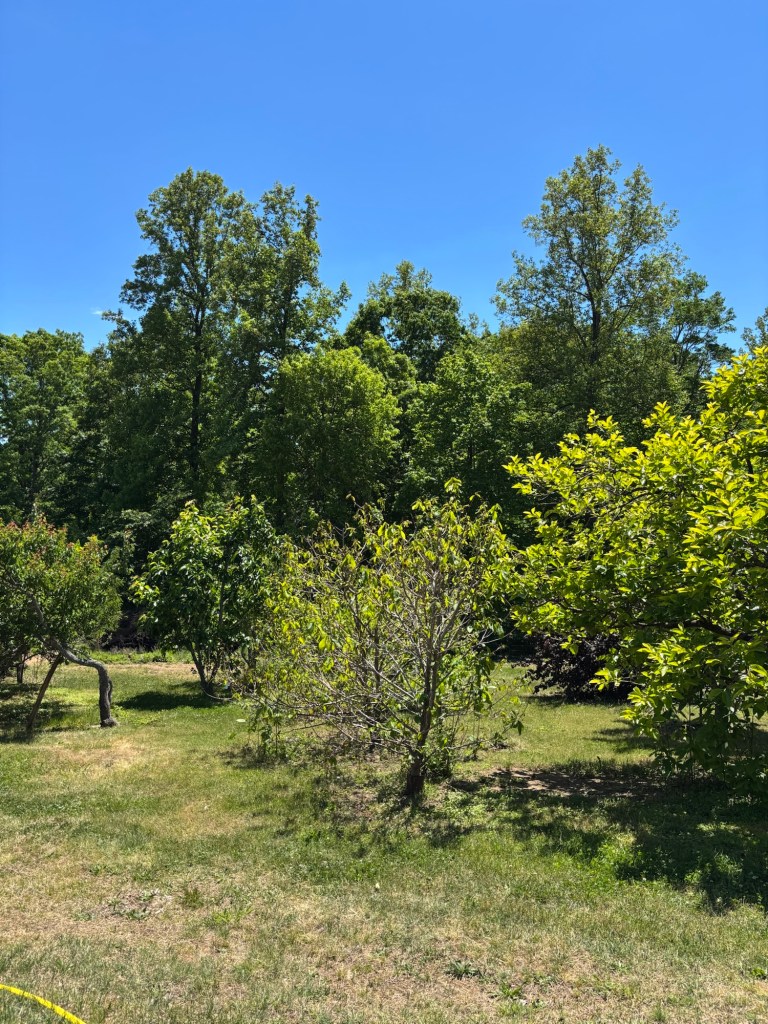
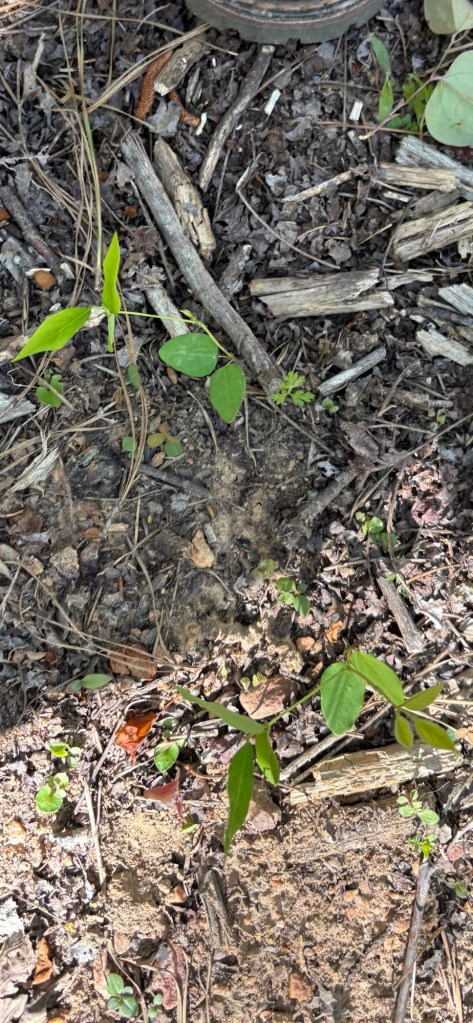
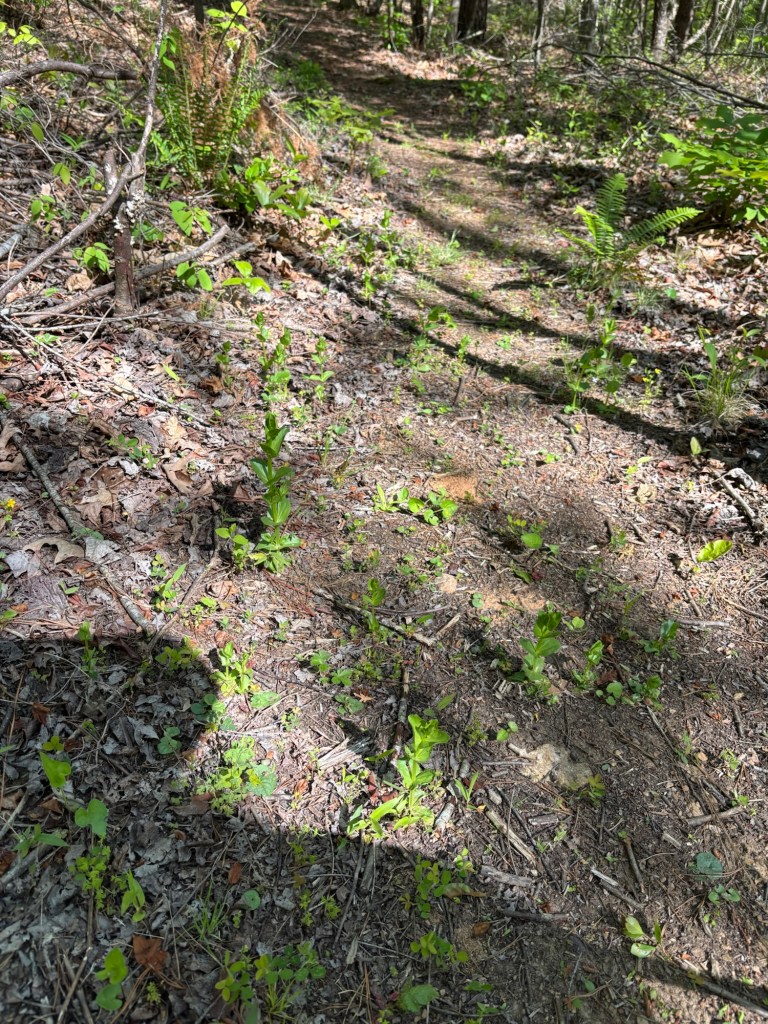
We are seeing a lot of Amphicarpaea bracteata, American hog peanut, all over SAFF. It feeds many creatures, including people, as well as fixes nitrogen in the soil. We feel lucky to have it growing to feed our plants and trees. The leaf with the purple center and green edges is Salvia lyrata, lyreleaf sage. It is edible and in the mint family. Native Americans made tea with the leaves. It is an adaptable native herbaceous perennial. It withstands foot traffic well. The flowers support multiple bees, butterflies and hummingbirds. We will try to get a photo of it flowering. Nigronia fasciata, Banded dark fish fly, found along the main waterway at the bottom. This is an interesting find as an adult since it has a brief lifespan of only one or two weeks. They mate and lay eggs at the edge of the water right where we found it. They don’t even have a mouth in this part of their lifecycle since they don’t live long enough to eat. The larval stage can last three years. Their presence at the waterway is a sign of very clean water and a balanced, healthy aquatic ecosystem. They are predators in the larval stage and more intimidating. The best of five blurry pics of this lone star tick, Amblyomma americanum, on Fern Trail hanging off the edge of the plant on the trail waiting to grab on to the next creature that comes along. These ticks are aggressive and out looking for food when other types of ticks are hiding under leaf litter. We recently realized they can cause Alpha gal syndrome from a brief exposure whereas most ticks need hours attached to their hosts to transmit diseases. Be careful out there! Yuck! The three sisters on Ridge Trail overlooking the old colony Pawpaw Patch.Across the main waterway to the old colony pawpaw patch. All of the understory trees are Asimina triloba.Asimina triloba sprouting from the roots of elder trees even. Crimson clover, Trifolium incarnatum, a cool season fast growing annual legume we planted as a cover crop in the clearing to suppress weeds and fix nitrogen in the soil.The new access road connecting our driveway to the Old Farm Road.
Rocky clearing up top near the shed. Cladrastis kentukea, Kentucky yellow wood, growing near the access road to the old farm road which as of yesterday is now open for use.
Yesterday was 74 degrees and sunny out at SAFF. We finally finished our road connecting the driveway to the old farm road. This gives us tractor and trailer access to the new pawpaw seedling orchard and the cultivars. We are very relieved. The trees we planted are all looking great—except our Tallahatchie Asimina triloba Peterson cultivar that got zapped by the cold. It hasn’t leafed back out but it still has time to recover. More water will be the best way for it to heal and leaf back out. Now we can get water, compost and mulch down the hill with ease. This will be beyond great to have when we begin planting this year.
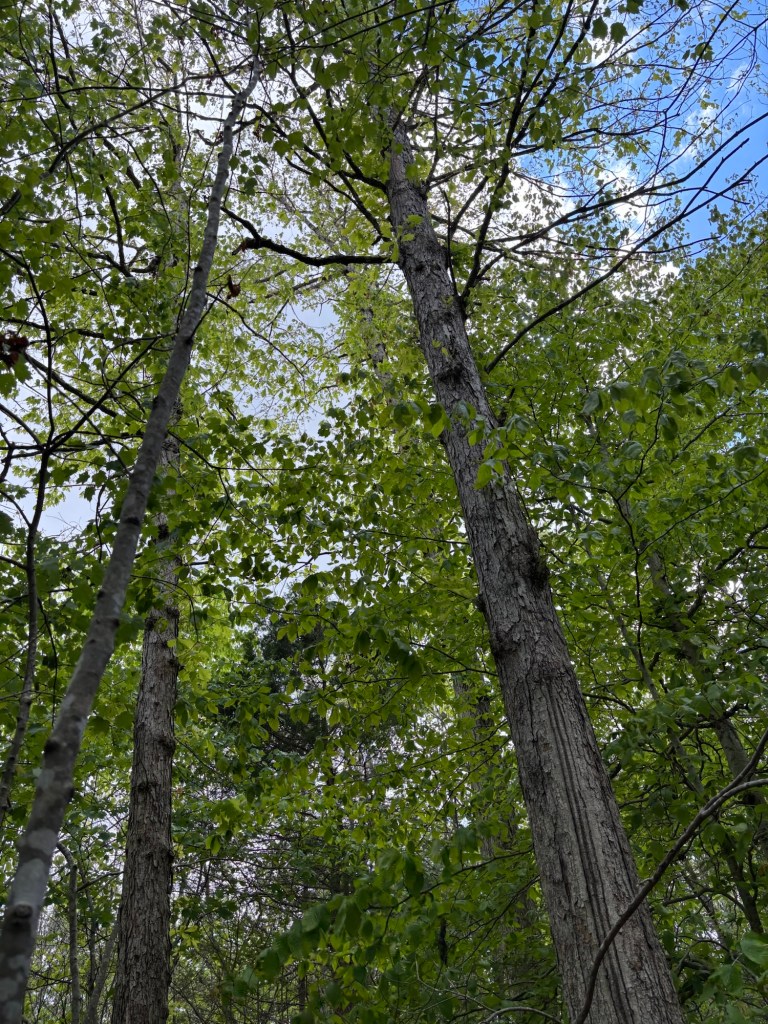
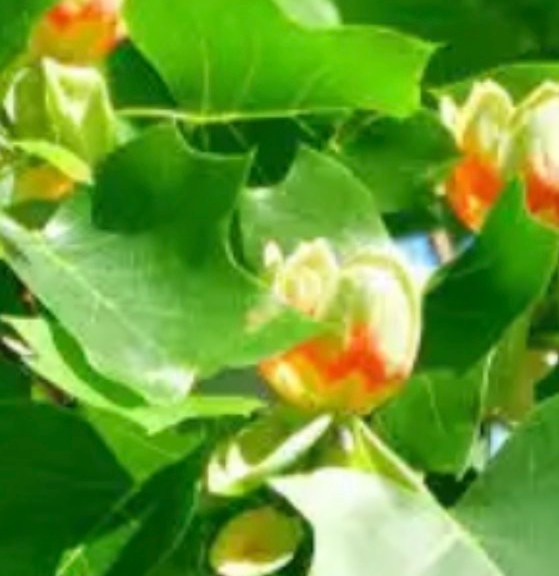
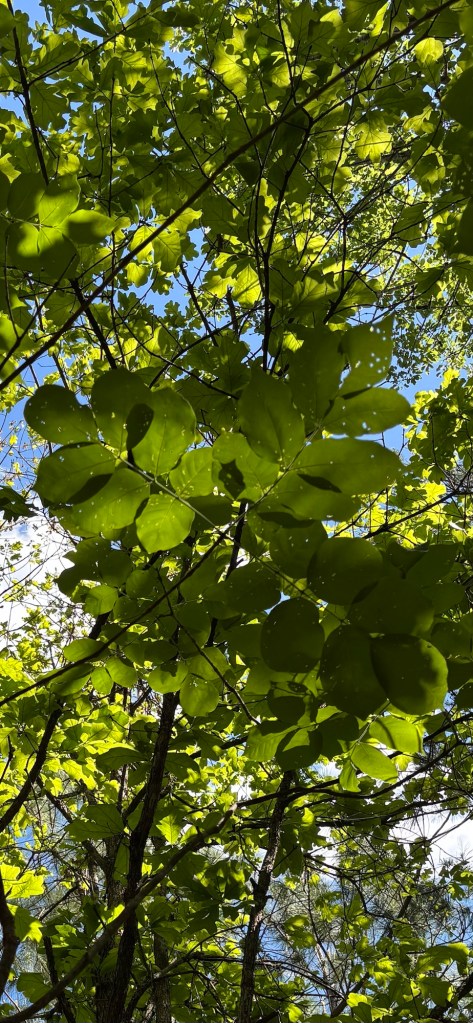
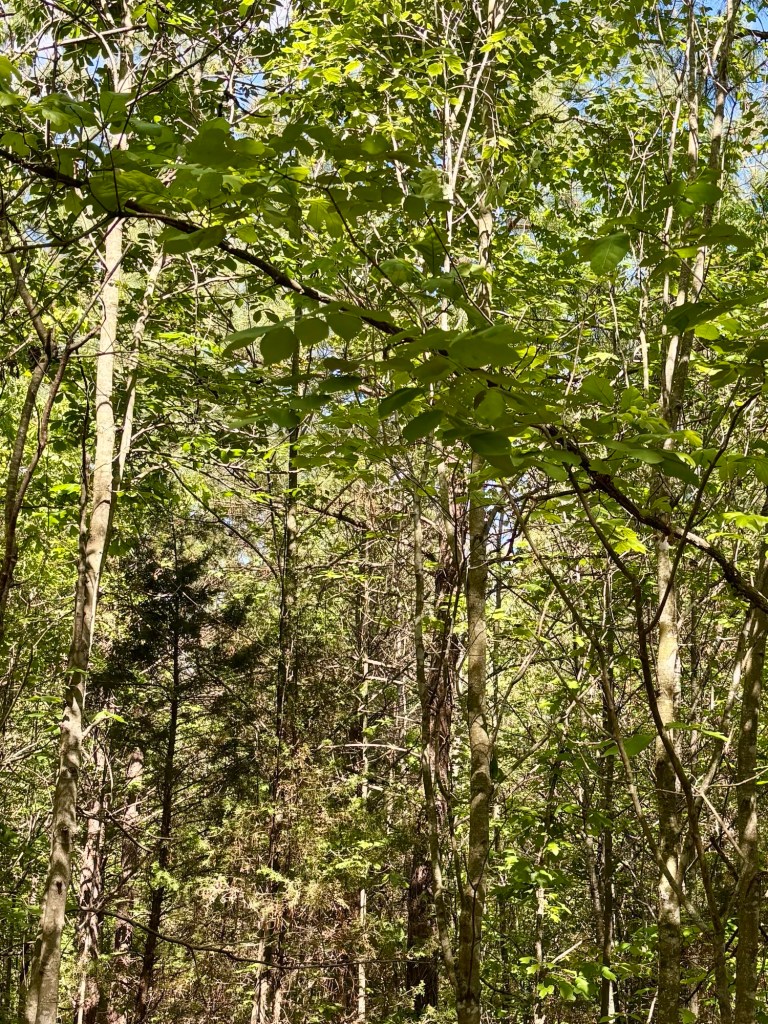
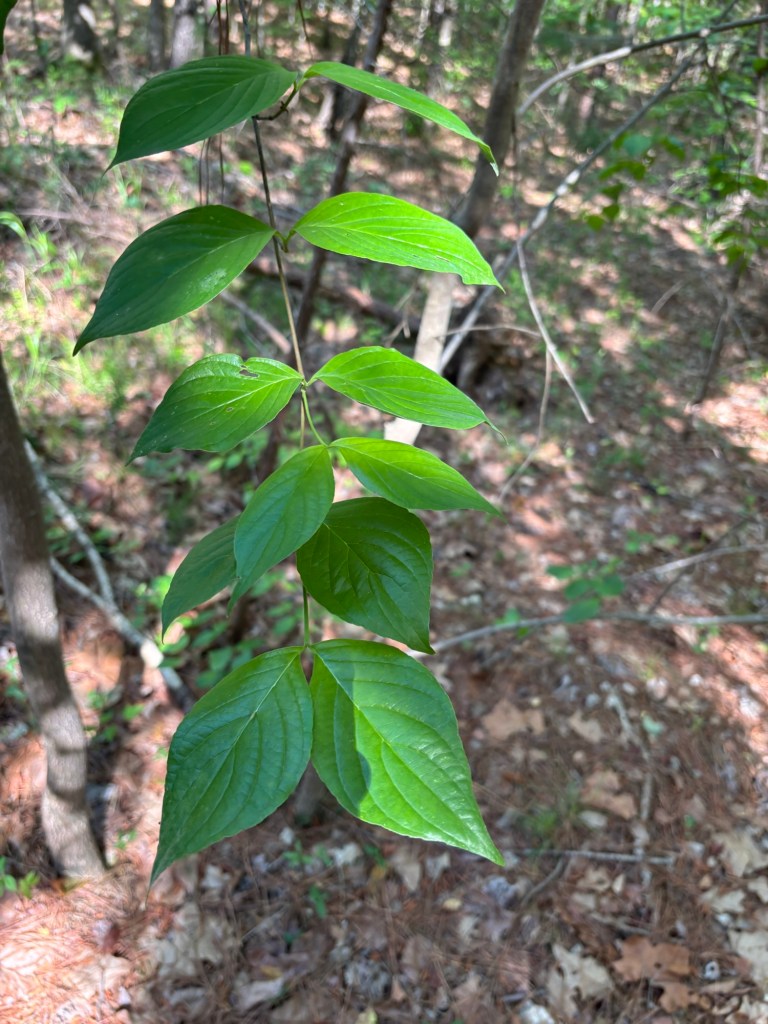
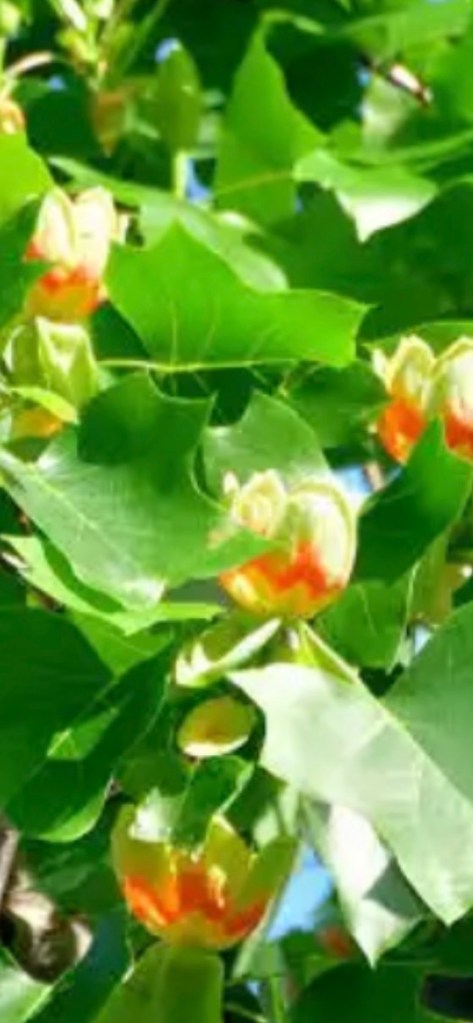
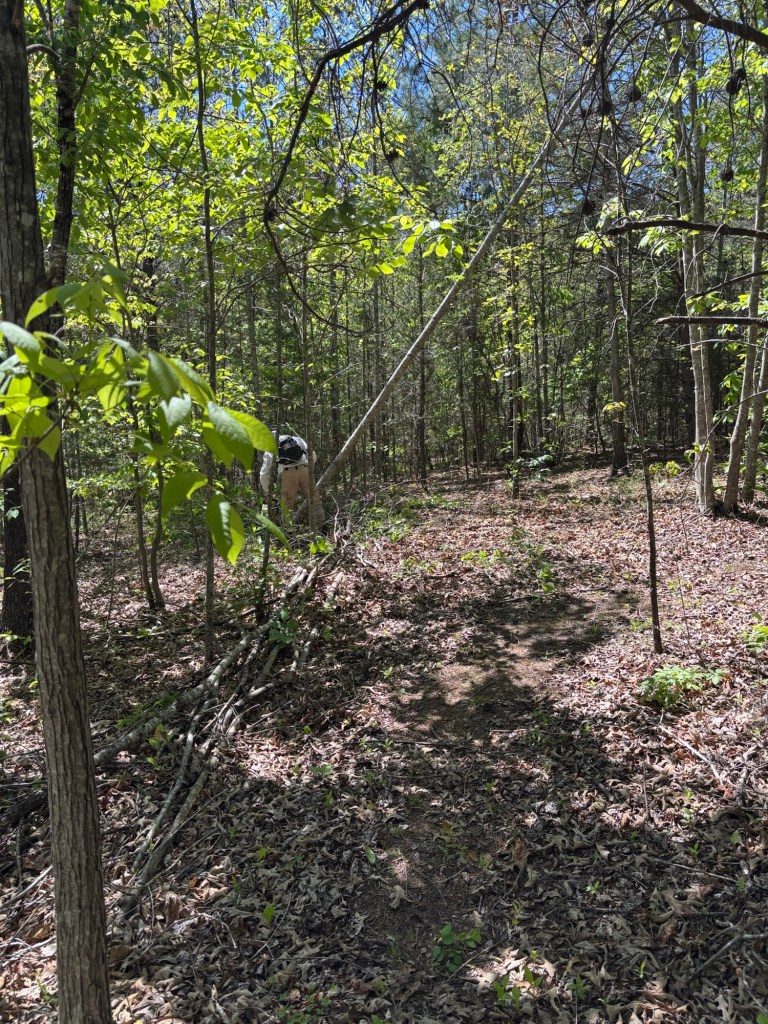
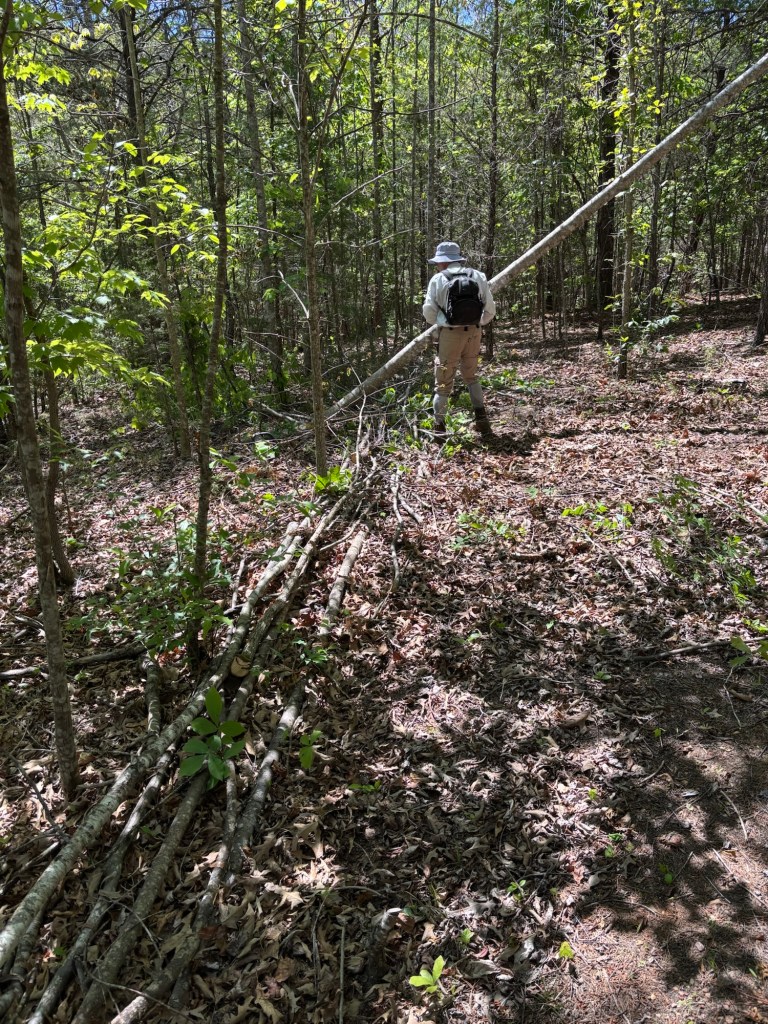
North of the driveway. Trees are too close together. We work on thinning them out by choosing the healthiest and rarest trees. We’re taking down dead and diseased trees and laying them down across the sides of the roadway. Cornus florida, flowering dogwood, grows in the understory all over SAFF. The flowers provide nectar for pollinators and the leaves and wood support biodiversity by hosting moth and butterfly larvae. The fruit (drupes) are eaten by 93 species of birds (such as robins, cardinals and cedar waxwings) and more than 16 species of mammals (including black bears, squirrels and foxes). Tulip tree, Liriodendron tulipifera, a fast growing, tall tree that can live between 200-400 years. It attracts bees and hummingbirds and seeds are eaten by birds and small mammals. It is the primary host plant for the Eastern Tiger Swallowtail caterpillar (Papilio glaucus) and the Tulip tree silk moth (Callosamia anguilifera). Squirrels, cardinals and finches eat the samaras seeds during fall and winter.
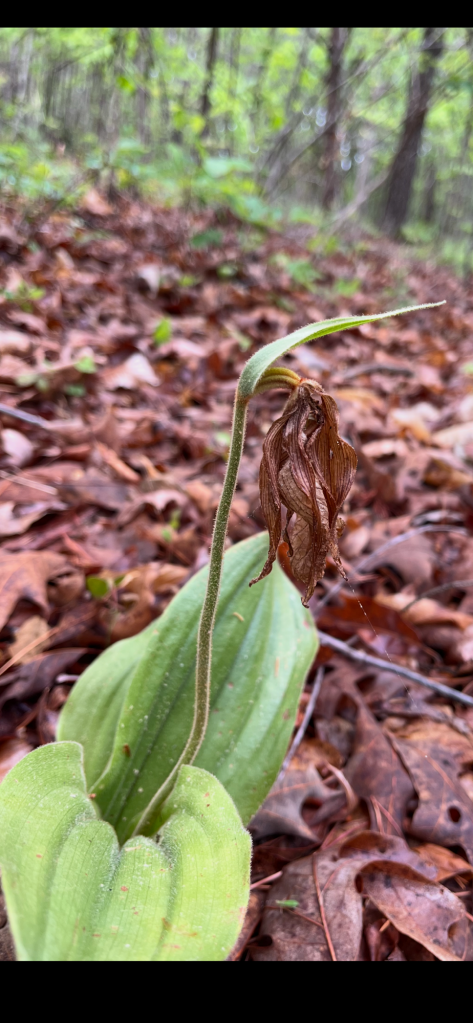
We just missed the flower by the look of it. We hope to catch it next year.
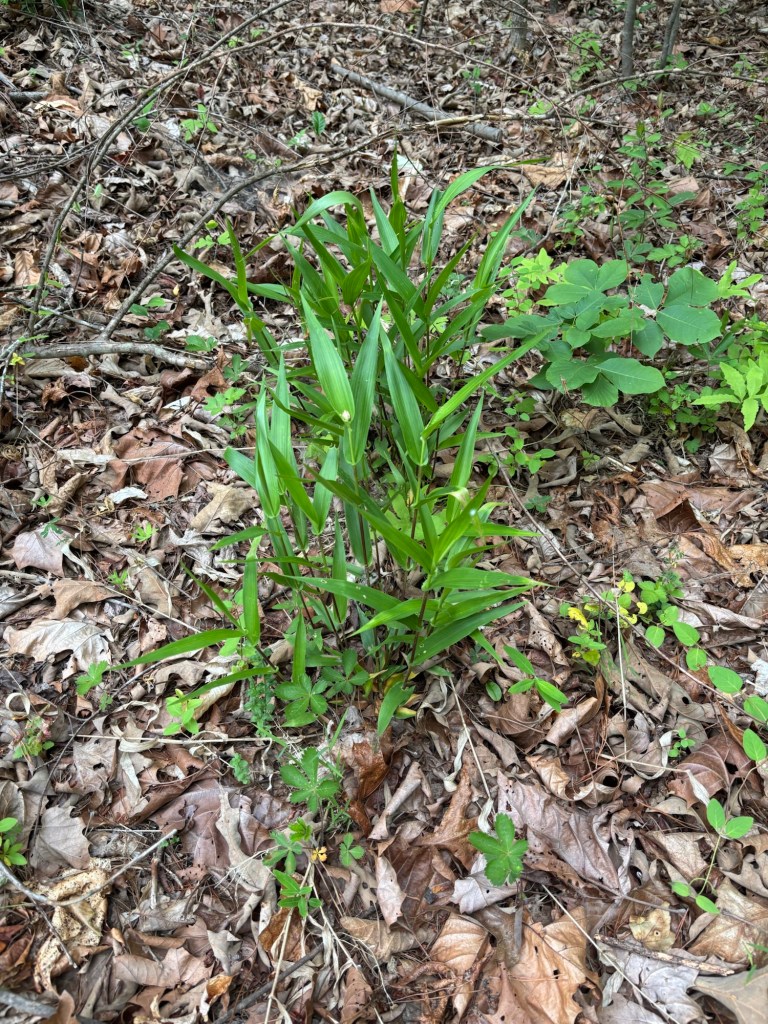
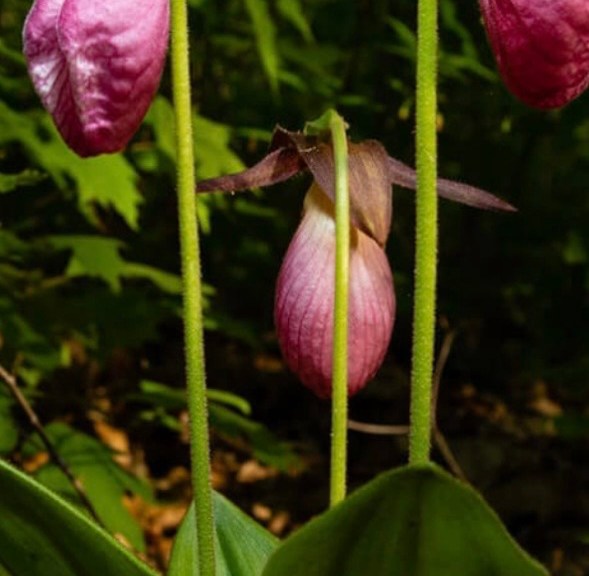
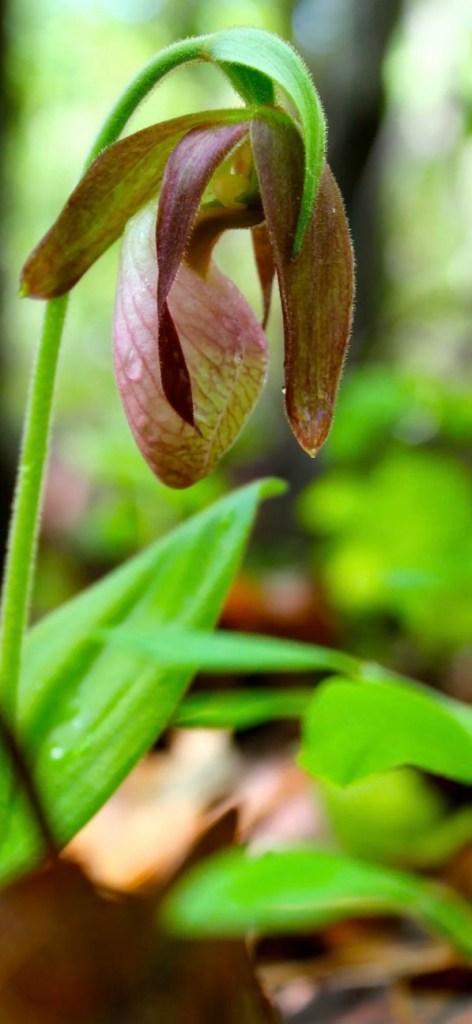
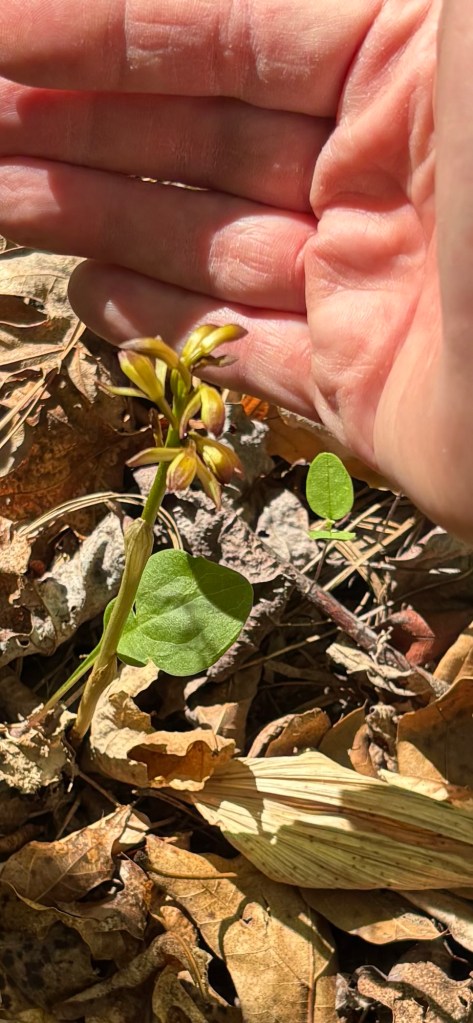
Yesterday we had a walk in the drizzly rain at Saint Andrews Forest Farm. We got to the north side and found our fourth native wild orchid. Cypripedium acaule, pink lady’s slipper or moccasin flower. It’s sparse in our area and considered a special find since it relies on symbiotic soil fungi to survive. Each plant can live 20 years or more. It is pollinated by bees who are tricked into entering the pink sweet smelling flower yet there’s no nectar so no reward. The bees then ignore it.
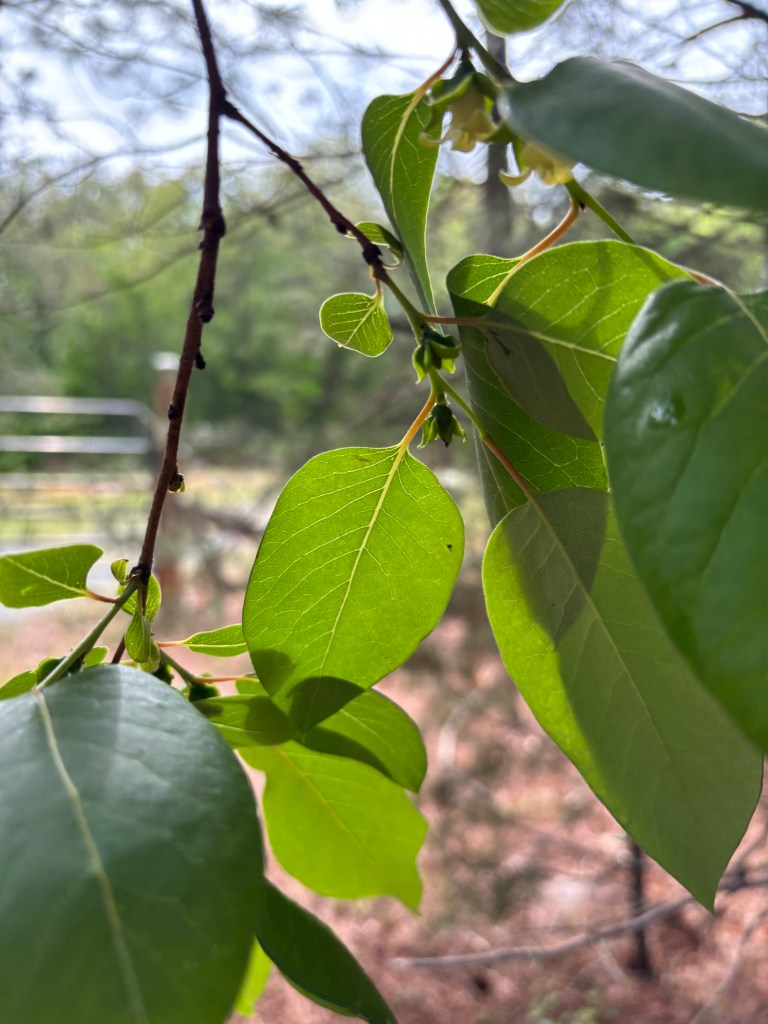
Pink lady’s slipper Picture by Will Parson from the Chesapeake Bay Foundation. American persimmon
We had .125 inches of rainfall when we checked the rain gauge. Anything at all is appreciated. We looked for mushrooms but none were found yet.
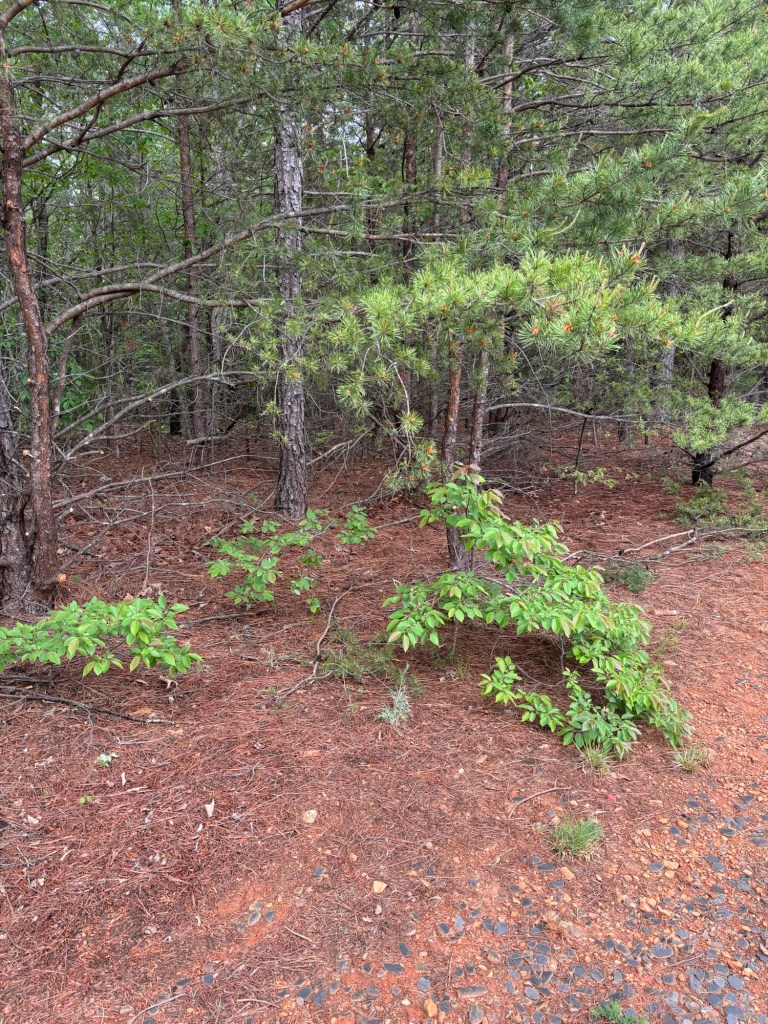
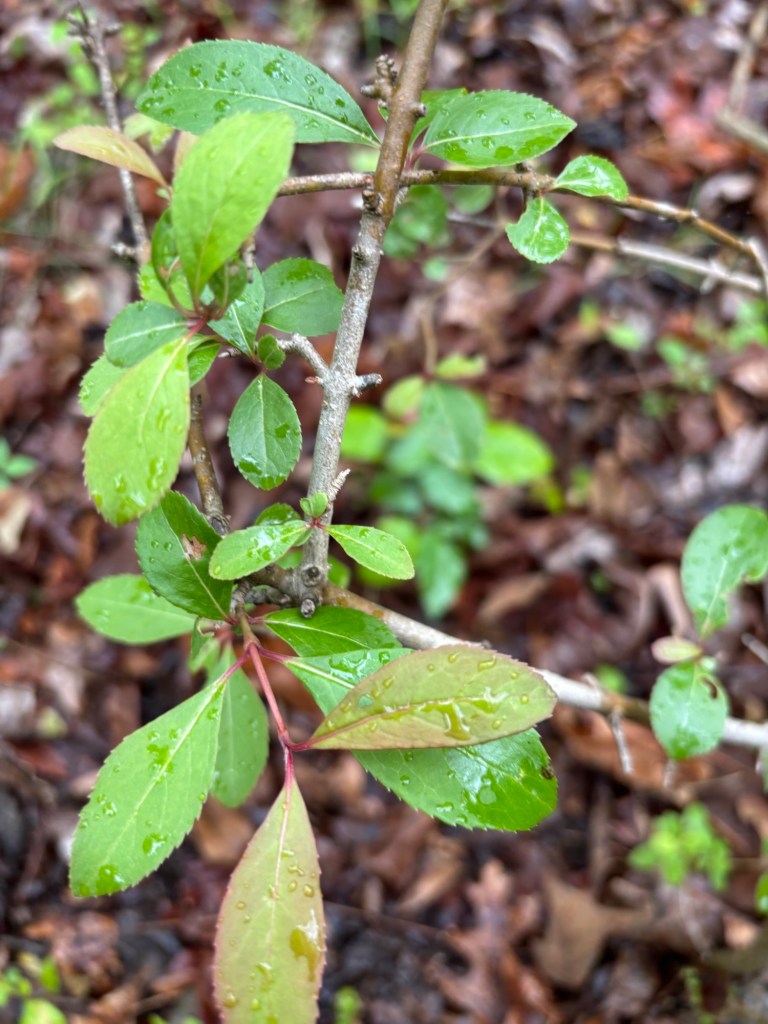
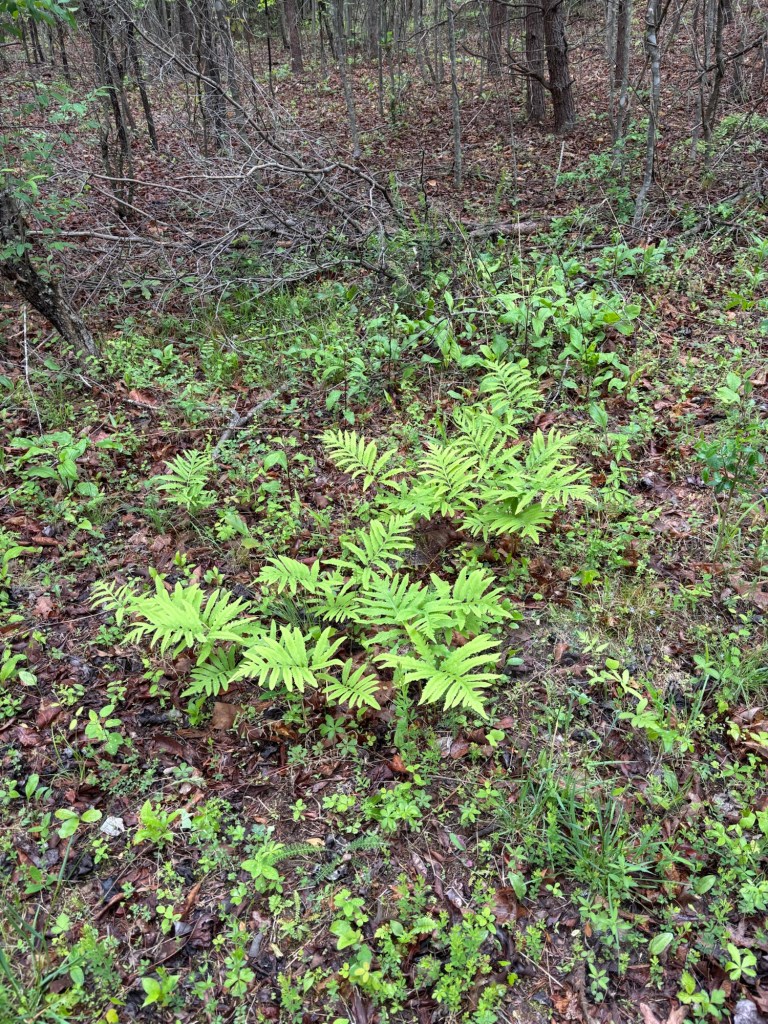
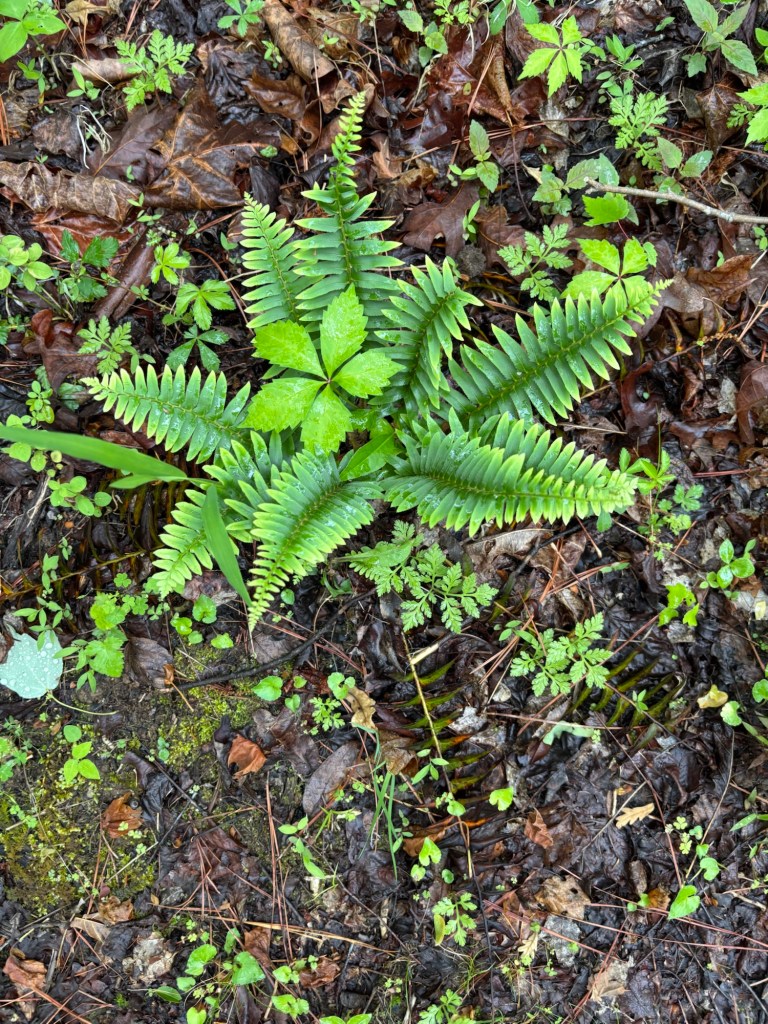
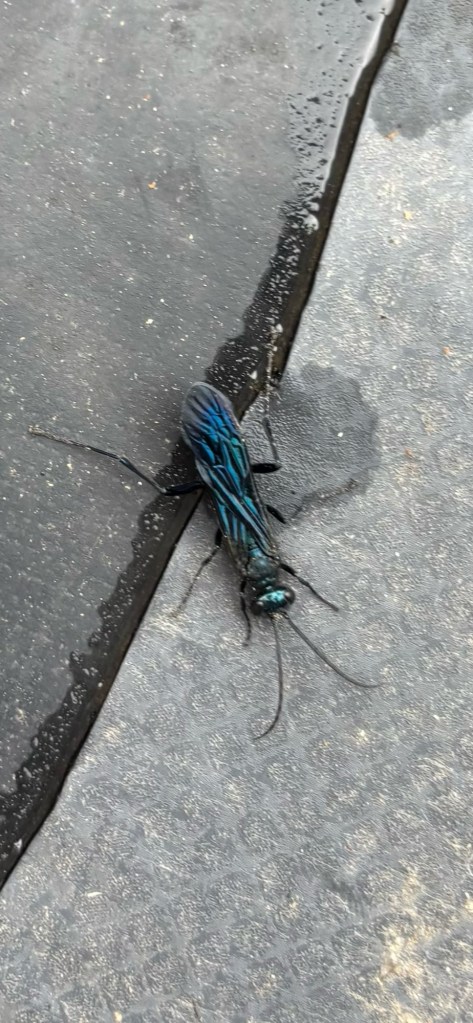
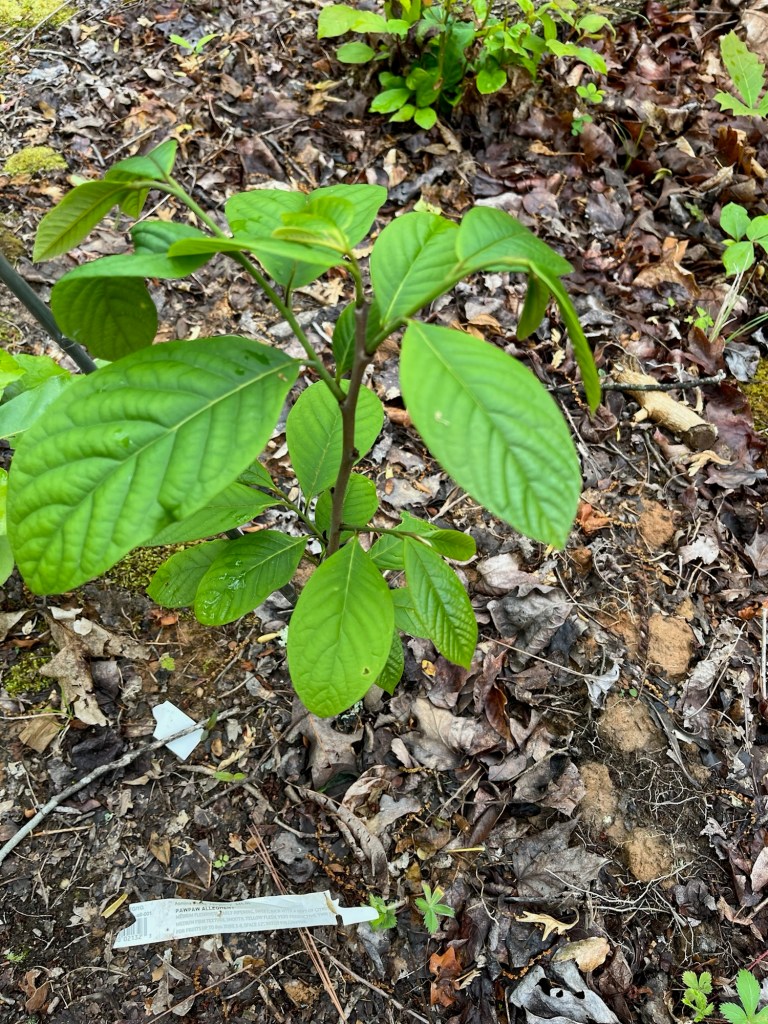
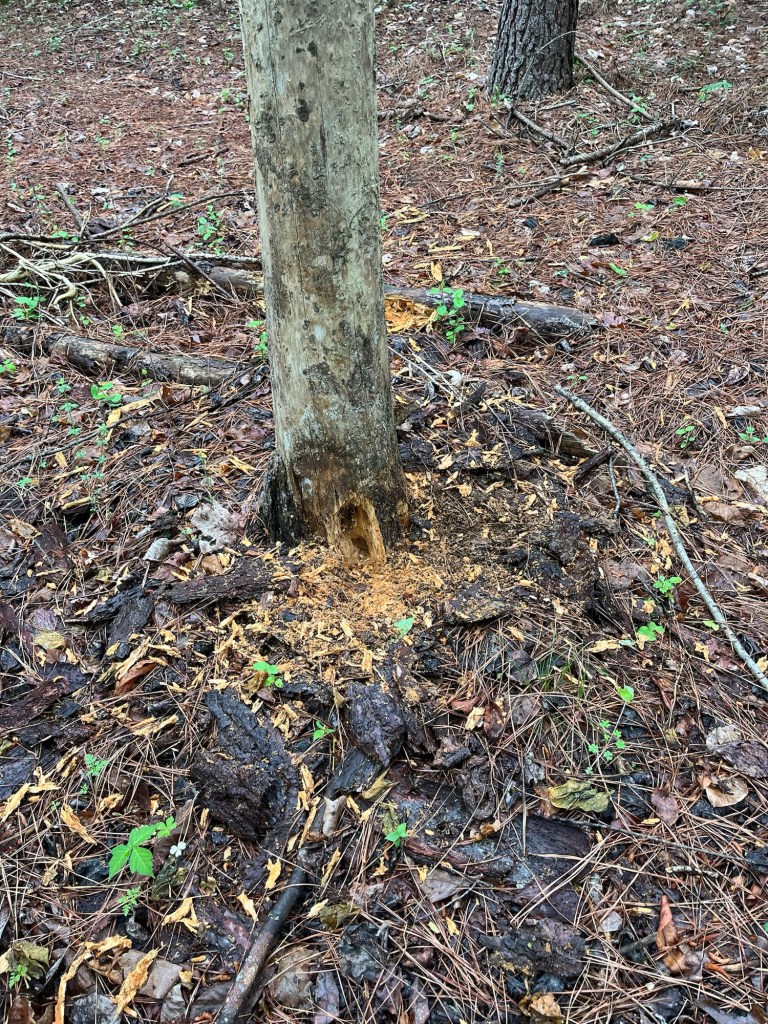
American persimmon, Diospyros virginiana, up top along the driveway we counted 35 altogether just near the road. Viburnum prunifolium, Blackhaw, a hardy native deciduous small tree producing edible fruit found along SAFF’s northmost trail. Vaccinium stamineum, Deerberry or Highbush huckleberry, found on the North side just off the old farm road. These are attractive to songbirds, deer and pollinators and it forms colonies making it useful for stabilizing banks and creating thickets. Sensitive fern, Onoclea sensibilis, found on the old farm road in a particularly boggy, wet spot. It provides cover for frogs and lizards and is the host plant for the sensitive fern borer moth. Polystichum acrostichoides, Christmas fern, looking especially beautiful in the rain. Nabalus serpentaria, lion’s foot rattlesnake root, a perennial wildflower native to Eastern North America. It grows to 20-79 inches with stems that vary from green, red and purple. Blooms are white to yellow. We will keep an eye on it and try to capture it in a photo. Chalybion californicum, Common blue mud dauber wasp, found in the tiny house. It was very docile as we helped it find its way back outside. It is a primary predator of the black widow spider. Allegheny cultivar Asimina triloba looking vibrant on the Pawpaw Peninsula. We counted 34 other pawpaws right there next to it. They are directly across the waterway from the largest colony of hundreds of pawpaws. Interesting something digging into tree trunk down low. Chris thinks it’s a woodpecker. It does look like the holes they usually make higher up. Google says there are beavers in Central Virginia. They are common throughout the area it says. A beaver would be wonderful to help build check dams and raise the water table.
Asimina triloba still flowering at Edible Landscaping. Allegheny cultivar Asimina triloba at Edible Landscaping.
The Edible Landscaping Sunflower and Shenandoah cultivars and their unnamed select companion suffered from some frost damage not shared by their uphill friends, so probably a frost well/pocket in that middle spot of the orchard. Nevertheless they all showed some fruit. A lot of it larger than we expected. The larger fruit likely was pollinated very early in the season. There were still male and female flowers on many of the trees, along with large shiny spring green leaves. We observed what seem to be pre-blossom buds on some of the frost damaged trees. As always, it was an interesting and informative visit to Edible Landscaping to understand what producing Asimina triloba are up to out there!
Pawpaw fruit in abundance despite the high 90s temperatures and low 20s dips. Frost damage with fruit development. Select cultivar Asimina triloba at Edible Landscaping in Afton.For anyone in Maryland, this is sure to be an awesome experience.
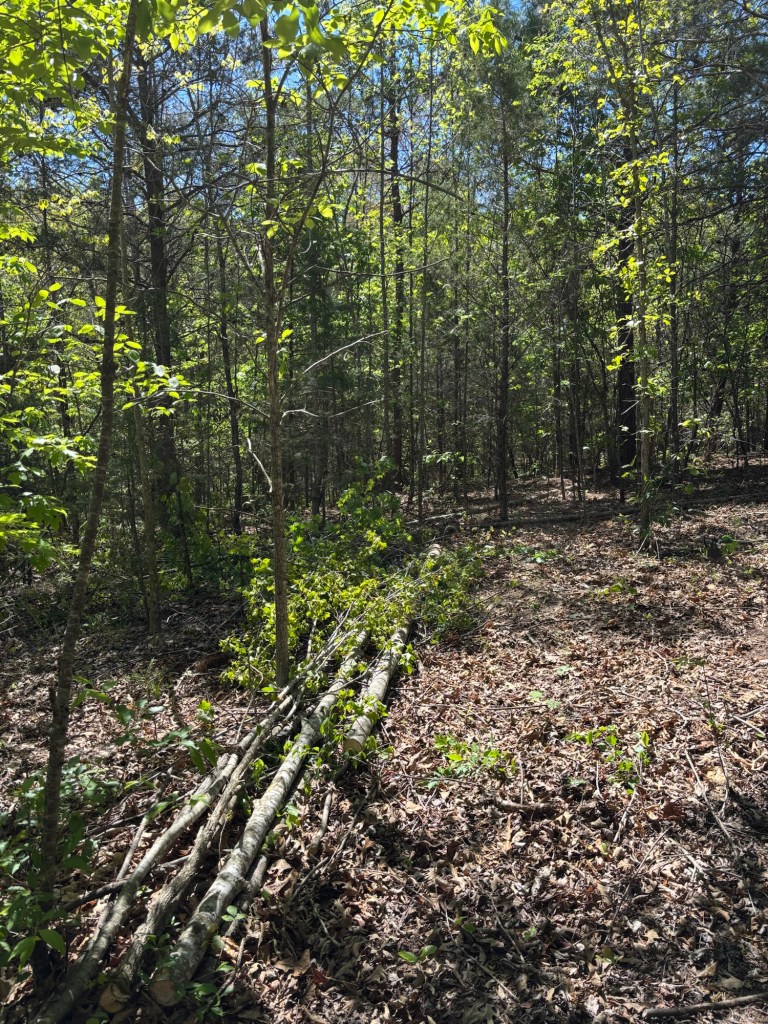
The new view down SAFF’s lower south set back line without the bridge. This is most pleasing.Yesterday during our work at SAFF we began building a new Hugelkultur terrace along the southern slope. We took down 3 tulip poplars which were overcrowded, unhealthy and lanky scrunched in between the pines and oaks. The tulip tree Liriodendron tulipifera is a fast growing tall hardwood tree native to eastern North America. The flowers attract hummingbirds and butterflies while the seeds feed birds and squirrels. It is likely our most common tree in the disturbed areas of SAFF. When a forest is clear cut, these trees move in fast and establish their canopy. They are valuable to our forest ecosystem but not as tightly populated as they are currently. They are great for establishing the Hugelkultur terrace here along the southern slope. All of them will be useful for the development of terracing and the base structures at SAFF.
When building Hugelkultur terraces, tulip poplar is considered one of the best woods for the structural base for the terrace because it is soft and decomposes quickly which creates the nutrient rich water retaining base. We built the terraces we planted the Asimina triloba into out of tulip trees in the new seedling orchard at the bottom of North Trail for the past few years.
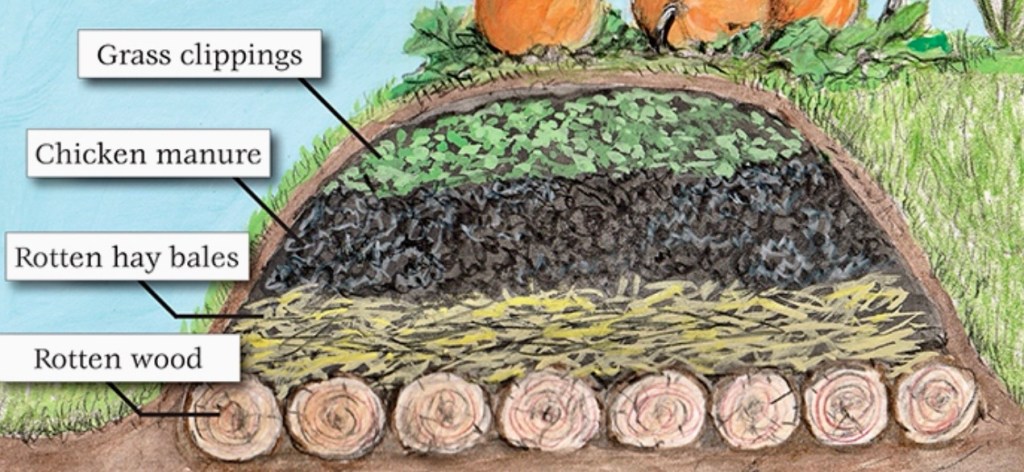
We will cover these branches and logs pictured above with soil, our homemade compost and other organic material such as mulch, pine needles and forest floor leaves. We will plant into these beds. The plants and trees in this bed will benefit from the gradual nutrient release of decaying material and increase in water retention. SAFF will benefit from reduced soil erosion.
Image depiction Hugelkultur principles in design by Rose Shelton.
We’re excited to begin planting on SAFF’s south slope as soon as we finish the terrace project and create a fence to protect our plants from becoming wildlife buffets.
Also to share with you our joyful news. We got engaged and have been making exciting plans for our future and celebrations with friends and family.
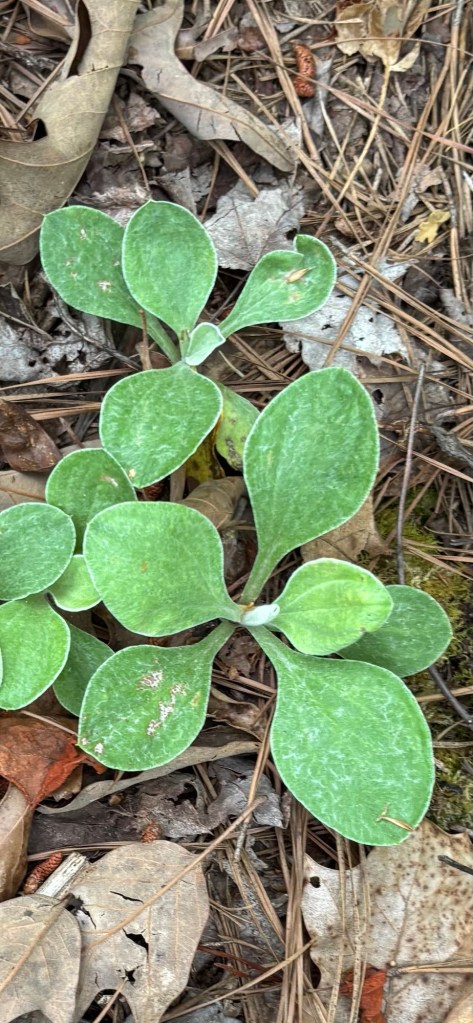
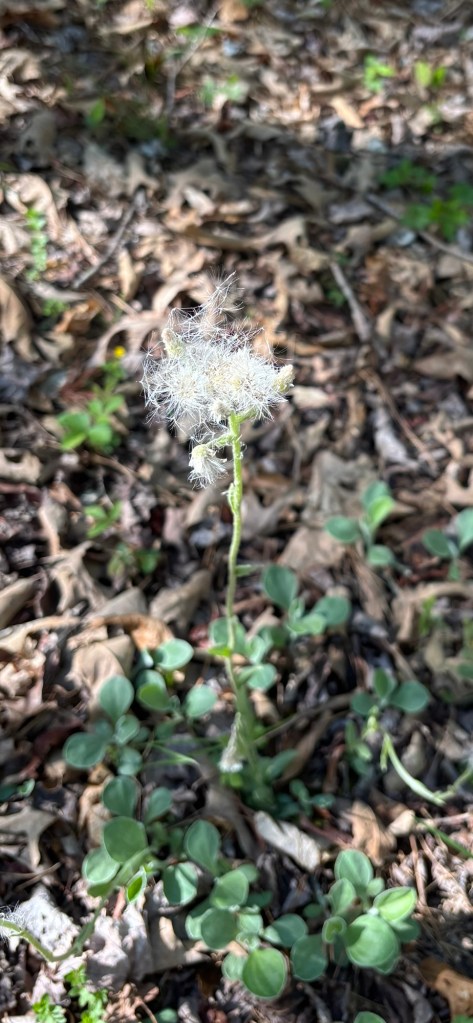
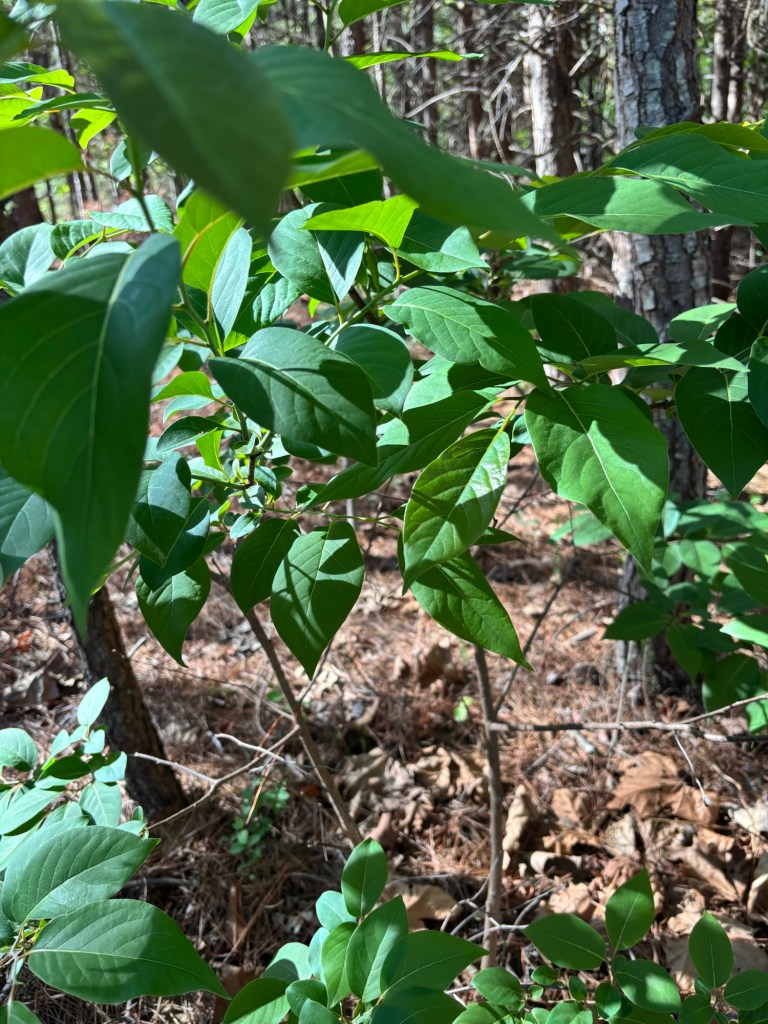
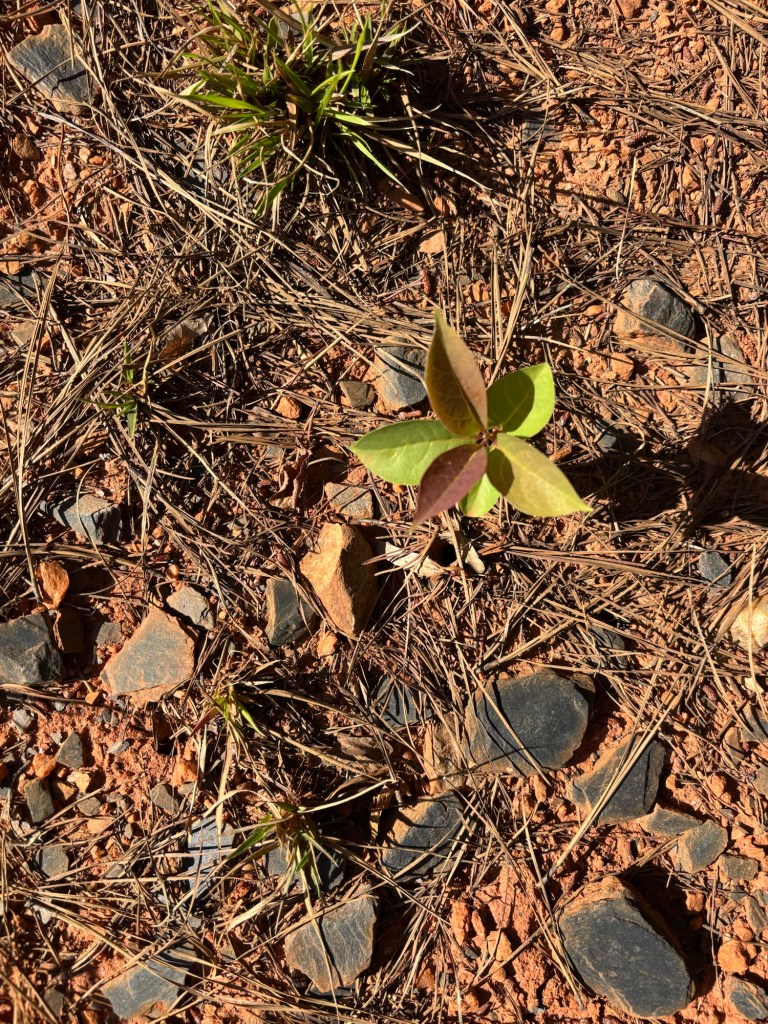
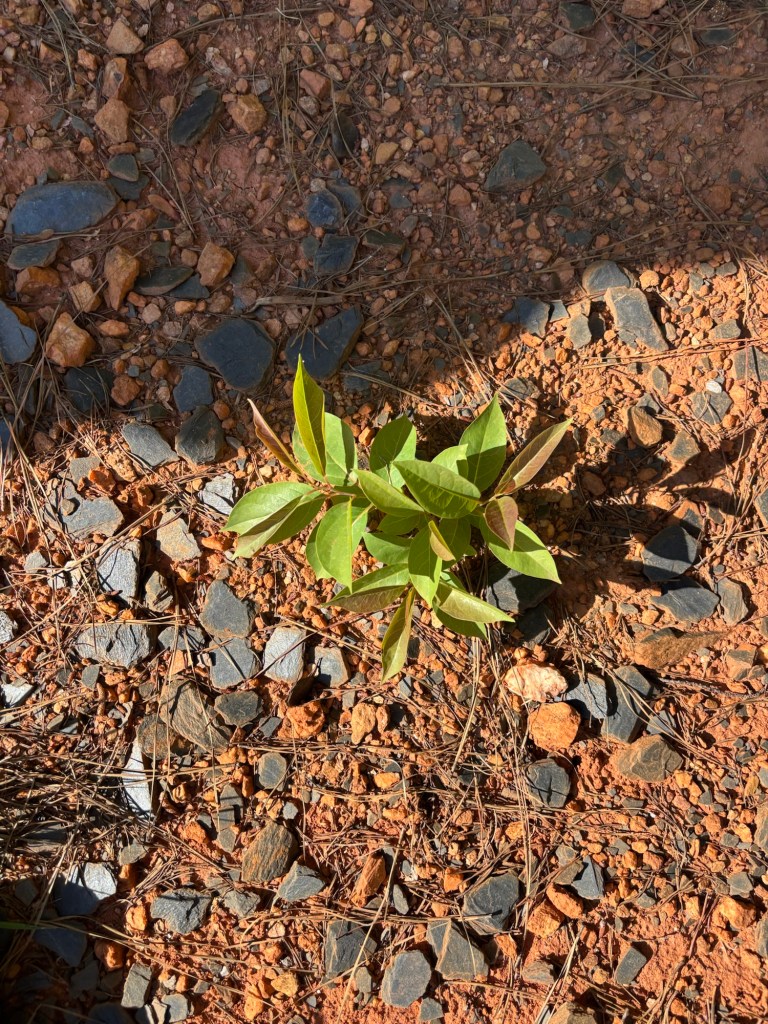
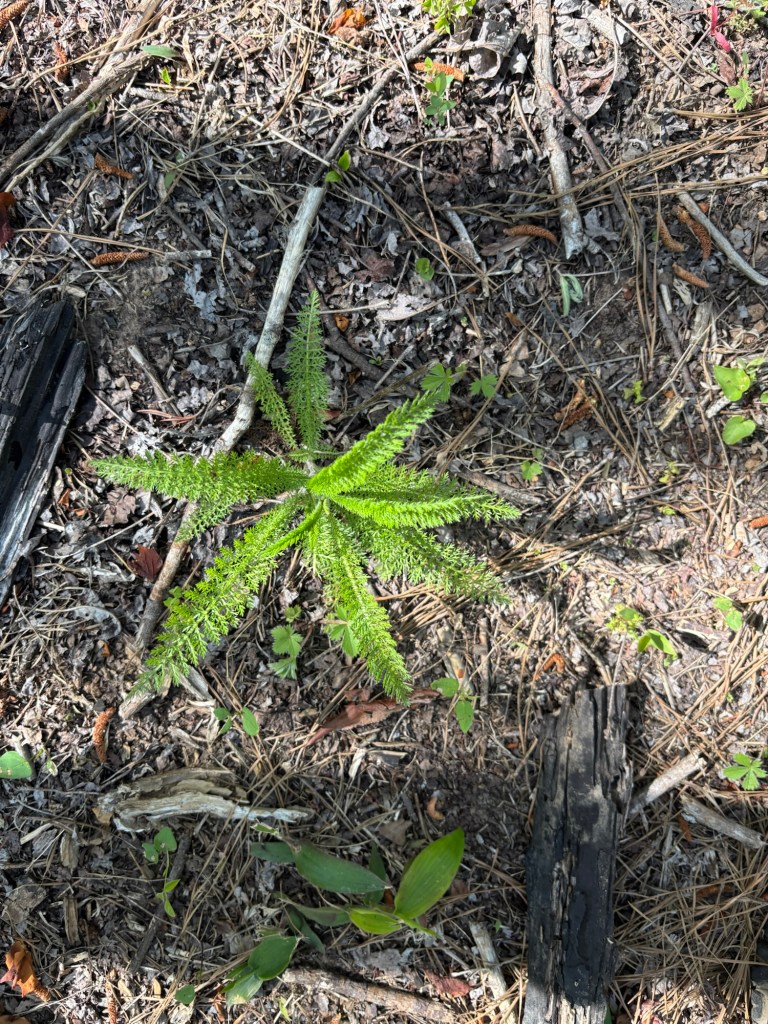
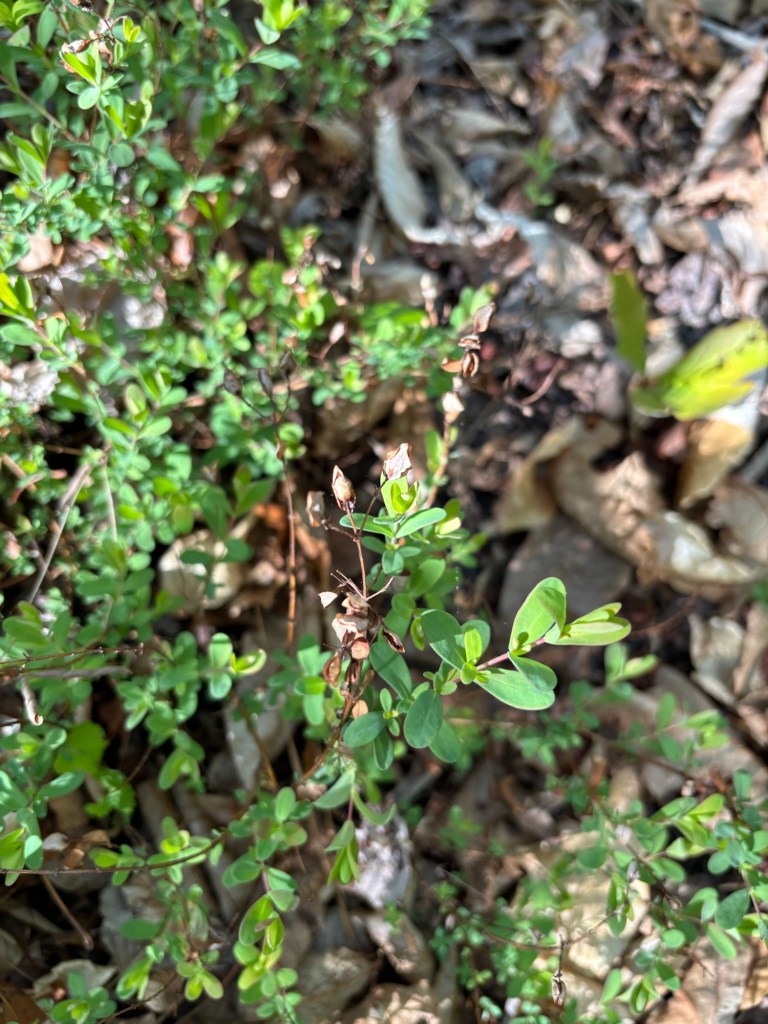
The stalk arising from the dead striped leaf continues to open up the flower buds. We are surprised by how yellow the flower is after looking deep purple for some time. This is it! The flower unfurled finally. The final flowering stage of Antennaria plantaginifolia, plantain leaved pussytoes. The flower heads have transformed into fluffy seed heads that can take flight in the wind. Diospyros virginiana, American persimmon, up top near the road. We found another group of 10 or more trees. These are young and healthy. They are a major source of food for birds, raccoons and the possum. The American persimmon also serves as host for multiple moth larvae and pollinators. They are low maintenance, drought tolerant and pest resistant. We are delighted to find them. Diospyros virginiana sprout coming up near the other cluster. Another American persimmon seedling coming up in the front. Achillea millefolium, common yarrow, is highly regarded in wound healing as a styptic with antiseptic properties. Teas from yarrow are made to induce sweating, reduce bloating and reduce inflammation. It offers cold and fever relief. It attracts a wide variety of beneficial insects and over 20 species of native bees. It is lovely, drought tolerant and thrives in poor soil conditions. Amphicarpaea bracteata, American hog peanut, is an annual to perennial vine in the legume family native to moist slopes in the eastern US. They produce above ground and underground pods. It fixes nitrogen and grows in the old clonal colony pawpaw patch. We found it today coming up around our Asimina triloba cultivar seedlings which is where we planned to move them. Yay! 😀 It feeds birds, deer and mice. Native Americans ate the pods and underground peanut tubers which are nutritious. A good source of protein, fiber and carbs.Asimina triloba KSU Benson cultivar seedling with American hog peanut spontaneously growing around it offering a low maintenance partnership with the hog peanut feeding the pawpaw tree. Fern trail near the Rappahanock cultivar which is recovering nicely from the frost that bit it. Hypericum stragulum, low St John’s wort, which is toxic to grazing animals. Native Americans used the plant for the treatment of sores, fever, gastrointestinal issues, nosebleeds and snakebites.
We had a nice Sunday with lovely weather in the 60s as we got chores done and took a stroll around the trails.