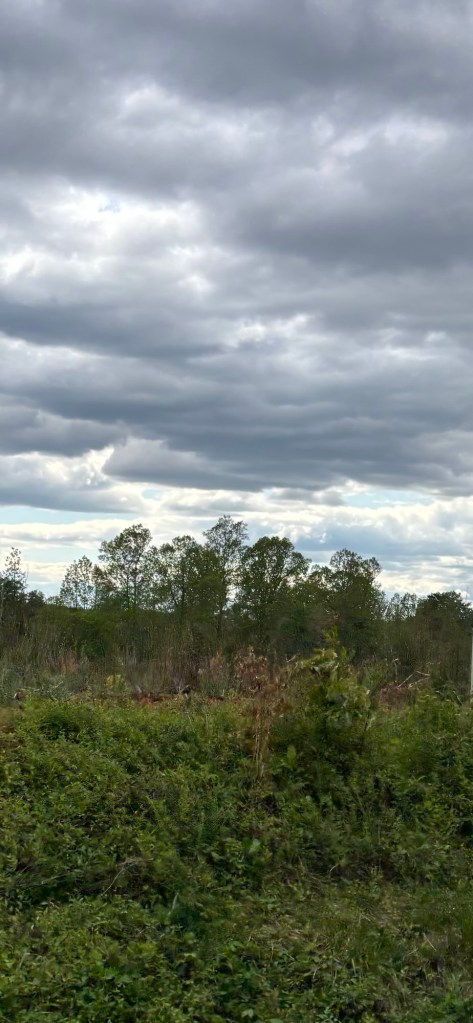
Broody Thursday skies in Buckingham, Virginia as we drove to the county offices.
We drove over to meet the delivery driver for our roof insulation yesterday. After we got that stored, we ran to the county offices to drop off paperwork for permits. We came back and decided to go for a walk. We were glad to see all of the Asimina triloba that had been damaged in the freeze have begun to leaf back out, even the Tallahatchie. Although it had sprouted some below the graft leaf shoots that we plucked off. The late cold really stressed it. We were glad to see it made it. We are still waiting to begin grafting the pawpaws and persimmon trees when it’s up into to the 50s at night and there’s no rain for 3 days before or after. It’s been chilly here in Virginia this week overnight into the low 40s still. It’s been lovely.
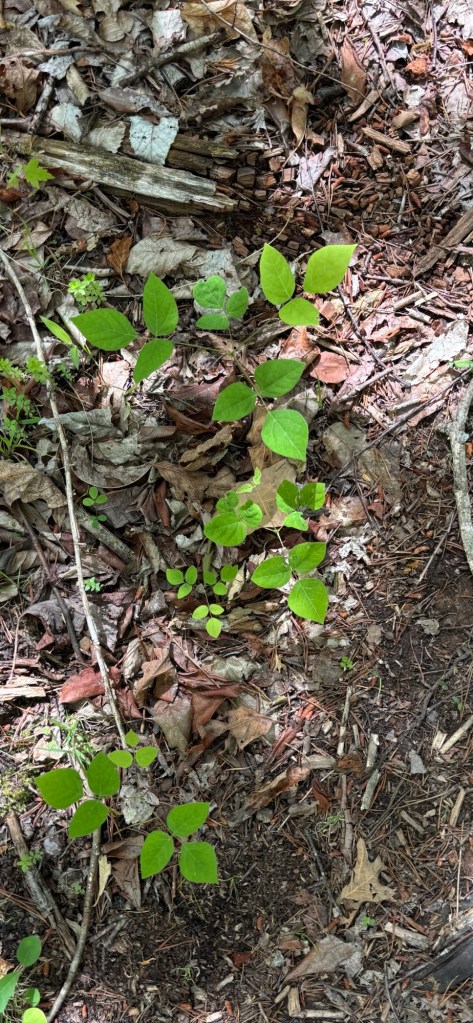
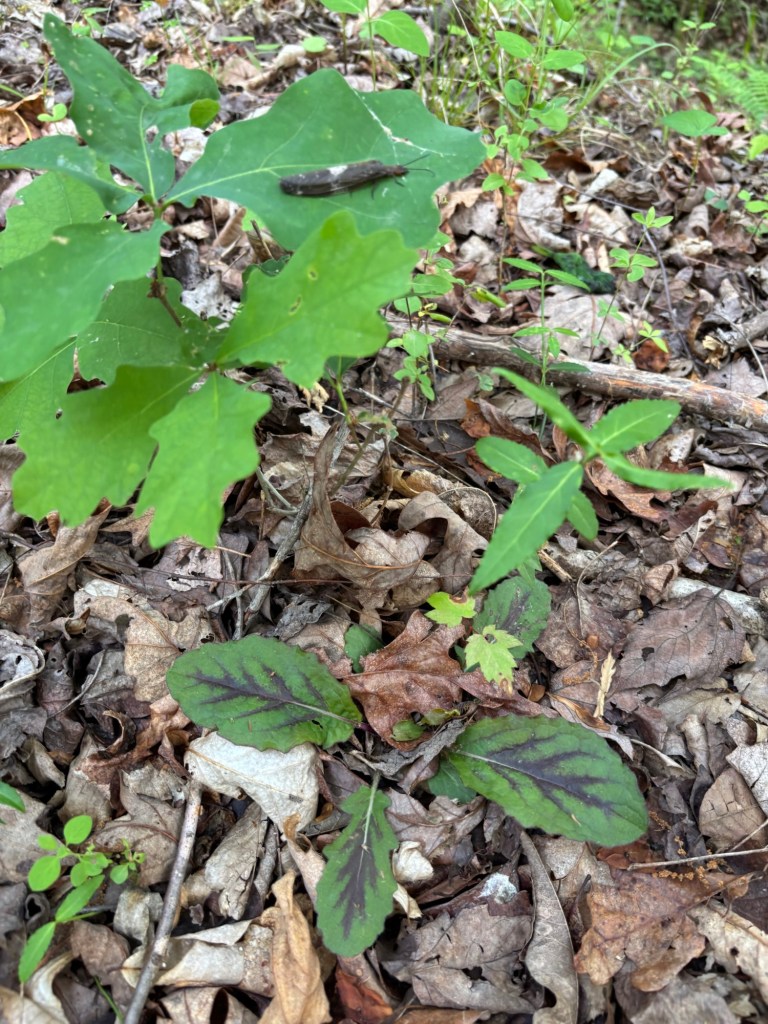
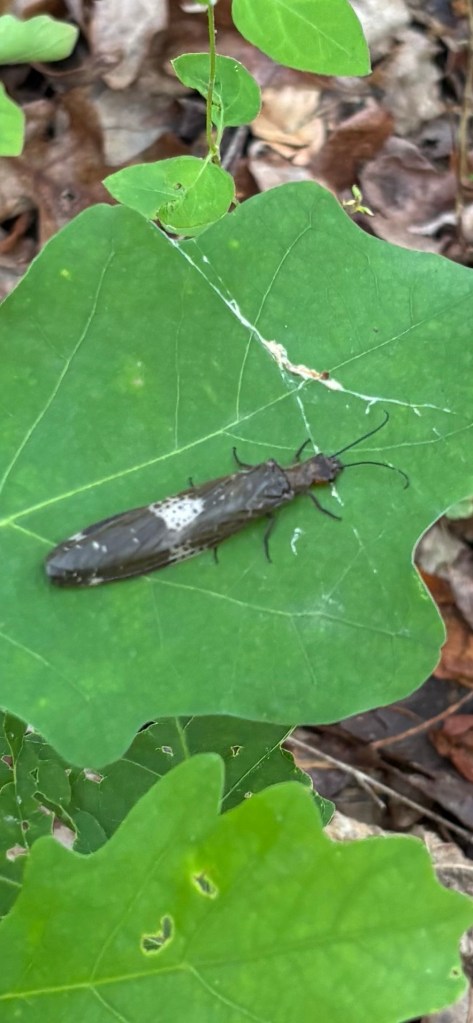
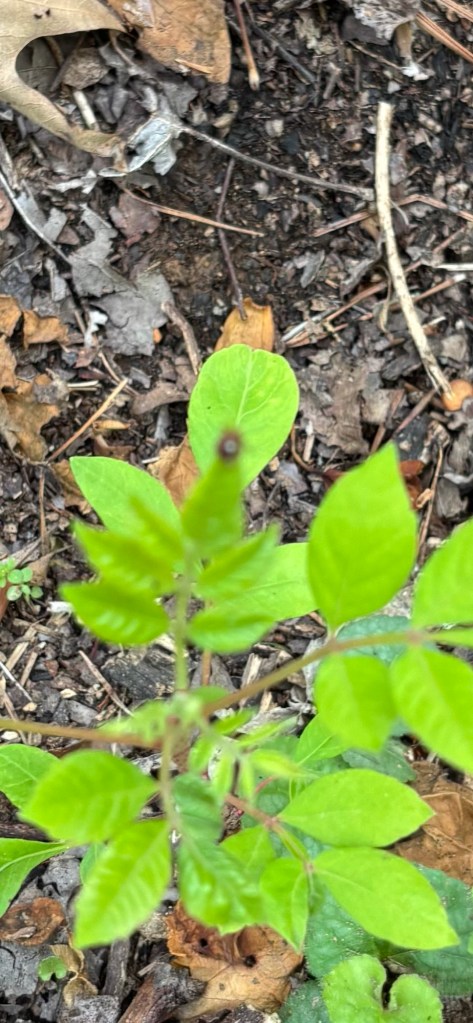
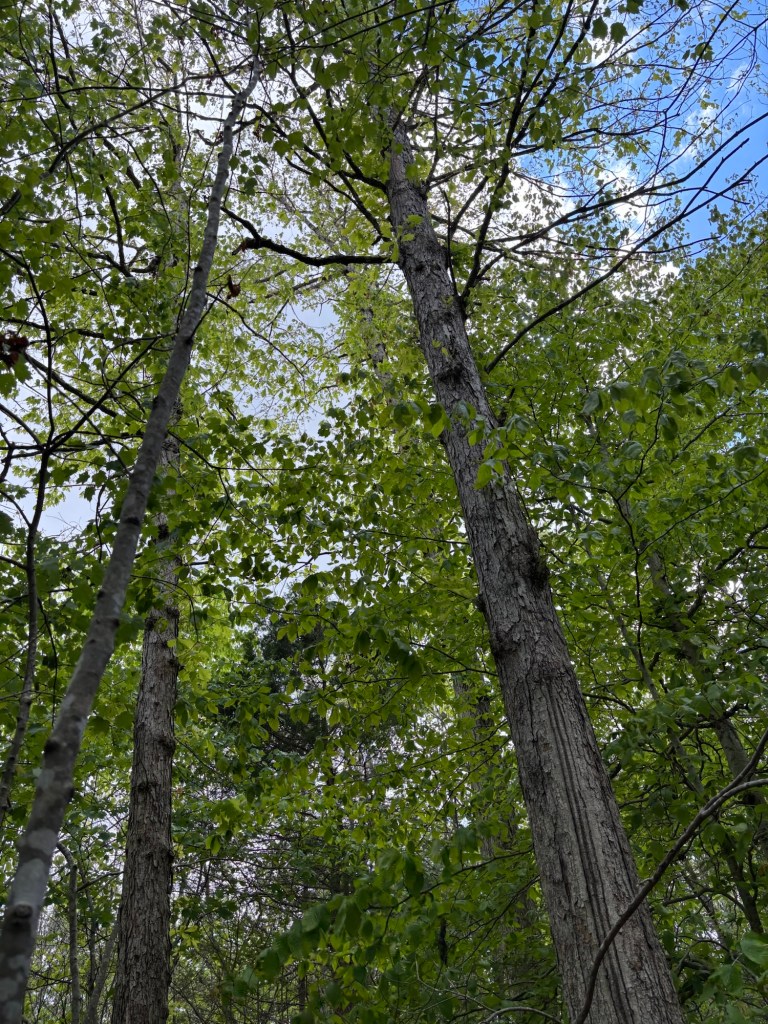
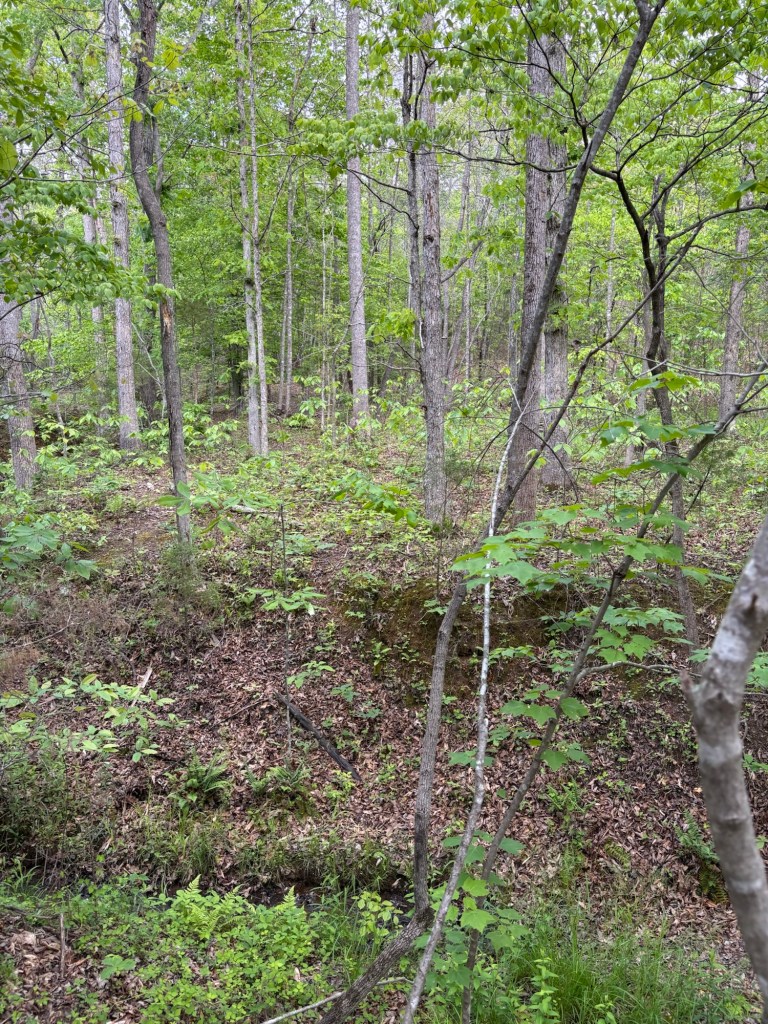
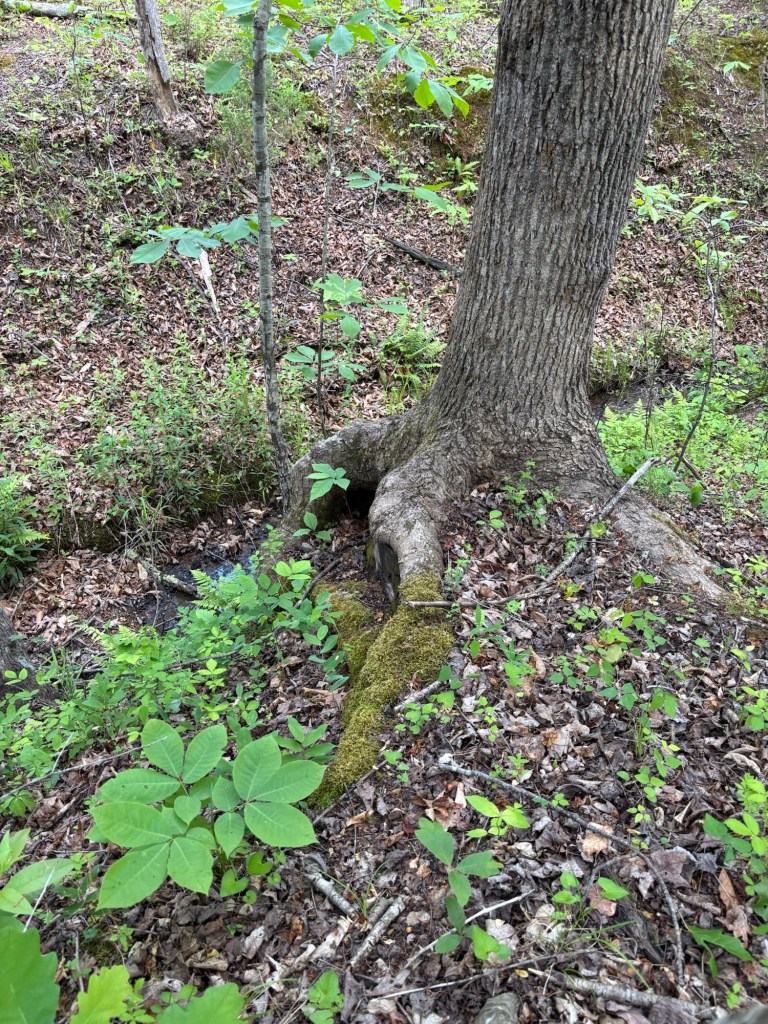
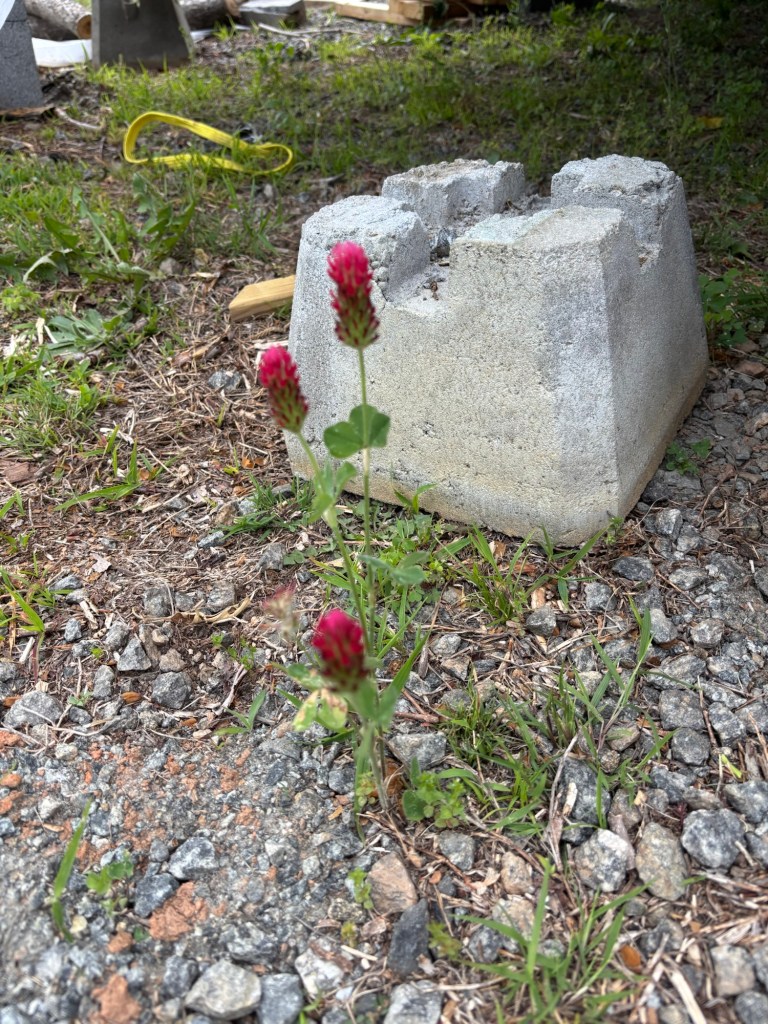
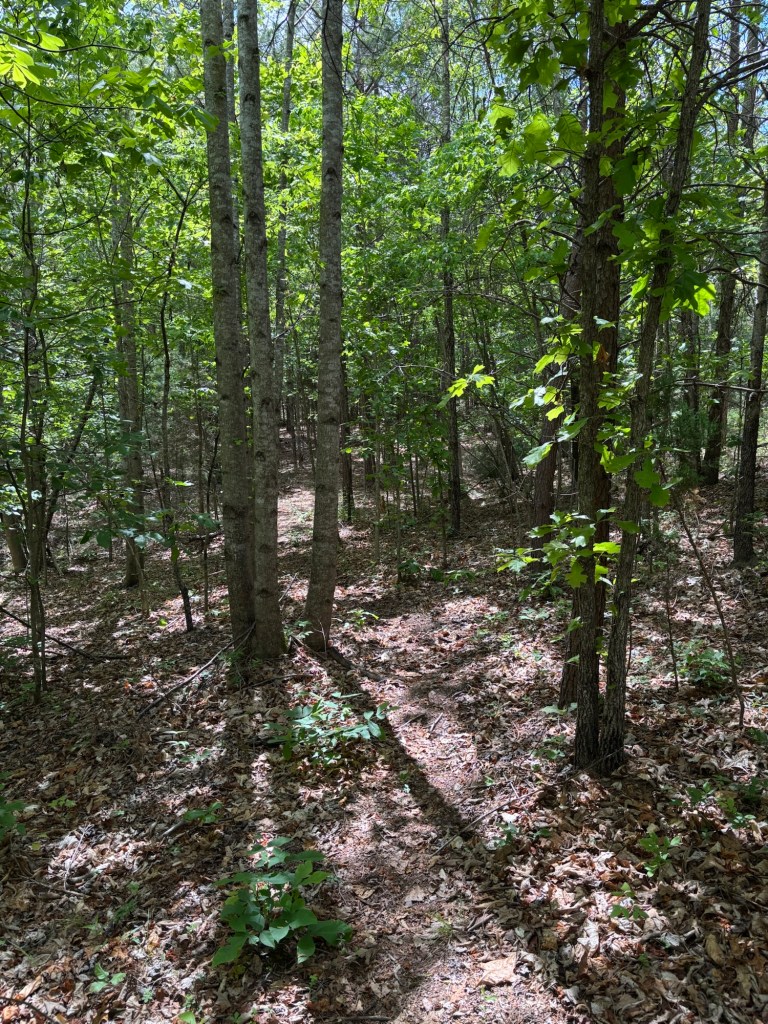
We are seeing a lot of Amphicarpaea bracteata, American hog peanut, all over SAFF. It feeds many creatures, including people, as well as fixes nitrogen in the soil. We feel lucky to have it growing to feed our plants and trees. The leaf with the purple center and green edges is Salvia lyrata, lyreleaf sage. It is edible and in the mint family. Native Americans made tea with the leaves. It is an adaptable native herbaceous perennial. It withstands foot traffic well. The flowers support multiple bees, butterflies and hummingbirds. We will try to get a photo of it flowering. Nigronia fasciata, Banded dark fish fly, found along the main waterway at the bottom. This is an interesting find as an adult since it has a brief lifespan of only one or two weeks. They mate and lay eggs at the edge of the water right where we found it. They don’t even have a mouth in this part of their lifecycle since they don’t live long enough to eat. The larval stage can last three years. Their presence at the waterway is a sign of very clean water and a balanced, healthy aquatic ecosystem. They are predators in the larval stage and more intimidating. The best of five blurry pics of this lone star tick, Amblyomma americanum, on Fern Trail hanging off the edge of the plant on the trail waiting to grab on to the next creature that comes along. These ticks are aggressive and out looking for food when other types of ticks are hiding under leaf litter. We recently realized they can cause Alpha gal syndrome from a brief exposure whereas most ticks need hours attached to their hosts to transmit diseases. Be careful out there! Yuck! The three sisters on Ridge Trail overlooking the old colony Pawpaw Patch.Across the main waterway to the old colony pawpaw patch. All of the understory trees are Asimina triloba.Asimina triloba sprouting from the roots of elder trees even. Crimson clover, Trifolium incarnatum, a cool season fast growing annual legume we planted as a cover crop in the clearing to suppress weeds and fix nitrogen in the soil.The new access road connecting our driveway to the Old Farm Road.