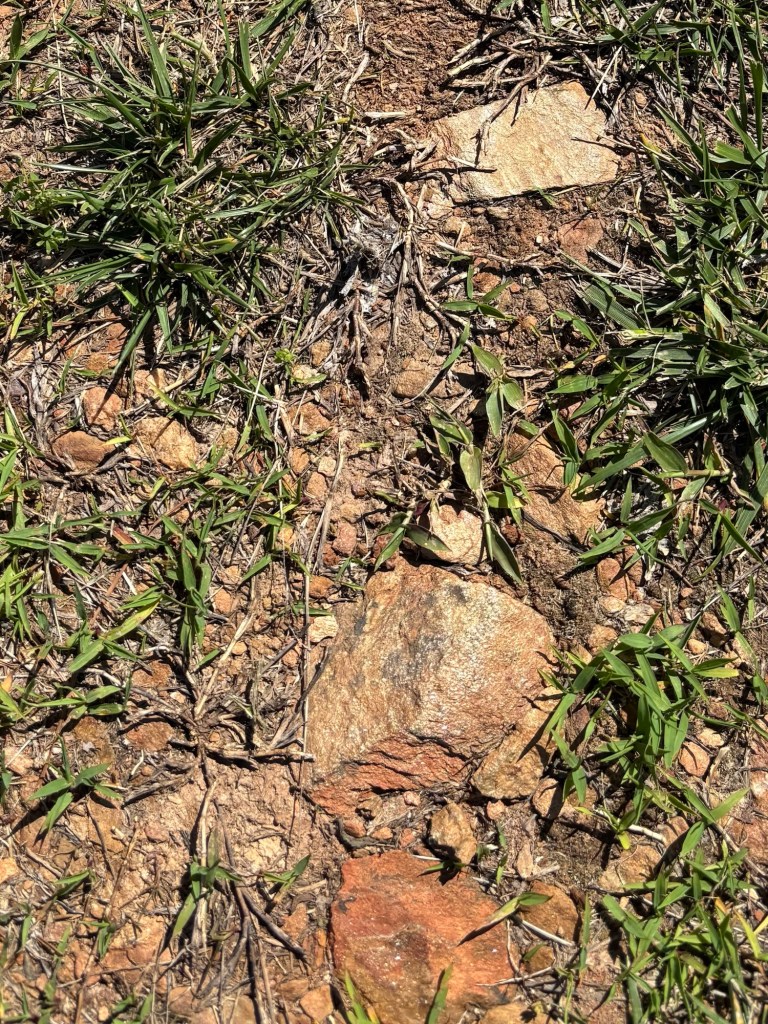
Rocky clearing up top near the shed. Cladrastis kentukea, Kentucky yellow wood, growing near the access road to the old farm road which as of yesterday is now open for use.
Yesterday was 74 degrees and sunny out at SAFF. We finally finished our road connecting the driveway to the old farm road. This gives us tractor and trailer access to the new pawpaw seedling orchard and the cultivars. We are very relieved. The trees we planted are all looking great—except our Tallahatchie Asimina triloba Peterson cultivar that got zapped by the cold. It hasn’t leafed back out but it still has time to recover. More water will be the best way for it to heal and leaf back out. Now we can get water, compost and mulch down the hill with ease. This will be beyond great to have when we begin planting this year.
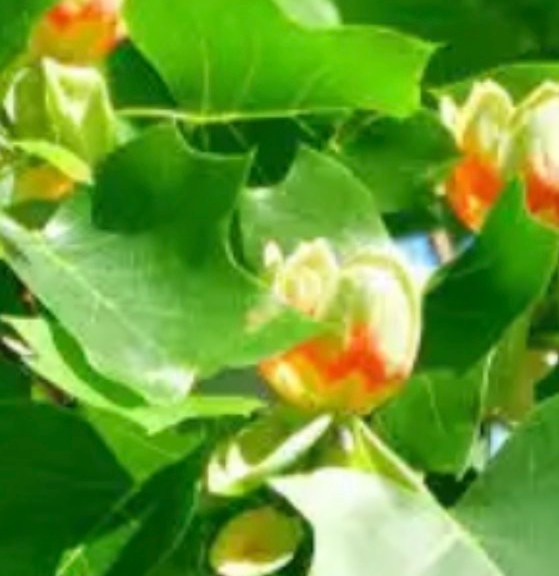
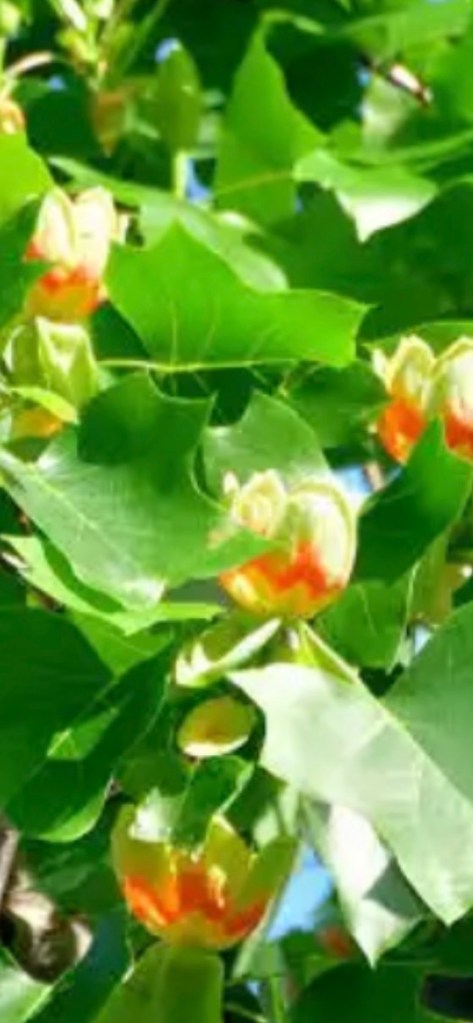
North of the driveway. Trees are too close together. We work on thinning them out by choosing the healthiest and rarest trees. We’re taking down dead and diseased trees and laying them down across the sides of the roadway. Cornus florida, flowering dogwood, grows in the understory all over SAFF. The flowers provide nectar for pollinators and the leaves and wood support biodiversity by hosting moth and butterfly larvae. The fruit (drupes) are eaten by 93 species of birds (such as robins, cardinals and cedar waxwings) and more than 16 species of mammals (including black bears, squirrels and foxes). Tulip tree, Liriodendron tulipifera, a fast growing, tall tree that can live between 200-400 years. It attracts bees and hummingbirds and seeds are eaten by birds and small mammals. It is the primary host plant for the Eastern Tiger Swallowtail caterpillar (Papilio glaucus) and the Tulip tree silk moth (Callosamia anguilifera). Squirrels, cardinals and finches eat the samaras seeds during fall and winter.
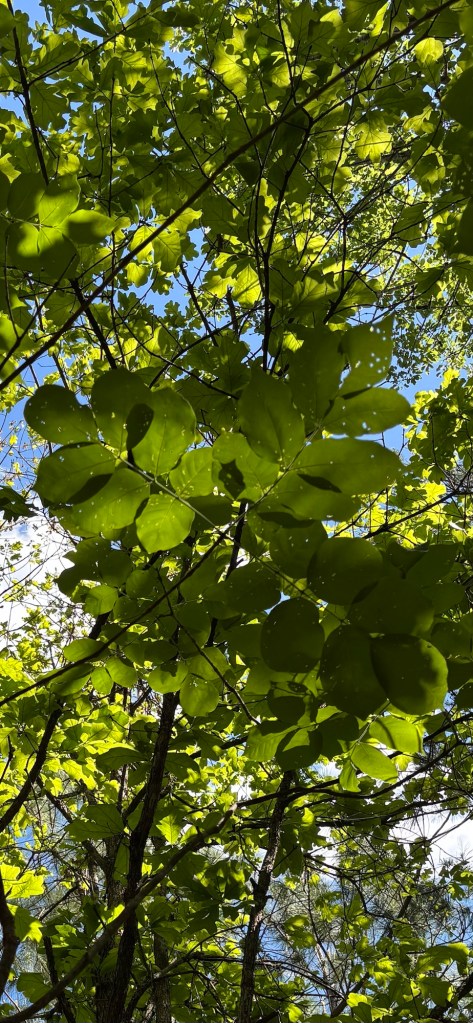
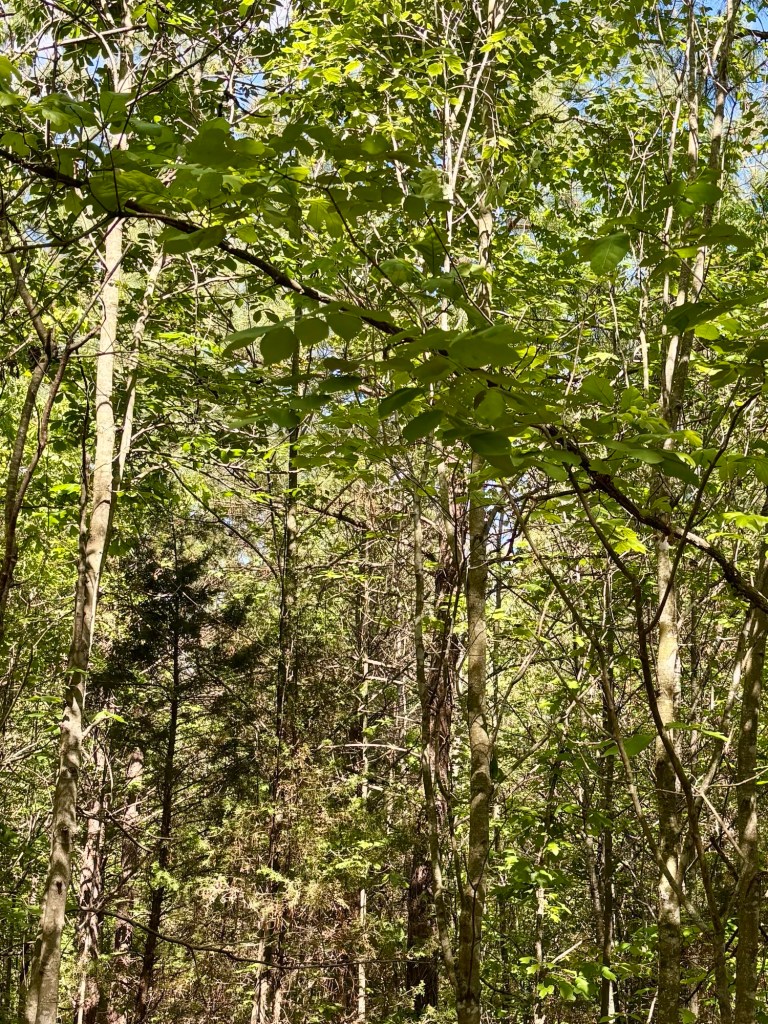
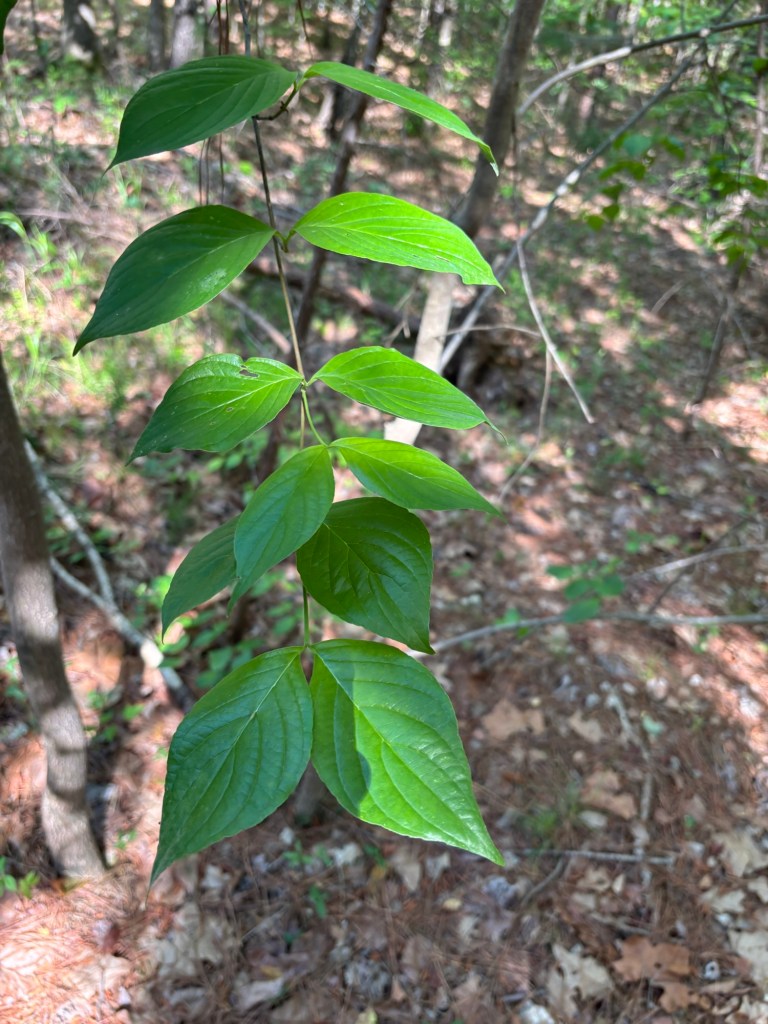


The dappled light in these shots is beautiful!
Thank you Julie! 😻