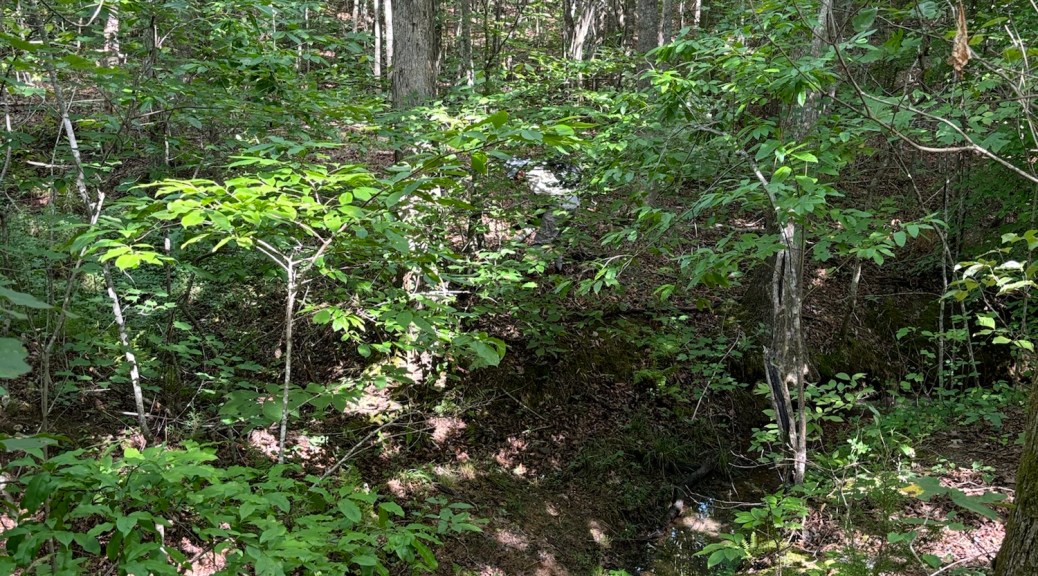
We got an early start yesterday to spend a rainy morning and afternoon at St Andrews Forest Farm. We got interior shed work completed after a lovely walk. Being in the forest with the rain falling is especially calming.
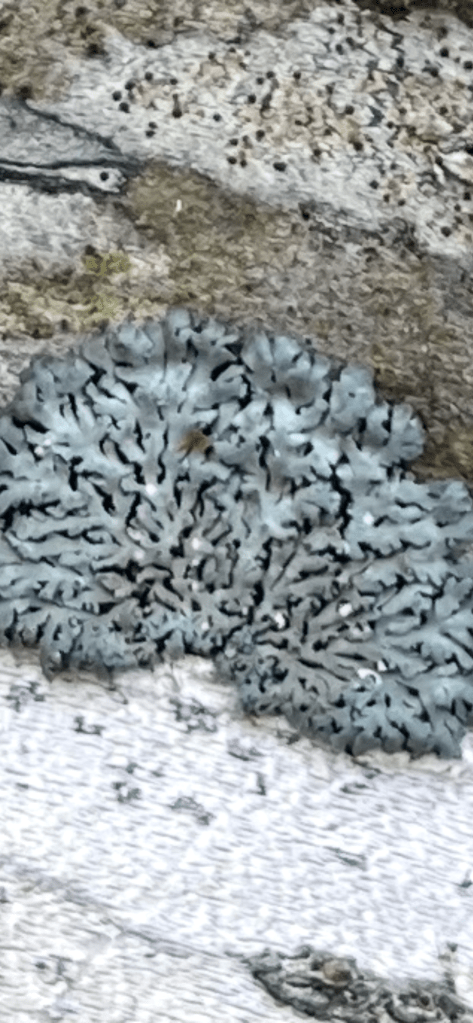
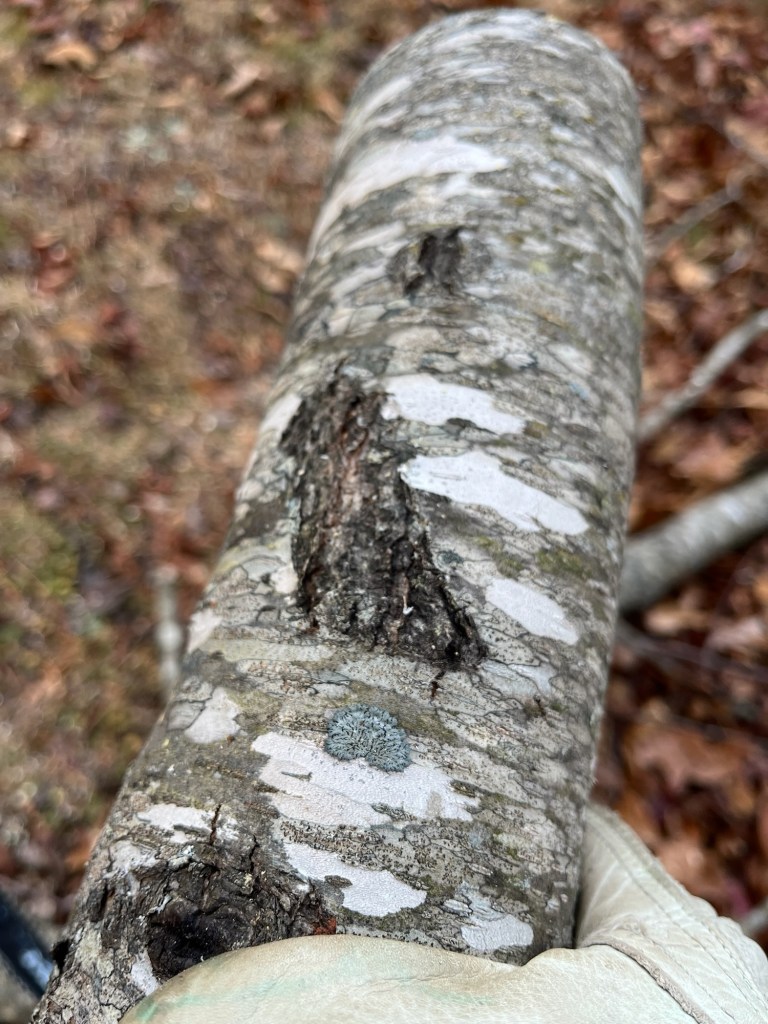
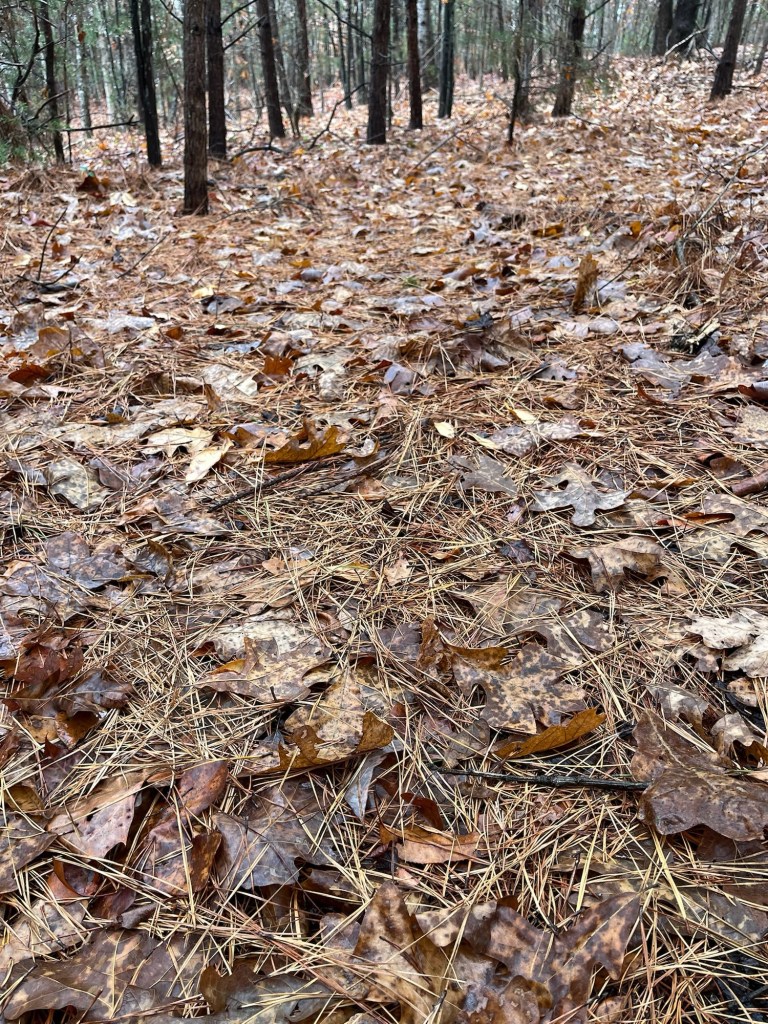
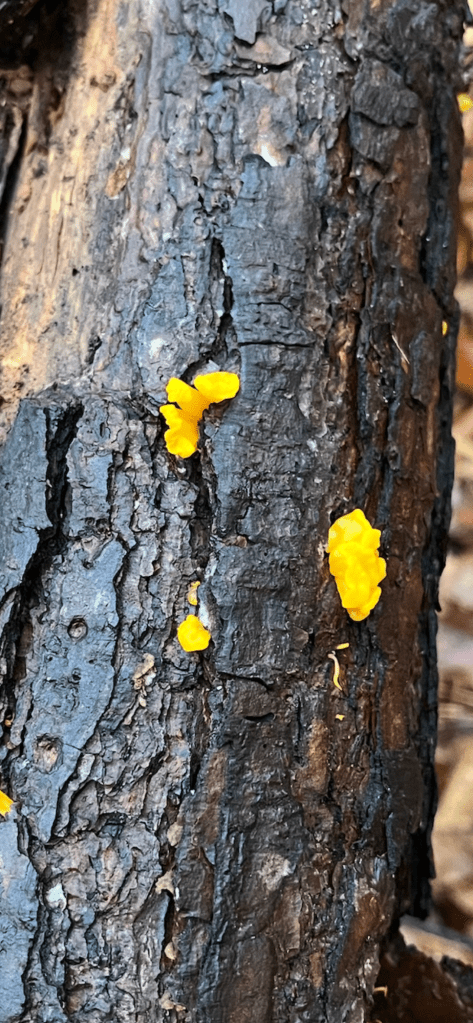
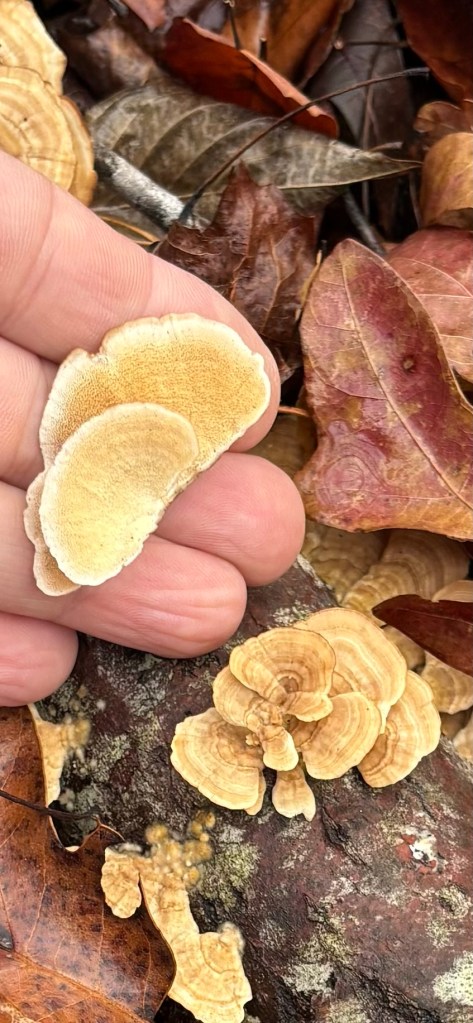
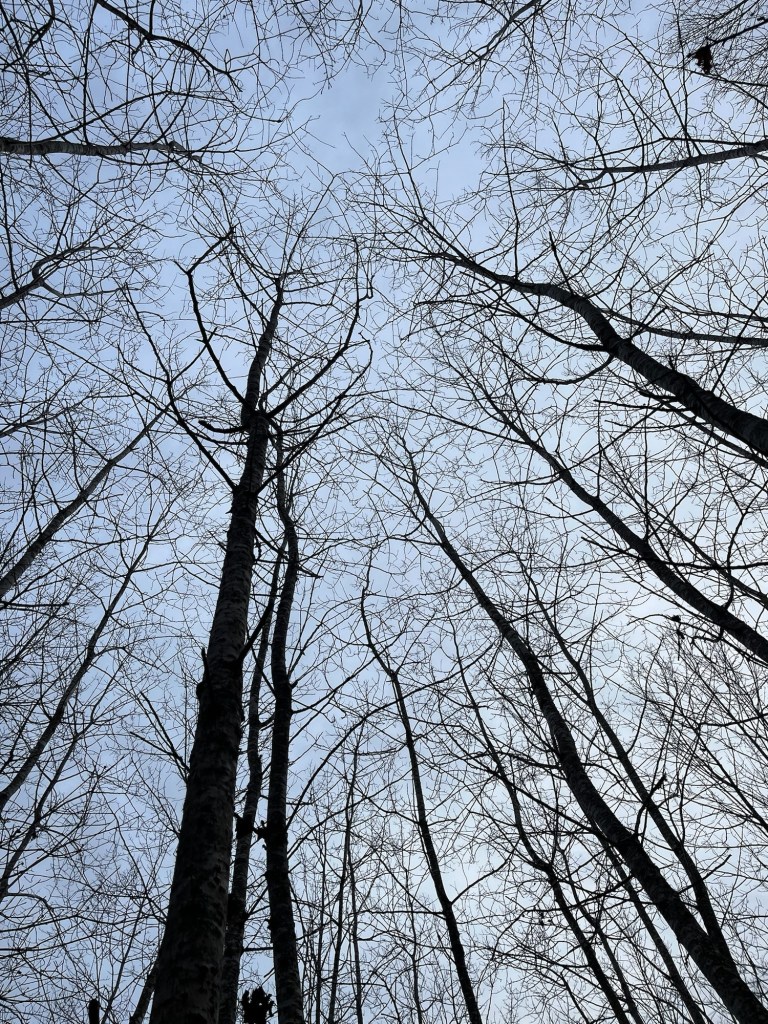
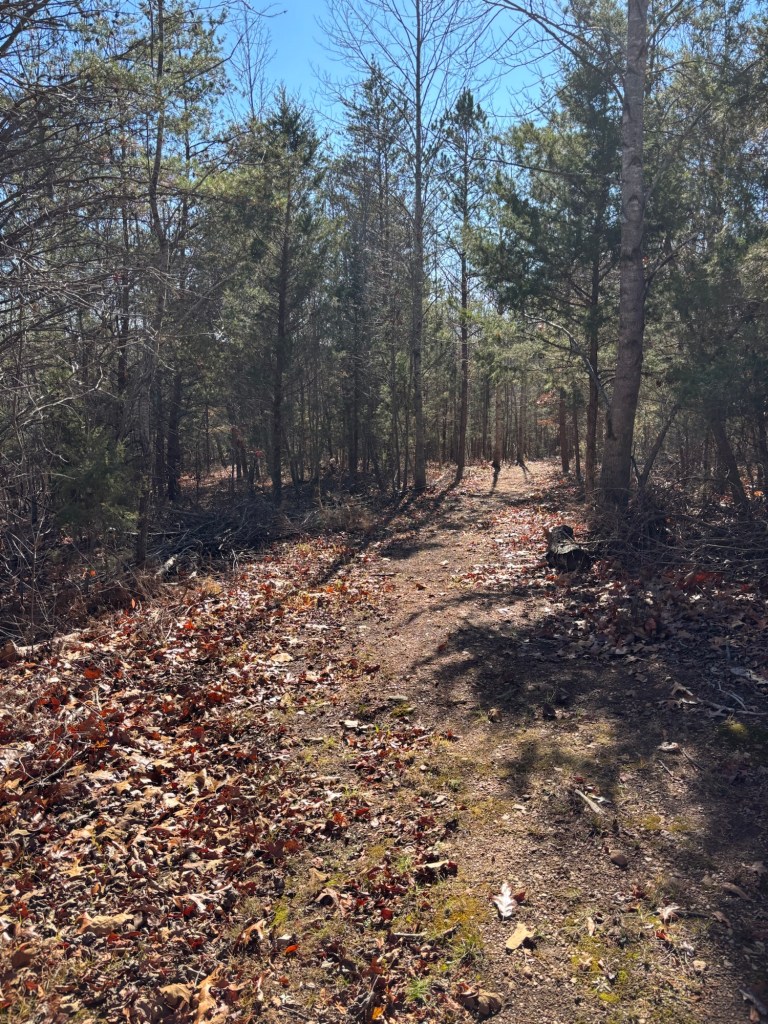
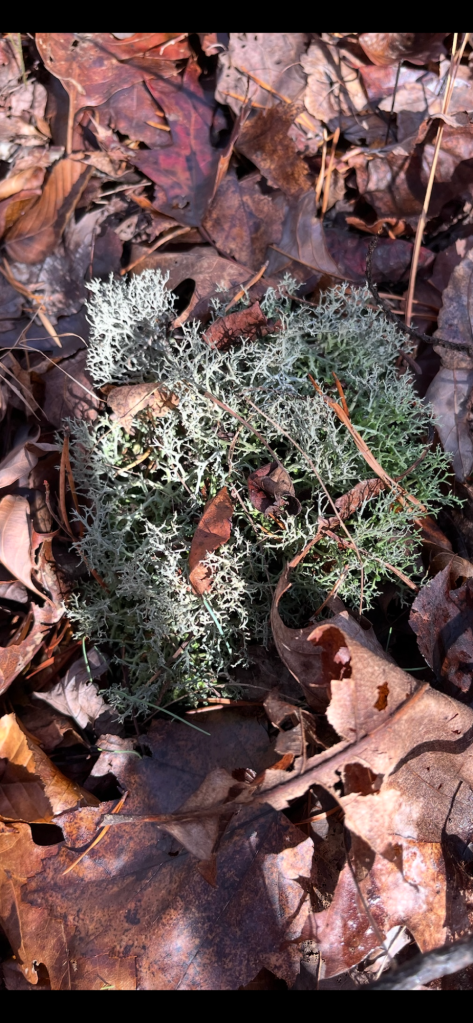
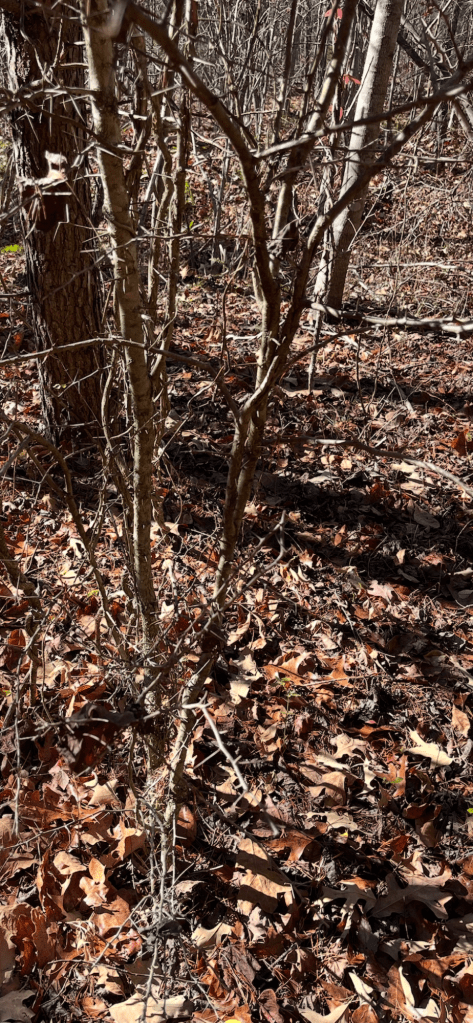
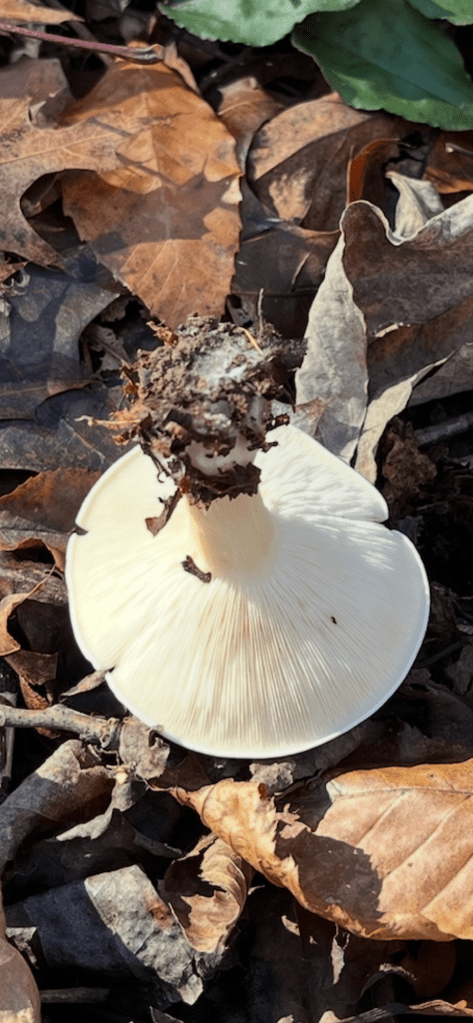
We got an early start yesterday to spend a rainy morning and afternoon at St Andrews Forest Farm. We got interior shed work completed after a lovely walk. Being in the forest with the rain falling is especially calming.
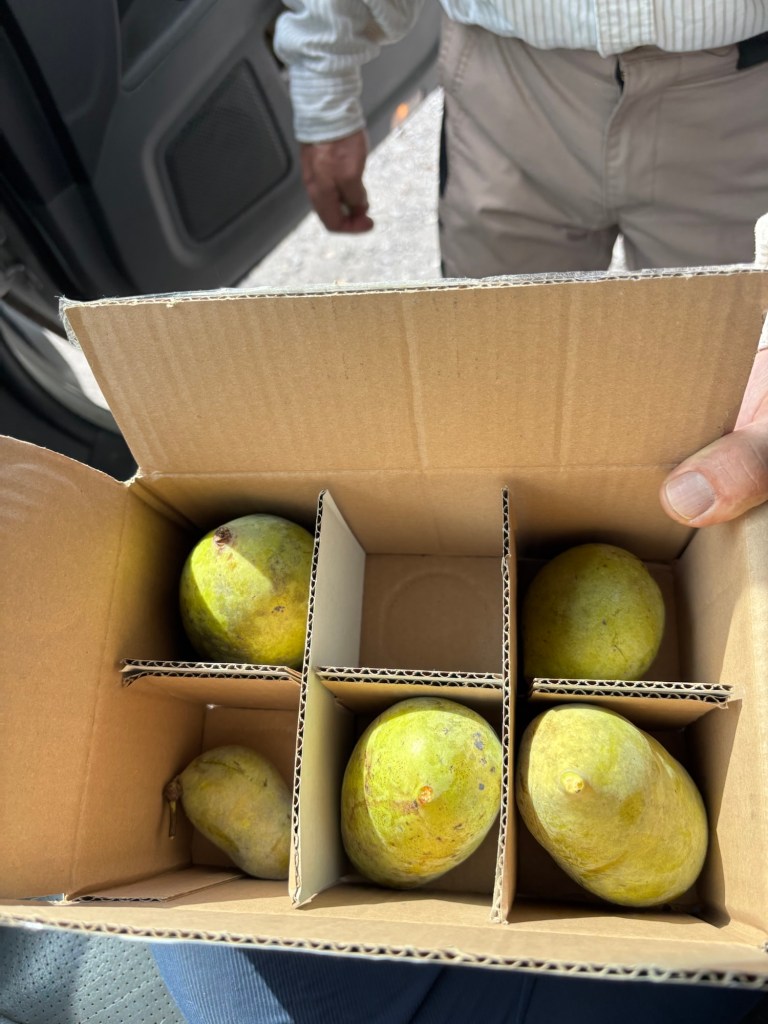
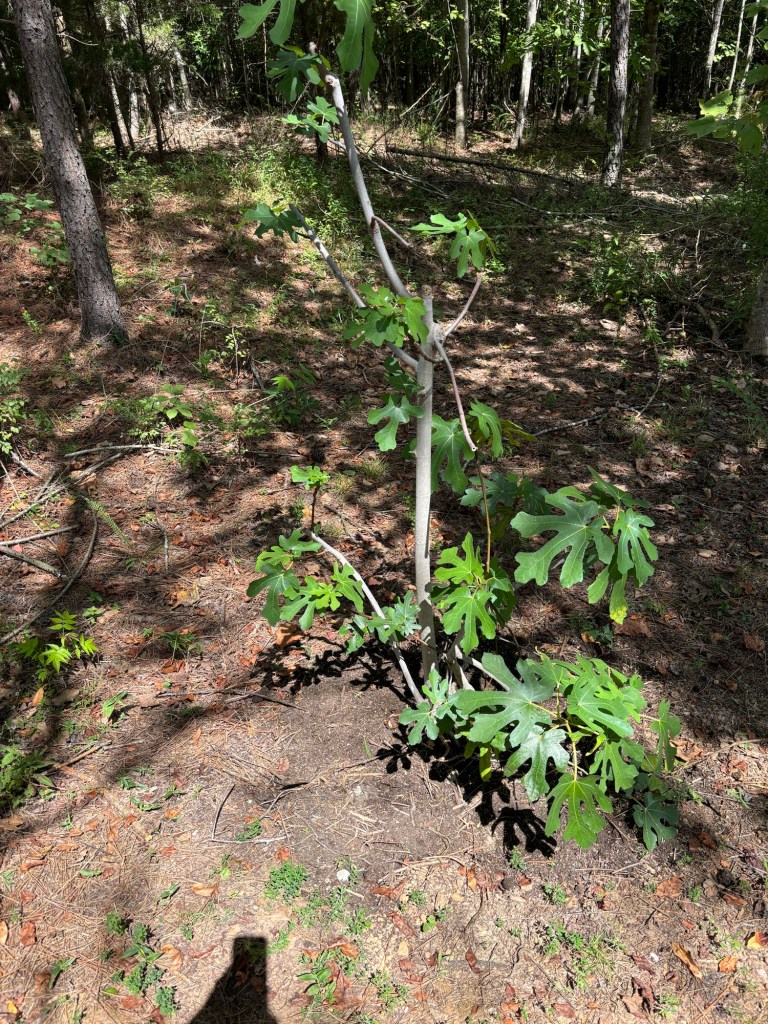
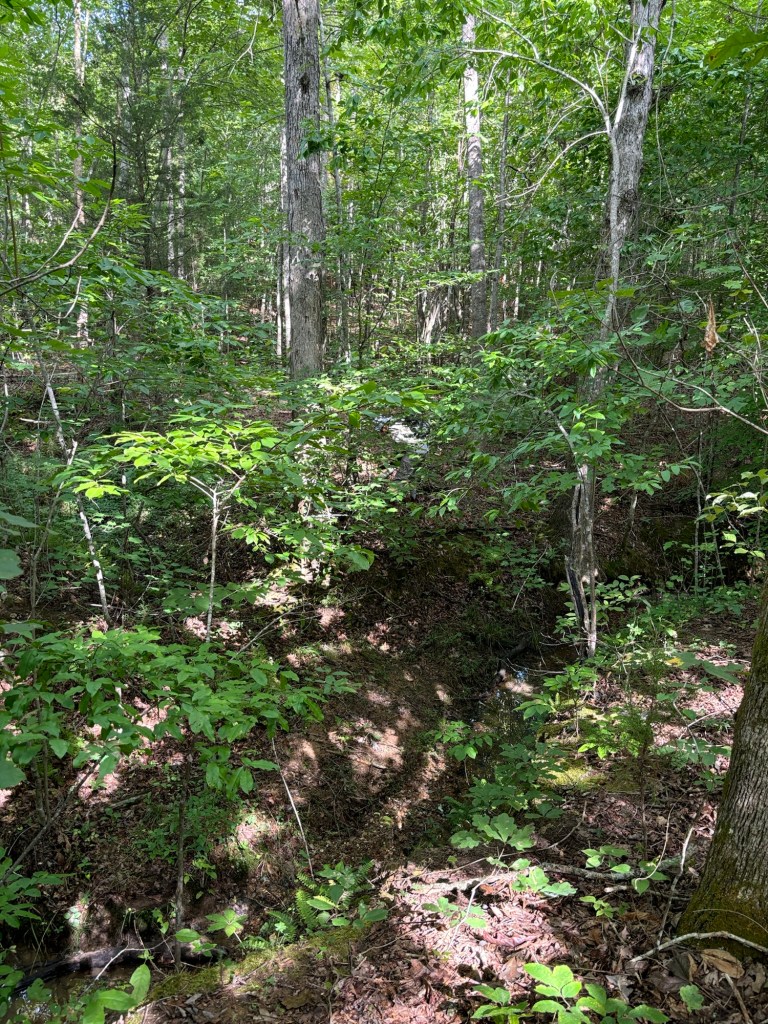
We went out to the farm on Friday and Sunday to get as many pawpaws planted before the rain comes. Thunderstorms and rain are forecasted to get started late tonight and continue until Wednesday afternoon. We planted 17 on Friday: Five in the orchard (a Kentucky State University Chappell and 4 seedlings) and another five alongside the Shenandoah and select seedlings that we planted last year. We put a Mango cultivar and four seedlings we started from foraging. Then we planted 2 on the Pawpaw Peninsula (an Allegheny cultivar and Wild native seedling from a Rockfish River foraged pawpaw). After that we put two by the pawpaw patch at the bottom of Ridge Trail and another two on the left side of the large pawpaw grove. We walked up Ridge Trail and put another wild pawpaw seedling from Rockfish River foraging near the small colony of native pawpaws growing along the south wet weather gully.
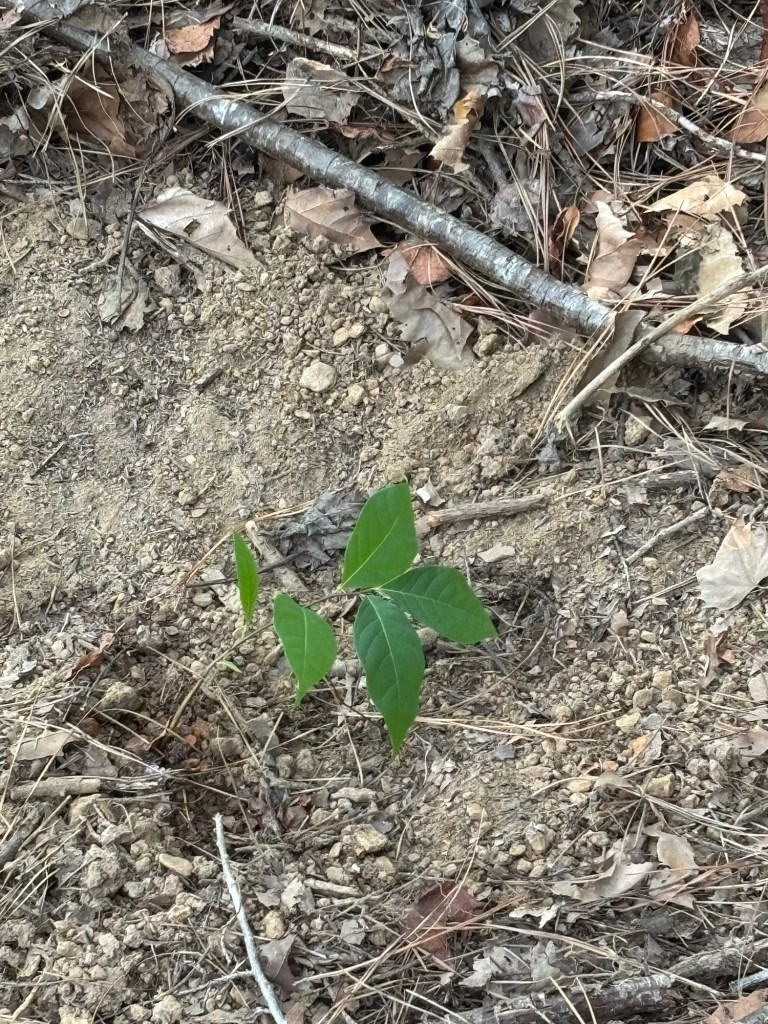
We were exhausted after this. We had to carry water for the trees after planting in our packs, carry our equipment and the trees themselves all around the farm. It was hot and the ground was hard and dry for digging. Chris was battling each hole. (We are looking into finding a lightweight device to dig our holes, as in an auger.)
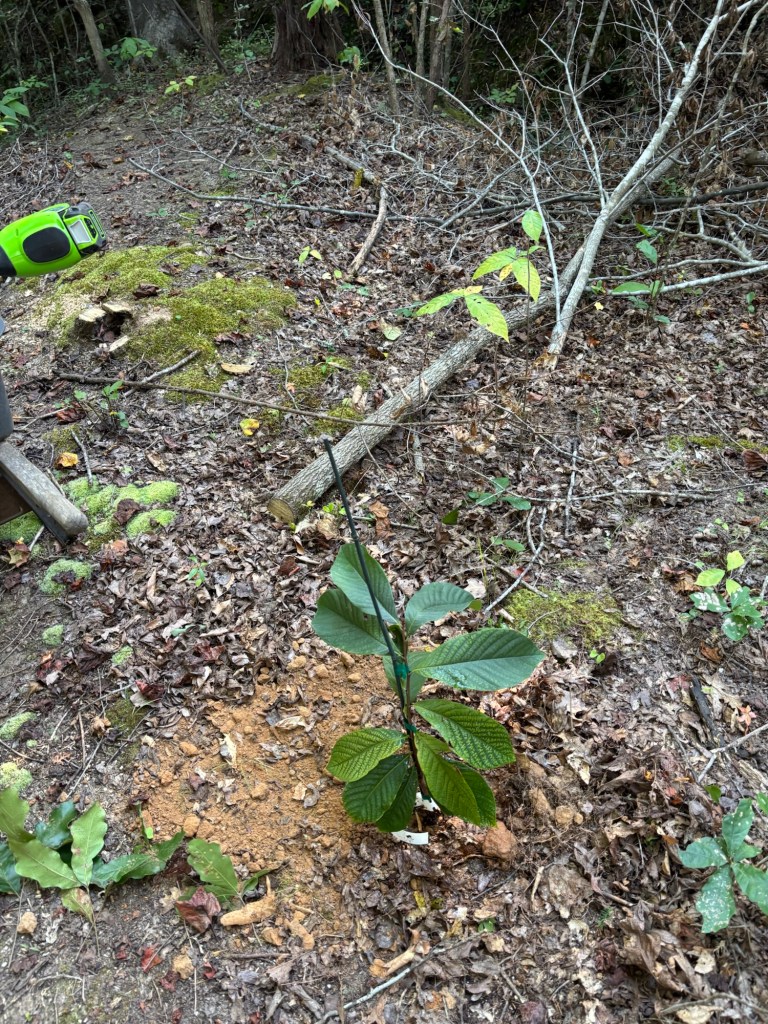
Then we went back out on Sunday to water what we’d planted Friday and put a few more in the ground. We planted 5 up top in the main clearing along the driveway and put two along the South Gully on Dan’s Folly. We put one more across next to a lone wild SAFF native pawpaw on Fern Trail. From there, we walked down the Gully and watered our select seedling planted a few days before. We were happy to see they all were still in the ground (last year, the deer ate them and pulled them out of the ground a day after we planted so we almost expected the same.) They were glowing in fact. They all appeared to be very happy in their new locations. We watered them some more.
We have another 80 or so to plant and hope to get out to the farm again soon to get a few more in the ground.
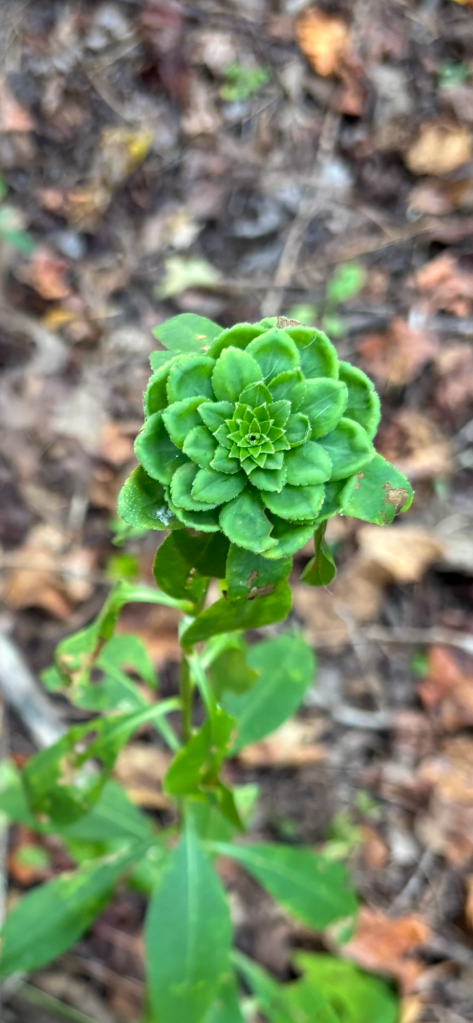
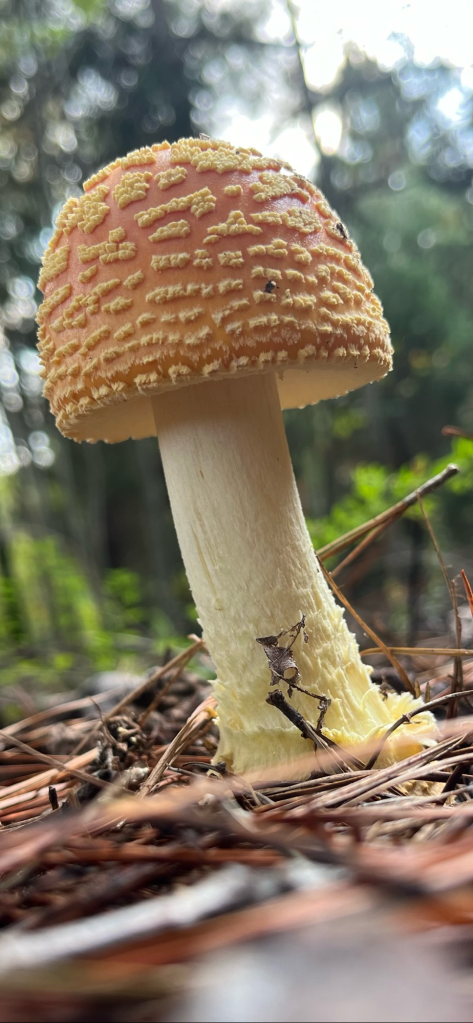
We went over to put up boundary markers and no hunting or trespassing signs as well as forage for mushrooms. Hunting season begins Saturday October 5th (early archery season starts). We took down trees growing too closely together and used the trunks as a natural fencing inside the tree line along the road frontage to discourage hunters from chasing deer onto our property. We’ve also been told hunters run dogs through properties to scare up deer. We are trying to create a hunt free zone, except for mushrooms, and to keep anyone chasing animals off our land. We also will put up several more cameras later this weekend. We had technical issues yesterday but worked it out this morning.
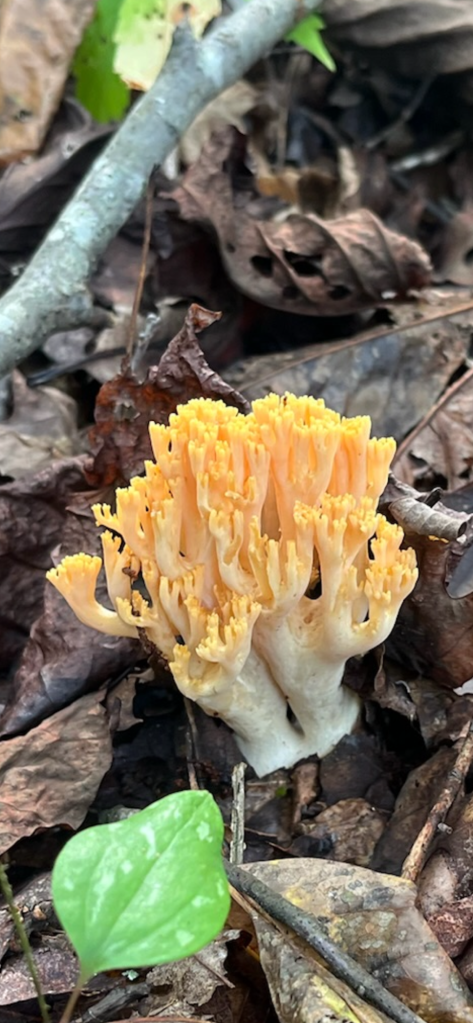
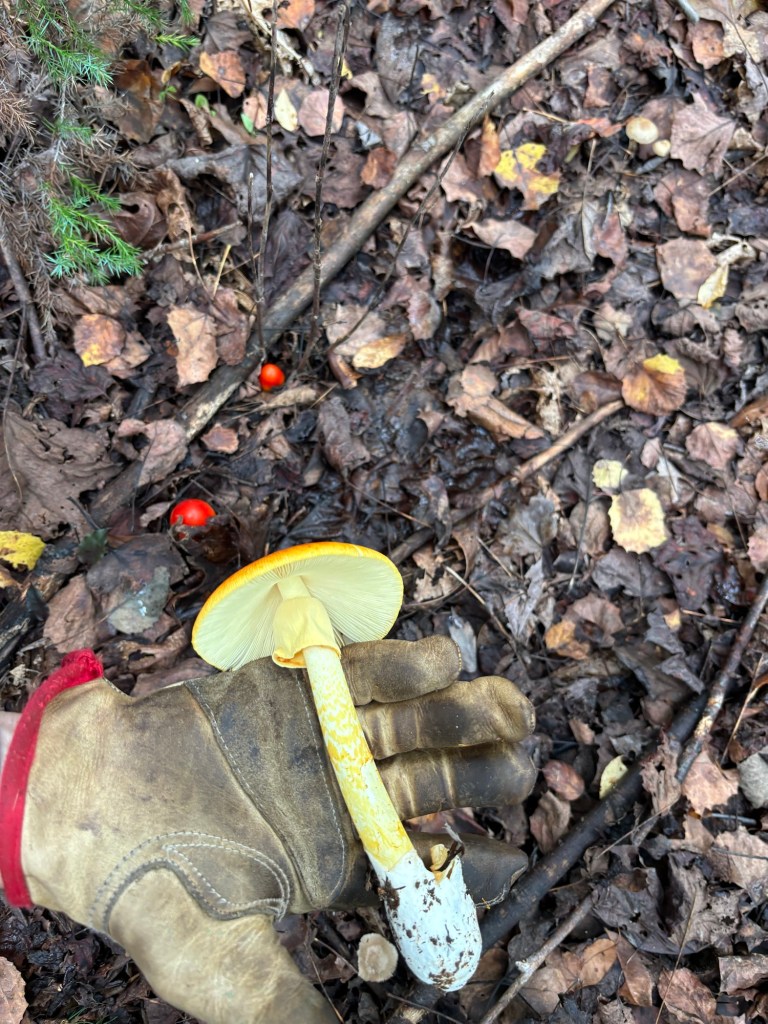
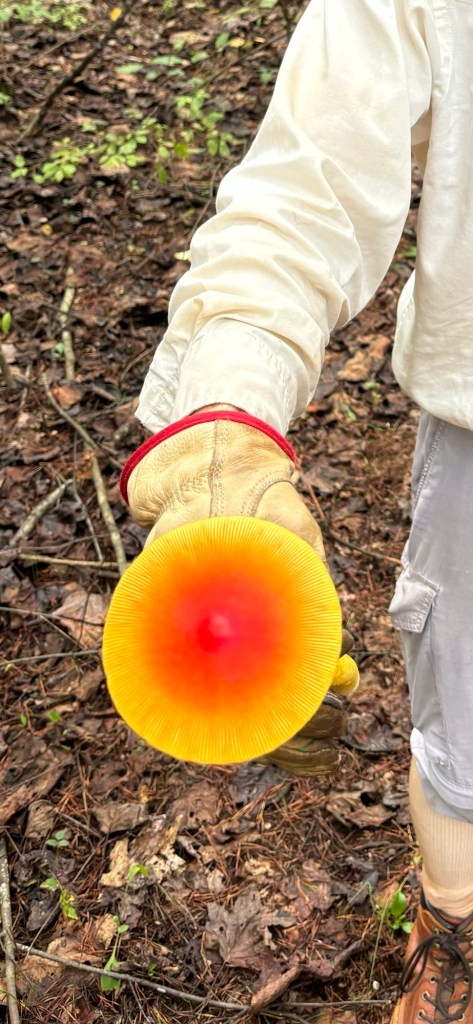
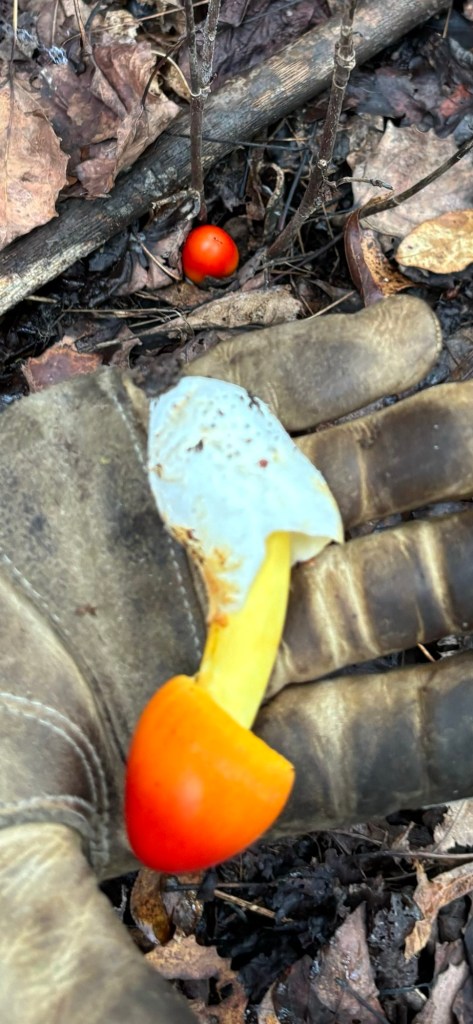
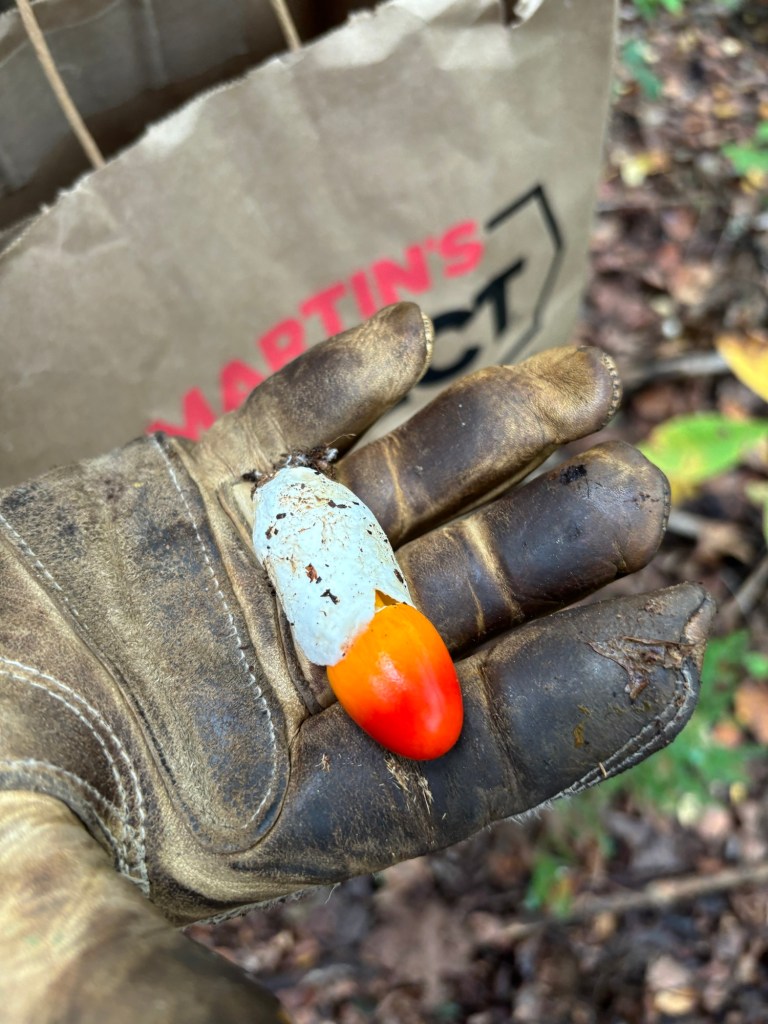
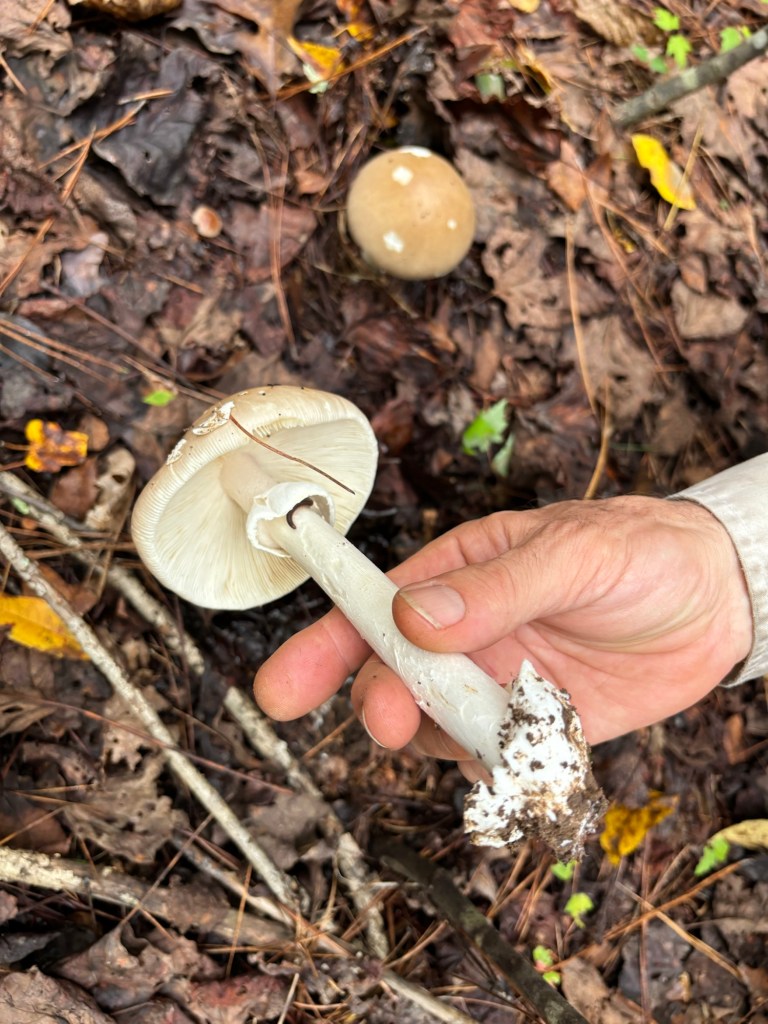
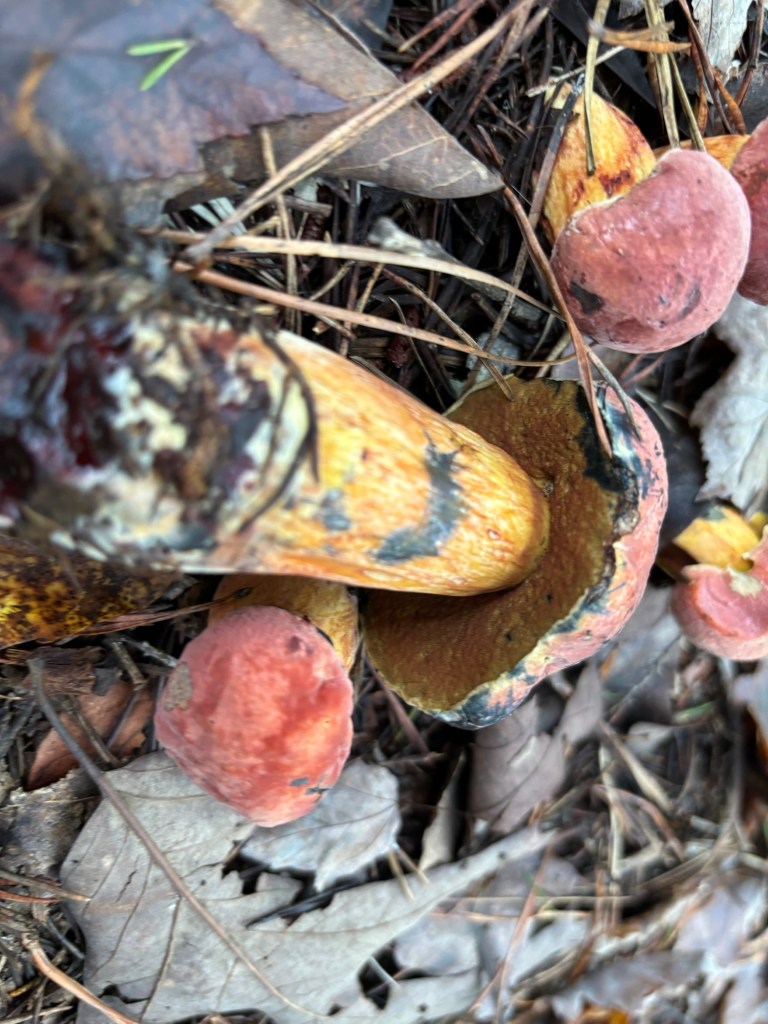
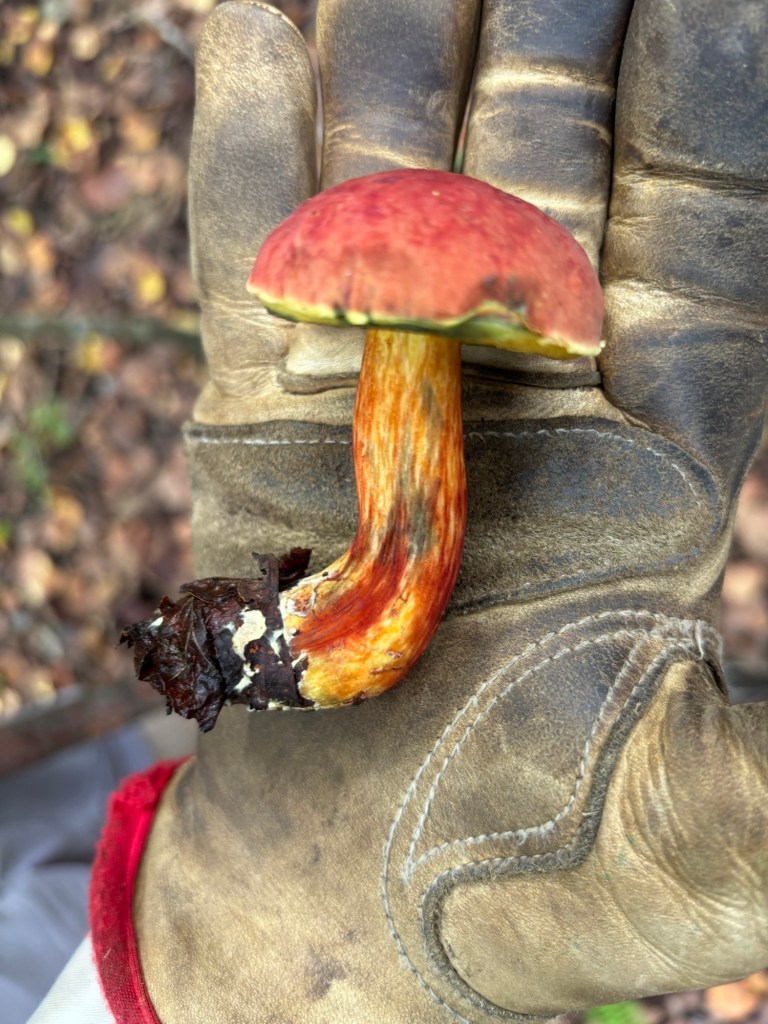
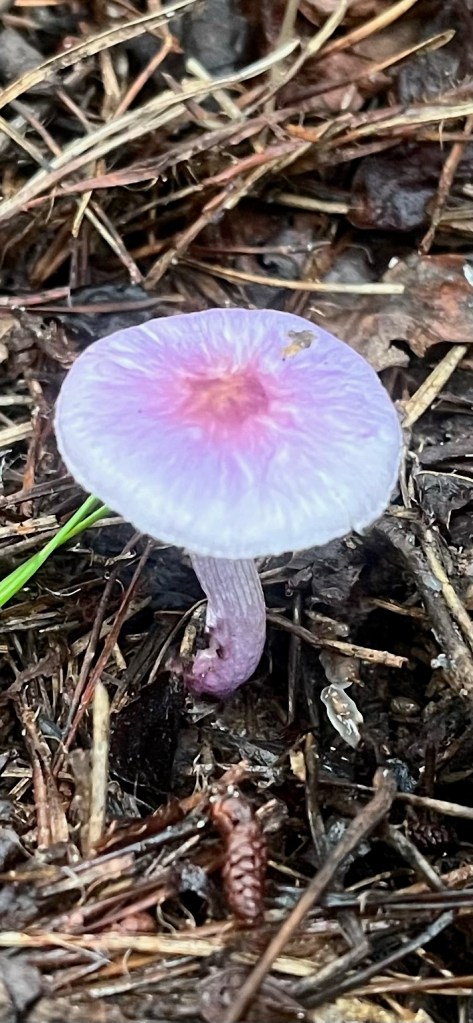
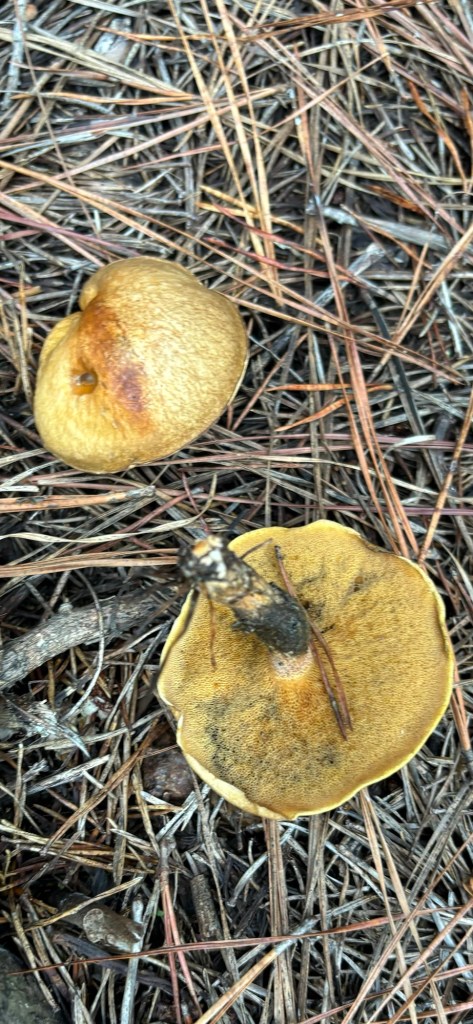
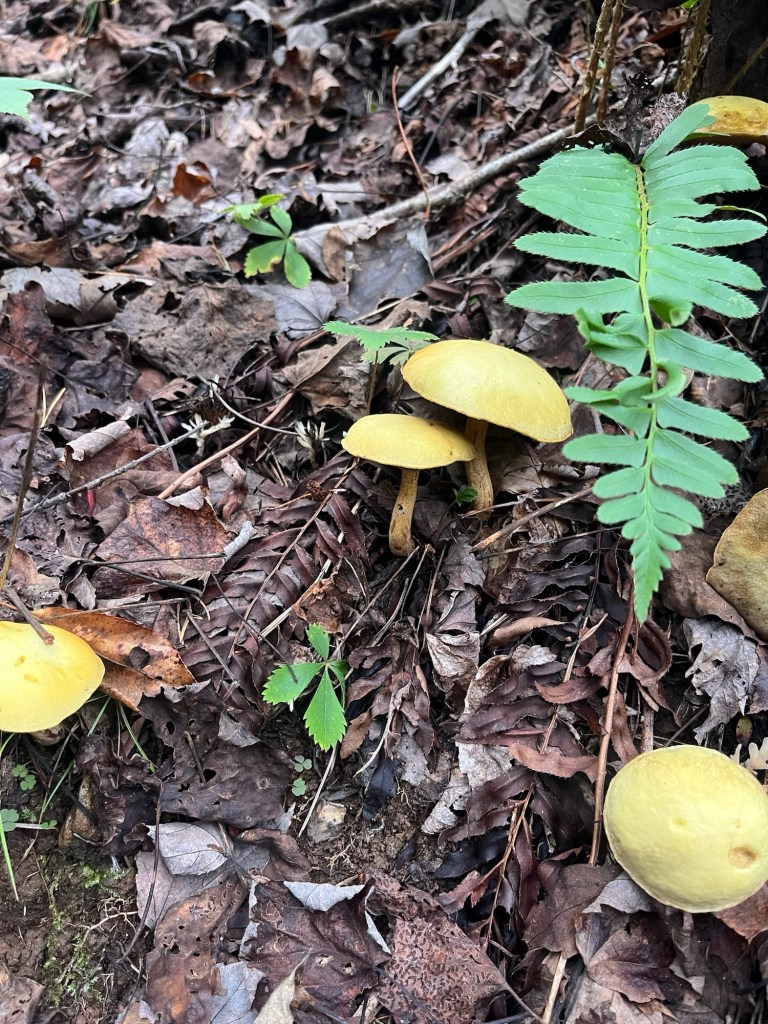
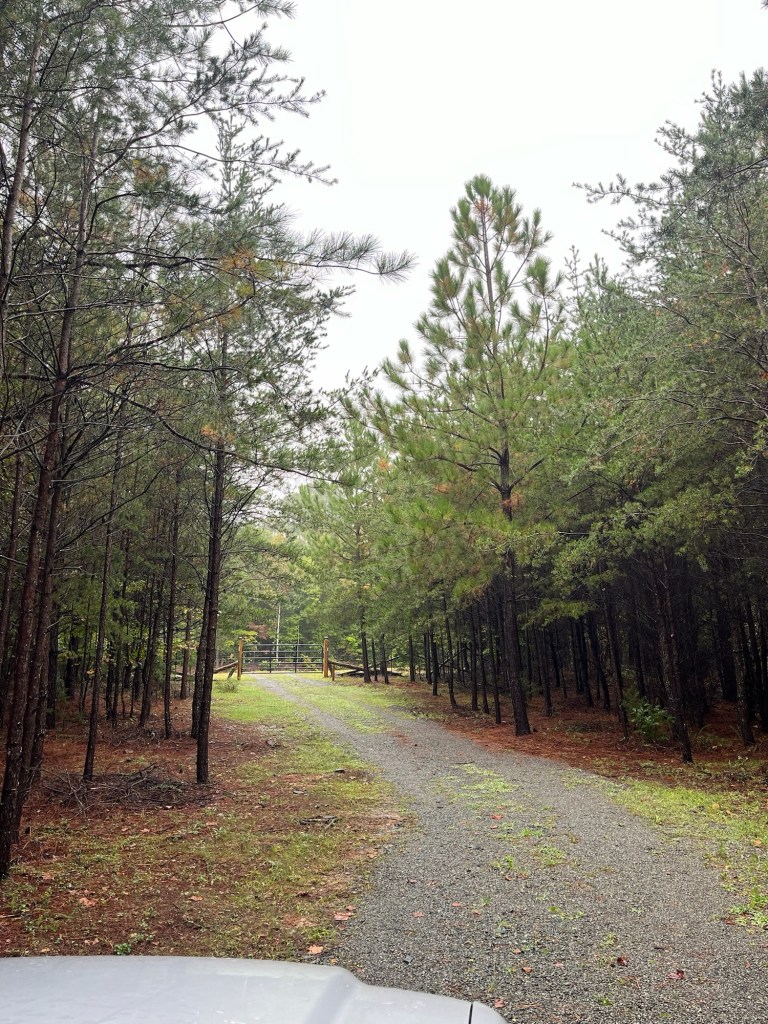
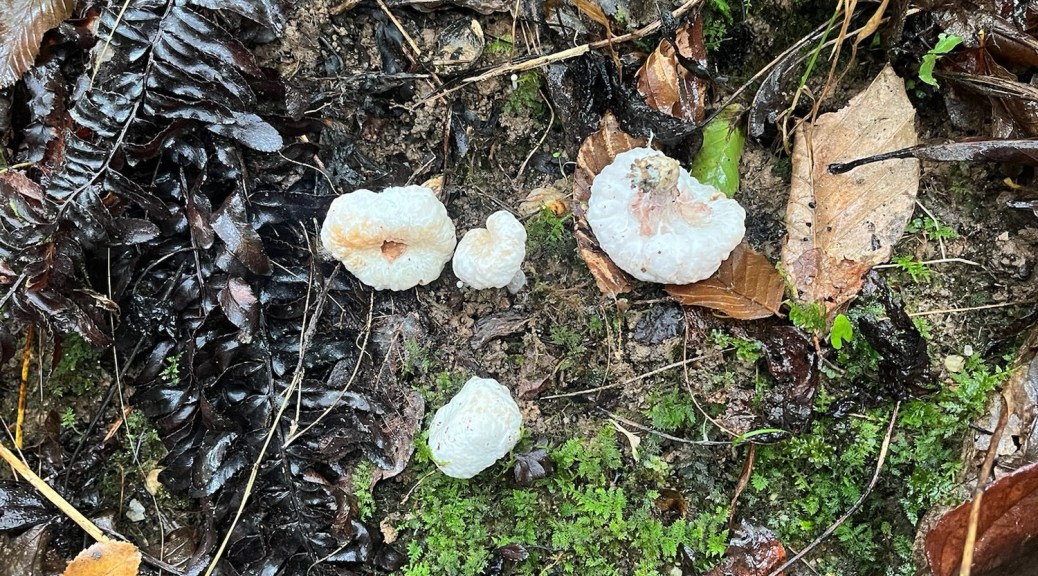
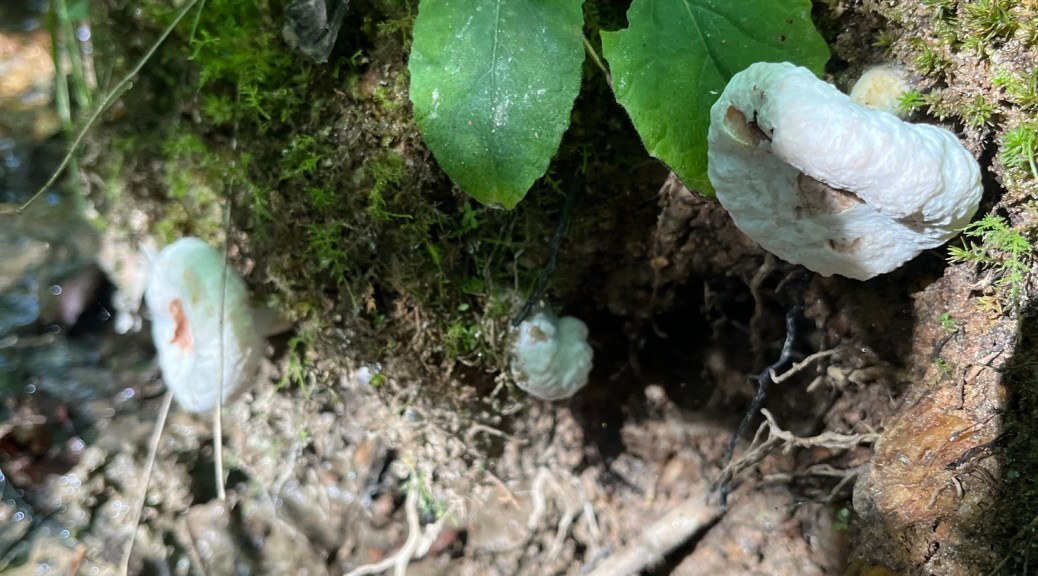
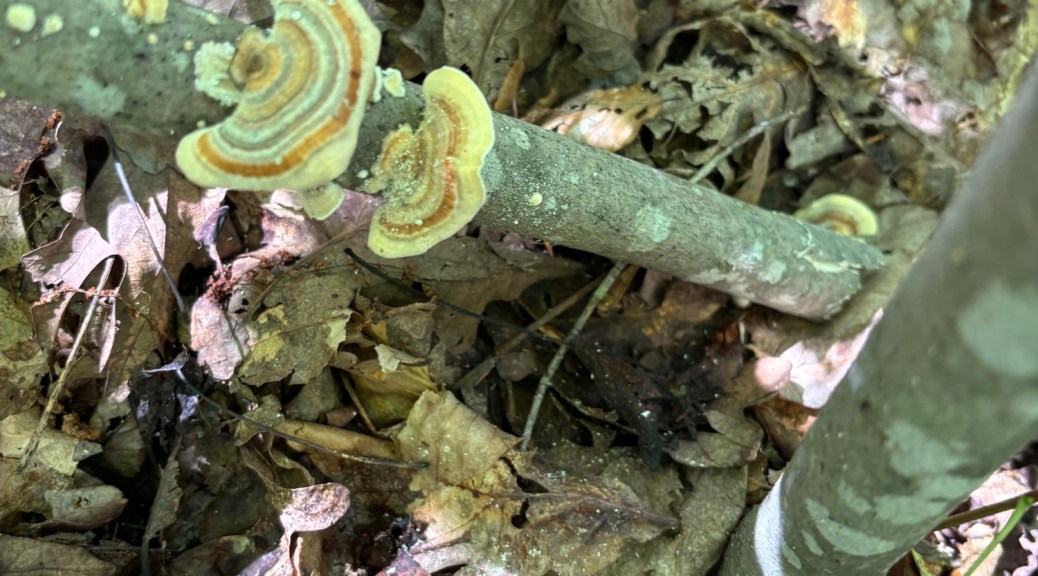
Mushrooms were everywhere at Saint Andrews Forest Farm since it has been raining for days and the temperatures are in the 60s at night and 70s during the day. The rain is wonderful and much appreciated as the water table is still very low.
We saw these tiny Mycenae and Coprinellus growing together.
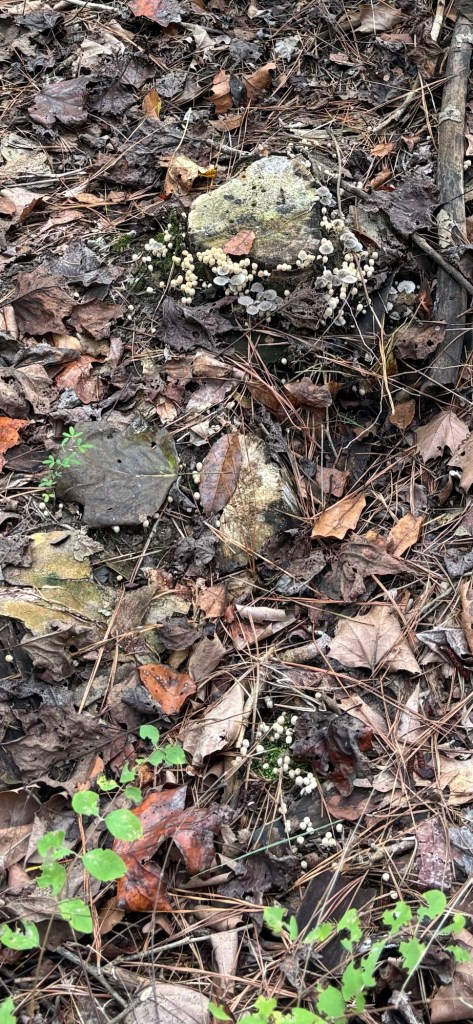
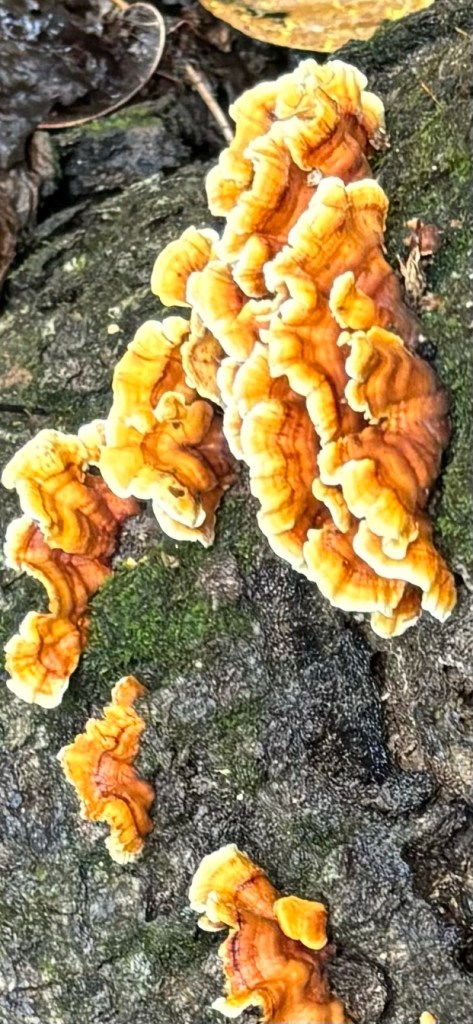
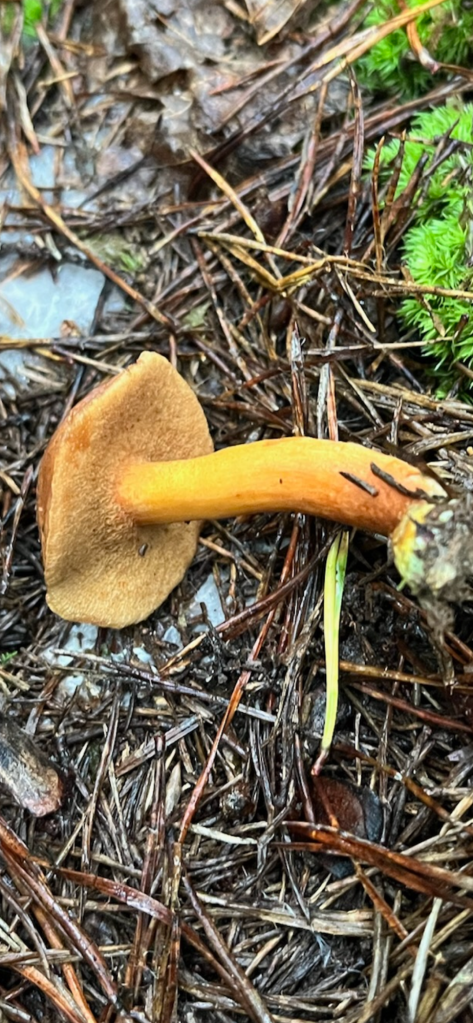
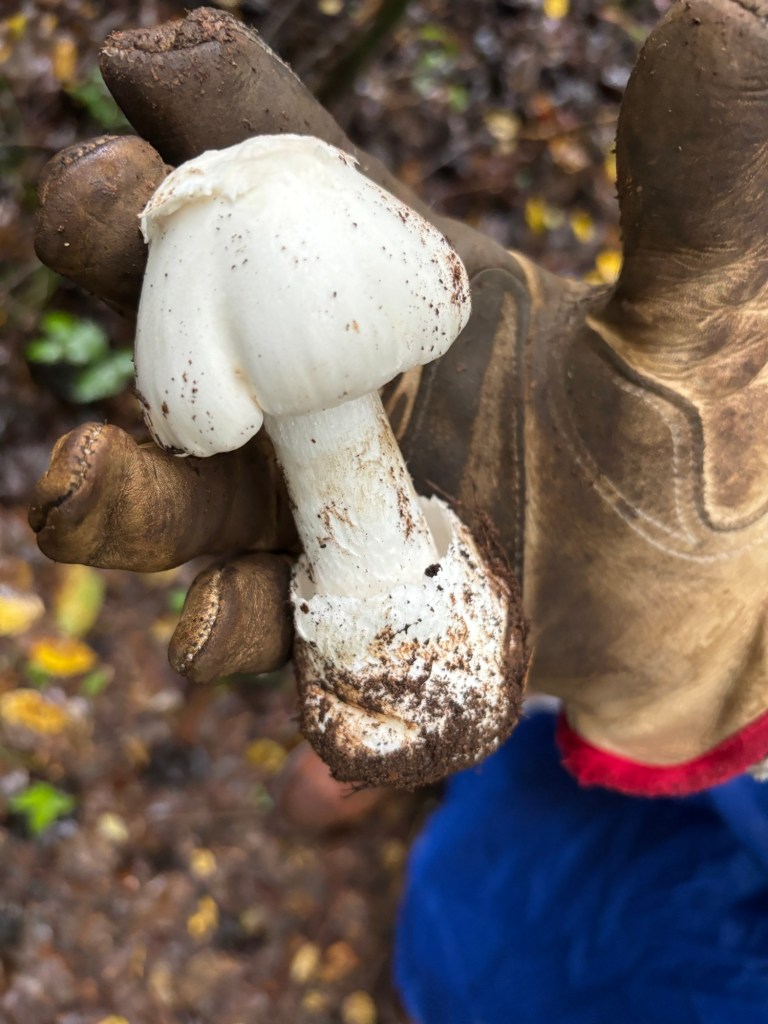
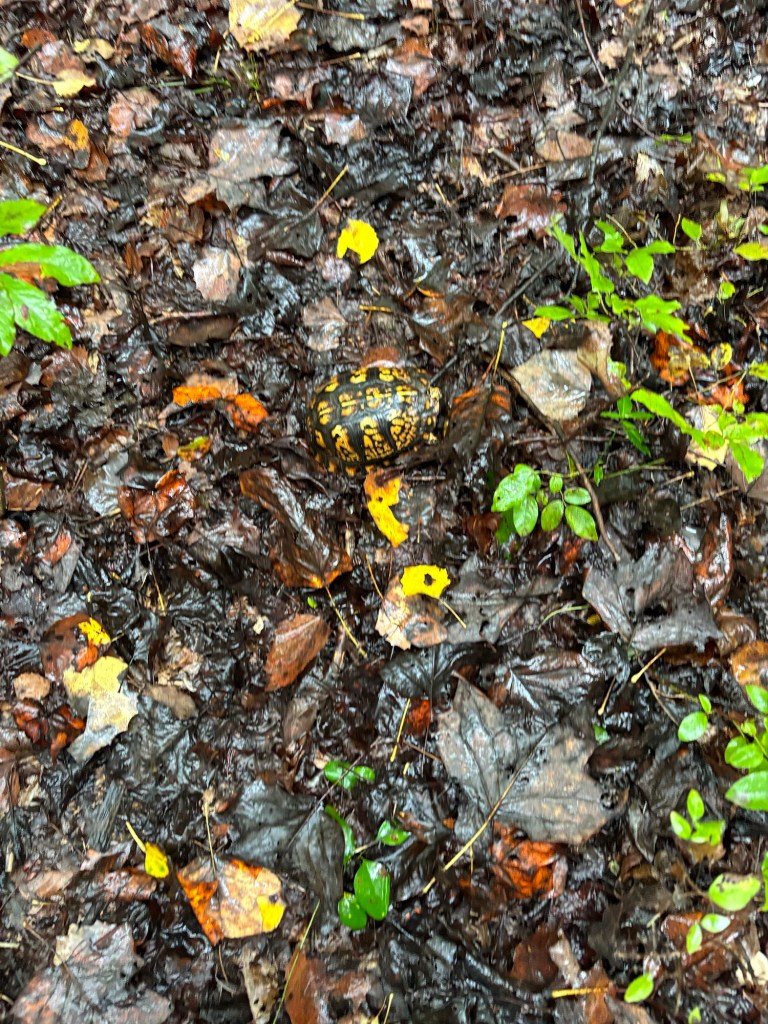
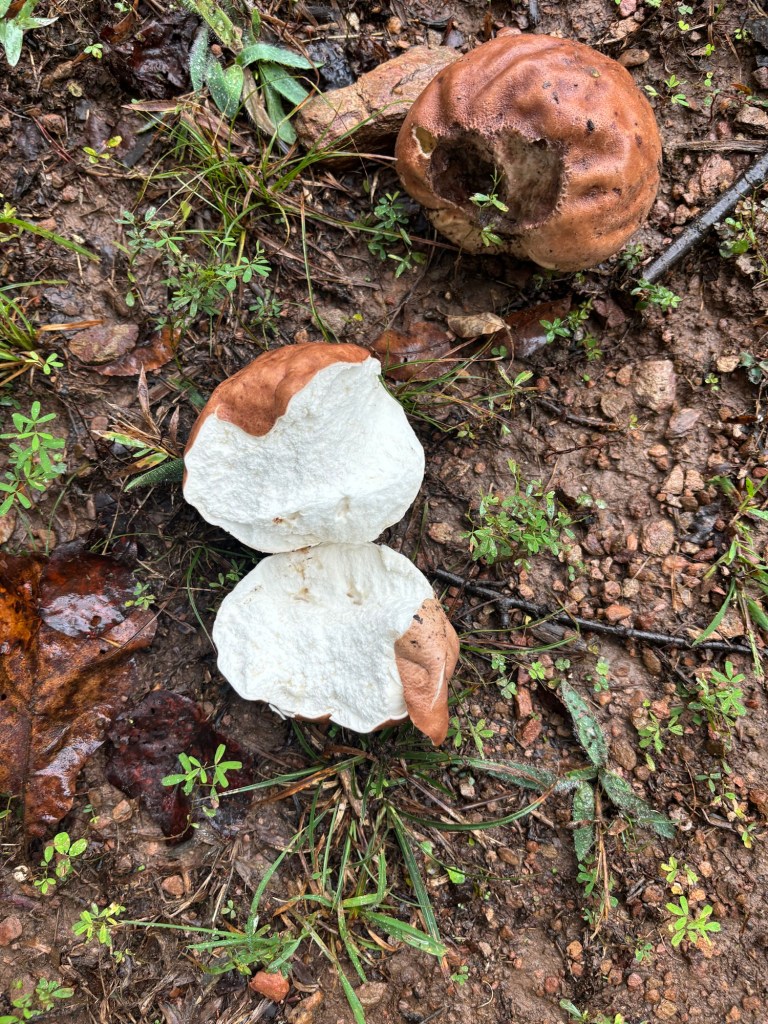
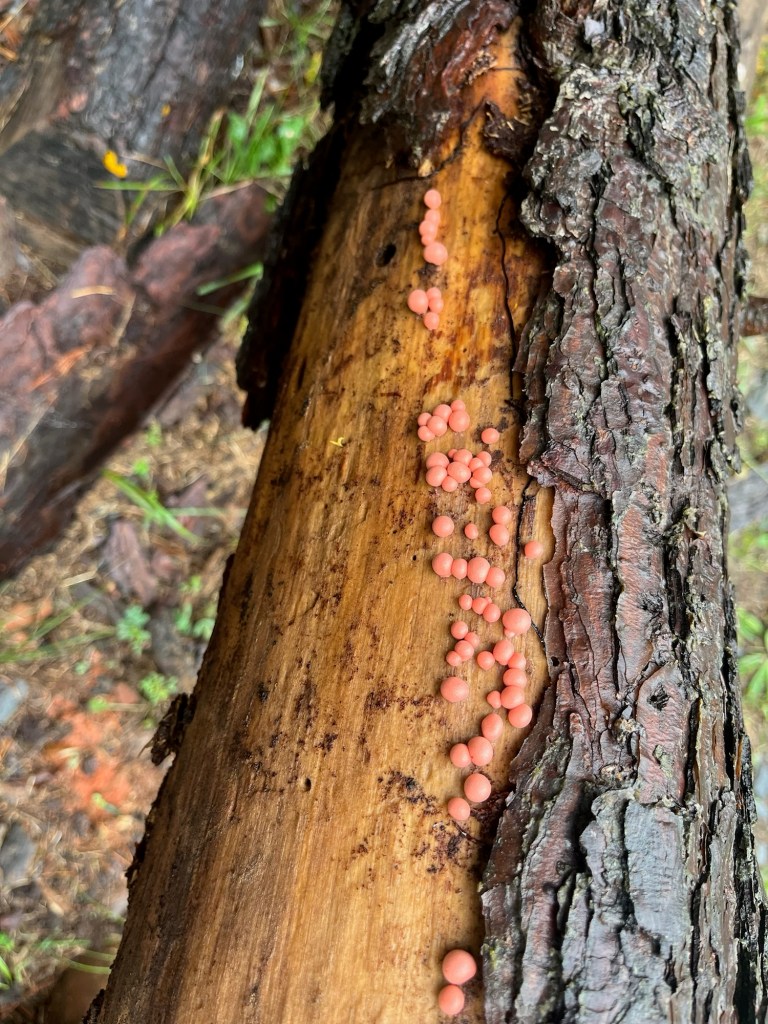
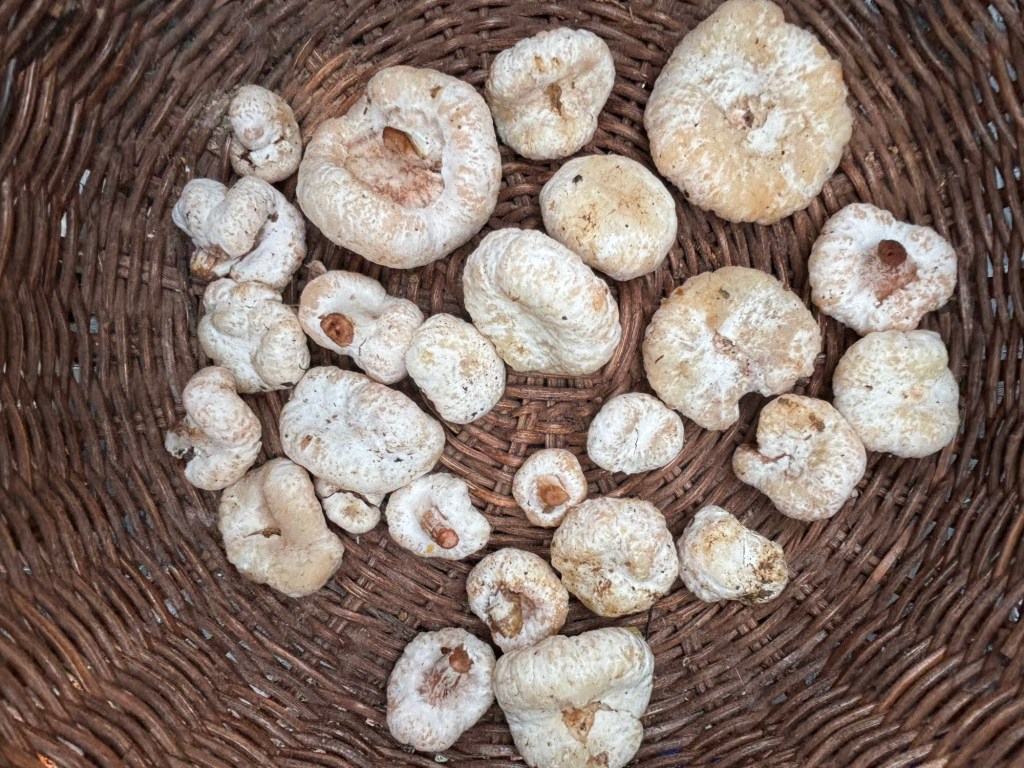
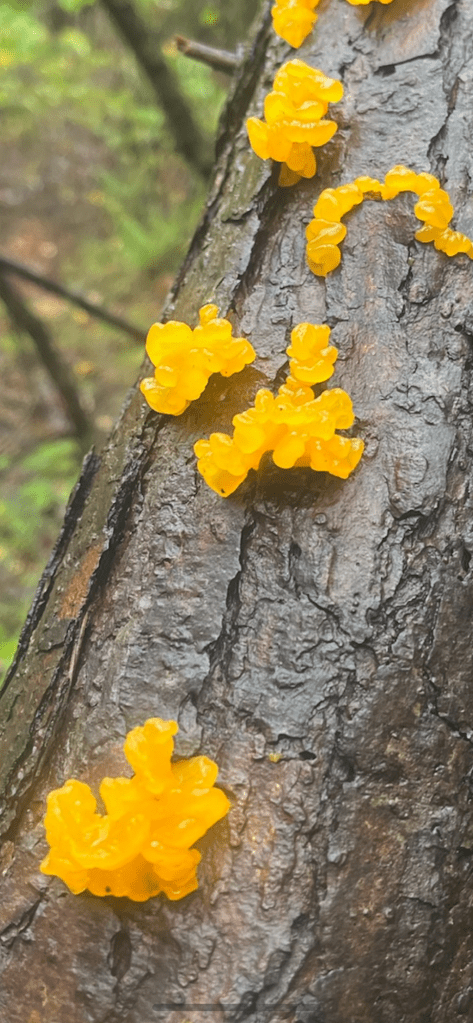
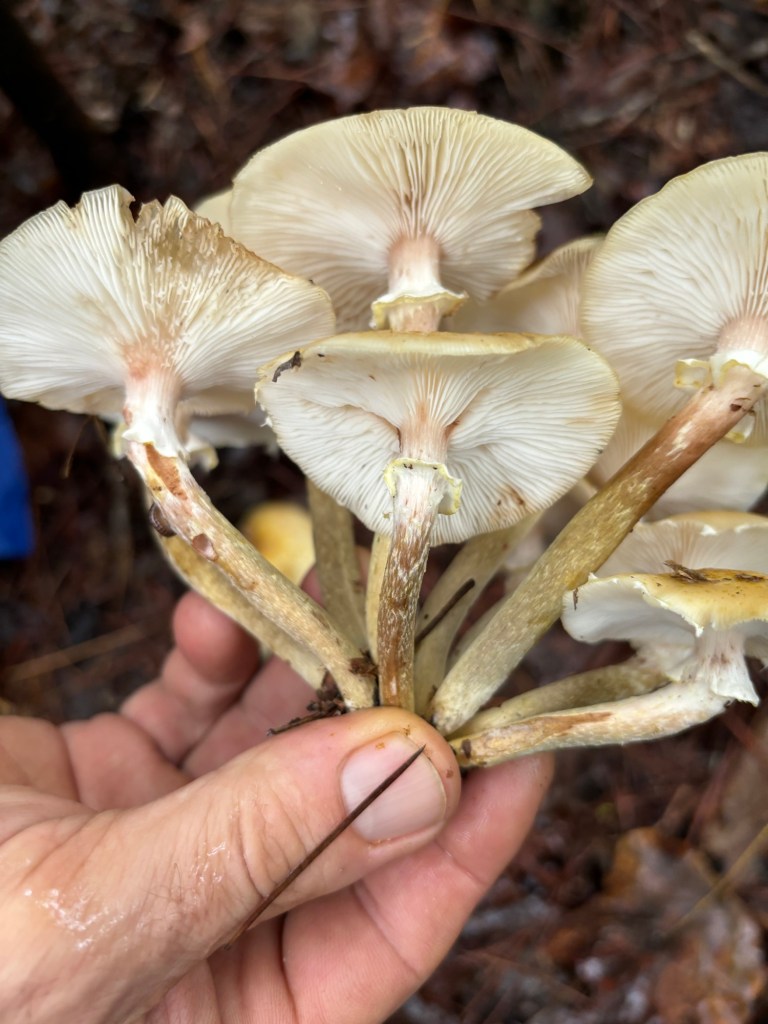
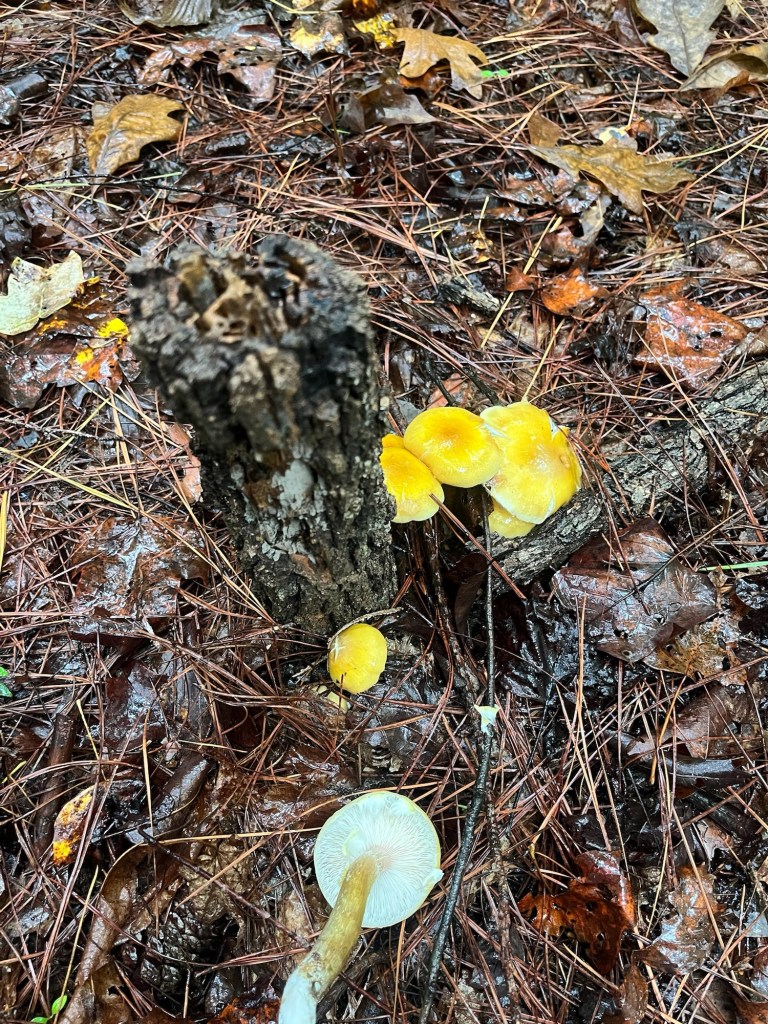
We took a walk in the rain around Saint Andrews Forest Farm yesterday and saw plenty of fungi to our delight. The animals had eaten some of the Honey mushrooms. These are highly nutritious. We were fascinated by the fairy ring of Honey mushrooms up top which showed this Armillaria to be maybe 15 or 20 feet in diameter. Most of it is underground mycelium.
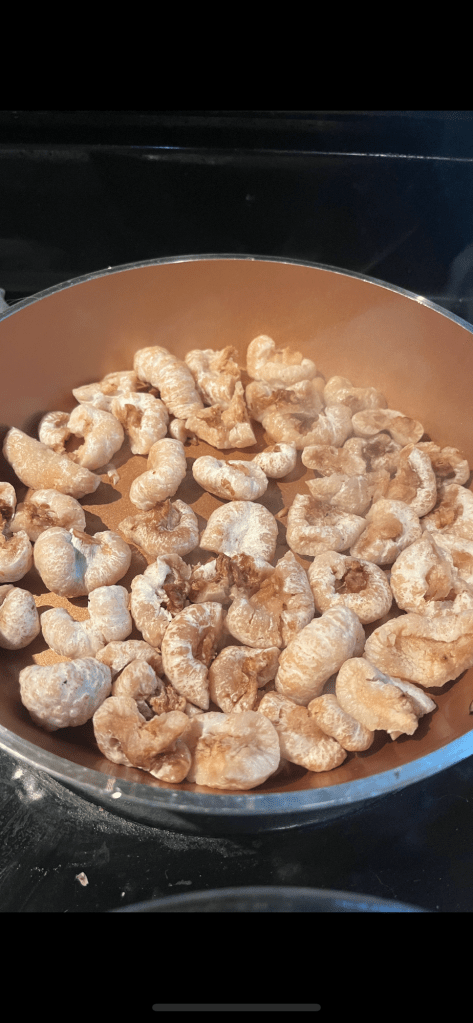
We’d been waiting for these to emerge along with the Entoloma abortivum which are actually honey mushrooms parasitized by Entoloma. Each year they show up together and it is a helpful identification factor. They are delicious and we are having them for breakfast this morning with our eggs.
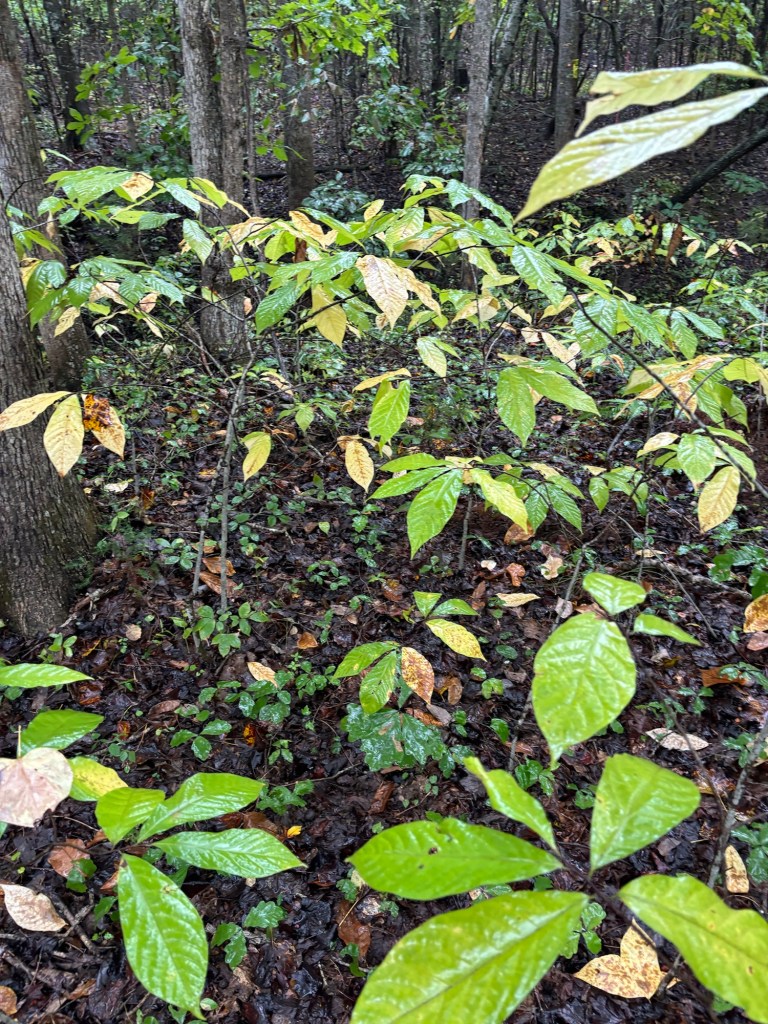
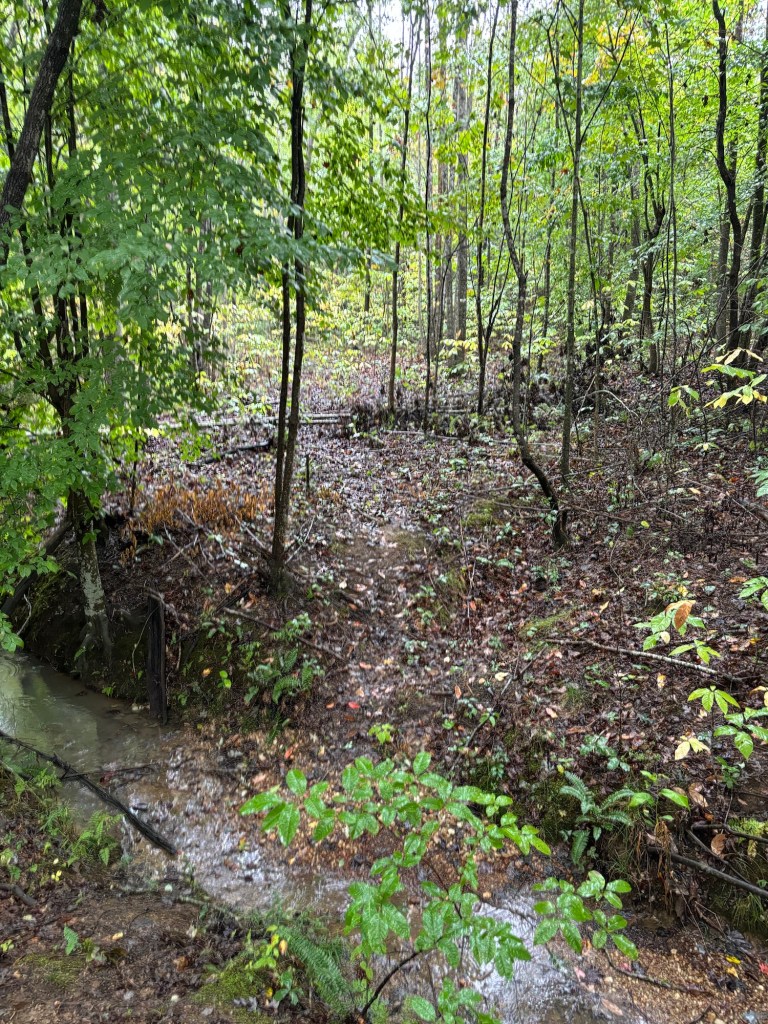
We also found a few more patches of pawpaws growing along the southern wet weather gully! They are easily spotted right now as they are beginning to go dormant for winter as evidenced by their yellowing leaves.
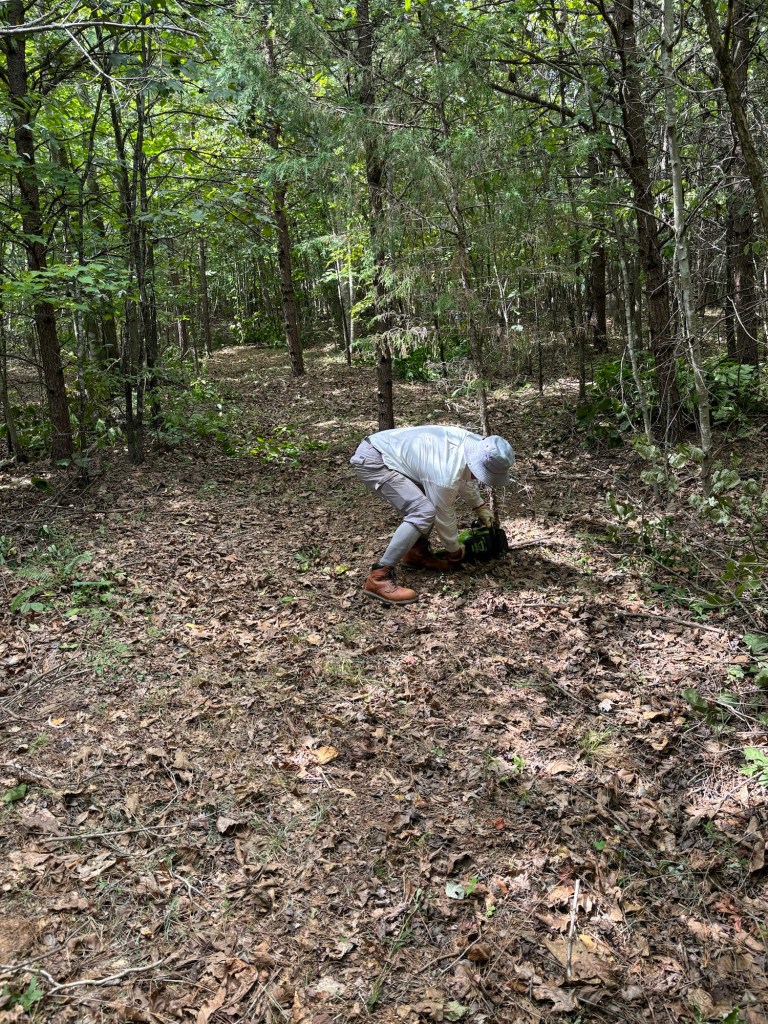
We couldn’t wait to get back out to clear some more trees from the roadway. We used the chainsaw, loppers and the string trimmer to clear out another chunk of the road. This time we made it just past the culvert with the shoe lasts. We were pleased and exhausted. The road is covered with leaves, pine needles and other forest debris so we keep pushing the debris aside with our foot to find stones underneath. It’s a compacted dark gray stone just like our driveway up top. The roadway goes along the northern boundary from the top clearing to the back line near another road. It stretches for acres and gives us truck access to the whole farm. A man stopped by a few weeks ago and said he was a member of the family that owned the property. He said the road ran all around the farm and also mentioned tobacco was grown on SAFF. It’s almost all forest now. We hope to figure out where the tobacco was grown. We’ve been bringing our homemade compost out to the farm to nestle in our new plantings and nourish the soil.
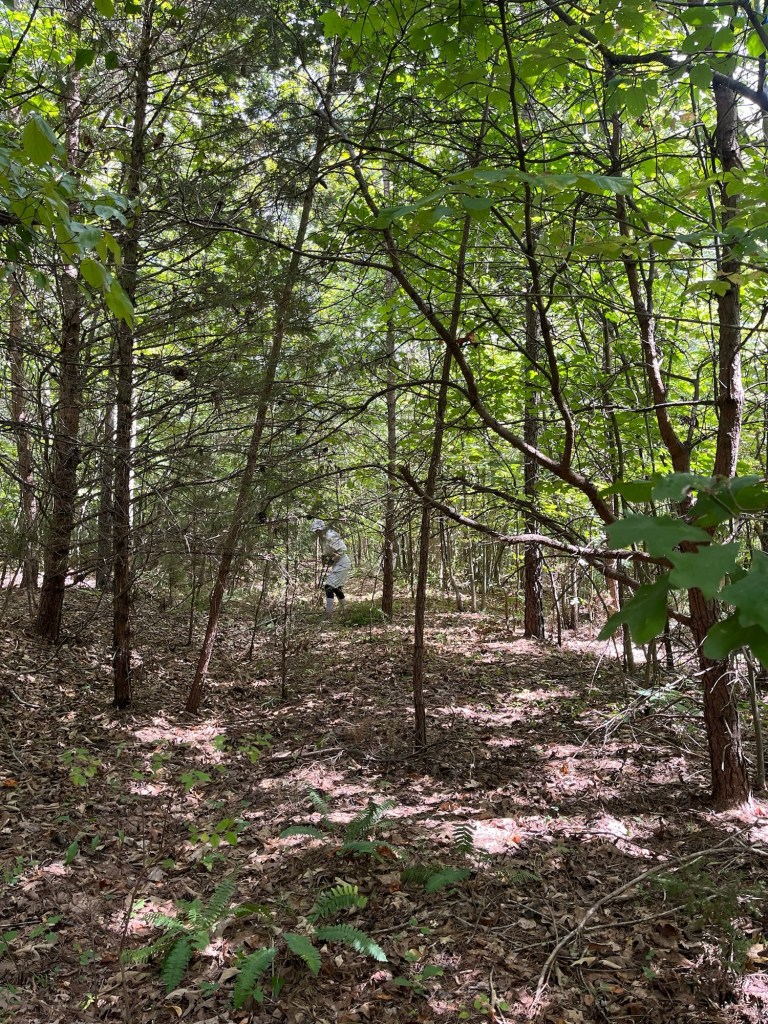
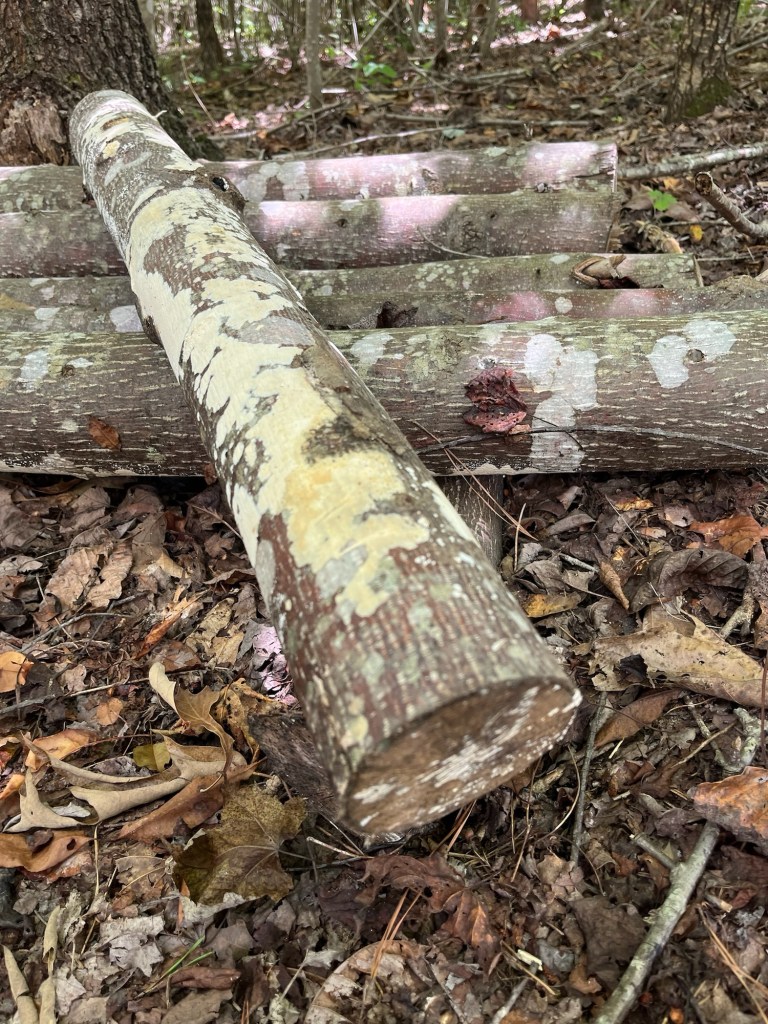
We also checked our lion’s mane experiment right off the clearing. Last fall we inoculated beech logs with lion’s mane mushrooms and yesterday we saw the mycelium creating something that looks like it may be what we hoped for.
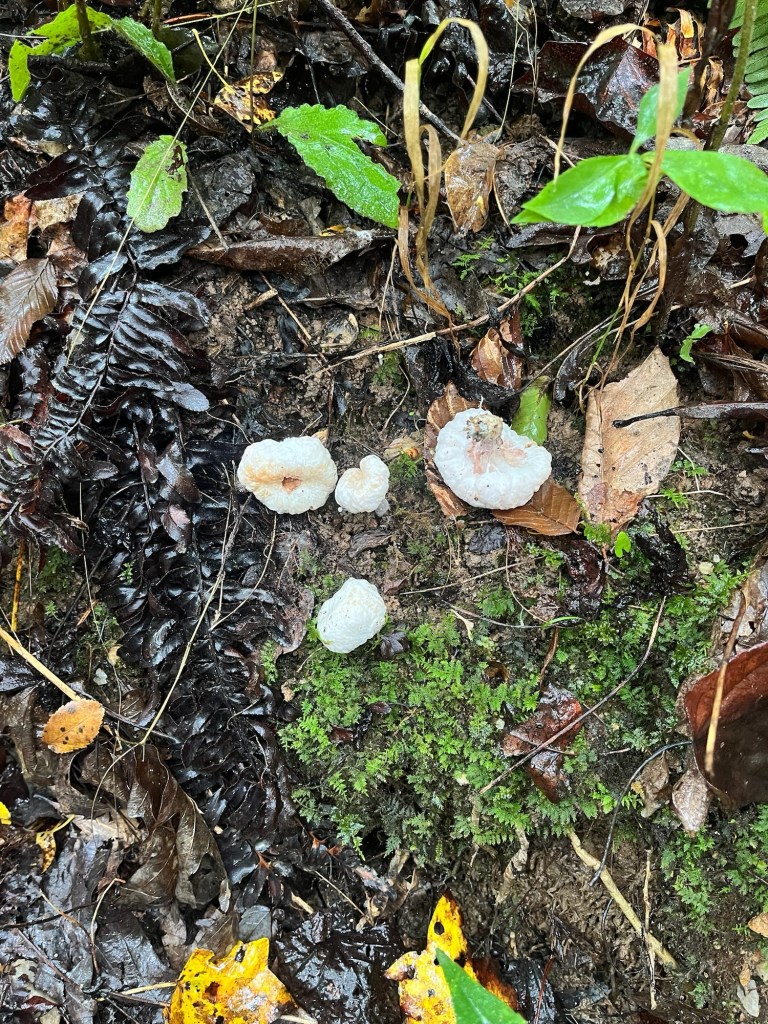
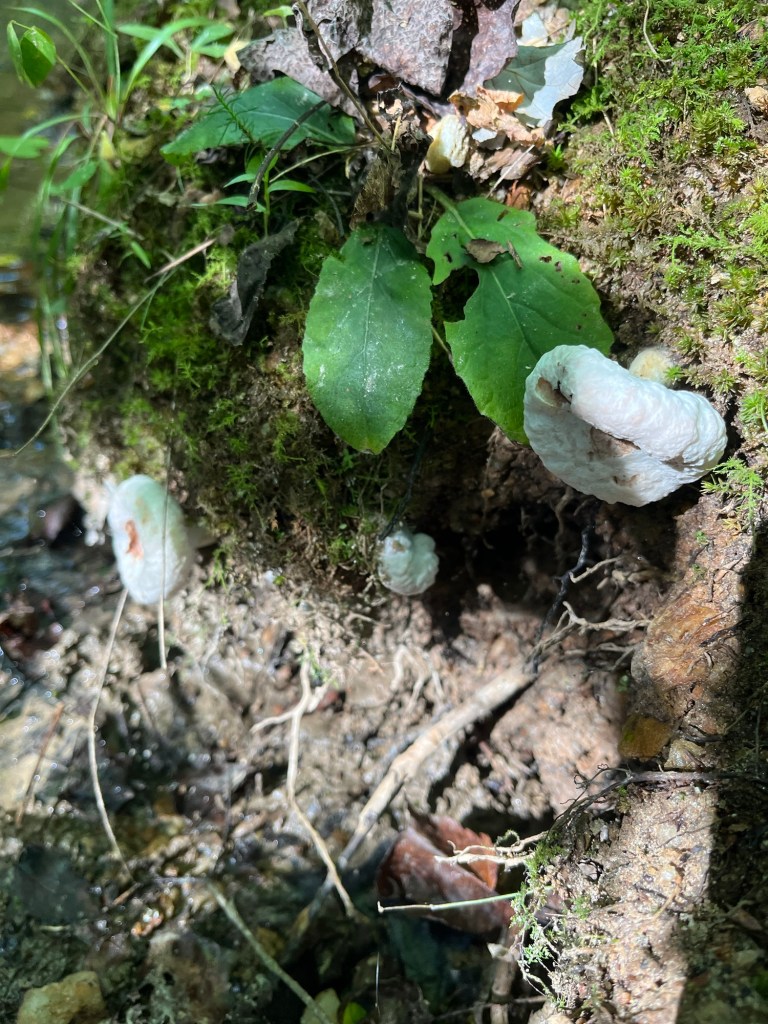
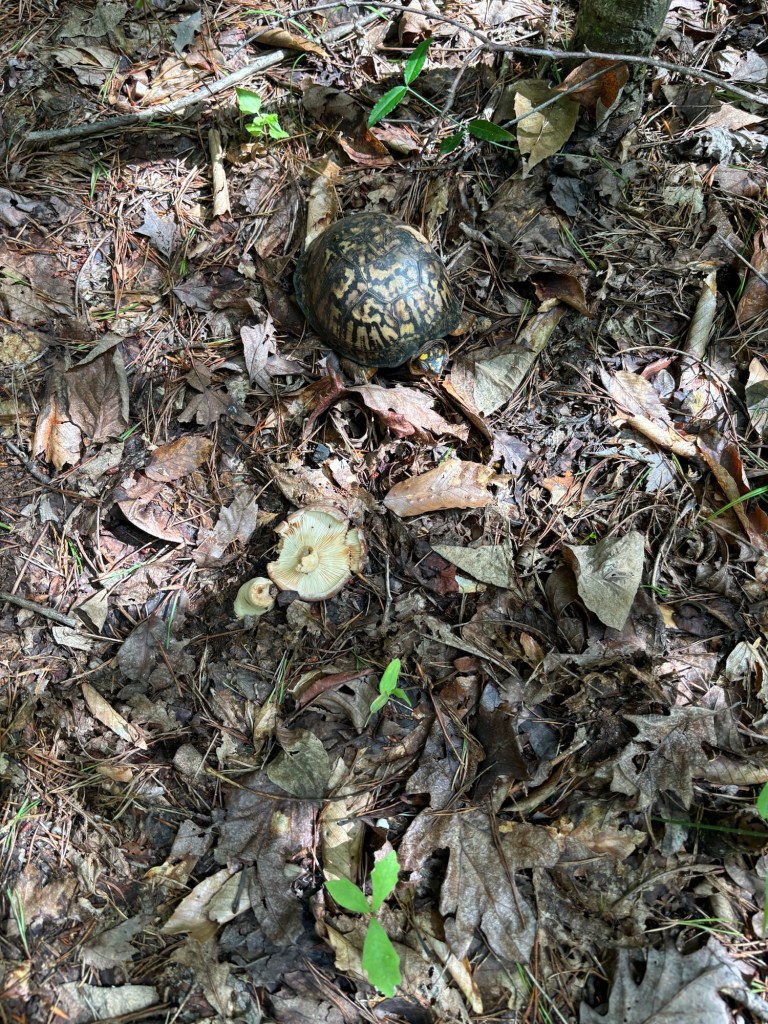
Then we took a walk around and found Shrimp of the woods, Entoloma abortivum, a choice edible mushroom down by the waterway at the bottom in the pawpaw patch. We found it last year in the same spot. These are early and we expect much more with the next rains. The temperature is perfect for mushrooms. We are waiting on rain.
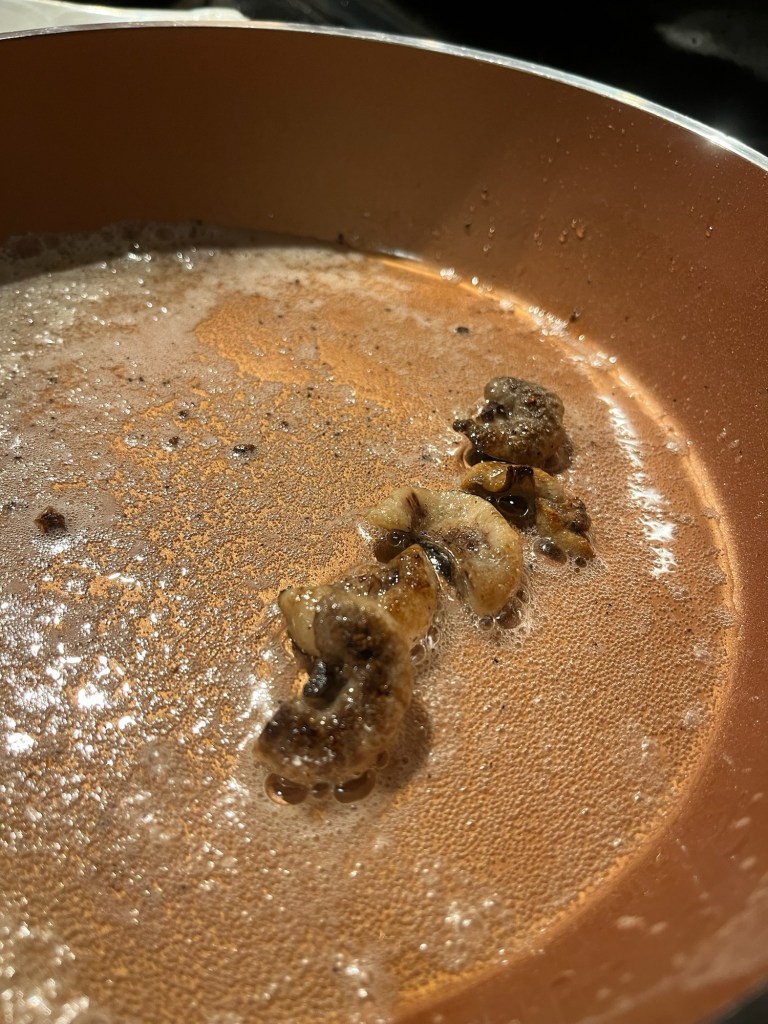
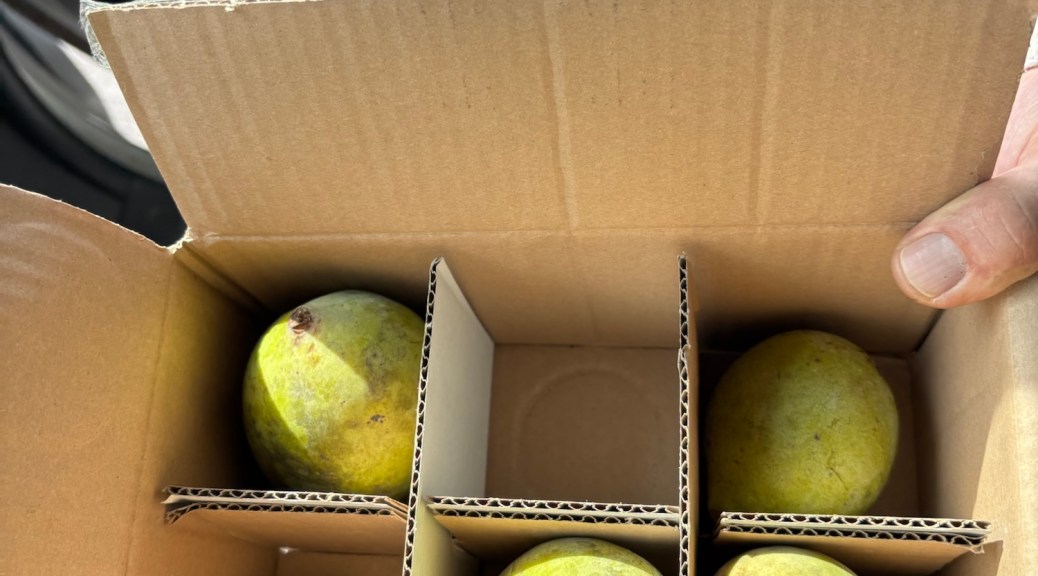
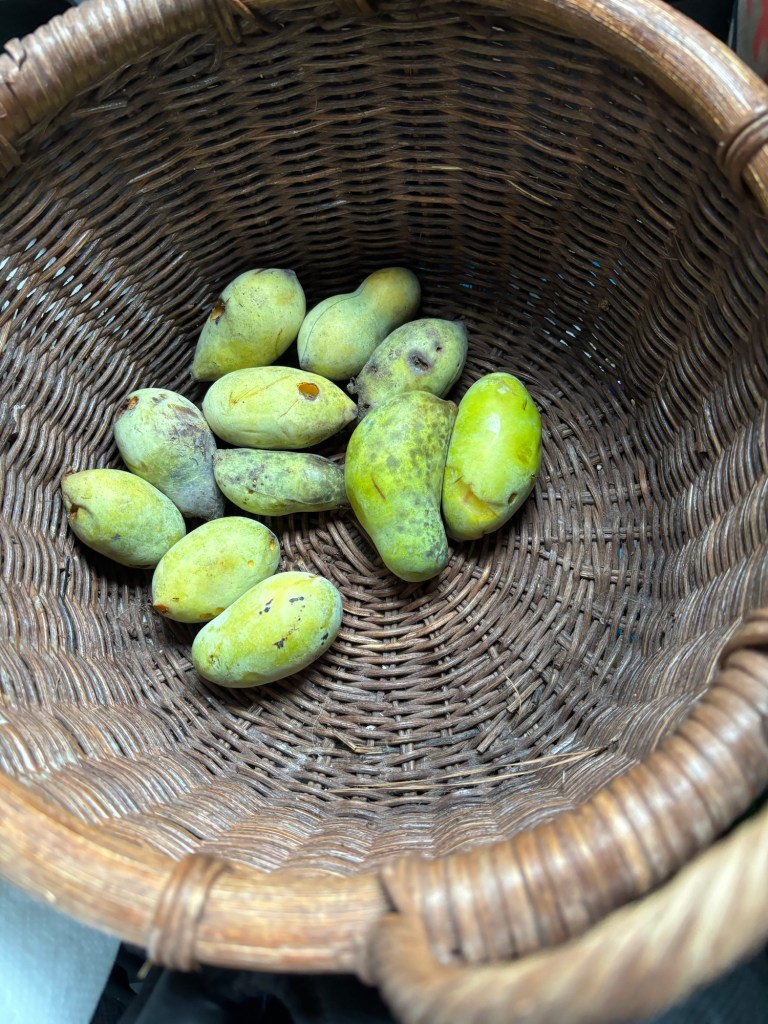
We also continue to forage for pawpaws on public land to and from the farm. We found three more fruits yesterday. Each one has been a tropical delight tasting of mango, banana with hints of caramel and vanilla. Even better, they are full of seeds we are going to plant to further our pawpaw grove and increase production by adding more dna and, in the long run light, to the area.
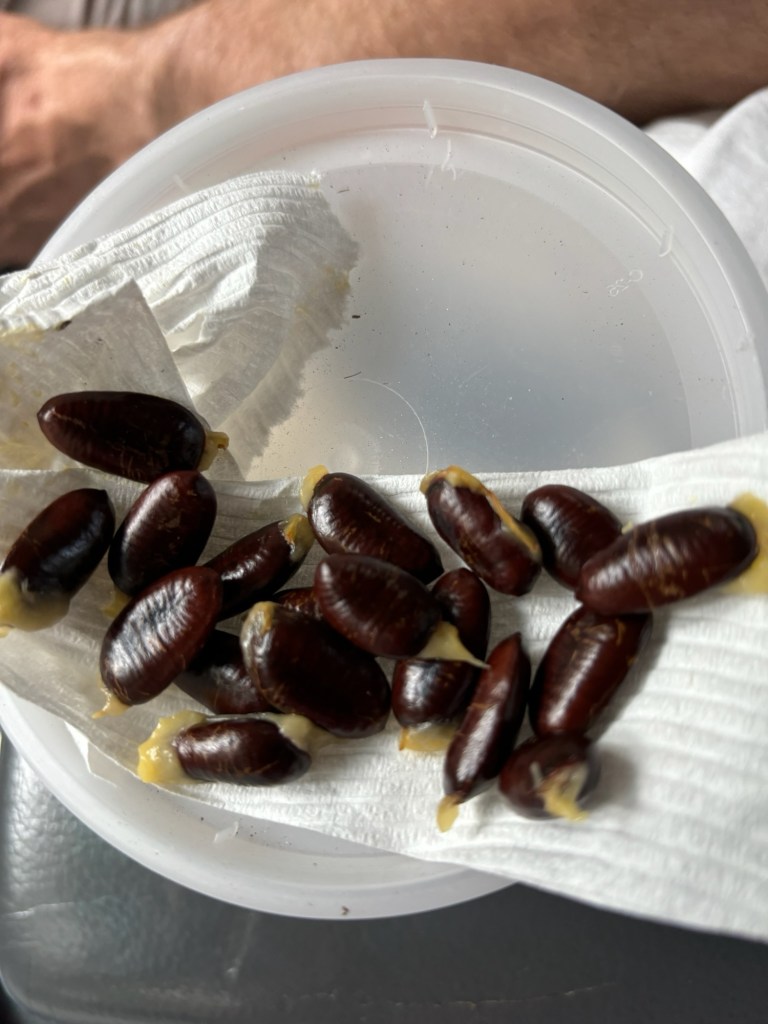
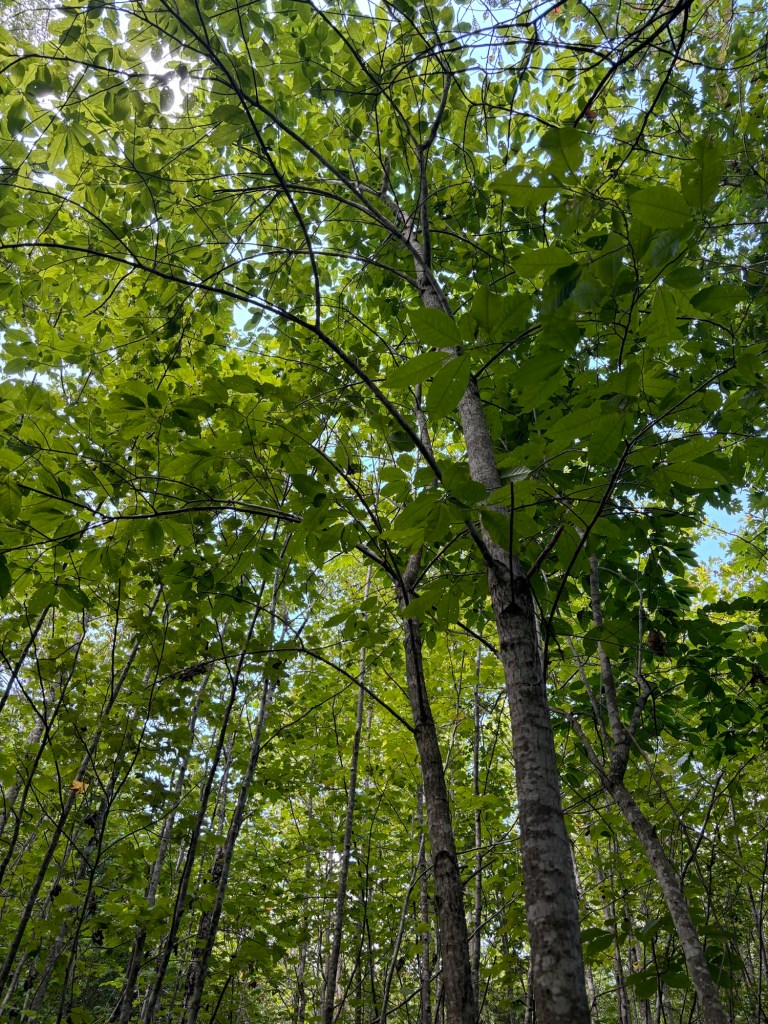
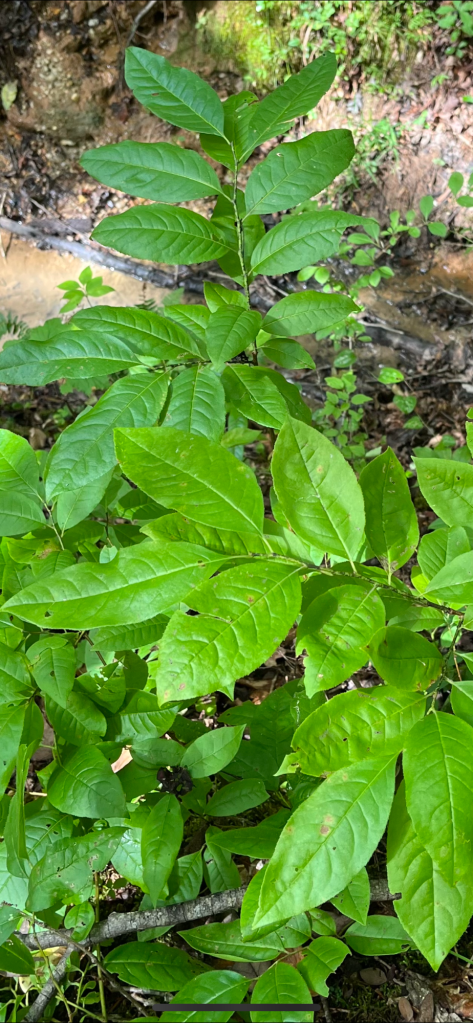
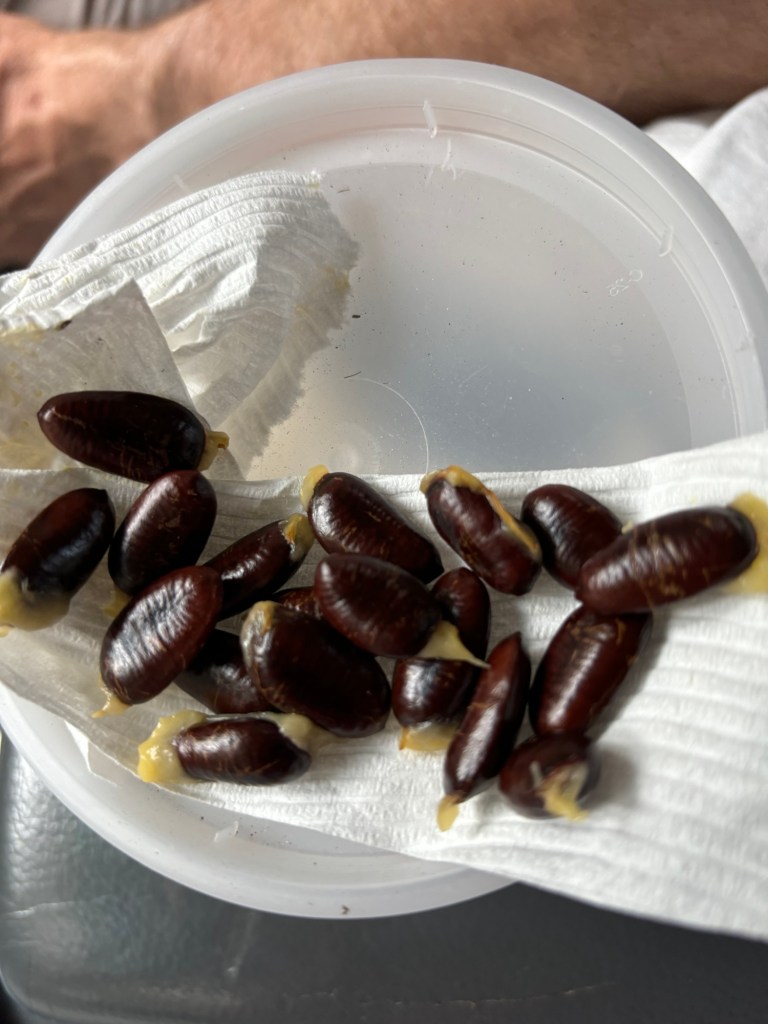
Yesterday was a lovely day at SAFF. It’s gotten cooler and feels much like fall all of the sudden. On the way over, we stopped at the pawpaw patches and found about eight more ripe fruit. Each one has 10 to 14 seeds inside in two rows. We probably have several hundred seeds. Some we have already planted in pots to overwinter outside and cold stratify in nature. Others we have cleaned and placed in a container in the refrigerator to cold stratify for 70-100 days and then we will plant. We will determine best practices from our experience but we hope to add many more trees next year. We are excited to use these to sprout new trees for our pawpaw grove that hasn’t been productive for us yet. While down in the pawpaw patch, we noticed the Sourwood tree. We have quite a few of these down by the main waterway at the bottom of the slope growing, in some cases, right next to the pawpaws. We are still thinning out the forest in every location to allow more light in and room for our trees. We are especially doing this around our older pawpaw trees to encourage production of fruit.
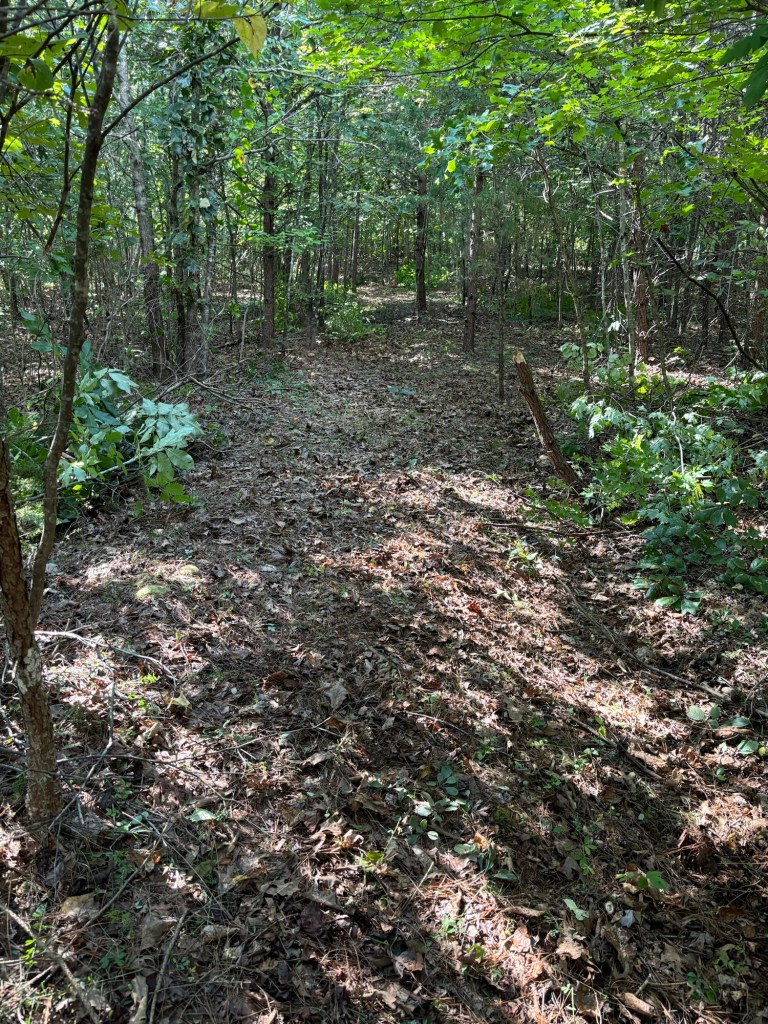
We went out to the northern edge and found where the road began and we cut back small trees growing up through the rocks of the road. We cut back grassy areas. We cleared everything we could easily. We got a third of it cleaned up except for the largest pines we will have to use the chainsaw to remove. We imagined this would take us much longer to clear. We were beyond thrilled to get that much accomplished in one swoop.
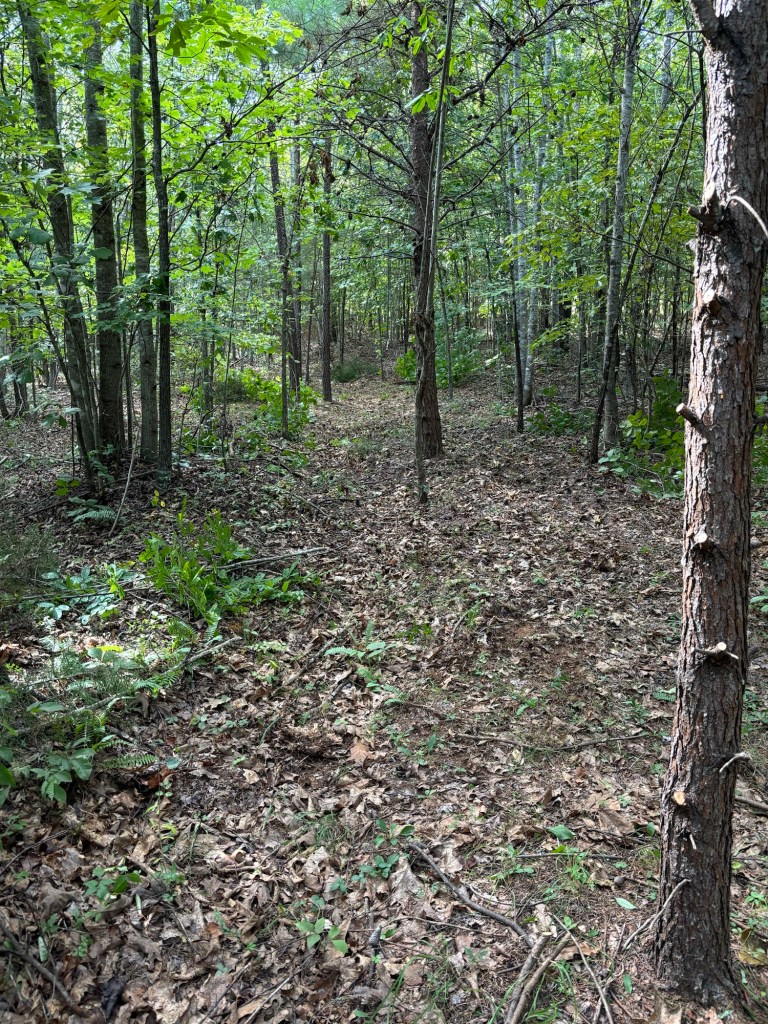
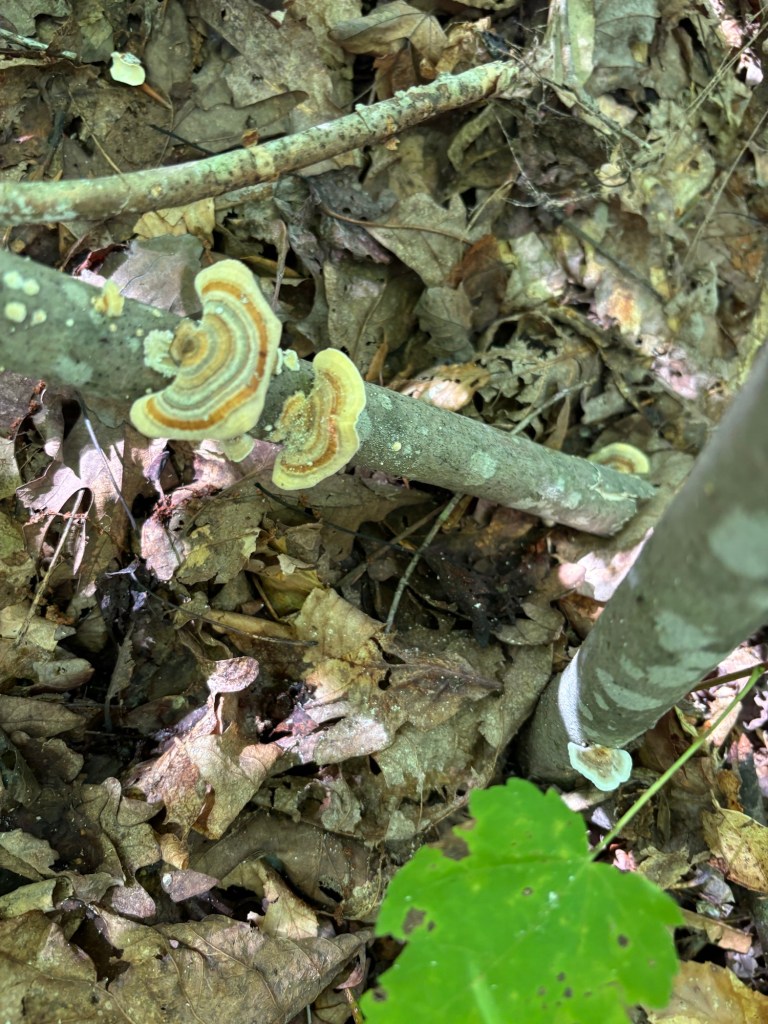
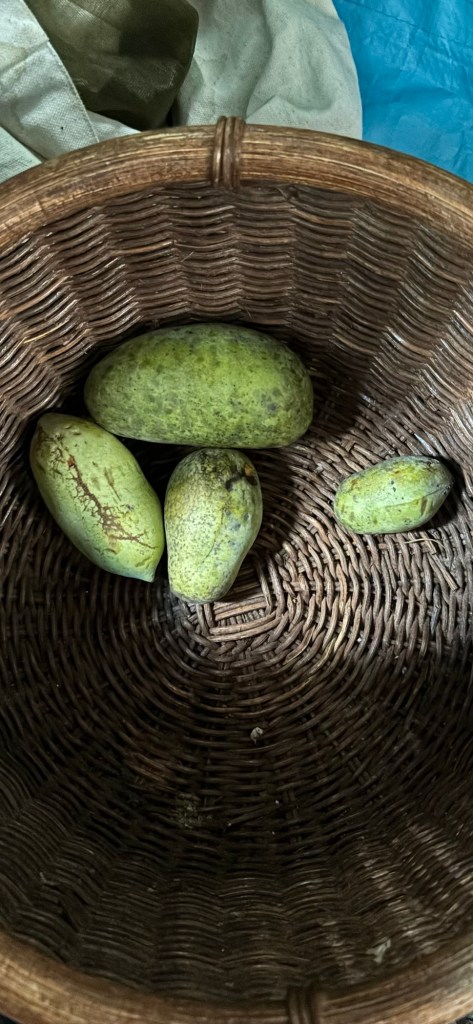
After a busy week, we wrapped up a few local chores and errands at home in Staunton, and started the holiday weekend Friday morning with a specific mission. Inspired by our visit to a local nursery last weekend, we hoped to find ripe pawpaw fruit in the wild. In particular, we wanted to collect some wild fruit to eat, and also collect the seeds to grow new trees with and bring novel dna to our pawpaw patch. We are saving all of the seeds from our fruit and we are going to plant them at the farm. A dedicated search on the iNaturalist app showed us locations along our route from home to the farm in Buckingham County where pawpaw trees, flowers and fruit were observed and identified. Some of the observation sites along or near our route were private land, so we ruled them out. But we began to notice the pawpaw trees by the side of the road as we drove to and from the Farm. Especially where rivers, creeks and streams crossed the road. We saw Black walnut trees and many pawpaw trees. Having tried a couple ripe pawpaws last weekend, we figured it would be worth stopping to take a look if we saw accessible, fruiting pawpaw trees. They fall off the tree when ripe. So far, we have found about 20 in various stages of ripeness. A few were so far gone, we had to just plant them in a pot. We have at least a hundred seeds now and we have them stored in the refrigerator. We’ve also gotten to eat a few of these creamy, tropical-tasting native fruit.
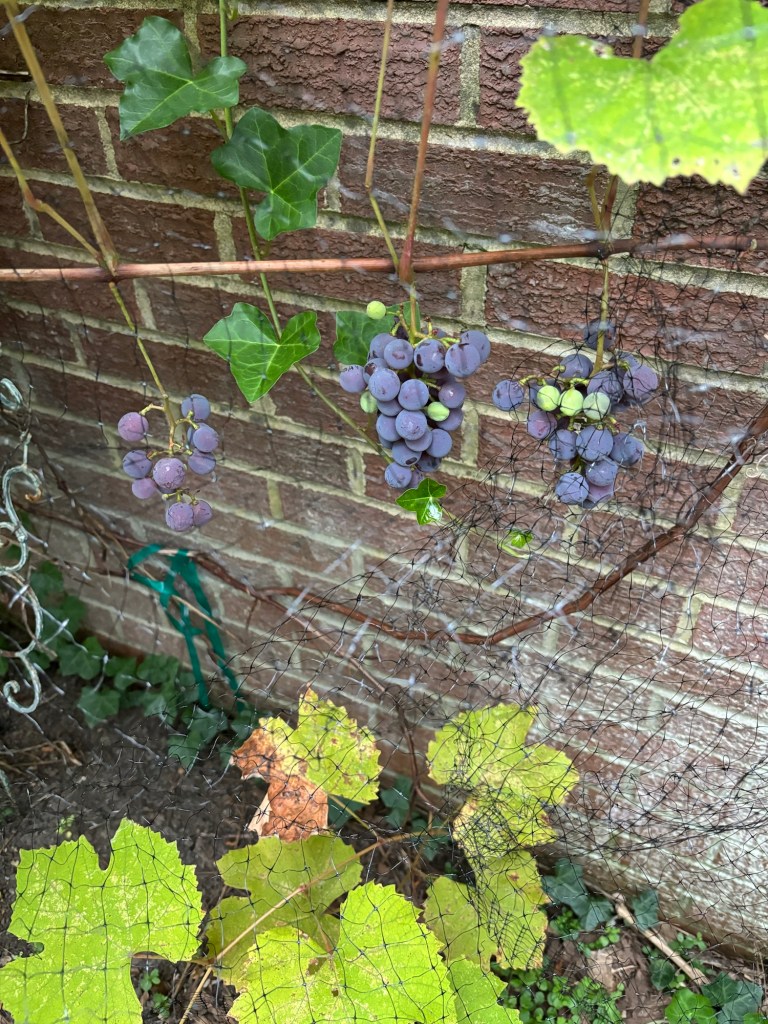
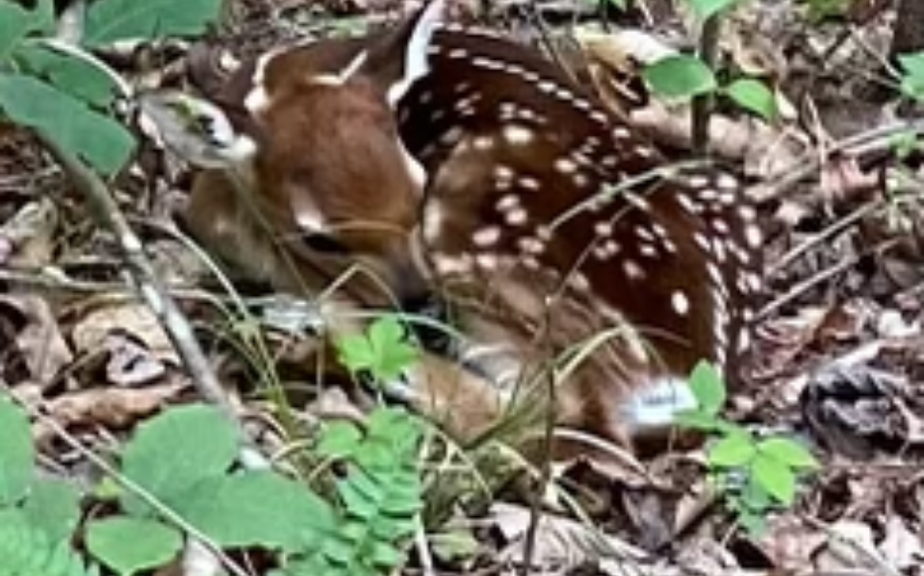
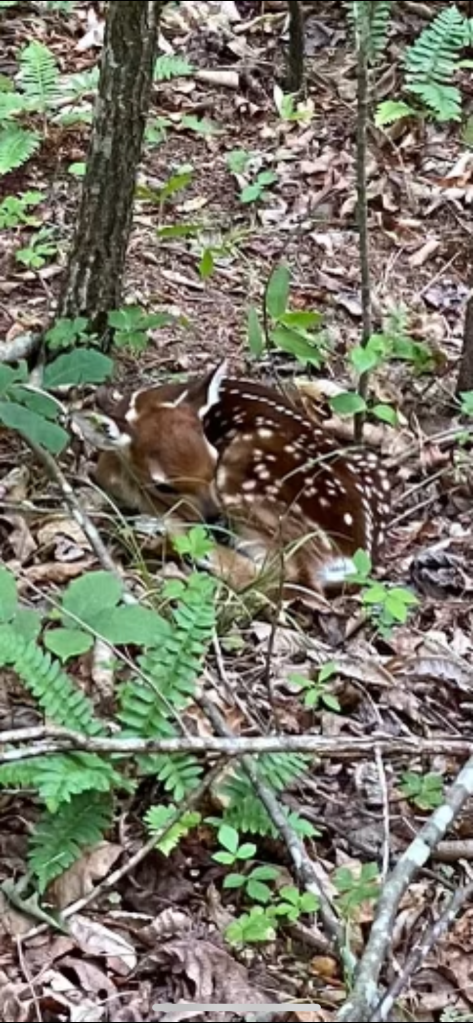
We caught the deer we’ve been seeing up top on the FarmCam last Thursday. We think it’s eating the black cherries falling to the ground right now.
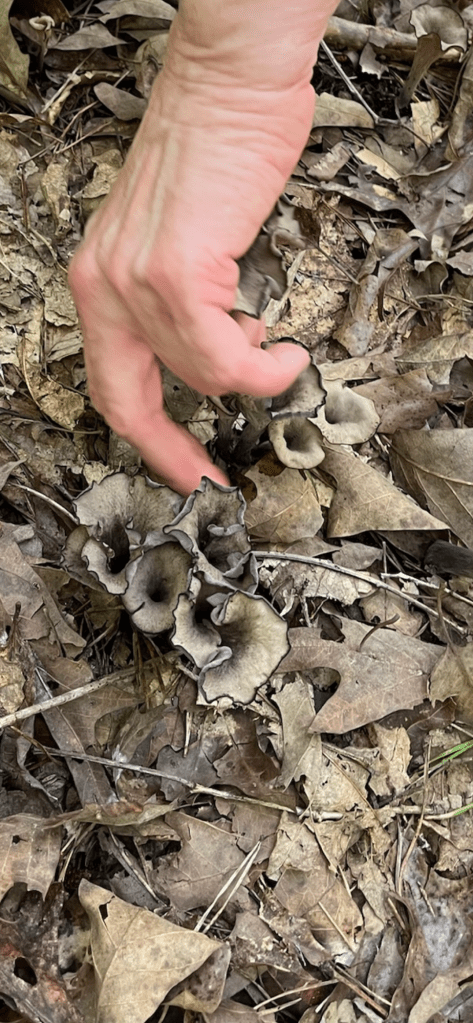
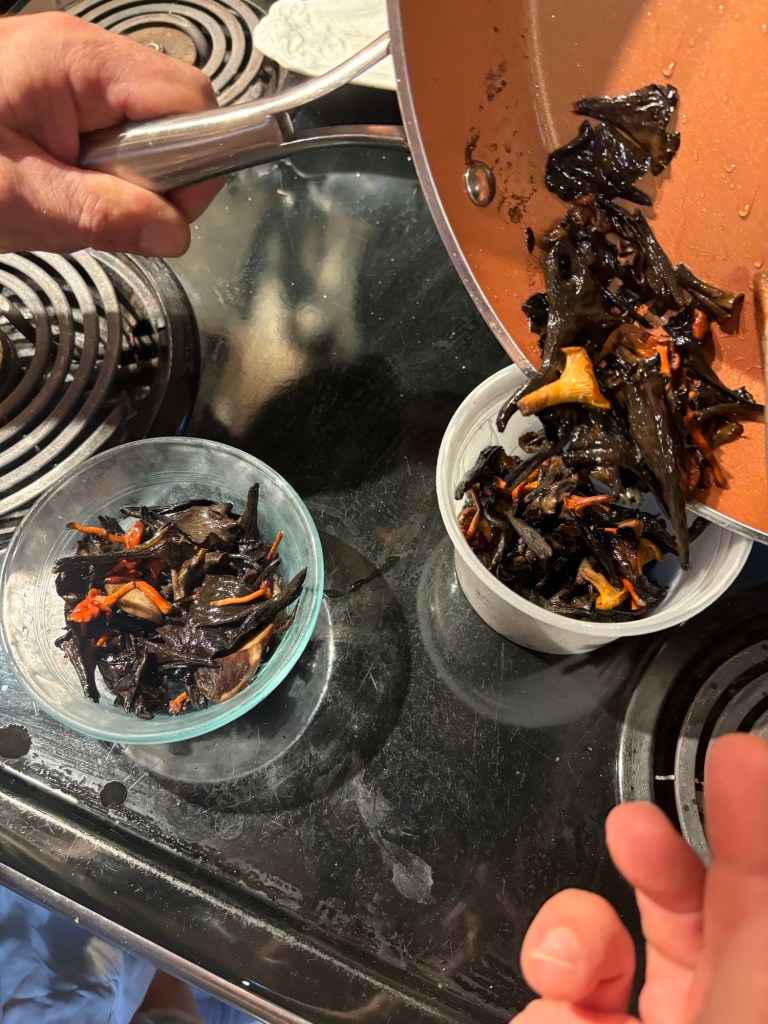
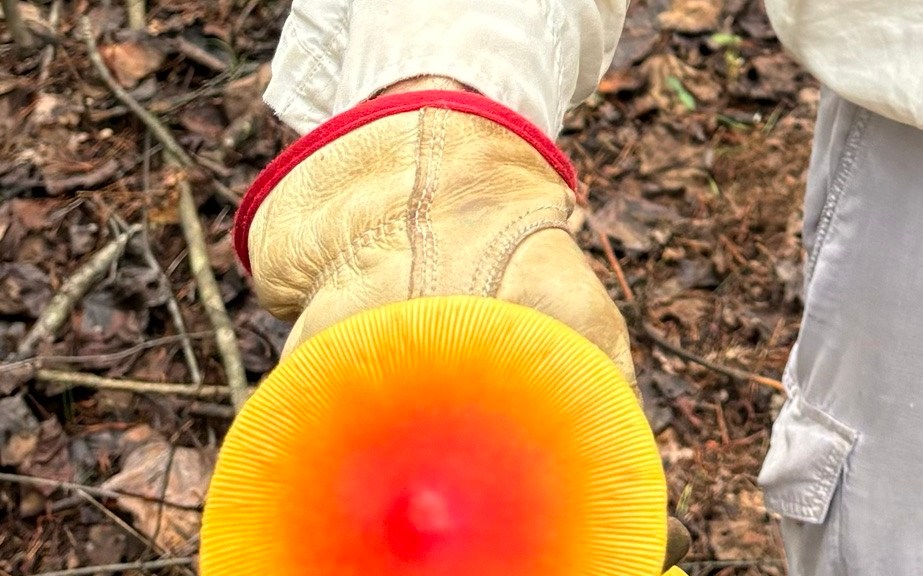
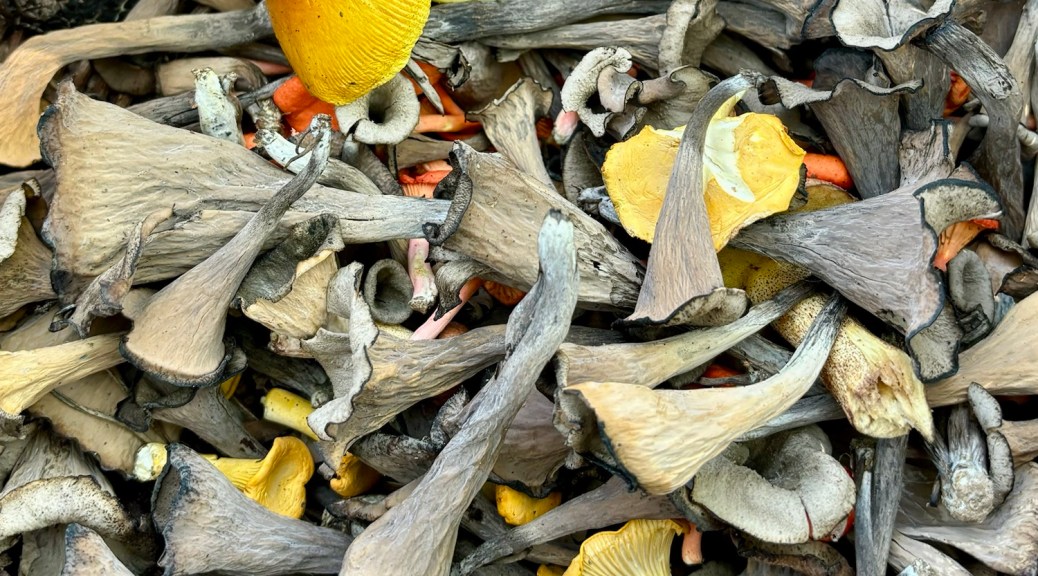
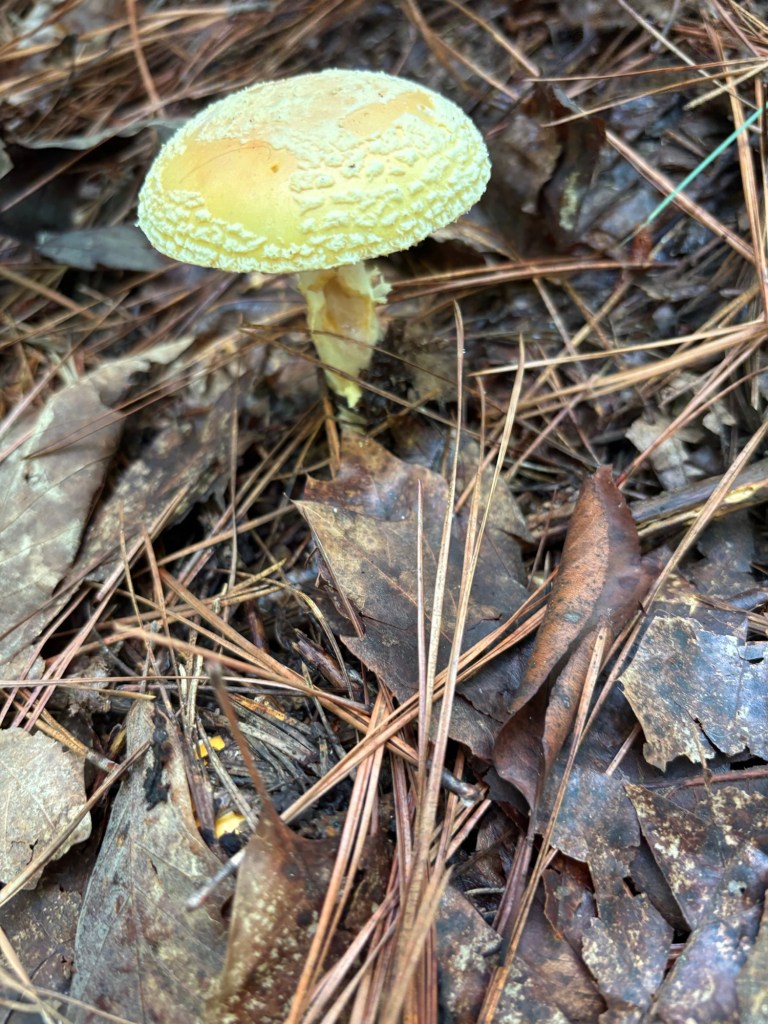
We went over and created more trails on the north side yesterday. We were rewarded for our work with wonderful weather and about two pounds of wild mushrooms. The temperatures in the 70’s made for a wonderful day to be outside. We found several new large Black trumpet patches as well as Cinnabar chanterelles and Ghost chanterelles. We also found a Lilac bolete, Amanita banningiana and an Old Man of the Woods. We joked our basket was full of Halloween colors.
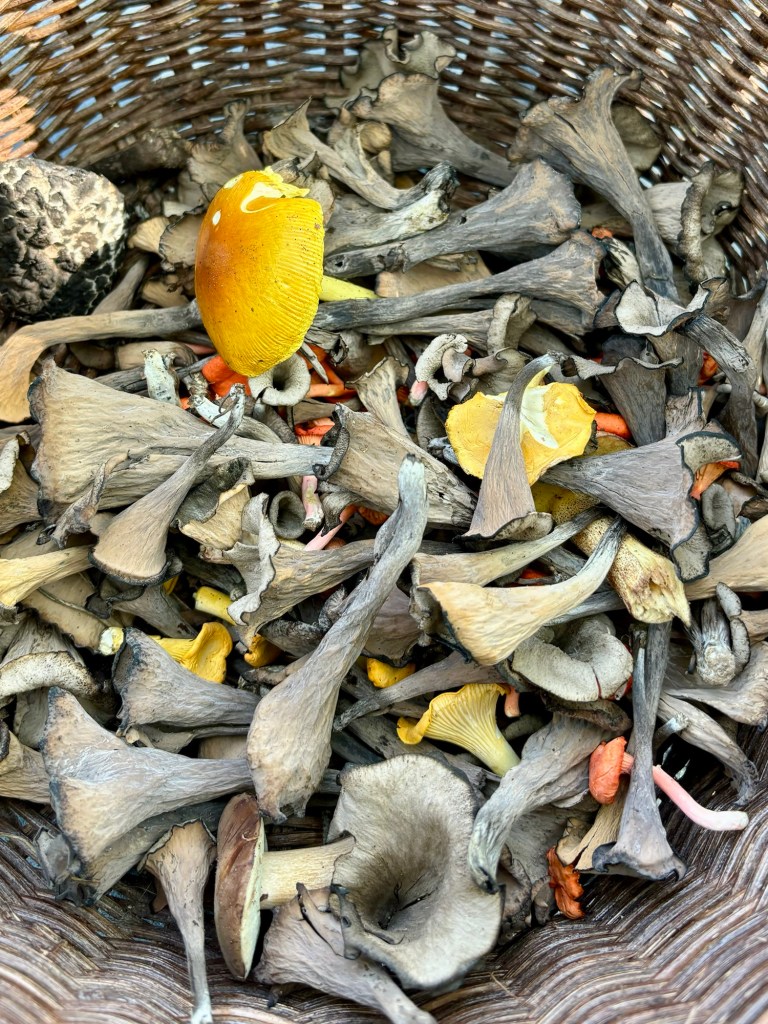
We brightened up the paint on our boundary markers and widened our trails. We cleared a bit more from the road. We stood in awe of the beauty of the forest, the quiet peace to be found there with the trees and the network of mycelium that supports it all and sends up these colorful and wonderful fruiting bodies. We feel grateful and blessed by our surroundings.
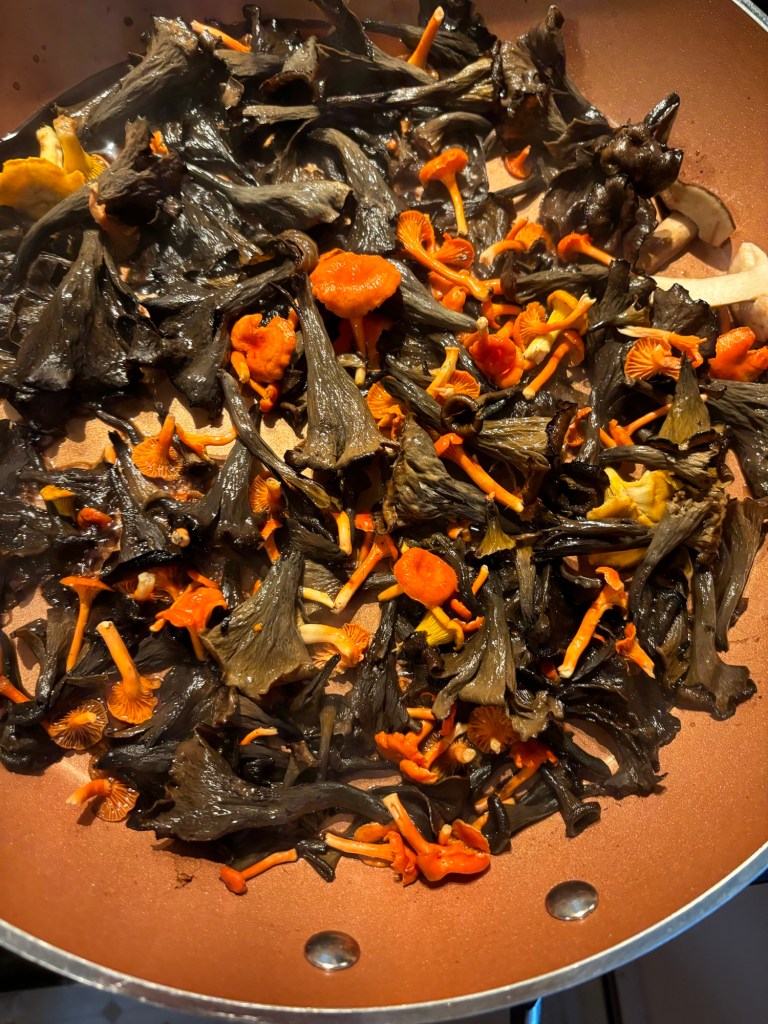
We got home and cleaned up our mushroom bounty and dry cooked them for some minutes to cook off the water we used to clean them. Once dry, we added butter and olive oil and salt pepper and garlic. We saved most of these mushrooms but used a small amount for our white pizza for dinner. It was scrumptious!