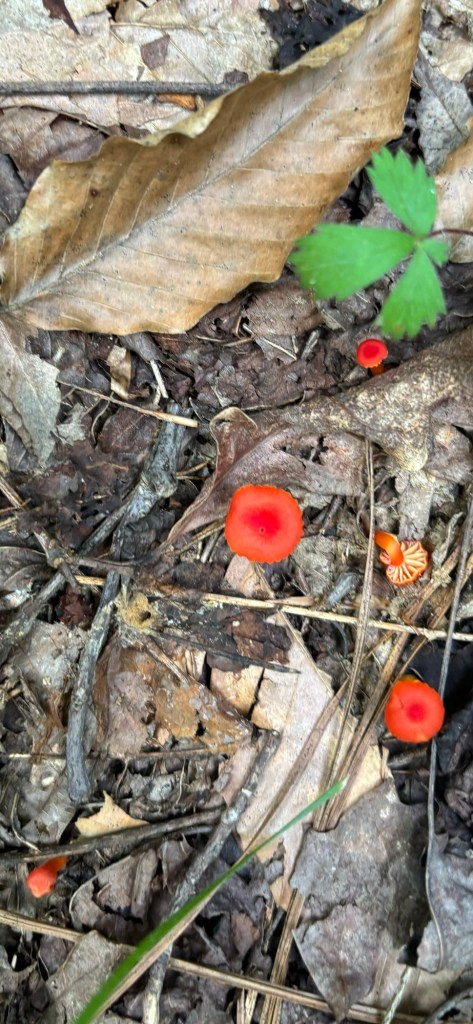
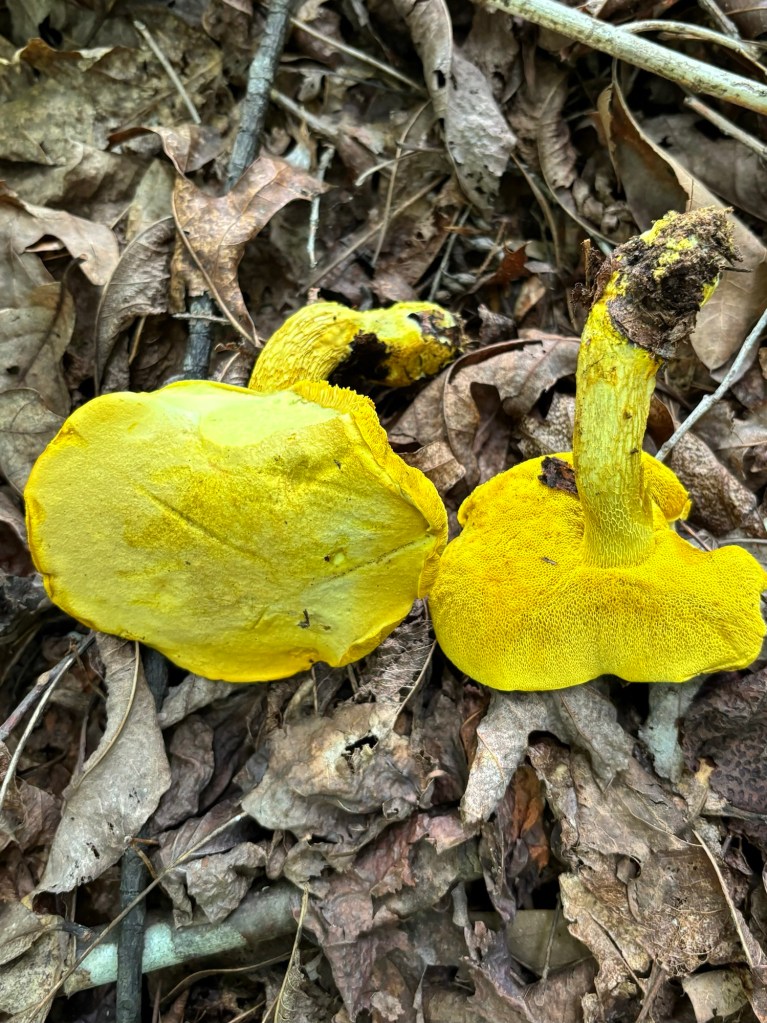
These red and yellow boletes are what began our mushroom obsession. They come up and some turn blue very slowly when touched or sliced while some turn blue as quick as oxygen hits and it’s a blue so deep it appears black. They appear to bleed. This Chrome-footed bolete does not stain blue at all which is what helped us come to an identification. Even so, we are “pretty confident” but not 100% so they didn’t come home with us.
Harrya chromipes, Chrome-footed bolete found right up top at SAFF before passing through the gate. We found a group of these infected with Hypomyces.
It’s so fun to witness the emergence of boletes again after the long drought. It’s been in the high 90’s here with chances for rain this weekend. We hope to get out to SAFF to look for more mushrooms.
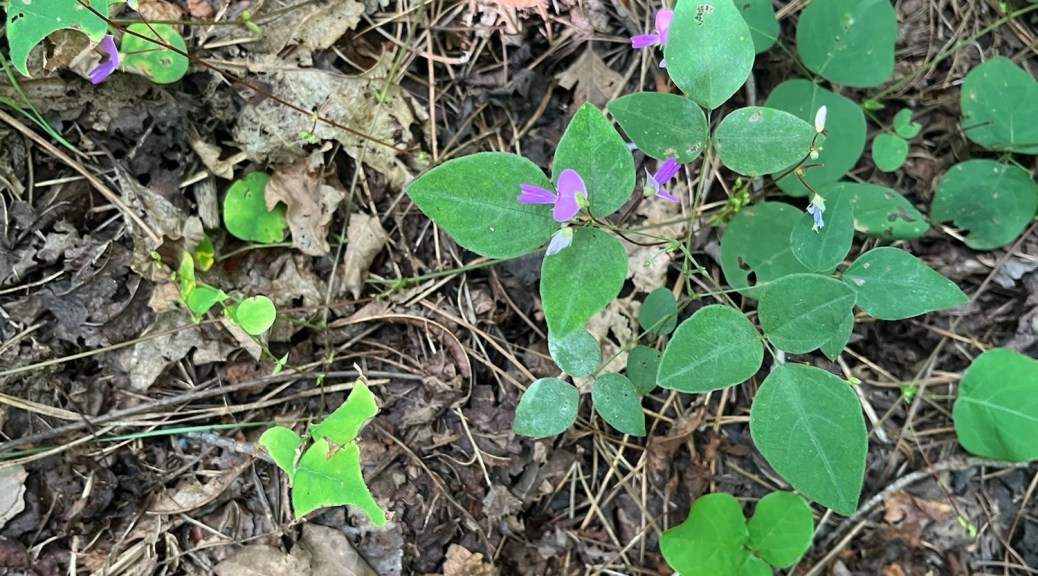
Boletus separans, lilac bolete, is a choice edible that we did take home and eat. We’ve foraged it before so we recognized them right away. It’s associated with oak trees and sometimes pine. The taste is prized for its nutty flavor and pleasant odor and texture. They are delicious and we’ve found them all over SAFF. Agaricus sylvaticus, Blushing wood mushroom, is a common edible mushroom found in groups in coniferous forests. We found it on the north side just near Three Pine Gulch Trail. Another red and yellow bolete. This one stains quite easily, as you can see from the thumbprint. There’s red droplets on the base of the stem which looks like guttation which is an indicator of Neoboletus sp. Either Red-mouth bolete or very close lookalike the Scarletina bolete. These are both edible with precautions. It will be a while before we confidently eat these. But it’s fun to puzzle out their names and identities. Tipularia discolor, crane-fly orchid, opening flowers now at SAFF. Goodyera pubescens, downy rattlesnake plantain, is one of the most common orchids native to eastern North America. It is exciting to catch it flowering. Unidentified red and yellow bolete found along Jacksonii Trail about halfway down. Several lush mosses and a fungi fruiting directly from them. These little brown mushrooms haven’t been identified.
Wolfina aurantiopsis, a rare cup fungus found in oak and pine forests on decaying hardwood sticks. It was found on Dan’s Folly along the south set back line in dark woods.
It’s been extra busy lately and we are feeling lucky to get a chance to run over to SAFF and take a walk around. We have gotten near daily rain for which we are grateful. Each time we’ve gone we’ve seen the pawpaws are doing well. Almost all of the grafts are producing leaves. We’ve also seen a few interesting mushrooms which is thrilling.
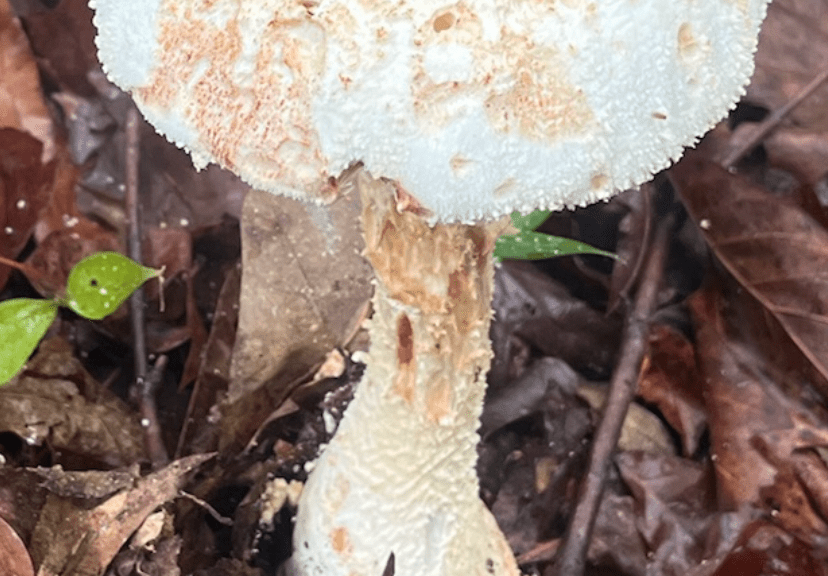
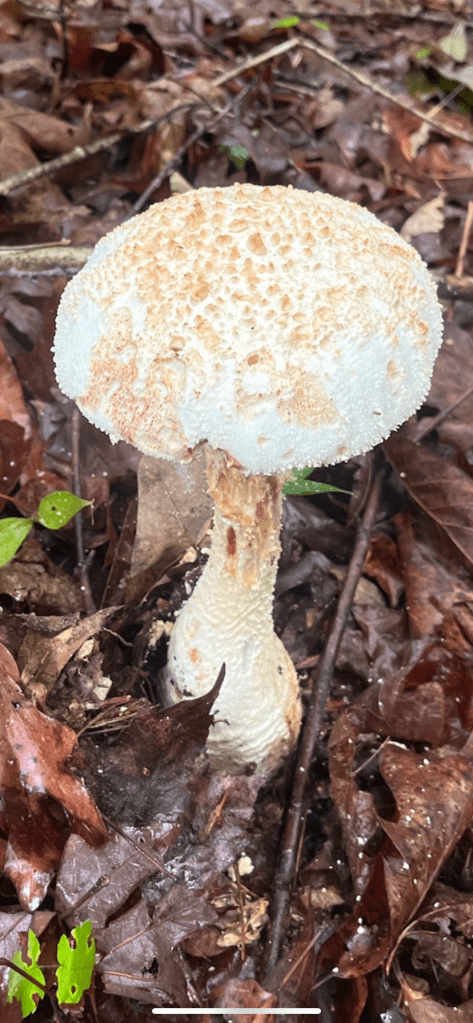
Amanita rhopalopus, American Club-Footed Lepidella. Mycorrhizal with oak and pine. It’s very large with warts and a strong chlorine smell. Cladonia furcata, many forked Cladonia, along Ridge Trail. A species of lichen with intermediate sensitivity to air pollution. Extracts of this species kill leukemia cells and have potential value in the treatment of cancer. Leucobryum glaucum, Pincushion Moss, bright green from the recent rain, is a common moss of eastern North America and Europe that we find all over SAFF.
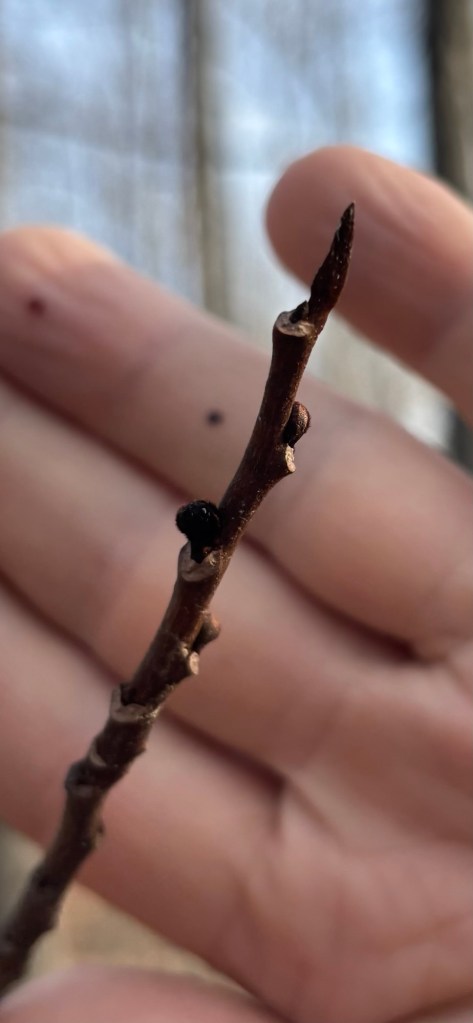
Asimina triloba, pawpaw, spear like leaf buds and fuzzy round and purple flower buds staying tight despite the 80 degree days in Buckingham County Virginia last week.
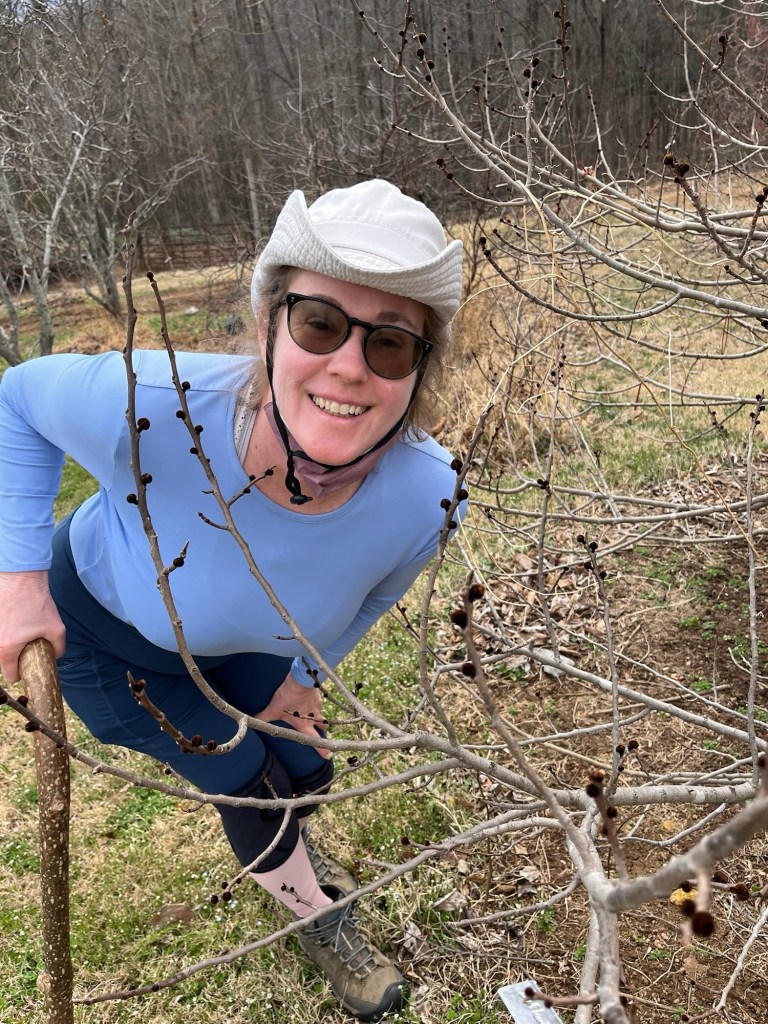
Yesterday, we visited Saint Andrews Forest Farm to work on our road project. We are bringing the road from the main driveway to the old farm road on the north side, in order to use the tractor to access the new Pawpaw orchard we’ve planted the past few years. We will need it for everything —bringing trees, compost, compost tea, water and collecting and taking mulch to the pawpaws. So far, we have carried everything in backpacks and our wheelbarrow. Phew! We have road access already with the tractor to the south end and the Old native SAFF orchard. We just ordered a trailer for the tractor that will hold up to 750 pounds. It will come tomorrow and we will get out there to use it to transport compost to the SAFF old native orchard at the bottom of the main hill. We’ve been wondering if this orchard was planted and farmed by Native Americans in the area. Or if it arose from just one tree and is made up of clones. Or both. The trees look old. They could be hundreds of years old. While individual root suckers only live around 40 years, the clonal root system can live for centuries. One reason the trees aren’t producing fruit may be because they are all clones of one mother tree. This is most likely. They need novel dna. So that’s why we started planting new pawpaw seedlings and cultivars. These older native trees at SAFF have flowered in mid April in 2024 and 2025. The first year we noted 15-20 flower buds. In 2025, we had fewer than that with the drought and none of these produced fruit. After we hand pollinated both years, we got fruit to set but they dropped within a month or so. This year every tree that’s over 6 feet tall has dormant winter flower buds all over them. Hundreds of hopeful fuzzy little round nodes everywhere. We are beyond thrilled. An unexpected surprise!
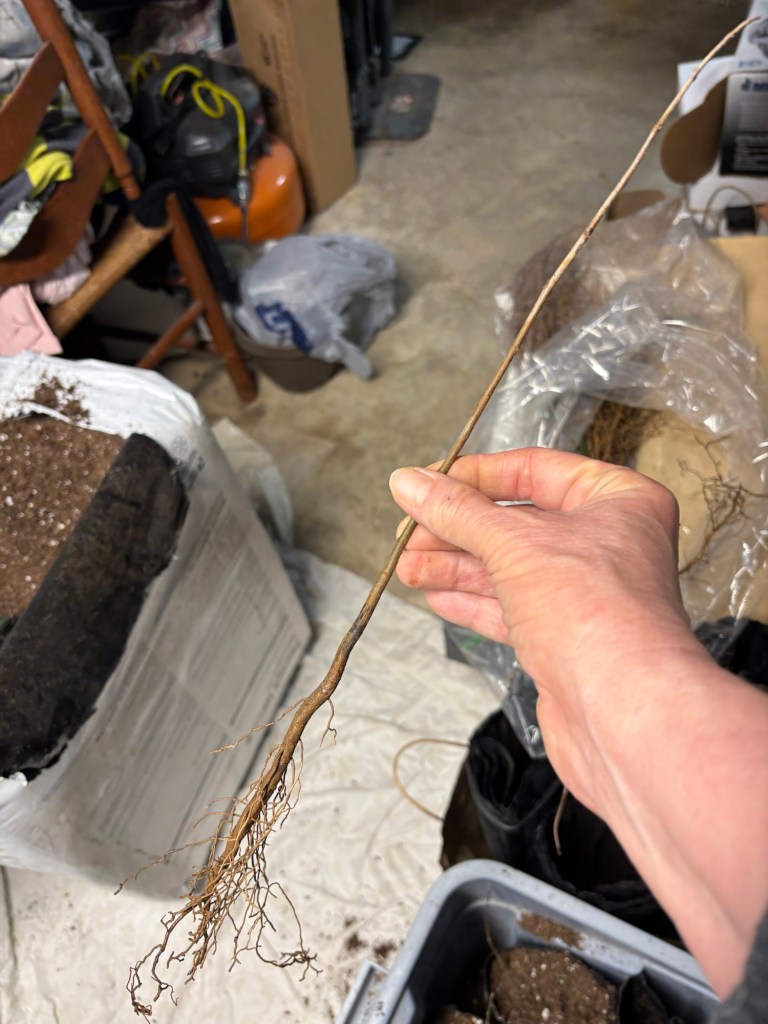
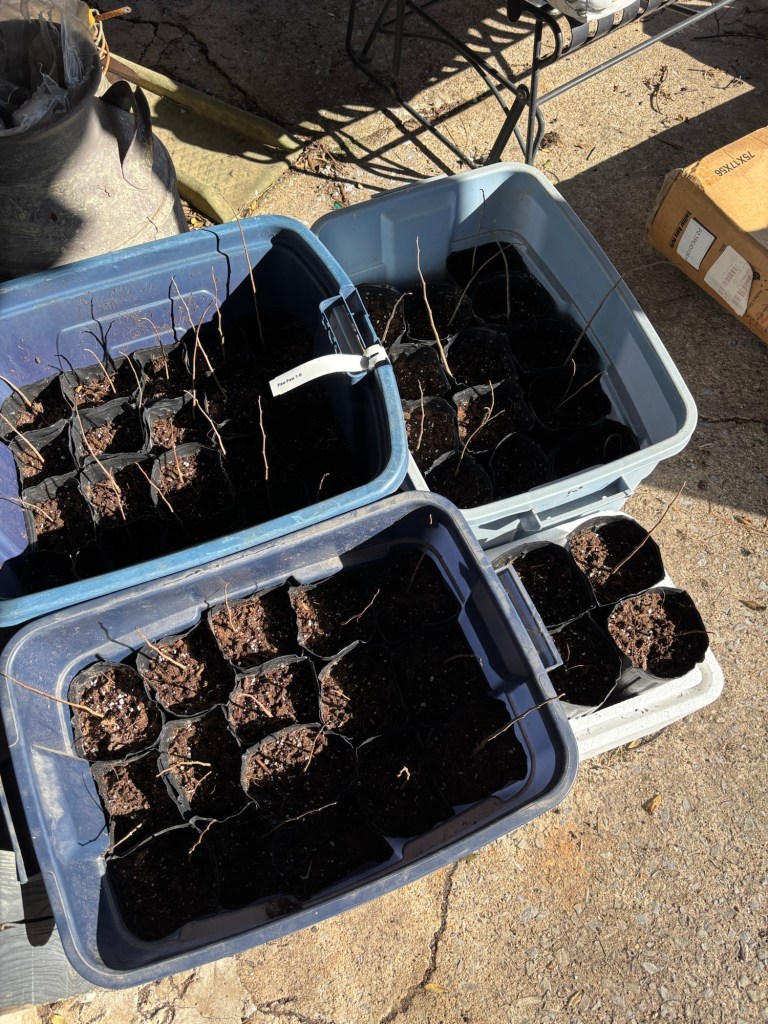
Our plan is to ensure these trees with fruit are watered regularly during any dry periods and we also have plans to get compost to them this week. We are going to test our compost tea first to make sure it isn’t too acidic and doesn’t burn the roots. (Thank you, Judy! For the reminder 🥰) The fruit may drop as before and we still want to do all we can to keep them going. Each year they look healthier, greener and leafier. We’d love to get some fruit to taste and share from the native trees. It would be great to plant seedlings from our native fruit! We have never tasted any “bad” pawpaws so we expect them to be scrummy. We are hopeful they will be a fine representation of Virginia’s native wild pawpaws. This year we will collect some Asimina triloba dna from around our foraging areas and public parks and gardens in Virginia to increase the likelihood of fruit set. We hope this helps kickstart pawpaw fruiting at SAFF in 2026. We also just planted 53 bare root seedlings we ordered from the Virginia Department of Forestry. We picked them up in late February and planted them that same day in deep tree pots. They all looked great with long deep tap roots. They appear to be the same age as the trees we planted last year. (1 year)We will plant these year old seedlings at SAFF this spring or fall depending on the weather and how they fill in their pots.
The 180-200 seeds we collected from pawpaws last summer (primarily from the Sunflower cultivar at Edible Landscaping in Afton, Virginia because the late frost that melted off the flowers at all of our other foraging spots) have stratified and we will pot those up in June to plant in the ground at SAFF in the Fall of this year. We are eyeing some of the local master gardening sales and the Hahn Horticultural Garden sales (April 9th) coming up this spring for more opportunities to collect seeds and trees. We plan to also collect pollen specimen from multiple locations around Virginia. We plan to visit Blandy Experimental Farm in Boyce, Virginia to see and collect Virginia pawpaw dna for our SAFF tree project. They have a Mother’s Day Plant Sale on May 9th and 10th. We have been using sammich baggies and qtips 😀 to gently collect dna from the open flowers at SAFF in the old native colony of pawpaws. Last year, and in 2024, we used our SAFF native flowers only to hand-pollinate the trees, but also this year we have our baggies and qtips with us now so we will stop and collect dna from any pawpaws we find with open flowers. We will help the pollinators out while collecting novel dna to bring to our old native SAFF colony. We’ve noticed a lot of bugs gnats and flies in the woods already. Especially down by the main waterway where the old native pawpaws are and the creek has water flowing. We’ve noticed our native colony is usually the last to open its flower buds each year down in its sheltered valley by the waterway. We stopped by Edible Landscaping in Afton Virginia yesterday and they had buds about to open. We will stop over there again this week to check their cultivars and select trees.
We added two Russian cultivars of pomegranates to our fruit tree population. A Salavatski and a Lyubimi. Both cold tolerant. We will see. The curse and blessing of living so near Edible Landscaping in Afton, Virginia. There are many wonderful nuts and fruit trees and shrubs!
We’d like to also begin adding Spicebush, jujube and gooseberry to the new Pawpaw orchard we planted with cultivars, select seedlings and some native fruit collected from Rockfish River locations along Howardsville Road. We will spread the American Hog Peanut that grows in our native SAFF pawpaw orchard into the new orchard. It is a nitrogen fixer and curls along the old pawpaws helping to keep them fed. We will bring their seeds to the new Pawpaw Orchard at the bottom of North Trail to encourage the companion plants continuing beneficial relationship. We are looking for littlebluestem grass-seed to spread in areas with erosion on the south end and set back line and in the clearings.
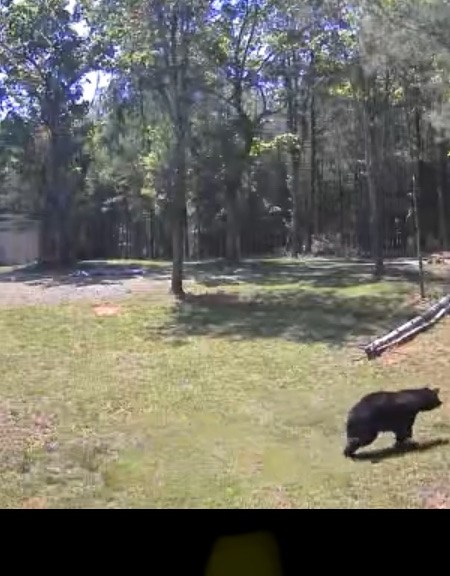
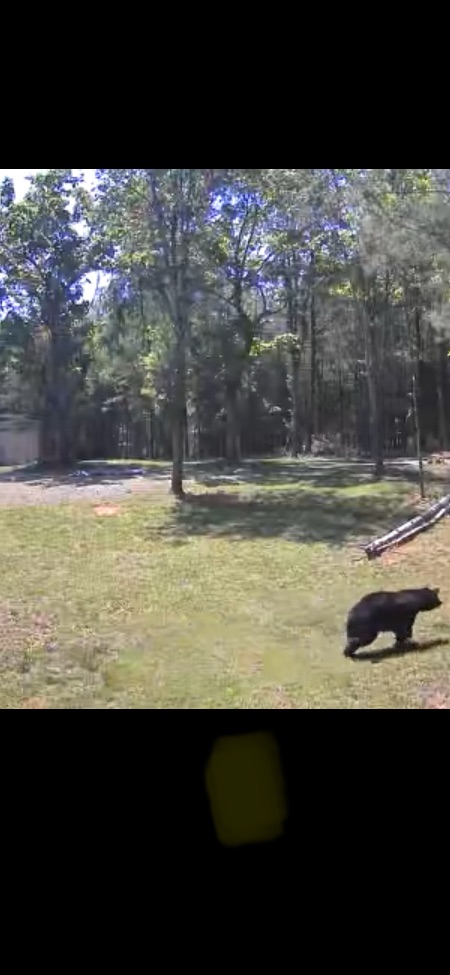
A third year female black bear runs up to the clearing from North Trail on May 20, 2025.
We had seen bear scat multiple times all around the farm and last May it was confirmed when she ran in front of our farm cam.
We had just moved the camera to a new position and were able to capture a three year female black bear on video as she ran pretty fast through the main clearing up top.
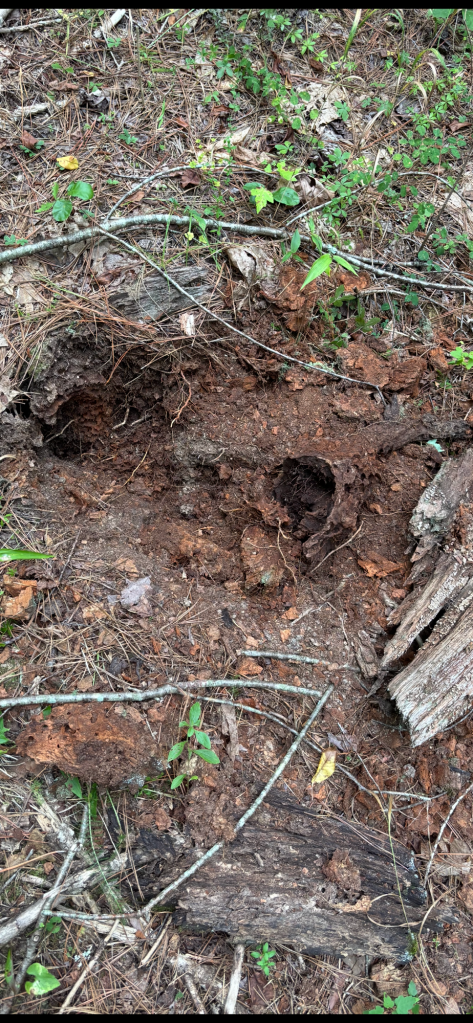
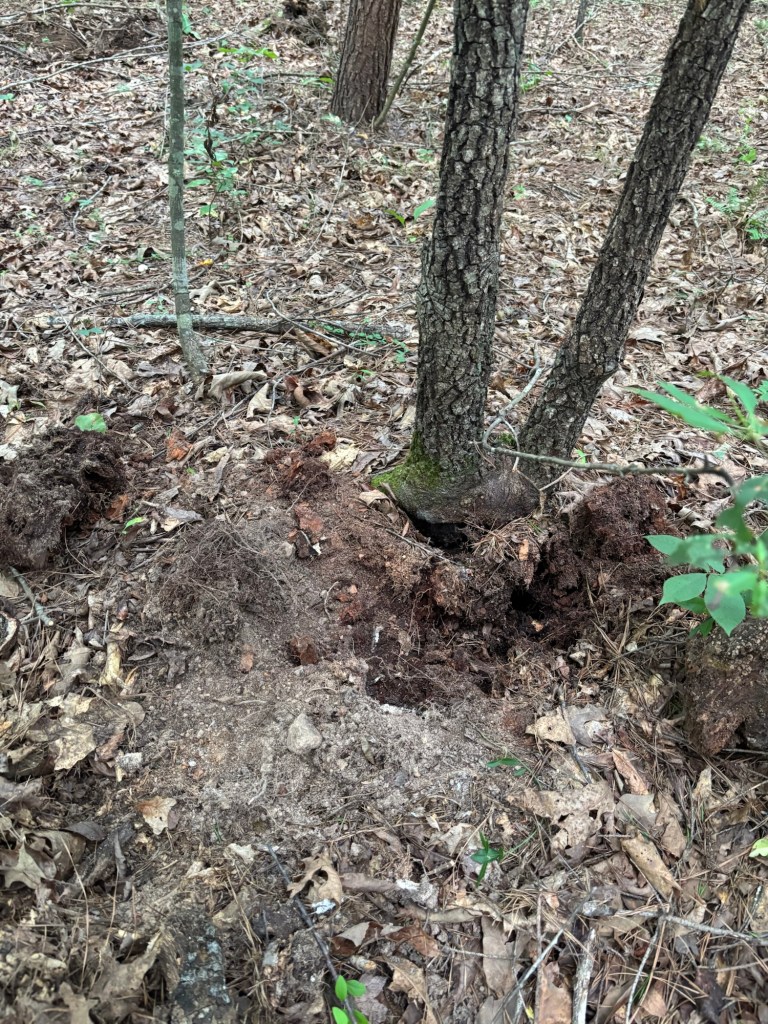
We continue to see evidence of bear activity and we imagine it is she. This past month we began noticing old tree stumps destroyed and large pieces of quartz turned over. We immediately suspected our bear was looking for insects to eat. The first we noted was in the spring along the back line on Chanterelle Hill Trail. A huge ant hill was dug up and excavated. Then about a month and a half ago, we saw all along the north property line she had dug up old stumps. At one we saw yellow jackets looking disturbed.
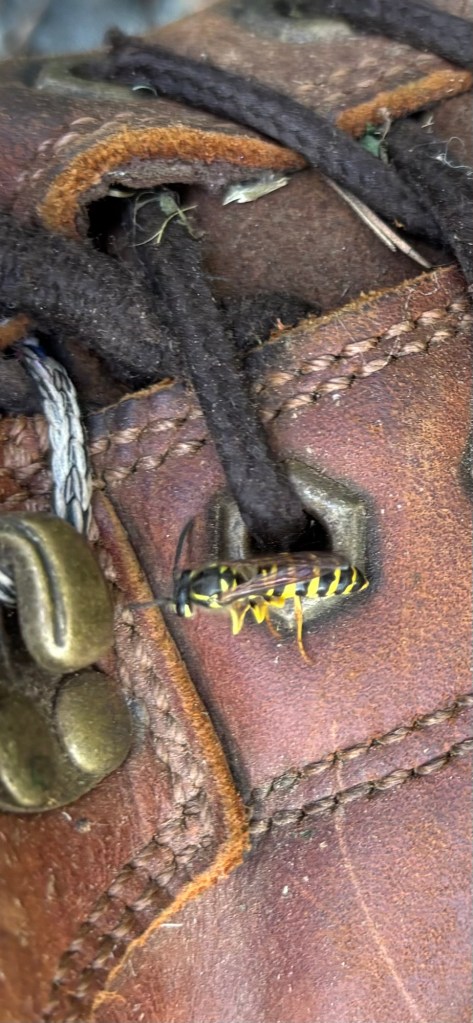
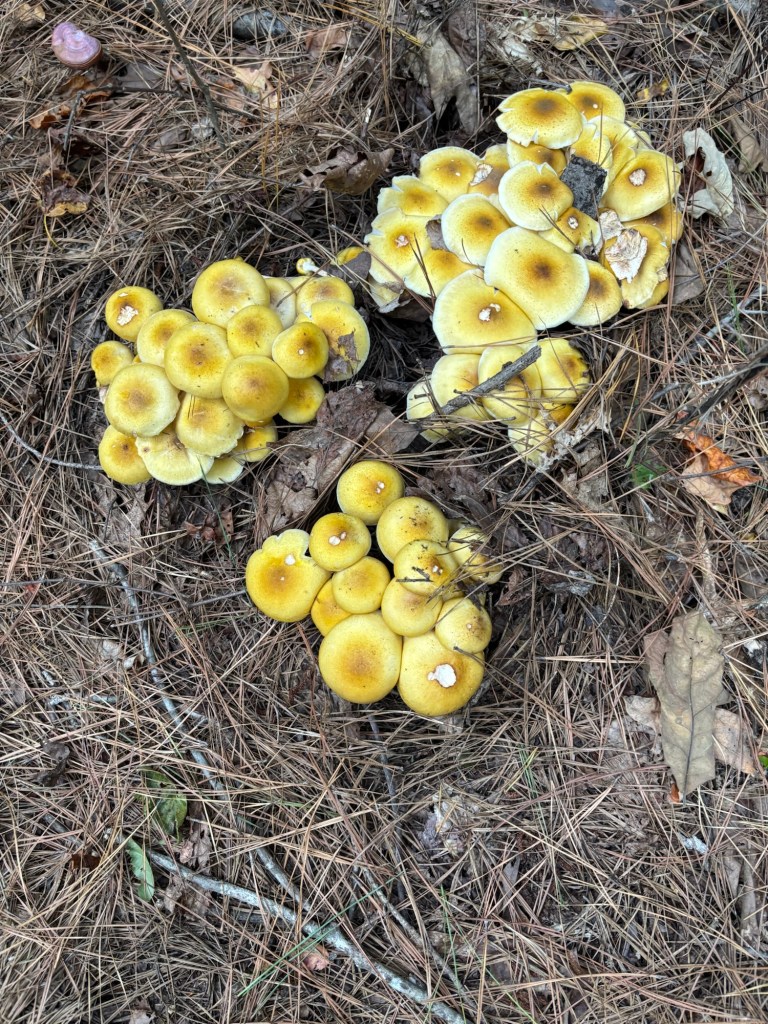
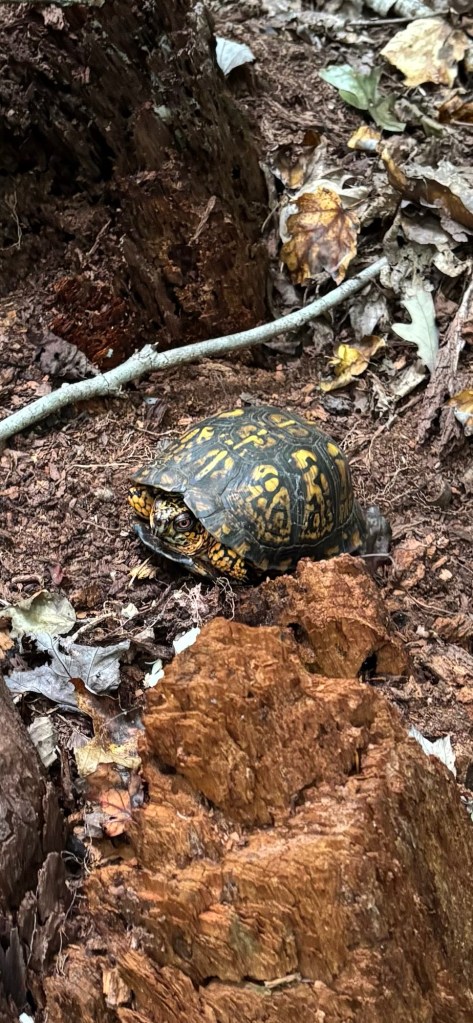
Vespula maculifrons, Eastern yellow jackets. This creature is not to be messed with. I wonder if this was what our bear was running from through the top clearing. A stump disturbed by a young bear looking for termites or ants to eat along Amanita Way.Stump excavation along Northmost Trail. It was a hungry bear who worked hard to find everything she could to eat this summer in the forest. Just last week we found these honey mushrooms along Armillaria Way. Either the bear, deer or one of our Eastern box turtles, Terrapene carolina carolina, came along and ate it before we got back to collect them. Caught in the act! Our Eastern box turtle eating some mushrooms along the bottom creek on a stump that the bear had ransacked looking for bugs to eat.
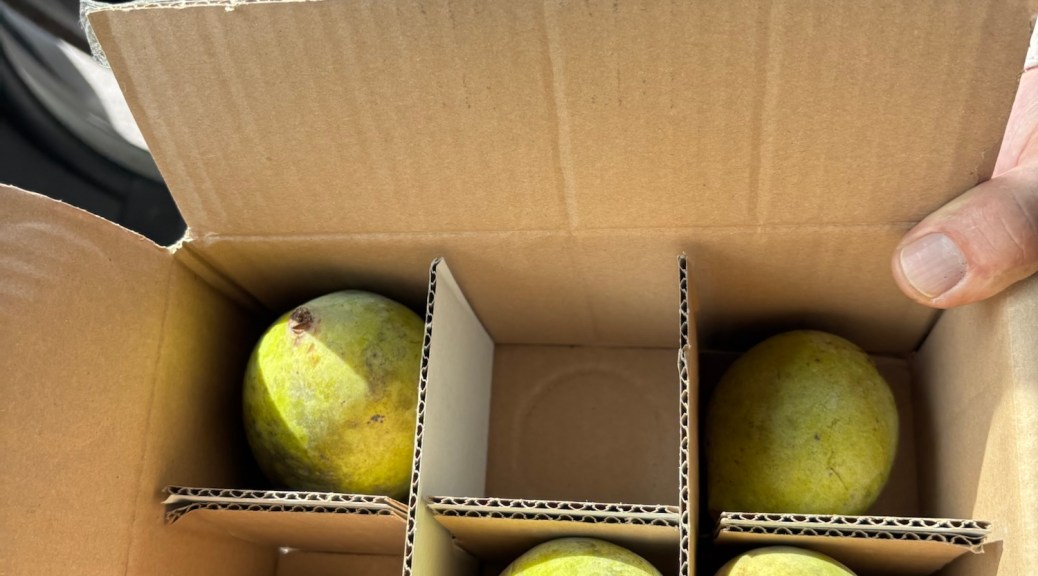
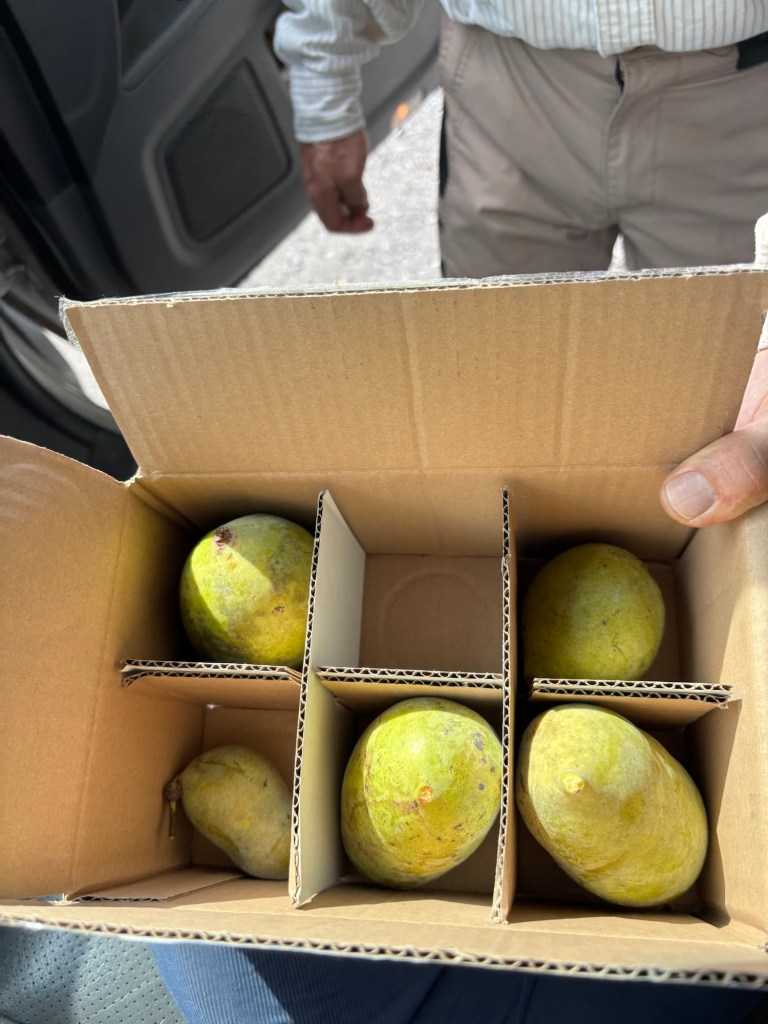
Pawpaws we foraged under Edible Landscaping’s Sunflower and Mango cultivars in Nelson County Virginia on Sunday.
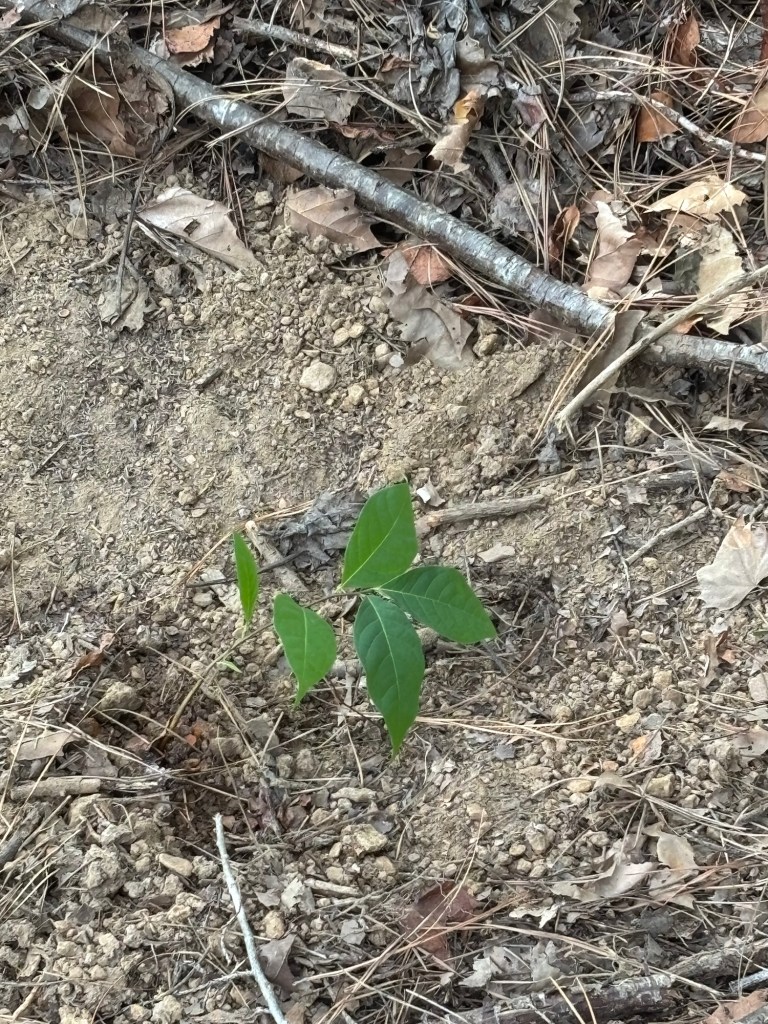
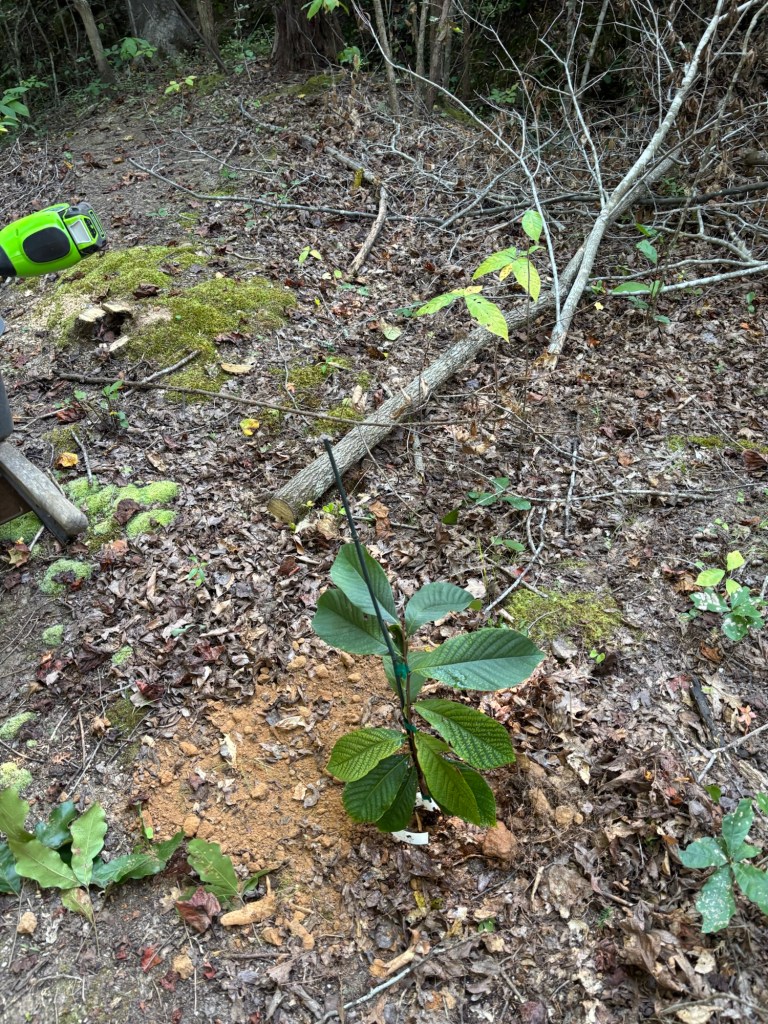
We went out to the farm on Friday and Sunday to get as many pawpaws planted before the rain comes. Thunderstorms and rain are forecasted to get started late tonight and continue until Wednesday afternoon. We planted 17 on Friday: Five in the orchard (a Kentucky State University Chappell and 4 seedlings) and another five alongside the Shenandoah and select seedlings that we planted last year. We put a Mango cultivar and four seedlings we started from foraging. Then we planted 2 on the Pawpaw Peninsula (an Allegheny cultivar and Wild native seedling from a Rockfish River foraged pawpaw). After that we put two by the pawpaw patch at the bottom of Ridge Trail and another two on the left side of the large pawpaw grove. We walked up Ridge Trail and put another wild pawpaw seedling from Rockfish River foraging near the small colony of native pawpaws growing along the south wet weather gully.
Wild native seedling planted up top.
We were exhausted after this. We had to carry water for the trees after planting in our packs, carry our equipment and the trees themselves all around the farm. It was hot and the ground was hard and dry for digging. Chris was battling each hole. (We are looking into finding a lightweight device to dig our holes, as in an auger.)
Allegheny pawpaw cultivar on the Pawpaw Peninsula with our SAFF native wild pawpaws. The wild ones are yellowing leaves and going dormant for winter since it has been so dry.
Then we went back out on Sunday to water what we’d planted Friday and put a few more in the ground. We planted 5 up top in the main clearing along the driveway and put two along the South Gully on Dan’s Folly. We put one more across next to a lone wild SAFF native pawpaw on Fern Trail. From there, we walked down the Gully and watered our select seedling planted a few days before. We were happy to see they all were still in the ground (last year, the deer ate them and pulled them out of the ground a day after we planted so we almost expected the same.) They were glowing in fact. They all appeared to be very happy in their new locations. We watered them some more.
We have another 80 or so to plant and hope to get out to the farm again soon to get a few more in the ground.
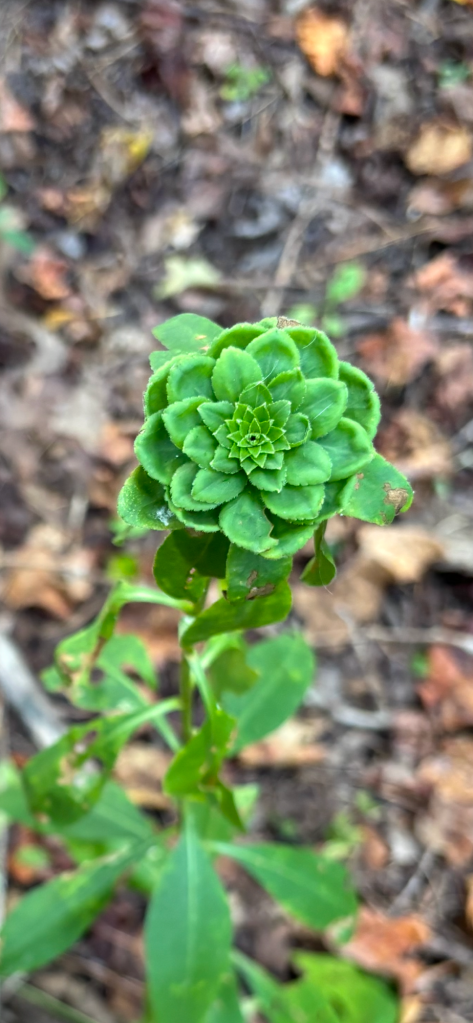
We found this lone flower along Mary Banning Trail. We aren’t certain but are leaning towards a type of Spurge. We will continue to observe it in order to further identify.
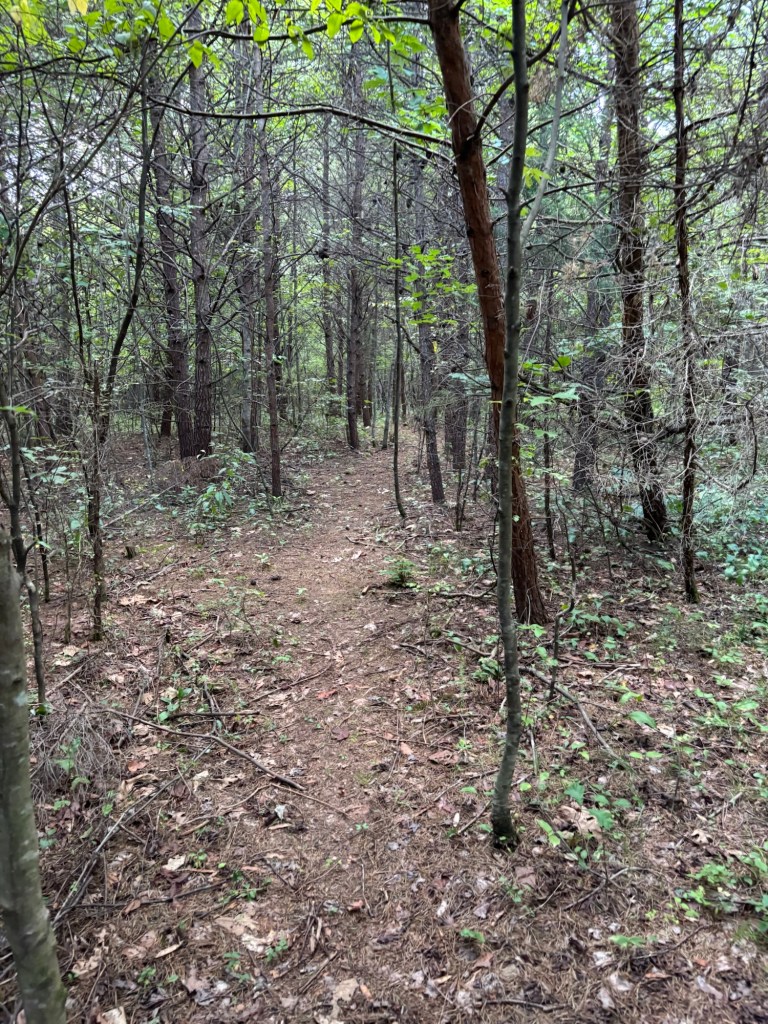
Orchard Trail taken in September in the lowlands at St Andrews Forest Farm
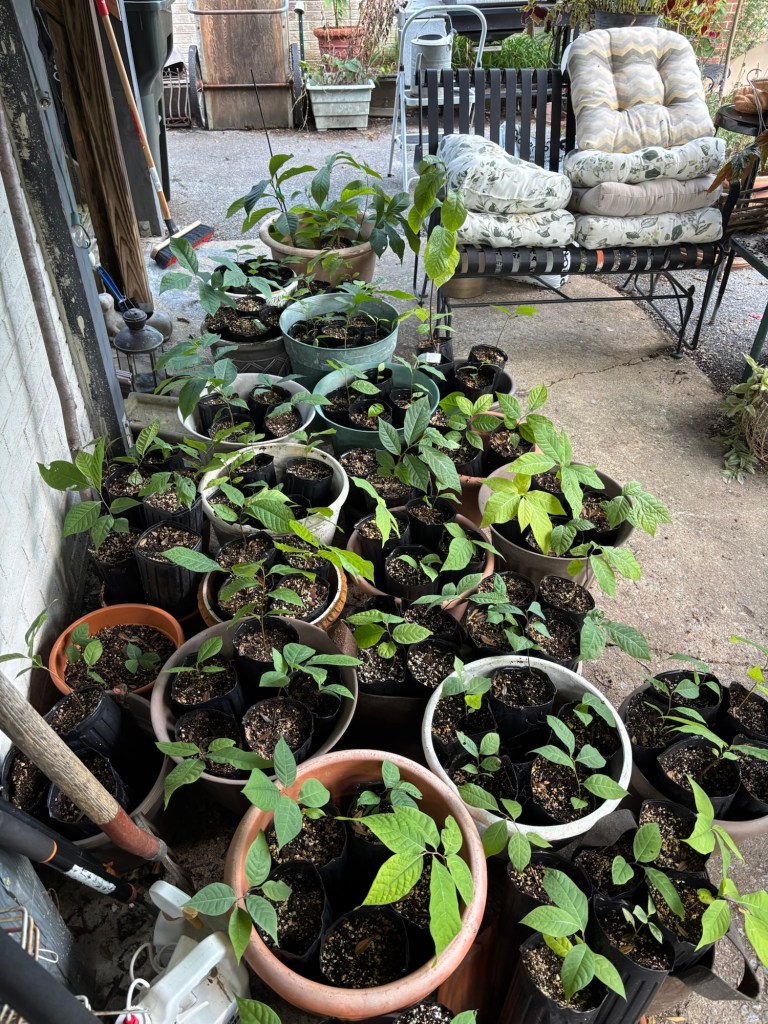
It’s been far too long since we have reported on events at the farm. Cooler temperatures and a few trees with bright yellow and red leaves remind us fall is here and also that we could use a good soaking rain to soften the crisp dryness of the ground and plants. Our pawpaw seedlings are waiting, with a few cultivars we collected from Edible Landscaping in Nelson County Virginia, to be planted out at the farm when a rain is expected next, we will plant them just before.
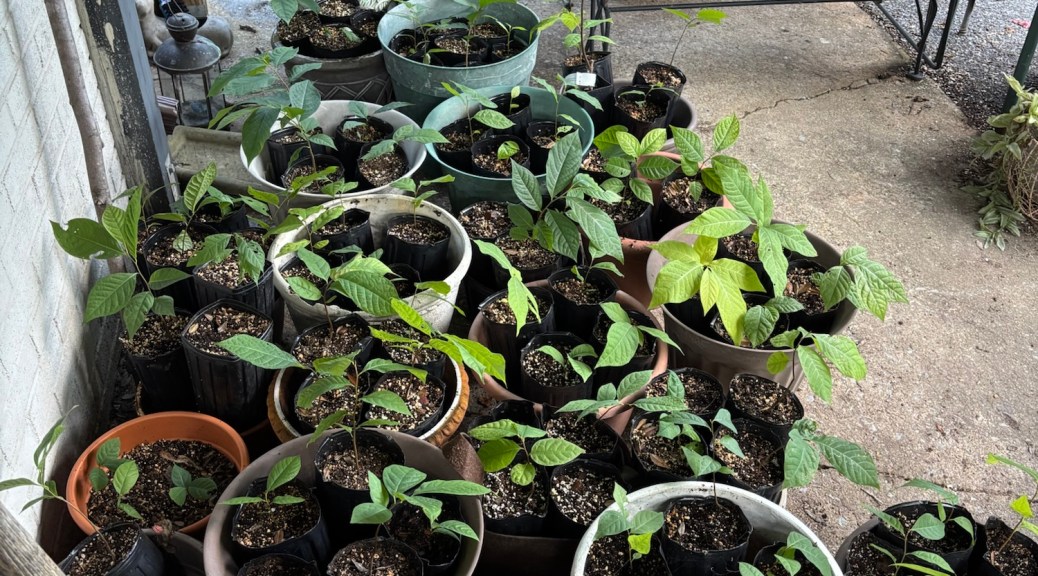
Over 100 pawpaw seedlings and a few grafts of Mango, Allegheny, KSU Chappell cultivars. We also have quite a few select seedlings from Edible Landscaping.
We hope to plant some around the existent wild native pawpaw patches that we have. These trees are responding well to increased light as we cut back understory trees competing for sunlight under the giant oaks maples and beech. They have greened this year and produced more branches and leaves. We only had a few flowers and one tree that set fruit. This dropped after the second week even though we had good rains in the spring. We are feeding the native trees compost from our home bin. With the addition of the new dna from the seedlings and grafted cultivars we hope to plant within the next few weeks, we hope to see increased growth and fruiting.
We have been busy planning our orchard and structures, collecting seeds from native and select varieties, trailblazing to give us more access to SAFF. And we have also been mushroom hunting of course! We have added a lean-to on to our shed for the tractor.
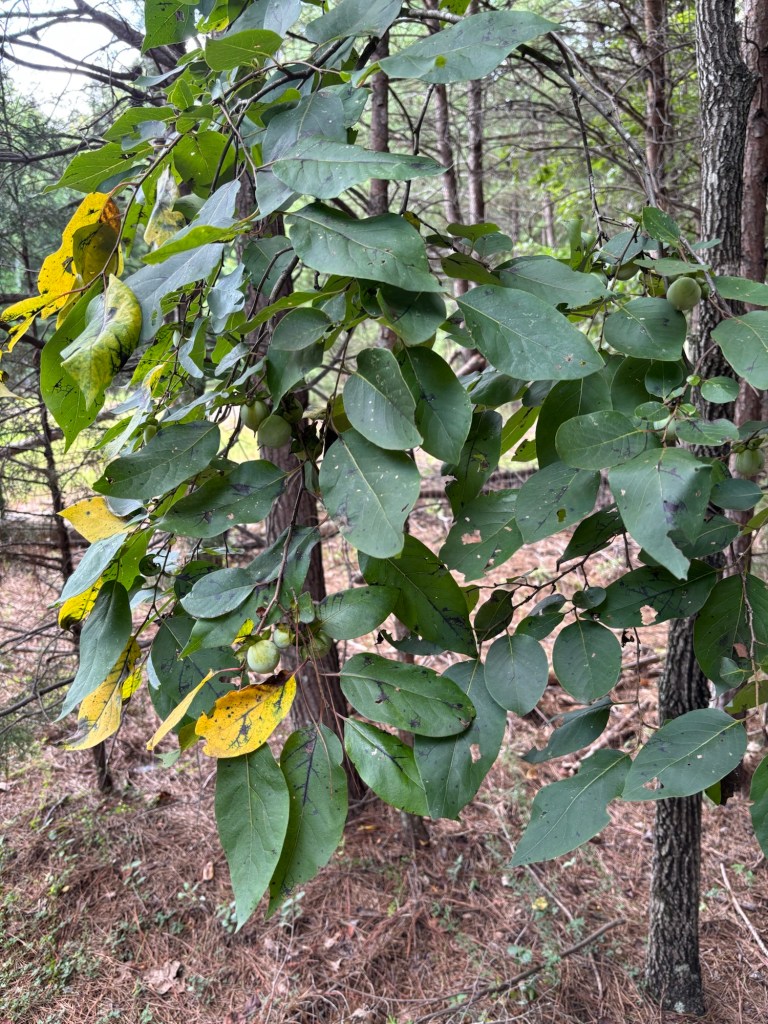
American Persimmon trees up top fruiting nicely in the forest.
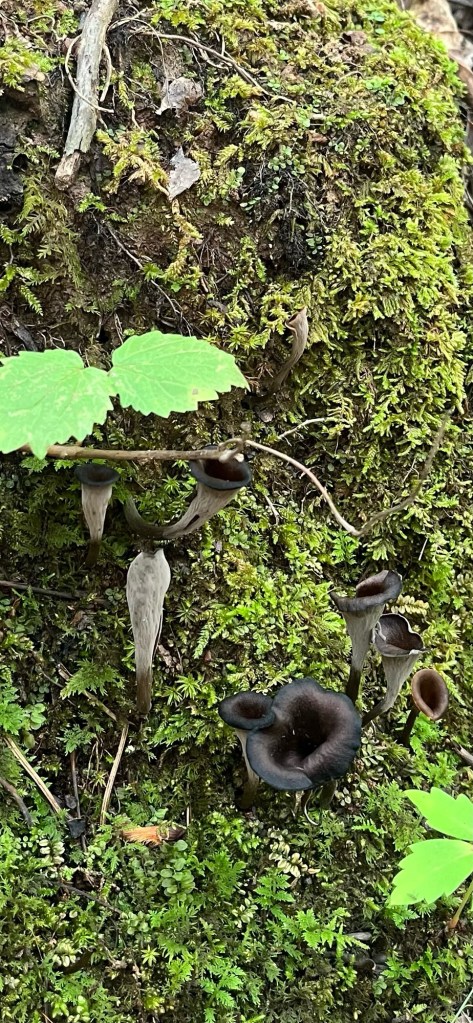
Eastern Black Trumpets, Craterellus fallax, found at the bottom of slope at the waterway in between two hickory trees.
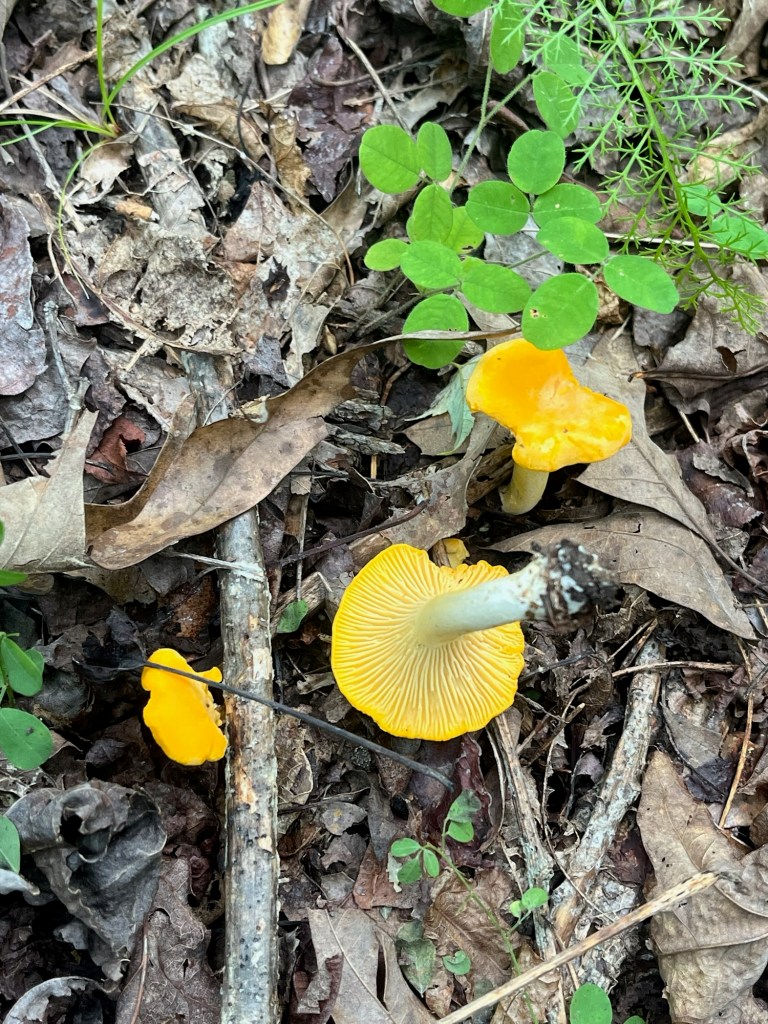
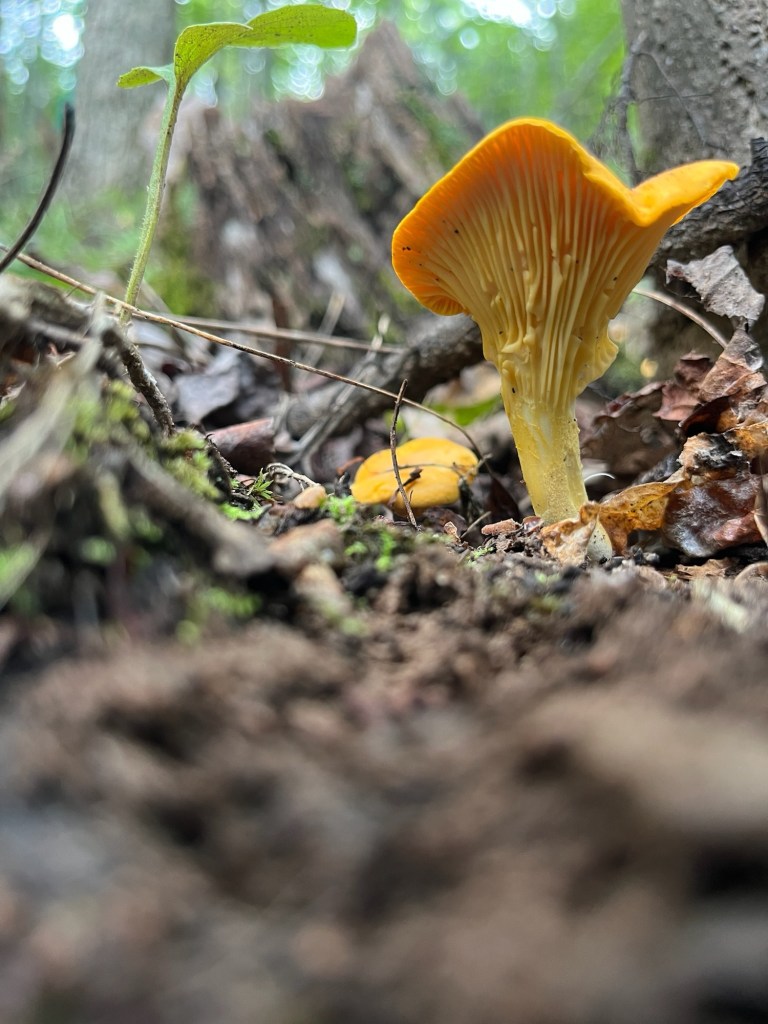
There are so many mushrooms right now after the heavy rain and cooler temperatures. We have Russulas and lactarius mushrooms to identify all over. Hundreds of red Russulas. Not as many boletes or Amanita right now. We found another patch of Eastern Black Trumpets to our delight and surprise as well as these beautiful and delicious ghost chanterelles.
Ghost chanterelle, Cantharellus phasmatis, found along Chanterelle Trail. Underside of the Ghost chanterelle showing the false gills.
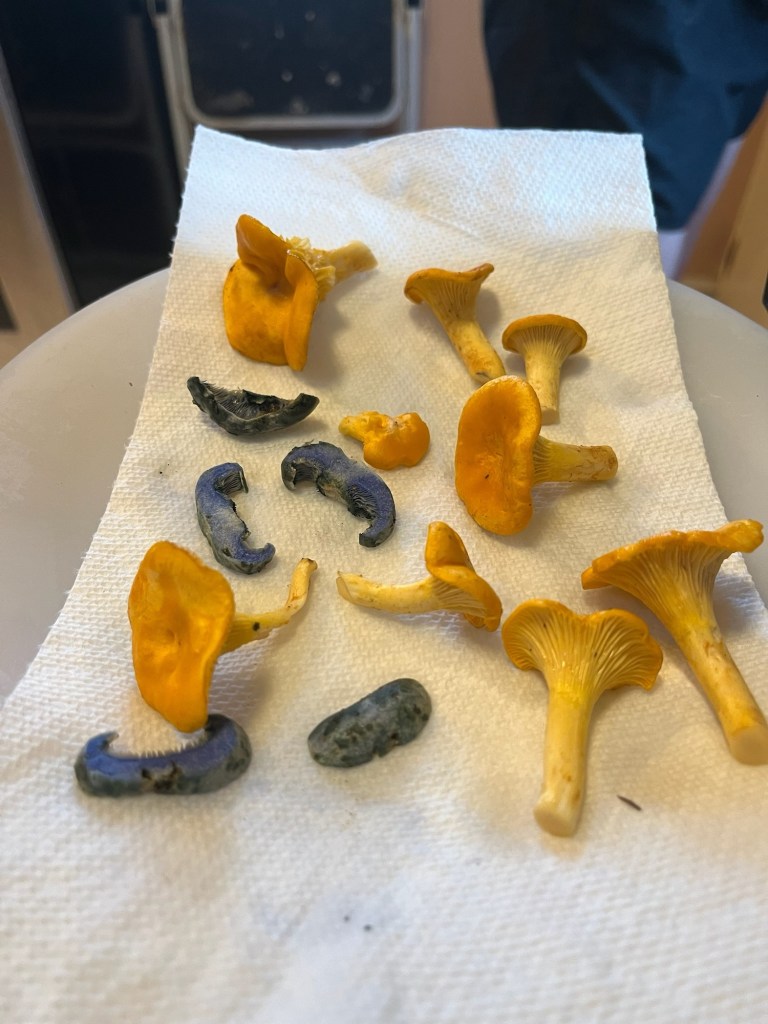
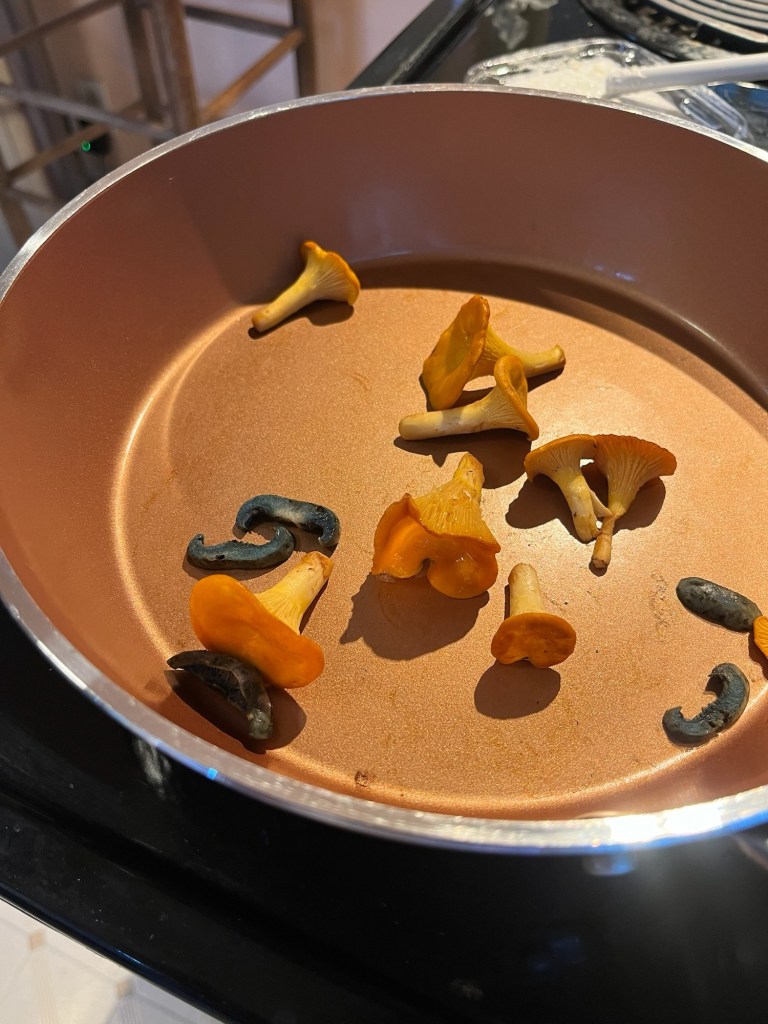
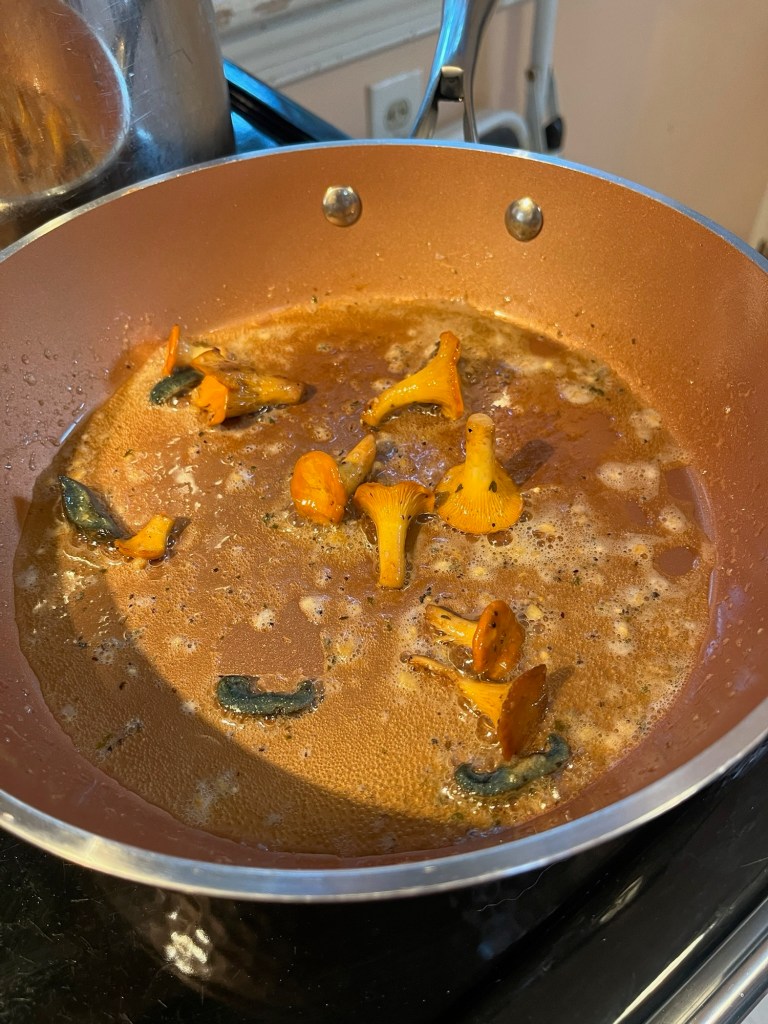
We brought them home and cooked them up and everyone was pleased.
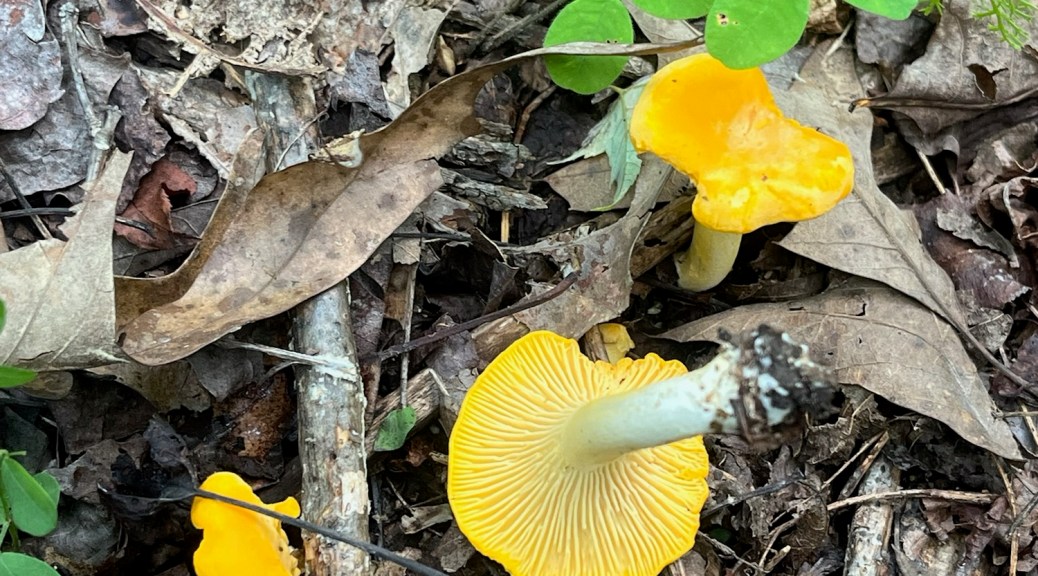
Cinnabar chanterelles found near the waterway right on the trail. These are choice edibles.
Tropical storm Debby is set to hit the farm tomorrow evening with rains expected to be 4-8 inches and peak wind gusts Friday morning at 34 mph. We can’t wait to see what this rain will bring since there’s been so many mushrooms already.
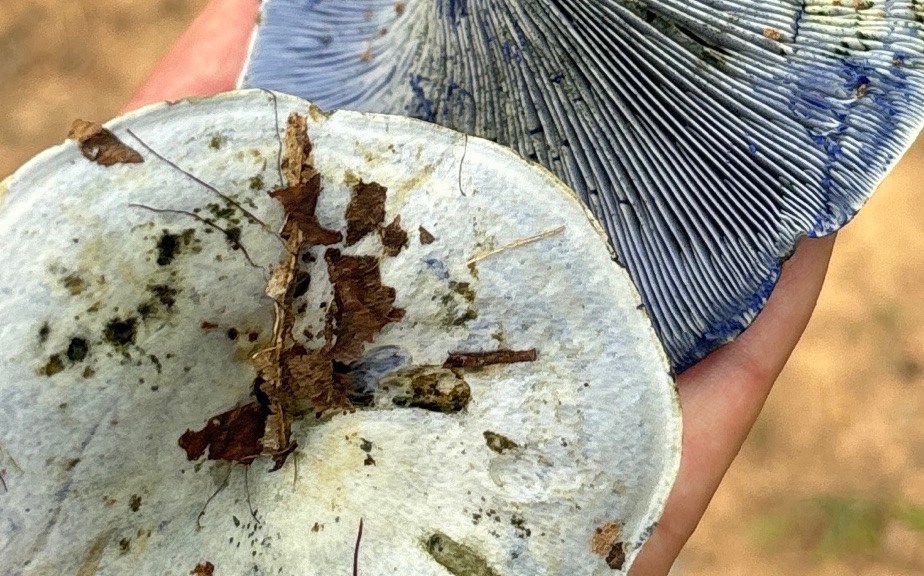
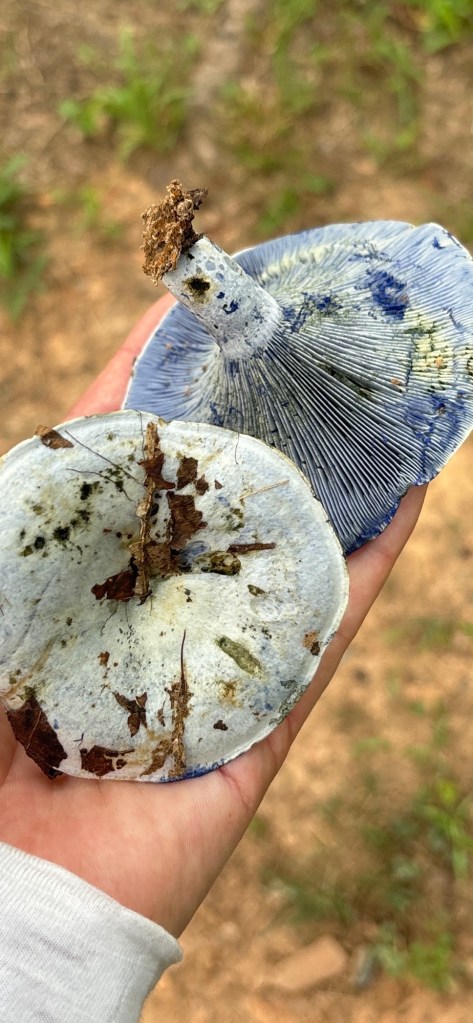
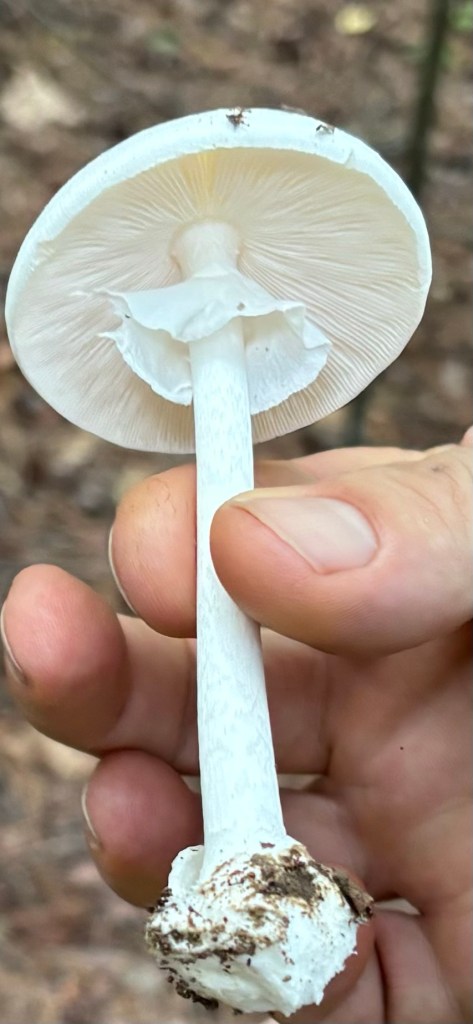
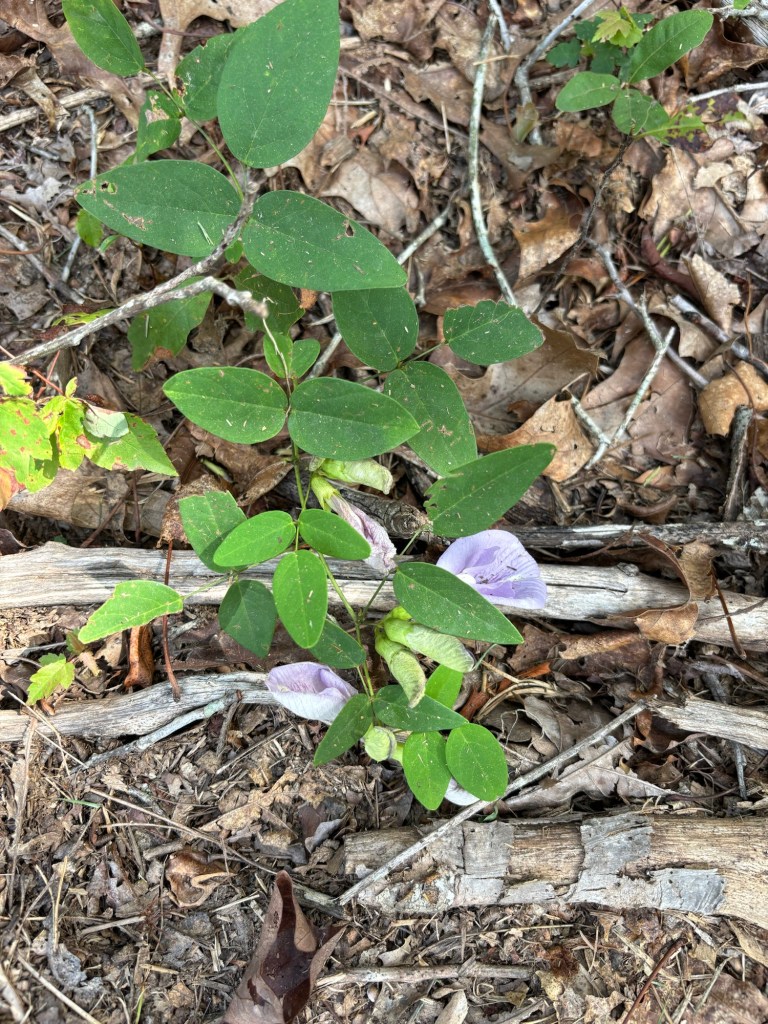
Retiboletus ornatipes, Ornate stalked bolete, is edible but not considered choice. We found them along South Trail. Lactarius indigo, indigo milk cap, is a choice edible found off Chanterelle Trail. We brought these beautiful blue mushrooms home to eat. Eastern North American Destroying Angel, Amanita bisporigera, a deadly poisonous mushroom found near North Trail.Clitoria mariana, pigeonwings, found up top in clearing near twin oaks
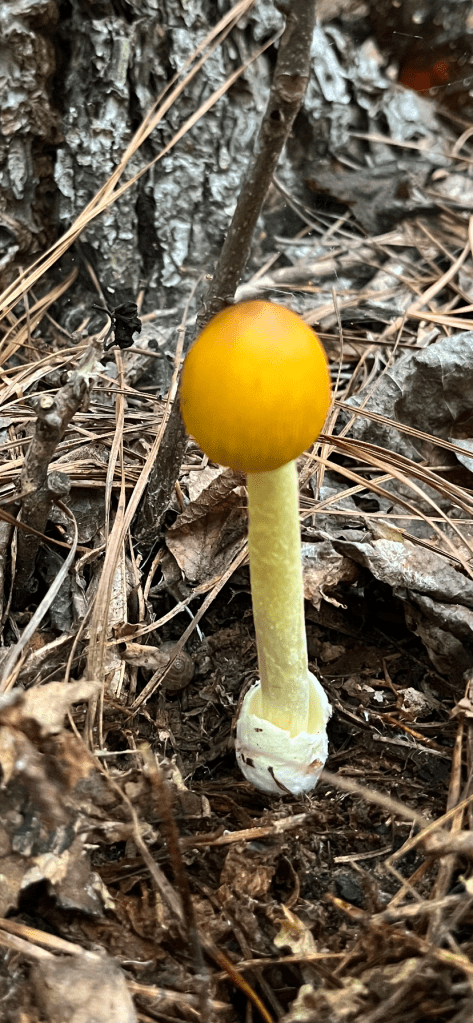
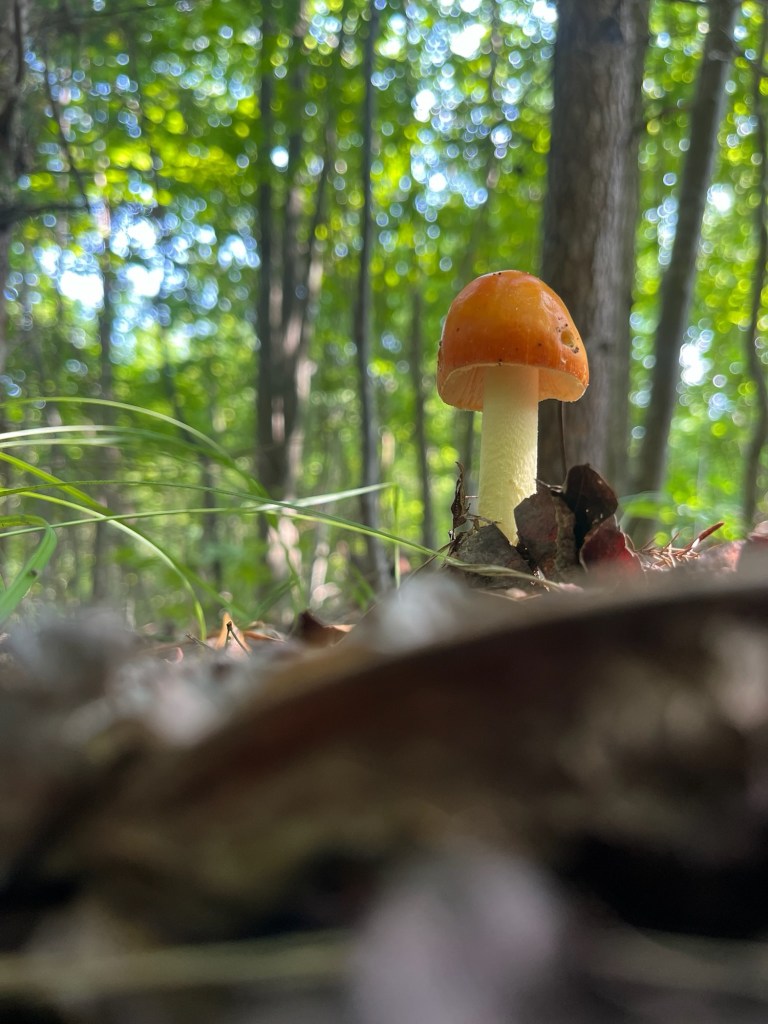
Amanita banningiana, Mary Banning Slender Caesar, has been found in every corner of Saint Andrews Forest Farm.
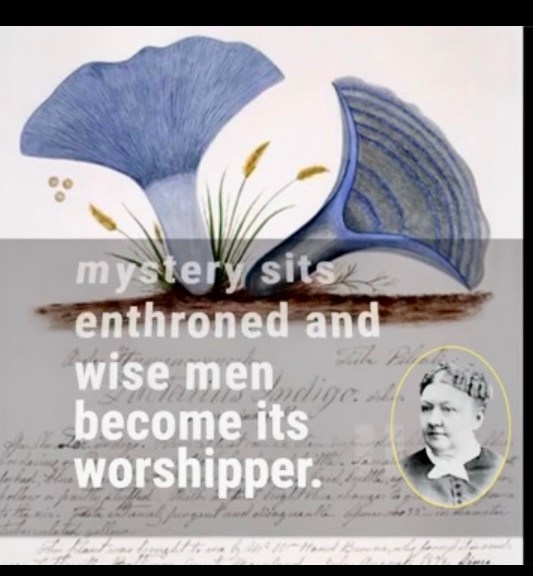
Mary Elizabeth Banning (1832-1903) was an American mycologist and botanical illustrator from Maryland. She described 23 previously unknown species of fungi. Her scientific achievements remained unrecognized during her lifetime. With no formal schooling or training, and during her free time, as she taught children and took care of her sick mother and older sister, she created the first mycological study of fungi in America with “The Fungi of Maryland.” This manuscript includes 174 13” by 15” watercolor paintings of various fungal species. She self funded her own study and lived in ever increasing poverty.
Banning dedicated her life to mycology and lived in a world where women could not be scientists. She has inspired many people with her love for fungi and who knows how many she has inspired with her accomplishments while facing tremendous hurdles and difficulties.
We blazed a new trail from SAFF’s north side to North Trail, and we have named it Mary Banning Way to always remember and honor this powerful, intelligent and creative woman.
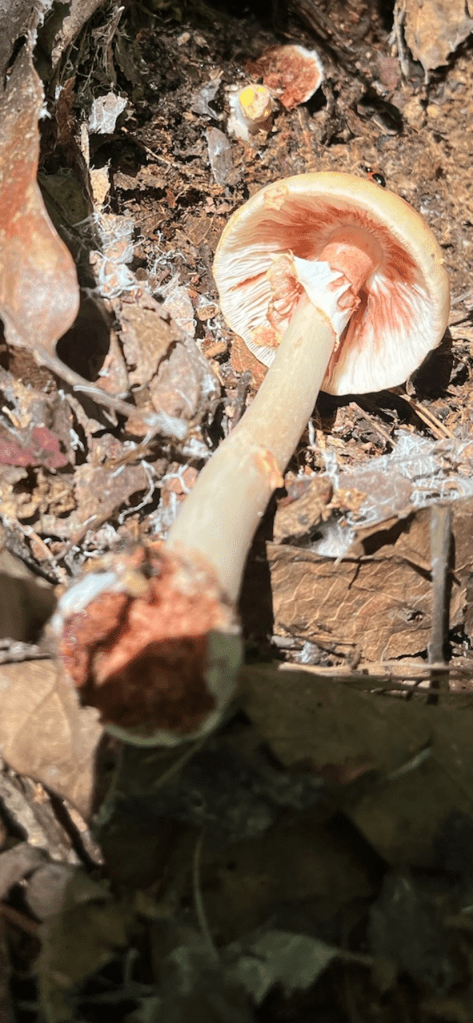
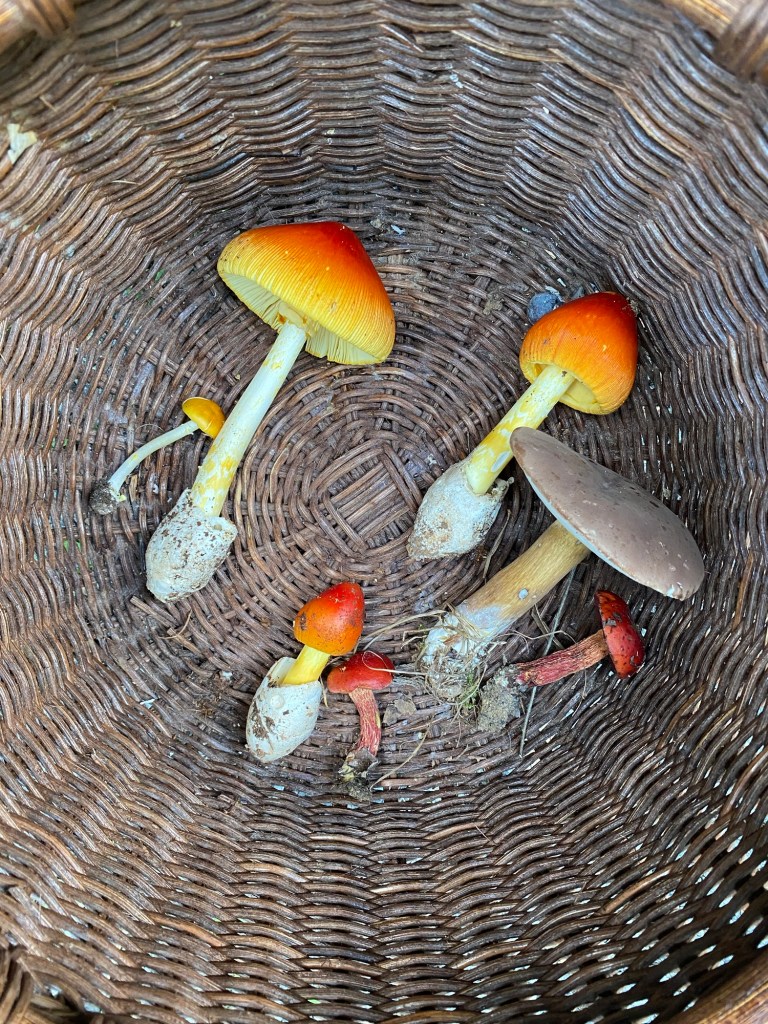
Amanita amerirubescens complex from below A. amerirubescens from above. Note the red blushing. These are edible when thoroughly cooked. We haven’t tried them. Amanita jacksonii, a delicious Caesar mushroom that can even be eaten raw. We cooked them and they maintained a wonderful texture. These were some of the tastiest mushrooms we’ve had. A. jacksonii, A. banningiana, Bolete edulis and Exsudoporous frostii in our basket. All were delicious. 😋
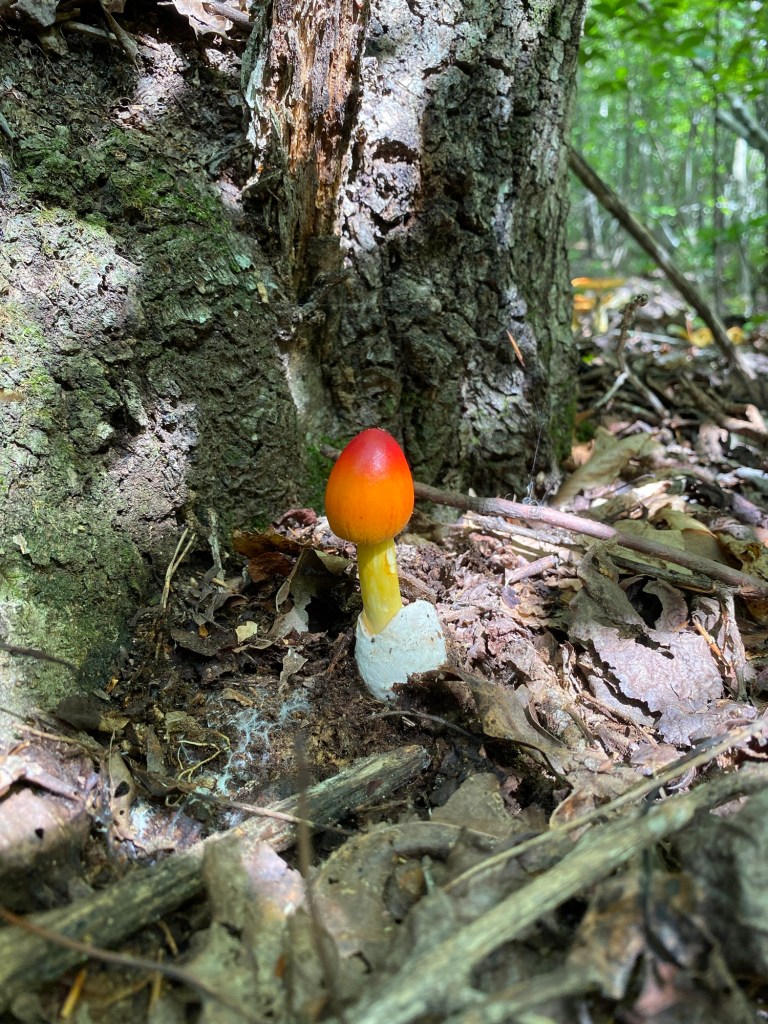
The forest is full of mushrooms with the rain we’re getting. Every day we go out and find something completely new. Since we bought the farm last year, we’ve searched for Amanita jacksonii. Saturday we walked down Amanita Way towards the wet weather gully and there they were. They were very large and strikingly red with orange caps and yellow stems. We have seen hundreds of Amanita parcivolvata, commonly called False Caesar, and these were instantly recognizable as the true sought after delicacy. The small one to the left in the basket is the first American caesar we found last week, Amanita banningiana or Mary Banning Slender yellow caesar. This is also tasty and special. They are much smaller and found in the northeastern and southern regions of the US.
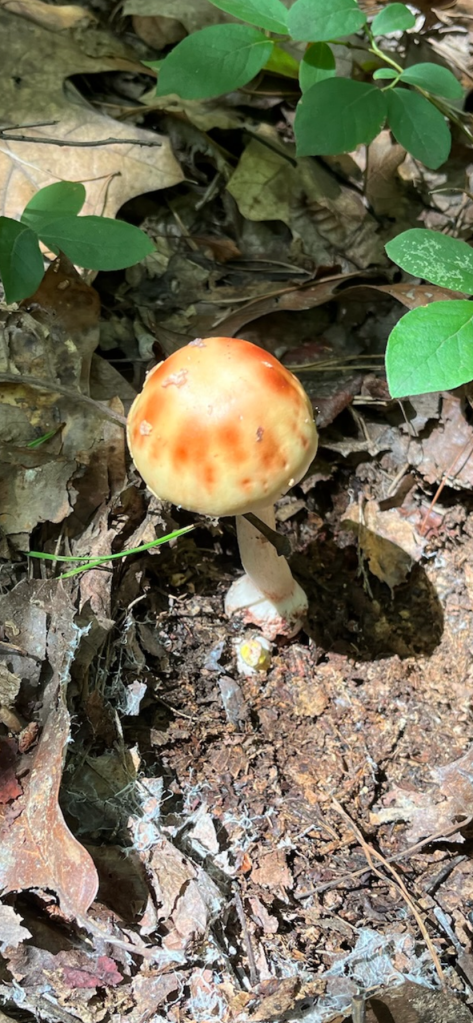
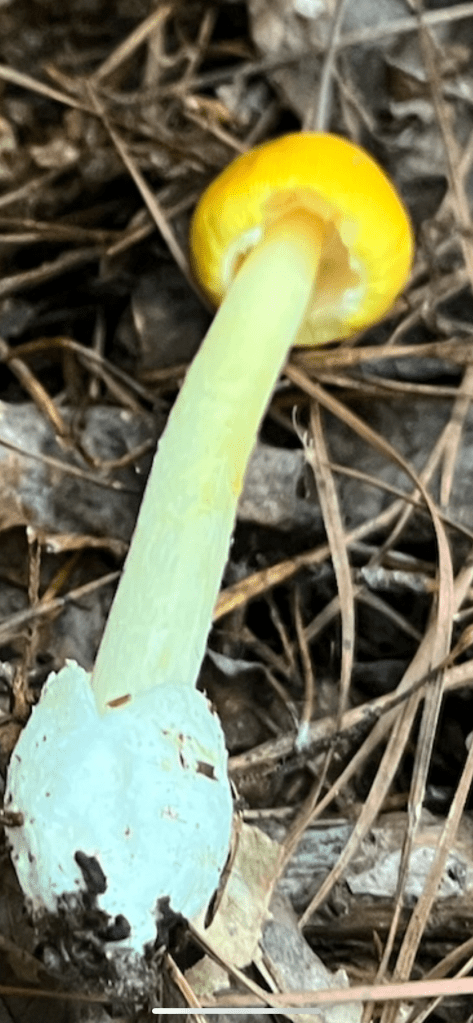
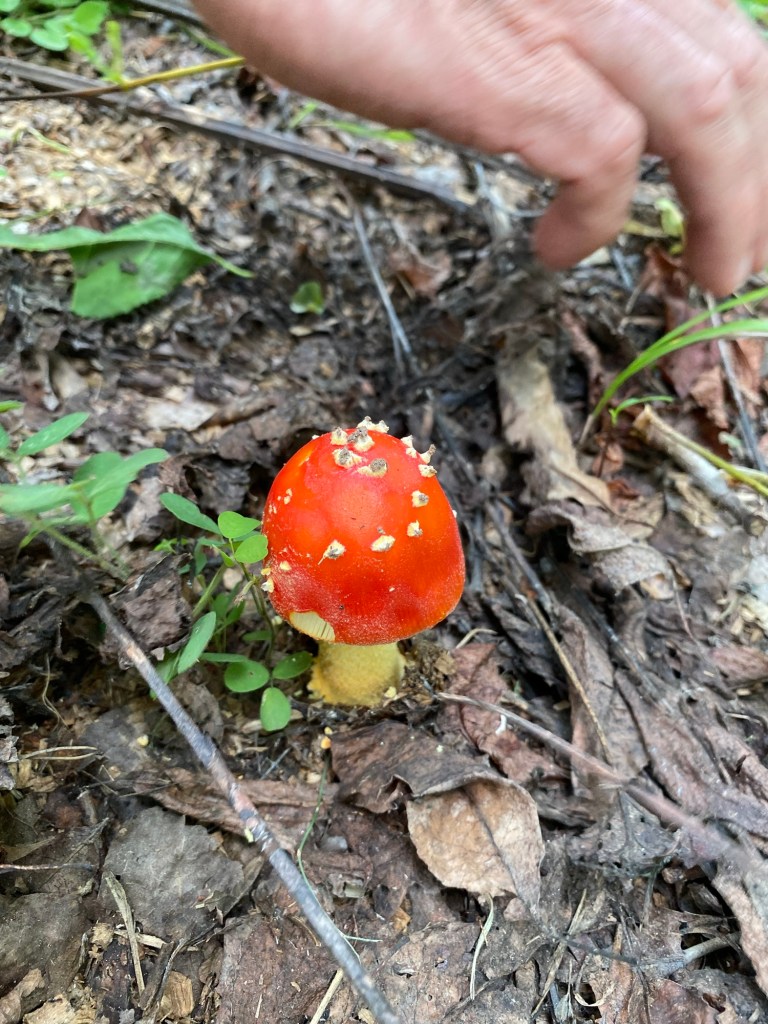
A. banningiana has striations along the edge of the cap. It is found in oak-beech-hickory forests from Maine to Alabama.A. parcivolvata, or false caesar. Found all over SAFF. Amanita rhopalopus, American club footed Lepidella.