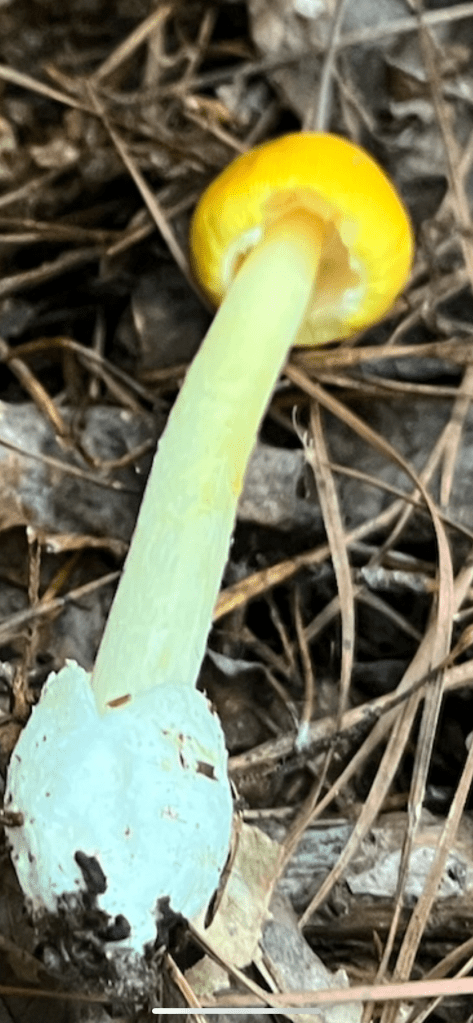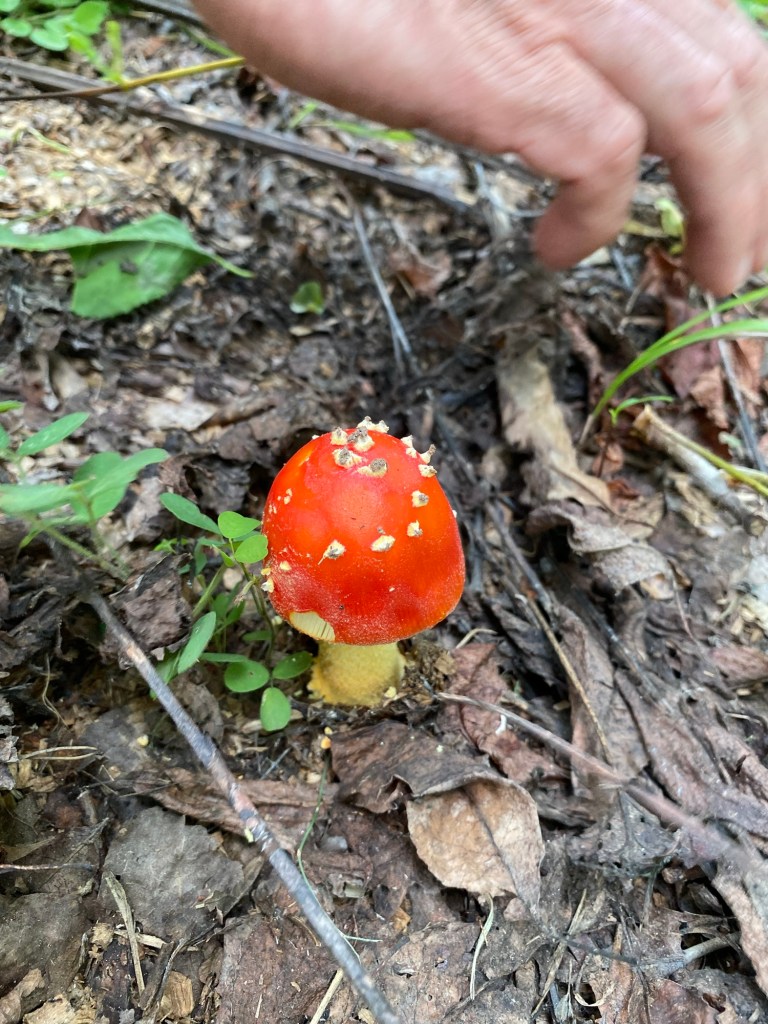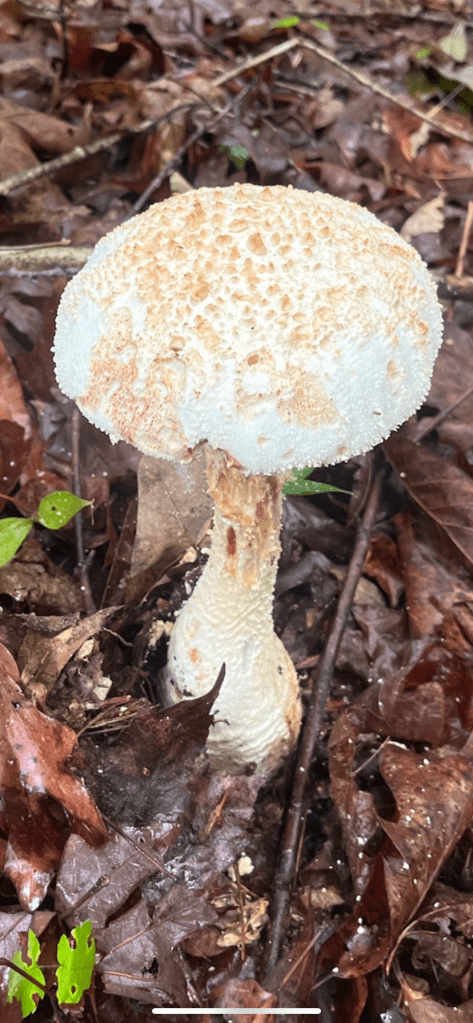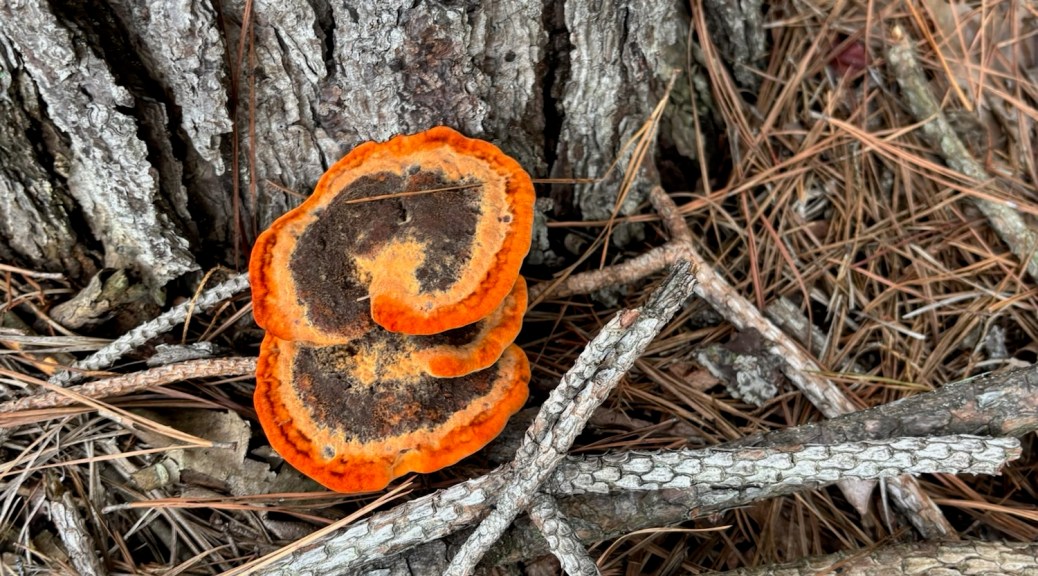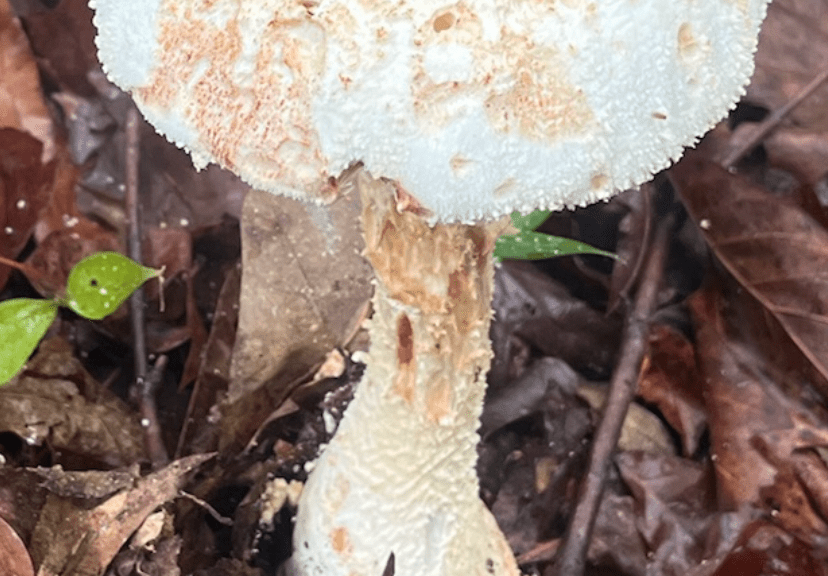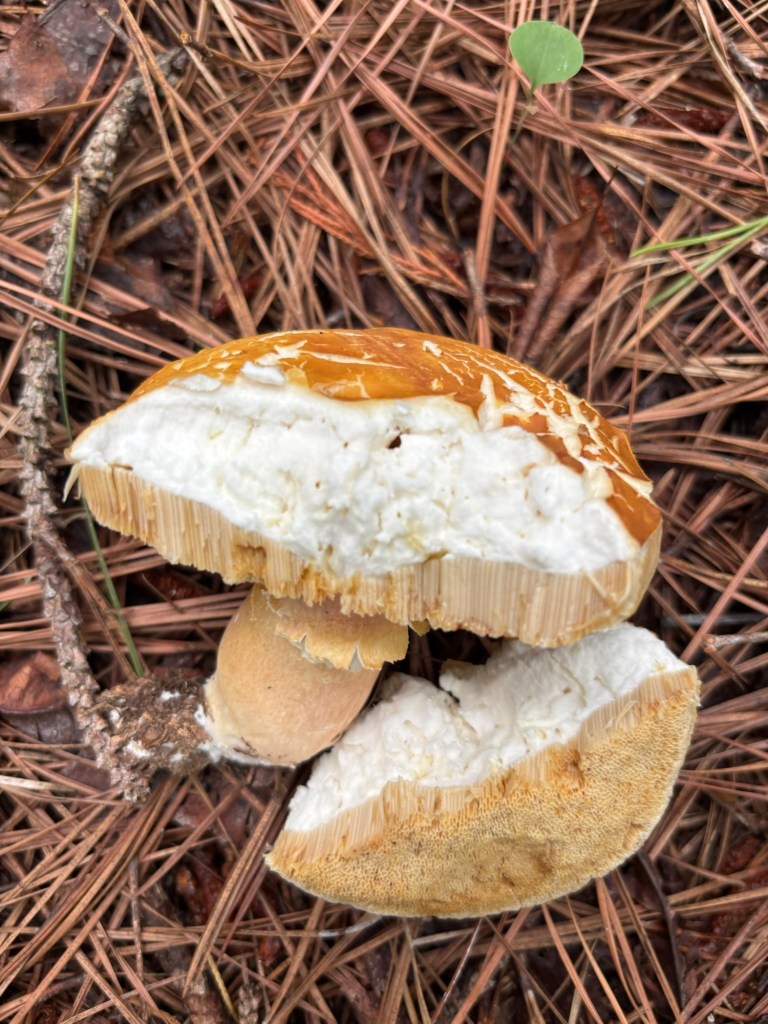
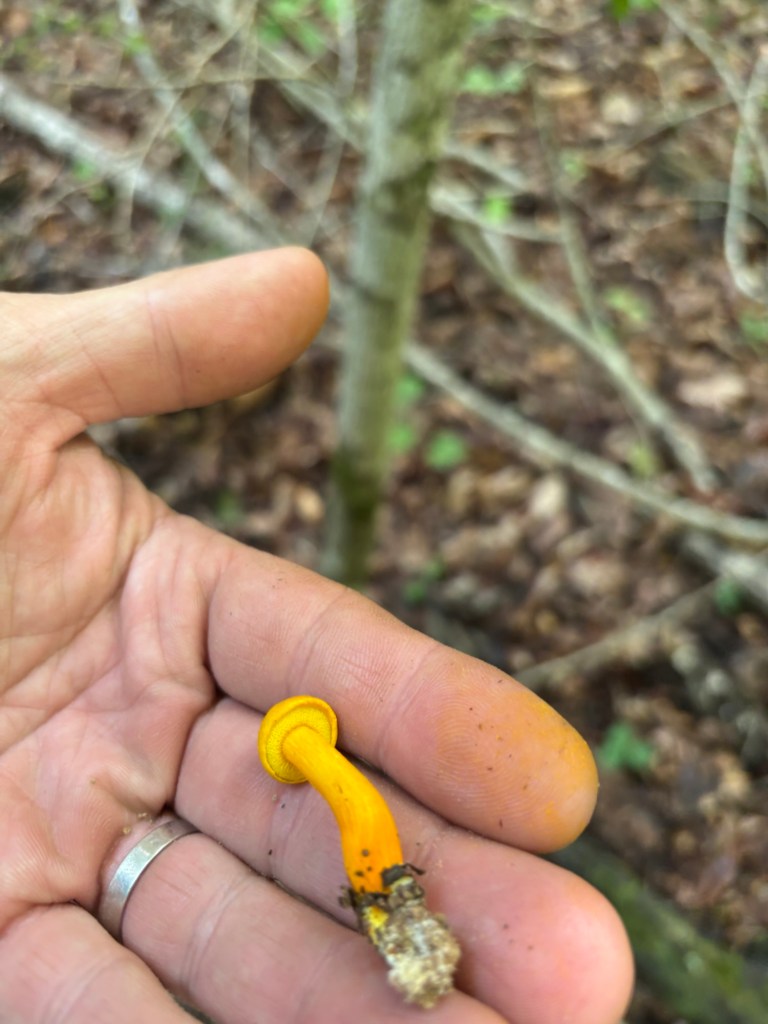
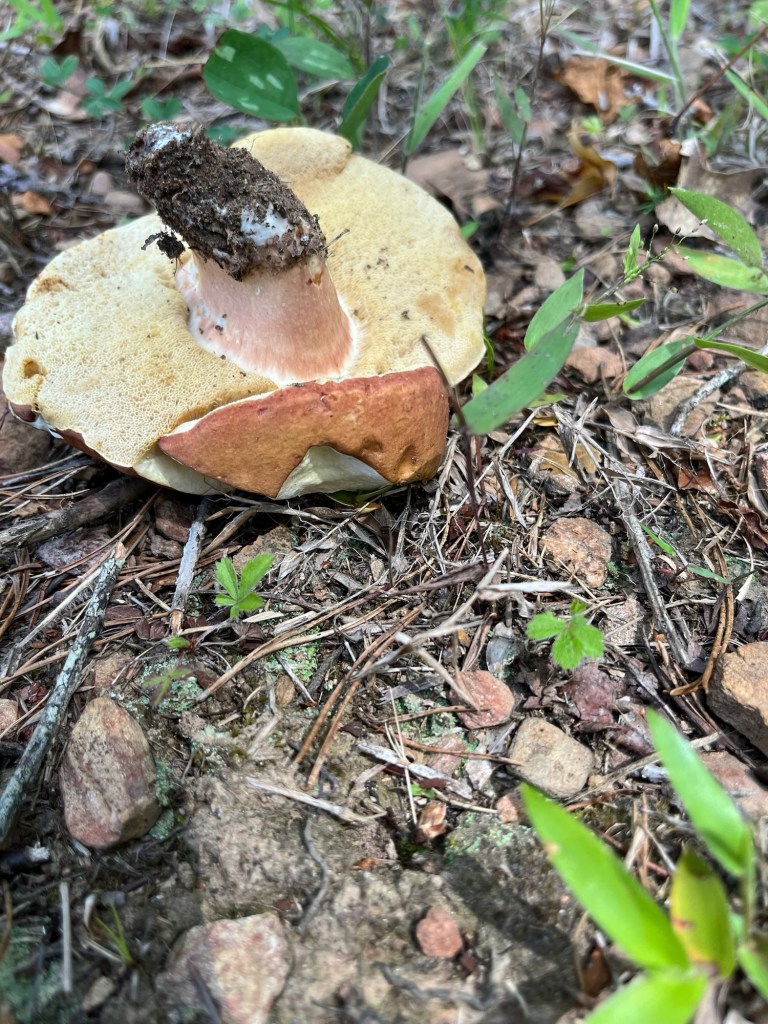
We camped over the weekend at SAFF and not only did we see some cute critters but it was also a mushroom wonderland.
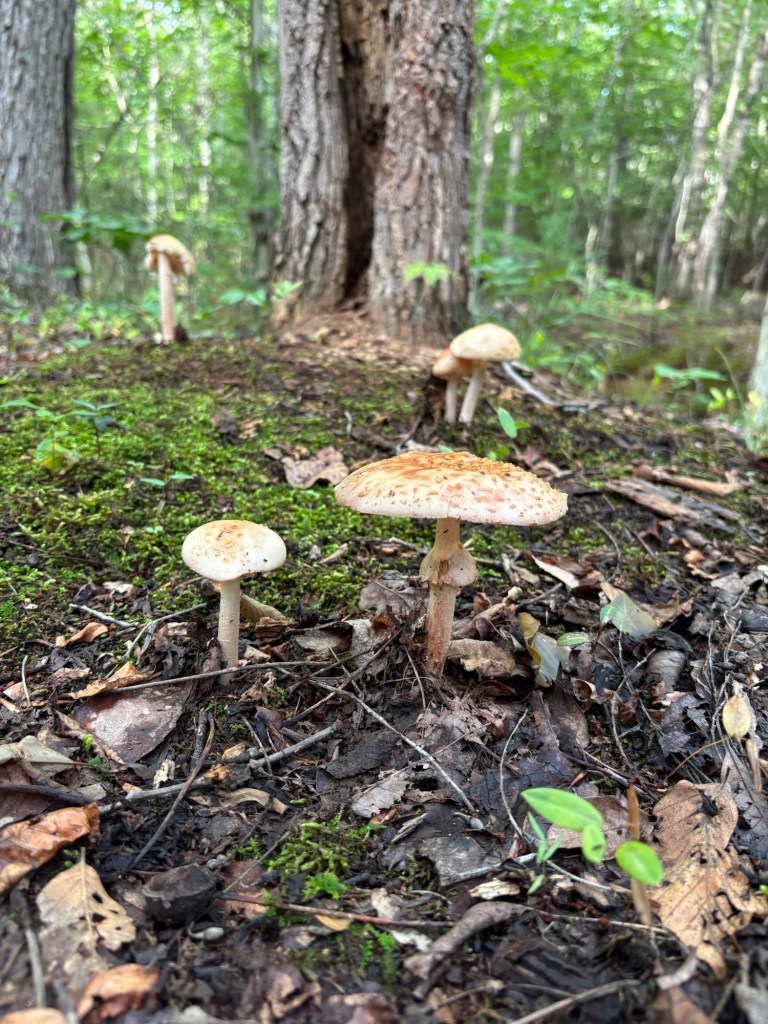
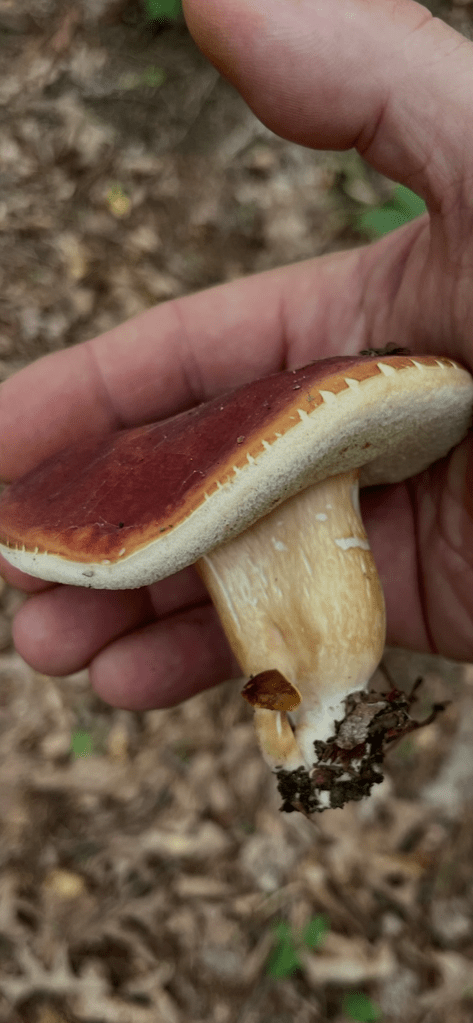


We camped over the weekend at SAFF and not only did we see some cute critters but it was also a mushroom wonderland.
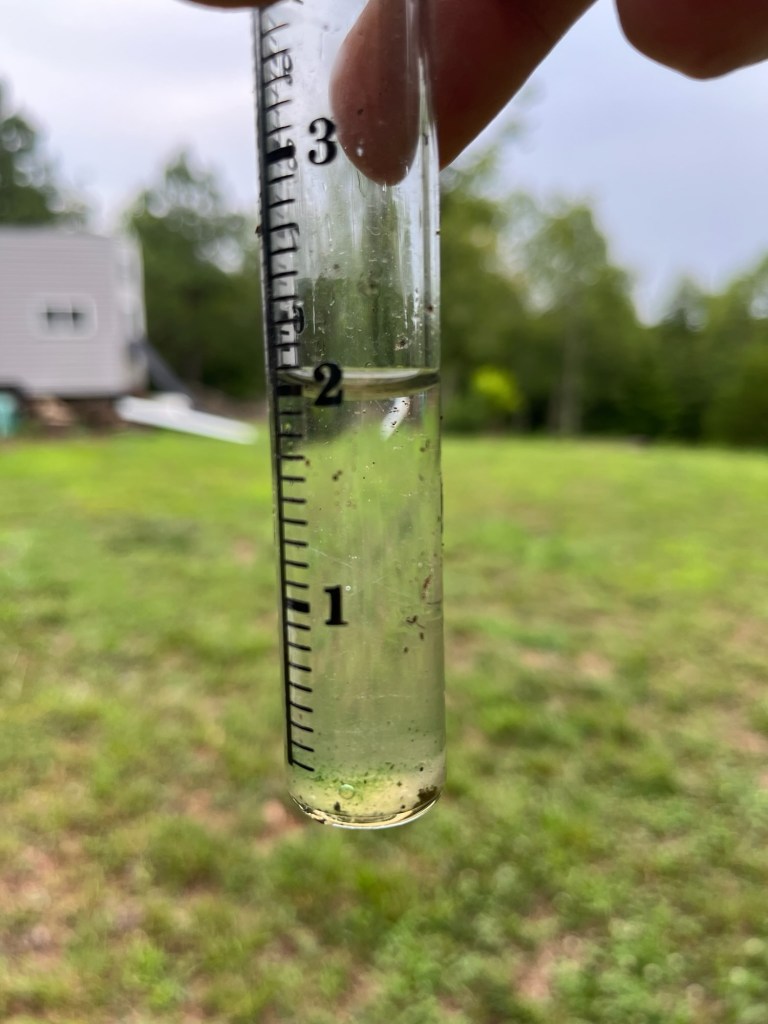
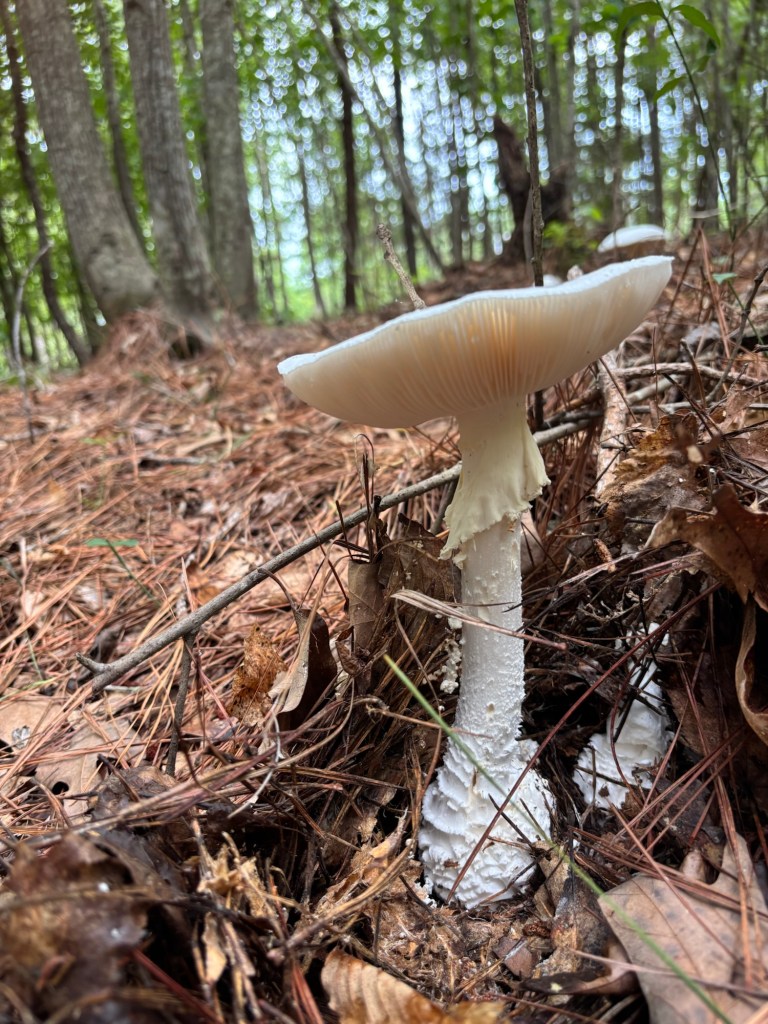
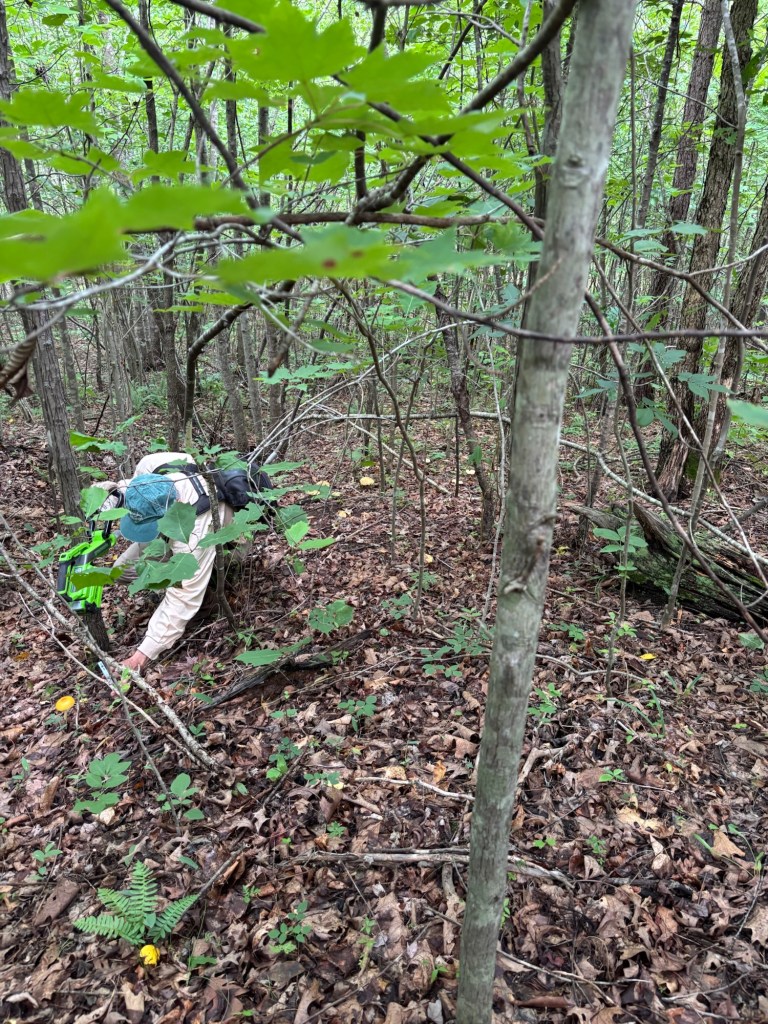
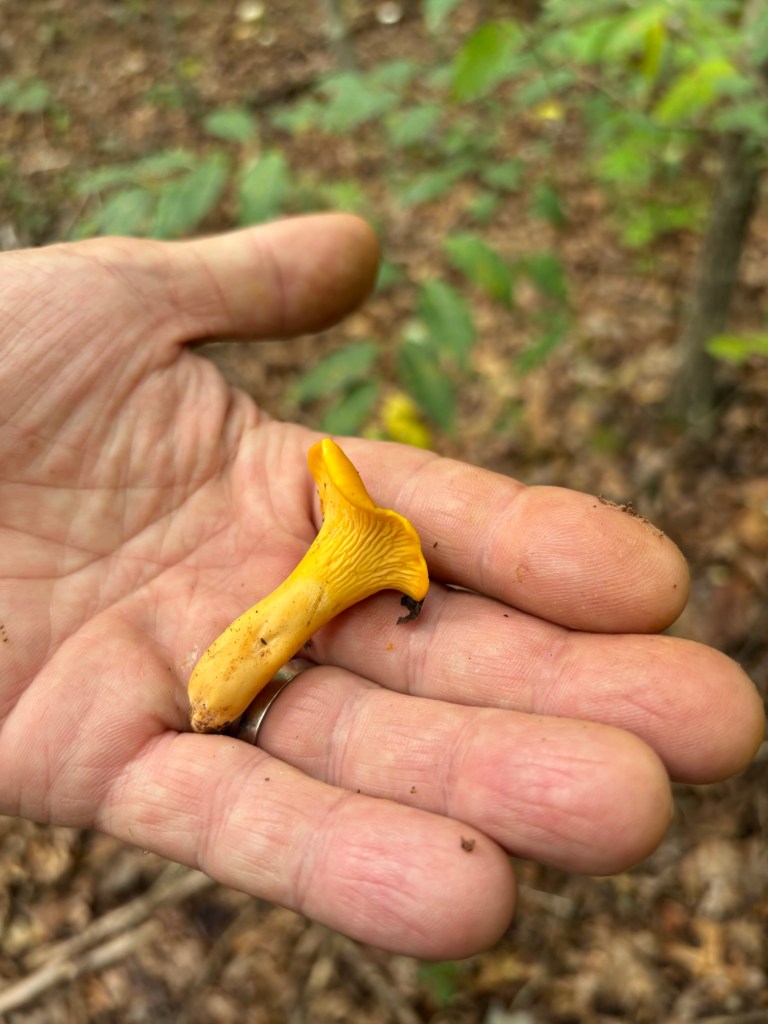
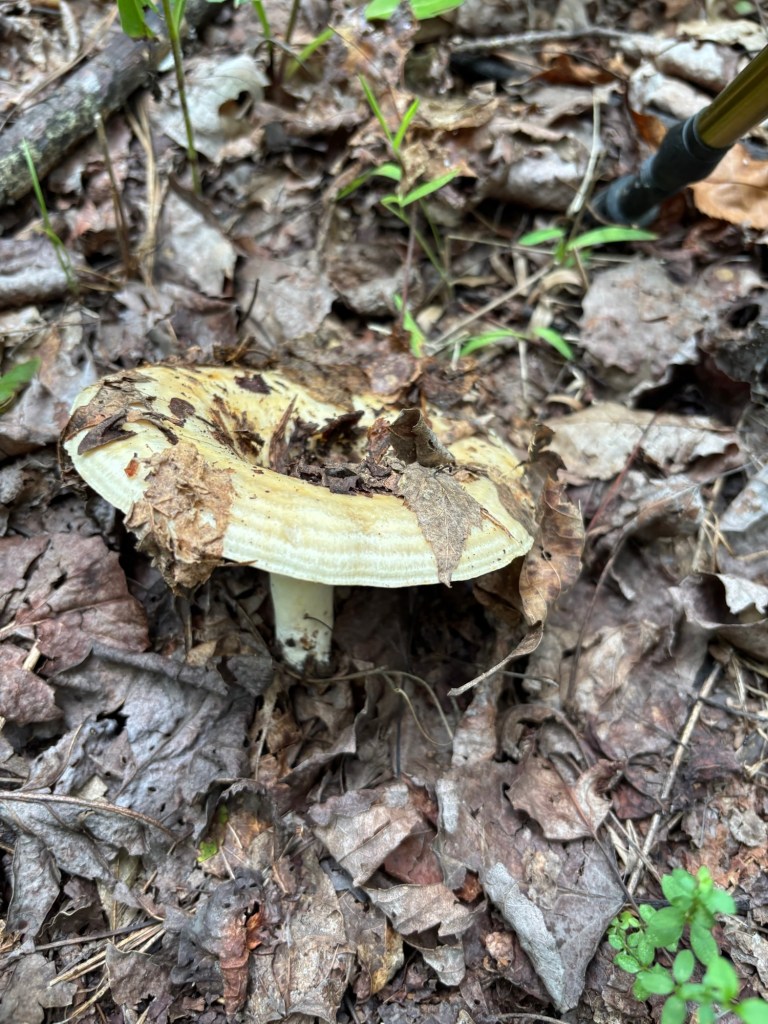
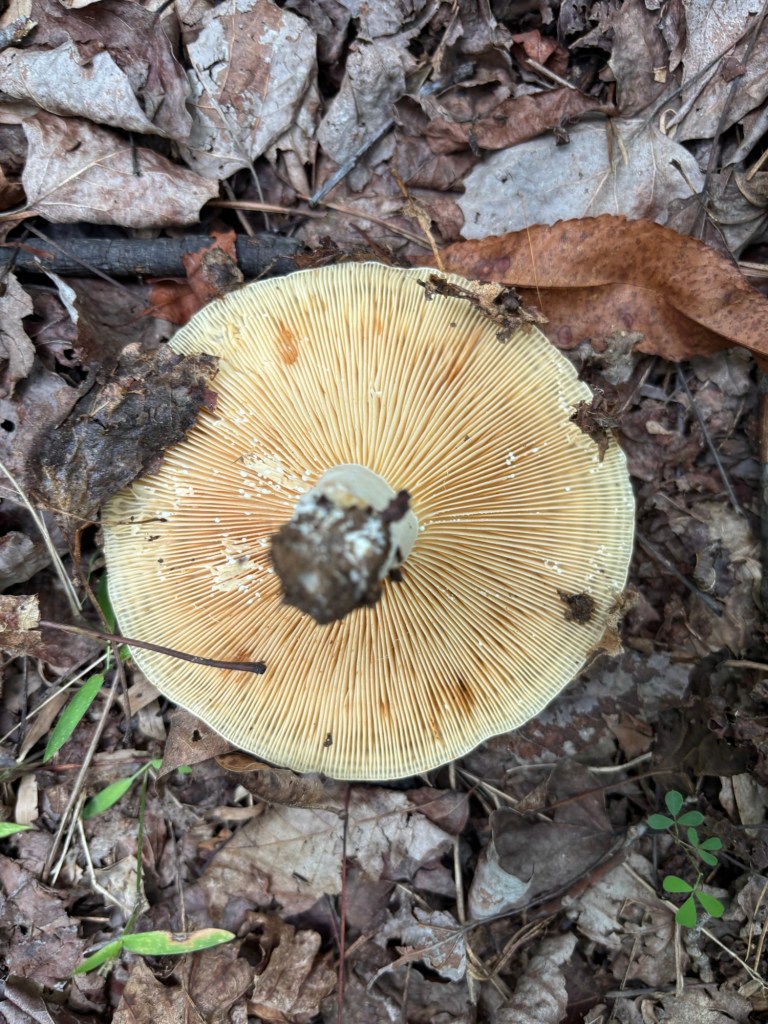
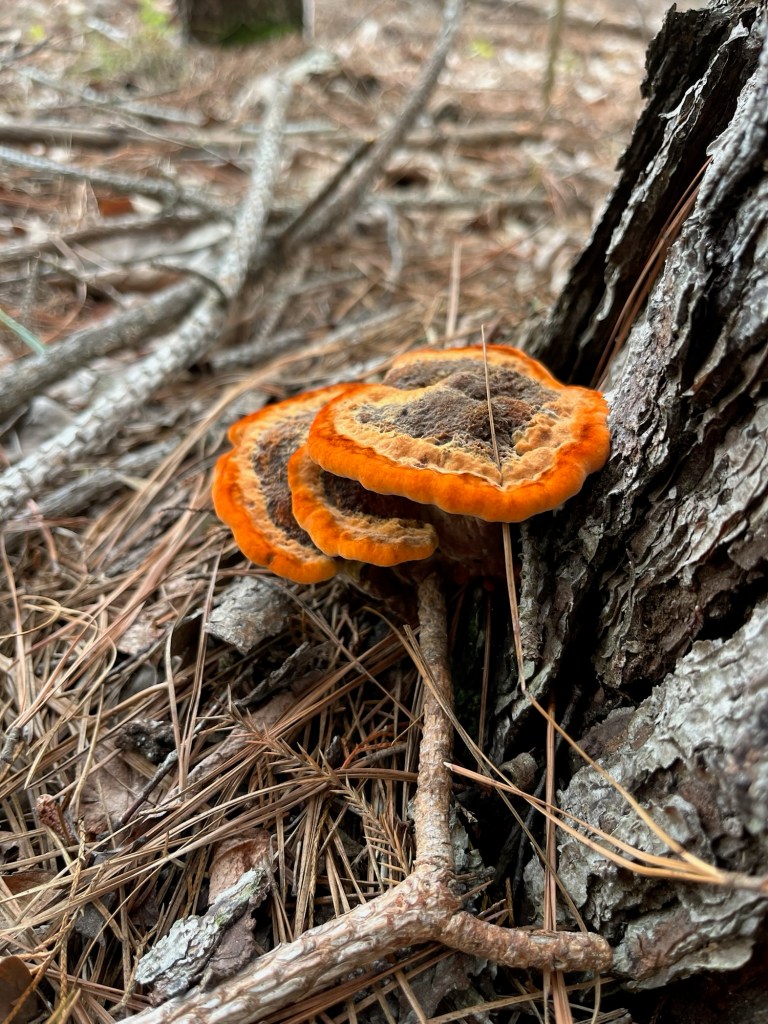
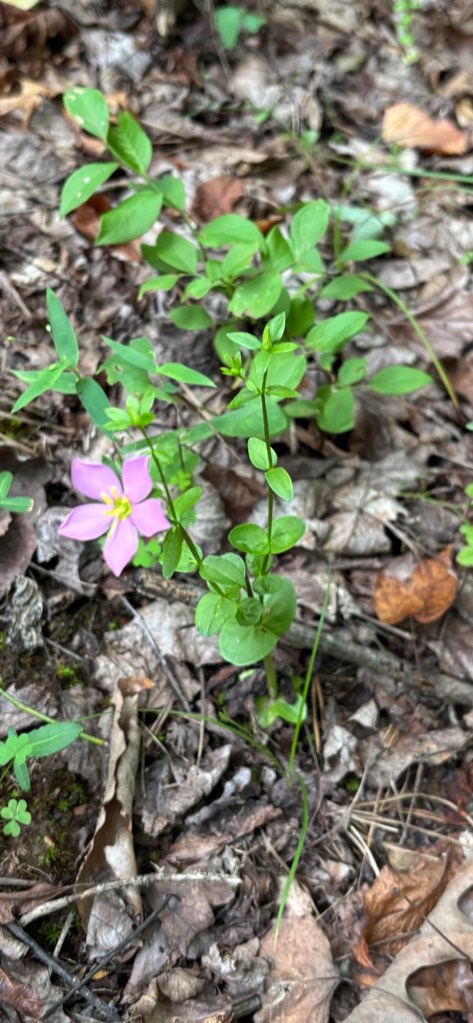
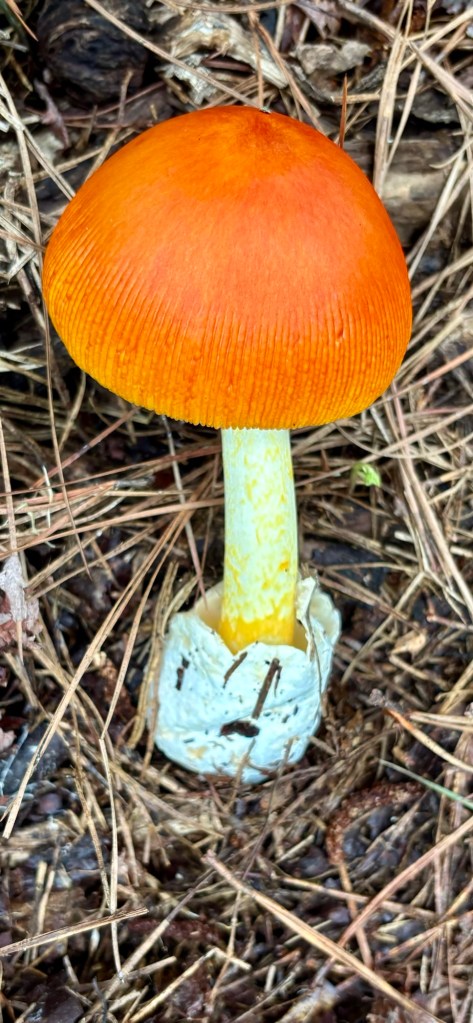
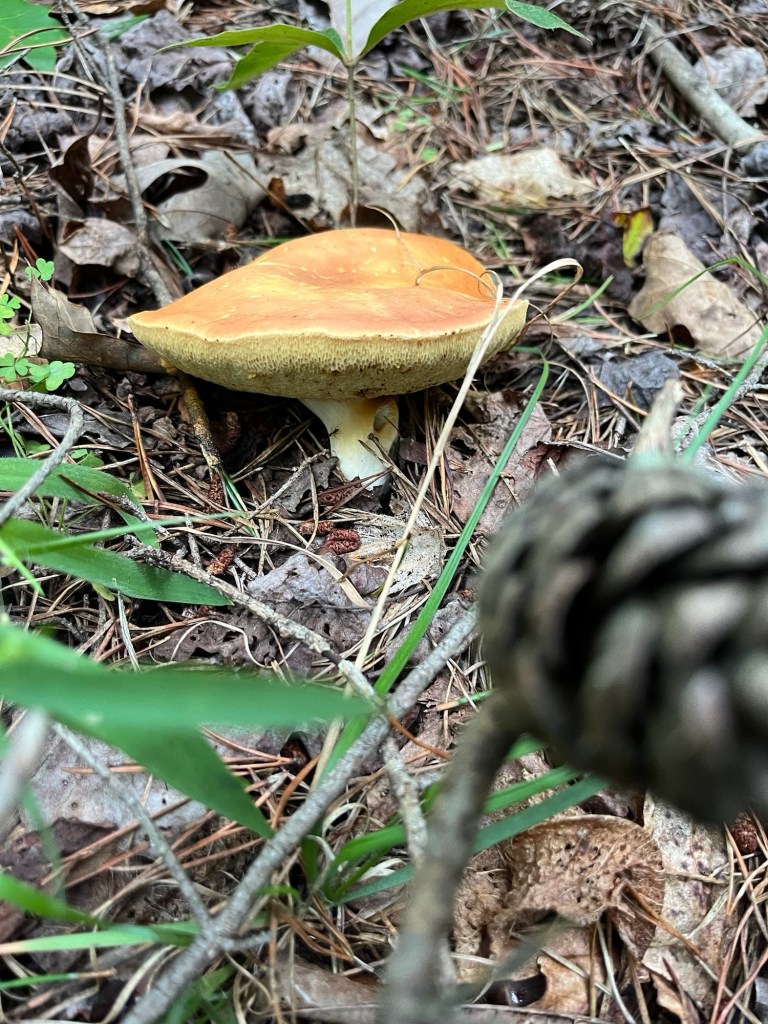
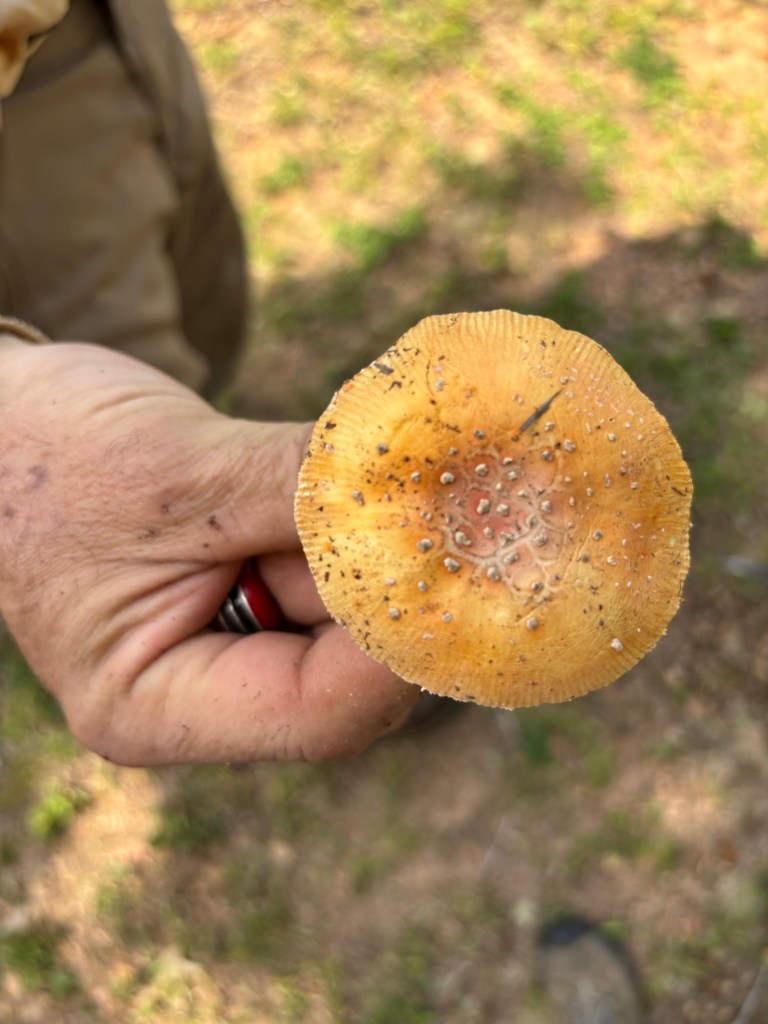
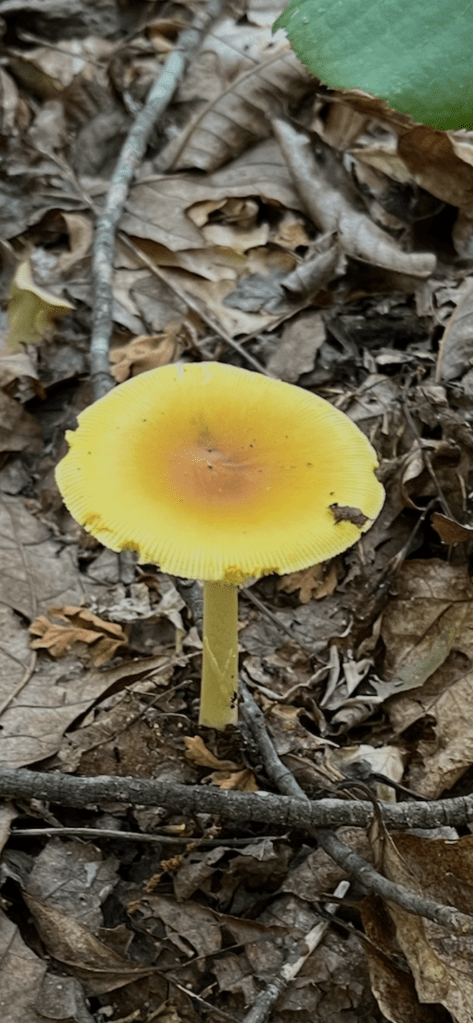
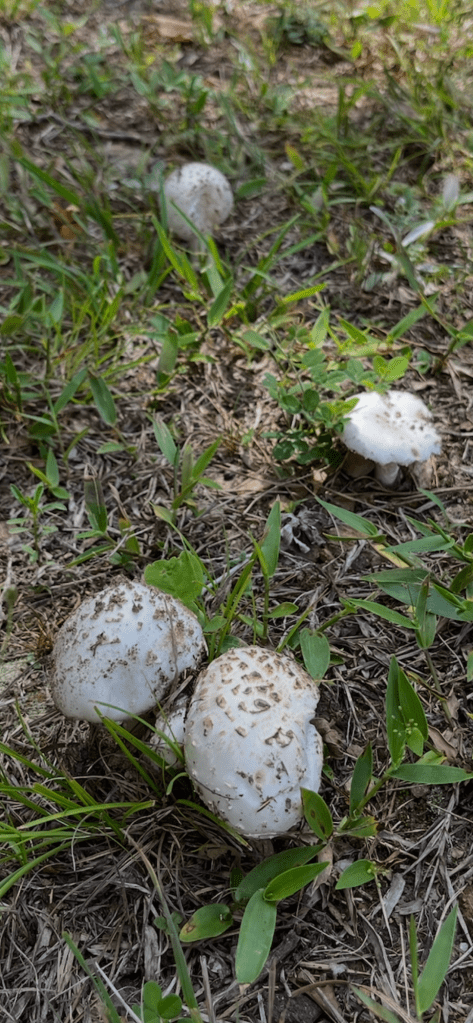
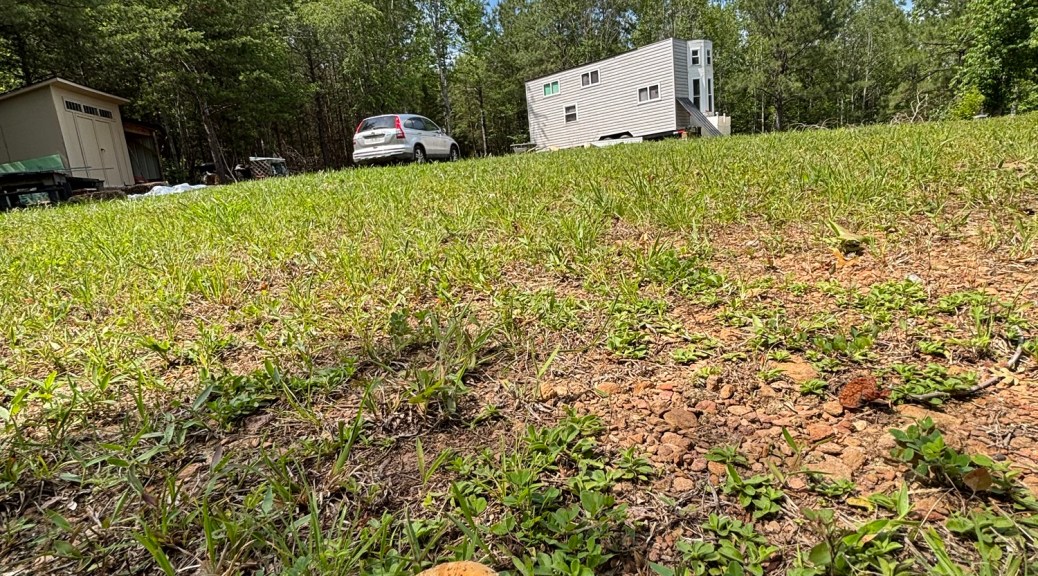
What a great day we had yesterday at SAFF. We went over to check out how much rain the farm had gotten. The gauge was at .2 which is better than none. But much less than the 1.9 inches our weather app reported. Nevertheless, we still had mushrooms growing. Even some we hadn’t seen before. It was like a dream come true.
The pawpaw fruit in the old clonal colony is getting bigger. We are planning a trip to see what pawpaws are doing in our foraging spots along the Rockfish River soon.
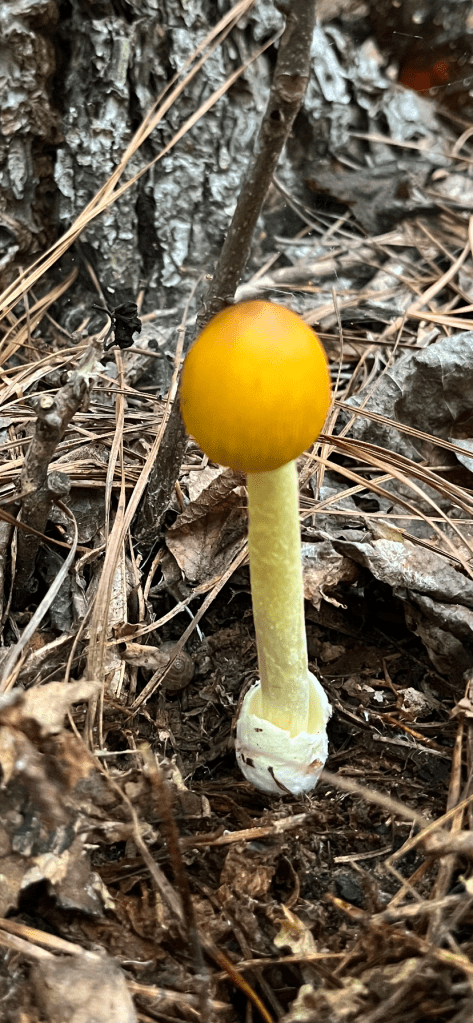
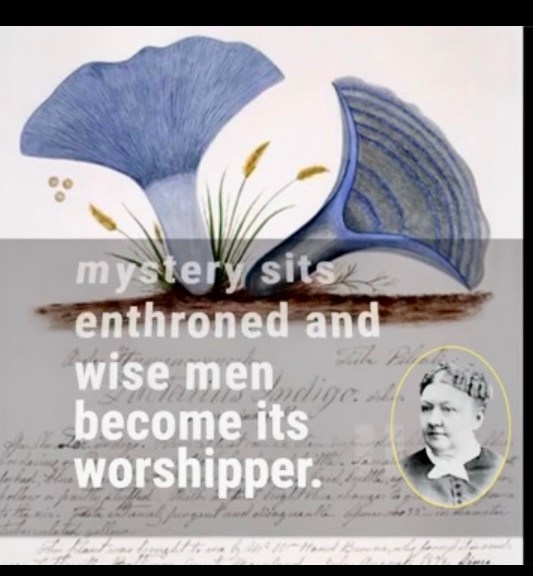
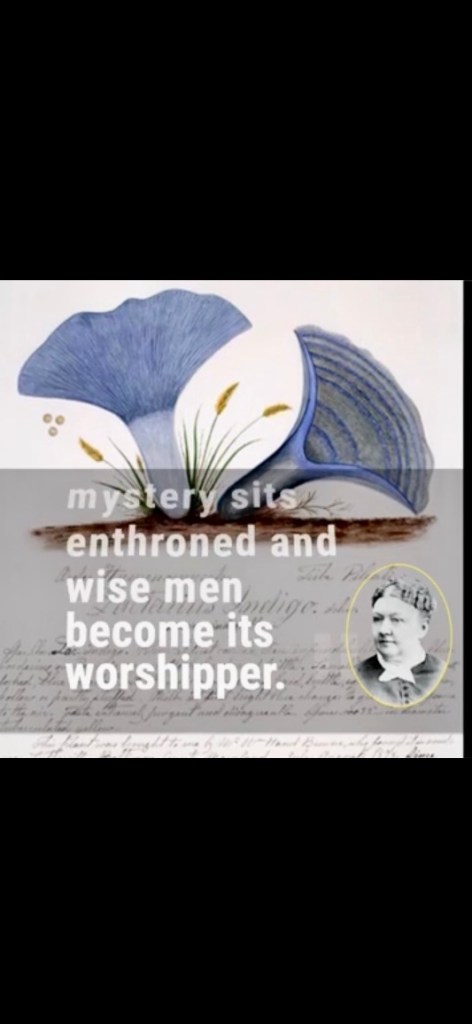
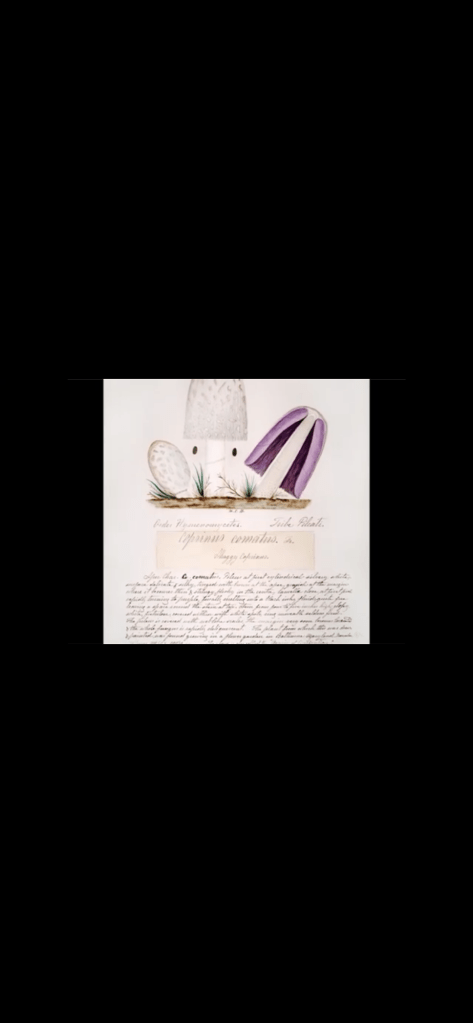
Mary Elizabeth Banning (1832-1903) was an American mycologist and botanical illustrator from Maryland. She described 23 previously unknown species of fungi. Her scientific achievements remained unrecognized during her lifetime. With no formal schooling or training, and during her free time, as she taught children and took care of her sick mother and older sister, she created the first mycological study of fungi in America with “The Fungi of Maryland.” This manuscript includes 174 13” by 15” watercolor paintings of various fungal species. She self funded her own study and lived in ever increasing poverty.
https://www.atlasobscura.com/articles/the-lost-mushroom-masterpiece-unearthed-in-a-dusty-drawer
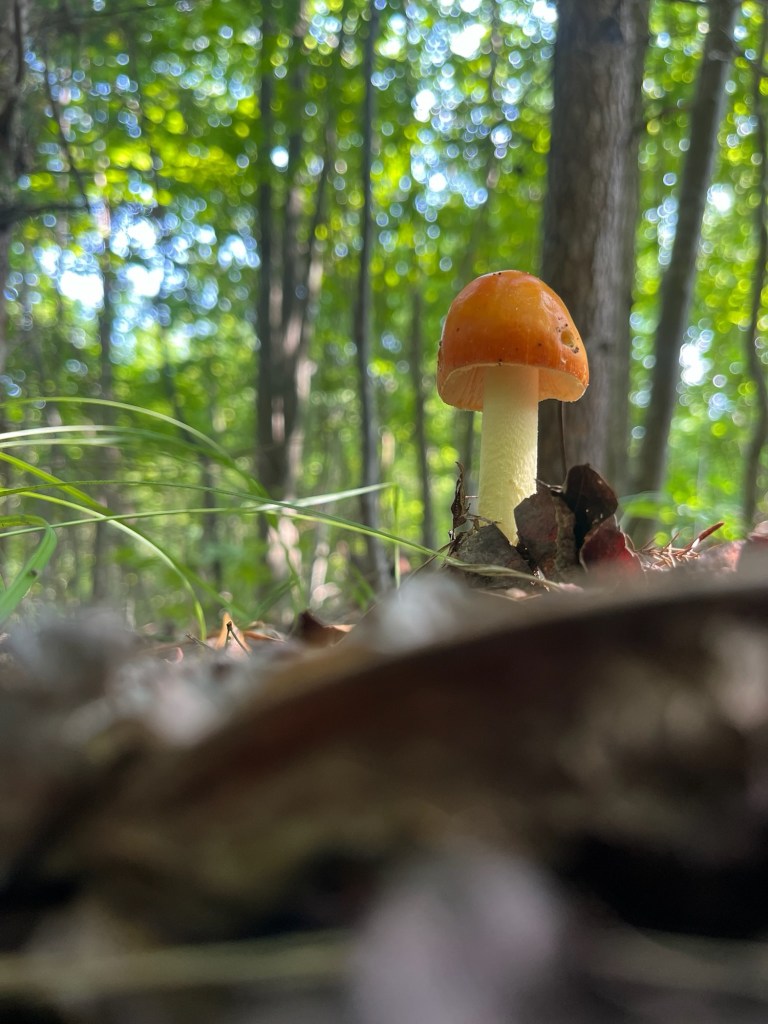
Banning dedicated her life to mycology and lived in a world where women could not be scientists. She has inspired many people with her love for fungi and who knows how many she has inspired with her accomplishments while facing tremendous hurdles and difficulties.
We blazed a new trail from SAFF’s north side to North Trail, and we have named it Mary Banning Way to always remember and honor this powerful, intelligent and creative woman.
We hope you look up her works.
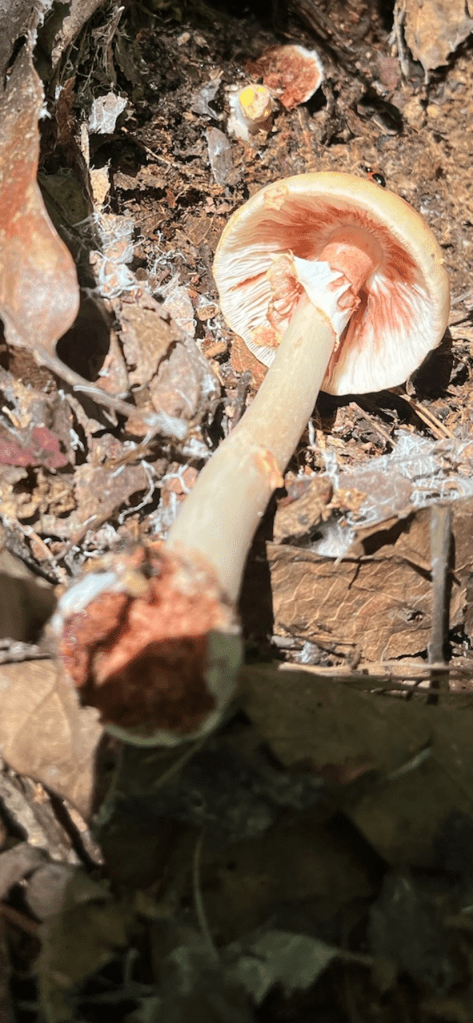
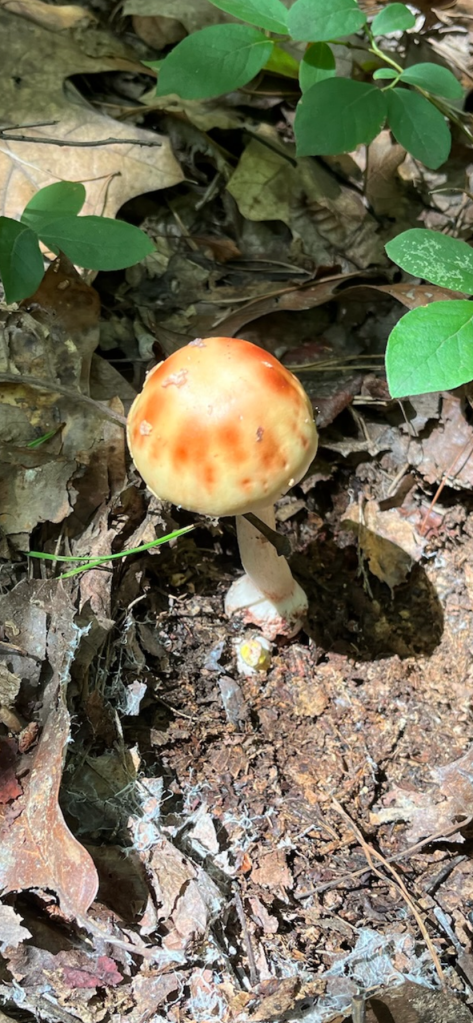
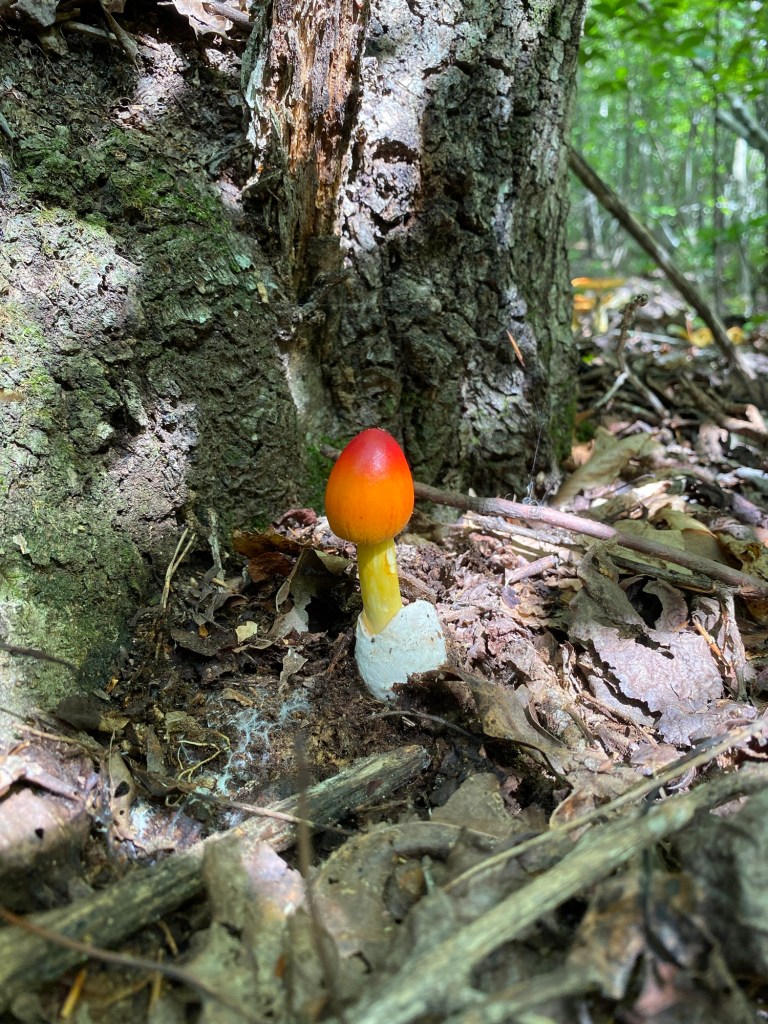
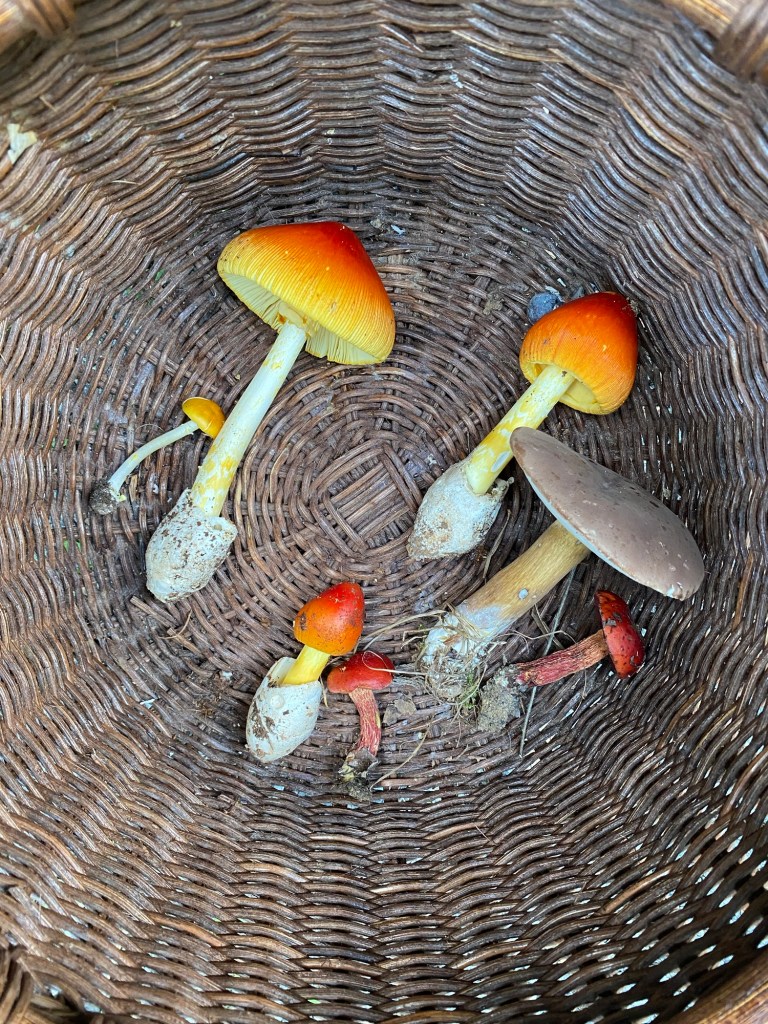
The forest is full of mushrooms with the rain we’re getting. Every day we go out and find something completely new. Since we bought the farm last year, we’ve searched for Amanita jacksonii. Saturday we walked down Amanita Way towards the wet weather gully and there they were. They were very large and strikingly red with orange caps and yellow stems. We have seen hundreds of Amanita parcivolvata, commonly called False Caesar, and these were instantly recognizable as the true sought after delicacy. The small one to the left in the basket is the first American caesar we found last week, Amanita banningiana or Mary Banning Slender yellow caesar. This is also tasty and special. They are much smaller and found in the northeastern and southern regions of the US.