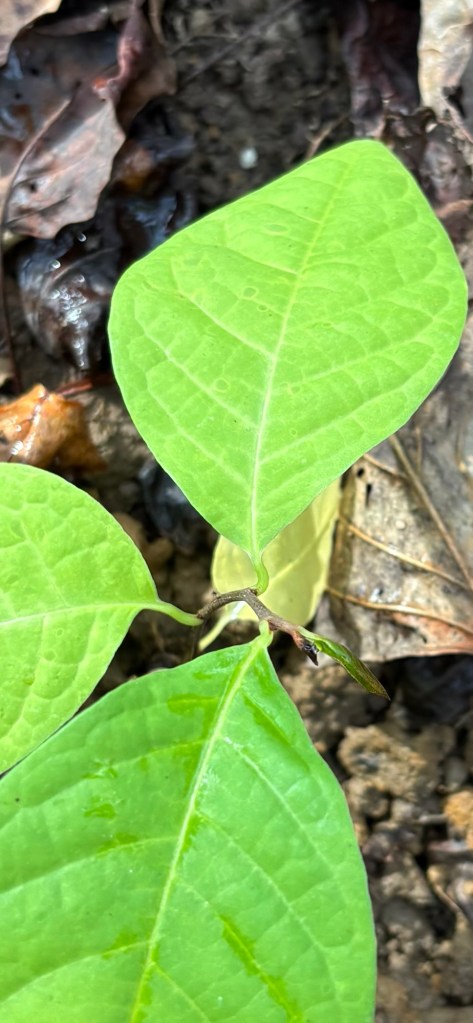
We went over to St Andrews Forest Farm to water the pawpaws and take a walk.
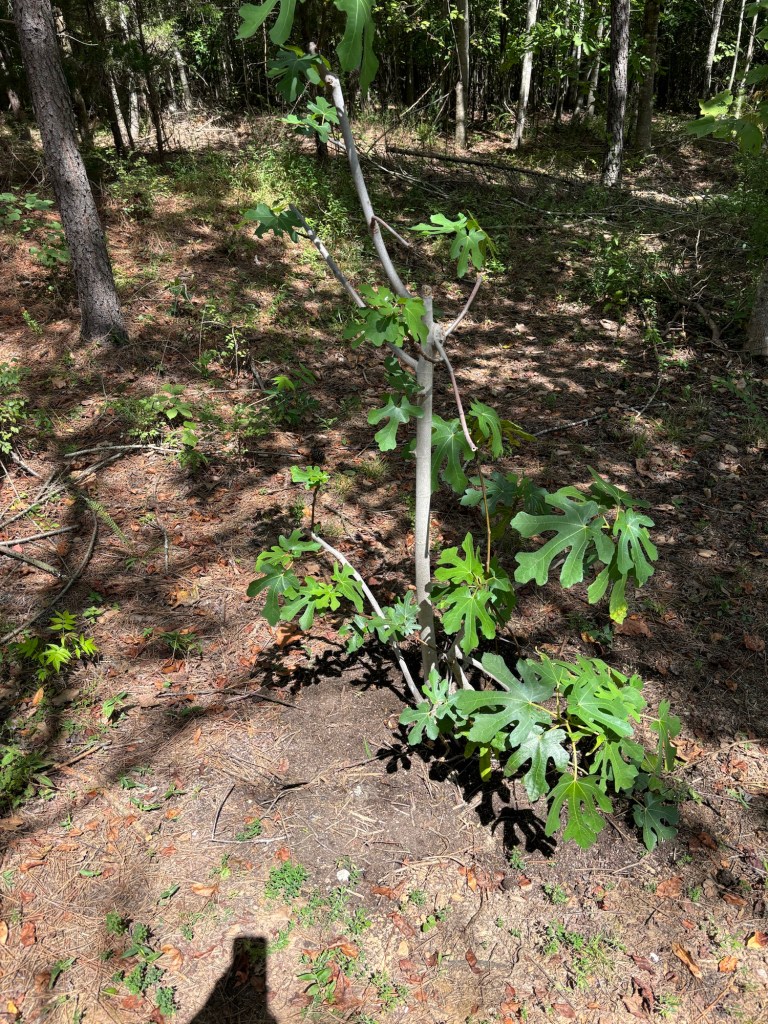
We watered each recently planted pawpaw and made sure they were looking good. We came around the waterway and approached the orchard from south.
We went over to St Andrews Forest Farm to water the pawpaws and take a walk.
We watered each recently planted pawpaw and made sure they were looking good. We came around the waterway and approached the orchard from south.
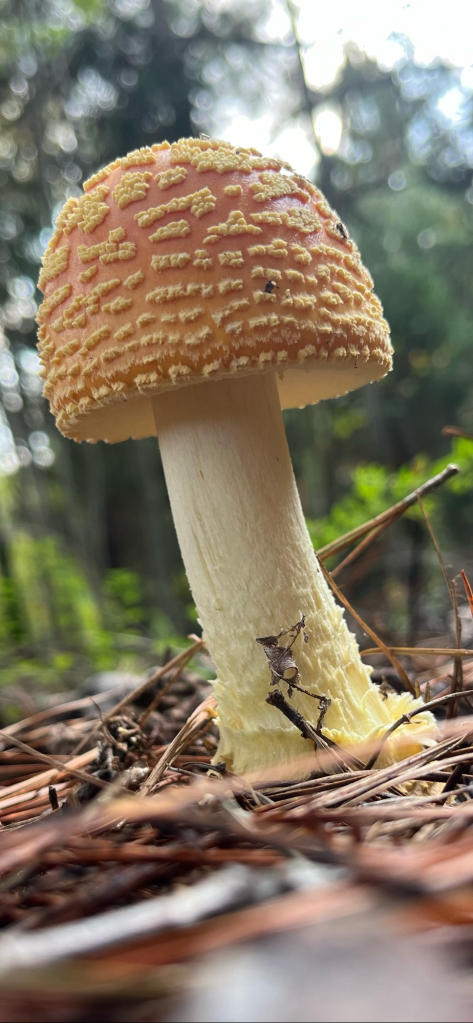
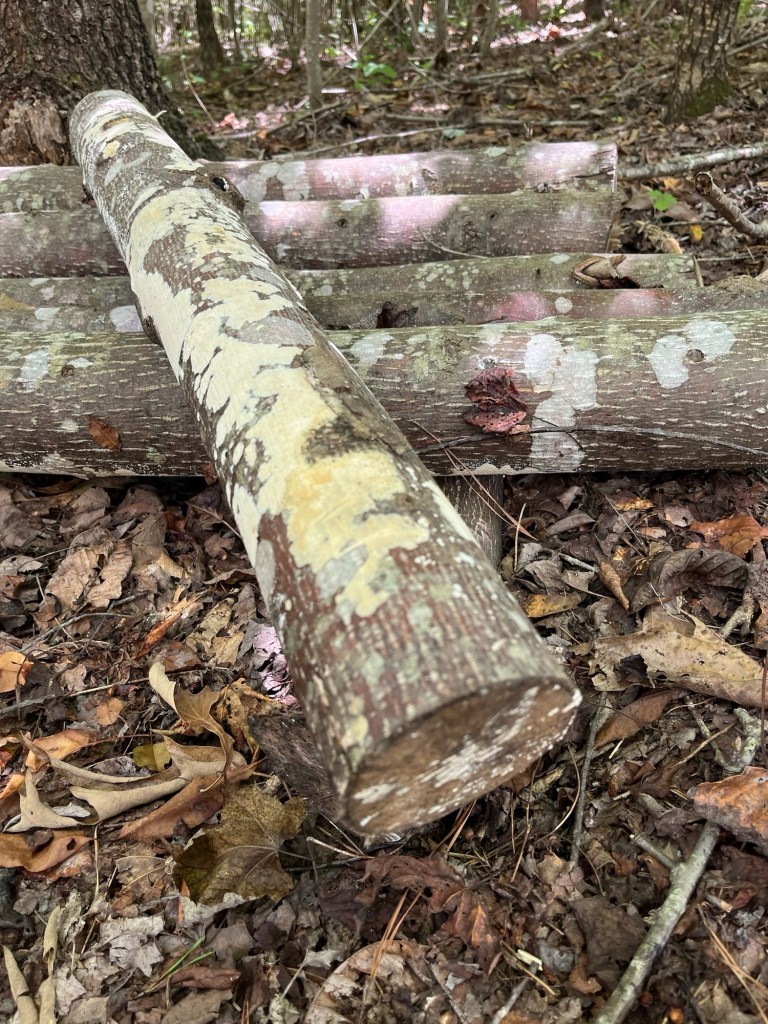
We went over to put up boundary markers and no hunting or trespassing signs as well as forage for mushrooms. Hunting season begins Saturday October 5th (early archery season starts). We took down trees growing too closely together and used the trunks as a natural fencing inside the tree line along the road frontage to discourage hunters from chasing deer onto our property. We’ve also been told hunters run dogs through properties to scare up deer. We are trying to create a hunt free zone, except for mushrooms, and to keep anyone chasing animals off our land. We also will put up several more cameras later this weekend. We had technical issues yesterday but worked it out this morning.
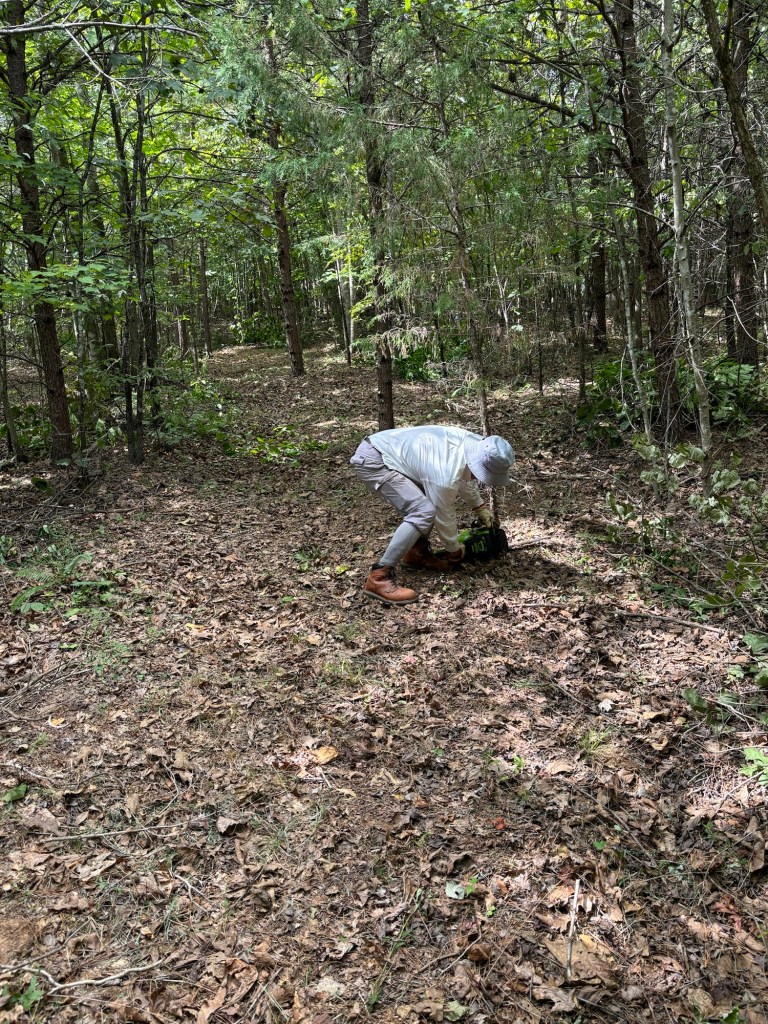
We couldn’t wait to get back out to clear some more trees from the roadway. We used the chainsaw, loppers and the string trimmer to clear out another chunk of the road. This time we made it just past the culvert with the shoe lasts. We were pleased and exhausted. The road is covered with leaves, pine needles and other forest debris so we keep pushing the debris aside with our foot to find stones underneath. It’s a compacted dark gray stone just like our driveway up top. The roadway goes along the northern boundary from the top clearing to the back line near another road. It stretches for acres and gives us truck access to the whole farm. A man stopped by a few weeks ago and said he was a member of the family that owned the property. He said the road ran all around the farm and also mentioned tobacco was grown on SAFF. It’s almost all forest now. We hope to figure out where the tobacco was grown. We’ve been bringing our homemade compost out to the farm to nestle in our new plantings and nourish the soil.
We also checked our lion’s mane experiment right off the clearing. Last fall we inoculated beech logs with lion’s mane mushrooms and yesterday we saw the mycelium creating something that looks like it may be what we hoped for.
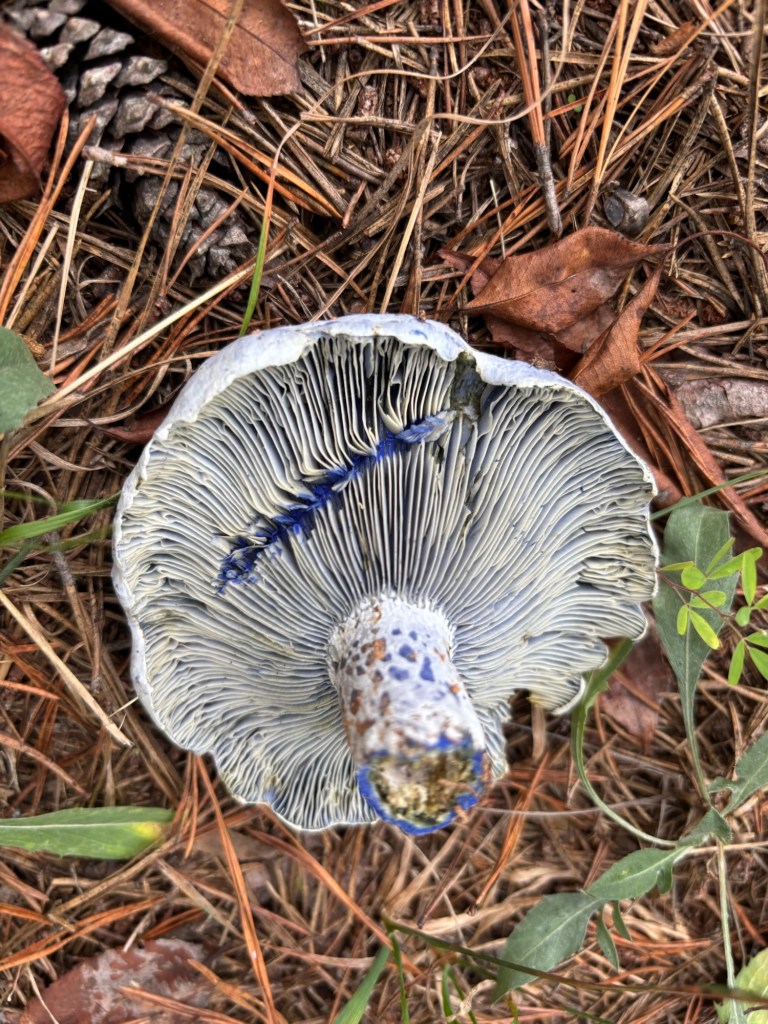
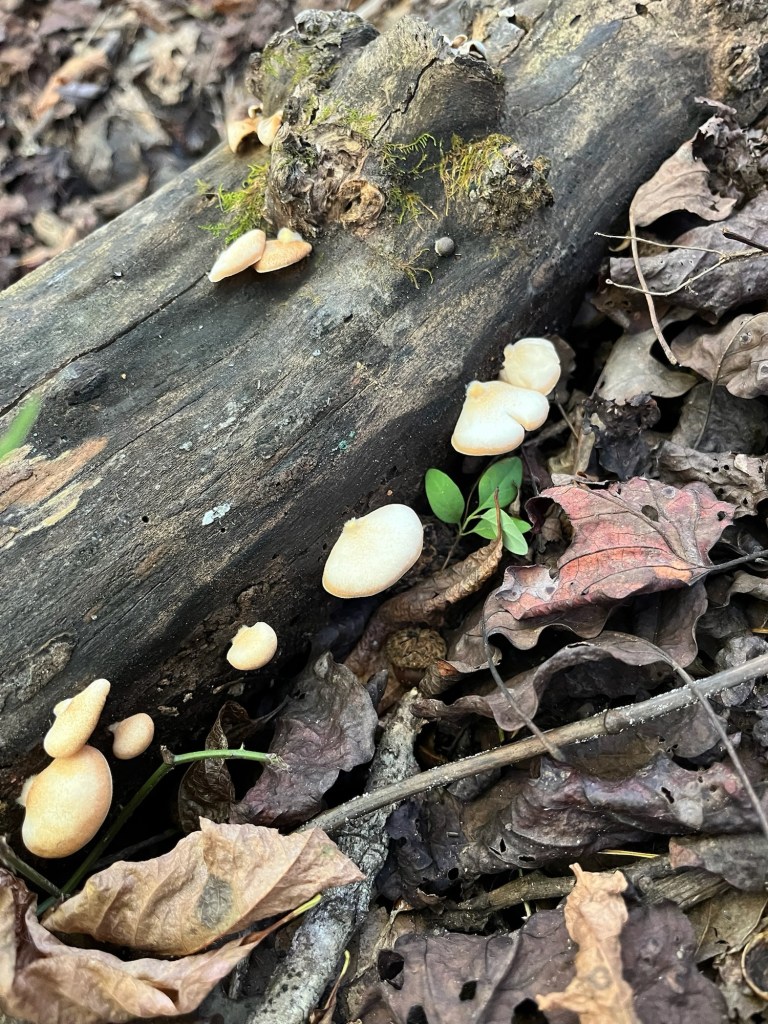
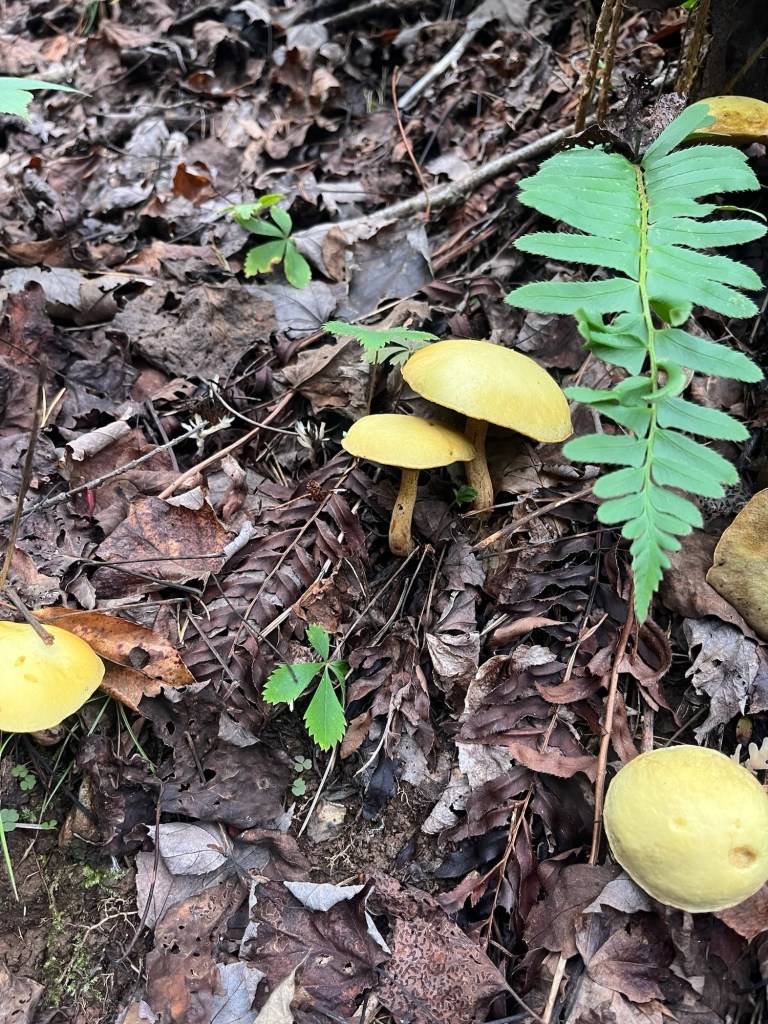
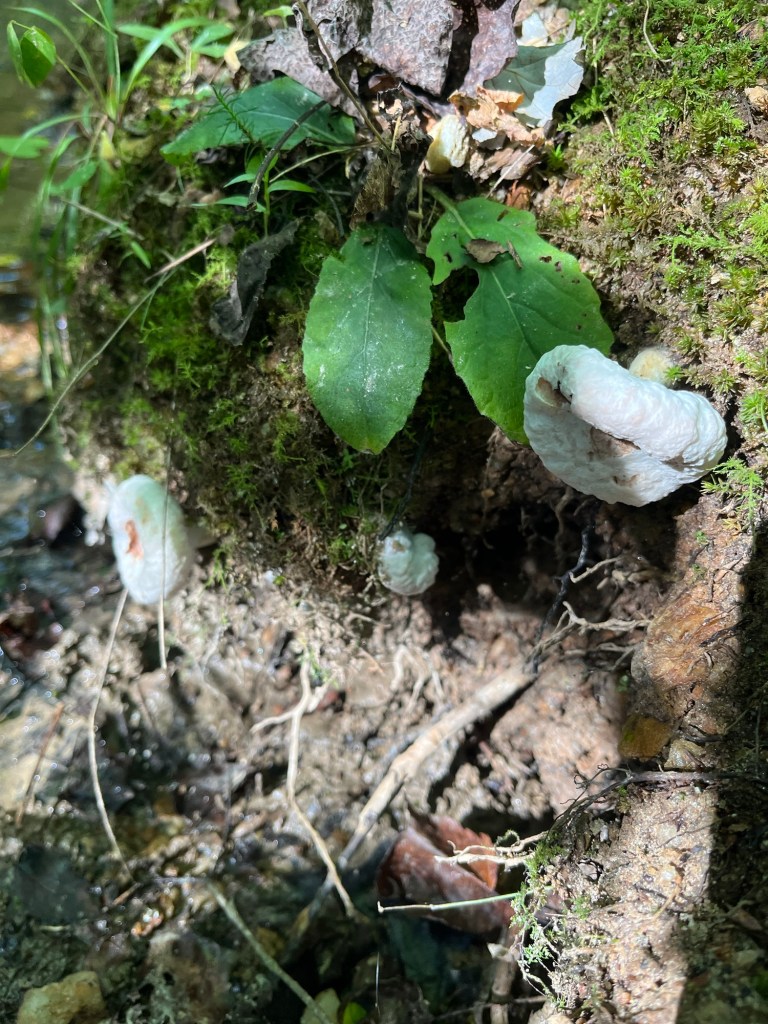
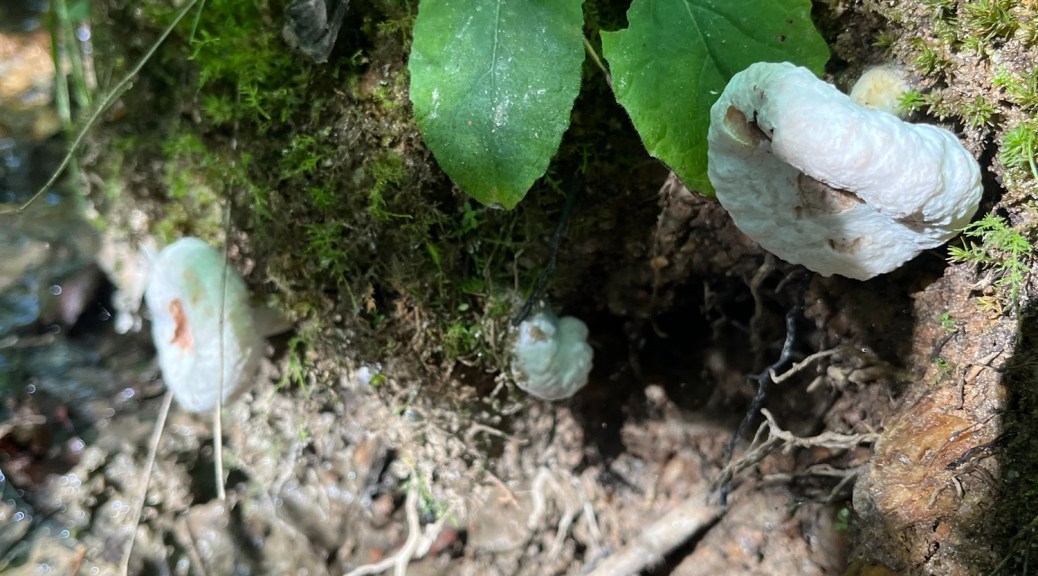
Then we took a walk around and found Shrimp of the woods, Entoloma abortivum, a choice edible mushroom down by the waterway at the bottom in the pawpaw patch. We found it last year in the same spot. These are early and we expect much more with the next rains. The temperature is perfect for mushrooms. We are waiting on rain.
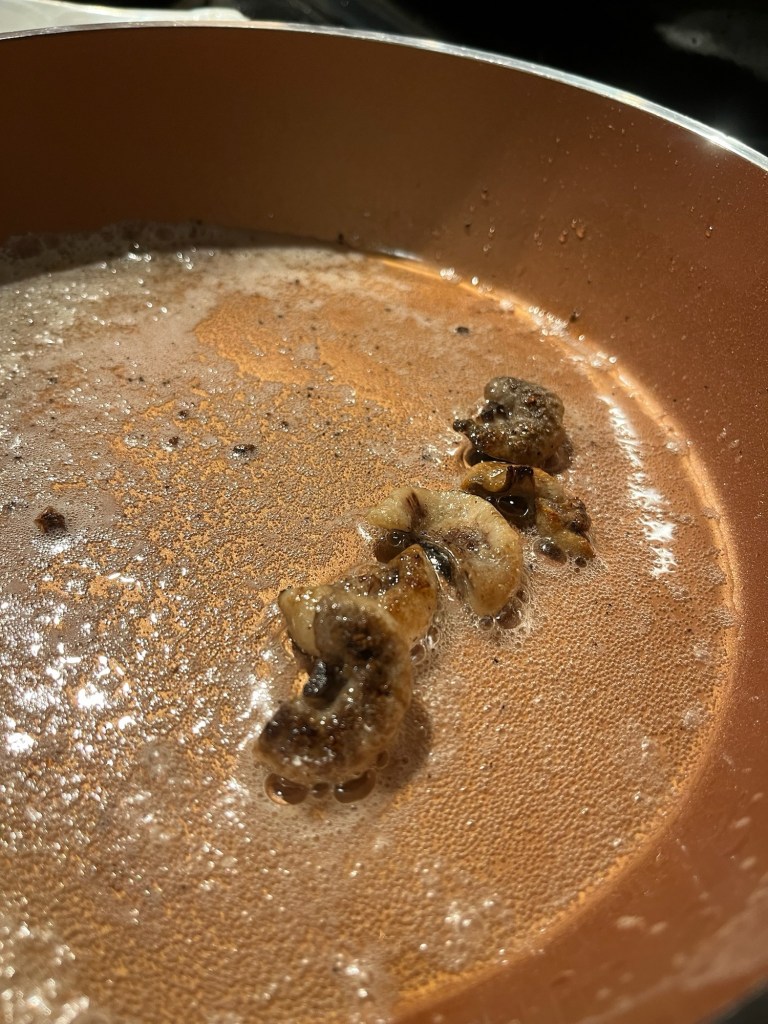
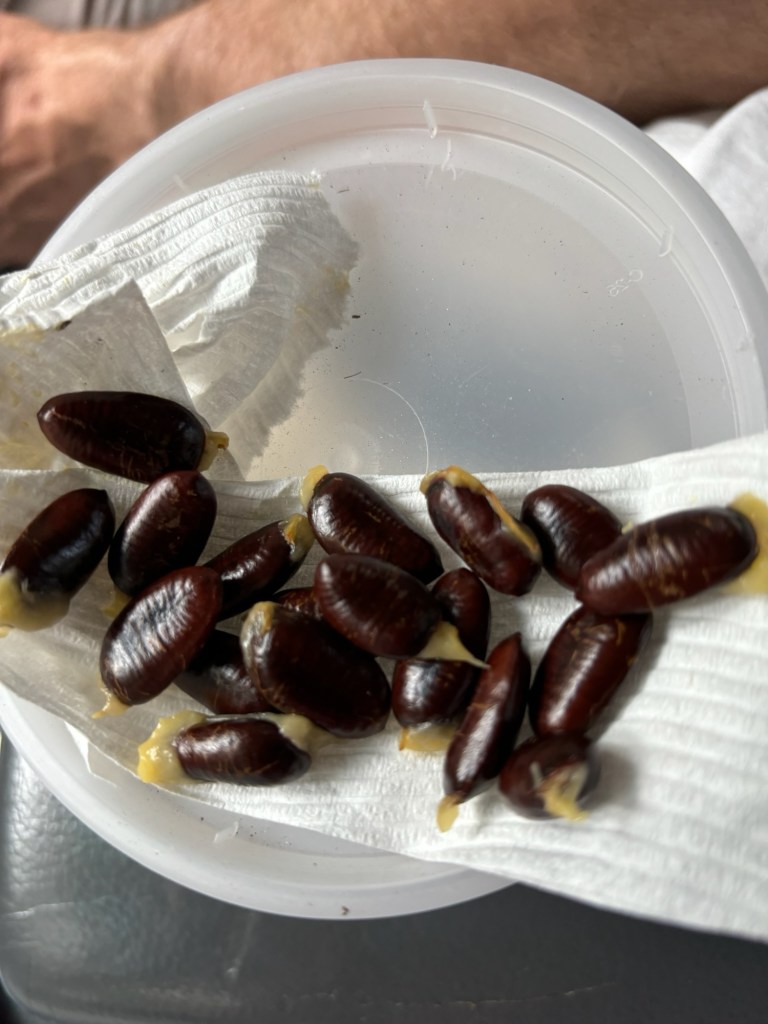
We also continue to forage for pawpaws on public land to and from the farm. We found three more fruits yesterday. Each one has been a tropical delight tasting of mango, banana with hints of caramel and vanilla. Even better, they are full of seeds we are going to plant to further our pawpaw grove and increase production by adding more dna and, in the long run light, to the area.
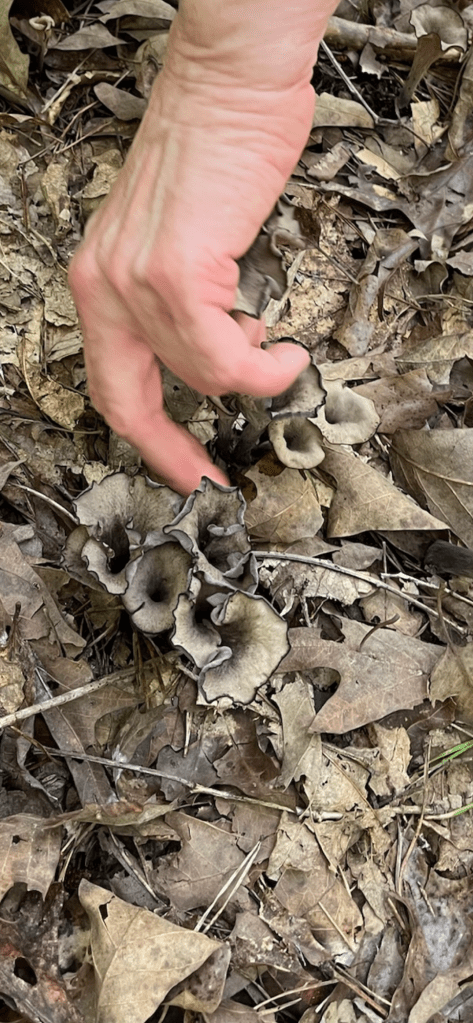
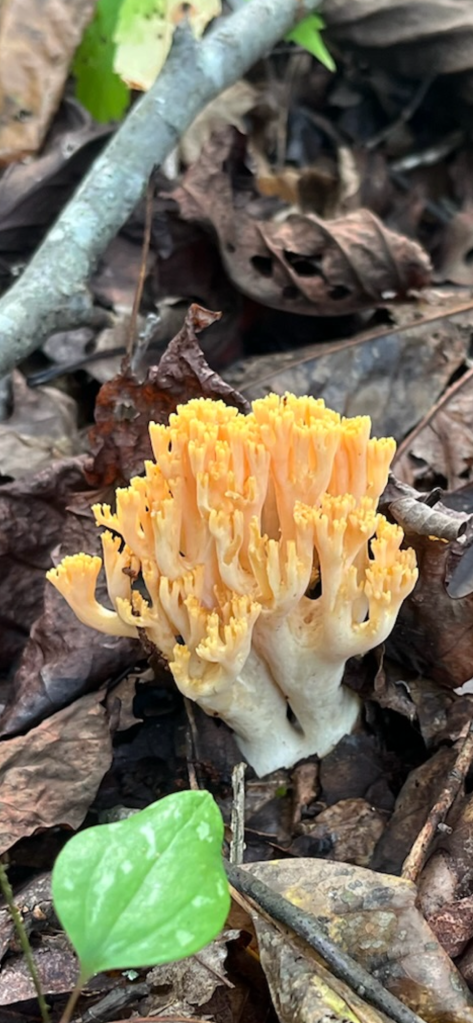
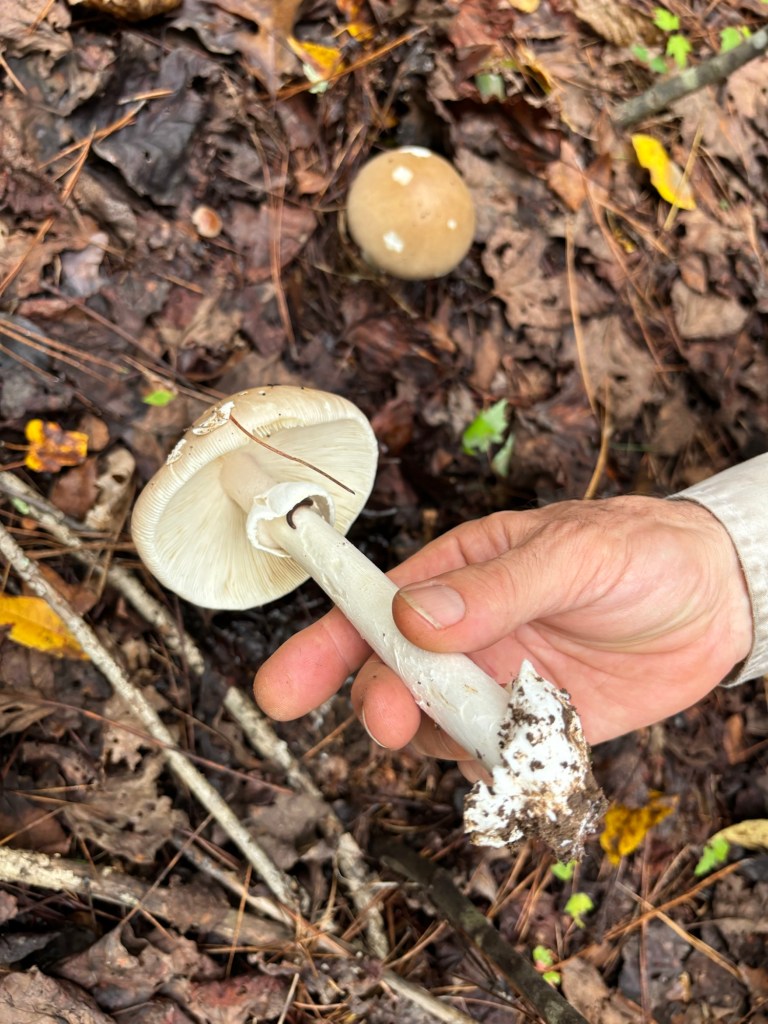
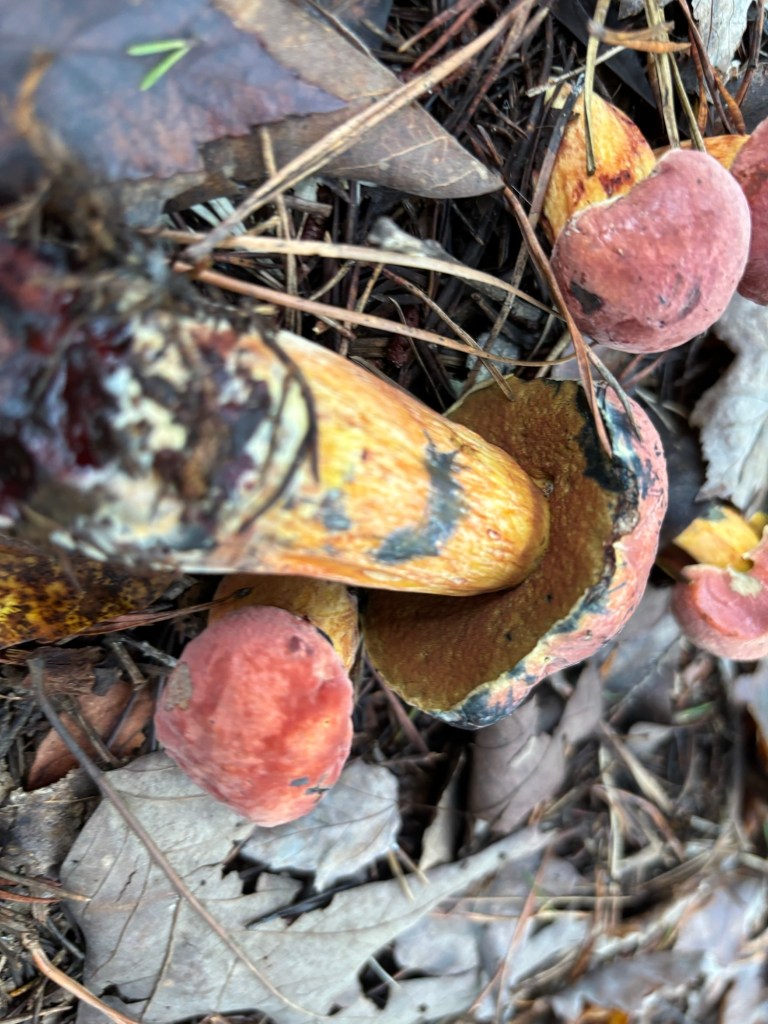
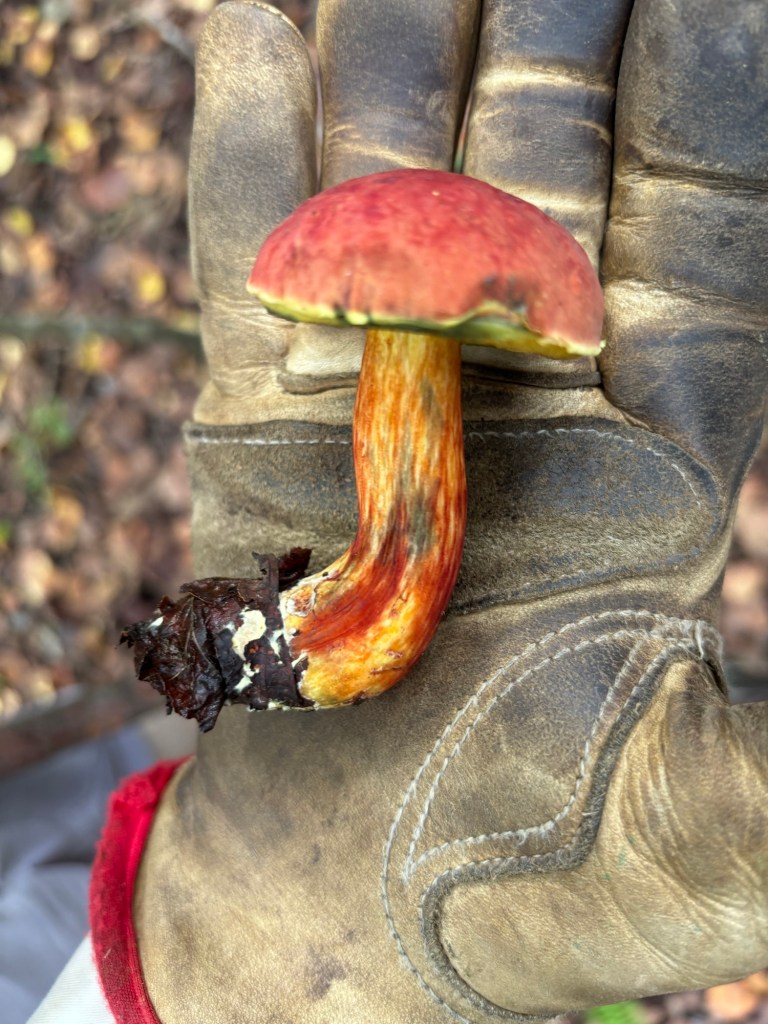
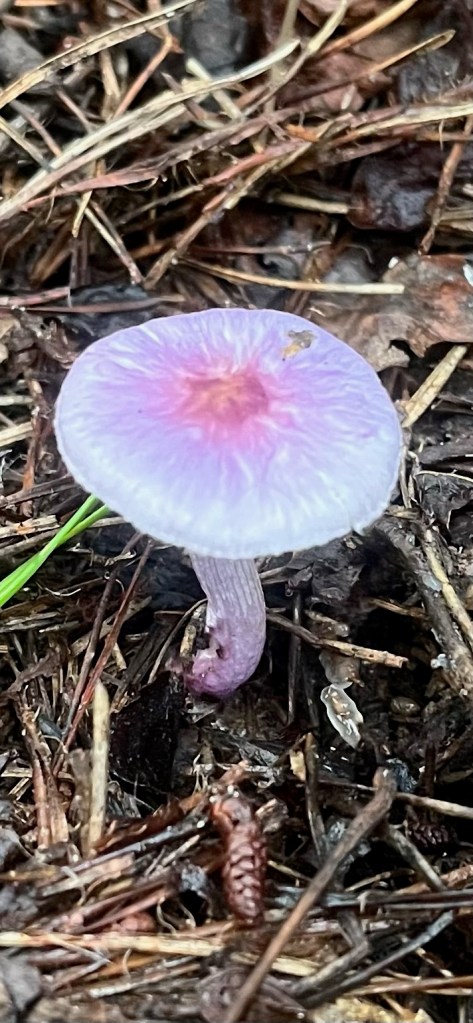
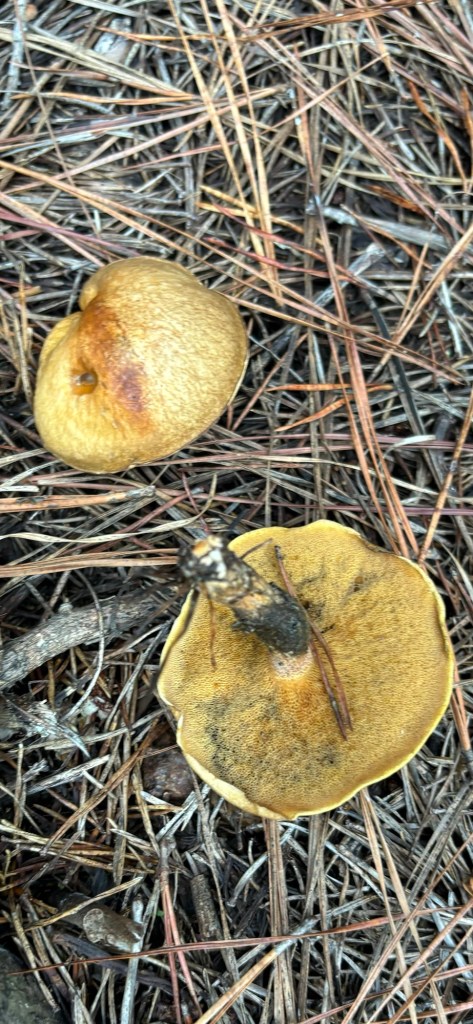
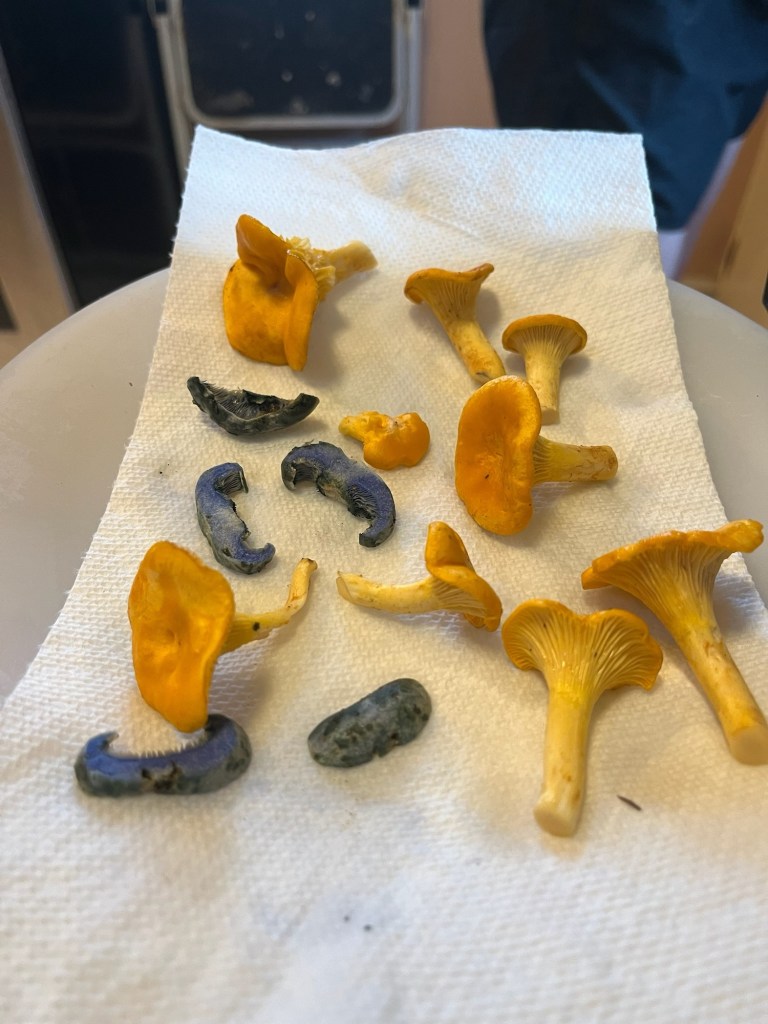
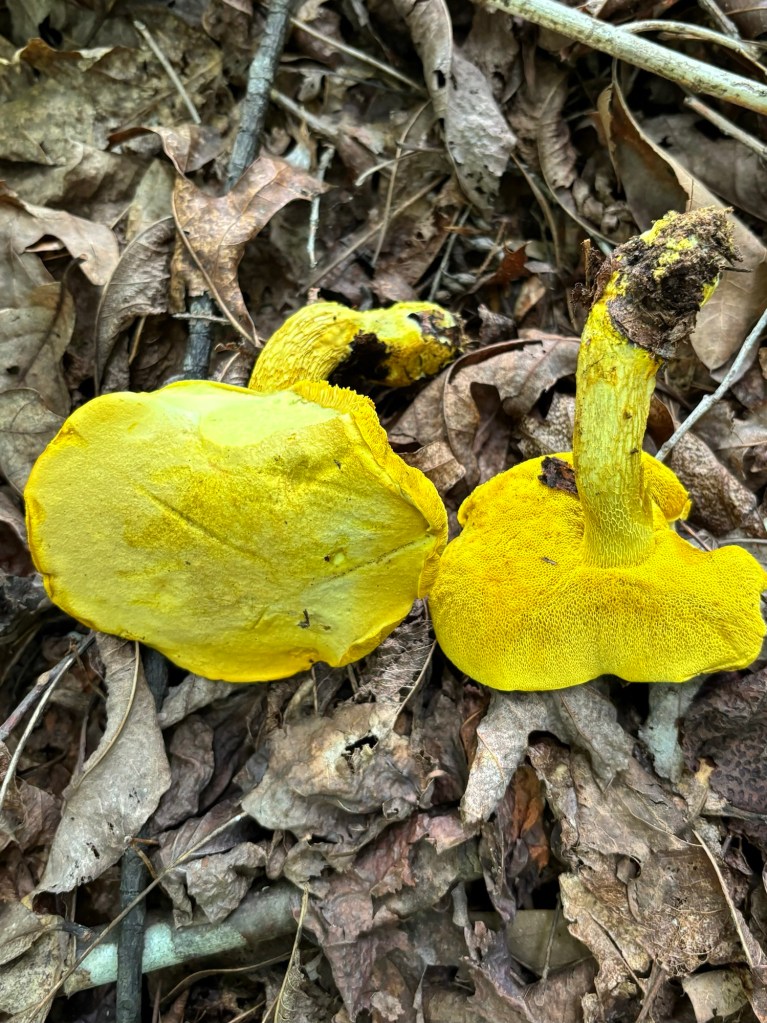
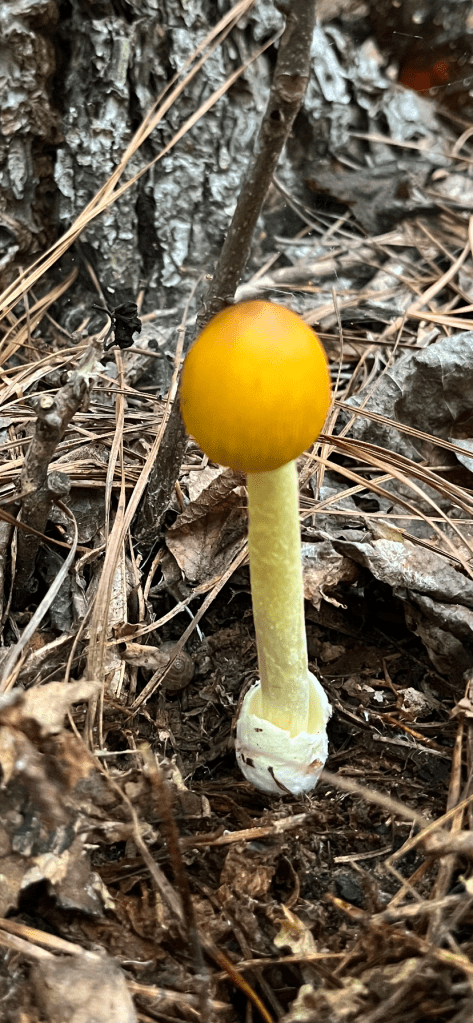
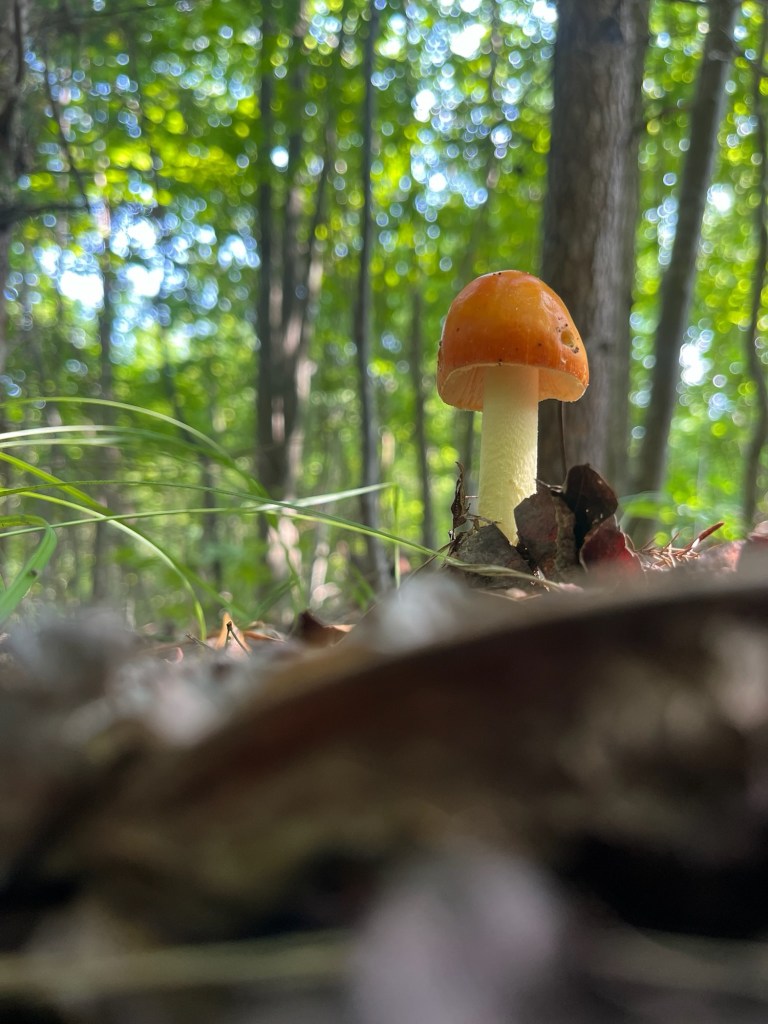
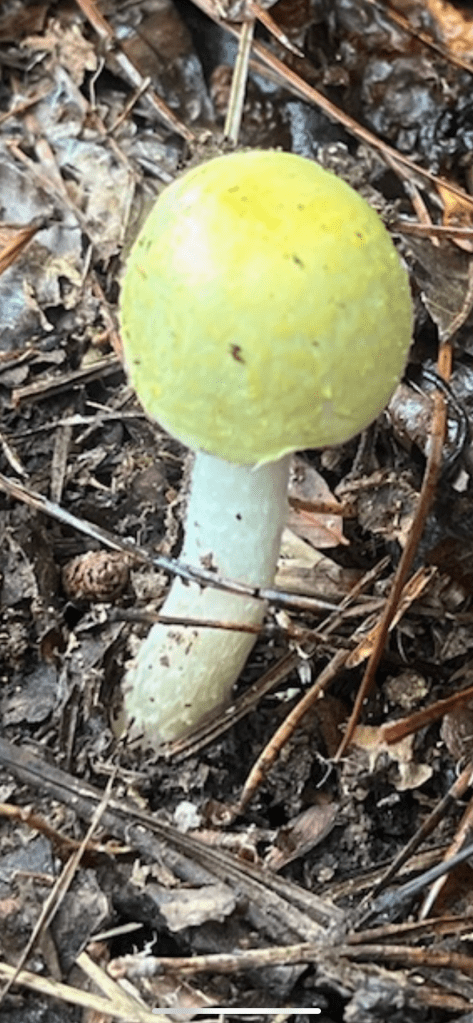
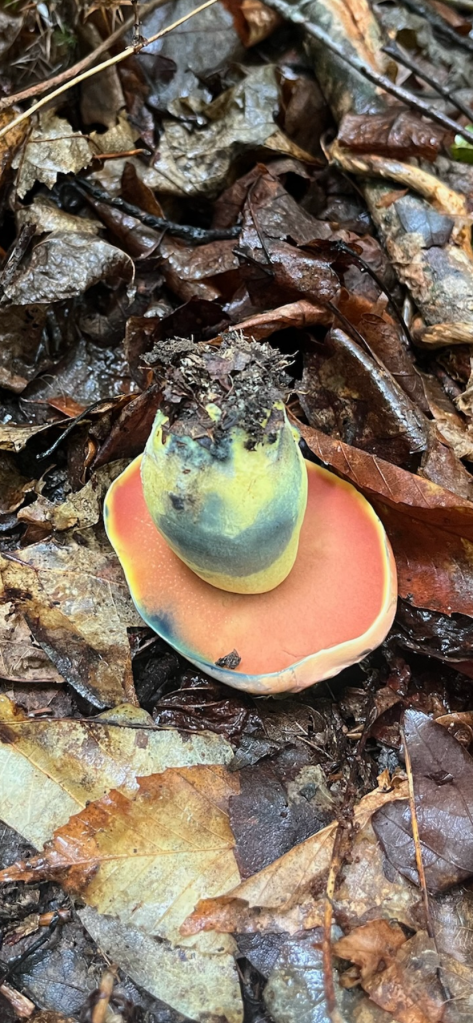
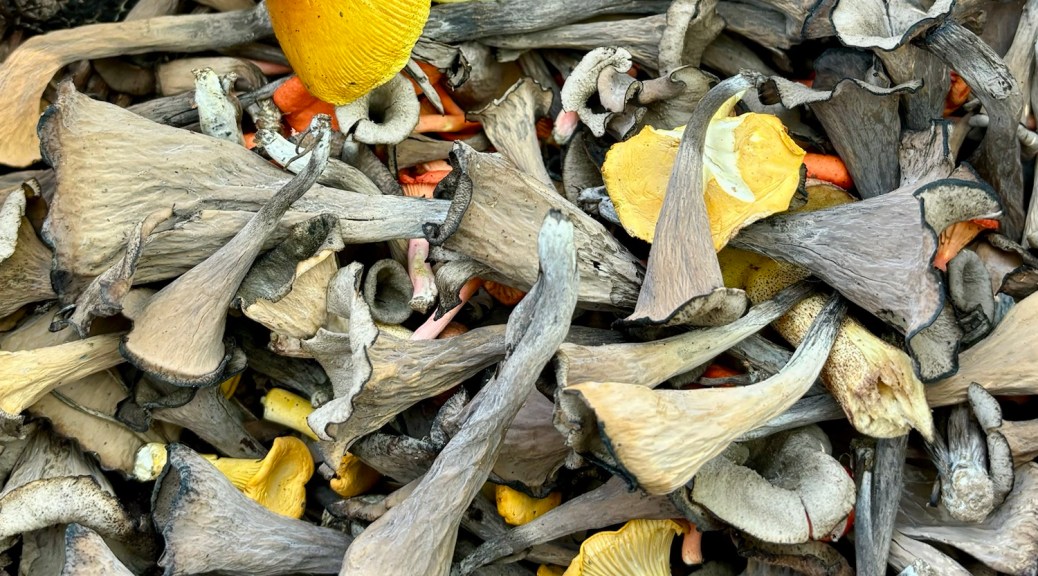
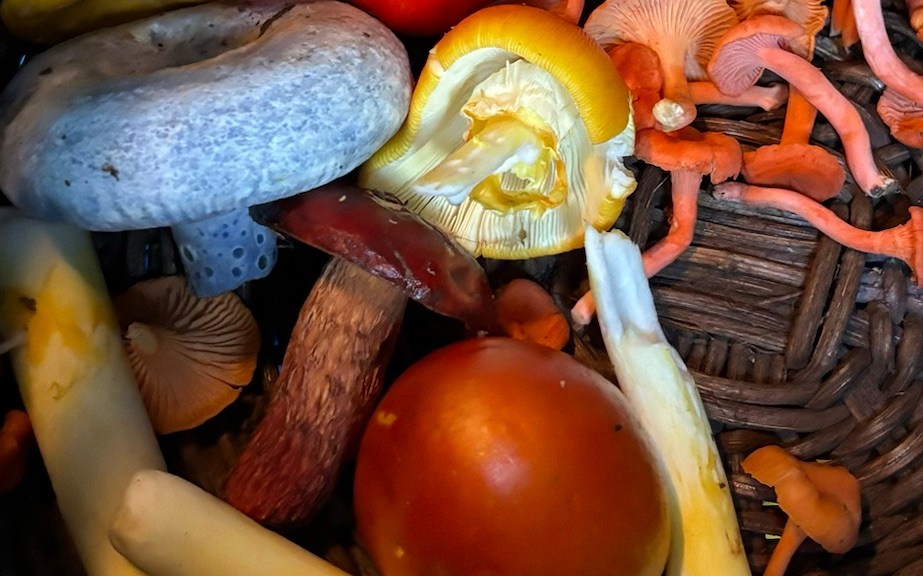
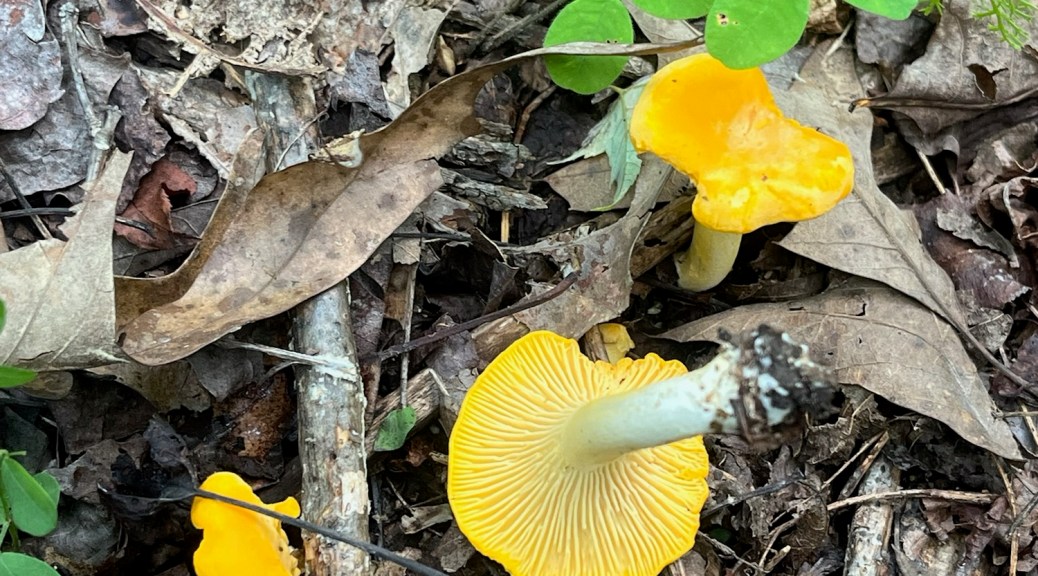
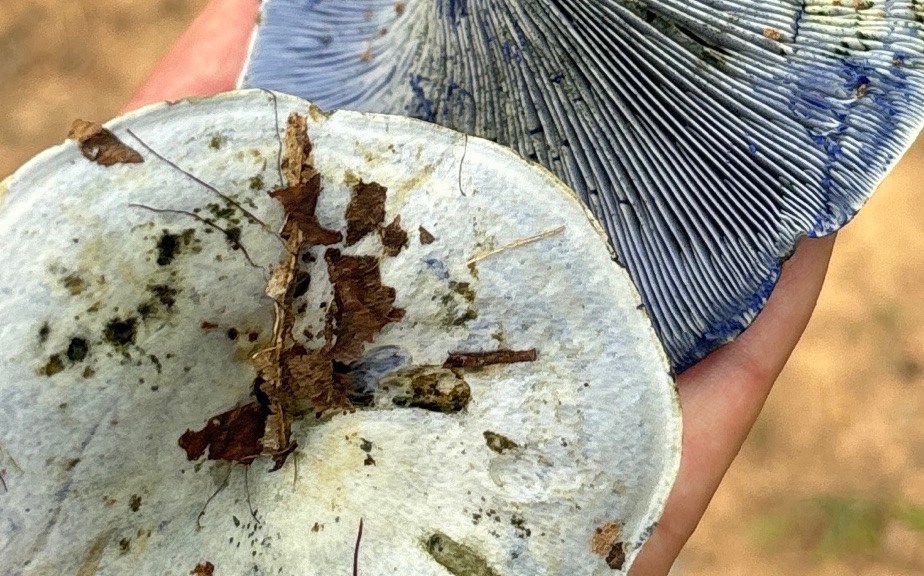
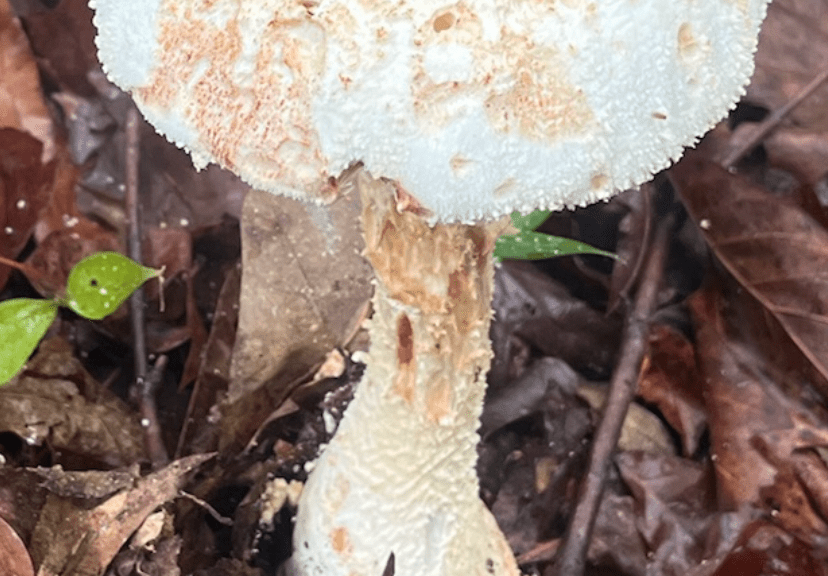
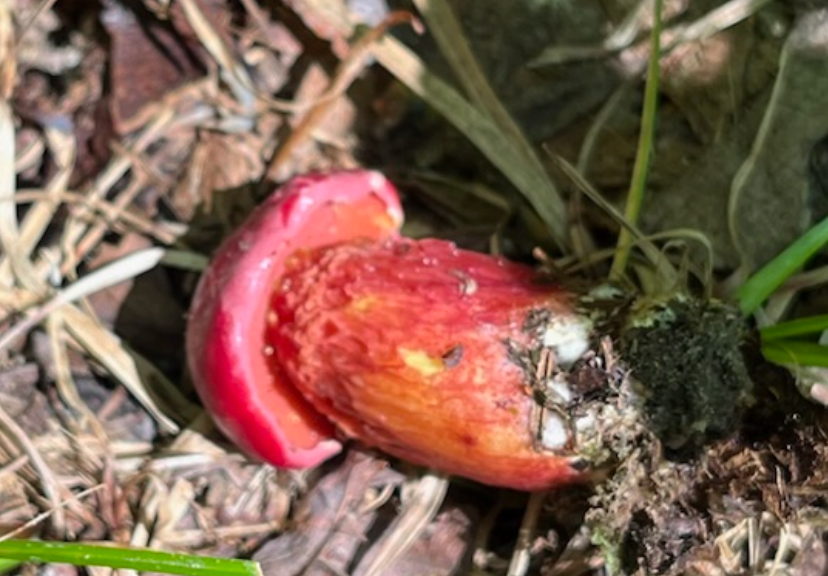
We went over and created more trails on the north side yesterday. We were rewarded for our work with wonderful weather and about two pounds of wild mushrooms. The temperatures in the 70’s made for a wonderful day to be outside. We found several new large Black trumpet patches as well as Cinnabar chanterelles and Ghost chanterelles. We also found a Lilac bolete, Amanita banningiana and an Old Man of the Woods. We joked our basket was full of Halloween colors.
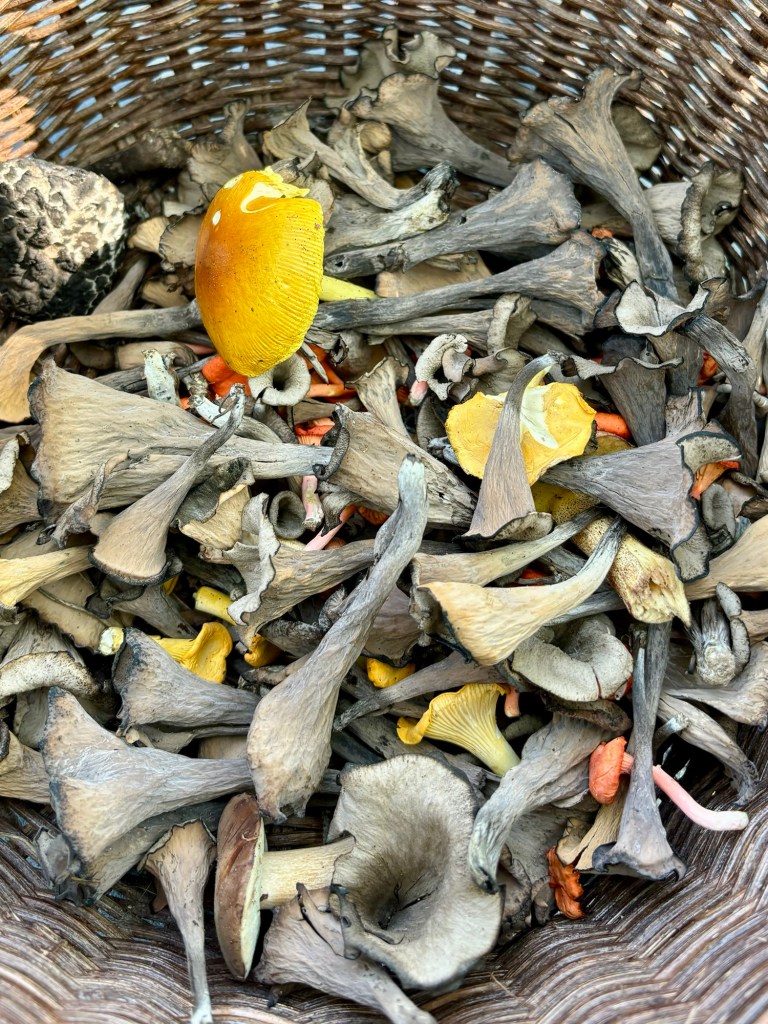
We brightened up the paint on our boundary markers and widened our trails. We cleared a bit more from the road. We stood in awe of the beauty of the forest, the quiet peace to be found there with the trees and the network of mycelium that supports it all and sends up these colorful and wonderful fruiting bodies. We feel grateful and blessed by our surroundings.
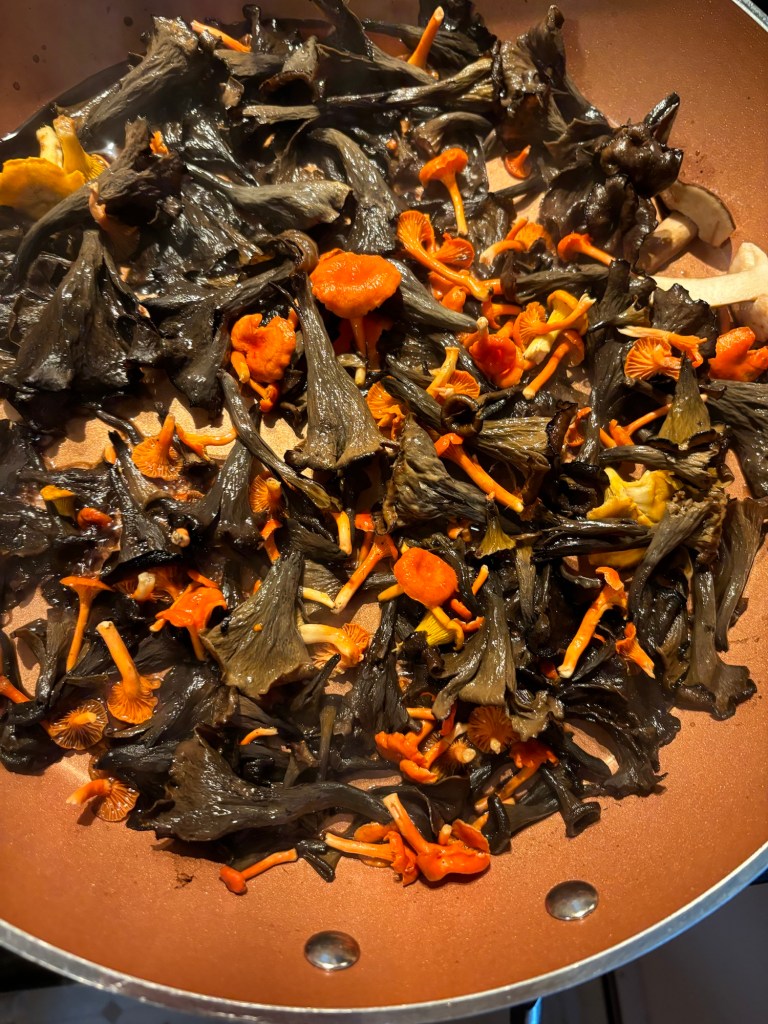
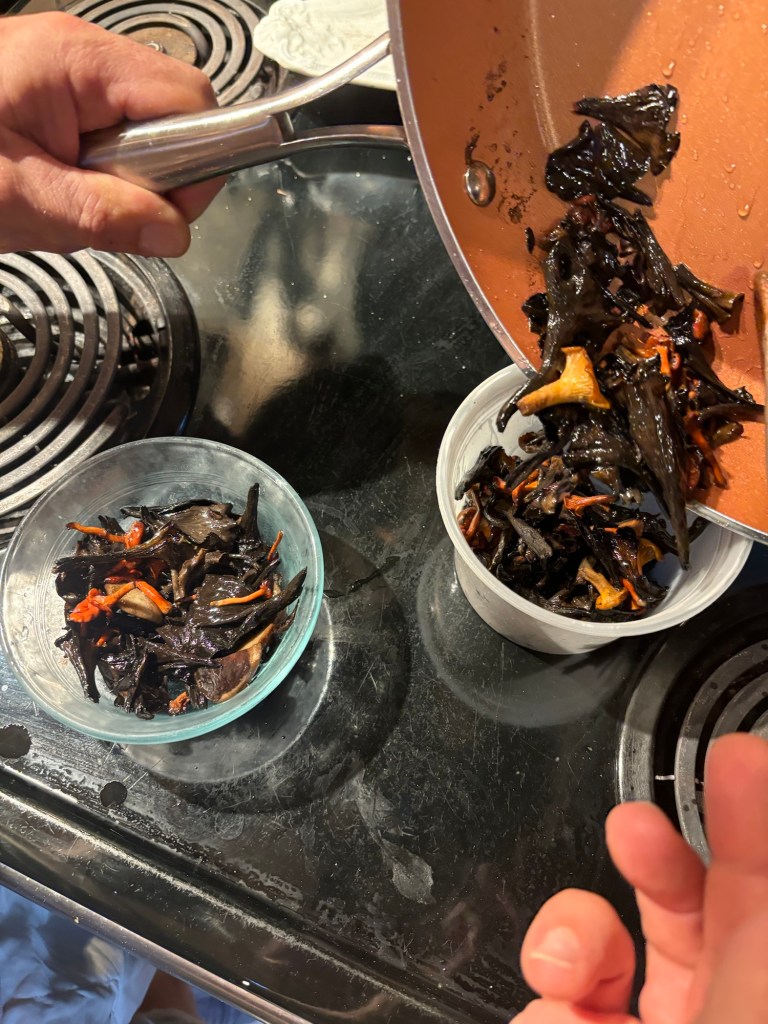
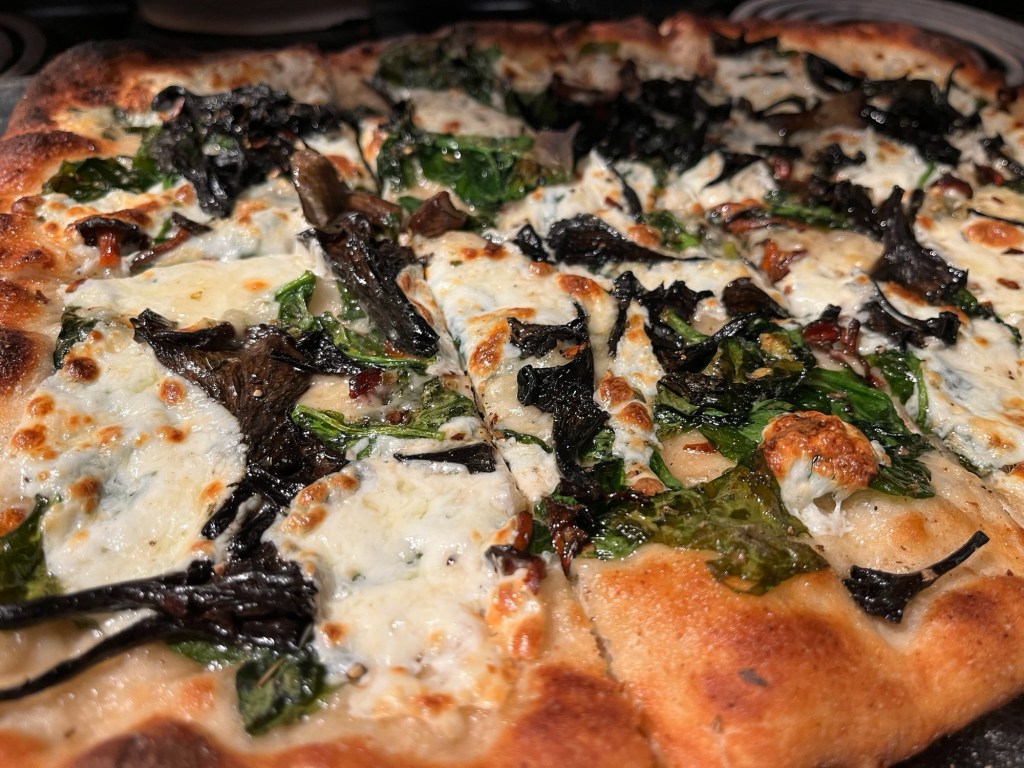
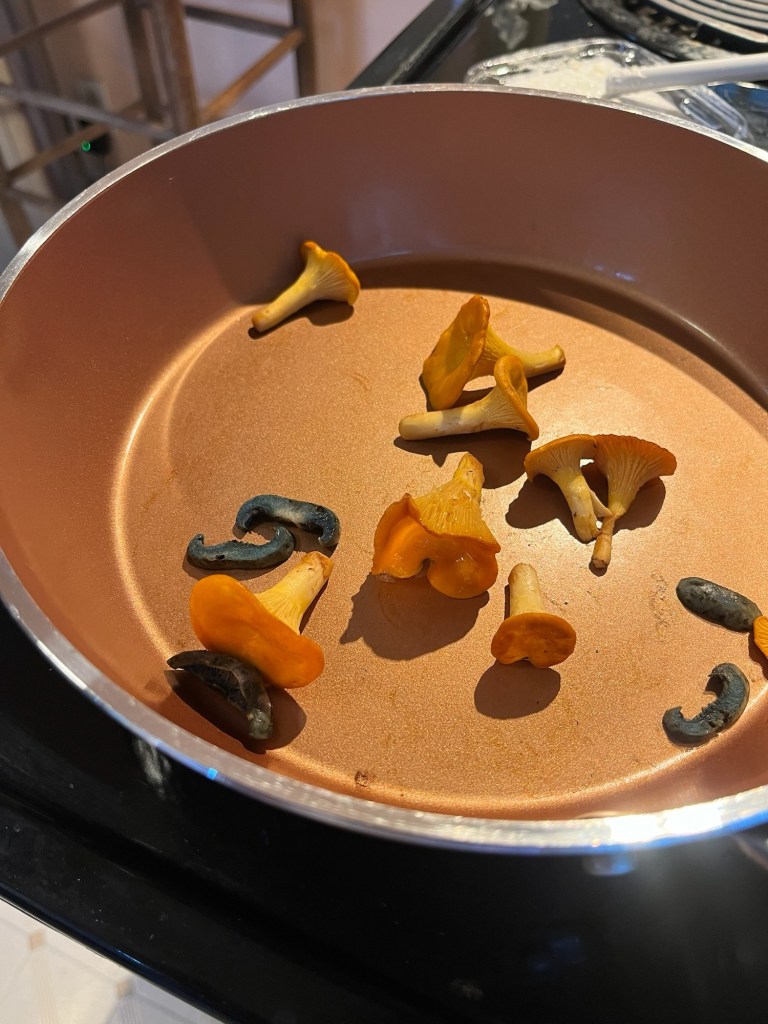
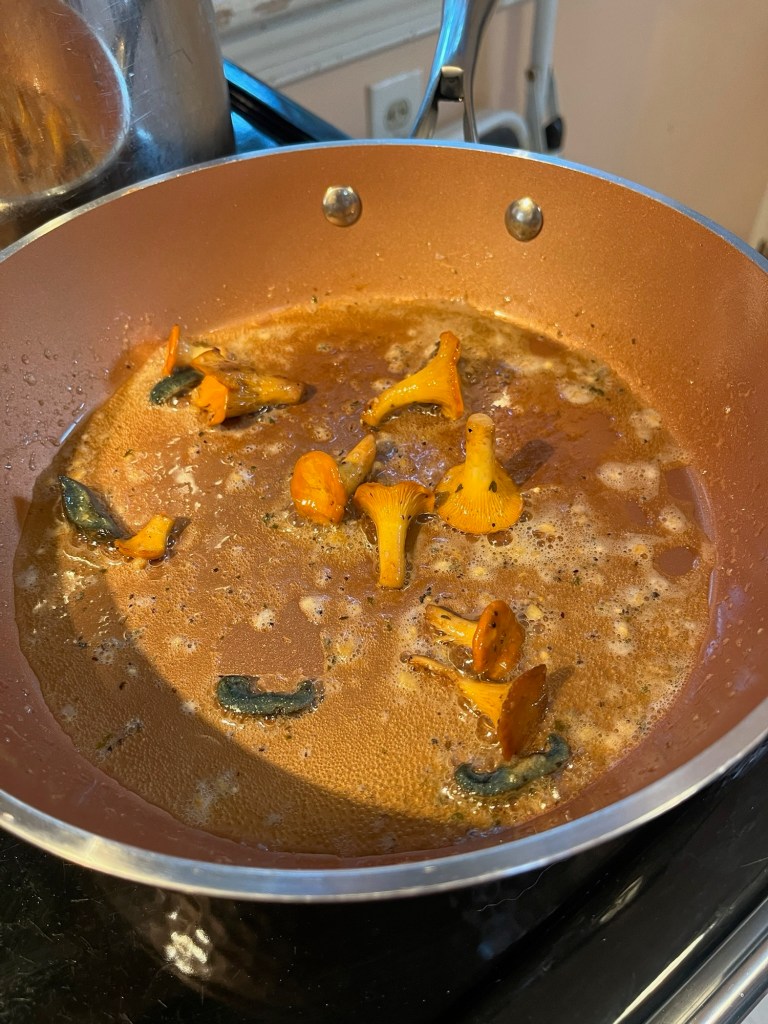
We got home and cleaned up our mushroom bounty and dry cooked them for some minutes to cook off the water we used to clean them. Once dry, we added butter and olive oil and salt pepper and garlic. We saved most of these mushrooms but used a small amount for our white pizza for dinner. It was scrumptious!
The past three times we’ve pulled into the clearing with the truck, we’ve seen a young deer. It’s usually sleeping in the forest and it hears us and takes off. We don’t think it’s too afraid because it doesn’t run far though. We come upon it multiple times like it has become a game for the adorable creature. It’s always alone. We hope it stays safe and we understand it’s safest for it to not be comfortable with humans. We’re also seeing a lot of bear poop on the north side of the farm. No sign of our 4 or 5 year old male bear this year but we think it’s him. It’s nice to know animals are taking advantage of the nuts, berries, mushrooms and shelter the trees provide.
We walked all around the trails that were damp from an afternoon thunderstorm that hit just before our arrival. Right away, we saw new mushrooms emerging from the ground that hadn’t been there the day before. Sometimes it takes a few days for the mycelium to send up the fruiting body after a rainstorm —and sometimes it’s quick.
We basketed up our bounty and left the farm as the sun was setting. We were too tired to cook the mushrooms last night so we stored them in a paper bag in the refrigerator and hoped they’d stay in nice shape. It’s best to cook them right away and save them cooked either in the refrigerator or the freezer depending on how quickly they will get eaten. But these wild mushrooms, especially the chanterelles, need to be used quickly.
They were in nice shape this morning so we dry cooked them for a few minutes in a skillet on 7. Added olive oil and butter and cooked about 15 minutes. We let them cool and have them stored in the refrigerator. We are thinking of making a wild mushroom quiche.
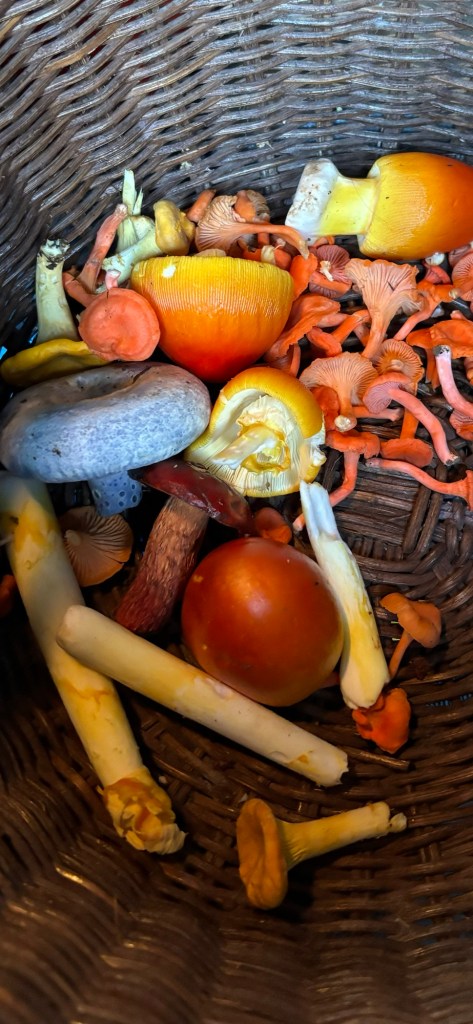
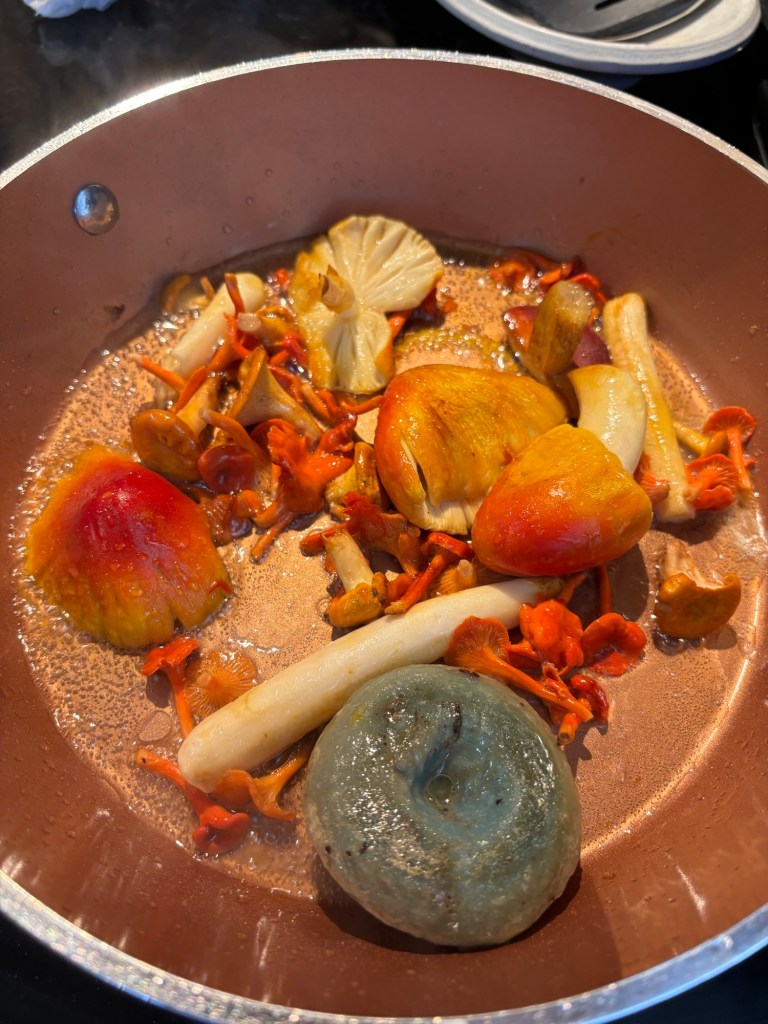
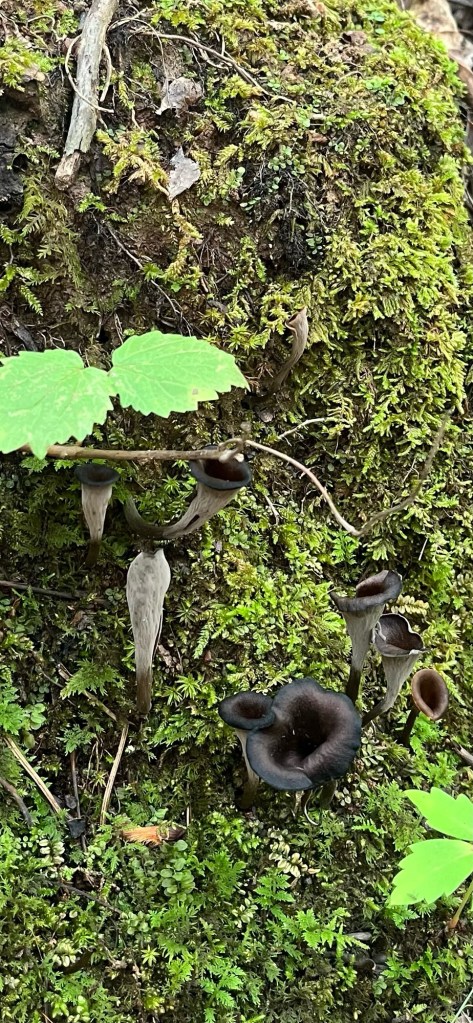
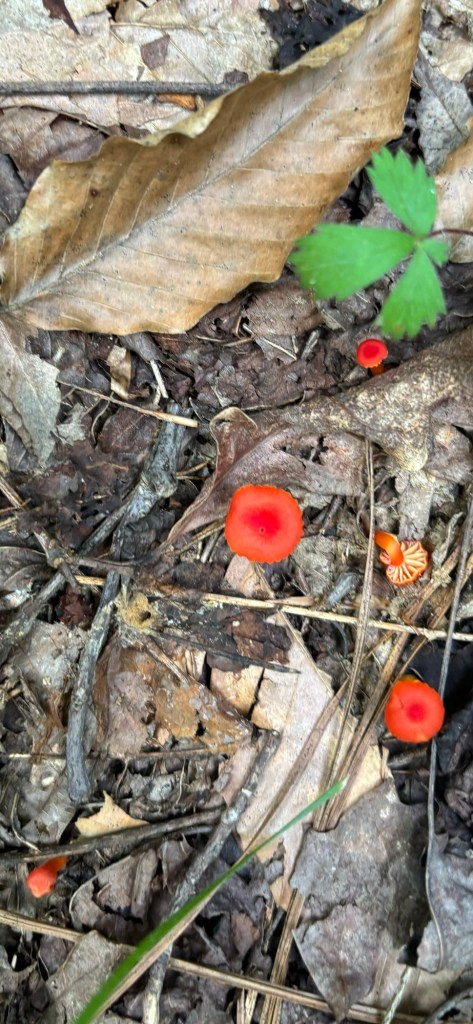
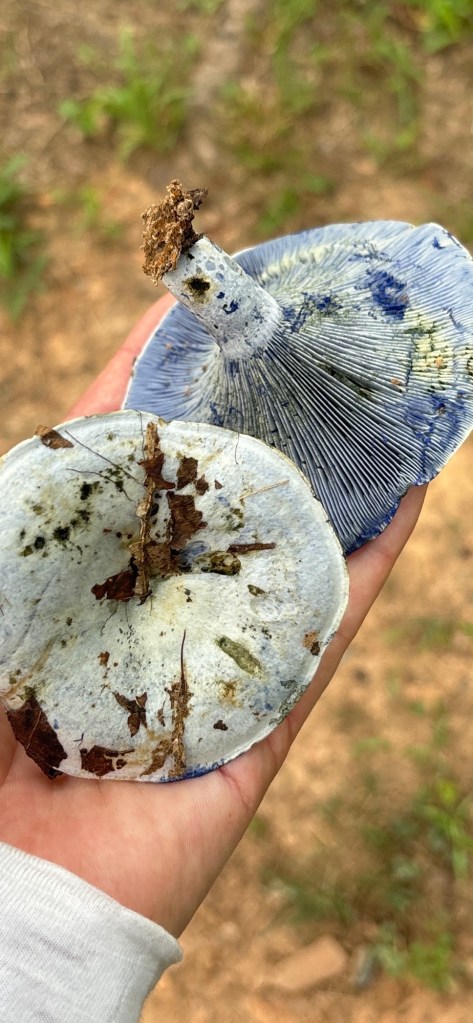
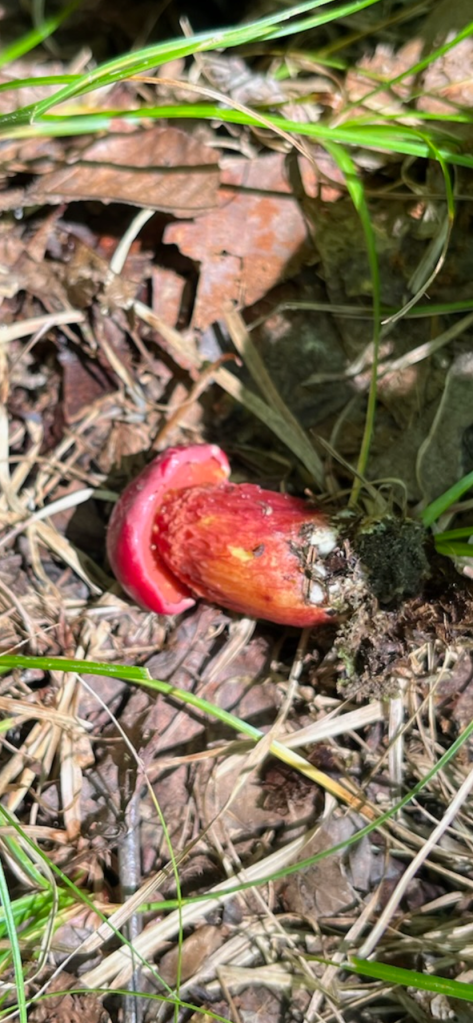
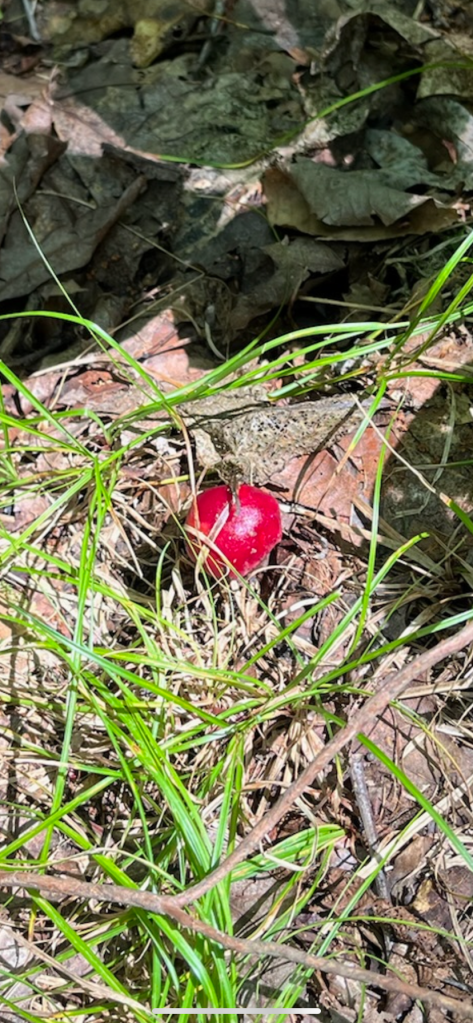
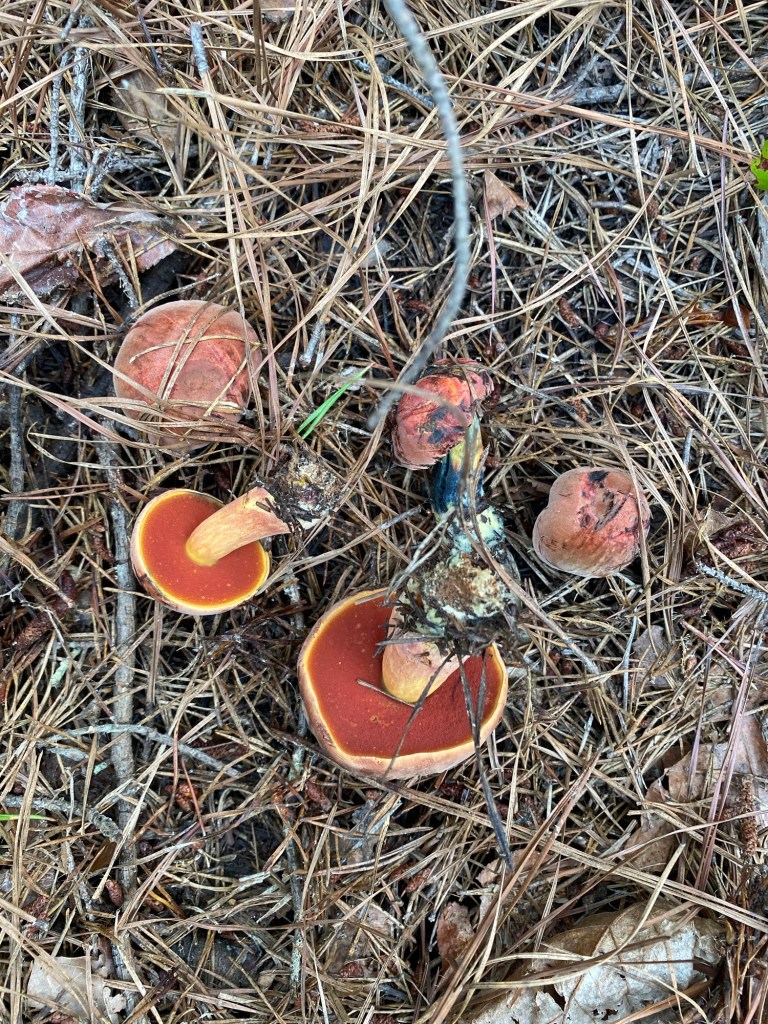
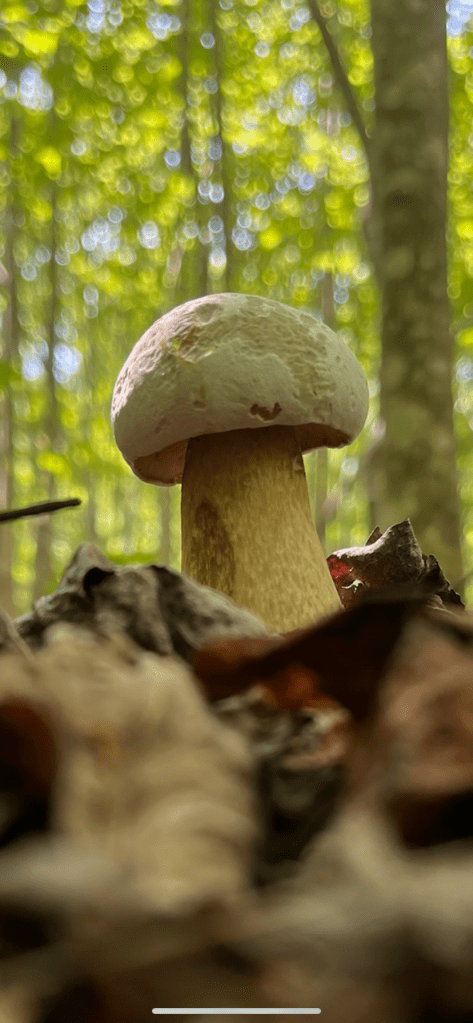
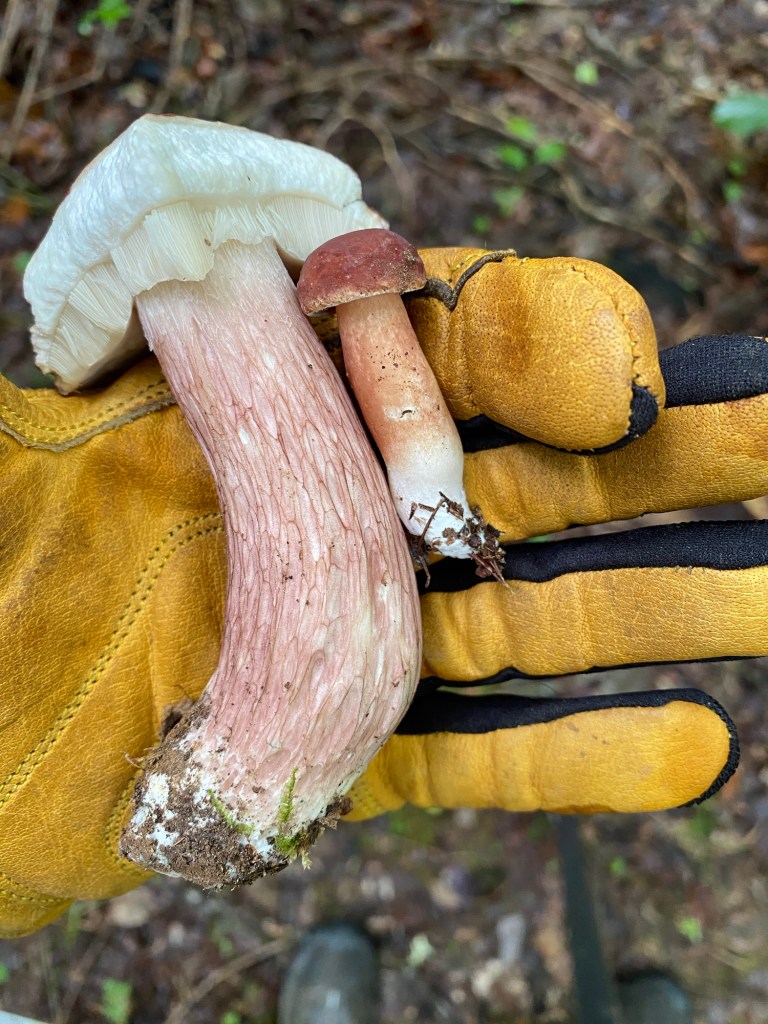
There are so many mushrooms right now after the heavy rain and cooler temperatures. We have Russulas and lactarius mushrooms to identify all over. Hundreds of red Russulas. Not as many boletes or Amanita right now. We found another patch of Eastern Black Trumpets to our delight and surprise as well as these beautiful and delicious ghost chanterelles.
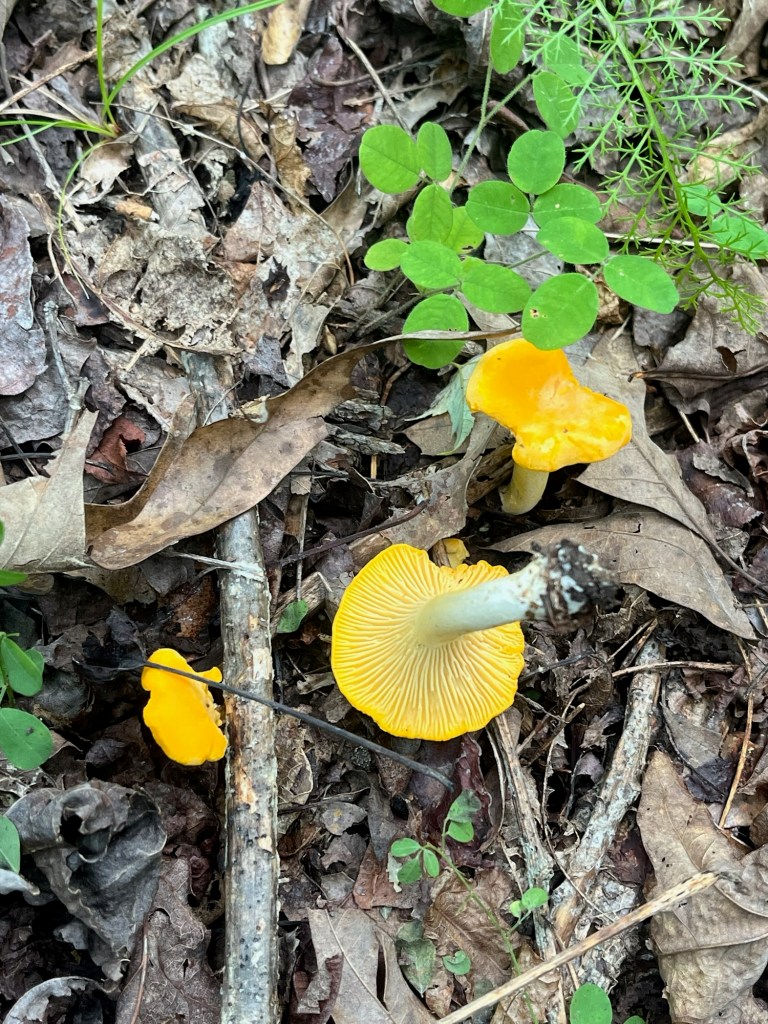
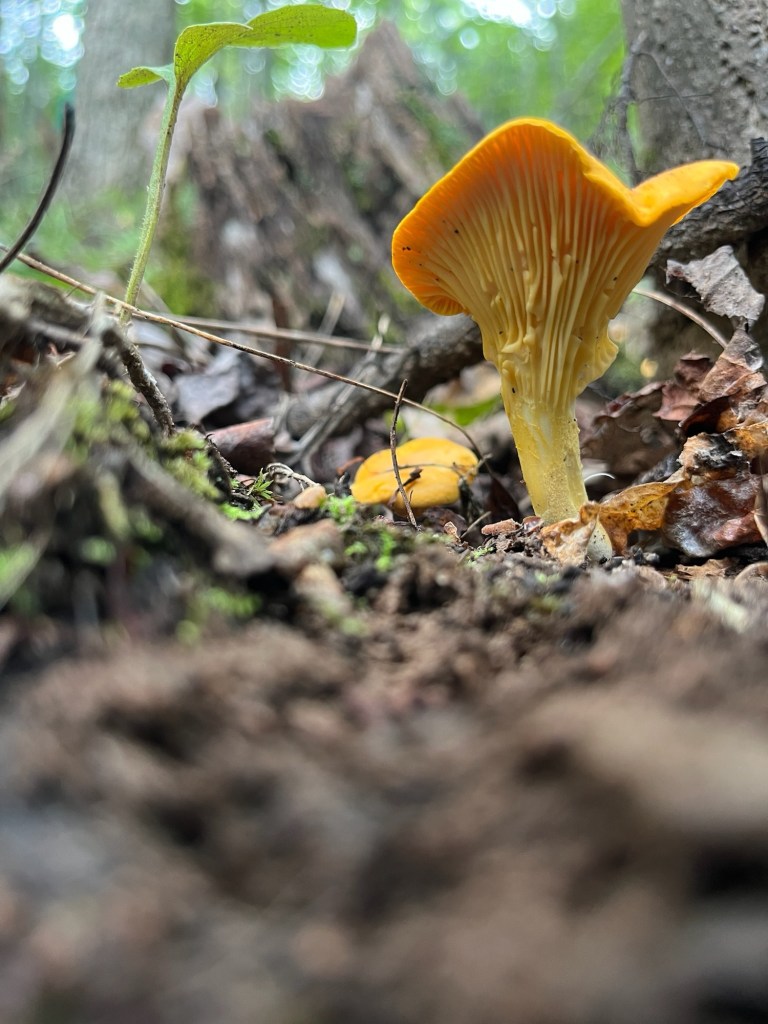
We brought them home and cooked them up and everyone was pleased.
Tropical storm Debby is set to hit the farm tomorrow evening with rains expected to be 4-8 inches and peak wind gusts Friday morning at 34 mph. We can’t wait to see what this rain will bring since there’s been so many mushrooms already.
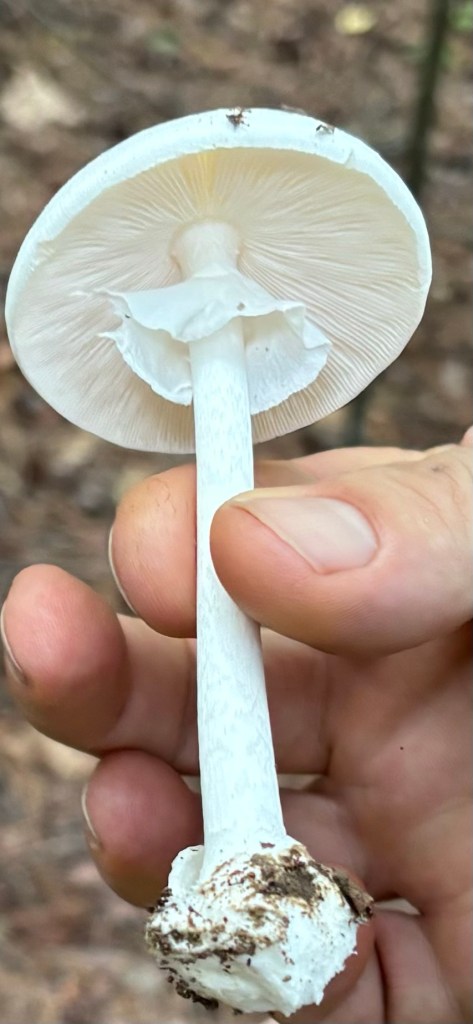
Mary Elizabeth Banning (1832-1903) was an American mycologist and botanical illustrator from Maryland. She described 23 previously unknown species of fungi. Her scientific achievements remained unrecognized during her lifetime. With no formal schooling or training, and during her free time, as she taught children and took care of her sick mother and older sister, she created the first mycological study of fungi in America with “The Fungi of Maryland.” This manuscript includes 174 13” by 15” watercolor paintings of various fungal species. She self funded her own study and lived in ever increasing poverty.
https://www.atlasobscura.com/articles/the-lost-mushroom-masterpiece-unearthed-in-a-dusty-drawer
Banning dedicated her life to mycology and lived in a world where women could not be scientists. She has inspired many people with her love for fungi and who knows how many she has inspired with her accomplishments while facing tremendous hurdles and difficulties.
We blazed a new trail from SAFF’s north side to North Trail, and we have named it Mary Banning Way to always remember and honor this powerful, intelligent and creative woman.
We hope you look up her works.


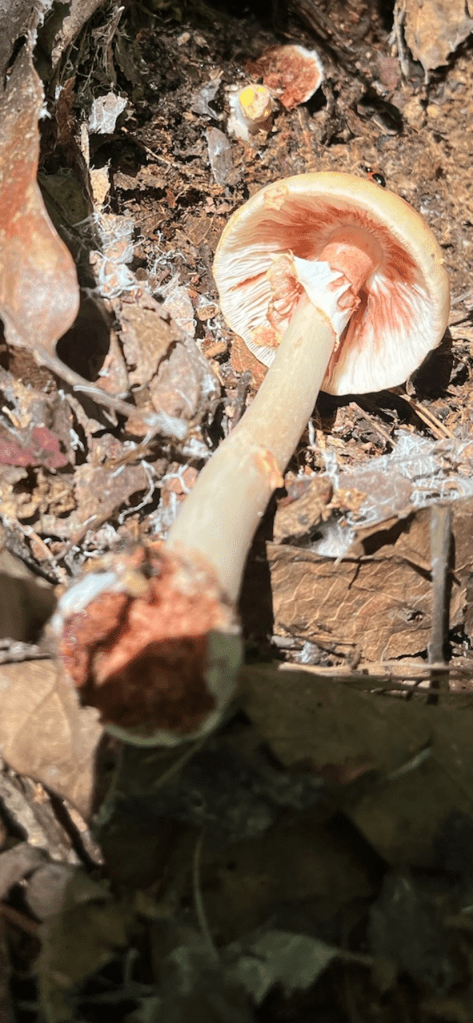
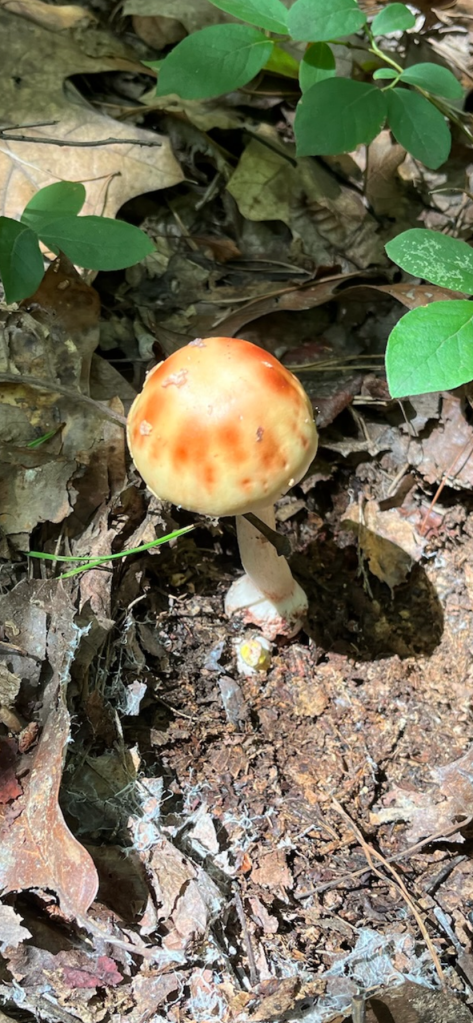
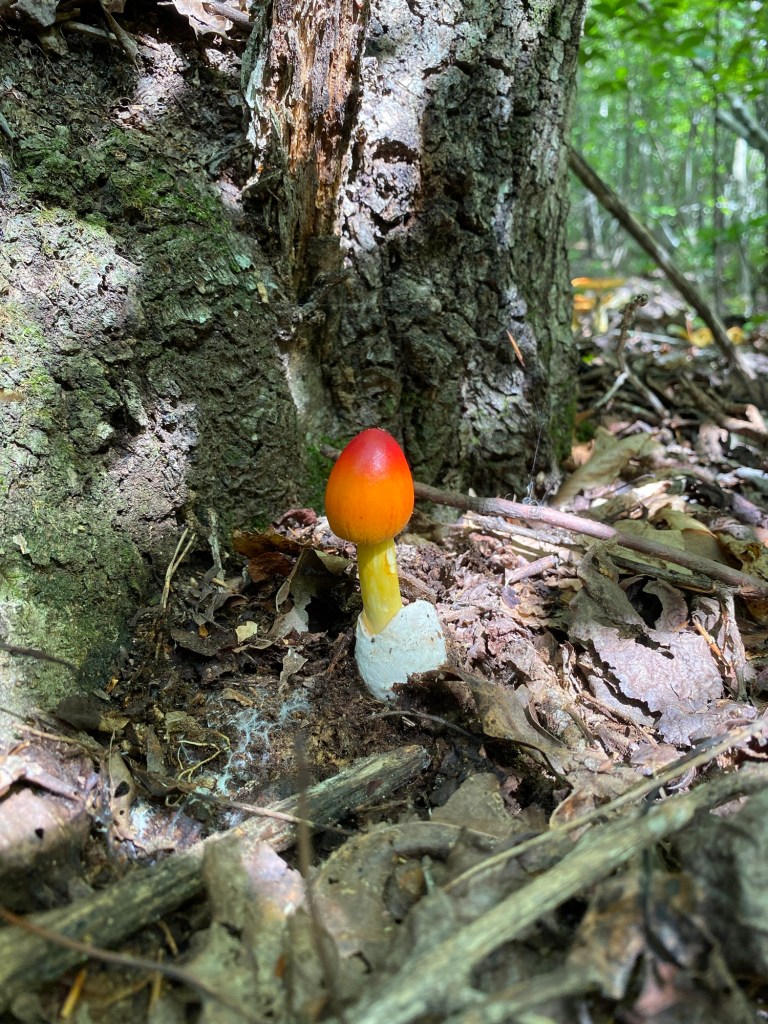
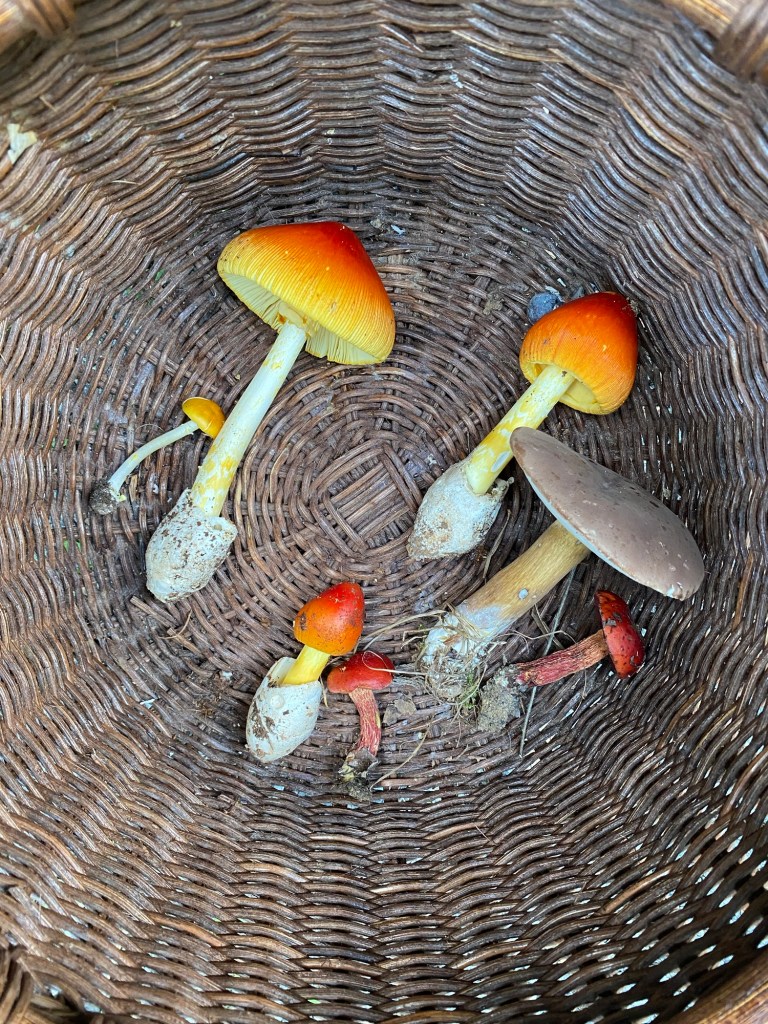
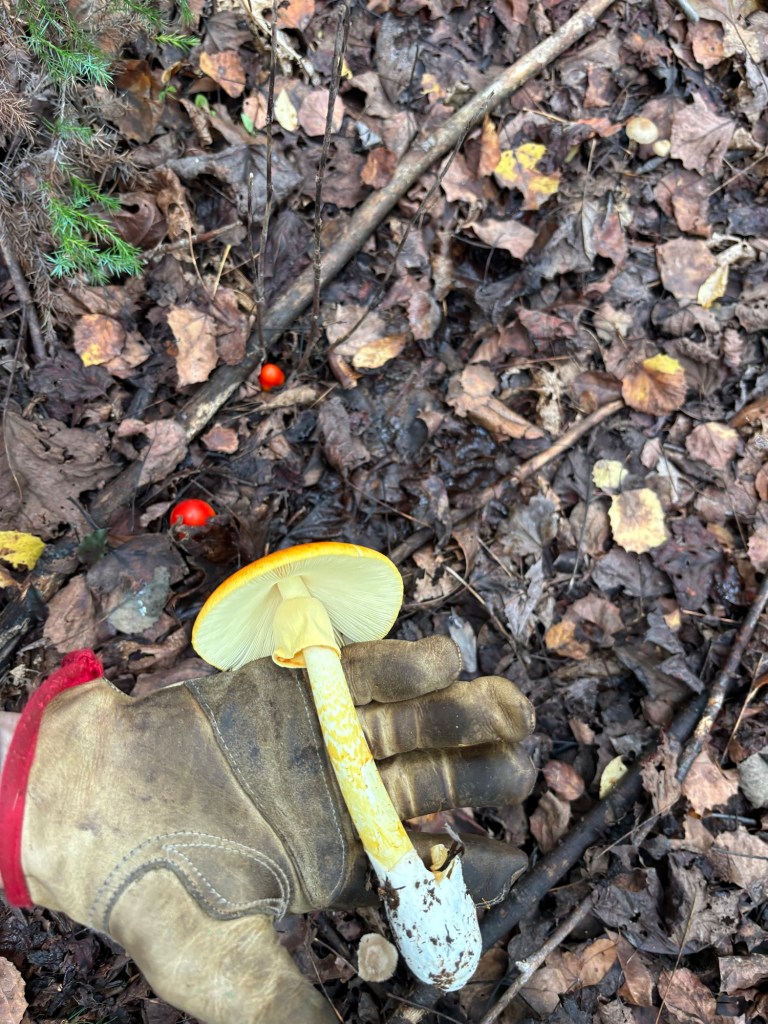
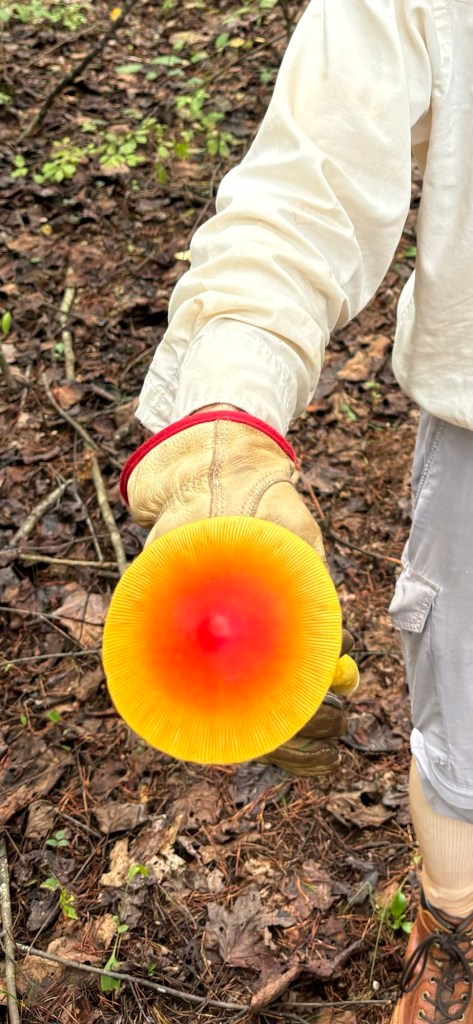
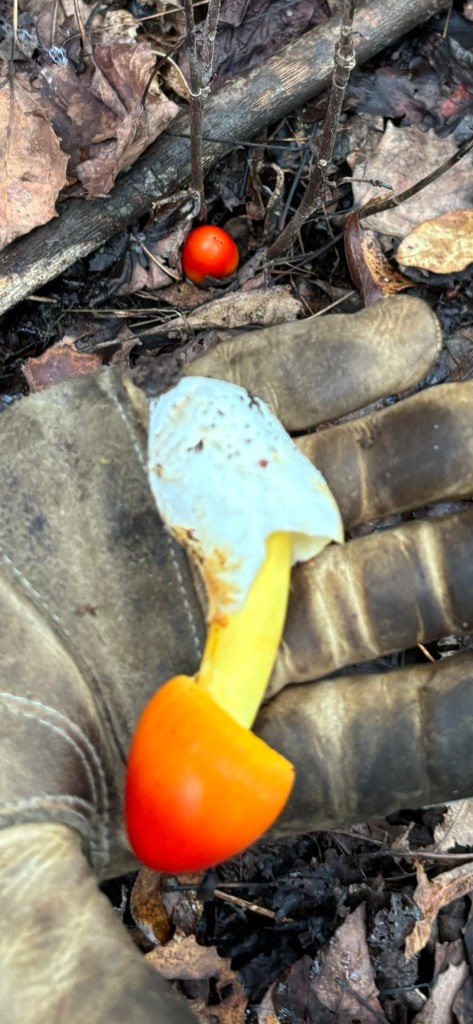
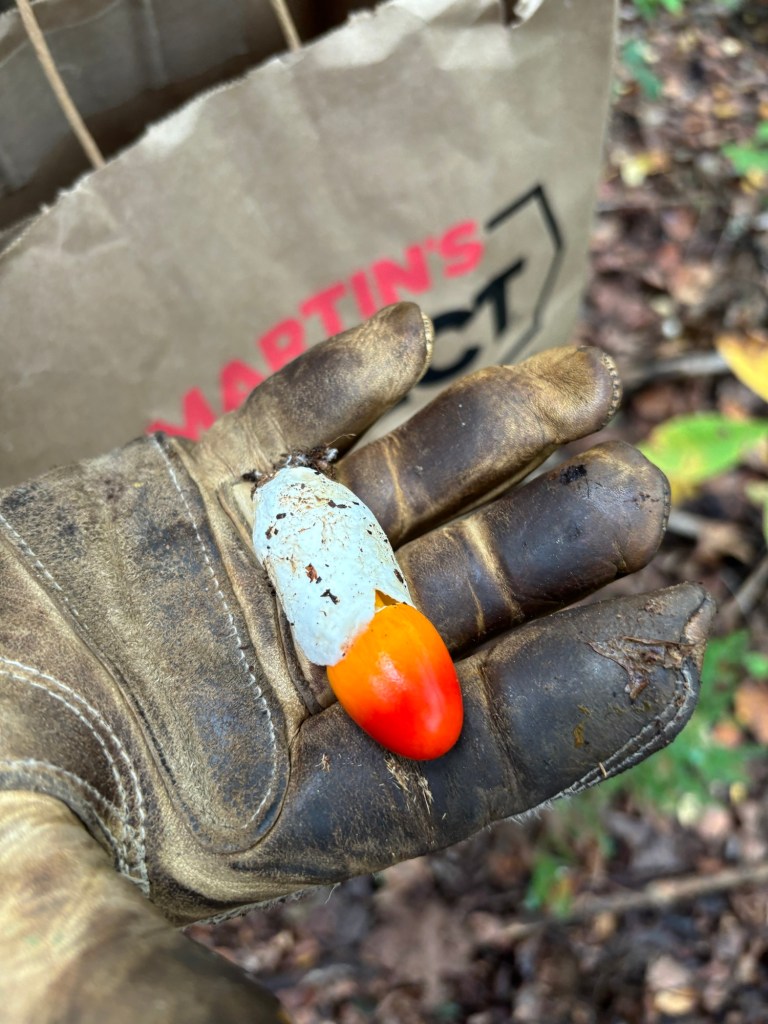
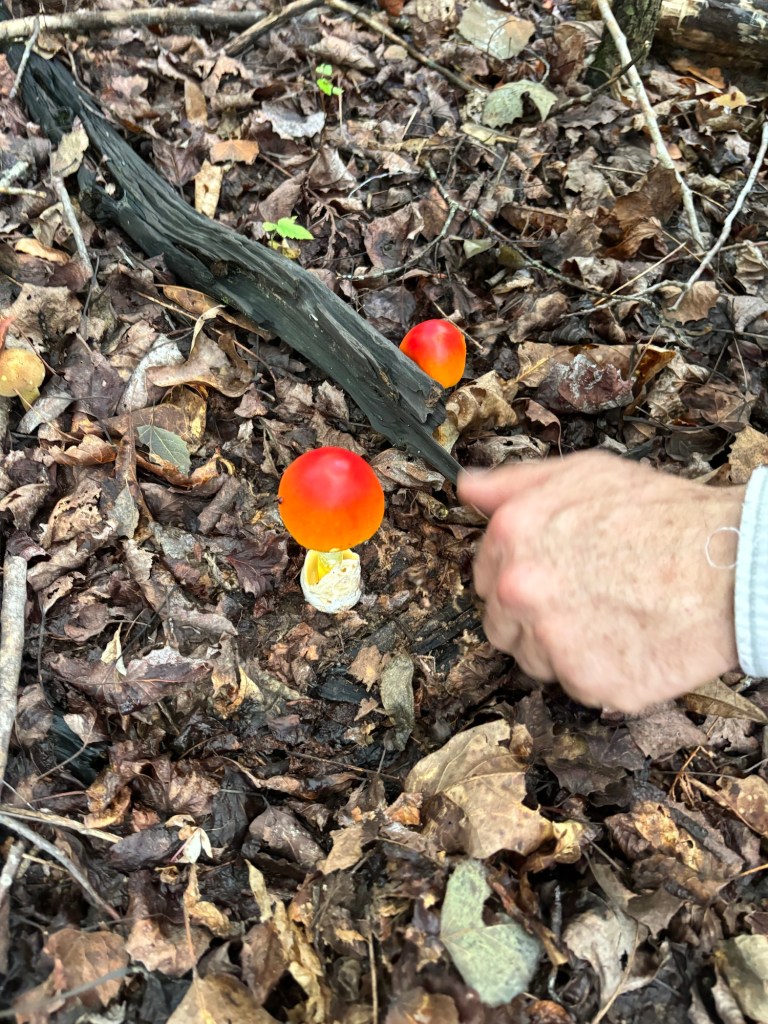
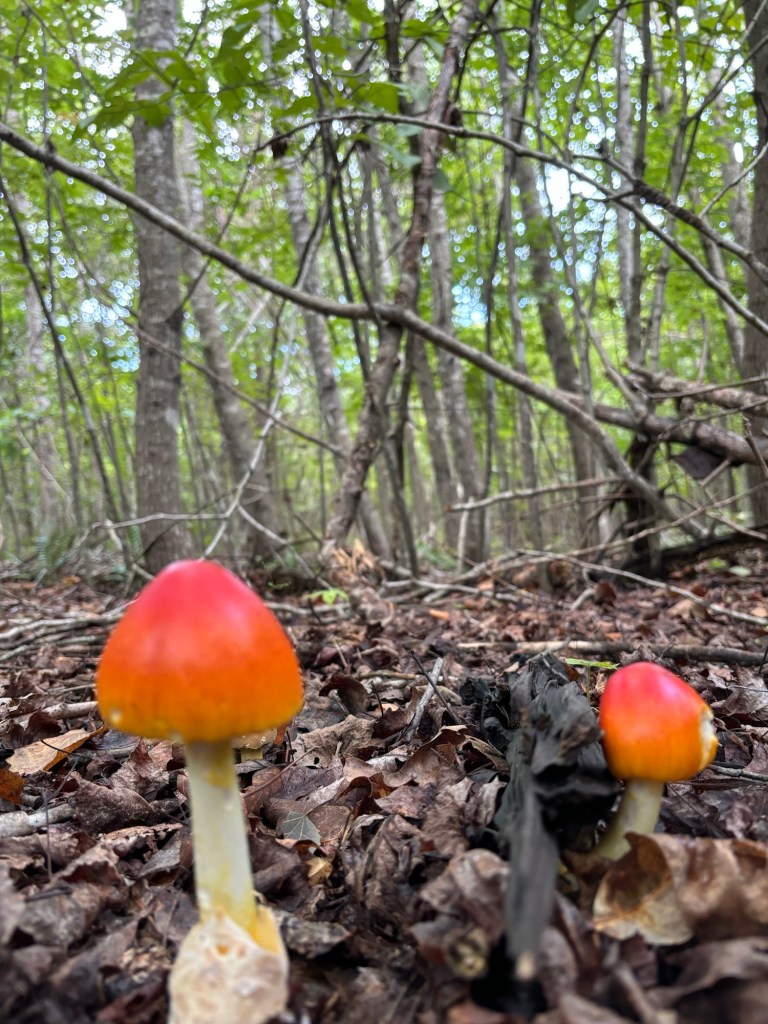
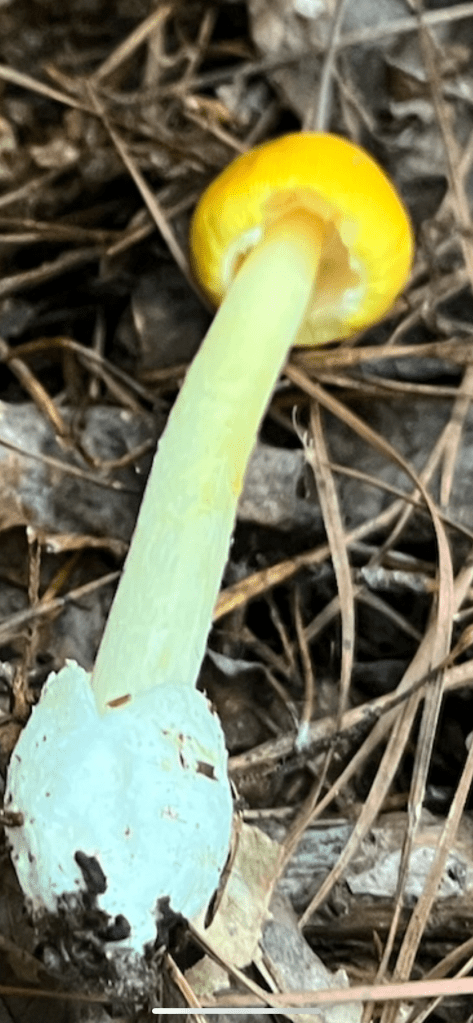
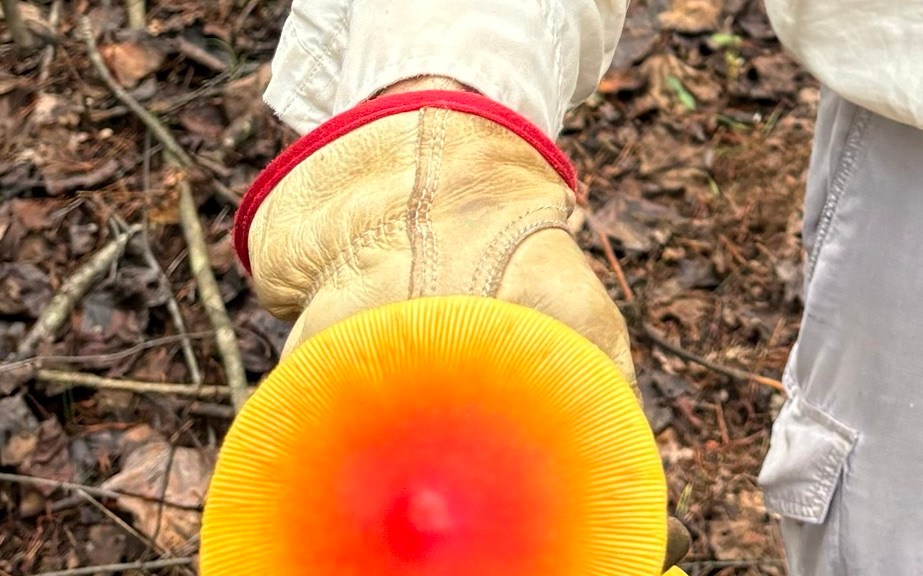
The forest is full of mushrooms with the rain we’re getting. Every day we go out and find something completely new. Since we bought the farm last year, we’ve searched for Amanita jacksonii. Saturday we walked down Amanita Way towards the wet weather gully and there they were. They were very large and strikingly red with orange caps and yellow stems. We have seen hundreds of Amanita parcivolvata, commonly called False Caesar, and these were instantly recognizable as the true sought after delicacy. The small one to the left in the basket is the first American caesar we found last week, Amanita banningiana or Mary Banning Slender yellow caesar. This is also tasty and special. They are much smaller and found in the northeastern and southern regions of the US.
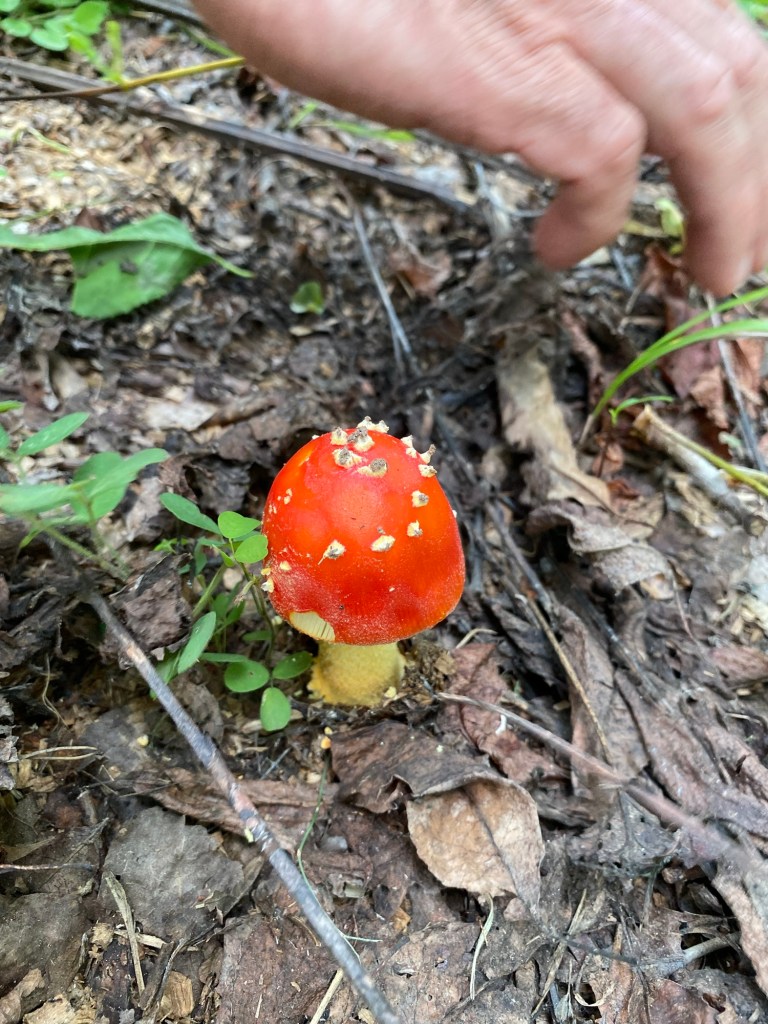
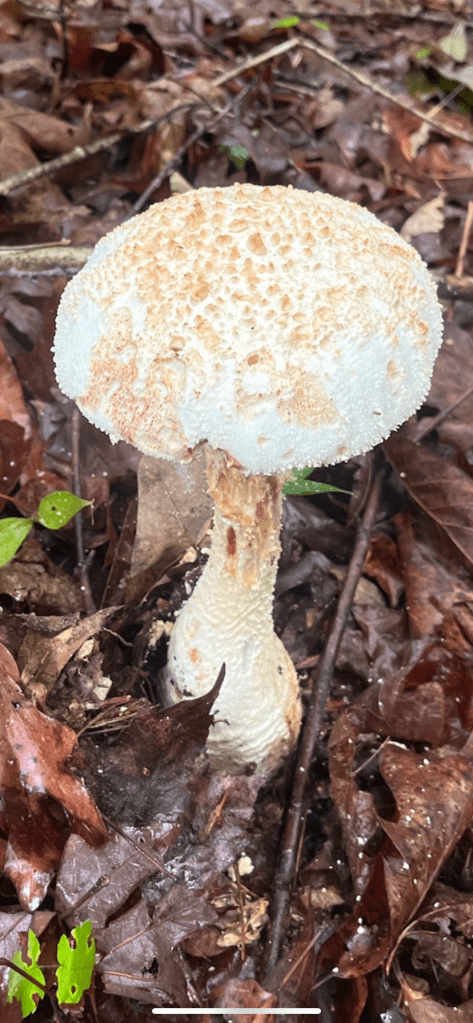
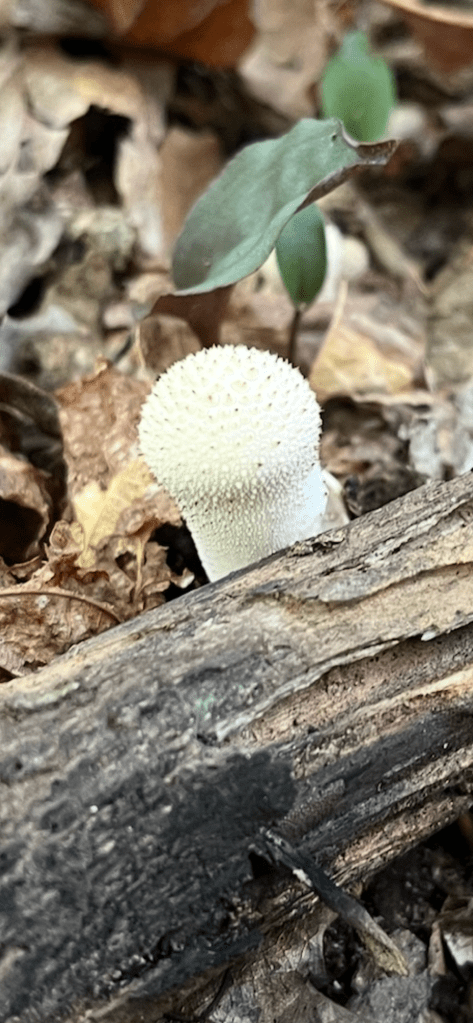
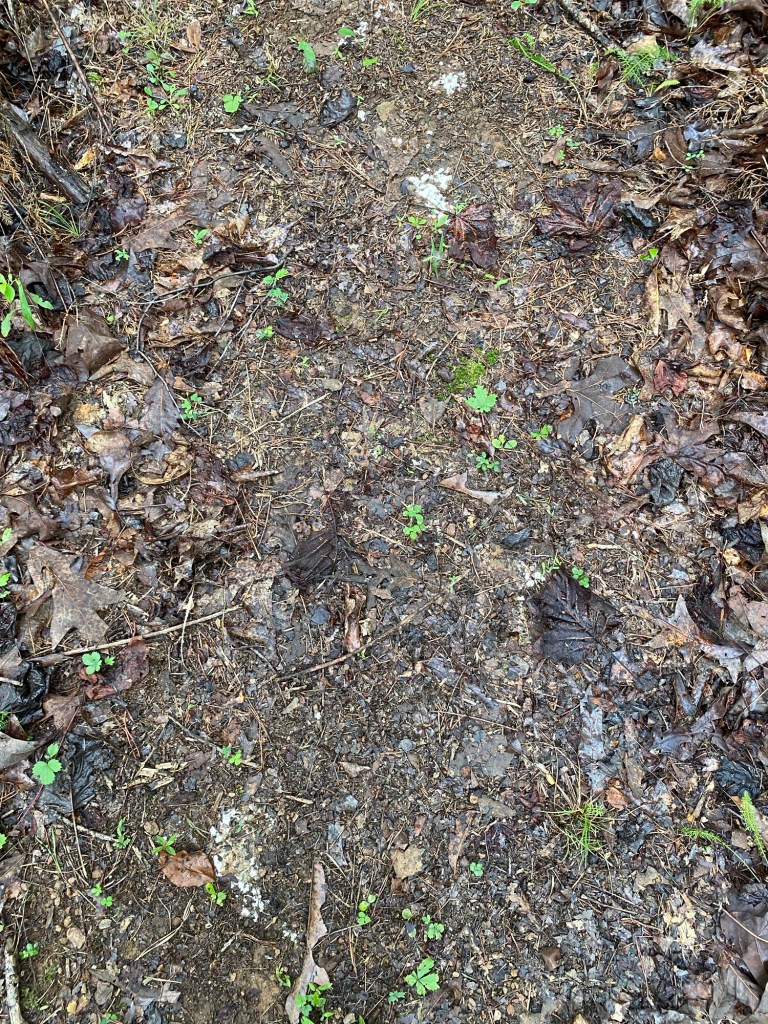
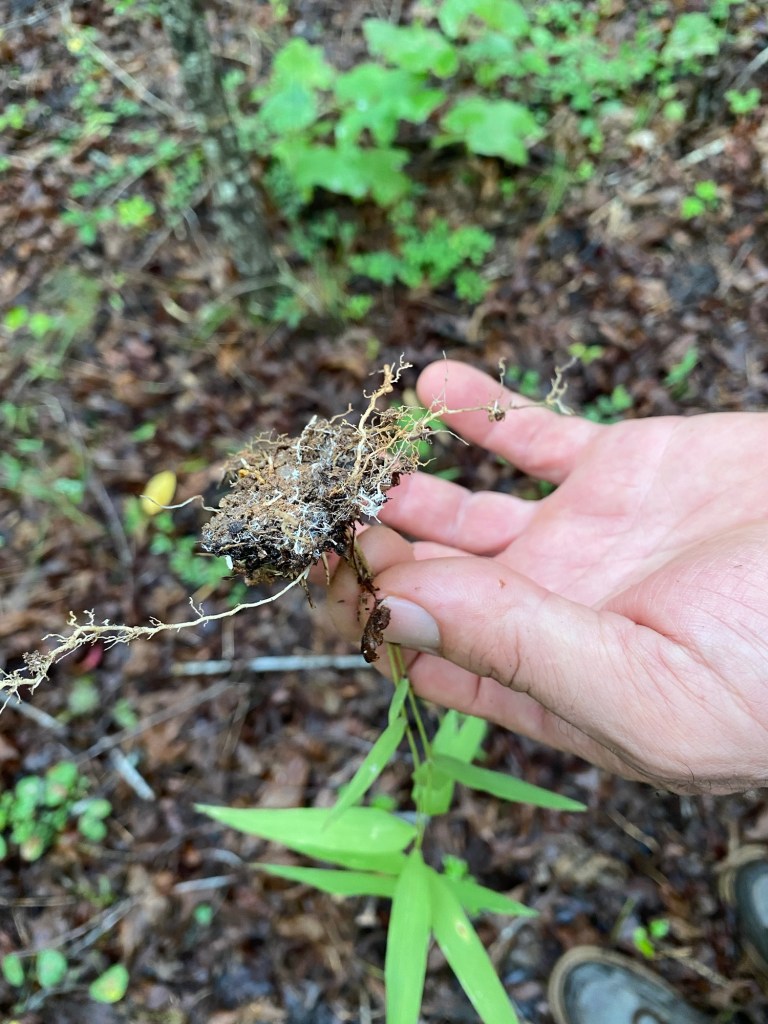
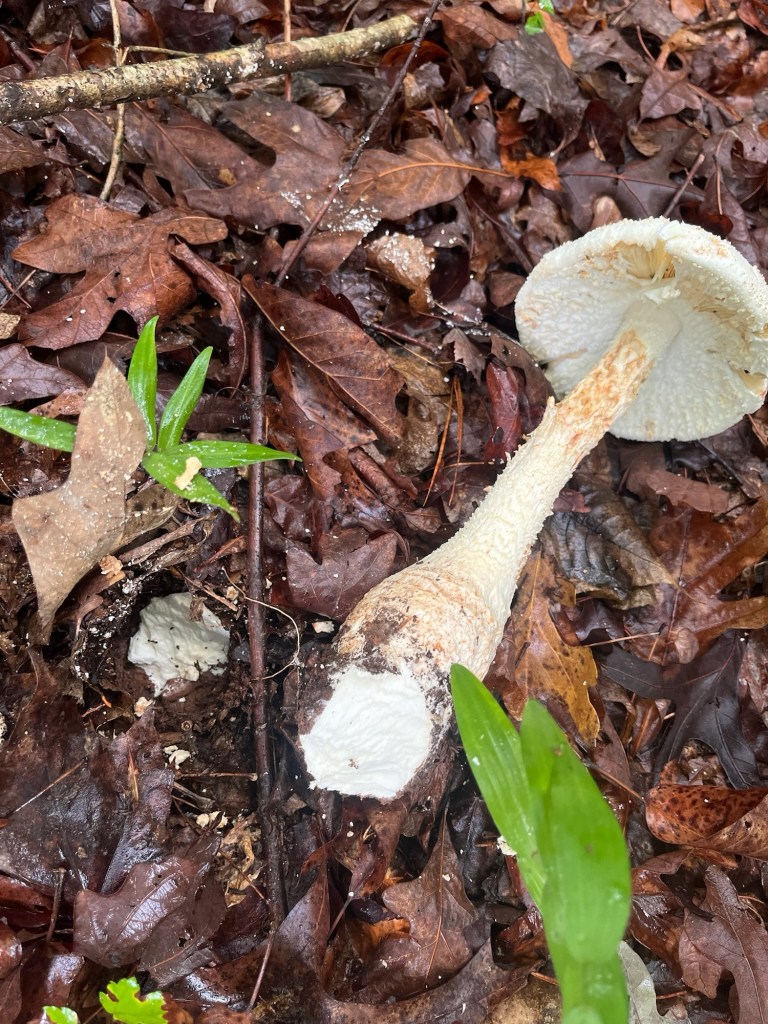
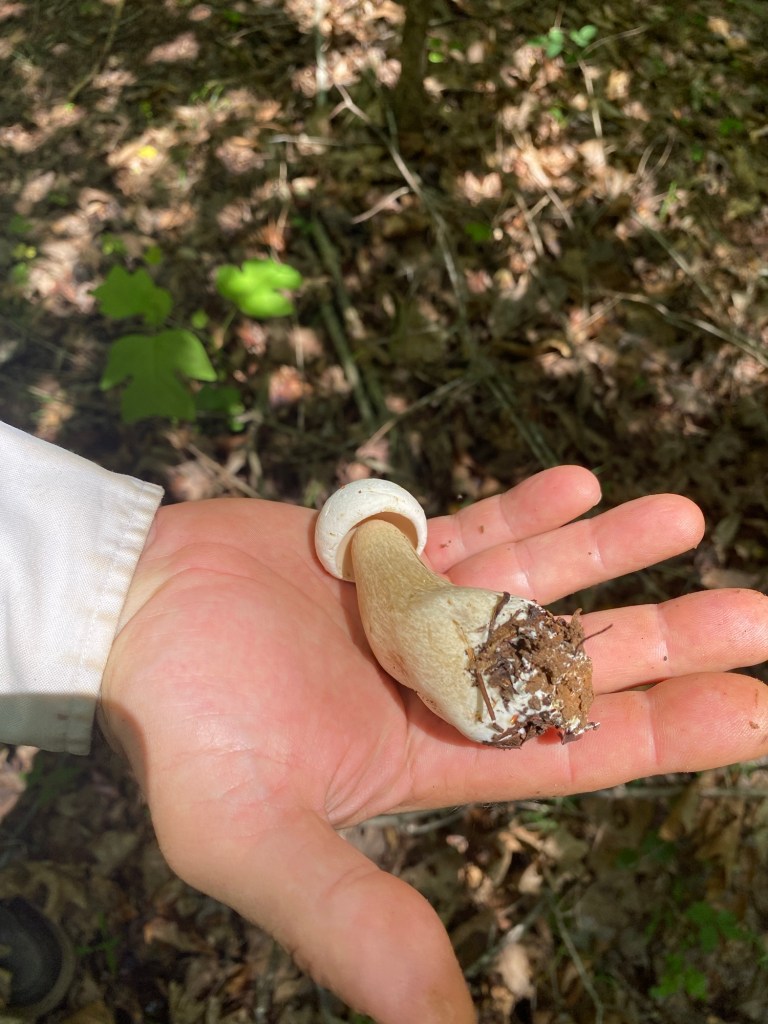
After steady rain, thunderstorms and cloudy skies in Buckingham for 12 of the last 15 days, we went out with high hopes of finally finding mushrooms. When we pulled into the clearing up top at SAFF, we saw hundreds of small puffballs. We found four other species before we made it from the clearing into the forest. Inside the woods, it seemed mycelium was everywhere we looked. SAFF has become a mushroom wonderland after the months of drought and heat, the rain and lower temperatures really brought the mushrooms.

 St Andrews Forest Farm