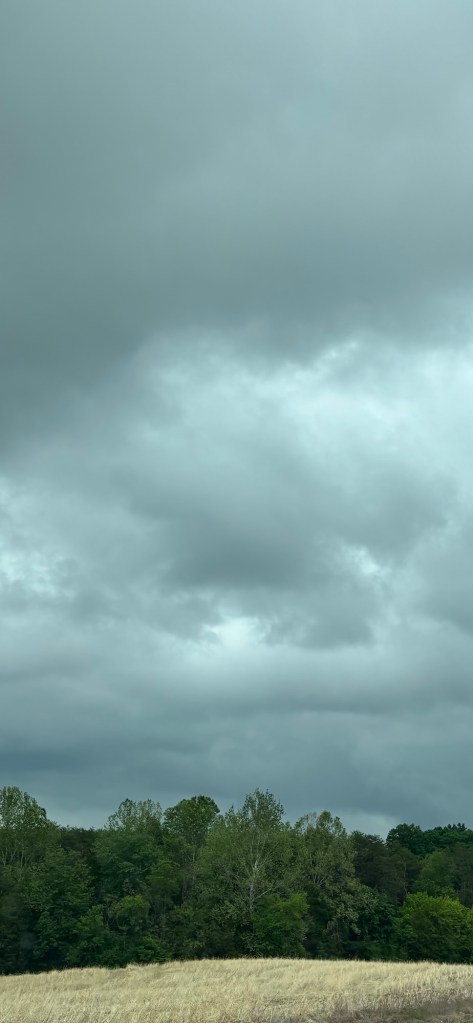
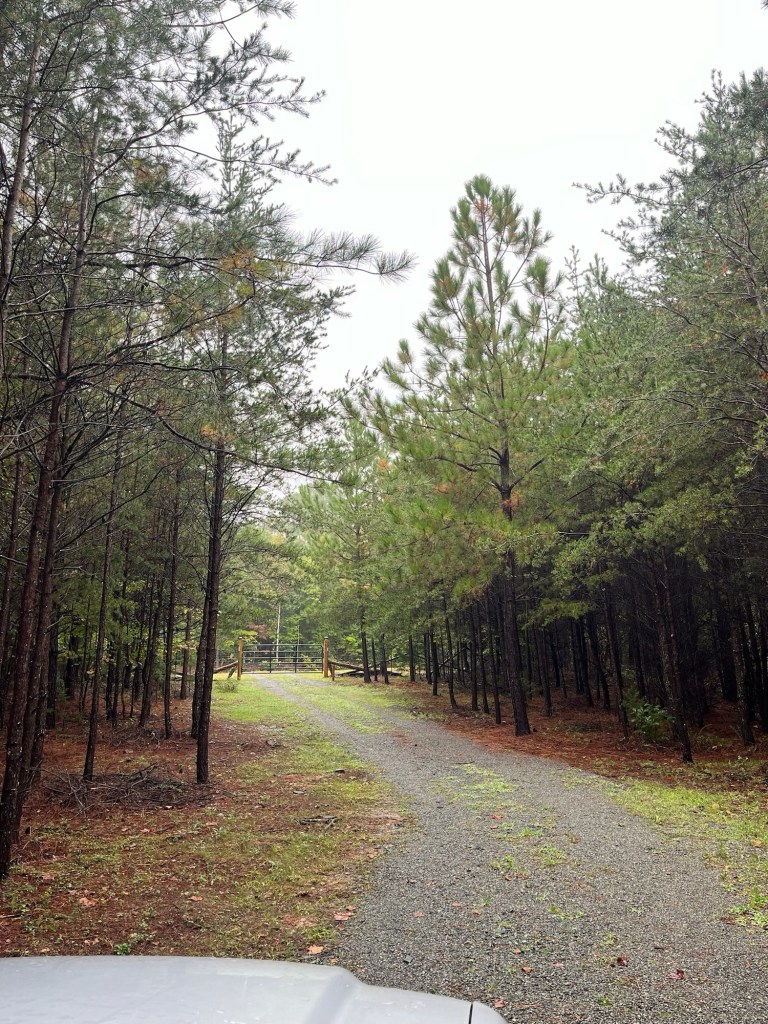
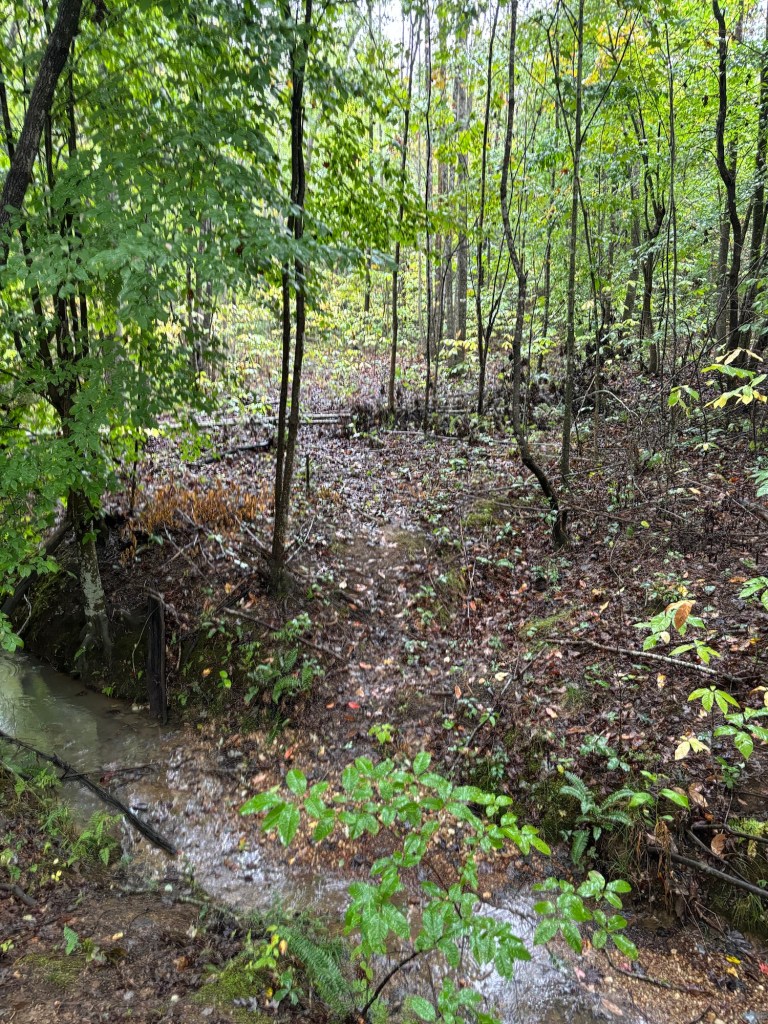
As we drove up to SAFF yesterday, we saw that it was raining from a distance.
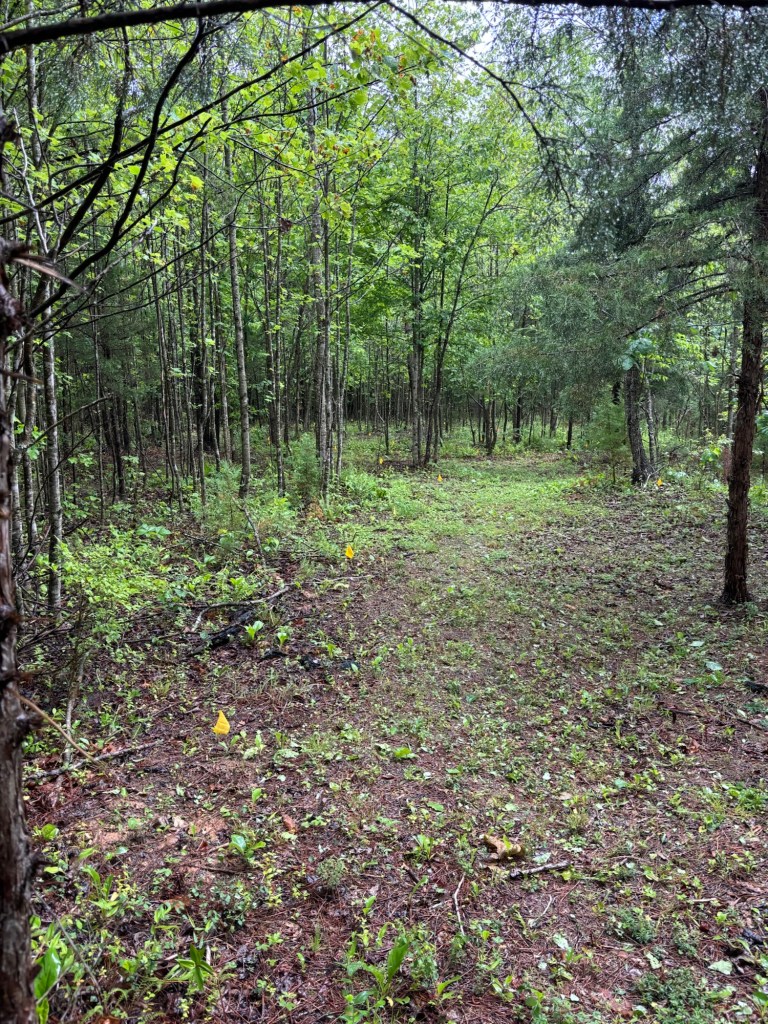
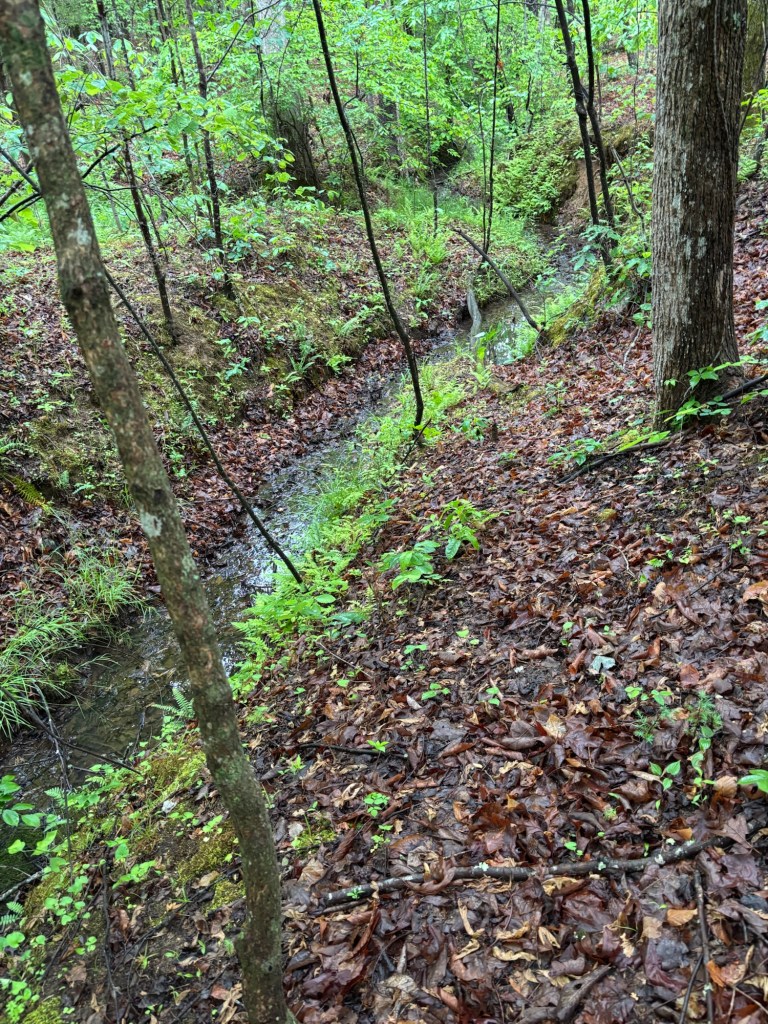
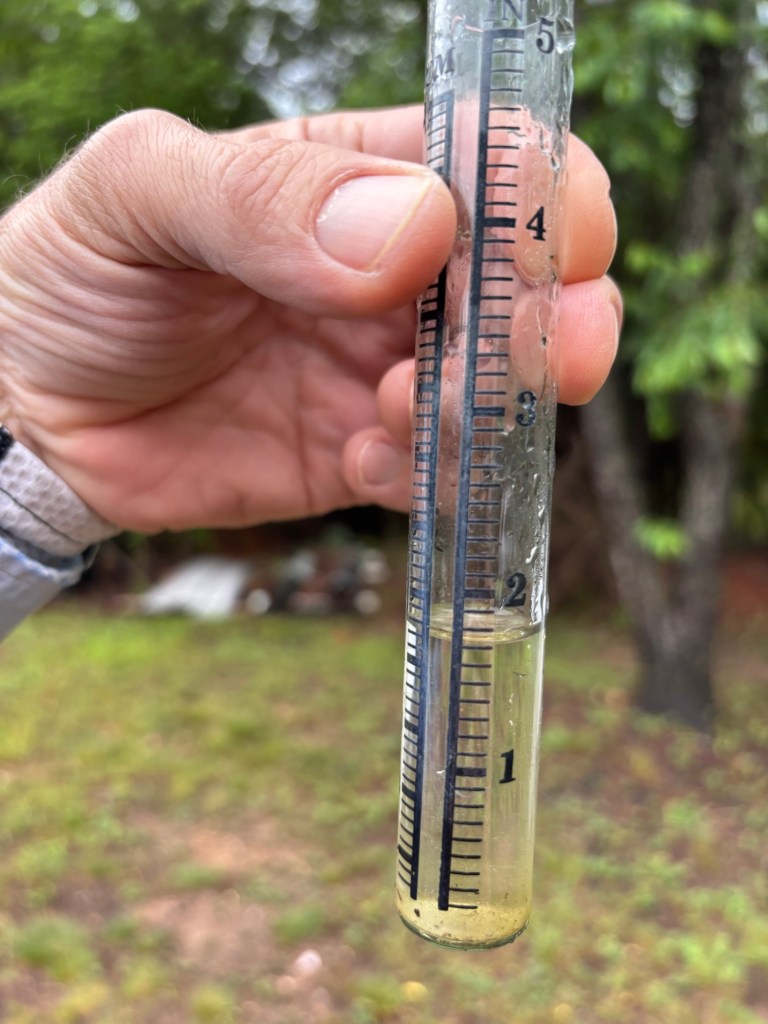
SAFF had another tenth of an inch of rain when we arrived and .25 fell while we were there. So altogether now SAFF has had a little over 3 inches since last week. The rain was heavy at times. The plants were glowing.
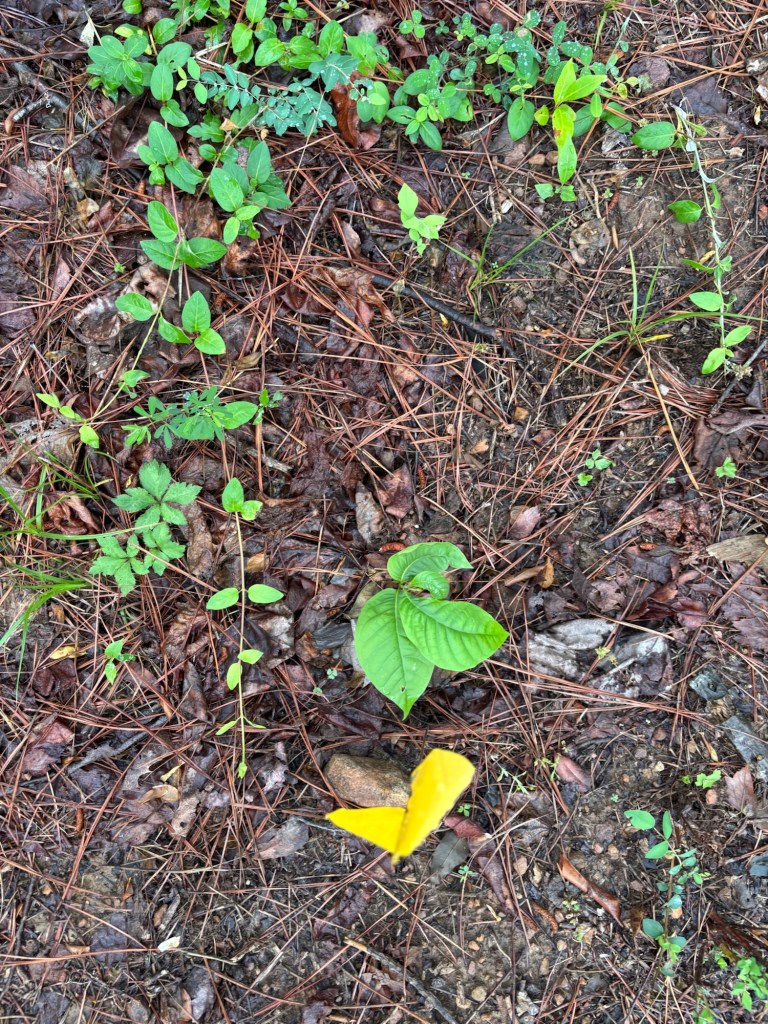
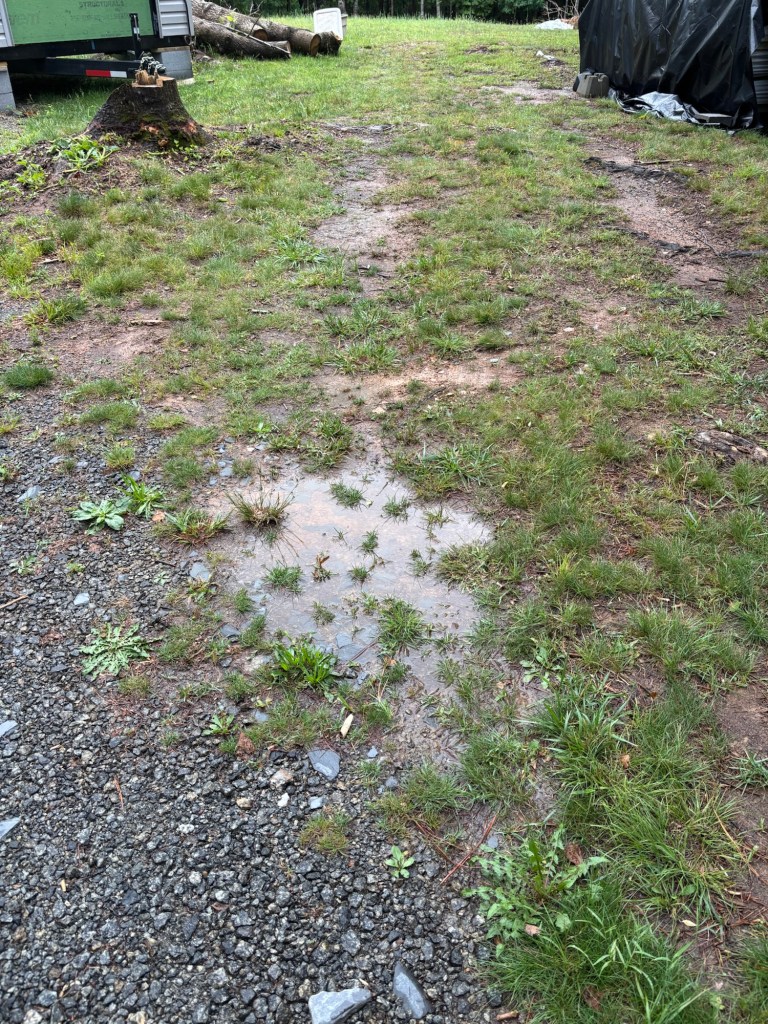
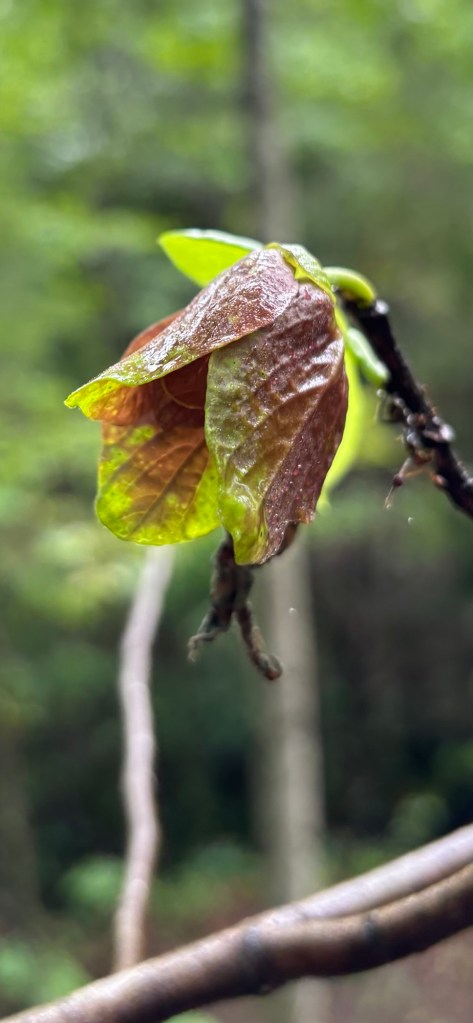
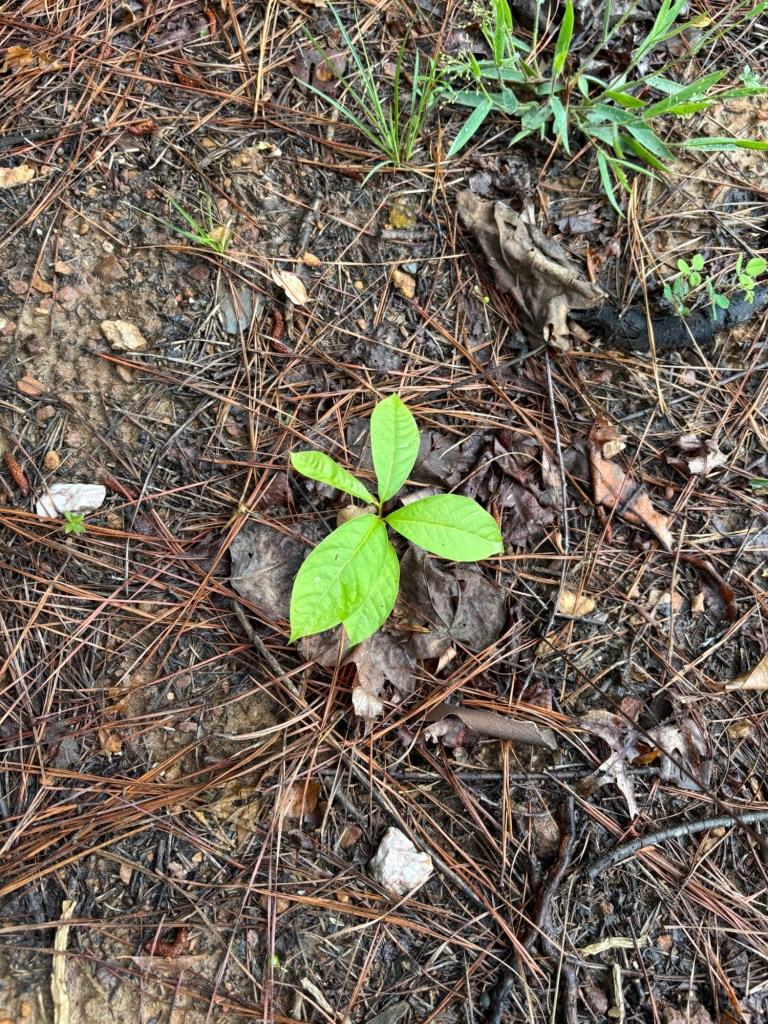
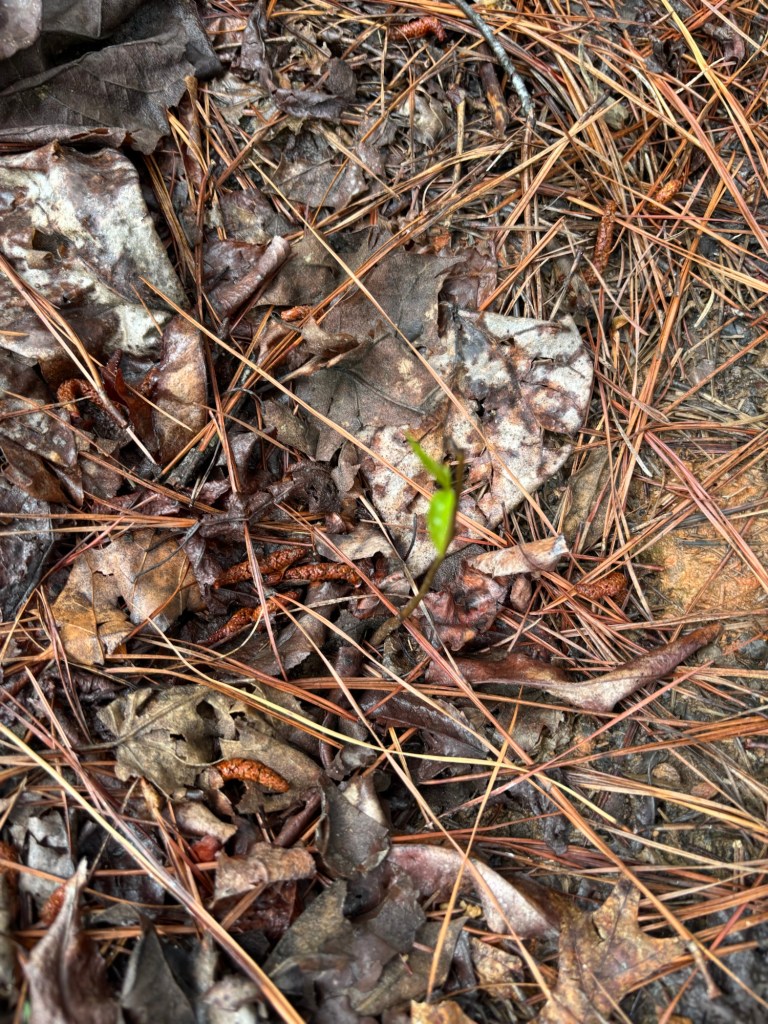
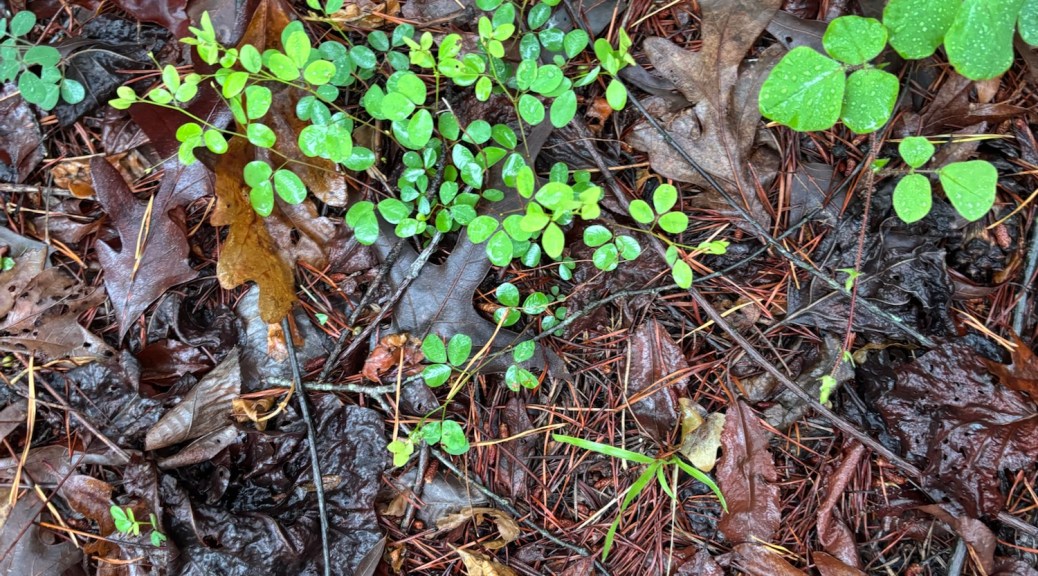
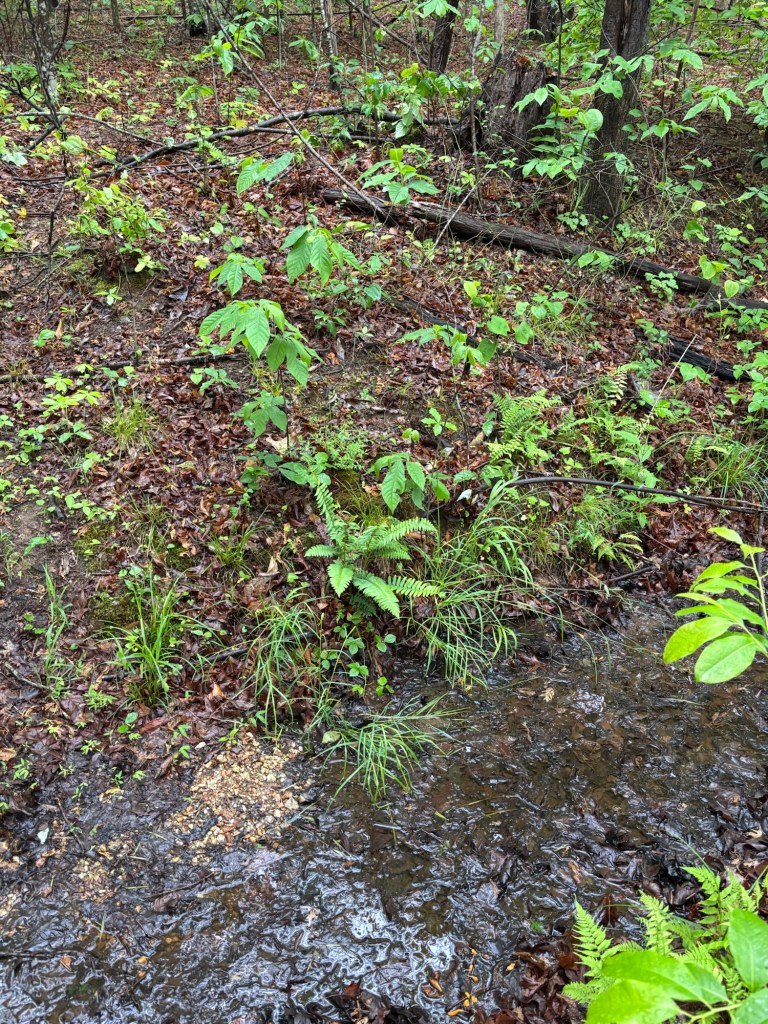
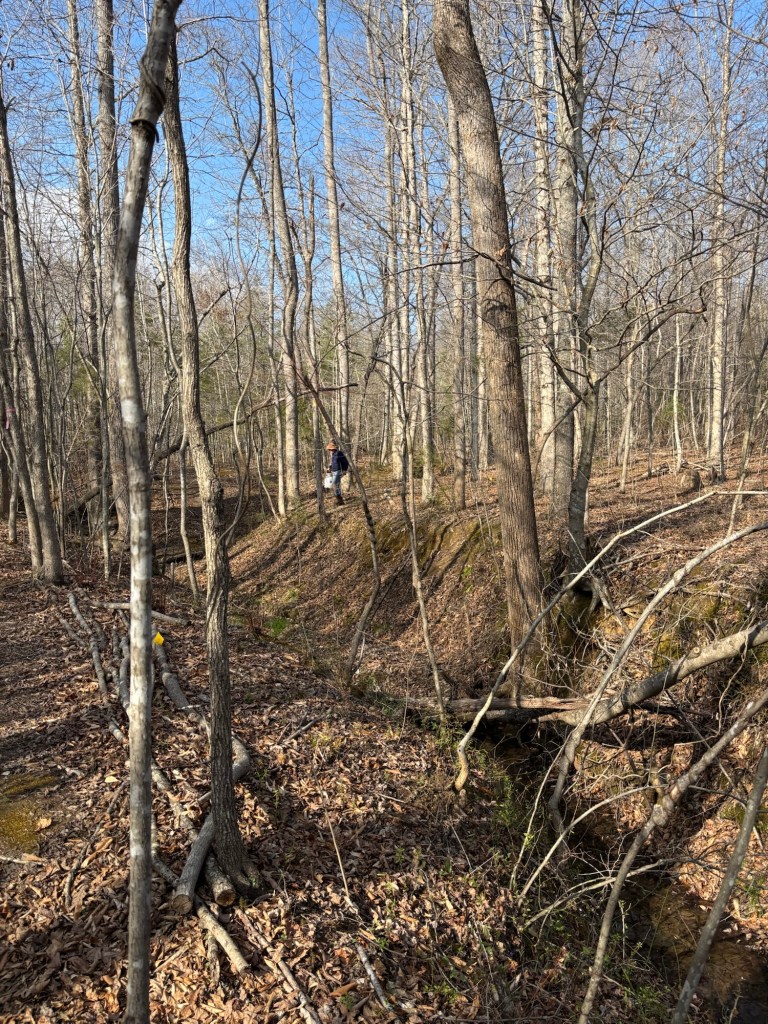
The native seedlings we planted last year are doing well surrounded by their nursemaids/nitrogen fixers. They will stay in the shade until they reach 2 1/2 feet tall. At that point, full sun will be most valuable for them in order to thrive and produce fruit. A native seedling we planted up top near the driveway and main clearing. Water puddle collecting in multiple spots up top even.This Asimina triloba is a SAFF native growing at the tip of the Pawpaw Peninsula. Along with a few others in the main colony, we have observed a secondary bloom. This occurs when the first bloom is damaged by frost. This picture shows the frost damage still apparent next to the bloom. Another native Asimina triloba seedling we planted up top near the driveway last fall.This tiny native seedling was damaged in the frost as well and is just resprouting leaves. The rain is the best thing for healing!
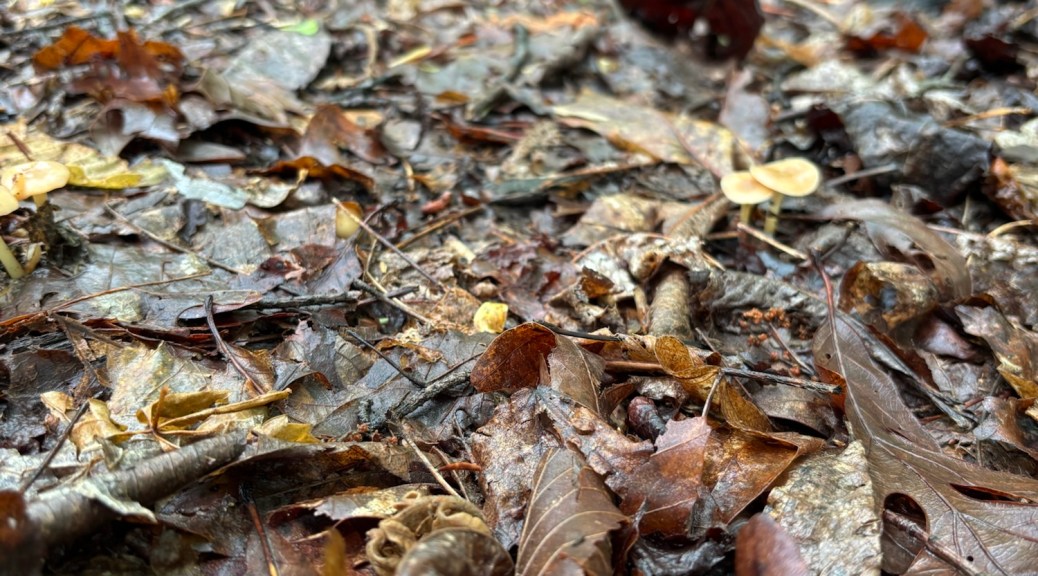
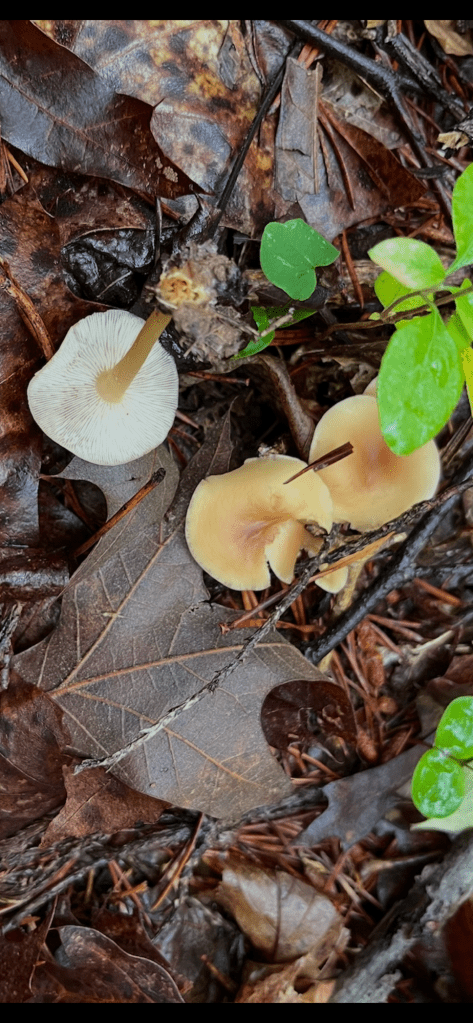
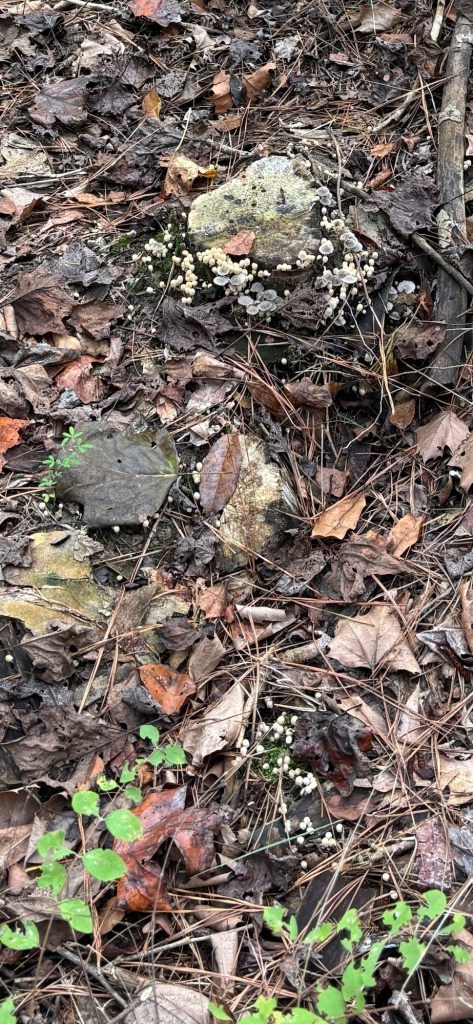
More rain is expected this week and temperatures will be in the 80’s. We can’t wait to get back out there and look for mushrooms. So far, we’ve seen a lot of the Gymnopus. Little brown mushrooms are dangerous unless you’re really knowledgeable. We are looking for boletes, chanterelles, black trumpets and milk cap mushrooms that are easily identifiable and have no poisonous lookalikes.
Thursday evening through this afternoon we got about 1.7 inches!
We are having a cool, wet weekend with rain that started Thursday evening and is expected to continue until next week. We couldn’t wait to get into the forest to look for mushrooms and we weren’t disappointed.
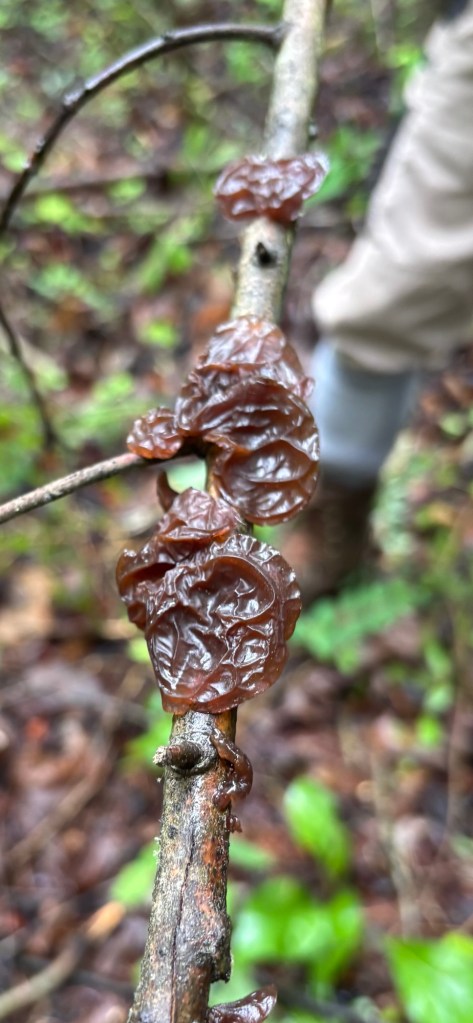
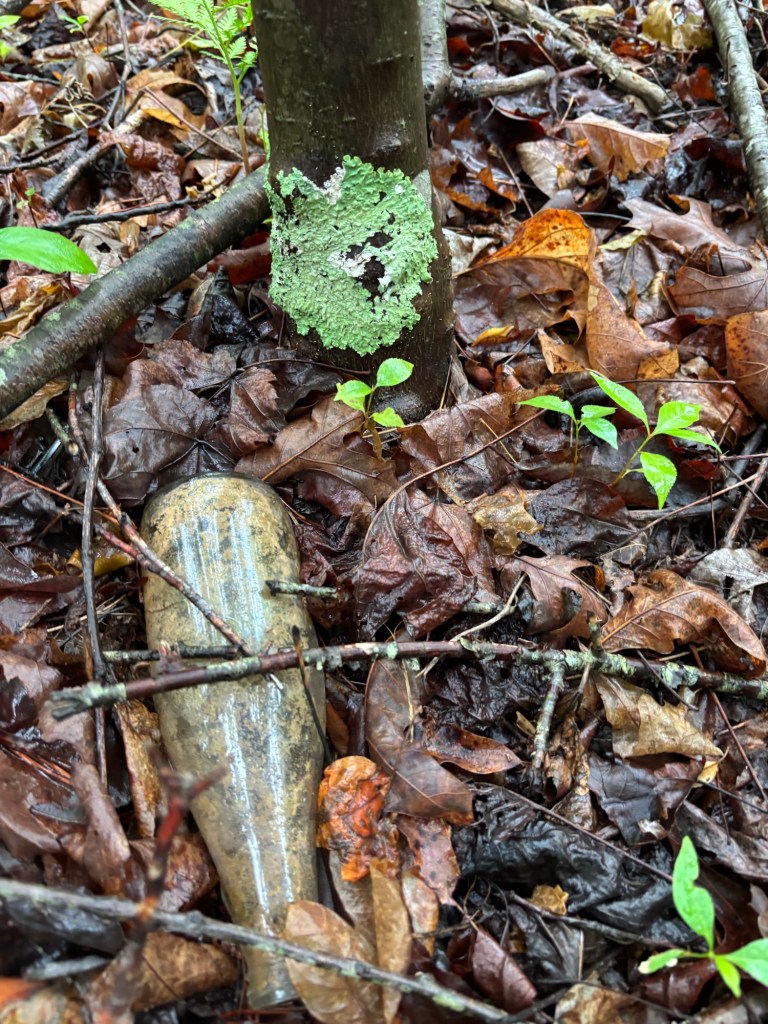
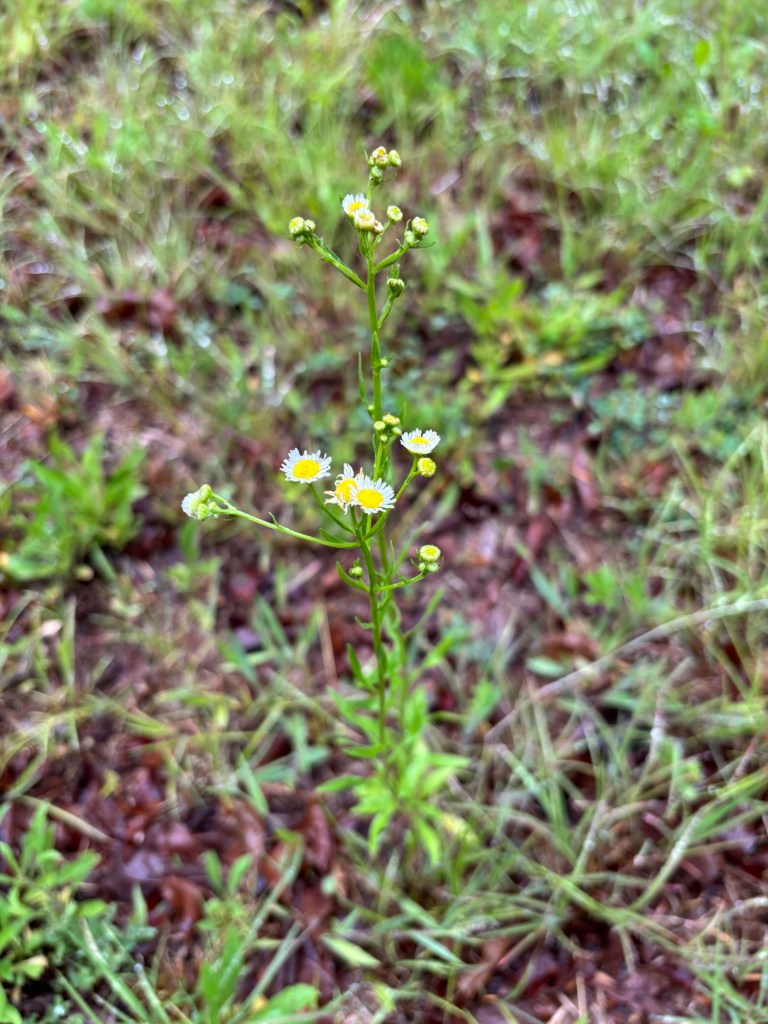
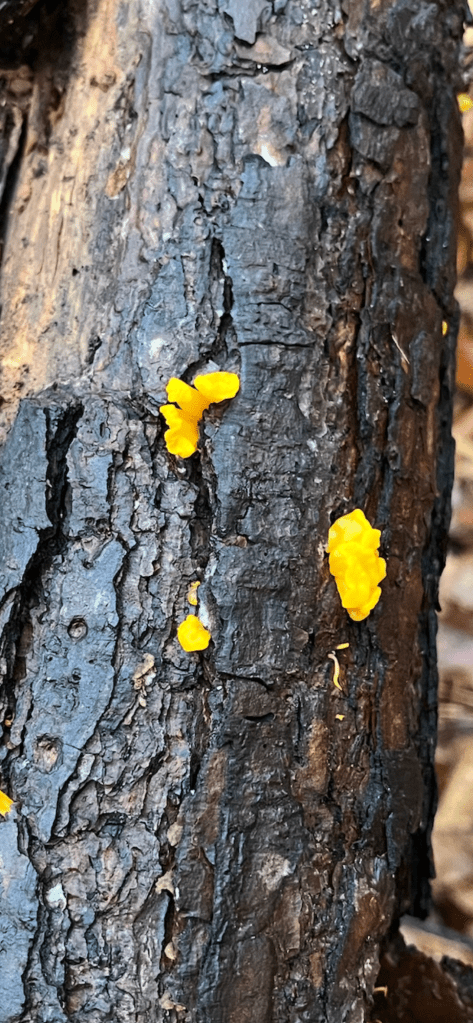
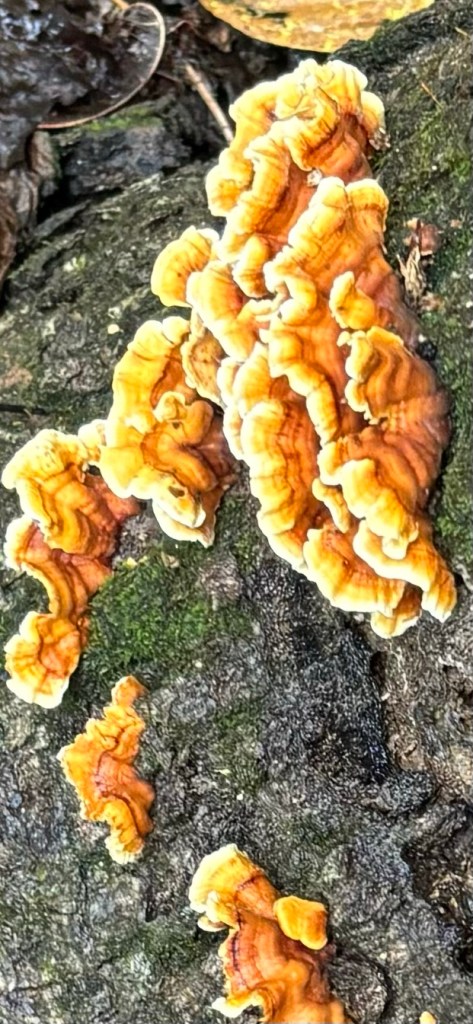
Genus Gymnopus, likely Gymnopus dryophilus (oak loving Gymnopus) found in the north side of SAFF. Exidia, a species of jelly fungi known for its brain or ear lobe shaped fruiting body. They grow on dead and decaying wood during cooler damp months. Flavoparmelia caperata, common green shield lichen, a symbiotic partnership between a fungus and algae or Cyanobacteria. Its presence on the tree trunk is widely considered beneficial to the surrounding ecosystem and is a sign of environmental health. Erigeron philadelphicus, Philadelphia fleabane, found on the south set back line.
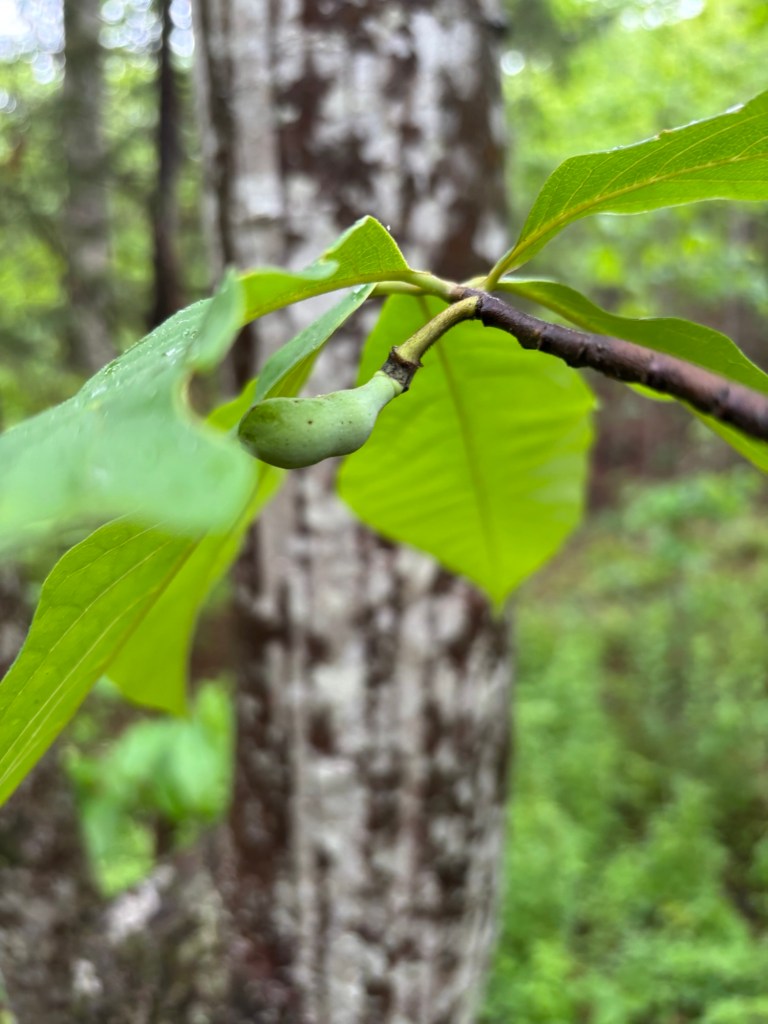
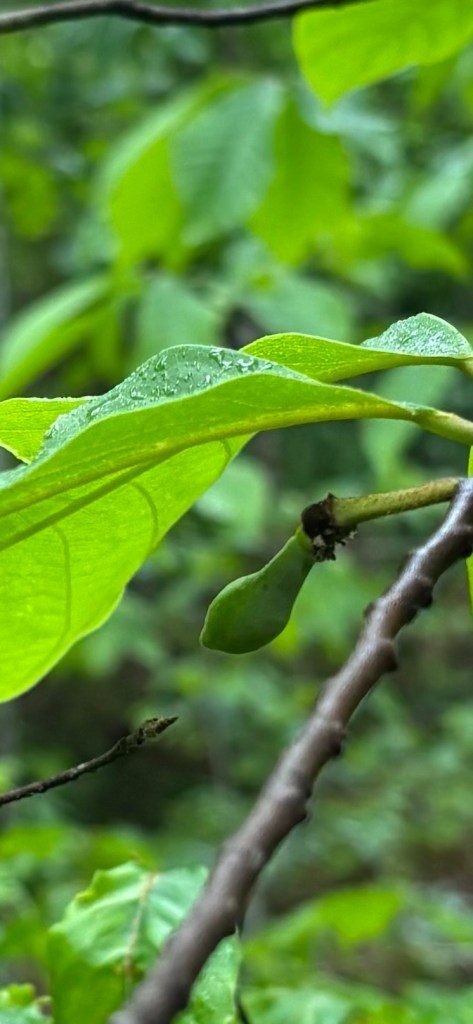
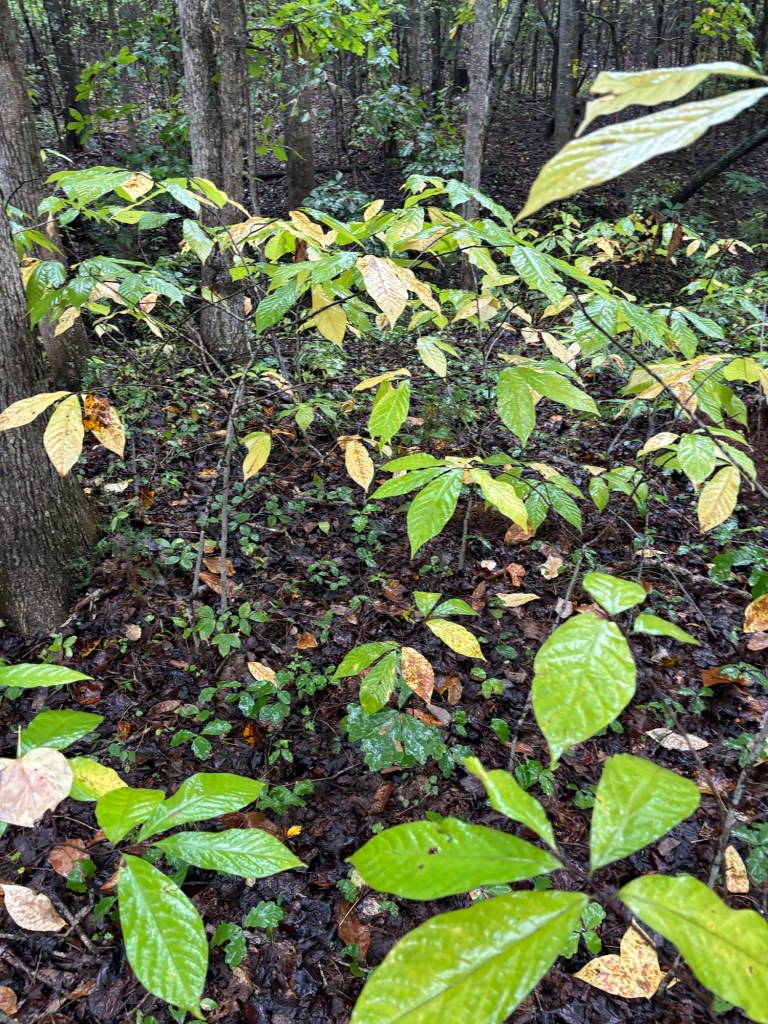
We are so grateful for this rain and can’t remember getting so much at one time. The forest was lush and filled with layers of greens. We stopped in the old colony pawpaw patch and found two fruit continuing to grow.
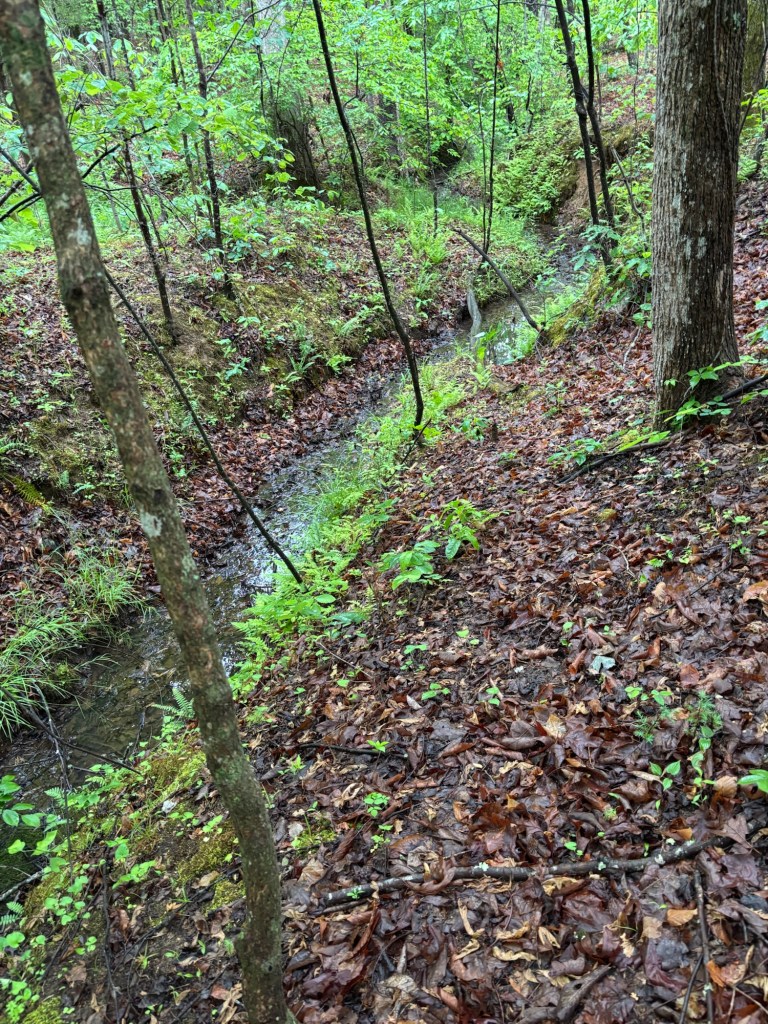
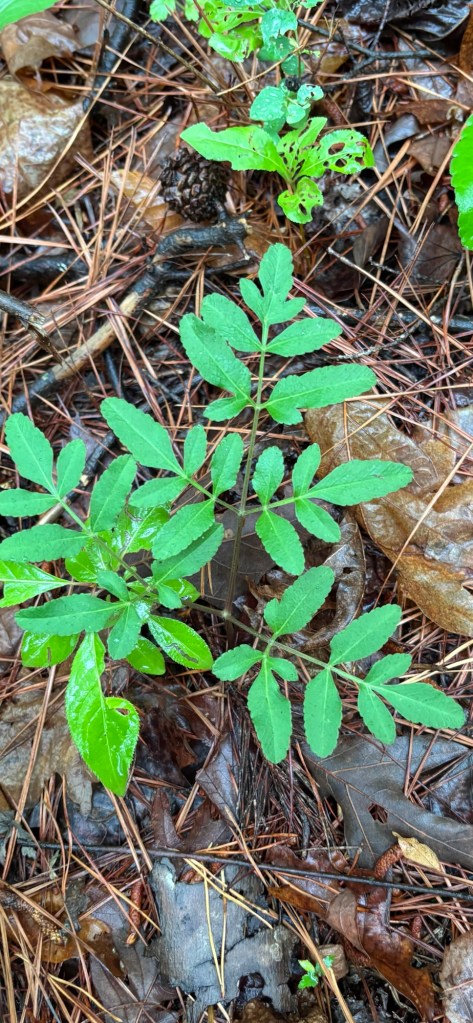
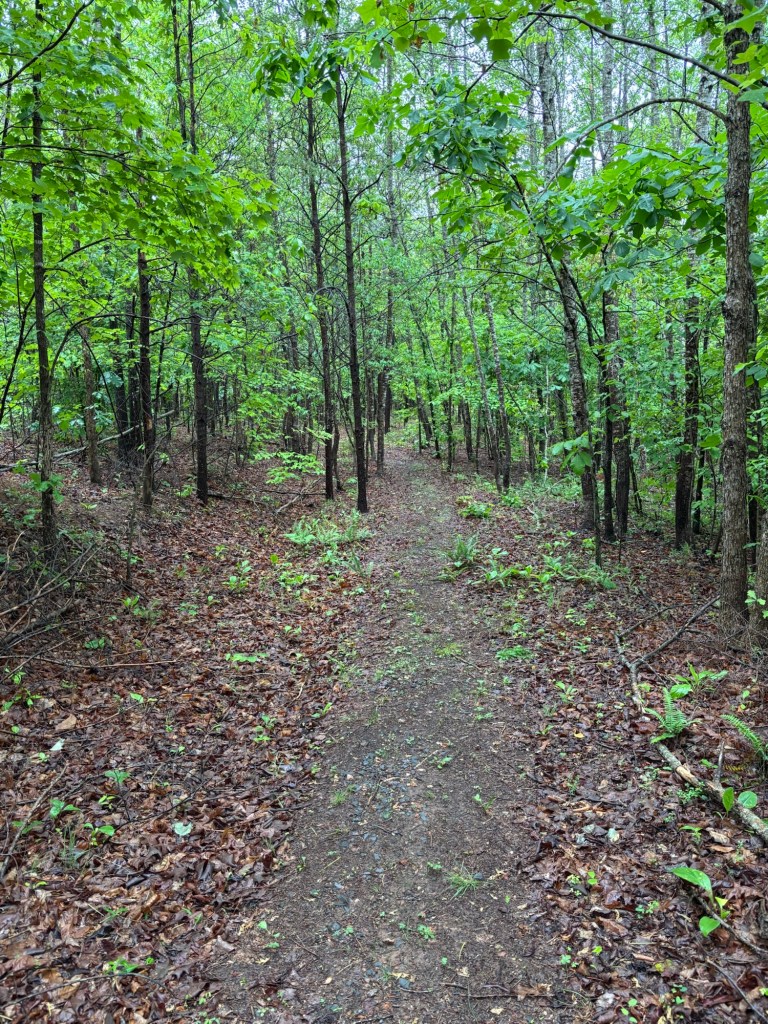
ASMR rainy walk through the Asimina triloba old colony of clones. Asimina triloba fruit developing at SAFF old clonal colony. We are thrilled. Pawpaw fruit hiding behind leaves.Angelica venenosa, hairy angelica, native perennial herb in the parsley family. It’s a host plant for the black swallowtail butterfly. It has toxic roots.The top of old farm road on a rainy Saturday. Young pawpaw trees by the main waterway.
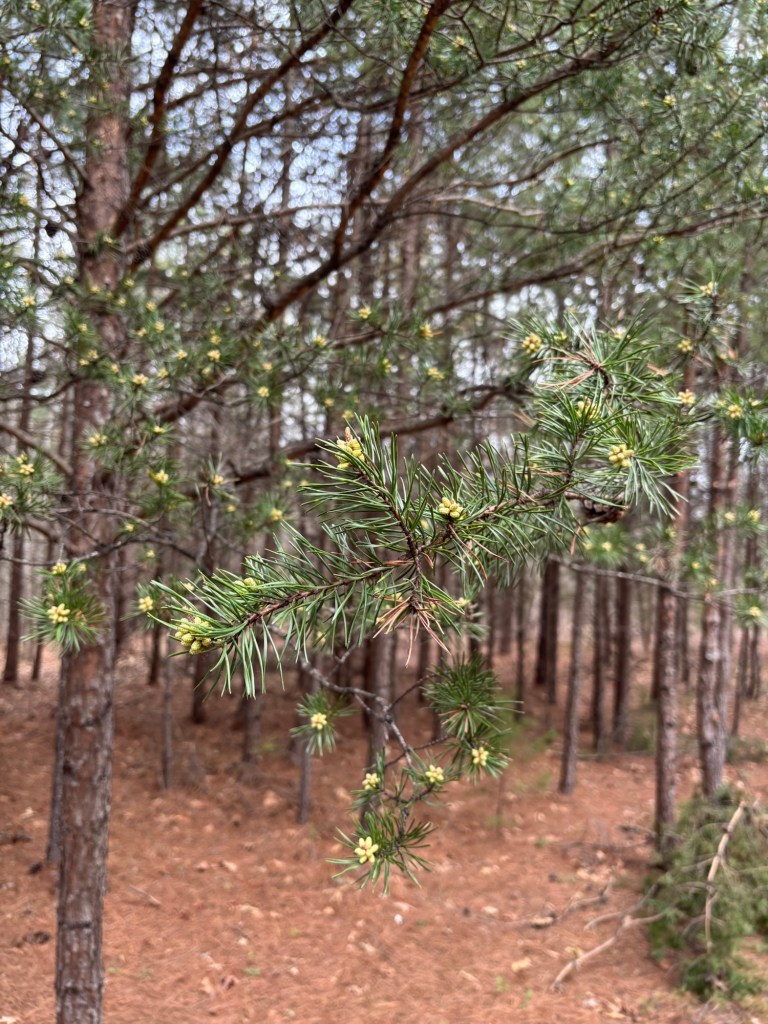
Virginia pine, Pinus virginiana, on Wednesday with yellow pollen cones clustered near the tips. We pulled in and saw these on all of the pines. It was a beautiful surprise. We were at the farm just the day before and did not notice them!
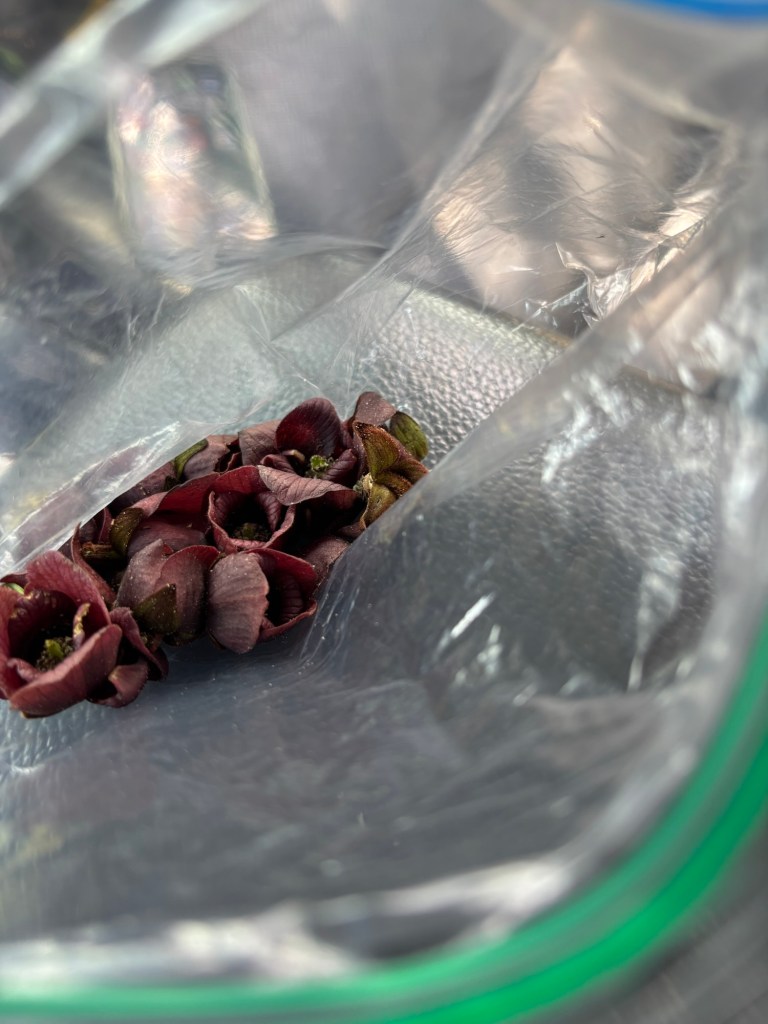
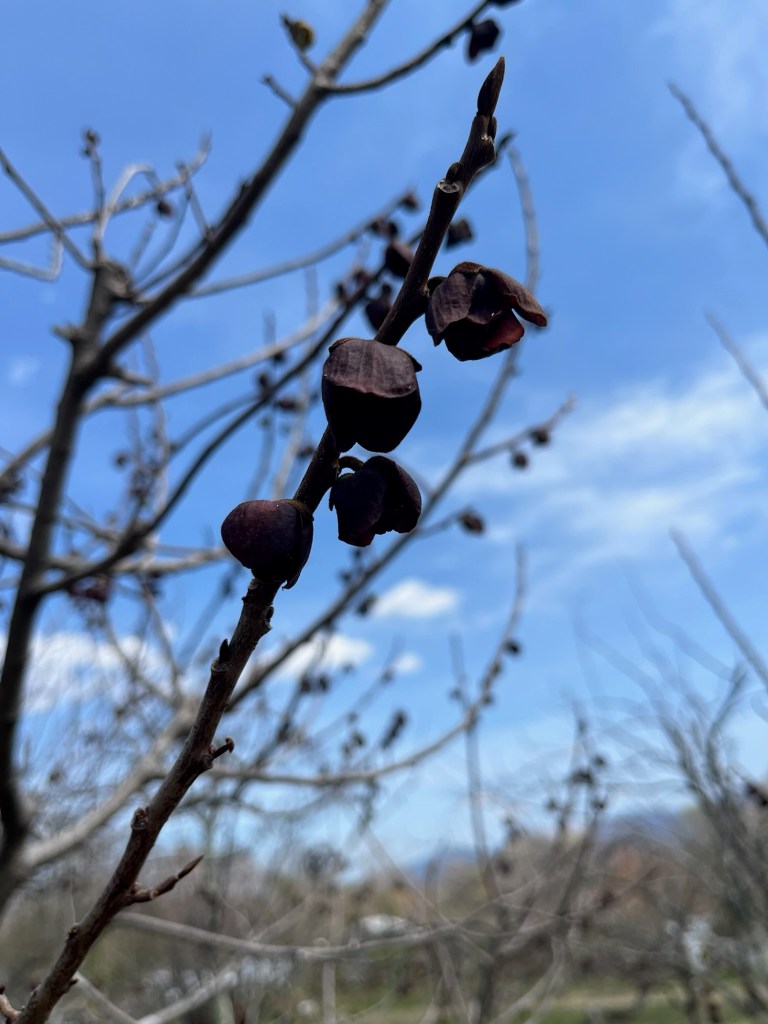
On our way to Saint Andrews Forest Farm Tuesday and Wednesday and Friday, we continued to find male pollen from many trees and locations to take to the female pawpaw buds at SAFF in order to set fruit in the old clonal colony. We’ve seen many more clusters of trees along Howardsville Rd, creeks and rivers on the way to the farm. We are so hopeful they will produce fruit this year with the pollen from different genetic material. We have been getting rain regularly so far and have more in the forecast for the next few weeks. We just hope for the best.
Male Asimina triloba buds found along Howardsville Road. Chris walking from the native old clonal colony of Asimina triloba after spreading compost tea.
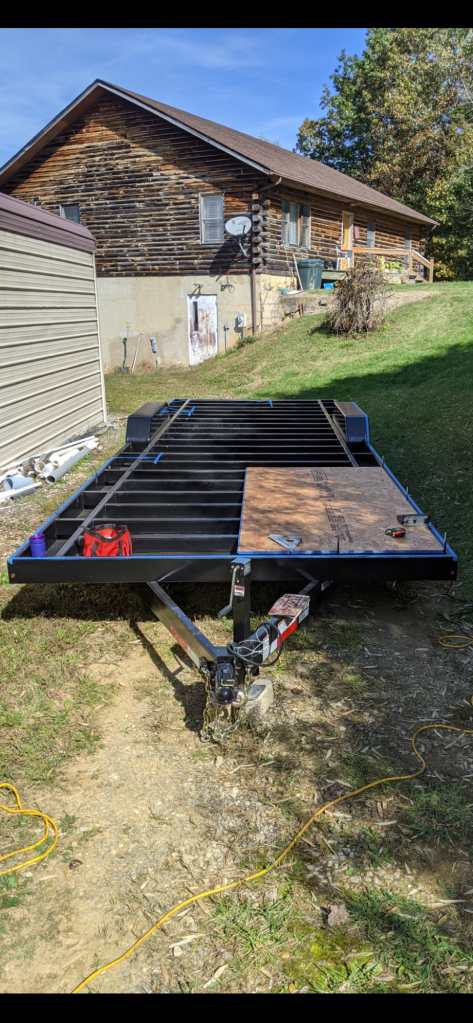
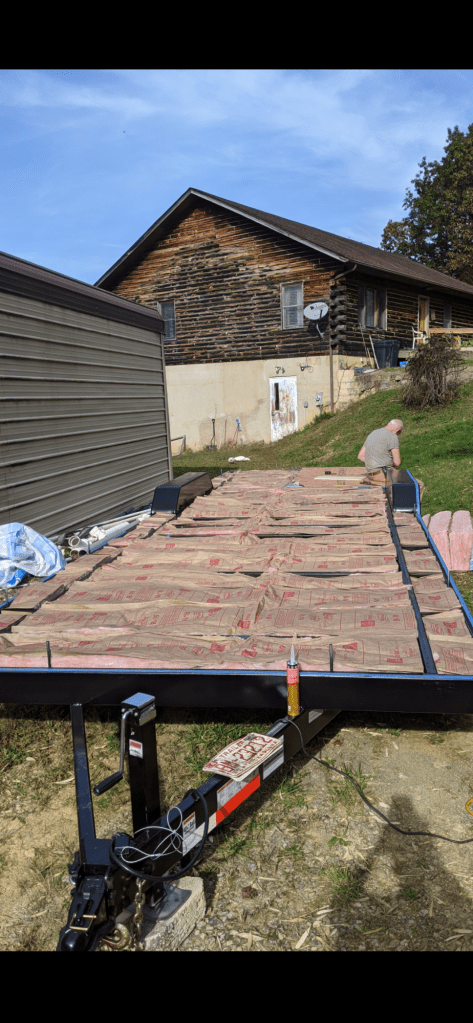
We’ve also continued to level the tiny house and check for water entry after rain. We found that there are a few areas where we need to address past water damage. We have plans for a new overhanging warm roof which will be a large help on multiple fronts. We also will remediate the damage done by replacing materials as needed. The tiny house was built on a mobile home trailer with steel framing so the bones are strong.
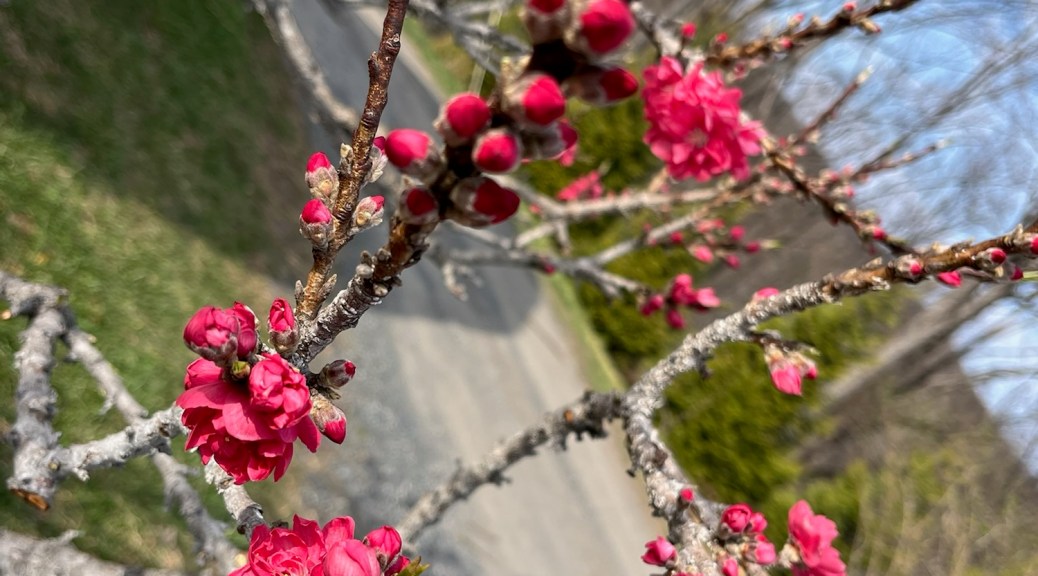
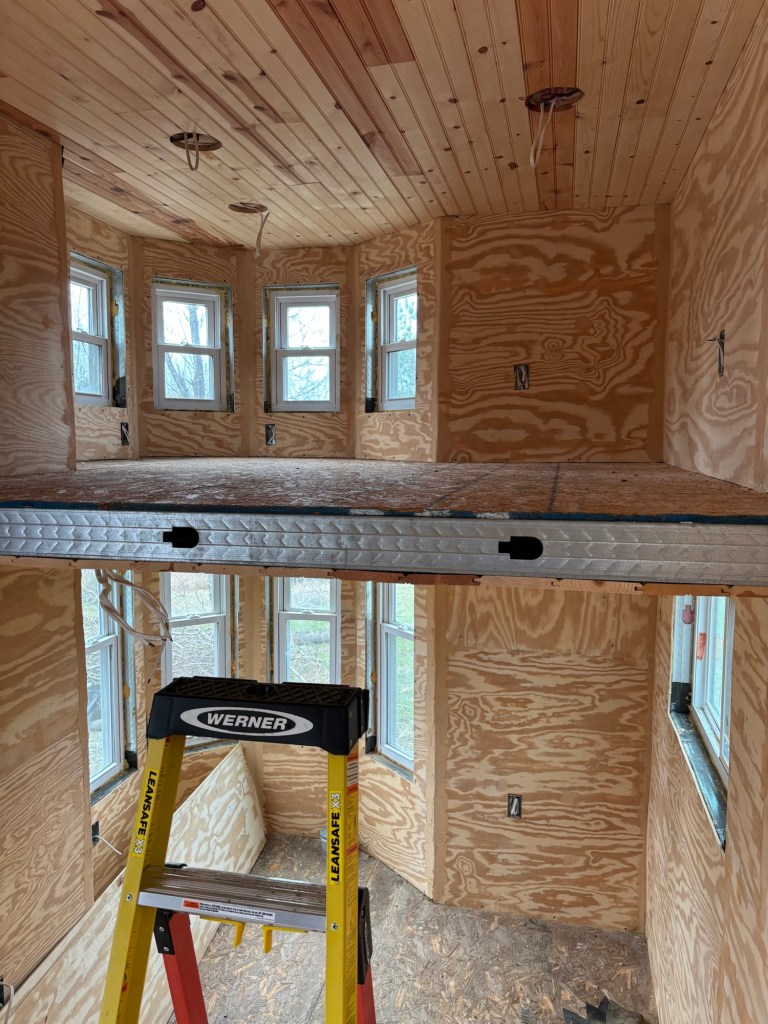
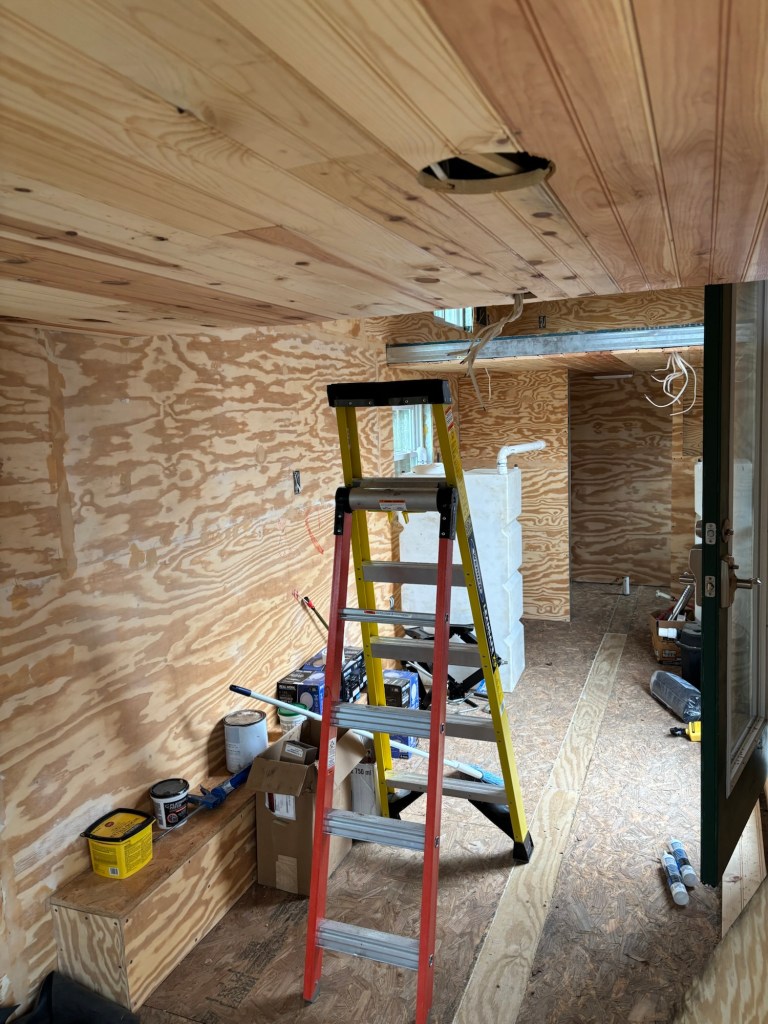
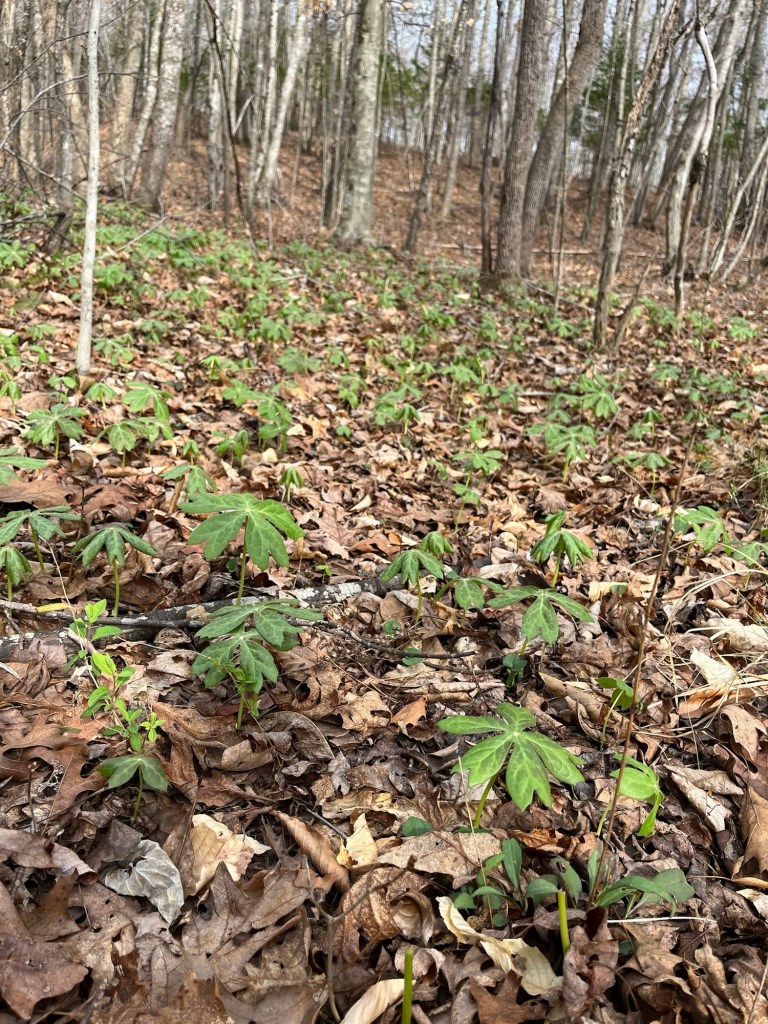
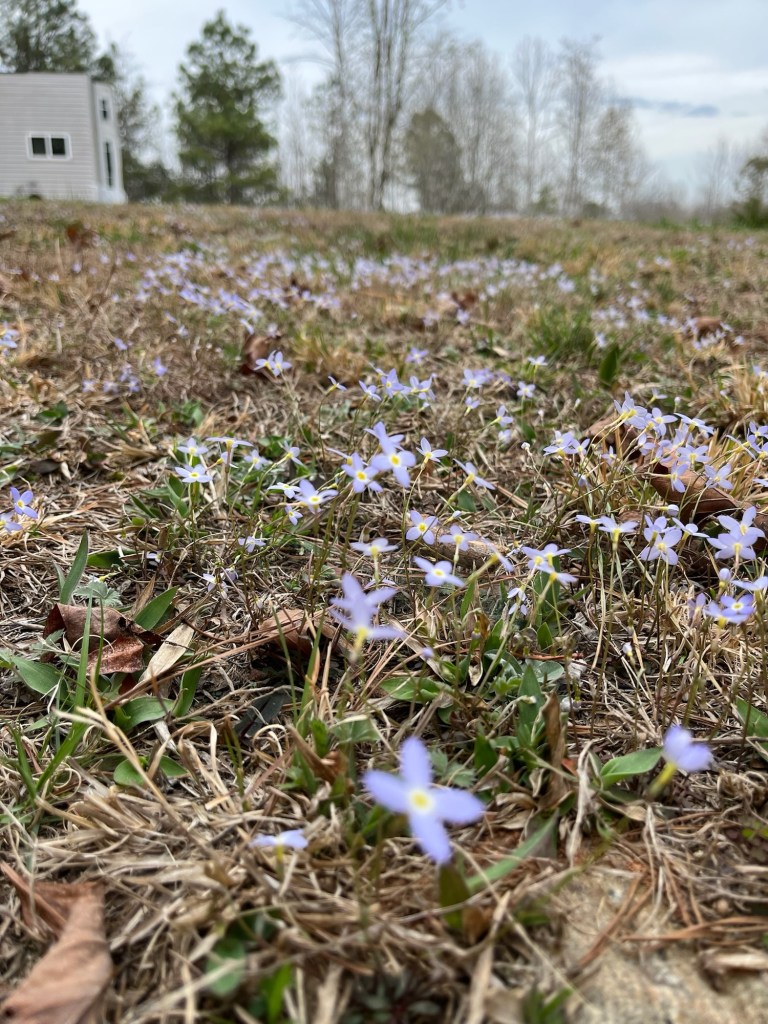
Inside view from the tiny house. Our plan is to address the roof issue as our top priority with the tiny house. We have been working on the layout for inside and planning our staircase and storage needs. We will begin working on the roof as soon as we get scaffolding and other supplies as soon as next week.The view from the other side of the tiny house interior with water tanks and some lighting and other supplies.The tiny house is built on top of this trailer.They insulated it and covered it in plywood. We will need to replace a few of those sections under there. Instead of plywood, we will use metal and flashing. The overhanging metal roof will also take away most of the moisture from dripping onto the edges of the trailer. We are collecting our supplies.The metal frame of the tiny house.Mayapples, Podophyllum peltatum, found in the old colony pawpaw patch.Azure bluet, Houstonia caerulea, found everywhere right now at Saint Andrews Forest Farm. Clearings, trails, roads and under forest canopy. Some melted and some fresher shoehorn oyster mushrooms found on Amanita Way just near the main clearing up top. Asimina triloba found on the way to the farm.
Today we were pleased to have a farm day Friday and we ran right down to the old colony pawpaw patch to continue pollinating. We noticed a powerful smell right away. As we went down to the main waterway from the Pawpaw Peninsula to cross over we saw a possum carcass. Normally this would cause us more than some displeasure. Today we couldn’t believe our good fortune. What a blessing in disguise! Asimina triloba are pollinated by a number of insects as we’ve seen but the most important pollinator historically has been the fly. Flies were all over this gift of a stinky carcass. We are sorry for the possum. A few years ago, we found another possum in a similar spot and also deceased. We’ve grown to appreciate them and hope they thrive in the forest at SAFF. They are known to eat ticks which is a positive. Poor creature.
We also noticed our shoes are covered in pollen. We will get a photo. We are like giant bumble bees running around the forest spreading pollen everywhere wittingly and not.
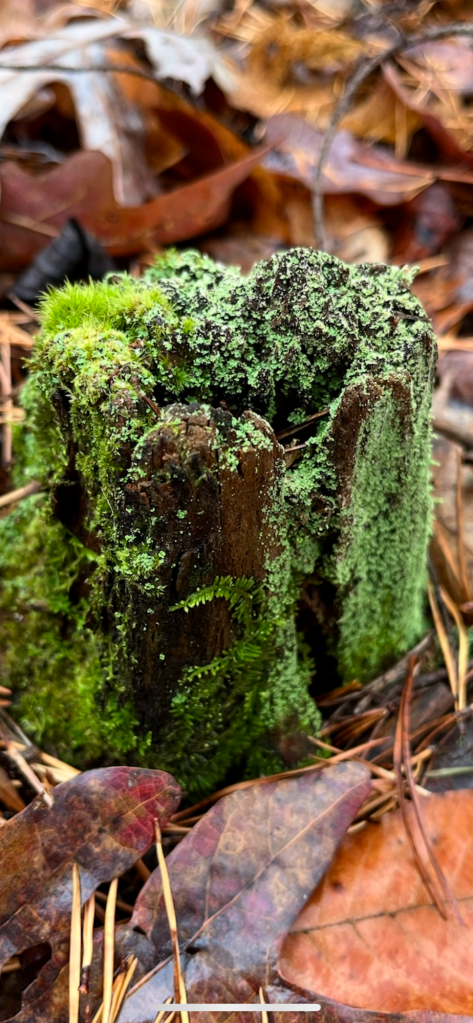
A decaying tree stump covered in mosses and lichen on the main trail in Dan’s Folly.
We got an early start yesterday to spend a rainy morning and afternoon at St Andrews Forest Farm. We got interior shed work completed after a lovely walk. Being in the forest with the rain falling is especially calming.
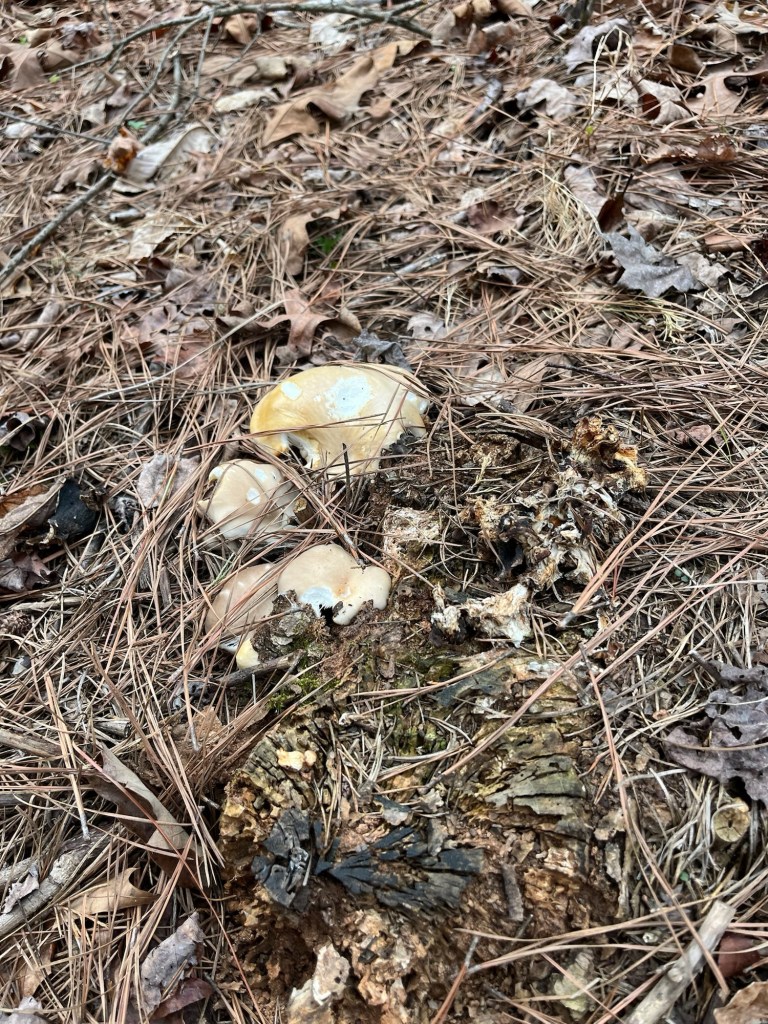
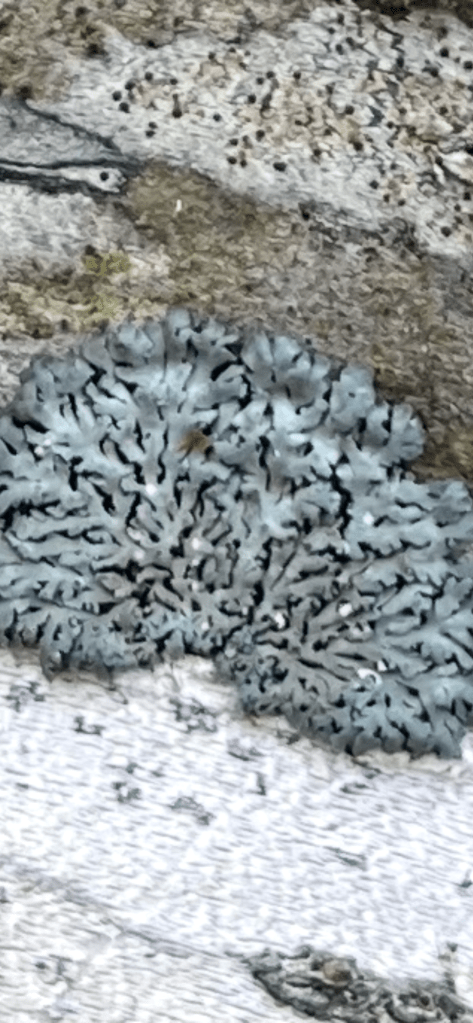
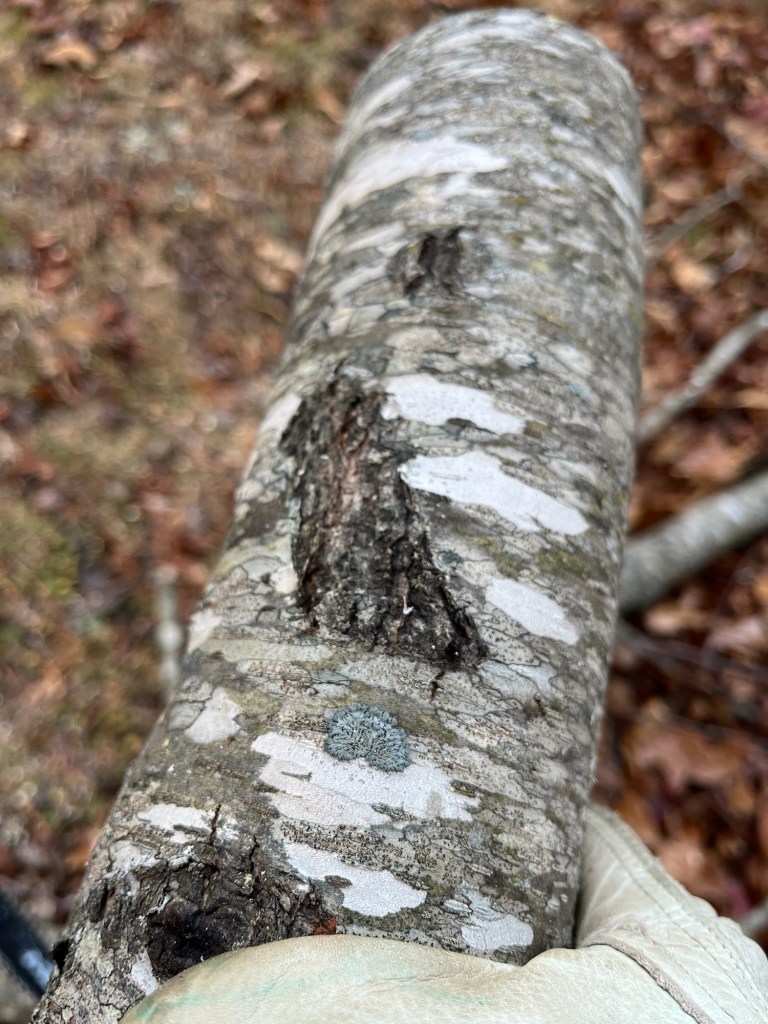
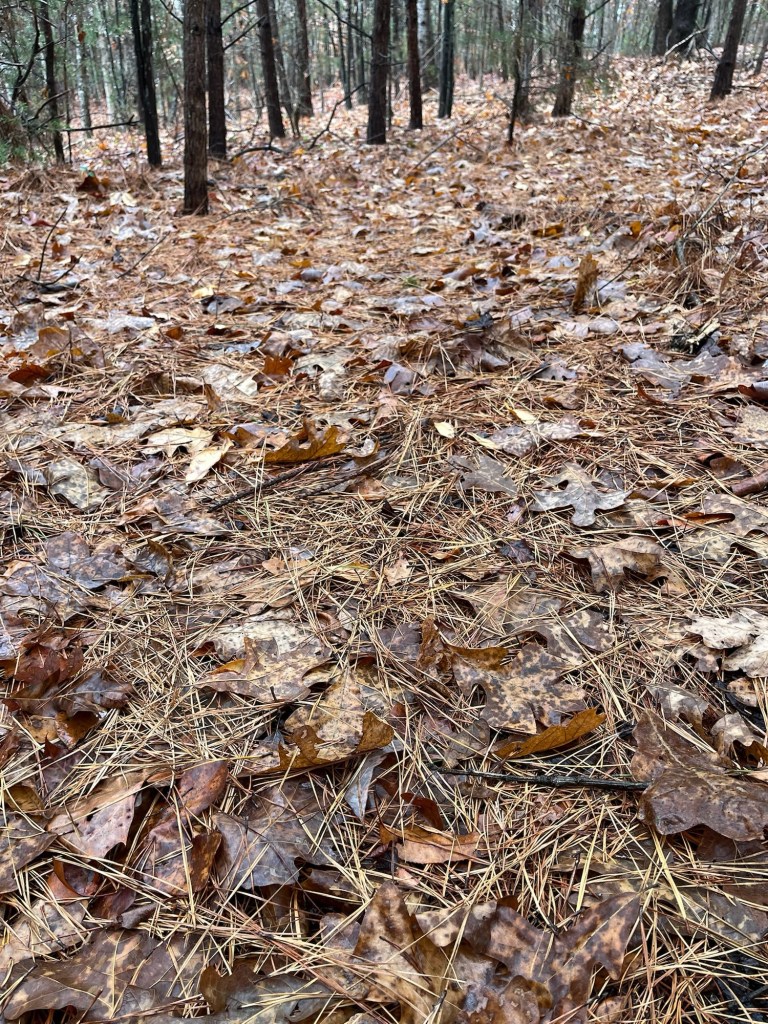
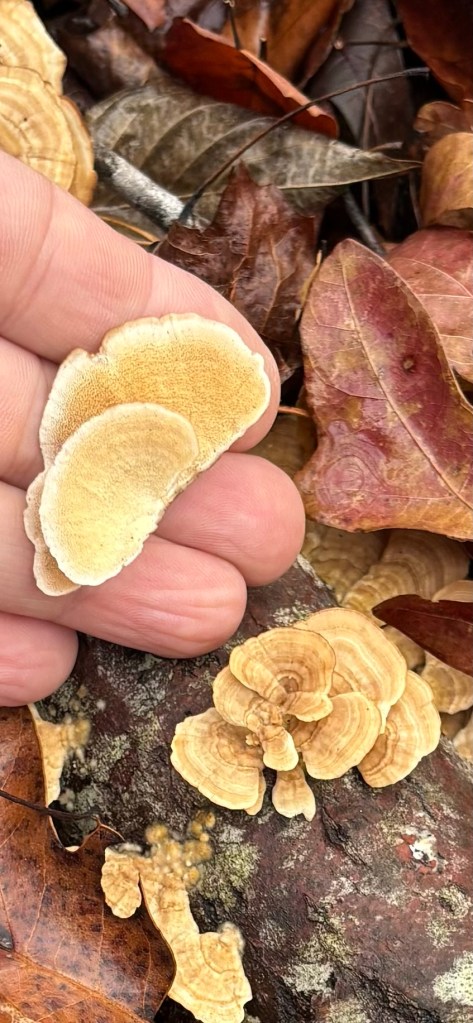
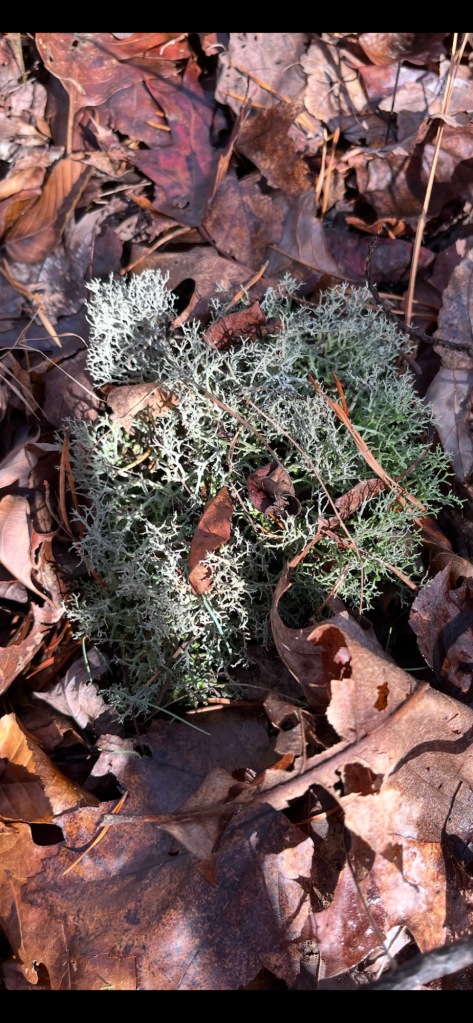
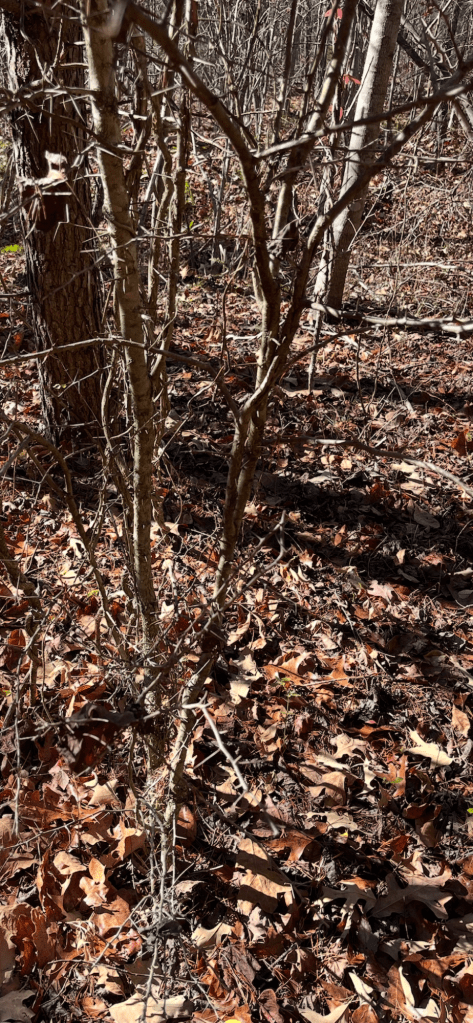
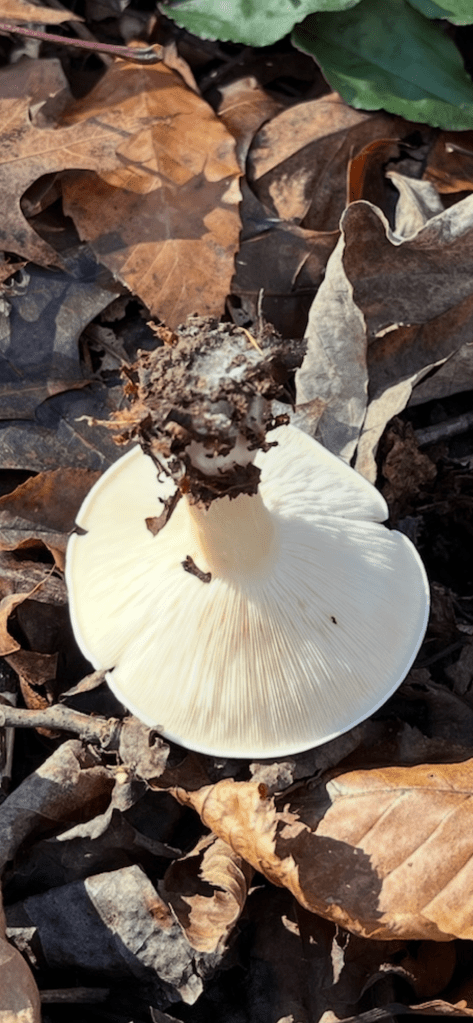
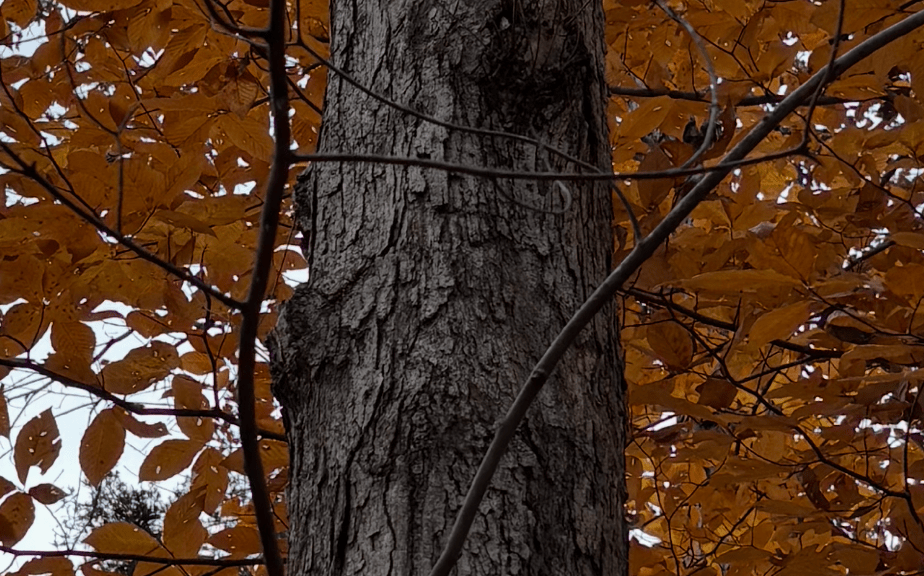
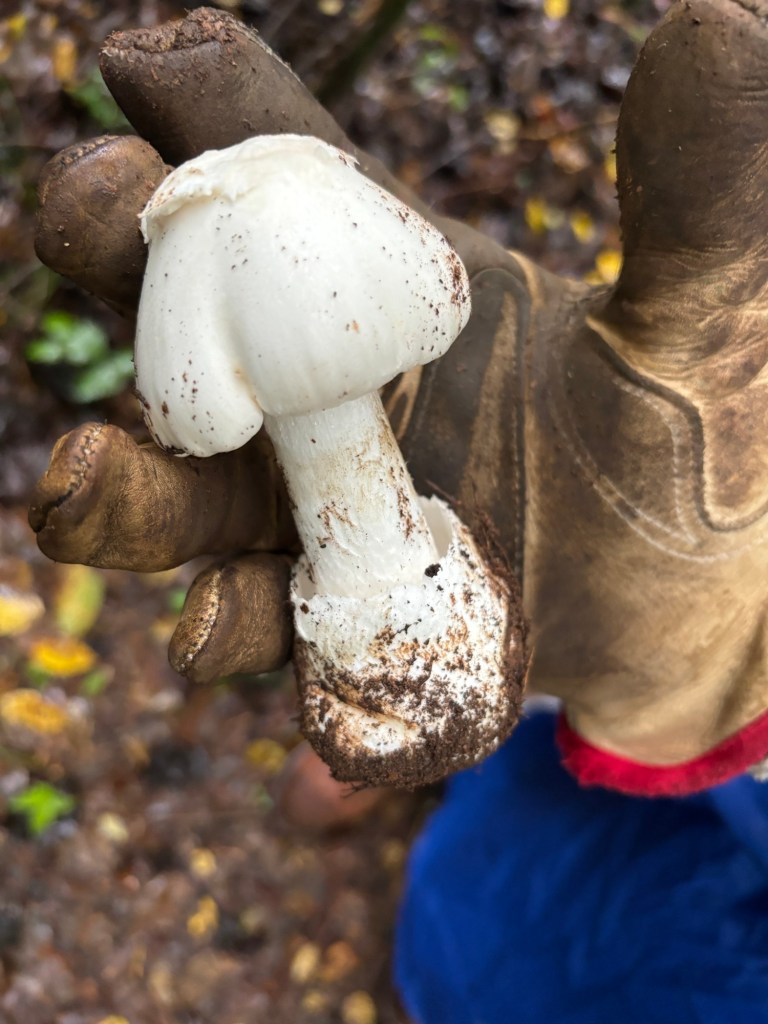
Physcia caesia, Blue-gray Rosette lichen, found on a tree trunk near the North Trail by largest clearing.An image to show the size of the Blue-gray Rosette lichen. With the ground wet and covered in pine needles and leaves, it was soft and much quieter walking through the forest. Our feet sunk in to the squishy floor. Tremella mesenterica, witches butter, grows on decaying branches of hardwood trees. Some are edible. This is on a conifer, so it is considered inedible. Trichaptum biforme, violet-toothed polypore, decomposing hardwood logs. Often mistaken for turkey tail but the underside has definite teeth instead of small pores. Inedible with research indicating potential antioxidant and anti microbial properties. Red Hawk Rd at roundabout. American hornbeam, Carpinus caroliniana, attracts pollinators, songbirds and small mammals. Bonus sunny Sunday walk rounding out our farm weekend. Reindeer lichen, genus Cladonia, found along Fern Trail. A patch of Honey locust trees found near the culvert. A white gilled mushroom, most likely Russula. It did not lactate when cut so not a lactarius. It could be Russula brevipes or Leucopaxillus. Further info and observations are needed.
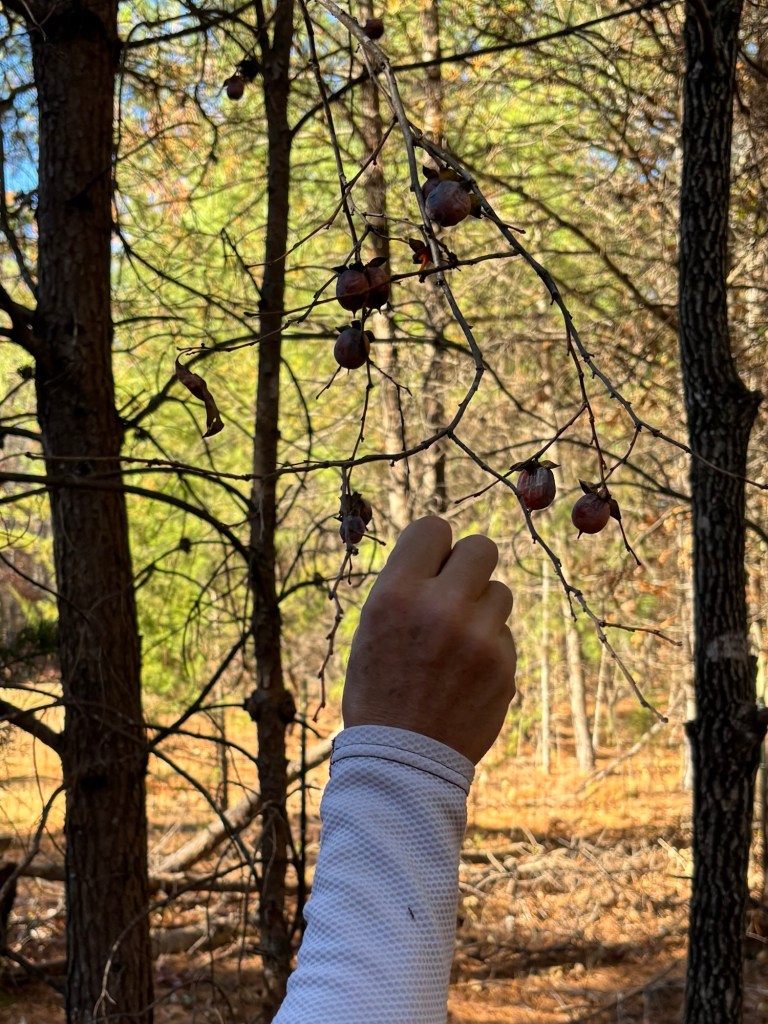
The last fruit of the year for SAFF native American persimmons, Diospyros virginiana, are still hanging on waiting until the first frost to fully ripen and lose their astringency.
We went over to SAFF on Saturday to take a walk and get some work done. We checked on the persimmons up top and found one ready to eat. Most are still hanging on until after the first frost —which is more than likely tonight as temperatures are supposed to drop to 25F overnight, and flurries are expected. Brrrr!
We spent the weekend winterizing the farm and the house. We brought some small black cherry twigs and sticks for getting fires started in the home fireplace. They are nice to burn.
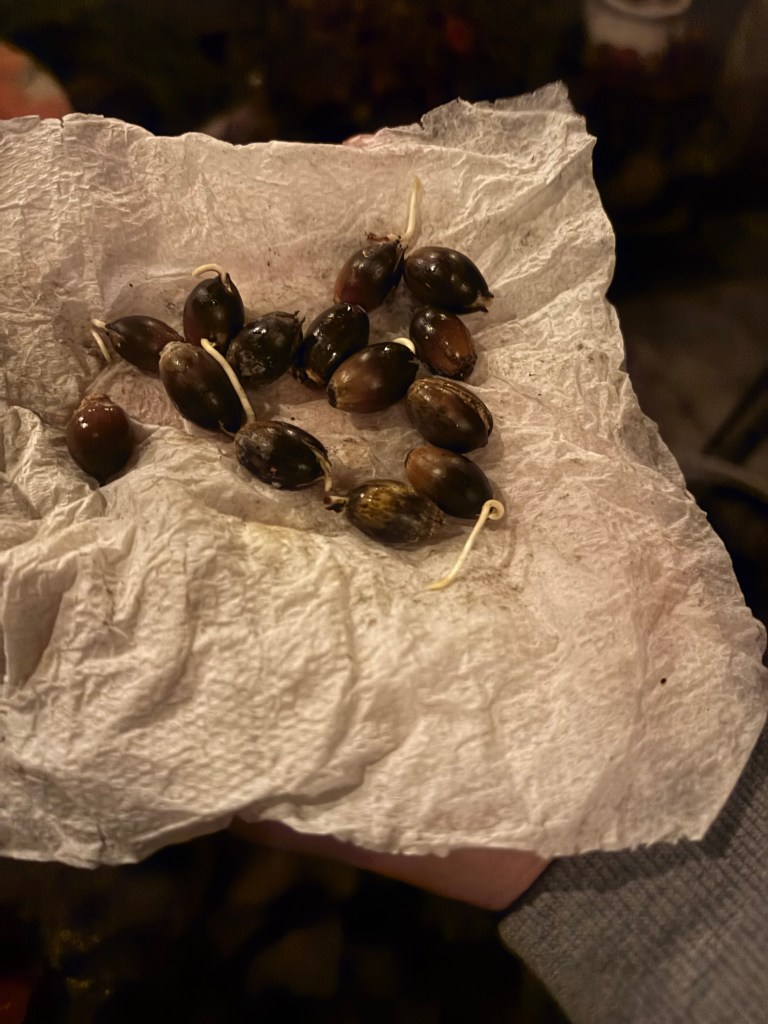
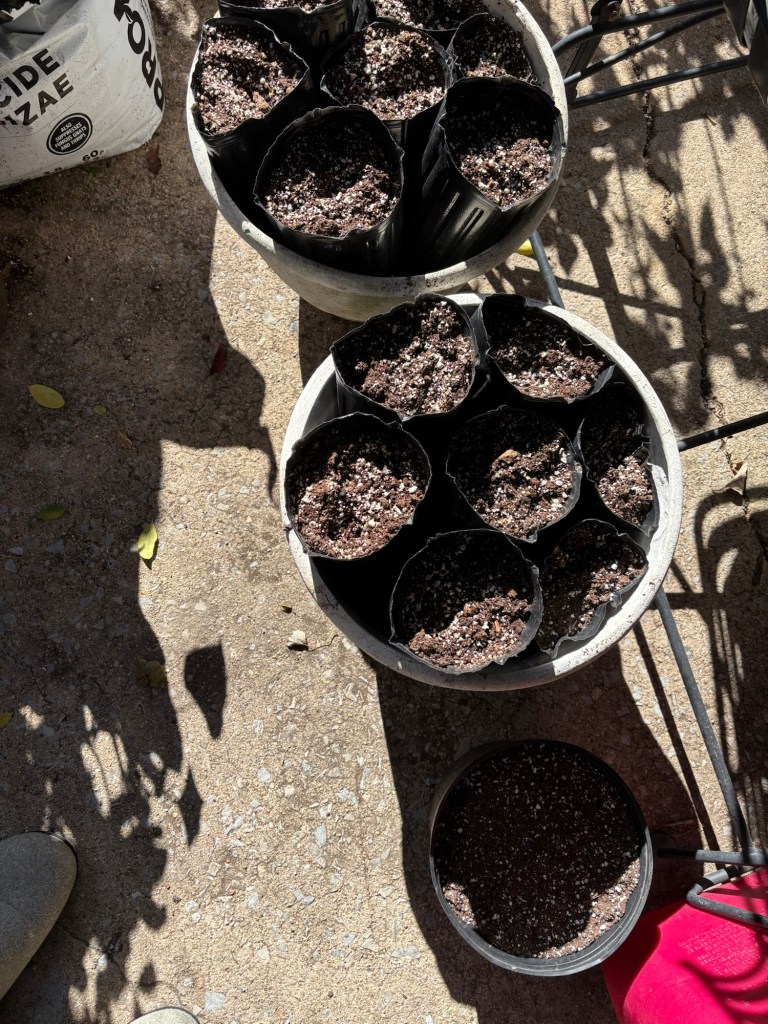
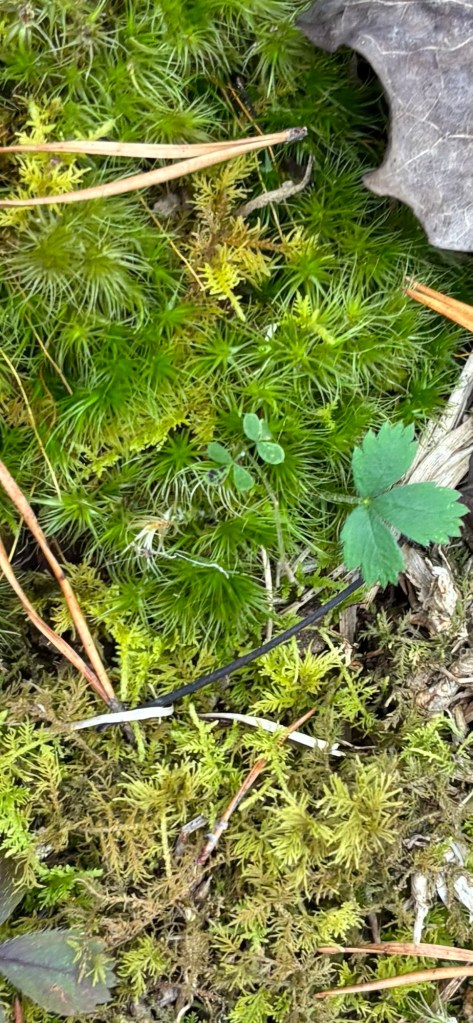
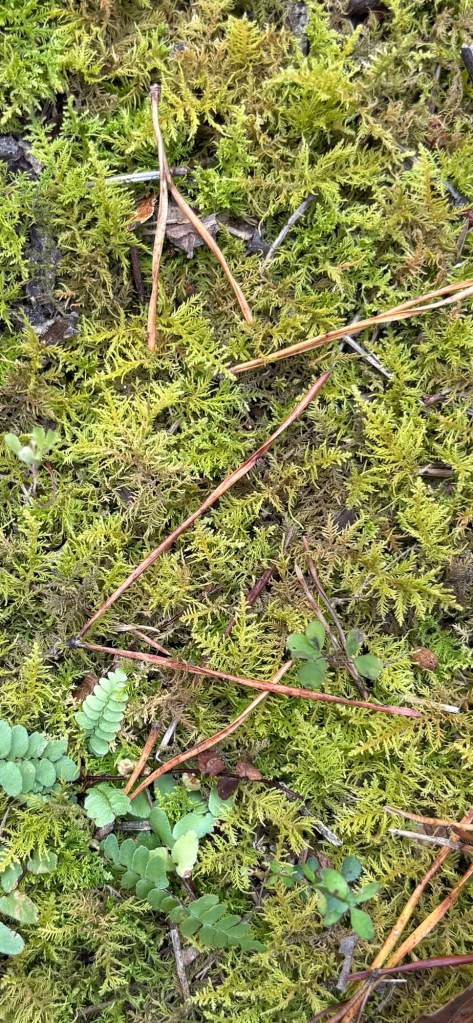
Chris’ mother, Judy, gifted us these southern live oak seeds she foraged in South Carolina this past year. Quercus virginiana. We planted 14 of them in deep tree pots with hopes of getting them planted in the ground at SAFF after a year or two. Since they are in tree pots, and the weather tonight will be very cold, we’ll need to fit them into a warm, snug spot and get them mulched in with protection or bring them inside until the weather isn’t quite so cold.Quercus virginiana, southern live oak, just planted this weekend for SAFF. We use mycorrhizal soil for planting our seedlings to enhance nutrient uptake, improve soil structure, increase drought and disease resistance as well as boost carbon content. The fungi secrete a substance called glomalin which increases organic carbon content in the soil. The fungi also extend the root system of the plant with fine filaments called hyphae. These access water and nutrients like phosphorus, zinc and nitrogen from areas the roots normally can’t reach.The fluffy deeper green moss at the top of photo is Broom Forkmoss, Dicranum scoparium. The leaf there on the right is Tribe Potentilleae of the rose family, strawberries, cinquefoils and allies. We cannot narrow it further until we see a bloom or fruit. The bottom moss that’s lighter green is Thuidium recognitum, Hook-leaved fern moss. The purple leaf at the bottom left is as yet unidentified. Carya cordiformis, bitternut hickory, is our most recent type of hickory observed. Most have to reach the age of 40 years to begin producing nuts. We may have an older one nearby we’ve yet to locate. We have deep gratitude for the older trees already producing nuts and are delighted to encourage these small hickories growth in the forest. These are the shortest lived of the hickories, living about 200 years. Mushrooms commonly associated with hickories are various Russula species, Cantharellus (chanterelles) and Grifola frondosa (Hen of the Woods ).The Three sisters are at the bottom of Ridge Trail near the main waterway. They are large white oaks, Quercus alba, reaching up like nature’s skyscrapers. There’s an American beech, Fragus grandifolia in the understory with leaves —yellow now, but soon they will be coppery brown and hang on through winter. The Three sisters are some of the oldest trees at SAFF. Every time we look at them and the other larger trees down by the waterway that weren’t culled with the rest of the older forest because of their proximity to the creek, we are reminded of exciting research showing that trees are interconnected through underground networks of roots and mycelium with mother trees ( like these) acting as hubs supporting younger trees with water and nutrients and more. We’ve noticed oaks at SAFF growing with chanterelles, as well as various amanitas and boletes.Ebony spleenwort, Asplenium platyneuro, growing with the hook-leaved fern moss.
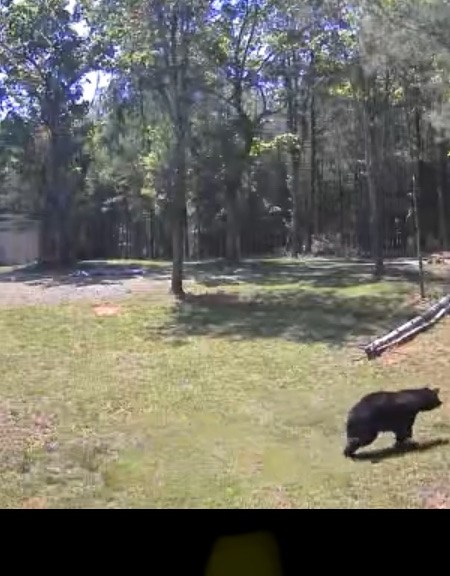
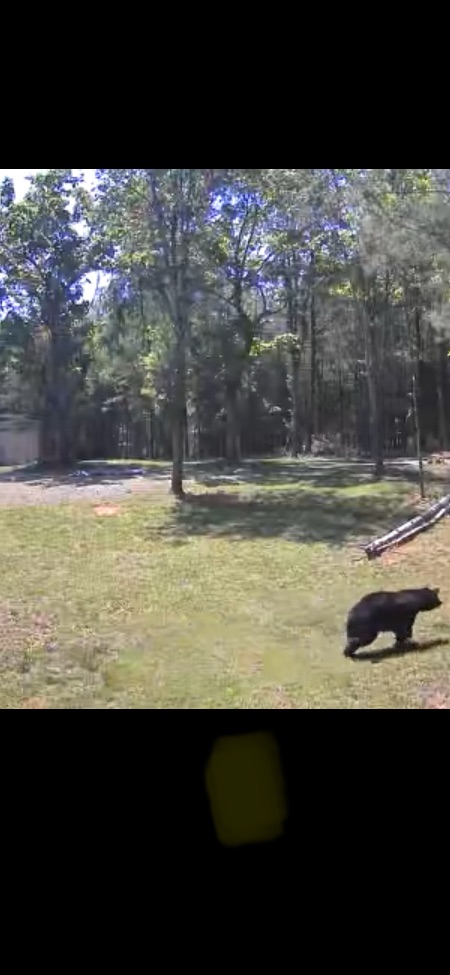
A third year female black bear runs up to the clearing from North Trail on May 20, 2025.
We had seen bear scat multiple times all around the farm and last May it was confirmed when she ran in front of our farm cam.
We had just moved the camera to a new position and were able to capture a three year female black bear on video as she ran pretty fast through the main clearing up top.
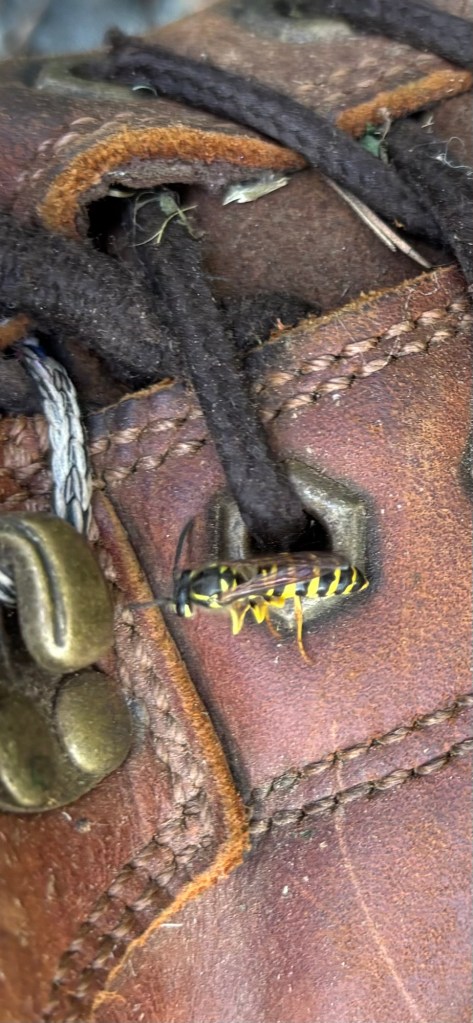
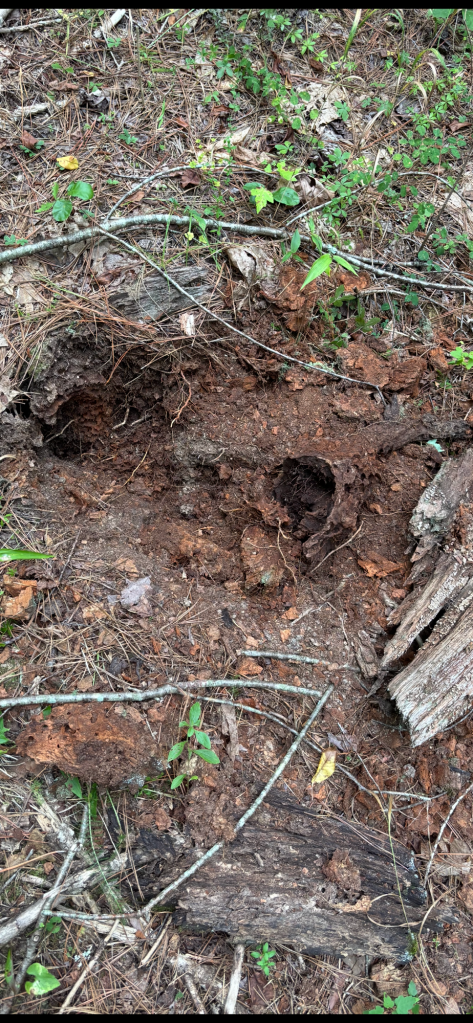
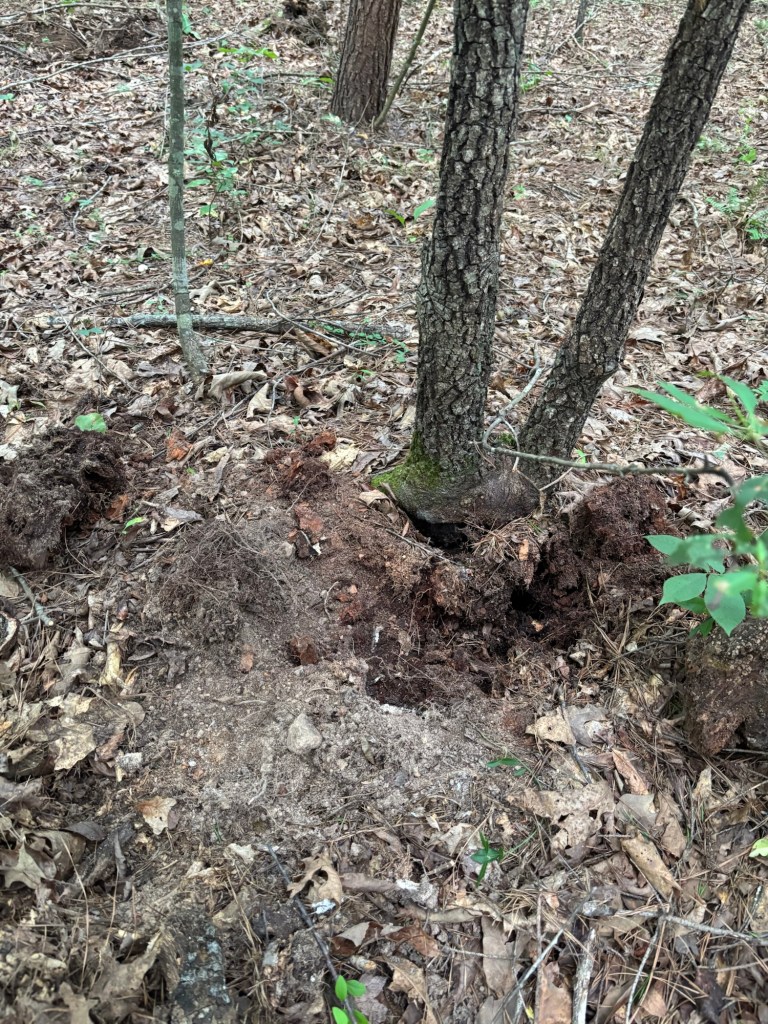
We continue to see evidence of bear activity and we imagine it is she. This past month we began noticing old tree stumps destroyed and large pieces of quartz turned over. We immediately suspected our bear was looking for insects to eat. The first we noted was in the spring along the back line on Chanterelle Hill Trail. A huge ant hill was dug up and excavated. Then about a month and a half ago, we saw all along the north property line she had dug up old stumps. At one we saw yellow jackets looking disturbed.
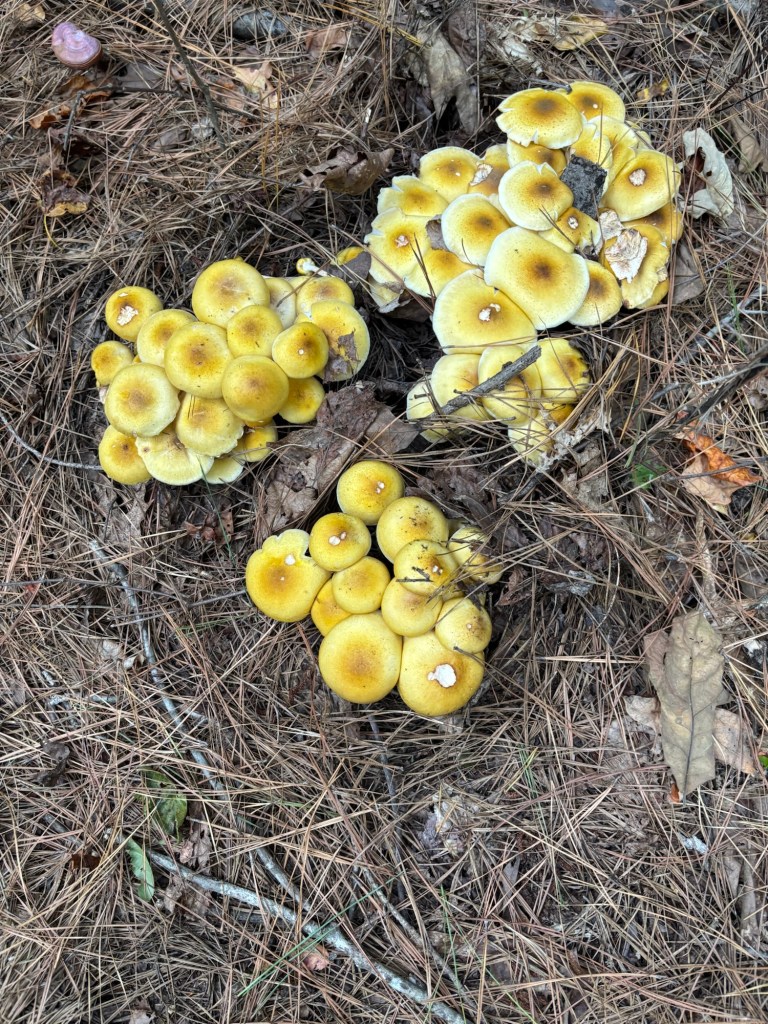
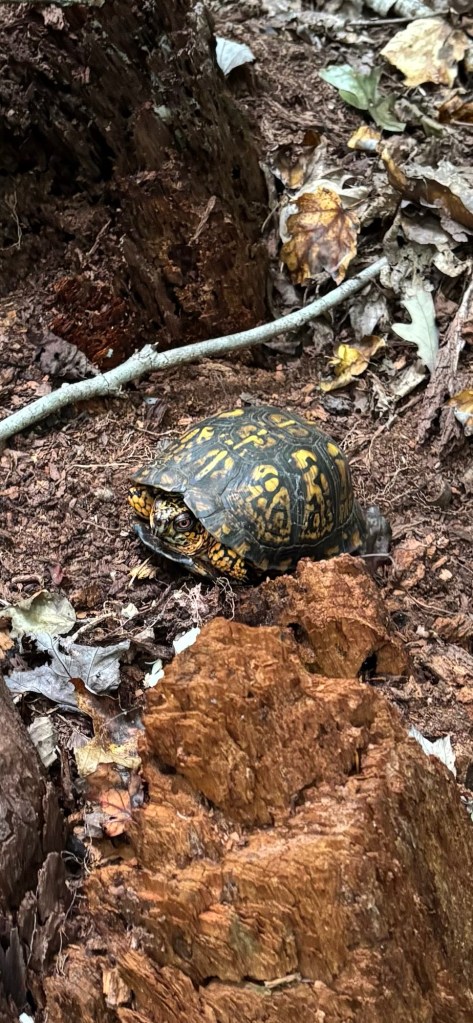
Vespula maculifrons, Eastern yellow jackets. This creature is not to be messed with. I wonder if this was what our bear was running from through the top clearing. A stump disturbed by a young bear looking for termites or ants to eat along Amanita Way.Stump excavation along Northmost Trail. It was a hungry bear who worked hard to find everything she could to eat this summer in the forest. Just last week we found these honey mushrooms along Armillaria Way. Either the bear, deer or one of our Eastern box turtles, Terrapene carolina carolina, came along and ate it before we got back to collect them. Caught in the act! Our Eastern box turtle eating some mushrooms along the bottom creek on a stump that the bear had ransacked looking for bugs to eat.
Mushrooms were everywhere at Saint Andrews Forest Farm since it has been raining for days and the temperatures are in the 60s at night and 70s during the day. The rain is wonderful and much appreciated as the water table is still very low.
We saw these tiny Mycenae and Coprinellus growing together.
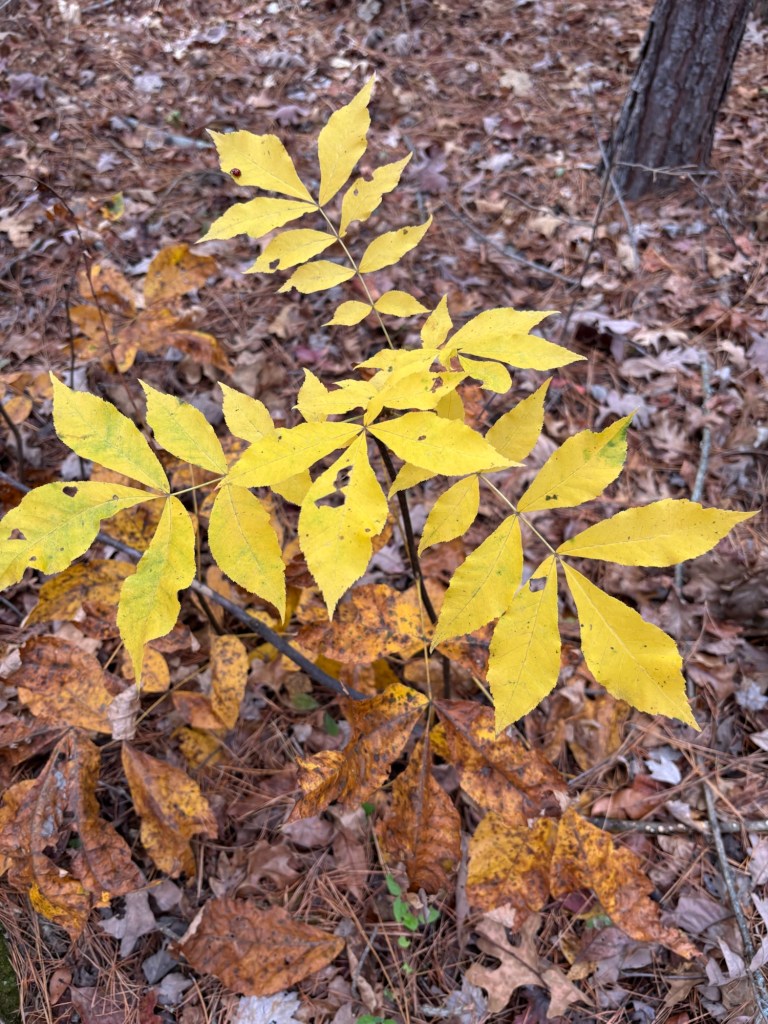
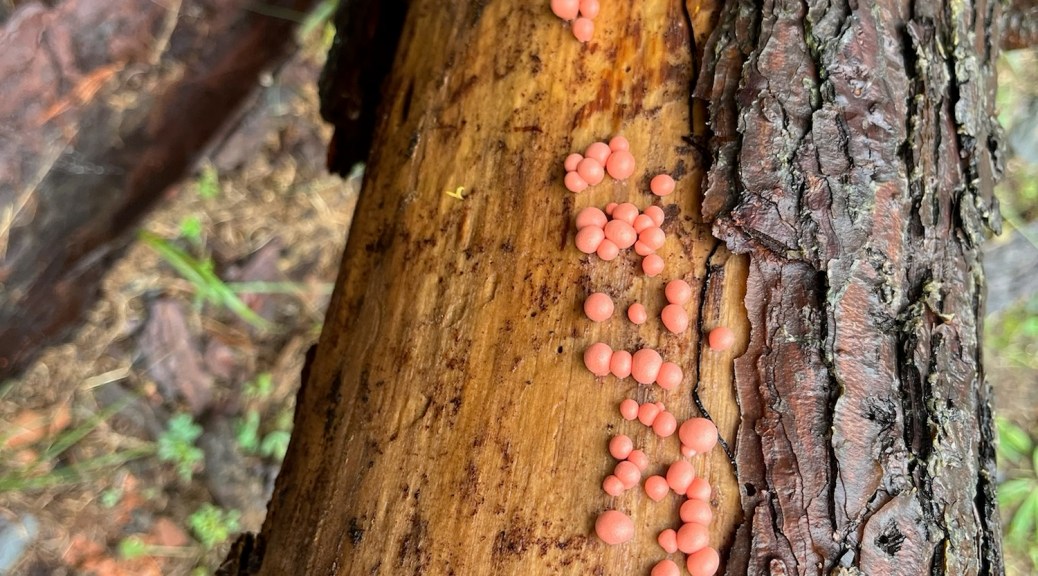
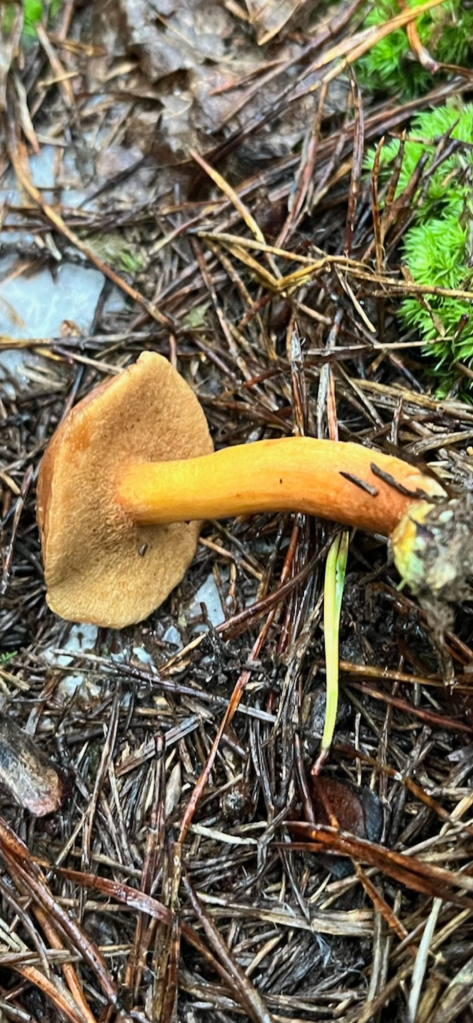
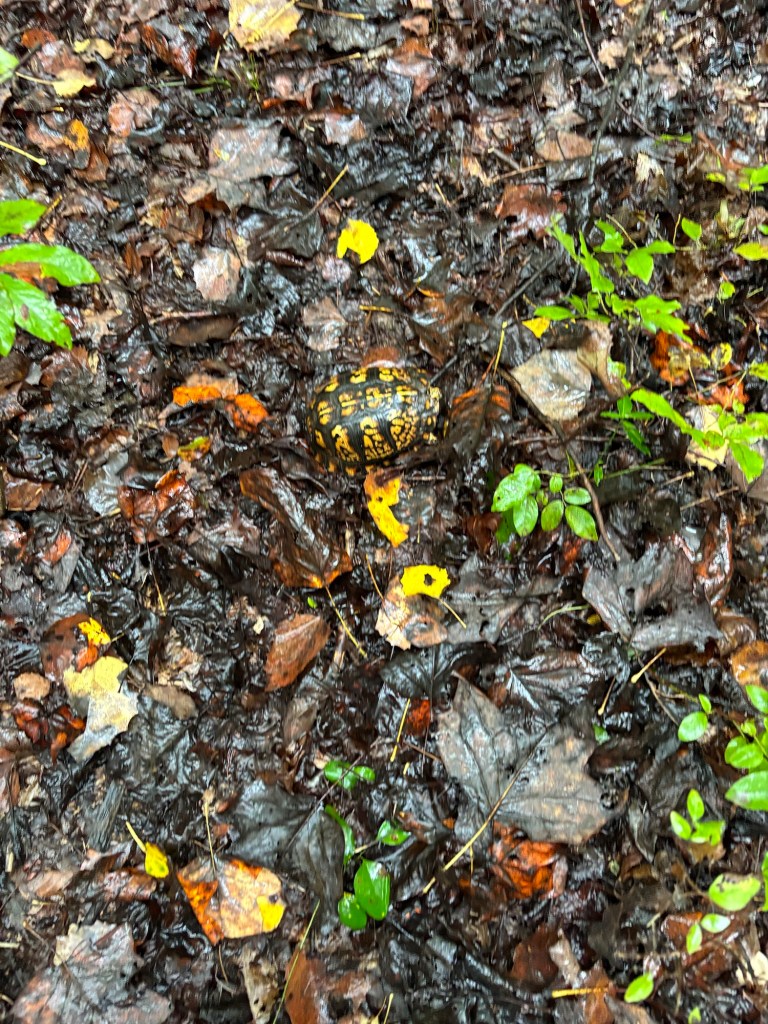
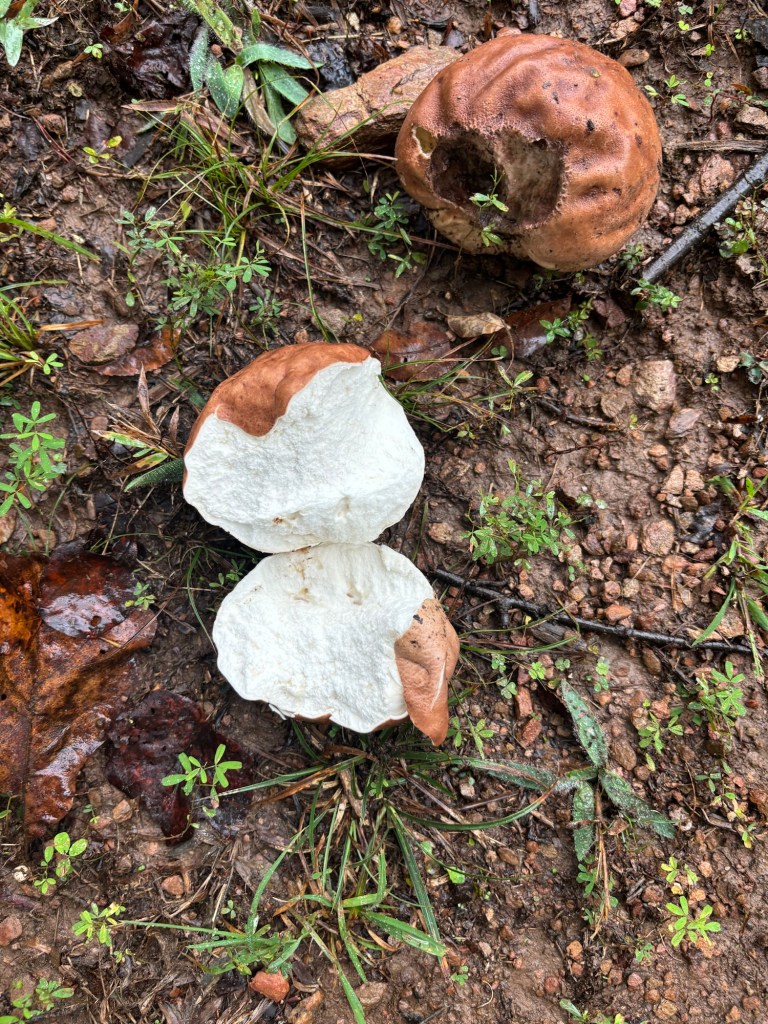
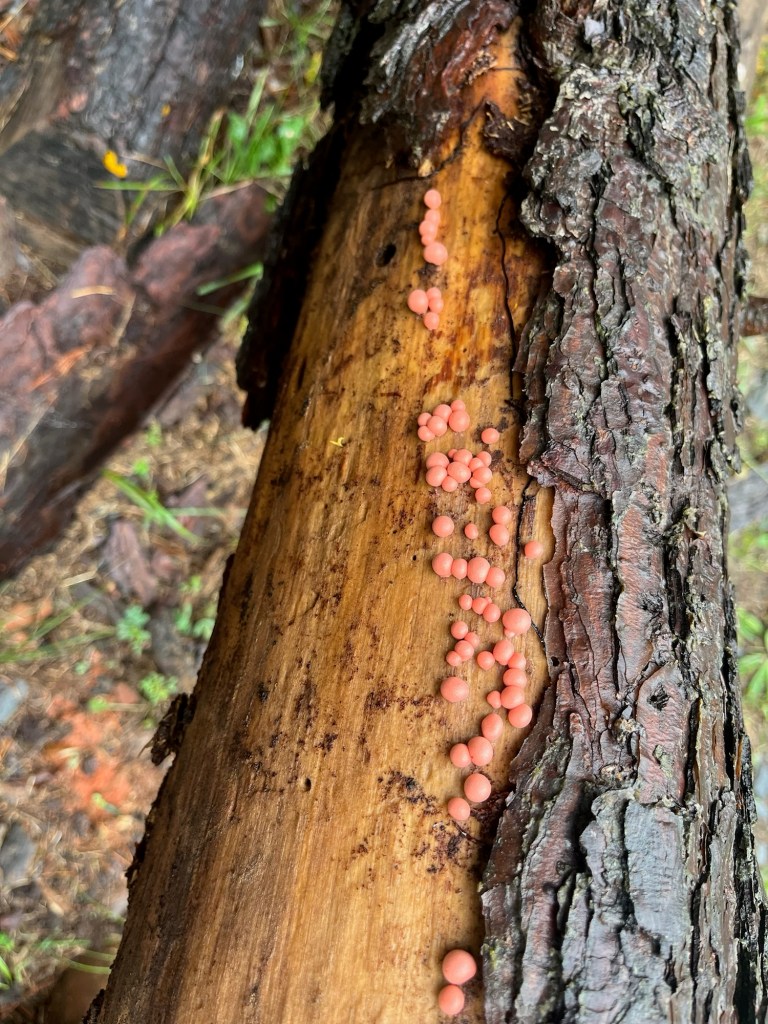
Saprobic fungus thriving with the moisture and temperatures in the perfect range for them to break down forest litter. Stereum complicatum, crowded parchment, growing on multiple stumps and dead hardwood throughout the farm. Chalciporus piperatus, Peppery Bolete, is reported to be edible when thoroughly cooked. It is very peppery so it will spice up a dish. It was a surprise to find a bolete with the weather being cooler. Pawpaws leaves yellowing as part of the trees natural process of going dormant for winter. It makes them very easy to locate right now. We found a few more clusters of pawpaws near the wet weather gully on the south side. More pawpaws going dormant for the winter across the waterway. Amanita bisporigera, Eastern North American Destroying Angel, are found in multiple areas of SAFF this fall. These are deadly. Terrapene carolina carolina, Eastern box turtle, on the north side looking for food.Calvatia craniiformis, Brain puffball, found just off the top clearing in a group of seven. Lycogala epidendrum, Wolf’s milk, found at the gate to SAFF. This is a slime mold instead of a fungus.
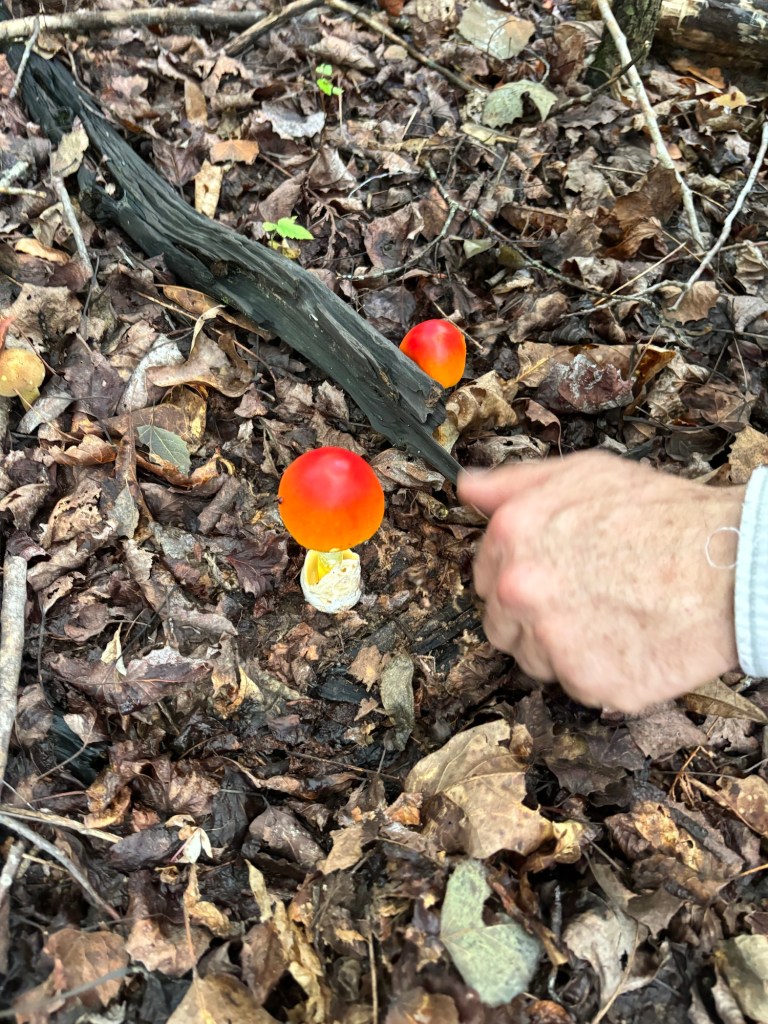
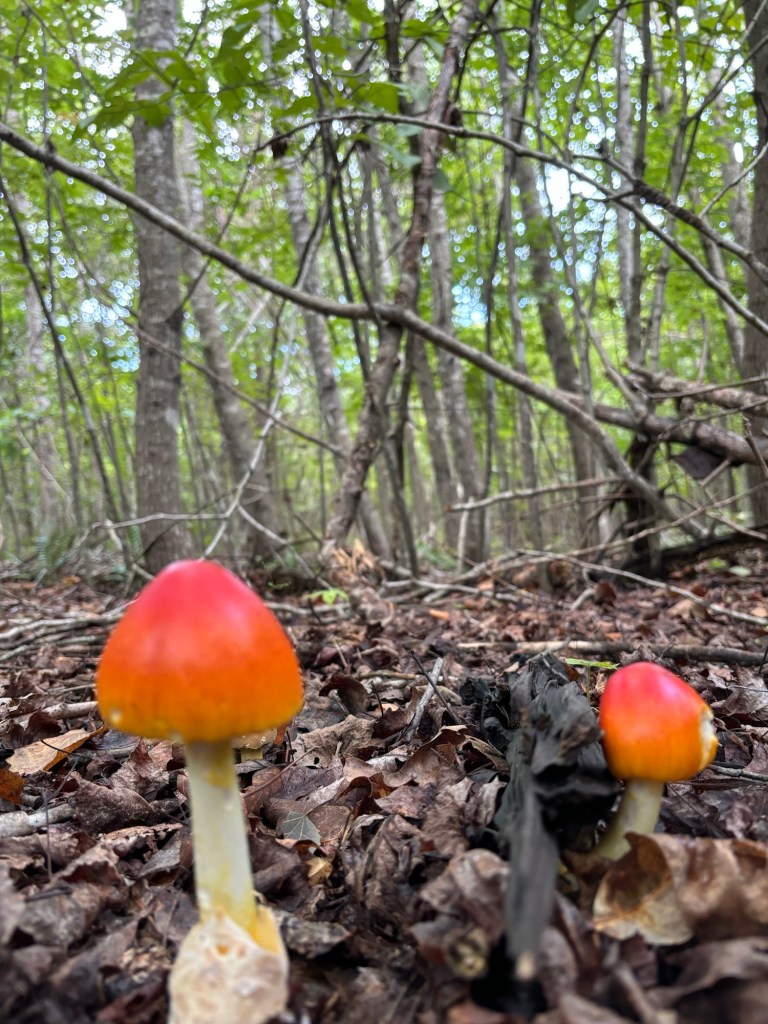
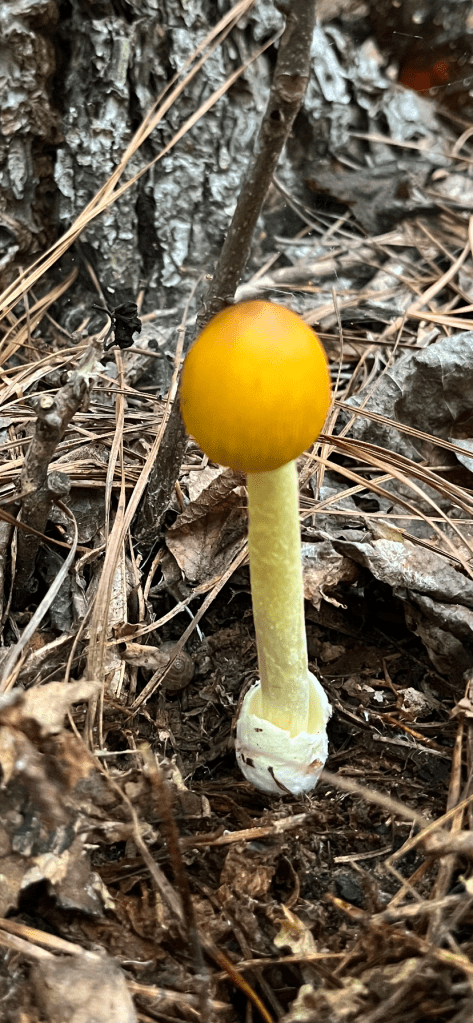
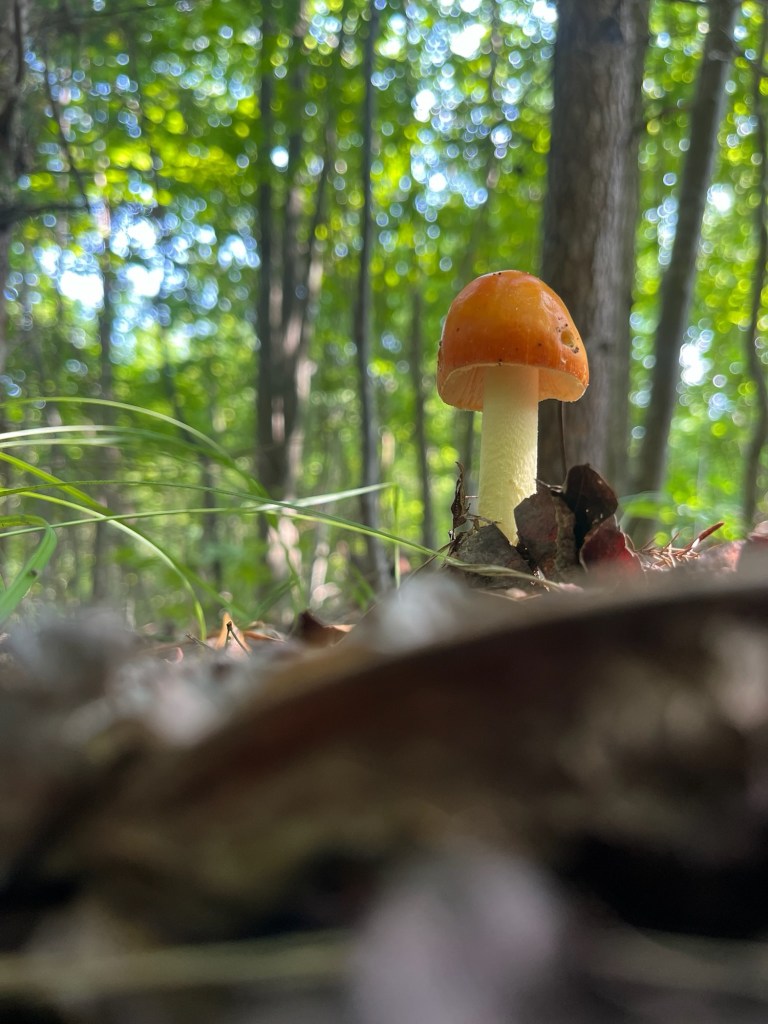
Amanita jacksonii found on the north side of SAFF. The choice edibles are found in pine and oak forests from Canada, through the eastern US and into Mexico.
The past three times we’ve pulled into the clearing with the truck, we’ve seen a young deer. It’s usually sleeping in the forest and it hears us and takes off. We don’t think it’s too afraid because it doesn’t run far though. We come upon it multiple times like it has become a game for the adorable creature. It’s always alone. We hope it stays safe and we understand it’s safest for it to not be comfortable with humans. We’re also seeing a lot of bear poop on the north side of the farm. No sign of our 4 or 5 year old male bear this year but we think it’s him. It’s nice to know animals are taking advantage of the nuts, berries, mushrooms and shelter the trees provide.
We walked all around the trails that were damp from an afternoon thunderstorm that hit just before our arrival. Right away, we saw new mushrooms emerging from the ground that hadn’t been there the day before. Sometimes it takes a few days for the mycelium to send up the fruiting body after a rainstorm —and sometimes it’s quick.
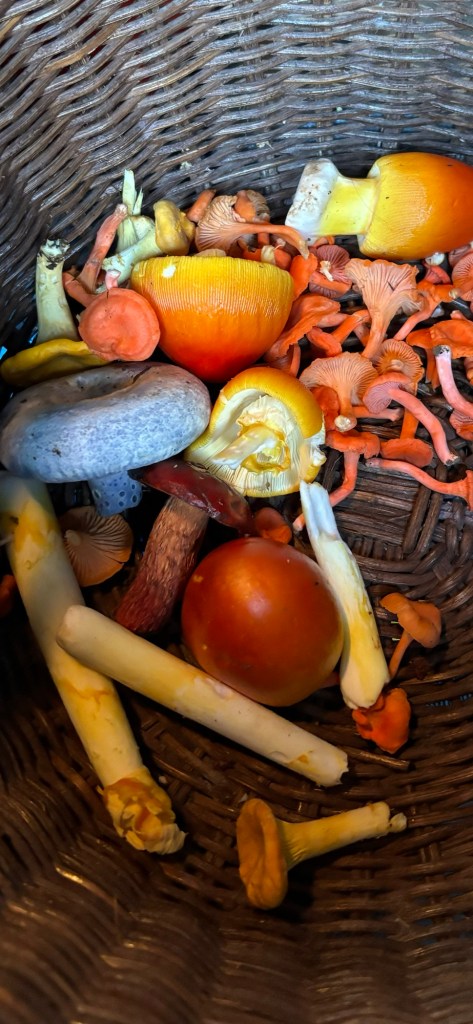
We basketed up our bounty and left the farm as the sun was setting. We were too tired to cook the mushrooms last night so we stored them in a paper bag in the refrigerator and hoped they’d stay in nice shape. It’s best to cook them right away and save them cooked either in the refrigerator or the freezer depending on how quickly they will get eaten. But these wild mushrooms, especially the chanterelles, need to be used quickly.
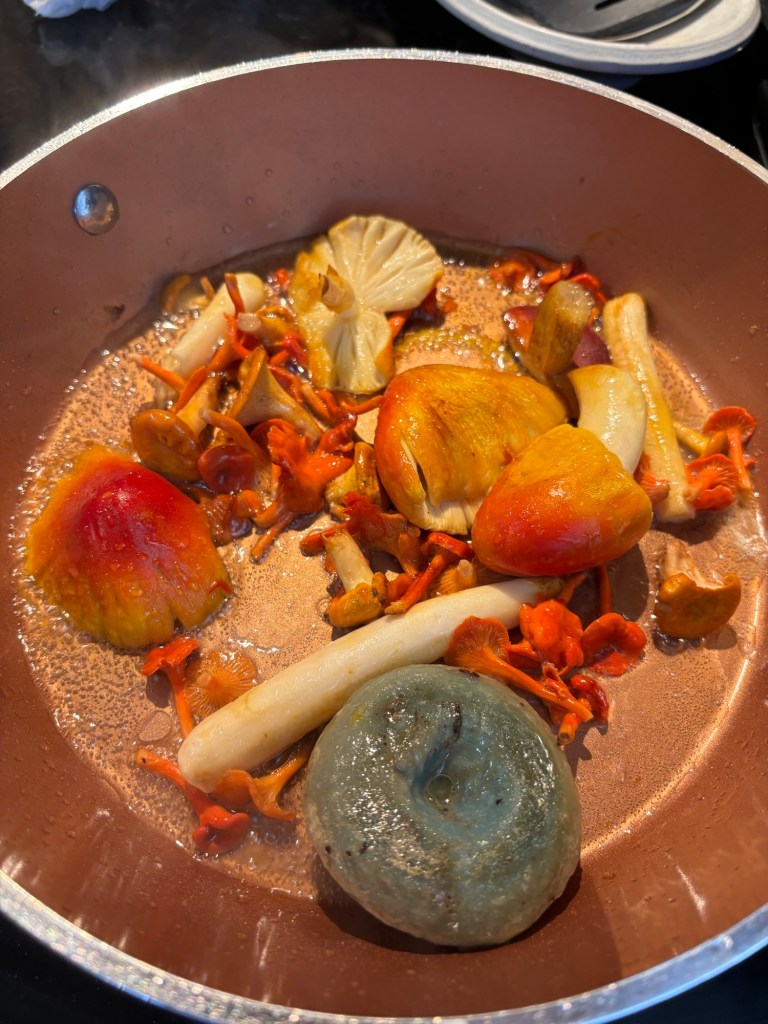
They were in nice shape this morning so we dry cooked them for a few minutes in a skillet on 7. Added olive oil and butter and cooked about 15 minutes. We let them cool and have them stored in the refrigerator. We are thinking of making a wild mushroom quiche.
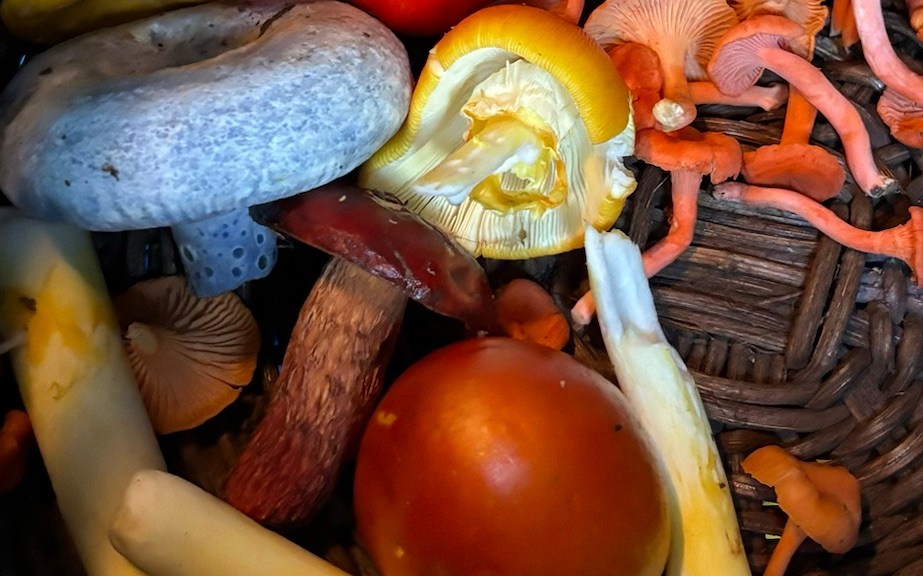
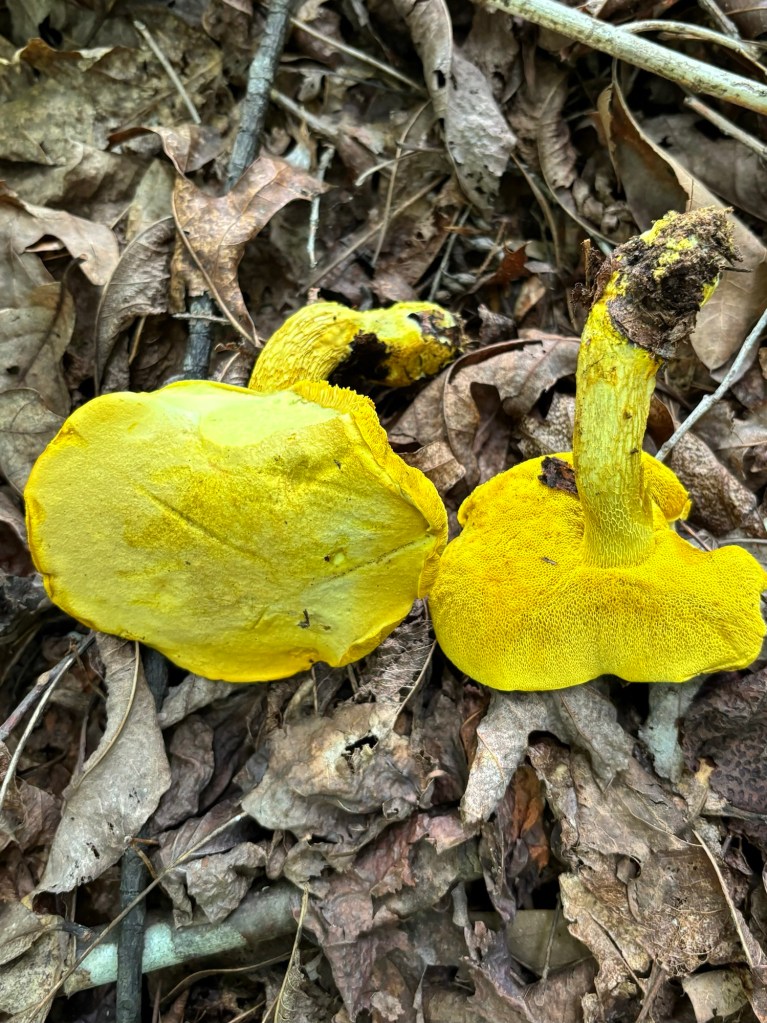
Amanita jacksonii have a bright red cap that can grow up to four inches A beautiful mushroom to find that looks very similar to deadly poisonous mushrooms. Care should be taken to identify and be confident before you plan to eat them. Our mushroom harvest yesterday included ghost chanterelles, Cinnabar chanterelles, Indigo milk cap, Frost’s bolete and American slender Caesar.
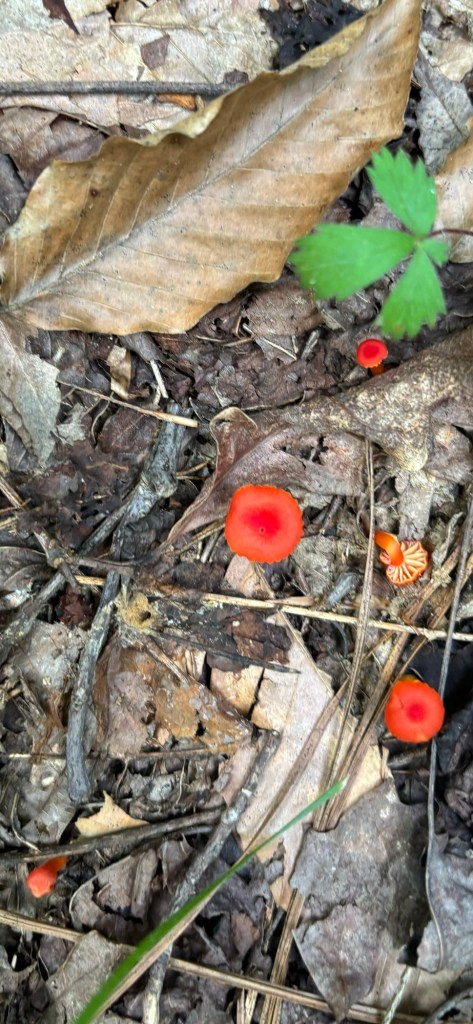
Cinnabar chanterelles found near the waterway right on the trail. These are choice edibles.
Tropical storm Debby is set to hit the farm tomorrow evening with rains expected to be 4-8 inches and peak wind gusts Friday morning at 34 mph. We can’t wait to see what this rain will bring since there’s been so many mushrooms already.
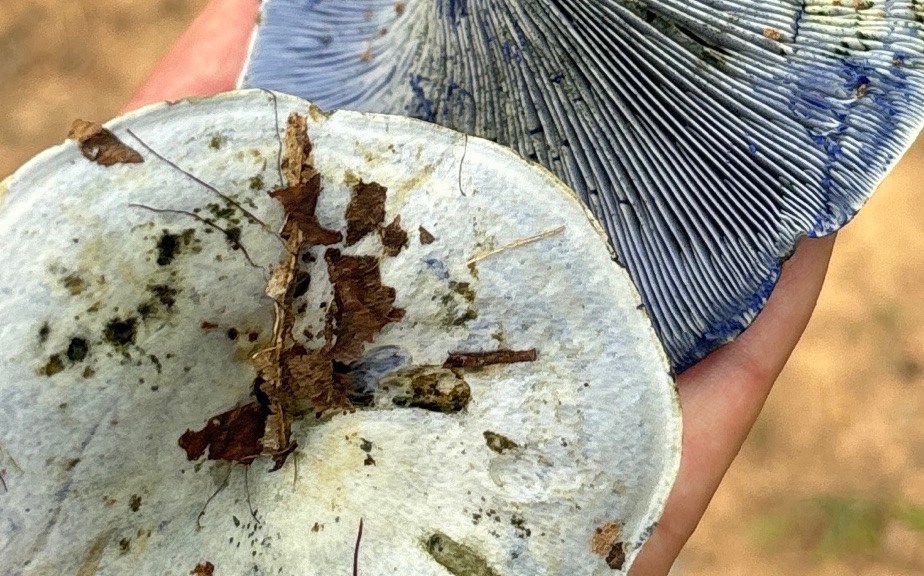
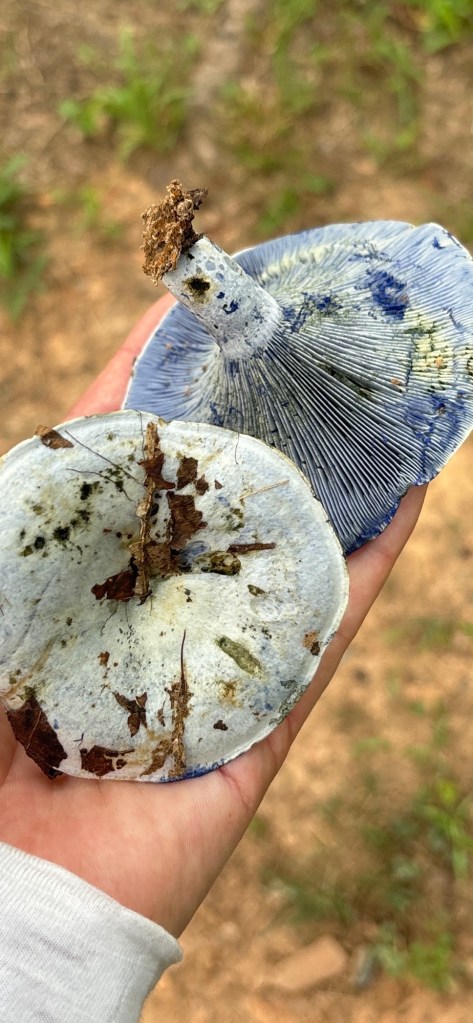
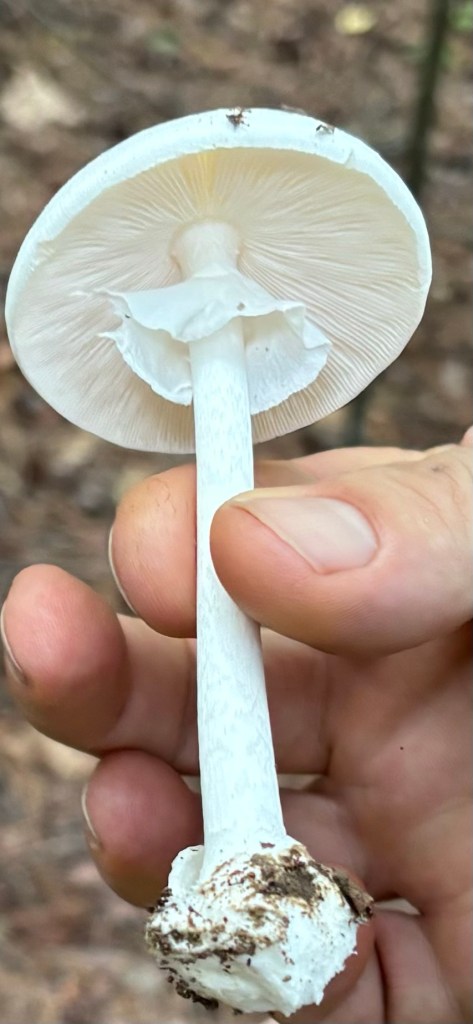
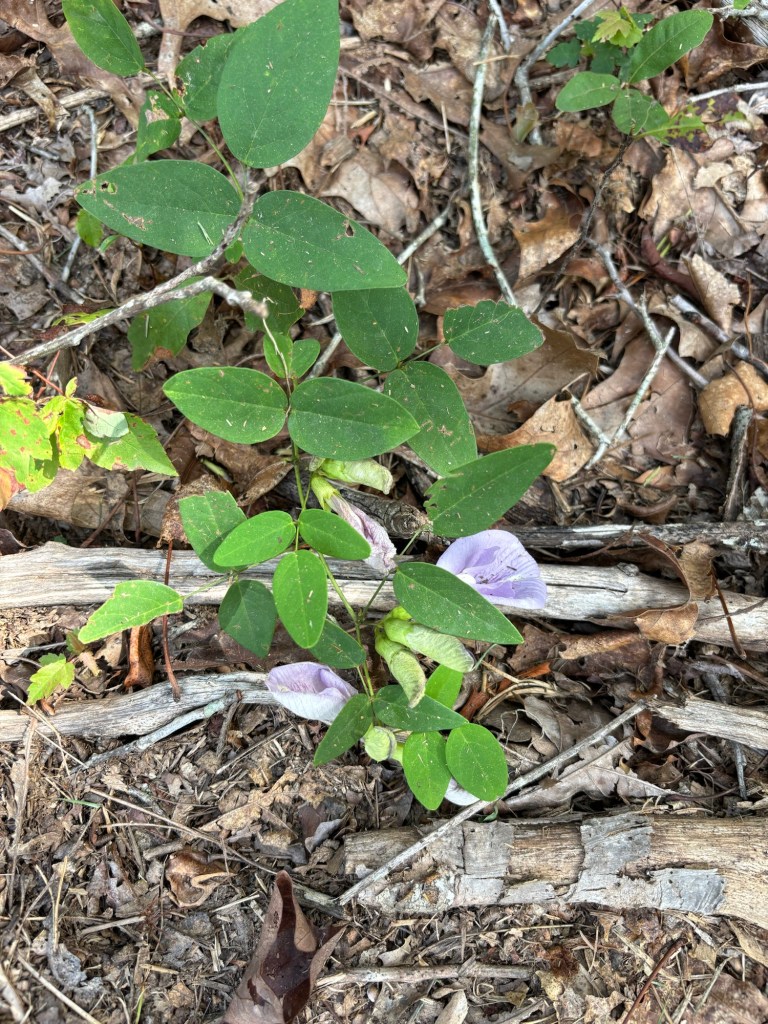
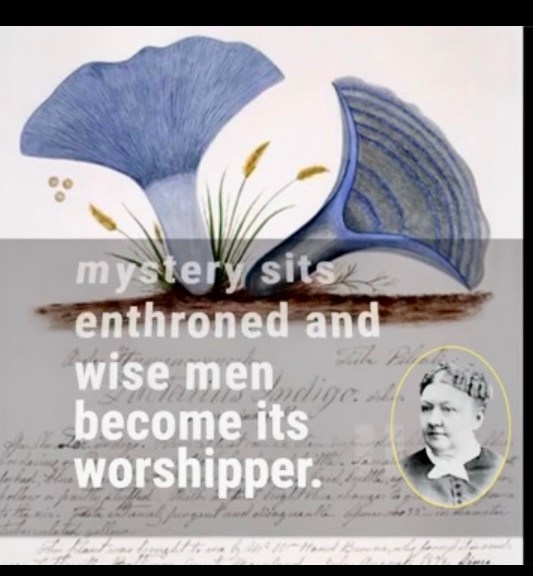
Retiboletus ornatipes, Ornate stalked bolete, is edible but not considered choice. We found them along South Trail. Lactarius indigo, indigo milk cap, is a choice edible found off Chanterelle Trail. We brought these beautiful blue mushrooms home to eat. Eastern North American Destroying Angel, Amanita bisporigera, a deadly poisonous mushroom found near North Trail.Clitoria mariana, pigeonwings, found up top in clearing near twin oaks
Amanita banningiana, Mary Banning Slender Caesar, has been found in every corner of Saint Andrews Forest Farm.
Mary Elizabeth Banning (1832-1903) was an American mycologist and botanical illustrator from Maryland. She described 23 previously unknown species of fungi. Her scientific achievements remained unrecognized during her lifetime. With no formal schooling or training, and during her free time, as she taught children and took care of her sick mother and older sister, she created the first mycological study of fungi in America with “The Fungi of Maryland.” This manuscript includes 174 13” by 15” watercolor paintings of various fungal species. She self funded her own study and lived in ever increasing poverty.
Banning dedicated her life to mycology and lived in a world where women could not be scientists. She has inspired many people with her love for fungi and who knows how many she has inspired with her accomplishments while facing tremendous hurdles and difficulties.
We blazed a new trail from SAFF’s north side to North Trail, and we have named it Mary Banning Way to always remember and honor this powerful, intelligent and creative woman.