Tag Archives: central Virginia
Pollinating SAFF Old Colony Pawpaw Patch
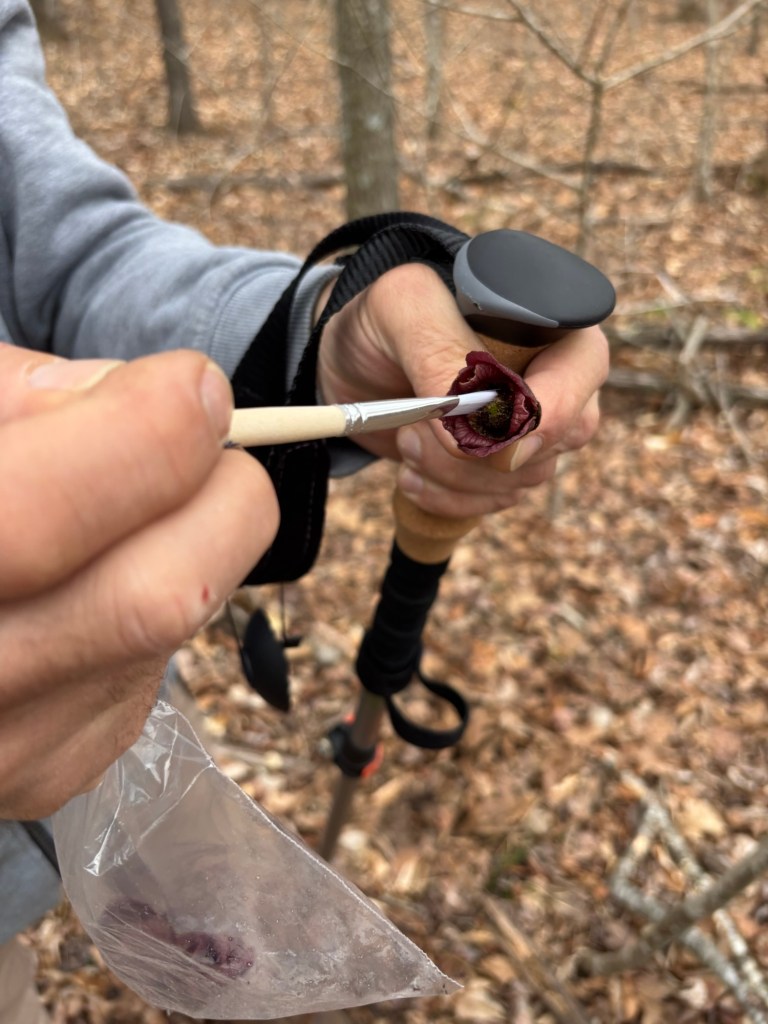
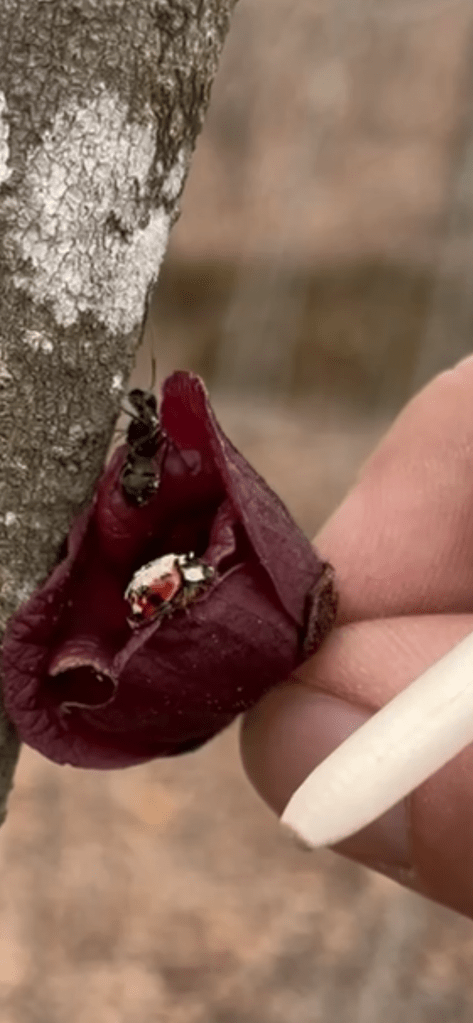
We were able to hand pollinate the old colony pawpaw trees at the bottom of SAFF. Notably, this is the first time with novel dna so we hope they set fruit and stay put instead of dropping early as in prior years when we pollinated them from one tree to the next not knowing they were a very old clonal colony all arising from a large root system with identical dna.
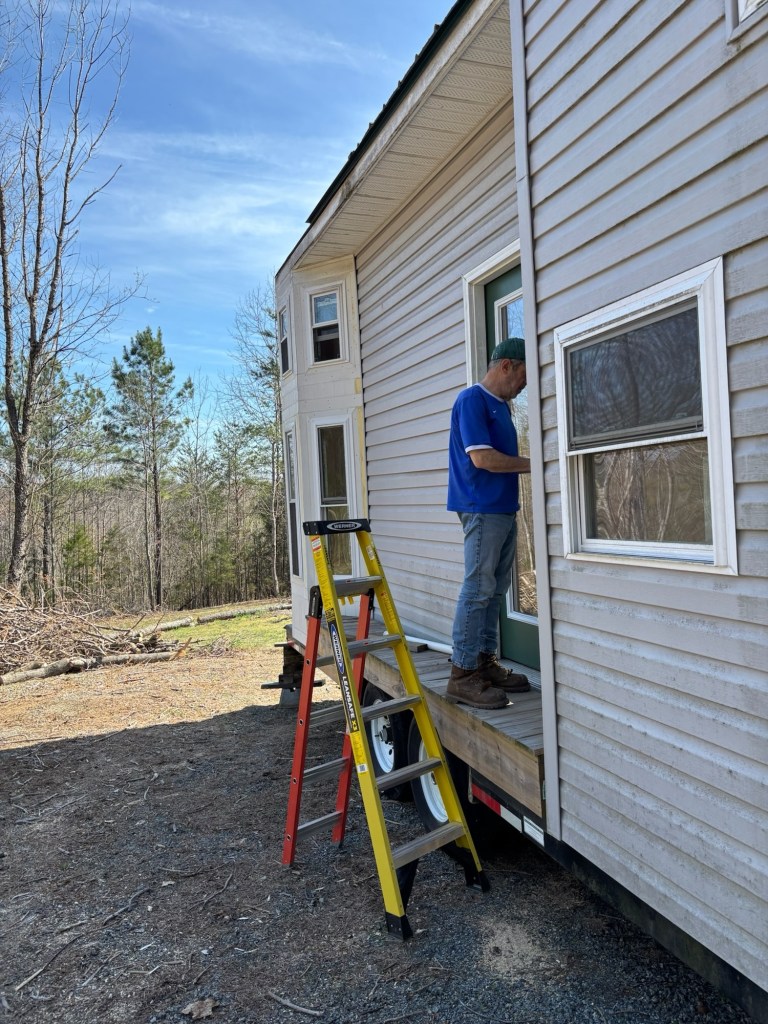
It was raining lightly and getting cooler while over there in the forest. We also shored up the tiny house as the rain began and worked on construction of temporary stairs out of concrete blocks.
SAFF Tiny House Delivered
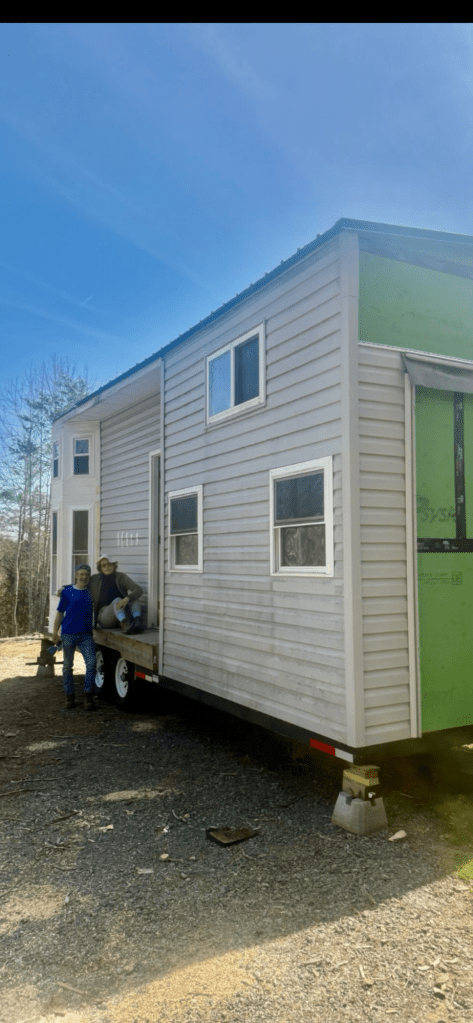
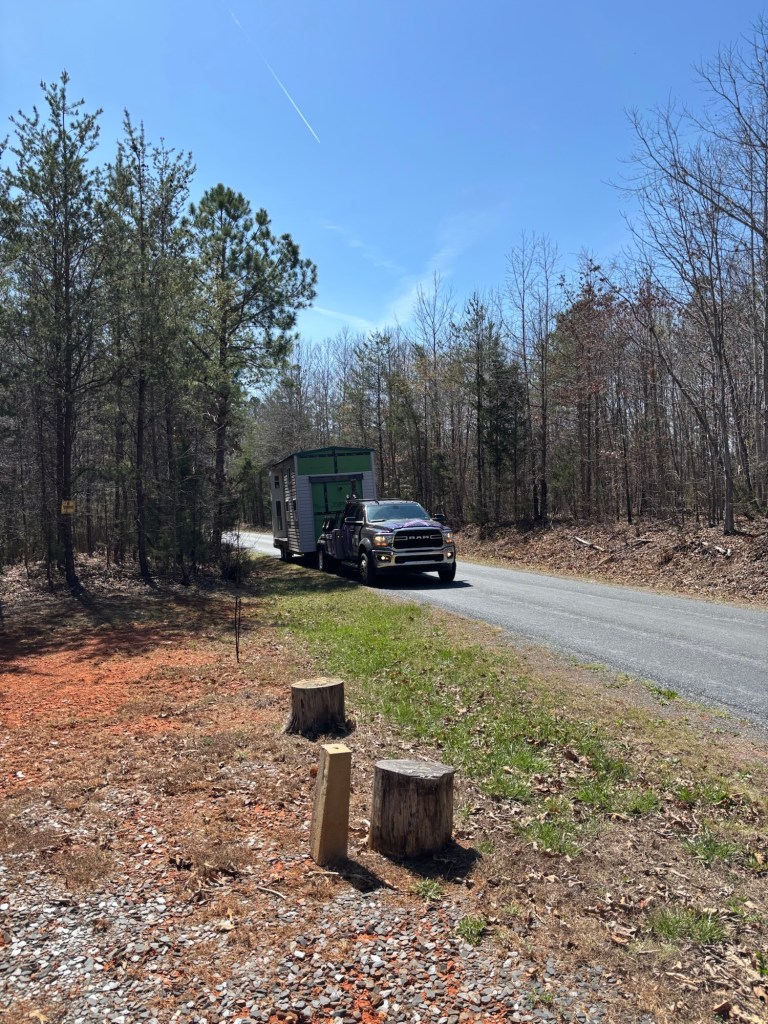
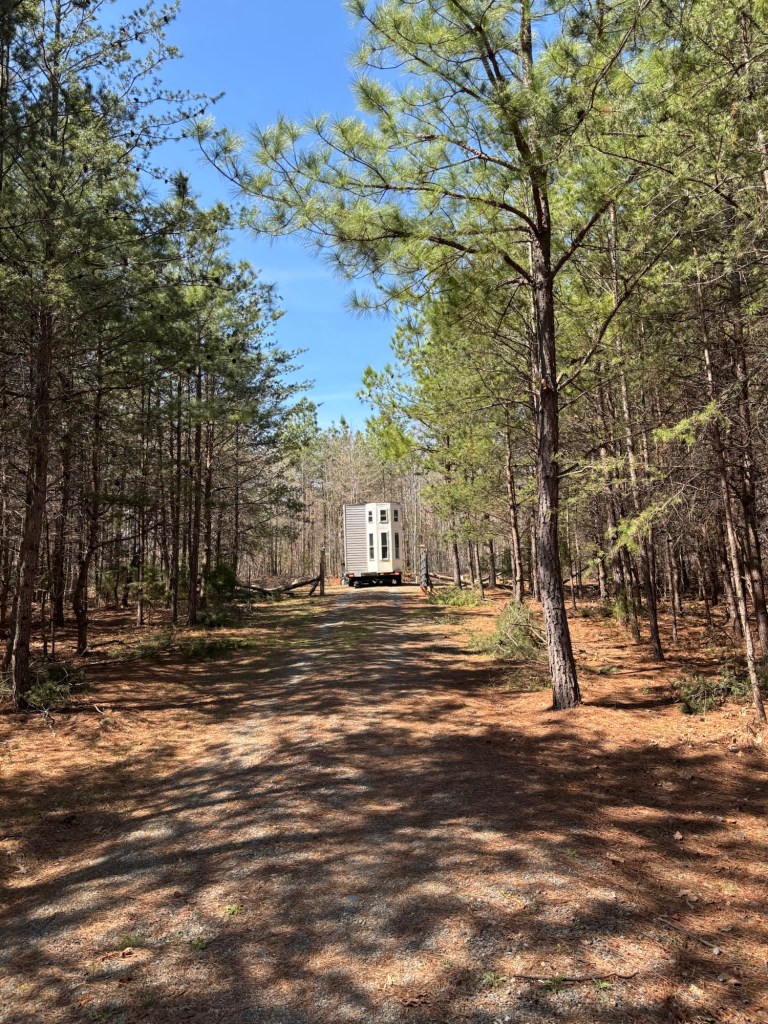
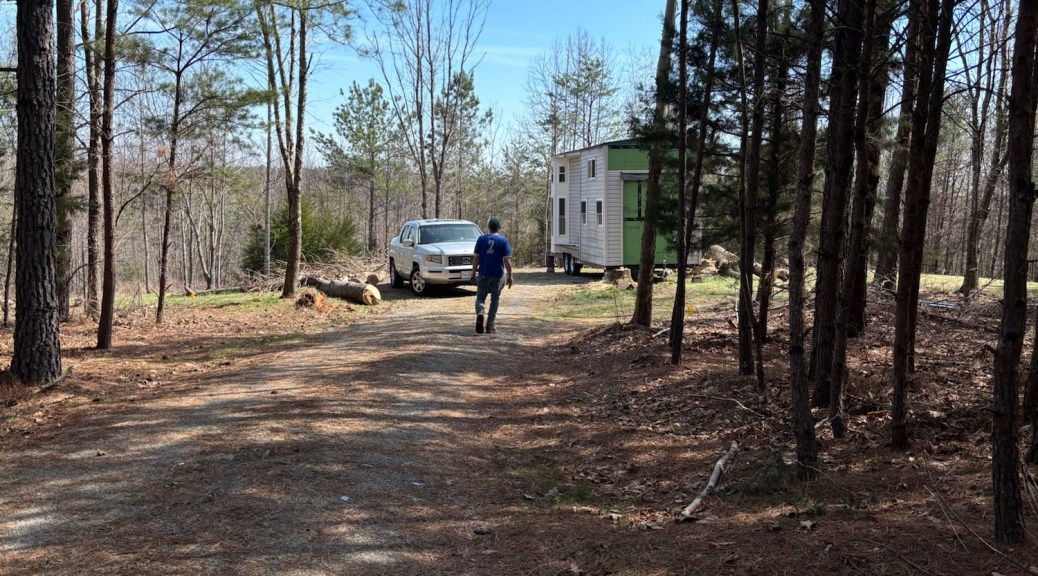
We met the designer and builders and Brian, the tow truck driver yesterday morning at 9:30 am in Troutville. It took us a while to get everything loaded up and ready for traveling to Buckingham County. We were nervous and excited. The most nerve racking part was whether or not it would fit under the train trestle with 13 feet and 4 inches of clearance stated on side.
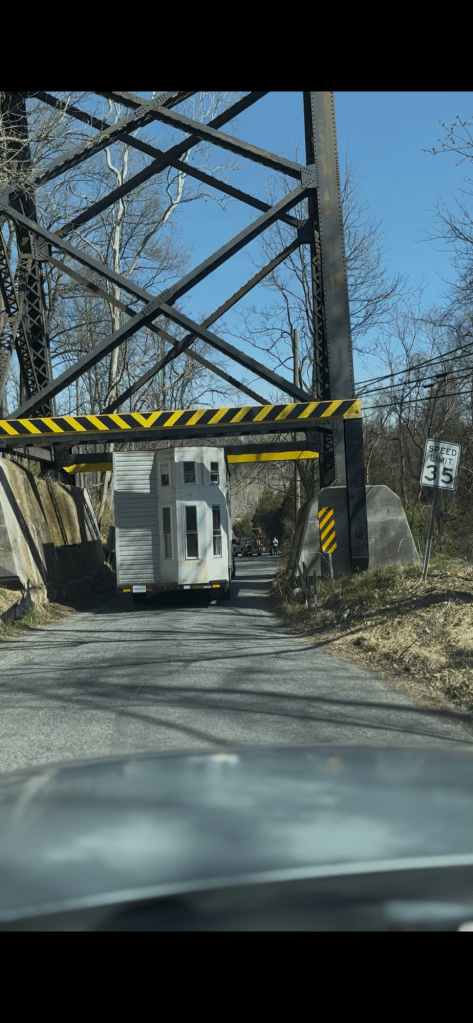
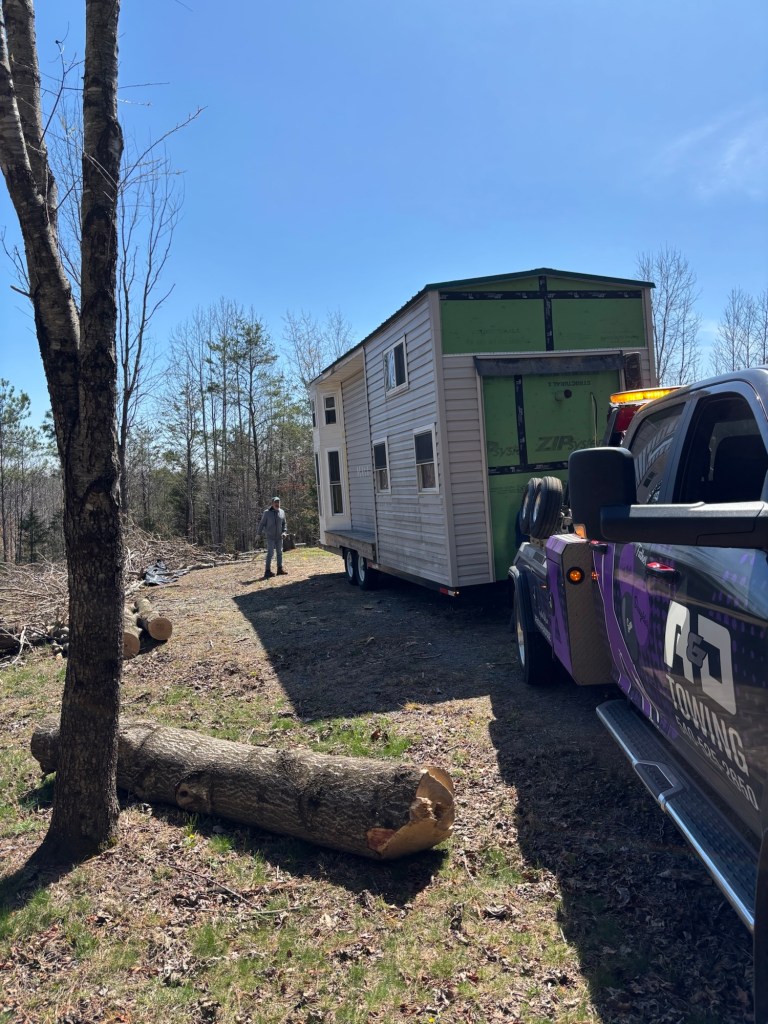
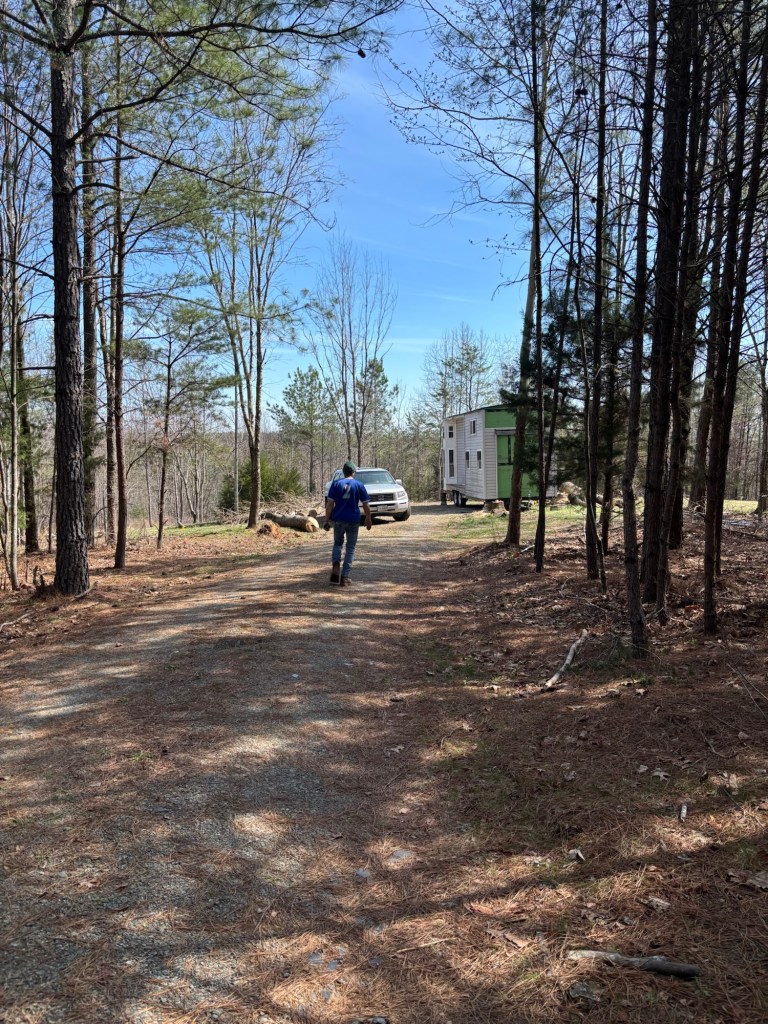
It took two hours for us to drive to Buckingham. We went about 45 mph with the house. Once we got to the farm, it took about an hour to get it into its place. We are going to head back over today. We have to finish leveling it and shore it up against the weather.
SAFF Invasive Tree Removal
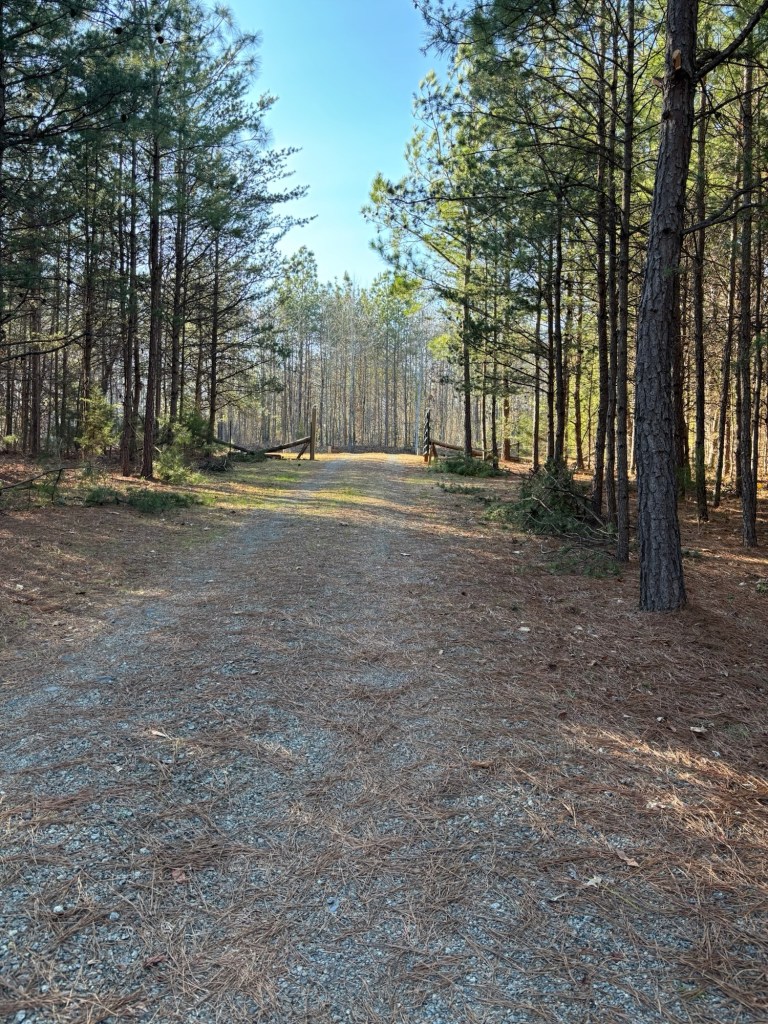
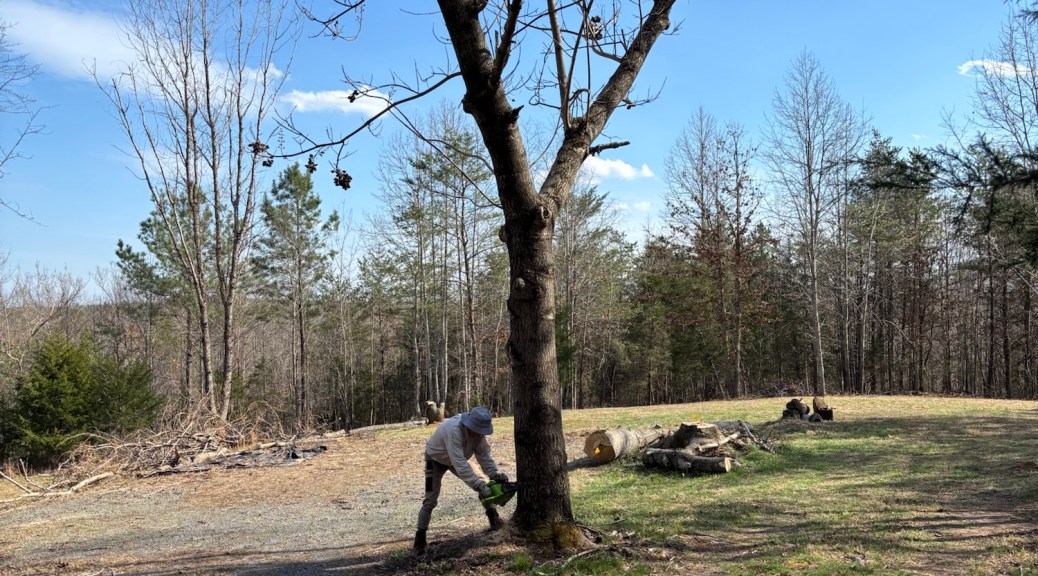
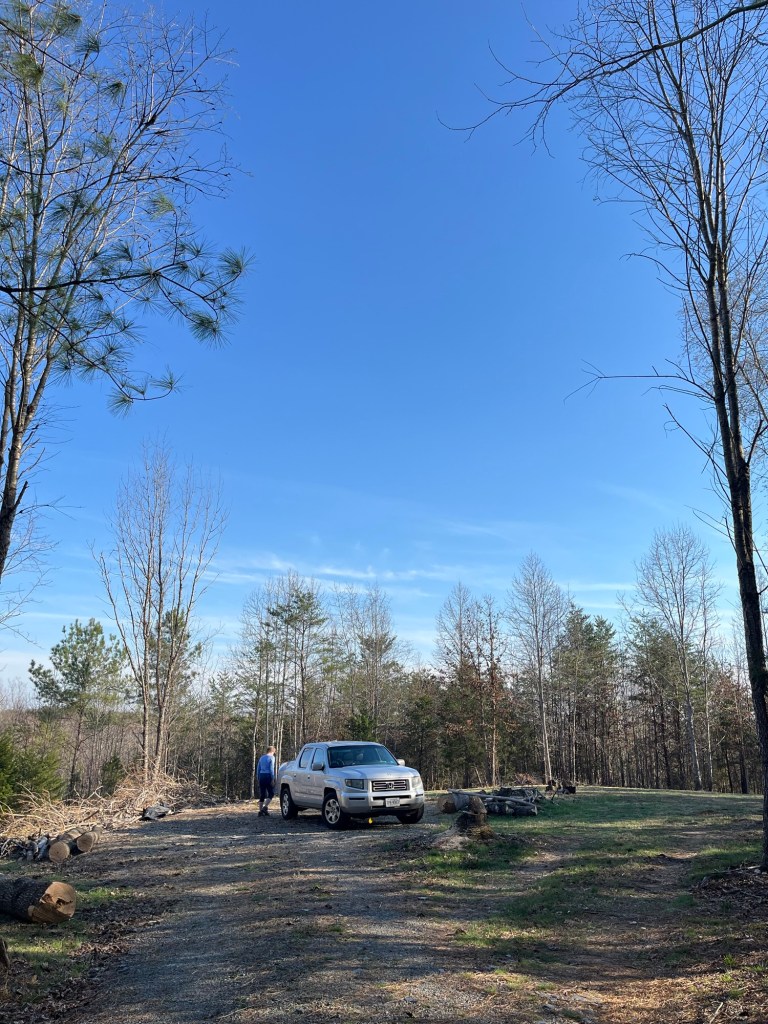
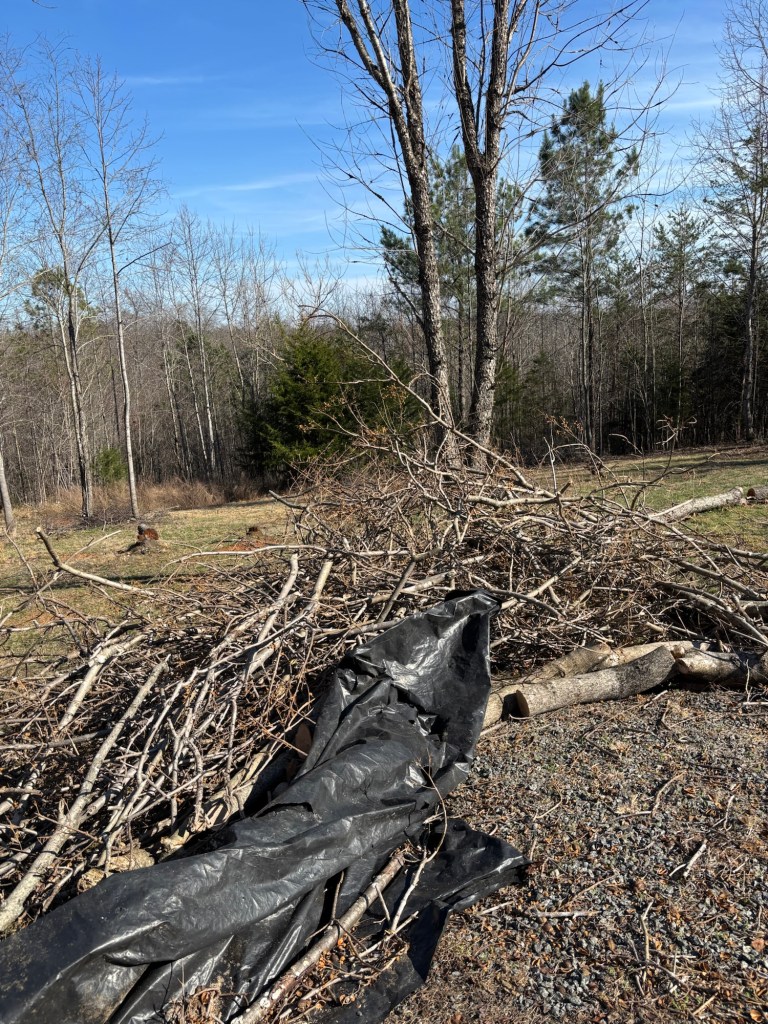
We spent the weekend taking down and processing the large paulownia trees up top in the main clearing. They loomed over the driveway and pad where we decided we’d place the tiny house. It felt like we were dismantling a giant whale carcass. These trees were messy, seedy and dropped limbs off during any storm. They take over native forests and choke out beneficial plants and trees for our Virginia wildlife. They were very fast growing as well which is why we put off cutting them down. They were a big bunch of hard work!
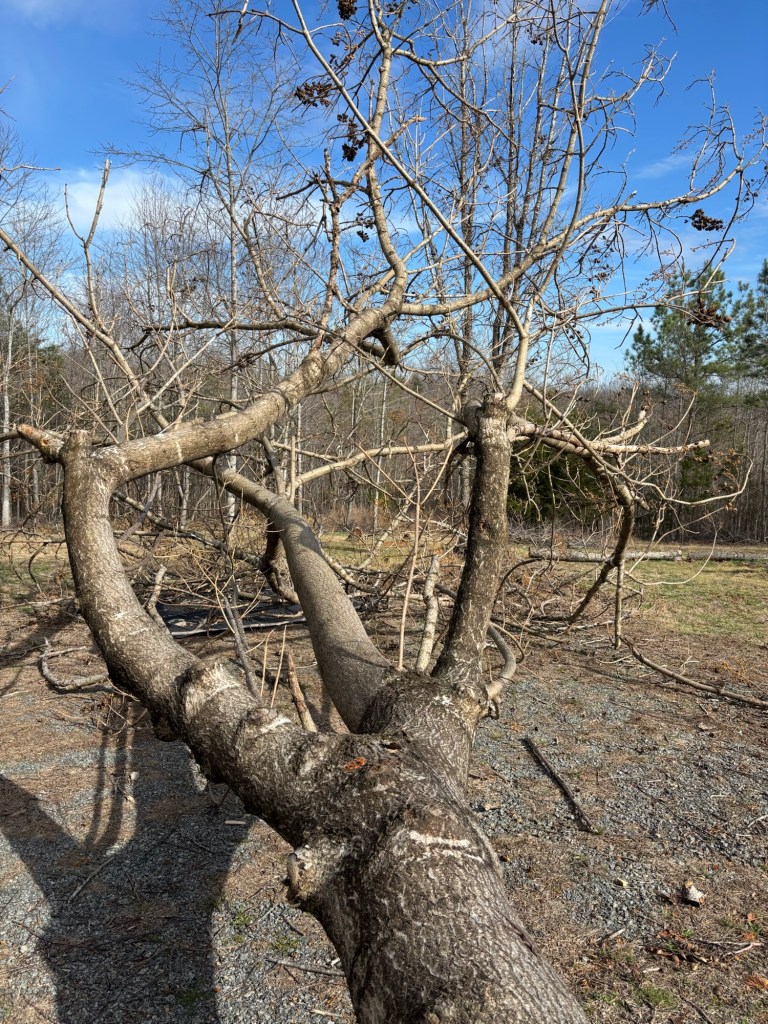
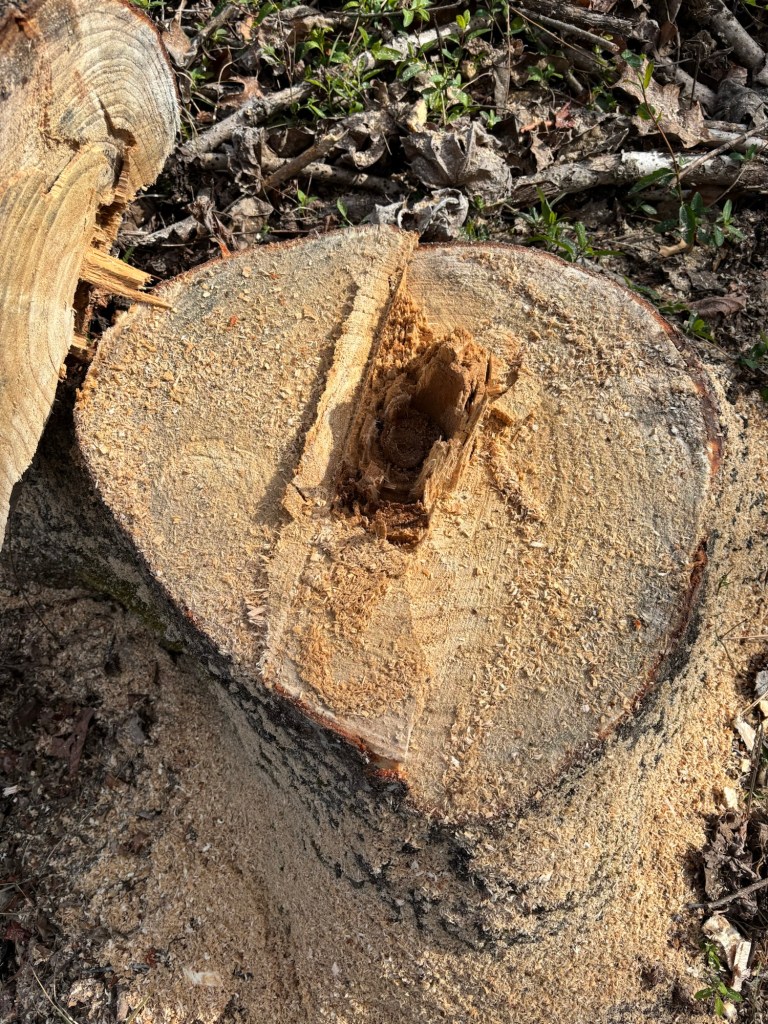
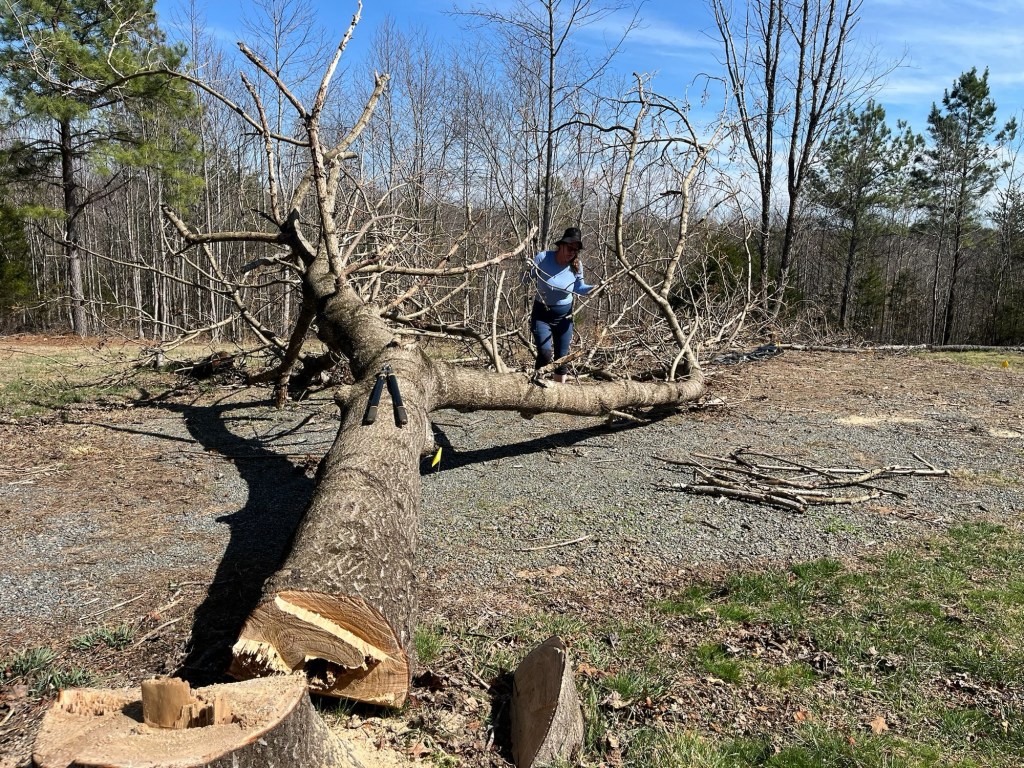
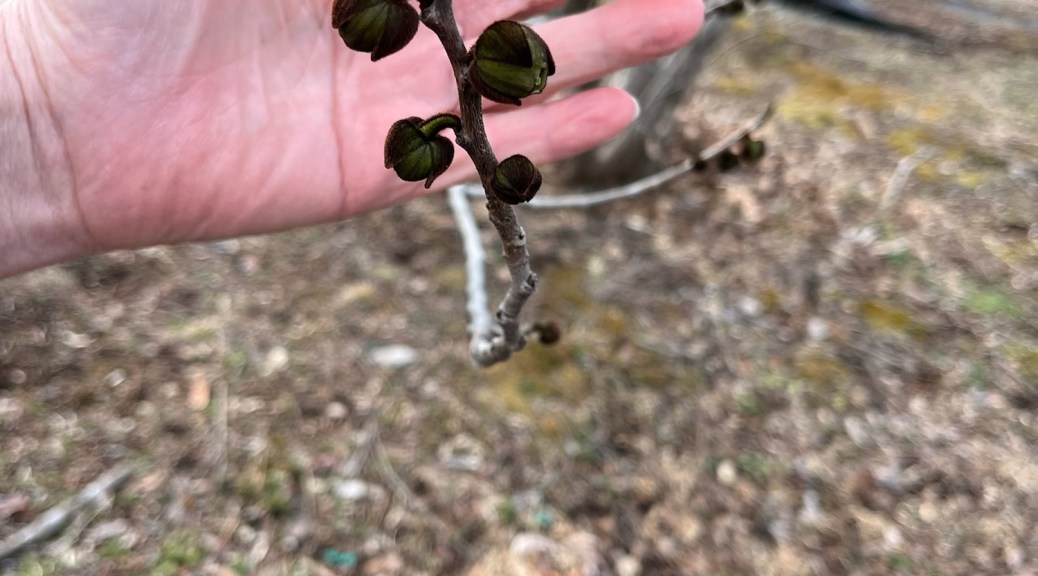
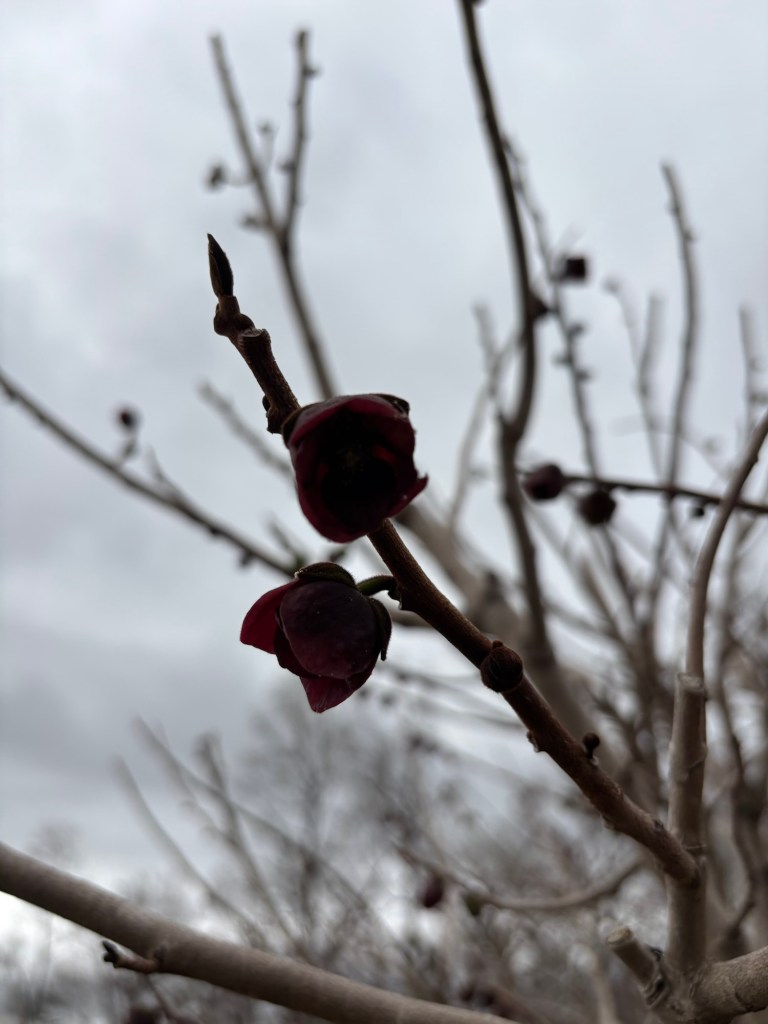
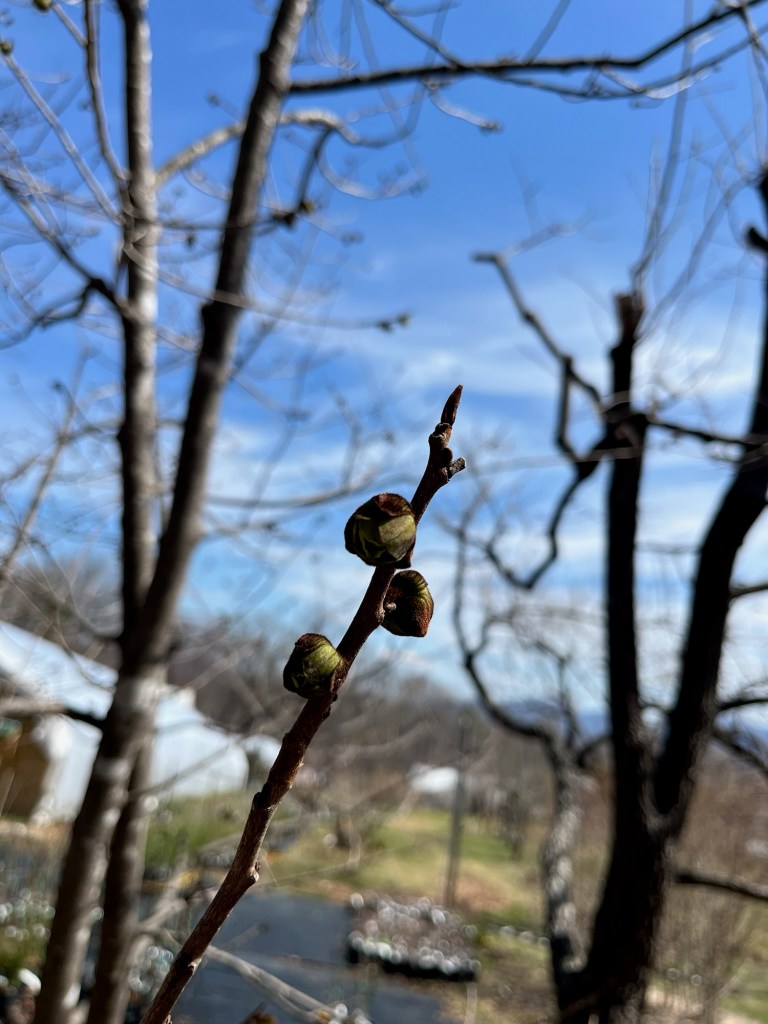
We stayed focused on creating our space for the tiny house for the most part, but ran down to the old colony pawpaw patch last night just before leaving SAFF for the weekend. The buds are still tightly closed. We are happy with the slow moving progress of the buds as we have only found female flowers out in the wild so far. We continue to look for the older male flowers with pollen. We will use this to pollinate our female flowers when they open. We are watching the pawpaws develop along the Rockfish River on our drive to the farm and we see them covered in buds. They are all still female with green flowers instead of more purple male flowers that face downward.
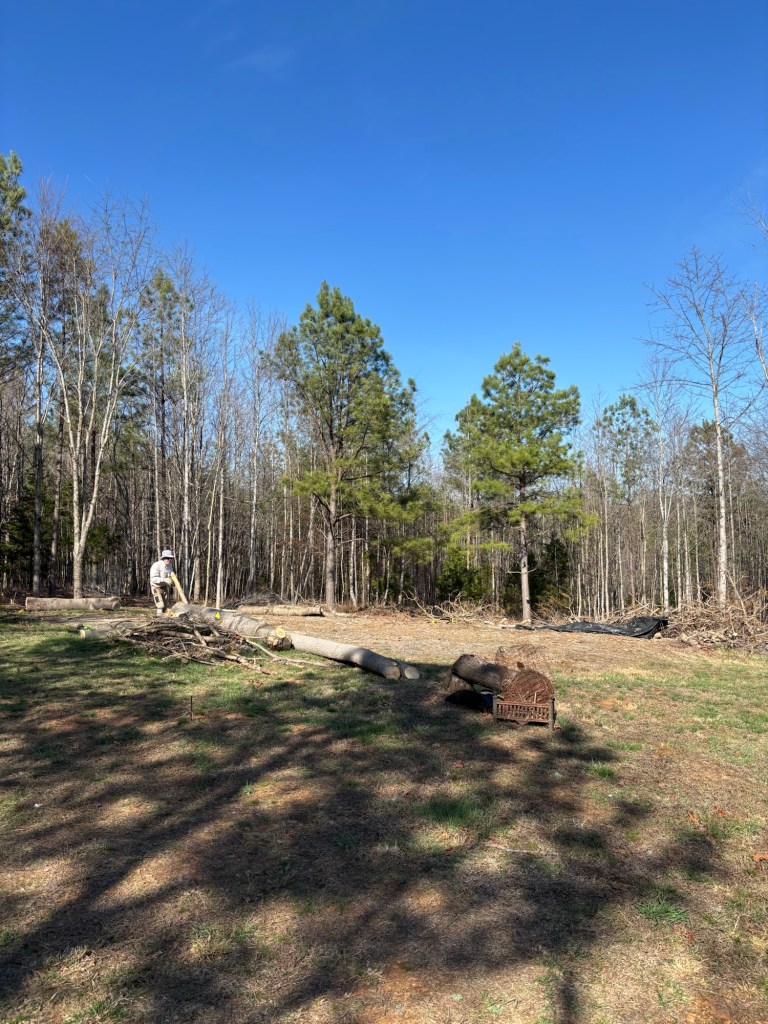
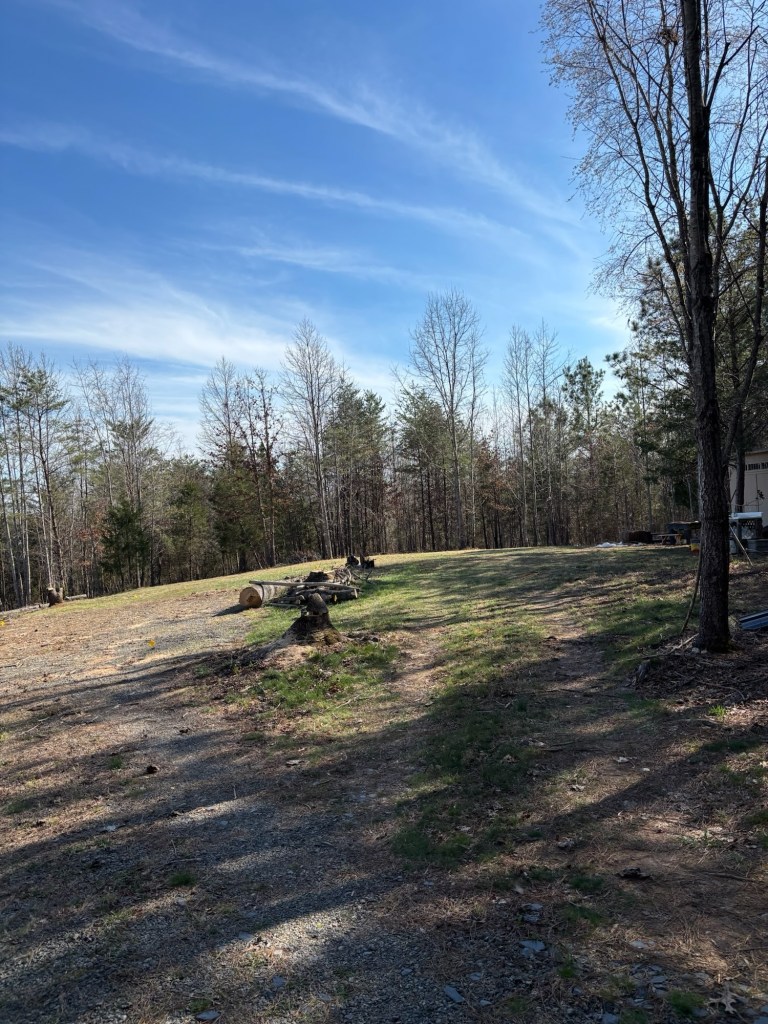
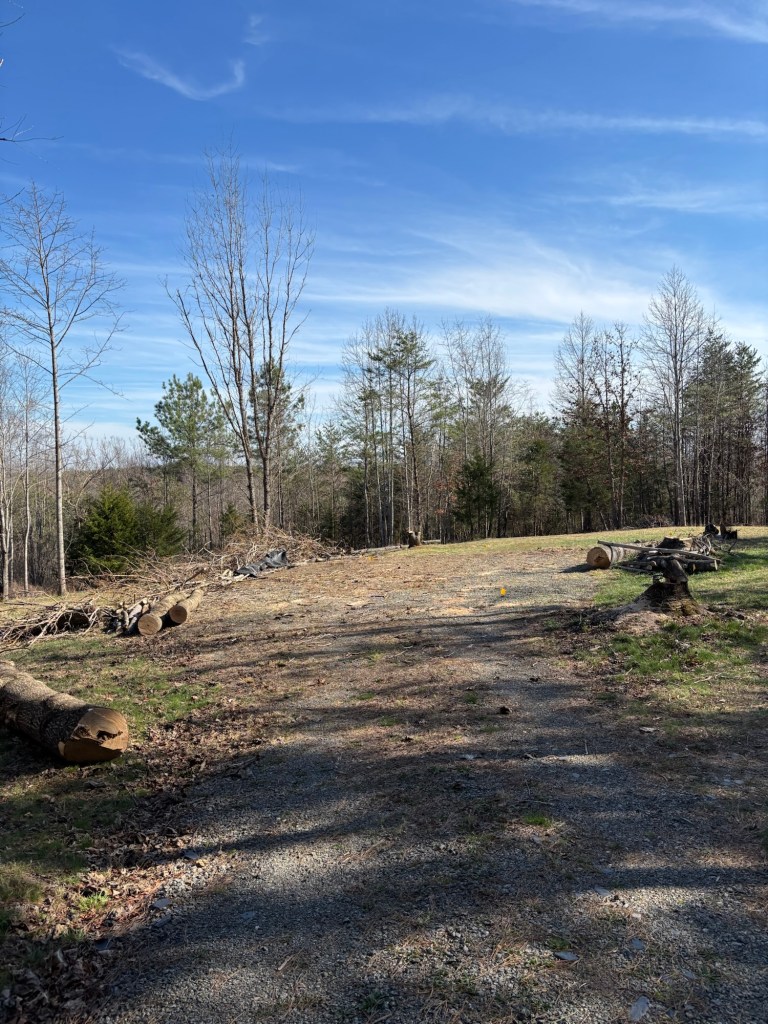
View of the clearing and pad without the paulownias.
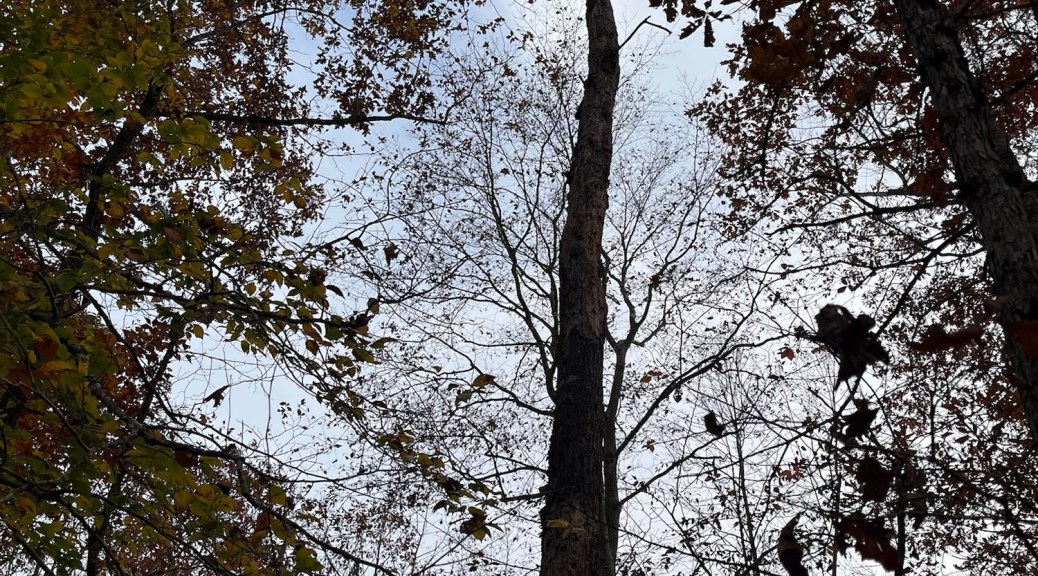
Afternoon walk around SAFF on Sunday
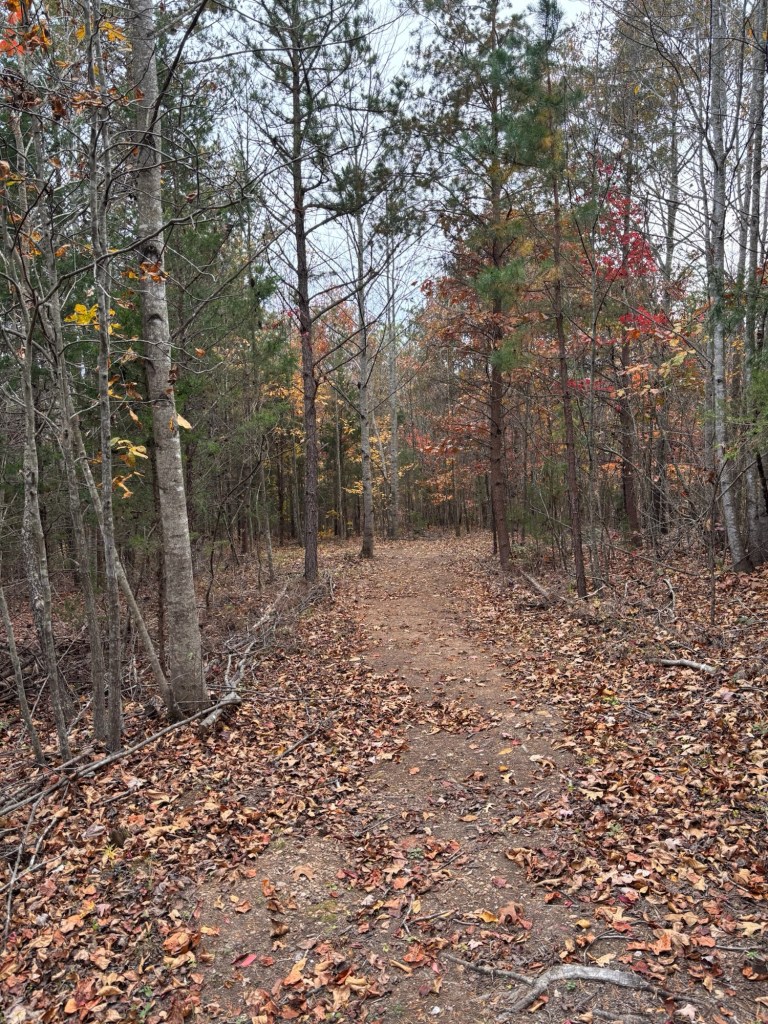
The drive over to SAFF was beautiful with fall color. We travel from the Shenandoah Valley over Afton Mountain through Rockfish Gap and Howardsville to Buckingham. We oohed and ahhhed the whole way. Here’s a quick video of Howardsville Rd.
We unloaded the lumber we found at the Restore and checked out the pawpaw and fig trees planted up top. They have yellow leaves and are losing most of them. Then we headed down Red Hawk Road to get down to Fern Trail. We checked out the Rappahanock cultivar and the seedlings planted as well as the cluster of natives. Most have gone fully dormant for the winter, especially the native SAFF trees. A few of the cultivars and seedlings look great; fully leafed and deep green still. Gleaming. It’s more typical for them with the temperature and season to be dormant. We have not yet had a hard freeze in Buckingham, or in Staunton in the Valley—which usually frosts first. Once dormant, their watering needs will drop. Phew! 😅
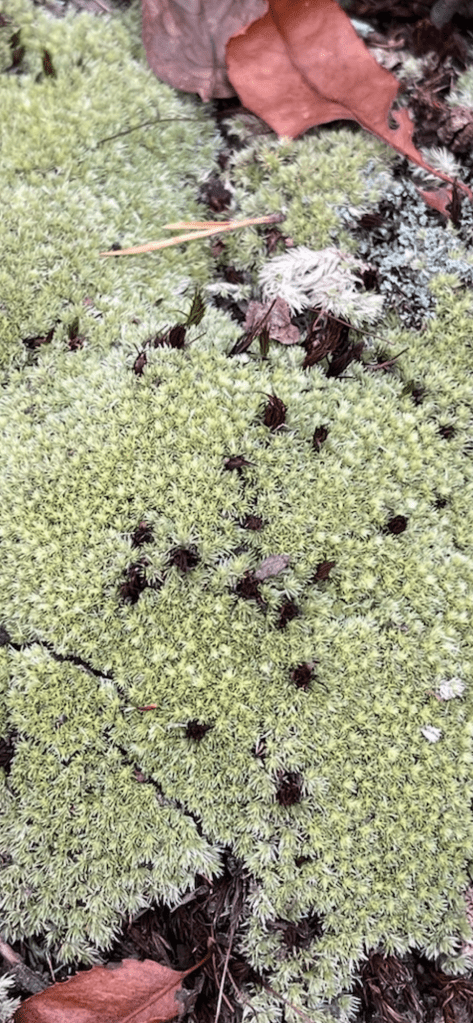
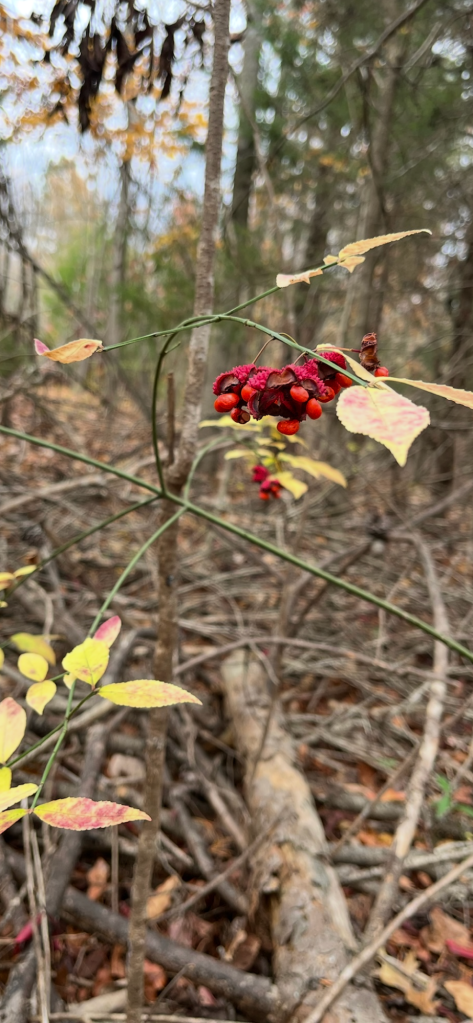
Along our walk we found white moss and strawberry euonymus (Euonymus americanus). We also went down to the waterway to check on this oak snag in the picture below. SAFF had high winds for several days and the last time we saw it, there was a bend and crack starting.
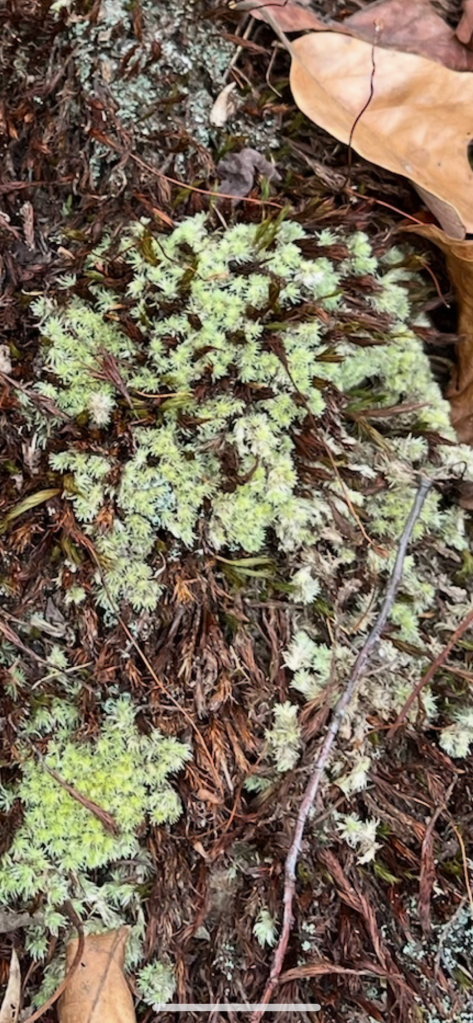
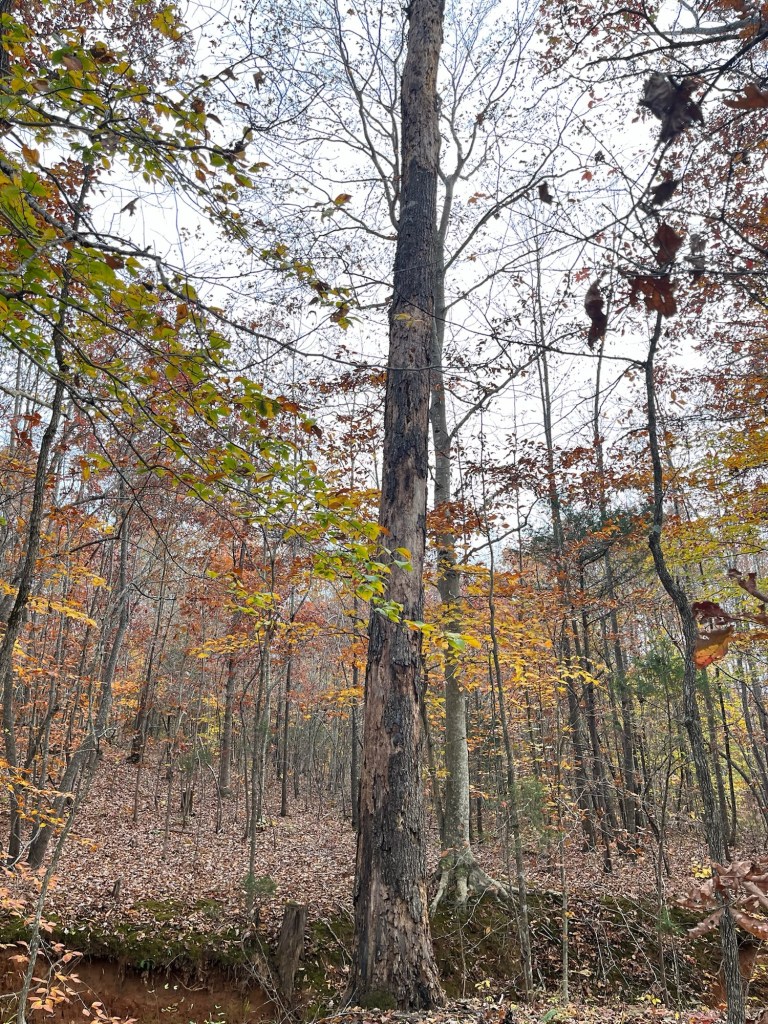
SAFF old oak snag we check on regularly. It looks as though it will fall to the west towards the Pawpaw Peninsula.
Pawpaw Planting at St Andrews Forest Farm
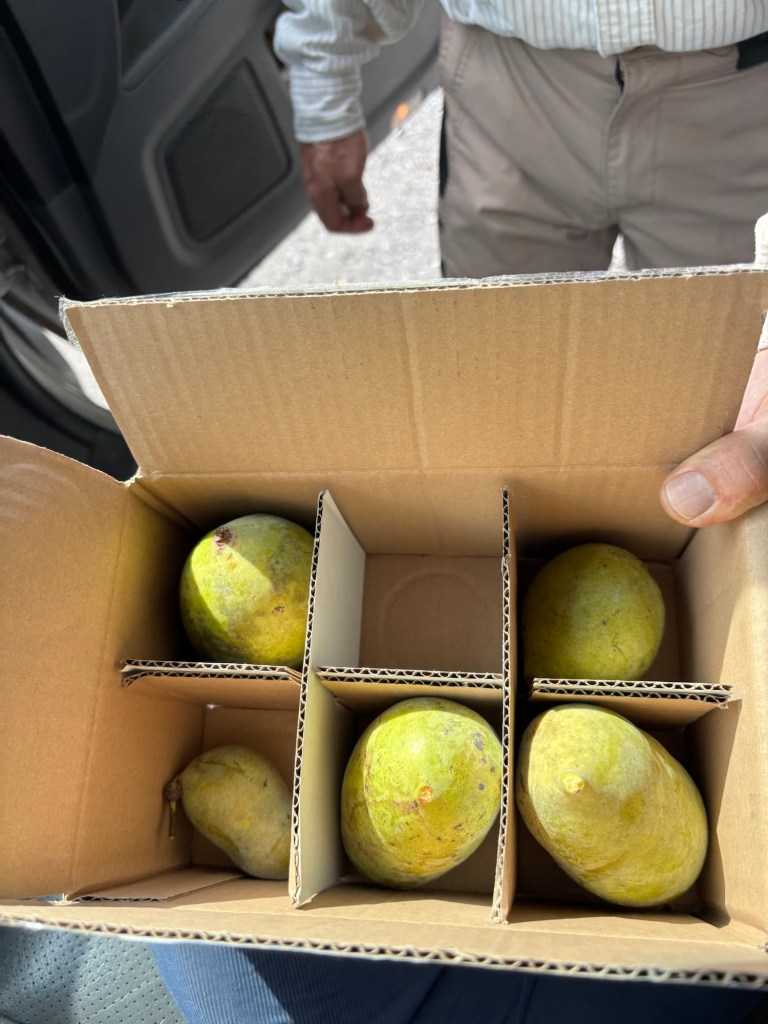
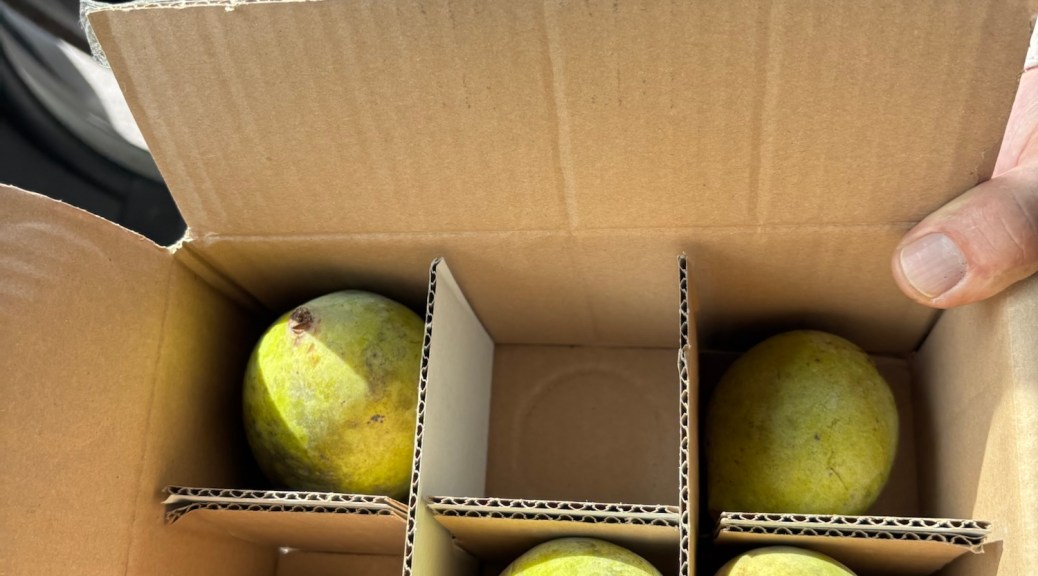
We went out to the farm on Friday and Sunday to get as many pawpaws planted before the rain comes. Thunderstorms and rain are forecasted to get started late tonight and continue until Wednesday afternoon. We planted 17 on Friday: Five in the orchard (a Kentucky State University Chappell and 4 seedlings) and another five alongside the Shenandoah and select seedlings that we planted last year. We put a Mango cultivar and four seedlings we started from foraging. Then we planted 2 on the Pawpaw Peninsula (an Allegheny cultivar and Wild native seedling from a Rockfish River foraged pawpaw). After that we put two by the pawpaw patch at the bottom of Ridge Trail and another two on the left side of the large pawpaw grove. We walked up Ridge Trail and put another wild pawpaw seedling from Rockfish River foraging near the small colony of native pawpaws growing along the south wet weather gully.
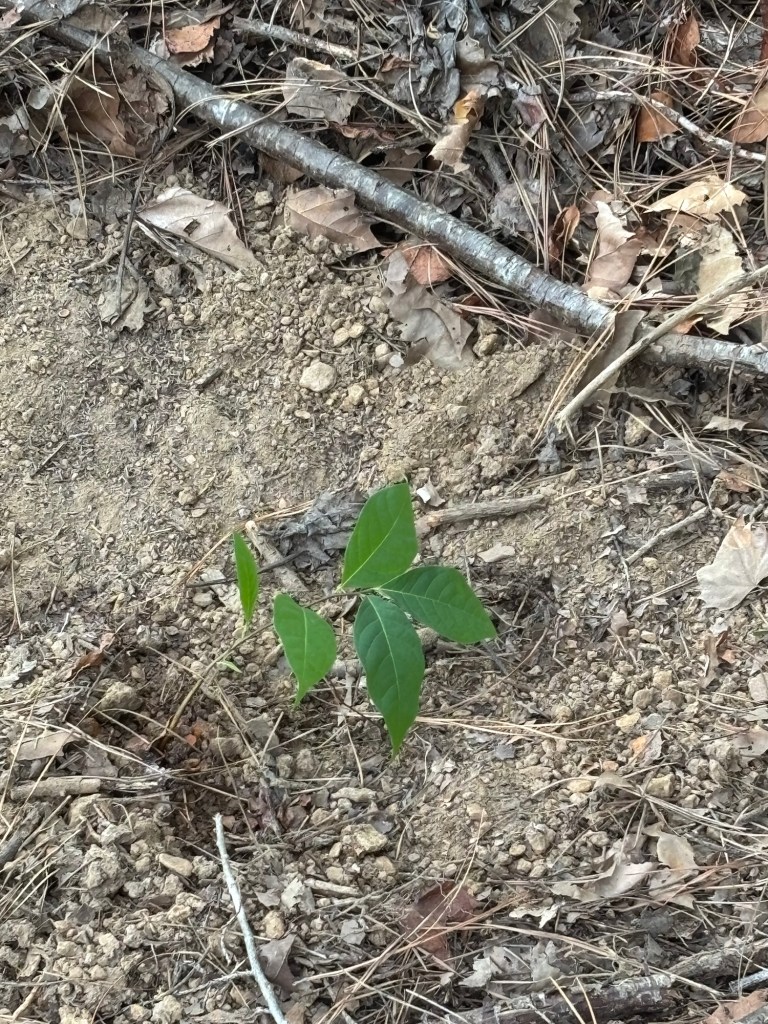
We were exhausted after this. We had to carry water for the trees after planting in our packs, carry our equipment and the trees themselves all around the farm. It was hot and the ground was hard and dry for digging. Chris was battling each hole. (We are looking into finding a lightweight device to dig our holes, as in an auger.)
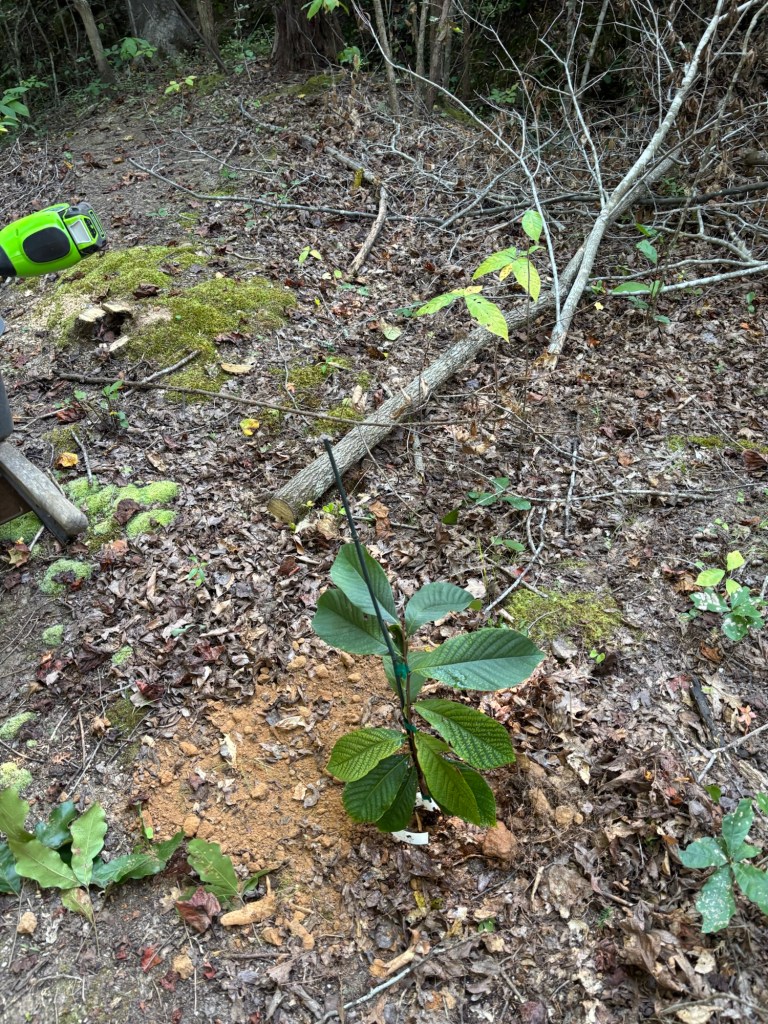
Then we went back out on Sunday to water what we’d planted Friday and put a few more in the ground. We planted 5 up top in the main clearing along the driveway and put two along the South Gully on Dan’s Folly. We put one more across next to a lone wild SAFF native pawpaw on Fern Trail. From there, we walked down the Gully and watered our select seedling planted a few days before. We were happy to see they all were still in the ground (last year, the deer ate them and pulled them out of the ground a day after we planted so we almost expected the same.) They were glowing in fact. They all appeared to be very happy in their new locations. We watered them some more.
We have another 80 or so to plant and hope to get out to the farm again soon to get a few more in the ground.
October 4, 2024 – Preparing the Boundaries for Hunting Season
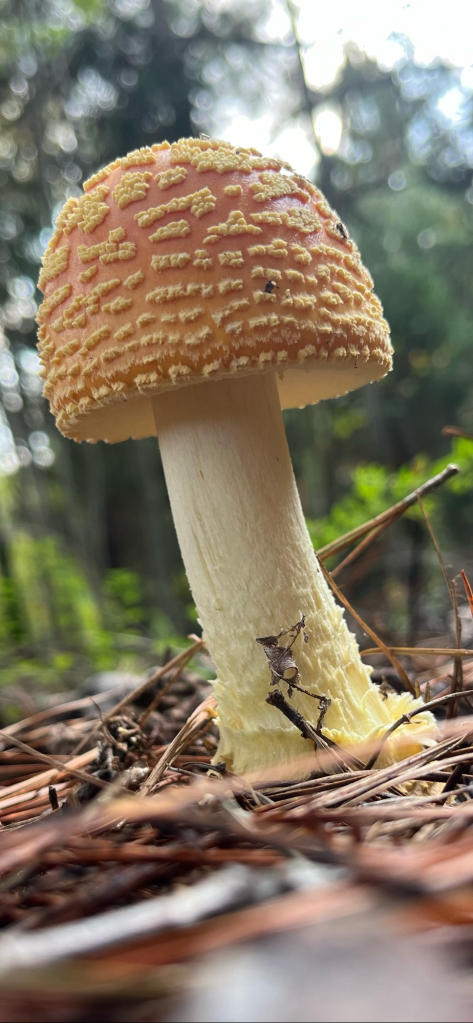
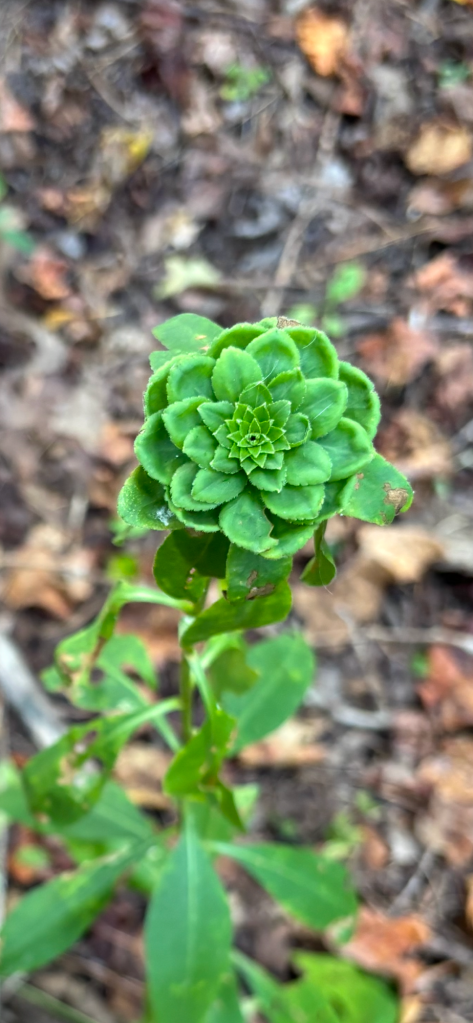
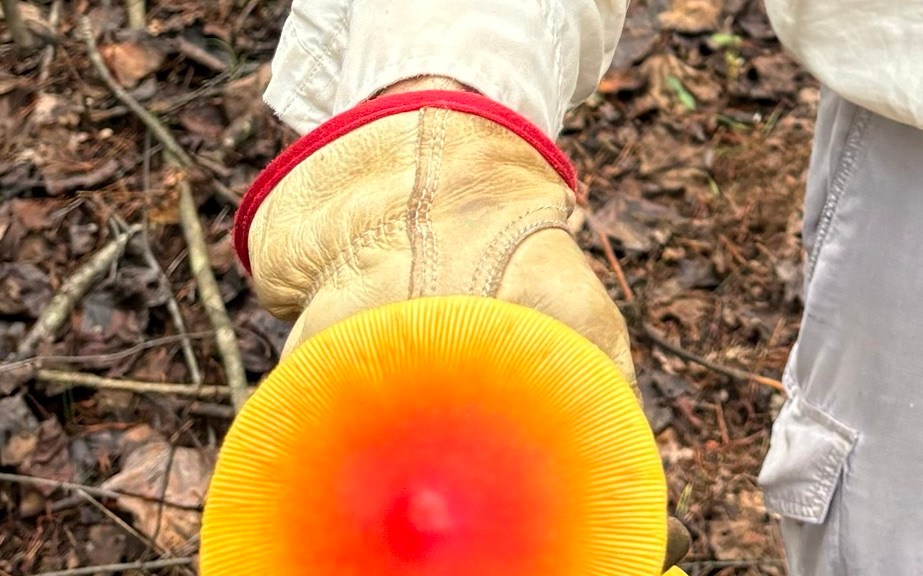
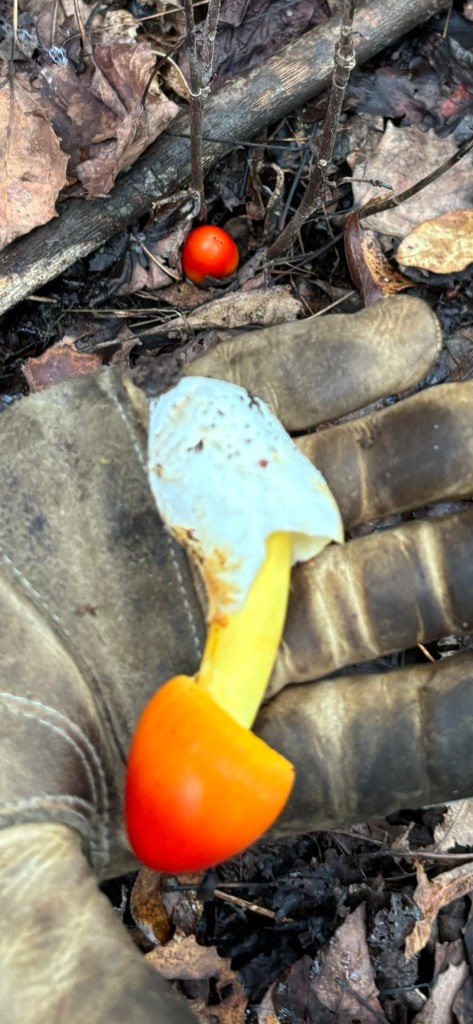
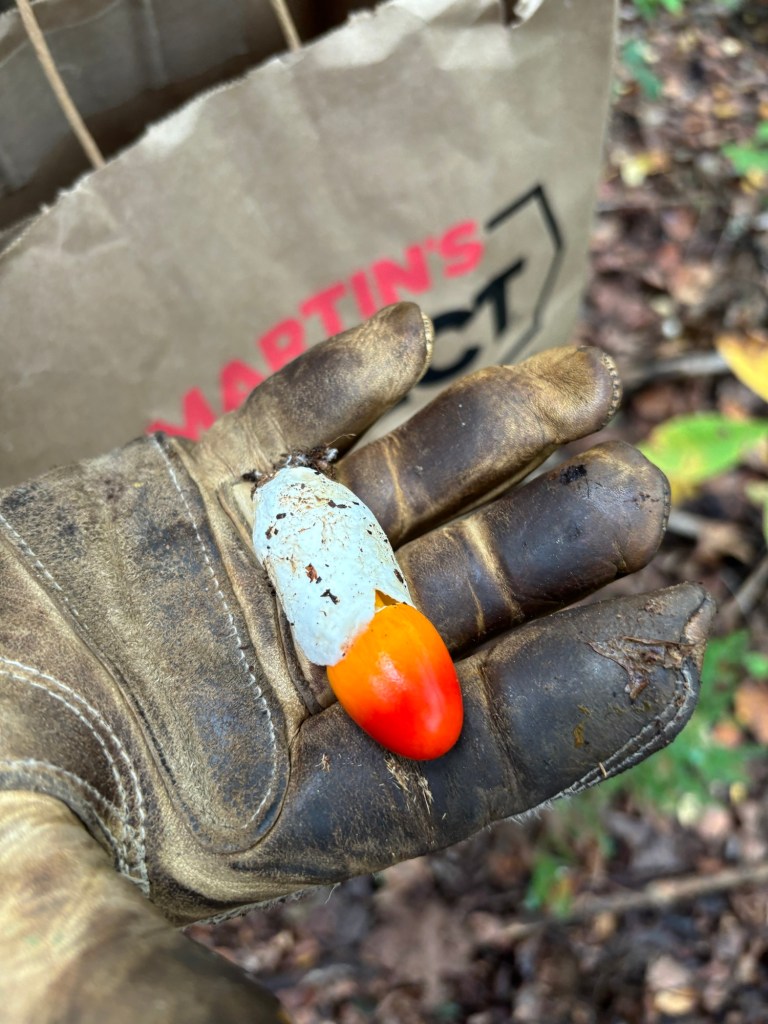
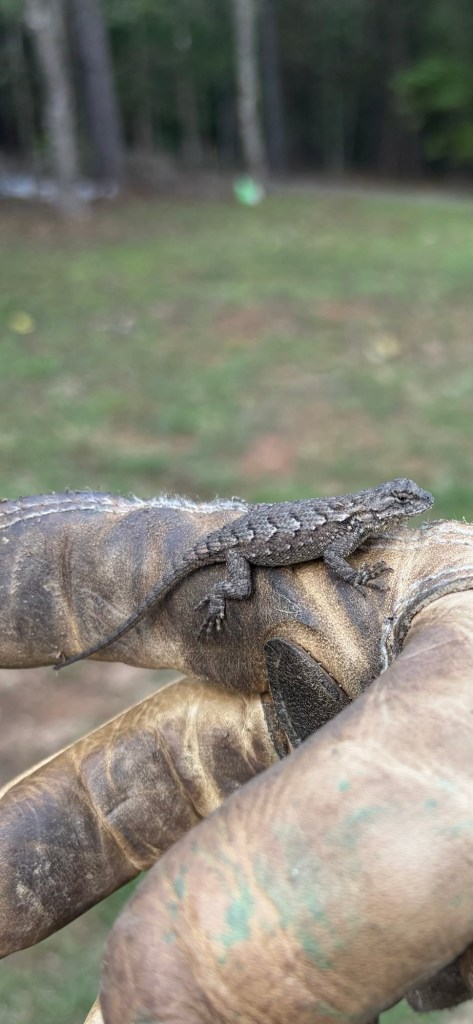
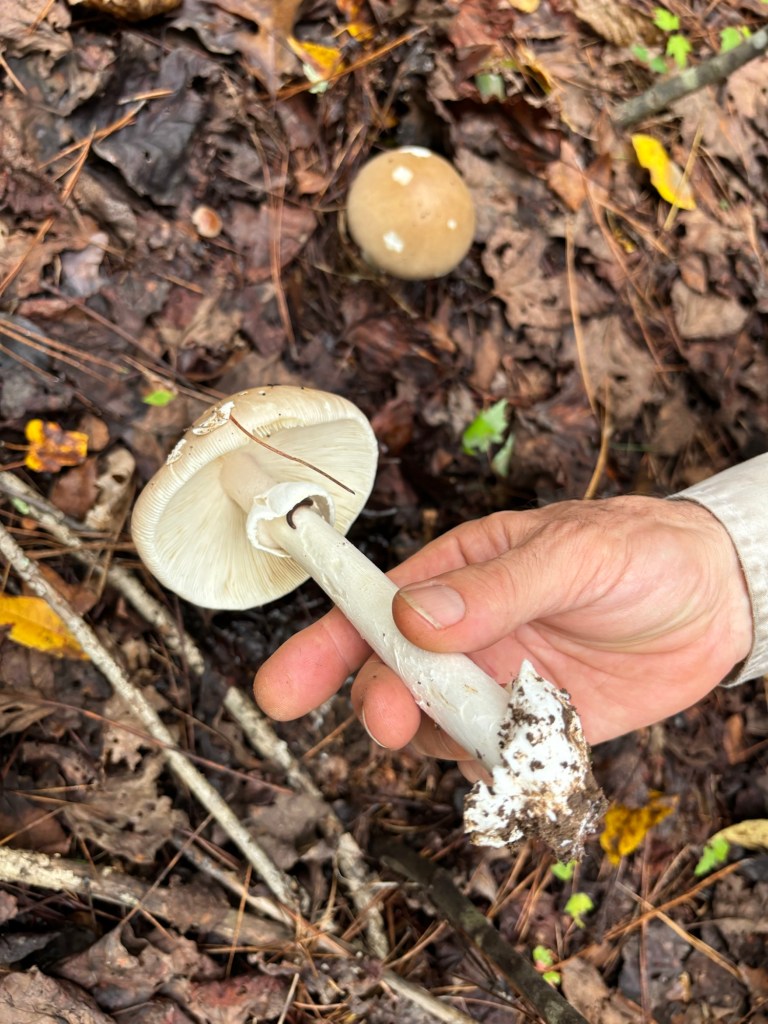
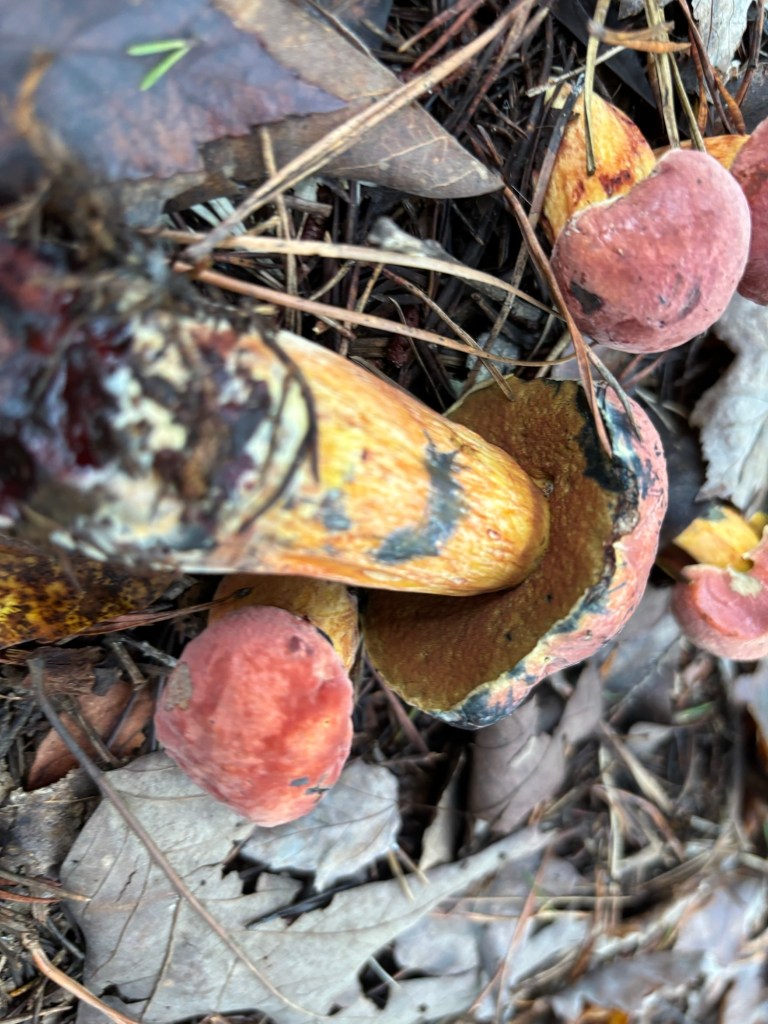
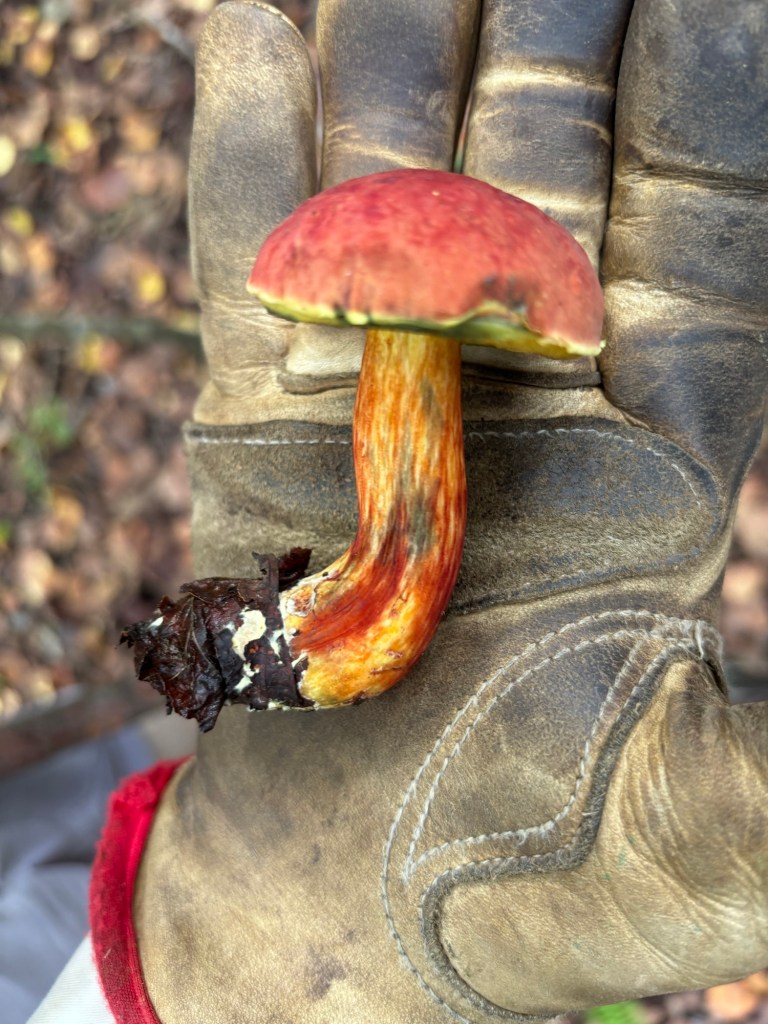
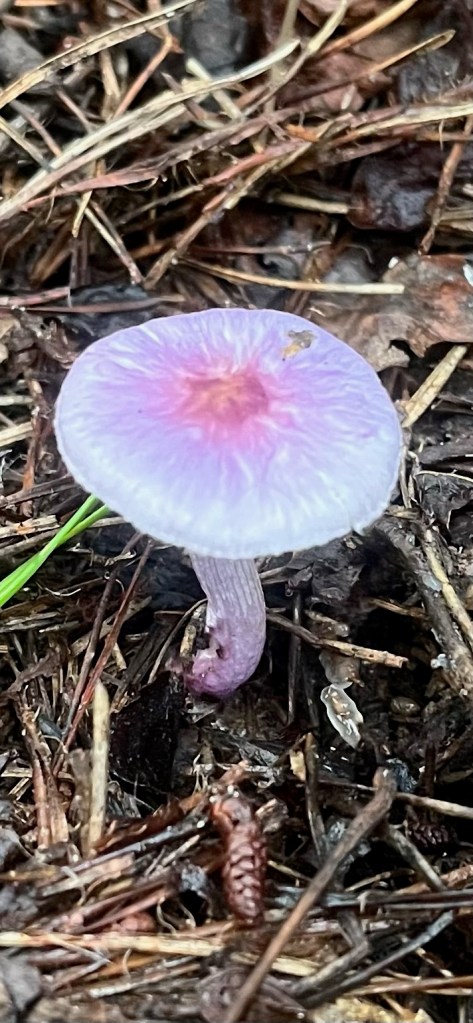
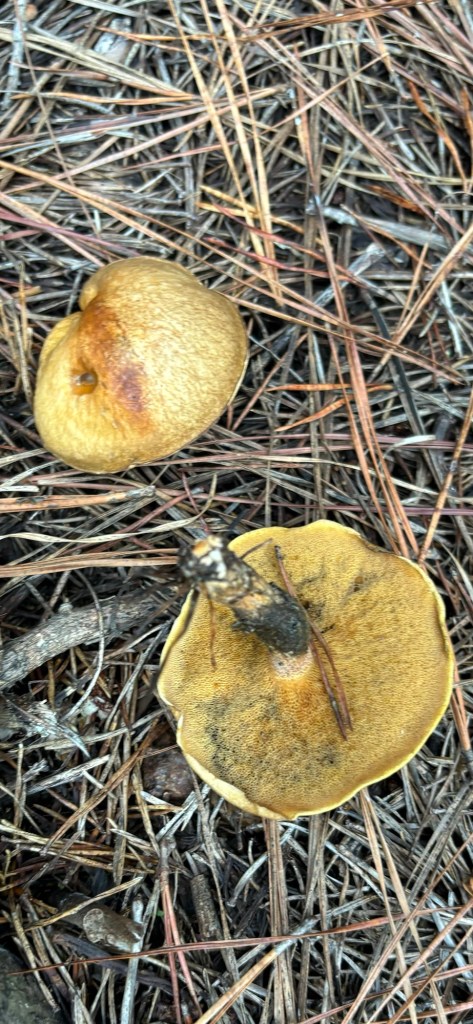
We went over to put up boundary markers and no hunting or trespassing signs as well as forage for mushrooms. Hunting season begins Saturday October 5th (early archery season starts). We took down trees growing too closely together and used the trunks as a natural fencing inside the tree line along the road frontage to discourage hunters from chasing deer onto our property. We’ve also been told hunters run dogs through properties to scare up deer. We are trying to create a hunt free zone, except for mushrooms, and to keep anyone chasing animals off our land. We also will put up several more cameras later this weekend. We had technical issues yesterday but worked it out this morning.
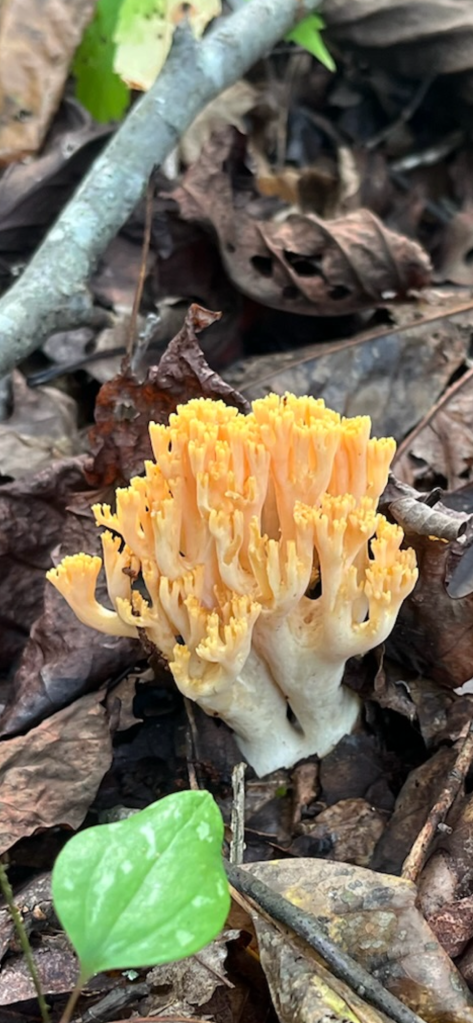
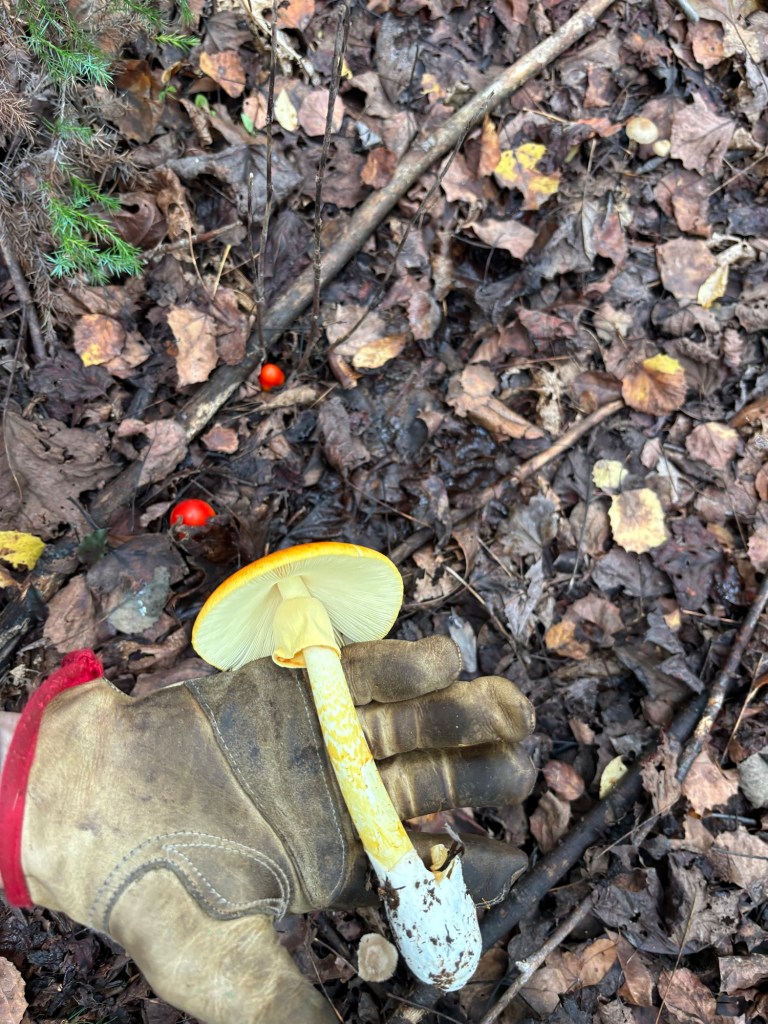
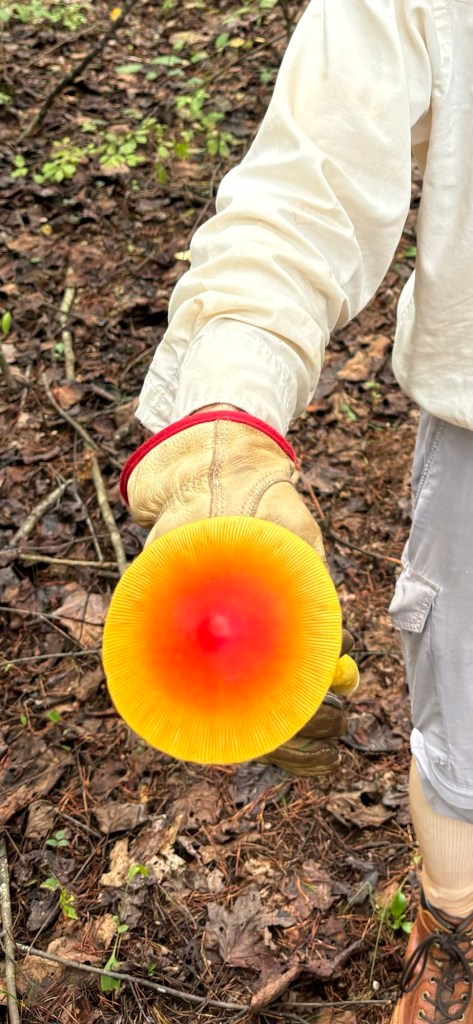
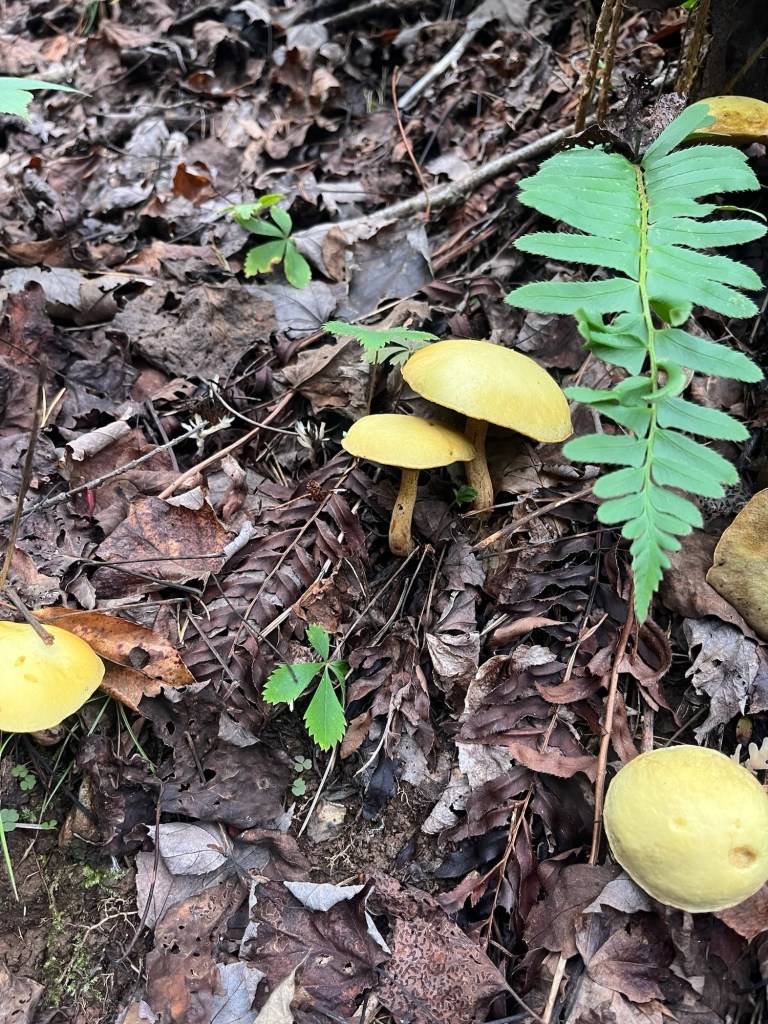
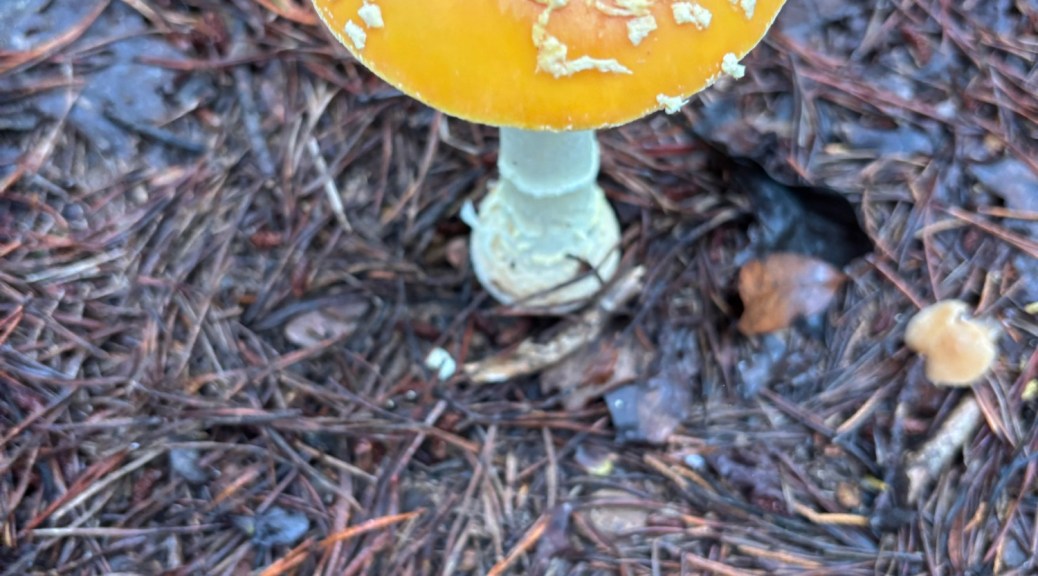
October 1, 2024 – After hurricane Helene at SAFF.
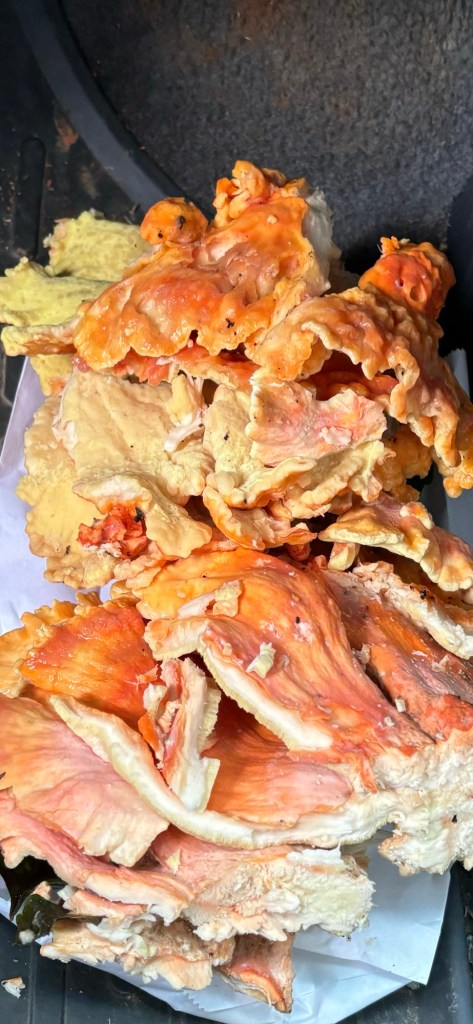
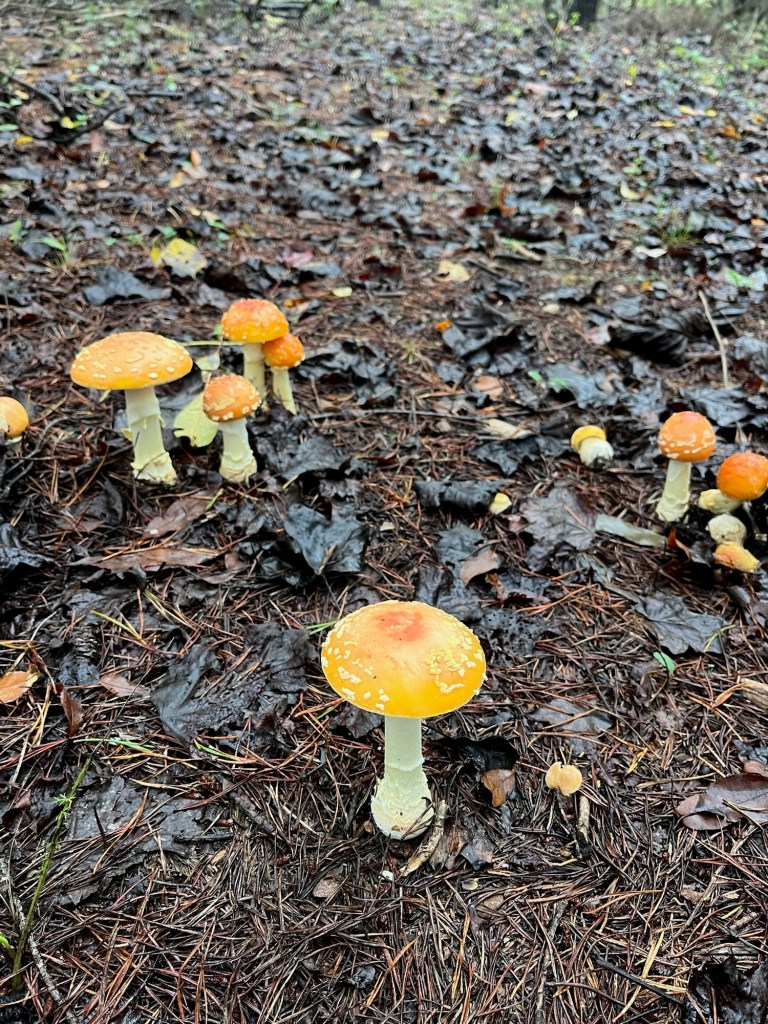
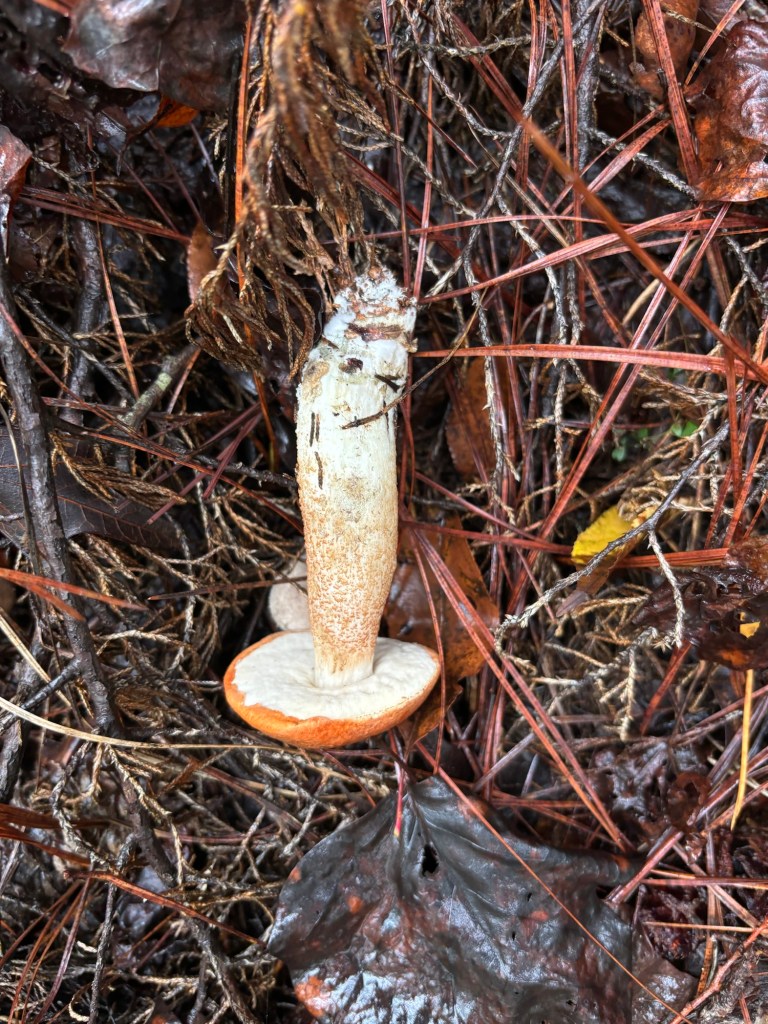
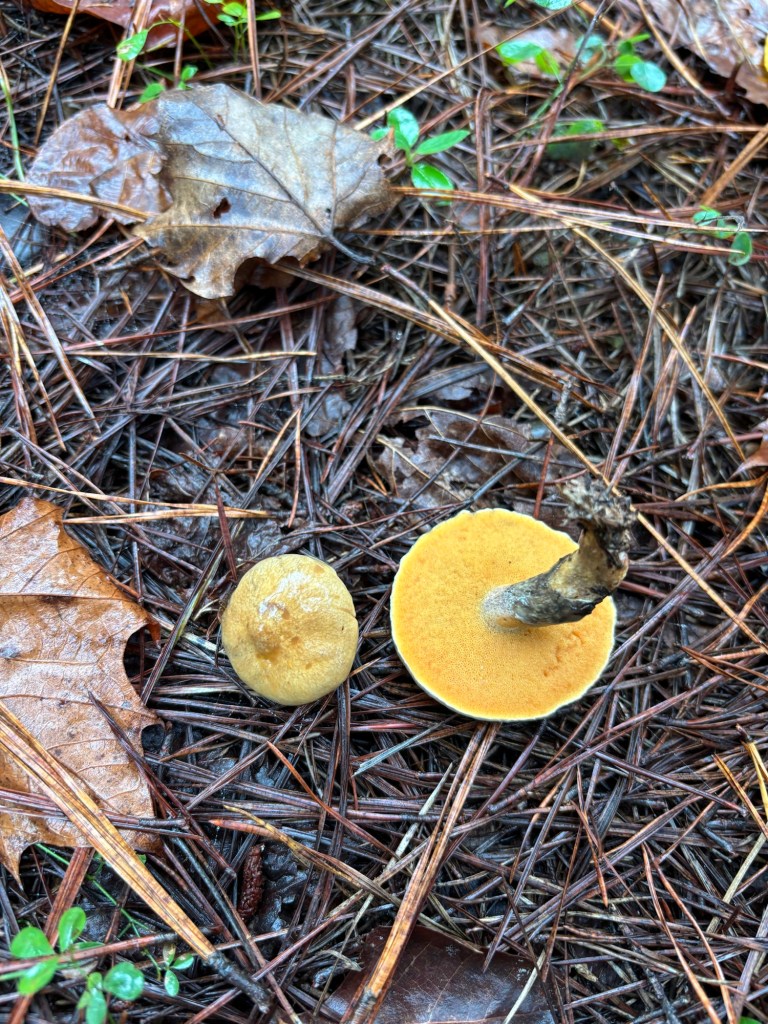
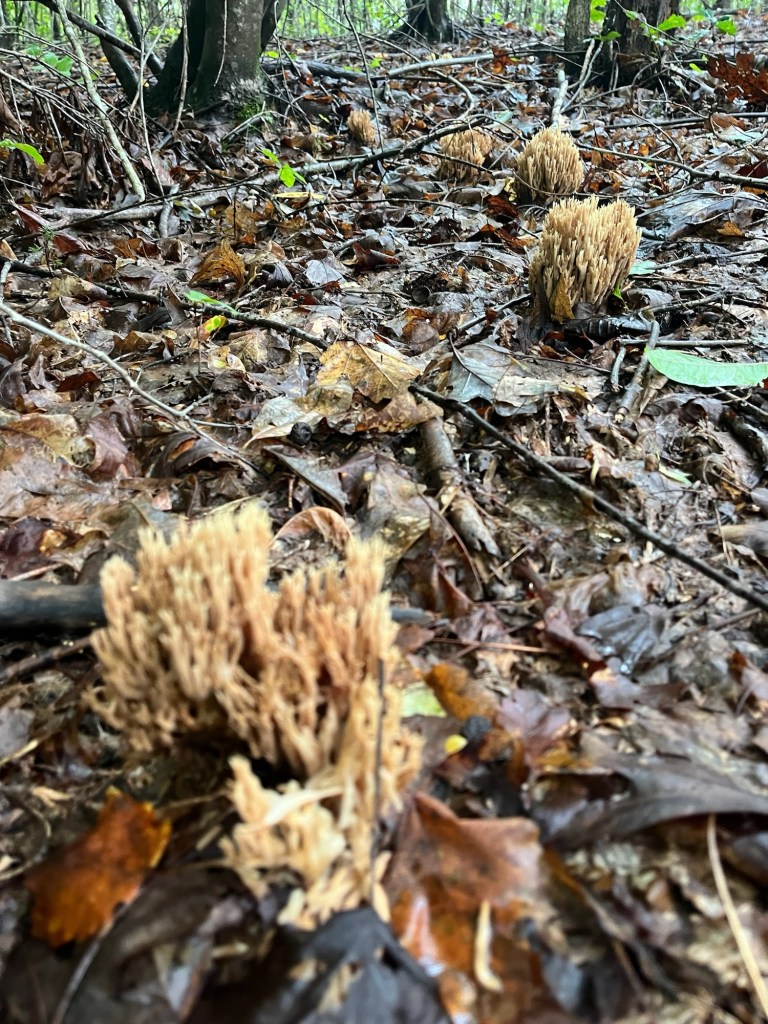
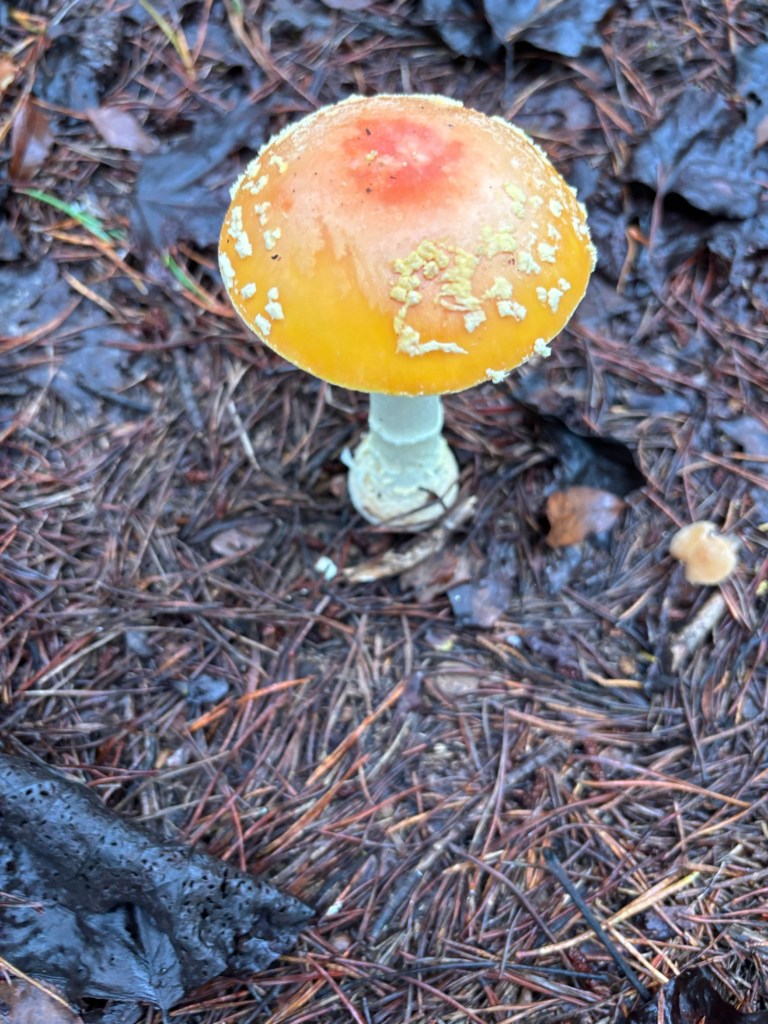
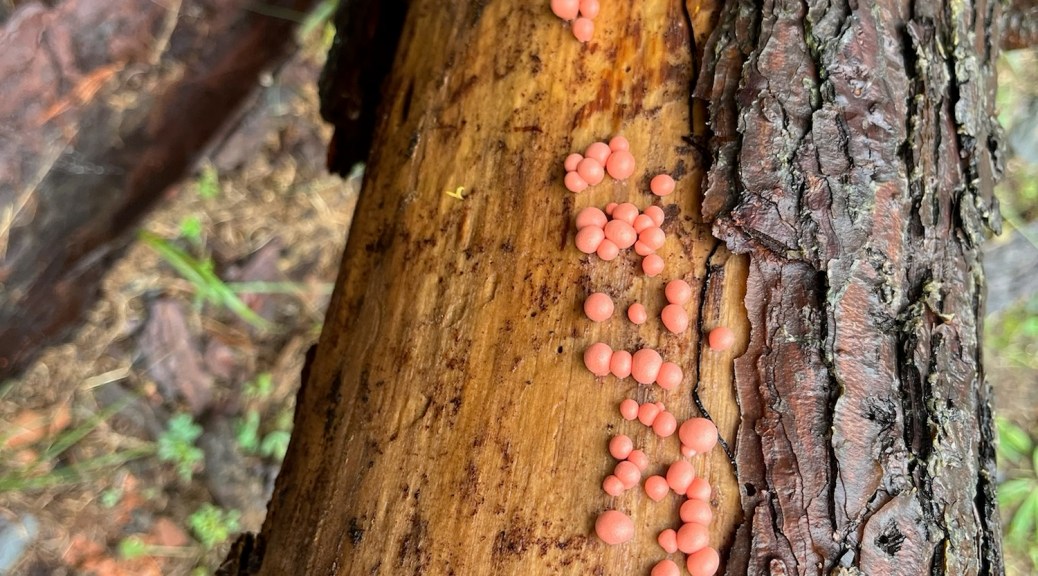
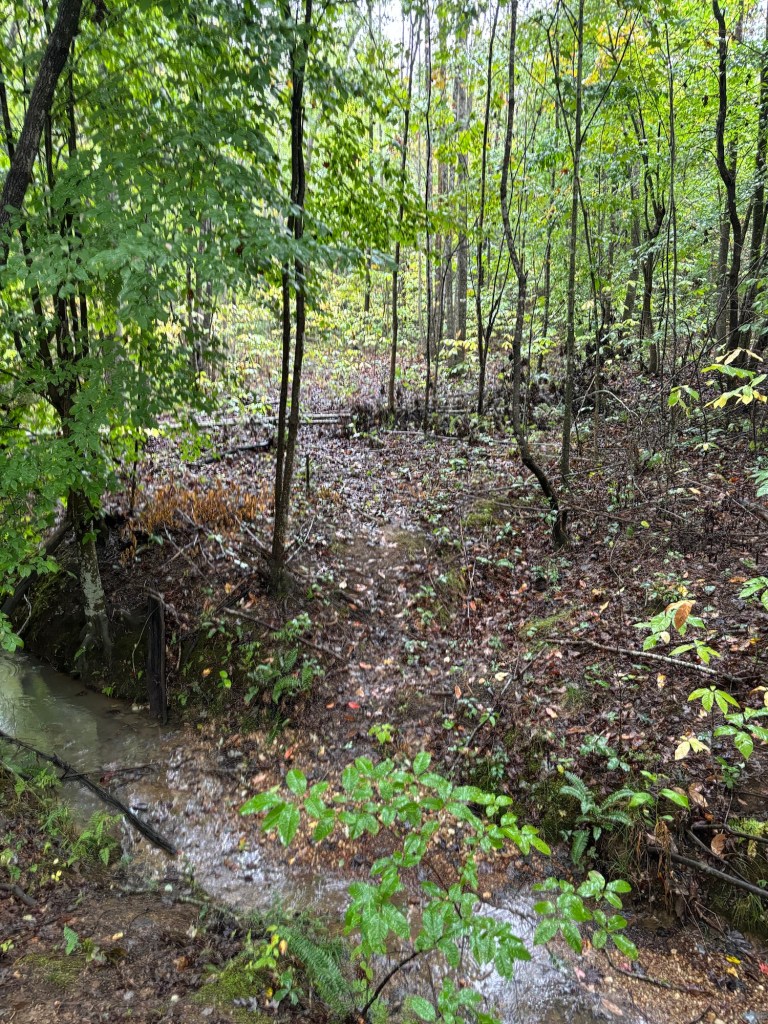
Today was a mushroom hunter’s dream. It’s an understatement to say they were everywhere. We’ve had an enormous amount of rain in Central Virginia and the Shenandoah Valley. We’ve had flooding at the house but finally, after all of this rain, the water table is restored at SAFF from our prolonged summer drought. All of the springs are flowing and the waterways are moving. We saw water flowing in the wet weather gullies in the north and south. It’s a beautiful sight.
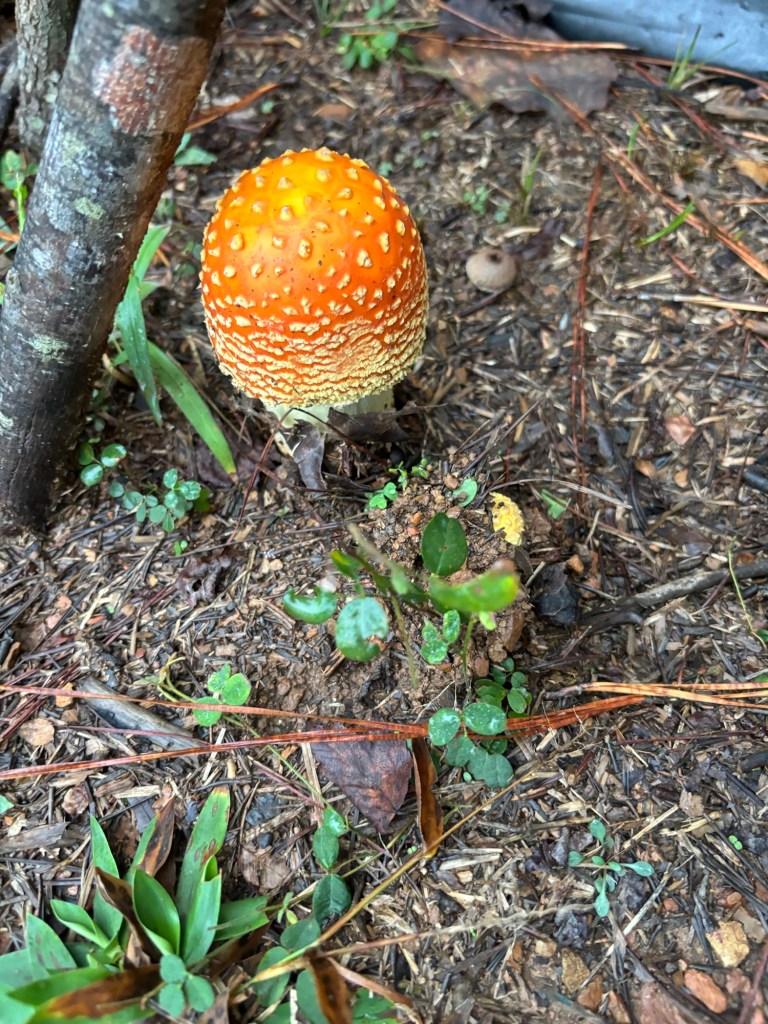
September 24, 2024 – A Rainy Fall Day at SAFF
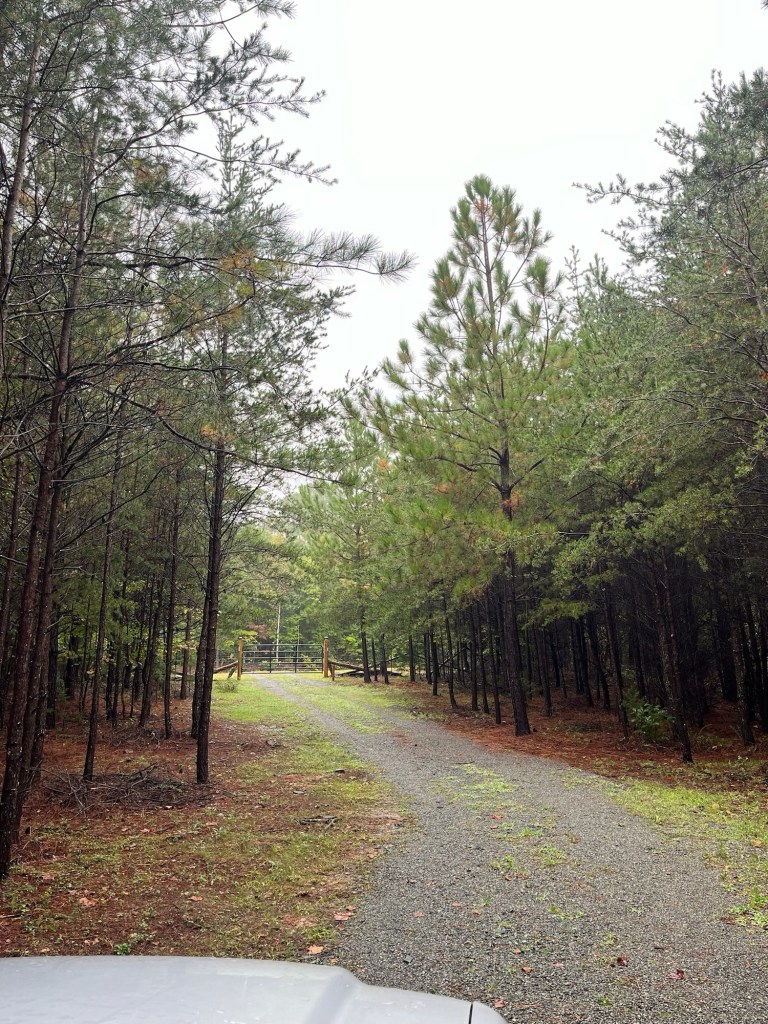
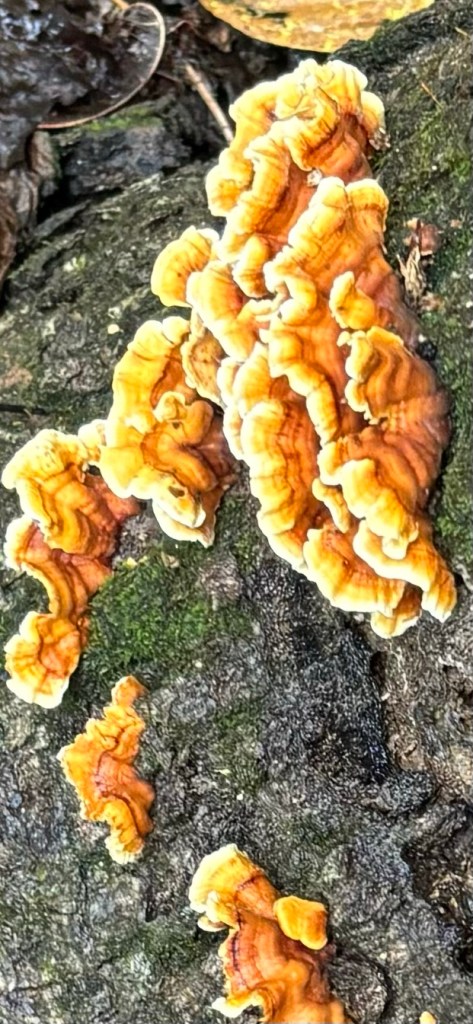
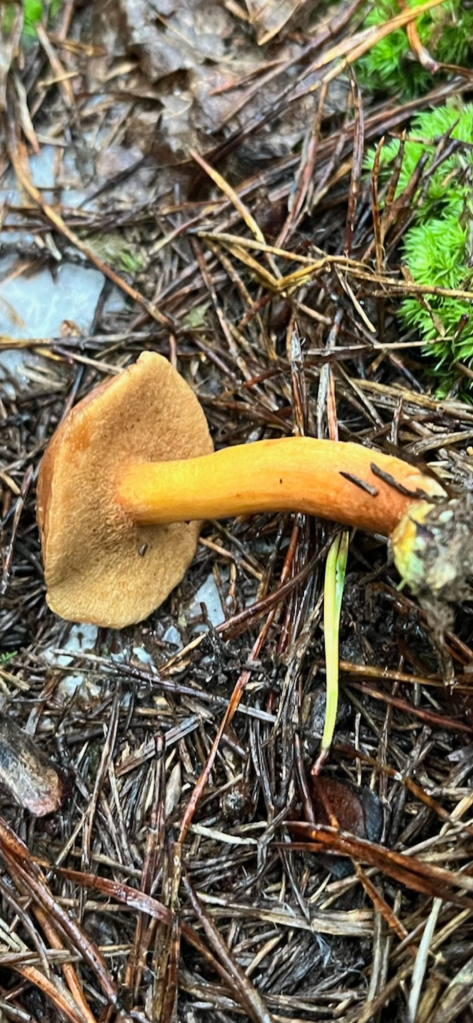
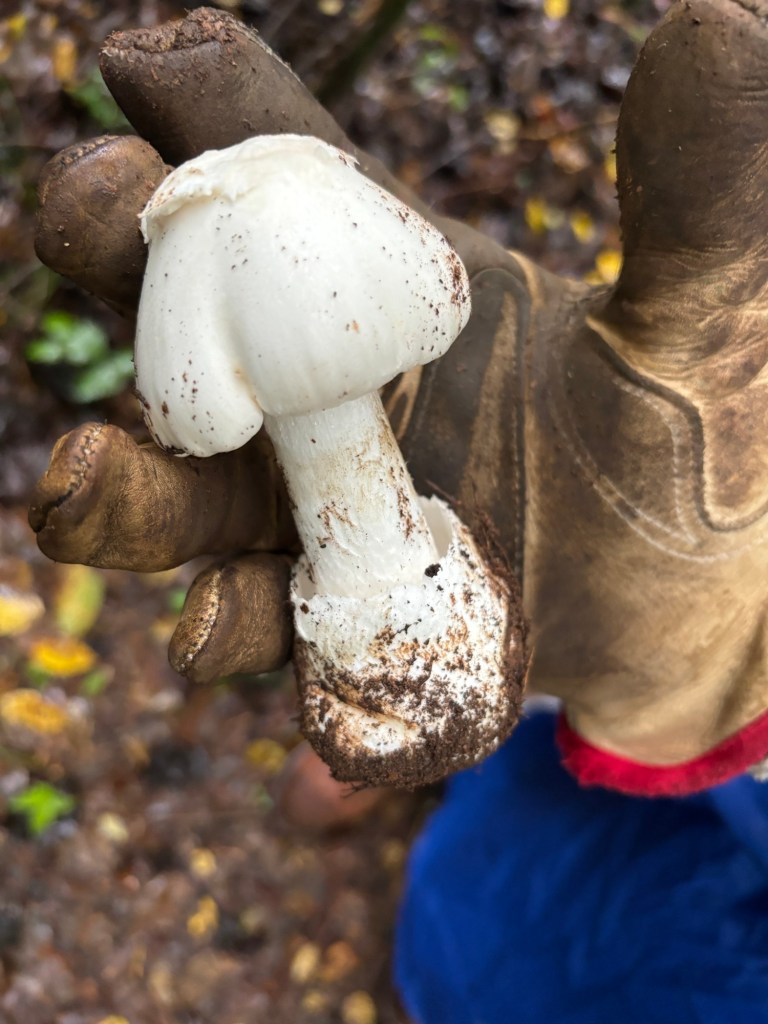
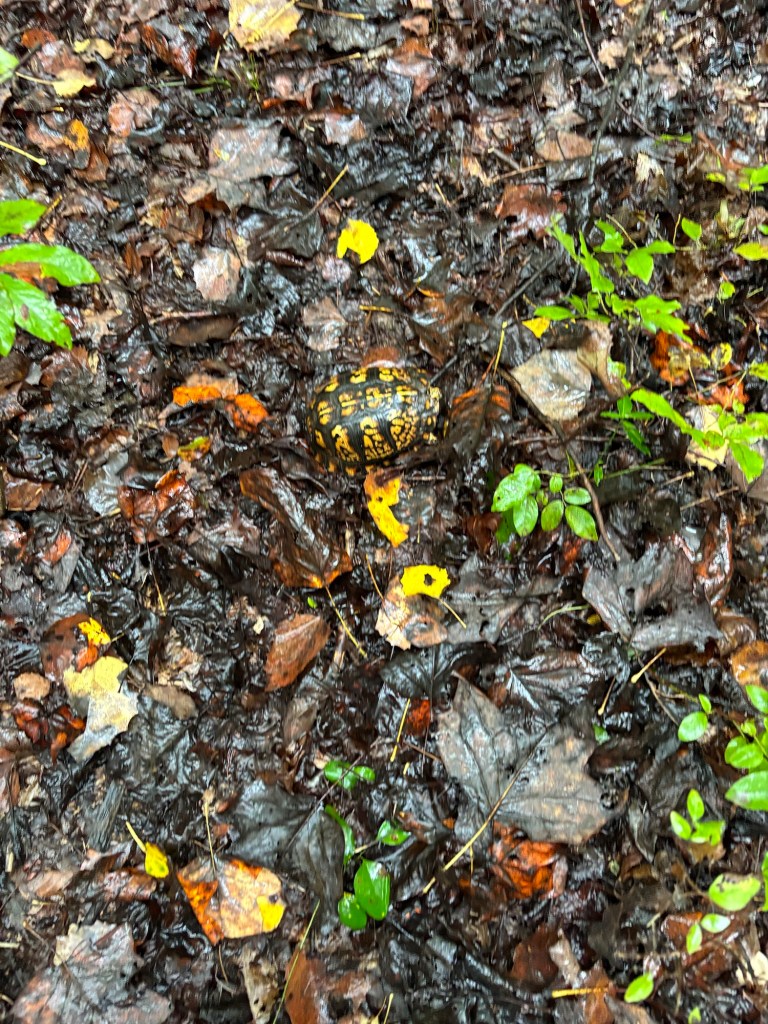
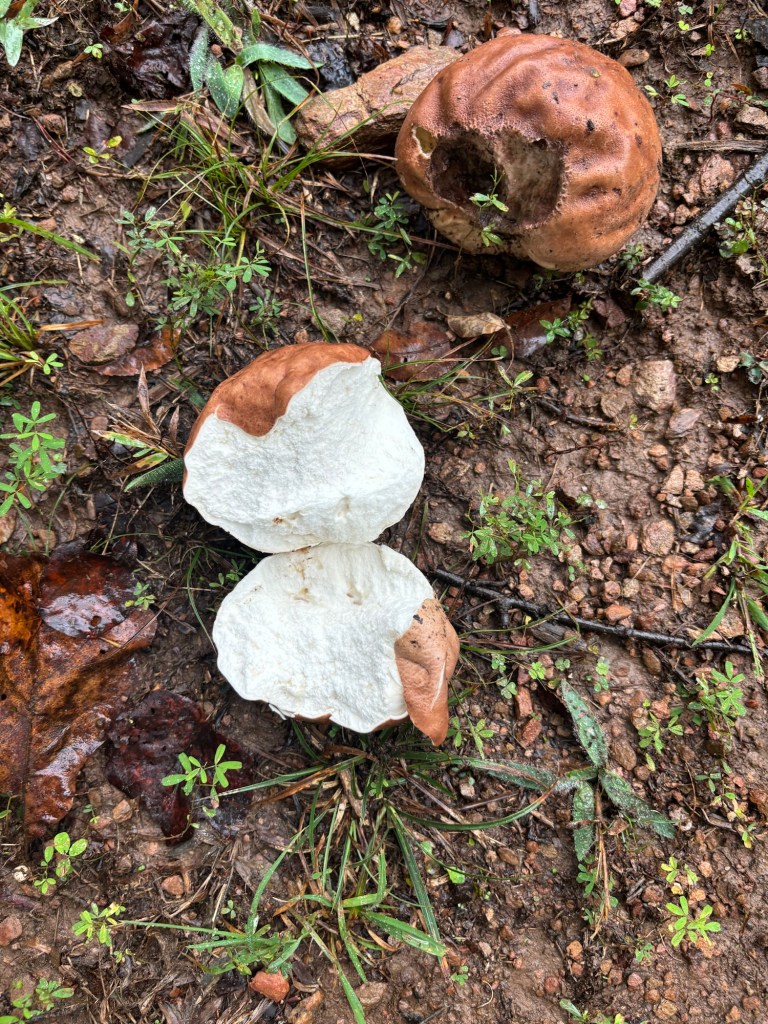
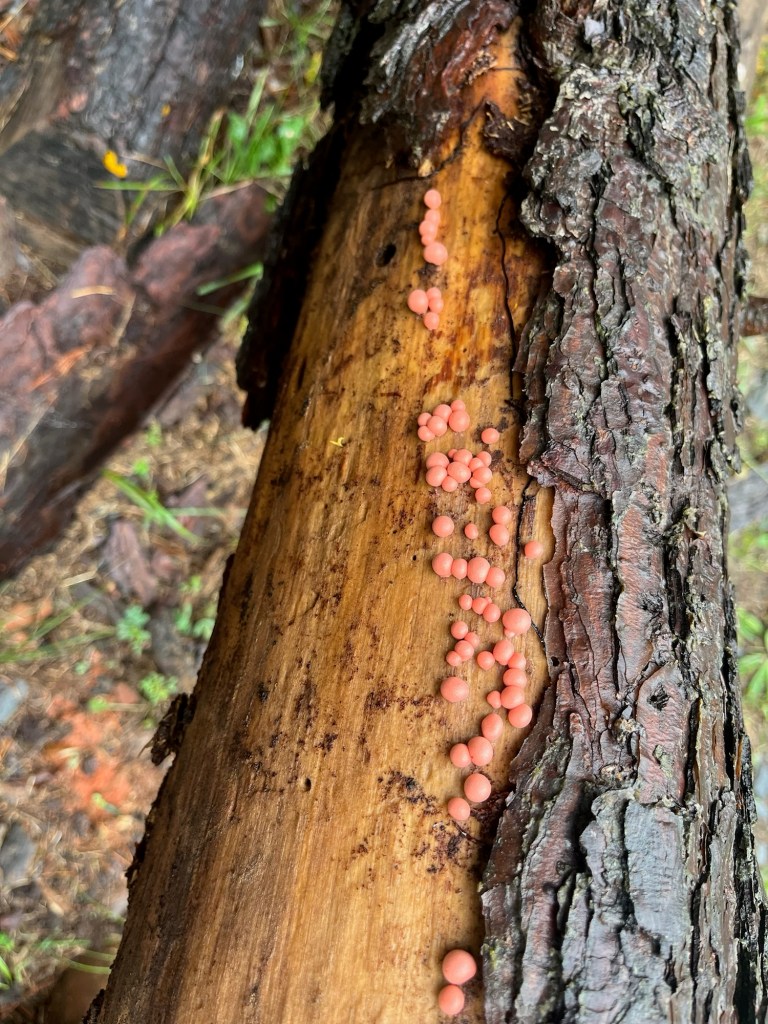
Mushrooms were everywhere at Saint Andrews Forest Farm since it has been raining for days and the temperatures are in the 60s at night and 70s during the day. The rain is wonderful and much appreciated as the water table is still very low.
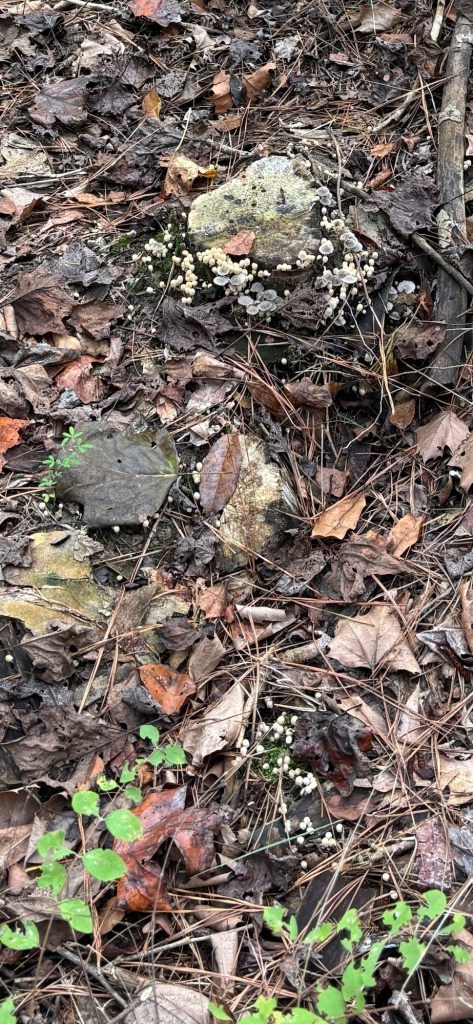
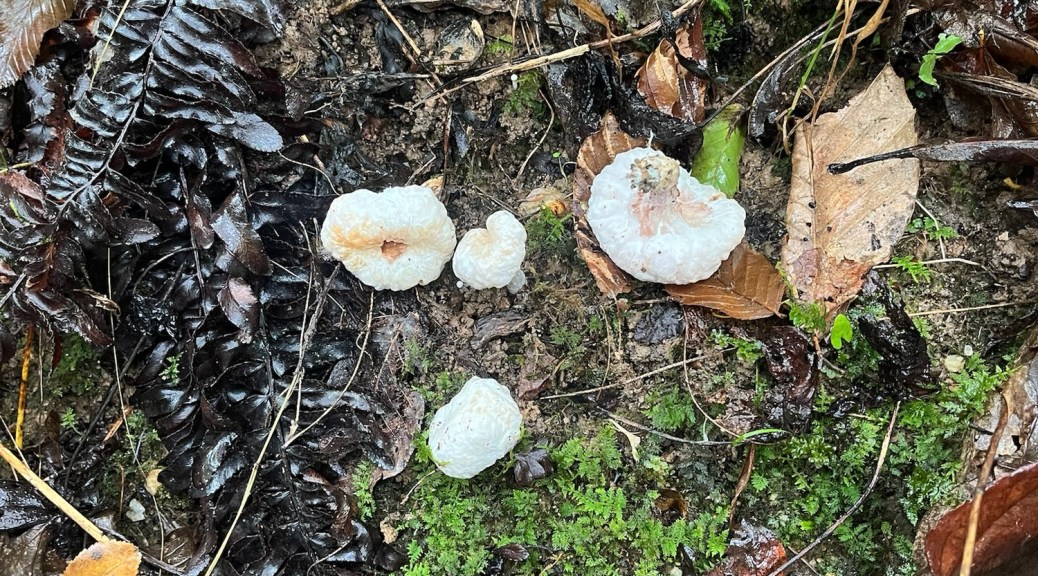
We saw these tiny Mycenae and Coprinellus growing together.
September 18, 2024– Shrimp of the woods and Honey Mushrooms
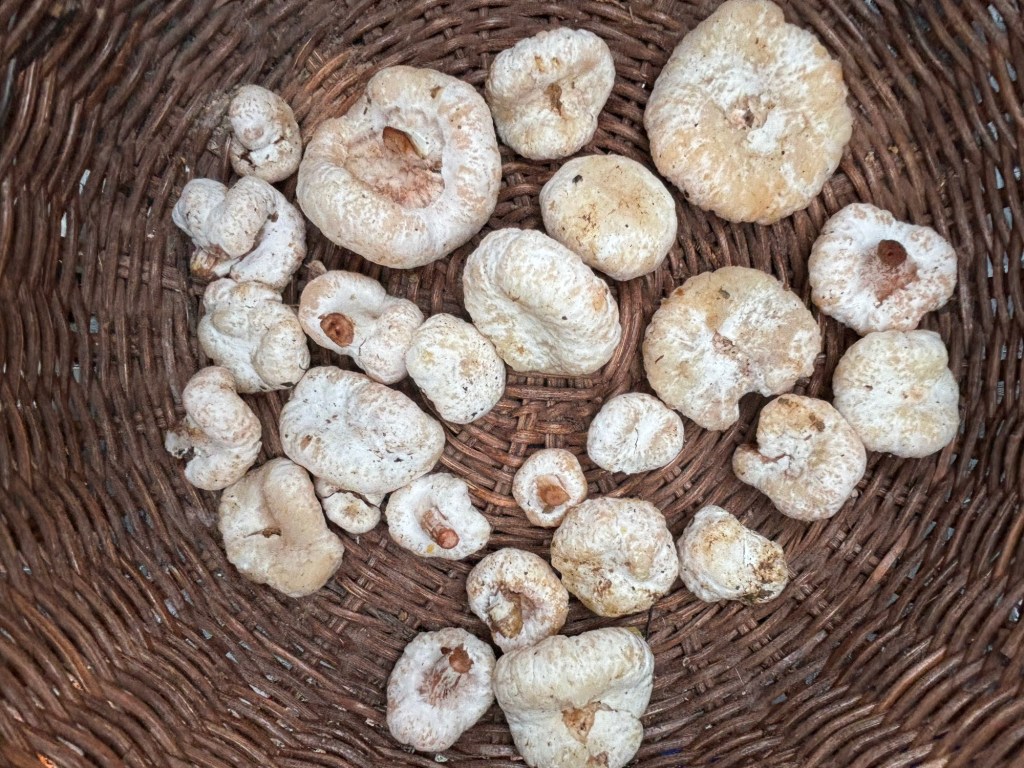
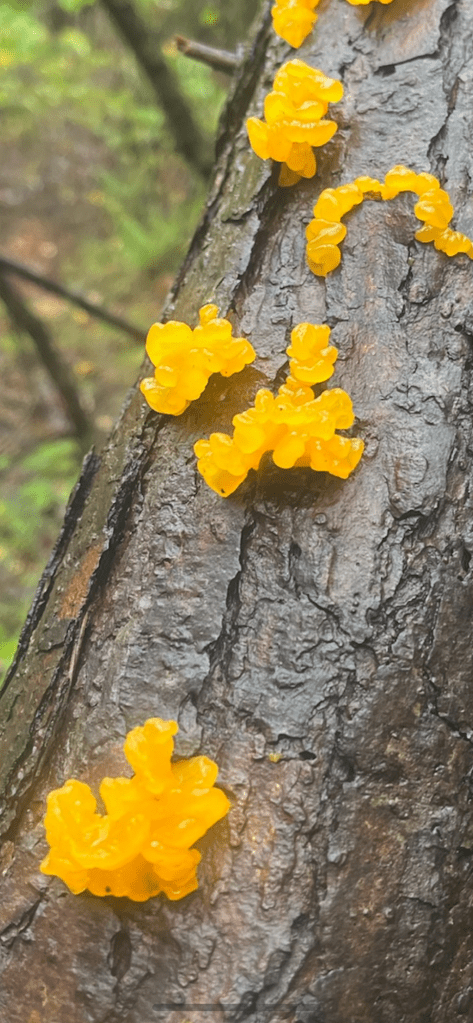
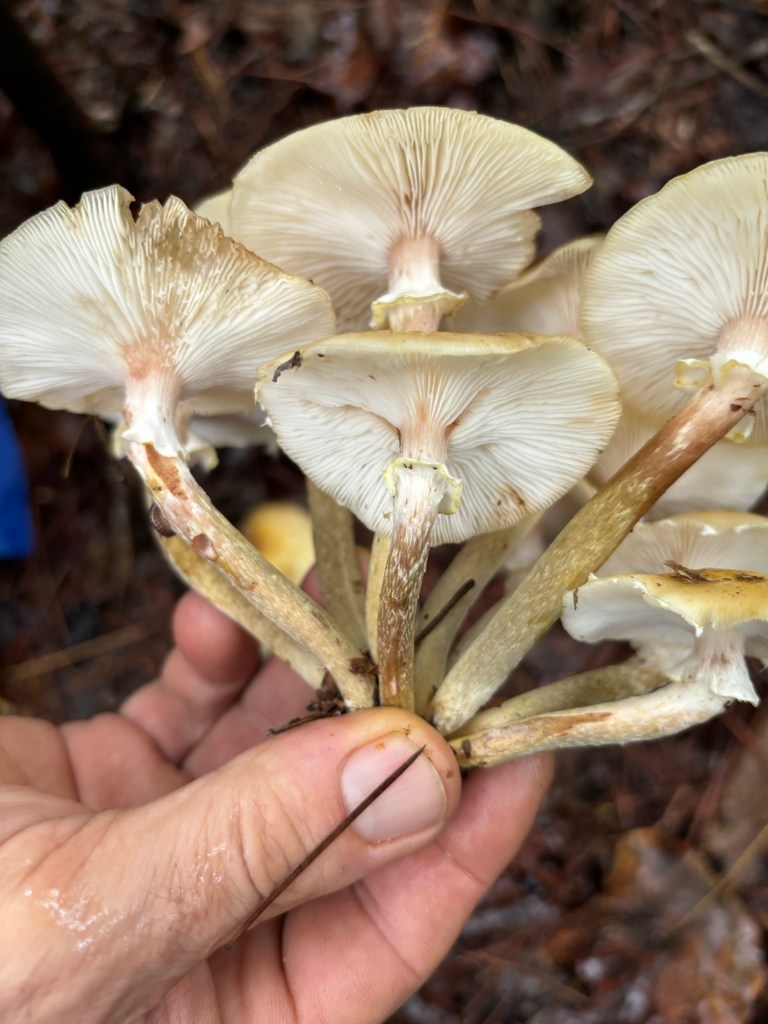
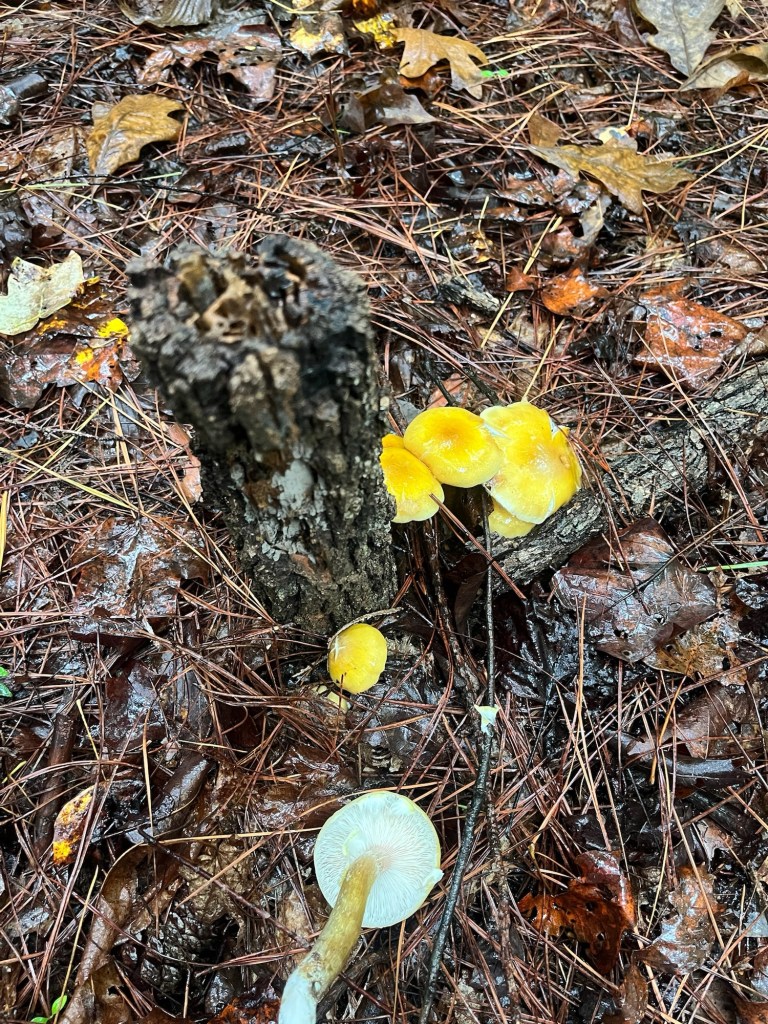
We took a walk in the rain around Saint Andrews Forest Farm yesterday and saw plenty of fungi to our delight. The animals had eaten some of the Honey mushrooms. These are highly nutritious. We were fascinated by the fairy ring of Honey mushrooms up top which showed this Armillaria to be maybe 15 or 20 feet in diameter. Most of it is underground mycelium.
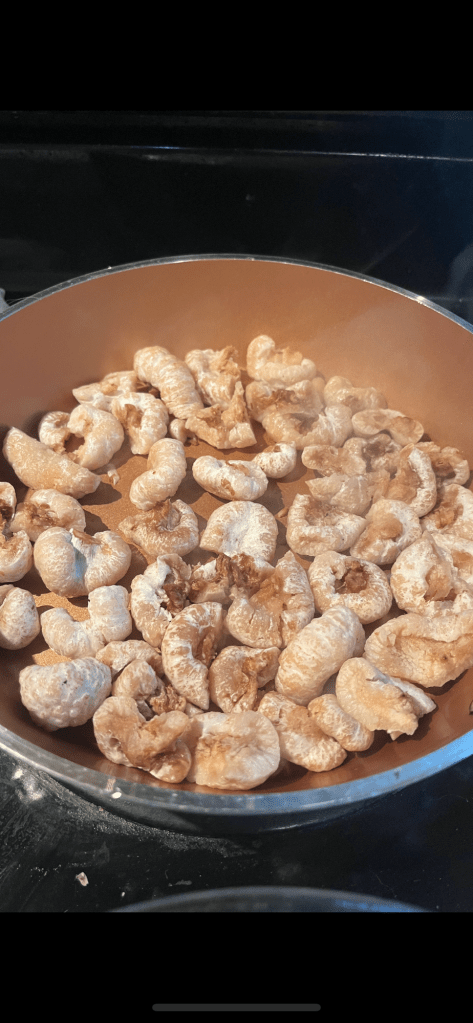
We’d been waiting for these to emerge along with the Entoloma abortivum which are actually honey mushrooms parasitized by Entoloma. Each year they show up together and it is a helpful identification factor. They are delicious and we are having them for breakfast this morning with our eggs.
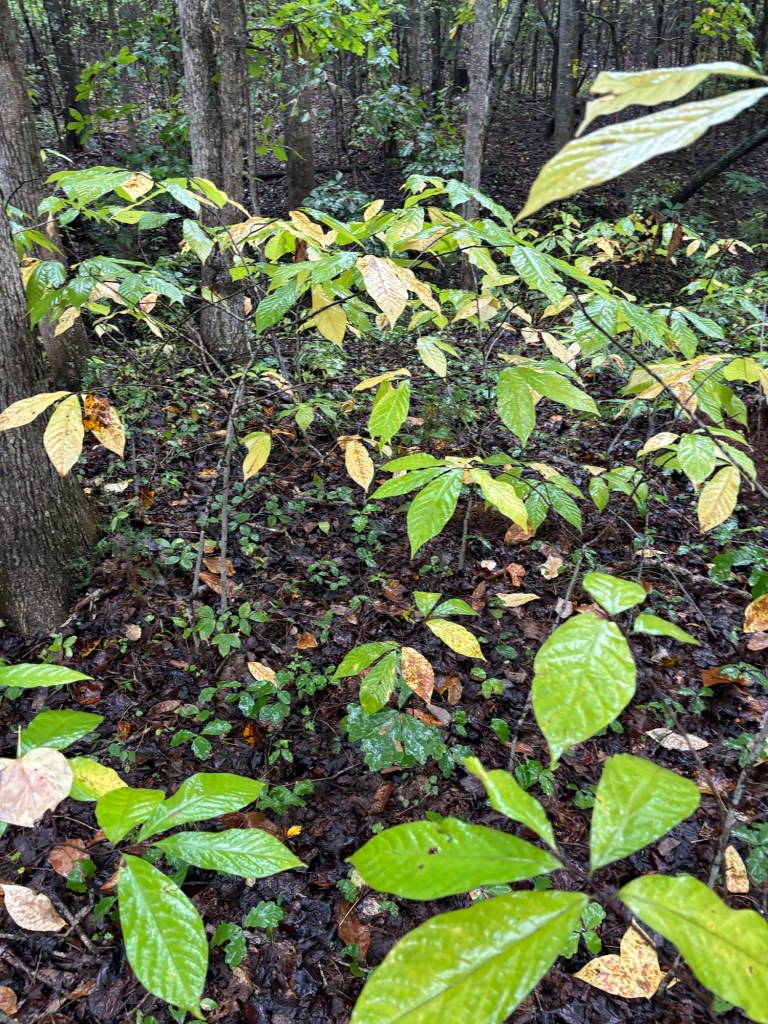
We also found a few more patches of pawpaws growing along the southern wet weather gully! They are easily spotted right now as they are beginning to go dormant for winter as evidenced by their yellowing leaves.
 St Andrews Forest Farm