Tag Archives: Buckingham County

Pawpaw Planting at St Andrews Forest Farm

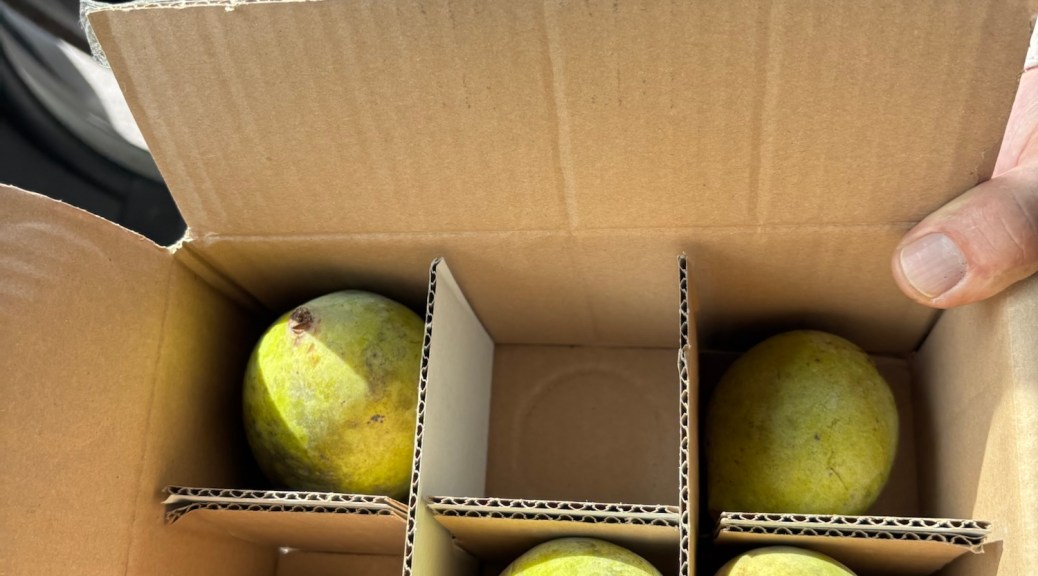
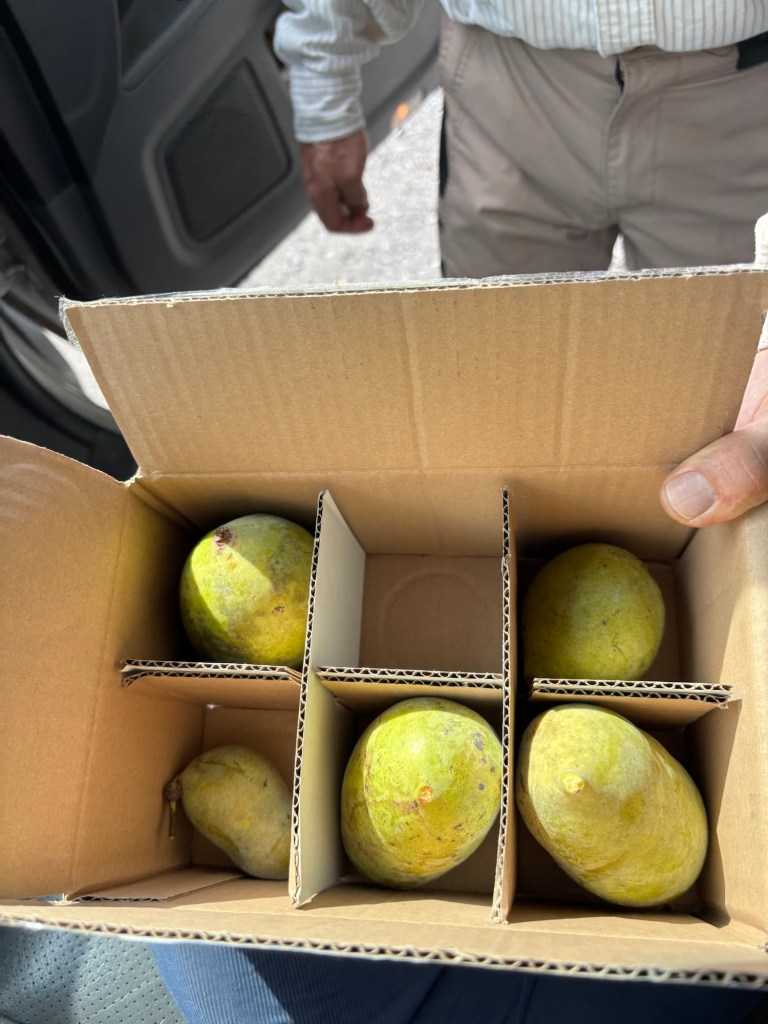
Pawpaws we foraged under Edible Landscaping’s Sunflower and Mango cultivars in Nelson County Virginia on Sunday.

We went out to the farm on Friday and Sunday to get as many pawpaws planted before the rain comes. Thunderstorms and rain are forecasted to get started late tonight and continue until Wednesday afternoon. We planted 17 on Friday: Five in the orchard (a Kentucky State University Chappell and 4 seedlings) and another five alongside the Shenandoah and select seedlings that we planted last year. We put a Mango cultivar and four seedlings we started from foraging. Then we planted 2 on the Pawpaw Peninsula (an Allegheny cultivar and Wild native seedling from a Rockfish River foraged pawpaw). After that we put two by the pawpaw patch at the bottom of Ridge Trail and another two on the left side of the large pawpaw grove. We walked up Ridge Trail and put another wild pawpaw seedling from Rockfish River foraging near the small colony of native pawpaws growing along the south wet weather gully.
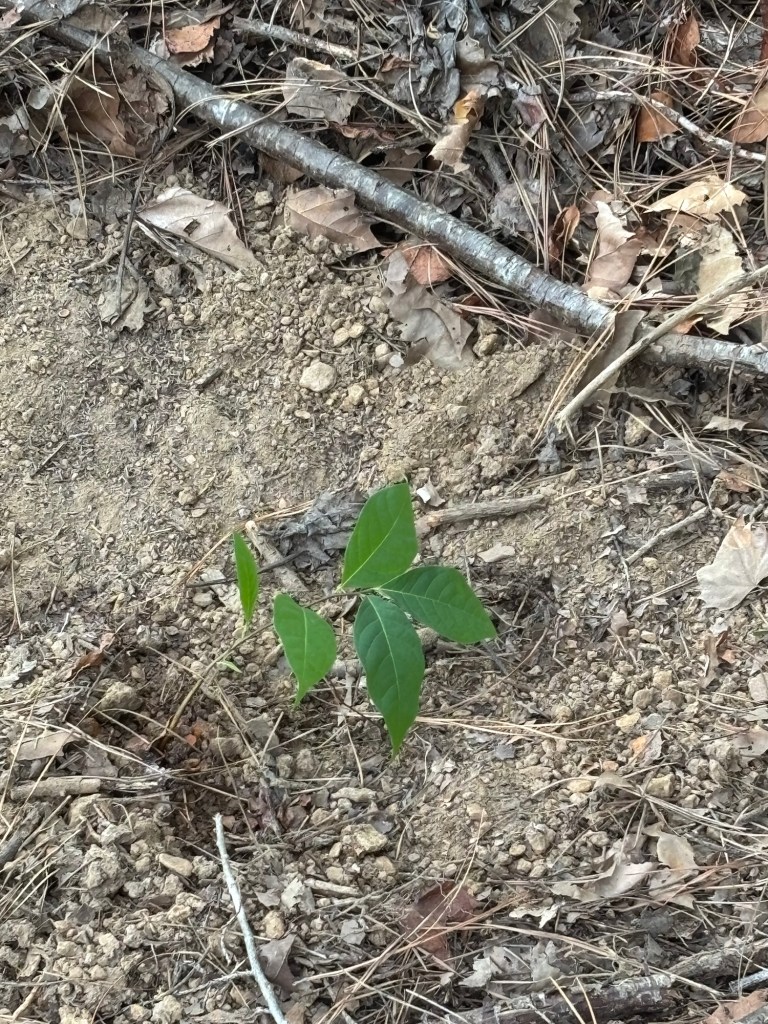
Wild native seedling planted up top.

We were exhausted after this. We had to carry water for the trees after planting in our packs, carry our equipment and the trees themselves all around the farm. It was hot and the ground was hard and dry for digging. Chris was battling each hole. (We are looking into finding a lightweight device to dig our holes, as in an auger.)
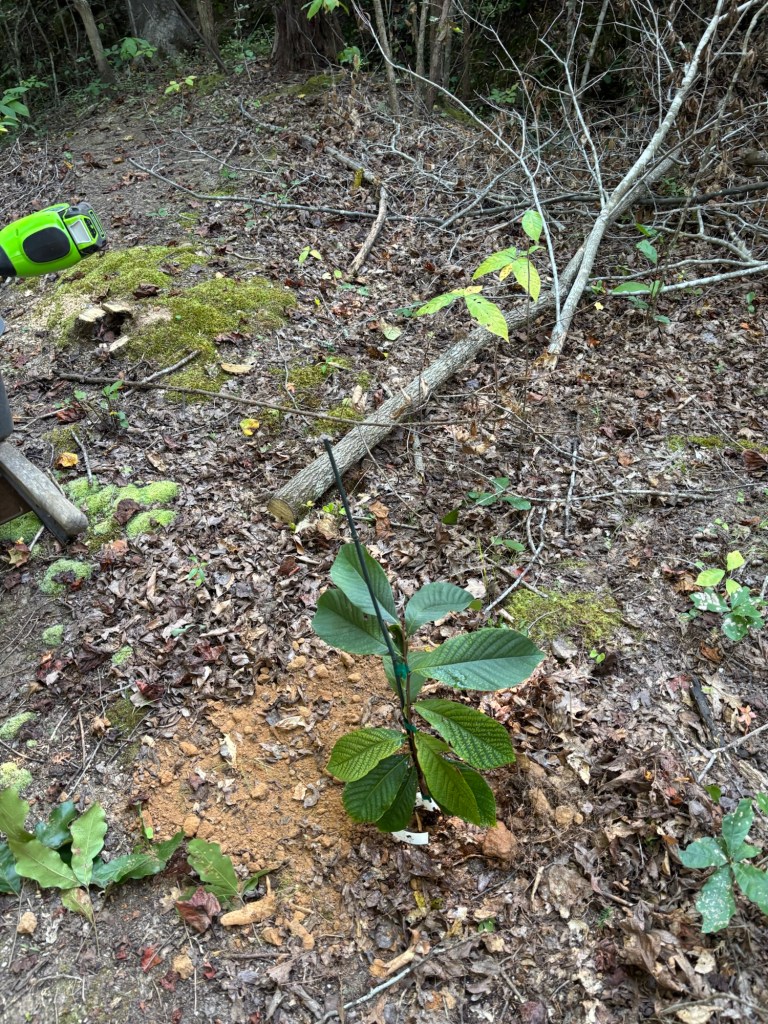
Allegheny pawpaw cultivar on the Pawpaw Peninsula with our SAFF native wild pawpaws. The wild ones are yellowing leaves and going dormant for winter since it has been so dry.

Then we went back out on Sunday to water what we’d planted Friday and put a few more in the ground. We planted 5 up top in the main clearing along the driveway and put two along the South Gully on Dan’s Folly. We put one more across next to a lone wild SAFF native pawpaw on Fern Trail. From there, we walked down the Gully and watered our select seedling planted a few days before. We were happy to see they all were still in the ground (last year, the deer ate them and pulled them out of the ground a day after we planted so we almost expected the same.) They were glowing in fact. They all appeared to be very happy in their new locations. We watered them some more.

We have another 80 or so to plant and hope to get out to the farm again soon to get a few more in the ground.
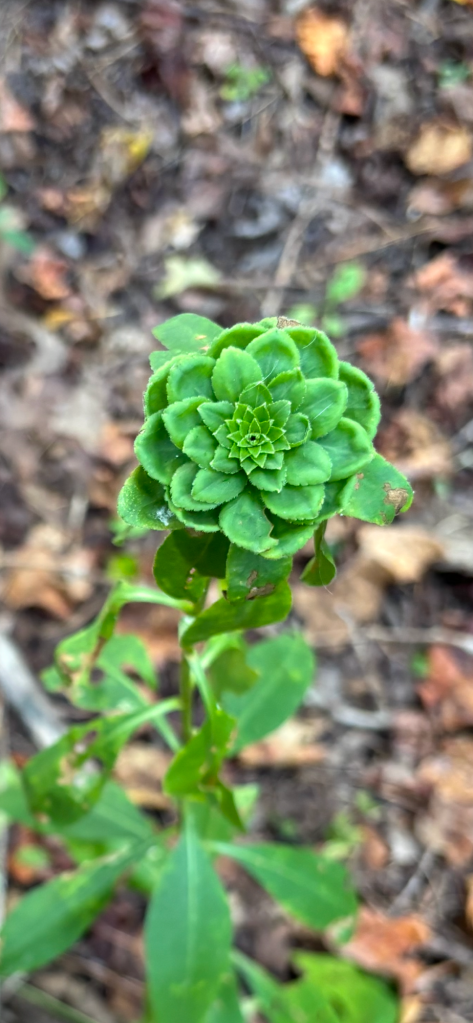
We found this lone flower along Mary Banning Trail. We aren’t certain but are leaning towards a type of Spurge. We will continue to observe it in order to further identify.

Fall 2025 Update at SAFF

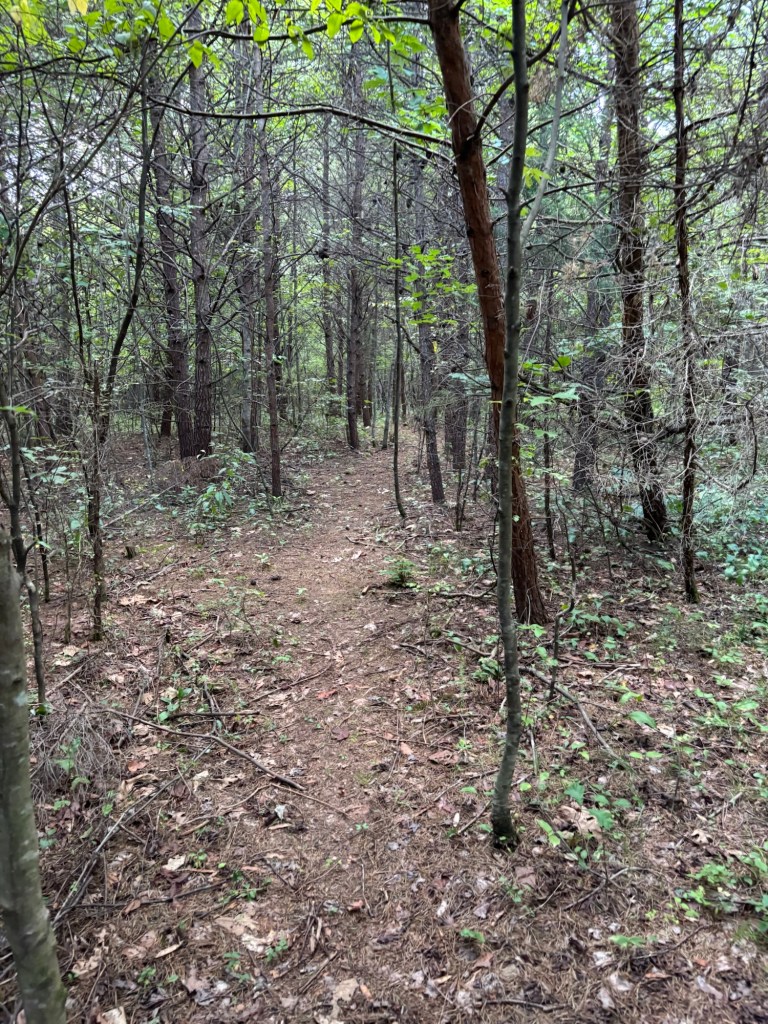
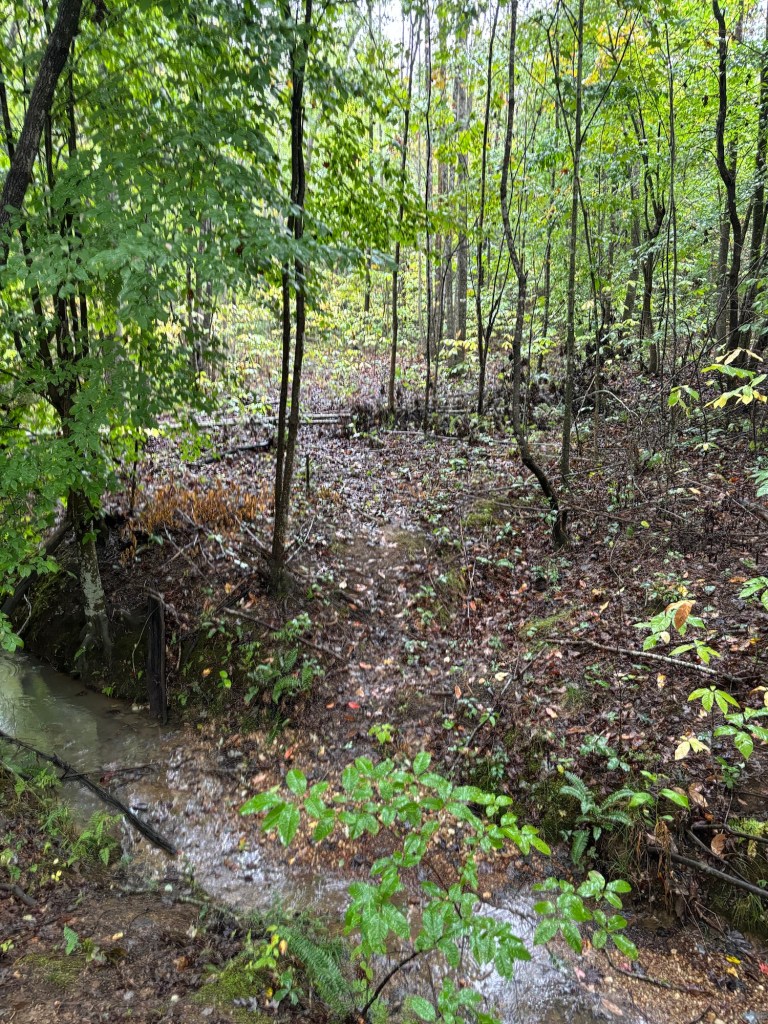
Orchard Trail taken in September in the lowlands at St Andrews Forest Farm

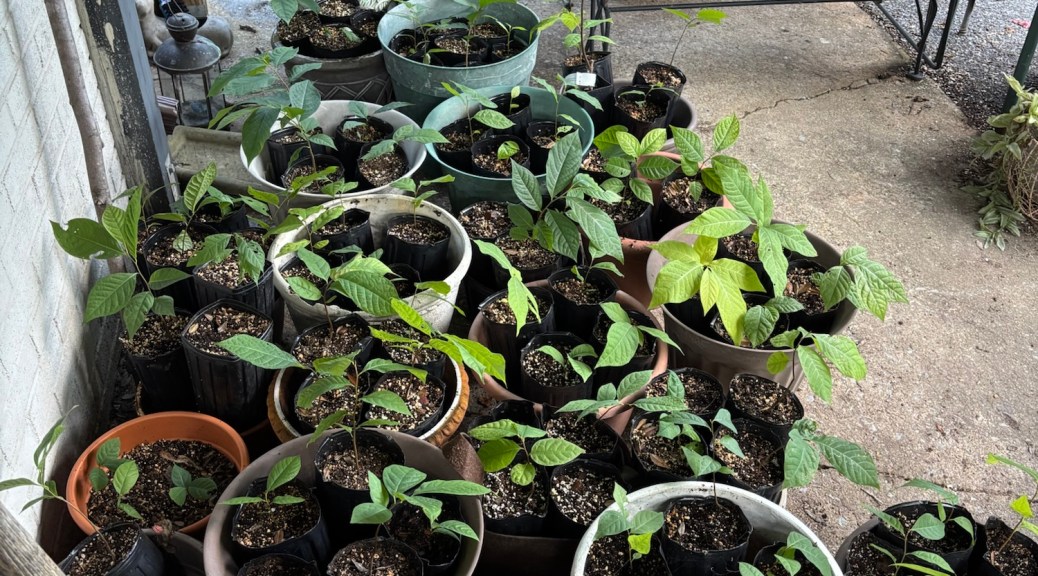
It’s been far too long since we have reported on events at the farm. Cooler temperatures and a few trees with bright yellow and red leaves remind us fall is here and also that we could use a good soaking rain to soften the crisp dryness of the ground and plants. Our pawpaw seedlings are waiting, with a few cultivars we collected from Edible Landscaping in Nelson County Virginia, to be planted out at the farm when a rain is expected next, we will plant them just before.

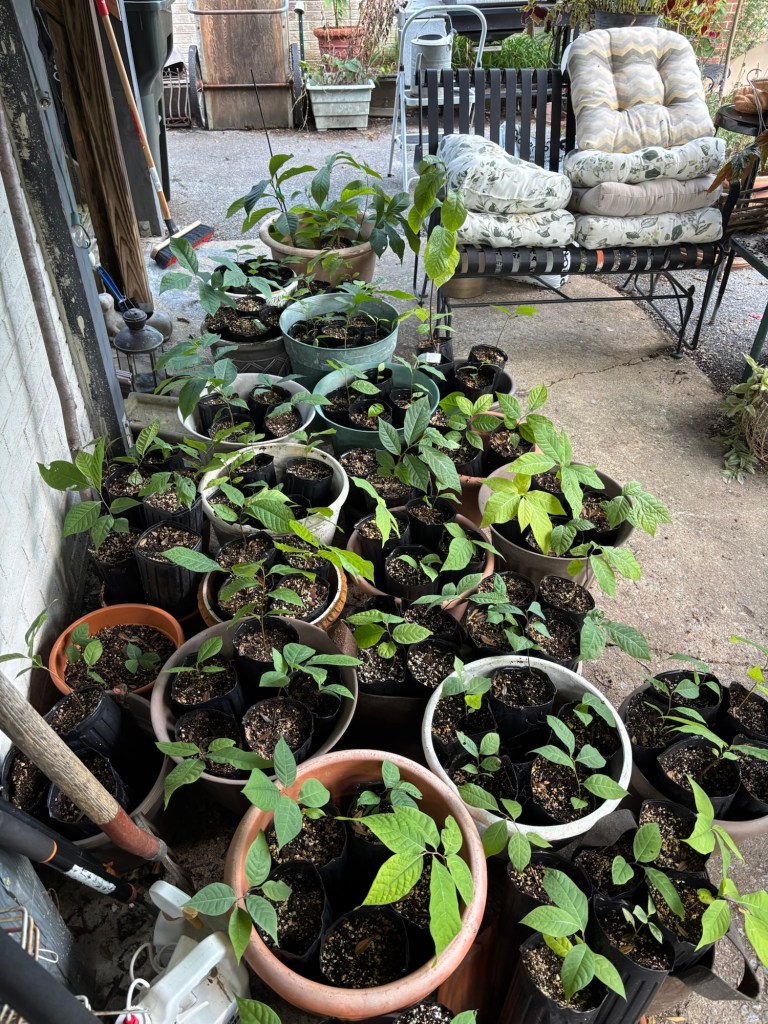
Over 100 pawpaw seedlings and a few grafts of Mango, Allegheny, KSU Chappell cultivars. We also have quite a few select seedlings from Edible Landscaping.

We hope to plant some around the existent wild native pawpaw patches that we have. These trees are responding well to increased light as we cut back understory trees competing for sunlight under the giant oaks maples and beech. They have greened this year and produced more branches and leaves. We only had a few flowers and one tree that set fruit. This dropped after the second week even though we had good rains in the spring. We are feeding the native trees compost from our home bin. With the addition of the new dna from the seedlings and grafted cultivars we hope to plant within the next few weeks, we hope to see increased growth and fruiting.

We have been busy planning our orchard and structures, collecting seeds from native and select varieties, trailblazing to give us more access to SAFF. And we have also been mushroom hunting of course! We have added a lean-to on to our shed for the tractor.

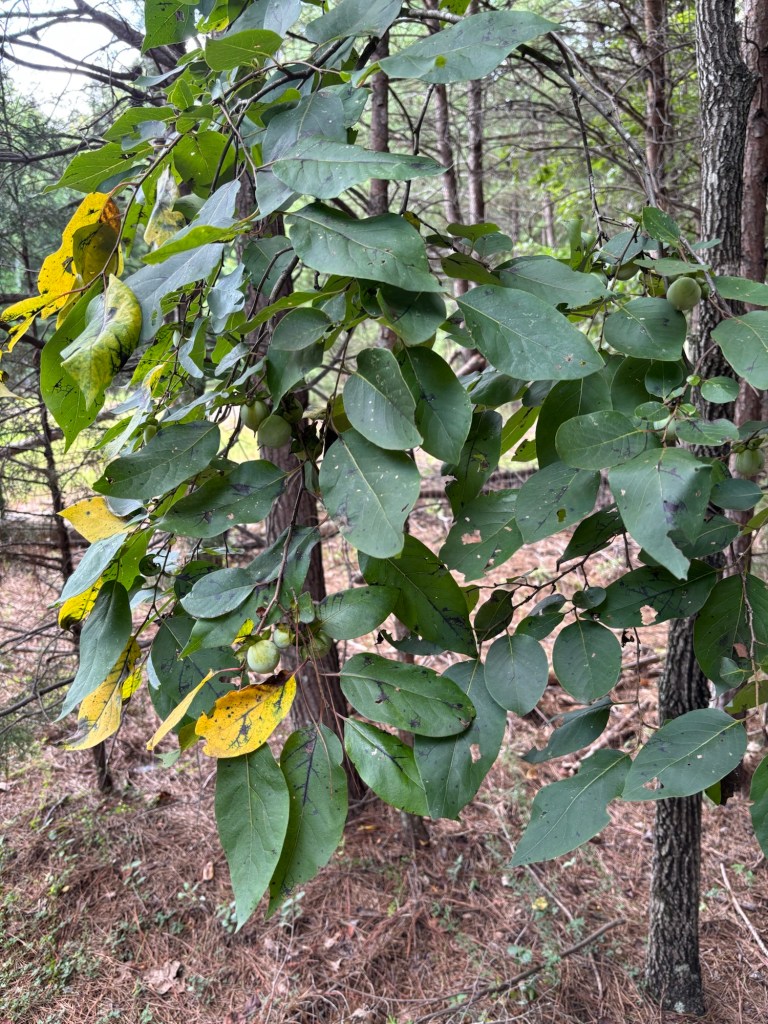
American Persimmon trees up top fruiting nicely in the forest.

September 24, 2024 – A Rainy Fall Day at SAFF

Mushrooms were everywhere at Saint Andrews Forest Farm since it has been raining for days and the temperatures are in the 60s at night and 70s during the day. The rain is wonderful and much appreciated as the water table is still very low.

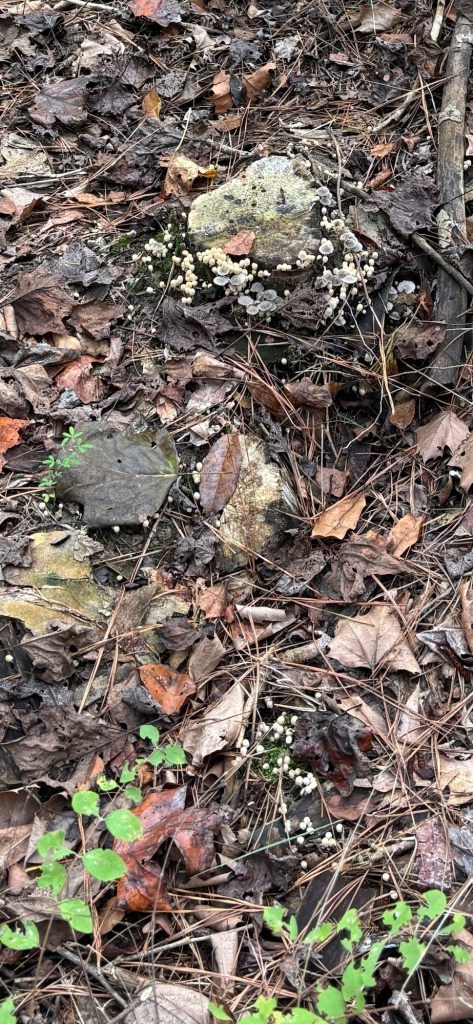
We saw these tiny Mycenae and Coprinellus growing together.

Saprobic fungus thriving with the moisture and temperatures in the perfect range for them to break down forest litter.
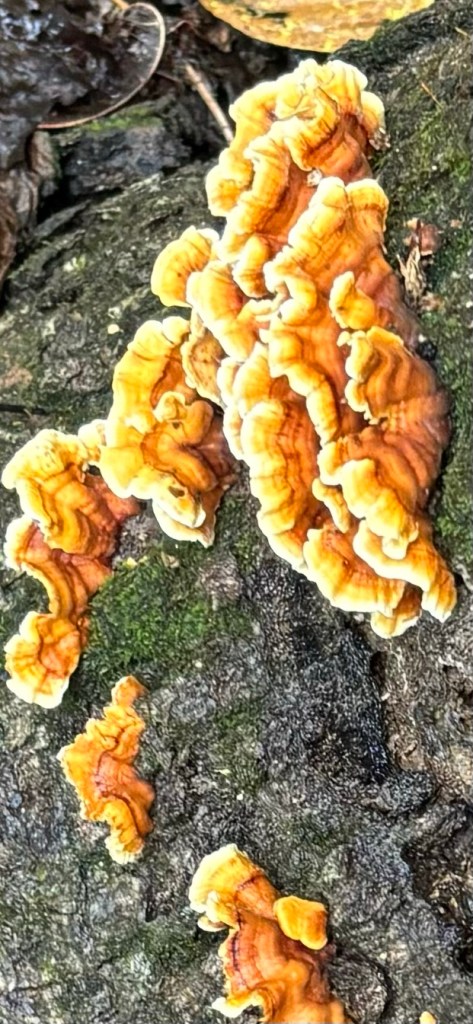
Stereum complicatum, crowded parchment, growing on multiple stumps and dead hardwood throughout the farm.
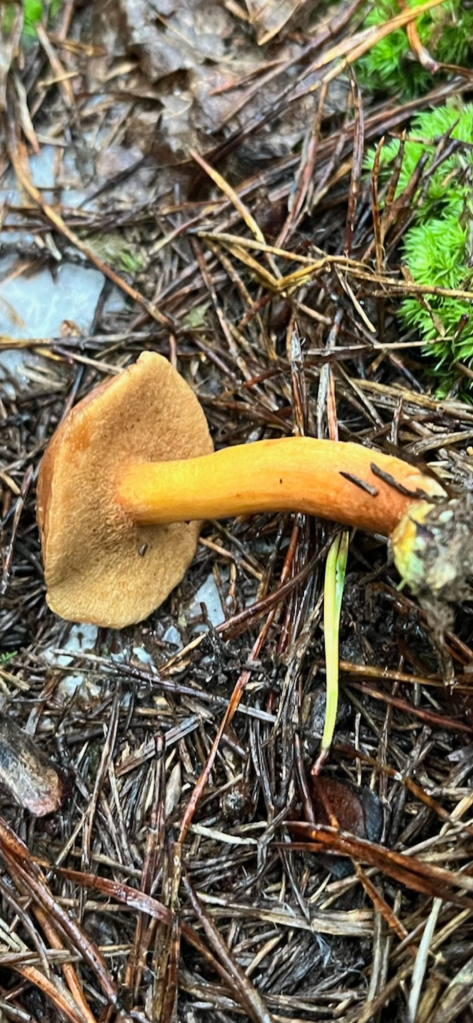
Chalciporus piperatus, Peppery Bolete, is reported to be edible when thoroughly cooked. It is very peppery so it will spice up a dish. It was a surprise to find a bolete with the weather being cooler.
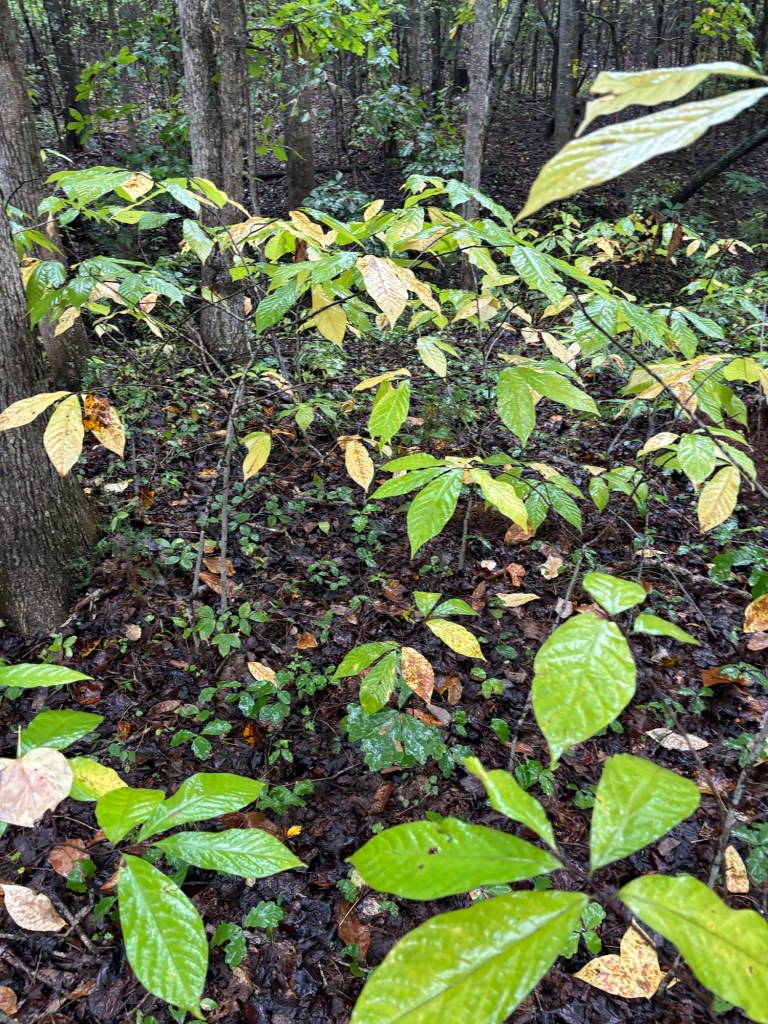
Pawpaws leaves yellowing as part of the trees natural process of going dormant for winter. It makes them very easy to locate right now. We found a few more clusters of pawpaws near the wet weather gully on the south side.
More pawpaws going dormant for the winter across the waterway.
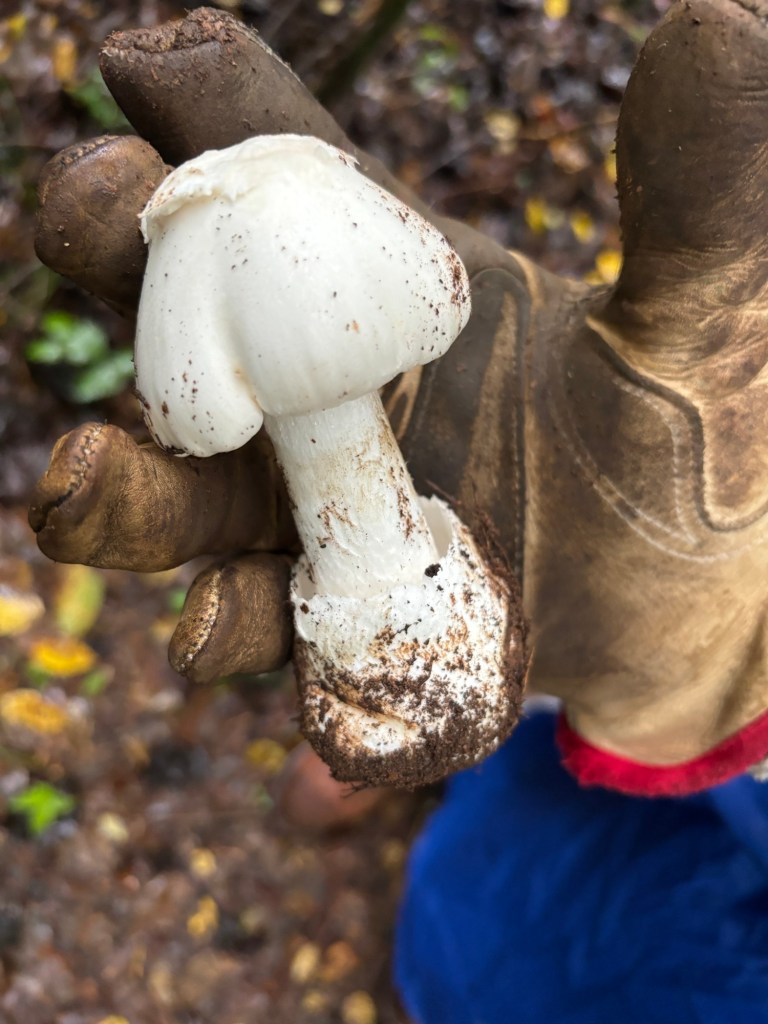
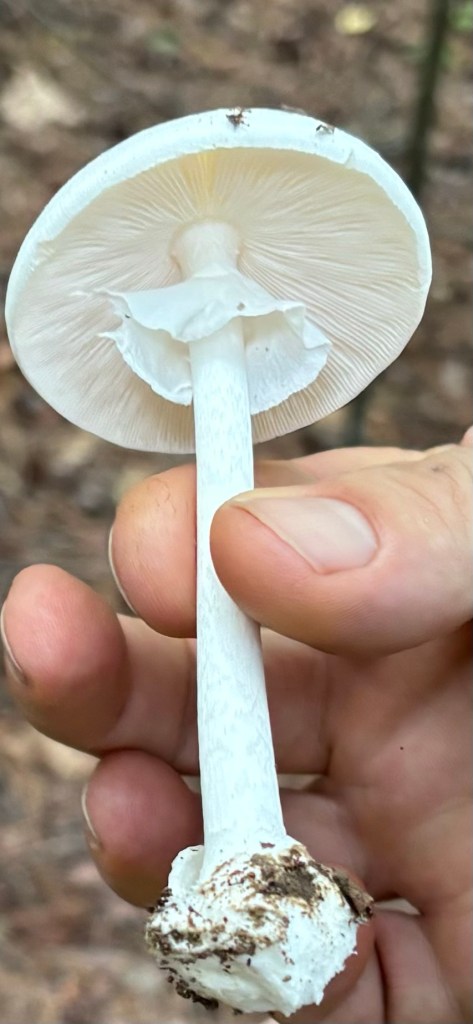
Amanita bisporigera, Eastern North American Destroying Angel, are found in multiple areas of SAFF this fall. These are deadly.
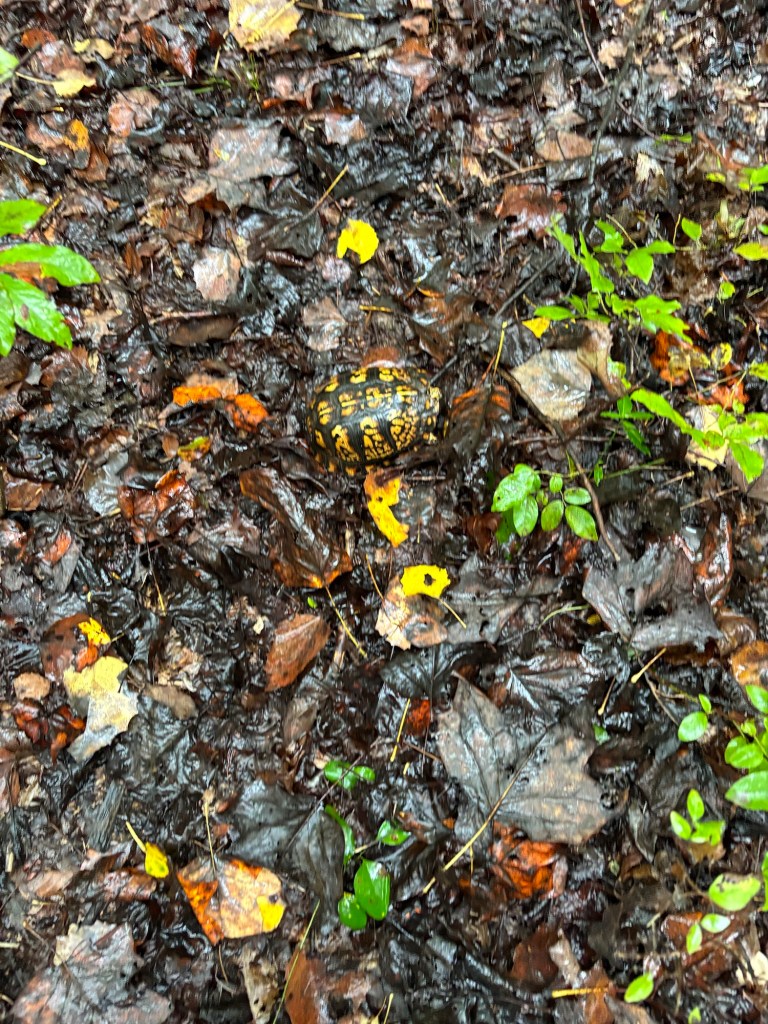
Terrapene carolina carolina, Eastern box turtle, on the north side looking for food.
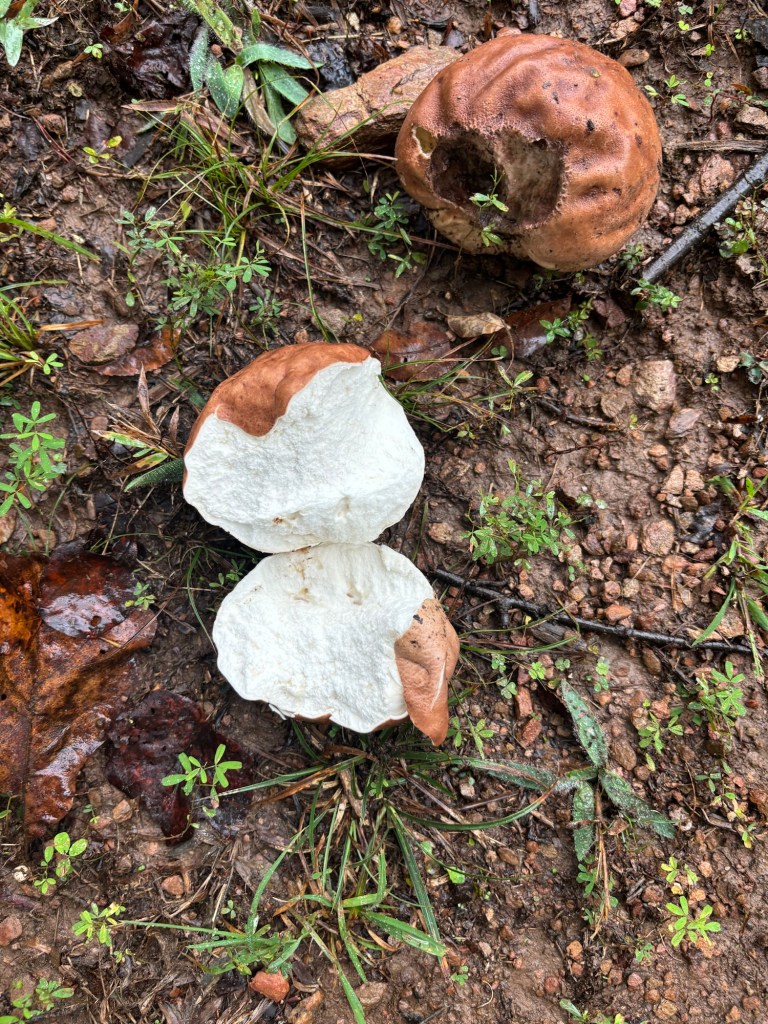
Calvatia craniiformis, Brain puffball, found just off the top clearing in a group of seven.
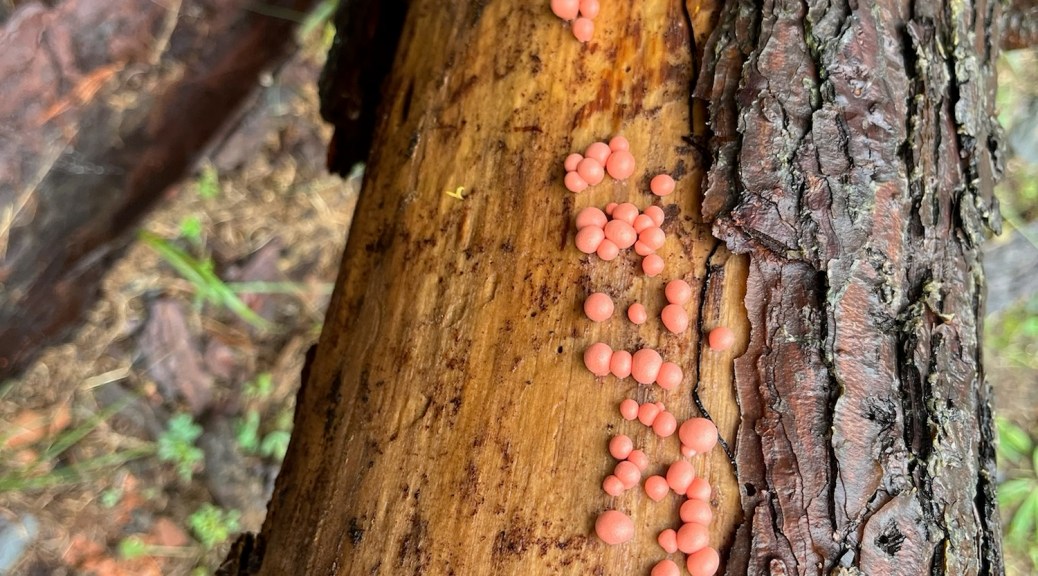
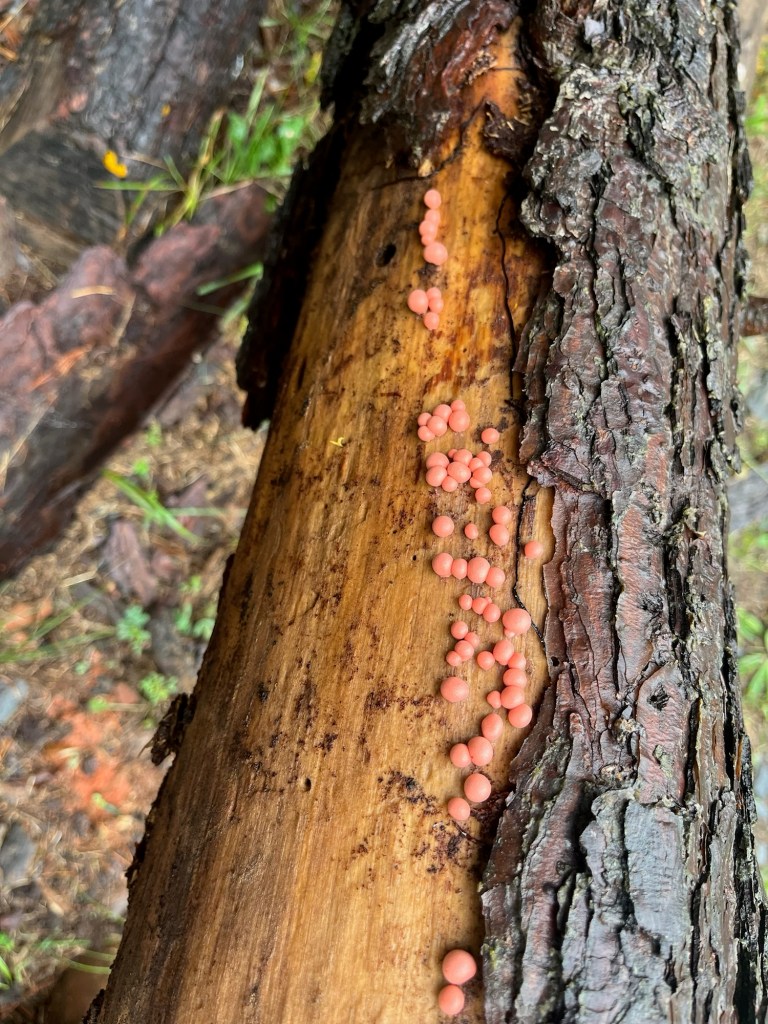
Lycogala epidendrum, Wolf’s milk, found at the gate to SAFF. This is a slime mold instead of a fungus.

September 18, 2024– Shrimp of the woods and Honey Mushrooms

Entoloma abortivum, shrimp of the woods, found along the stream at the bottom of the slope. A choice edible for us.
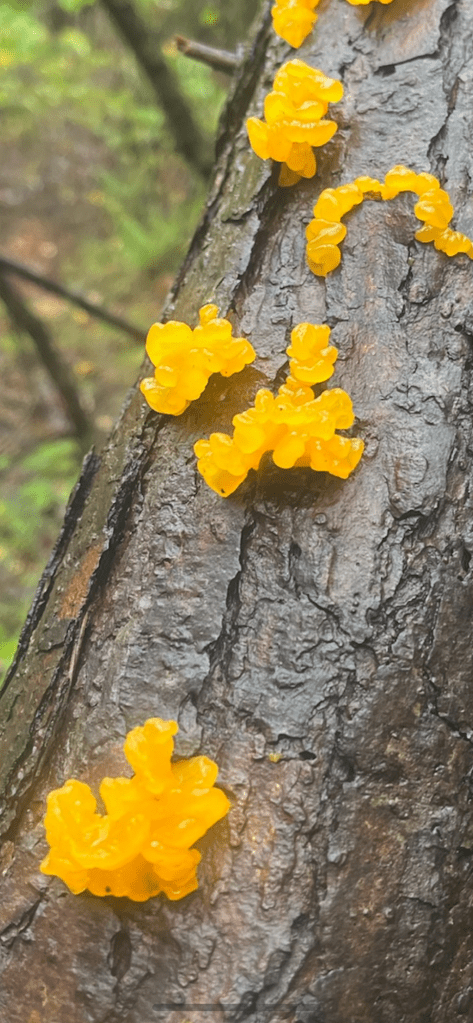
Dacrymyces chrysospermus, orange jelly spot, grows on dead conifers. It is edible but flavorless.
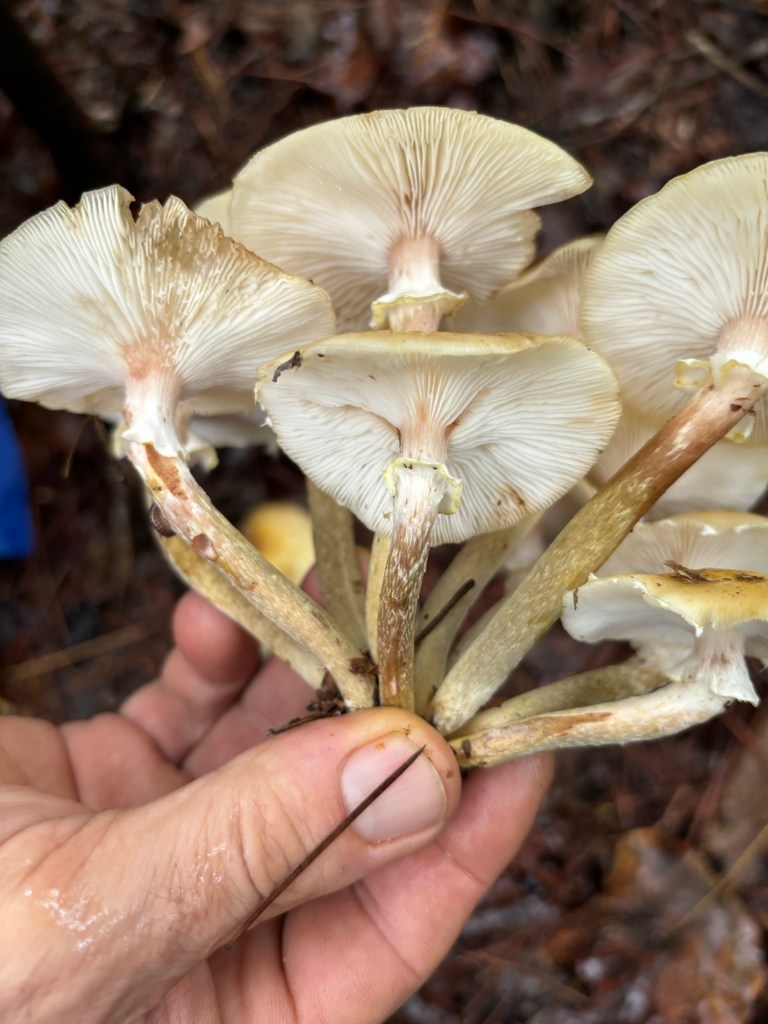
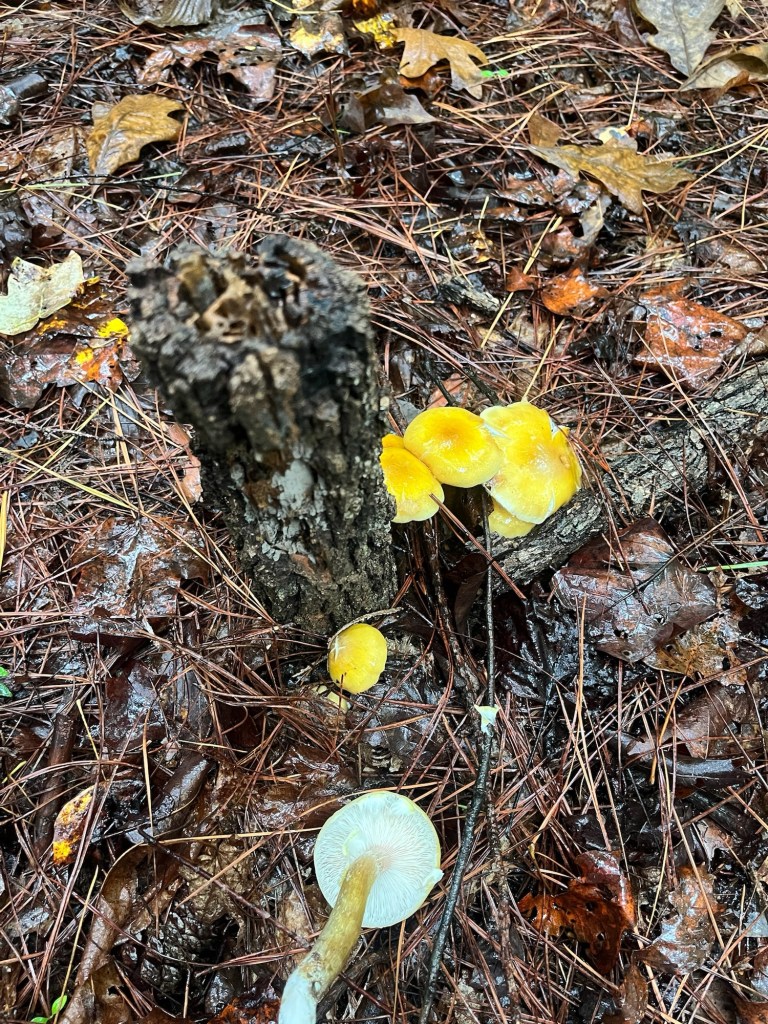
Armillaria mellea, Honey mushroom, an edible mushroom found growing in groups up top in the pines.
More Honey mushrooms

We took a walk in the rain around Saint Andrews Forest Farm yesterday and saw plenty of fungi to our delight. The animals had eaten some of the Honey mushrooms. These are highly nutritious. We were fascinated by the fairy ring of Honey mushrooms up top which showed this Armillaria to be maybe 15 or 20 feet in diameter. Most of it is underground mycelium.

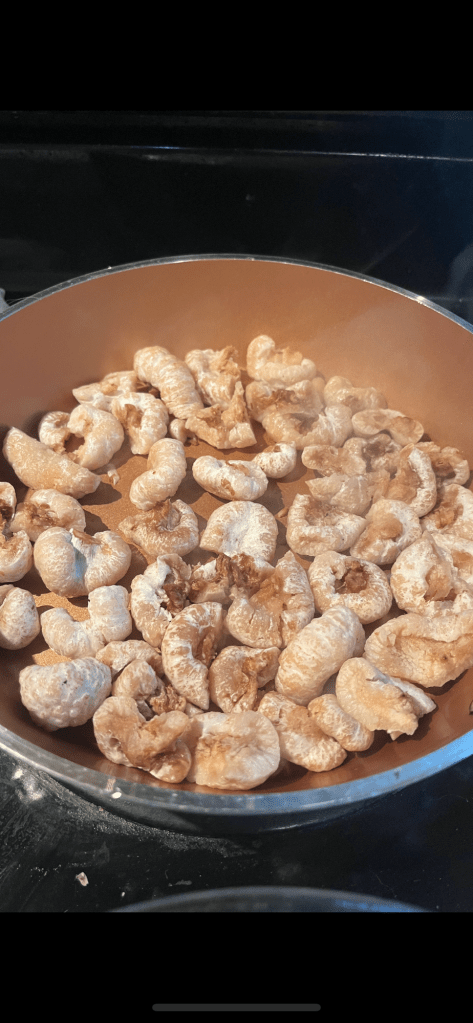
We’d been waiting for these to emerge along with the Entoloma abortivum which are actually honey mushrooms parasitized by Entoloma. Each year they show up together and it is a helpful identification factor. They are delicious and we are having them for breakfast this morning with our eggs.

They are best when browned well. 😋

We also found a few more patches of pawpaws growing along the southern wet weather gully! They are easily spotted right now as they are beginning to go dormant for winter as evidenced by their yellowing leaves.

These shrimp of the woods are growing on roots and dead wood along the sides of the waterway. They are decomposers.

August 19, 2024 – A Mushroom Wonderland

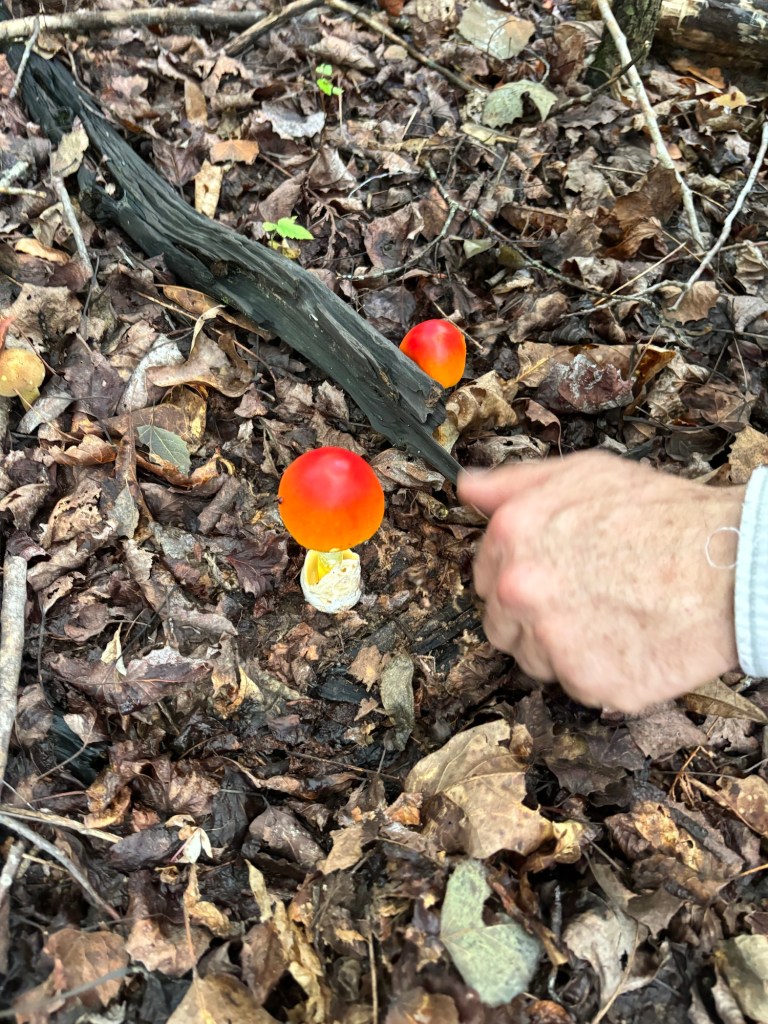
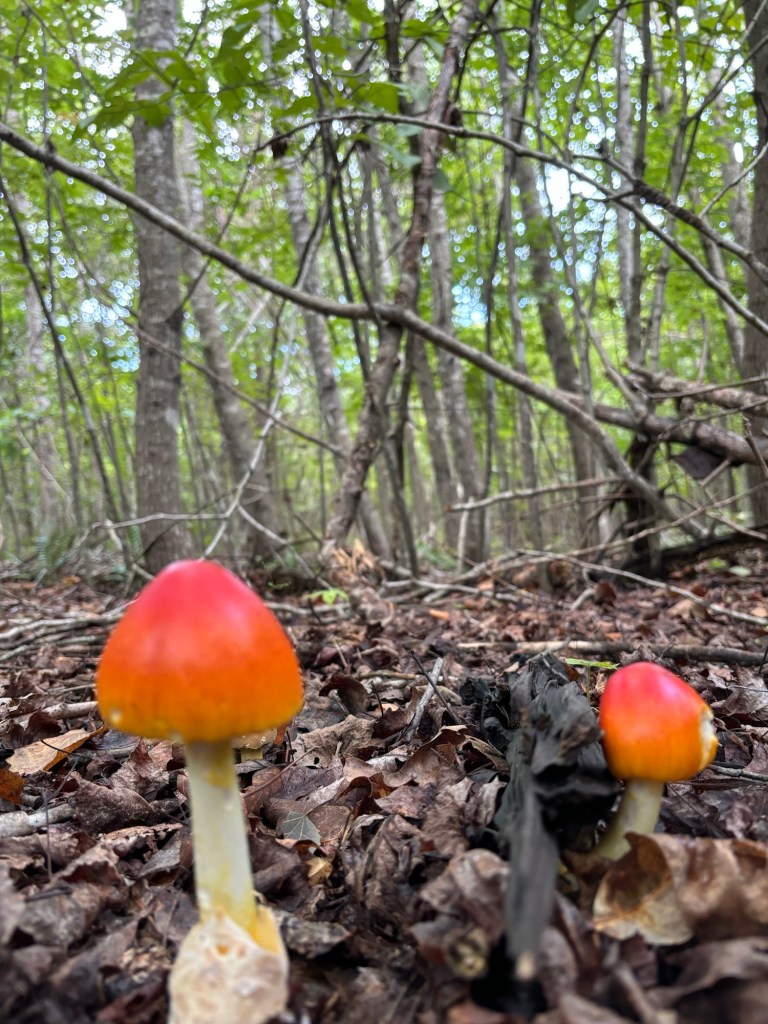
Amanita jacksonii found on the north side of SAFF. The choice edibles are found in pine and oak forests from Canada, through the eastern US and into Mexico.

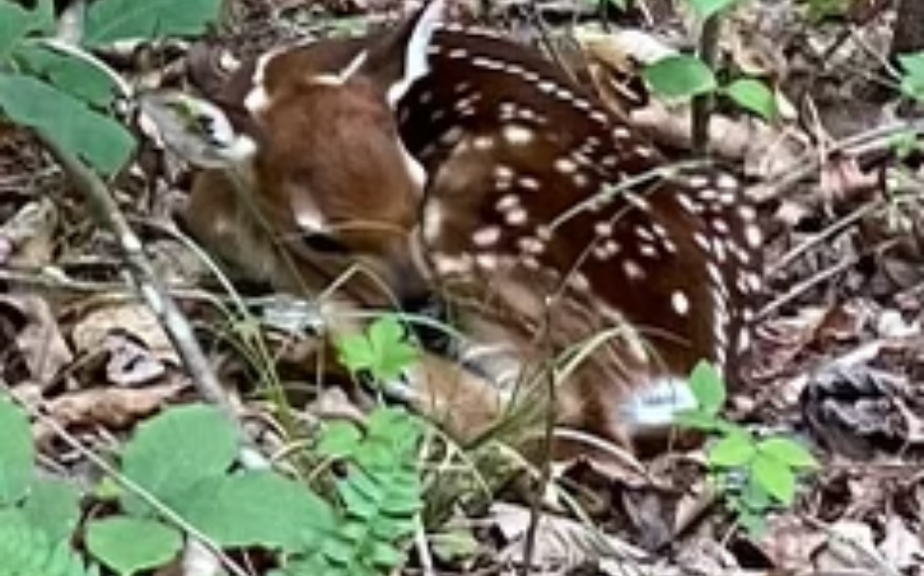
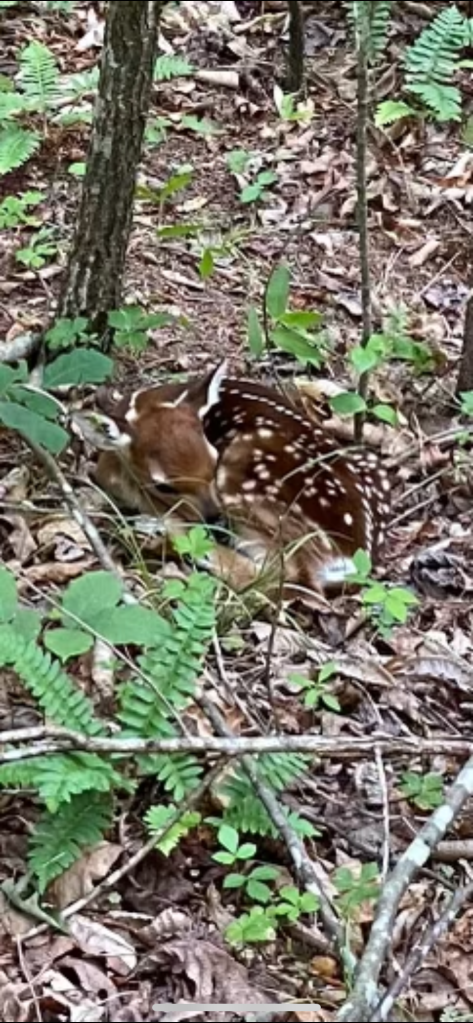
The past three times we’ve pulled into the clearing with the truck, we’ve seen a young deer. It’s usually sleeping in the forest and it hears us and takes off. We don’t think it’s too afraid because it doesn’t run far though. We come upon it multiple times like it has become a game for the adorable creature. It’s always alone. We hope it stays safe and we understand it’s safest for it to not be comfortable with humans. We’re also seeing a lot of bear poop on the north side of the farm. No sign of our 4 or 5 year old male bear this year but we think it’s him. It’s nice to know animals are taking advantage of the nuts, berries, mushrooms and shelter the trees provide.

We walked all around the trails that were damp from an afternoon thunderstorm that hit just before our arrival. Right away, we saw new mushrooms emerging from the ground that hadn’t been there the day before. Sometimes it takes a few days for the mycelium to send up the fruiting body after a rainstorm —and sometimes it’s quick.

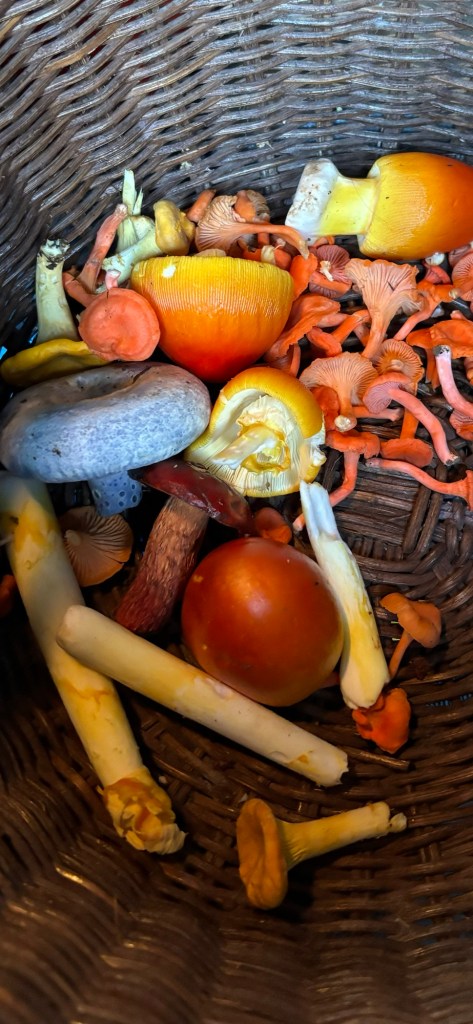
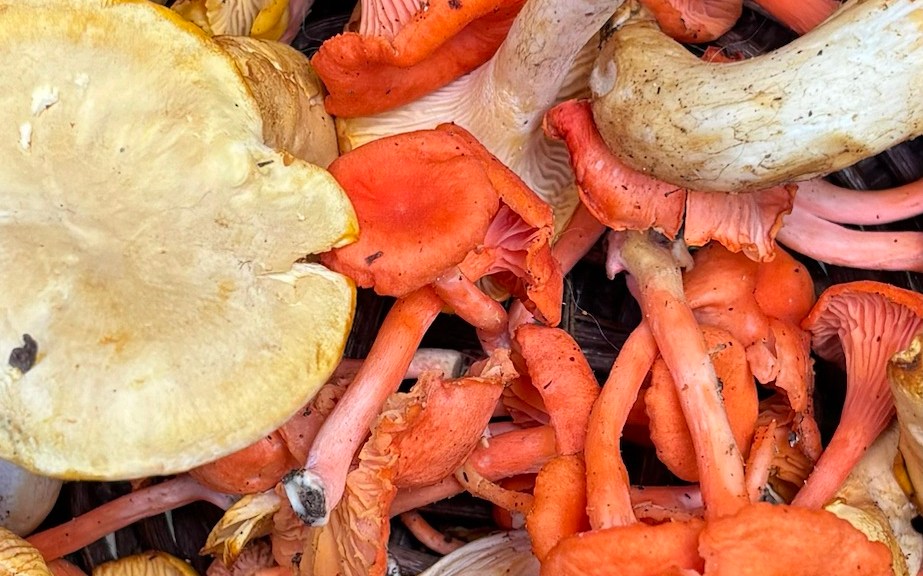
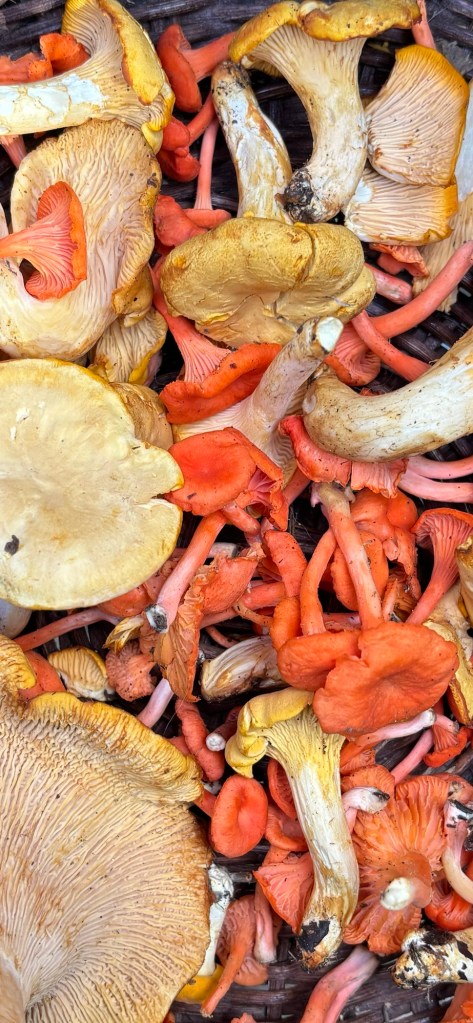
We basketed up our bounty and left the farm as the sun was setting. We were too tired to cook the mushrooms last night so we stored them in a paper bag in the refrigerator and hoped they’d stay in nice shape. It’s best to cook them right away and save them cooked either in the refrigerator or the freezer depending on how quickly they will get eaten. But these wild mushrooms, especially the chanterelles, need to be used quickly.

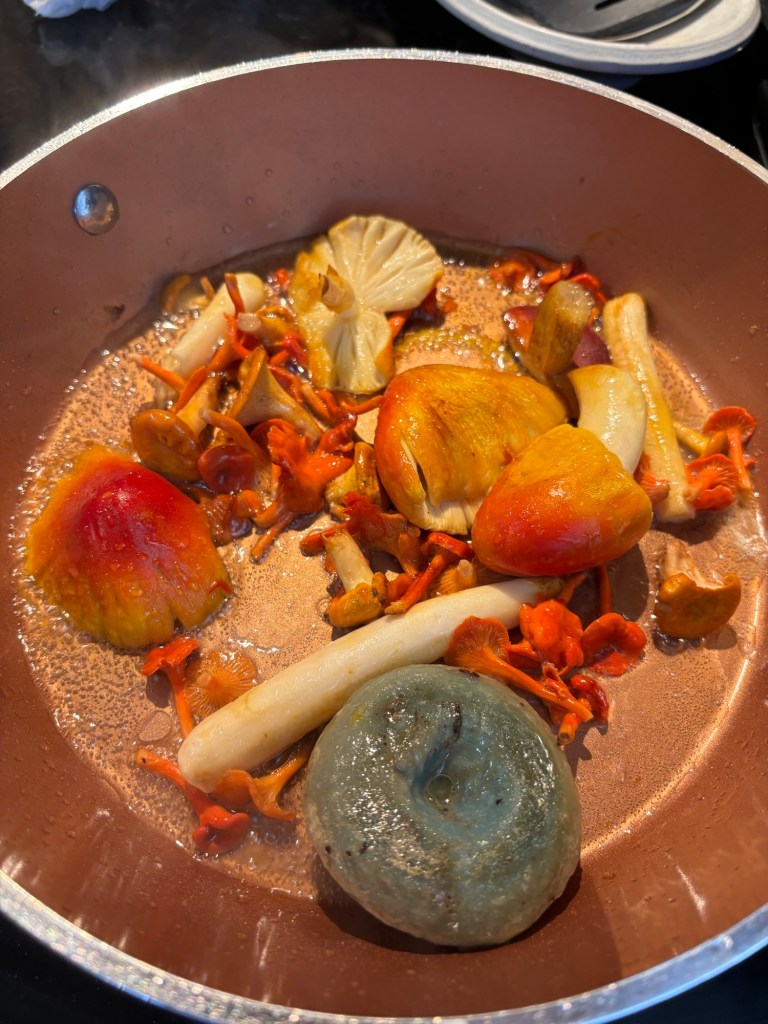
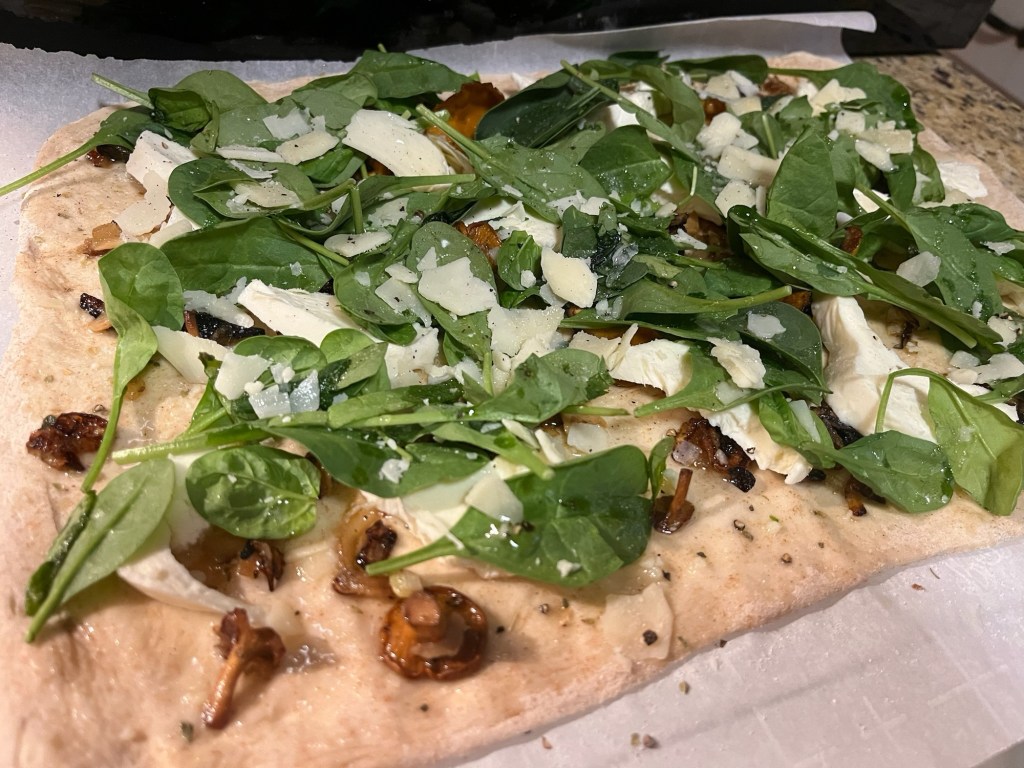
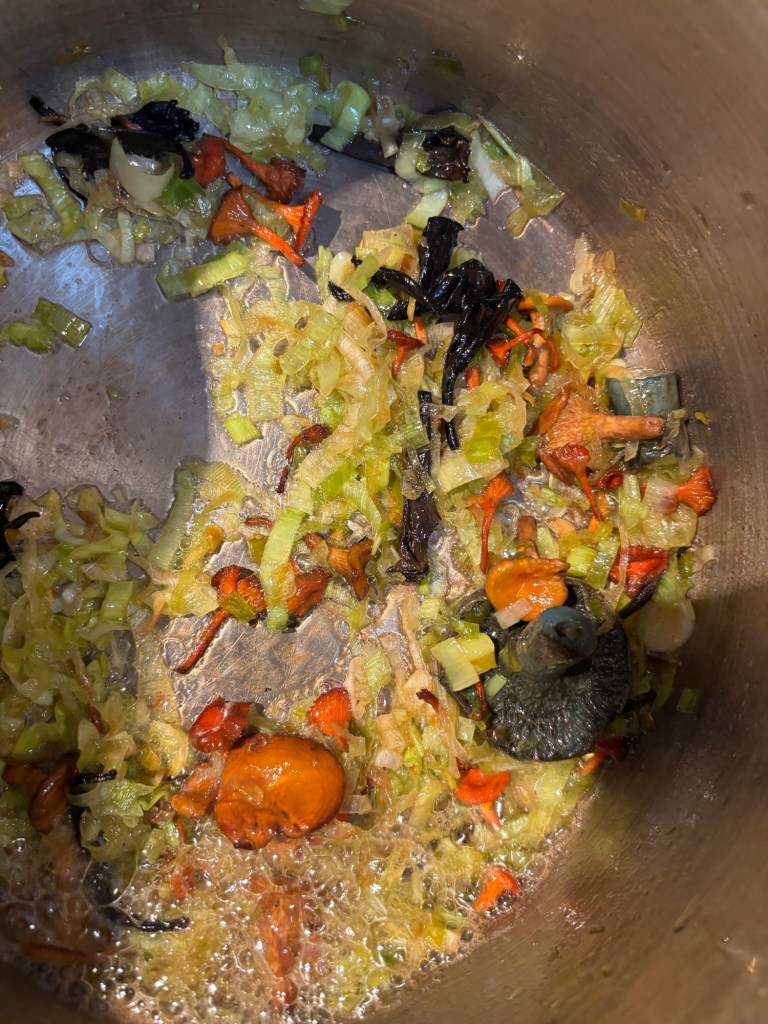
They were in nice shape this morning so we dry cooked them for a few minutes in a skillet on 7. Added olive oil and butter and cooked about 15 minutes. We let them cool and have them stored in the refrigerator. We are thinking of making a wild mushroom quiche.

Amanita jacksonii have a bright red cap that can grow up to four inches A beautiful mushroom to find that looks very similar to deadly poisonous mushrooms. Care should be taken to identify and be confident before you plan to eat them.
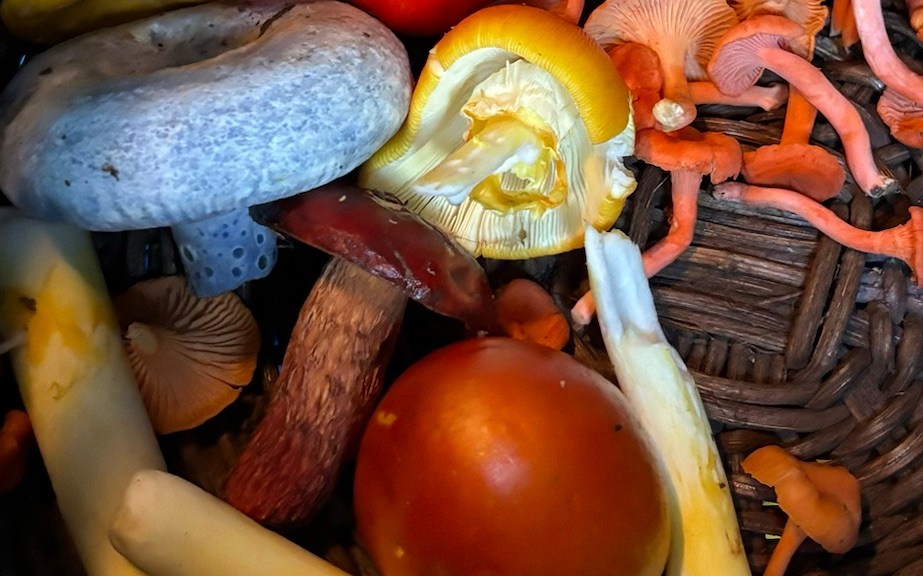
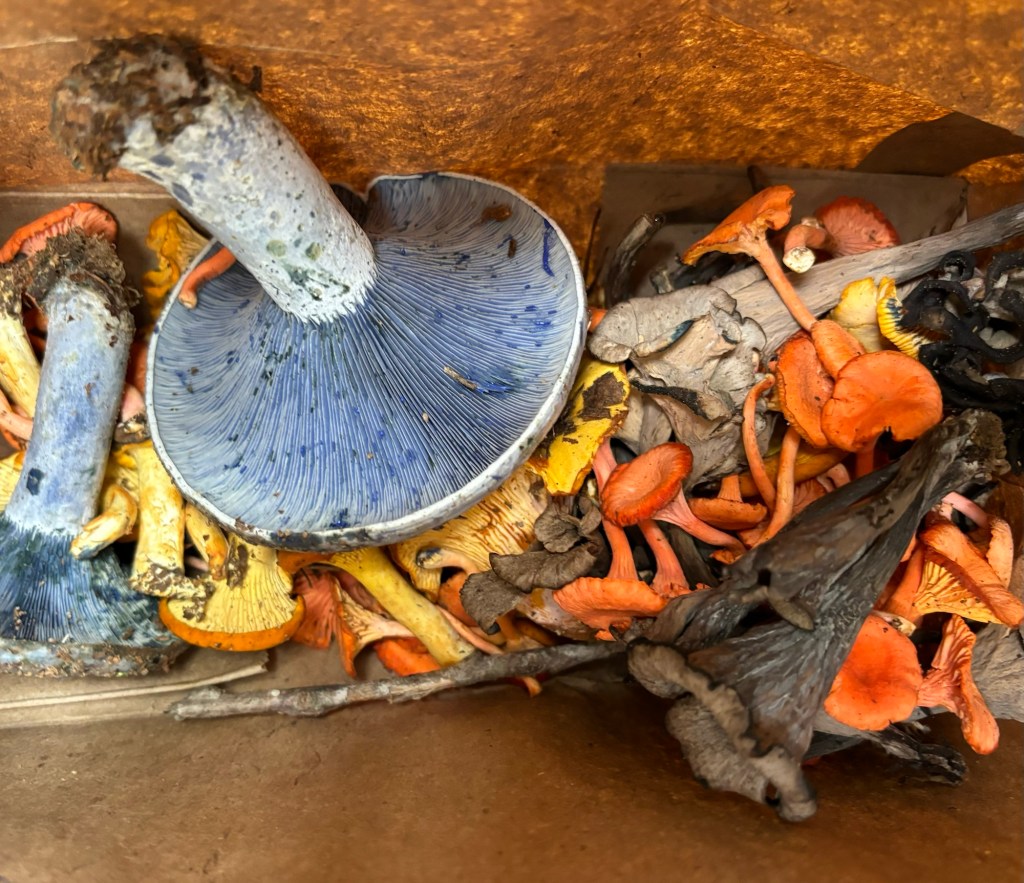
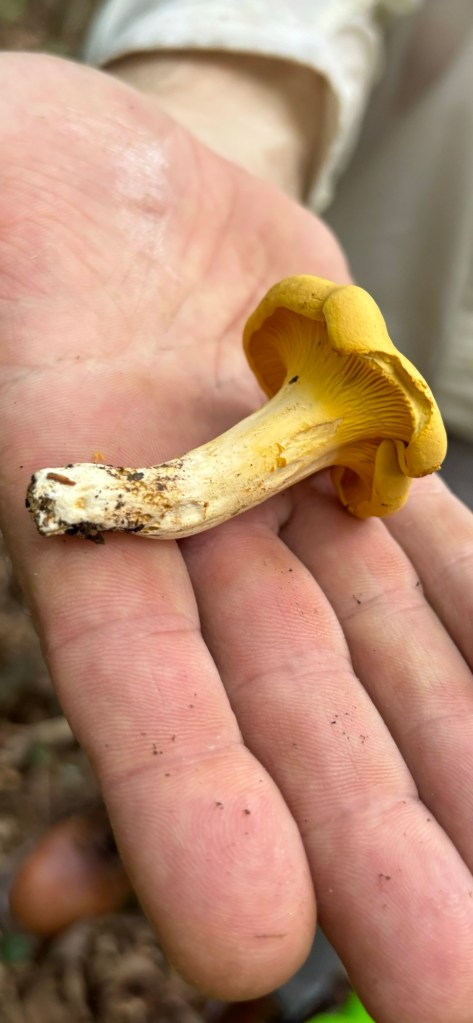
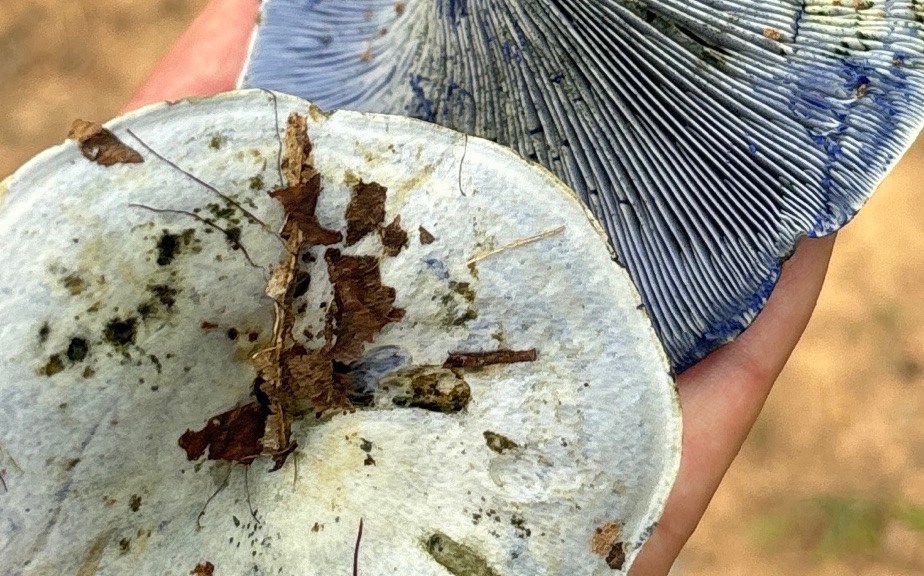
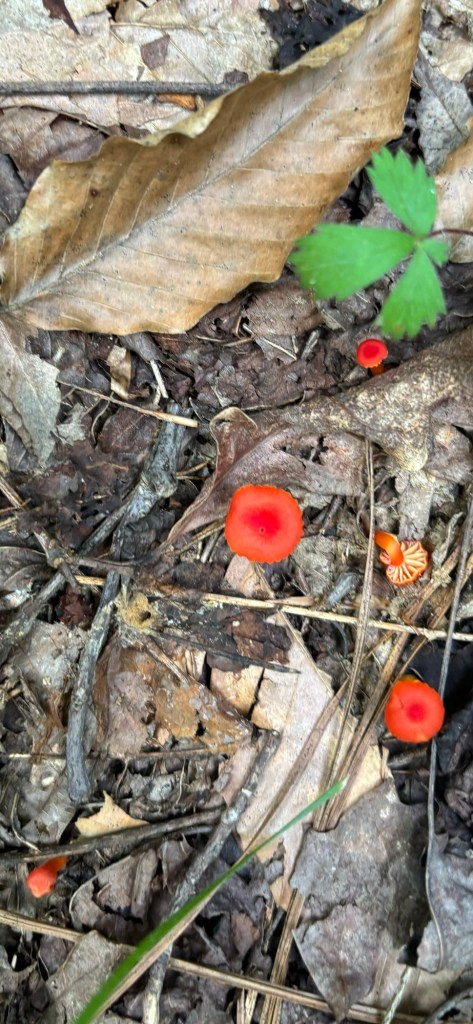
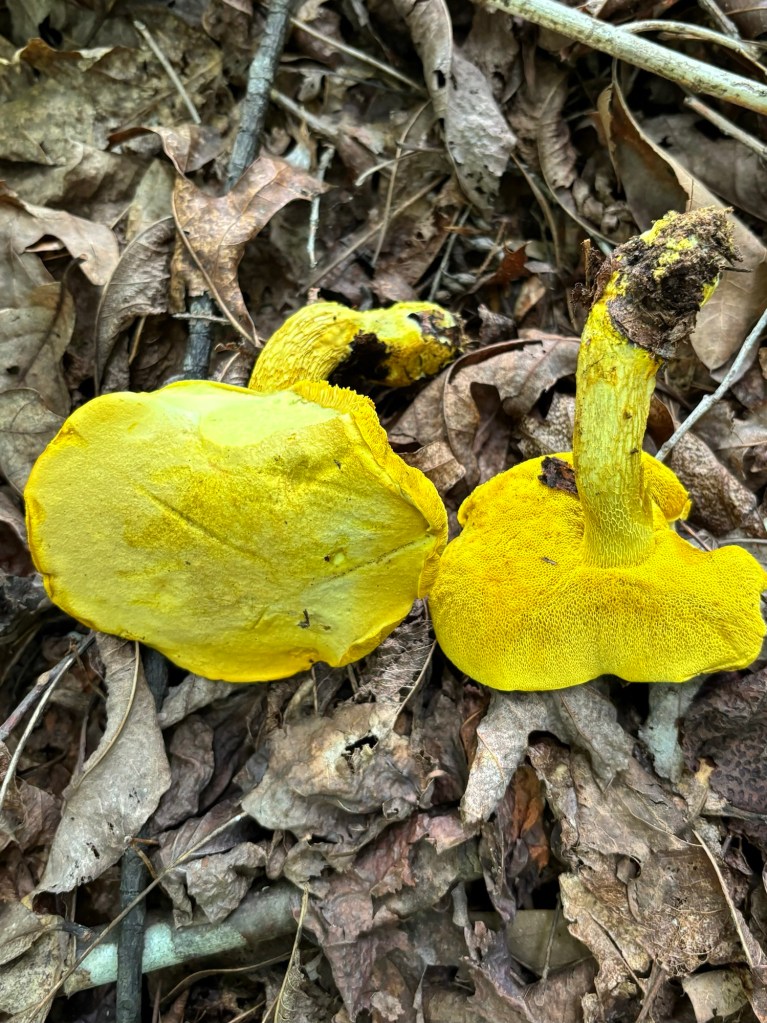
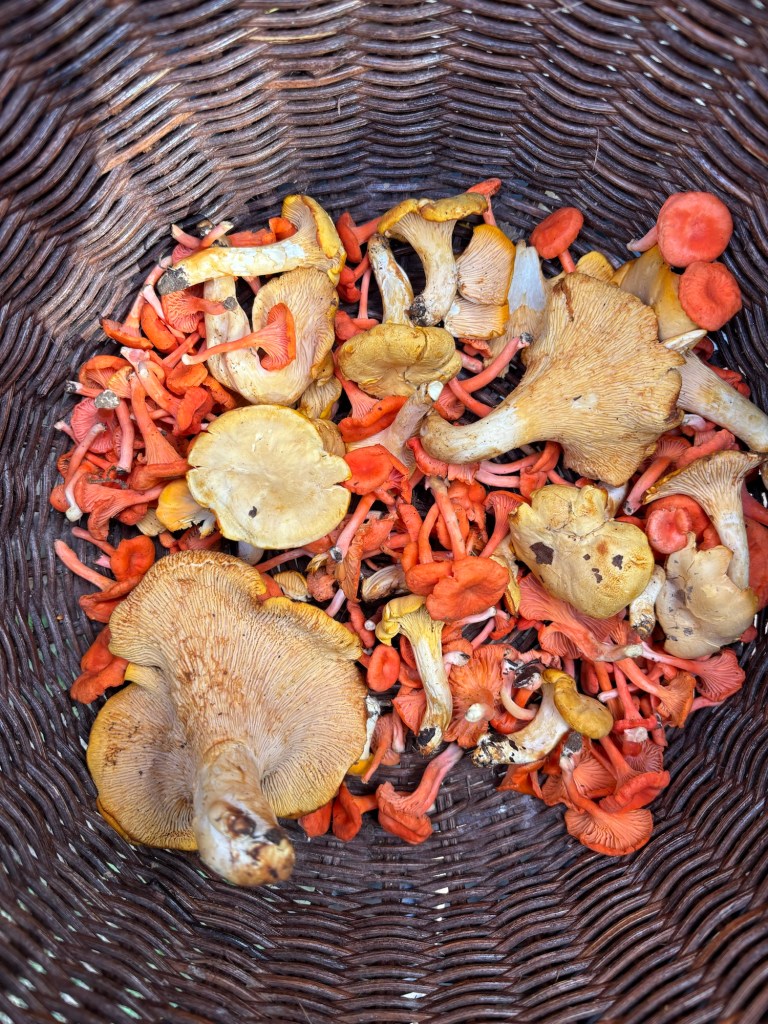
Our mushroom harvest yesterday included ghost chanterelles, Cinnabar chanterelles, Indigo milk cap, Frost’s bolete and American slender Caesar.

Cooking with mushrooms

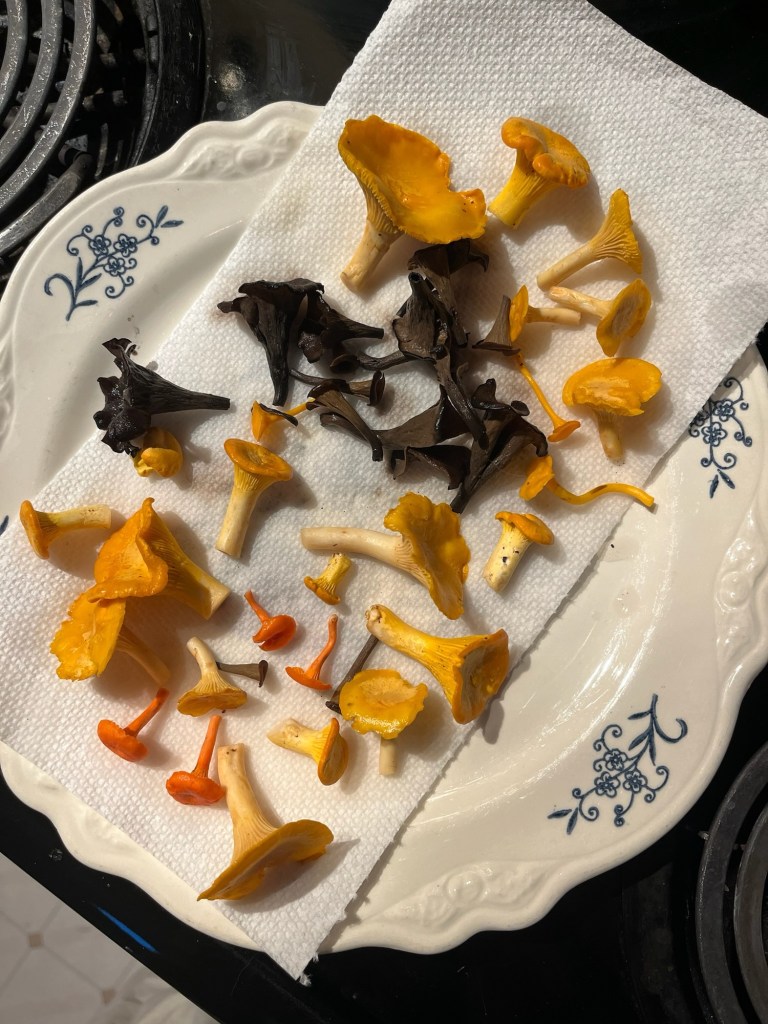
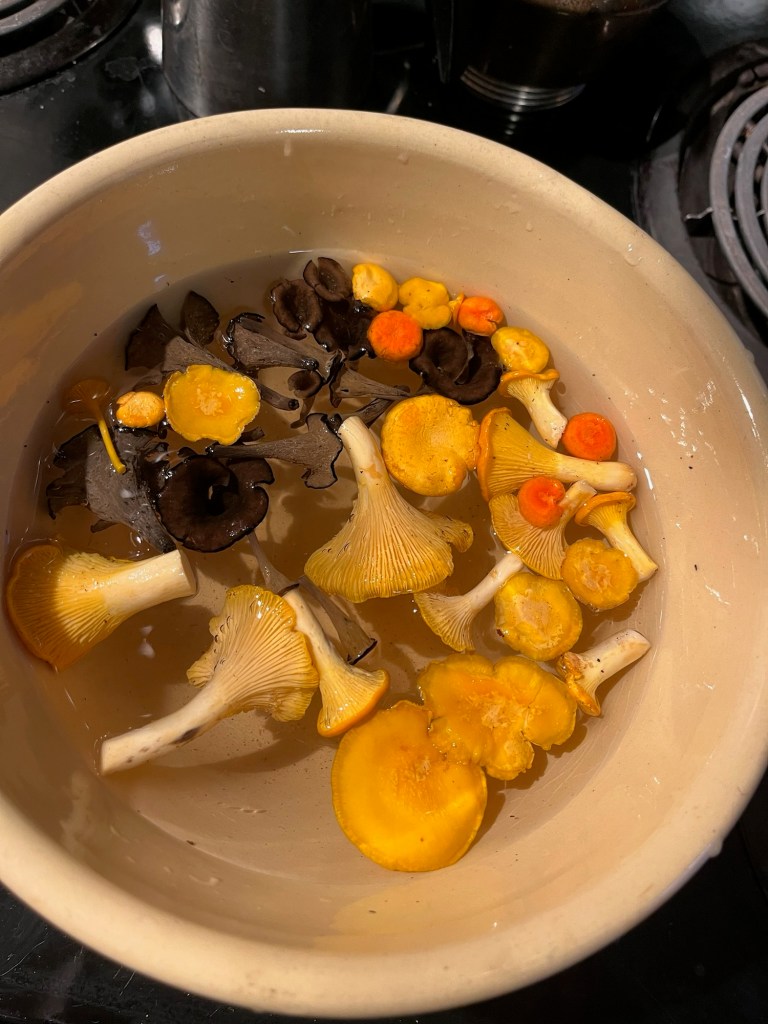
We’ve learned to thoroughly wash our mushrooms from the farm and to bring home as little dirt as possible to begin with. Trim and brush them with a mushroom knife if possible before putting in our basket. Once home, we soak them in water and also run under water and then use a towel to wipe them. (If from the grocery store or market, the mushrooms will not need cleaning usually. )

Heat a skillet to 7 and put the mushrooms in, letting them dry out somewhat by cooking gently for a moment or so. Don’t let them stick. Add olive oil or butter when needed to prevent the sticking and add white wine to deglaze if necessary. Try to be gentle and keep them intact. Make sure to cook them at least 10 minutes but we go 15 or so. You can’t really overcook them. Then, either save your mushrooms in the refrigerator to use within a few days. Or, freeze them like this until you are ready to use, for up to a year. Thaw them in the refrigerator.

August 16-17, 2024 North side Mushroom Hunt and Trail Blazing

Chanterelles harvested from northwest corner of SAFF on Saturday.

We had not explored the north side in months and decided to spend this weekend making trails and looking for mushrooms over there. We are sure glad we did. With both days added together, we had about three pounds of mushrooms.

Friday’s wild mushroom harvest from the north side of SAFF includes three different varieties of chanterelles and indigo milk caps.

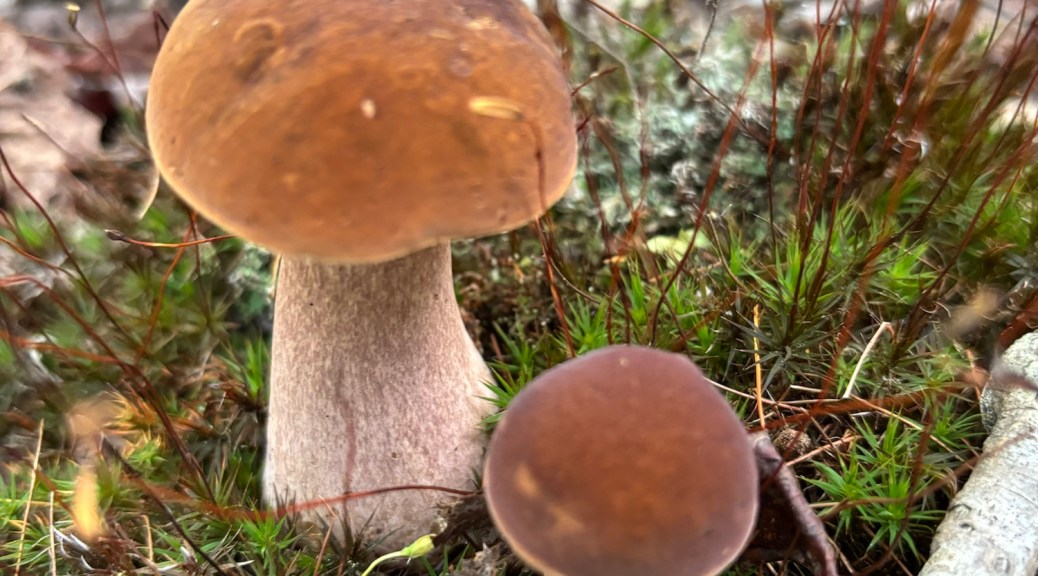
We started off down Mary Banning Way and found multiple types of boletes right along the path.

Retiboletus ornatipes, Ornate-stalked bolete, an edible mushroom found in multiple spots on SAFF.
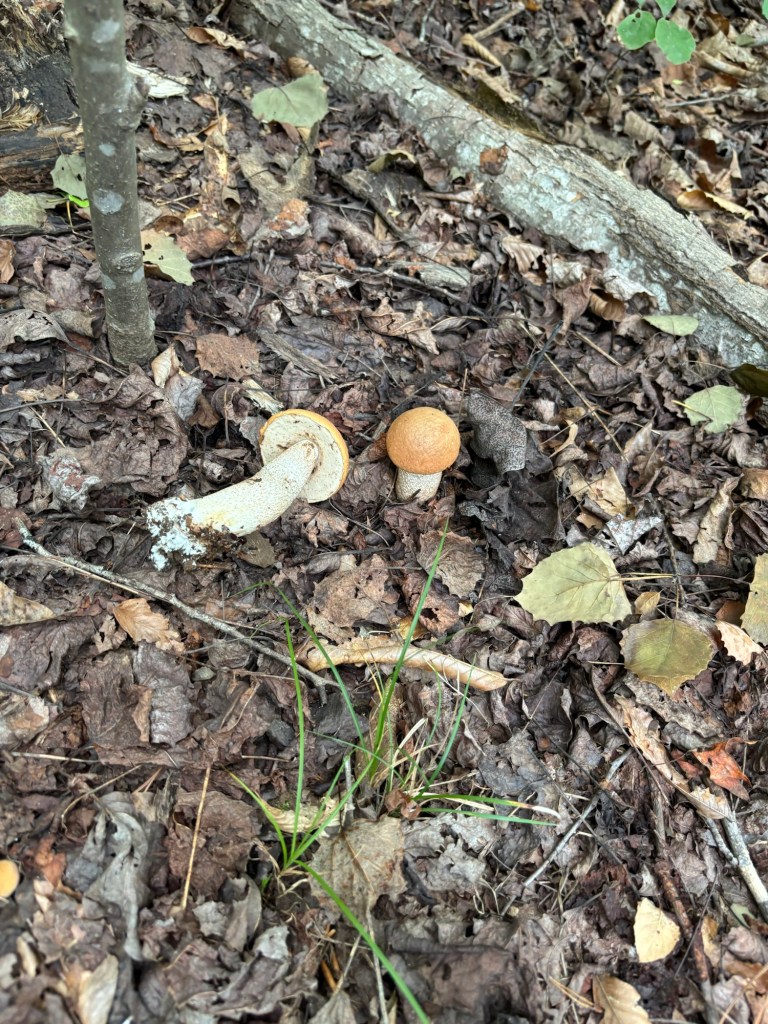
Leccinum testaceoscrabrum or Leccinum versipelle was found along a hillside. There were hundreds. Edibility is suspect.
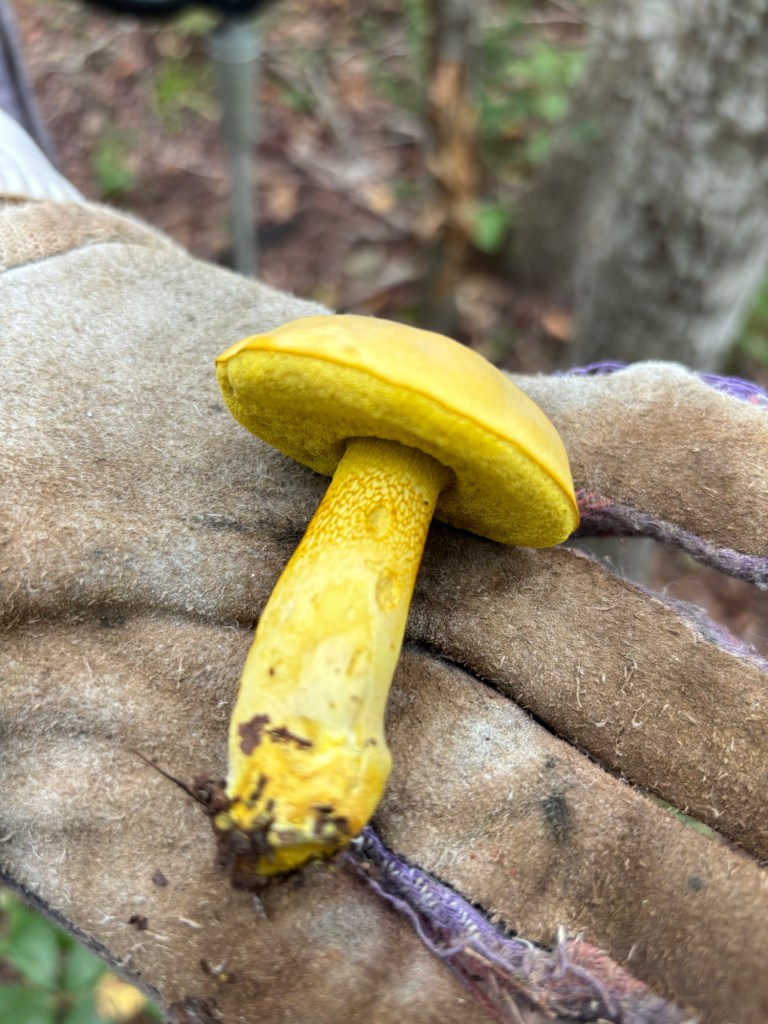
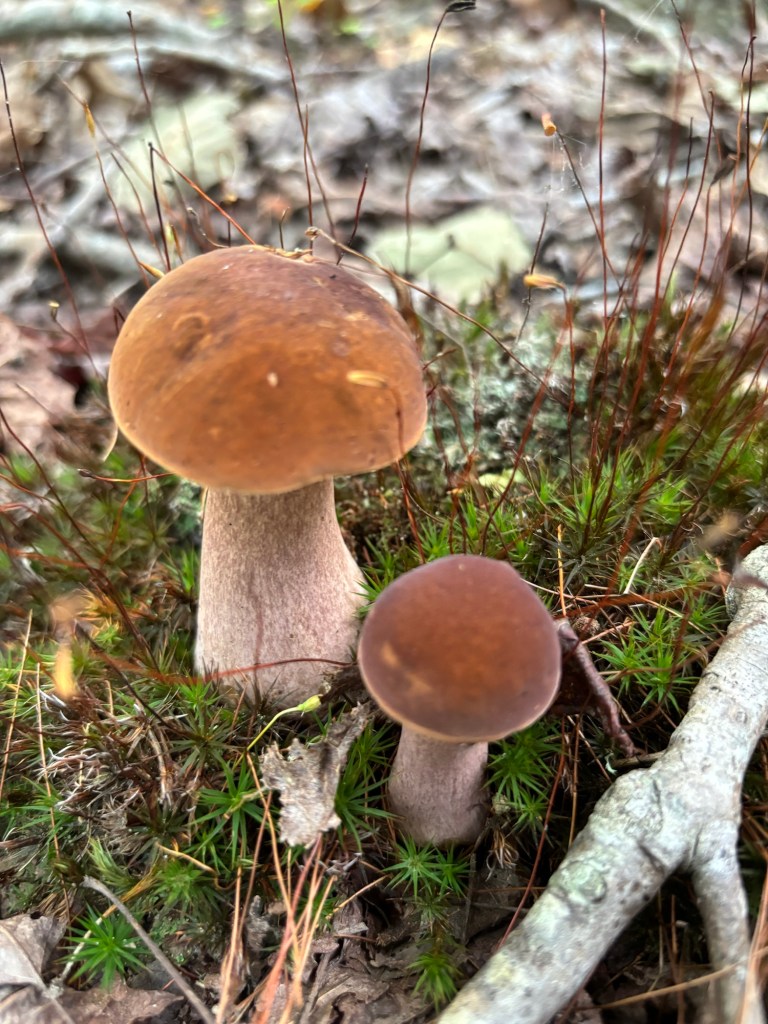
Boletus auripes, Butter-foot bolete
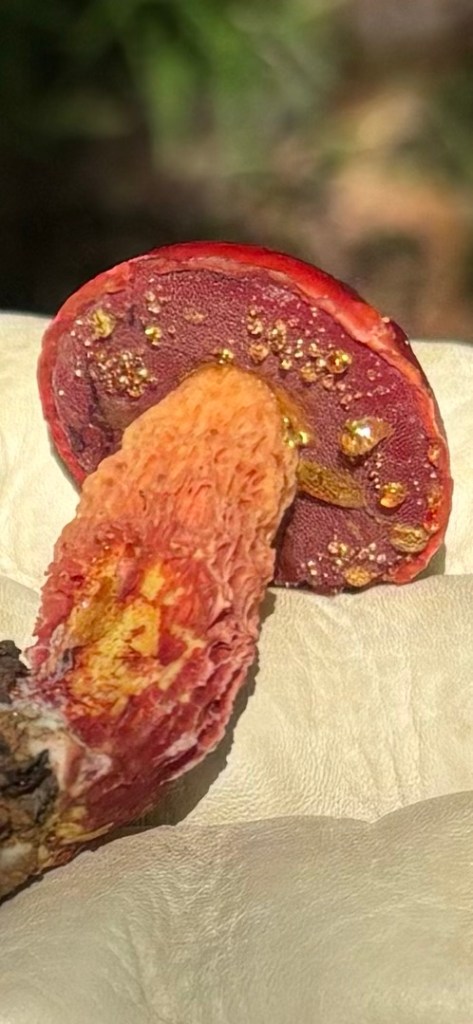
A young moist bolete frostii found along Fern Trail with amber colored drops sweating from the pore surface. This is a process called guttation.
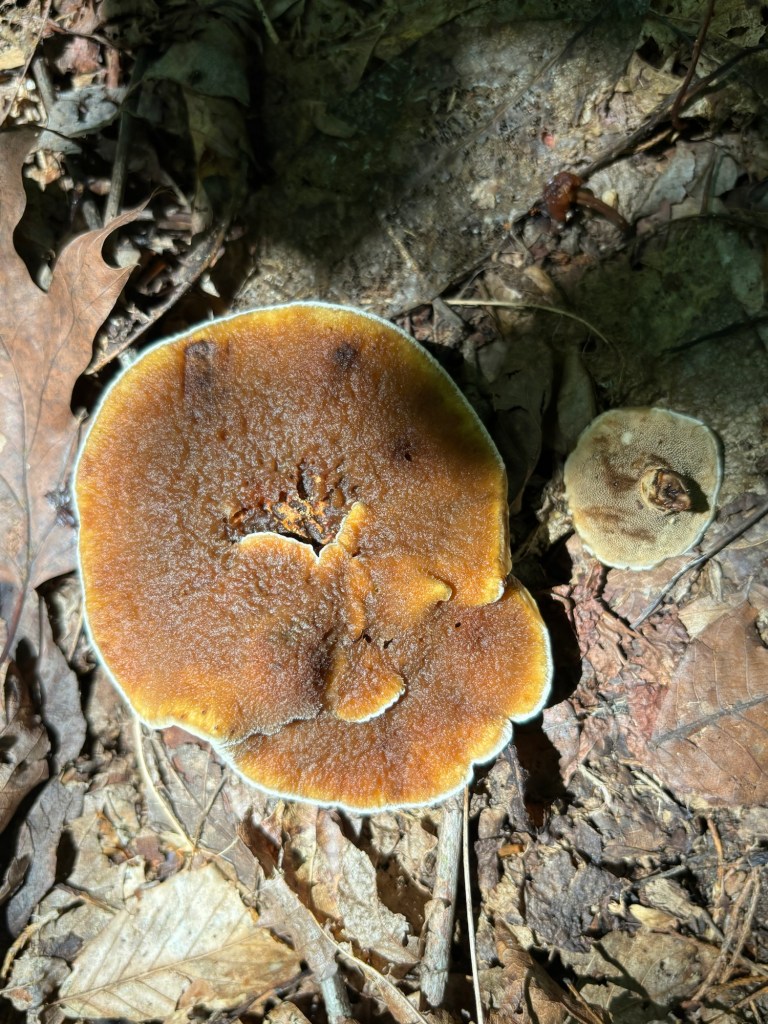
We also found this interesting black staining polypore on the north side.
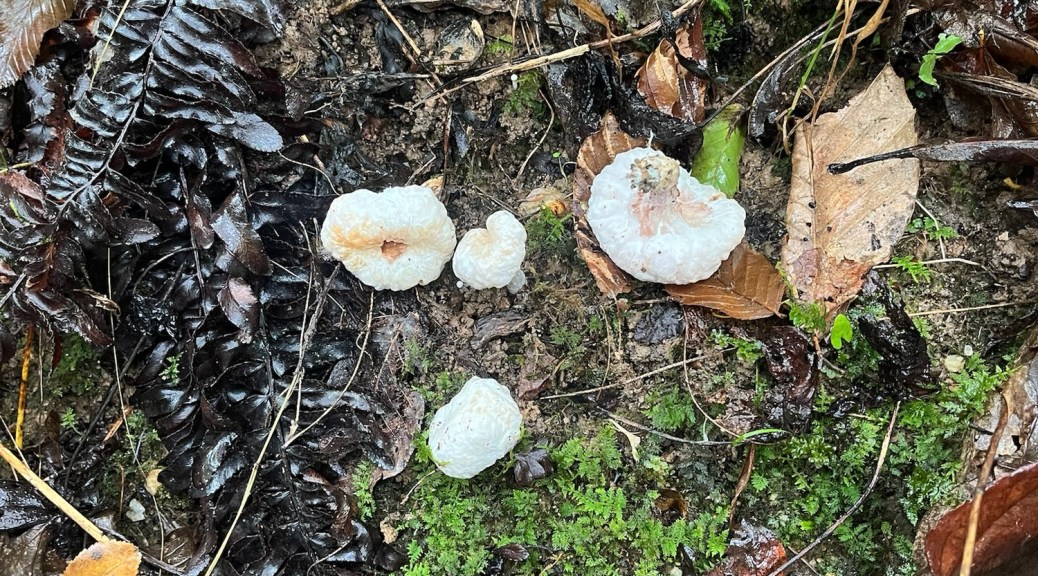
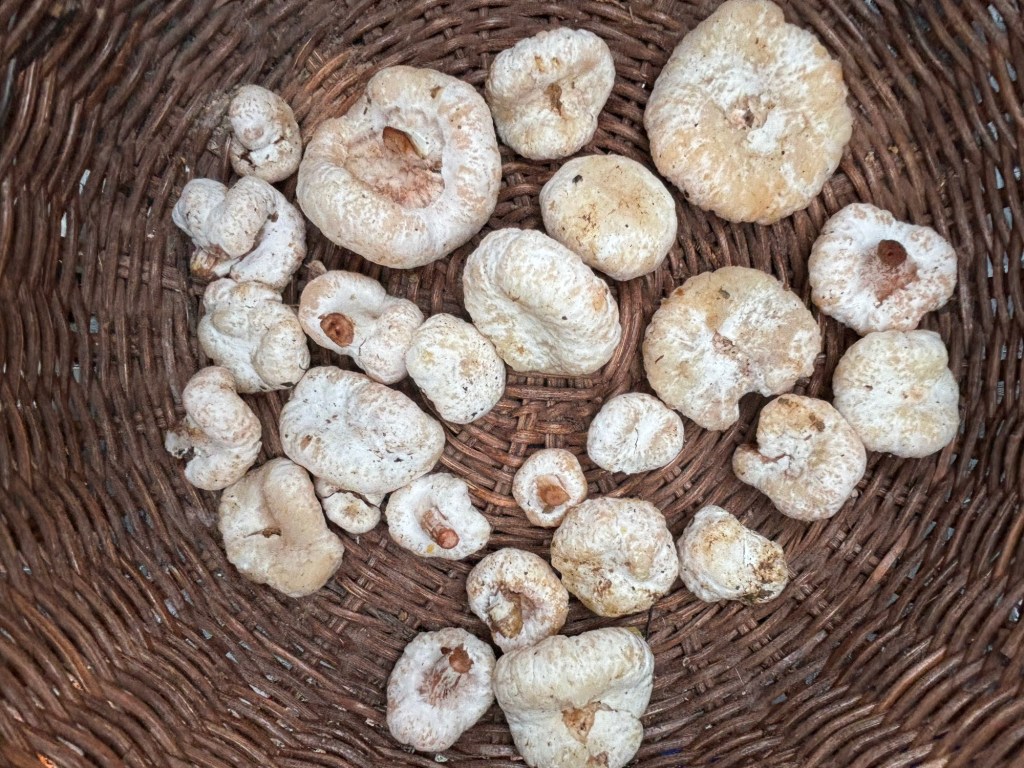
Hydnellum spongiosipes, Velvet tooth, found in multiple locations around SAFF.
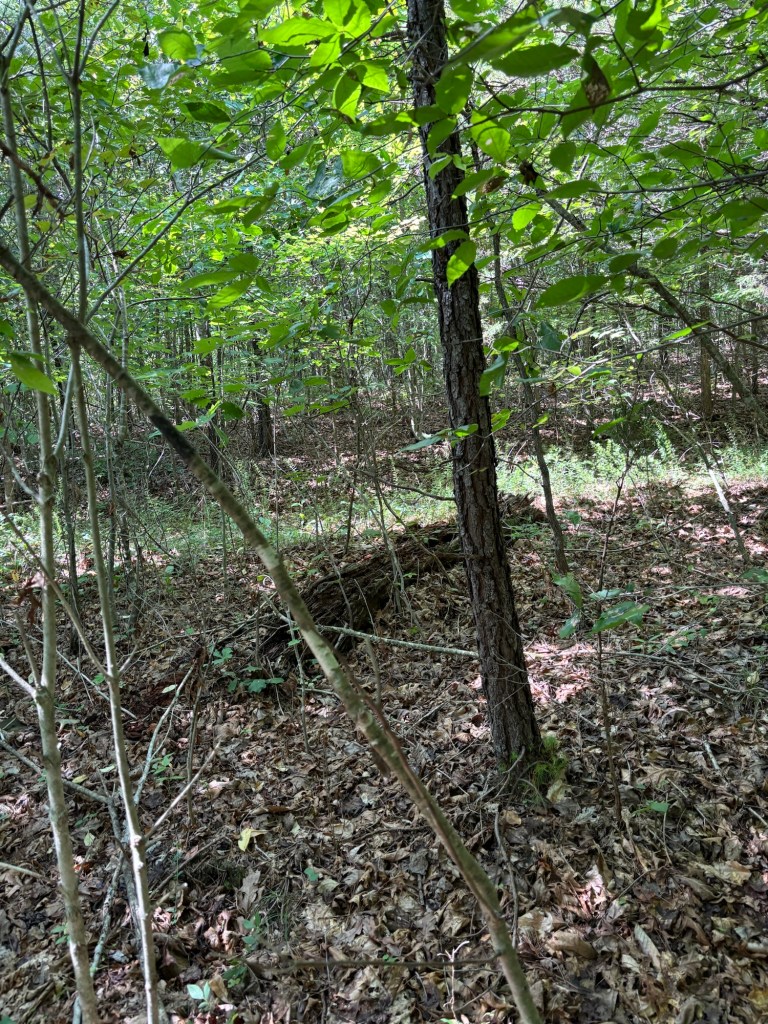
We found this roadway along the northeast corner of SAFF. It was graveled. We began to clear small trees and vegetation from the roadway.
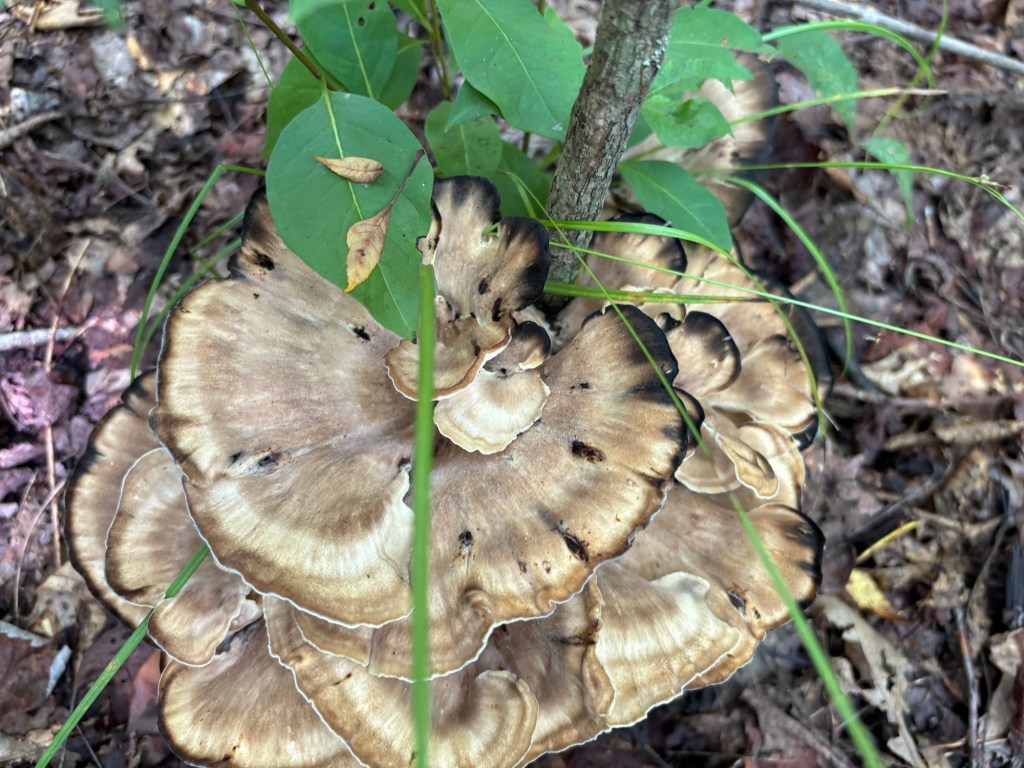
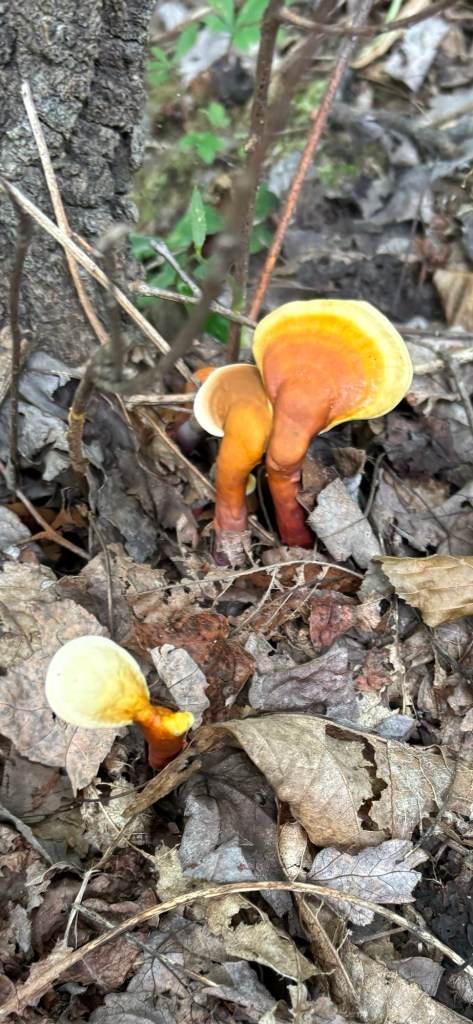
Golden Reishi, Ganoderma curtisii, a wood decaying polypore found along a wet weather gully on the northern side of SAFF.
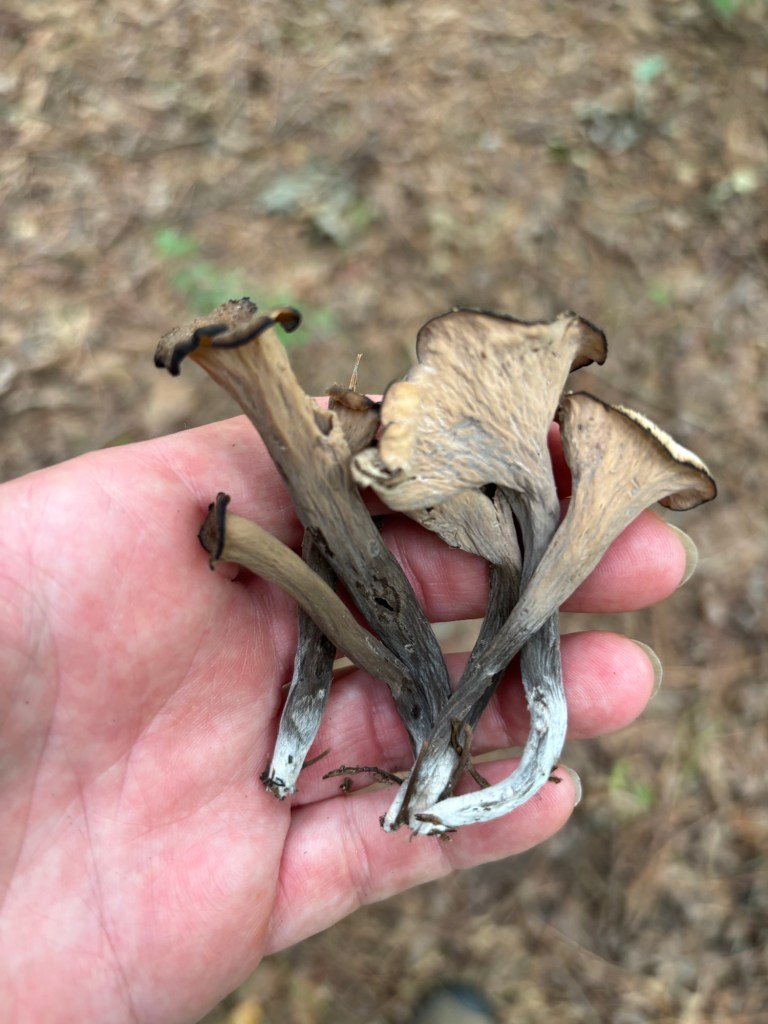
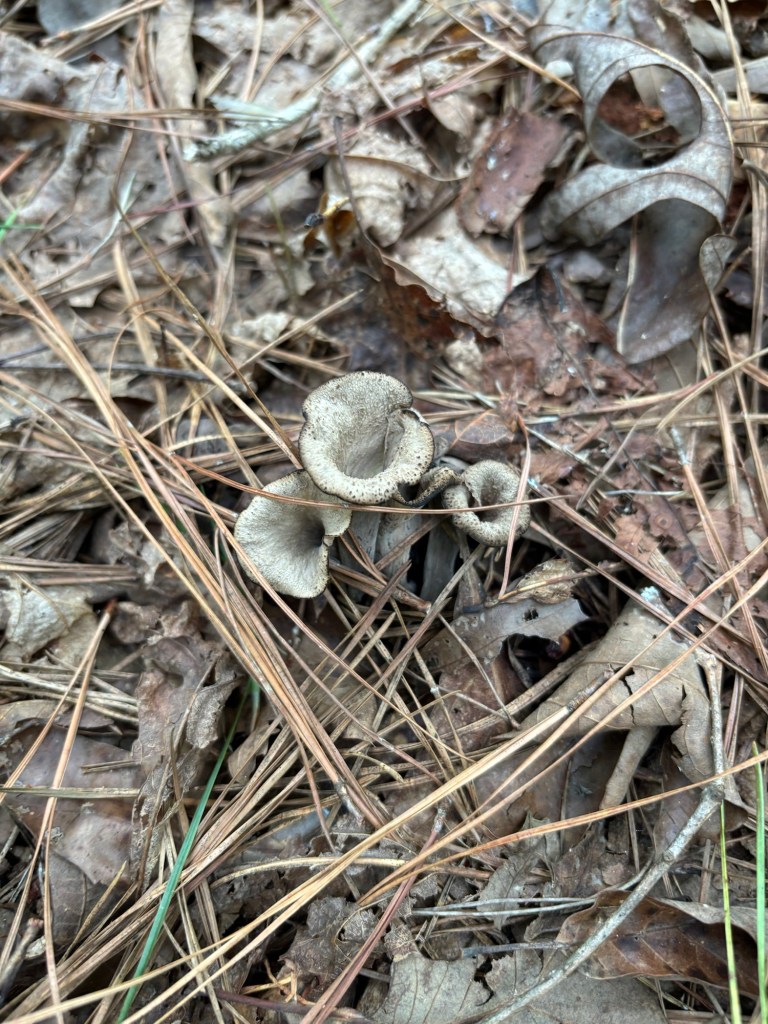
But we mainly found chanterelles. These Black trumpets were surrounded by pines.
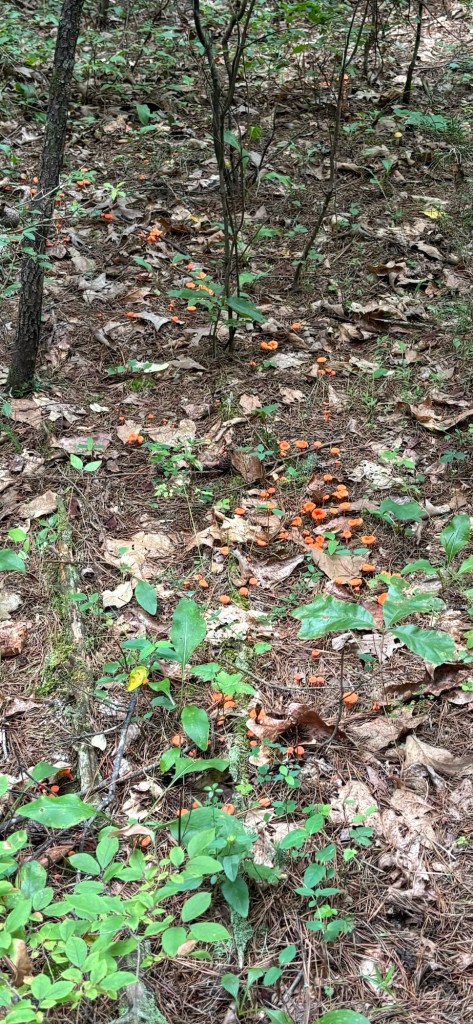
These Cinnabar chanterelles were everywhere along the southeastern facing slope in the northeast side of SAFF.

We have a lot of cooking to do with these choice edibles.

August 7, 2024 – Before tropical storm Debby at SAFF

Cinnabar chanterelles found near the waterway right on the trail. These are choice edibles.

Tropical storm Debby is set to hit the farm tomorrow evening with rains expected to be 4-8 inches and peak wind gusts Friday morning at 34 mph. We can’t wait to see what this rain will bring since there’s been so many mushrooms already.

Retiboletus ornatipes, Ornate stalked bolete, is edible but not considered choice. We found them along South Trail.
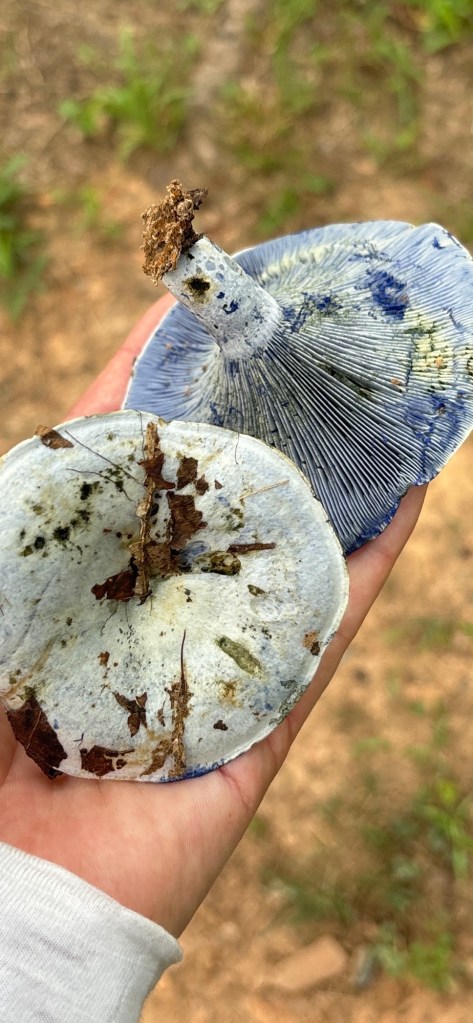
Lactarius indigo, indigo milk cap, is a choice edible found off Chanterelle Trail. We brought these beautiful blue mushrooms home to eat.
Eastern North American Destroying Angel, Amanita bisporigera, a deadly poisonous mushroom found near North Trail.
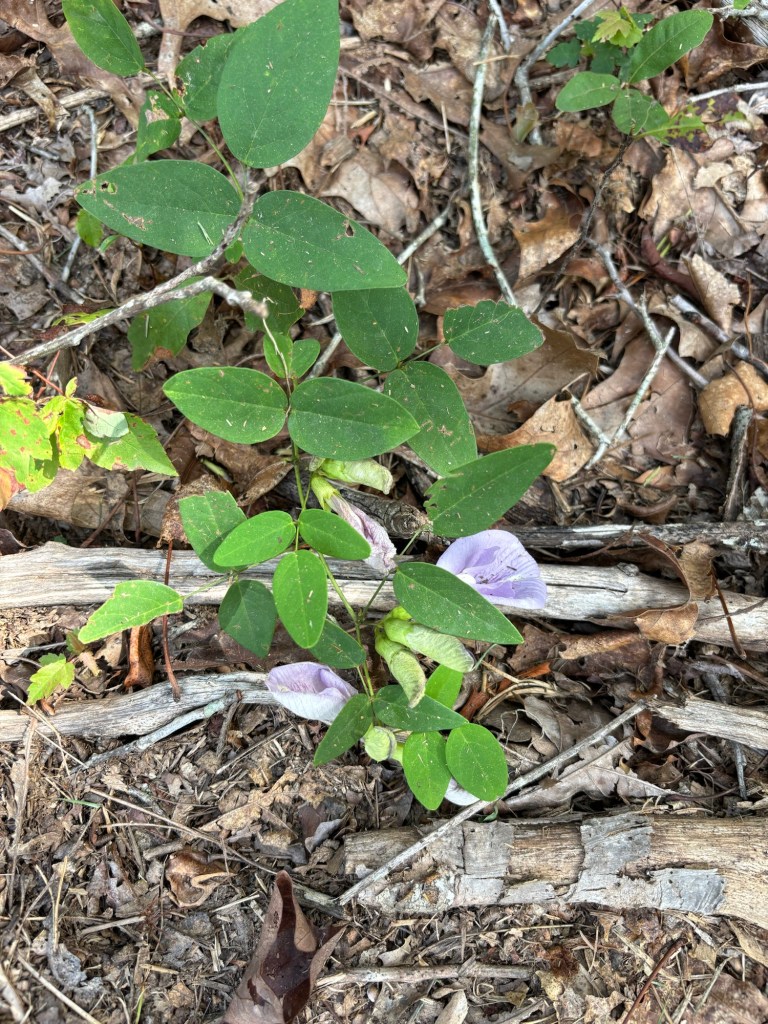
Clitoria mariana, pigeonwings, found up top in clearing near twin oaks

August 4, 2024 A New Trail —Mary Banning Way

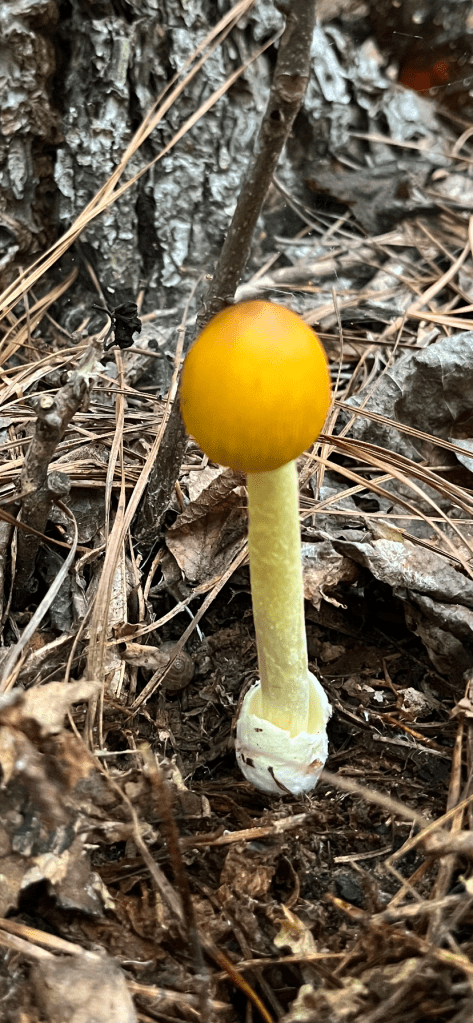
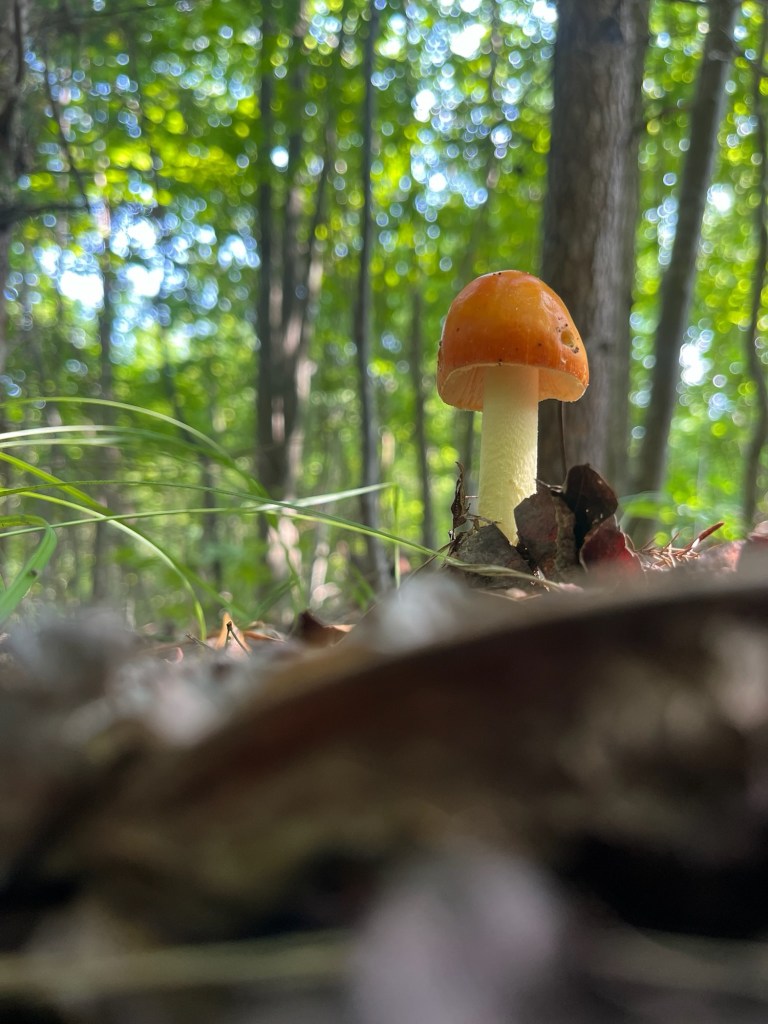
Amanita banningiana, Mary Banning Slender Caesar, has been found in every corner of Saint Andrews Forest Farm.

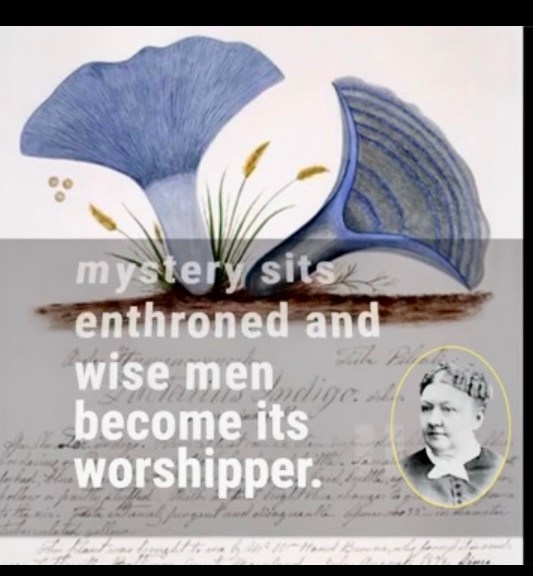
Mary Elizabeth Banning (1832-1903) was an American mycologist and botanical illustrator from Maryland. She described 23 previously unknown species of fungi. Her scientific achievements remained unrecognized during her lifetime. With no formal schooling or training, and during her free time, as she taught children and took care of her sick mother and older sister, she created the first mycological study of fungi in America with “The Fungi of Maryland.” This manuscript includes 174 13” by 15” watercolor paintings of various fungal species. She self funded her own study and lived in ever increasing poverty.
https://www.atlasobscura.com/articles/the-lost-mushroom-masterpiece-unearthed-in-a-dusty-drawer

Banning dedicated her life to mycology and lived in a world where women could not be scientists. She has inspired many people with her love for fungi and who knows how many she has inspired with her accomplishments while facing tremendous hurdles and difficulties.

We blazed a new trail from SAFF’s north side to North Trail, and we have named it Mary Banning Way to always remember and honor this powerful, intelligent and creative woman.

https://www.google.com/search?client=safari&sca_esv=e328c47da5cf79ba&hl=en-us&sxsrf=ADLYWIIwmcwpkr0oTLUTOUnkz28–u7l5w:1722959078107&q=mary+Elizabeth+banning&source=lnms&fbs=AEQNm0CgxwOFjiKYHNCRHSK3fdWj5Bfhn0qfSojWNk3sUgIBYunTvGd-atQ5vuydI-jpHqlf2bG9PoOqCjjAck2_Nh0_PQsVULTK7SAiDVgQtYGa-T2VhecsAjmd7f48Tpj2Wc96XEURaS756ngHPNnSgh-deW9qthss0LDkmdW0YgoRvNuTSFBvRX-HHAaboi-icdChhwk0PwgER4wyaU5GMZH4gvCdIw&sa=X&ved=2ahUKEwiijMDe2uCHAxW2F1kFHU83Am8Q0pQJegQIGBAB&biw=320&bih=497&dpr=3#fpstate=ive&ip=1&vld=cid:70a48c23,vid:NlGam0jSZ04,st:0

We hope you look up her works.