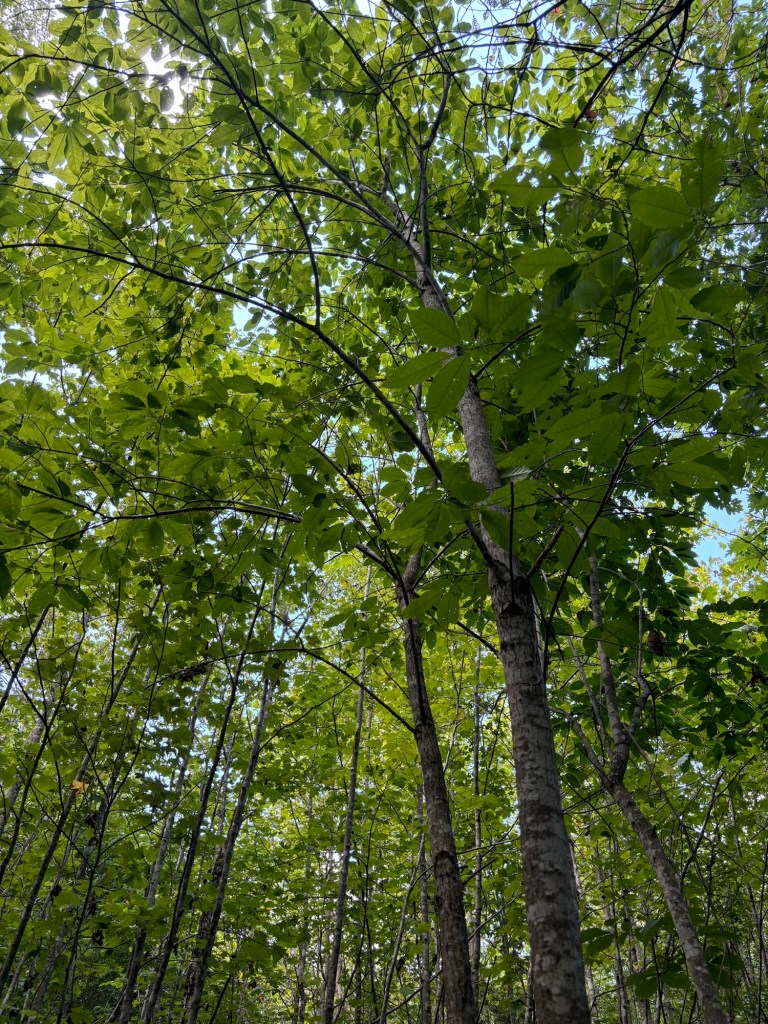
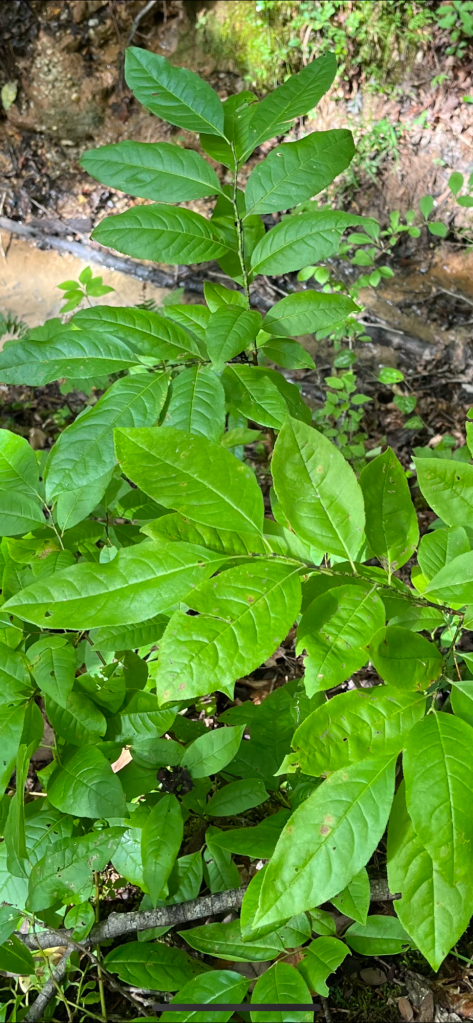
Sourwood, Genus Oxydendrum, sometimes called sorrel tree is native to Eastern North America. The honey that bees produce from its nectar is sought after for its health benefits and taste. The leaves are edible and have a laxative effect. The Cherokee people used it for seasoning soup and meat, as well as a medicinal tea from its leaves. They also used the shoots to make arrowshafts.Sourwood leaves
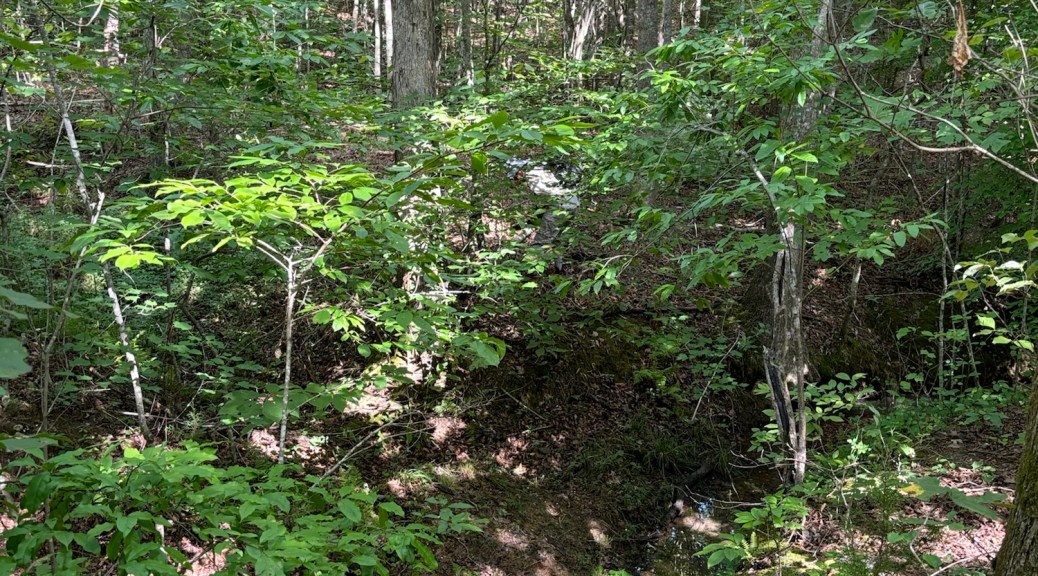
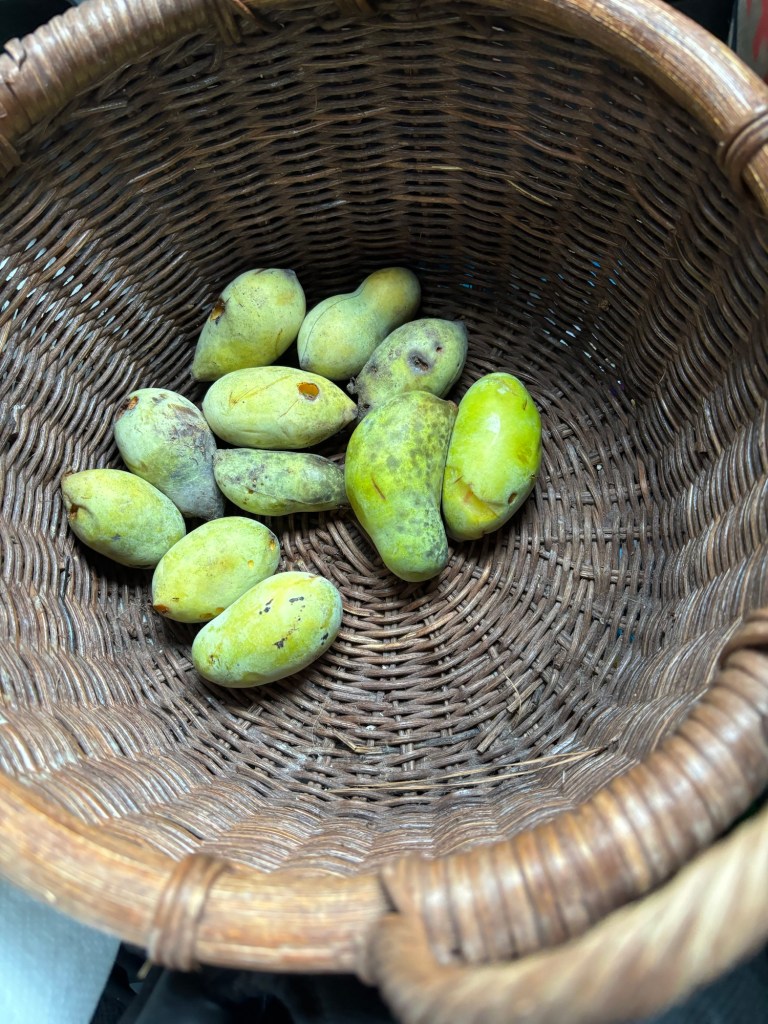
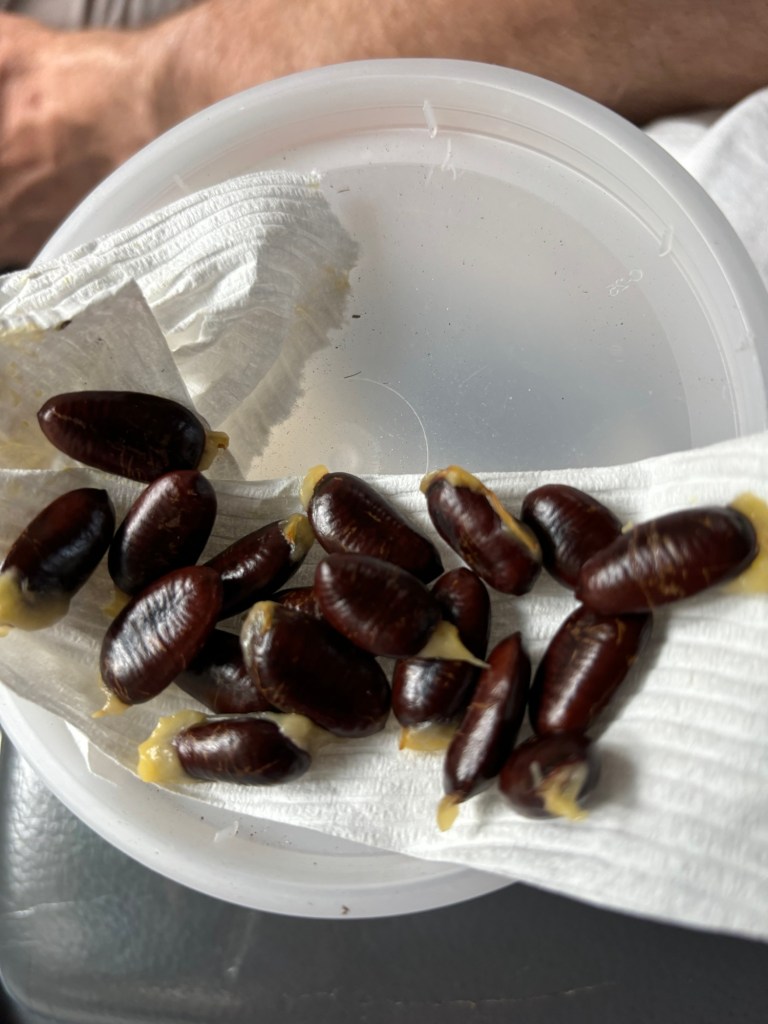
Yesterday was a lovely day at SAFF. It’s gotten cooler and feels much like fall all of the sudden. On the way over, we stopped at the pawpaw patches and found about eight more ripe fruit. Each one has 10 to 14 seeds inside in two rows. We probably have several hundred seeds. Some we have already planted in pots to overwinter outside and cold stratify in nature. Others we have cleaned and placed in a container in the refrigerator to cold stratify for 70-100 days and then we will plant. We will determine best practices from our experience but we hope to add many more trees next year. We are excited to use these to sprout new trees for our pawpaw grove that hasn’t been productive for us yet. While down in the pawpaw patch, we noticed the Sourwood tree. We have quite a few of these down by the main waterway at the bottom of the slope growing, in some cases, right next to the pawpaws. We are still thinning out the forest in every location to allow more light in and room for our trees. We are especially doing this around our older pawpaw trees to encourage production of fruit.
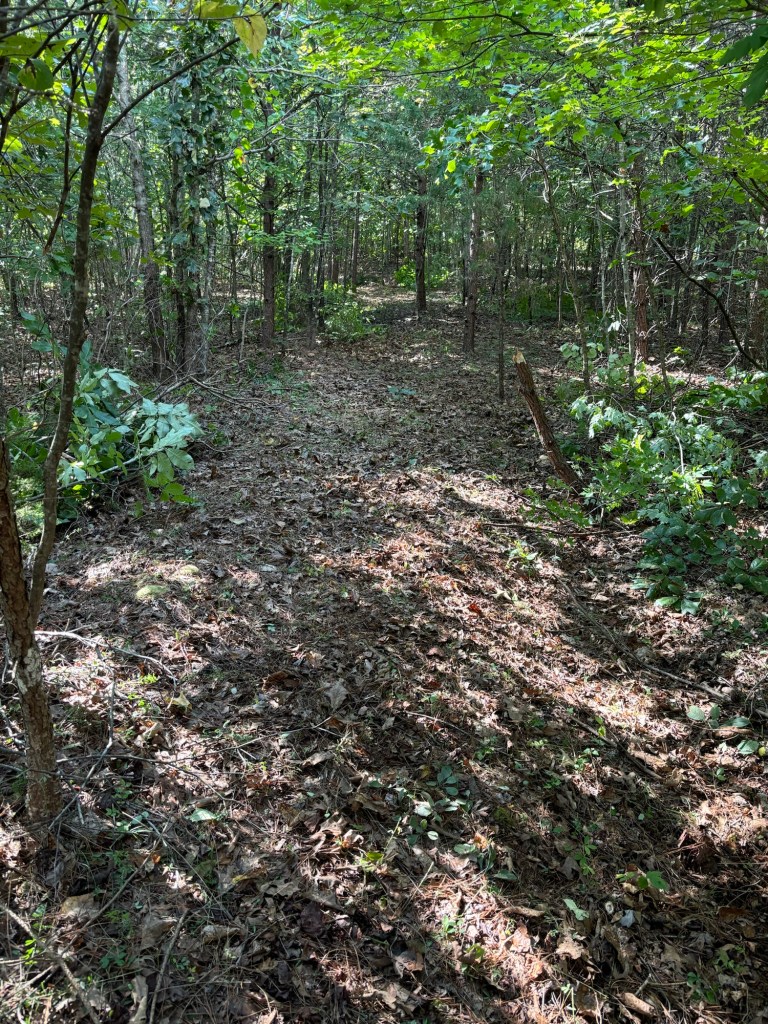
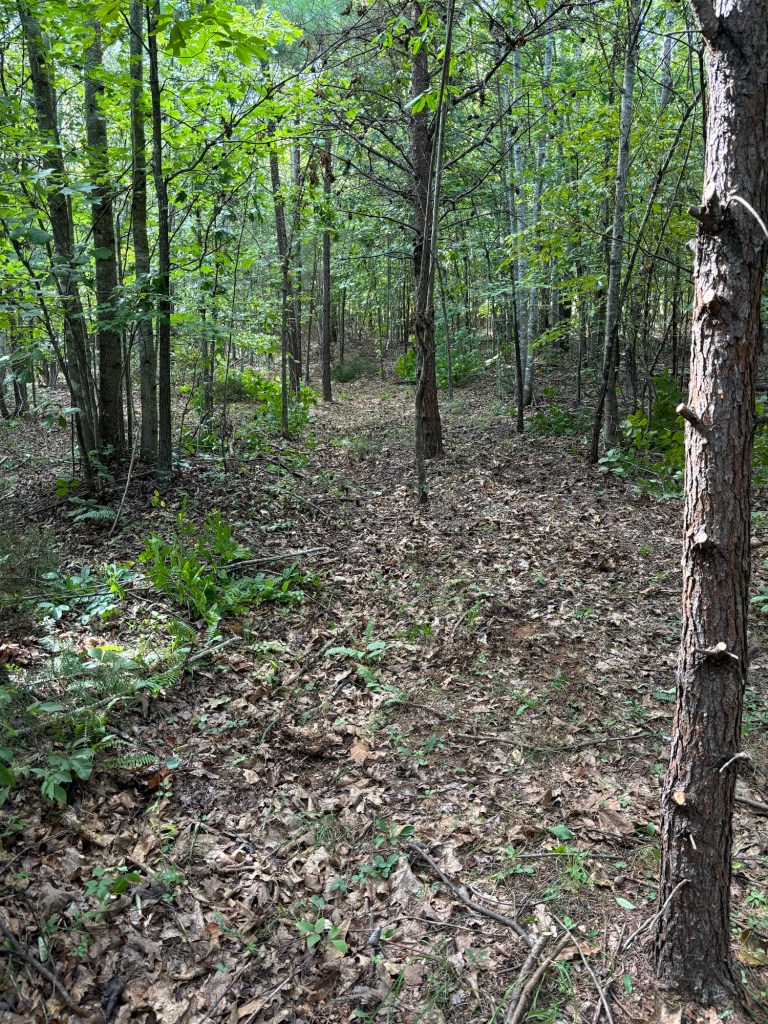
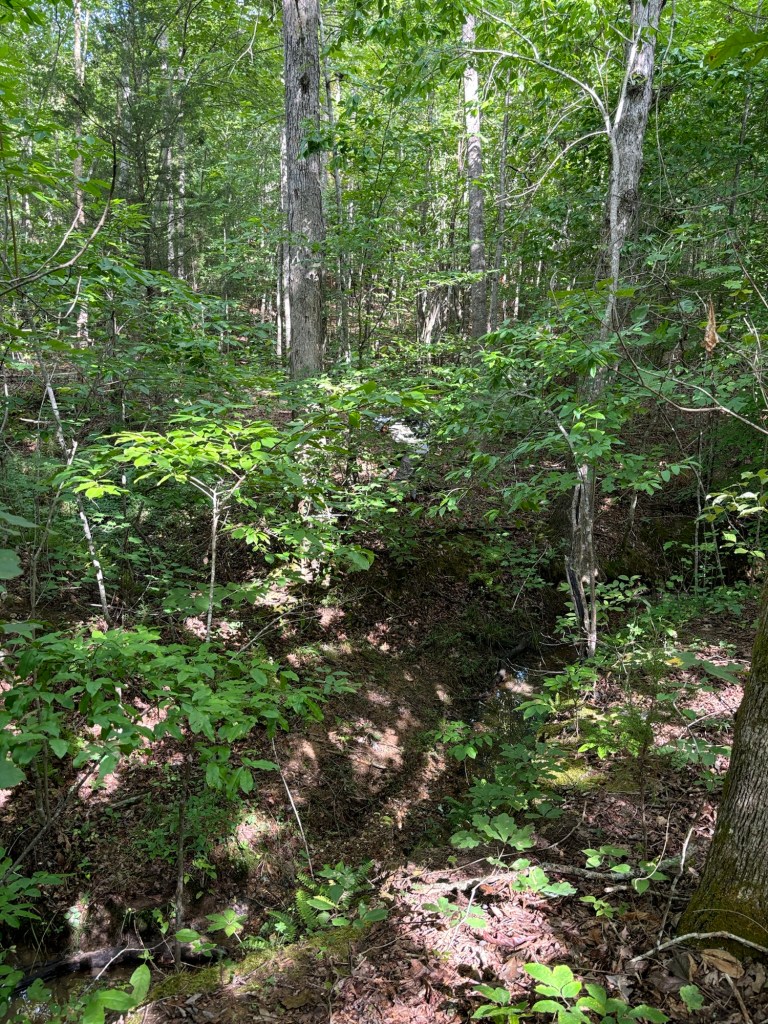
The roadway we found on the north side of SAFF.
We went out to the northern edge and found where the road began and we cut back small trees growing up through the rocks of the road. We cut back grassy areas. We cleared everything we could easily. We got a third of it cleaned up except for the largest pines we will have to use the chainsaw to remove. We imagined this would take us much longer to clear. We were beyond thrilled to get that much accomplished in one swoop.
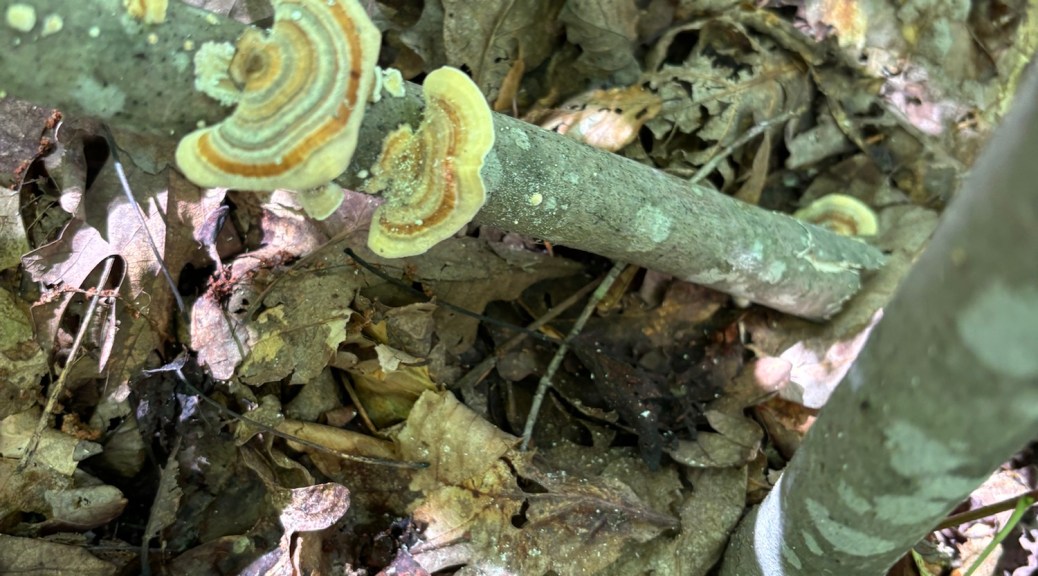
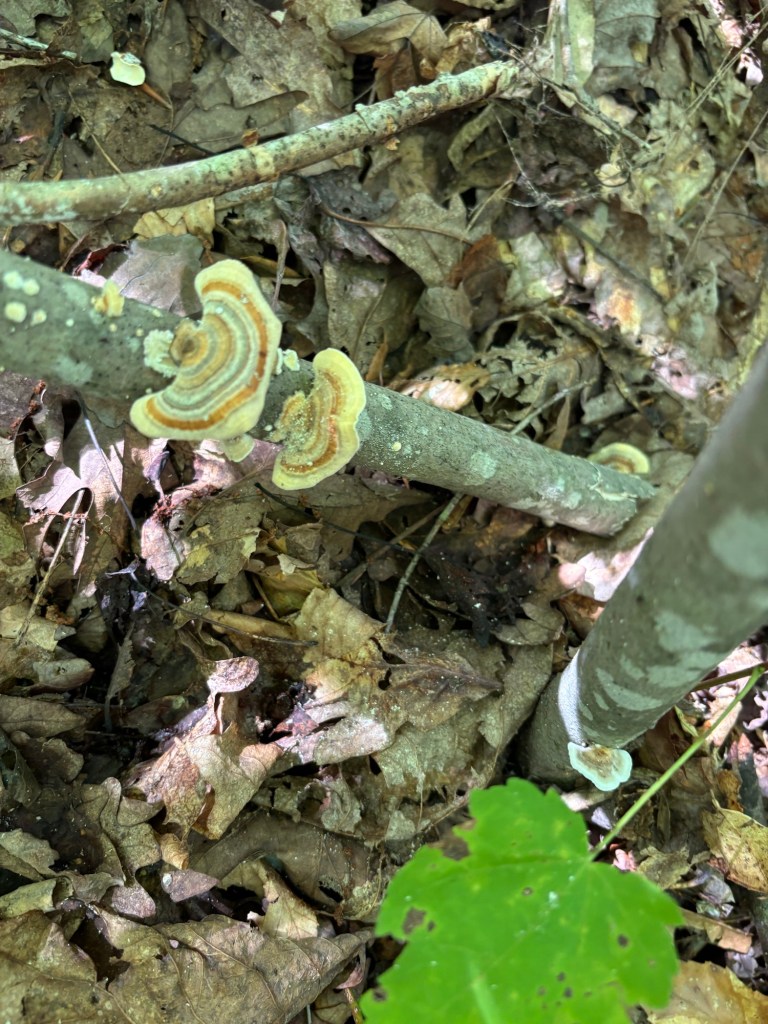
The roadway will make it a whole lot easier to farm on the north side.Turkey tail, Trametes versicolor, on the north side. A common polypore found throughout the world. It’s a medicinal mushroom that’s full of antioxidants and other compounds which fortify our immune system, maintain healthy gut bacteria and support the treatment of certain cancers.
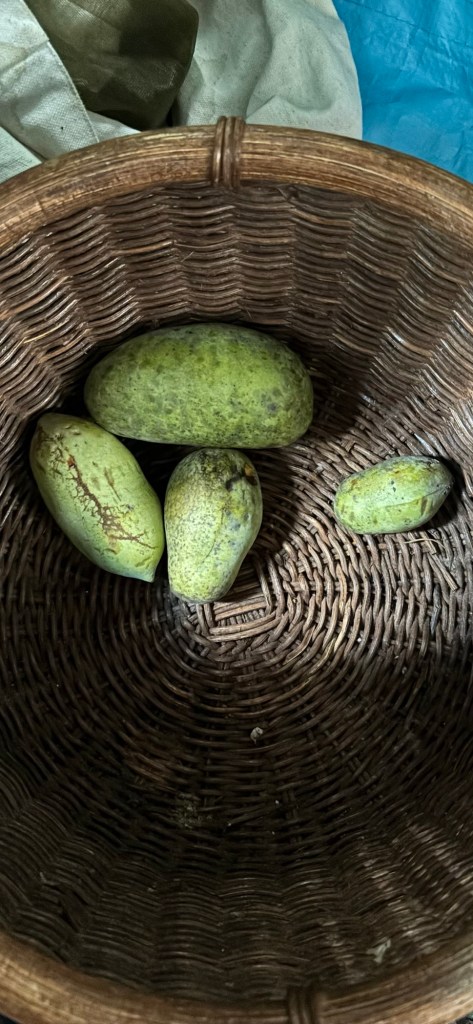
After a busy week, we wrapped up a few local chores and errands at home in Staunton, and started the holiday weekend Friday morning with a specific mission. Inspired by our visit to a local nursery last weekend, we hoped to find ripe pawpaw fruit in the wild. In particular, we wanted to collect some wild fruit to eat, and also collect the seeds to grow new trees with and bring novel dna to our pawpaw patch. We are saving all of the seeds from our fruit and we are going to plant them at the farm. A dedicated search on the iNaturalist app showed us locations along our route from home to the farm in Buckingham County where pawpaw trees, flowers and fruit were observed and identified. Some of the observation sites along or near our route were private land, so we ruled them out. But we began to notice the pawpaw trees by the side of the road as we drove to and from the Farm. Especially where rivers, creeks and streams crossed the road. We saw Black walnut trees and many pawpaw trees. Having tried a couple ripe pawpaws last weekend, we figured it would be worth stopping to take a look if we saw accessible, fruiting pawpaw trees. They fall off the tree when ripe. So far, we have found about 20 in various stages of ripeness. A few were so far gone, we had to just plant them in a pot. We have at least a hundred seeds now and we have them stored in the refrigerator. We’ve also gotten to eat a few of these creamy, tropical-tasting native fruit.
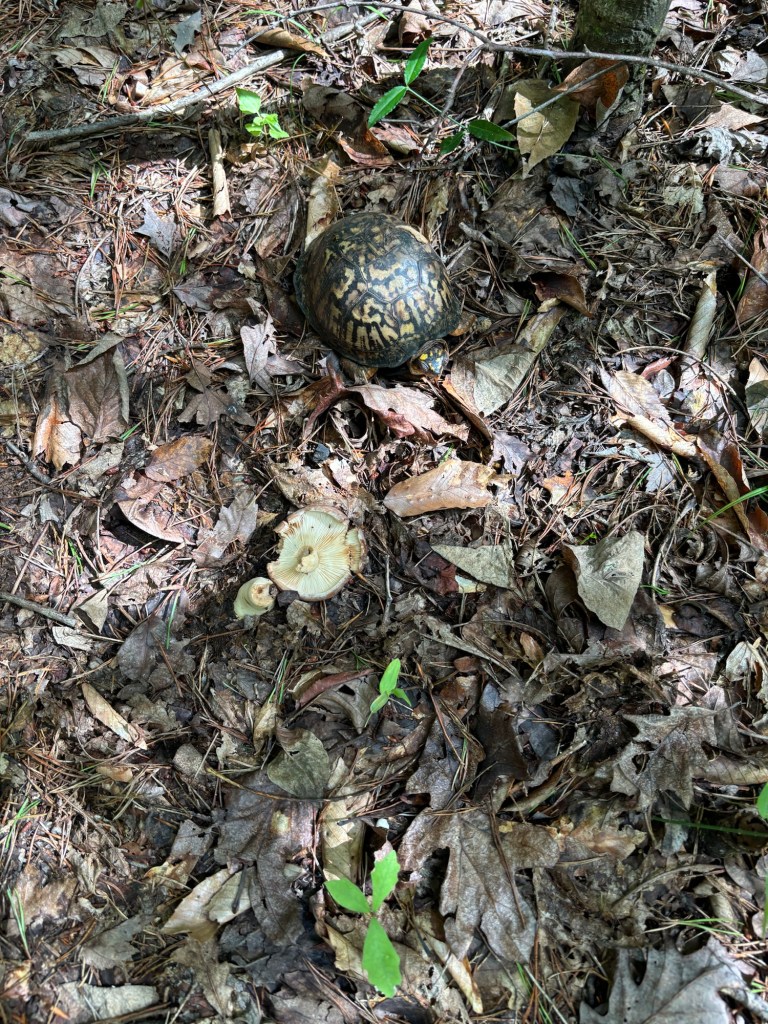
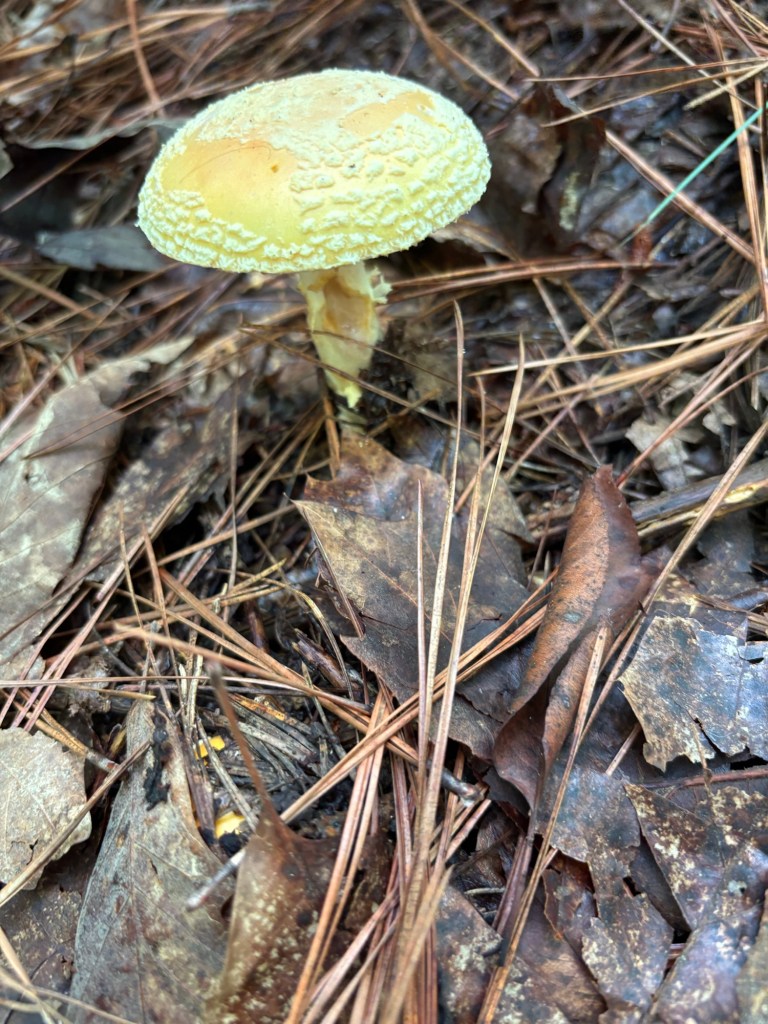
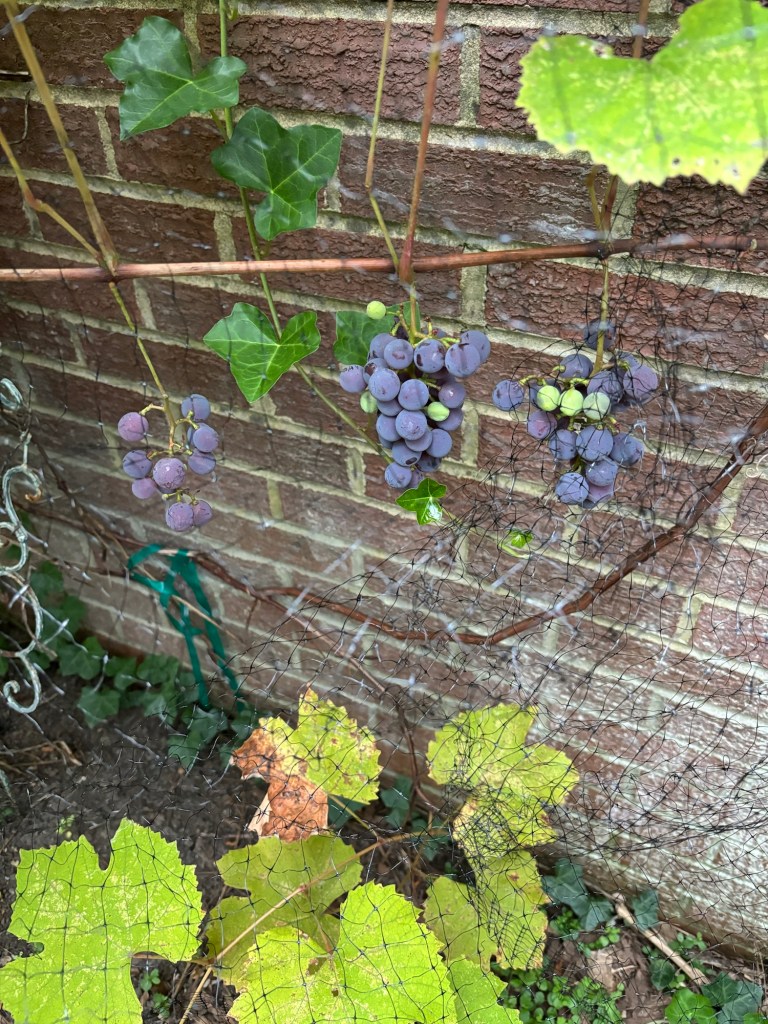
Pawpaws we found yesterday. The seeds we are saving. We will cold stratify these in the refrigerator for 70 to 100 days and then plant these in deep pots to accommodate their need for a long tap root. A turtle we saw working on his mushroom dinner. Amanita flavoconia, Yellow patches. Found along Mary Banning Way. The pawpaw patch. Our Concord grapes we just harvested.
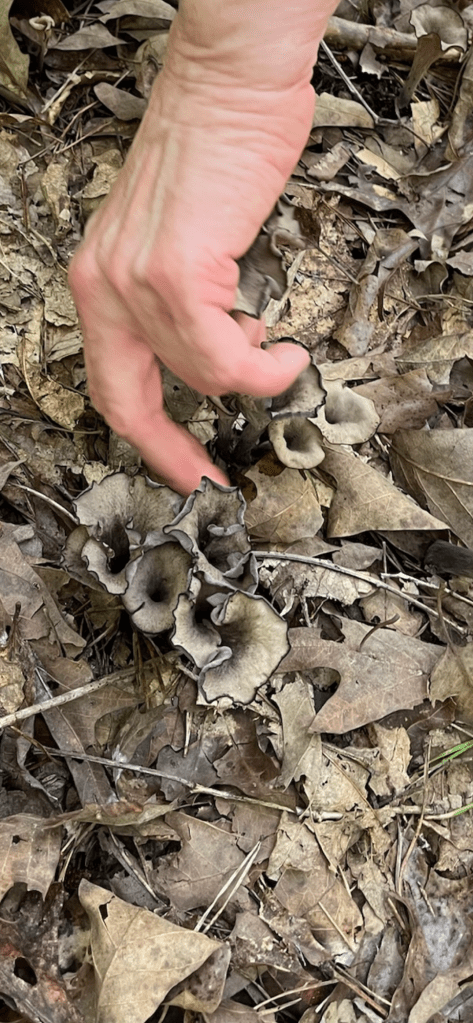
Hard to see black trumpet mushrooms growing near oaks and pines.
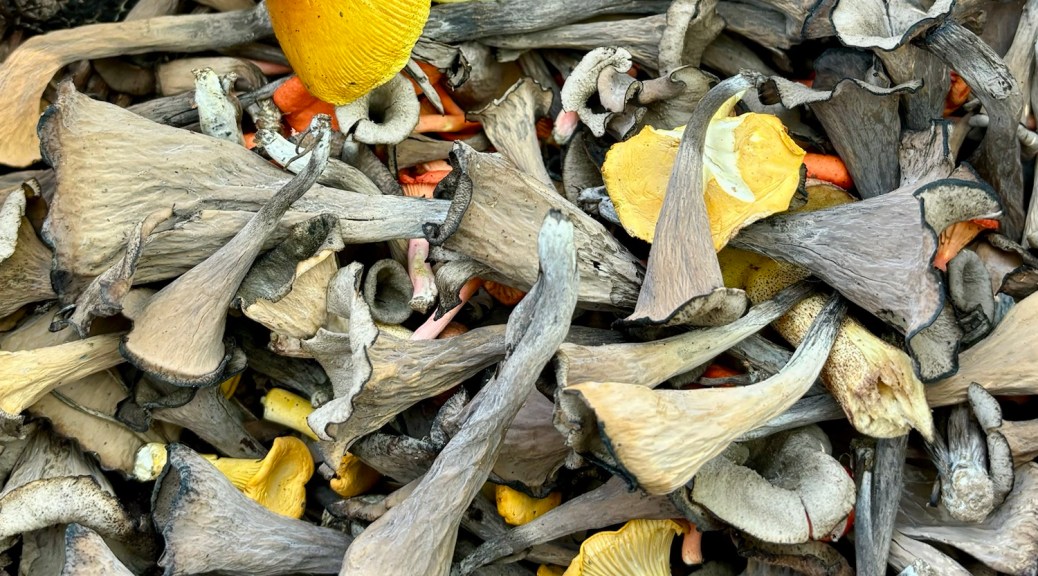
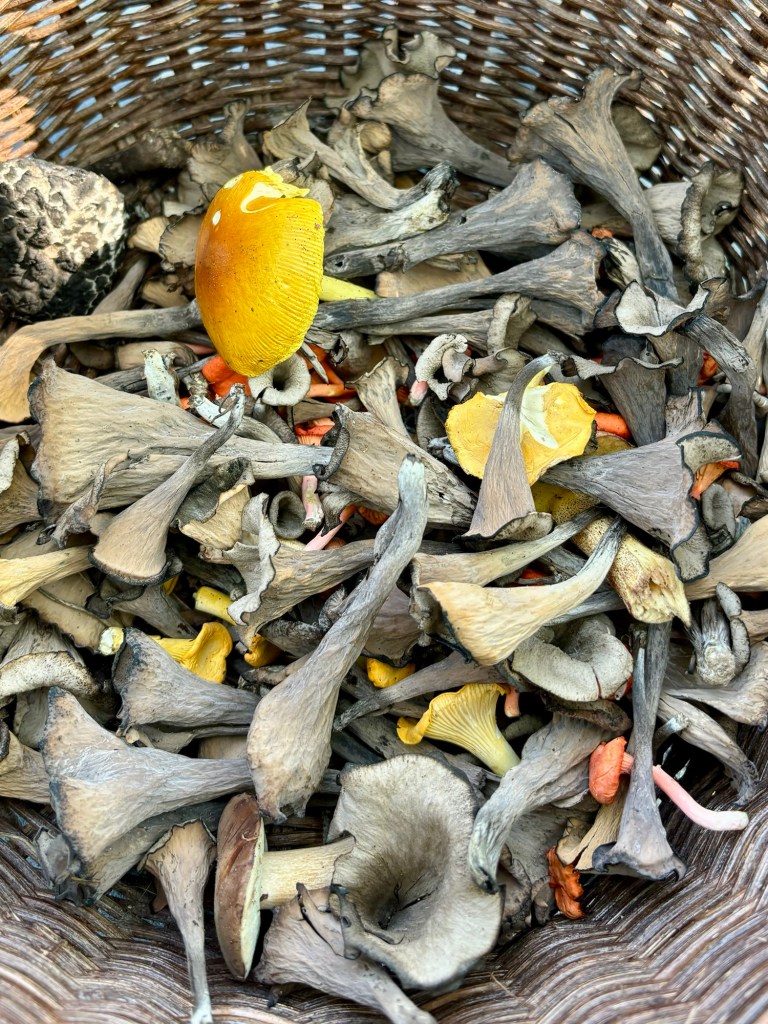
We went over and created more trails on the north side yesterday. We were rewarded for our work with wonderful weather and about two pounds of wild mushrooms. The temperatures in the 70’s made for a wonderful day to be outside. We found several new large Black trumpet patches as well as Cinnabar chanterelles and Ghost chanterelles. We also found a Lilac bolete, Amanita banningiana and an Old Man of the Woods. We joked our basket was full of Halloween colors.
Our basket from yesterday with lots of black and orange mushrooms.
We brightened up the paint on our boundary markers and widened our trails. We cleared a bit more from the road. We stood in awe of the beauty of the forest, the quiet peace to be found there with the trees and the network of mycelium that supports it all and sends up these colorful and wonderful fruiting bodies. We feel grateful and blessed by our surroundings.
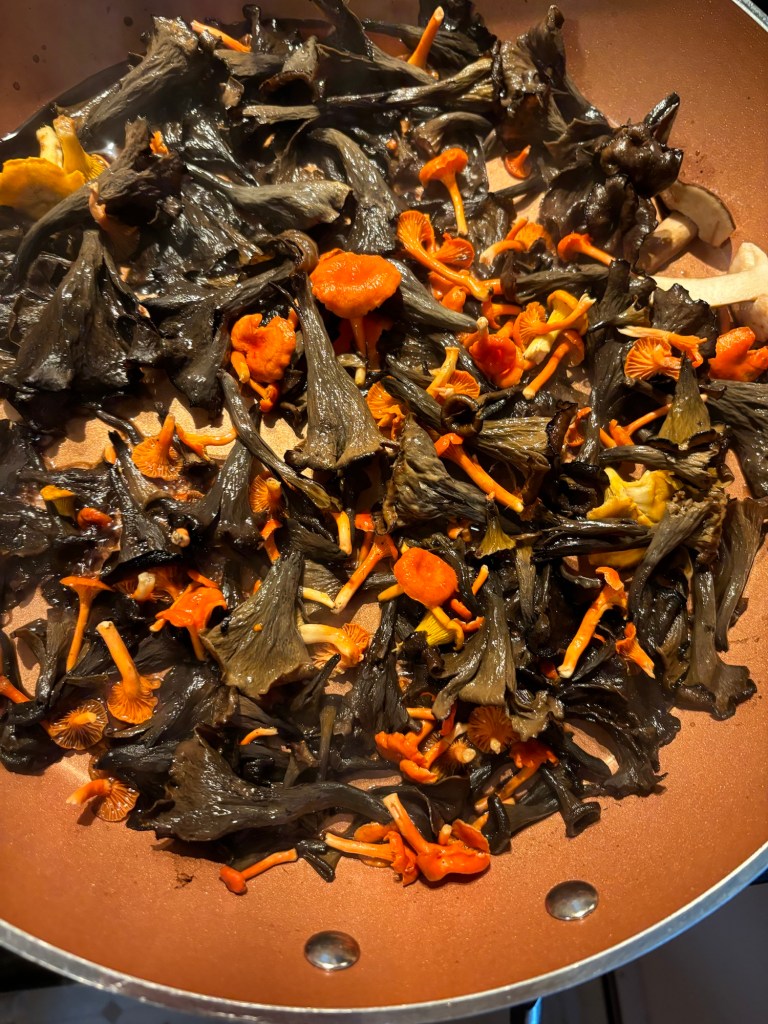
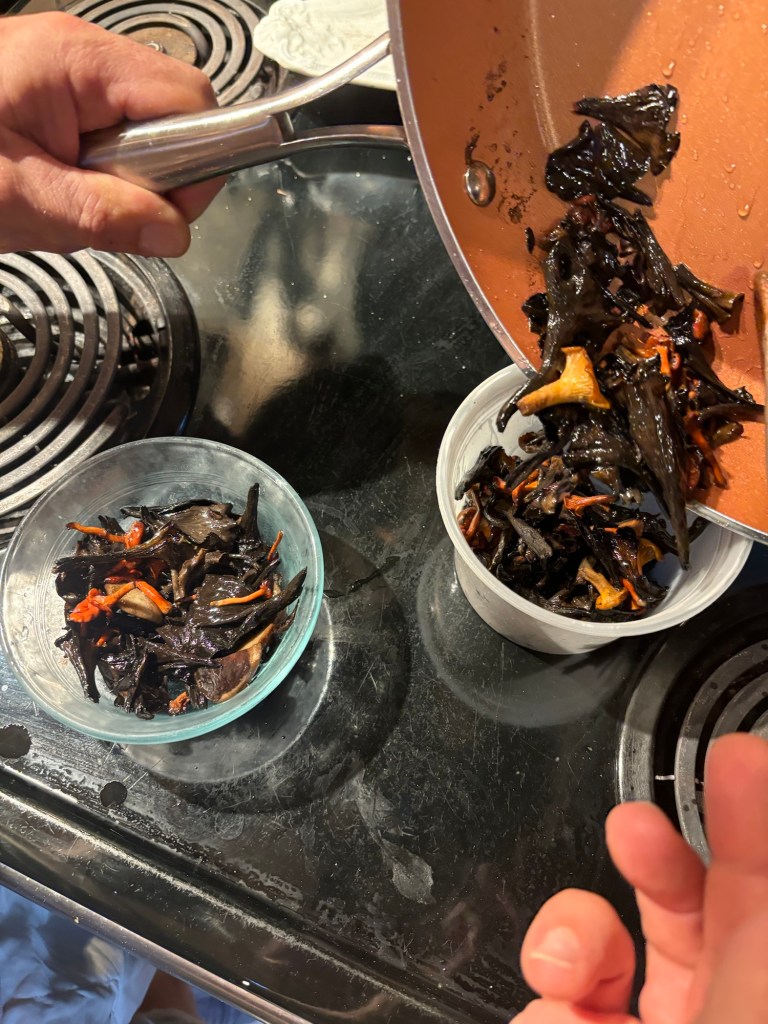
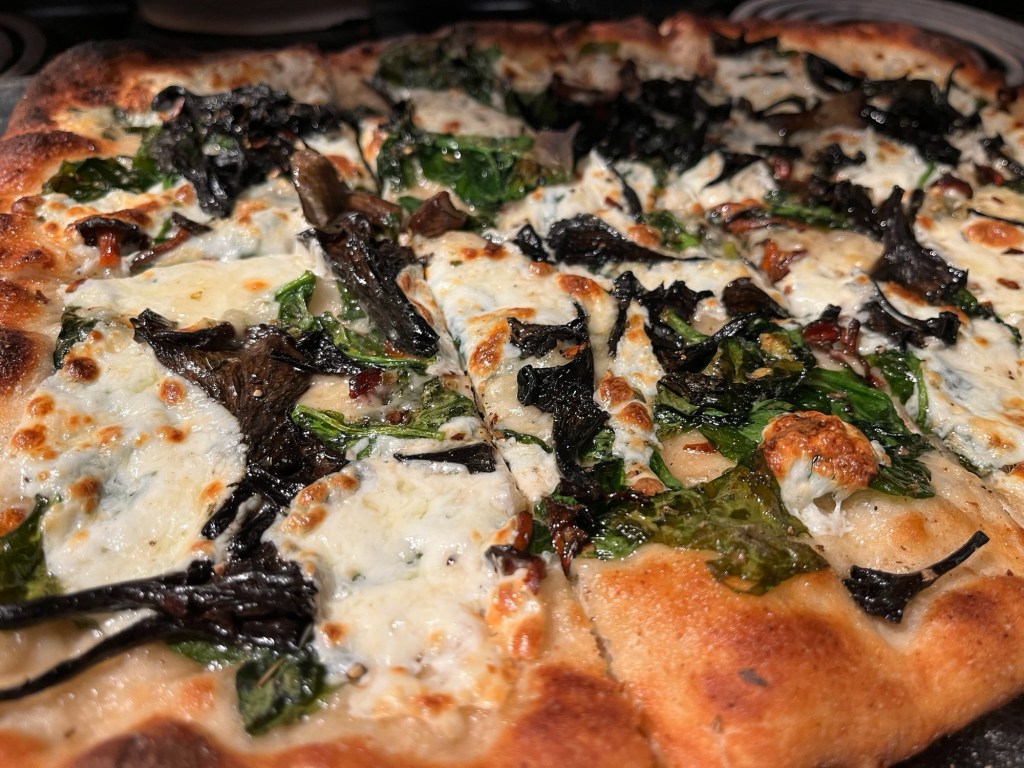
We got home and cleaned up our mushroom bounty and dry cooked them for some minutes to cook off the water we used to clean them. Once dry, we added butter and olive oil and salt pepper and garlic. We saved most of these mushrooms but used a small amount for our white pizza for dinner. It was scrumptious!
Saint Andrews Forest Farm Blog
Is this your new site? Log in to activate admin features and dismiss this message
 St Andrews Forest Farm