
We caught the deer we’ve been seeing up top on the FarmCam last Thursday. We think it’s eating the black cherries falling to the ground right now.
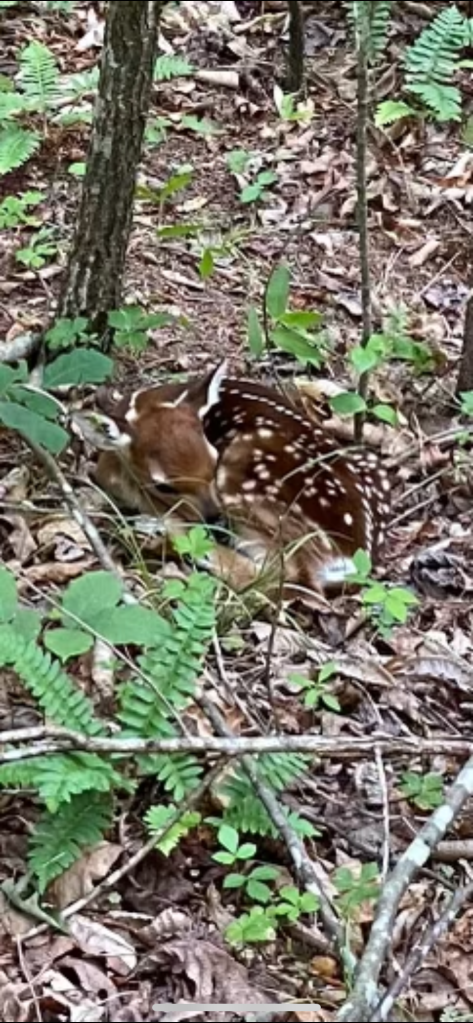
We caught the deer we’ve been seeing up top on the FarmCam last Thursday. We think it’s eating the black cherries falling to the ground right now.
The past three times we’ve pulled into the clearing with the truck, we’ve seen a young deer. It’s usually sleeping in the forest and it hears us and takes off. We don’t think it’s too afraid because it doesn’t run far though. We come upon it multiple times like it has become a game for the adorable creature. It’s always alone. We hope it stays safe and we understand it’s safest for it to not be comfortable with humans. We’re also seeing a lot of bear poop on the north side of the farm. No sign of our 4 or 5 year old male bear this year but we think it’s him. It’s nice to know animals are taking advantage of the nuts, berries, mushrooms and shelter the trees provide.
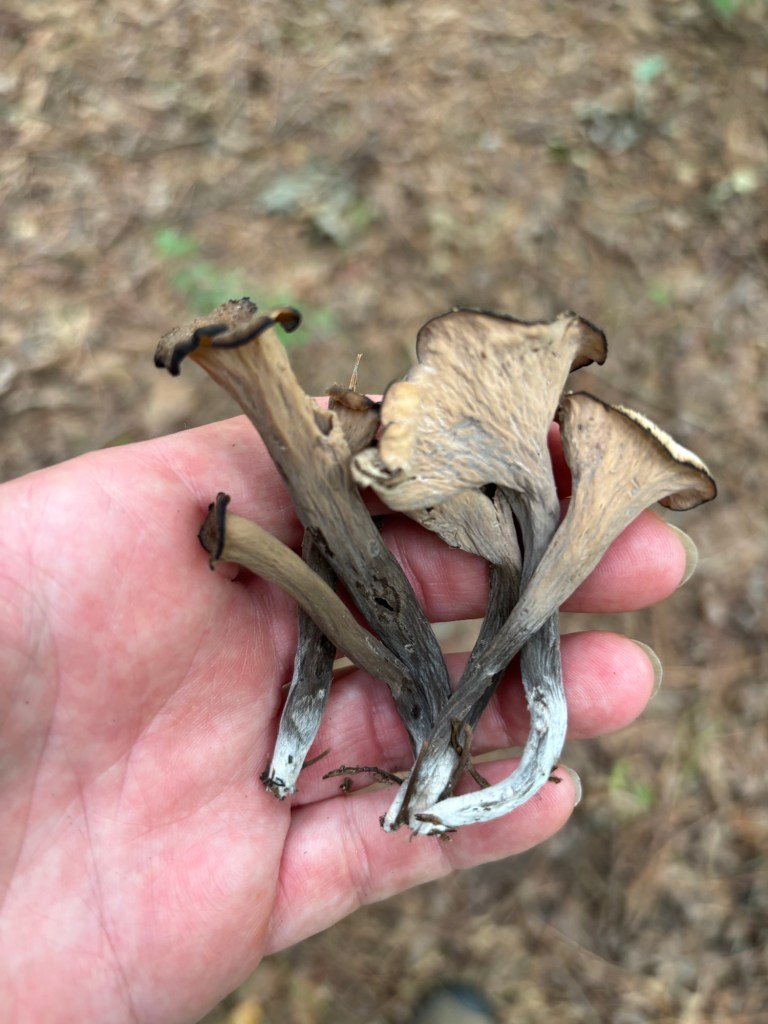
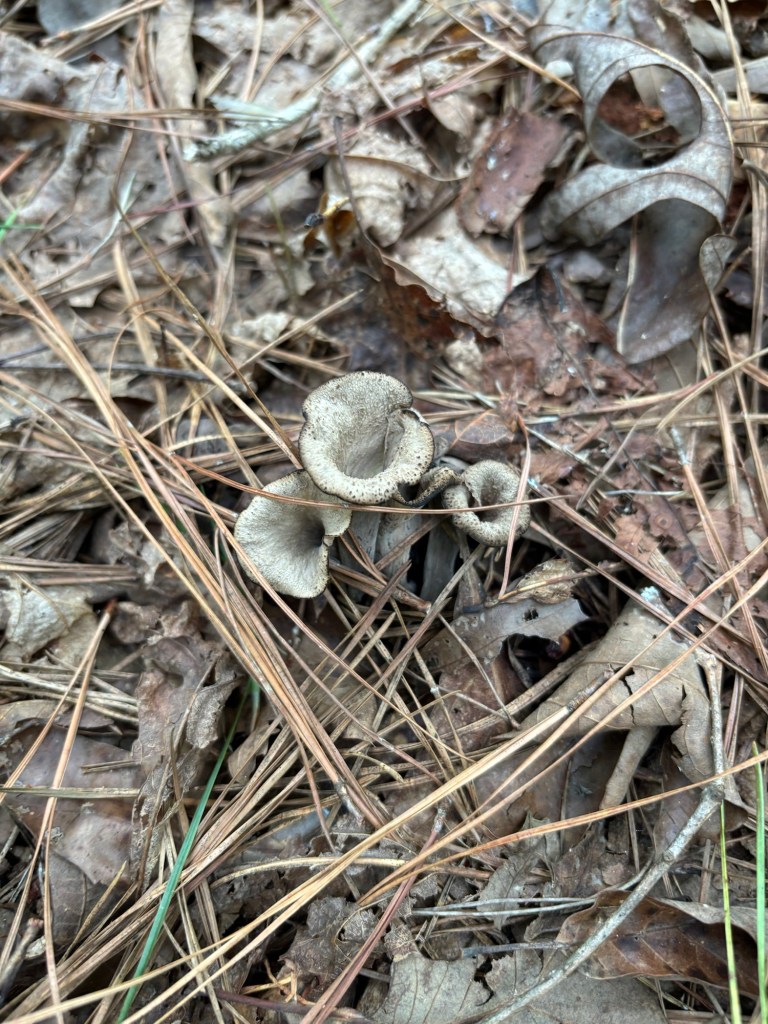
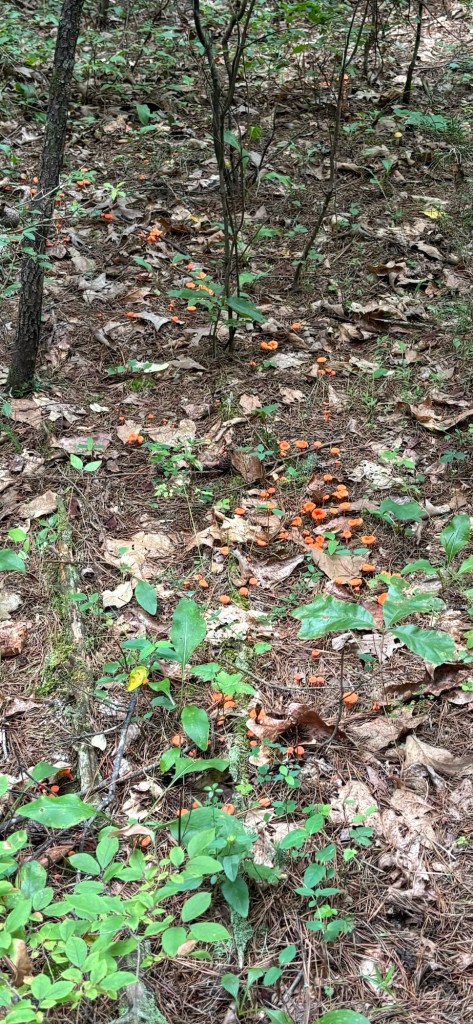
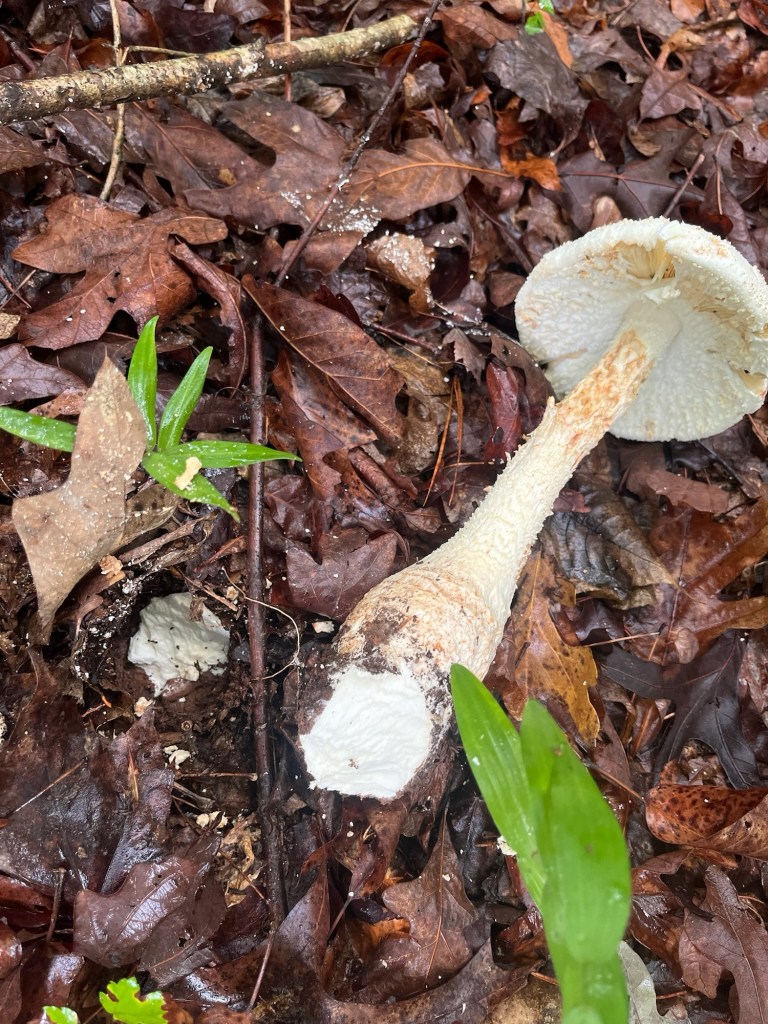
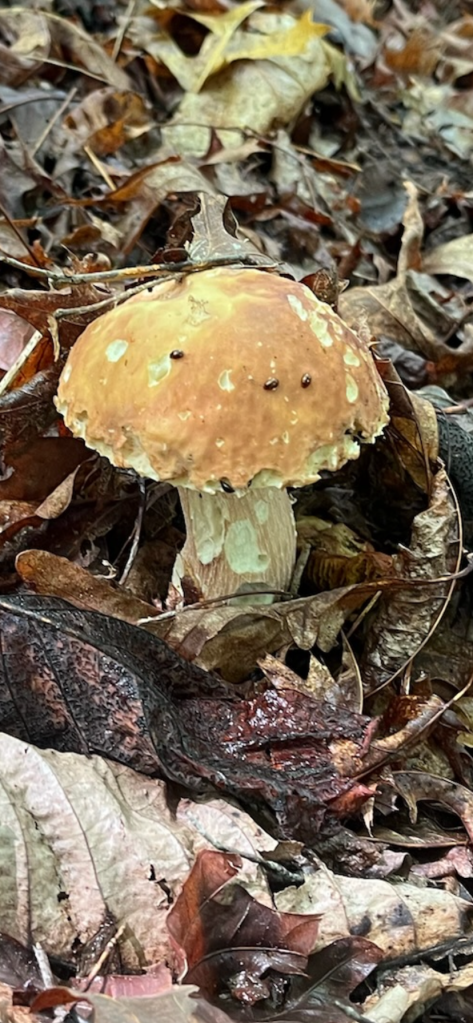
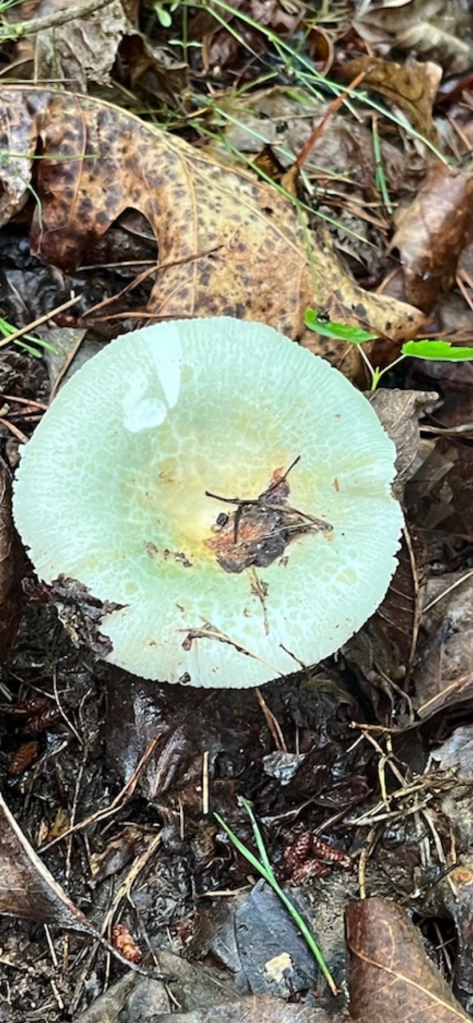
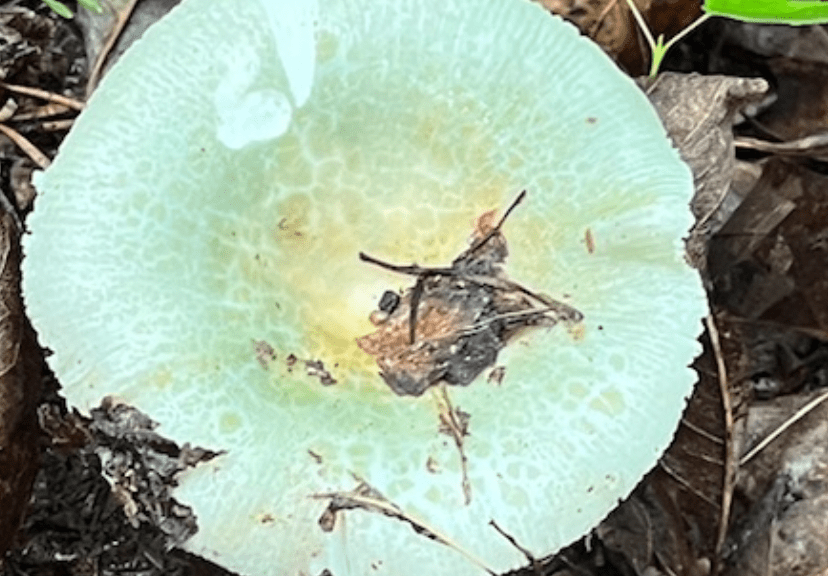
We walked all around the trails that were damp from an afternoon thunderstorm that hit just before our arrival. Right away, we saw new mushrooms emerging from the ground that hadn’t been there the day before. Sometimes it takes a few days for the mycelium to send up the fruiting body after a rainstorm —and sometimes it’s quick.
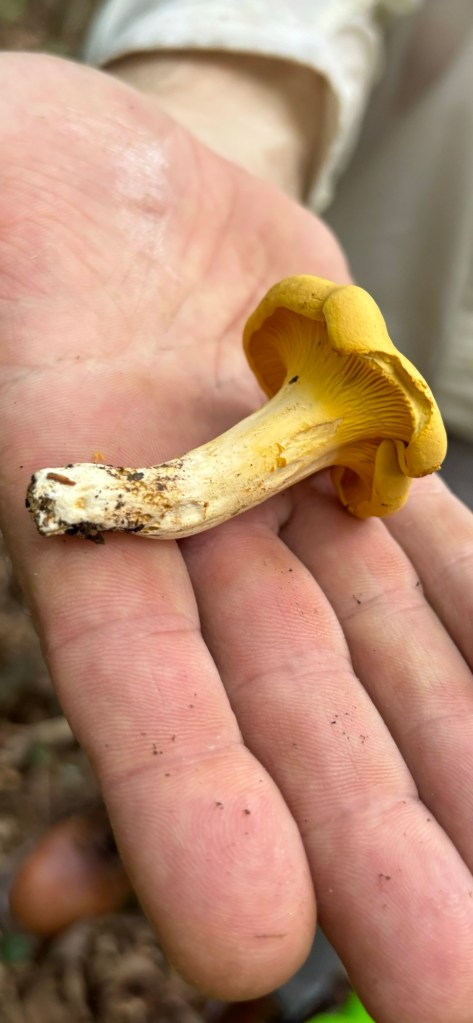
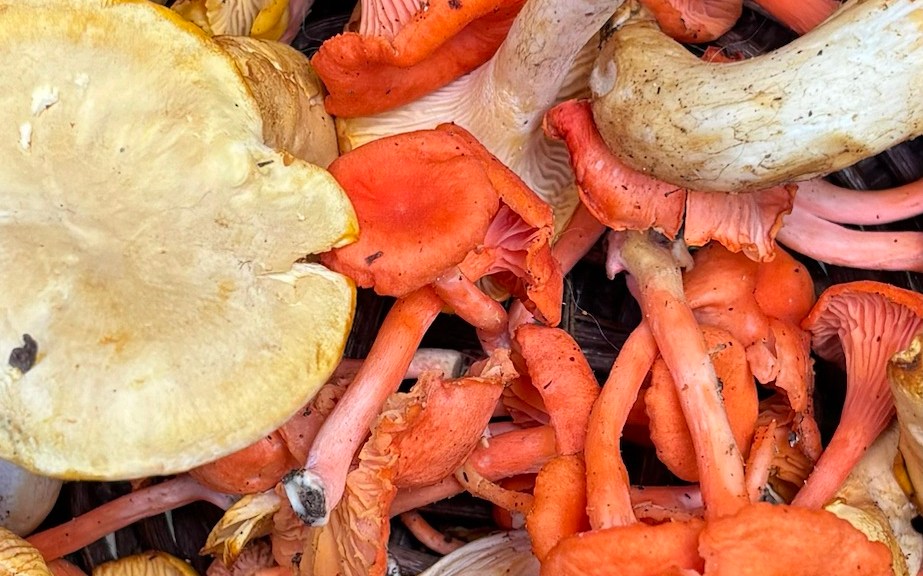
We basketed up our bounty and left the farm as the sun was setting. We were too tired to cook the mushrooms last night so we stored them in a paper bag in the refrigerator and hoped they’d stay in nice shape. It’s best to cook them right away and save them cooked either in the refrigerator or the freezer depending on how quickly they will get eaten. But these wild mushrooms, especially the chanterelles, need to be used quickly.
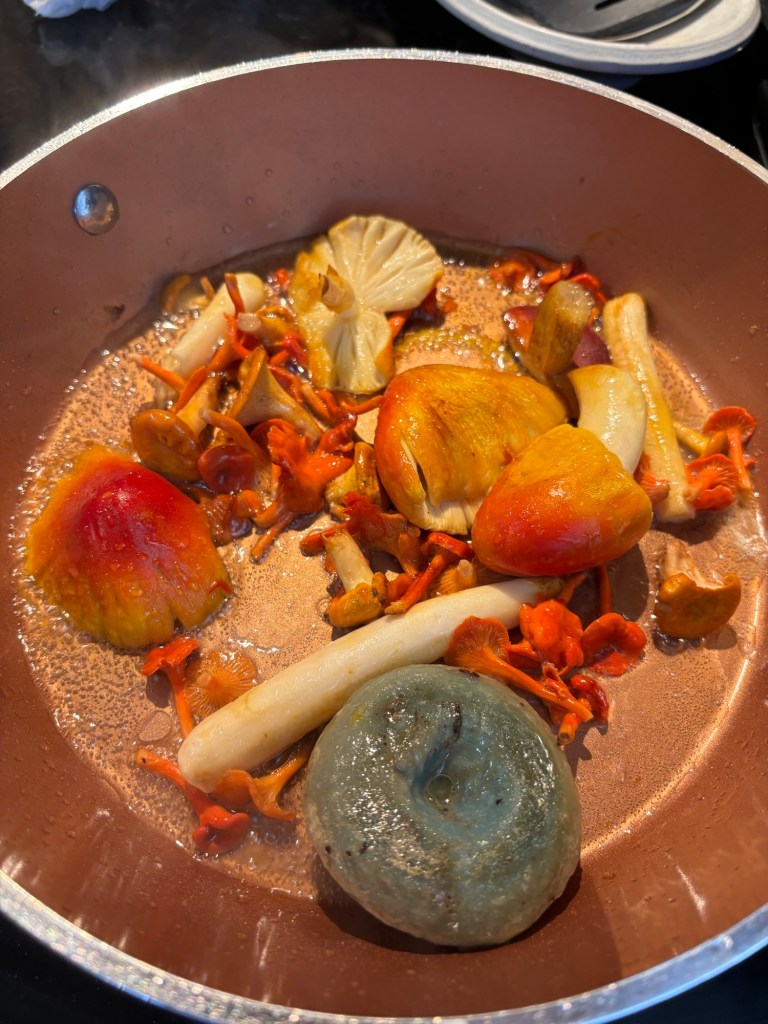
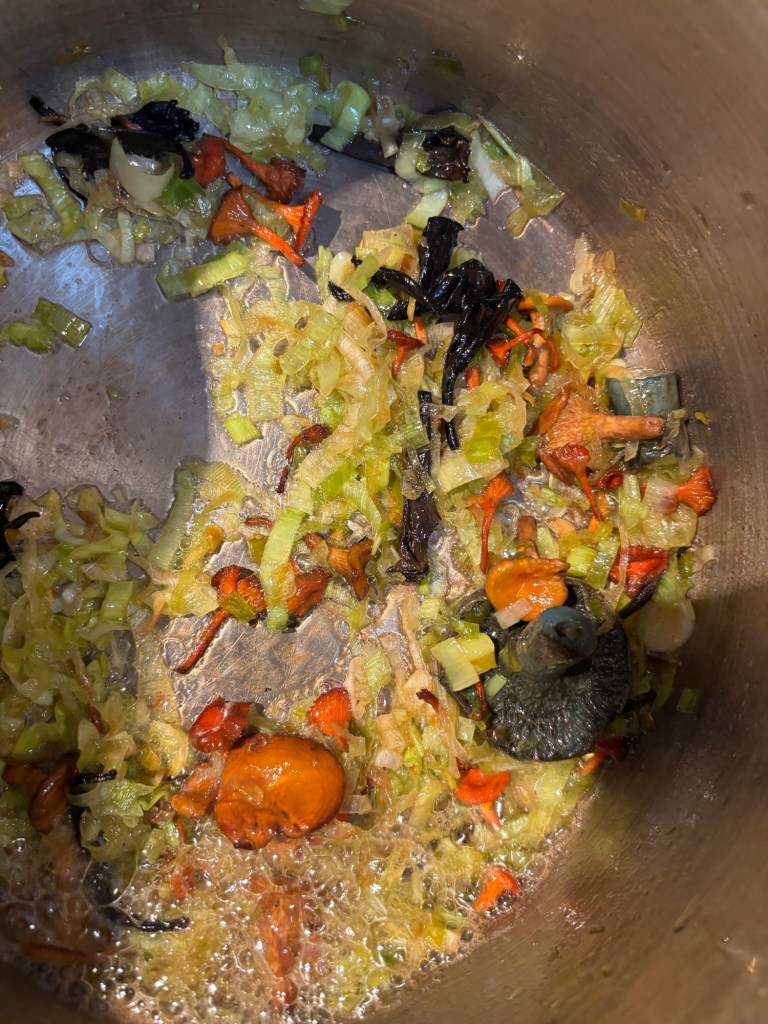
They were in nice shape this morning so we dry cooked them for a few minutes in a skillet on 7. Added olive oil and butter and cooked about 15 minutes. We let them cool and have them stored in the refrigerator. We are thinking of making a wild mushroom quiche.
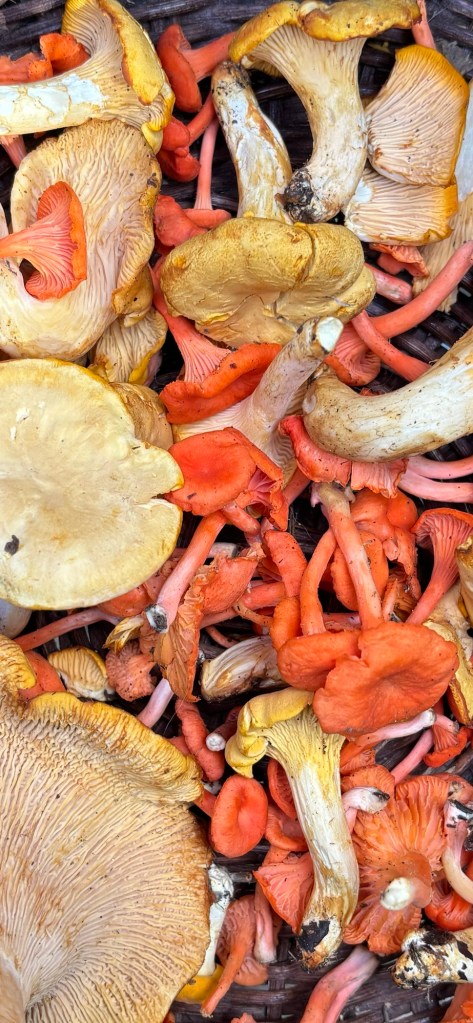
We’ve learned to thoroughly wash our mushrooms from the farm and to bring home as little dirt as possible to begin with. Trim and brush them with a mushroom knife if possible before putting in our basket. Once home, we soak them in water and also run under water and then use a towel to wipe them. (If from the grocery store or market, the mushrooms will not need cleaning usually. )
Heat a skillet to 7 and put the mushrooms in, letting them dry out somewhat by cooking gently for a moment or so. Don’t let them stick. Add olive oil or butter when needed to prevent the sticking and add white wine to deglaze if necessary. Try to be gentle and keep them intact. Make sure to cook them at least 10 minutes but we go 15 or so. You can’t really overcook them. Then, either save your mushrooms in the refrigerator to use within a few days. Or, freeze them like this until you are ready to use, for up to a year. Thaw them in the refrigerator.
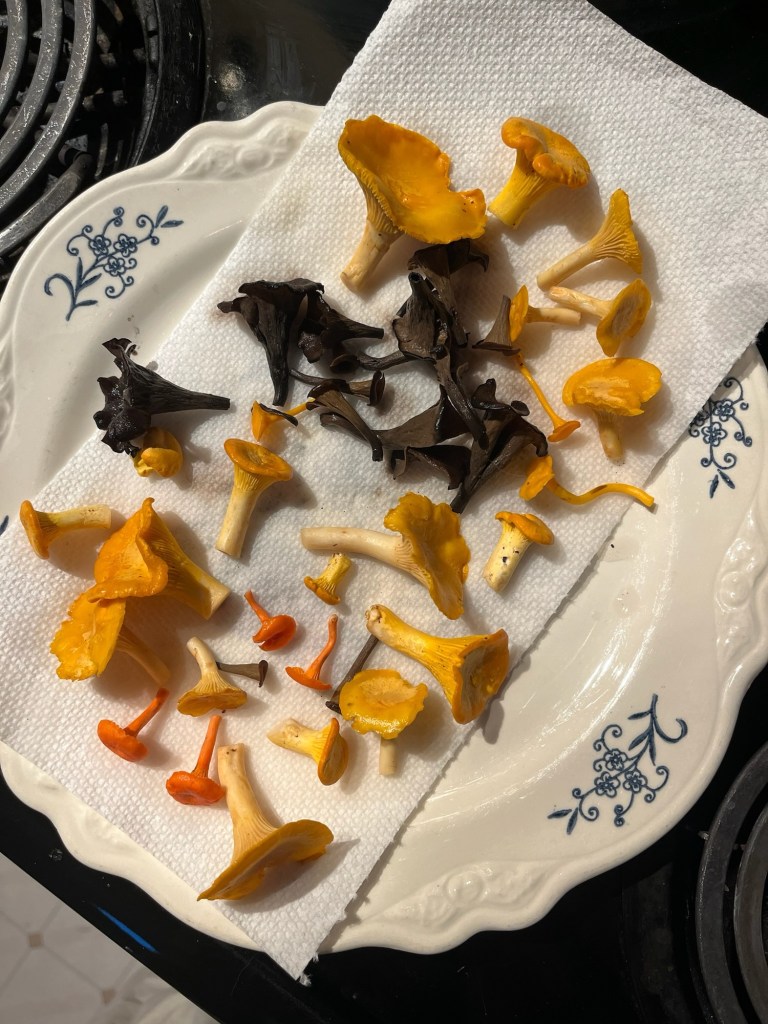
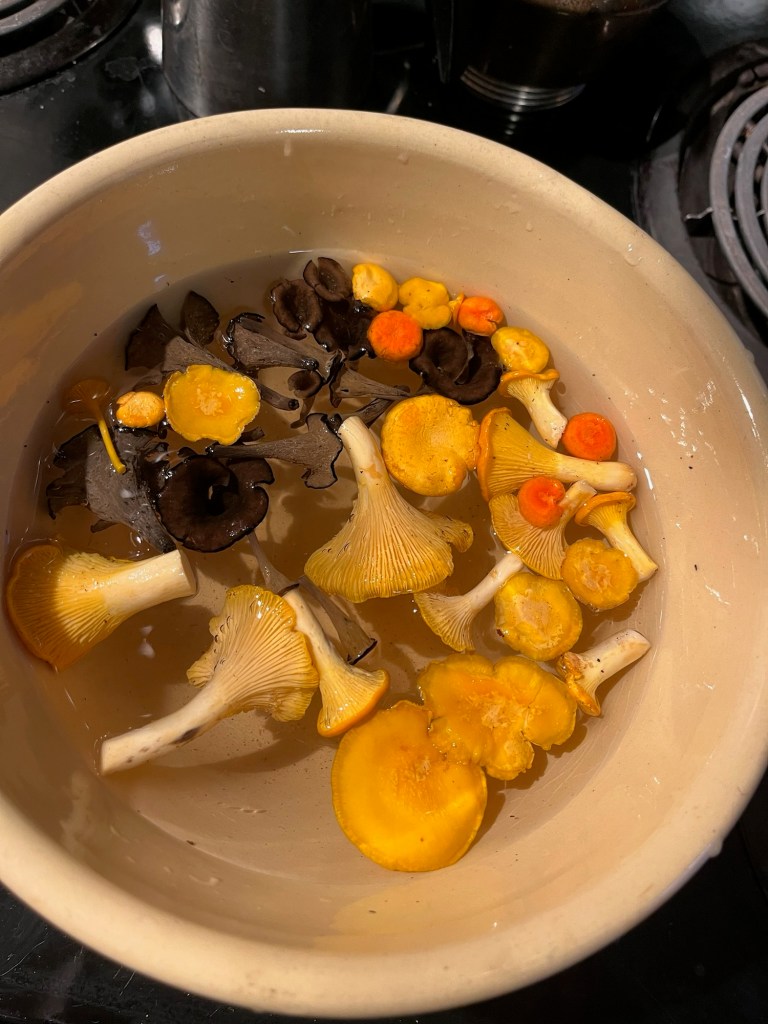


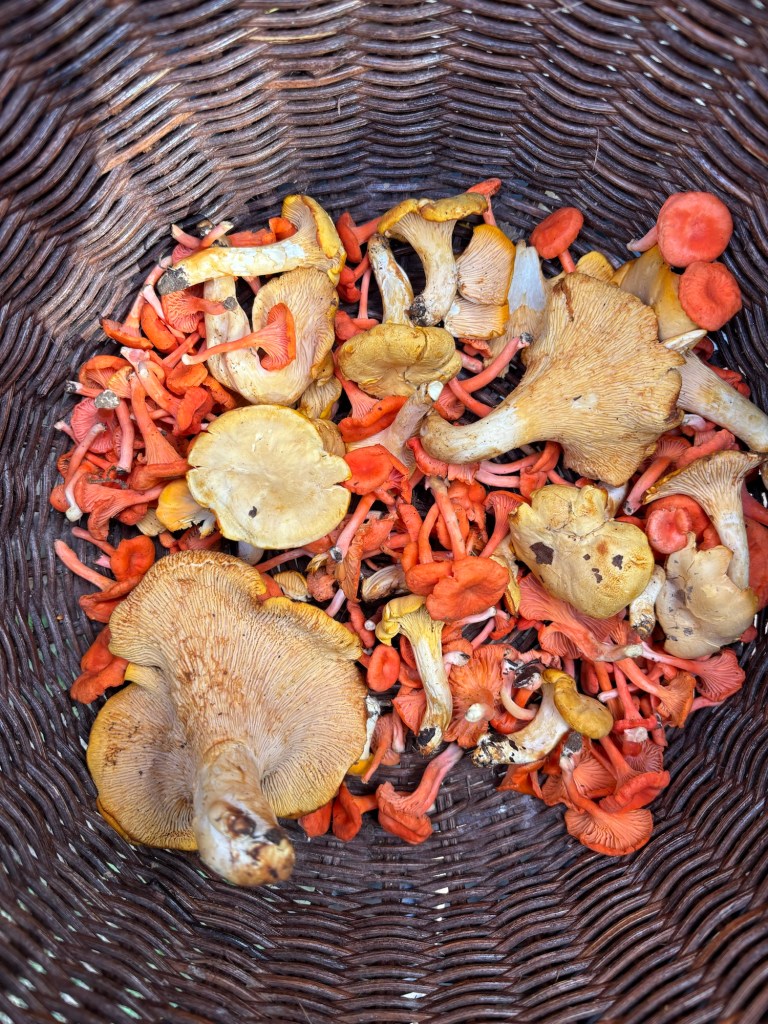
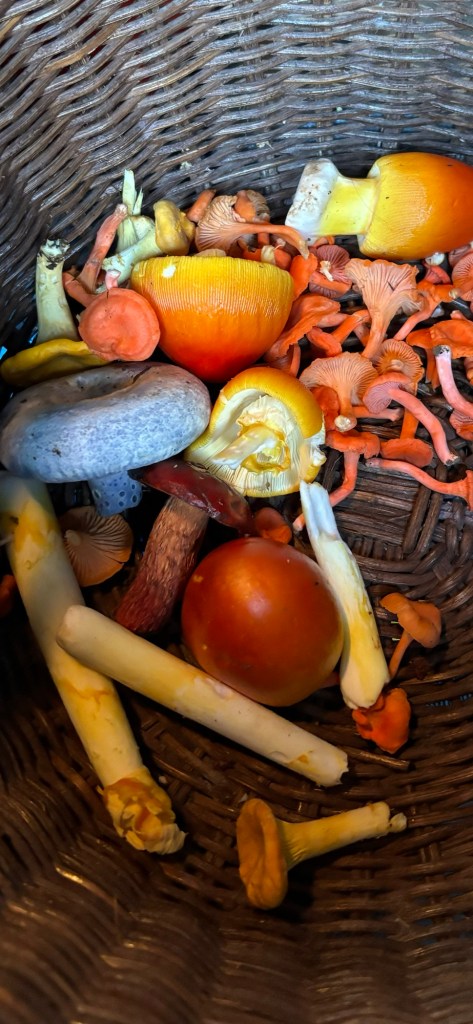
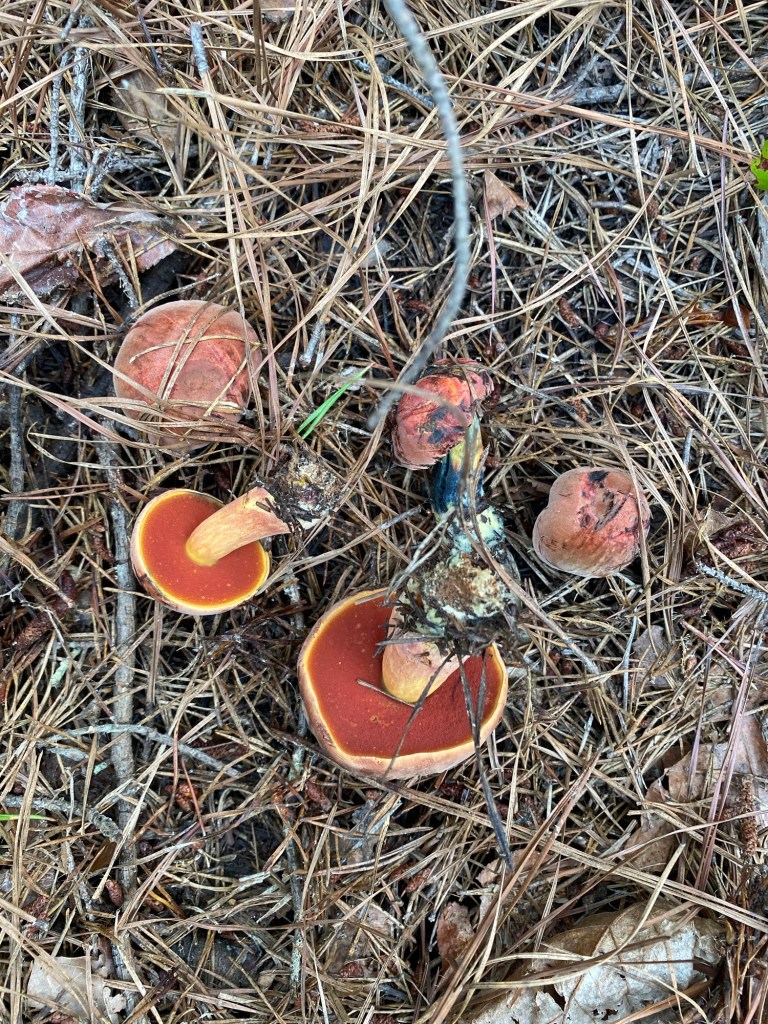
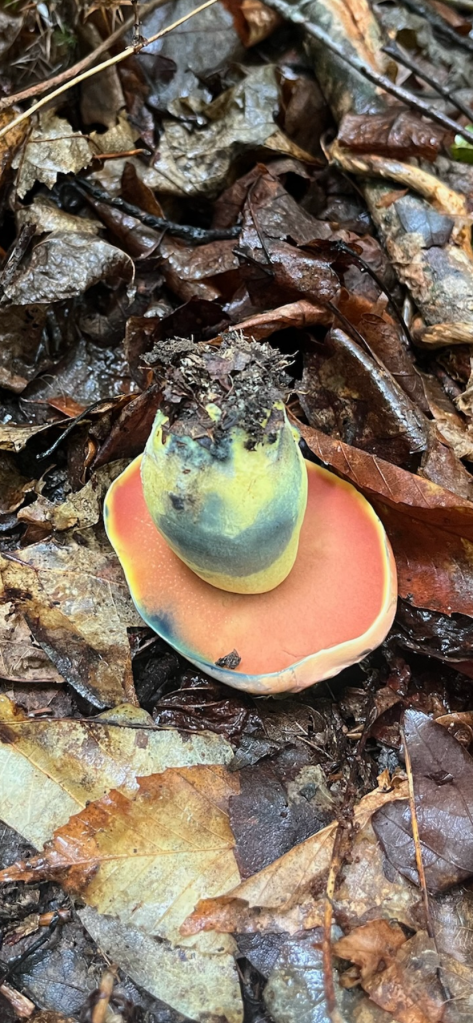
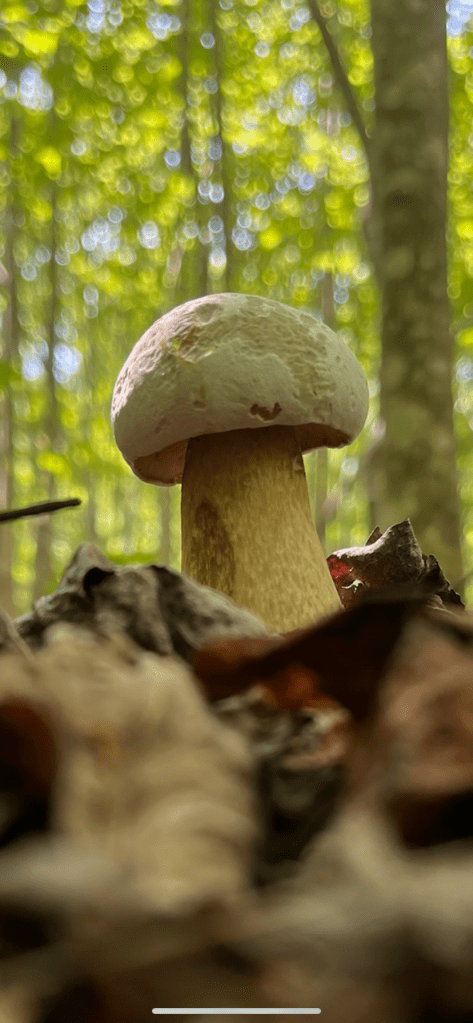
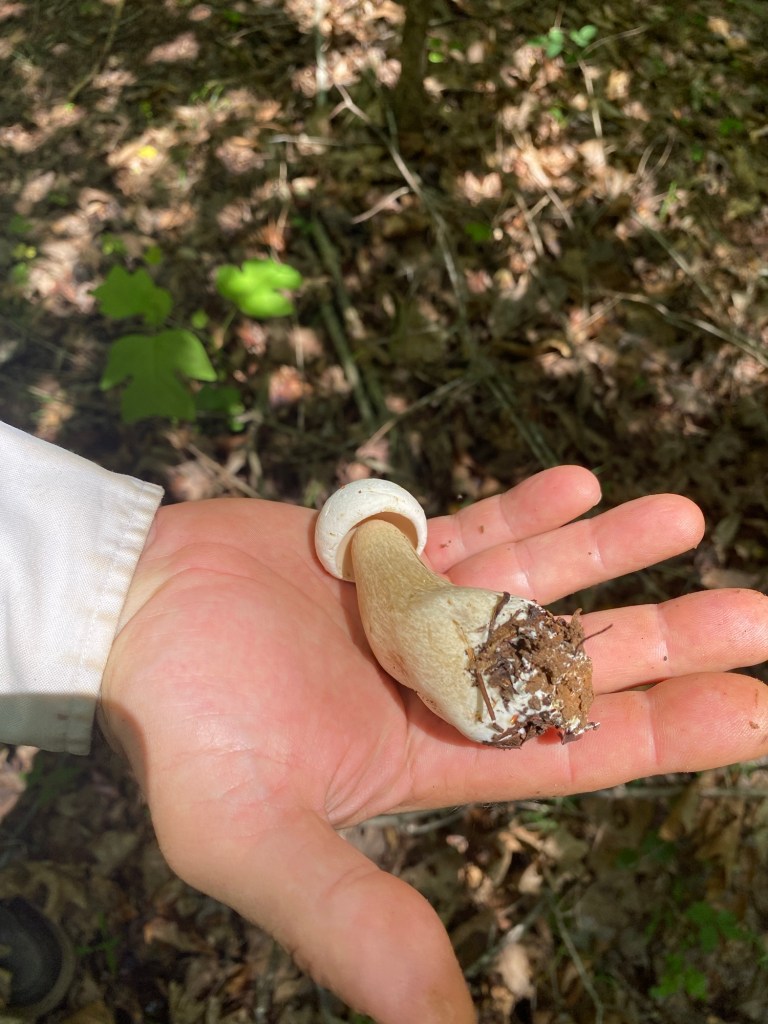
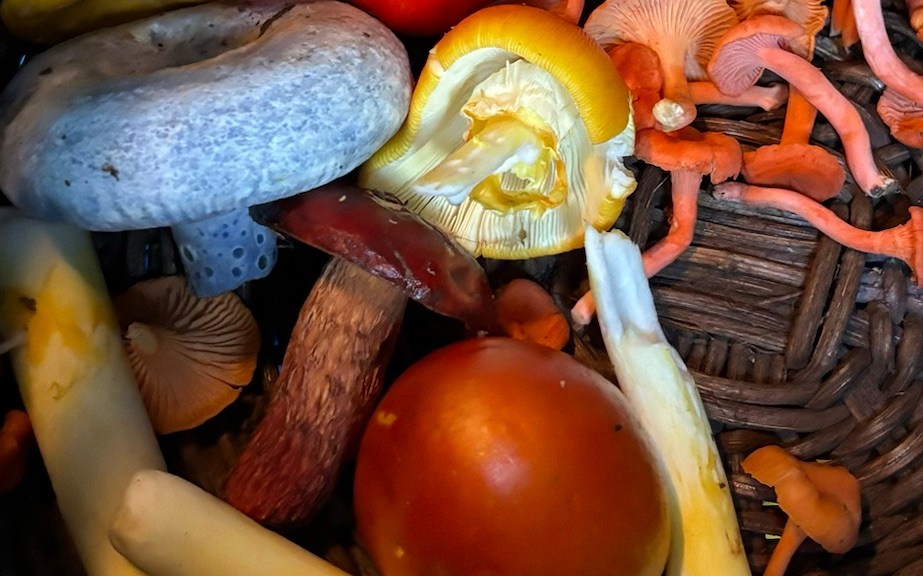
We had not explored the north side in months and decided to spend this weekend making trails and looking for mushrooms over there. We are sure glad we did. With both days added together, we had about three pounds of mushrooms.
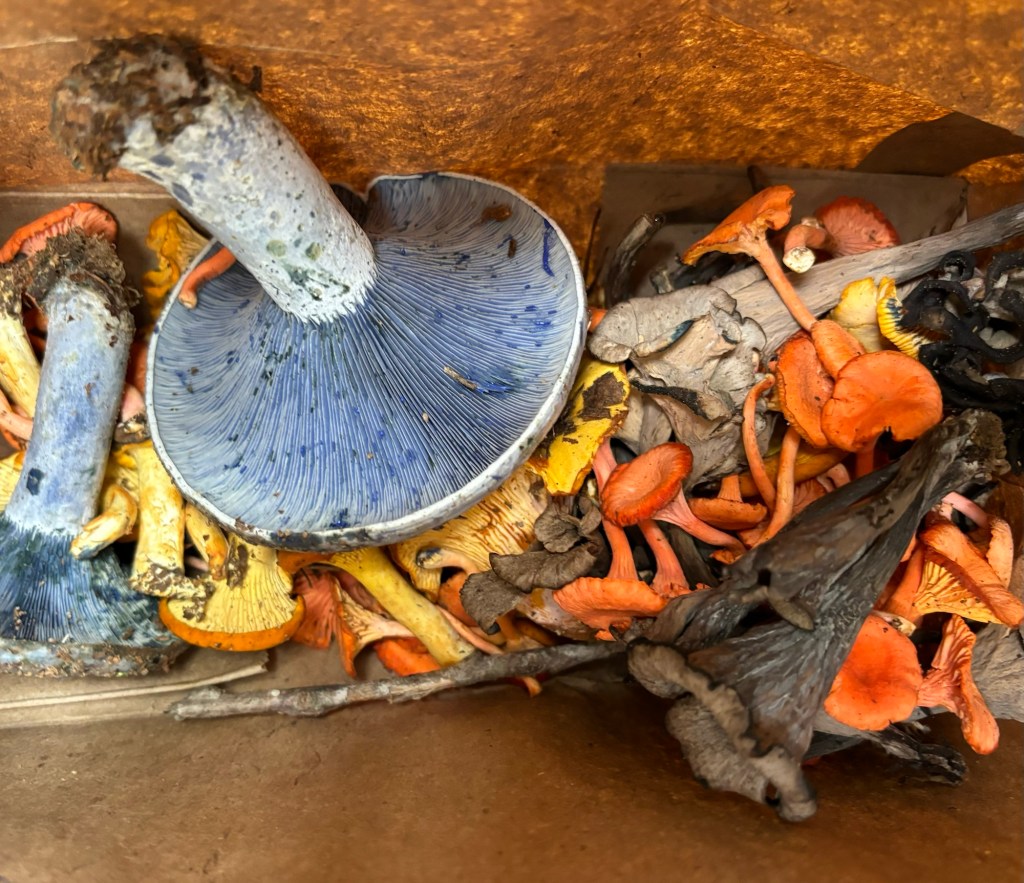
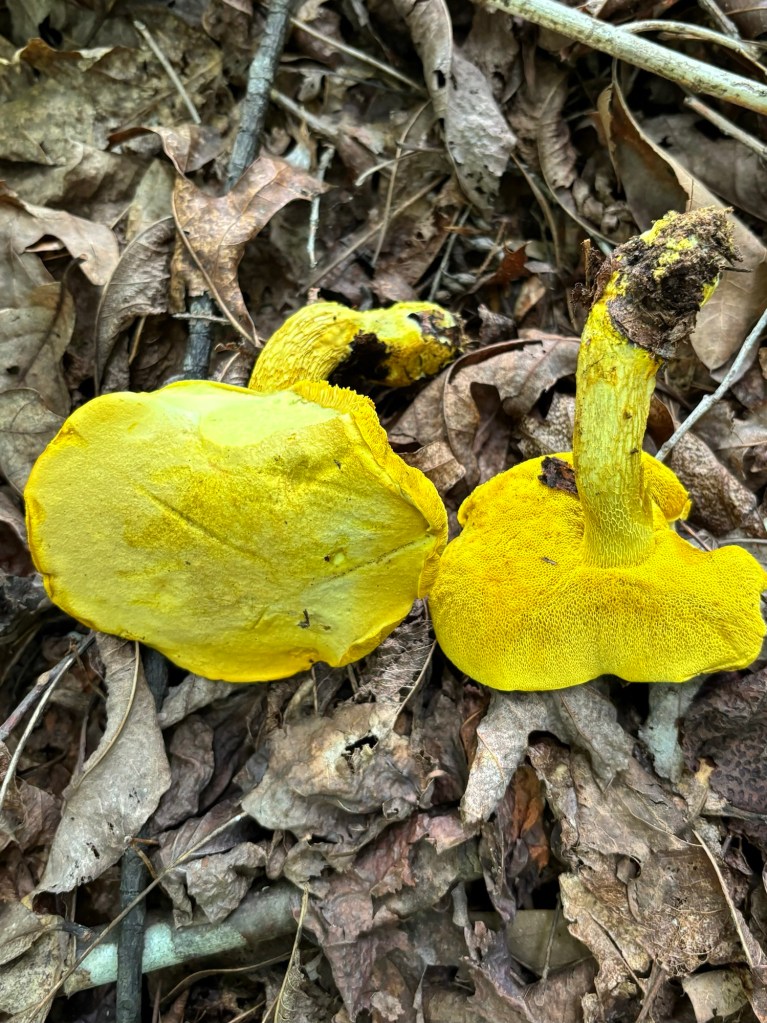
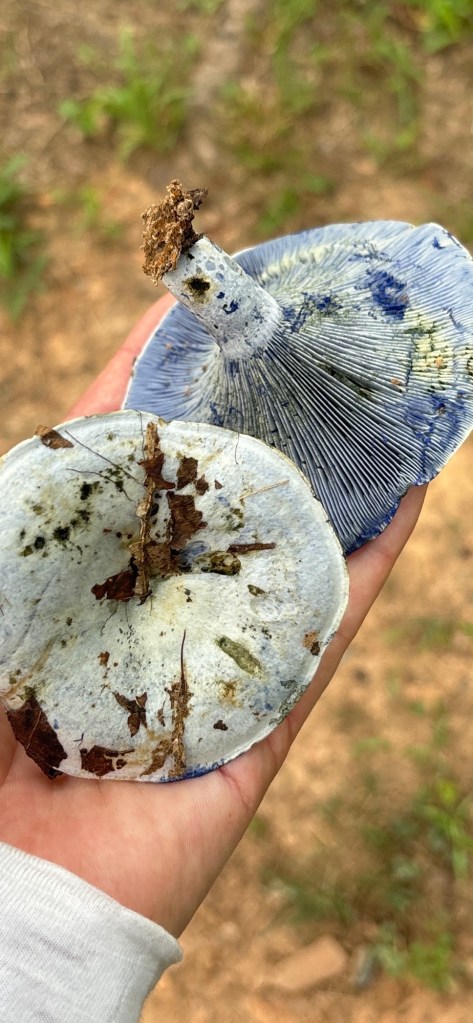
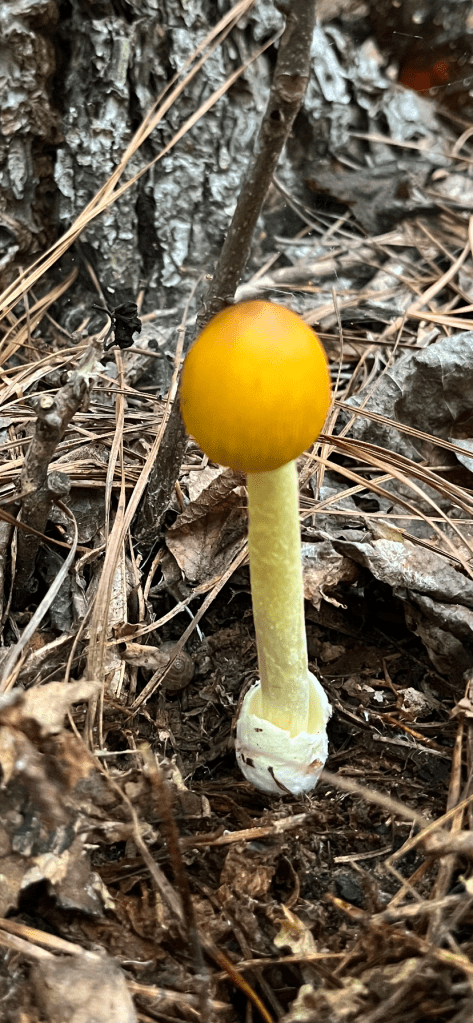
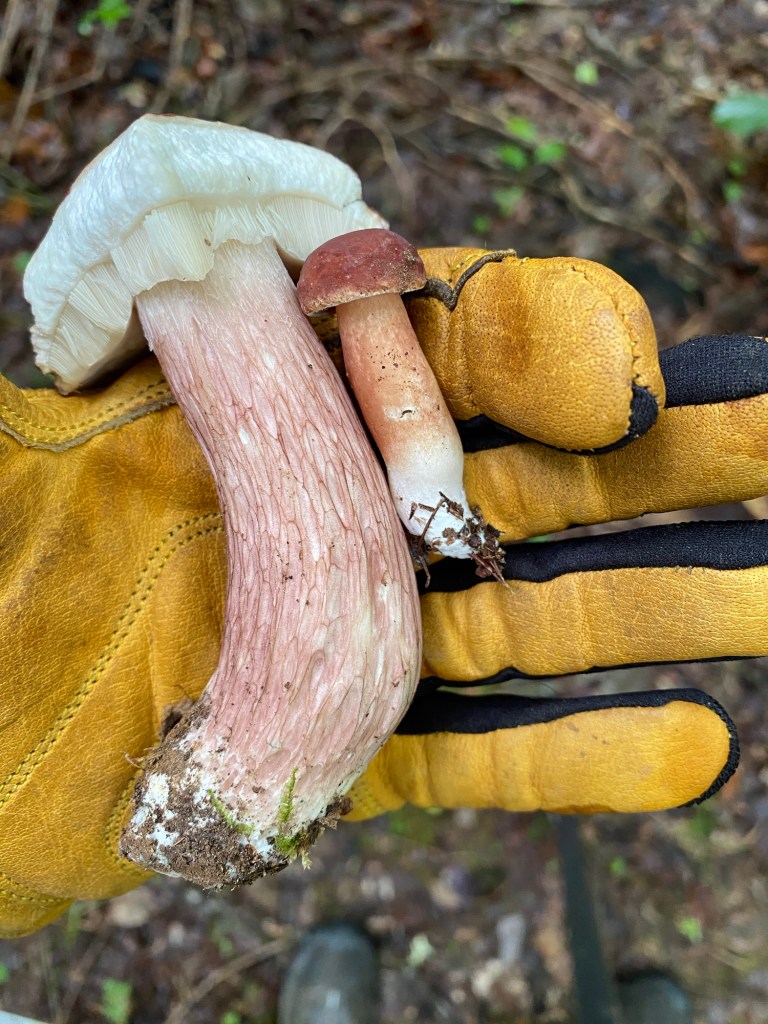
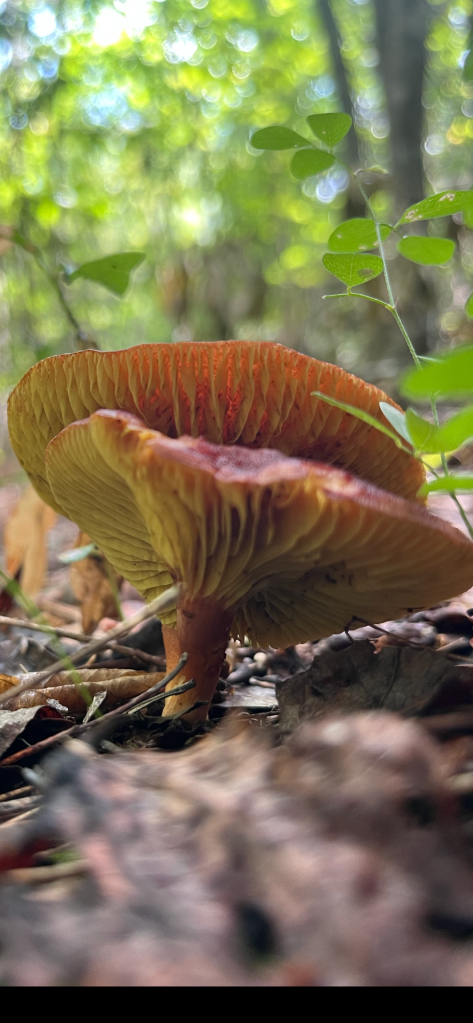
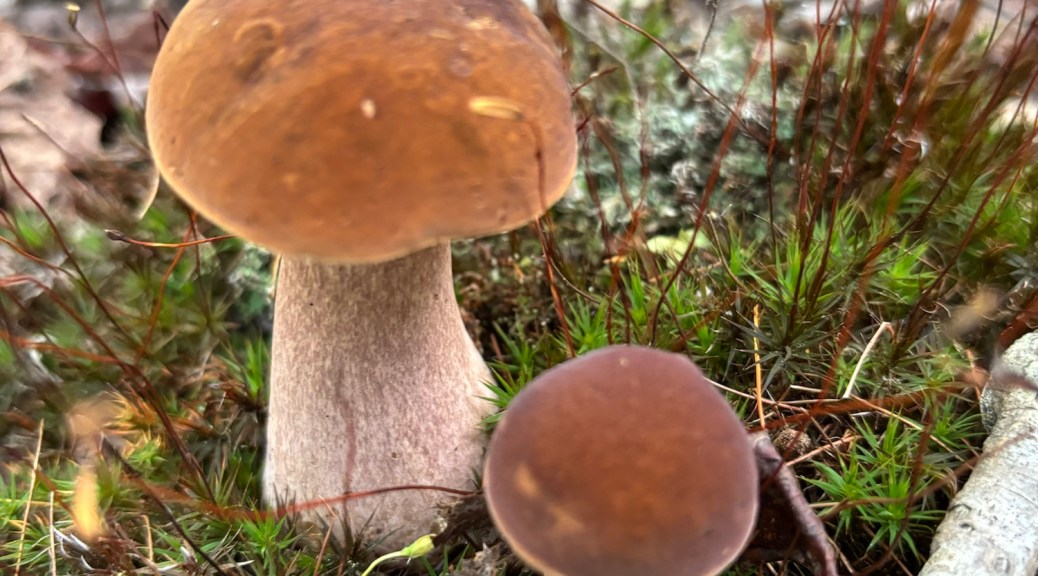
We started off down Mary Banning Way and found multiple types of boletes right along the path.
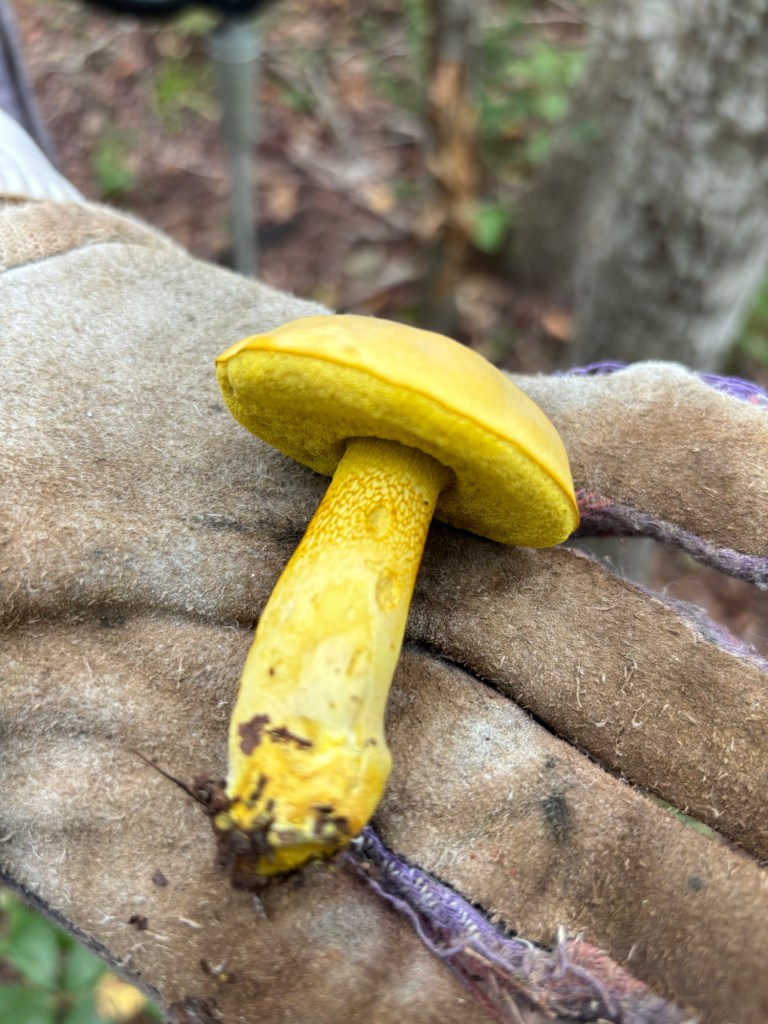
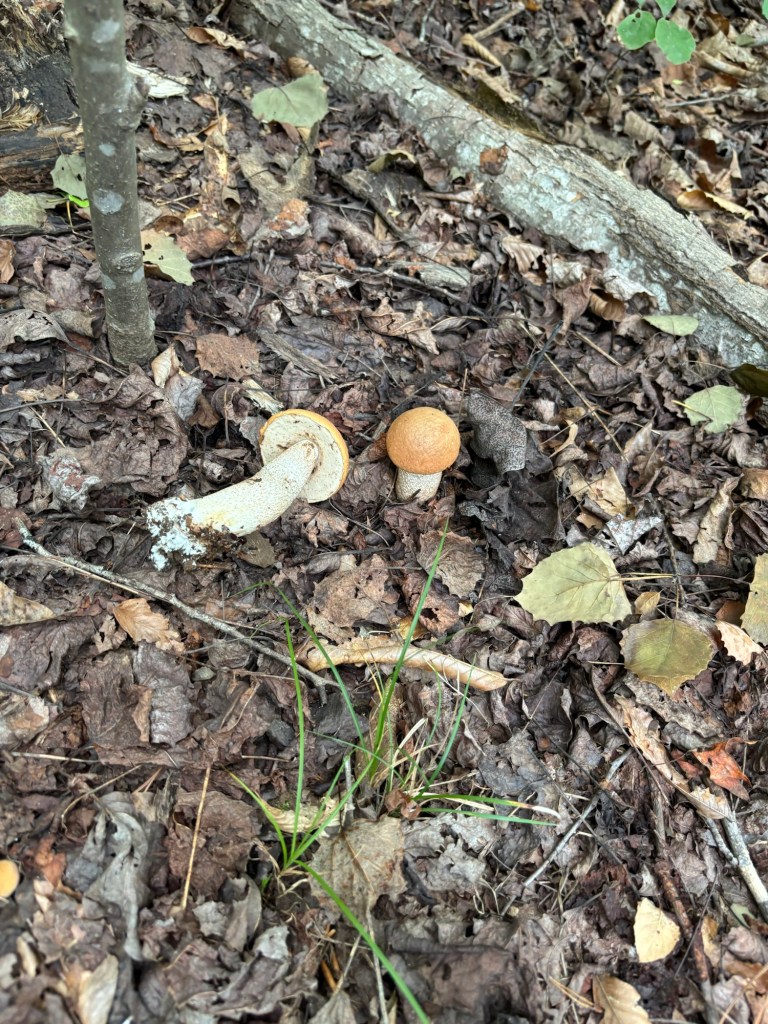
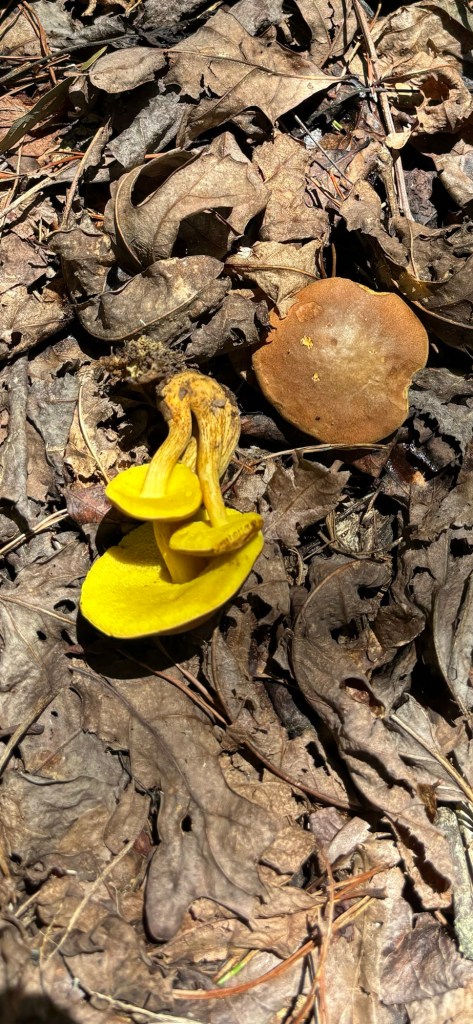
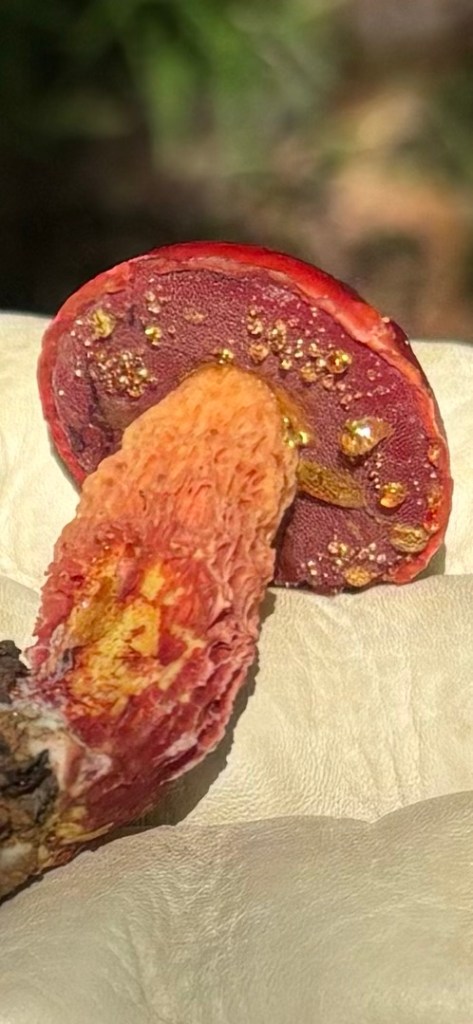
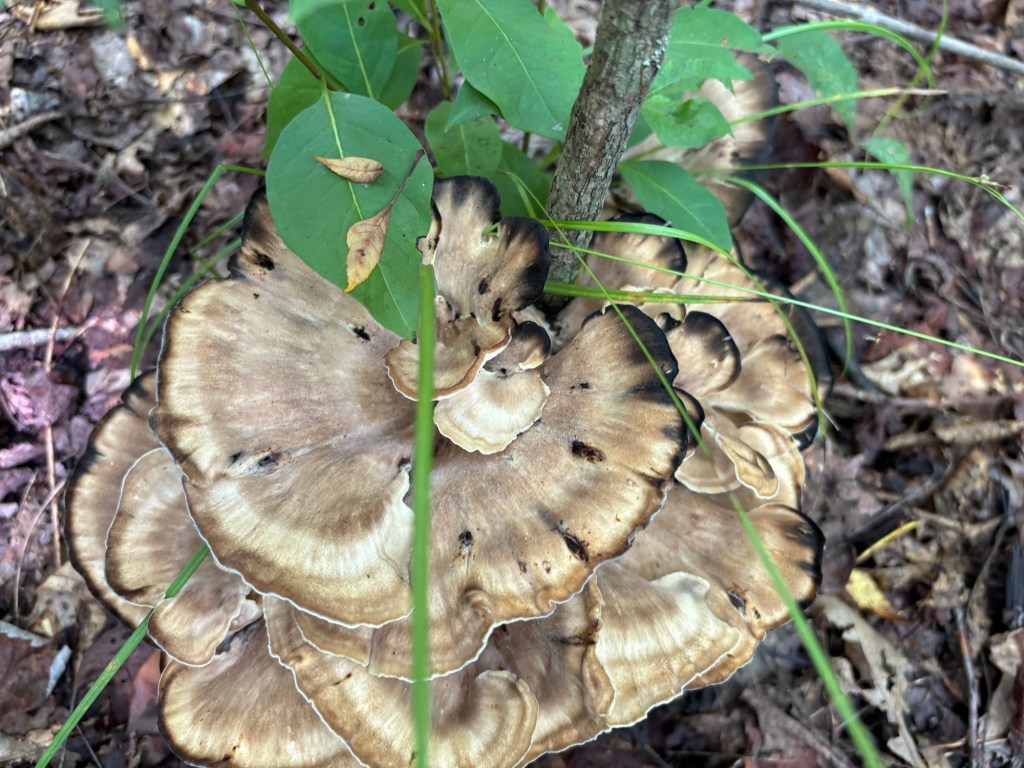
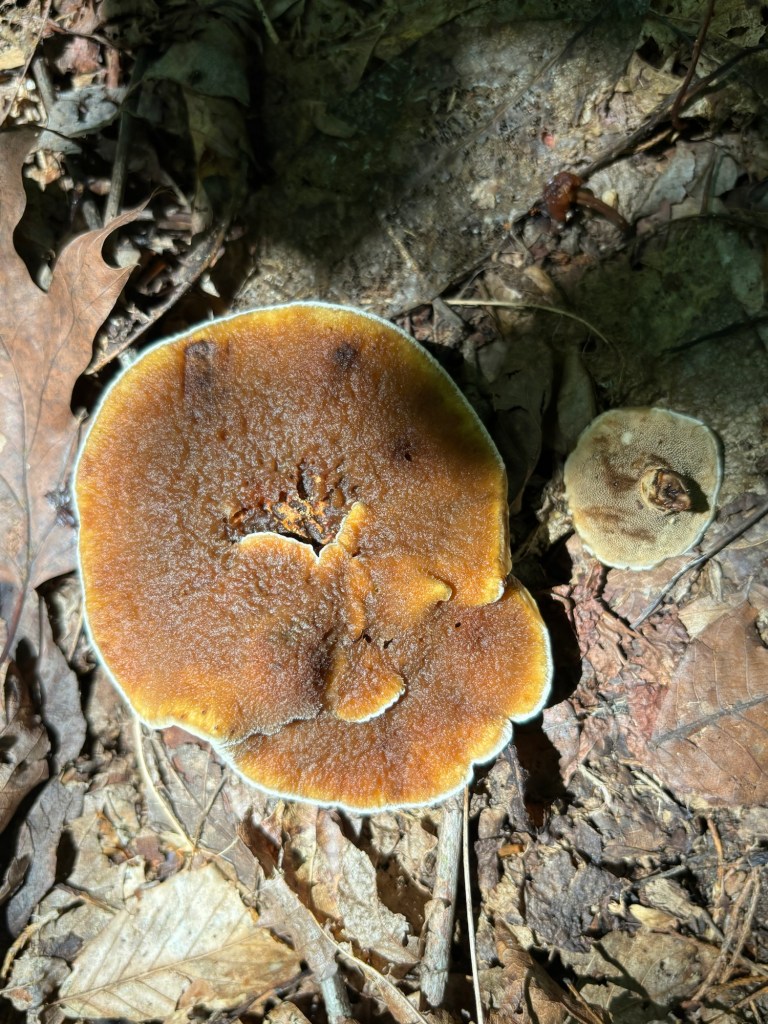
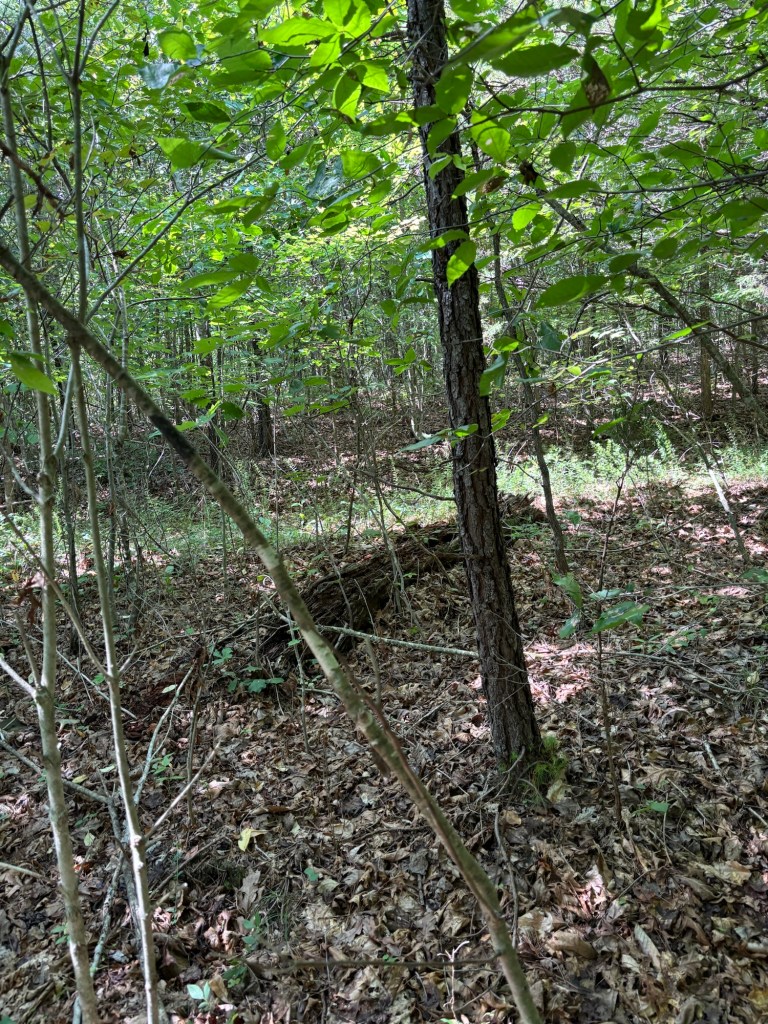
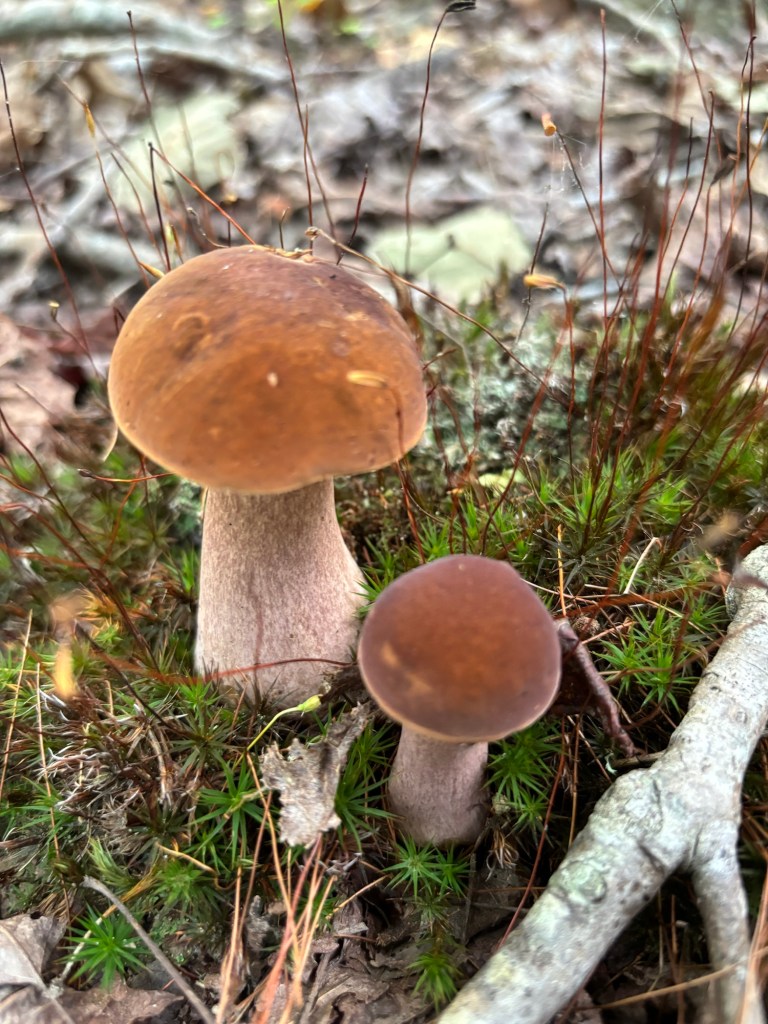
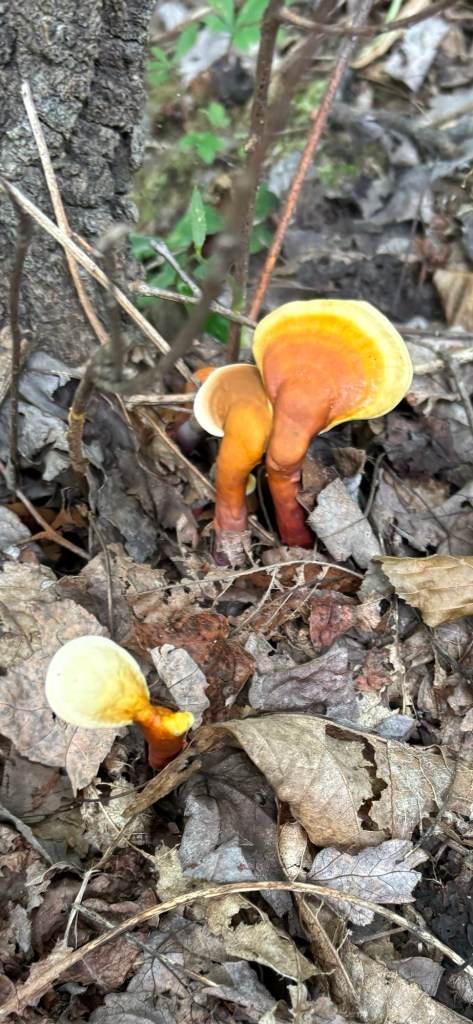
We have a lot of cooking to do with these choice edibles.
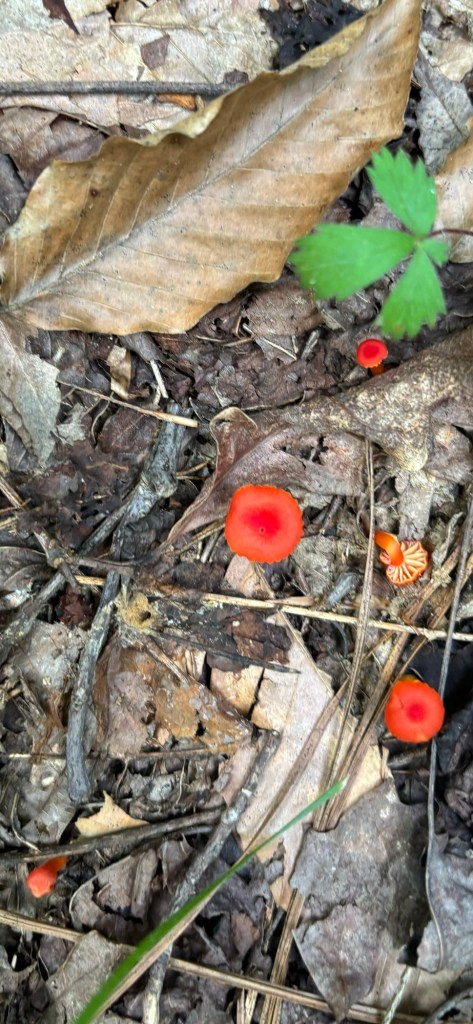
Tropical storm Debby is set to hit the farm tomorrow evening with rains expected to be 4-8 inches and peak wind gusts Friday morning at 34 mph. We can’t wait to see what this rain will bring since there’s been so many mushrooms already.
Mary Elizabeth Banning (1832-1903) was an American mycologist and botanical illustrator from Maryland. She described 23 previously unknown species of fungi. Her scientific achievements remained unrecognized during her lifetime. With no formal schooling or training, and during her free time, as she taught children and took care of her sick mother and older sister, she created the first mycological study of fungi in America with “The Fungi of Maryland.” This manuscript includes 174 13” by 15” watercolor paintings of various fungal species. She self funded her own study and lived in ever increasing poverty.
https://www.atlasobscura.com/articles/the-lost-mushroom-masterpiece-unearthed-in-a-dusty-drawer
Banning dedicated her life to mycology and lived in a world where women could not be scientists. She has inspired many people with her love for fungi and who knows how many she has inspired with her accomplishments while facing tremendous hurdles and difficulties.
We blazed a new trail from SAFF’s north side to North Trail, and we have named it Mary Banning Way to always remember and honor this powerful, intelligent and creative woman.
We hope you look up her works.


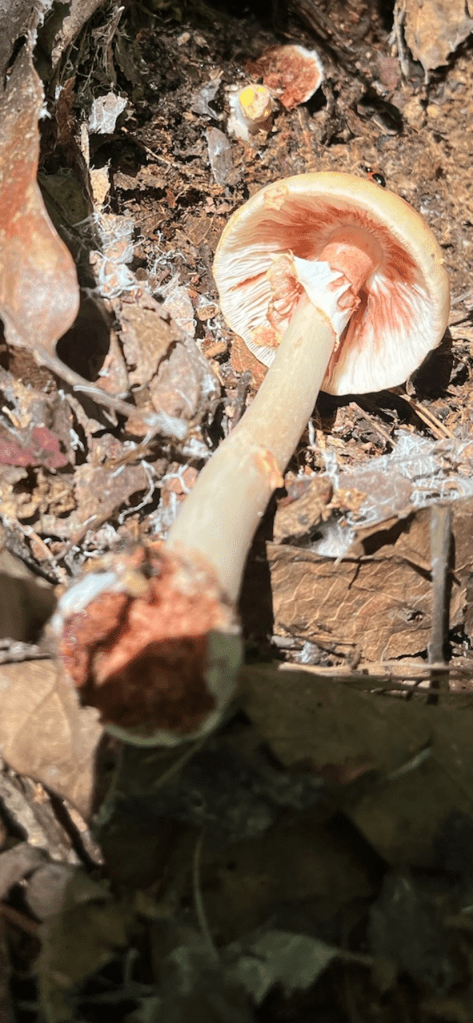
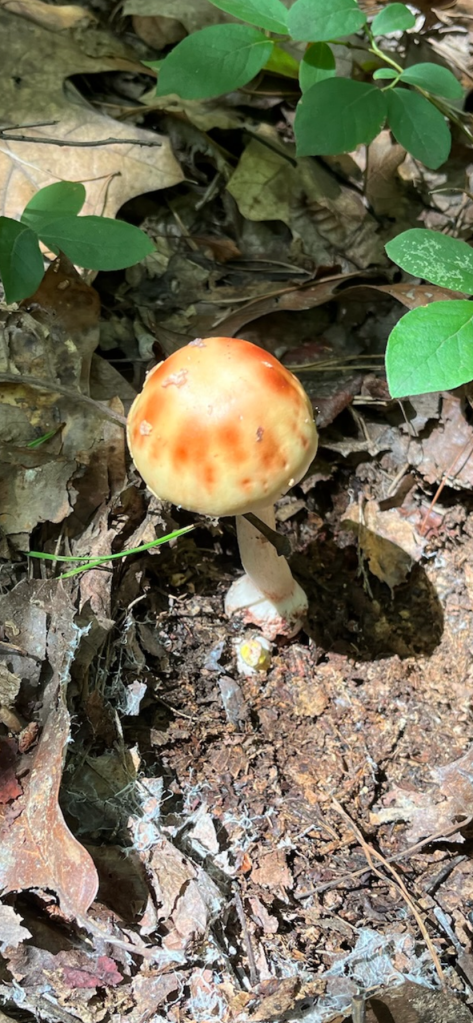
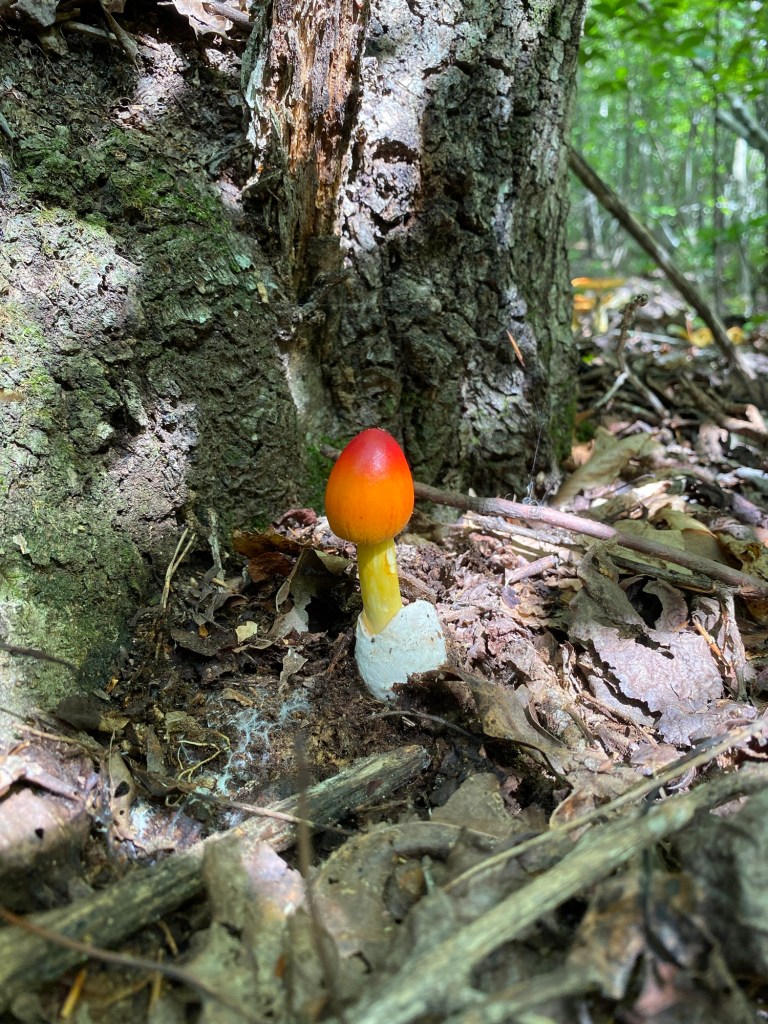
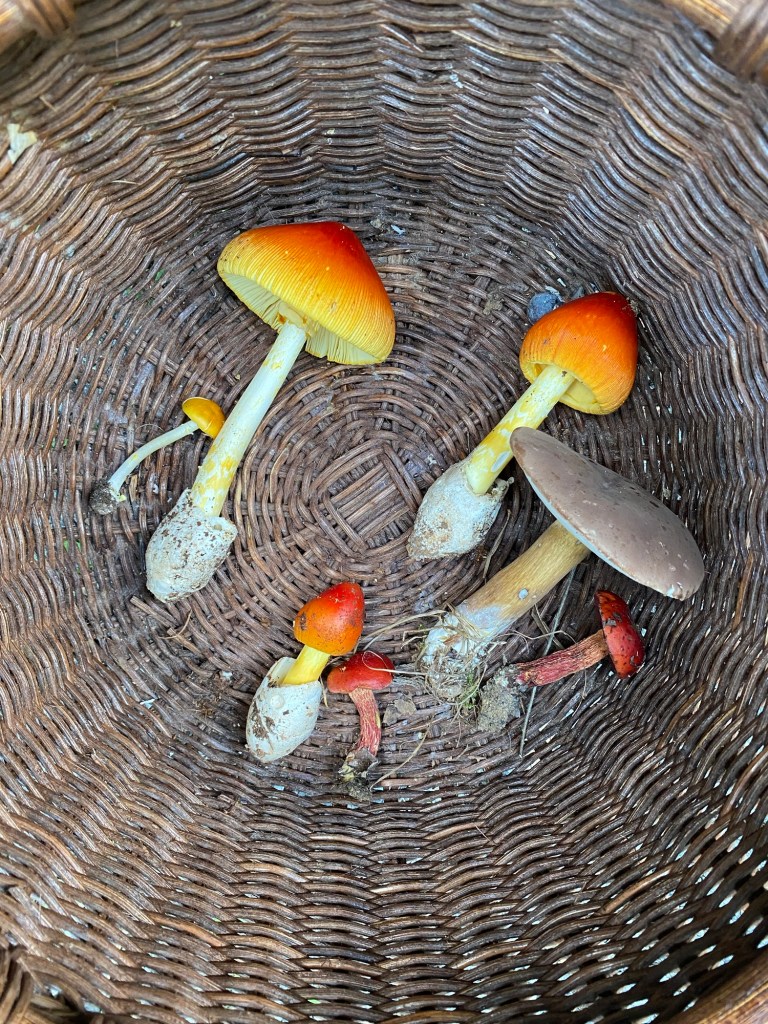
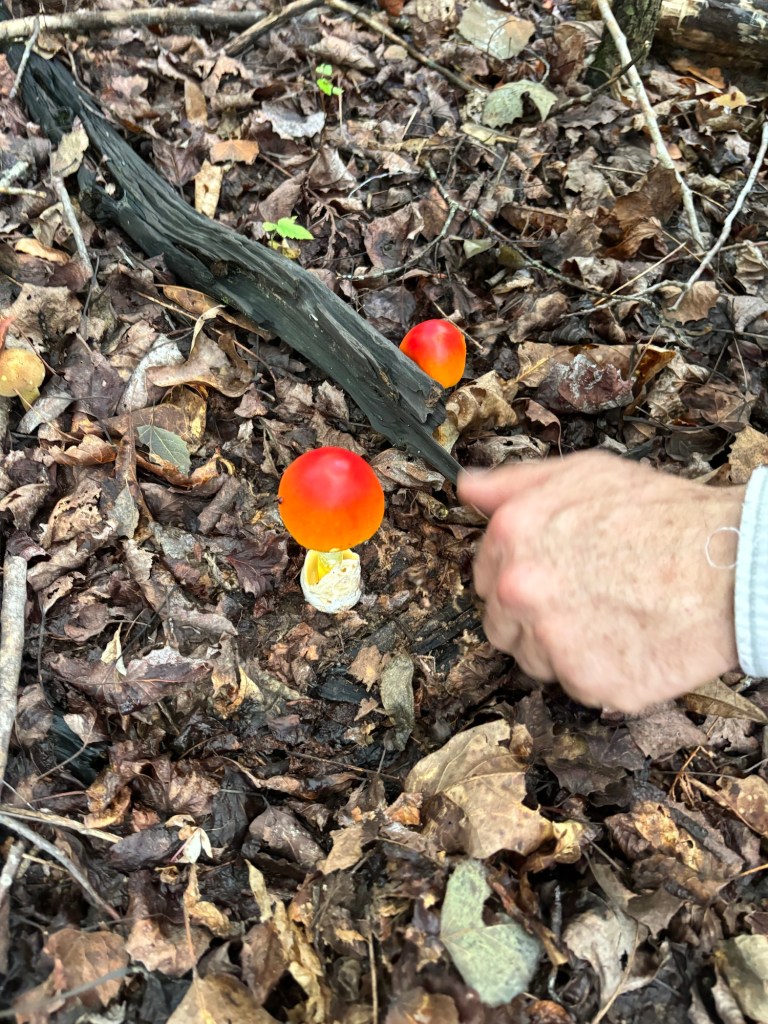
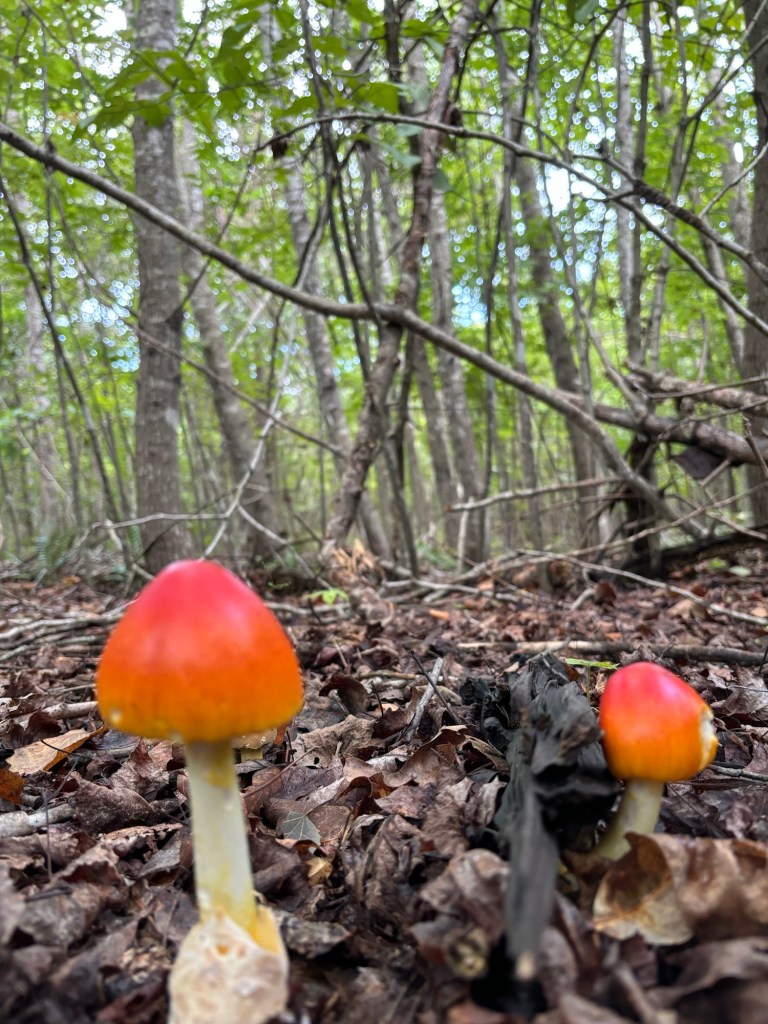
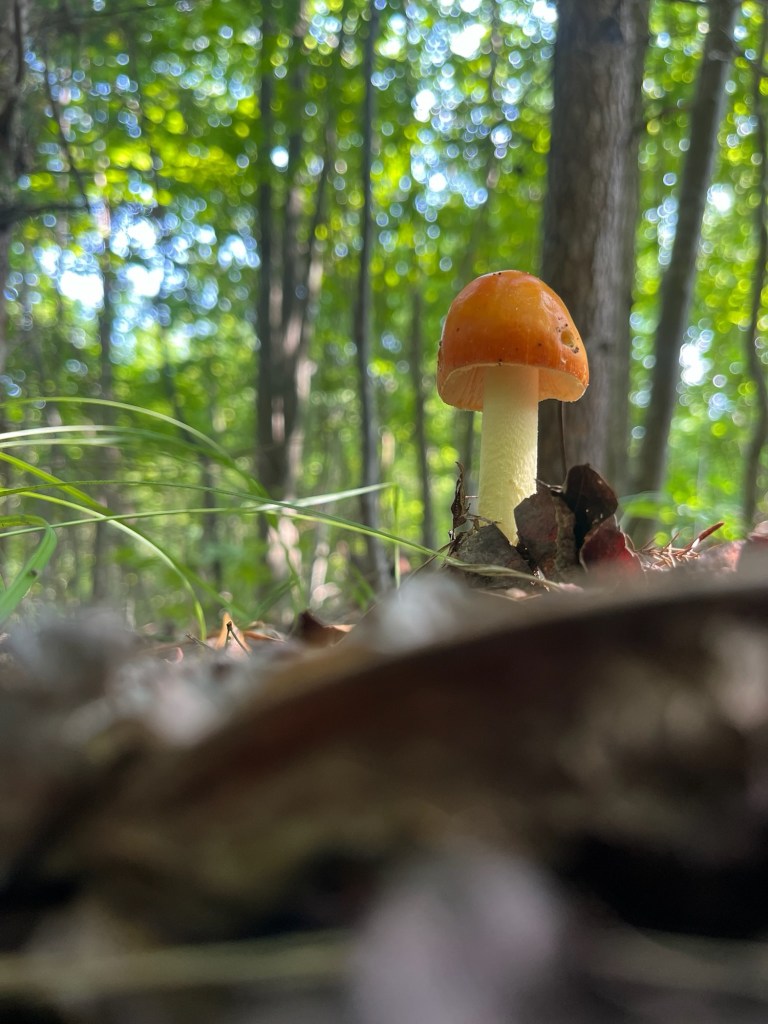
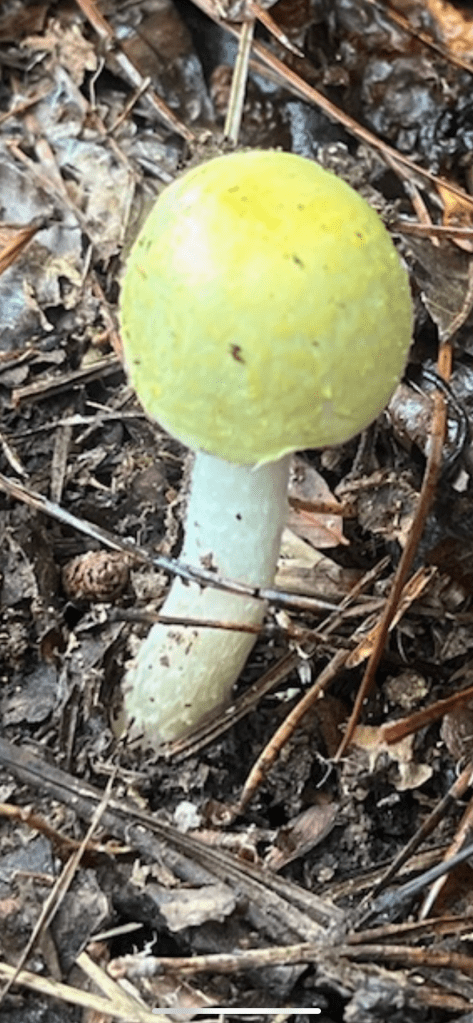
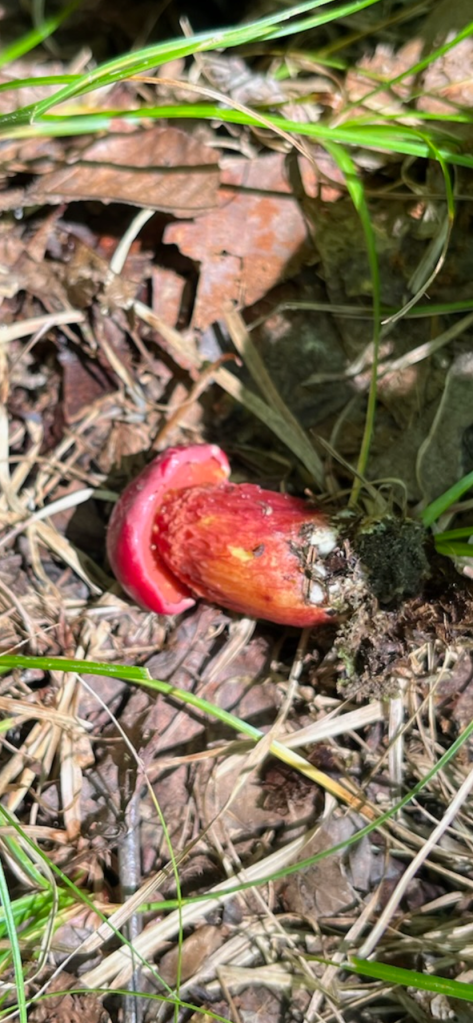
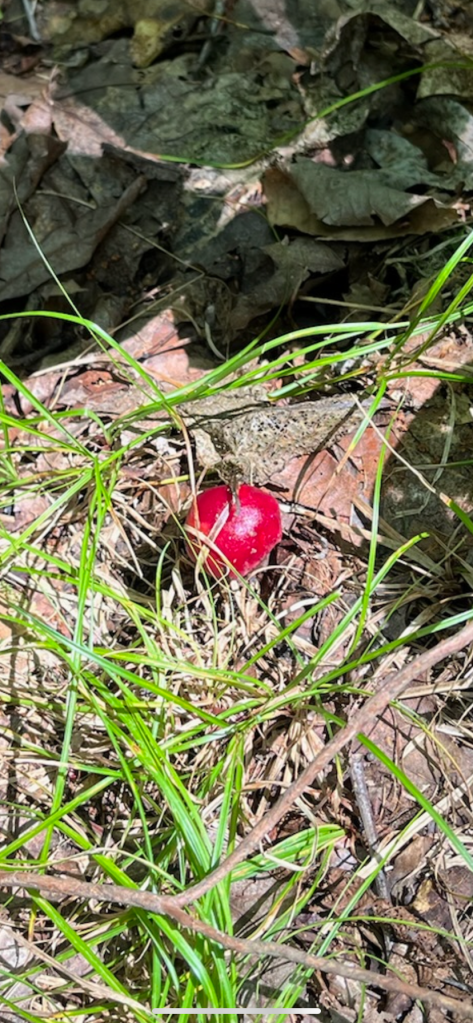
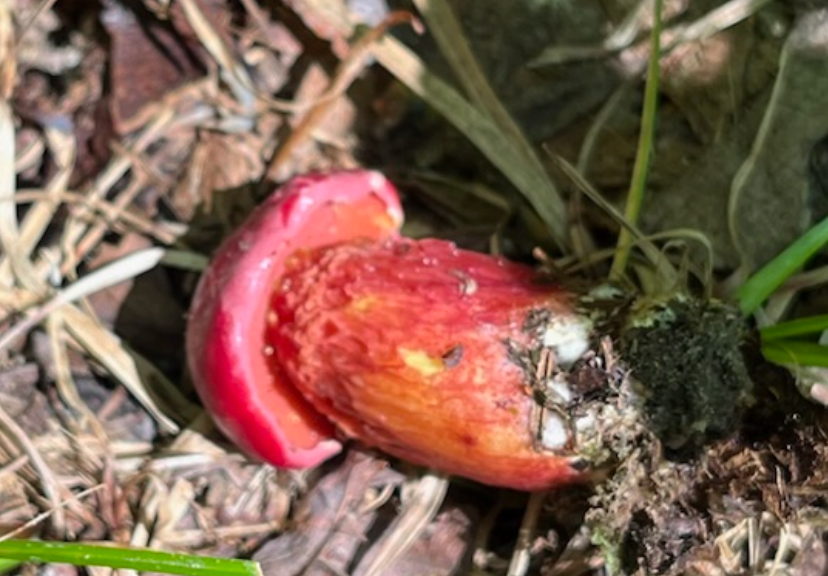
The forest is full of mushrooms with the rain we’re getting. Every day we go out and find something completely new. Since we bought the farm last year, we’ve searched for Amanita jacksonii. Saturday we walked down Amanita Way towards the wet weather gully and there they were. They were very large and strikingly red with orange caps and yellow stems. We have seen hundreds of Amanita parcivolvata, commonly called False Caesar, and these were instantly recognizable as the true sought after delicacy. The small one to the left in the basket is the first American caesar we found last week, Amanita banningiana or Mary Banning Slender yellow caesar. This is also tasty and special. They are much smaller and found in the northeastern and southern regions of the US.
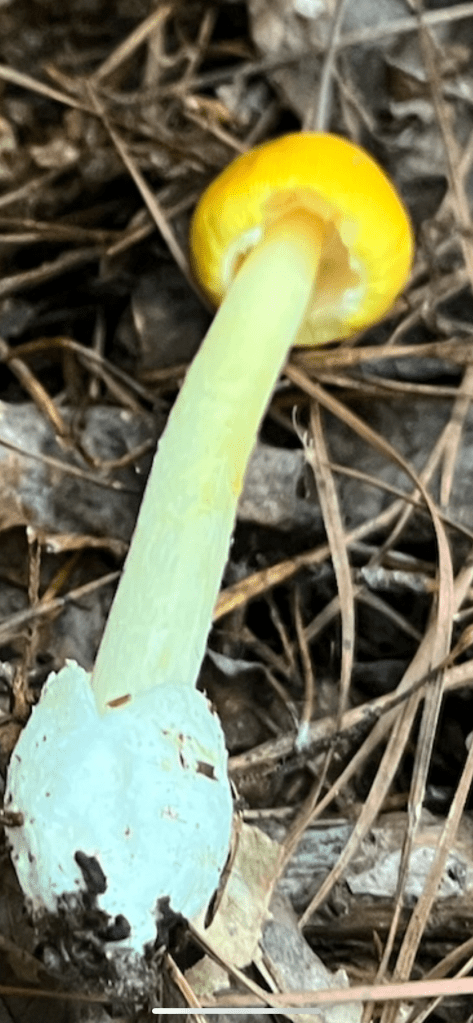
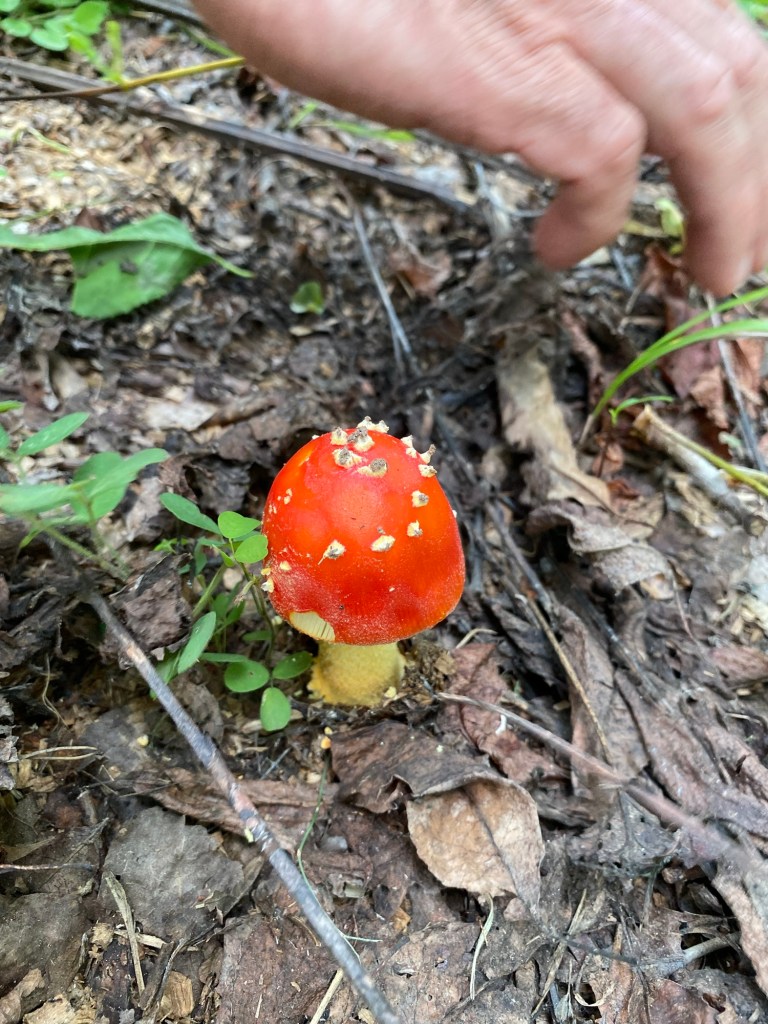
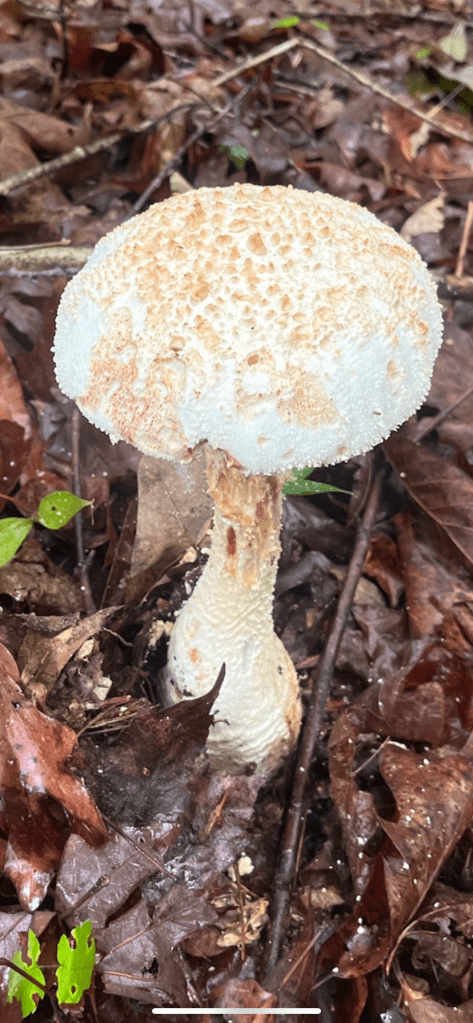
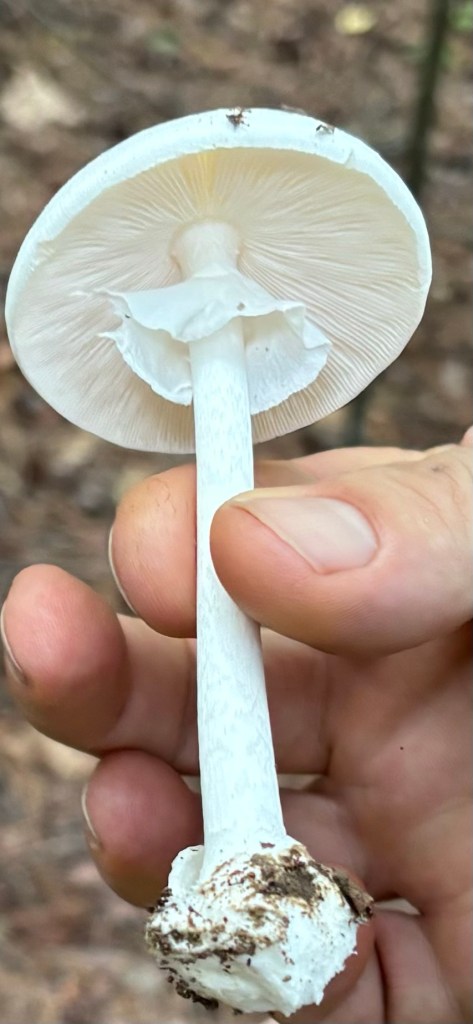
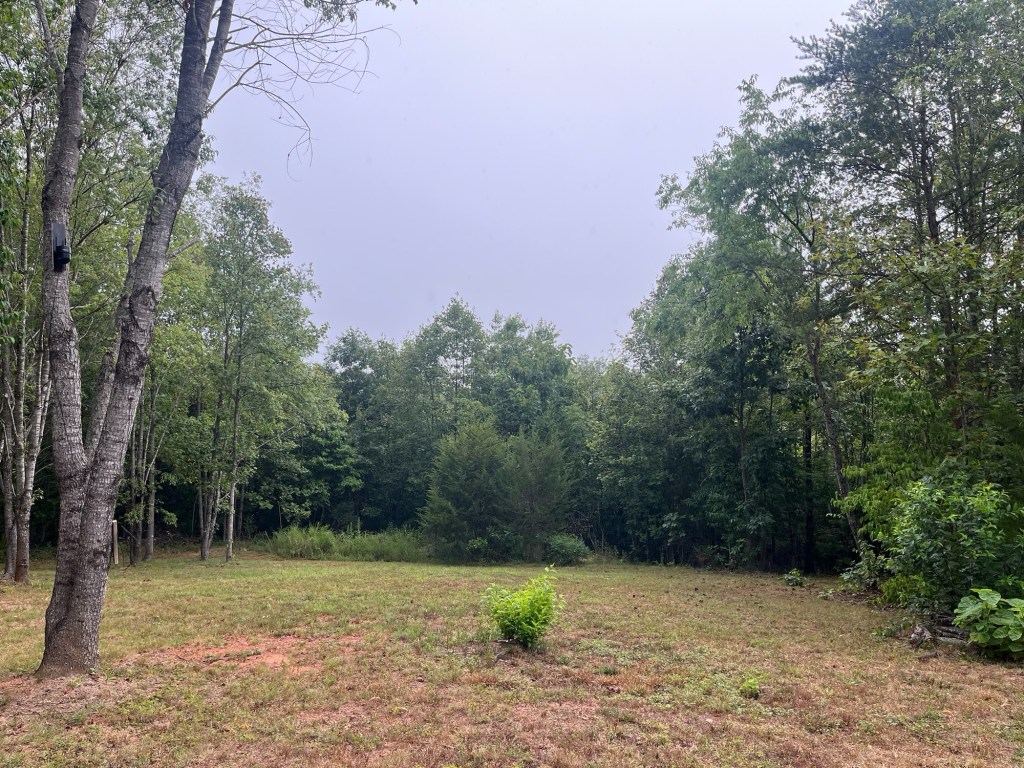
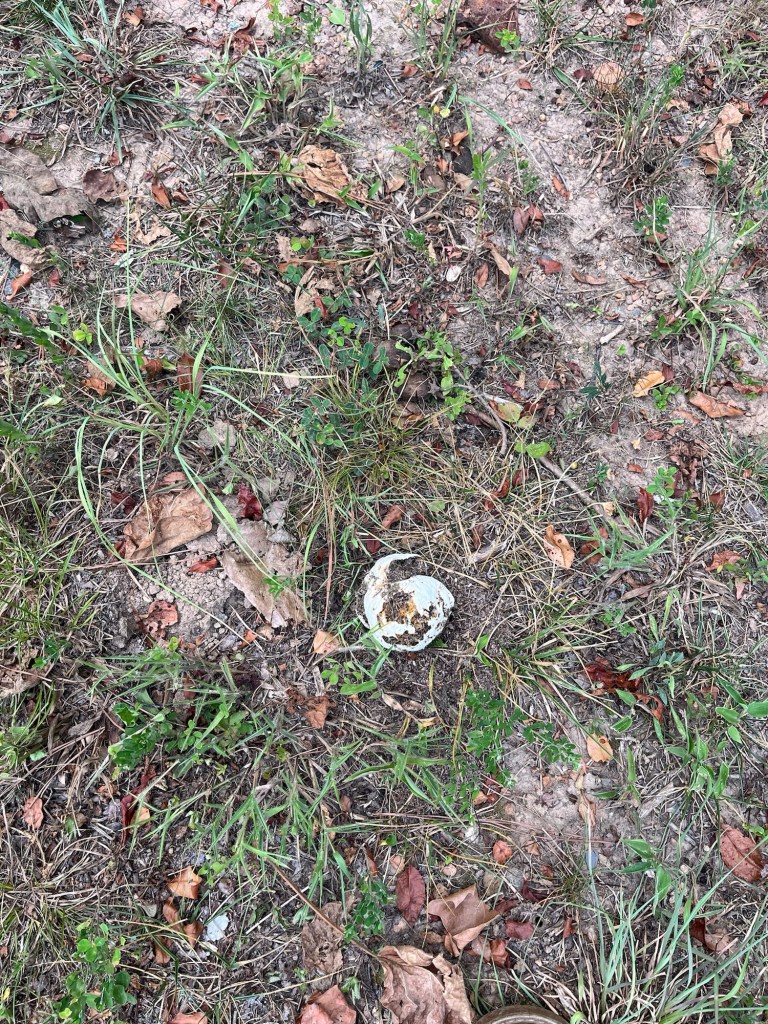
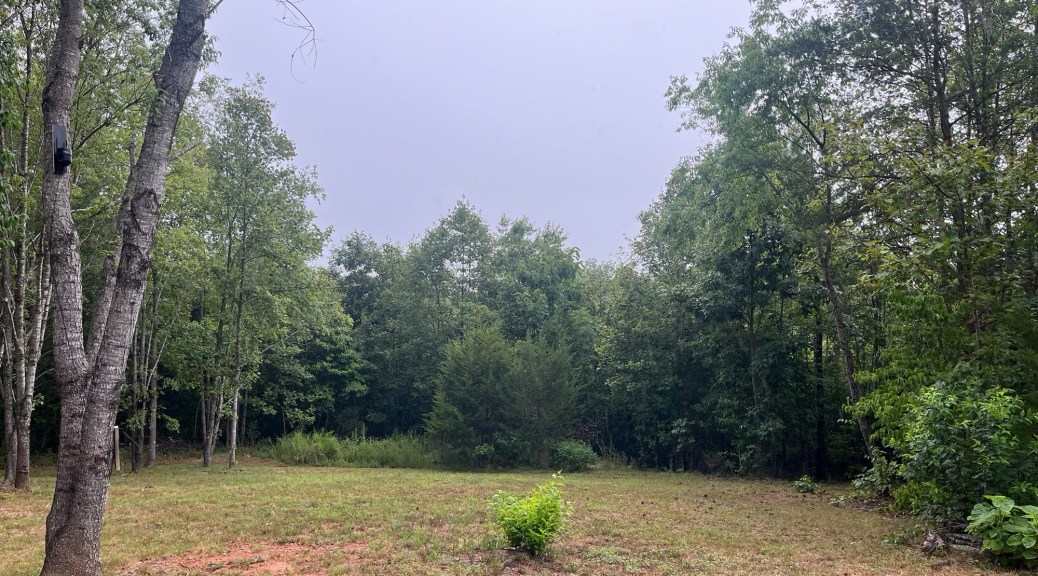
After steady rain, thunderstorms and cloudy skies in Buckingham for 12 of the last 15 days, we went out with high hopes of finally finding mushrooms. When we pulled into the clearing up top at SAFF, we saw hundreds of small puffballs. We found four other species before we made it from the clearing into the forest. Inside the woods, it seemed mycelium was everywhere we looked. SAFF has become a mushroom wonderland after the months of drought and heat, the rain and lower temperatures really brought the mushrooms.
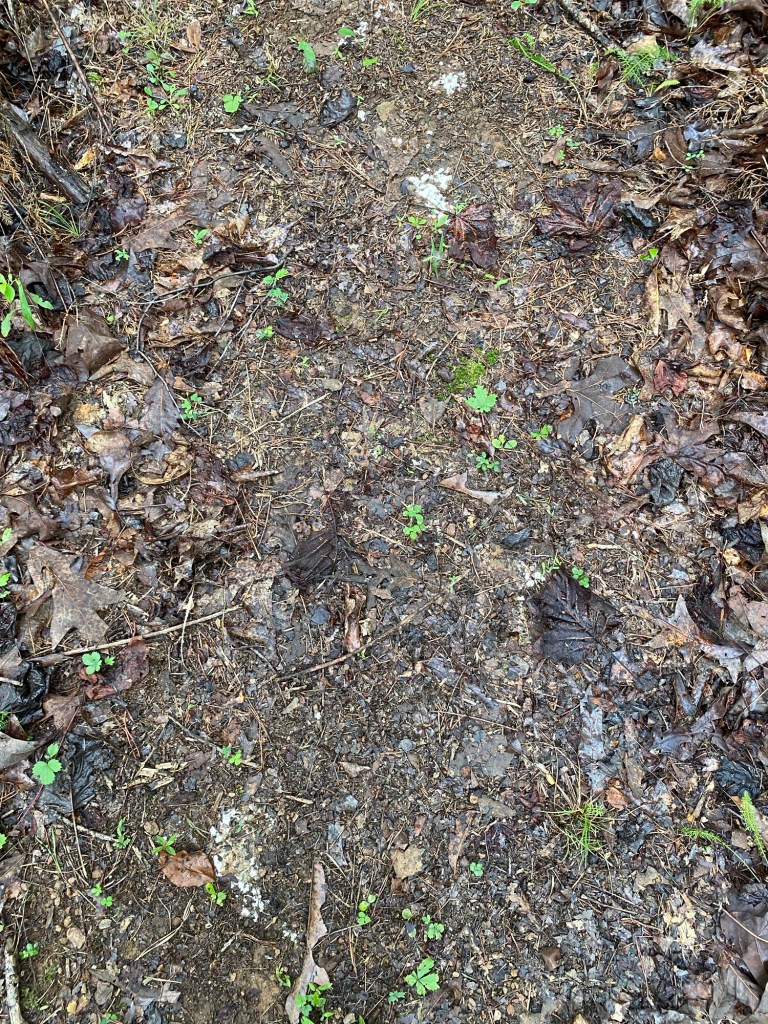
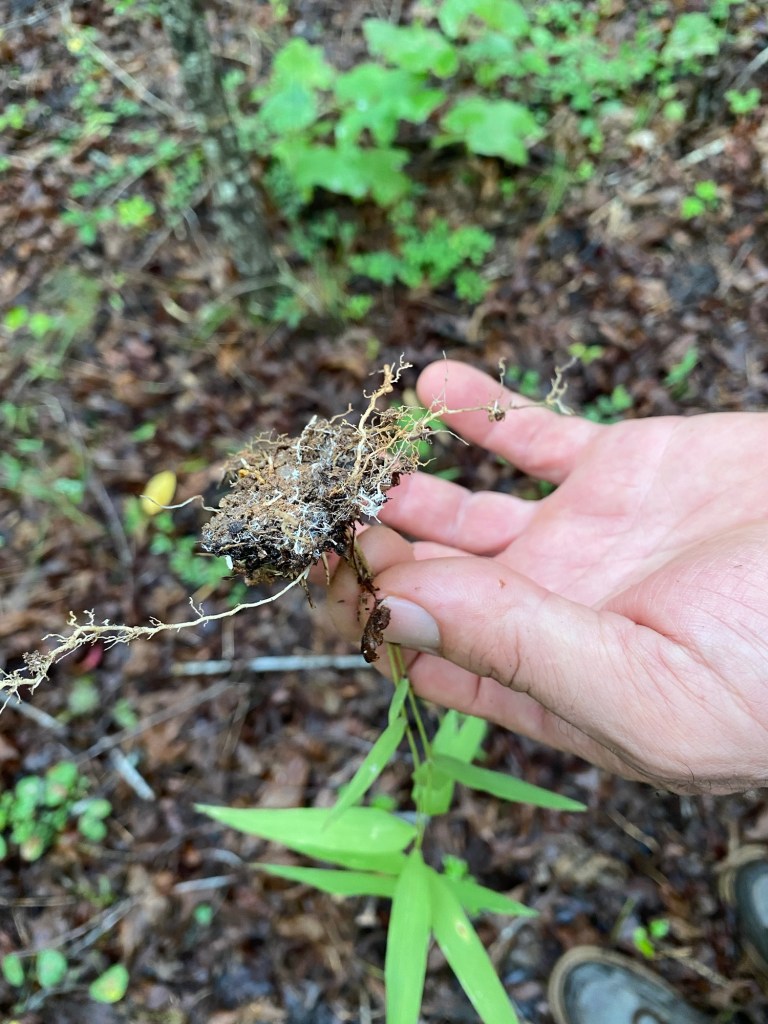
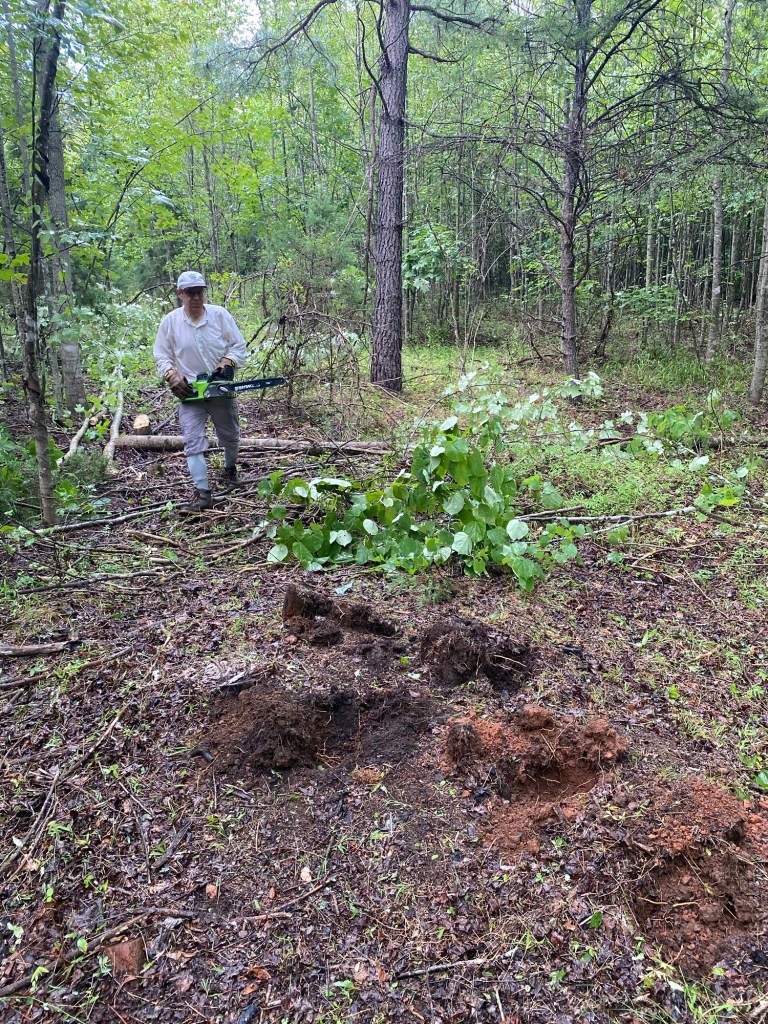
Yesterday we went over to do some planting in the rain. It has been raining every day or so for the past week and the ground is wonderfully moist and much greener. All along the trails, we could see white mycelium spider webbing on the forest floor. We created a new garden bed at the bottom of North Trail by laying our tree trunks perpendicular to the slope.
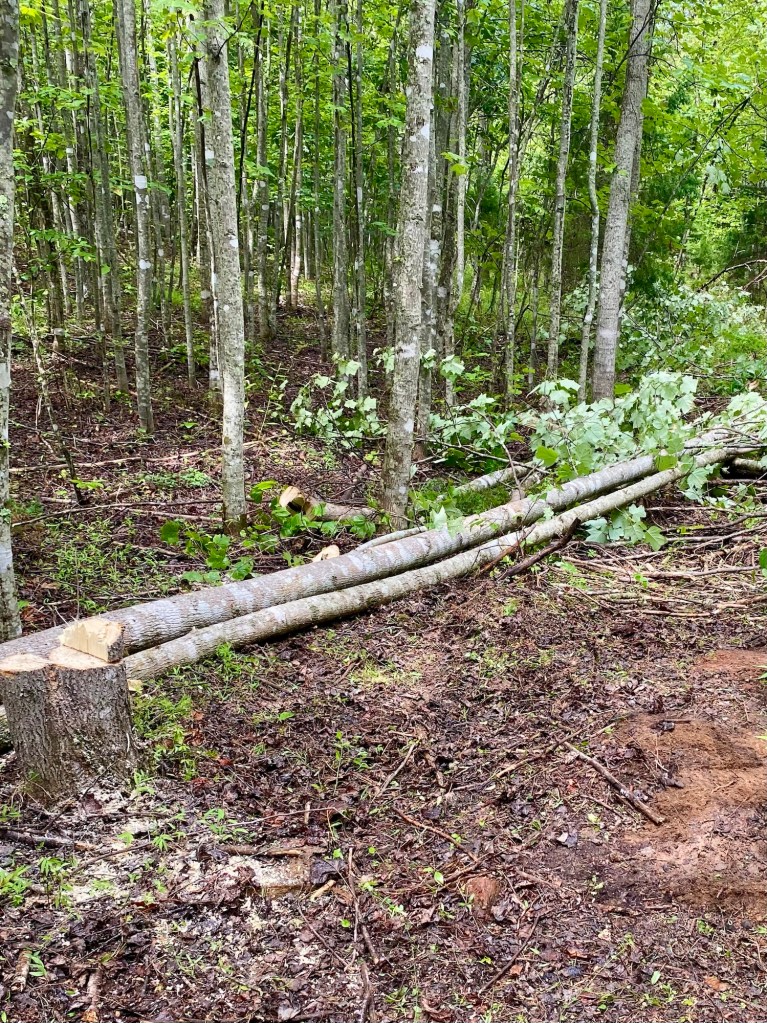
It may not seem like much but this is a huge paradigm shift for us as we have imagined fish scale terracing our slopes for the past year and it came together just as we’d hoped. We are eventually making a space for pawpaws. For now, we will have smaller plants. The ground was soft and pliable in the rain. We practice minimal disturbance gardening to improve our soil quality, increase yields and drought resilience as well as increase fertility. So this means we dig as little as possible to keep our soil and mycelium undisturbed.

It felt like we had a hundred chores and errands to do on this July Friday afternoon before we could escape to the Farm. It’s been a heavy week in some ways. Getting out of town was like running a maze, the truck was down a quart of oil, we needed to drop some papers off in Charlottesville, and we wanted tacos from our favorite place. We finally arrived at the Farm a little after 3, after setting out around noon.
The ground was still dry, but the air was cooler, around 80 degrees and the breeze was refreshing. The last three weeks the hot wind has hit us like a blast furnace.
We started our walk up near the entrance and walked through the forest to the South end to check on our blueberries. There hasn’t been enough rain for them to ripen, so they continue to hang in unripe blue-green stasis.
The grass hasn’t grown much with the persistent drought, and we didn’t even see a tick. Ticks thrive in damp conditions, and there hasn’t been any precipitation. We came across a big dung beetle not having much luck trying to get home.
Throughout our visit the clouds were gathering, we could see them moving towards and over us from the South. After our walk and a snack, we prepared to head home, when the skies finally opened up with blessed rain. It started as a sprinkle, then drizzle, and then a steady shower.

 Saint Andrews Forest Farm