Tropical storm Debby is set to hit the farm tomorrow evening with rains expected to be 4-8 inches and peak wind gusts Friday morning at 34 mph. We can’t wait to see what this rain will bring since there’s been so many mushrooms already.


Tropical storm Debby is set to hit the farm tomorrow evening with rains expected to be 4-8 inches and peak wind gusts Friday morning at 34 mph. We can’t wait to see what this rain will bring since there’s been so many mushrooms already.


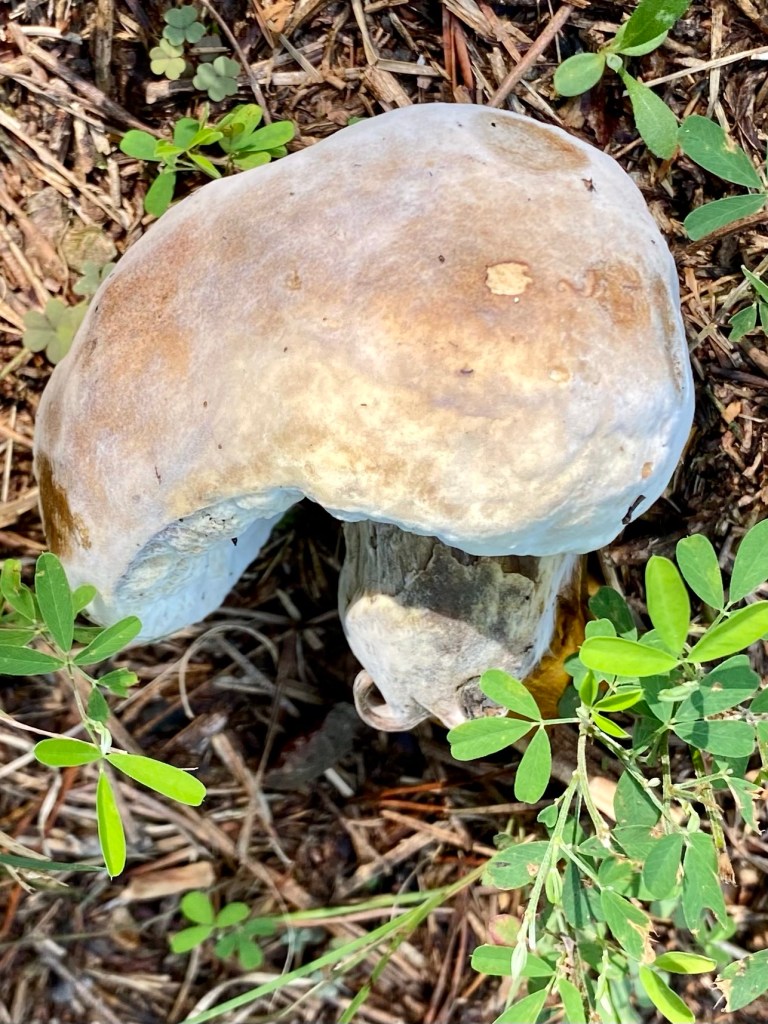
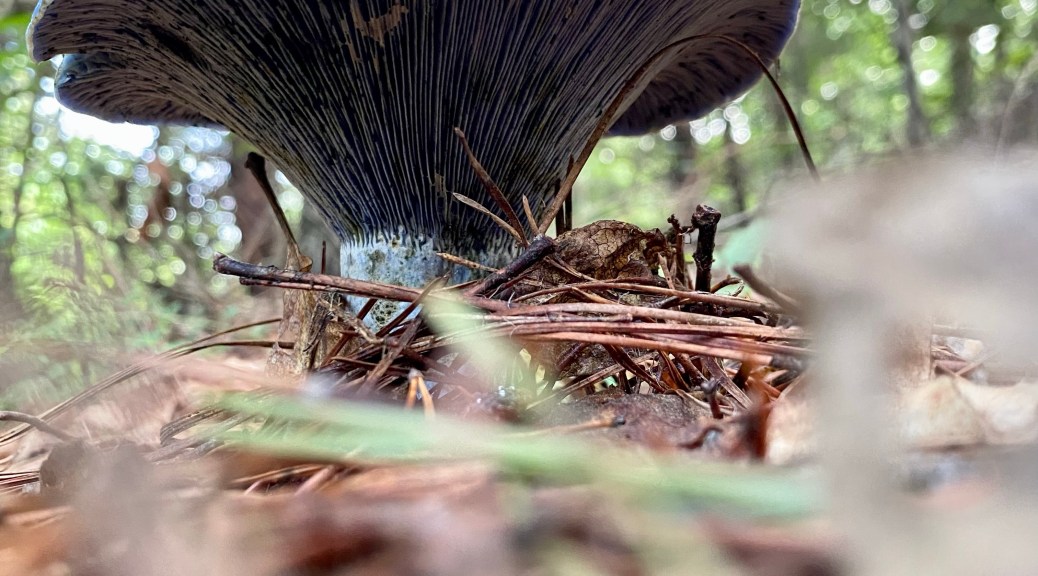
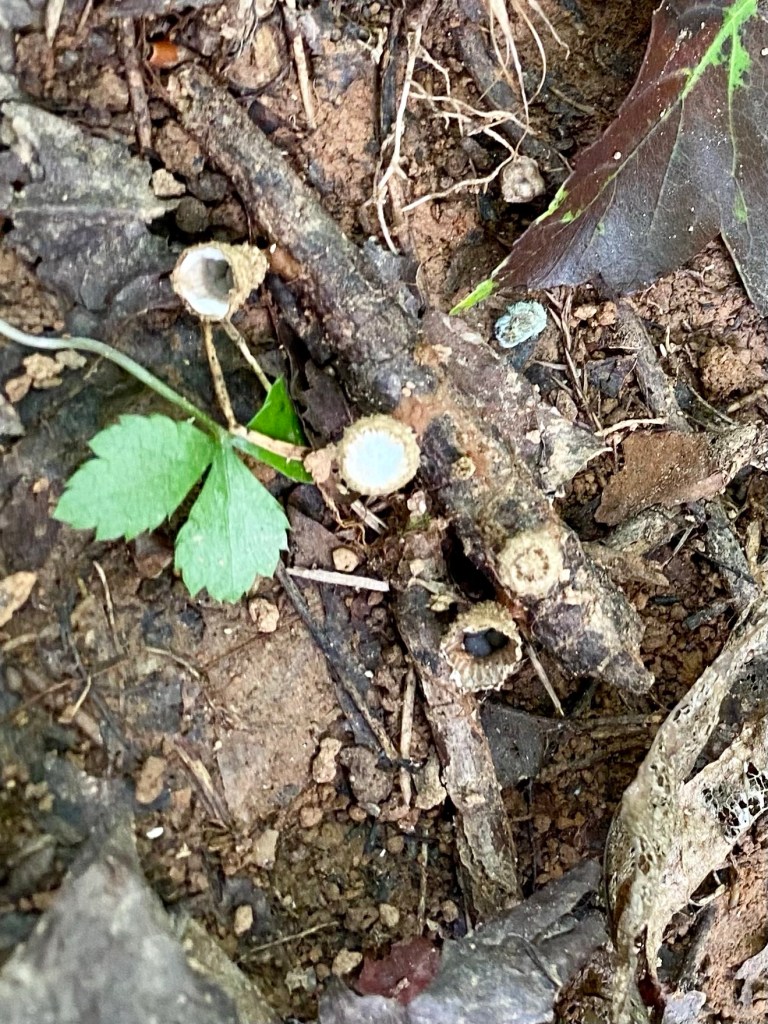
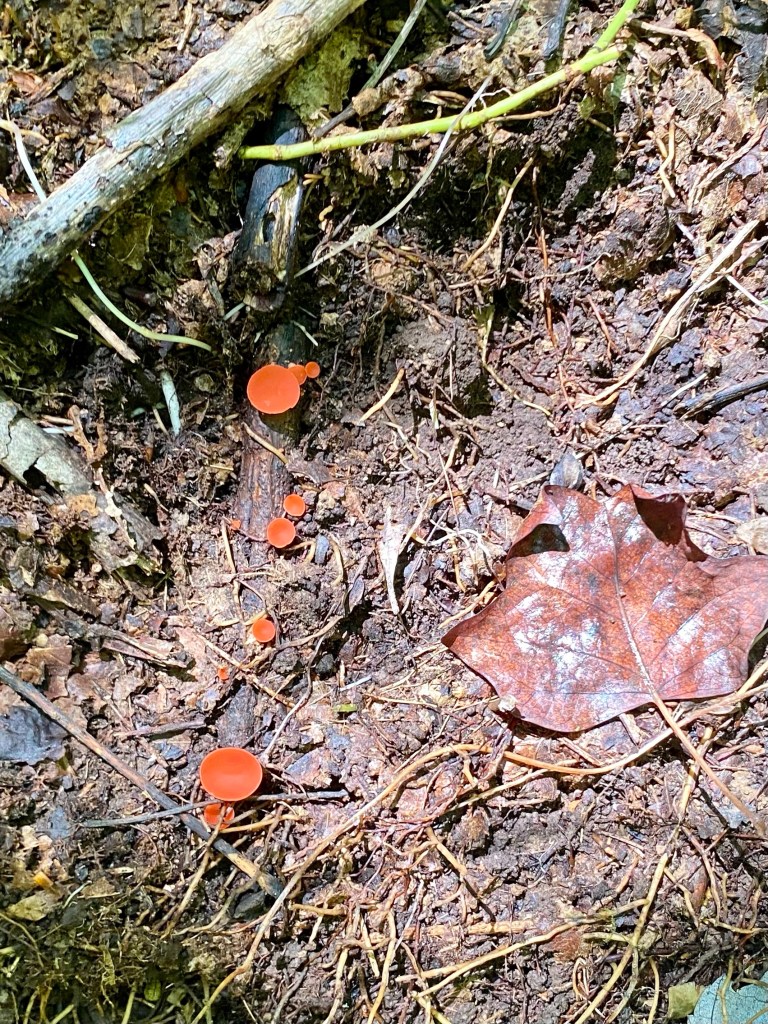
After steady rain, thunderstorms and cloudy skies in Buckingham for 12 of the last 15 days, we went out with high hopes of finally finding mushrooms. When we pulled into the clearing up top at SAFF, we saw hundreds of small puffballs. We found four other species before we made it from the clearing into the forest. Inside the woods, it seemed mycelium was everywhere we looked. SAFF has become a mushroom wonderland after the months of drought and heat, the rain and lower temperatures really brought the mushrooms.


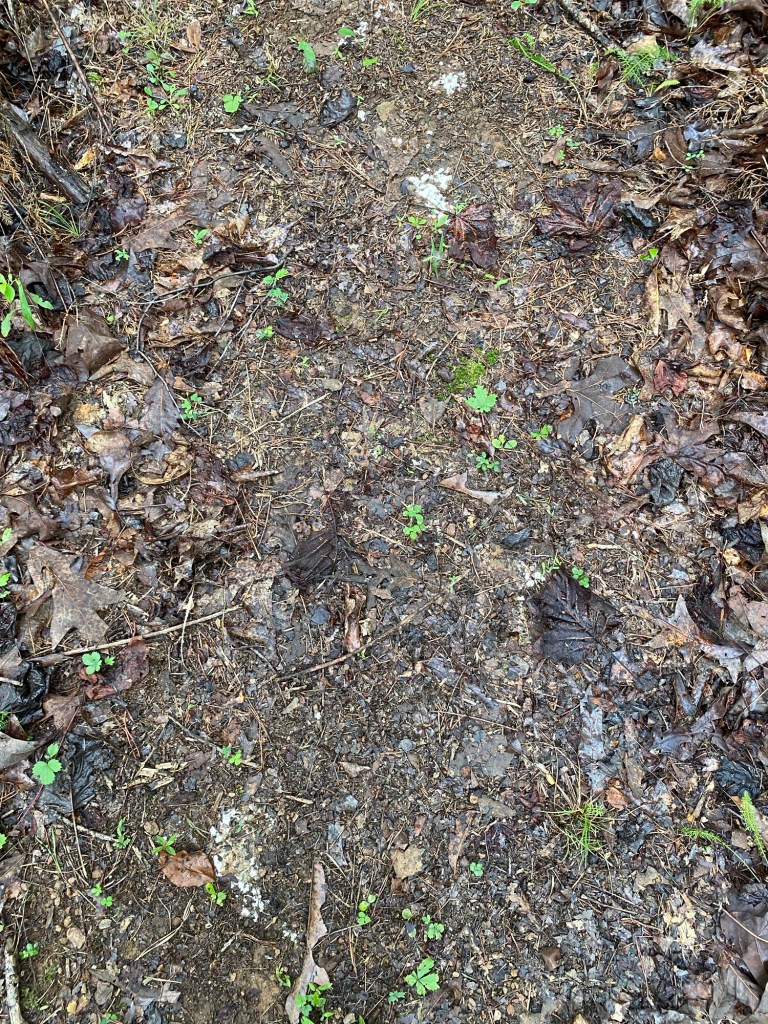
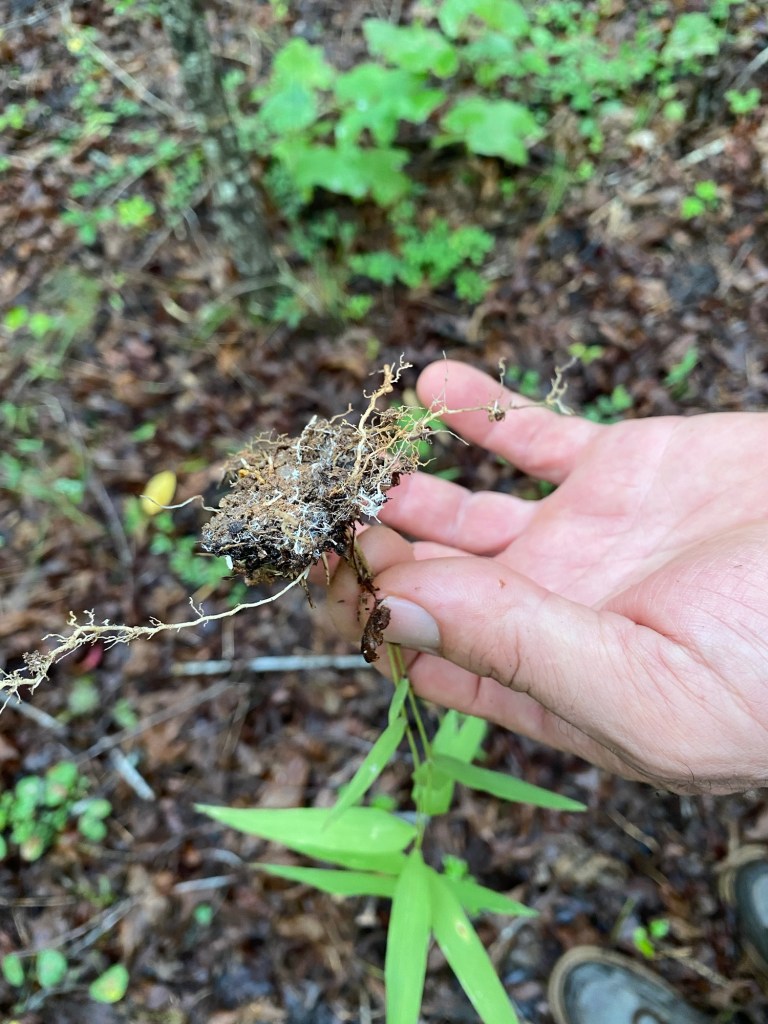
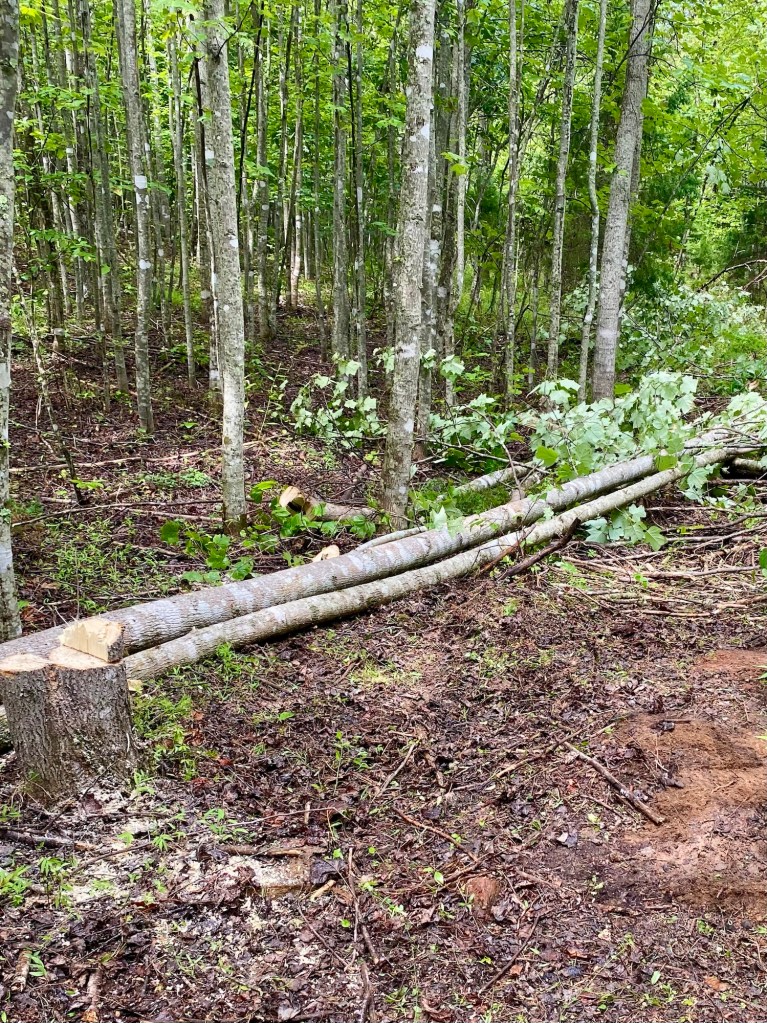
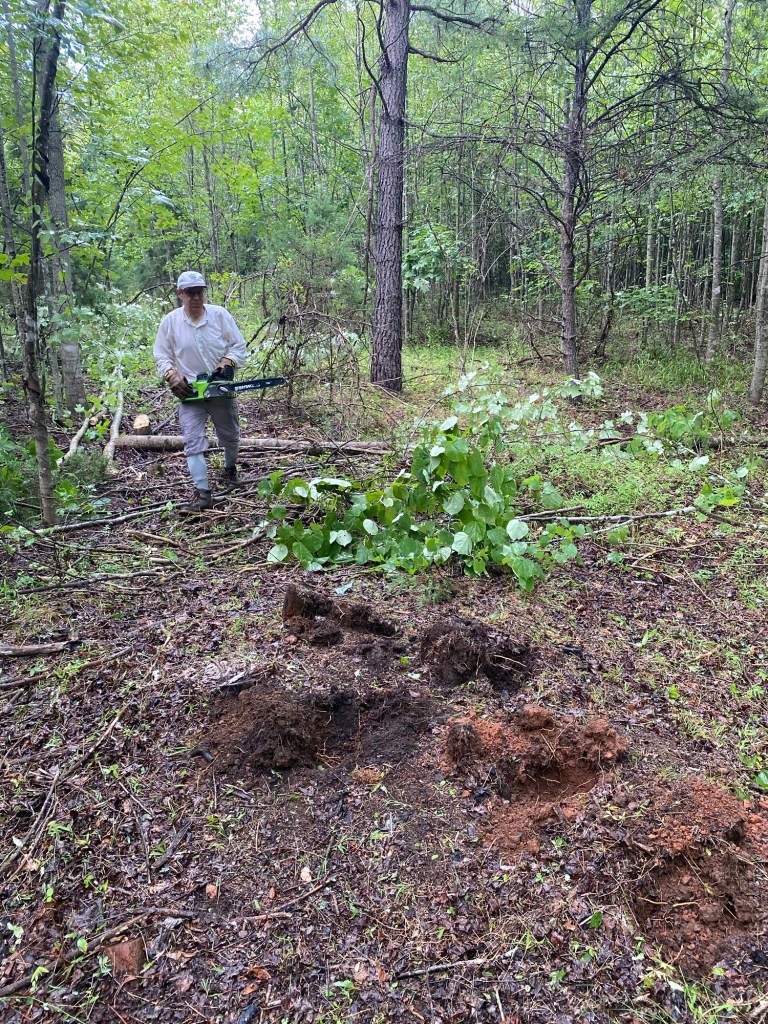
Yesterday we went over to do some planting in the rain. It has been raining every day or so for the past week and the ground is wonderfully moist and much greener. All along the trails, we could see white mycelium spider webbing on the forest floor. We created a new garden bed at the bottom of North Trail by laying our tree trunks perpendicular to the slope.
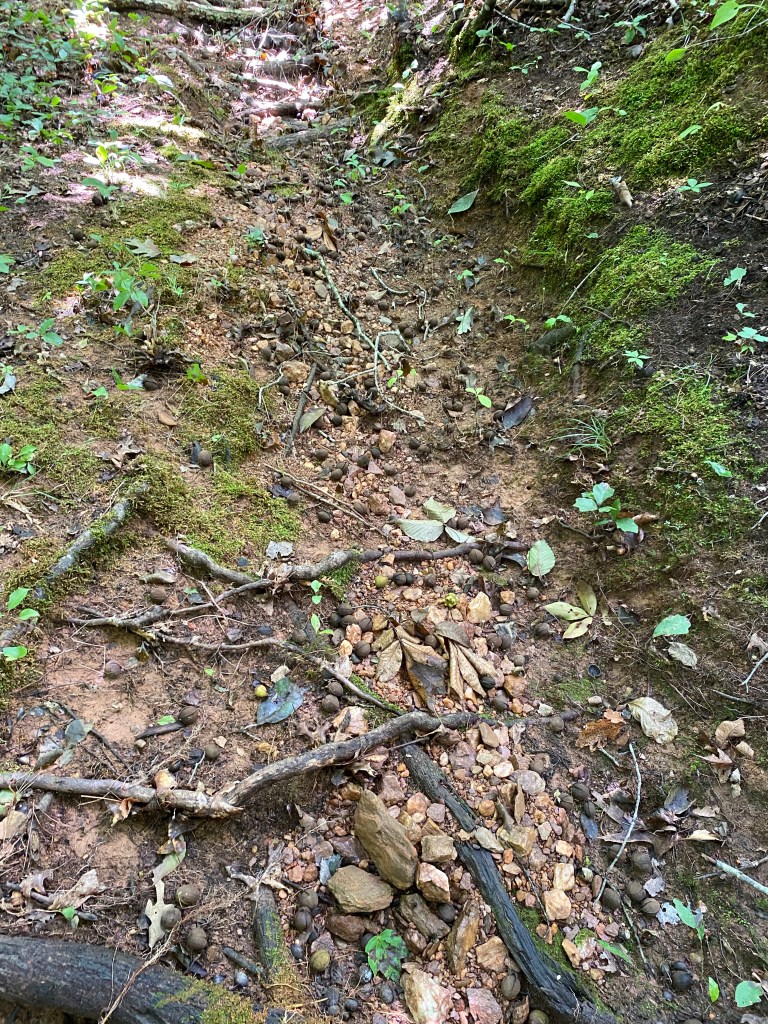
It may not seem like much but this is a huge paradigm shift for us as we have imagined fish scale terracing our slopes for the past year and it came together just as we’d hoped. We are eventually making a space for pawpaws. For now, we will have smaller plants. The ground was soft and pliable in the rain. We practice minimal disturbance gardening to improve our soil quality, increase yields and drought resilience as well as increase fertility. So this means we dig as little as possible to keep our soil and mycelium undisturbed.
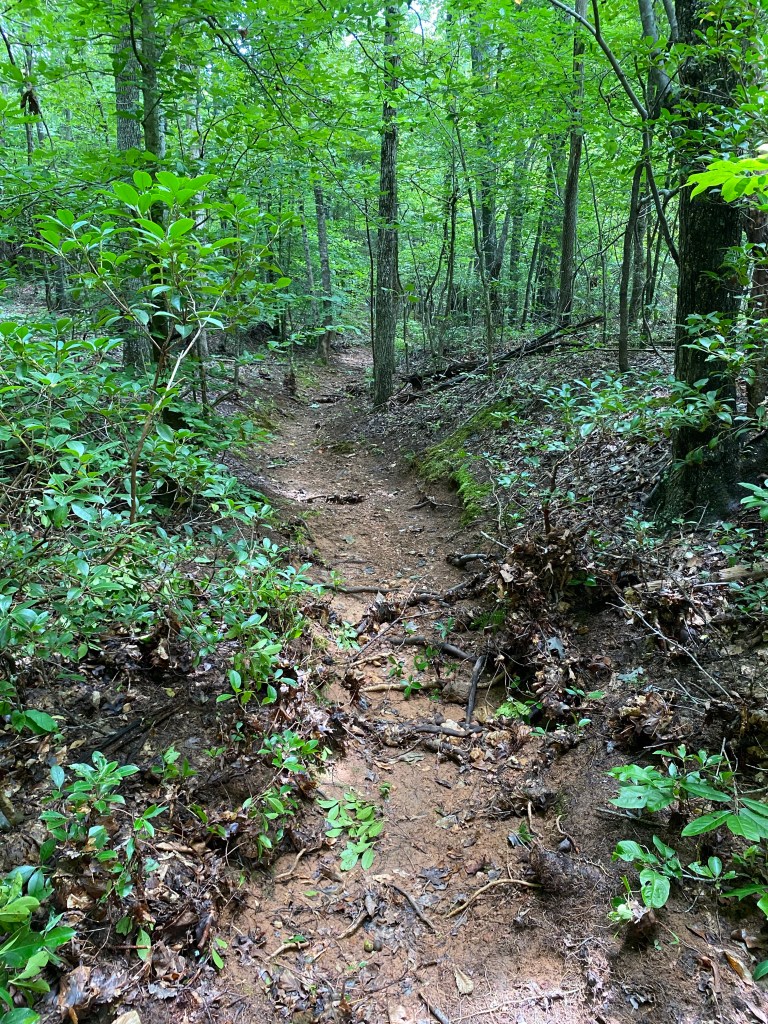


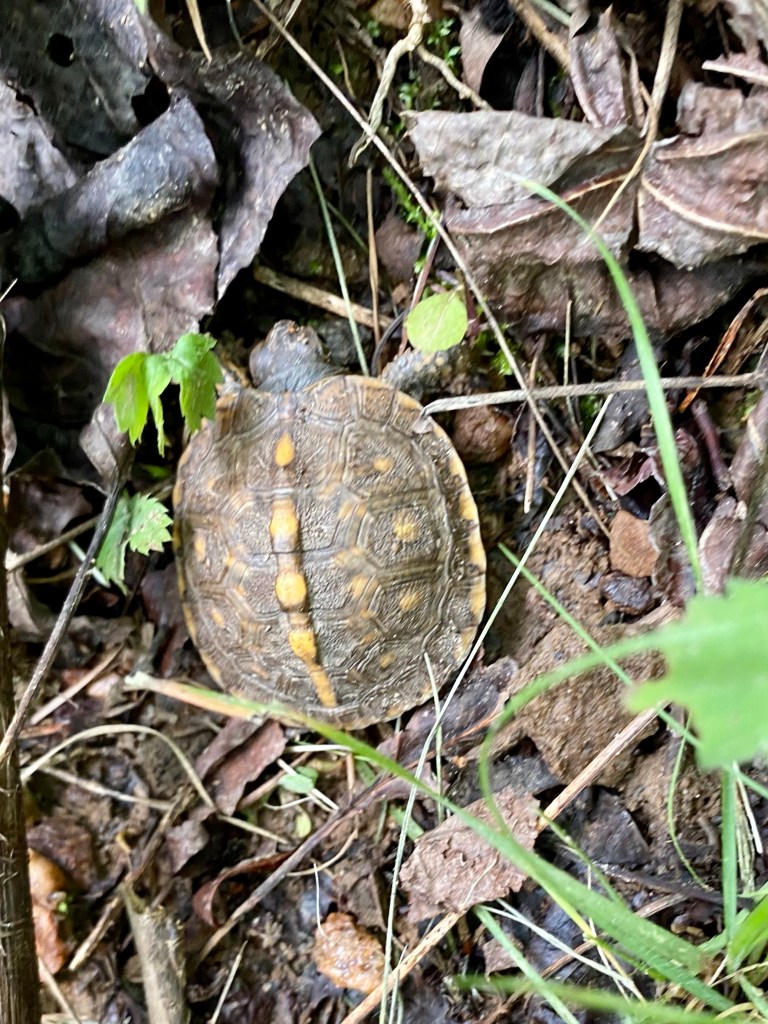
Young eastern box turtle on north trail after rains.
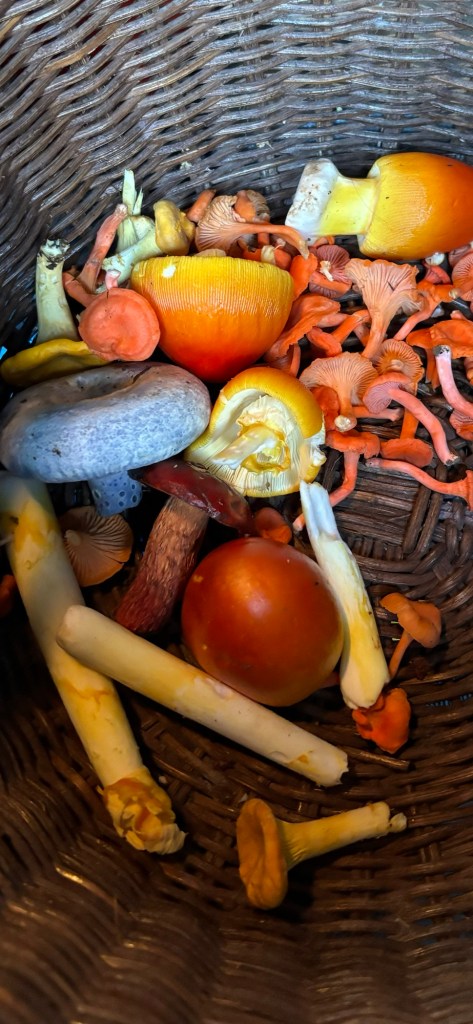
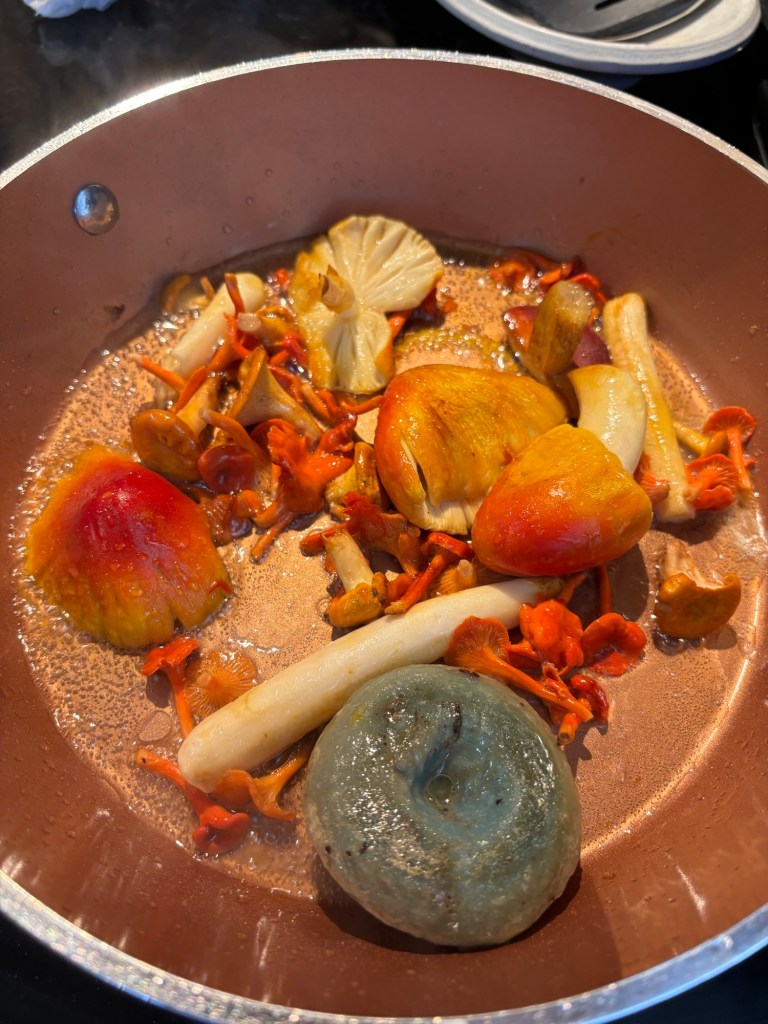
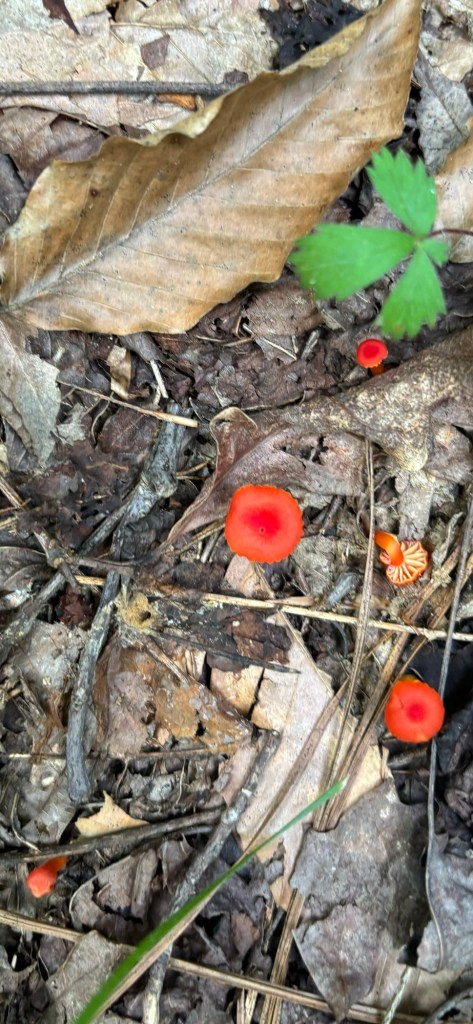
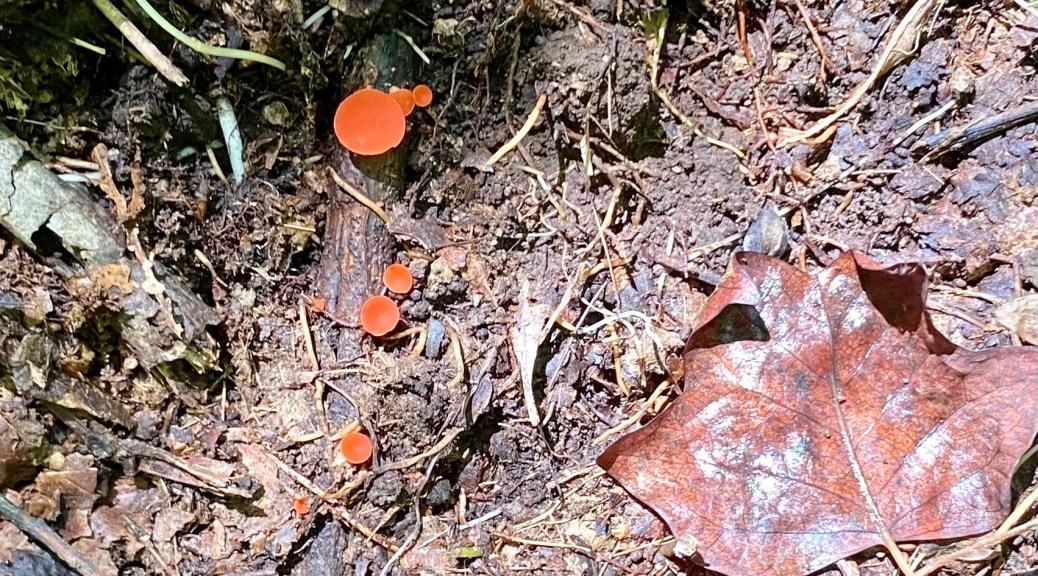
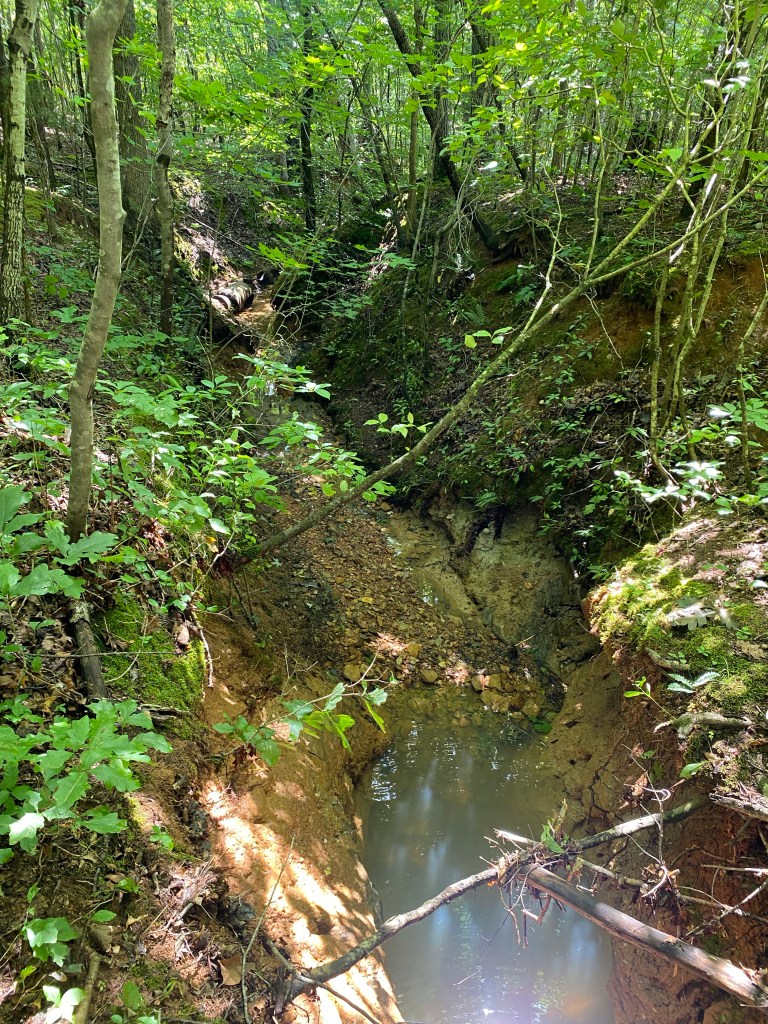
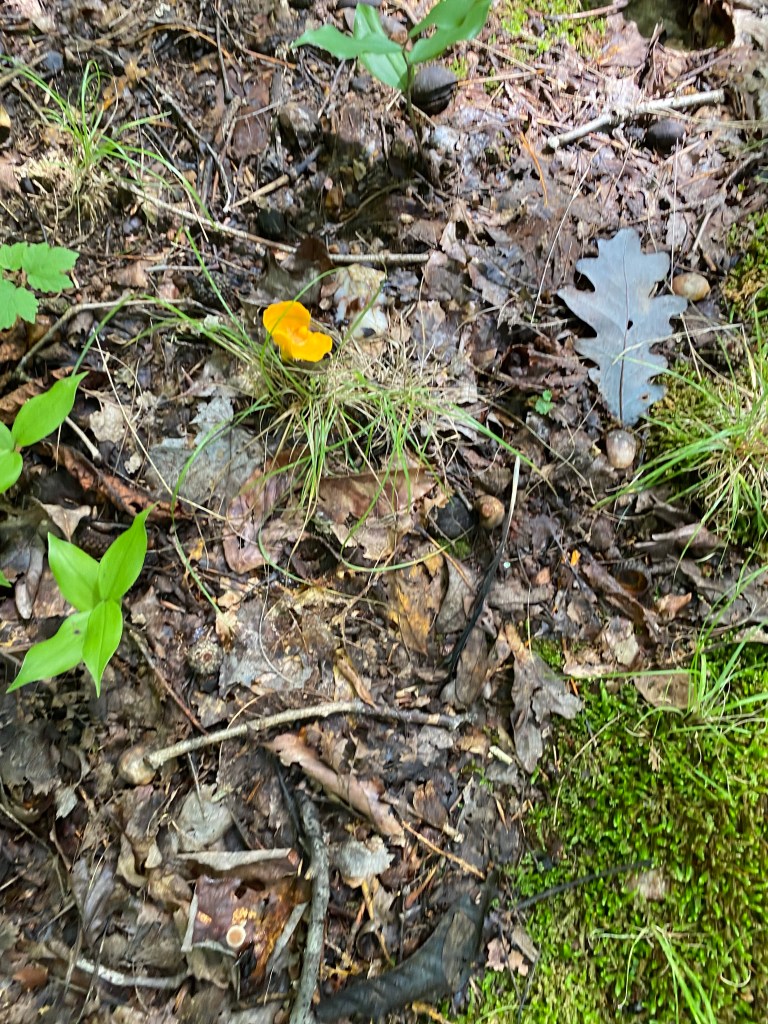
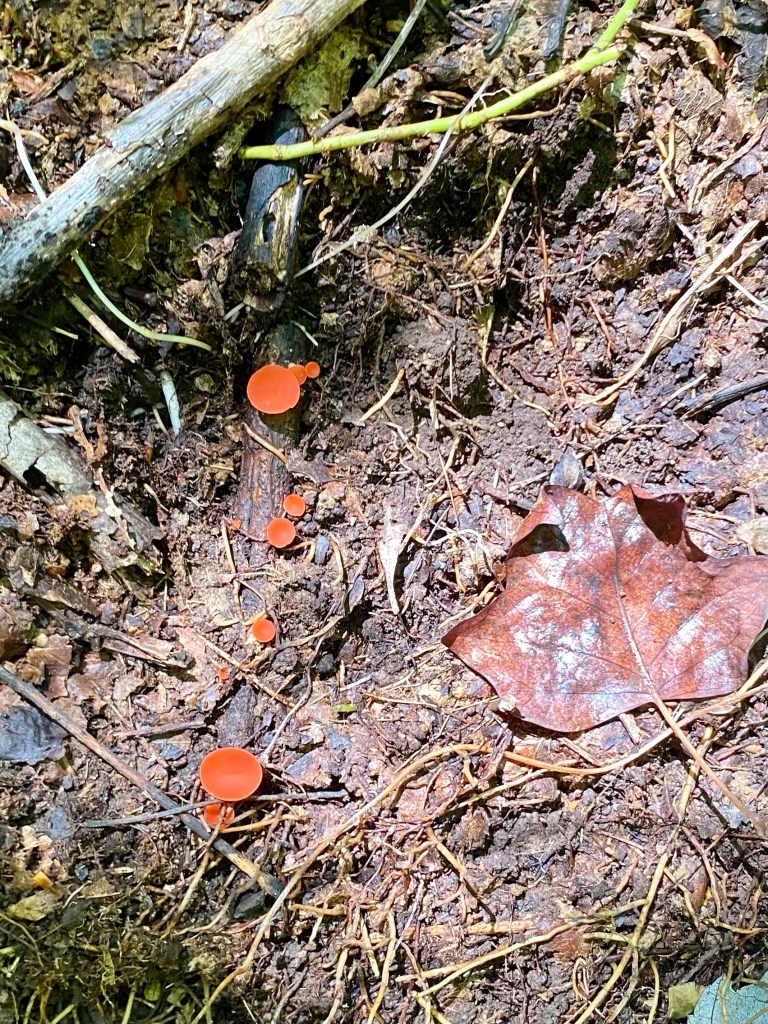
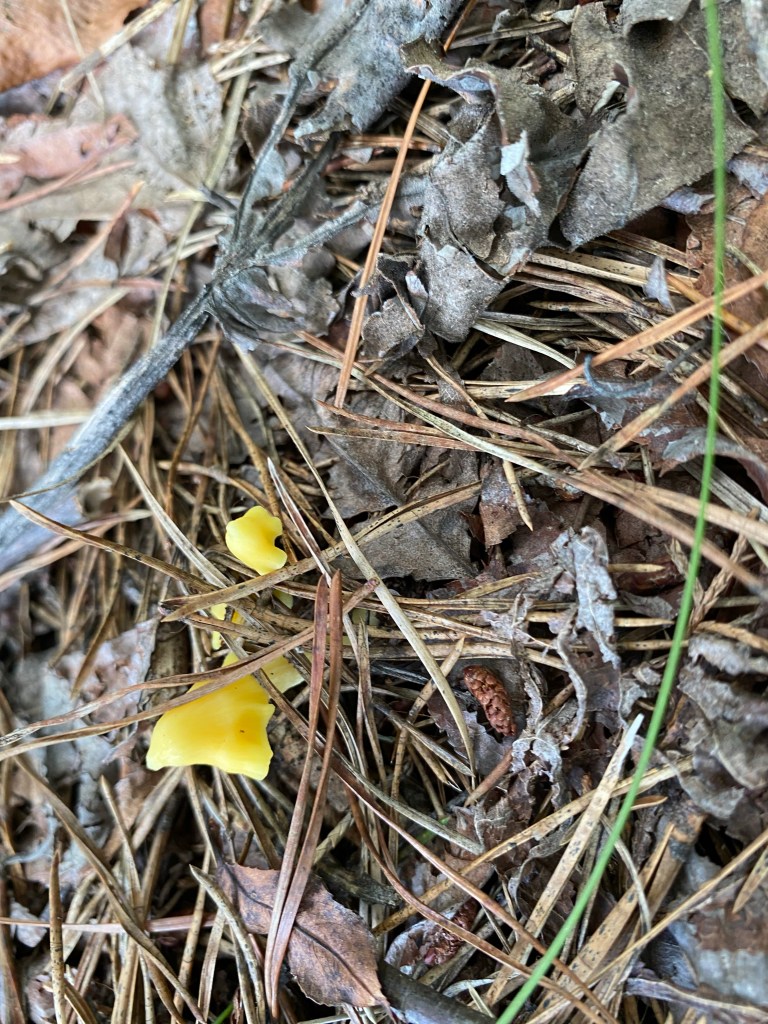
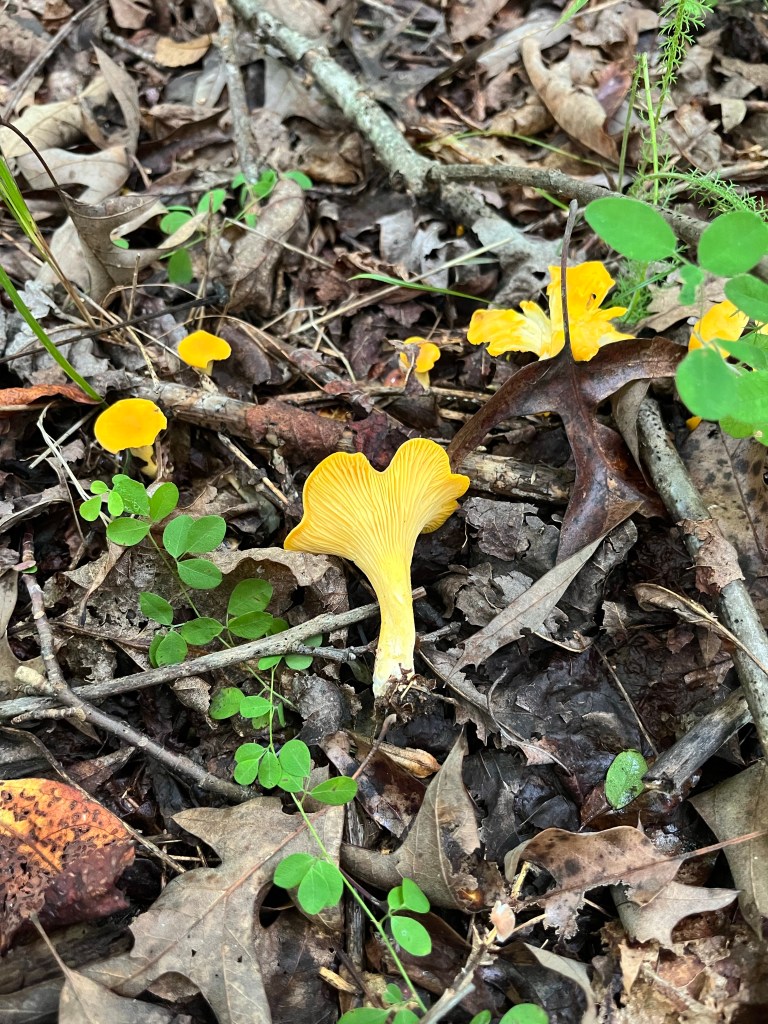
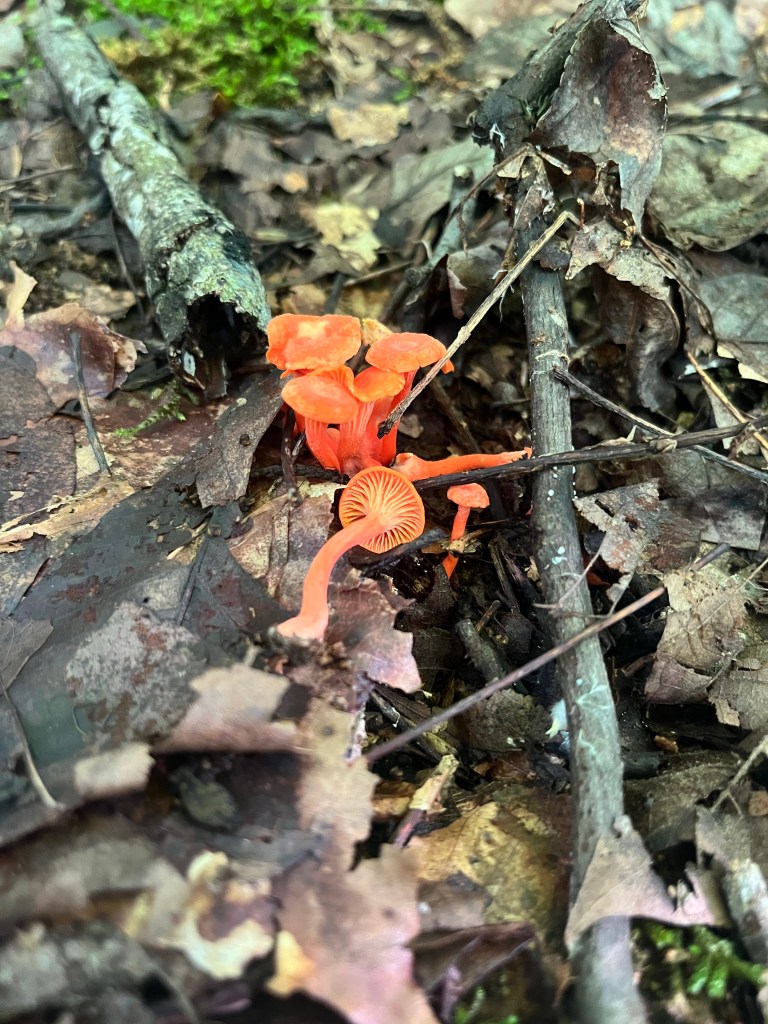
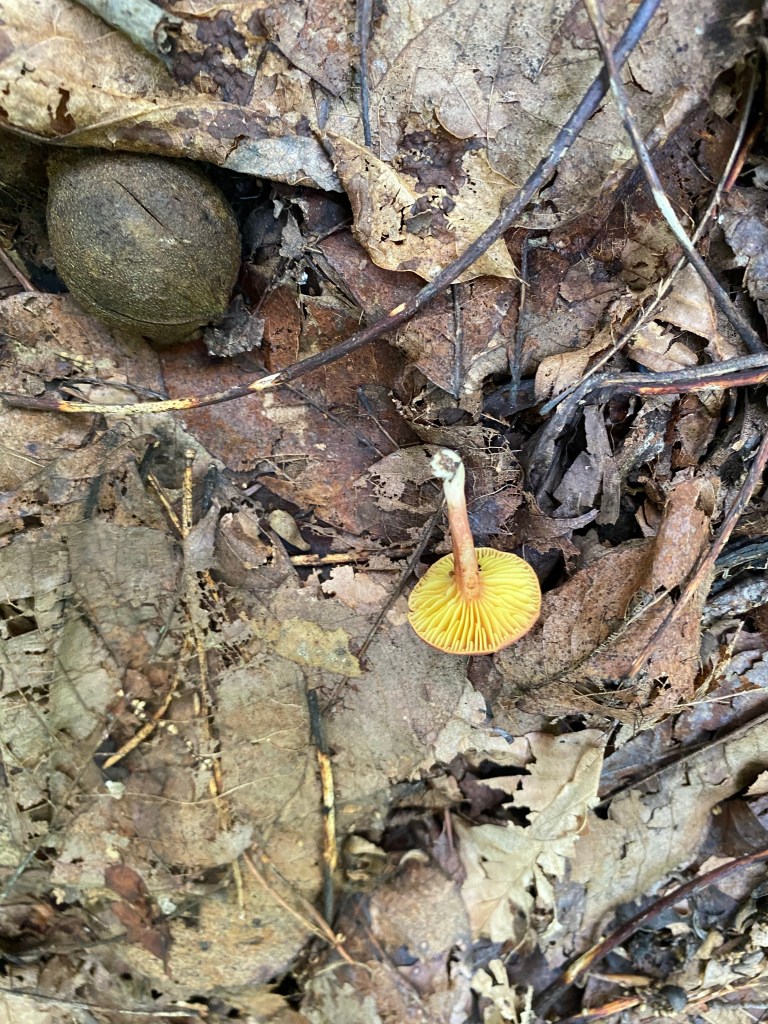
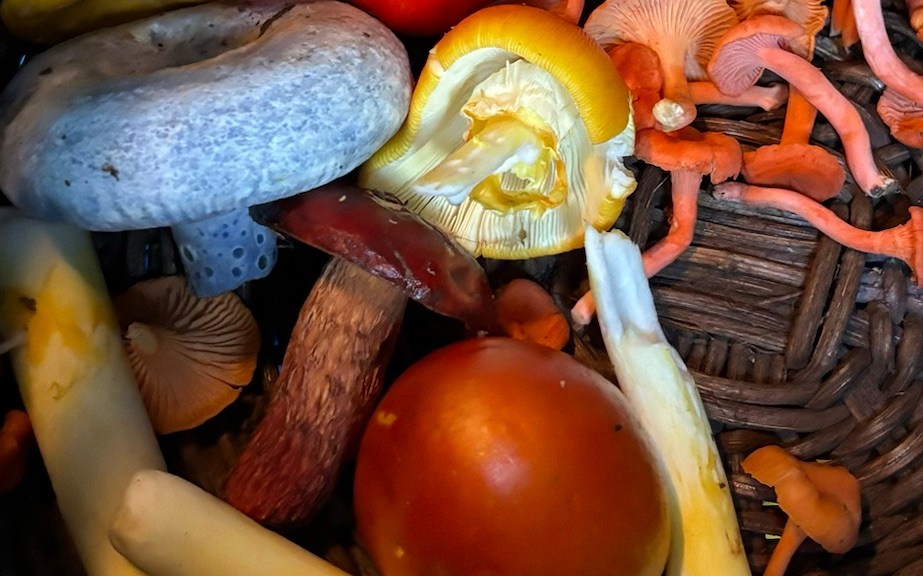
We went out to SAFF yesterday for mowing and checking on those cinnabar chanterelle pins. We harvested a few and followed the waterway from bottom left of property and moved past the midway point. We found cinnabar and golden chanterelles all along the way. Also, other types of mushrooms and we saw a toad and a box turtle right along the north trail. No sighting of our pileated woodpecker friend. Most of the mature cinnabar chanterelles were along the deep sides of the waterway with moss and ferns. Many that we could reach still hadn’t matured. There were so many down in the creek bed along the sides we couldn’t reach! We’ll need a plan to harvest these next year. We brainstormed a few ideas that all seemed to be ridiculous. We will find a way down there!
We have made it a little more than halfway to our south trail via the waterway. We were on the other side of creek. Next time we work on paths at bottom of property, we want to trail blaze along the slope side and continue to take out over abundant trees that have only inches to grow instead of the 10 feet necessary for them to flourish.


Chanterelles harvested yesterday along waterway.


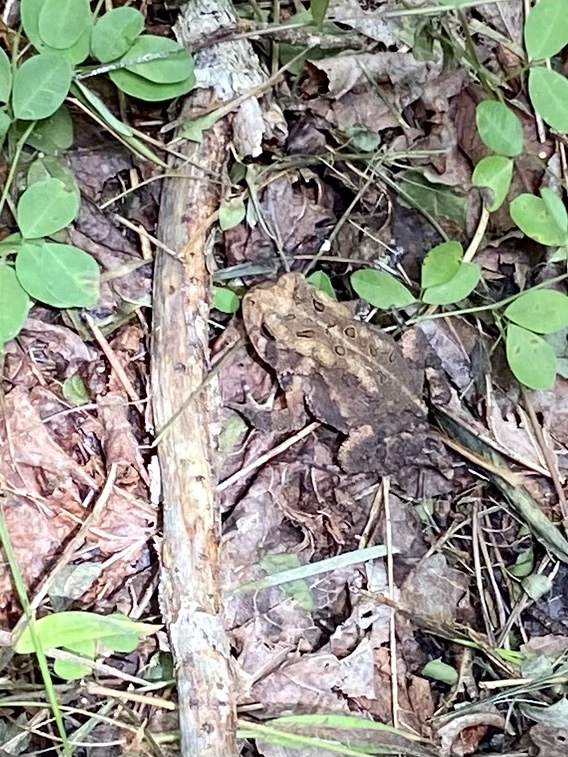
A young toad found hopping along the North Trail.
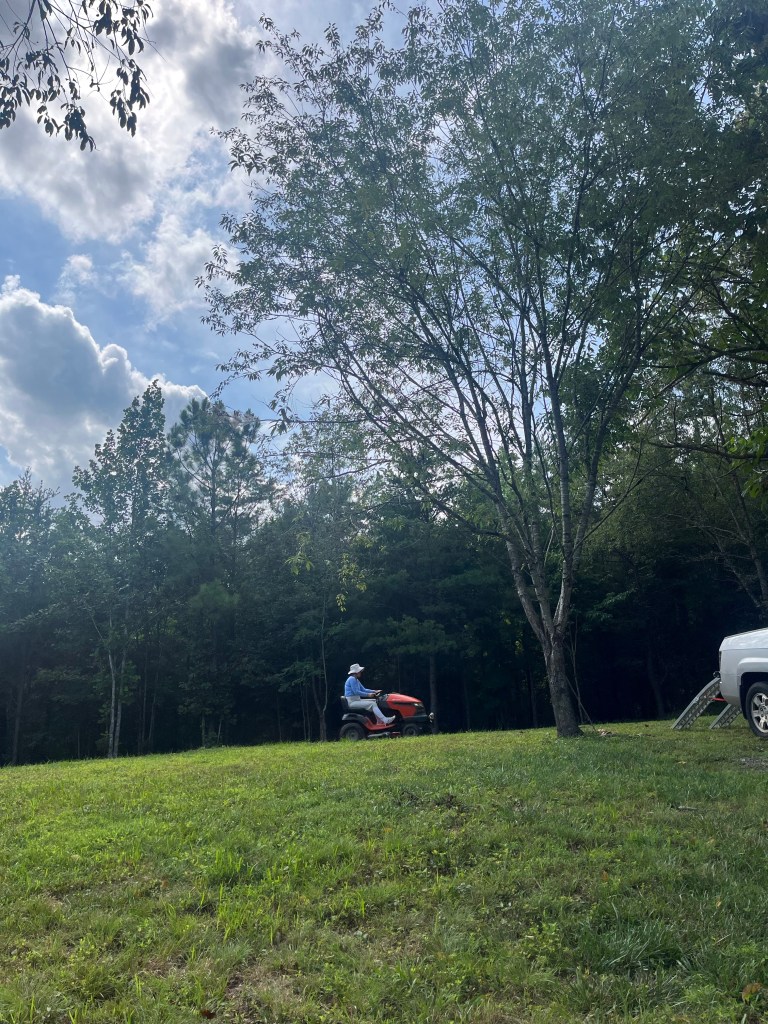
We got the mowing finished just in time for an alert for a tornado watch in Dillwyn. We drove home. Staunton had a tornado warning with hail. We hope to go back out in the next few days. Our plan is to go on Friday after the thunderstorm Thursday.

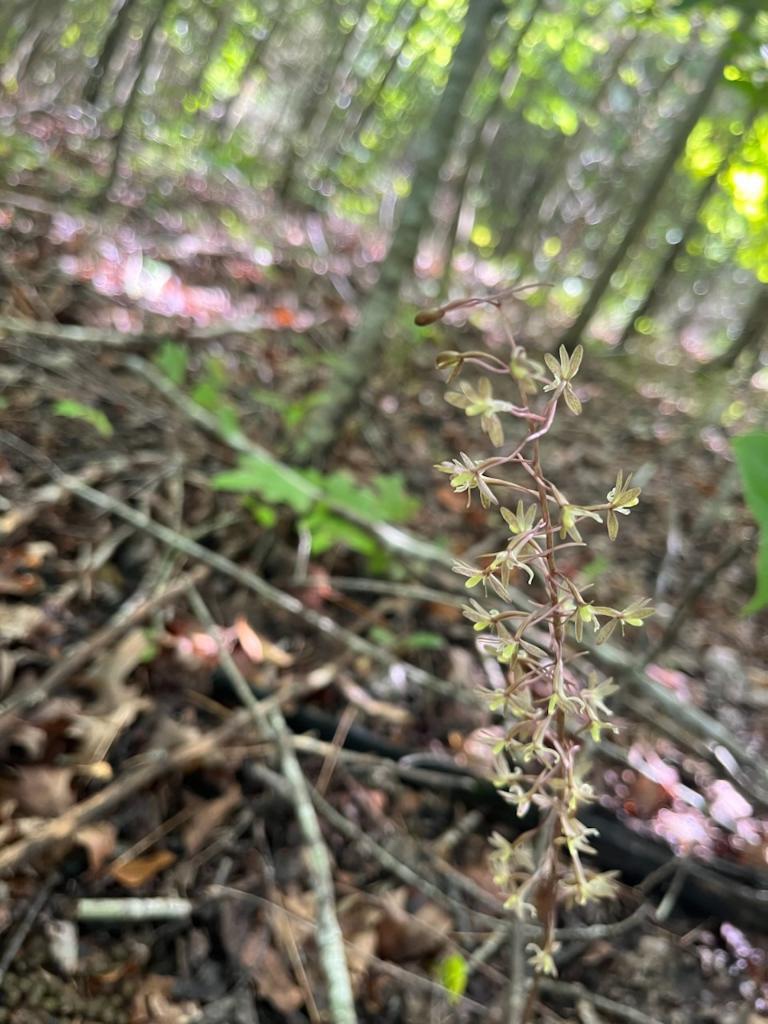
We are planning our initial structures and crops. We hope to use the resources we can find to help shape the farm to become more of a food forest than it already is. Currently, we have blueberries, deer tongue (flowers young leaves and stems) and wild yams (great eyes, Judy) edible mushrooms, cranefly orchids edible corms, several edible fiddlehead ferns, and black cherries. We also hope to find pawpaws.


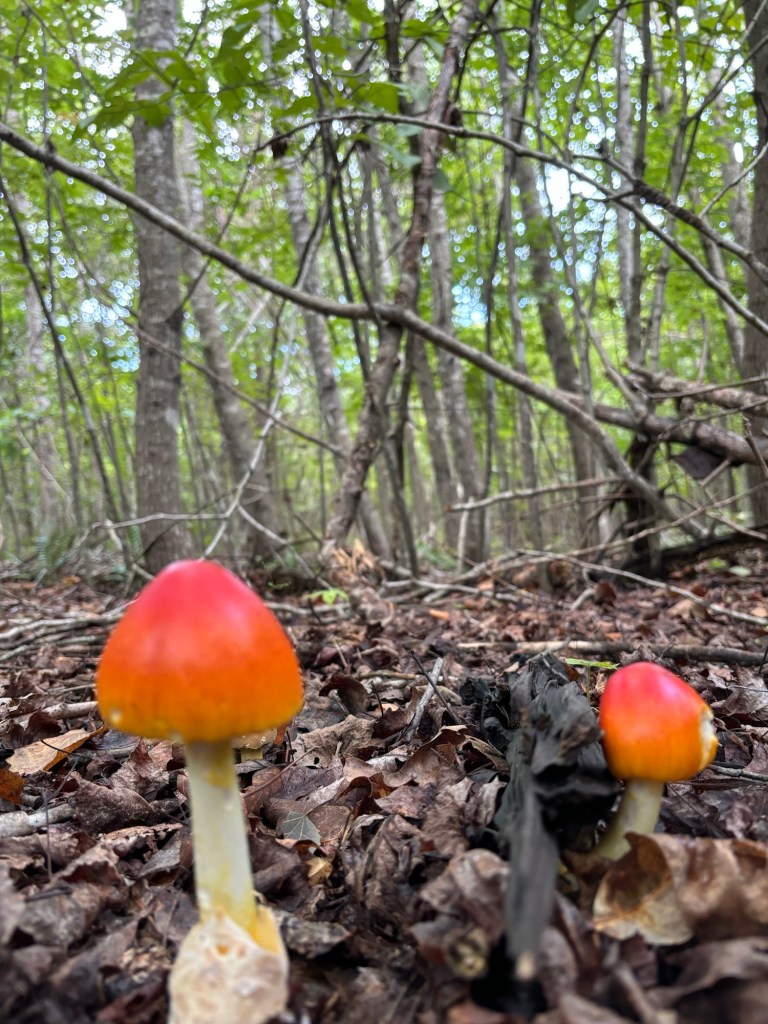
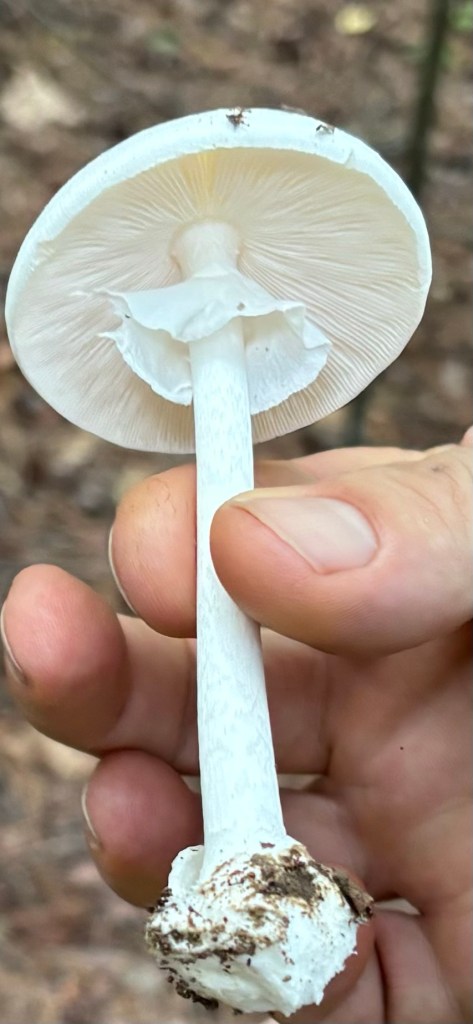
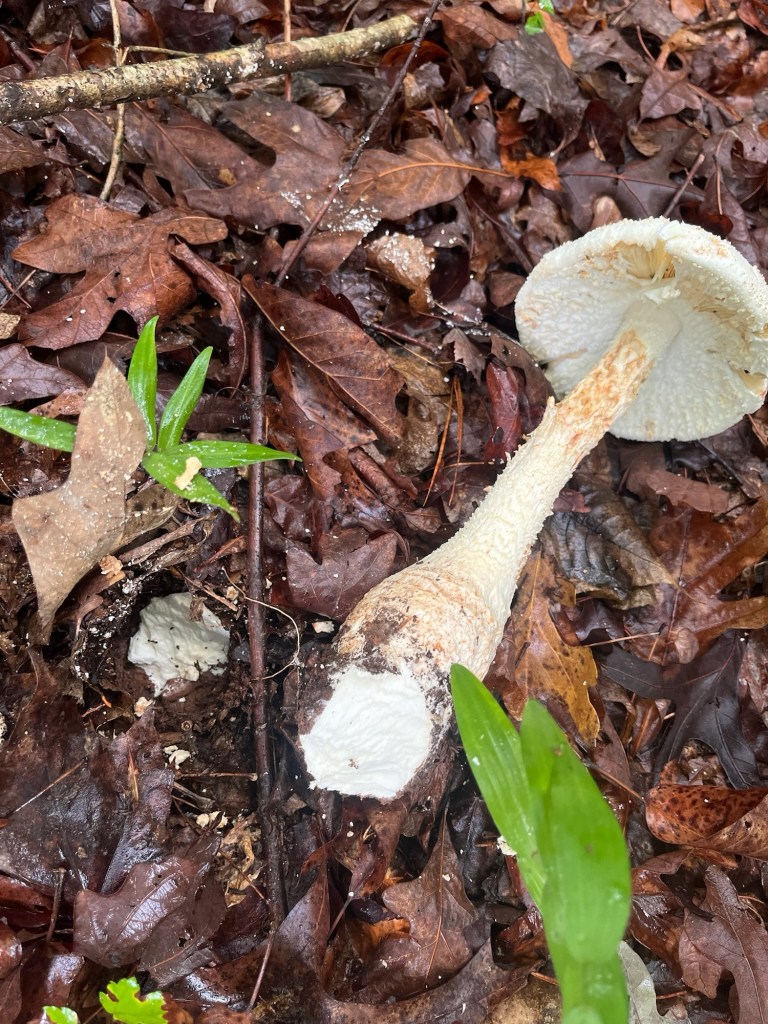
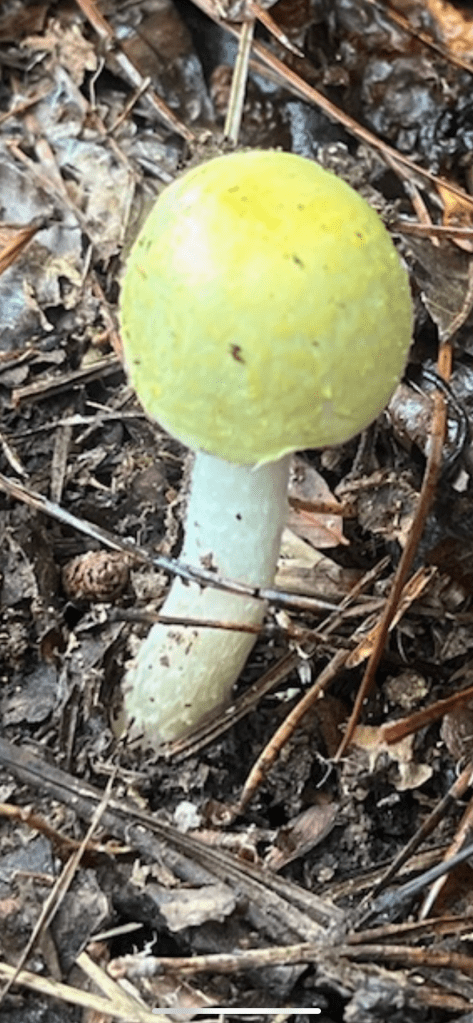
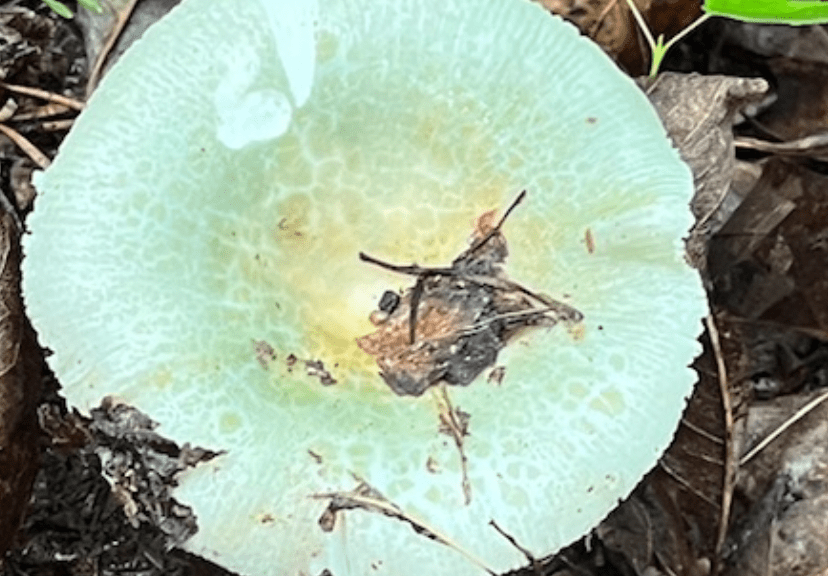
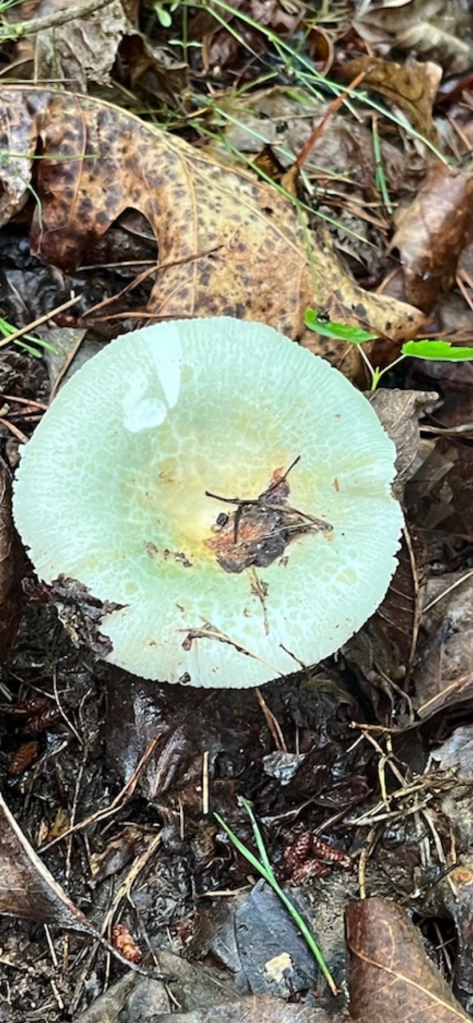
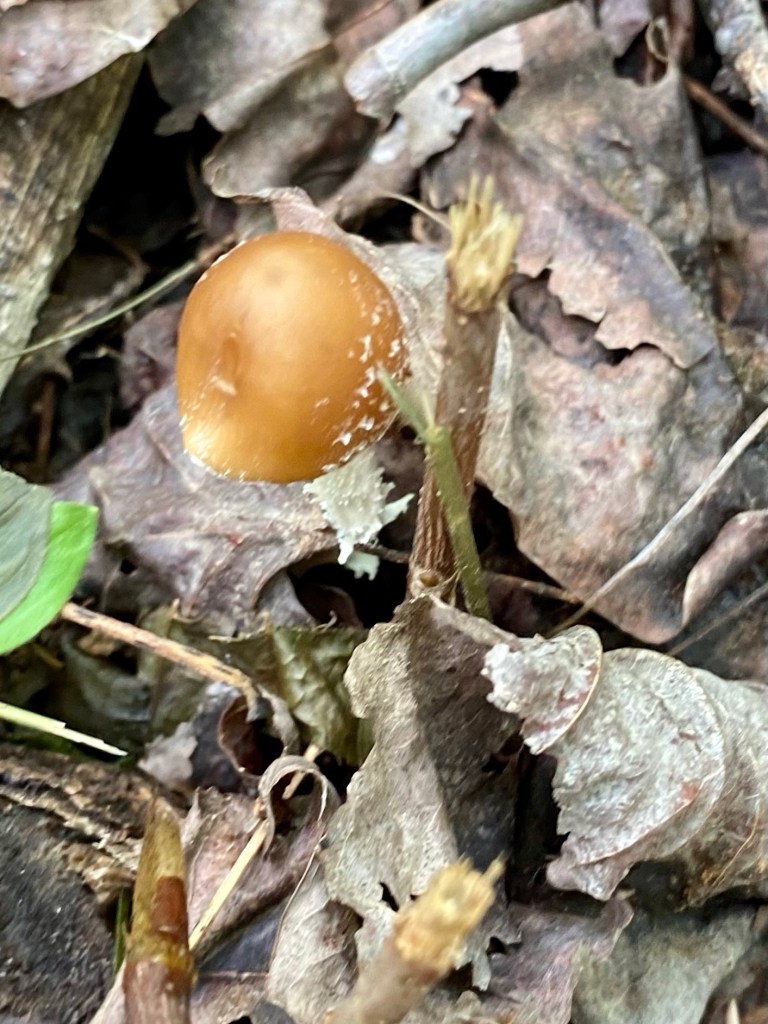
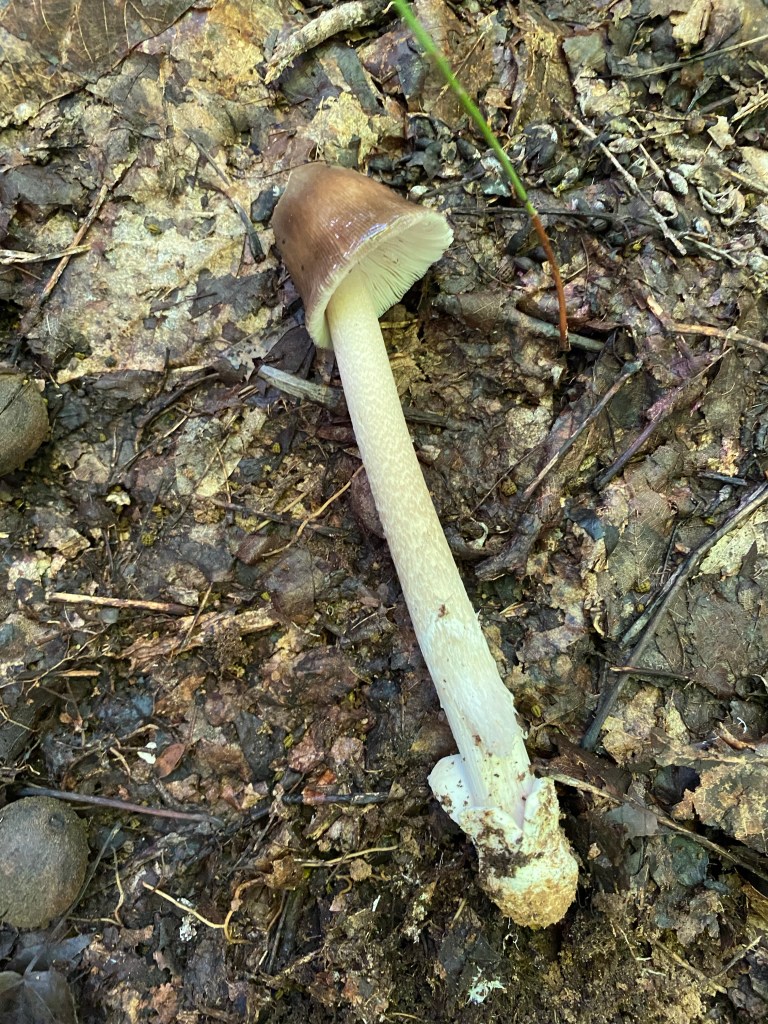
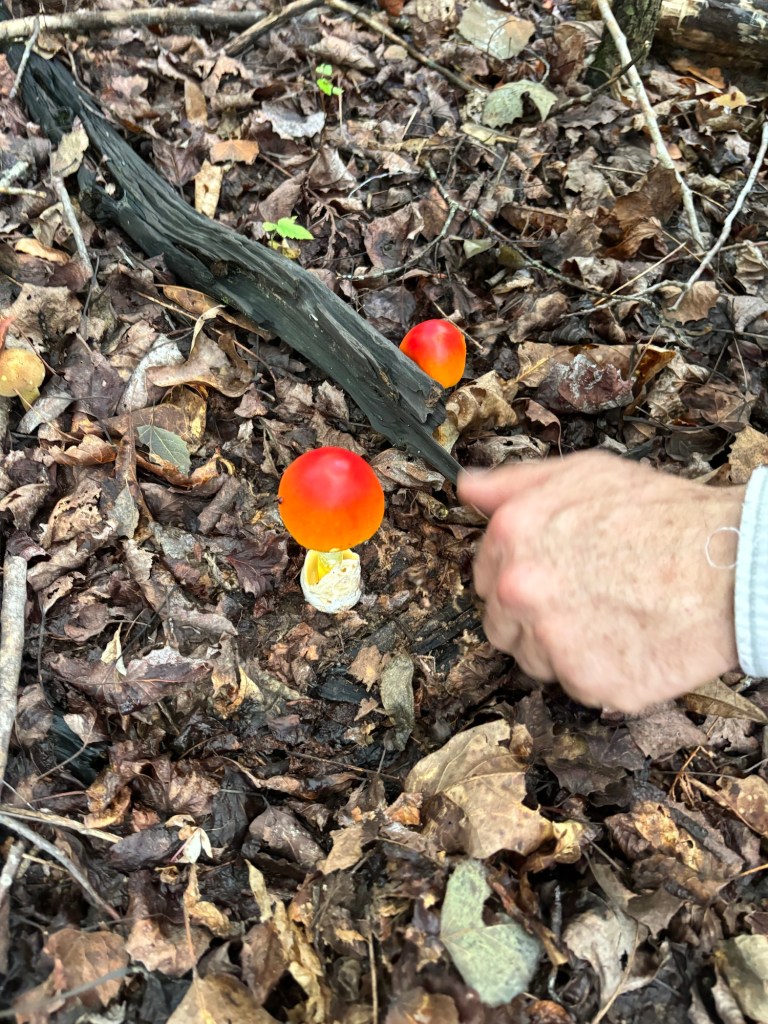
Unknown Amanita. Possibly amanita gemmata. Not a beginner mushroom. So far, anything that looks as though it’s an Amanita, we don’t even touch usually. There are 600 species of agarics (Gilled mushrooms) which includes some of the most deadly. This species is responsible for 95% of mushroom deaths. (If we are in doubt, we throw it out: Or better yet, don’t even pick it. )


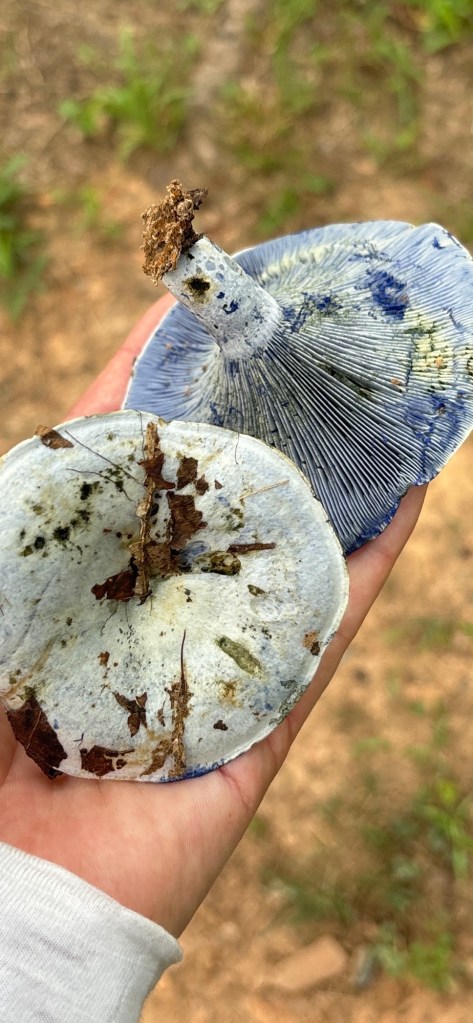
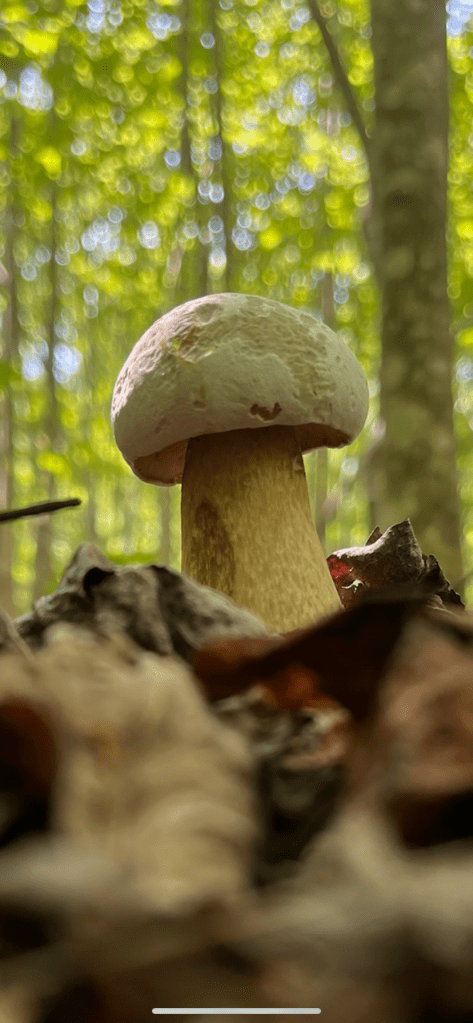
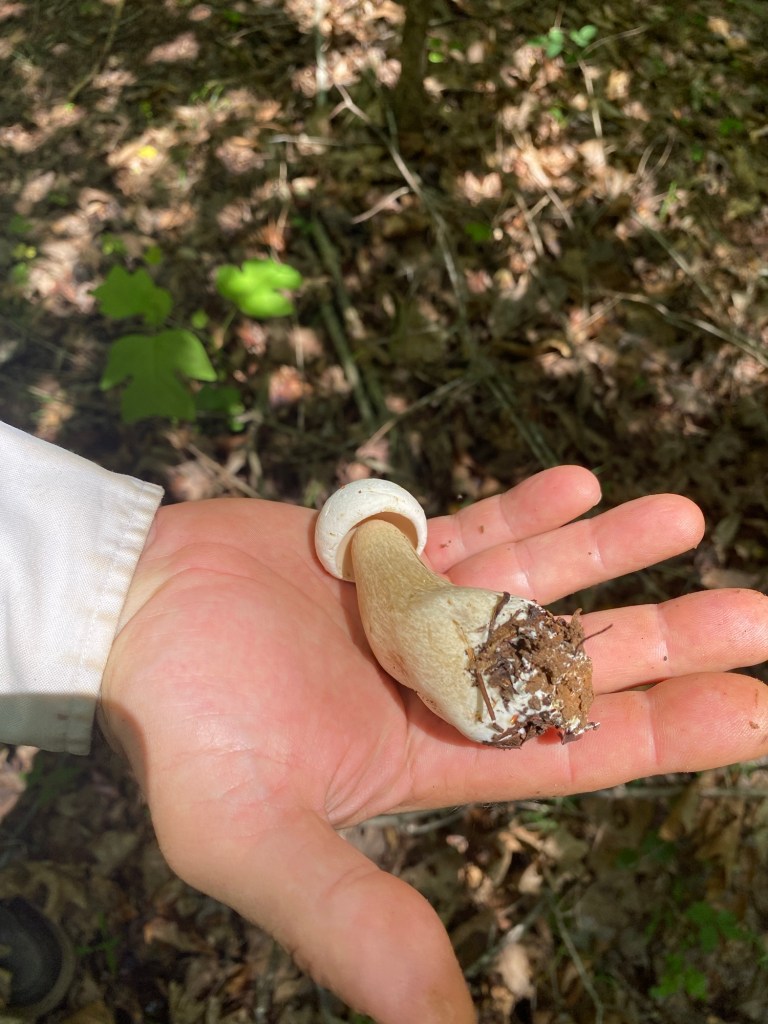
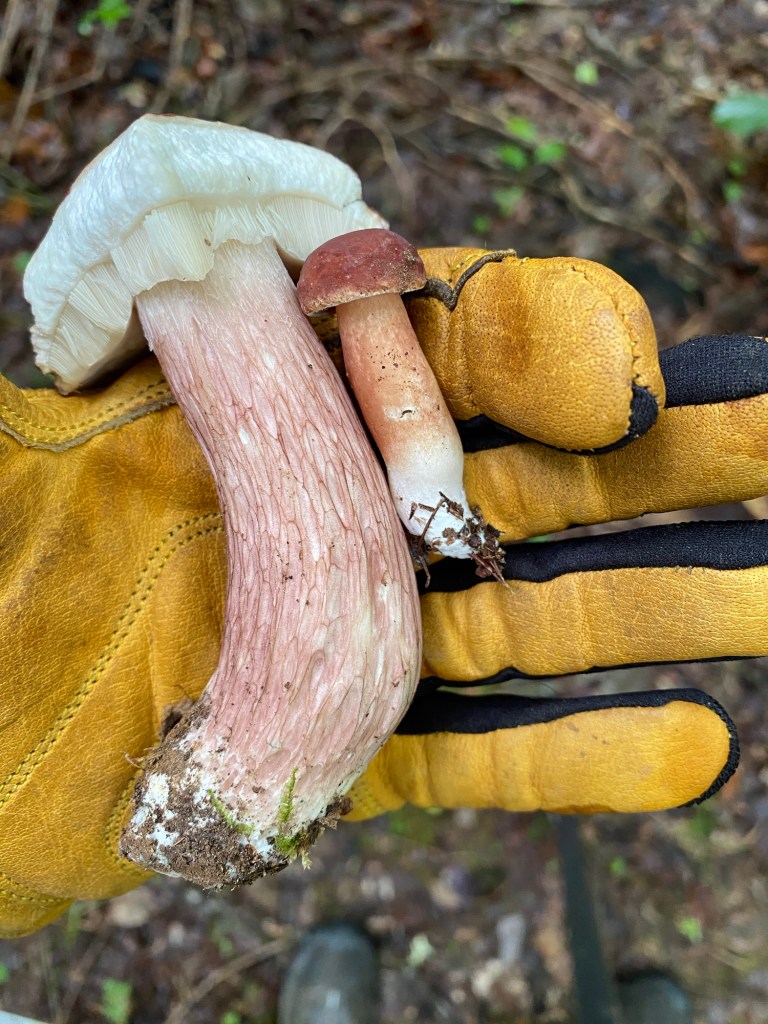
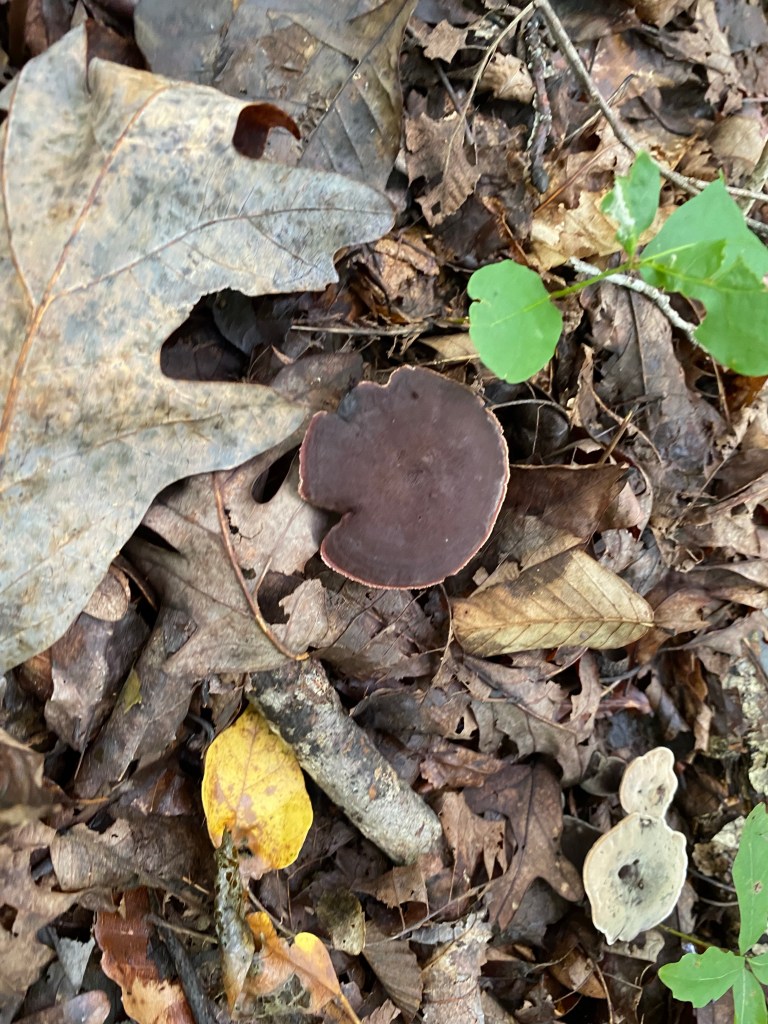
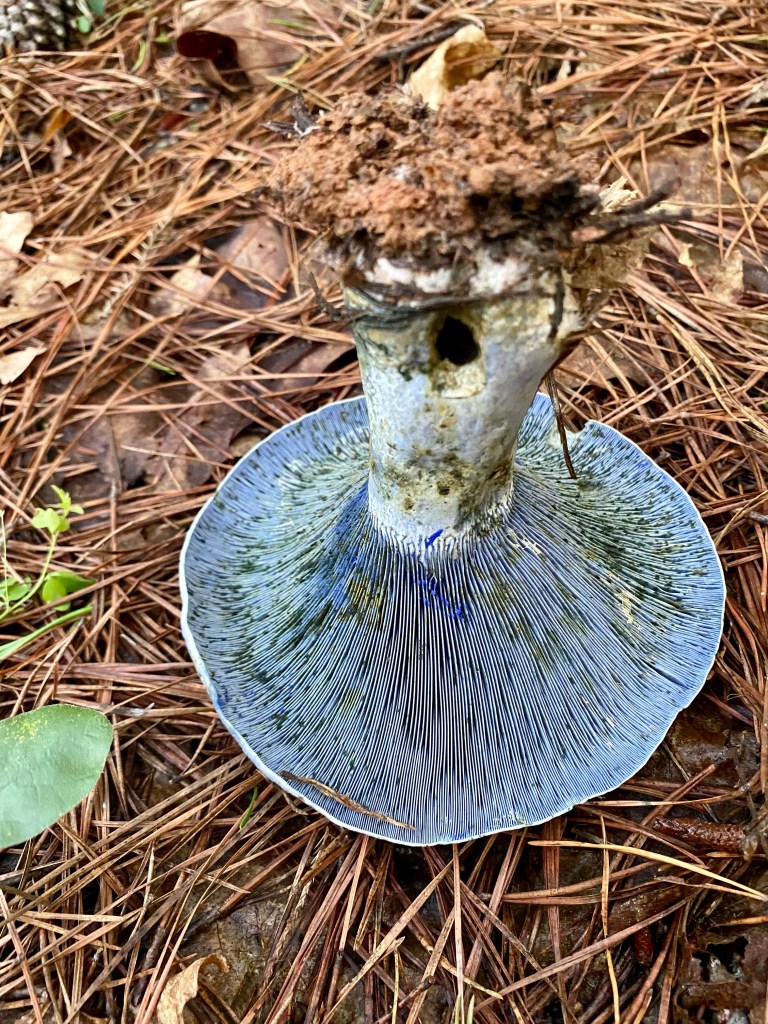
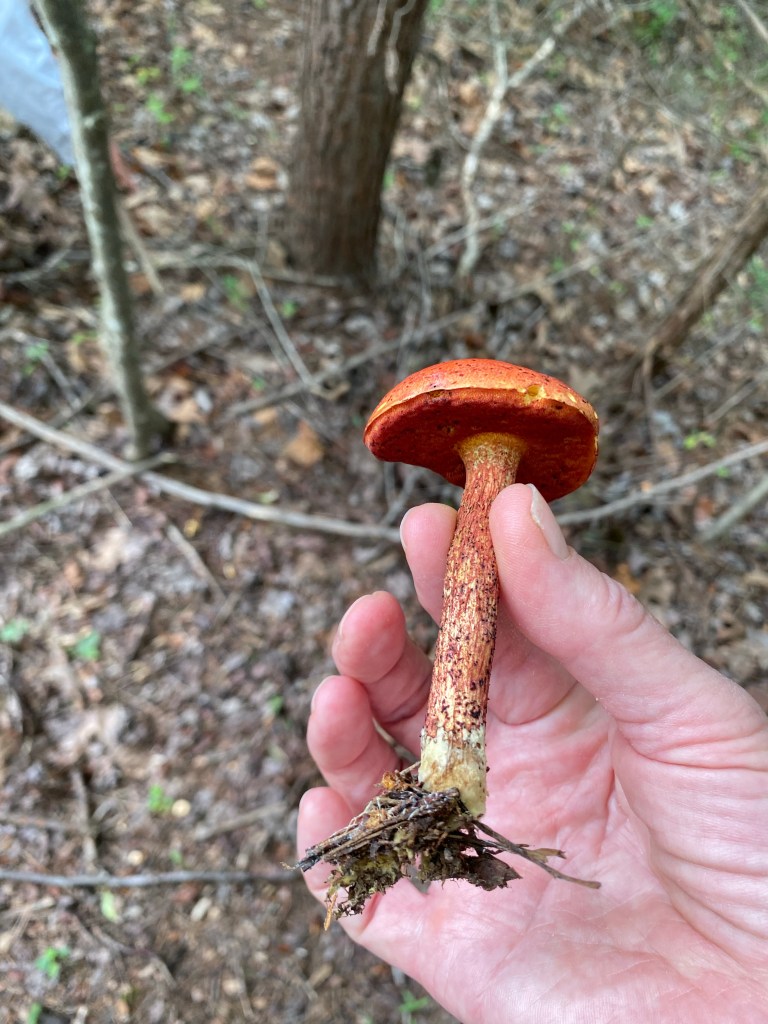
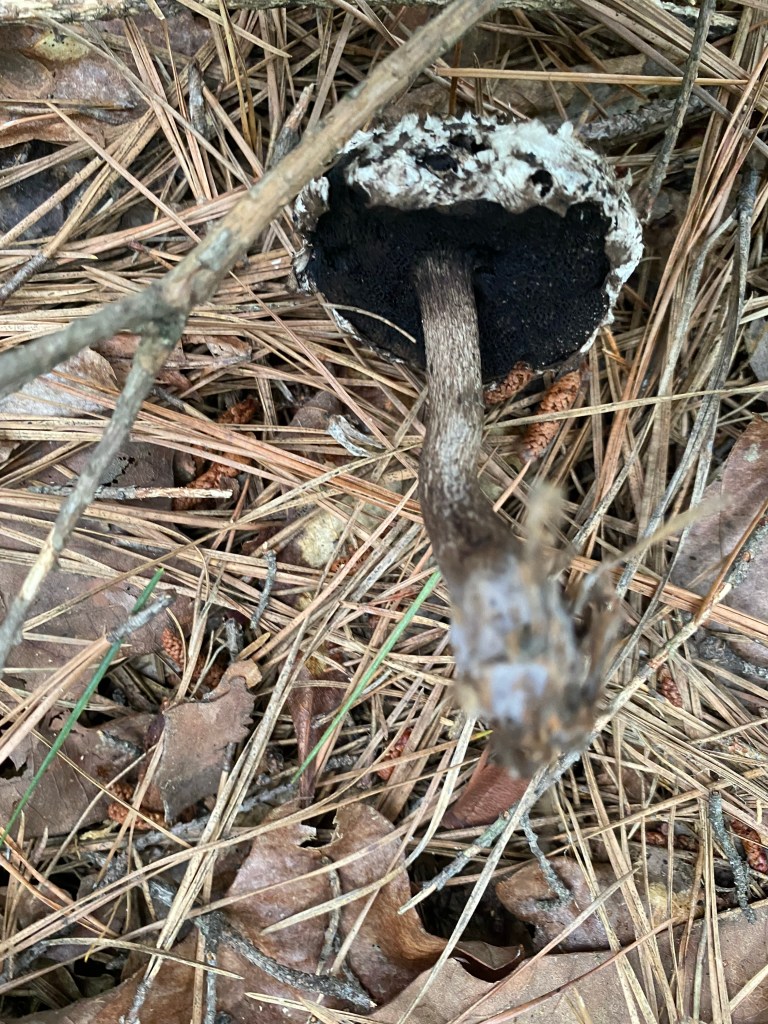
We will add to this list as we find more mushrooms. Always assume they aren’t edible. We have more data to collect to determine many identities. If we ever do! We are beginner mushroom foragers, we’re not planning on eating anything we’re not 100% sure about.


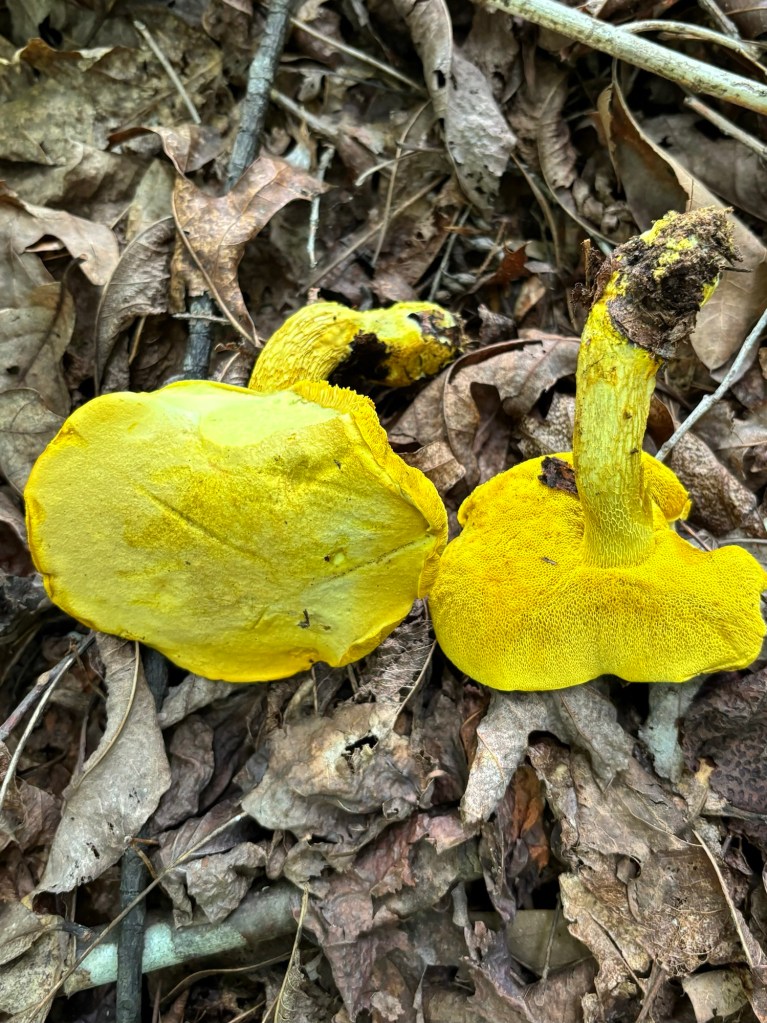
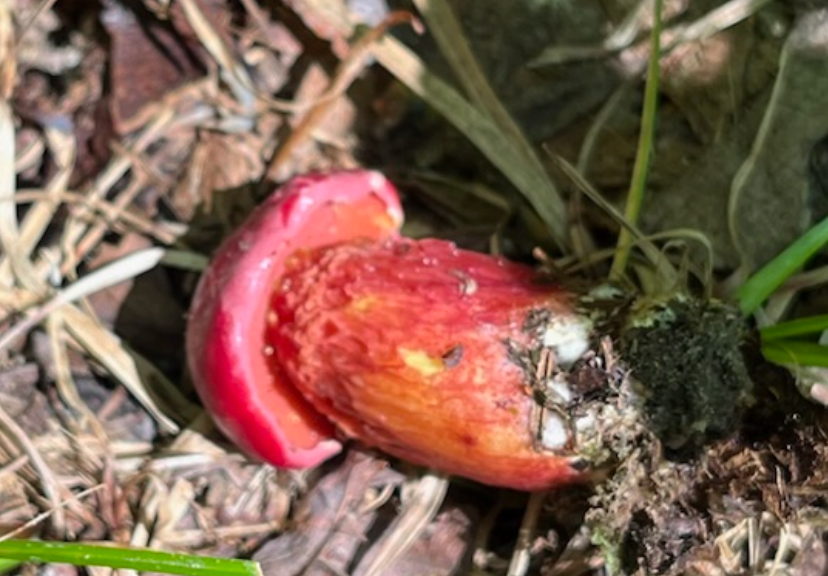
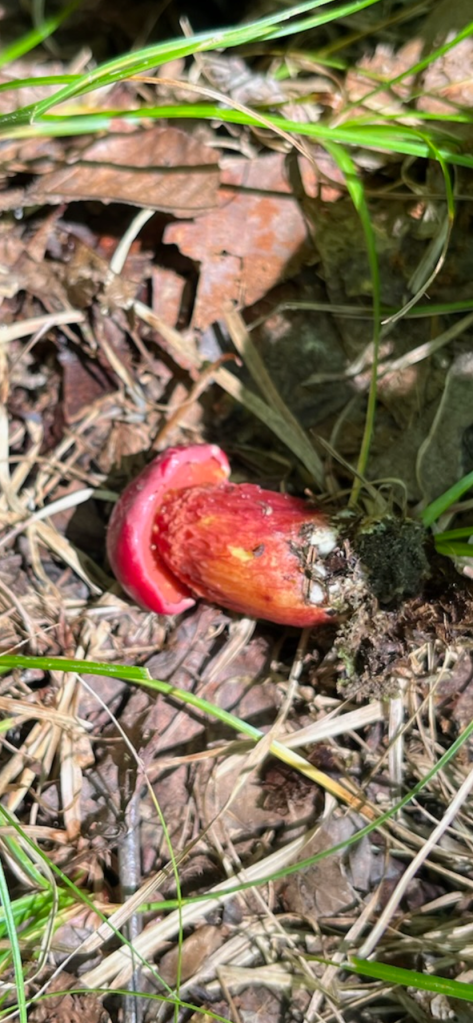
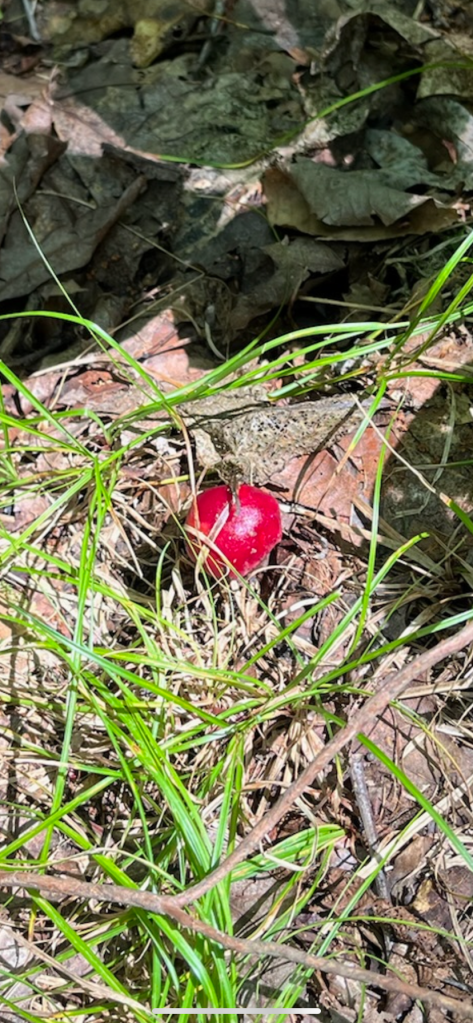
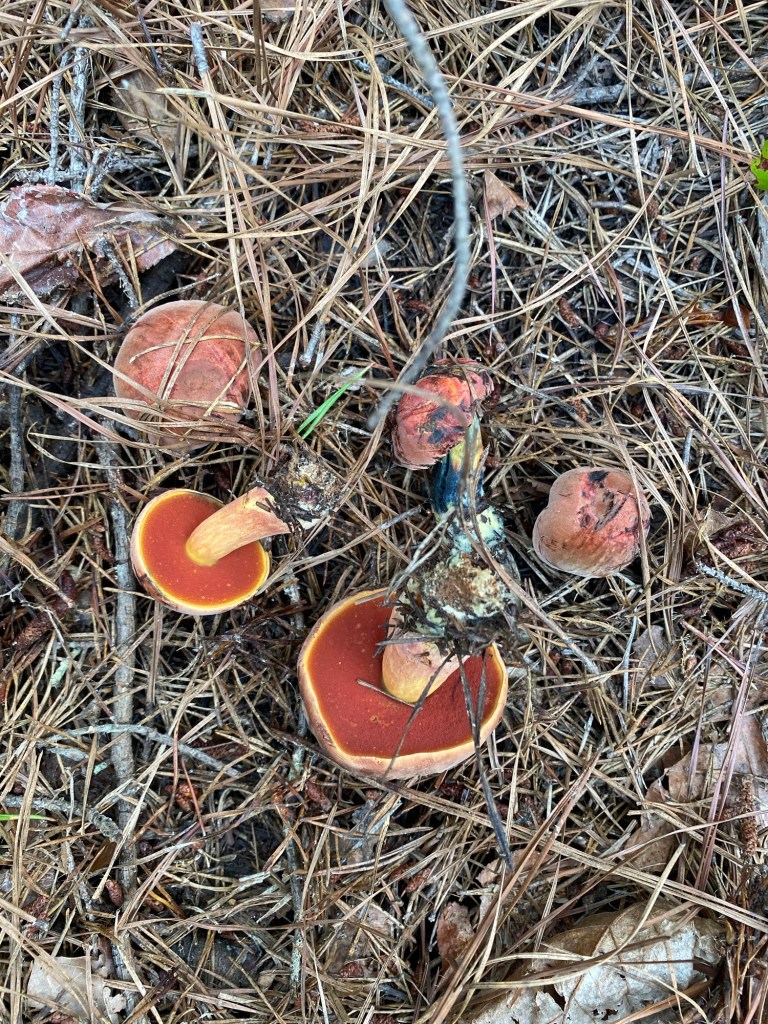
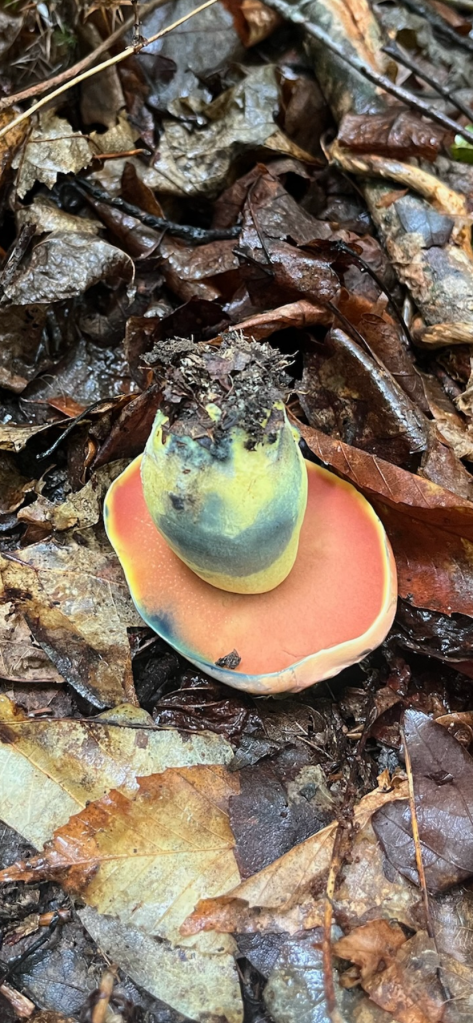
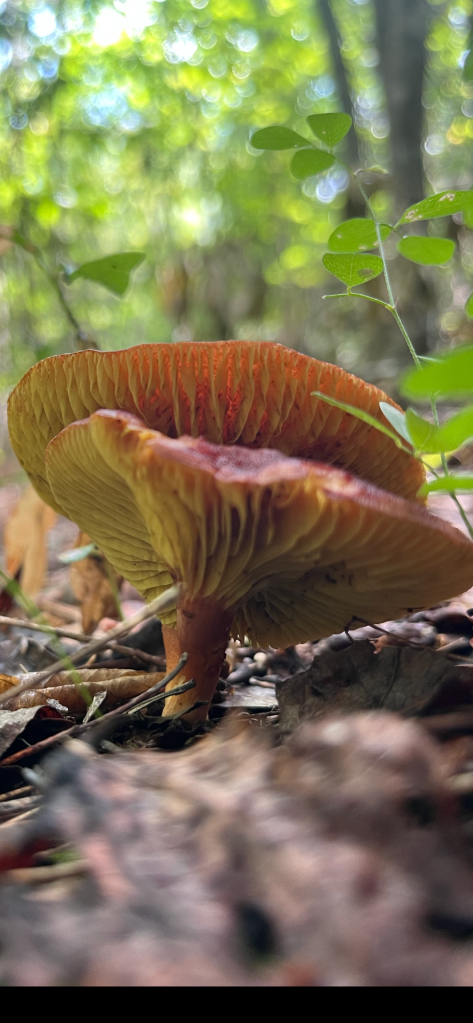
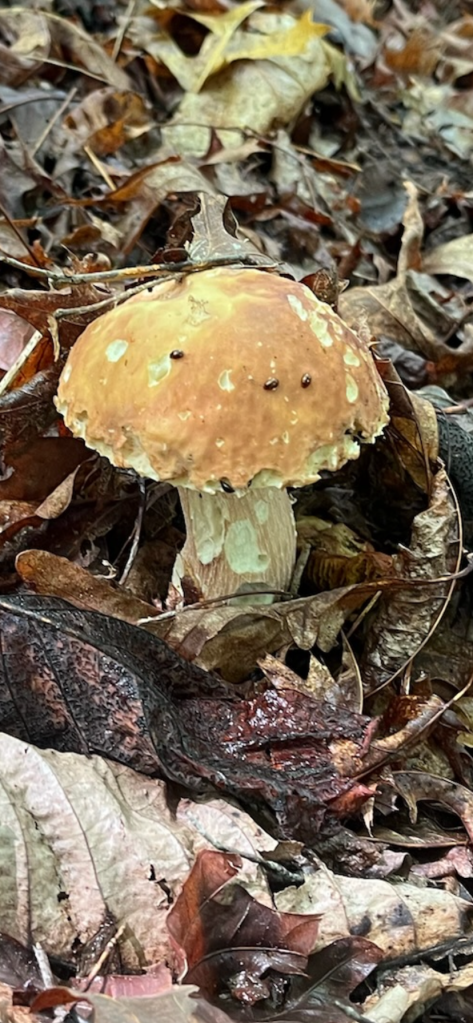
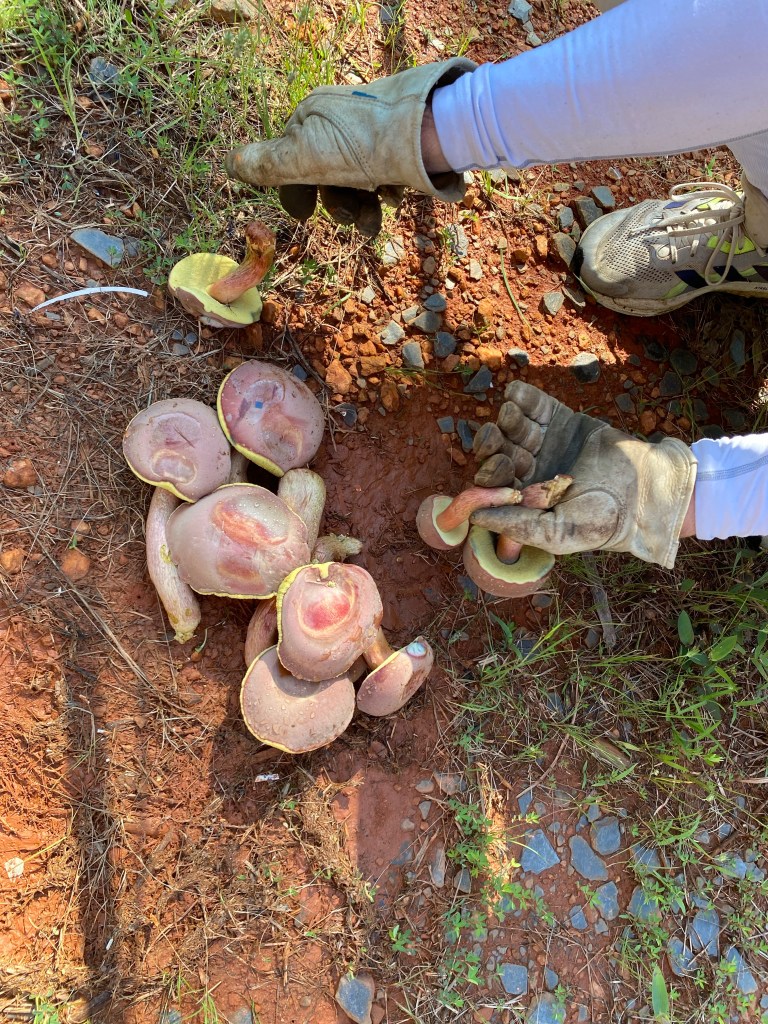
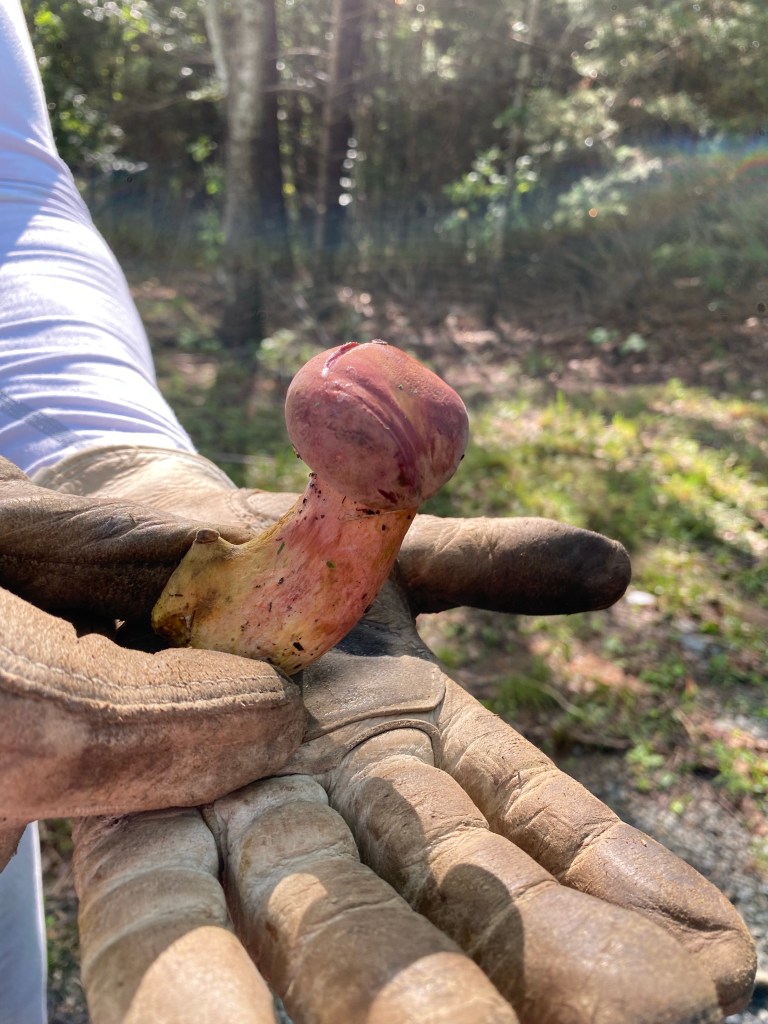
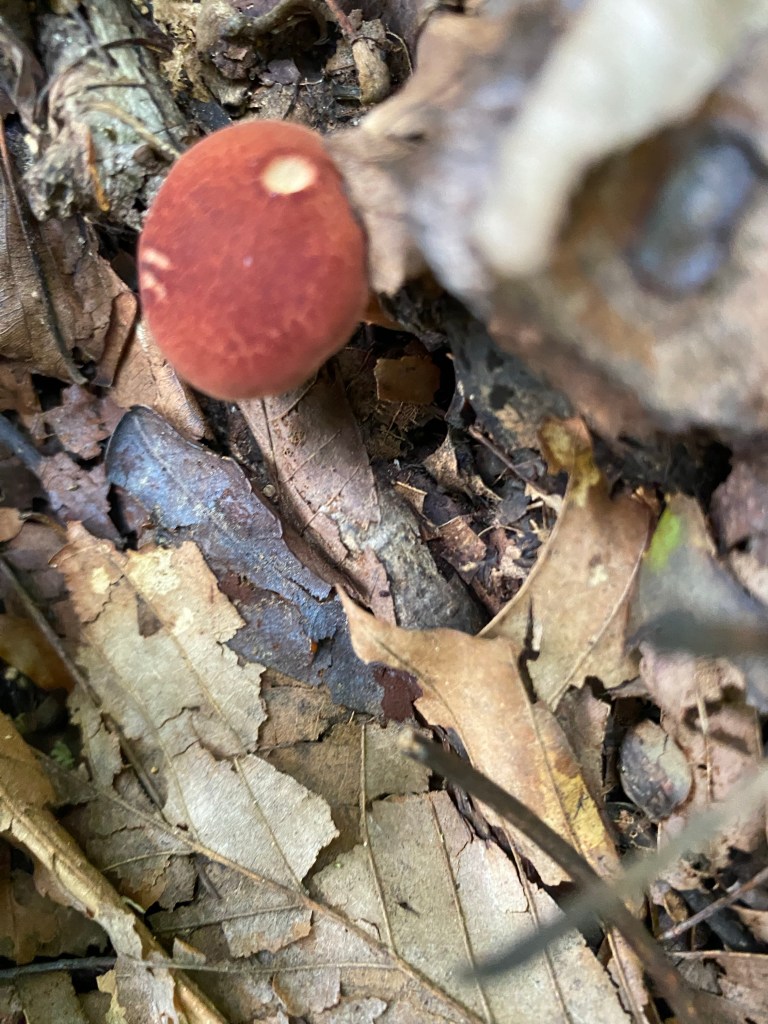
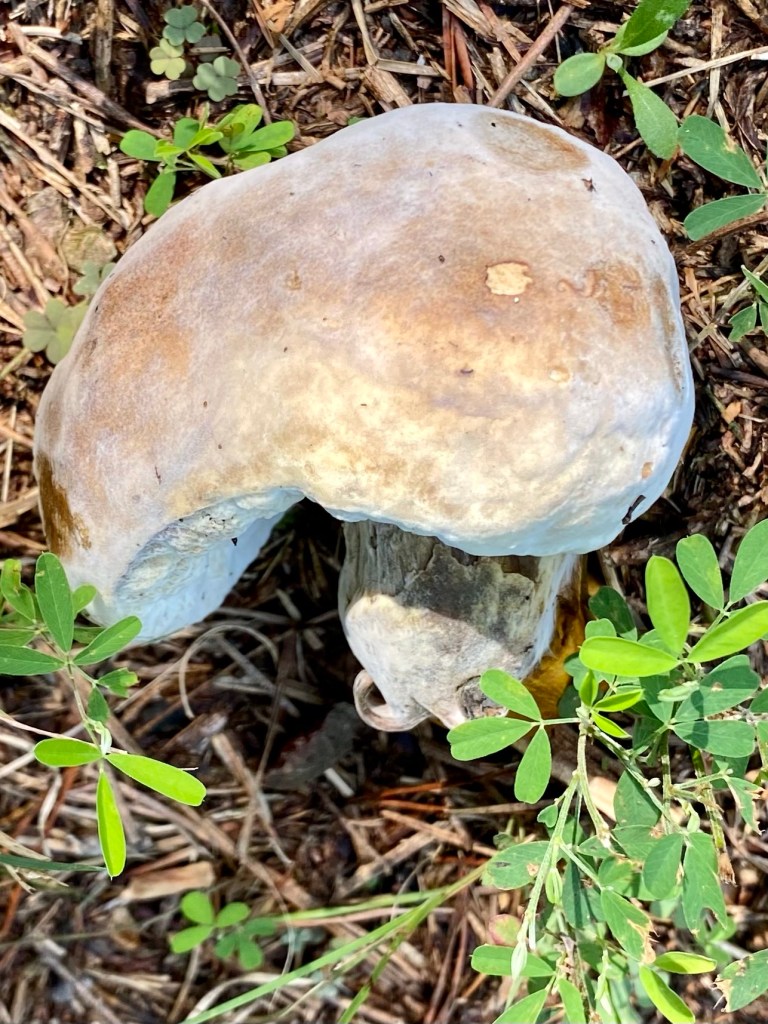
Phylloporus rodoxanthus, the gilled bolete, top above and bottom below. Considered edible but we’ve not tried it. We are only eating what we are confident is safe and accurately identified. Bolete identification is complicated although there are no deadly boletes, some can make your gastrointestinal system feel terrible. We will take our time to get to know these mushrooms.