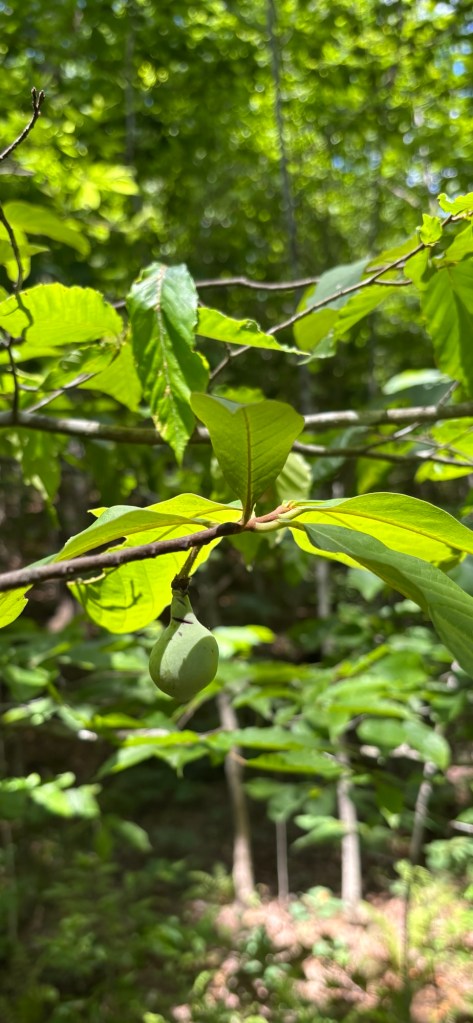
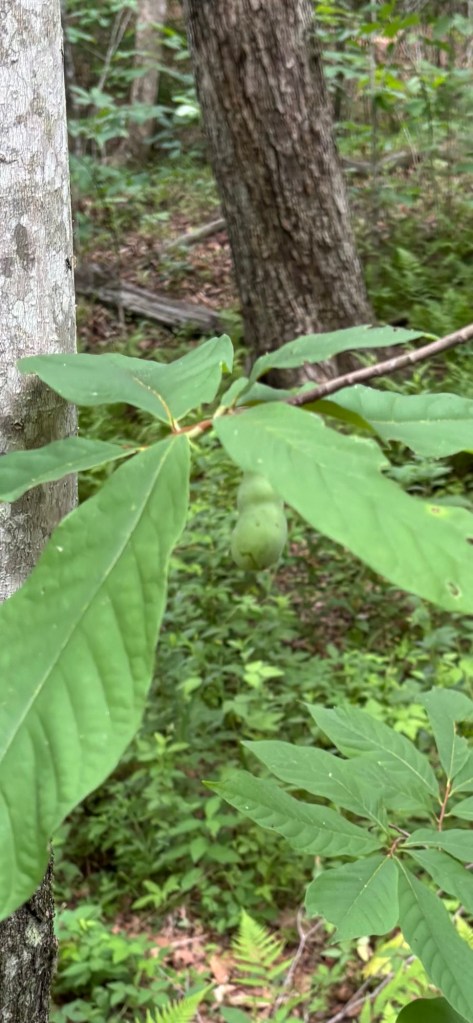
It took us eight days to complete our SAFF 2026 grafting project. We added many heirloom and named Asimina triloba cultivars to contribute to the development of the orchards. We added 20 to the Southside Sally Clonal Colony in the gully, 17 to the Pawpaw Peninsula and about 40 in the largest clonal colony across the creek. We now pray for rain to encourage the roots to grow up through the new cultivar and push through the Buddy Tape at the leaf buds. We will be watching closely for growth if we get some rain.
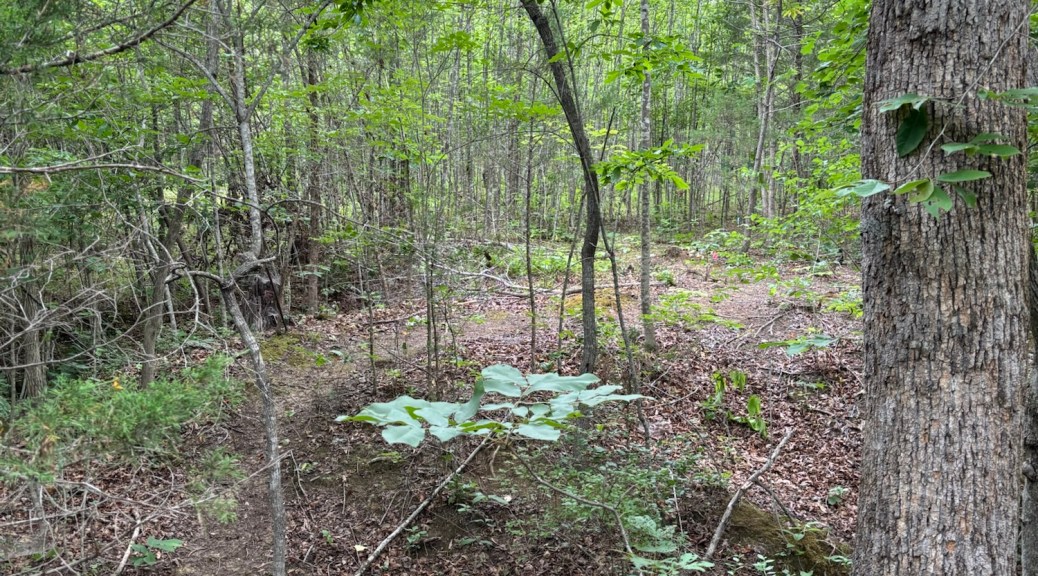
We also worked on trails. We mowed, weeded and boxed a few areas that were a bit overgrown and ticky. On the last day of working at the Southside Gully with Sally and her clonal clan, we didn’t even see any ticks. 😅 Through all of it, neither of us were bitten and we attribute it to our use of Sawyer’s Permethrin on our clothes (which is poisonous to cats when wet so take care), tucking our socks into our pants well enough, lint rollers to fend off the tiniest attackers and vigilance. Keeping the trails trimmed back and low enough so the ticks can’t get on us from the edges is important as well. We have only seen the Lone Star ticks this year yet they have been in abundance everywhere but especially in wilder spots where grasses are long. Being at the farm most of last week helped us abate the ticks some since we had the time to walk the trails and cut back overhanging trees in readiness for riding our bikes —and tractor – trailer through the widest trails. We also trimmed the grasses back with the string trimmer. Otherwise ticks would easily prevail with their constant hunting of warm blooded mammals.
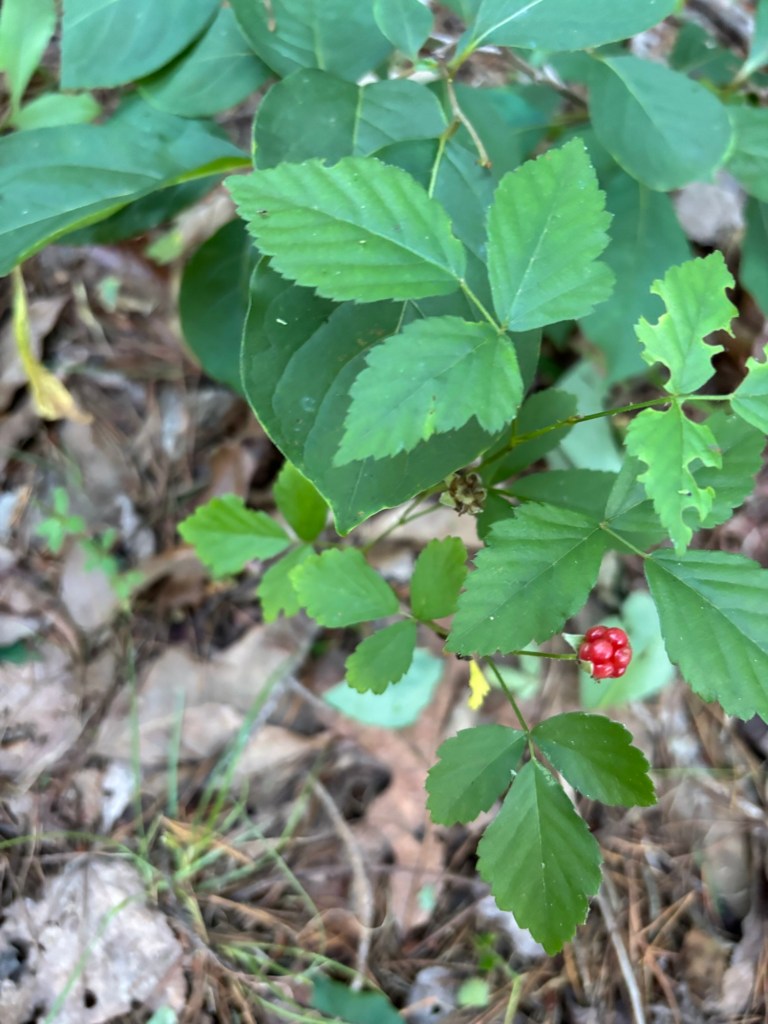
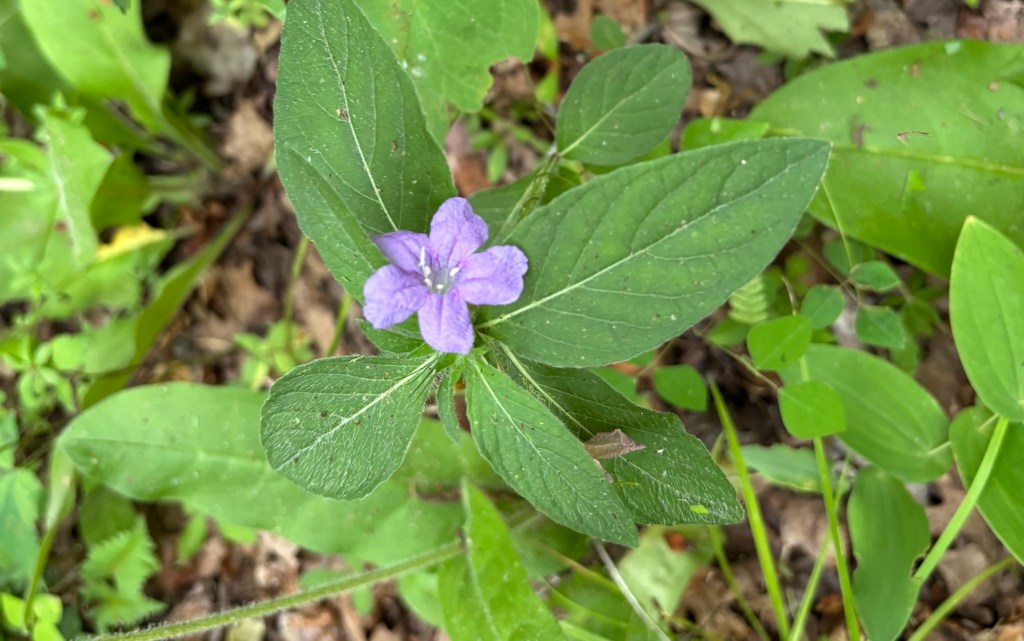
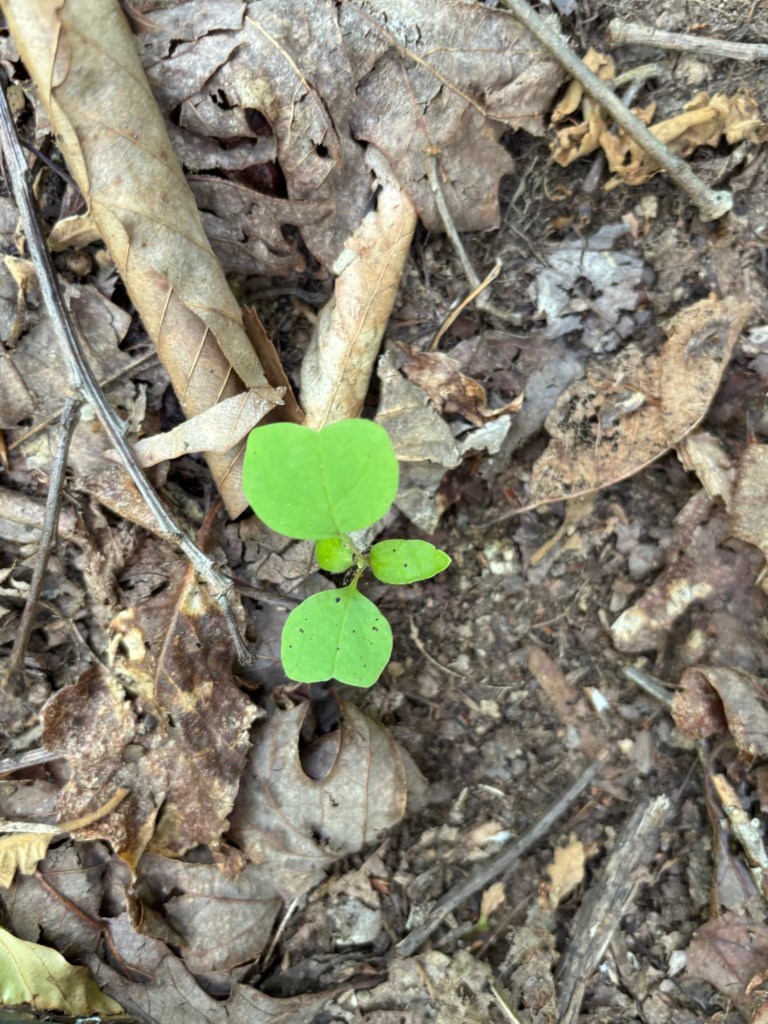
We are also in the middle of the 2026 pawpaw seeds opening and being transplanted into deep tree trainer pots to keep under our deck in the shade for the summer until we plant them at SAFF in the fall. We’ve potted up about 45 so far and have three big pots to go. It feels like new babies are being born and it’s a festive time with a lot of gratitude in abundance. The miracle of life is a beautiful thing to witness in any context. A new flower is as beautiful and miraculous and a tree is something you can watch grow for a lifetime. There’s a sweetness in watching each of them grow, that’s for sure.
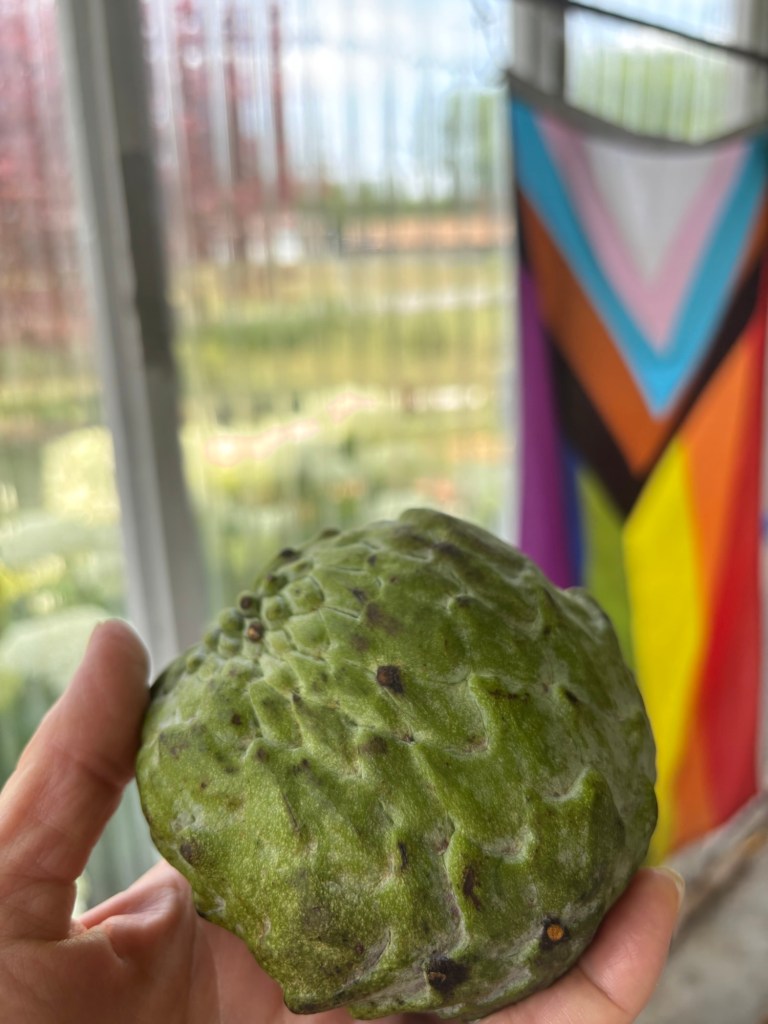
Another pawpaw related project is the Annona cherimola. We’d heard of cherimoya as it’s related closely to the American pawpaw. We couldn’t resist the description of a custardy blend of banana pineapple papaya and strawberry. It is truly delicious and like pawpaws a tropical creamy textured treat. We are saving the seeds of our heart shaped dragon scaled fruit and have one sprouting and potted up already. These won’t be cold hardy trees so they will be kept indoors or in a greenhouse in the winter in order to survive the freezing temperatures in Virginia. We have lemons and avocados already so these cherimoyas will join them in our annual migration indoors.