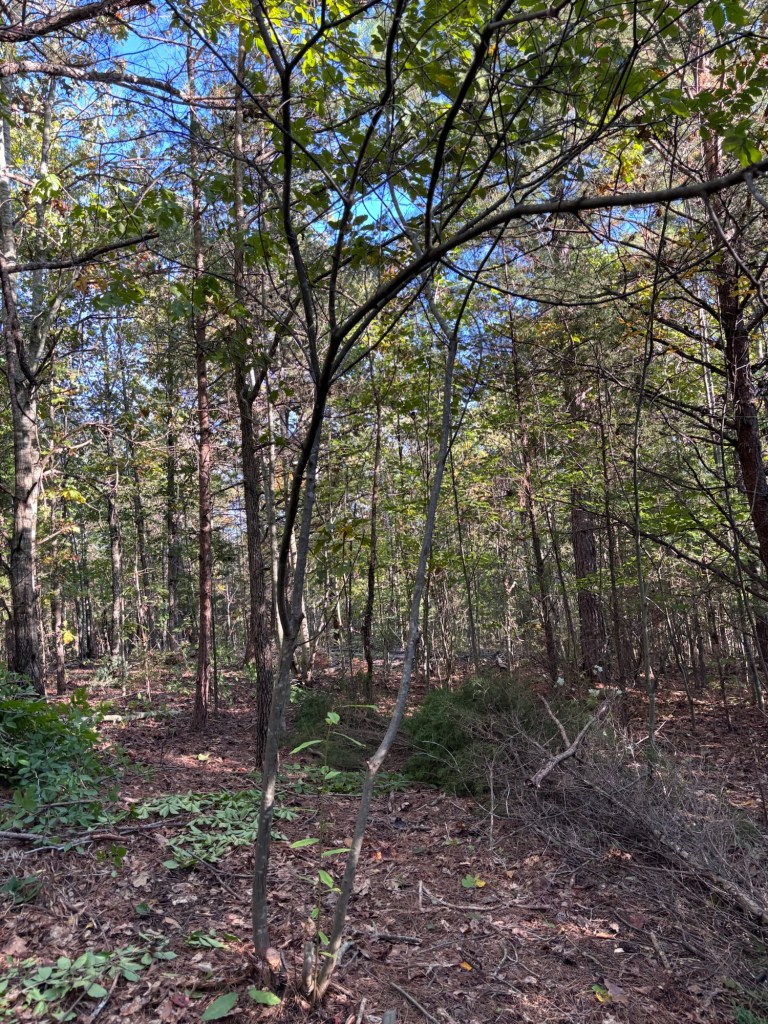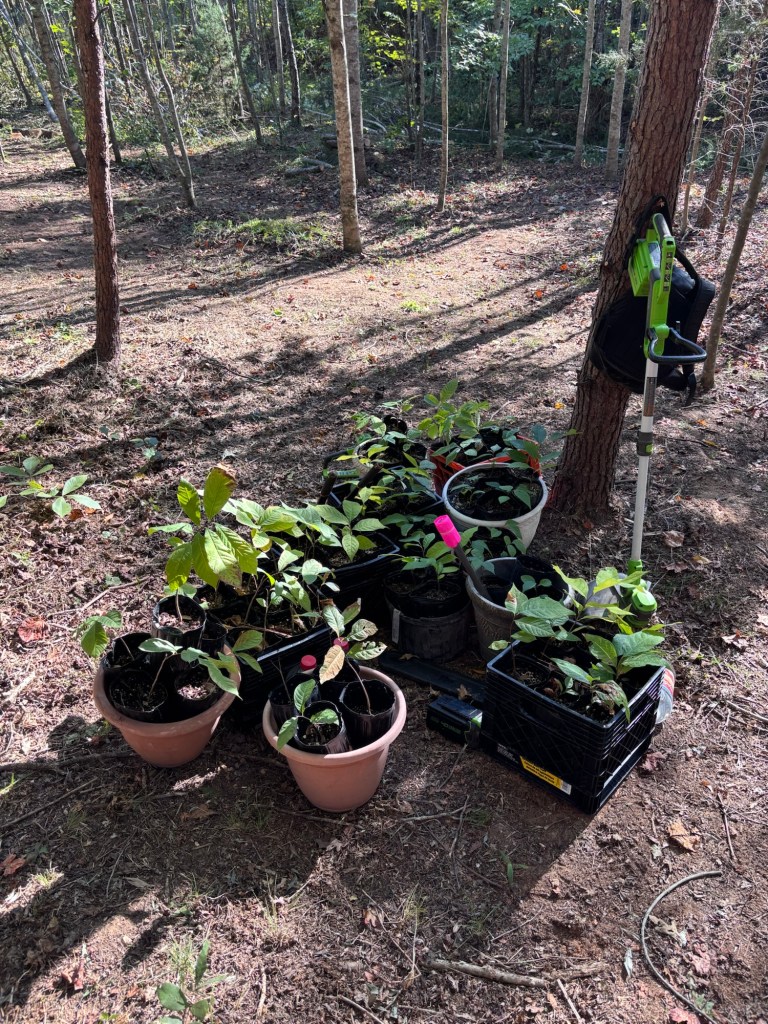
We have been pretty busy at Saint Andrews Forest Farm. We’ve made several new Asimina triloba seedling orchards: one on the north side adjacent to last year’s seedling orchard, and another on the south side gully near the Rappahanock cultivar and SAFF native wild pawpaws.
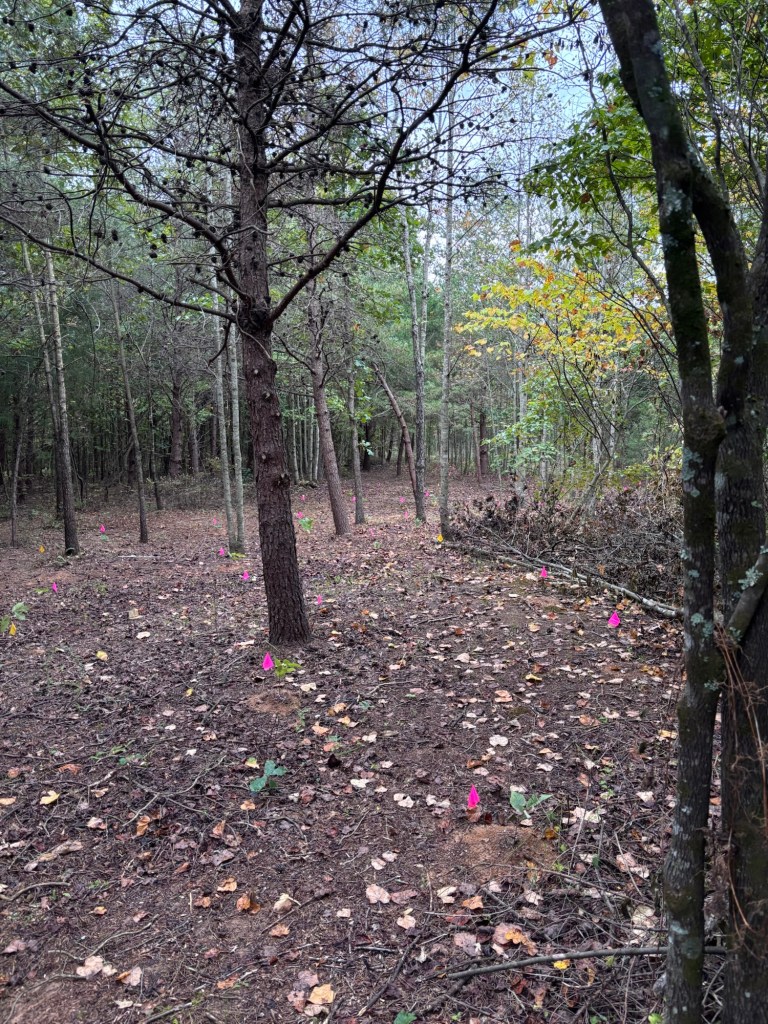
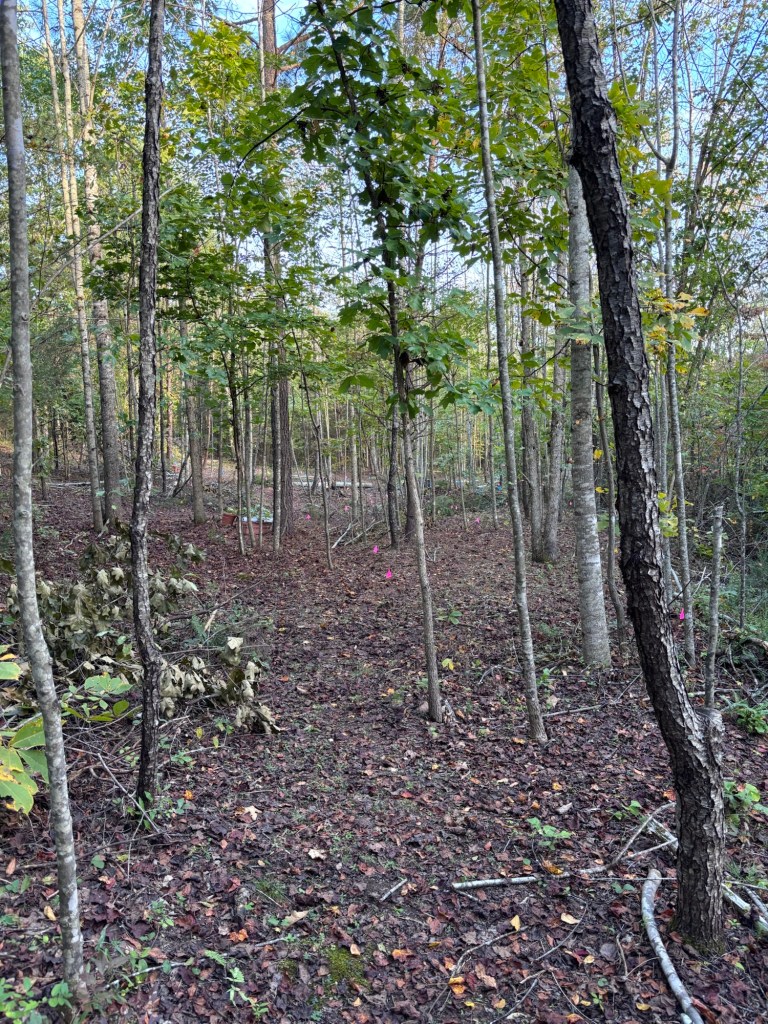
We were able to extend our roads so the tractor has access to both sides now. What a blessing this is for us this year. We also have been able to use an auger to dig our holes. These tools —along with our trailer —are making short work of planting a little more than 320 pawpaw trees this year. Last year, we were able to get about 10 at a time planted doing everything without equipment, just using our hands and hard work. This year we’ve been able to get 50 trees planted at a time. We still have Spicebush (Lindera benzoin) left to interplant with the pawpaws, but are feeling pretty confident we can get it all in the ground before frost.
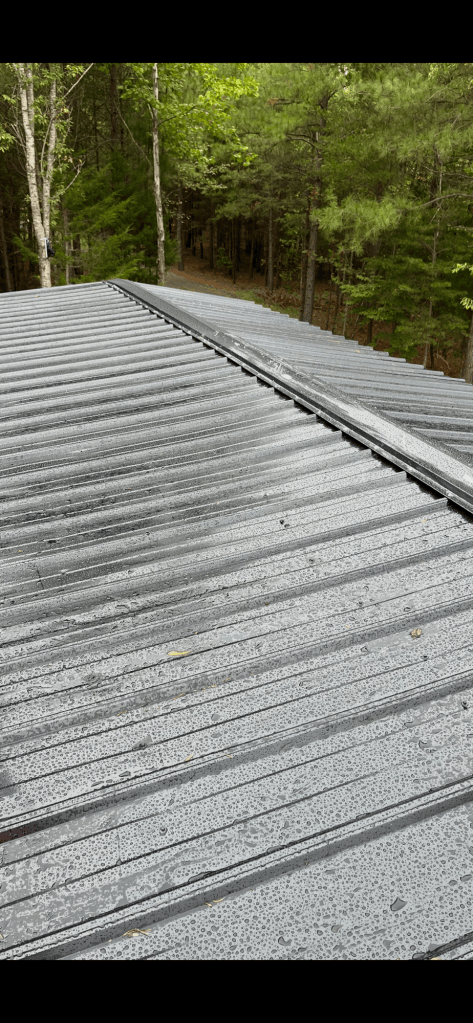
We also put the new roof on the tiny house. This was a major undertaking, project managed by Chris with assistance from Tony. It took about five full days of labor—lots of blood sweat and tears.
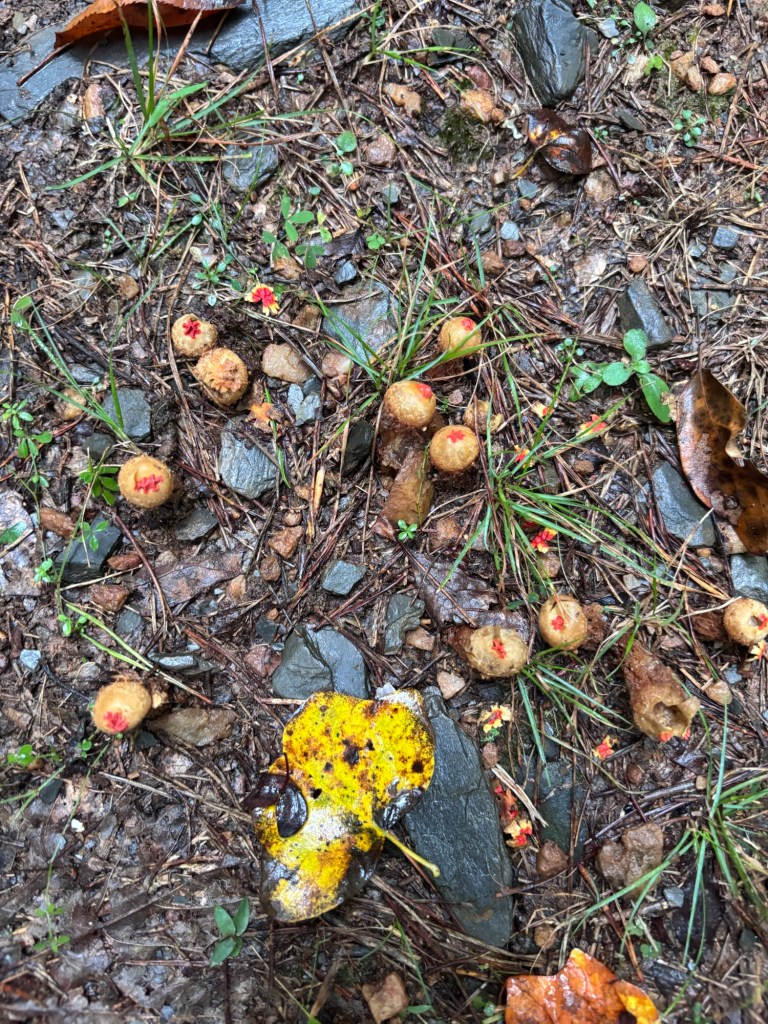
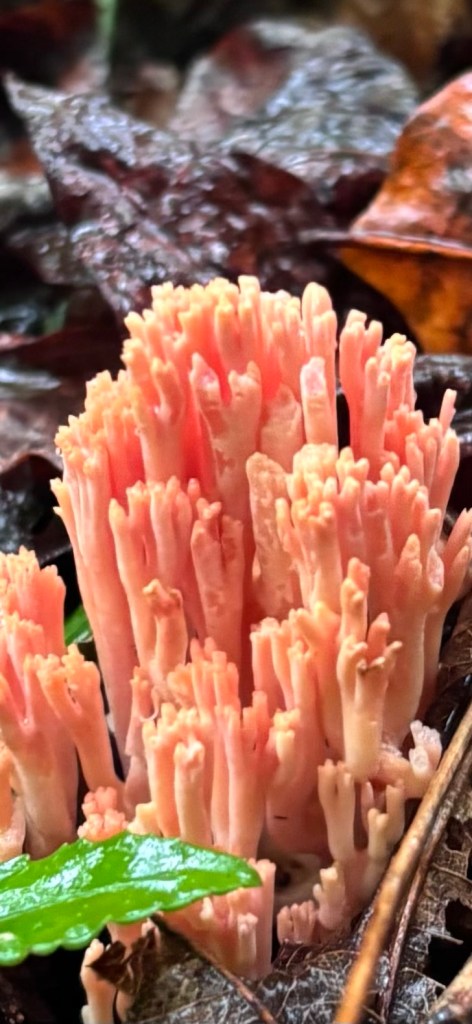
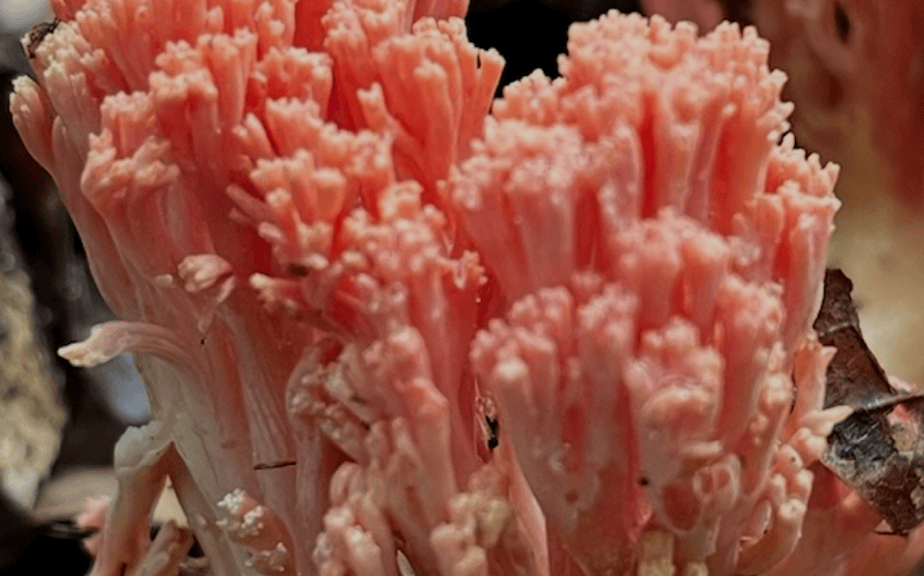
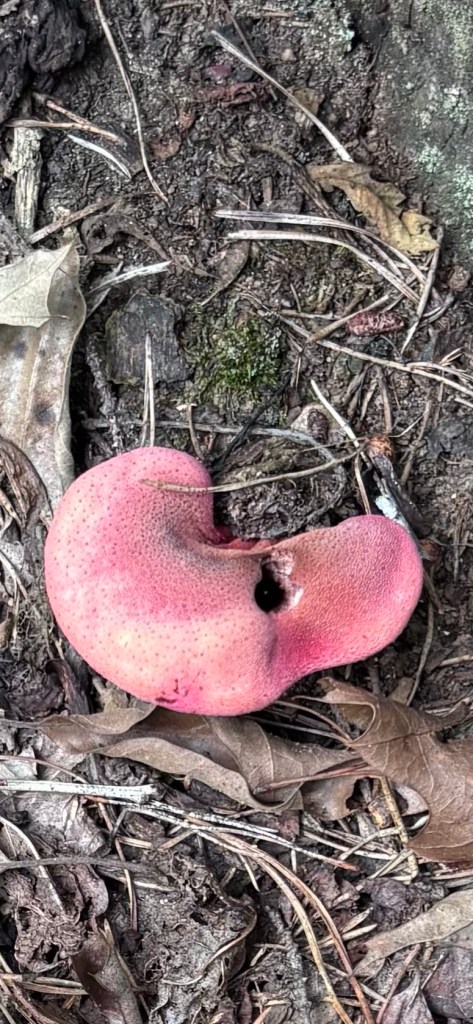
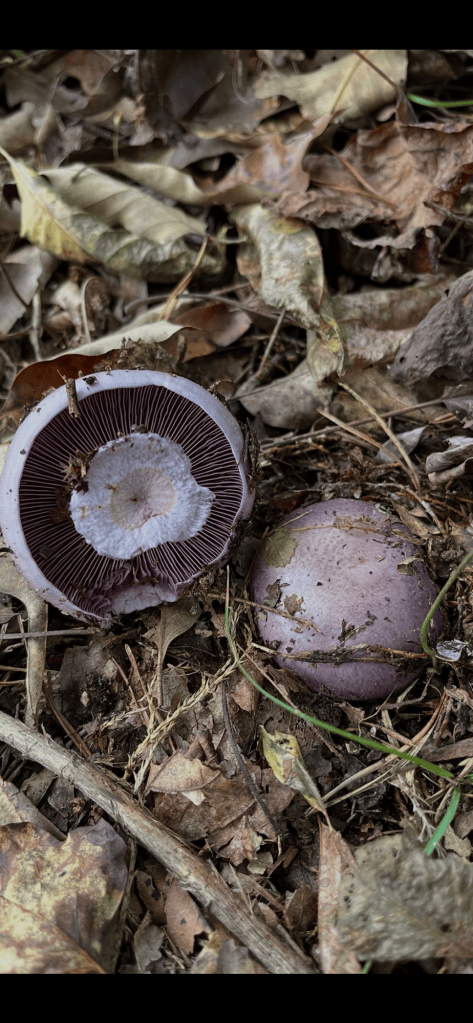
With all of the rain, we have had a nice mushroom season. We found and ate Fistulina americana, commonly called the beefsteak mushroom. It was scrumptious.
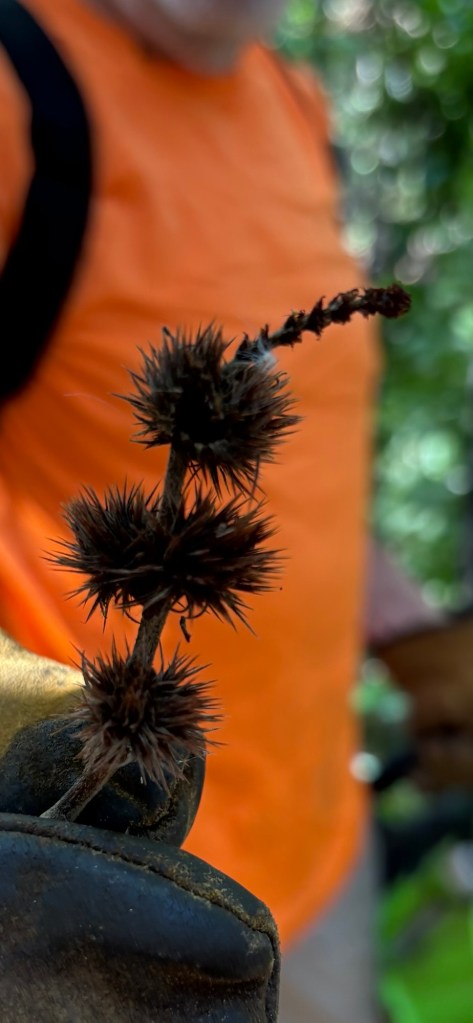
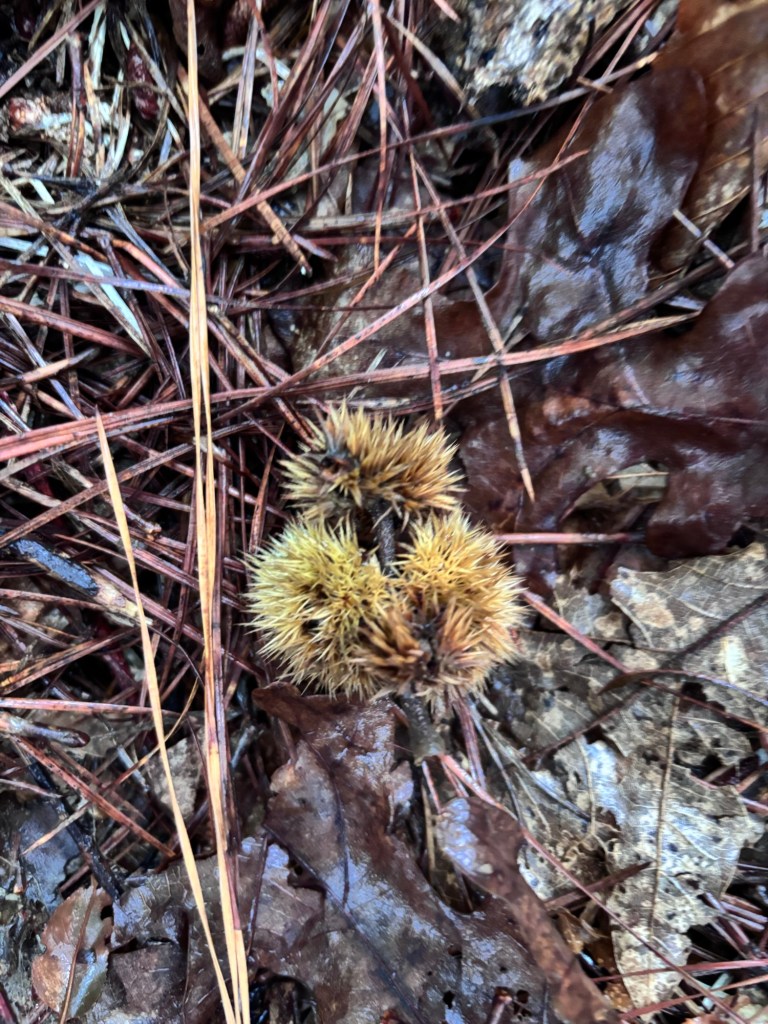
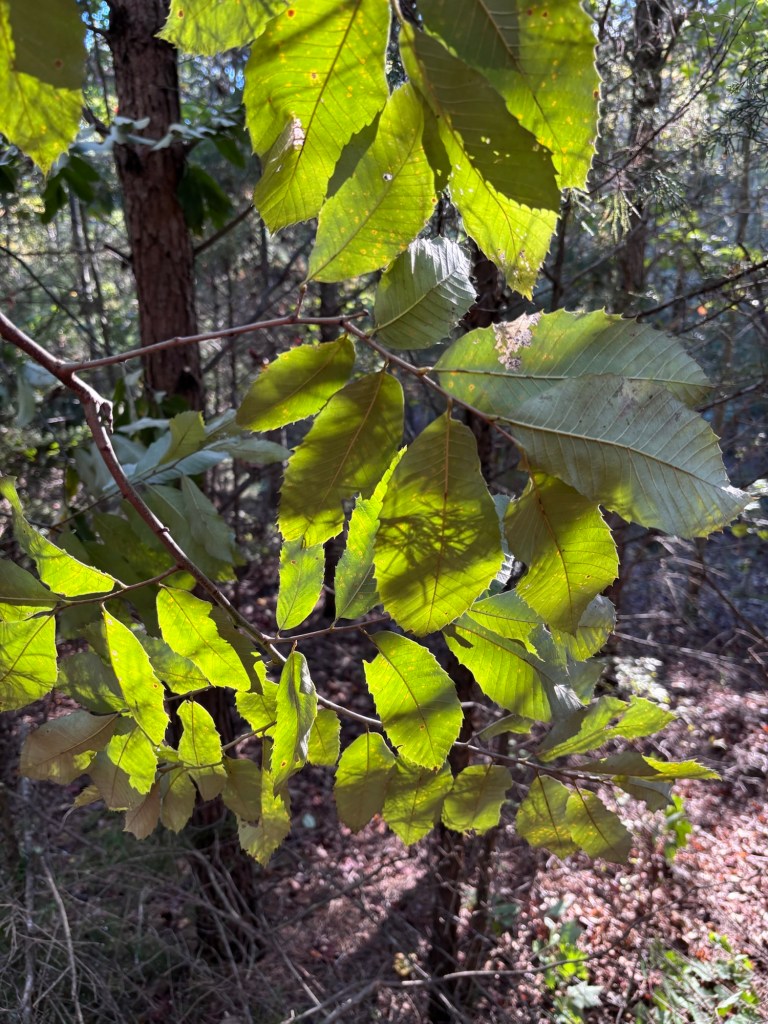
Just yesterday, a most exciting development, we were able to identify an American chestnut tree that is about 25 feet tall with no discernible orange fungal activity. The bark is split which indicates the blight in the two leaders while a small rootsucker grows from the middle. The size of it indicates blight resistance as most regenerating chestnuts die at 15 feet or less. The roots stay alive to continue trying to produce a mature tree. We noted evidence of this by the main waterway. A sprout that grows and dies before it can reach maturity.