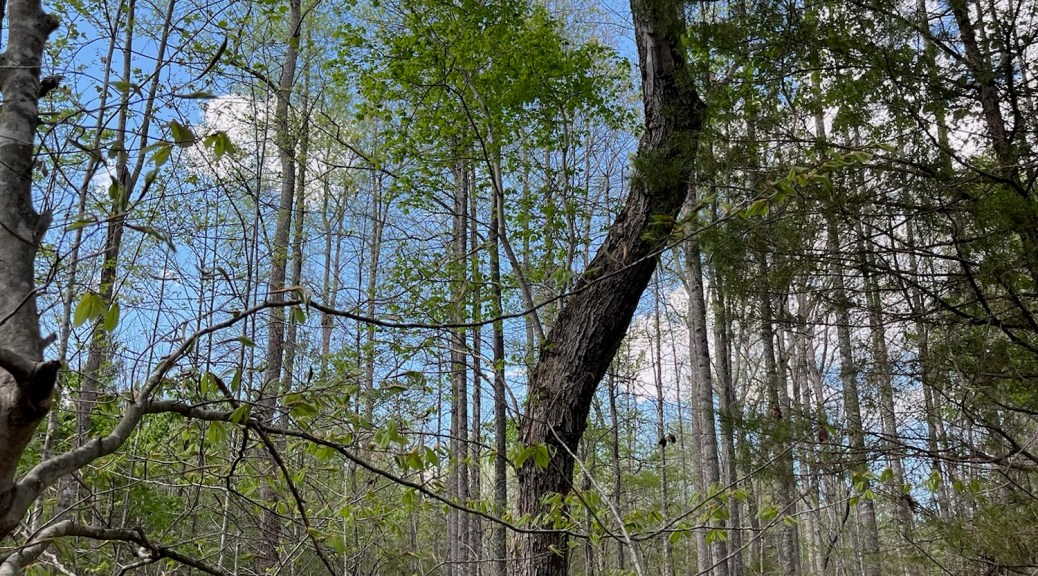
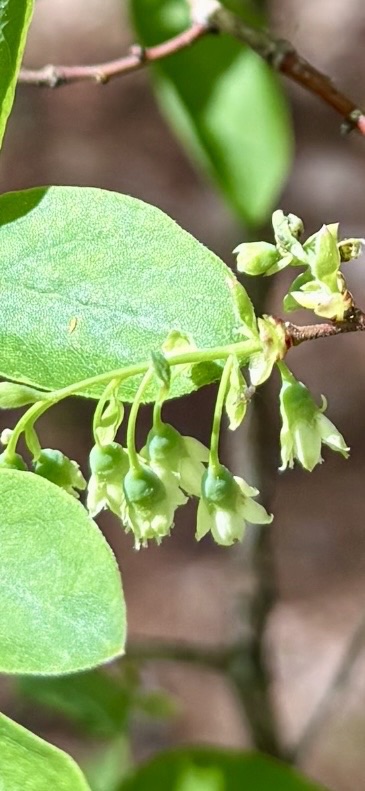
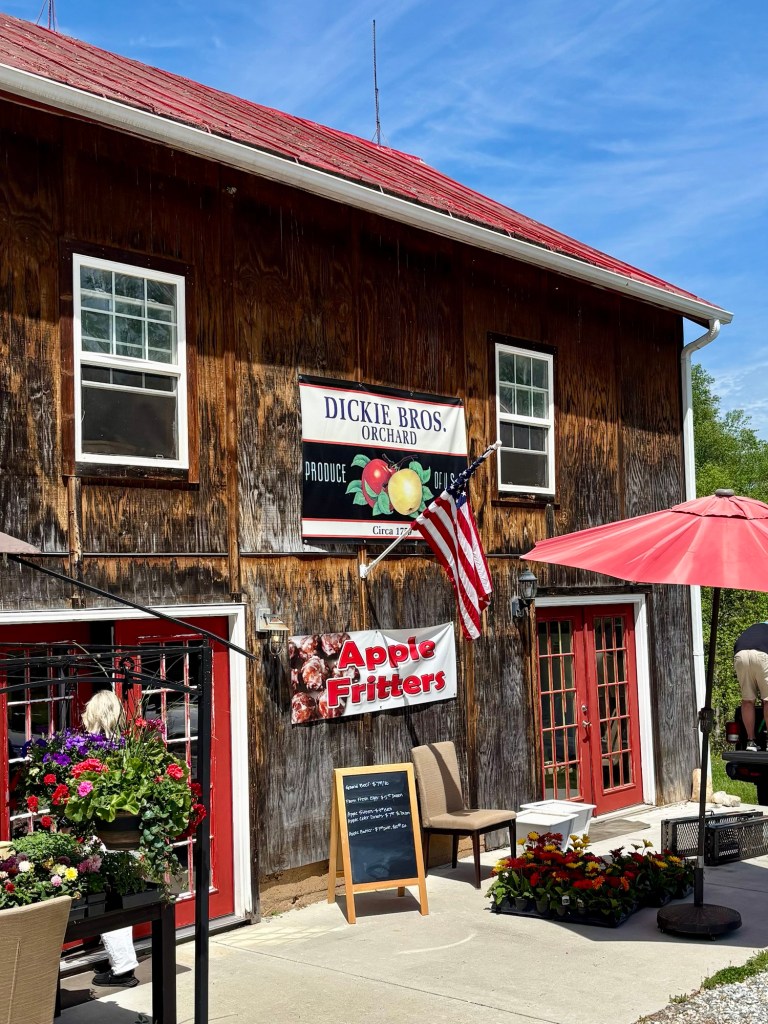
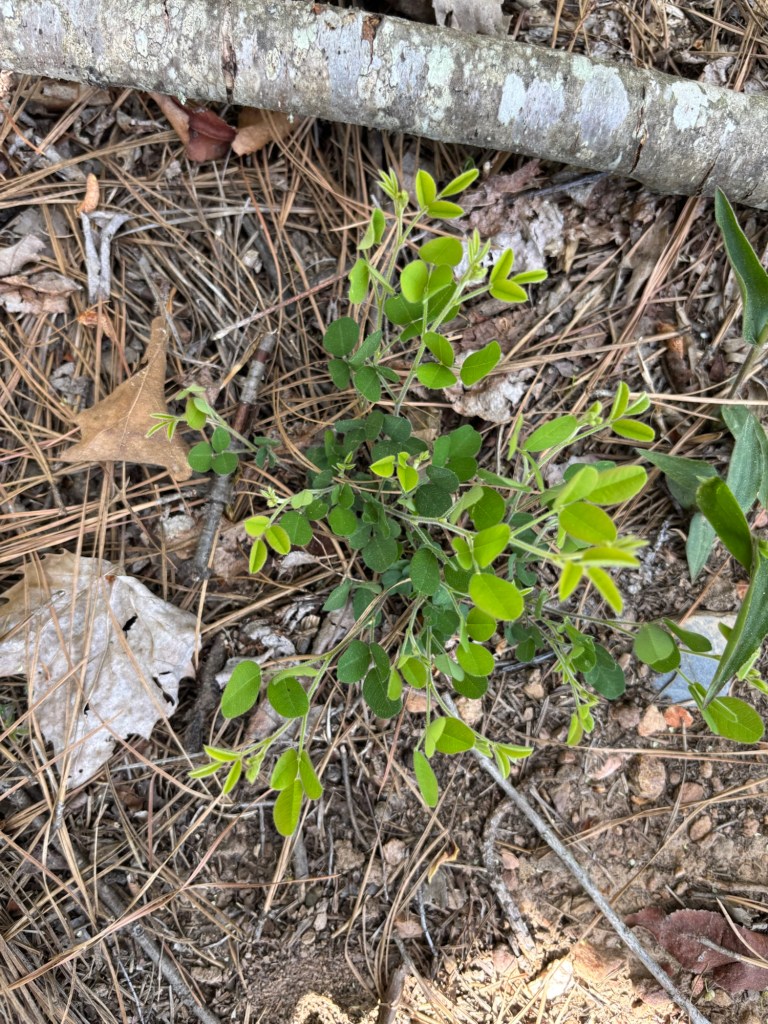
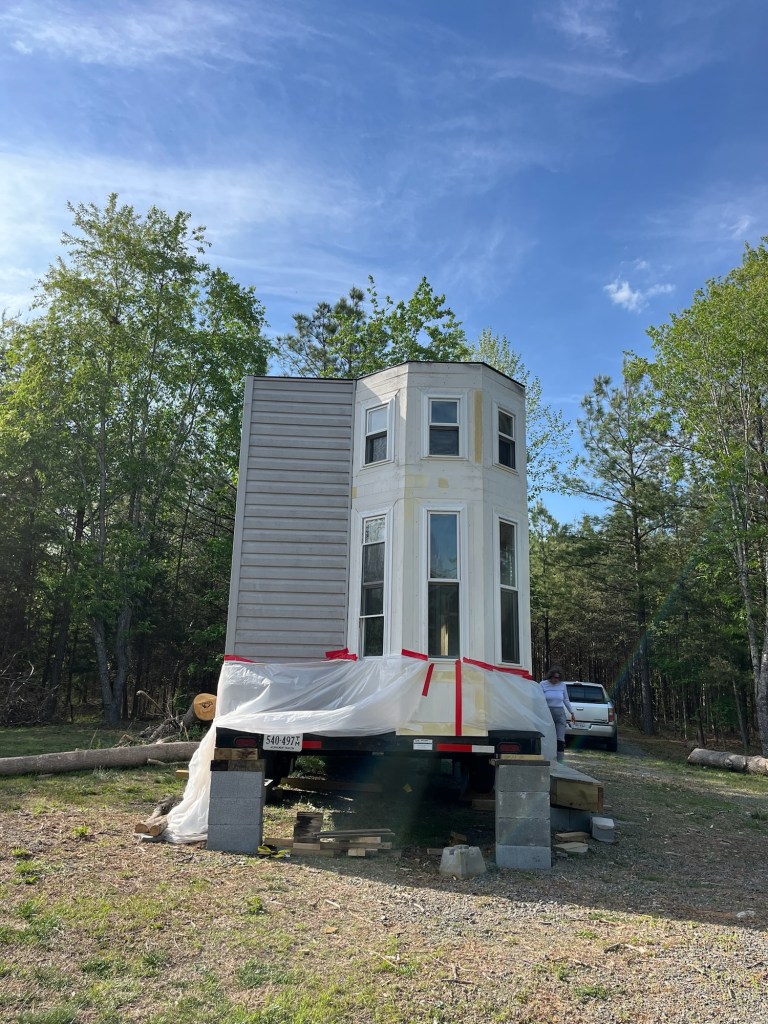
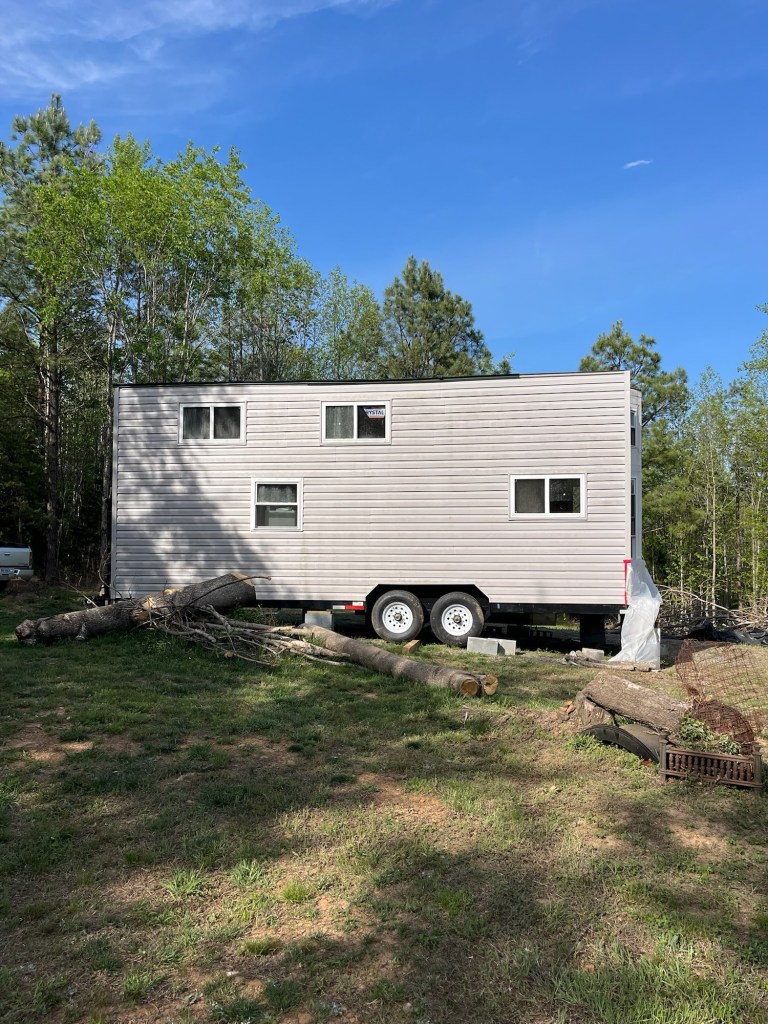
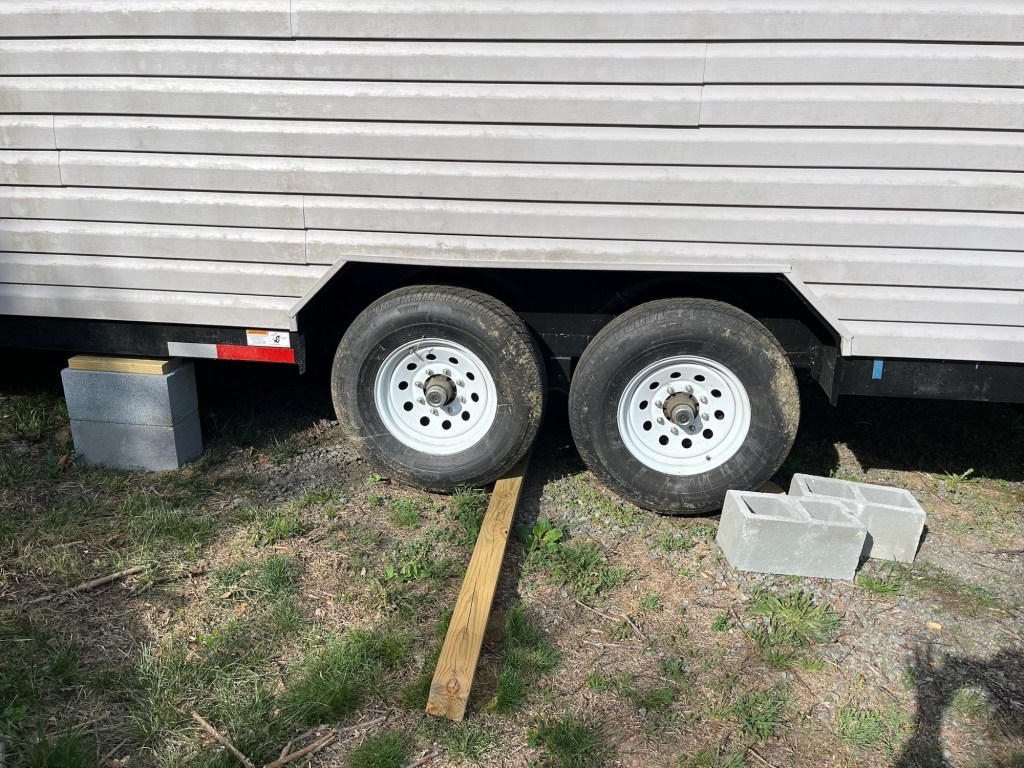
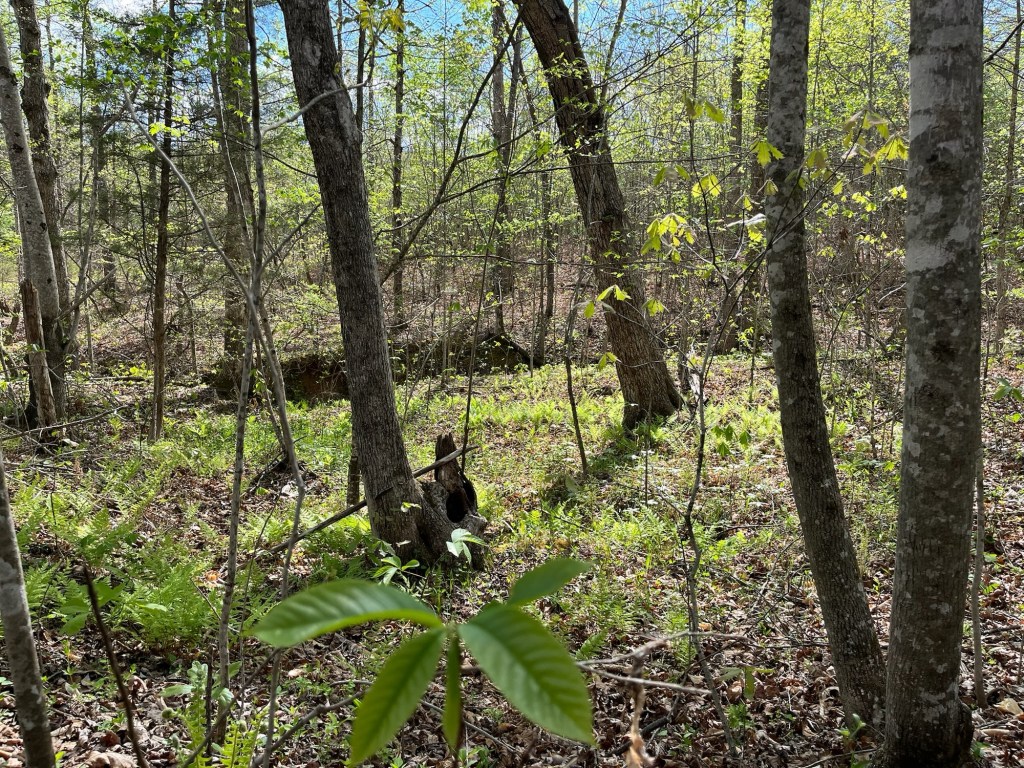
Deerberry, Vaccinium stamineum, about 7 feet tall along SAFF Northern Trail overlooking Blueberry Hill Trail. We stopped on our way to the farm and got strawberries and farm fresh eggs at Dickie Bros. Orchard in Afton, Virginia. We are still enjoying the fruit, and the eggs were not only way more delicious, they were less expensive than the grocery store. Just saying. $5Lespedeza repens, creeping Lespedeza or creeping bush clover, is a native low growing perennial. The small pea like pink and purple flowers attract pollinators from late spring through early fall. It also thrives in dry sunny conditions making it a good ground cover. We will interplant this for erosion control and nitrogen fixing near our Asimina triloba and other fruit & nut trees and other plants. It is similar in appearance to invasive and more aggressive plants so we are happy to finally identify it as beneficial since it’s everywhere at SAFF. We also do have the invasive and aggressive Chinese bush clover (yet, since it’s a nitrogen fixer, we’re less bothered by it than the Japanese stiltgrass and Japanese honeysuckle. We’ve got plenty of those especially along our fertile bottoms that get sun. The stiltgrass is erosion control right now and will need to be replaced with non aggressive natives like this creeping bush clover when we get to it.) We pull out the Japanese honeysuckle wherever we see it. It’s in the forest and on the trails. We rip it out of the ground with its root system and hang it from the tree it was strangling to dry and die. It feels like good therapy to save trees from noxious vines.Tiny house leveled up nicely. Chris has been working hard on these hot days using jacks and cinder blocks and wood.The back of the tiny house on wheels with the paulownia logs and sticks on the ground. We decided to use the logs from taking down the paulownias last month to make terraces along the slopes for our planting. Wheels off the ground!A nice pic Chris took of the old clonal colony pawpaw patch with lots of new leaves coming out. The ground is covered with ferns over a vernal pool that is almost always squishy and wet. The old colony has grown around this wet area with roots going five feet deep for what could be centuries —if as we suspect all of these hundreds of trees are from one individual. It’s anchored itself firmly to where it can access moisture and grown a thicket of itself. We can see the oldest and tallest of the trees are 20 to 25feet tall and the youngest just year old sprouts. This colony is full of rootsuckers. This is how the colony can live on and on when the typical life of an Asimina triloba seedling not allowed to root sucker is 45-50 years.
We mowed the main clearing for the first time this season. Spring is always a ticky time at SAFF. We have especially been seeing the lone star ticks. Mowing helps. It’s been very dry this season yet the lone stars are looking for a meal so be careful out there on the trails. We decided not to mow the slopes in the clearing and will leave it to the butterflies and critters. Leaving it long will help with erosion control. We mowed wide paths to our trails and around the slope to keep our tick experience walking around low on the paths. We also spray permethrin on our shoes and legs this time of year and tuck our socks into our pants. Any other tips, please feel free to comment below.
Last night, we ordered 41 Scion wood cuttings from various Peterson and other Asimina triloba cultivars and also including 2 American persimmon Keener cultivars, Diospyros virginiana. We plan to graft about half of the pawpaw Scion onto the old colony pawpaw patch, Asimina triloba. This will be a more permanent solution to getting novel dna into the colony much faster and more easily than anything else. We can make branches or trees with the Scion wood depending on the size of the root sucker we transplant the Scion wood onto in our clonal colony. Grafting produces fruit quicker , usually in 4 years. We have begun studying grafting techniques by watching plenty of YouTube videos from trusted advisors and are collecting the supplies for our continued Pawpaw Project at SAFF. We will keep you updated.
 St Andrews Forest Farm
Thanks for subscribing to my blog 🙂
I read pieces of it to my partner last night. It is really good to hear your voice and thoughts. I’m grateful for your blog. 🙏🏼