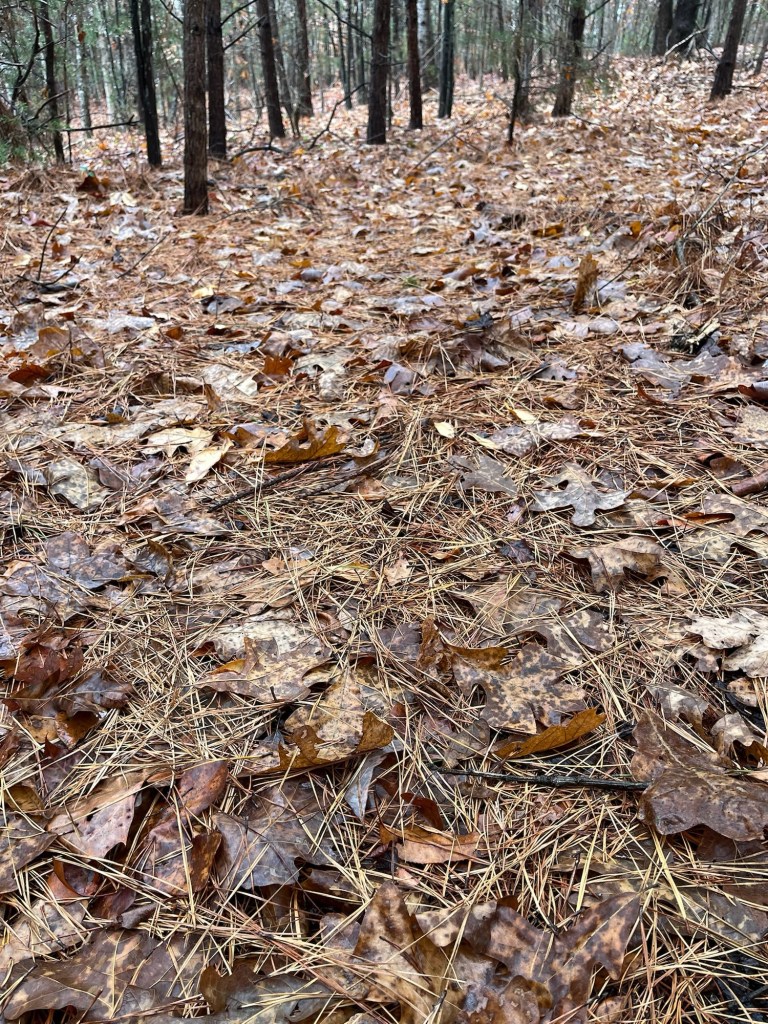
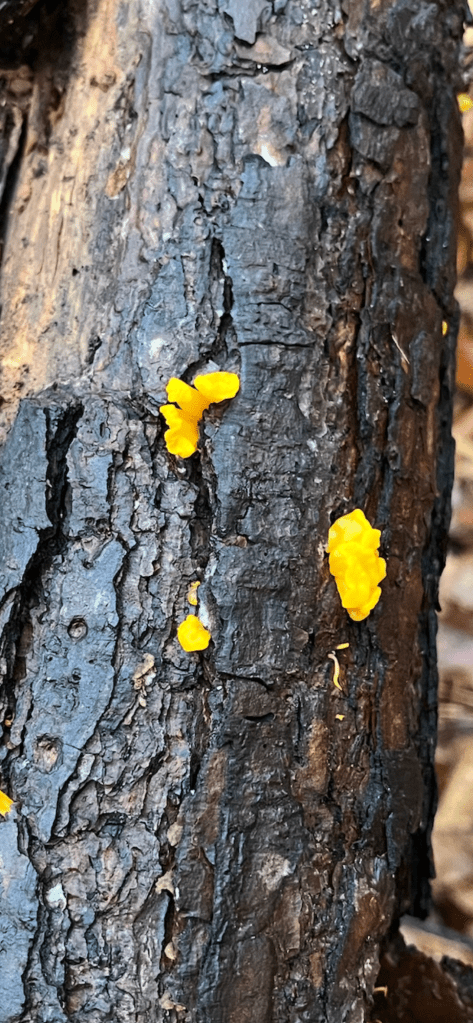
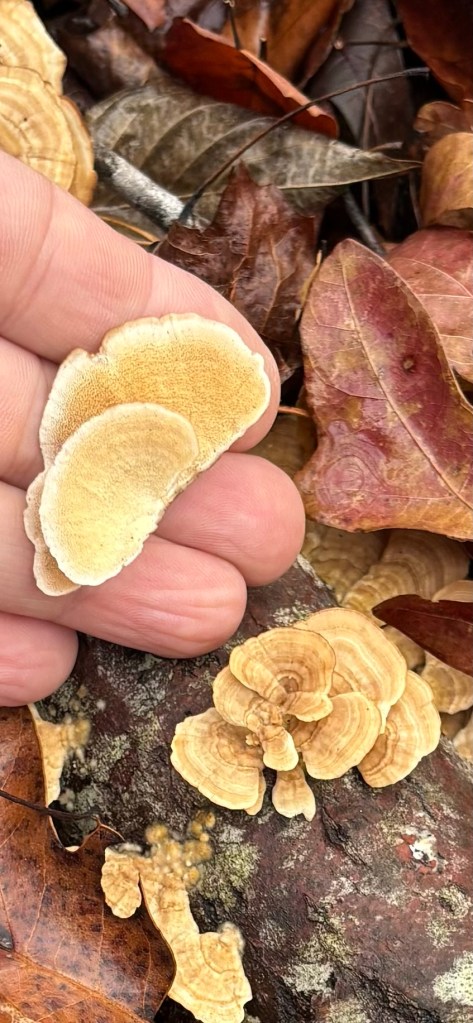
We got an early start yesterday to spend a rainy morning and afternoon at St Andrews Forest Farm. We got interior shed work completed after a lovely walk. Being in the forest with the rain falling is especially calming.
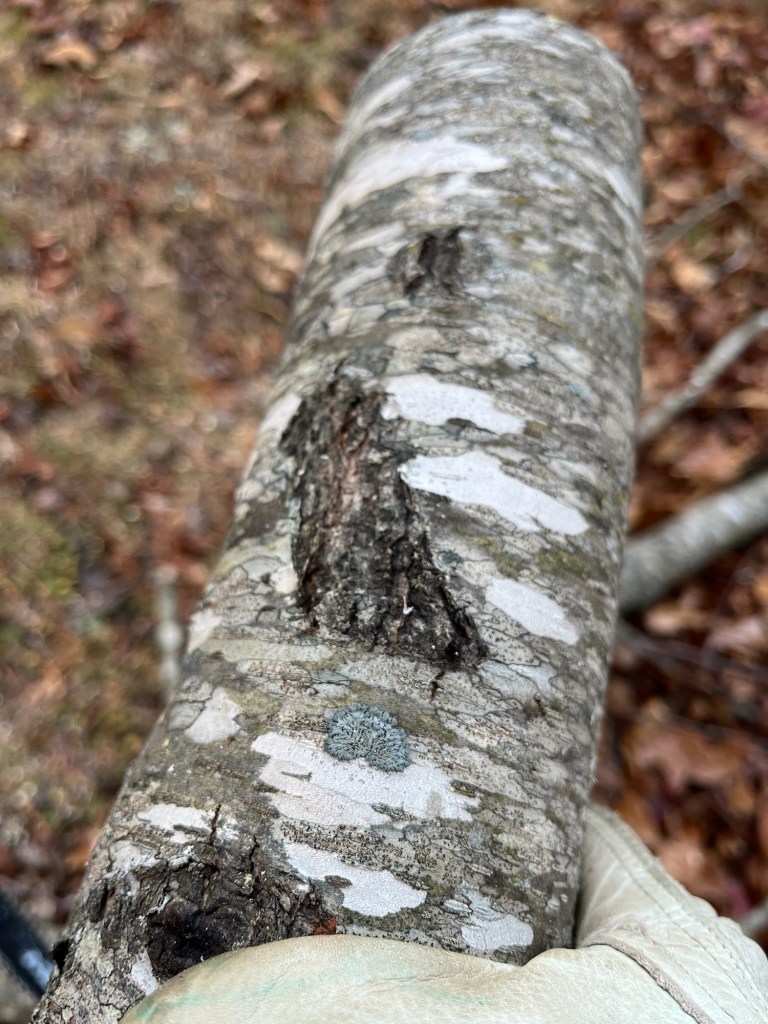
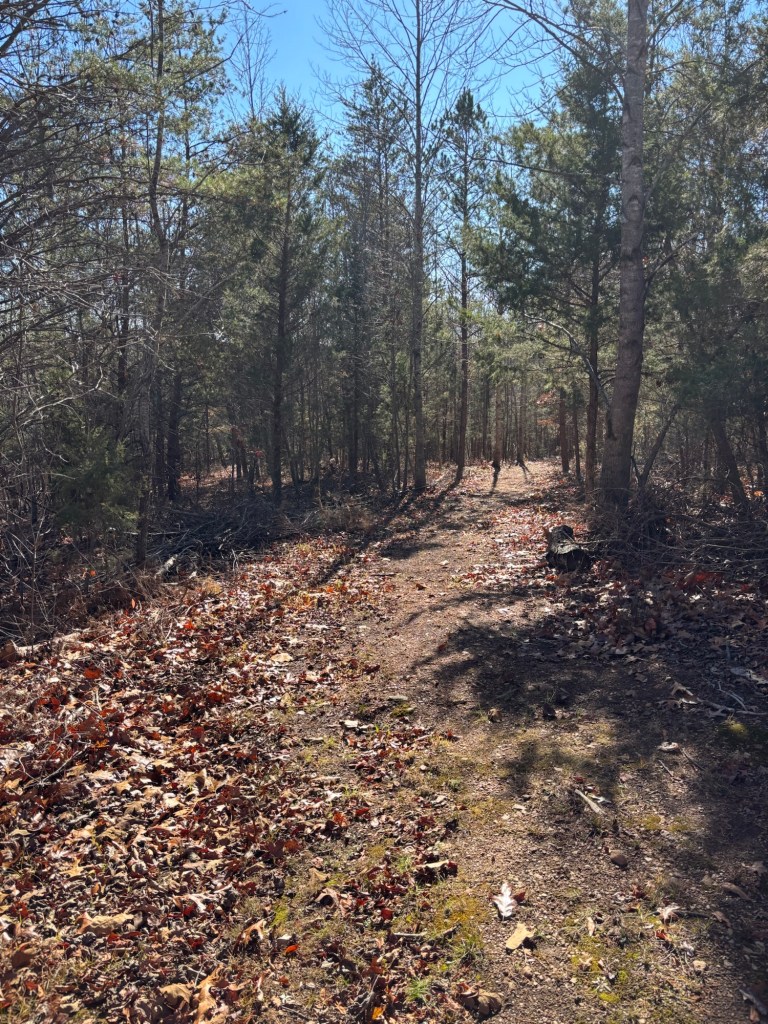
We got an early start yesterday to spend a rainy morning and afternoon at St Andrews Forest Farm. We got interior shed work completed after a lovely walk. Being in the forest with the rain falling is especially calming.
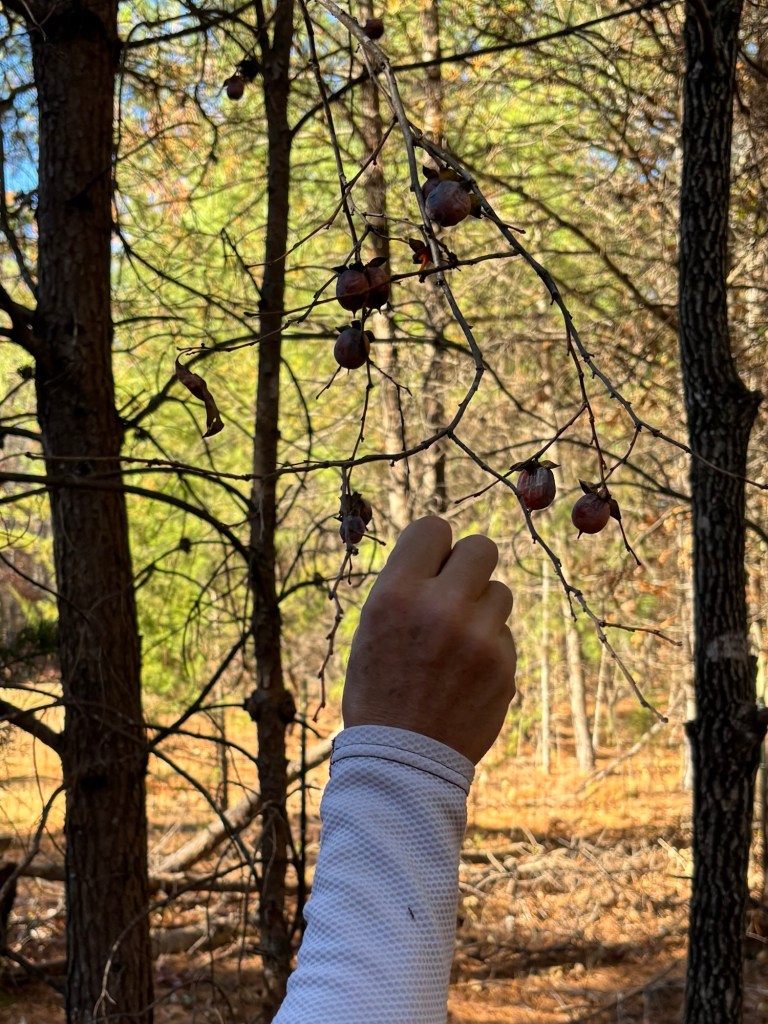
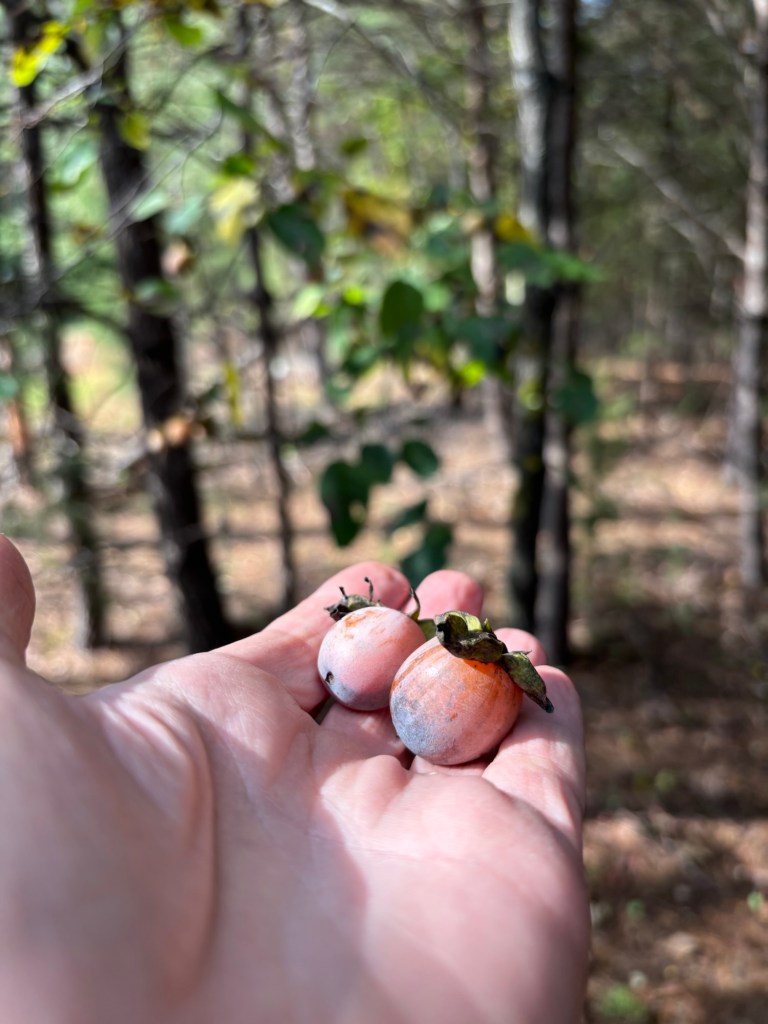
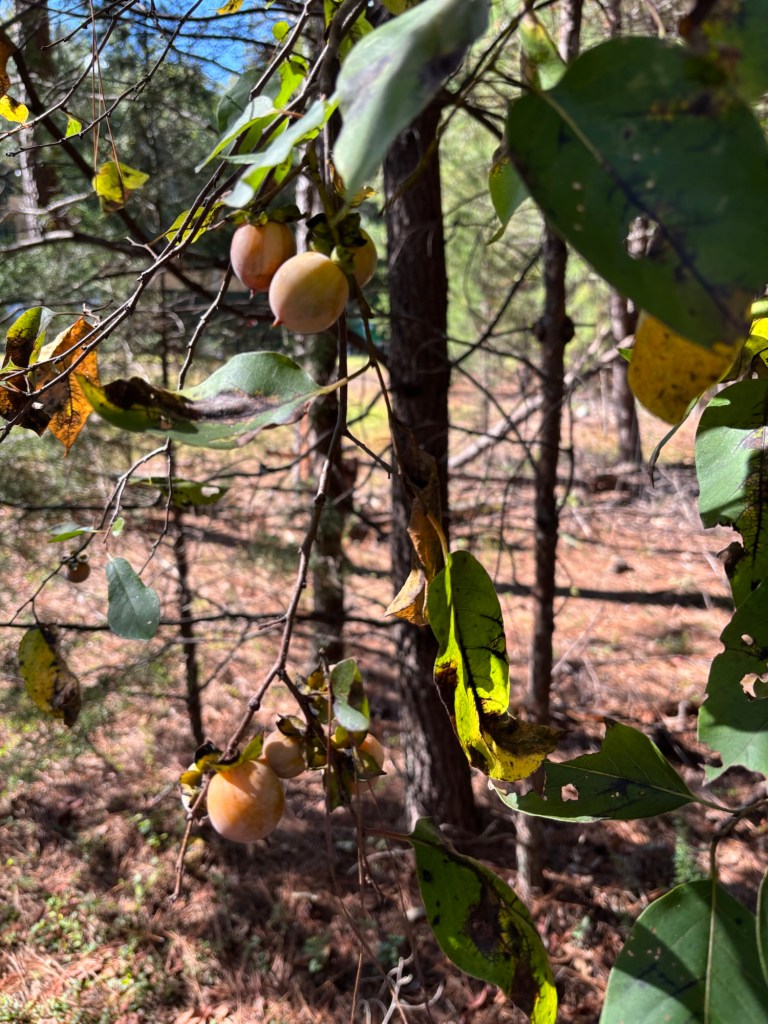
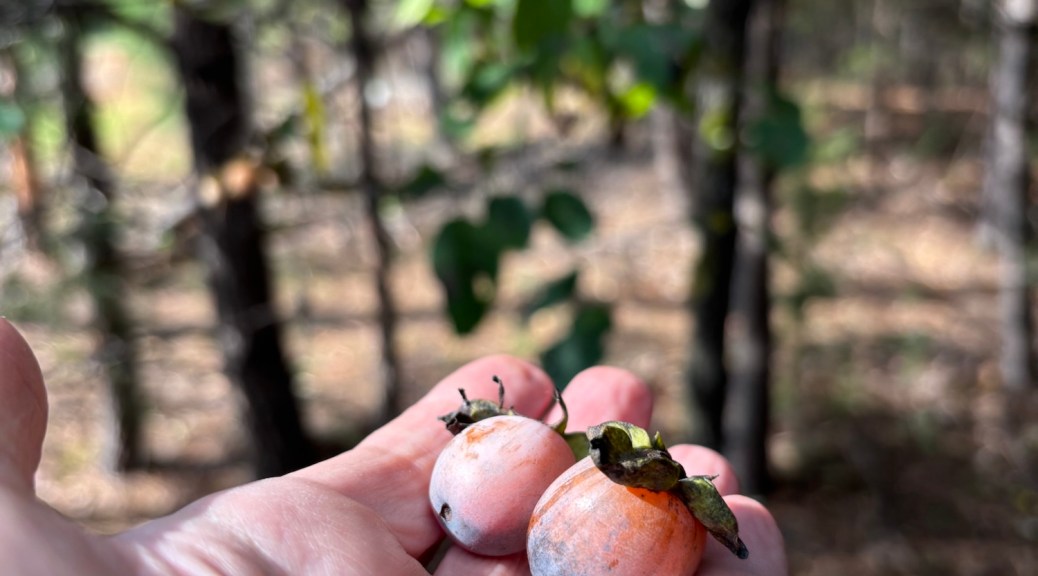
We went over to SAFF on Saturday to take a walk and get some work done. We checked on the persimmons up top and found one ready to eat. Most are still hanging on until after the first frost —which is more than likely tonight as temperatures are supposed to drop to 25F overnight, and flurries are expected. Brrrr!
We spent the weekend winterizing the farm and the house. We brought some small black cherry twigs and sticks for getting fires started in the home fireplace. They are nice to burn.
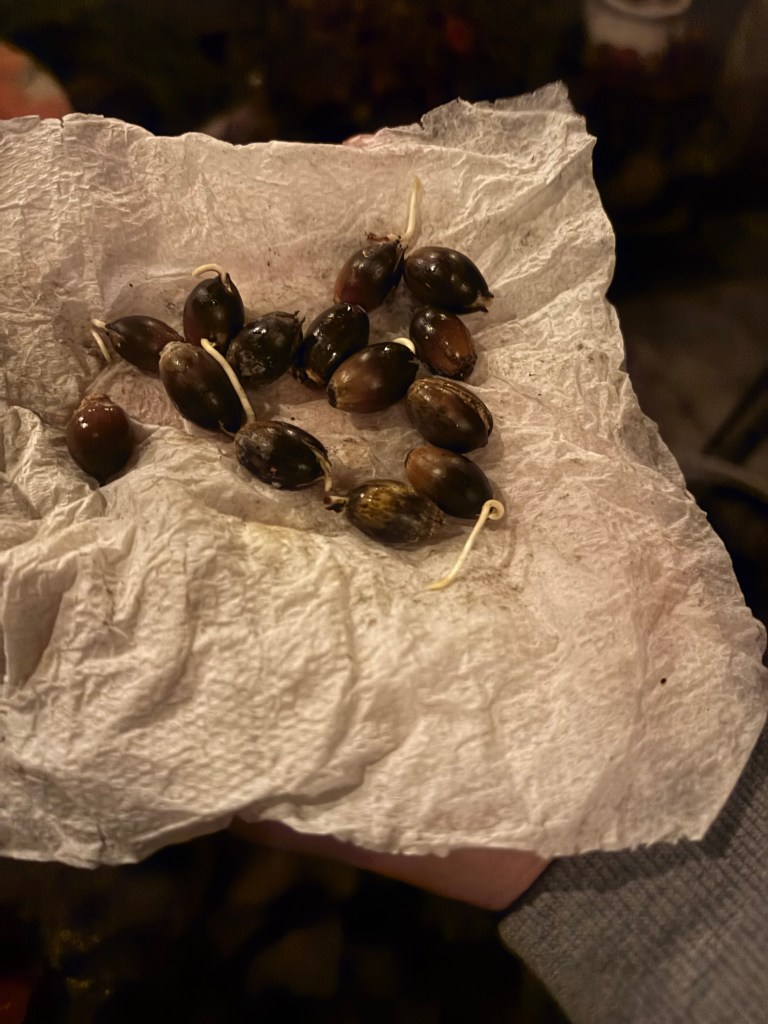
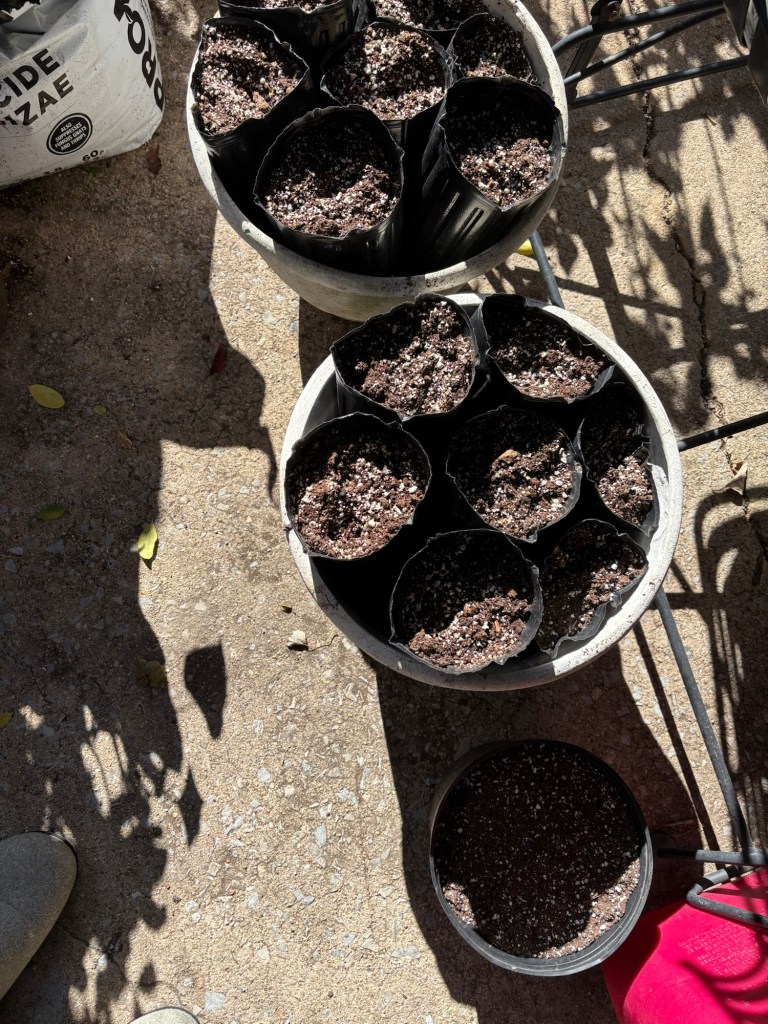
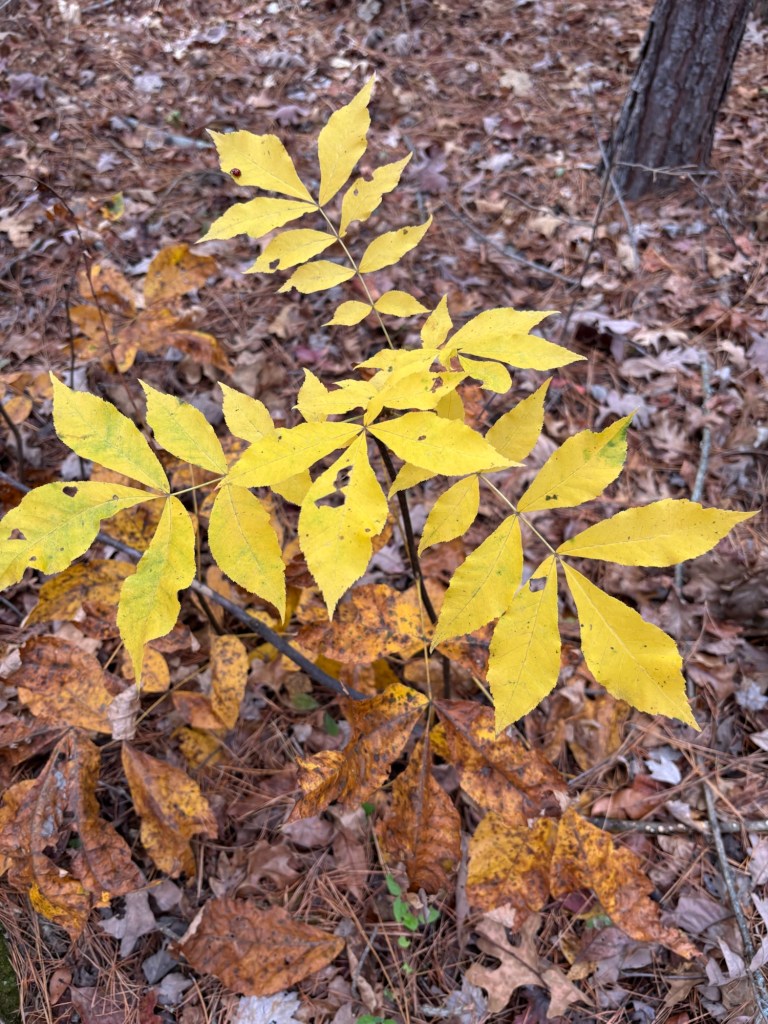
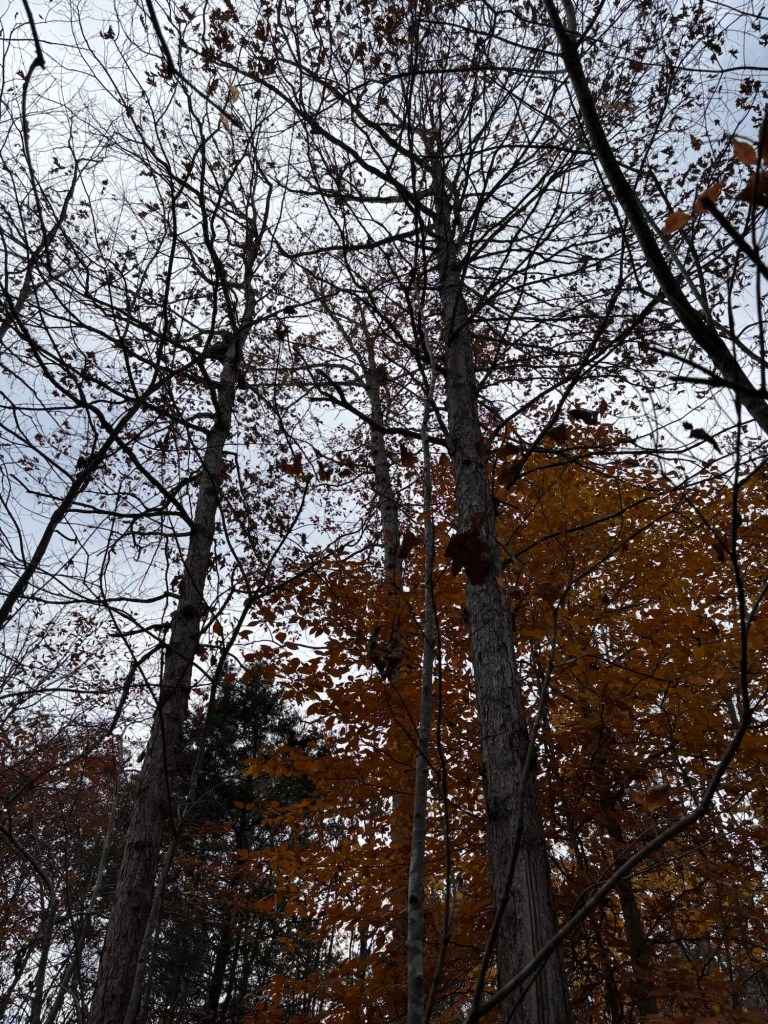
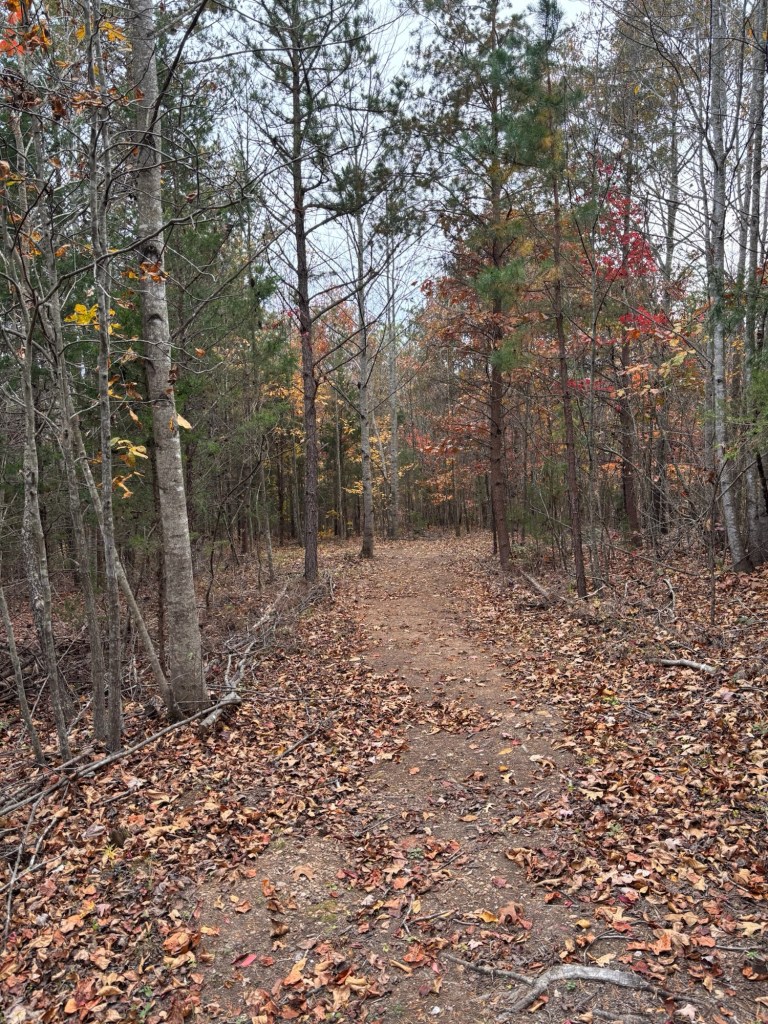
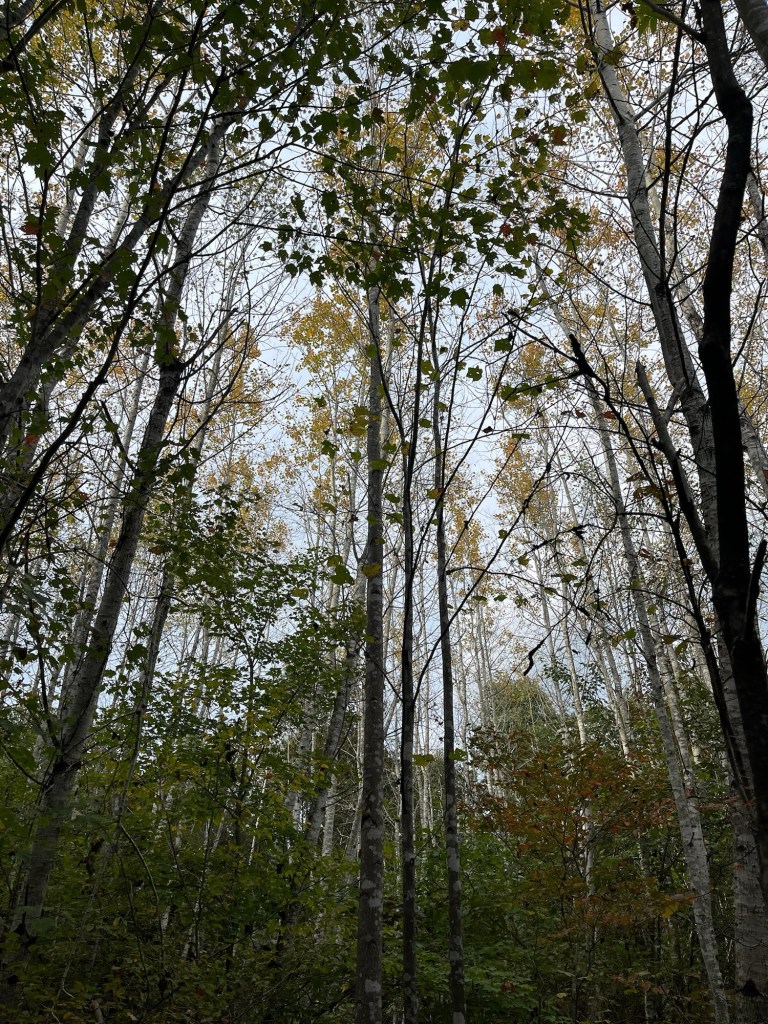
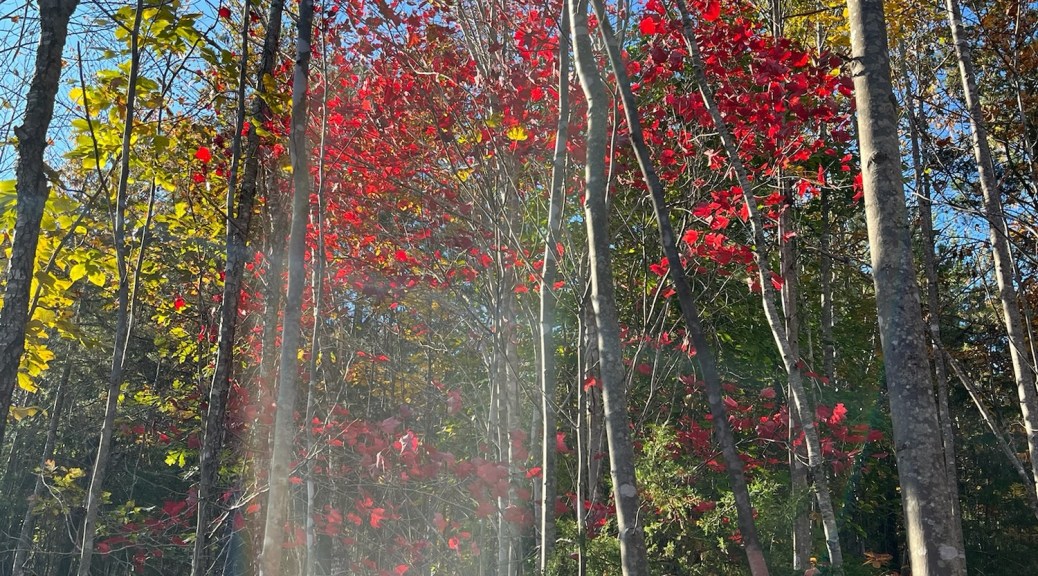
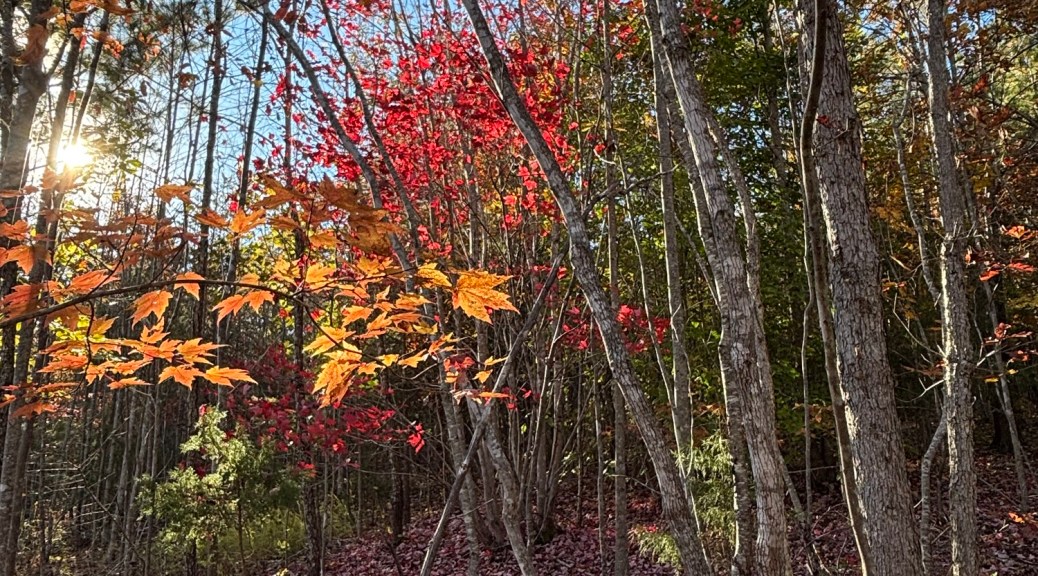
The drive over to SAFF was beautiful with fall color. We travel from the Shenandoah Valley over Afton Mountain through Rockfish Gap and Howardsville to Buckingham. We oohed and ahhhed the whole way. Here’s a quick video of Howardsville Rd.
We unloaded the lumber we found at the Restore and checked out the pawpaw and fig trees planted up top. They have yellow leaves and are losing most of them. Then we headed down Red Hawk Road to get down to Fern Trail. We checked out the Rappahanock cultivar and the seedlings planted as well as the cluster of natives. Most have gone fully dormant for the winter, especially the native SAFF trees. A few of the cultivars and seedlings look great; fully leafed and deep green still. Gleaming. It’s more typical for them with the temperature and season to be dormant. We have not yet had a hard freeze in Buckingham, or in Staunton in the Valley—which usually frosts first. Once dormant, their watering needs will drop. Phew! 😅
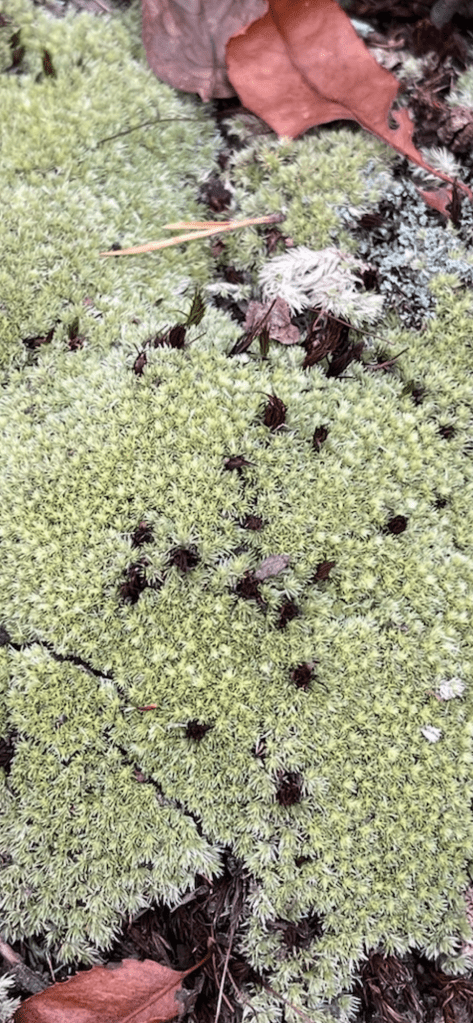
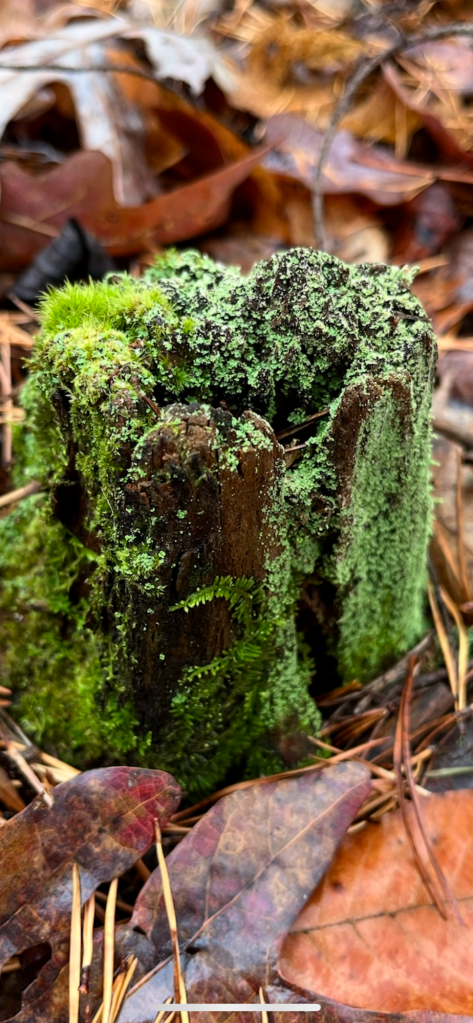
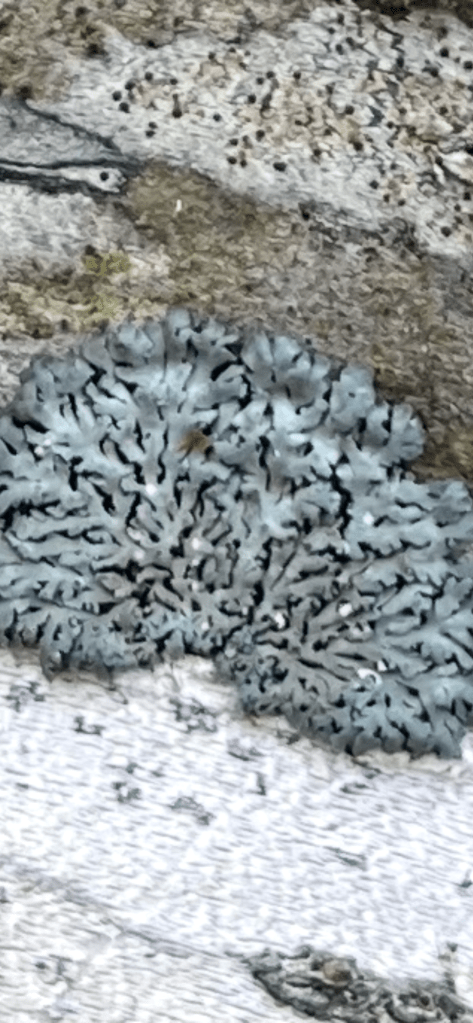
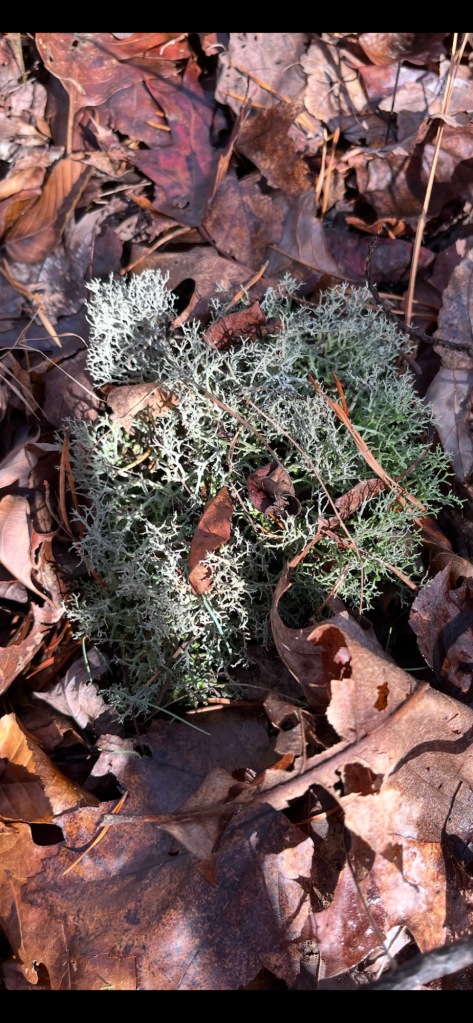
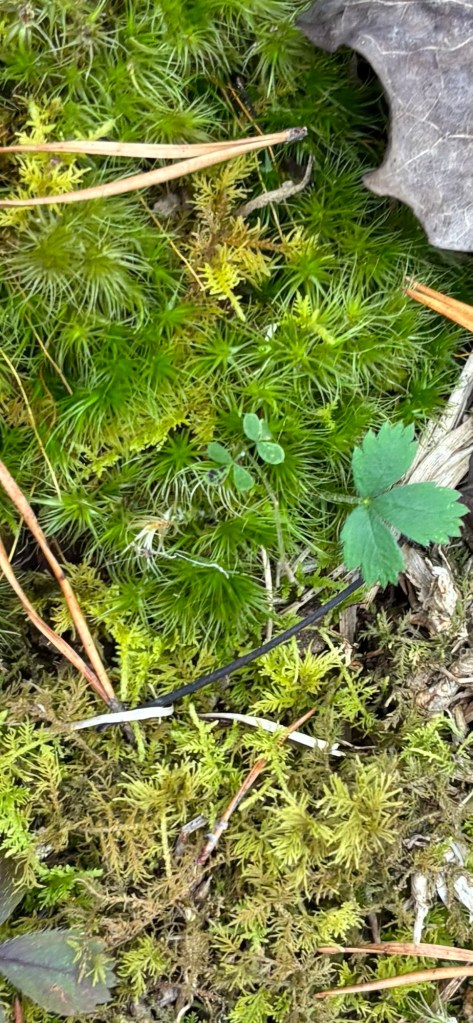
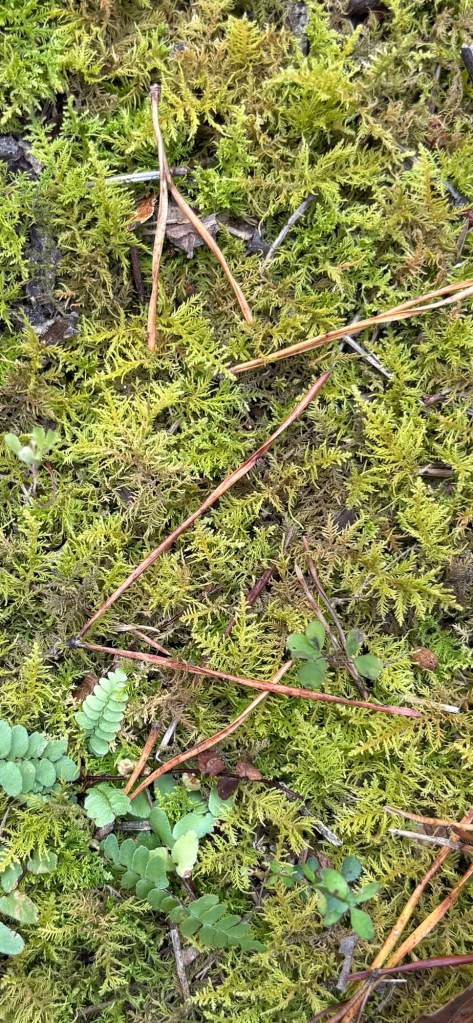
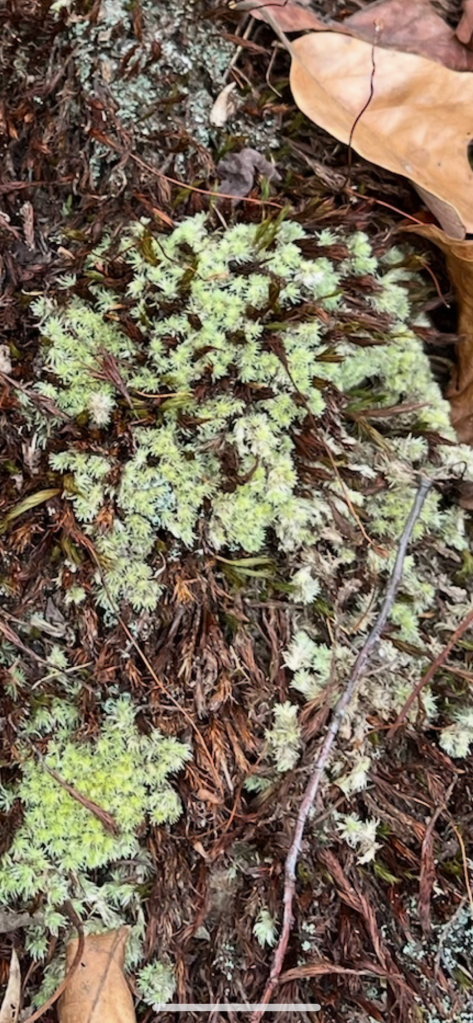
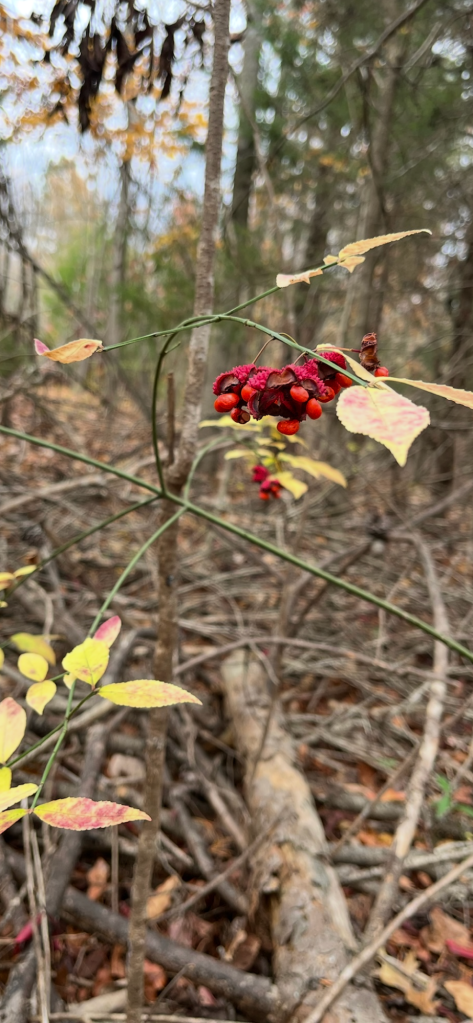
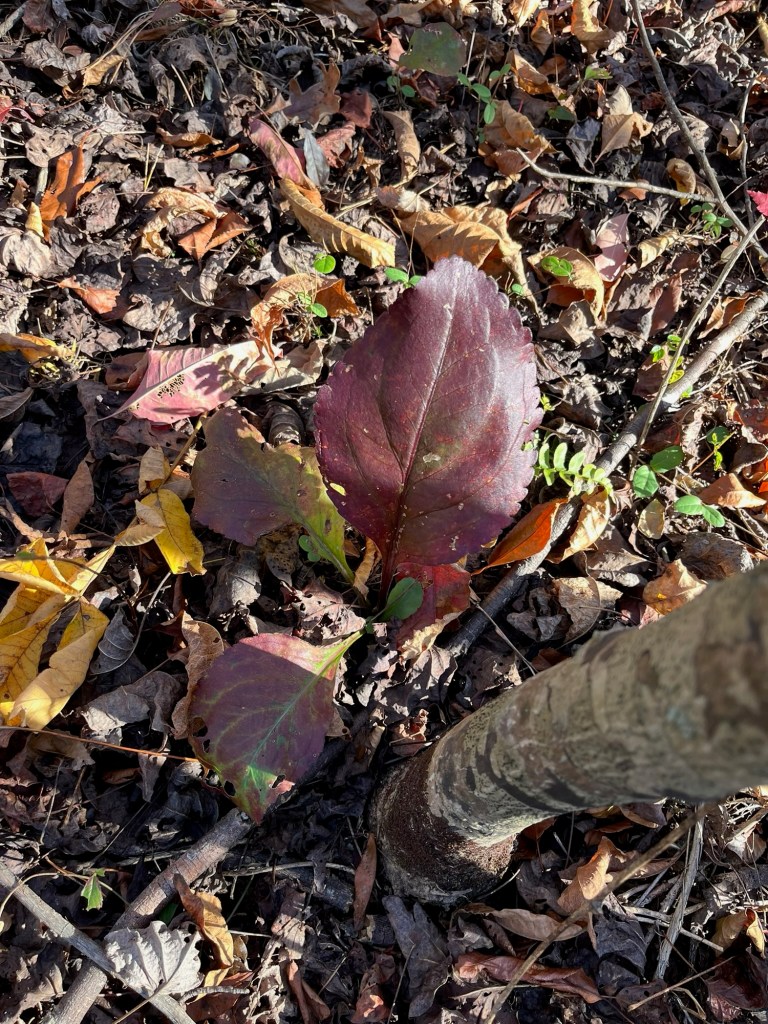
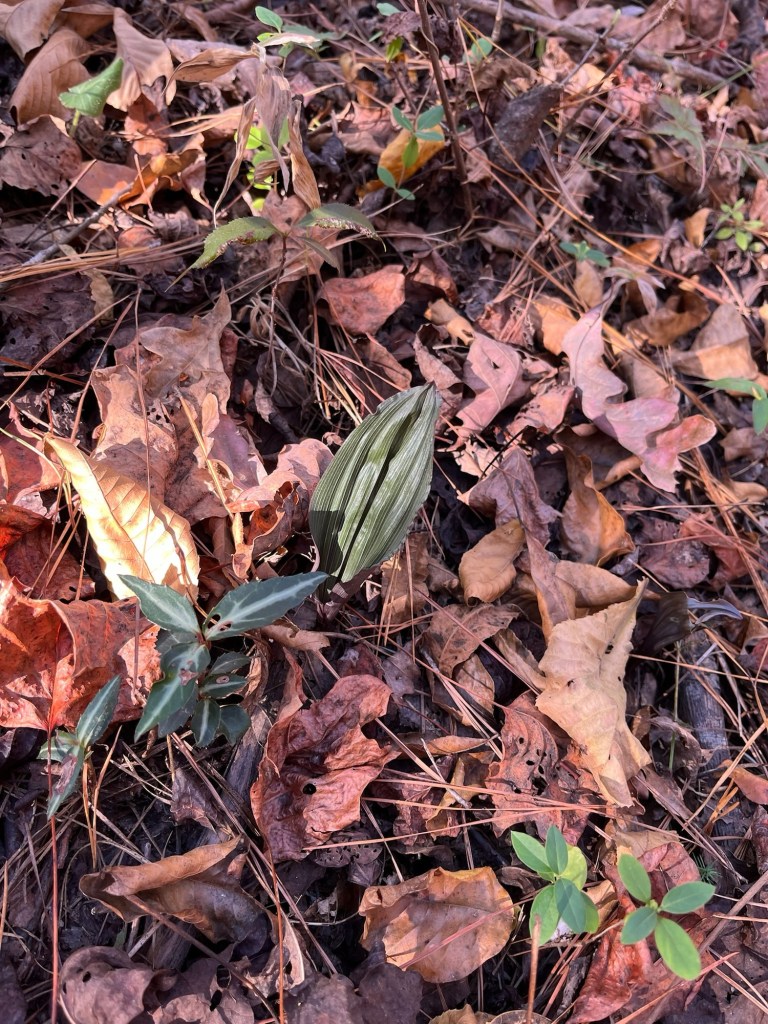
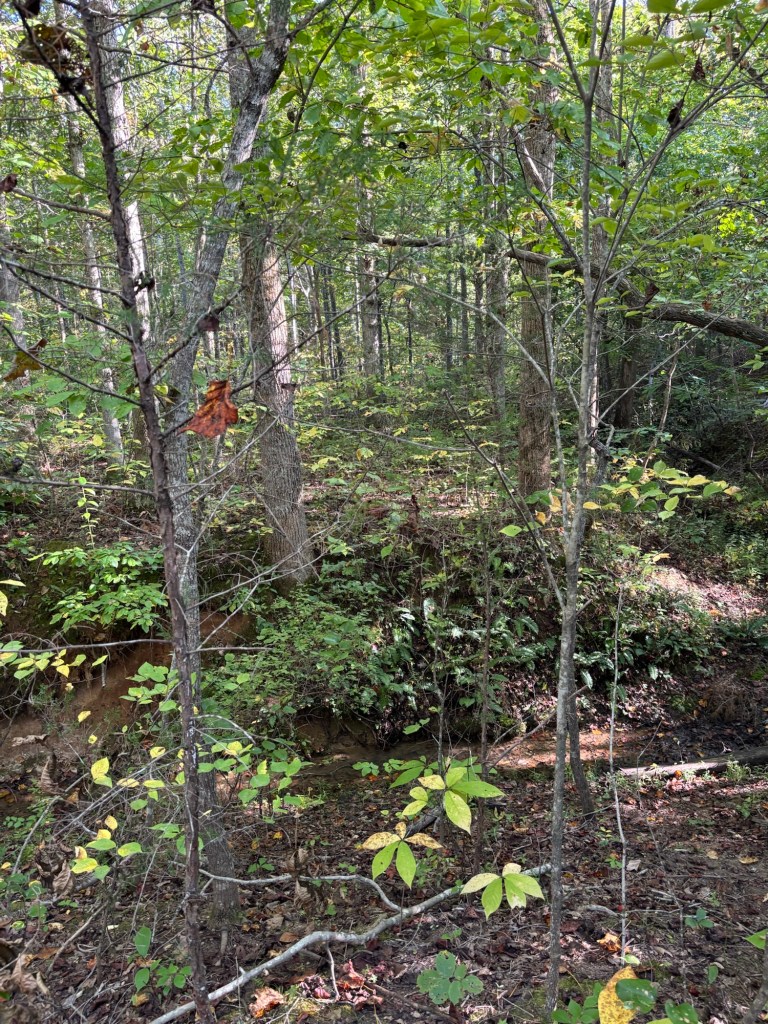
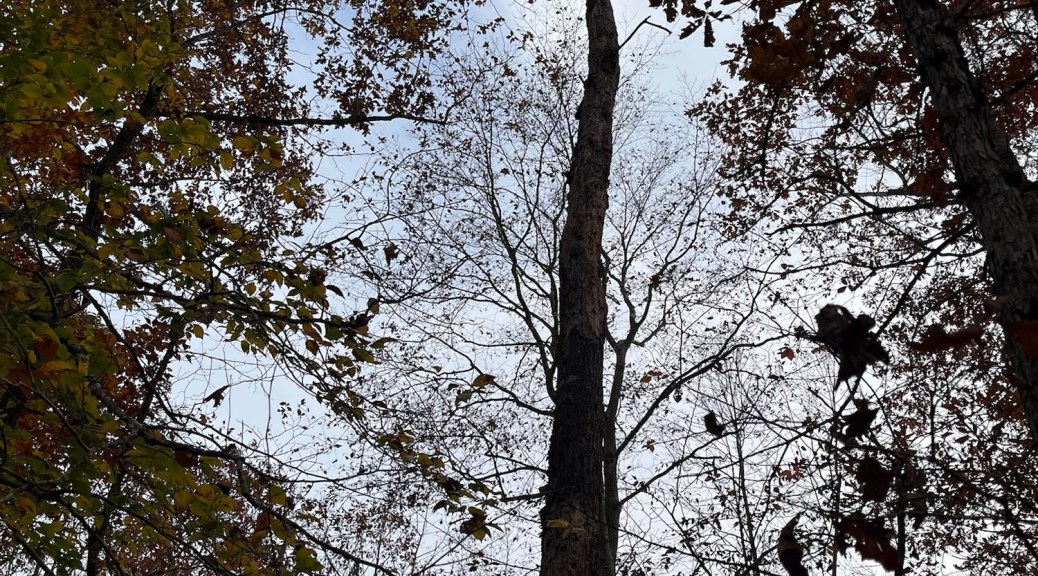
Along our walk we found white moss and strawberry euonymus (Euonymus americanus). We also went down to the waterway to check on this oak snag in the picture below. SAFF had high winds for several days and the last time we saw it, there was a bend and crack starting.
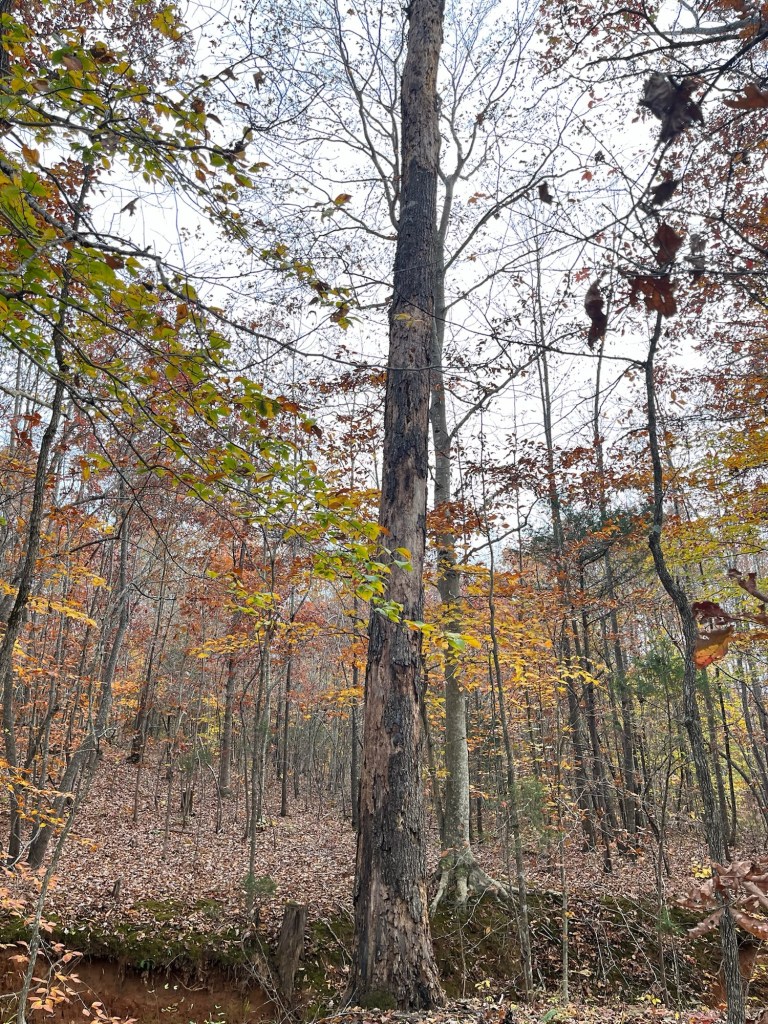
SAFF old oak snag we check on regularly. It looks as though it will fall to the west towards the Pawpaw Peninsula.
We were so pleased to see the farm on Halloween Friday after the rain last week. It has been dry with an elevated fire risk so the moisture was more than welcome. Oftentimes the storms will bounce right over the mountains and miss the farm so we were lucky it hit us. The Asimina triloba (pawpaws) we planted this year need an inch of water a week so the rainfall also meant we did not have to carry water to them. We would like more rain to come consistently and we’re grateful for any rain we get.
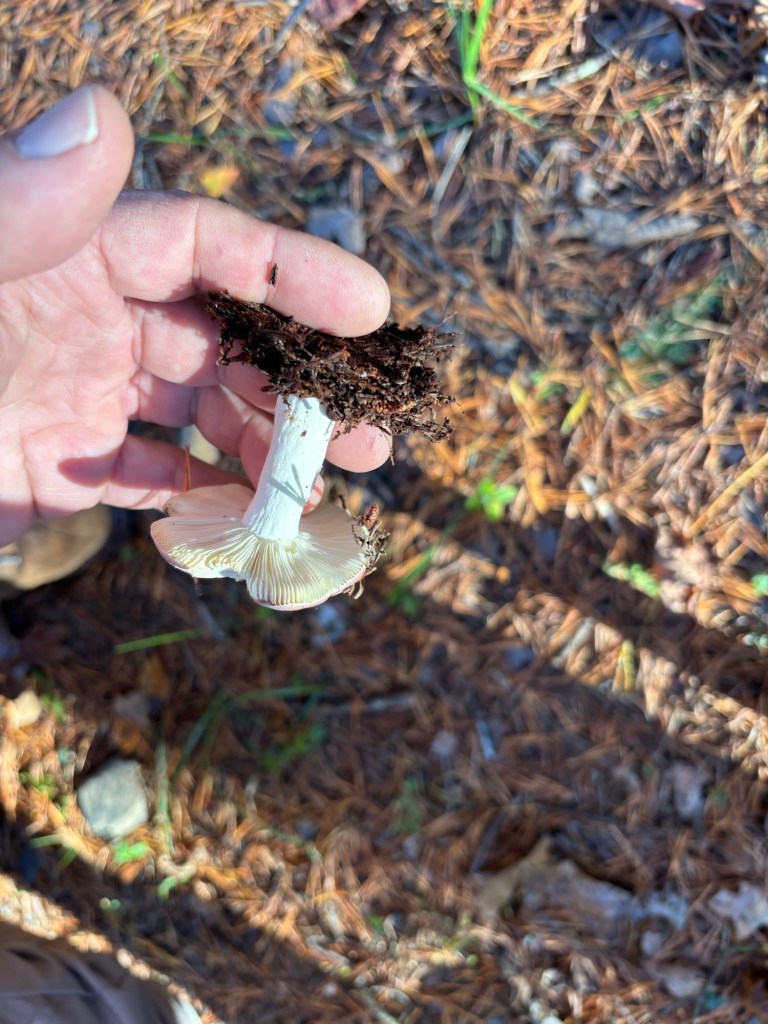
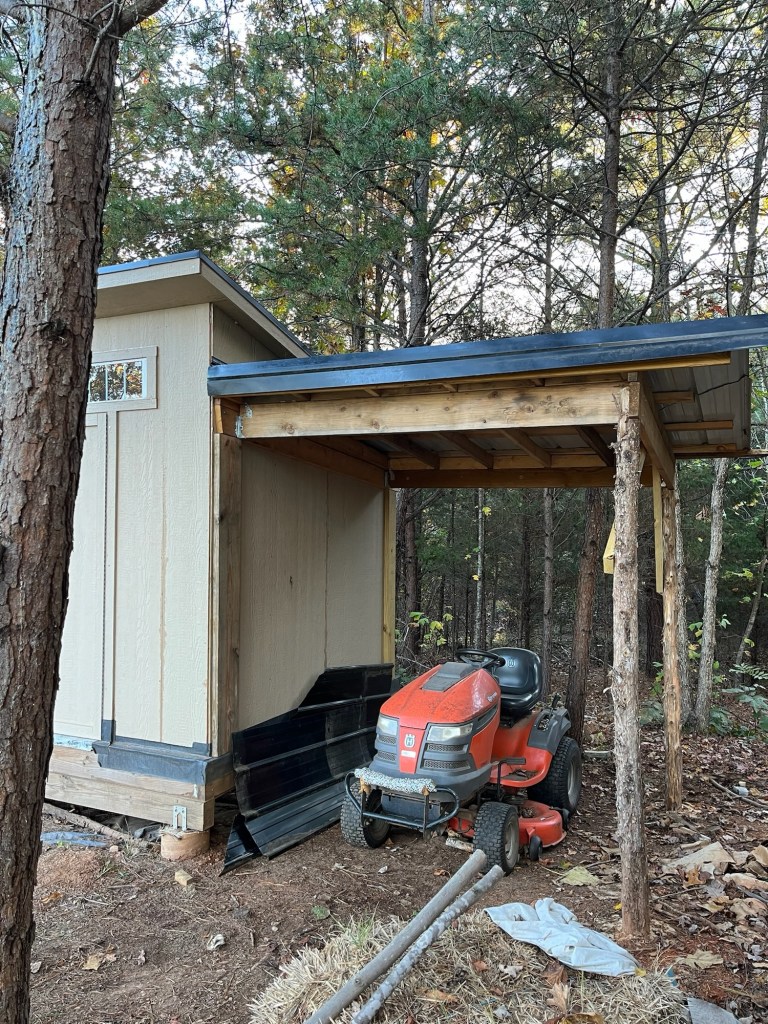

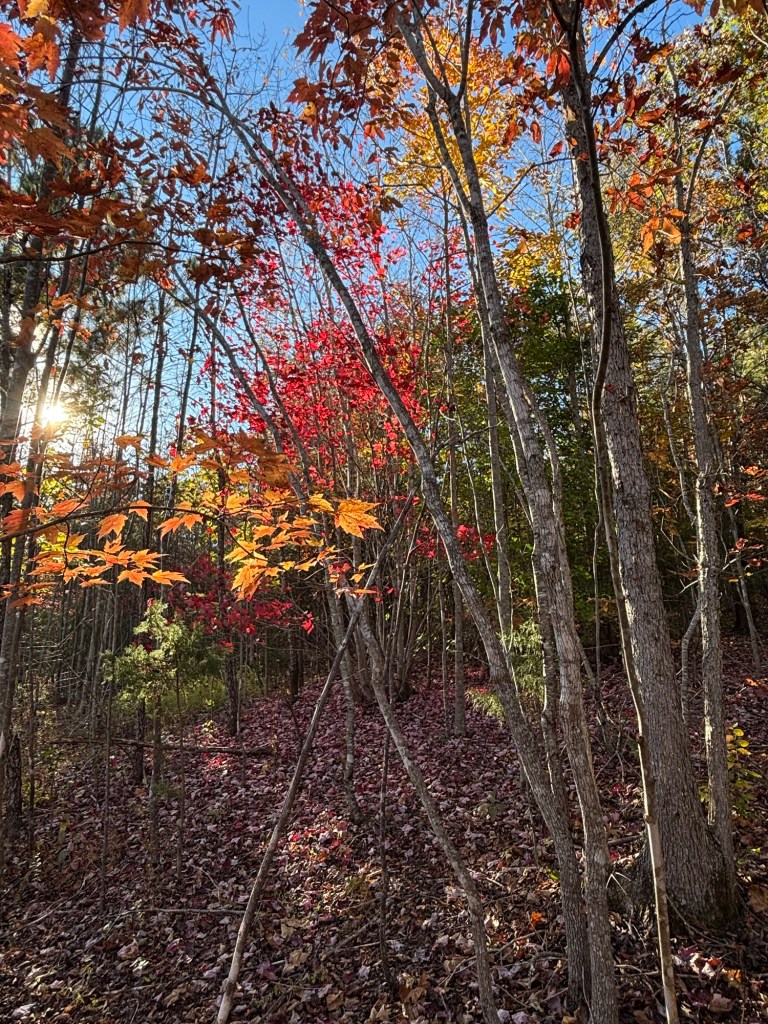
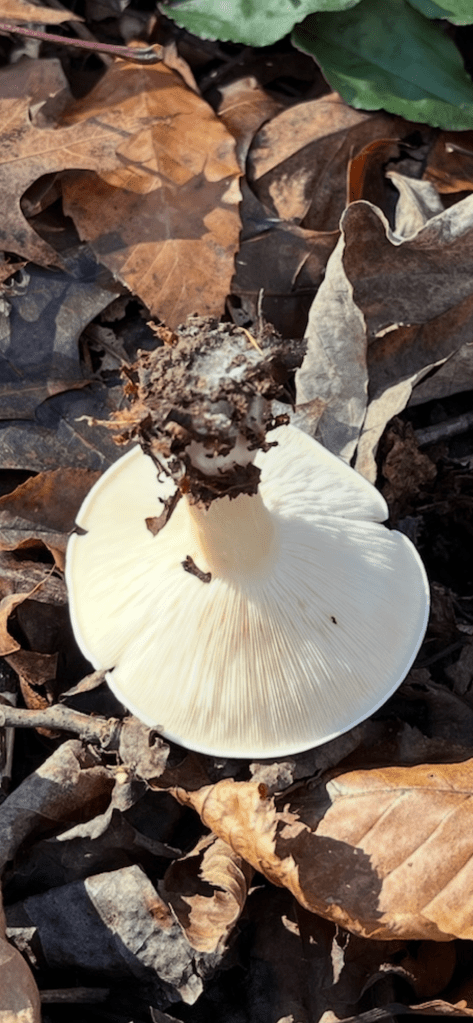
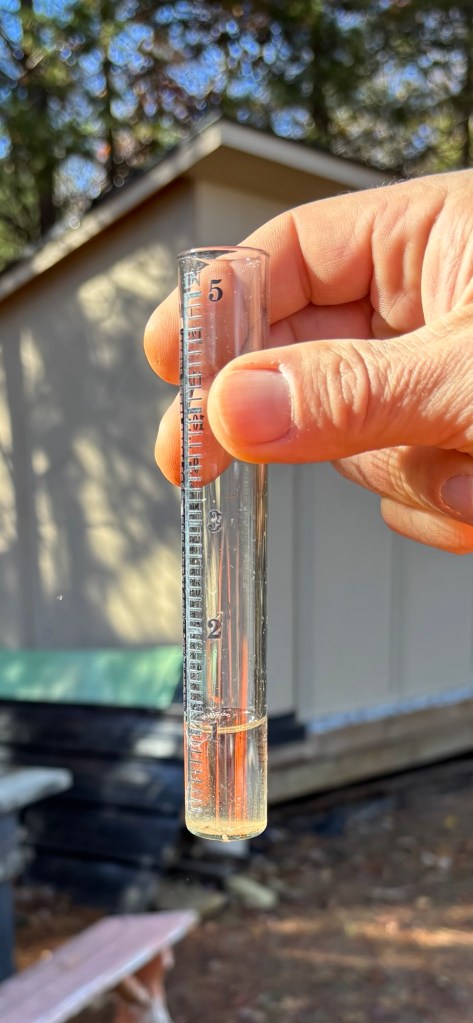
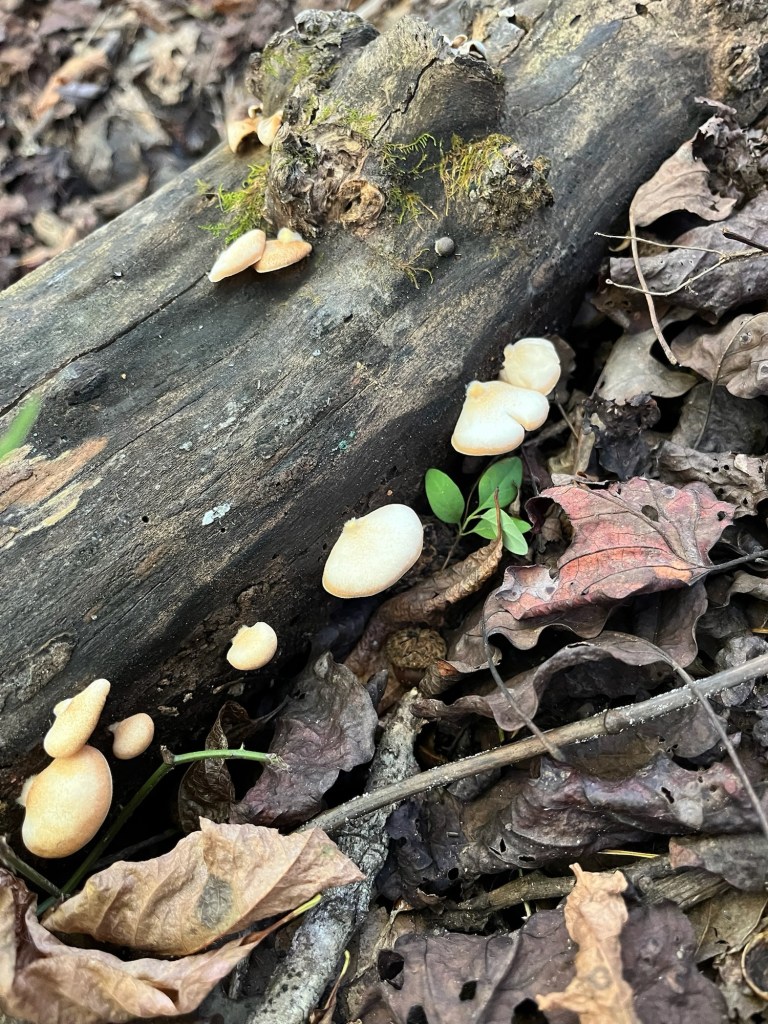
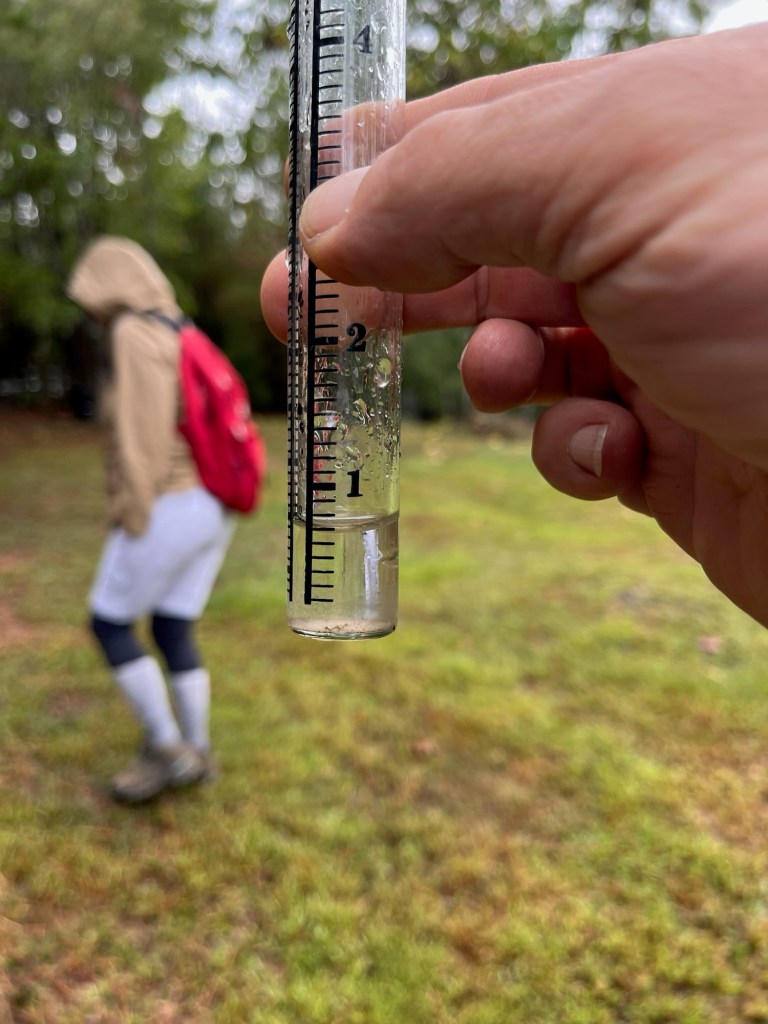
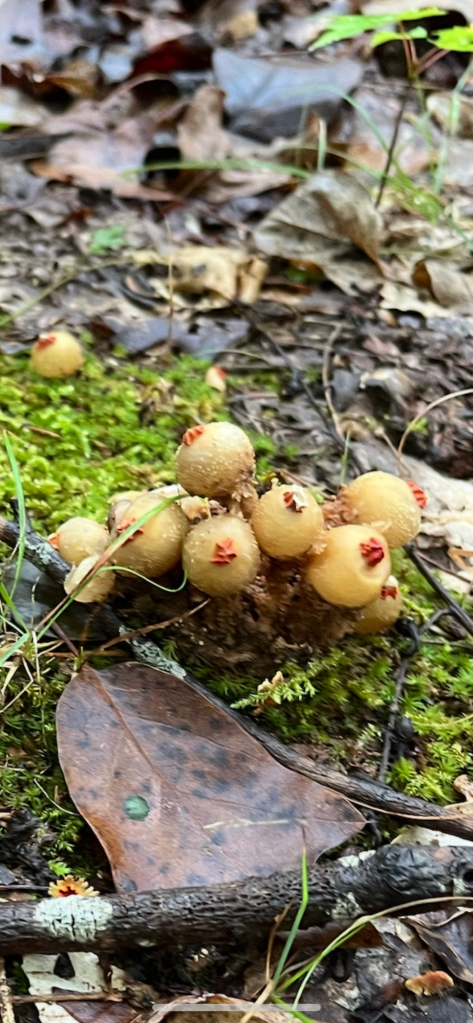
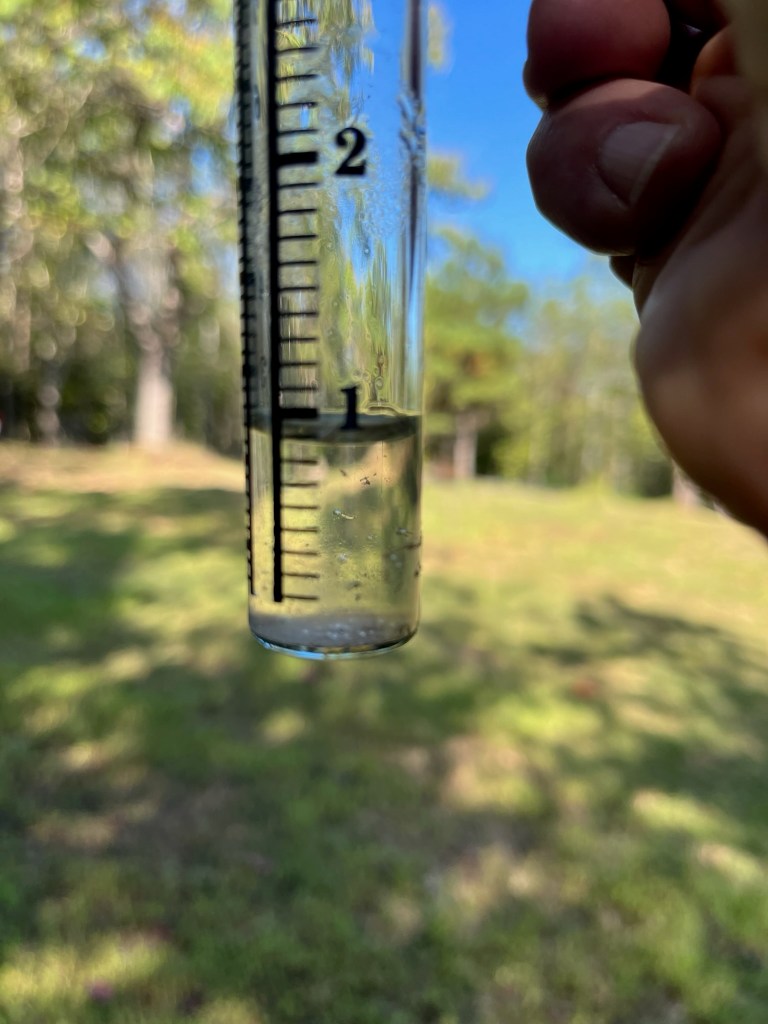
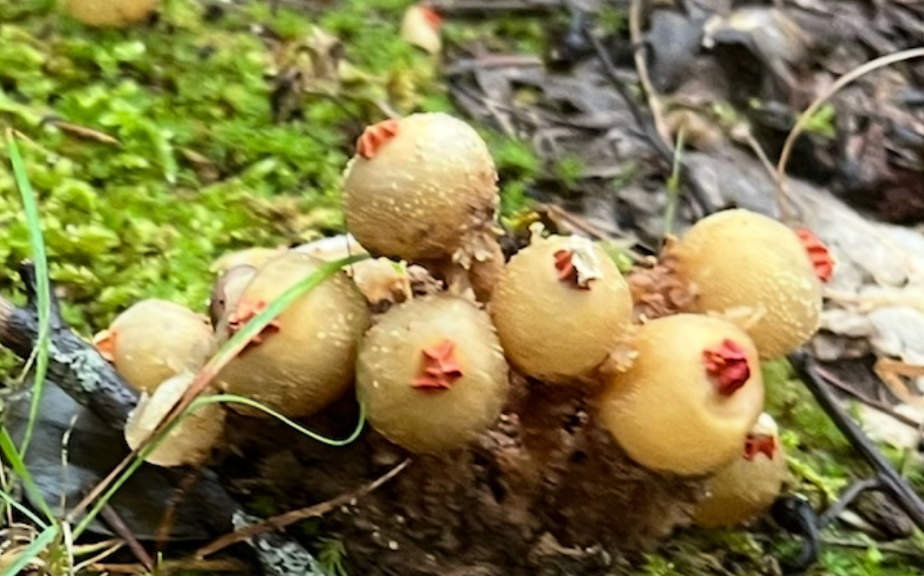
We will head out to the farm this afternoon and cannot wait to see if we finally had enough rain to encourage mushrooms to grow. It’s been so dry and crispy here throughout the summer and fall. We will check the rain gauge to see the level of precipitation but from Accuweather, it looks like it might be around an inch from the big storm that passed through Virginia this past week. We have been diligently carrying water to all of the recently planted pawpaws (Asimina triloba). We also got the roof on the lean-to finished before the weather arrived. It looks great and will protect the tractor this winter.
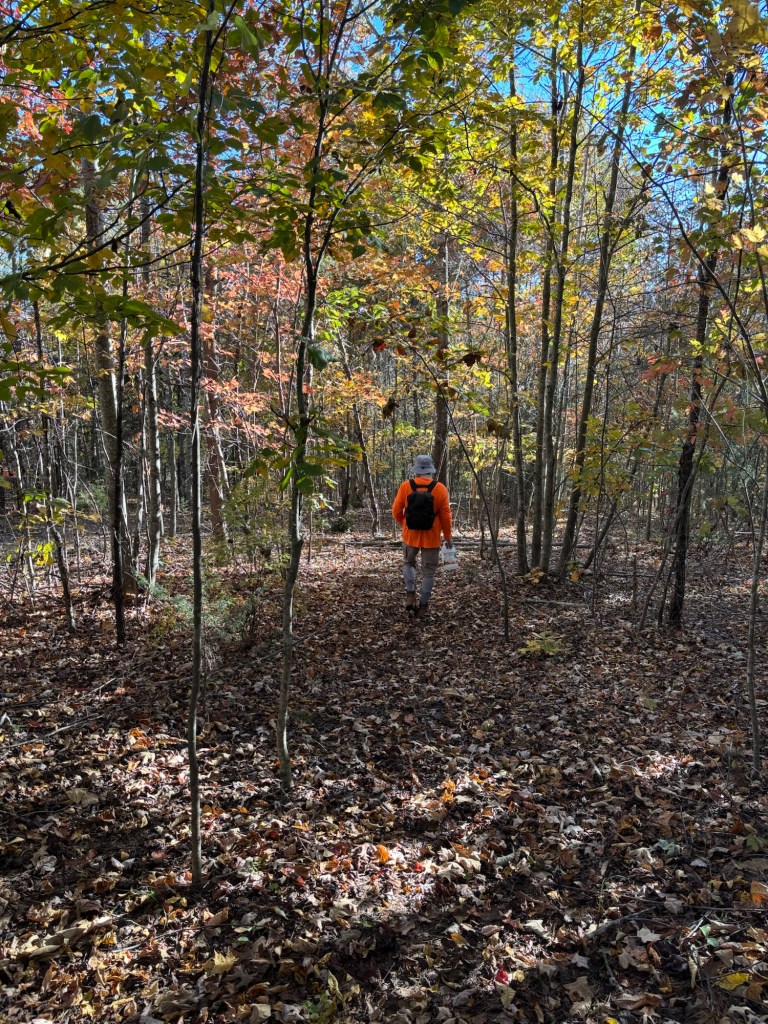
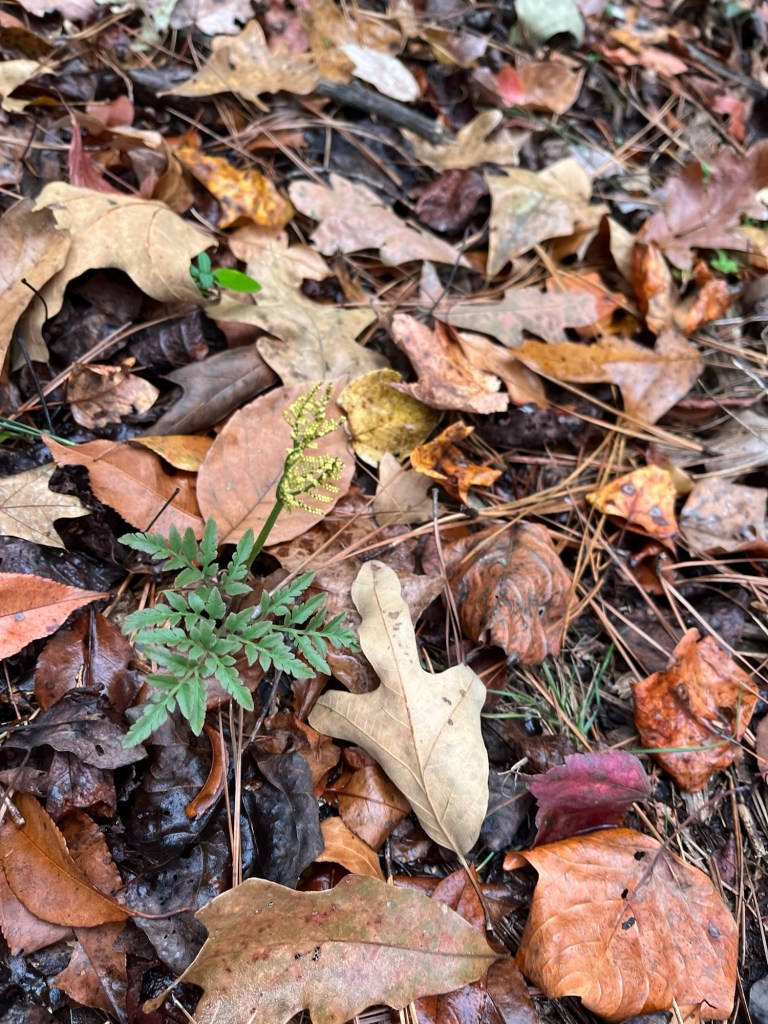
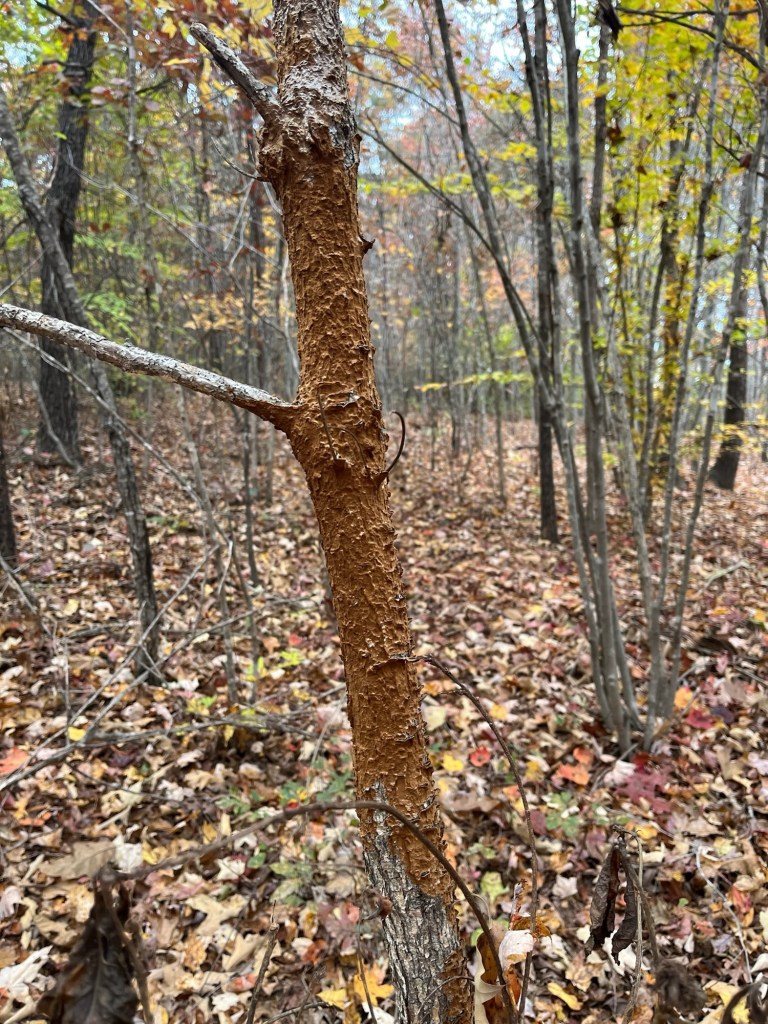
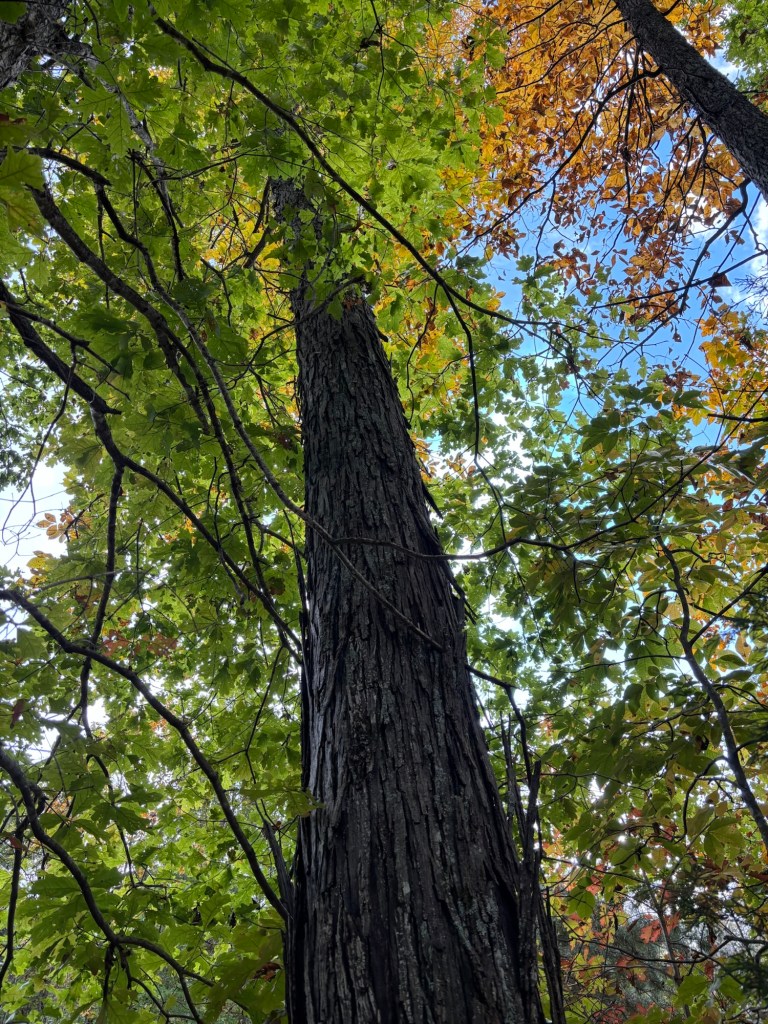
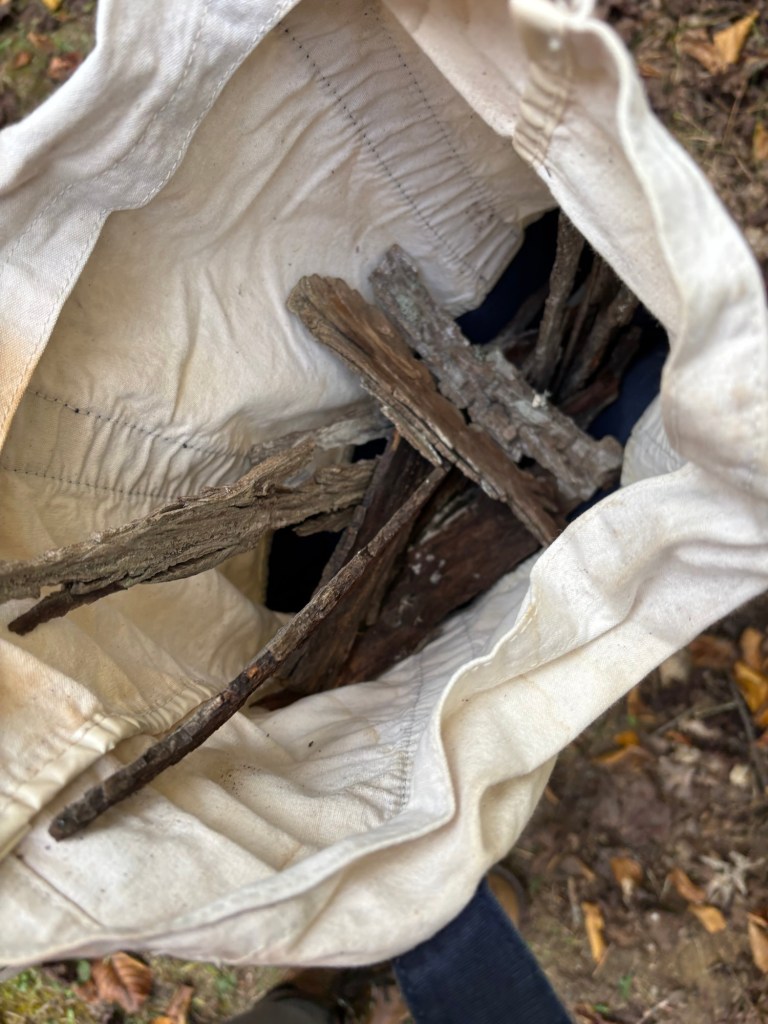
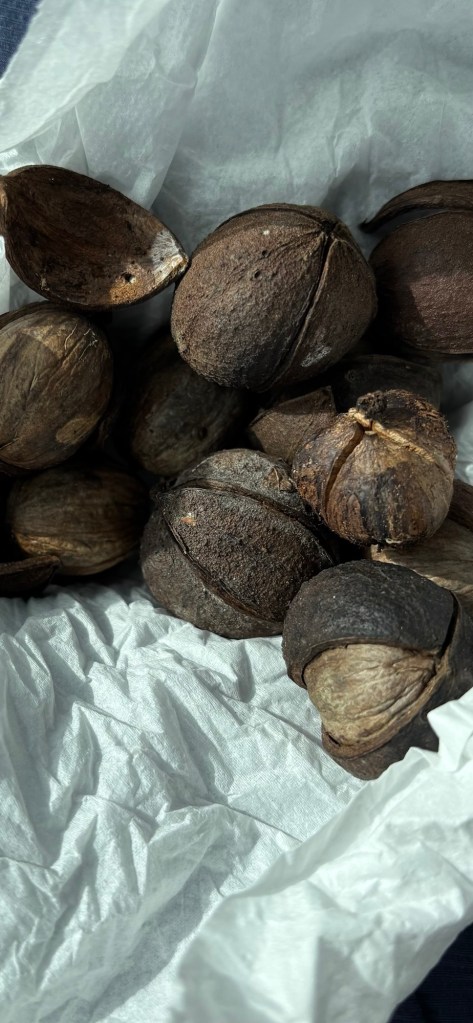
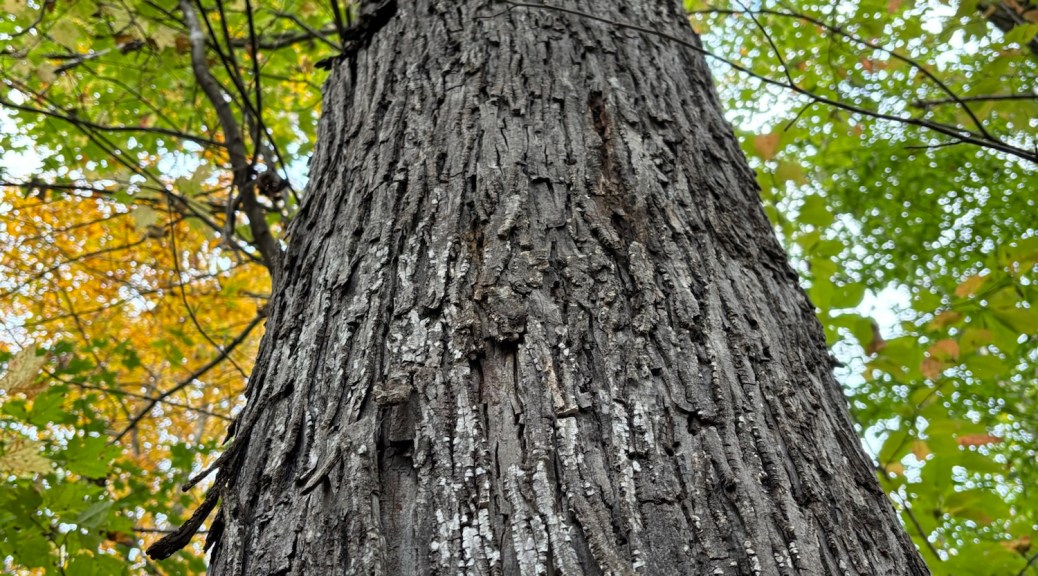
We looked for shagbark hickories to harvest some bark to make shagbark hickory syrup.
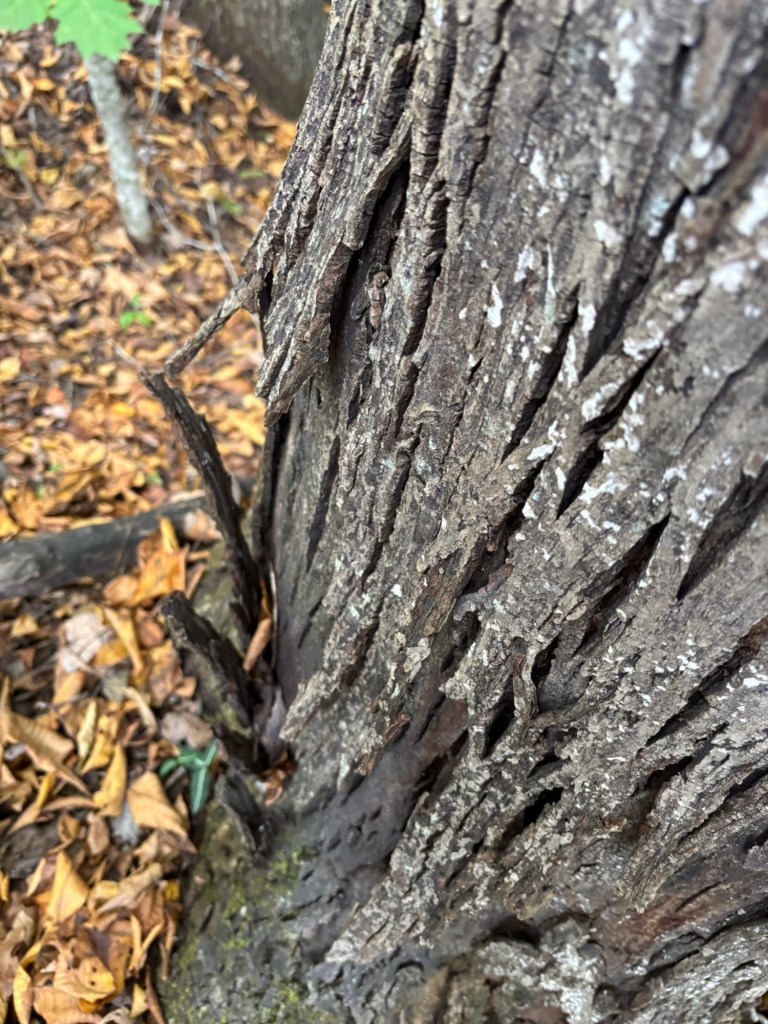
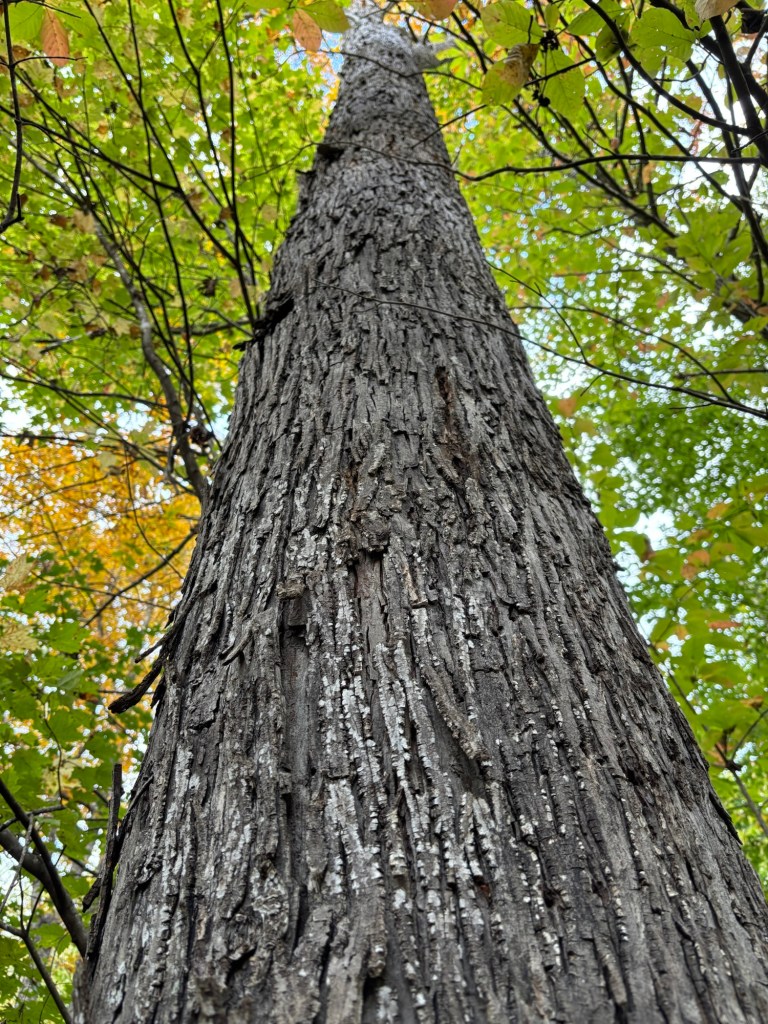
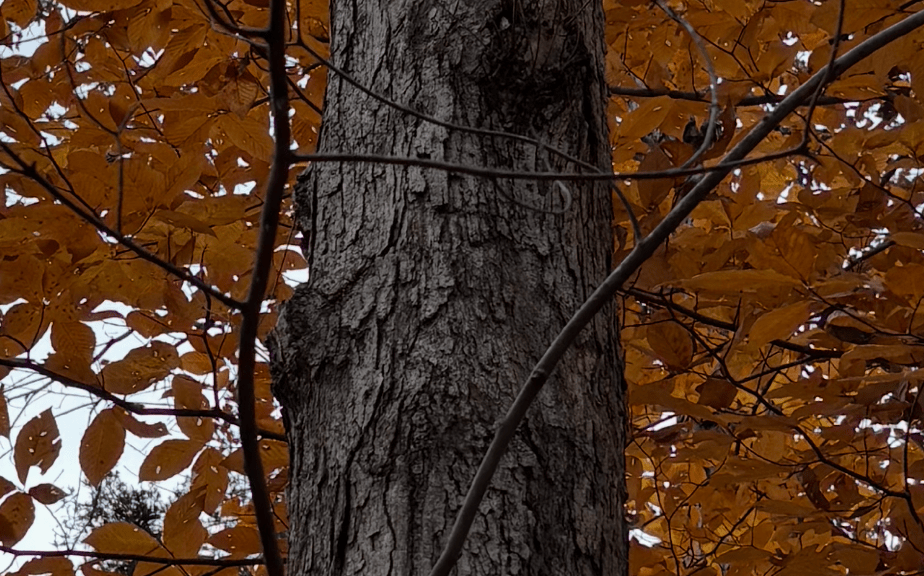
The bark, with exceptionally strong, hard and shock resistant wood can be used for furniture, handles and sporting goods as well as smoking meats. The nuts can be eaten raw or cooked. We watched members of the Cherokee tribe make a traditional kenuchi with Shagbark hickory nuts. The nuts can also be used as a replacement for pecans in recipes as well as made into a milk or syrup. They are nutrient dense with protein, healthy fats (omega 3’s) and carbohydrates.
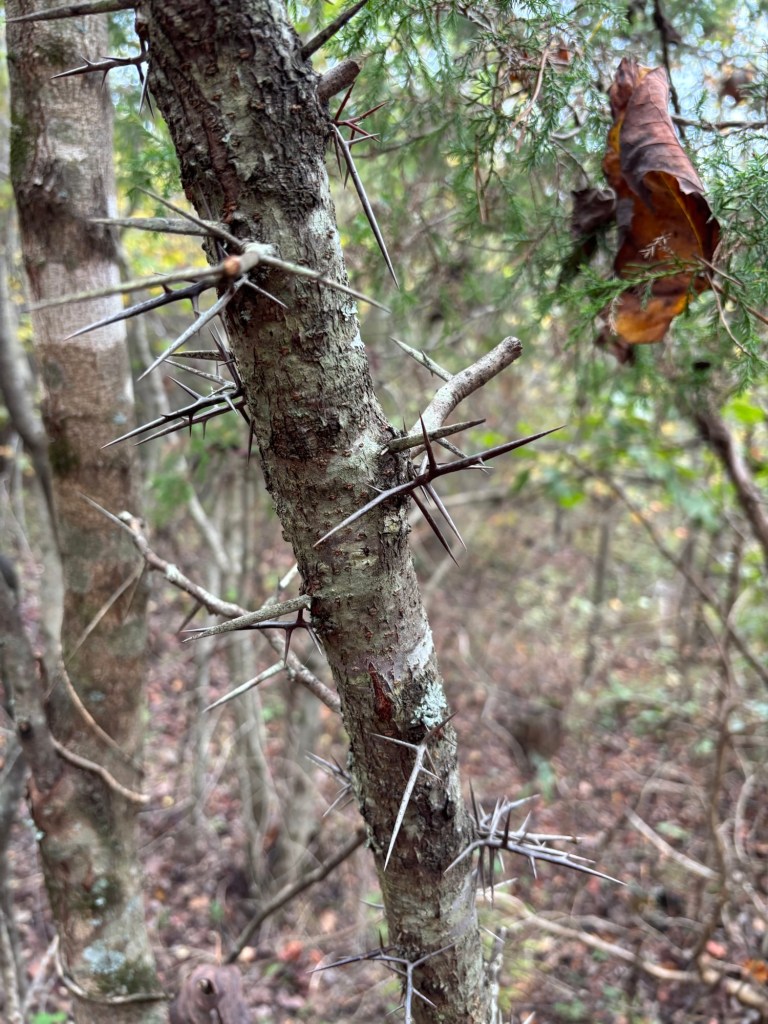
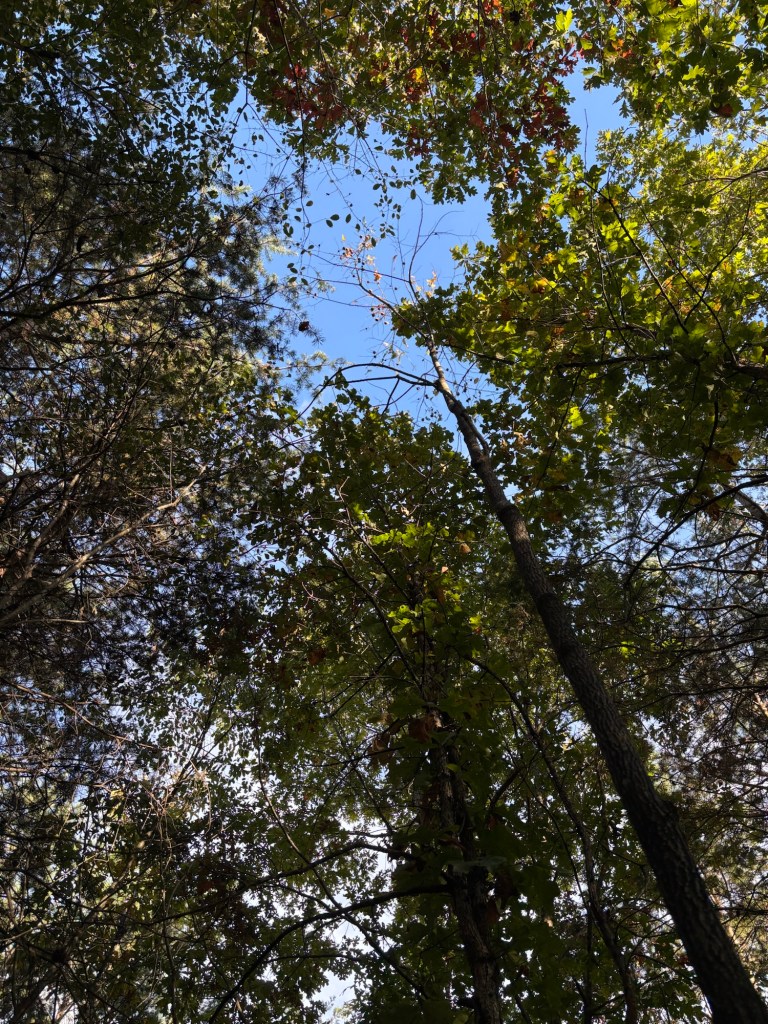
We’ve gone out to water the newly planted pawpaws, Asimina triloba. They continue to do well. Chris has worked on the lean to and it’s just about ready for the roof.
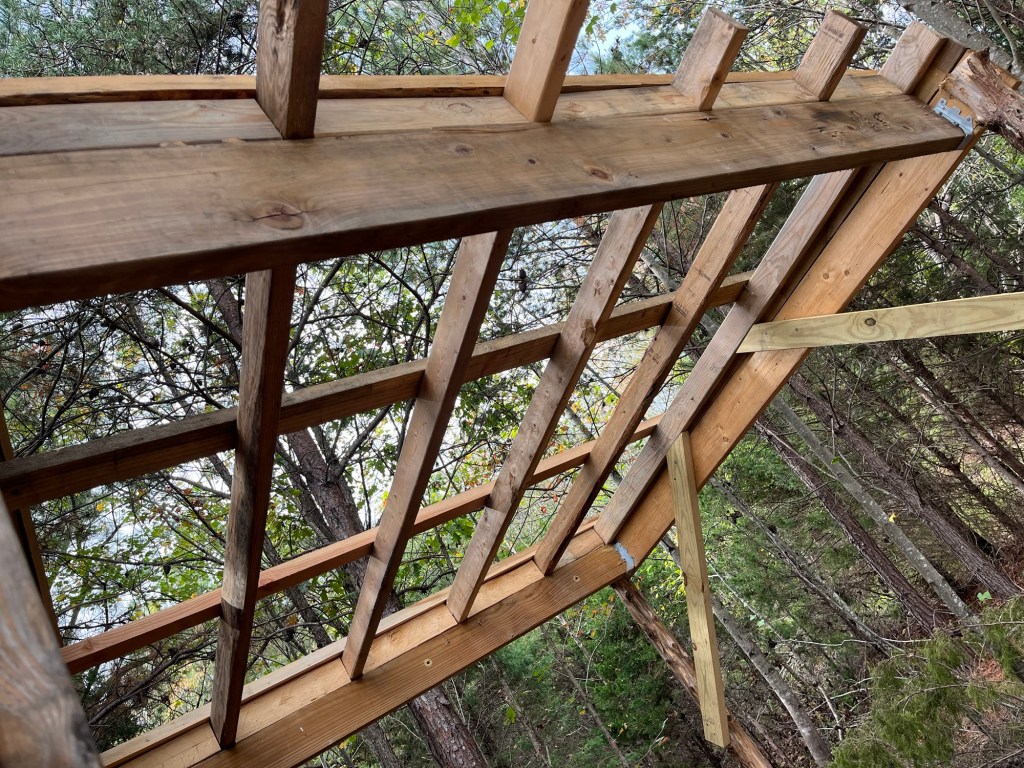
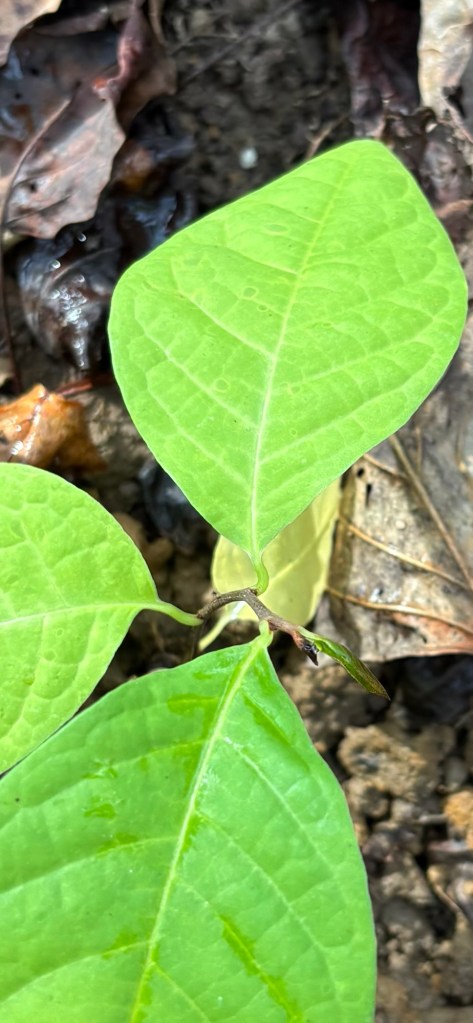
We went over to St Andrews Forest Farm to water the pawpaws and take a walk.
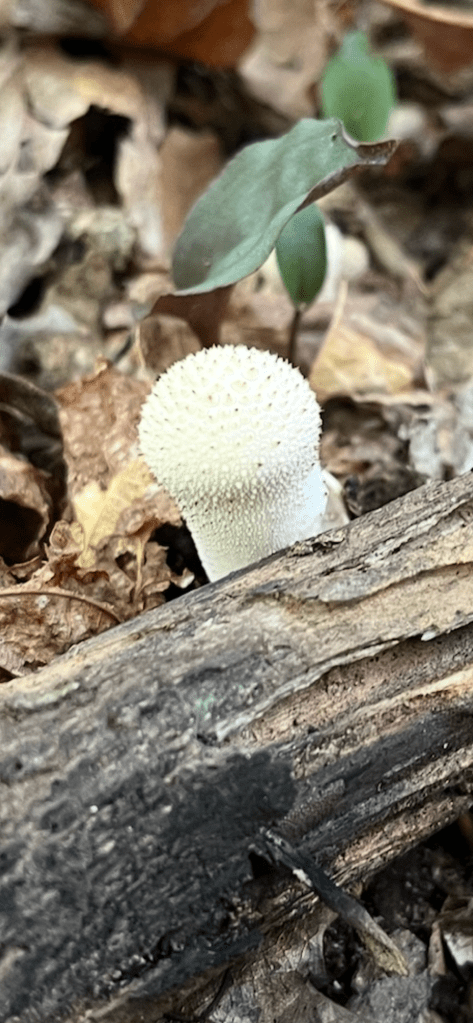
We watered each recently planted pawpaw and made sure they were looking good. We came around the waterway and approached the orchard from south.
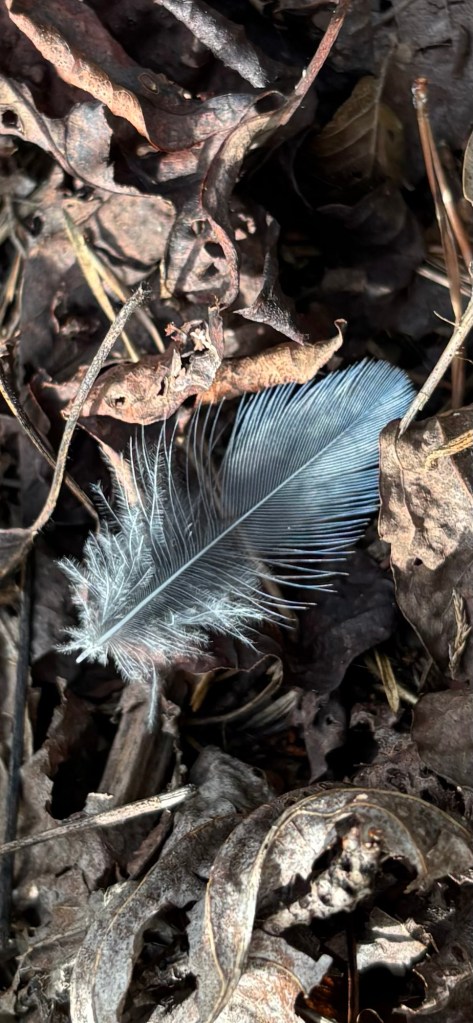
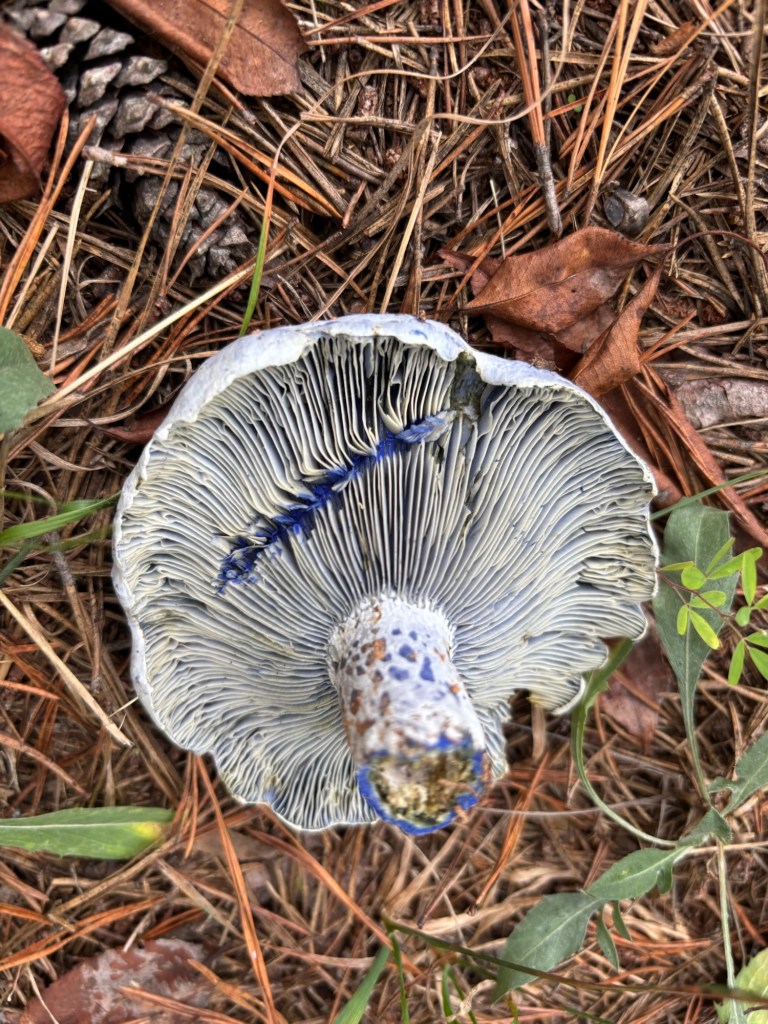
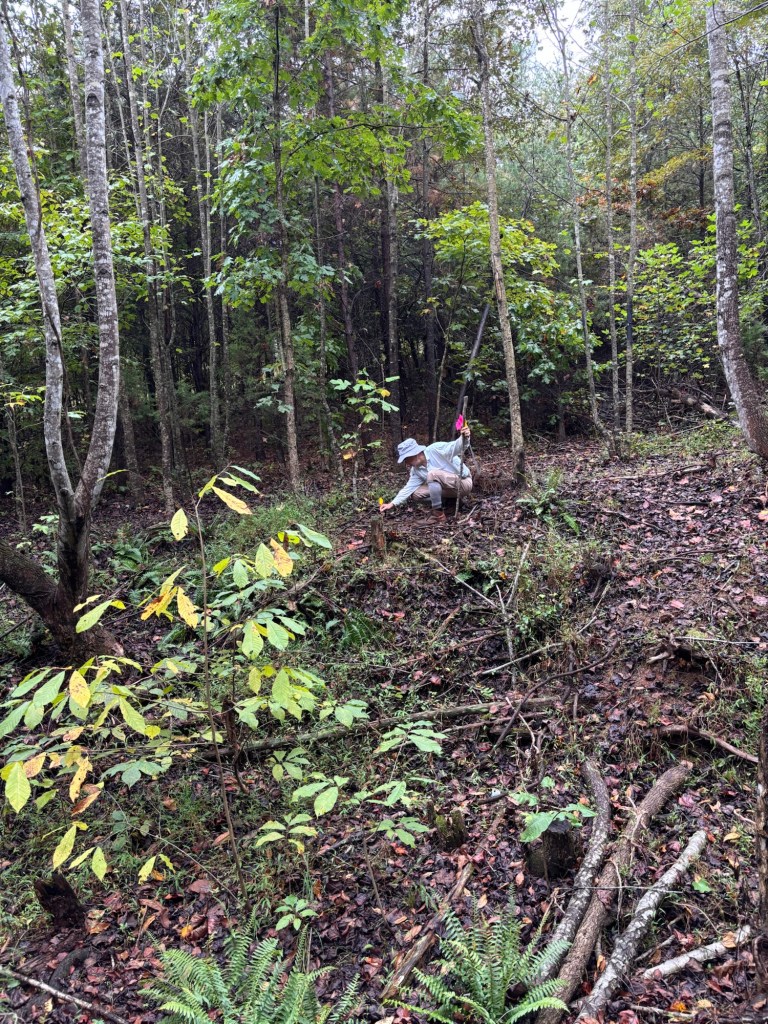
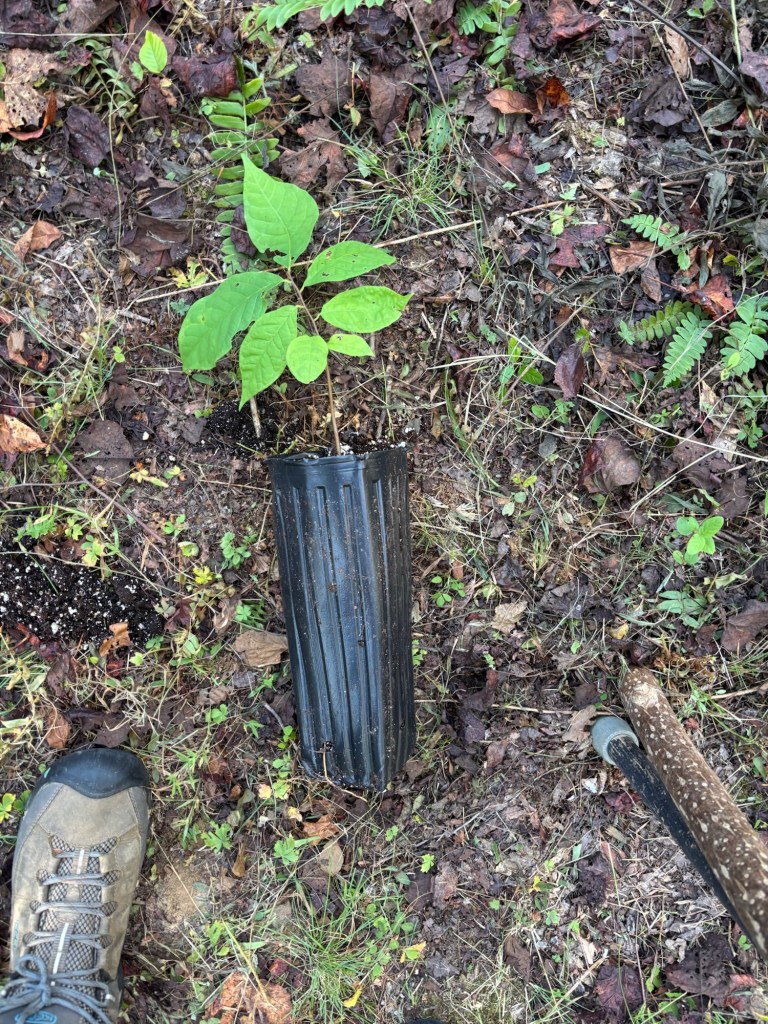
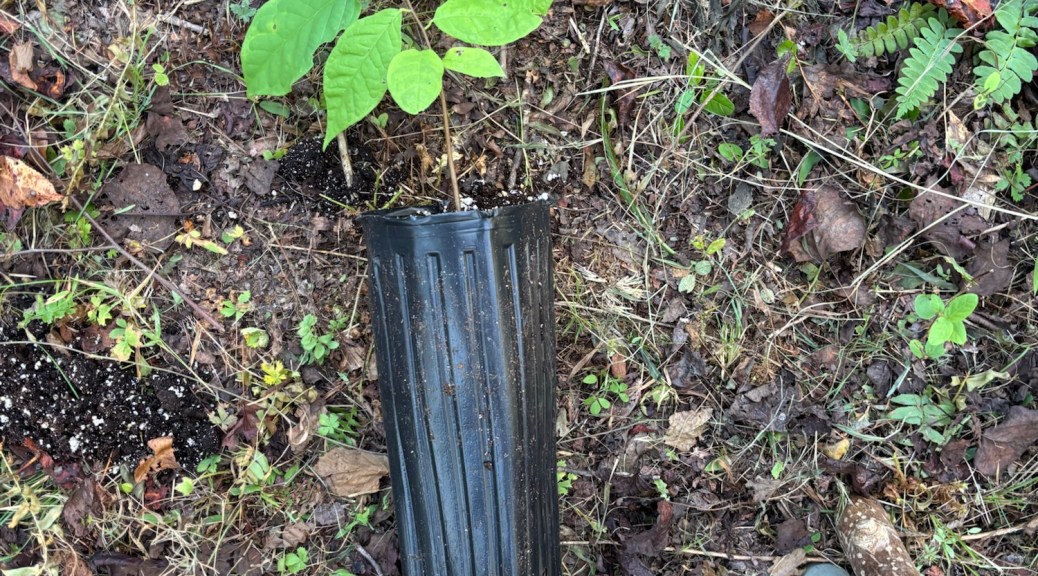
We finished planting the seedling pawpaws with a full 100 in the ground so far this year! It was a big project. Besides our seedlings that we harvested from both our foraged fruit along our drive to the farm at Rockfish River and from Edible Landscaping’s cultivated pawpaws, we also planted a few of our own cultivars. We added Allegheny, Kentucky State University Chappell, Rappahanock and Mango to our existing Shenandoah that we planted last fall. We are waiting for our first white fleshed pawpaw seedling to arrive from Perry Pawpaws in Michigan. They said they’ll ship in October. It’s an Al Horn cultivar (taste has notes of pineapple and coconut) and we will place it in the Pawpaw Orchard at the bottom of North Trail. They also said it should be about 2 feet tall which is pretty big for pawpaws to not be in the ground yet. The tap root on the pawpaws like to go deep quickly. I can’t wait to save it from its pot and get it planted.
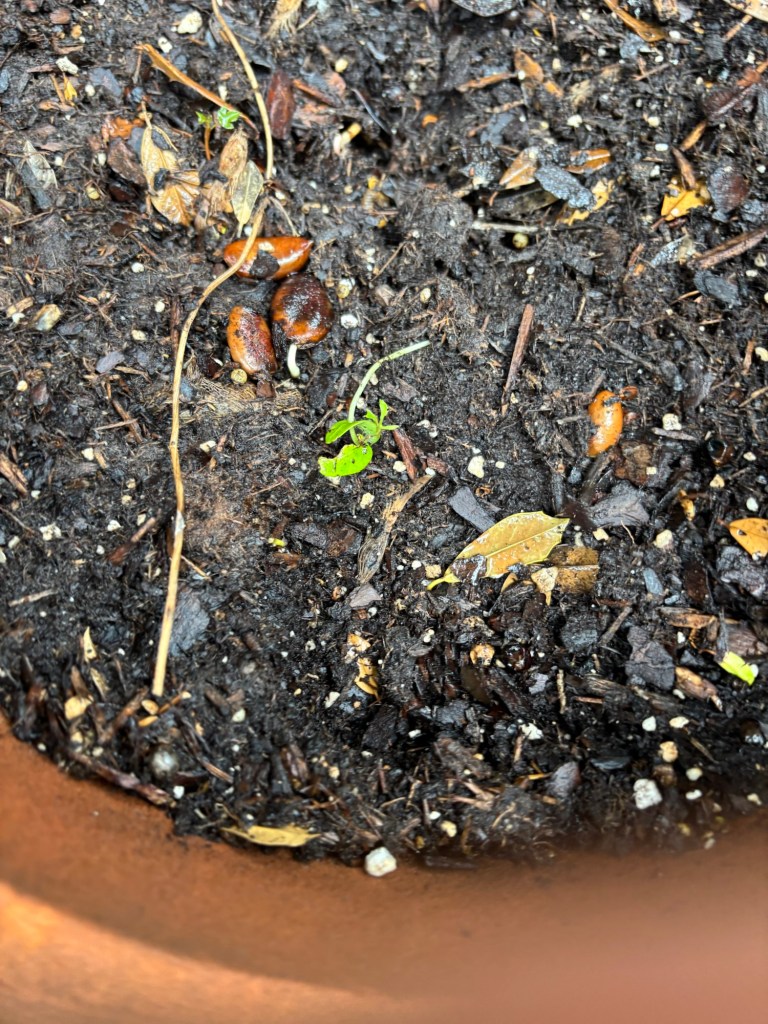
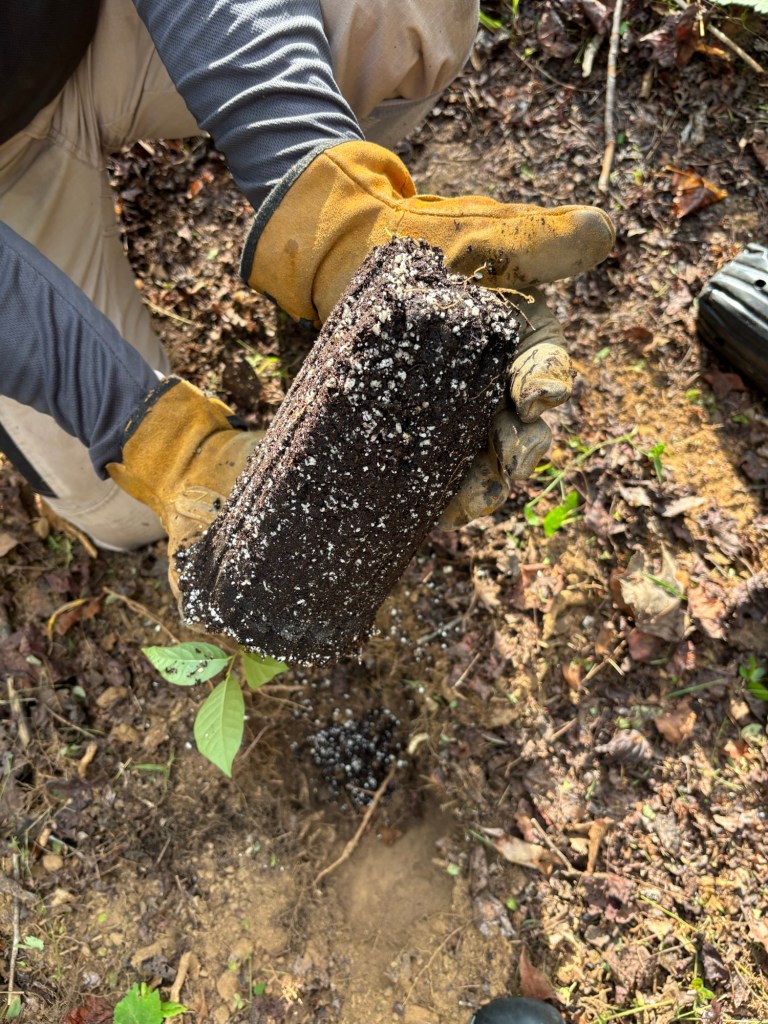
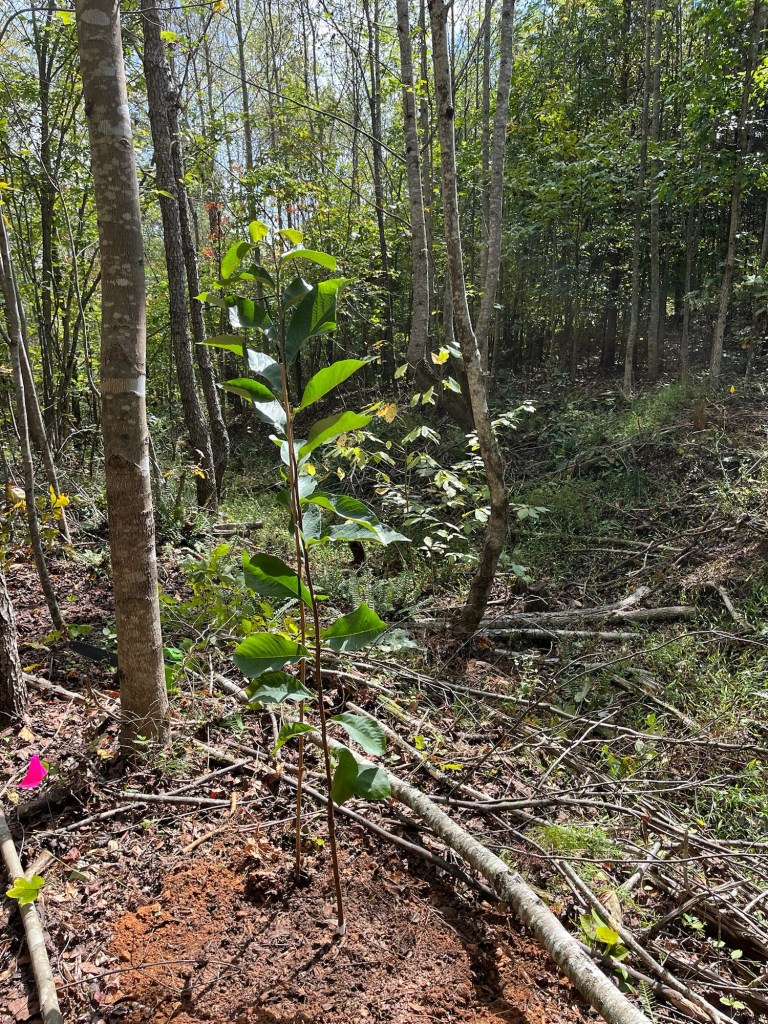
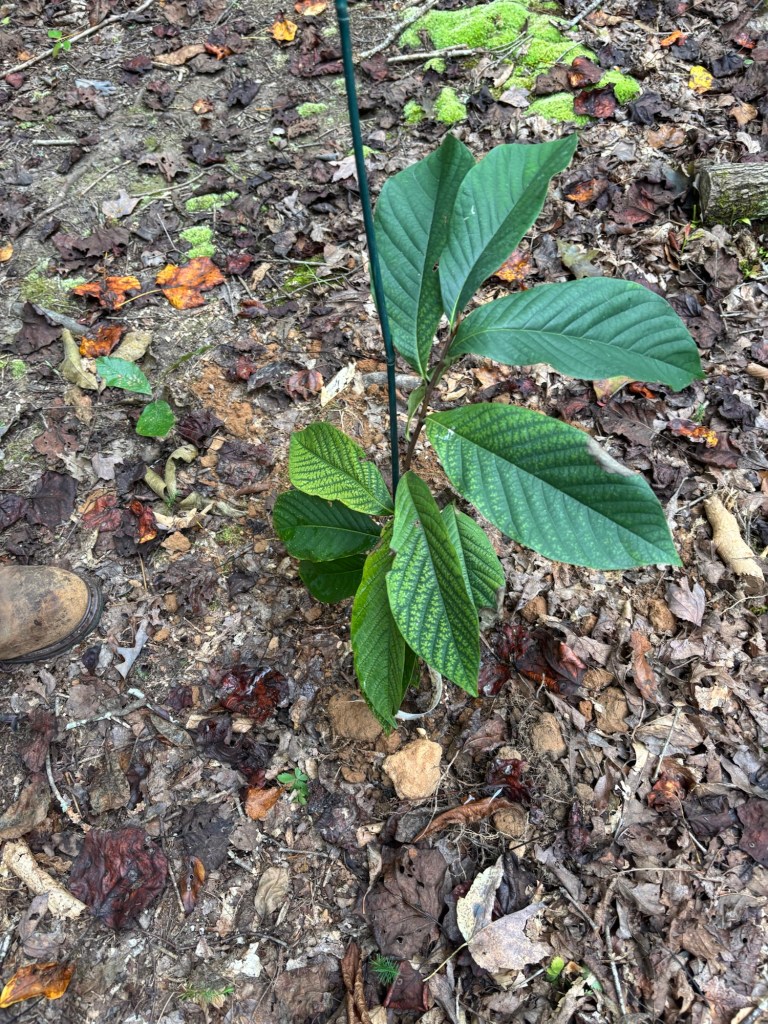
Just 21 more to plant after going out every day and planting 9 or so at a time. The orchard has really turned out nicely at the bottom of North Trail. The earth is red silty loam which is pawpaws (Asimina triloba) preferred soil.
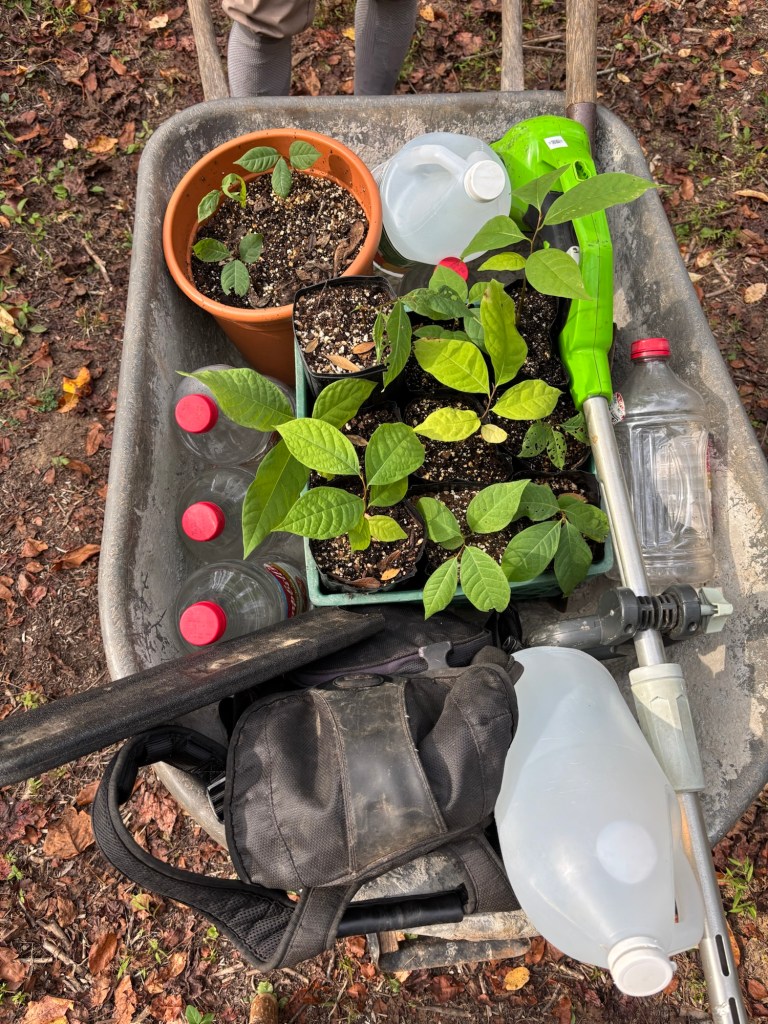
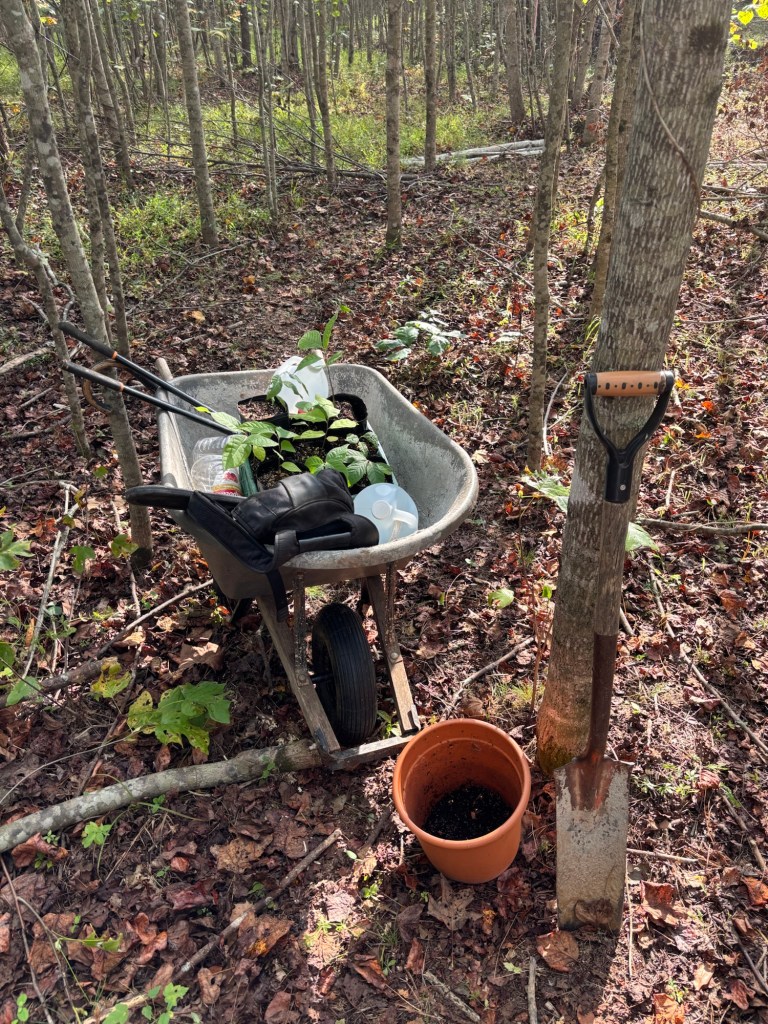
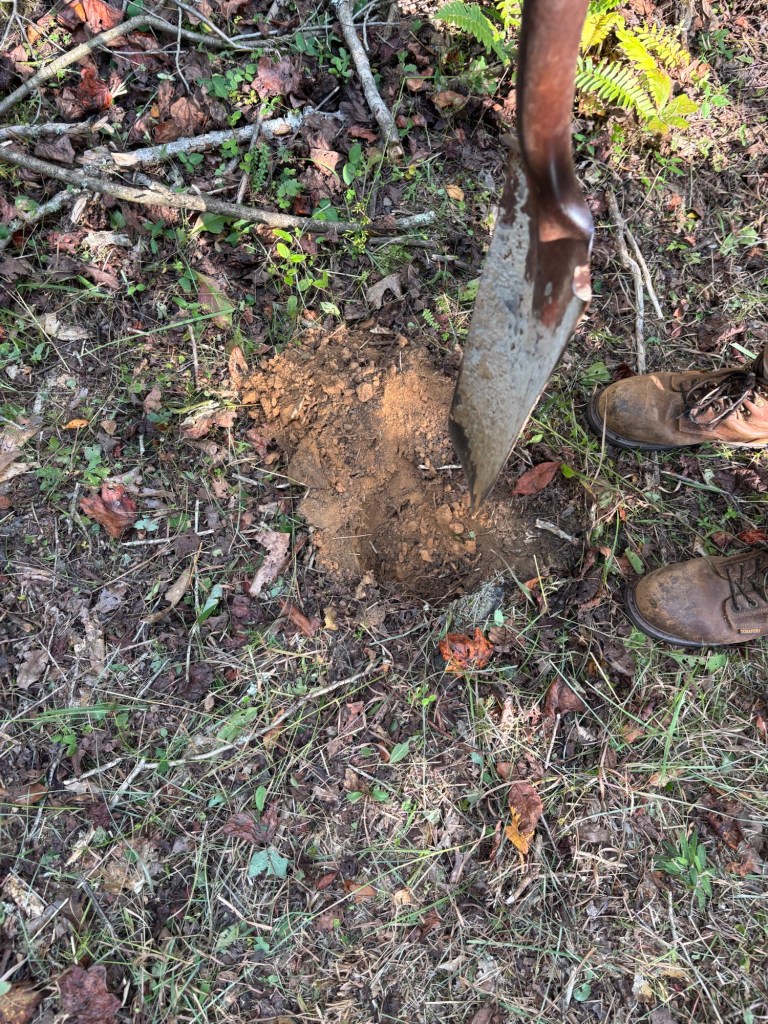
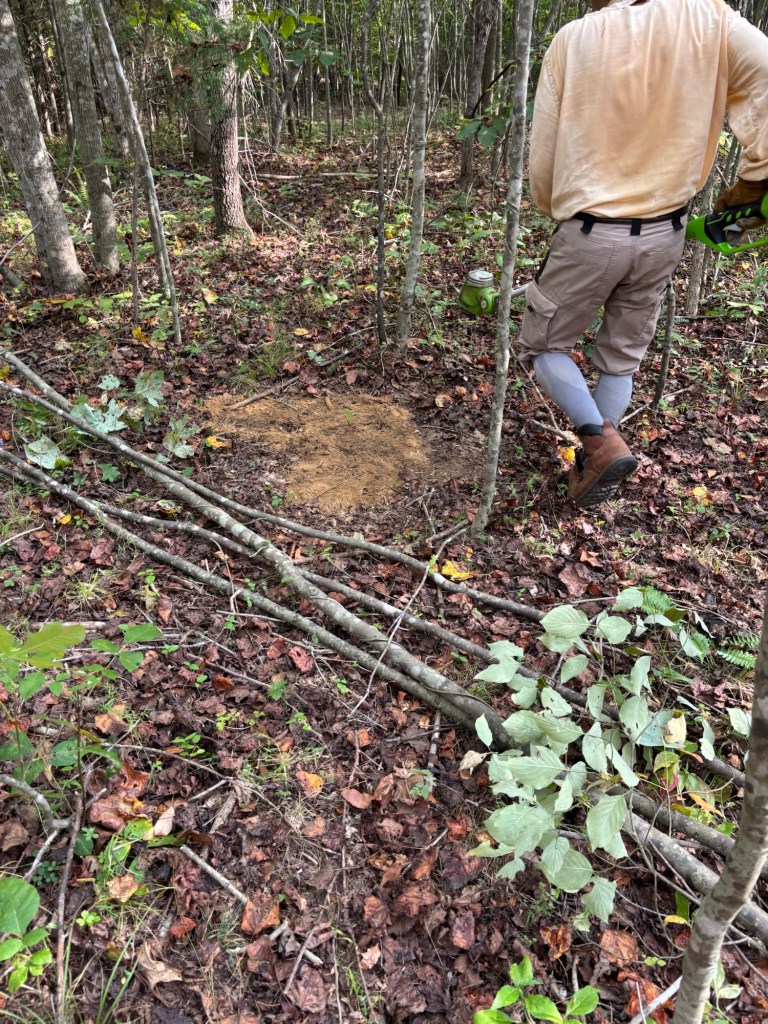
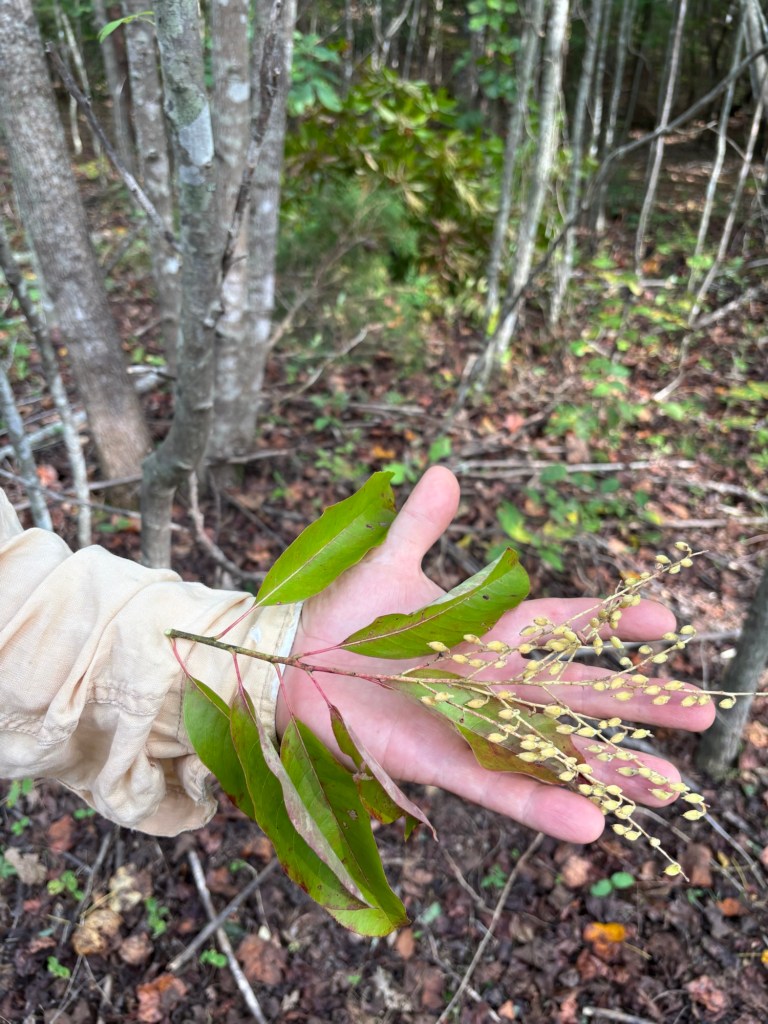
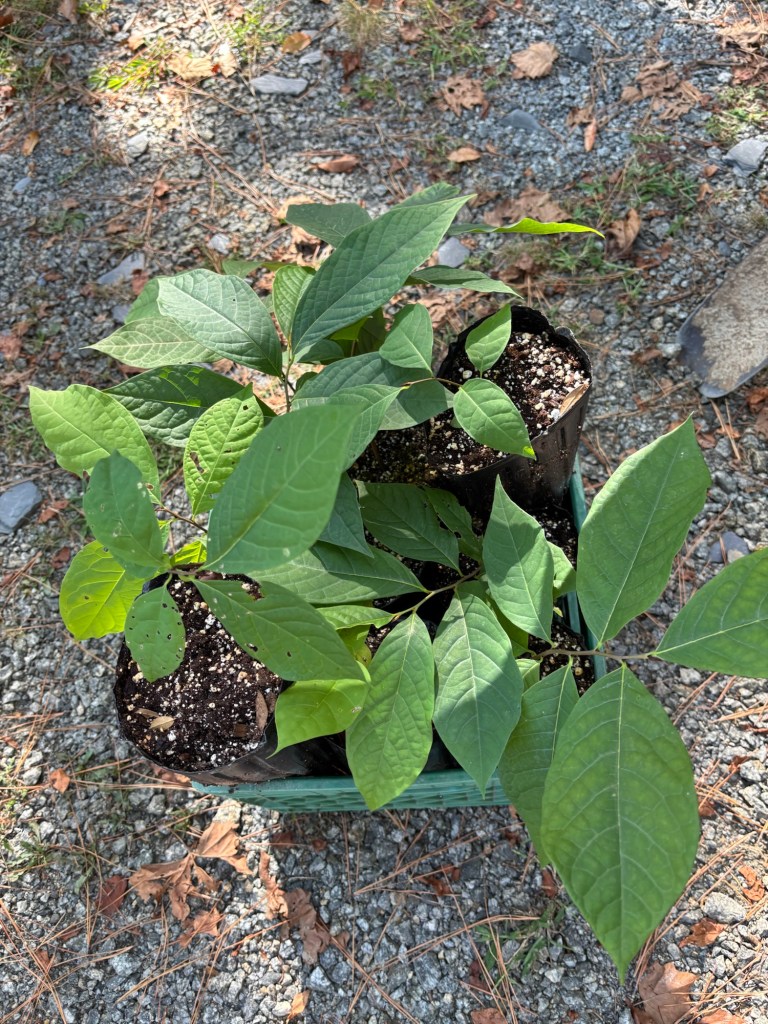
So far, we have planted 42 pawpaw trees. Yesterday we planted two more seedlings from Rockfish River natives in the main orchard and seven from select Edible Landscaping fruit. We are a bit less than halfway done but we are happy to get more in the ground later today while the earth is still soft from the recent rain. We checked on all of the previously planted seedlings —and a couple had been dug up a bit but the roots appeared intact so we replaced the dirt and watered them back in and hope for the best.
 St Andrews Forest Farm