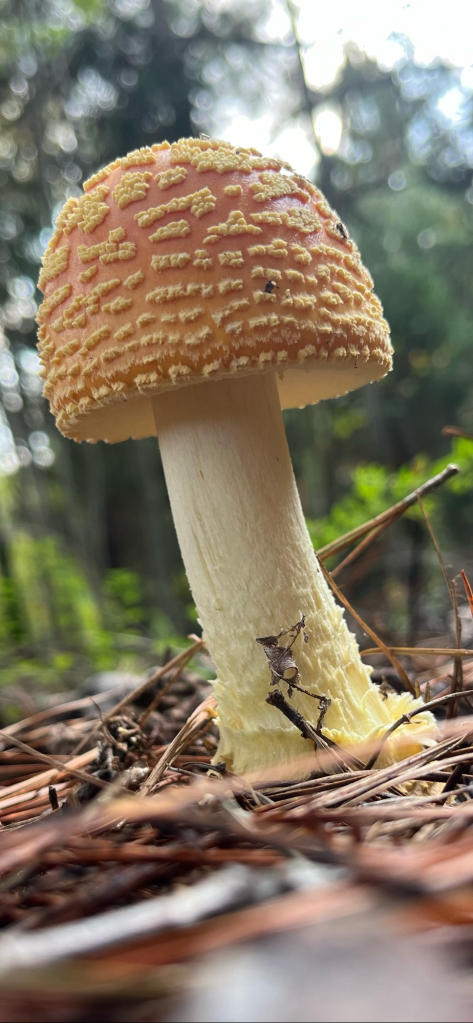
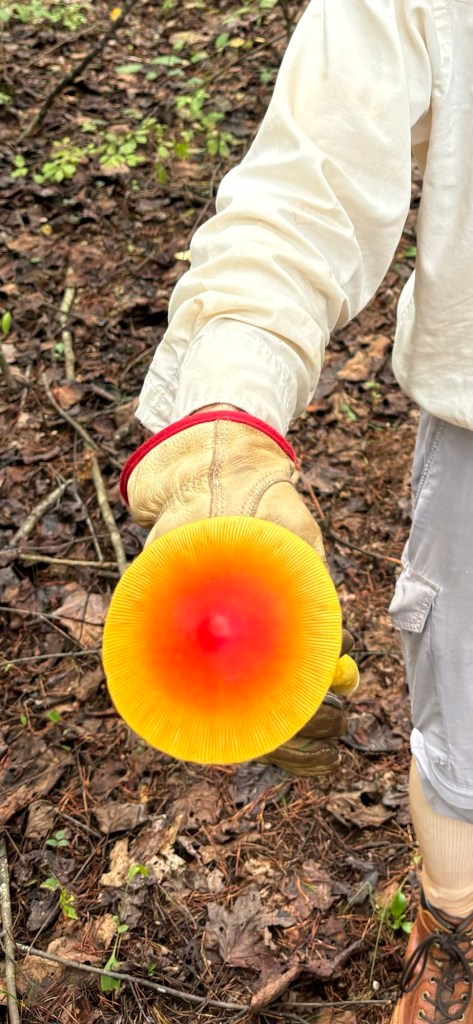
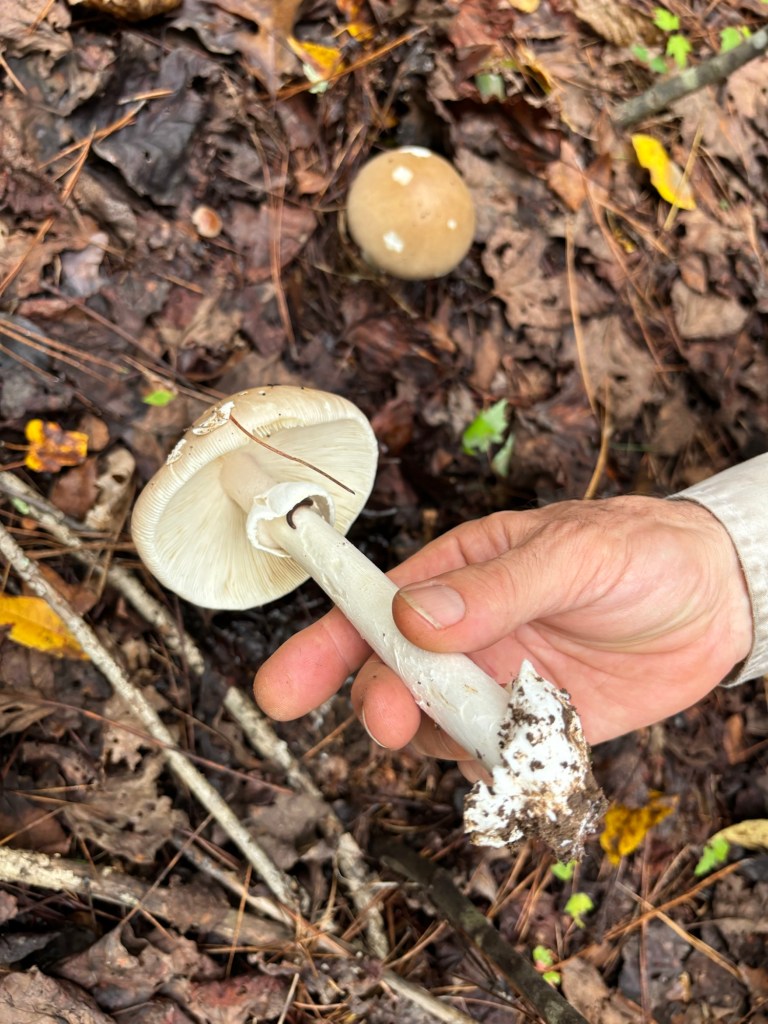
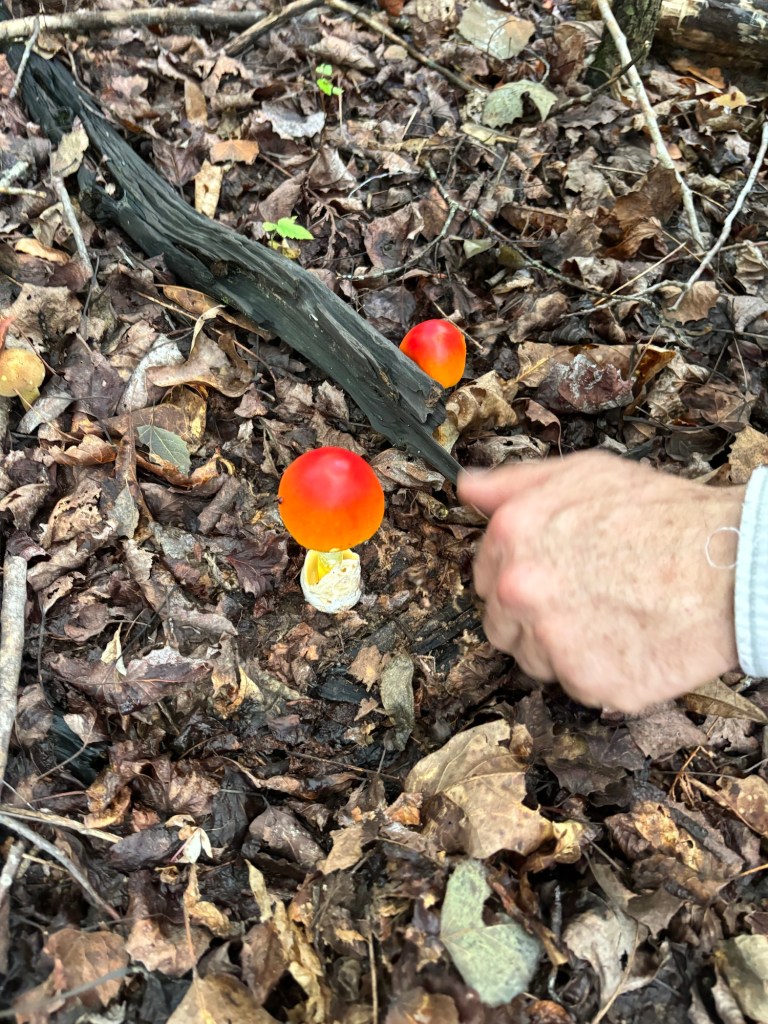
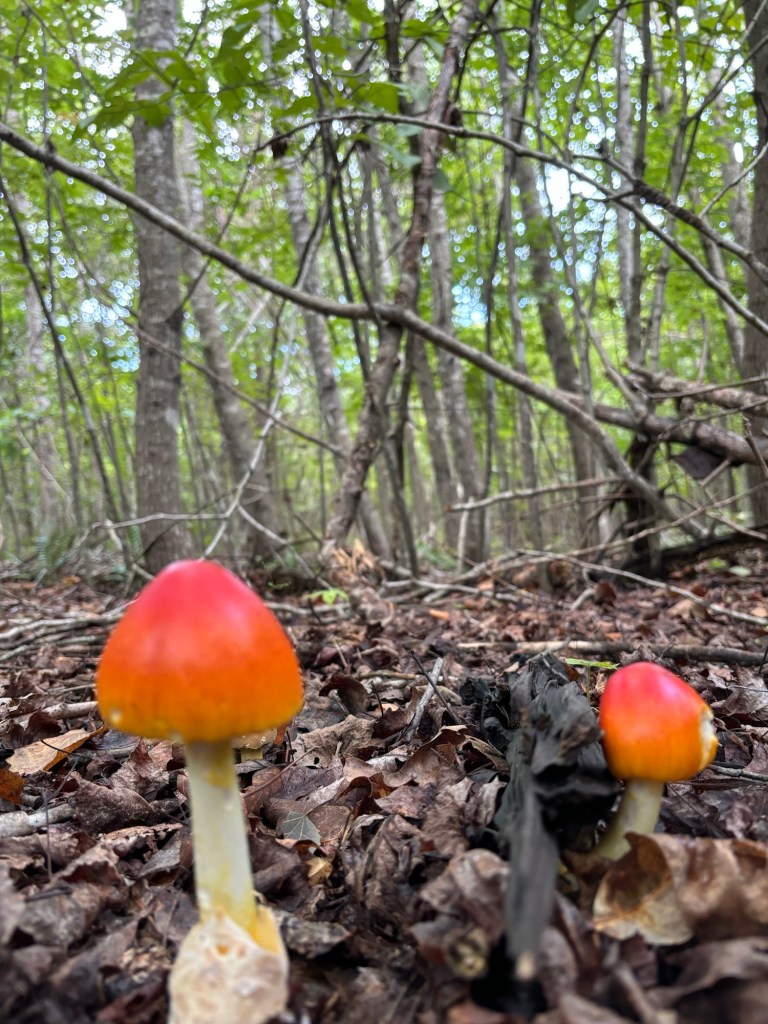
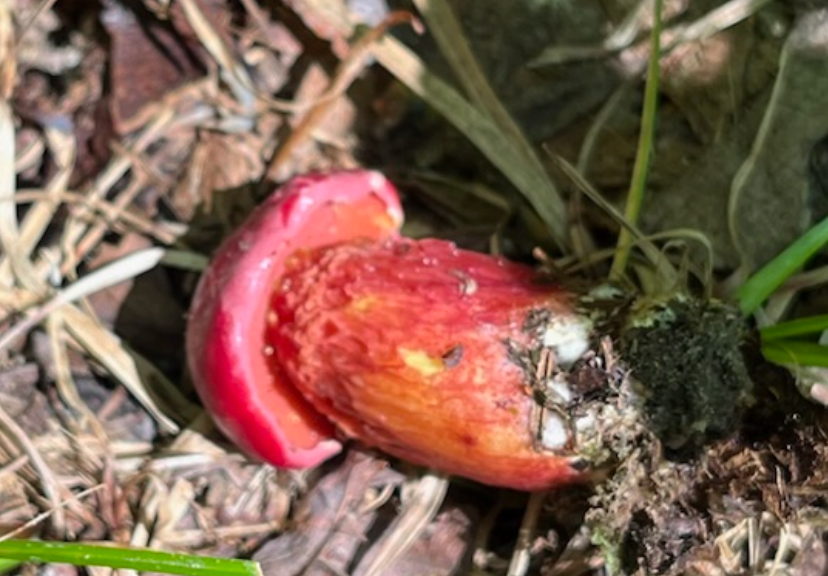
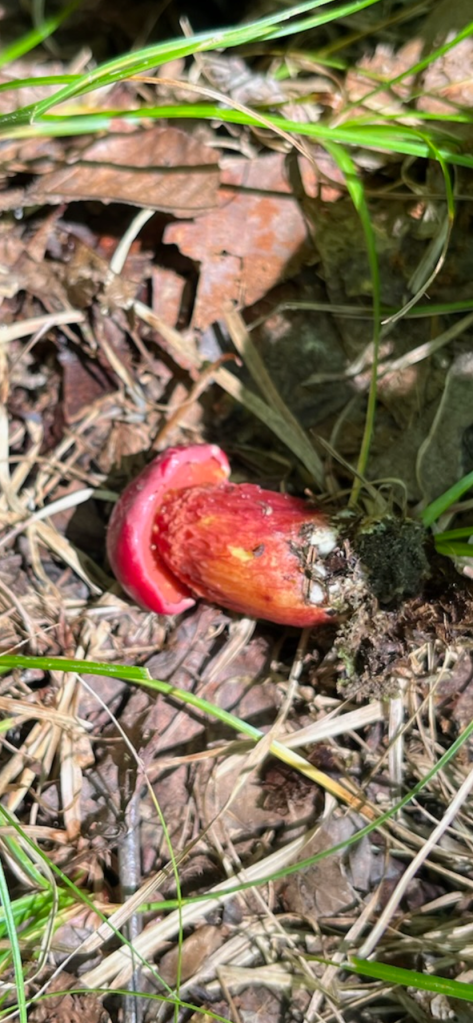
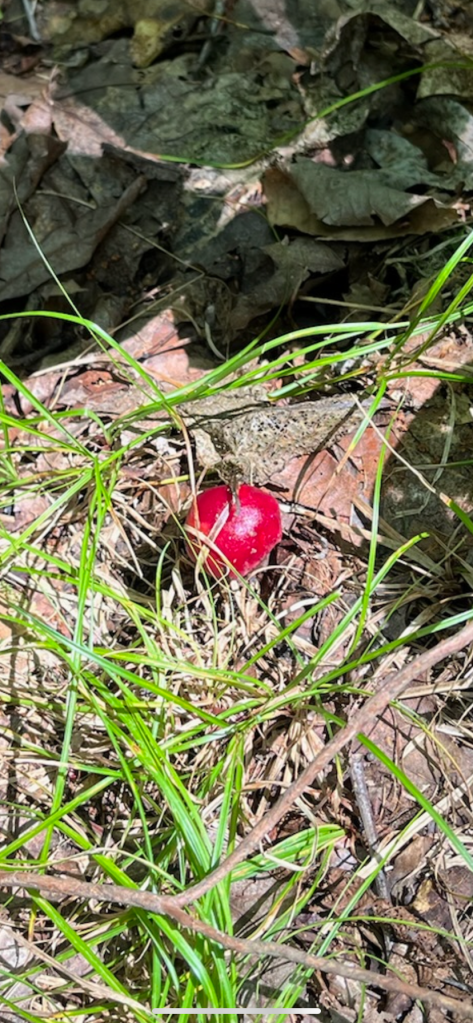
Amanita persicina found in groups throughout the farm near pines and oaks.
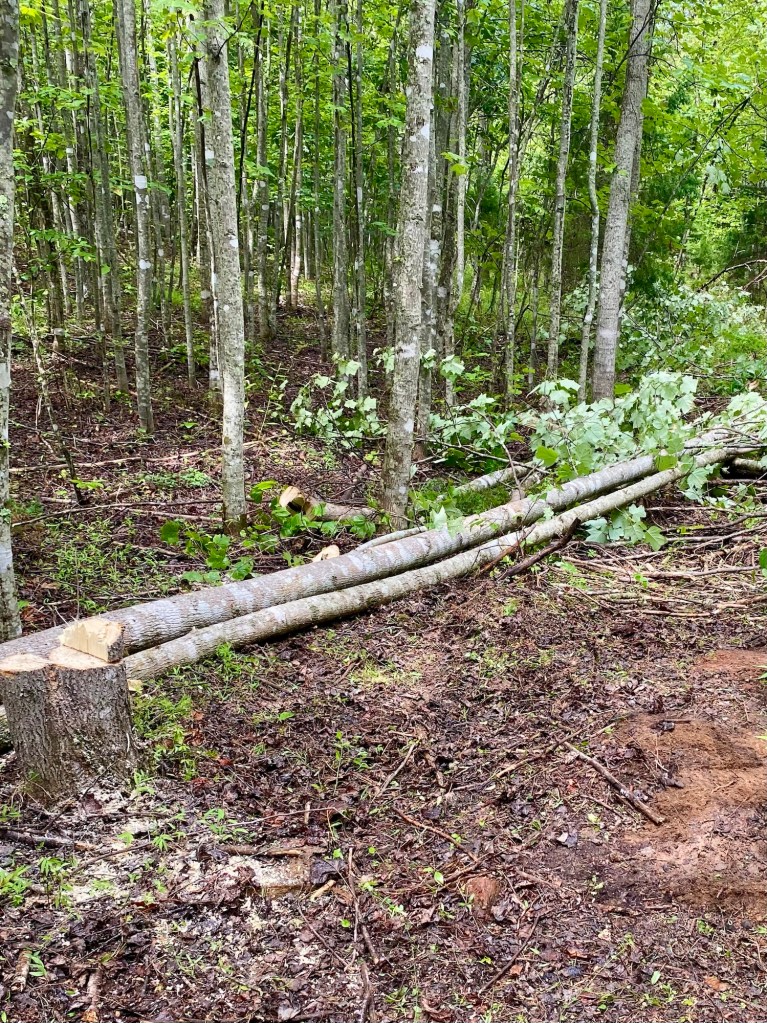
We went over to put up boundary markers and no hunting or trespassing signs as well as forage for mushrooms. Hunting season begins Saturday October 5th (early archery season starts). We took down trees growing too closely together and used the trunks as a natural fencing inside the tree line along the road frontage to discourage hunters from chasing deer onto our property. We’ve also been told hunters run dogs through properties to scare up deer. We are trying to create a hunt free zone, except for mushrooms, and to keep anyone chasing animals off our land. We also will put up several more cameras later this weekend. We had technical issues yesterday but worked it out this morning.
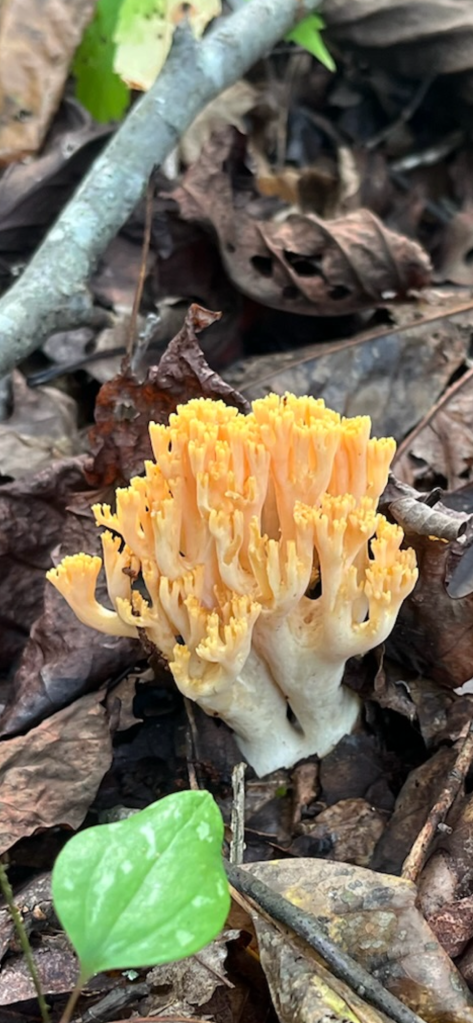
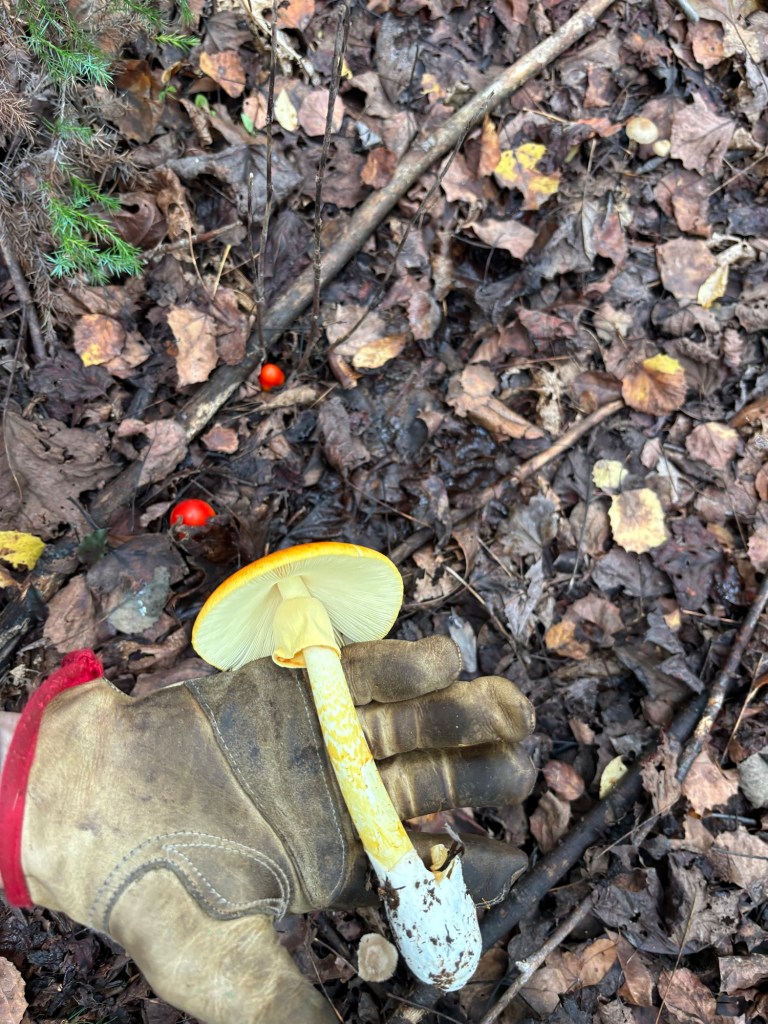
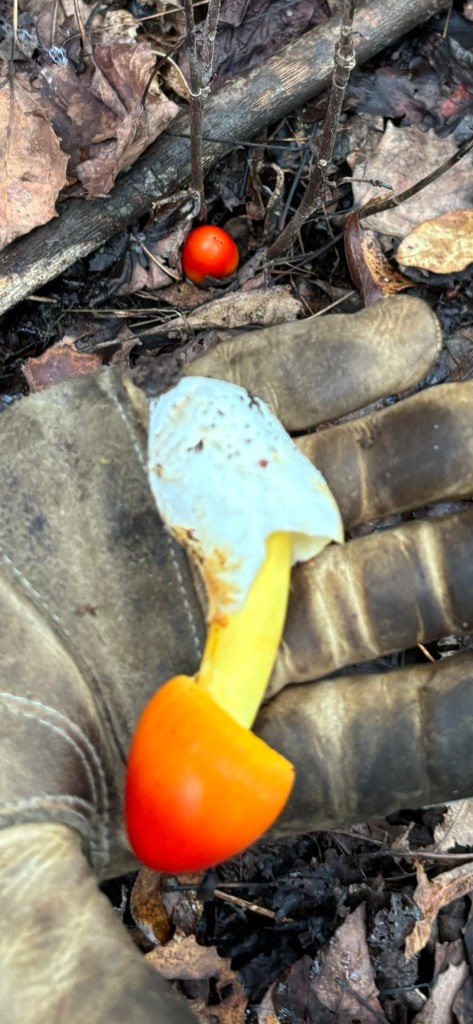
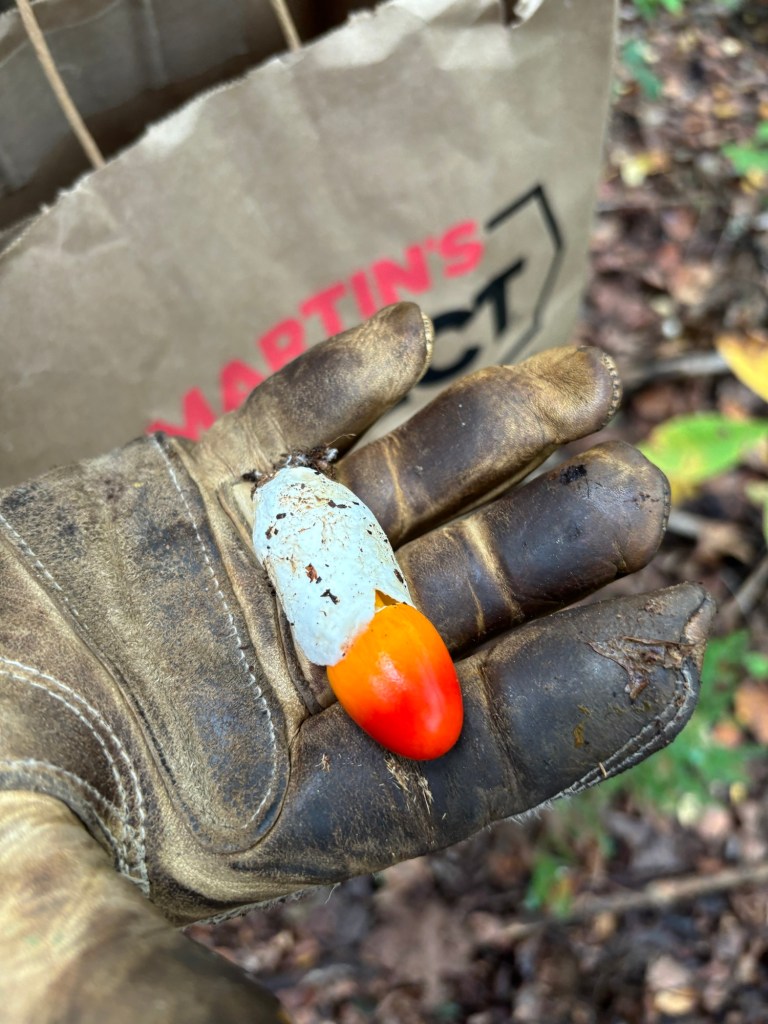
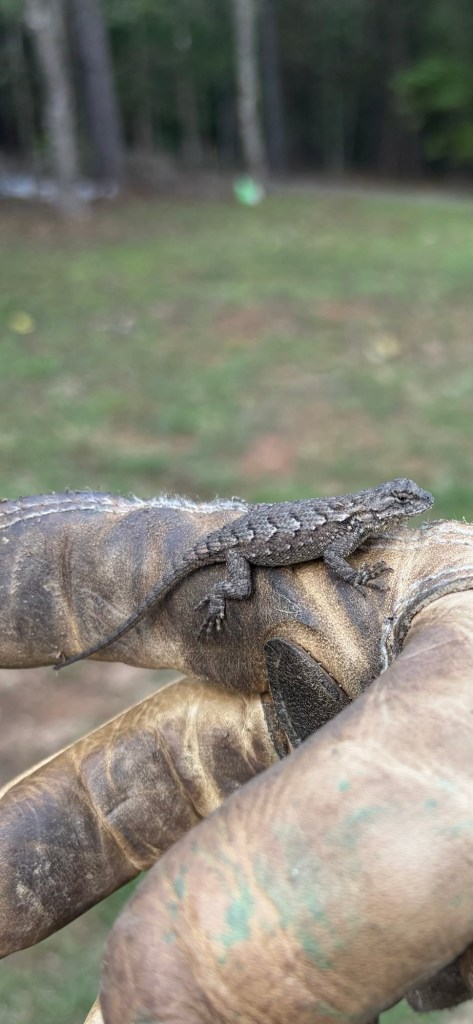
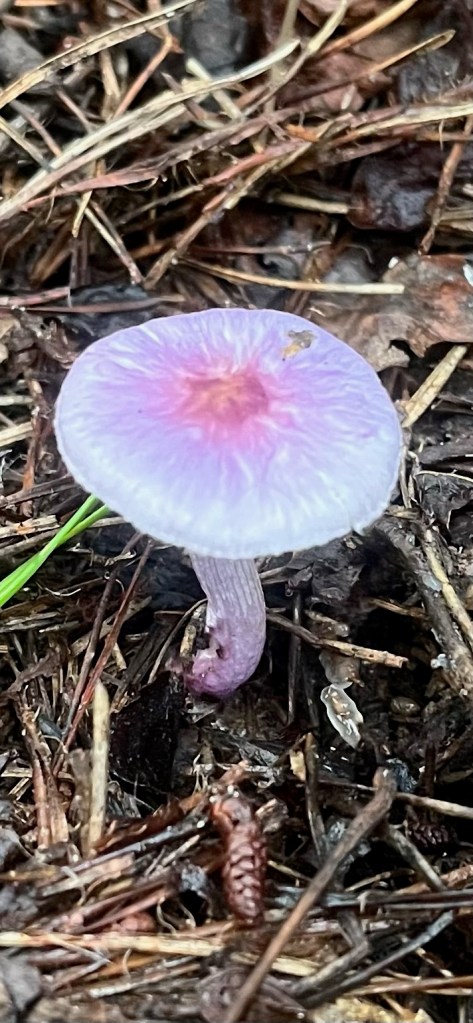
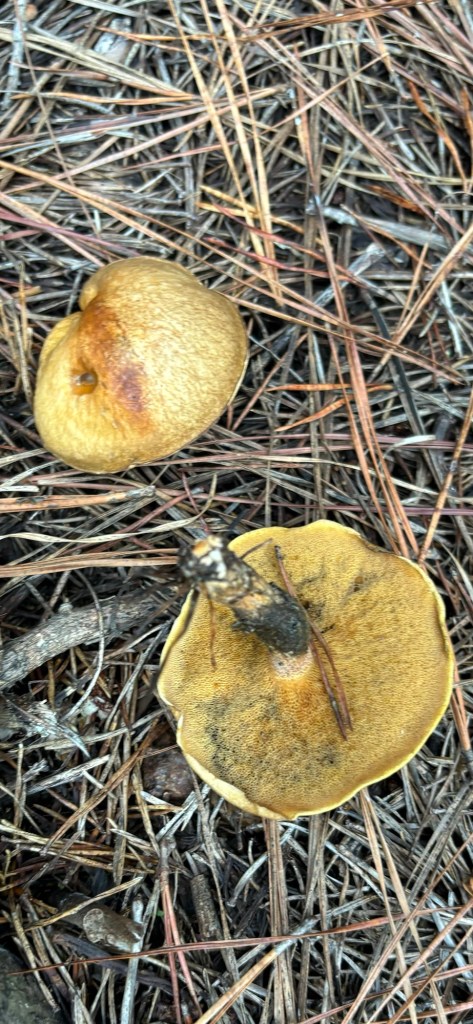
Coral fungusA family of Amanita jacksonii, American slender Caesar, we brought home and processed for eating. Top of A jacksonii Younger A jacksonii An A. jacksonii just emerging from its volva. These are the most delicious. Eastern fence lizard, Sceloporous undulatus, we found hanging out on a black cherry stump up top in the clearing. Amanita spreta, commonly called the Hated Caesar, is an inedible variety. They were large and showy found in the north side near pines. We continue to find these blue staining boletes and have narrowed down their identification to four different species. For now, they remain unknown. Unknown blue staining bolete. Inocybe lilacina, Lilac fibercap, is a poisonous mushroom found on the north side of SAFF. Suillus salmonicolor, Slippery Jill, found everywhere on SAFF near pine.Suillus, slippery jacks, associated with pines.
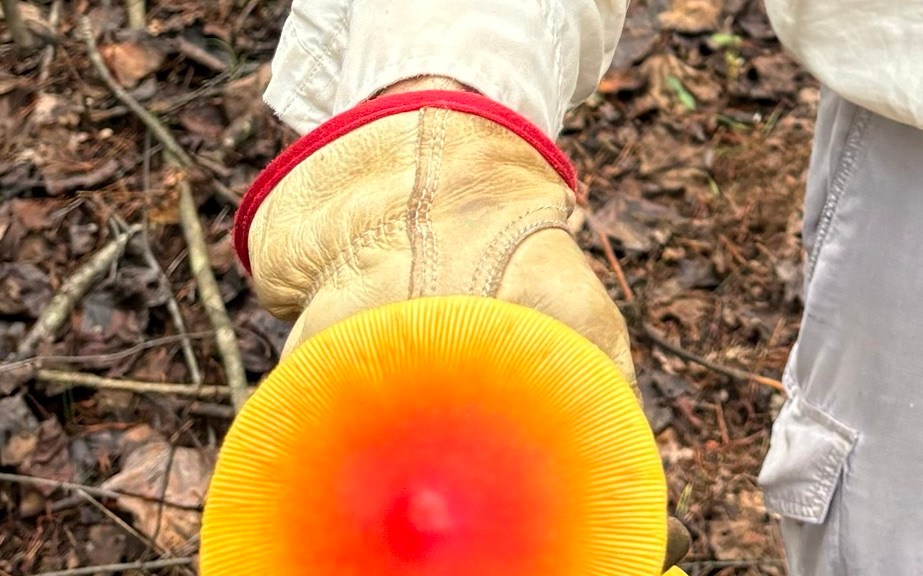
Amanita jacksonii found on the north side of SAFF. The choice edibles are found in pine and oak forests from Canada, through the eastern US and into Mexico.
The past three times we’ve pulled into the clearing with the truck, we’ve seen a young deer. It’s usually sleeping in the forest and it hears us and takes off. We don’t think it’s too afraid because it doesn’t run far though. We come upon it multiple times like it has become a game for the adorable creature. It’s always alone. We hope it stays safe and we understand it’s safest for it to not be comfortable with humans. We’re also seeing a lot of bear poop on the north side of the farm. No sign of our 4 or 5 year old male bear this year but we think it’s him. It’s nice to know animals are taking advantage of the nuts, berries, mushrooms and shelter the trees provide.
We walked all around the trails that were damp from an afternoon thunderstorm that hit just before our arrival. Right away, we saw new mushrooms emerging from the ground that hadn’t been there the day before. Sometimes it takes a few days for the mycelium to send up the fruiting body after a rainstorm —and sometimes it’s quick.
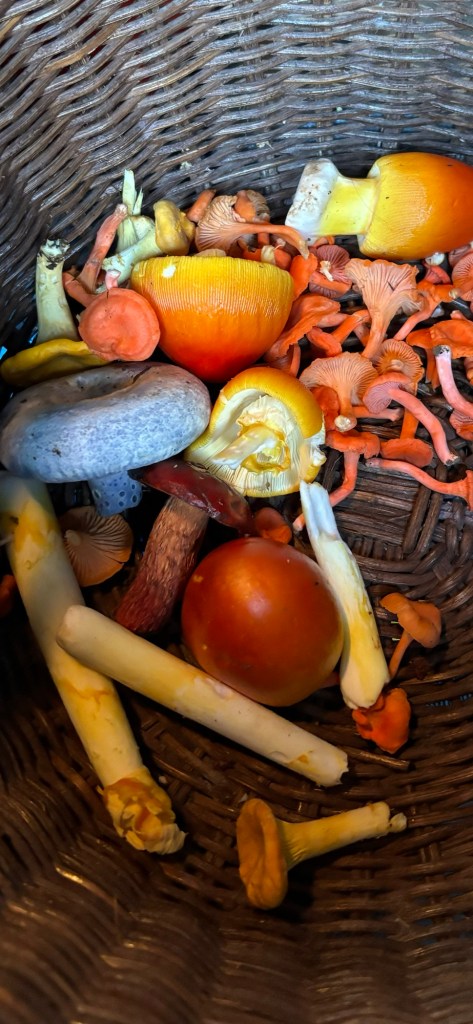
We basketed up our bounty and left the farm as the sun was setting. We were too tired to cook the mushrooms last night so we stored them in a paper bag in the refrigerator and hoped they’d stay in nice shape. It’s best to cook them right away and save them cooked either in the refrigerator or the freezer depending on how quickly they will get eaten. But these wild mushrooms, especially the chanterelles, need to be used quickly.
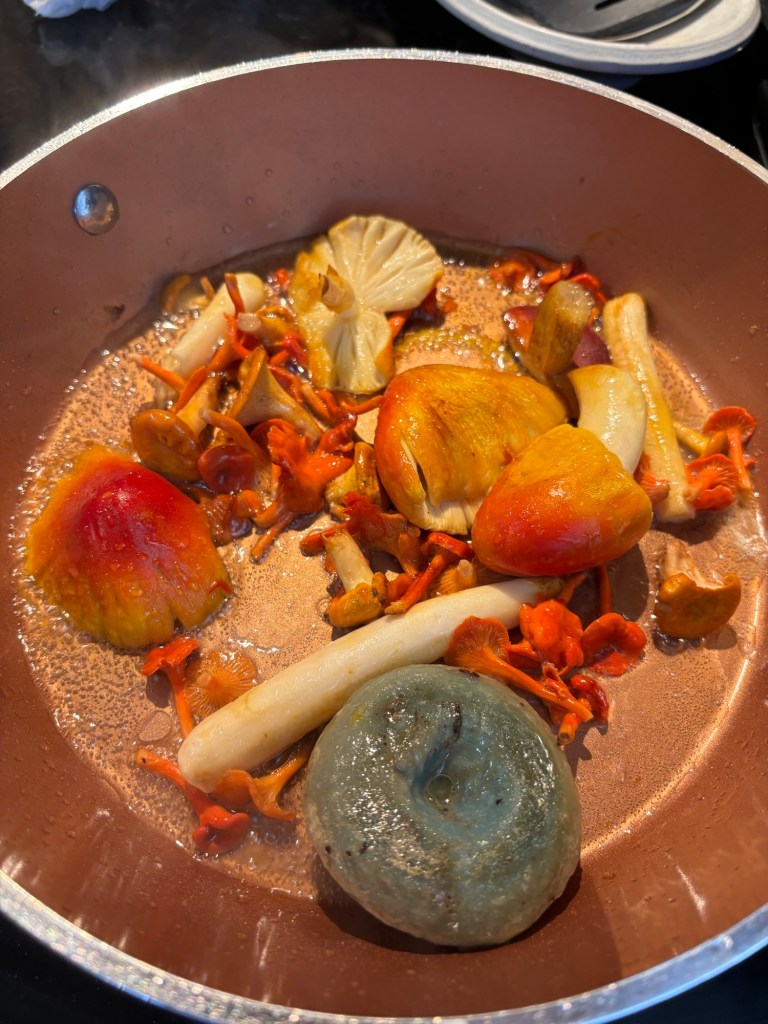
They were in nice shape this morning so we dry cooked them for a few minutes in a skillet on 7. Added olive oil and butter and cooked about 15 minutes. We let them cool and have them stored in the refrigerator. We are thinking of making a wild mushroom quiche.
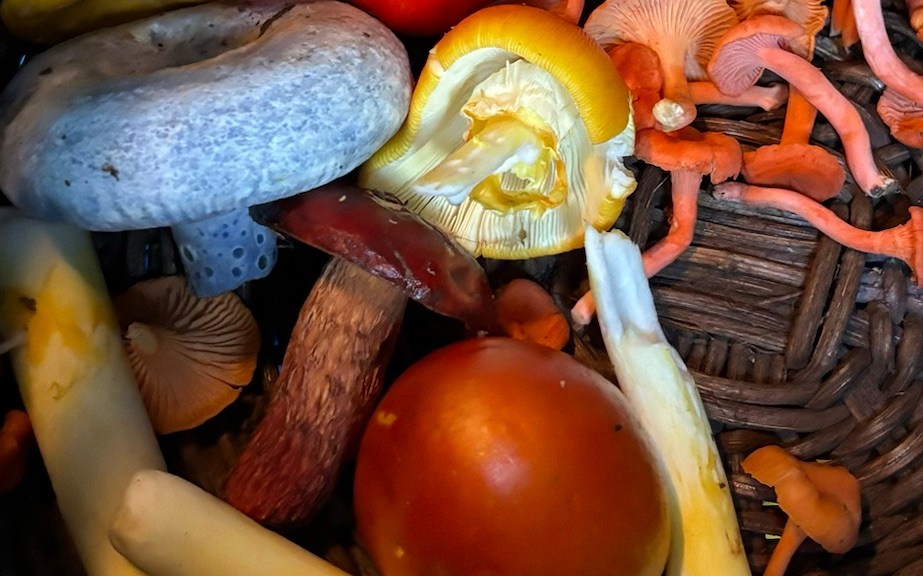
Amanita jacksonii have a bright red cap that can grow up to four inches A beautiful mushroom to find that looks very similar to deadly poisonous mushrooms. Care should be taken to identify and be confident before you plan to eat them. Our mushroom harvest yesterday included ghost chanterelles, Cinnabar chanterelles, Indigo milk cap, Frost’s bolete and American slender Caesar.
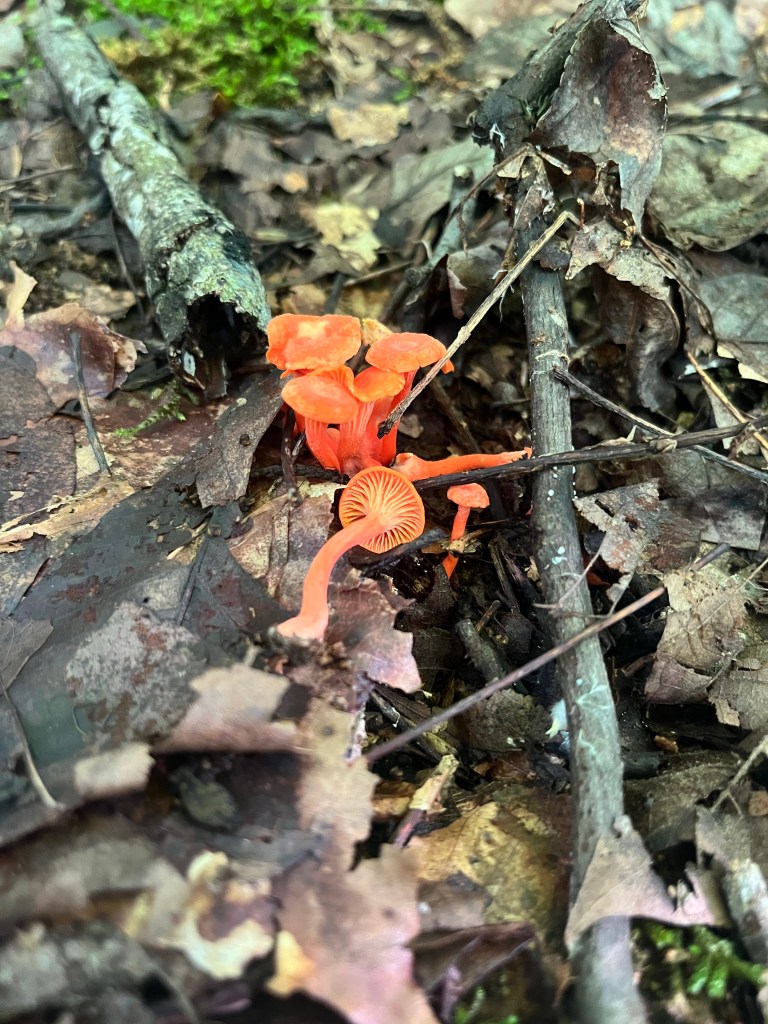
Cinnabar chanterelles found near the waterway right on the trail. These are choice edibles.
Tropical storm Debby is set to hit the farm tomorrow evening with rains expected to be 4-8 inches and peak wind gusts Friday morning at 34 mph. We can’t wait to see what this rain will bring since there’s been so many mushrooms already.
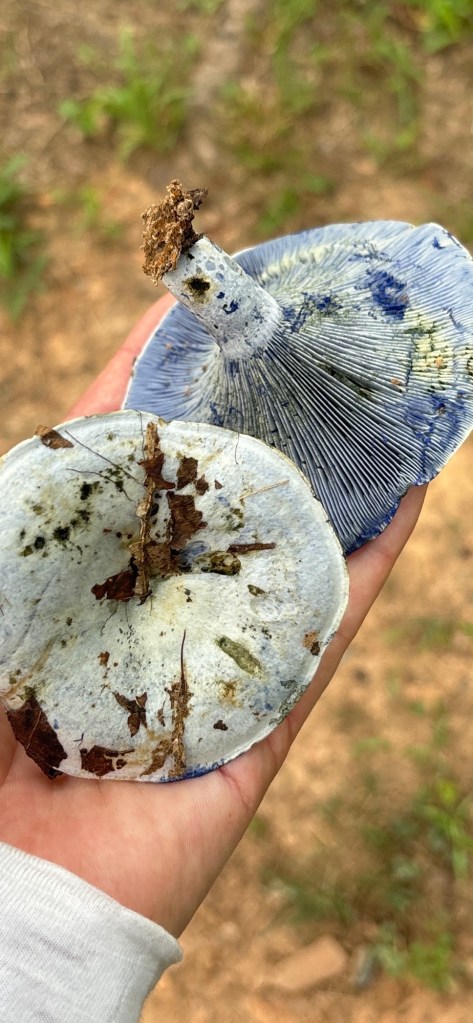
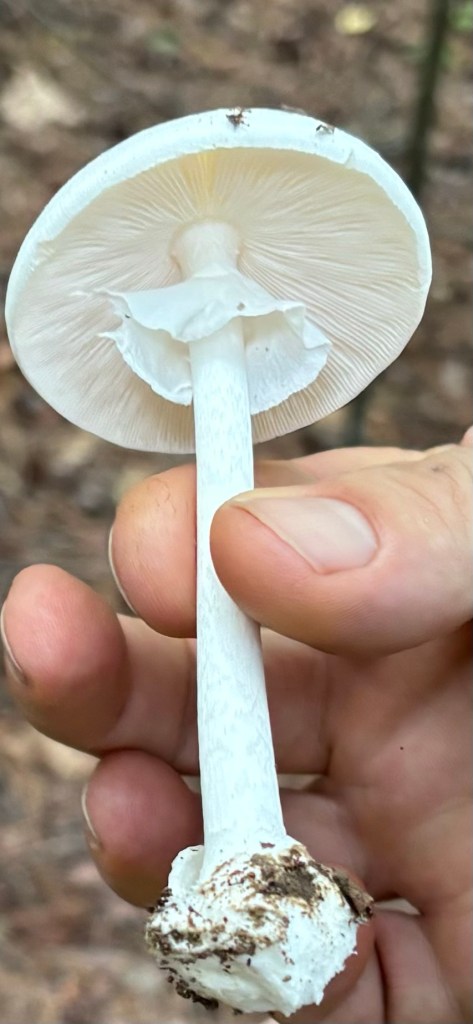
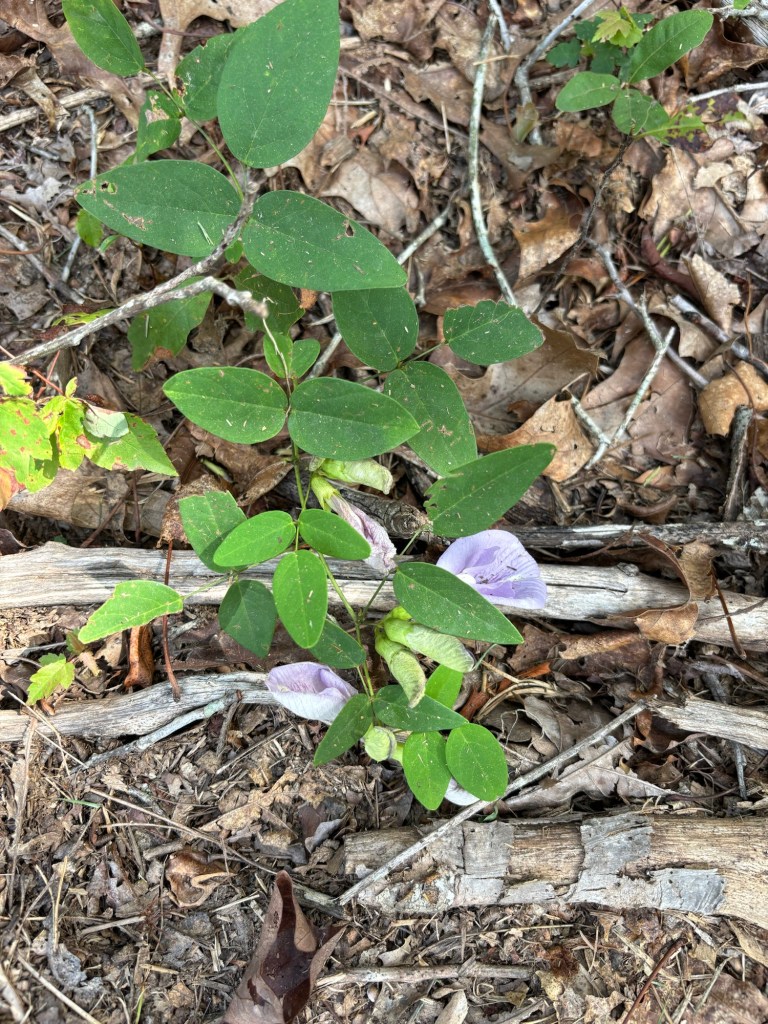
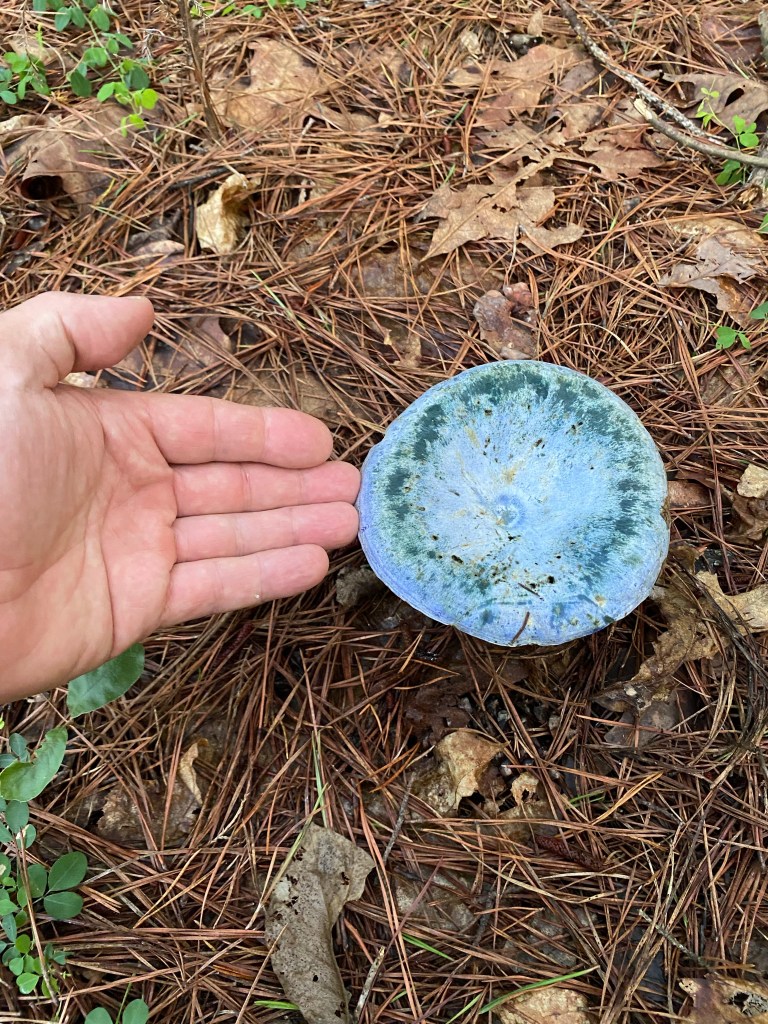
Retiboletus ornatipes, Ornate stalked bolete, is edible but not considered choice. We found them along South Trail. Lactarius indigo, indigo milk cap, is a choice edible found off Chanterelle Trail. We brought these beautiful blue mushrooms home to eat. Eastern North American Destroying Angel, Amanita bisporigera, a deadly poisonous mushroom found near North Trail.Clitoria mariana, pigeonwings, found up top in clearing near twin oaks
After steady rain, thunderstorms and cloudy skies in Buckingham for 12 of the last 15 days, we went out with high hopes of finally finding mushrooms. When we pulled into the clearing up top at SAFF, we saw hundreds of small puffballs. We found four other species before we made it from the clearing into the forest. Inside the woods, it seemed mycelium was everywhere we looked. SAFF has become a mushroom wonderland after the months of drought and heat, the rain and lower temperatures really brought the mushrooms.
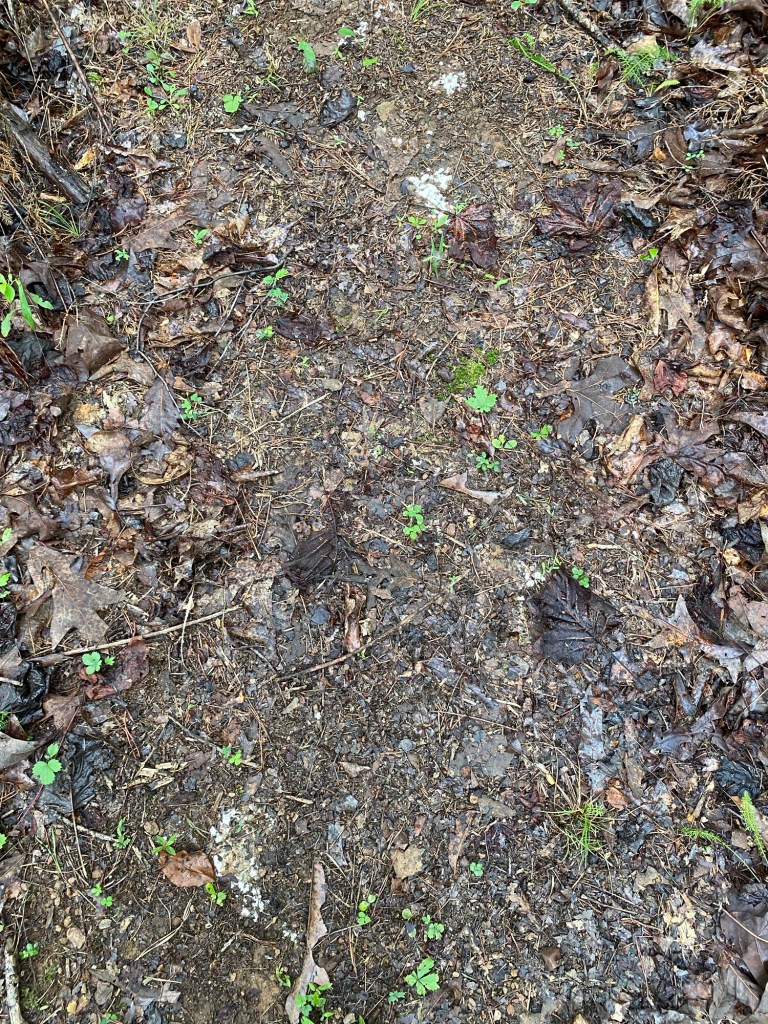
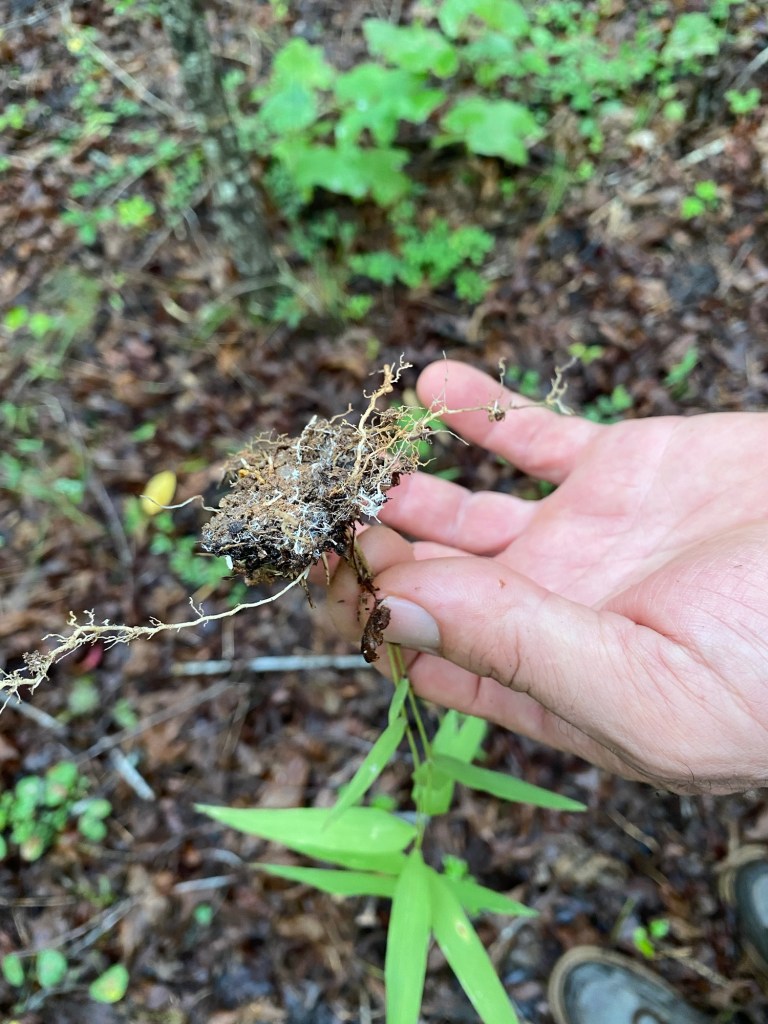
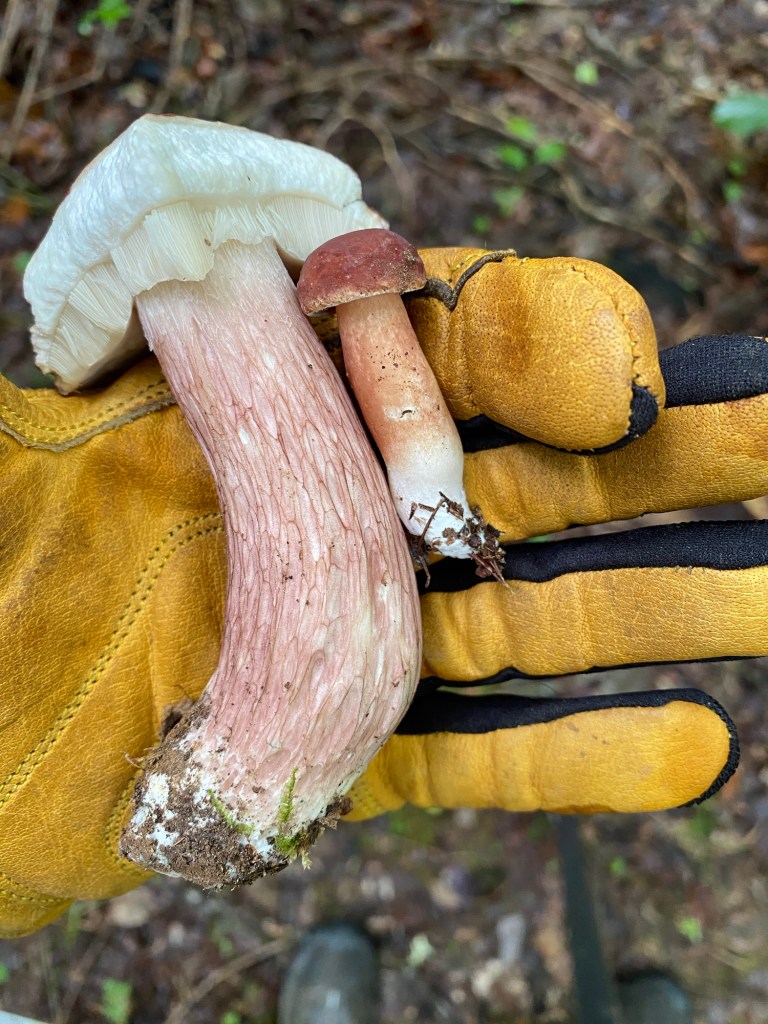
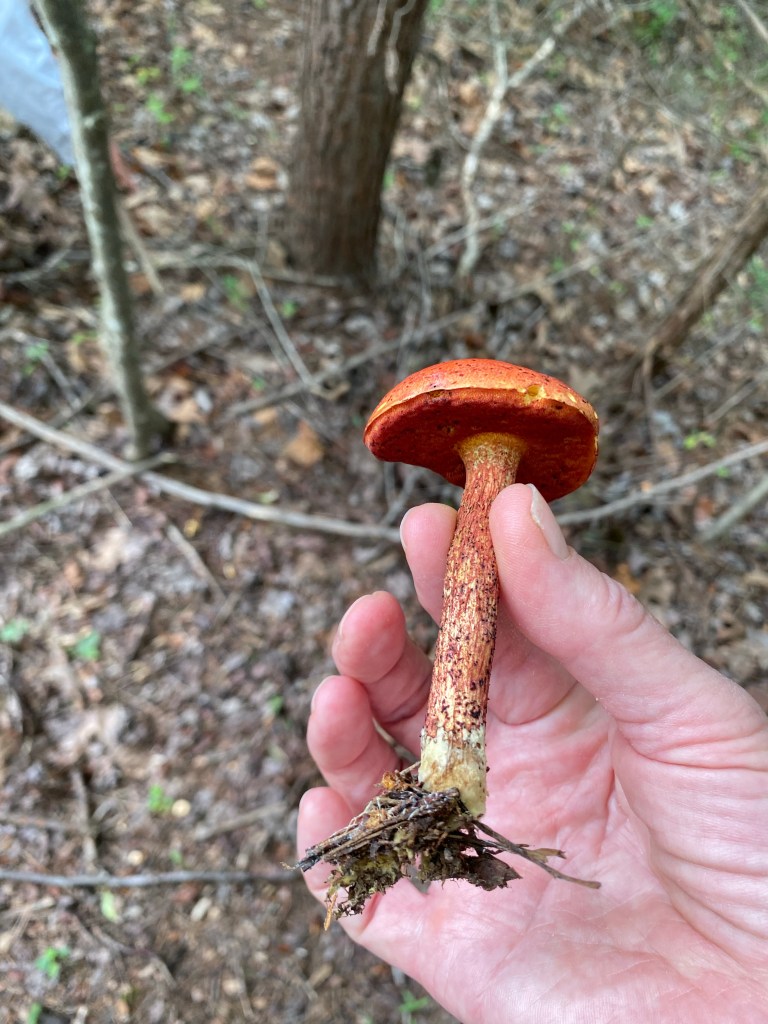
Mycelium appearing in white spots on the forest floor along Fern Way. Mycelium attached to Japanese stiltgrass roots an invasive we are pulling up where we see it in small numbers and plan to cardboard and mulch over it where it has a stronger foothold.Amanita rhopalopus, American Club-footed lepidella found near our road up top just before the south set back line. They had bugs all over them.Unknown Agaricus found in multiple spots along the south side.Frost’s bolete, Exsudoporous frostii, at bottom of slope near our crossing of waterway into the pawpaw grove. This was a spectacular sight. It’s edible and tastes acidic like lemon. Mycorrhizal with oaks.Top of the Frost’s bolete.Red mouth bolete, Neoboletus subvelutipes, is inedible and cause gastrointestinal distress. Red pores or spores are typically a warning sign with boletes. Boletus subluridellus a red pored bolete that is supposed to be edible. We have not tried it but reports are to boil first then it’s okay and delicious. Mycorrhizal with pine and oak.White boletes found in the flood plain below the slope at SAFF. These are edible. Leccinum holopus, white birch bolete or ghost bolete. White birch bolete were all over the bottom near the waterway. Lilac bolete, boletus separans, found with oaks and conifers and all over the forest floor at SAFF. These are delicious and beautiful mushrooms, a choice edible. We have found pounds of these.
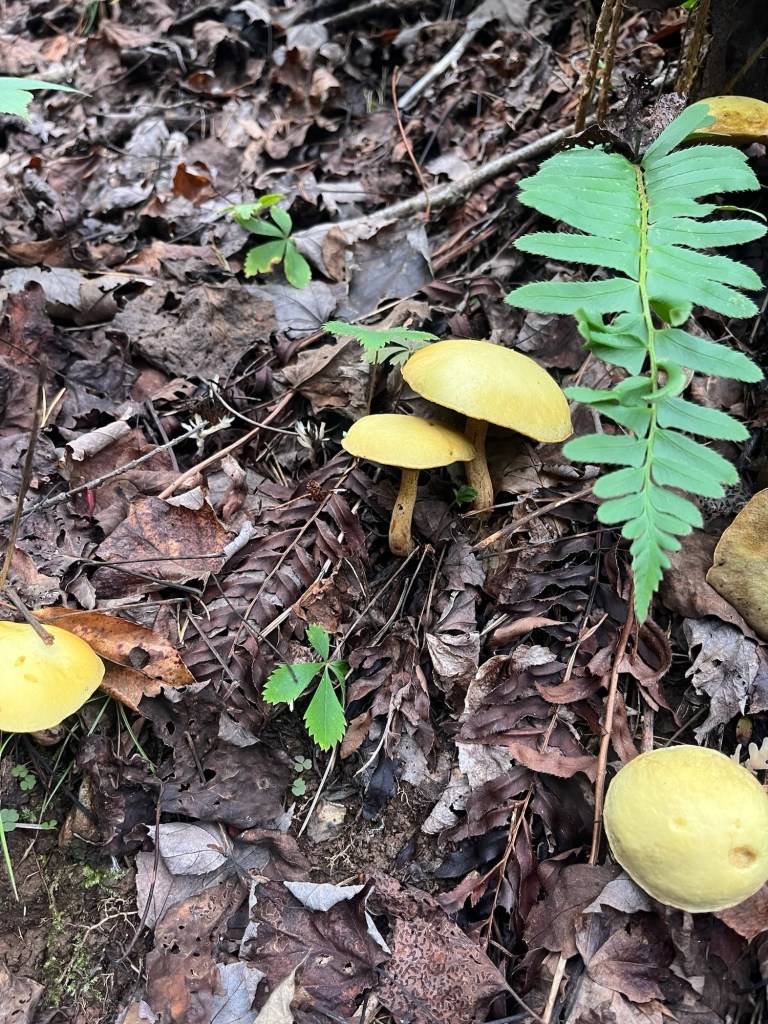
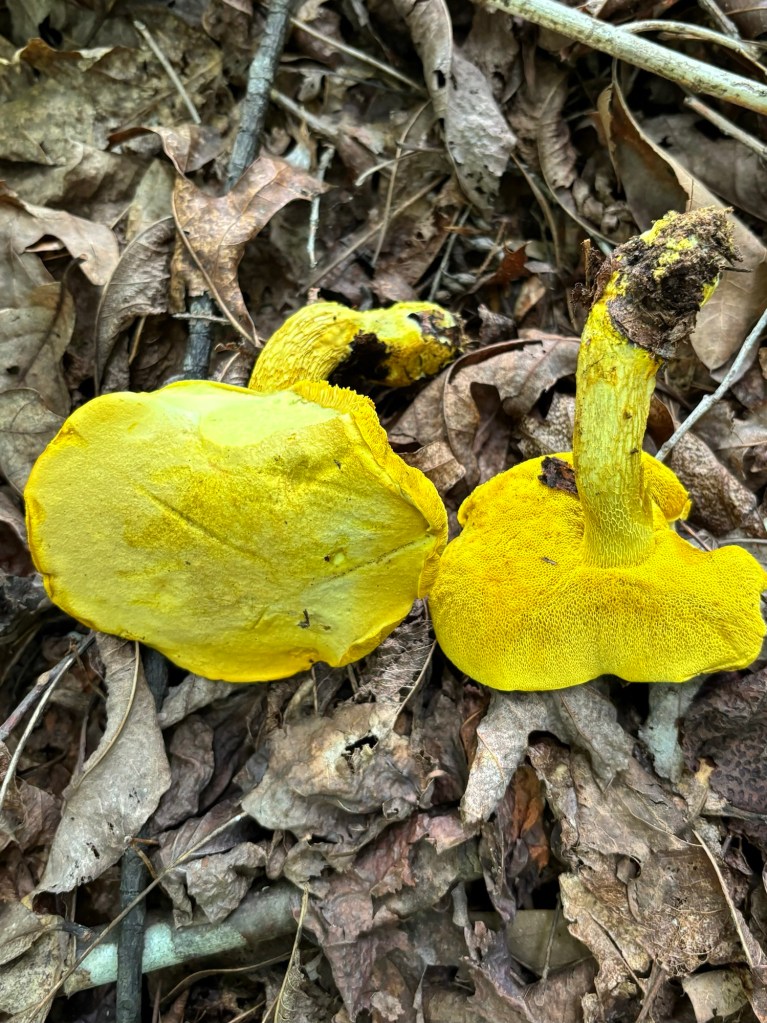
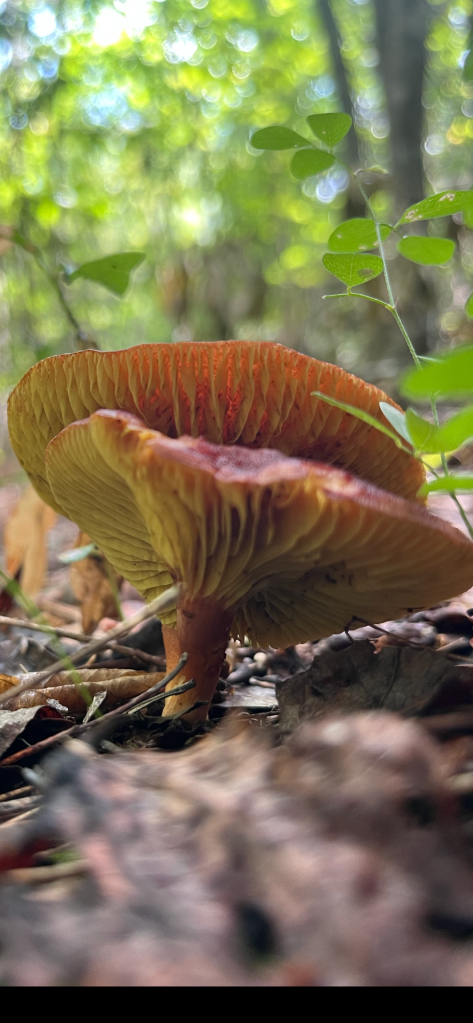
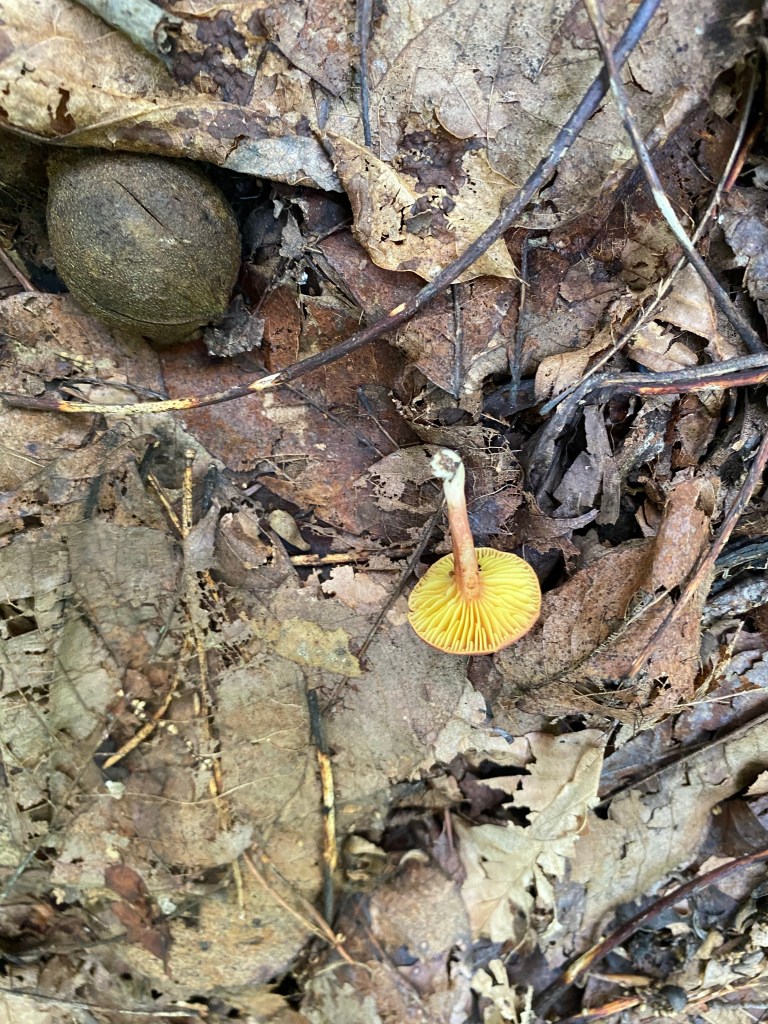
Golden gilled bolete, Phylloporus rhodoxanthus, found along Hawk Trail. Mycorrhizal with hardwoods usually oaks or Beech (both are near where we found these beauties).
Yesterday we went over to do some planting in the rain. It has been raining every day or so for the past week and the ground is wonderfully moist and much greener. All along the trails, we could see white mycelium spider webbing on the forest floor. We created a new garden bed at the bottom of North Trail by laying our tree trunks perpendicular to the slope.
Tulip Poplar trees we took down and placed to help slow water run off and build our first fish scale terrace for planting and water and soil conservation.
It may not seem like much but this is a huge paradigm shift for us as we have imagined fish scale terracing our slopes for the past year and it came together just as we’d hoped. We are eventually making a space for pawpaws. For now, we will have smaller plants. The ground was soft and pliable in the rain. We practice minimal disturbance gardening to improve our soil quality, increase yields and drought resilience as well as increase fertility. So this means we dig as little as possible to keep our soil and mycelium undisturbed.
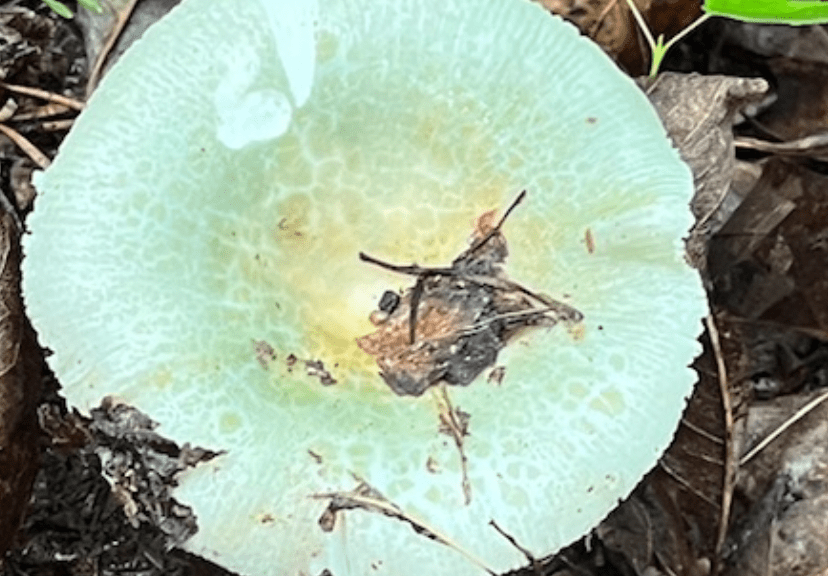
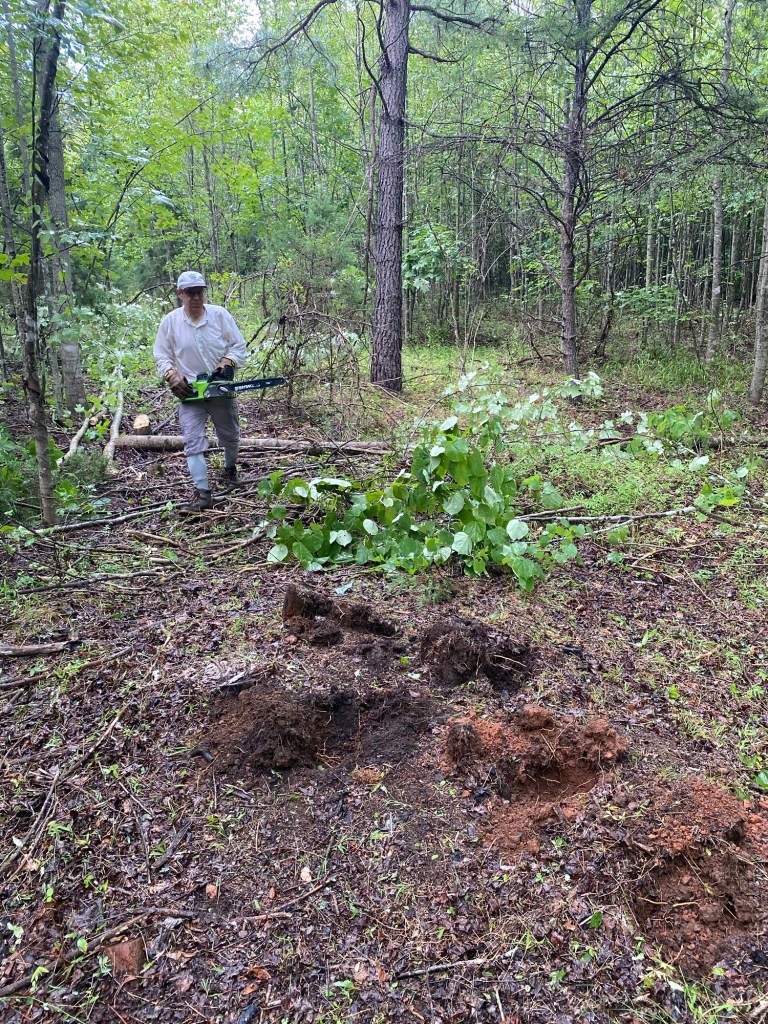
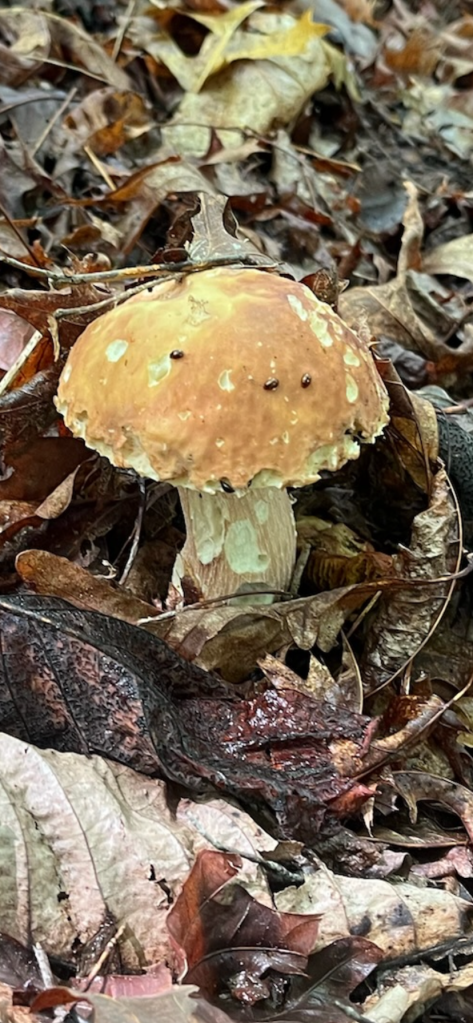
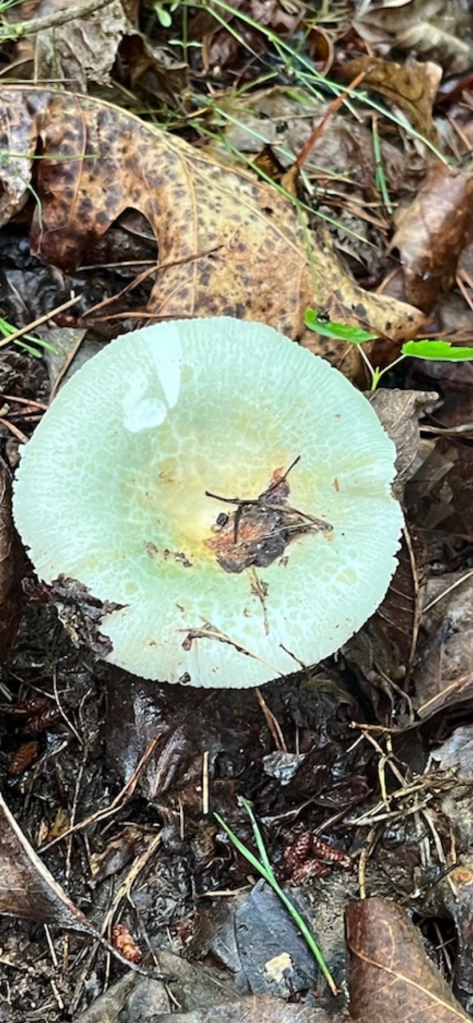
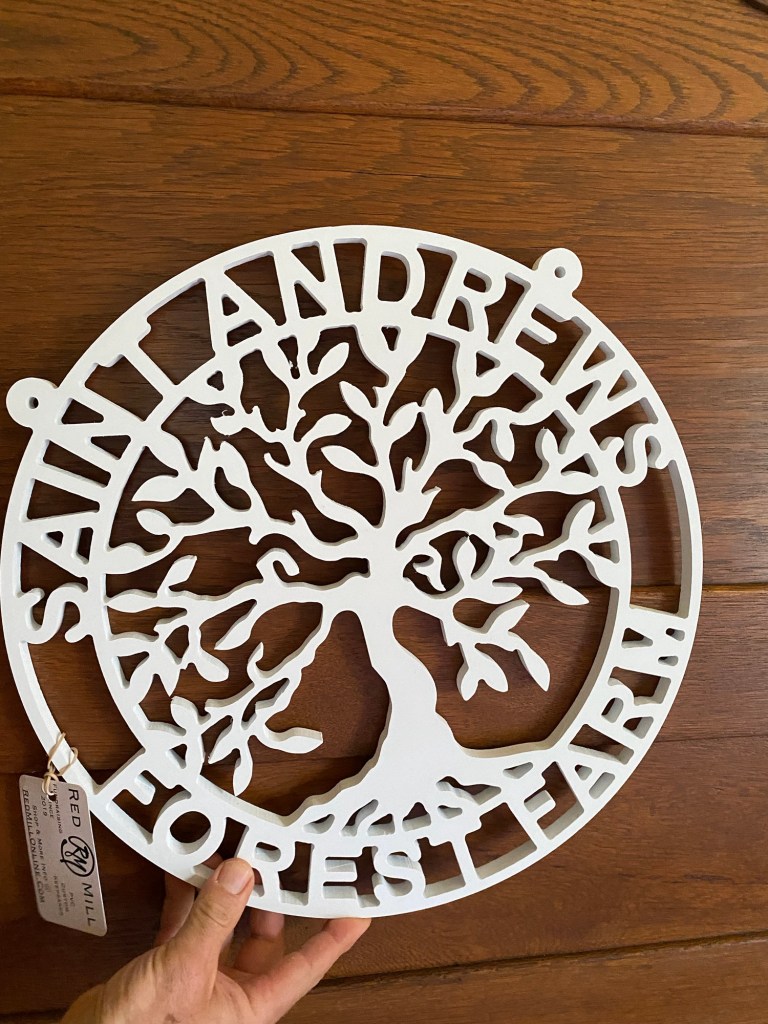
Chris busy felling tulip poplar trees which have grown up too close and tall in the forest that was disturbed 20 years ago. Many are diseased from not having enough space and light. We plan to use their trunks to construct our fish scale terraces.King bolete found on South Trail about 2/3 of the way down. The bugs love it! Blue-Green cracking Brittlegill, Russula parvovirescens, found along South Trail. Mycorrhizal with oak, hardwoods and conifers. Over the past year, we’ve observed these when the weather is rainy and the temperature is in the 80s.Our new sign gifted to us from Chris’ parents who visited the farm last weekend. We love it!
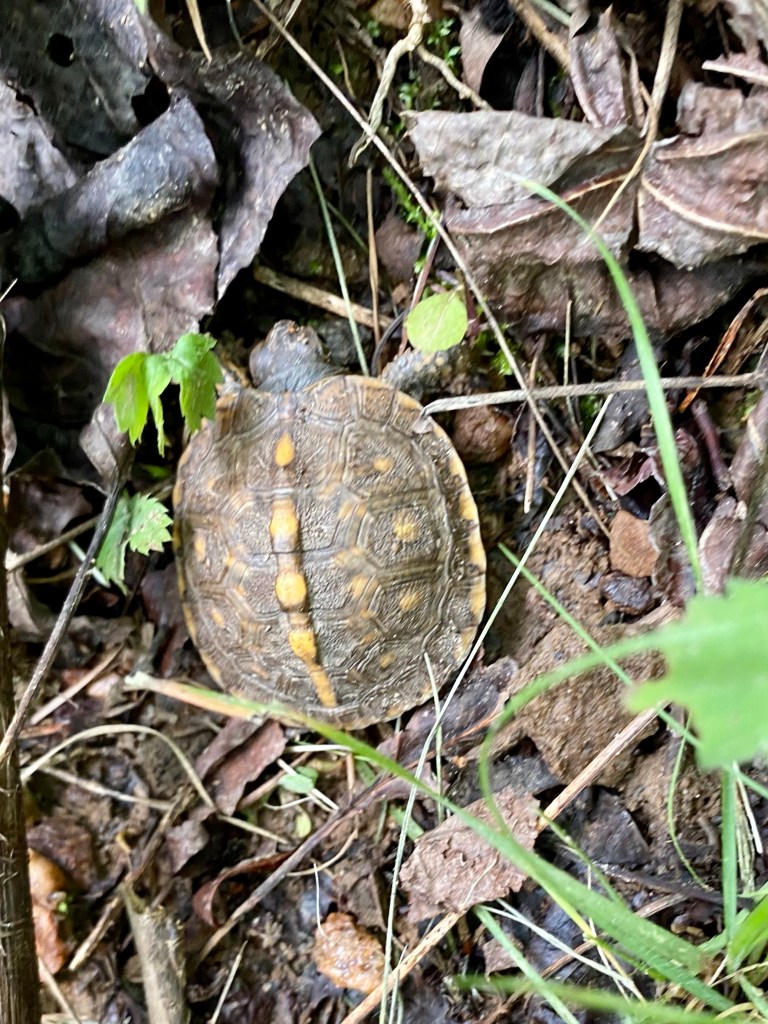
Young eastern box turtle on north trail after rains.
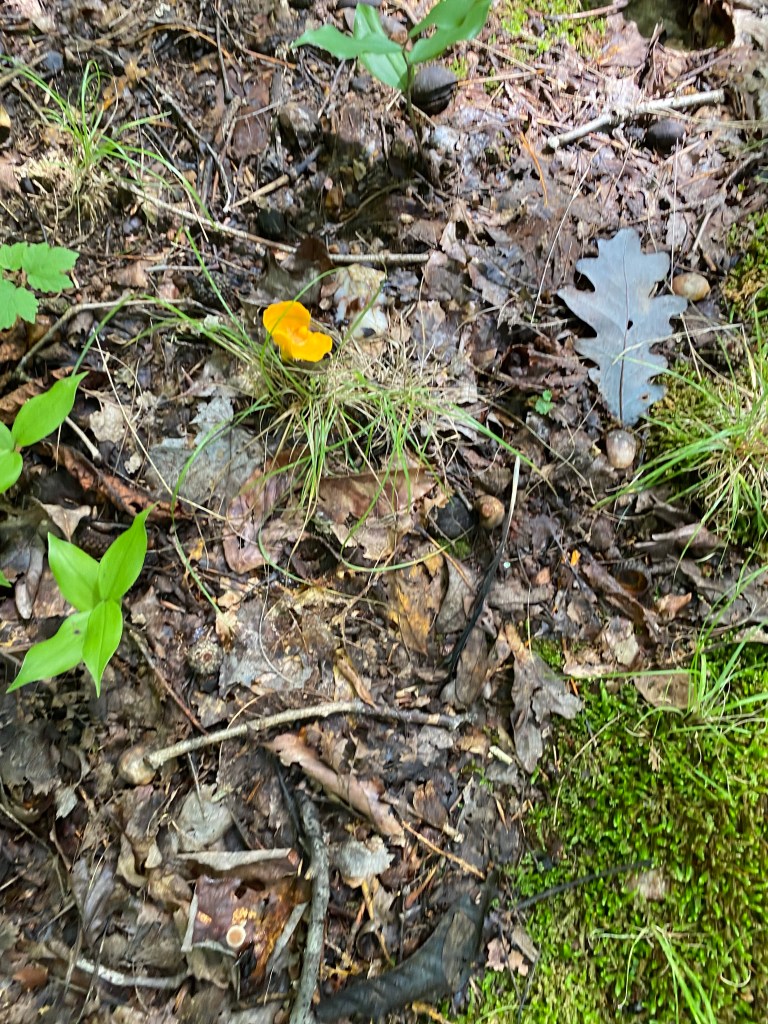
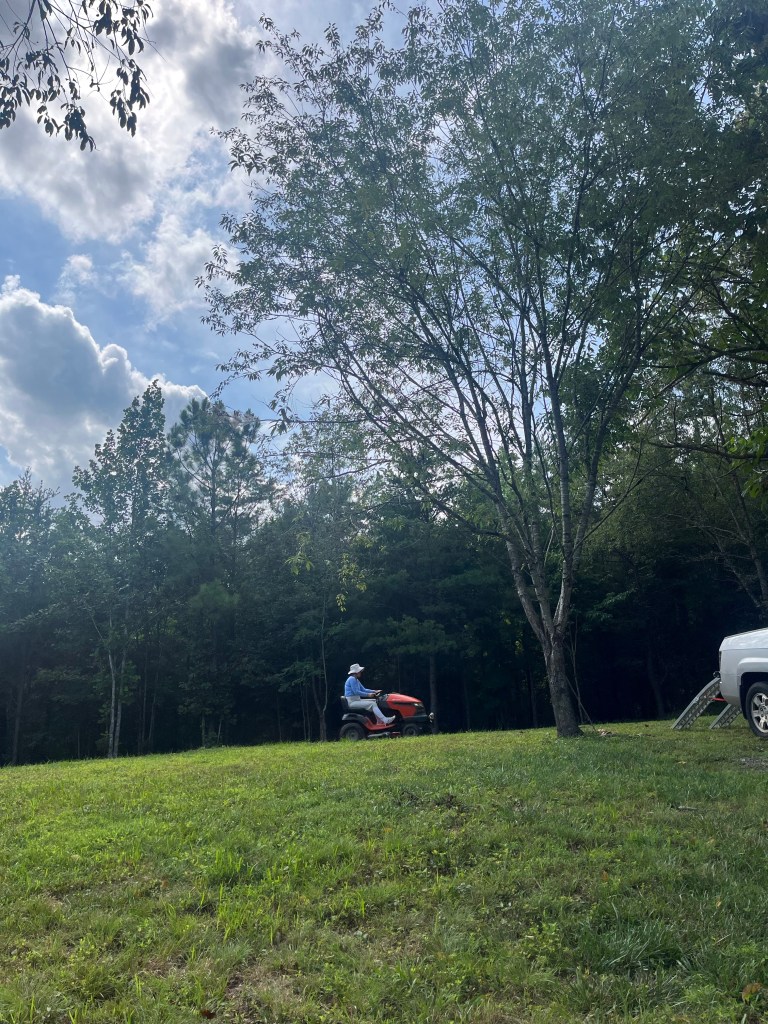
We went out to SAFF yesterday for mowing and checking on those cinnabar chanterelle pins. We harvested a few and followed the waterway from bottom left of property and moved past the midway point. We found cinnabar and golden chanterelles all along the way. Also, other types of mushrooms and we saw a toad and a box turtle right along the north trail. No sighting of our pileated woodpecker friend. Most of the mature cinnabar chanterelles were along the deep sides of the waterway with moss and ferns. Many that we could reach still hadn’t matured. There were so many down in the creek bed along the sides we couldn’t reach! We’ll need a plan to harvest these next year. We brainstormed a few ideas that all seemed to be ridiculous. We will find a way down there!
We have made it a little more than halfway to our south trail via the waterway. We were on the other side of creek. Next time we work on paths at bottom of property, we want to trail blaze along the slope side and continue to take out over abundant trees that have only inches to grow instead of the 10 feet necessary for them to flourish.
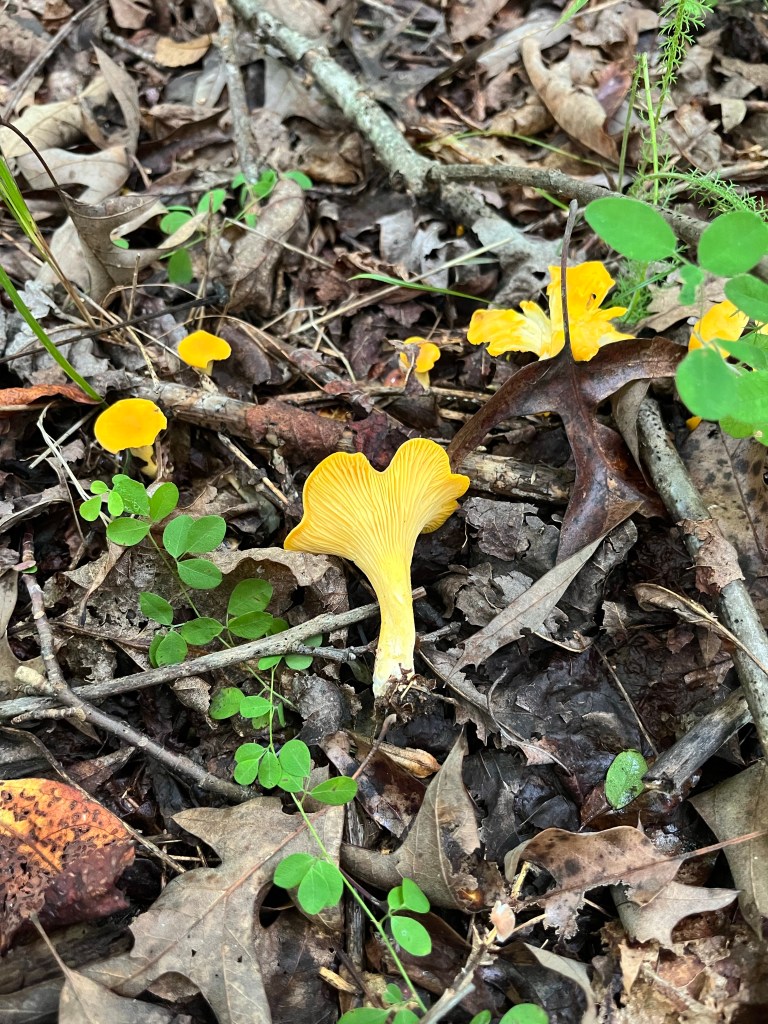
Chanterelles harvested yesterday along waterway.
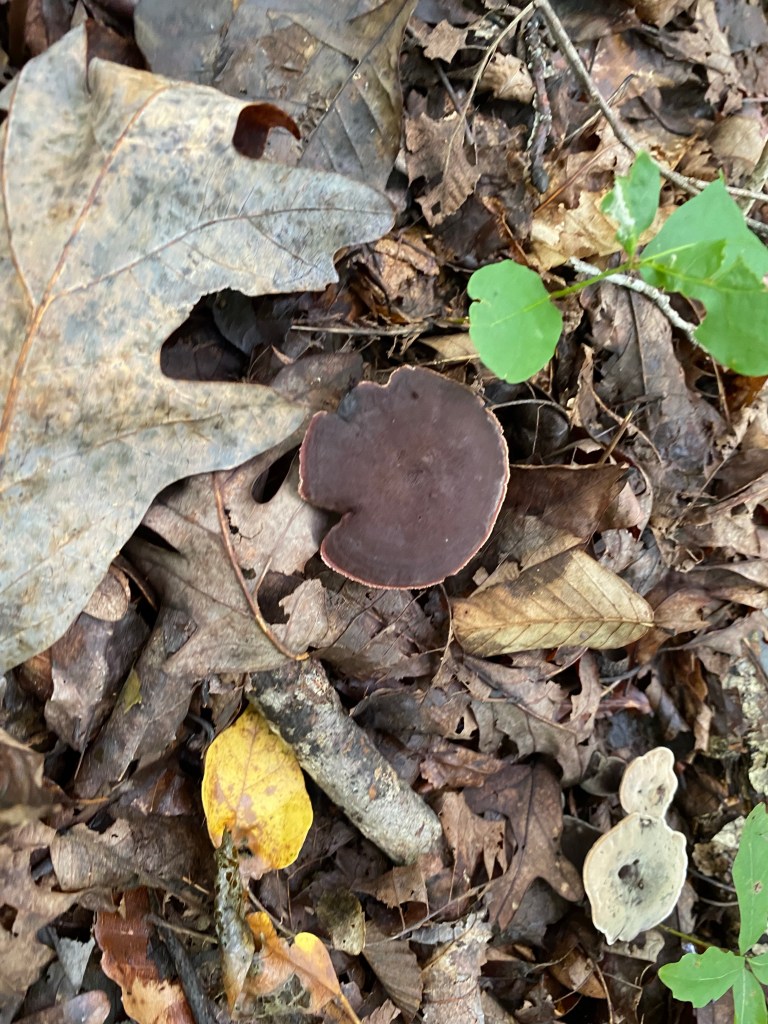
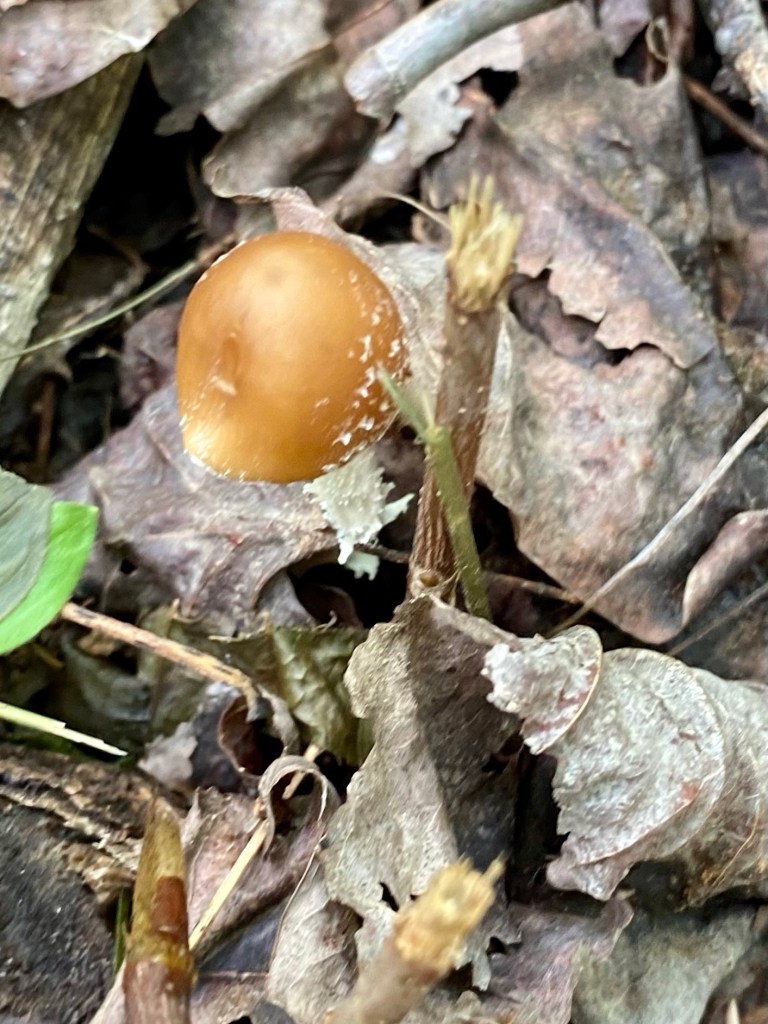
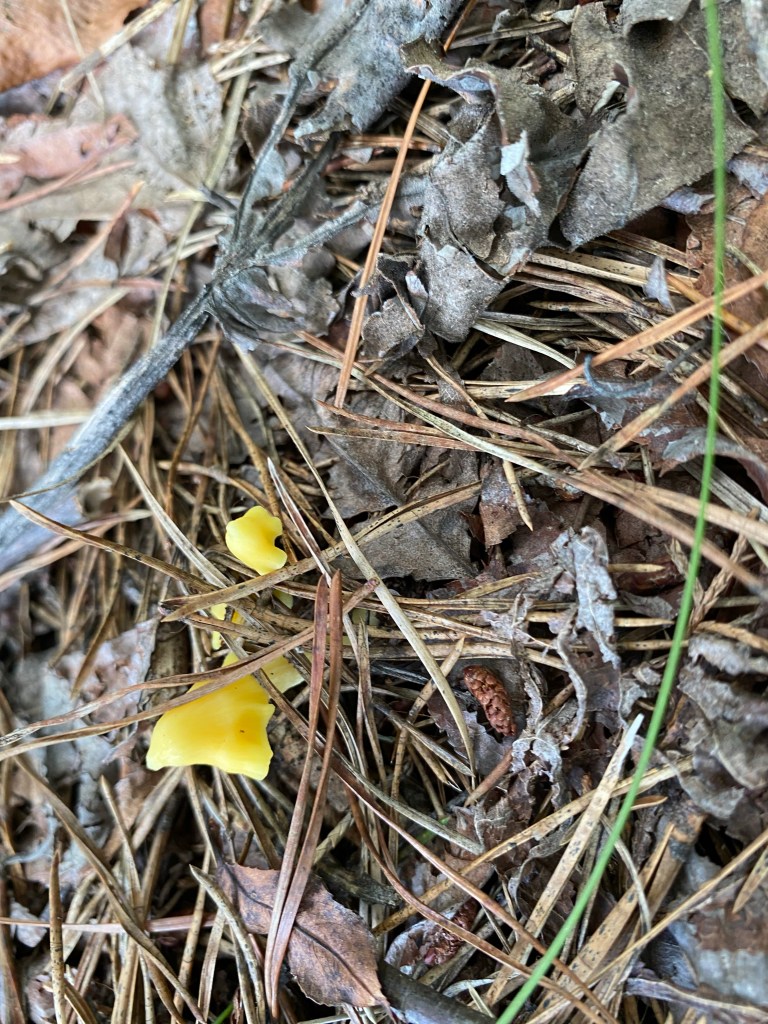
Unknown fungi
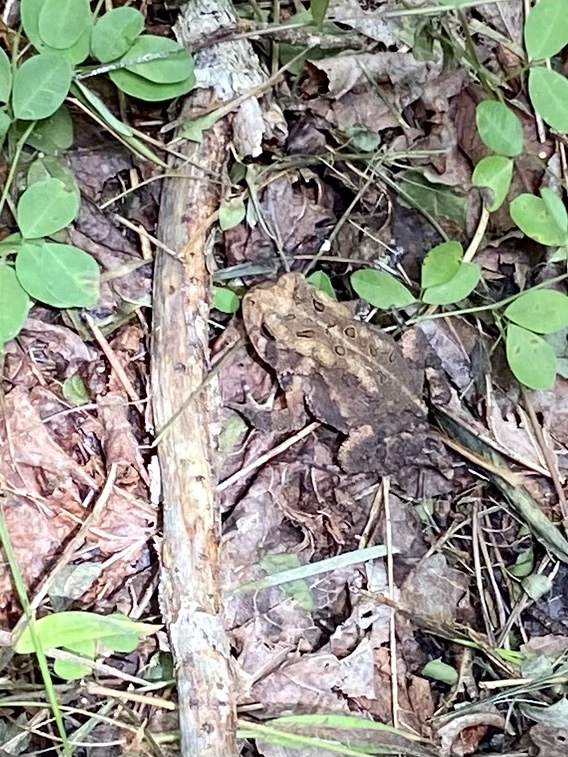
A young toad found hopping along the North Trail.
We got the mowing finished just in time for an alert for a tornado watch in Dillwyn. We drove home. Staunton had a tornado warning with hail. We hope to go back out in the next few days. Our plan is to go on Friday after the thunderstorm Thursday.
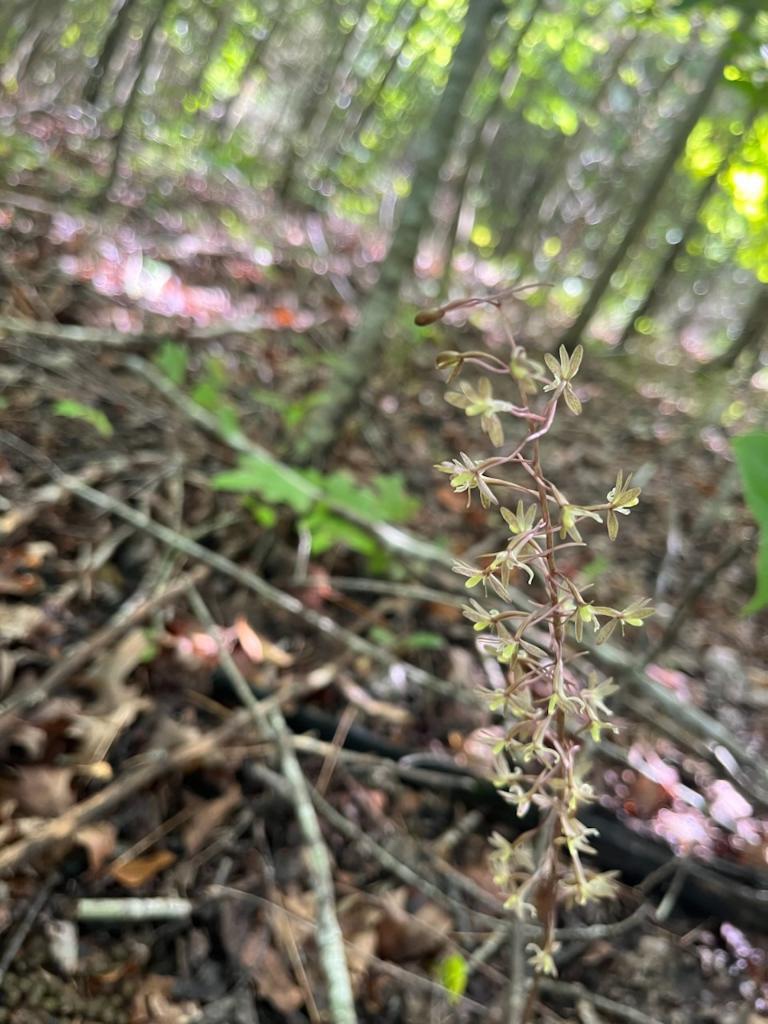
We are planning our initial structures and crops. We hope to use the resources we can find to help shape the farm to become more of a food forest than it already is. Currently, we have blueberries, deer tongue (flowers young leaves and stems) and wild yams (great eyes, Judy) edible mushrooms, cranefly orchids edible corms, several edible fiddlehead ferns, and black cherries. We also hope to find pawpaws.
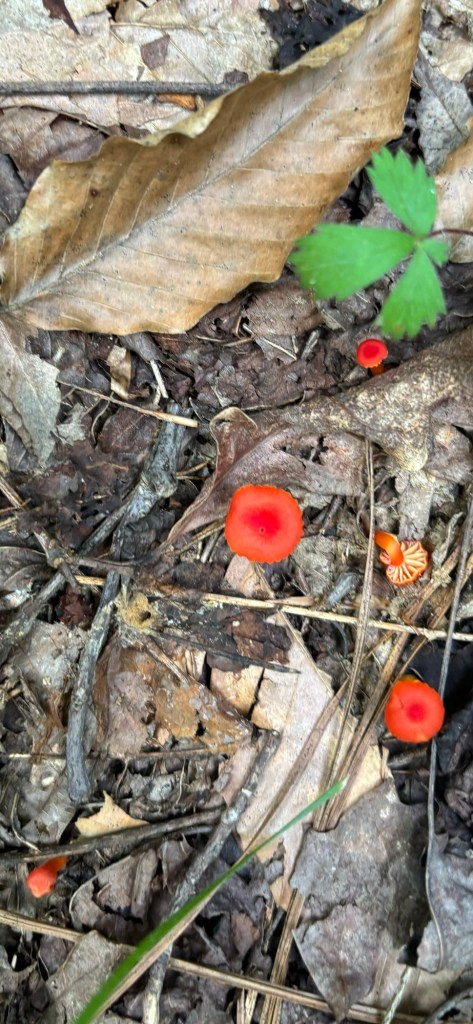
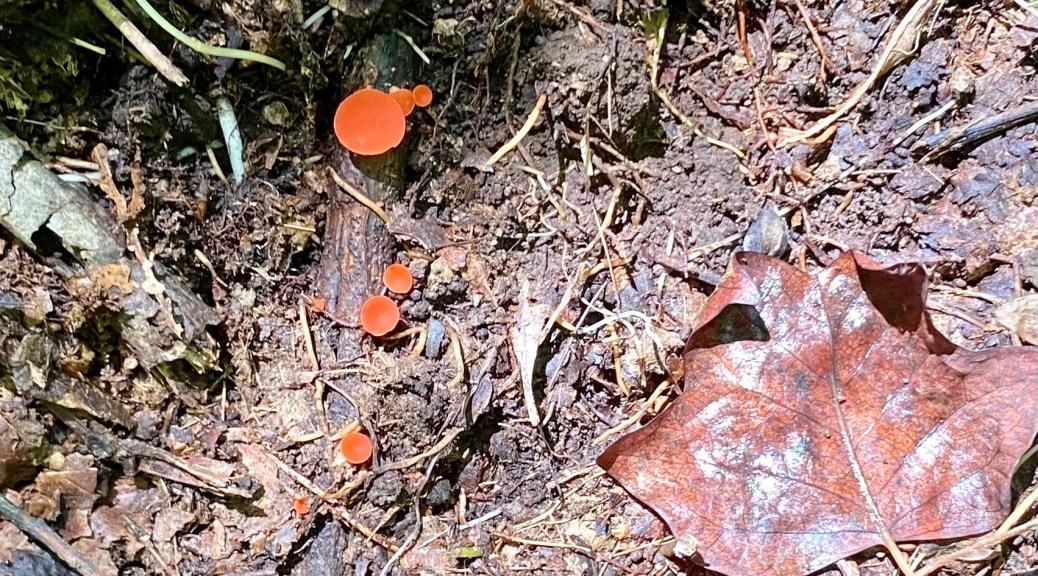
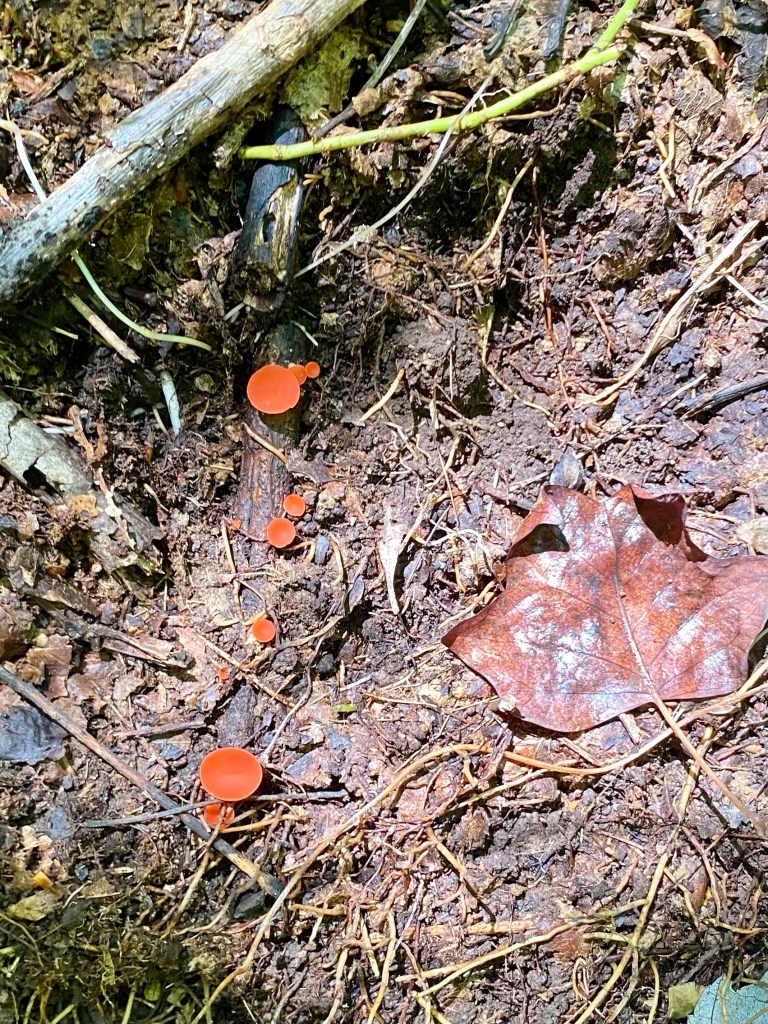
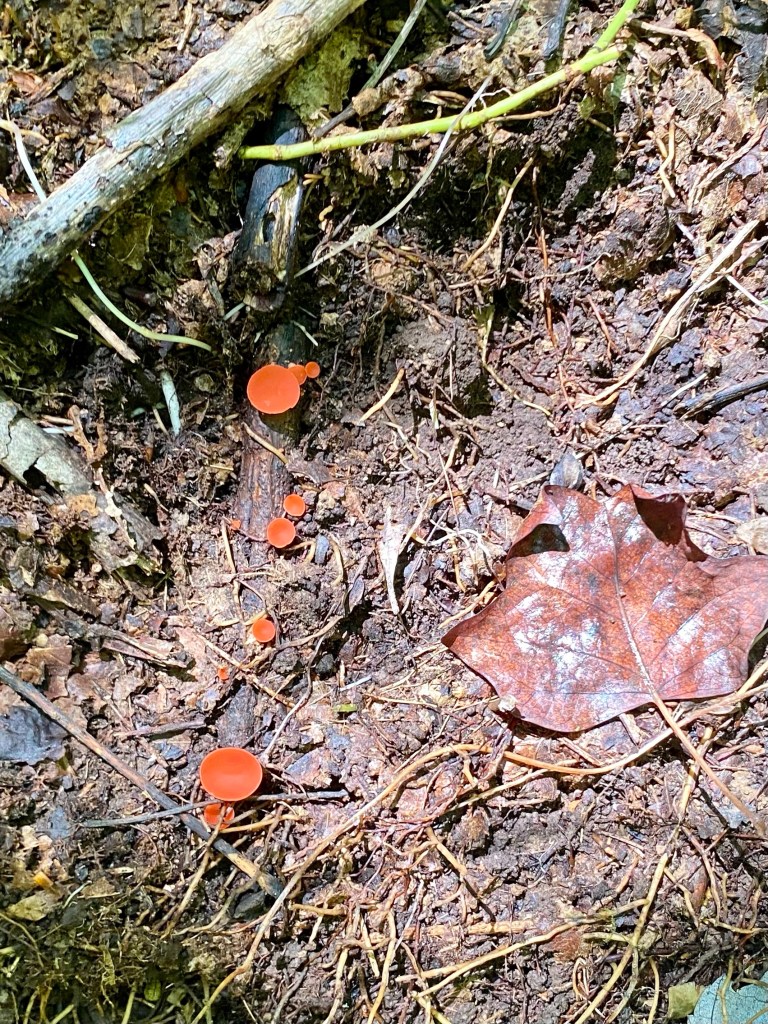
Scarlet elf cups
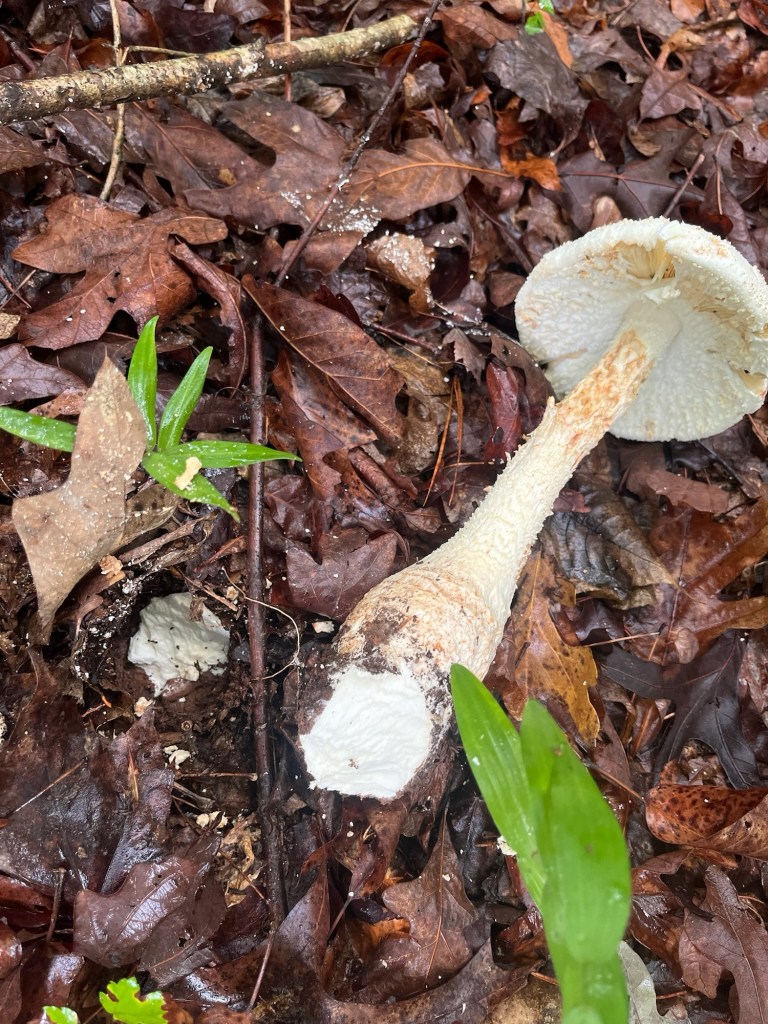
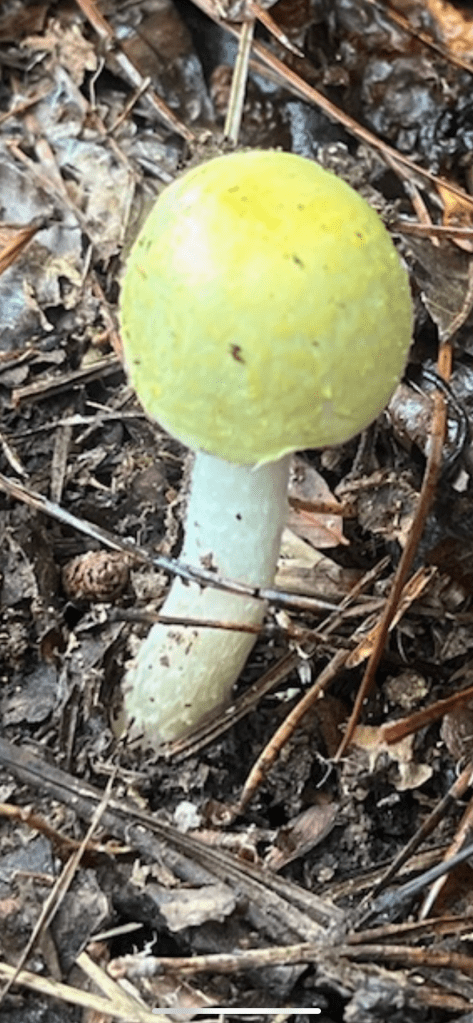
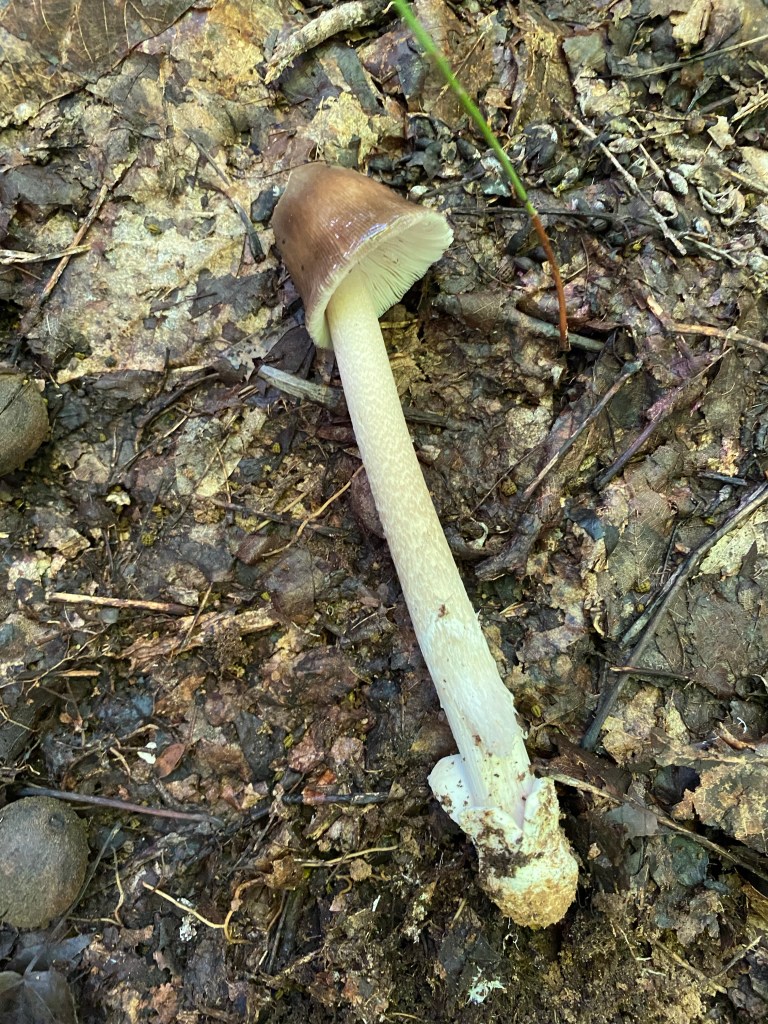
Unknown Amanita. Possibly amanita gemmata. Not a beginner mushroom. So far, anything that looks as though it’s an Amanita, we don’t even touch usually. There are 600 species of agarics (Gilled mushrooms) which includes some of the most deadly. This species is responsible for 95% of mushroom deaths. (If we are in doubt, we throw it out: Or better yet, don’t even pick it. )
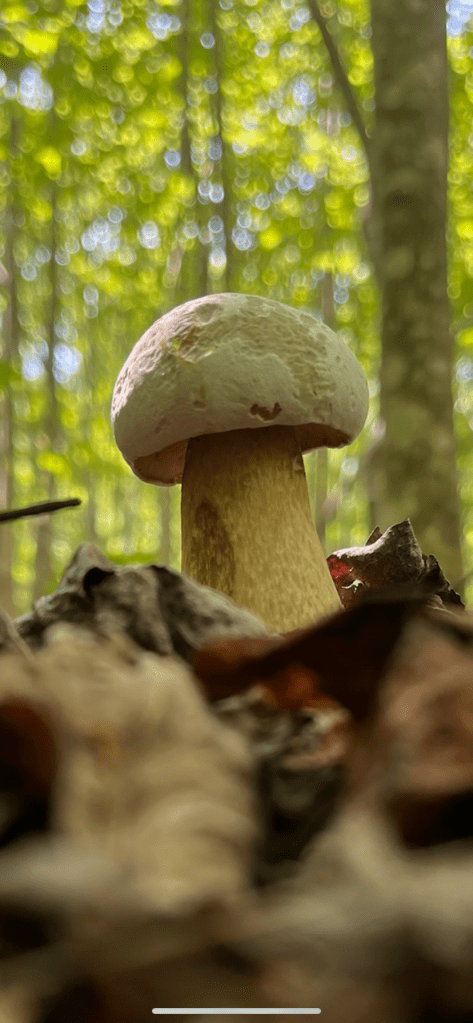
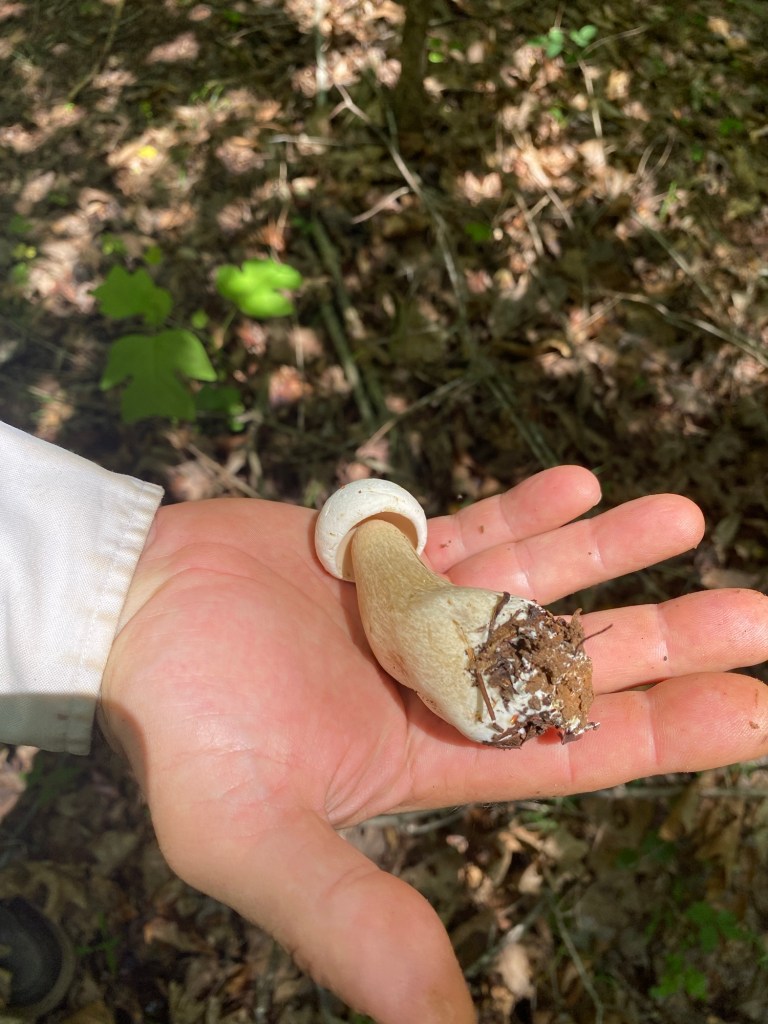
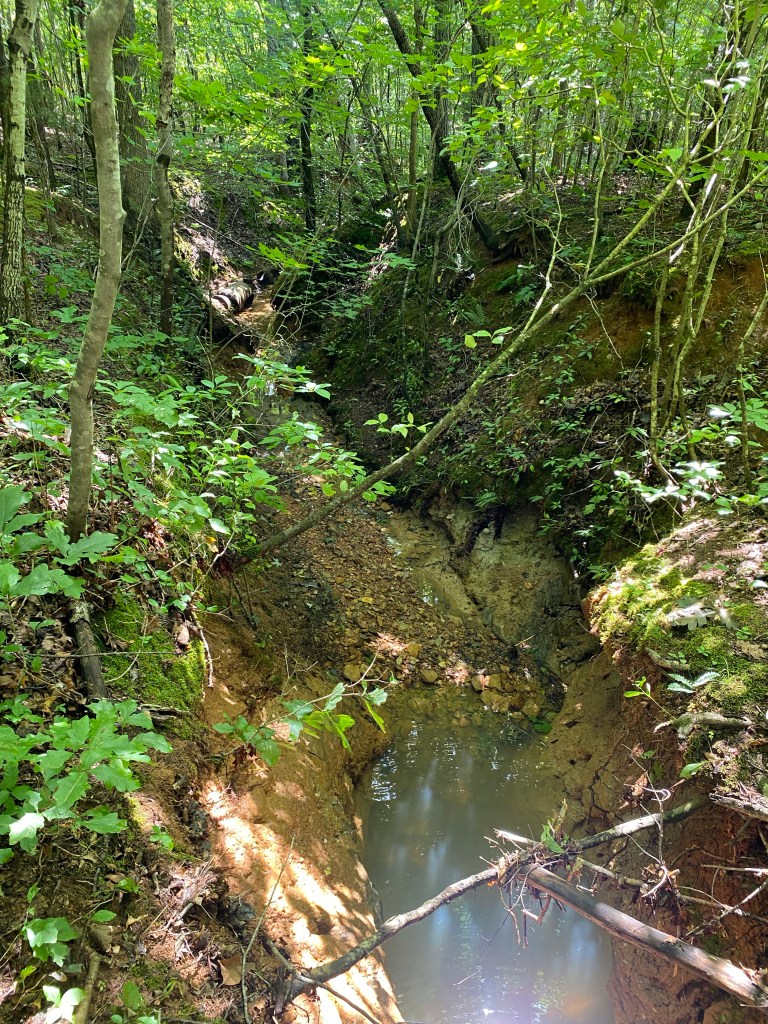
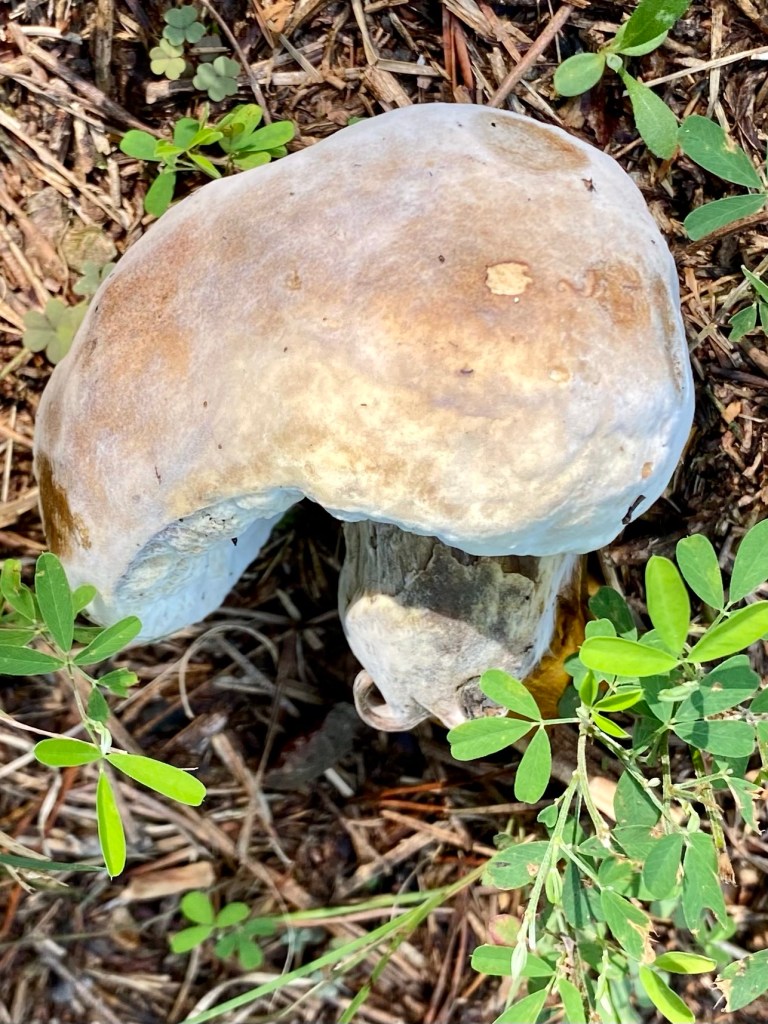
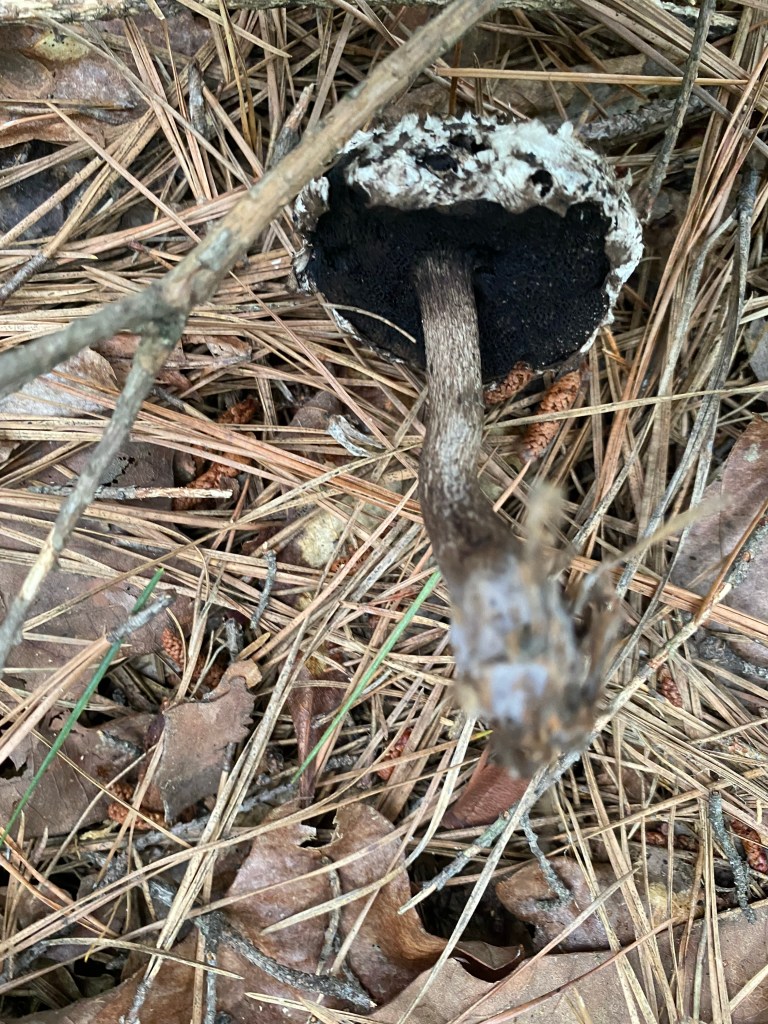
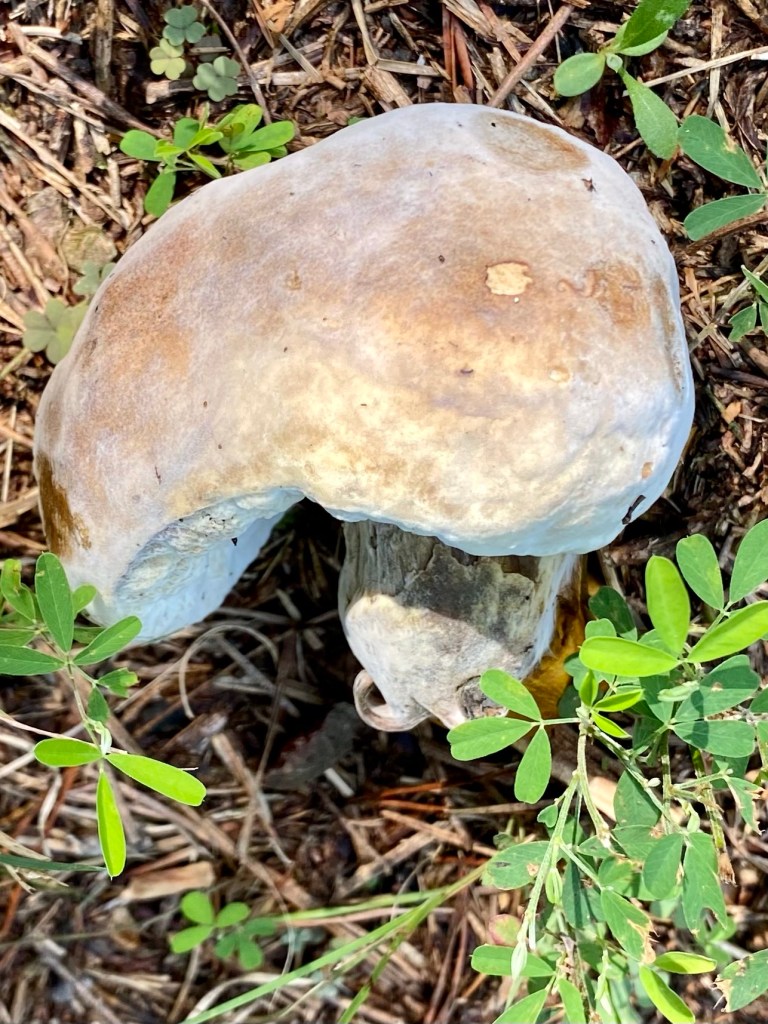
The waterway floor with rocks and sticks and roots. Mosses and plants along the banks. Mountain laurel along the waterway.Potentially Hypomyces chrysospermus or Tylopilus or H. Melanocarpus. More information is needed. Finally! We thought we found a bolete that could potentially be a king bolete, bolete edulis, porcini. Found along driveway up on top of farm near pines. We have been searching all summer. However, it appears as though it could be a bolete with a fungus. Hypomyces chrysospermus, the bolete eater! A parasite turned the bolete white. Not at all a king bolete. Narrowing down identification still. We continue our search for porcinis and are glad for our chanterelles. We will not eat these!Tipularia discolor, the corm is potato-like and edible. Cranefly orchid is found all along the banks of the waterway and in the forest at SAFF.
We will add to this list as we find more mushrooms. Always assume they aren’t edible. We have more data to collect to determine many identities. If we ever do! We are beginner mushroom foragers, we’re not planning on eating anything we’re not 100% sure about.
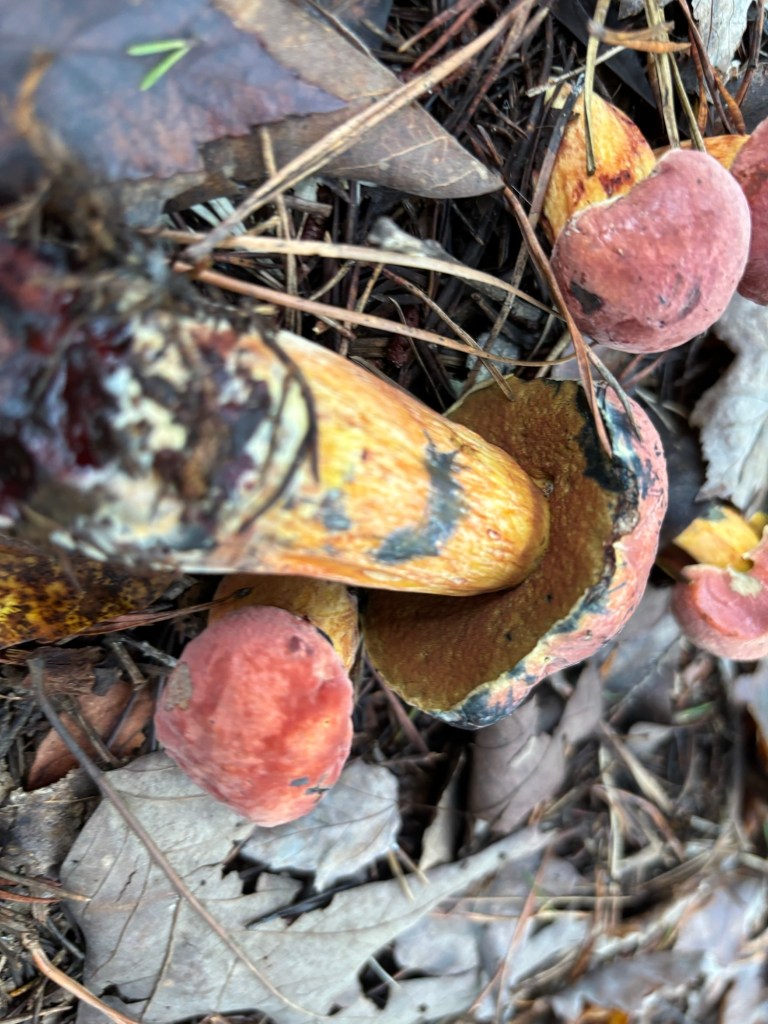
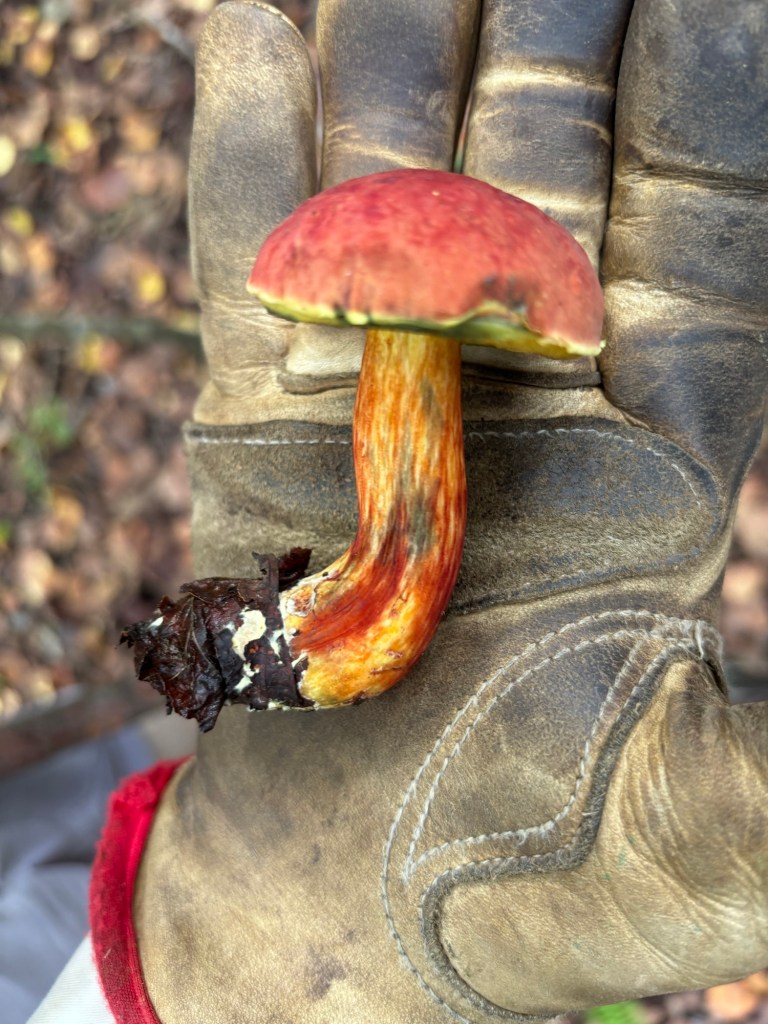
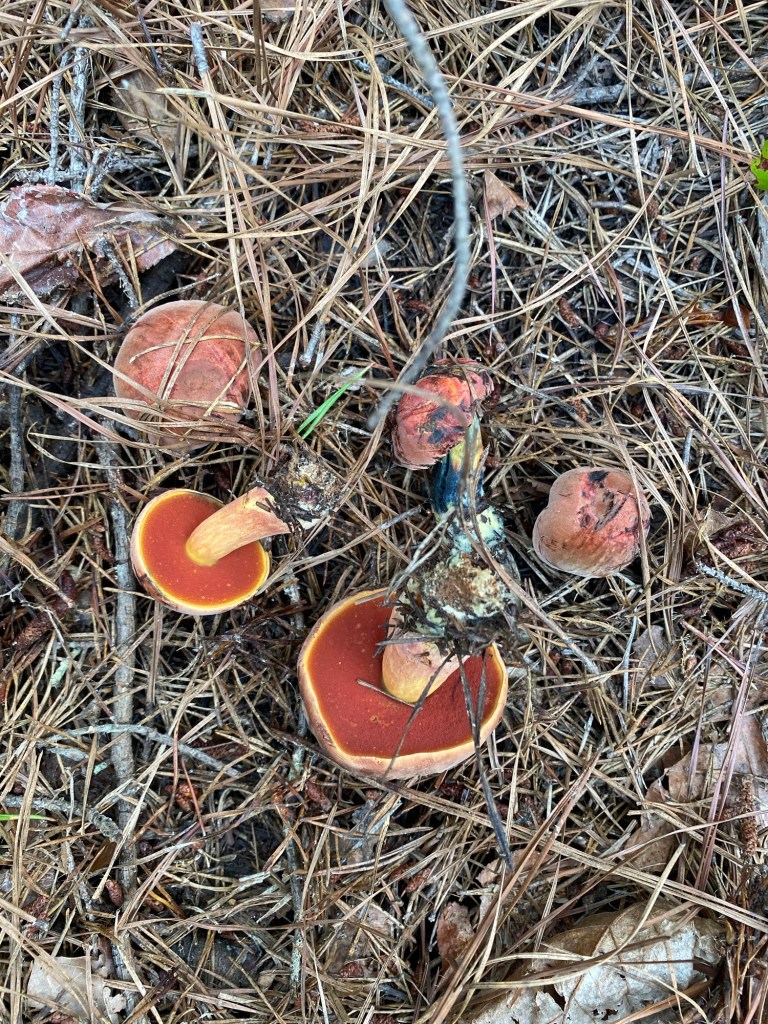
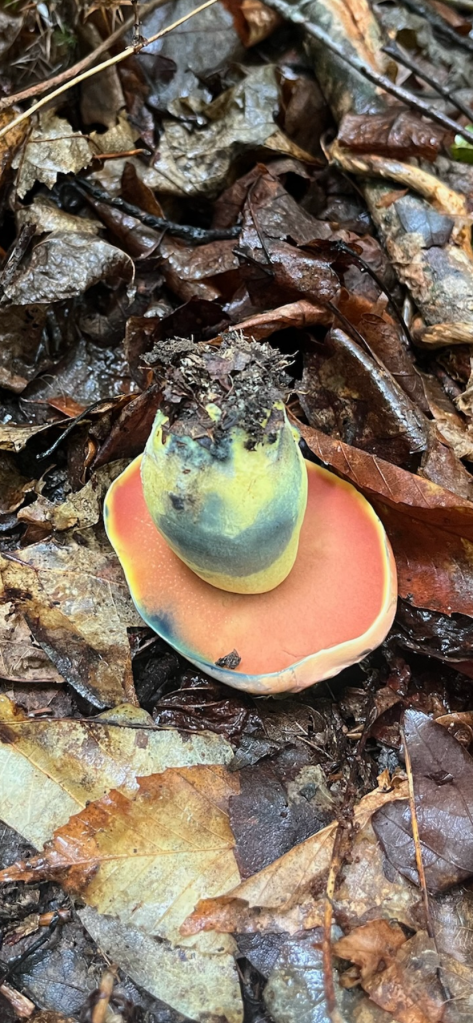
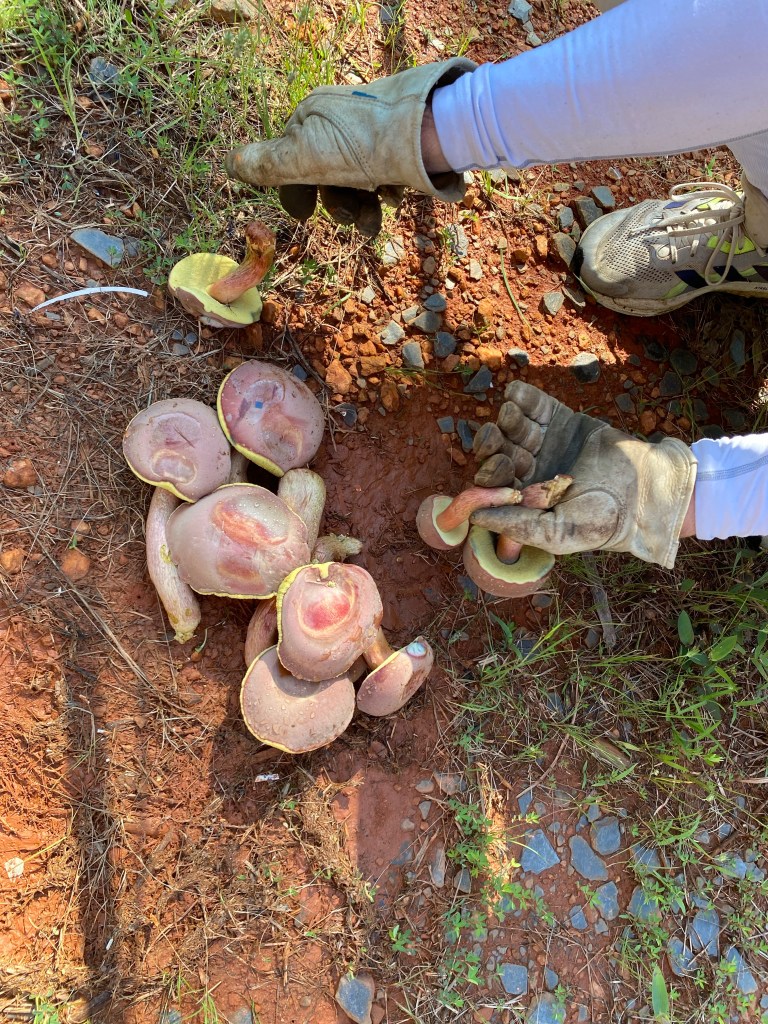
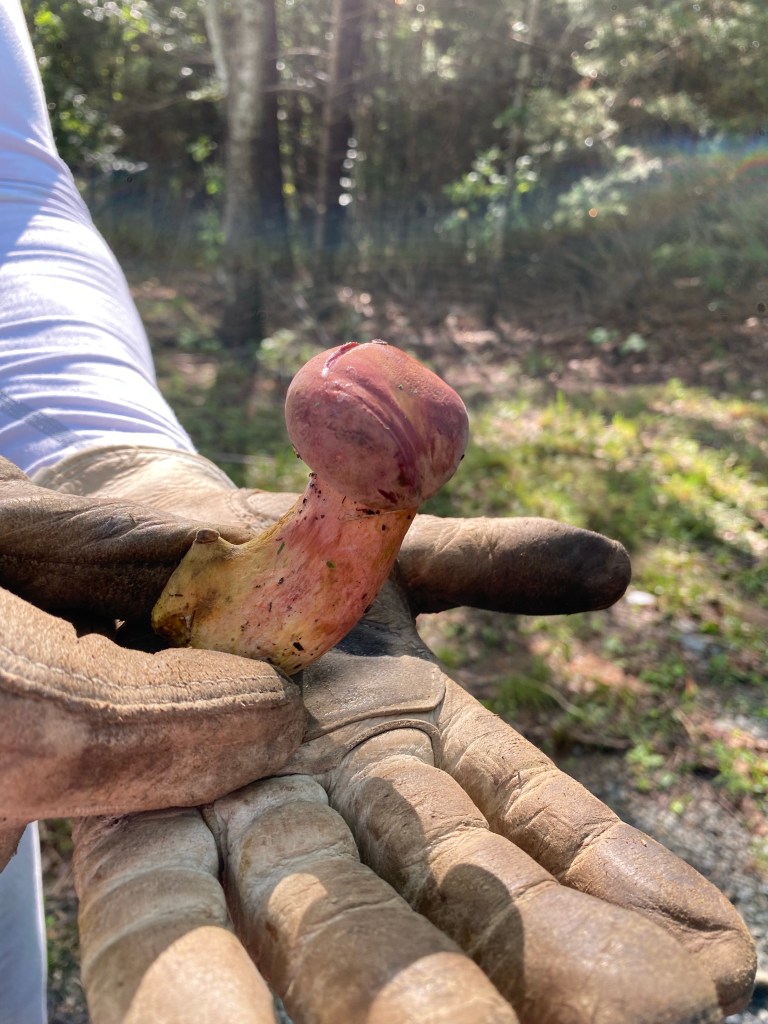
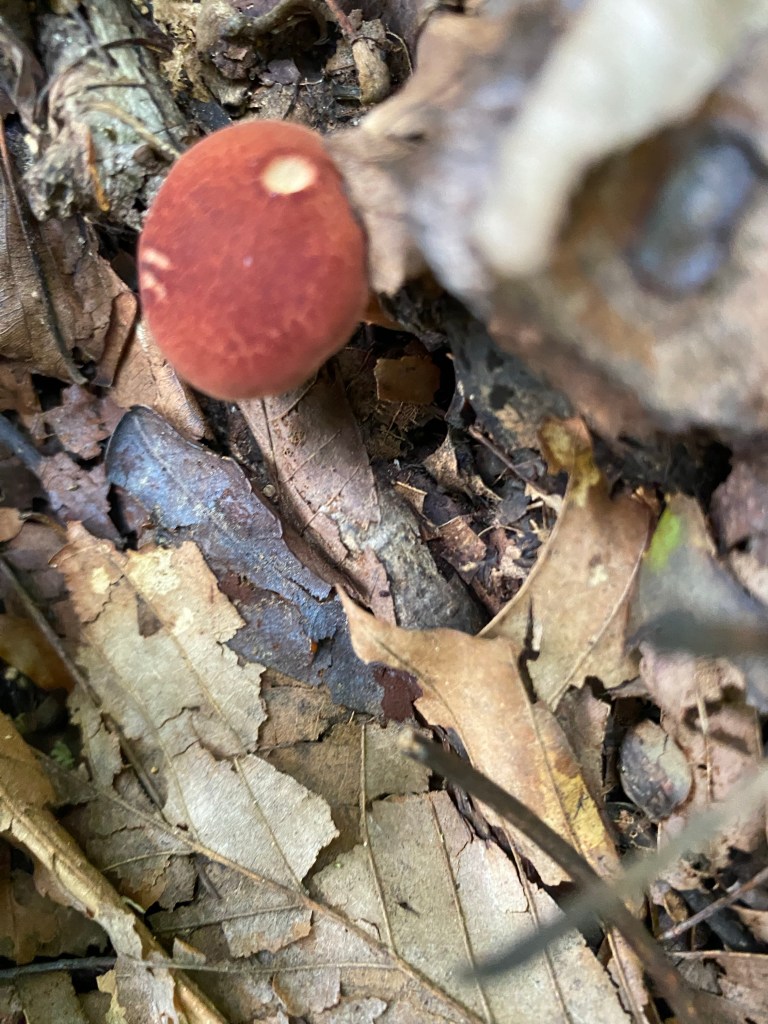
Red capped, blue staining boletes found near the road under the realtor’s sign growing directly from the red clay. These slowly turned blue when bruised, sliced and cut. We composted them as their identity was indeterminable to us at this time. They were suspiciously untouched by insects and animals which leans us toward either bitter taste or poisonous. Another red capped, blue staining bolete. It turned blue quickly. Found along driveway. It was also in great condition for a bolete lending us to be dubious of its edibility.
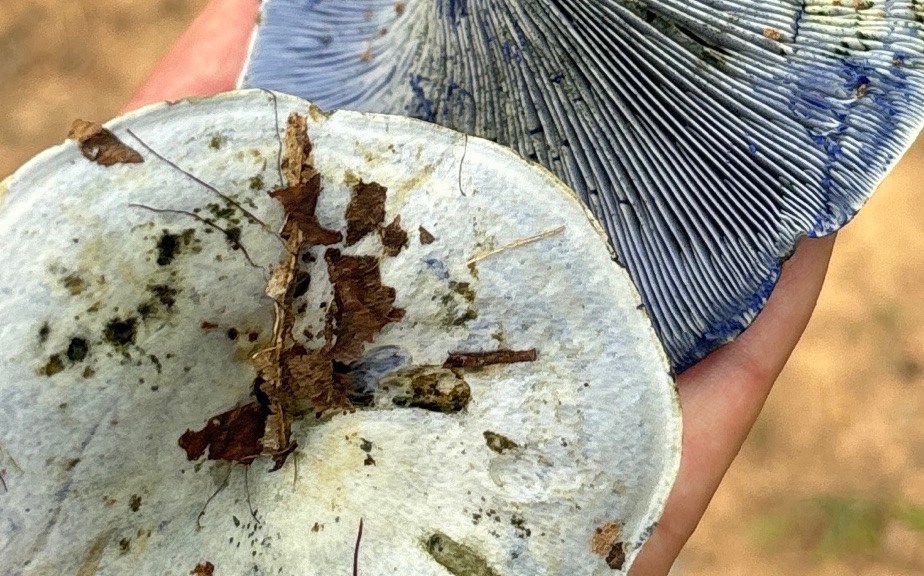
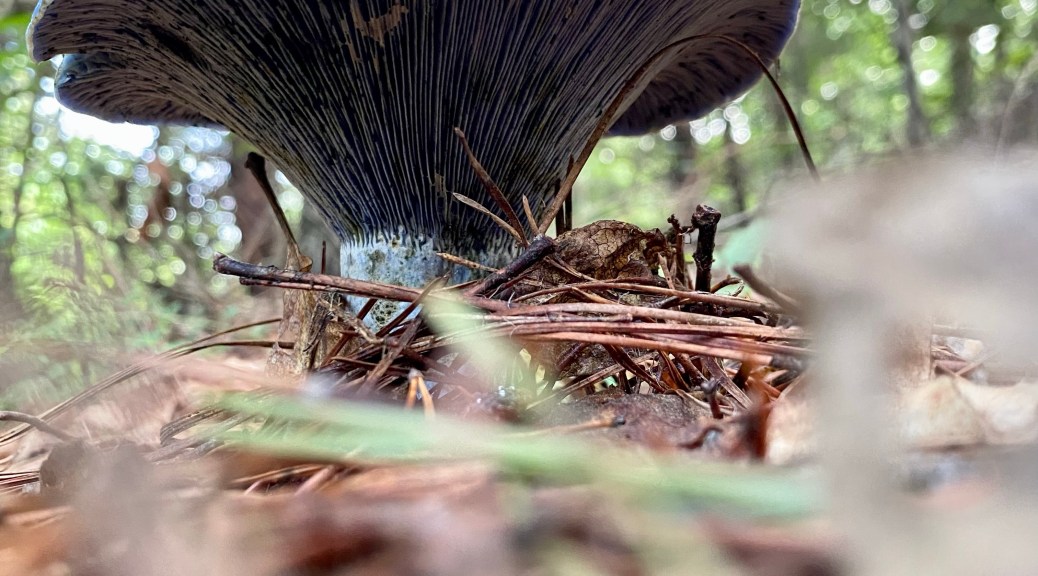
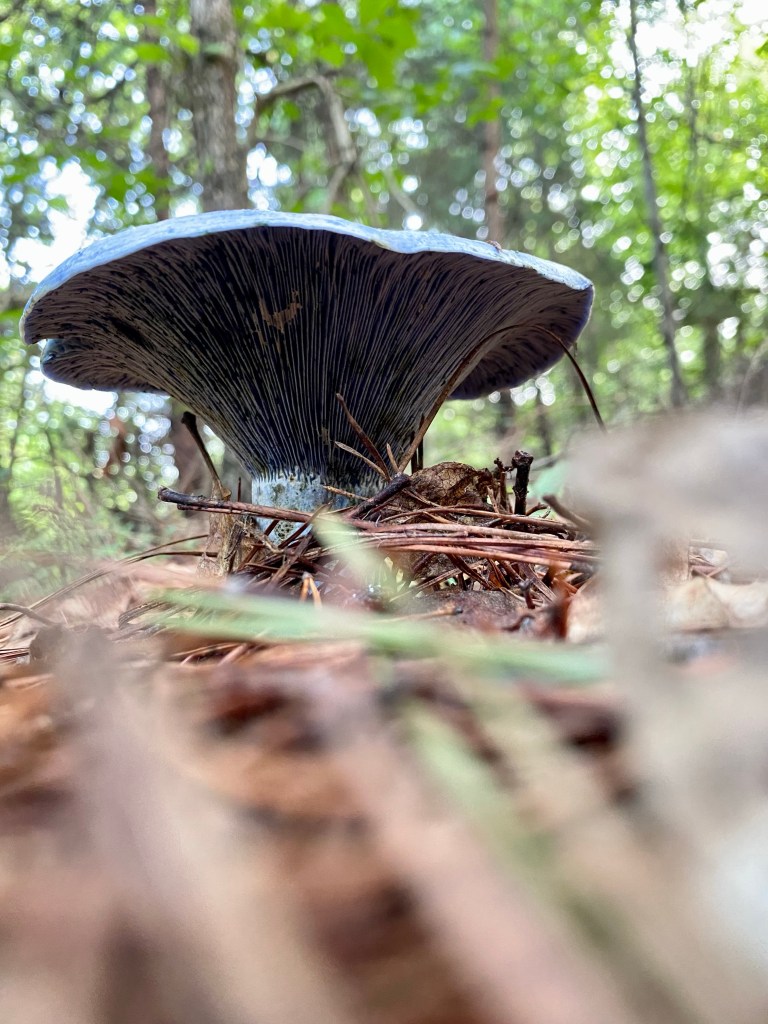
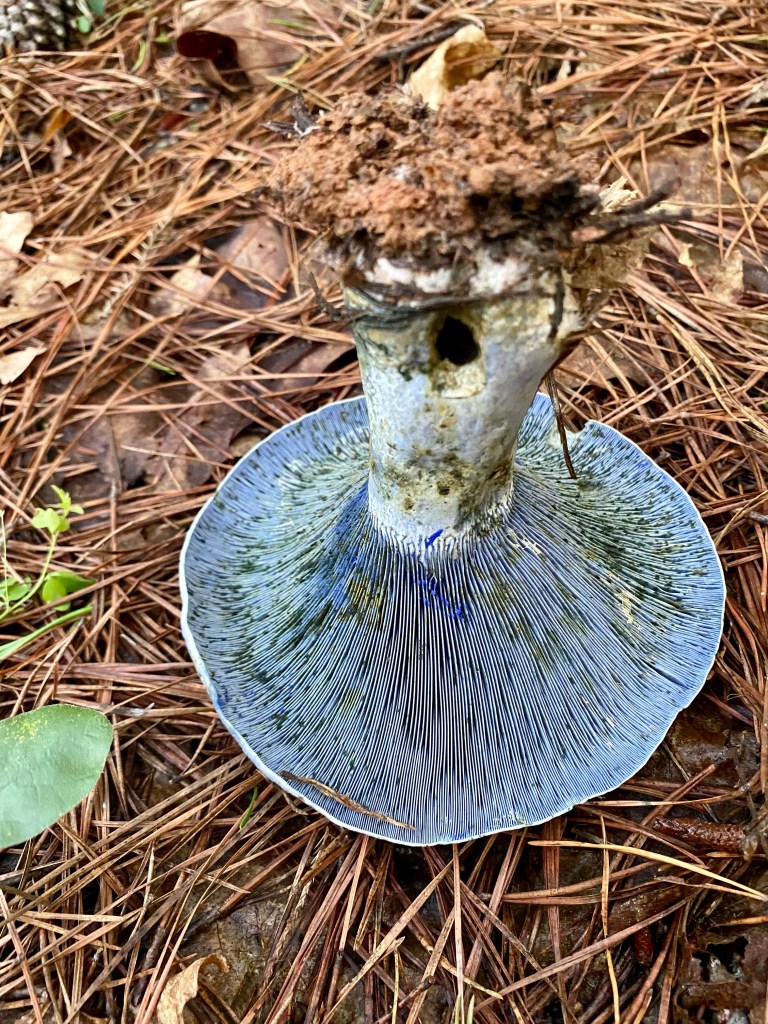
Entoloma murrayi inedible. We found multiple large patches of these in spring and early summer. Our hat has a little flop in it for every single mushroom fruit. The pics for entoloma murrayi did not show this flop. Could be a different species? Lactarius indigo – the indigo or blue milk cap mushroom, an edible member of the Russula family. Goes great with the big flavors of a whole wheat veggie pizza. Because there is nothing else that looks like it, it’s considered a great beginner’s mushroom. Indigo milk cap from the ground level. All foraged mushrooms need to be thoroughly cooked.These grow on the ground in mycorrhizal relationships with trees. When sliced, the gills ooze blue latex.Another red capped bolete. Red pores and did not stain when bruised. Old Man of the Woods, strobilomyces strobilaceous, found on multiple sites of Saint Andrews Food Forest, singularly and in groups. It is also a bolete and is edible. We’ve not tried it yet. It is mycorrhizal in both deciduous and coniferous forests. We have heard it tastes similar to a button mushroom and will turn other foods cooked along with it gray. Since nothing else looks like it, it a good beginning mushroom foraging find.Golden Chanterelles are a choice edible. They were the most delicious mushrooms we’ve ever had. Full of nutrients. We cooked them in a dry skillet on med high for 20 minutes then added olive oil and garlic with salt and pepper and sautéed about 6 more minutes while deglazing the pan with a little wine. They had a silky mouth feel. They are a great beginner mushroom as they have no poisonous lookalikes.Cinnabar chanterelles found pinning all along the sides of the creek bed growing near mosses. The red color stands out. Another choice edible and a great beginner’s mushroom. Presumed Amanita Vaginata considered inedible to beginners as there are multiple poisonous lookalikes.
Phylloporus rodoxanthus, the gilled bolete, top above and bottom below. Considered edible but we’ve not tried it. We are only eating what we are confident is safe and accurately identified. Bolete identification is complicated although there are no deadly boletes, some can make your gastrointestinal system feel terrible. We will take our time to get to know these mushrooms.
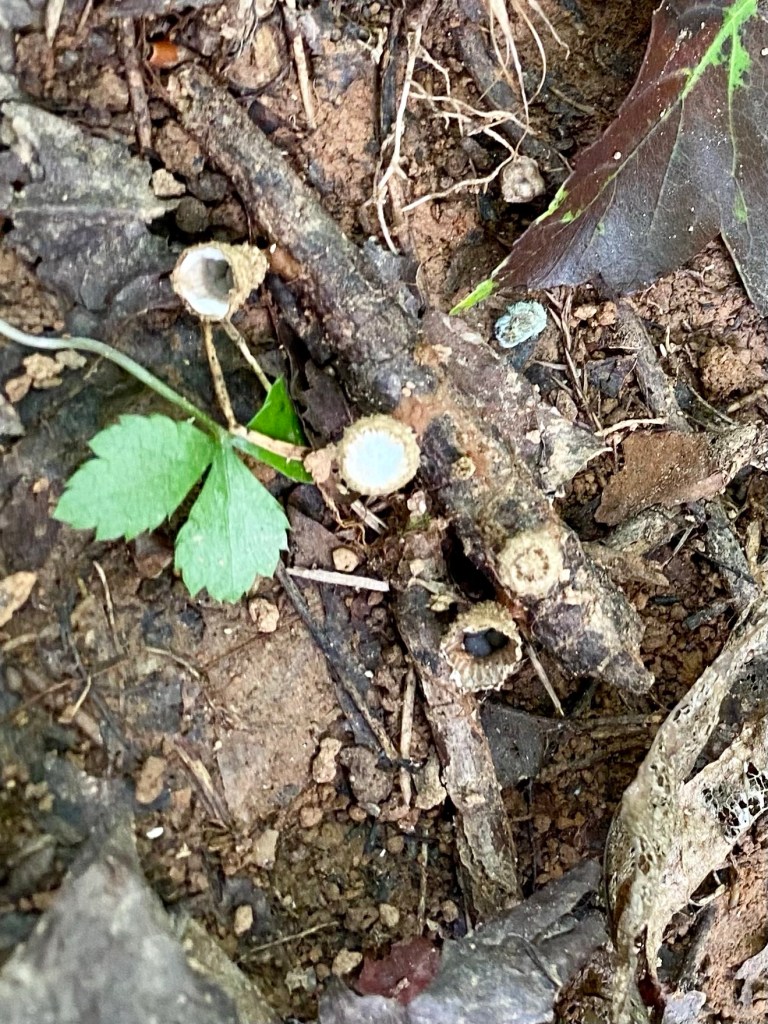
Bright yellow gills. Found alongside the creek bed. Splash cups, cyathus striatus, or fluted bird’s nest. The white inside of most of the cups are spores. Note the black eggs inside the one. Water droplets will hit the egg and the the spores will drop when wet. Growing along the back left bottom of property on a dead stick next to road in back bottom of property.Hypomyces chrysospermus, bolete eater fungus turns bolete white, tan or golden yellow. Poisonous. Sarcoscypha dudleyi scarlet elf cup, found along the back bottom waterway on a fallen limb.
Saint Andrews Forest Farm Blog
Is this your new site? Log in to activate admin features and dismiss this message
 St Andrews Forest Farm