Mushrooms were everywhere at Saint Andrews Forest Farm since it has been raining for days and the temperatures are in the 60s at night and 70s during the day. The rain is wonderful and much appreciated as the water table is still very low.
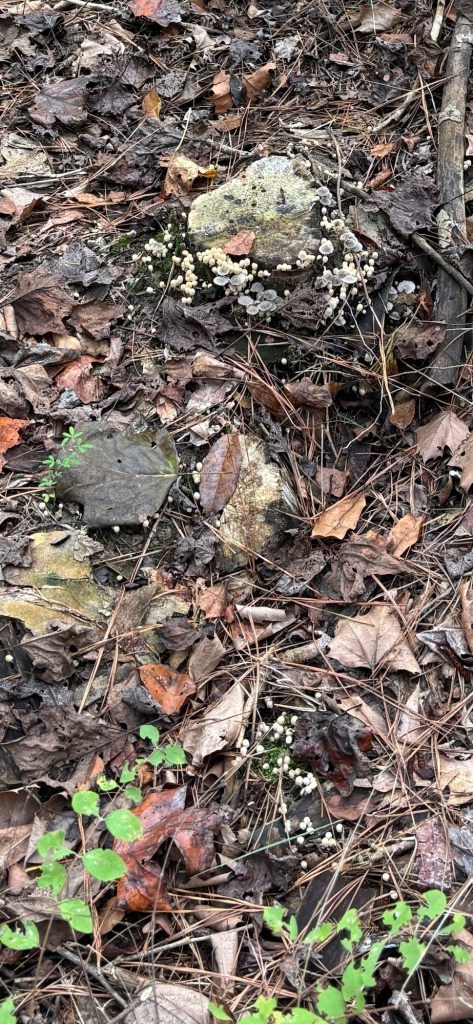
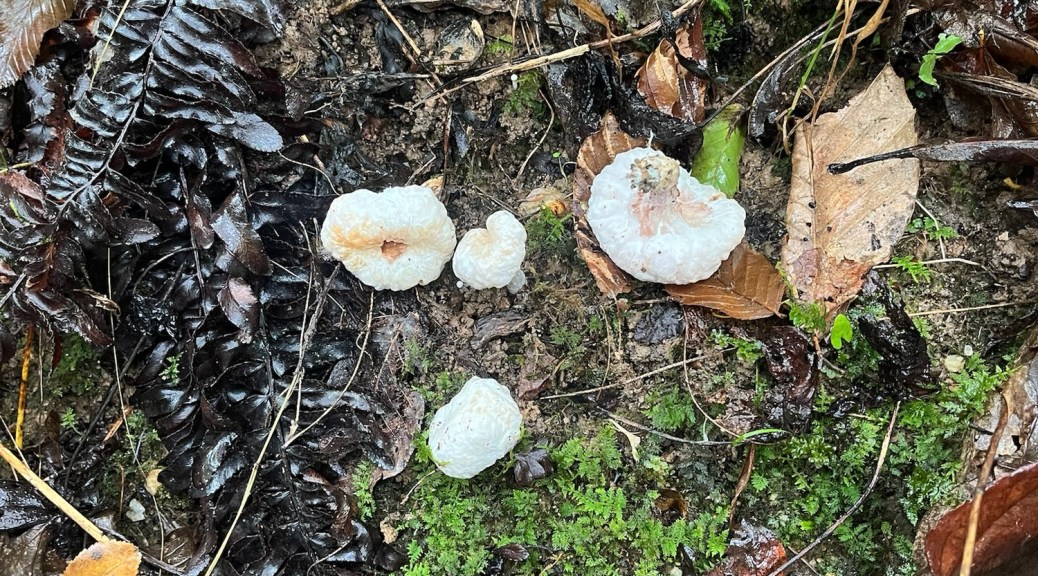
We saw these tiny Mycenae and Coprinellus growing together.
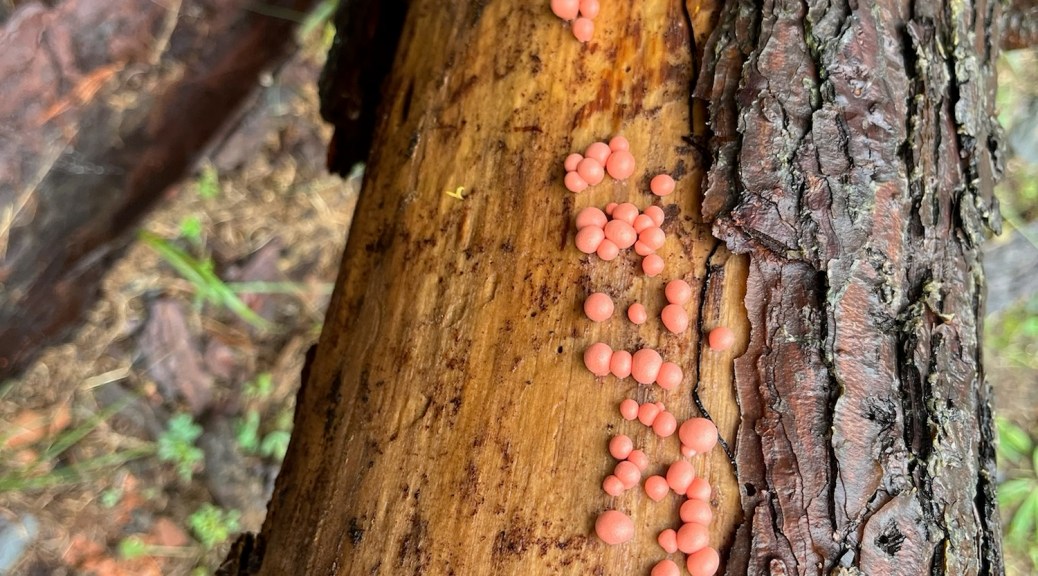
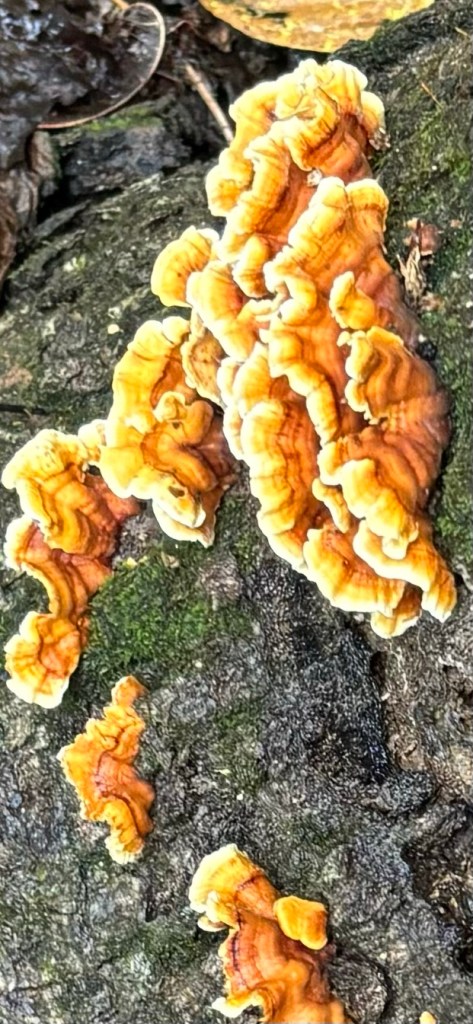
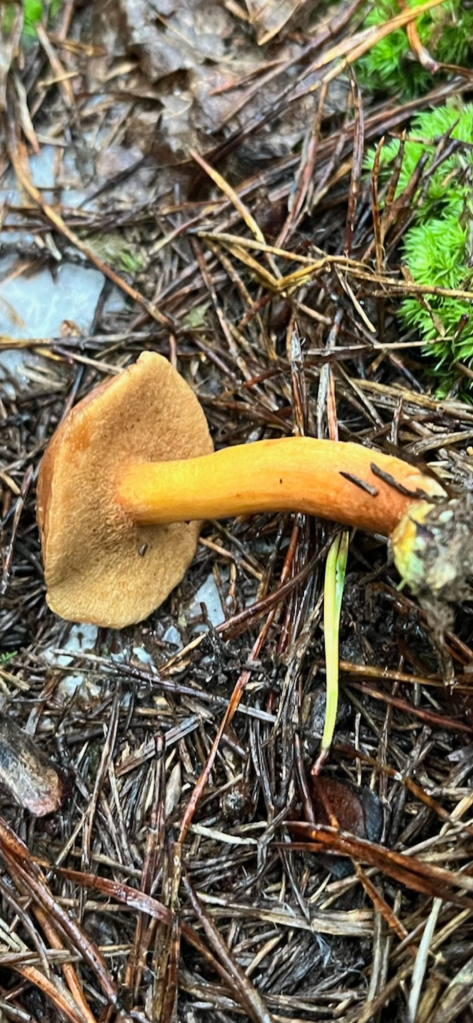
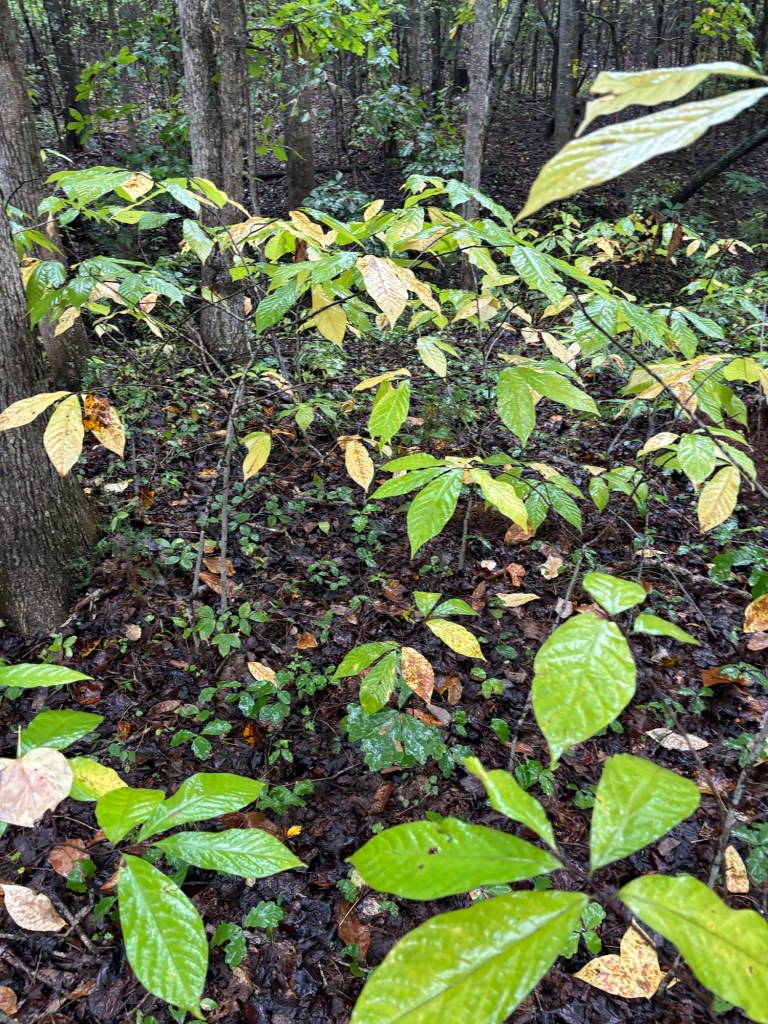
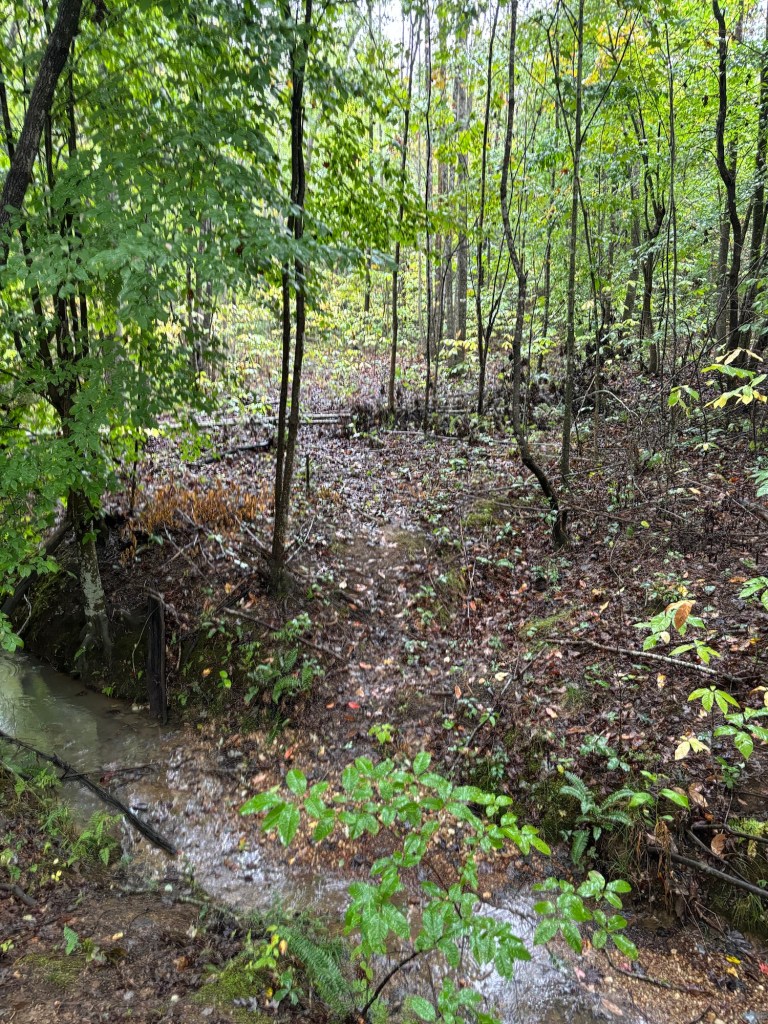
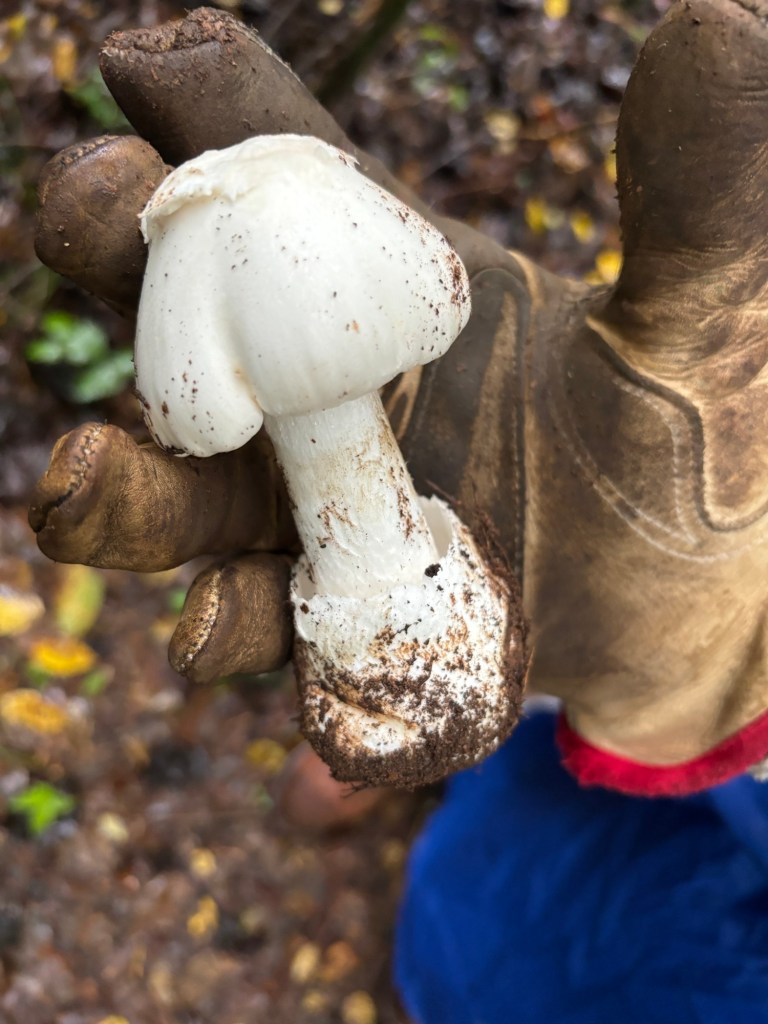
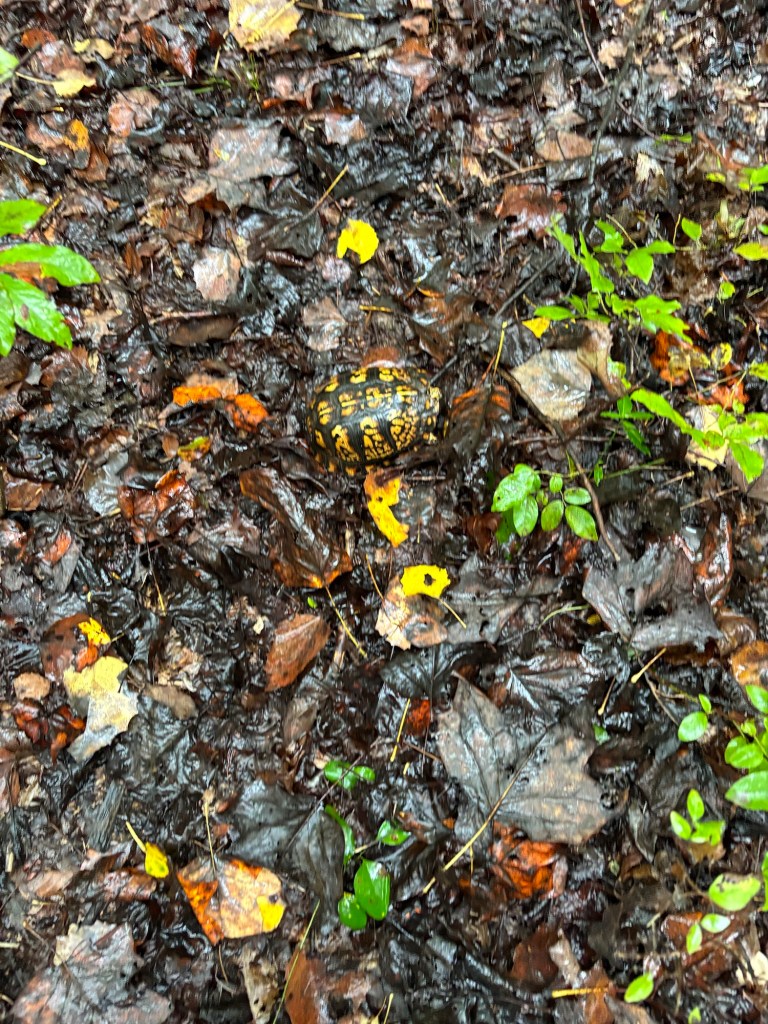
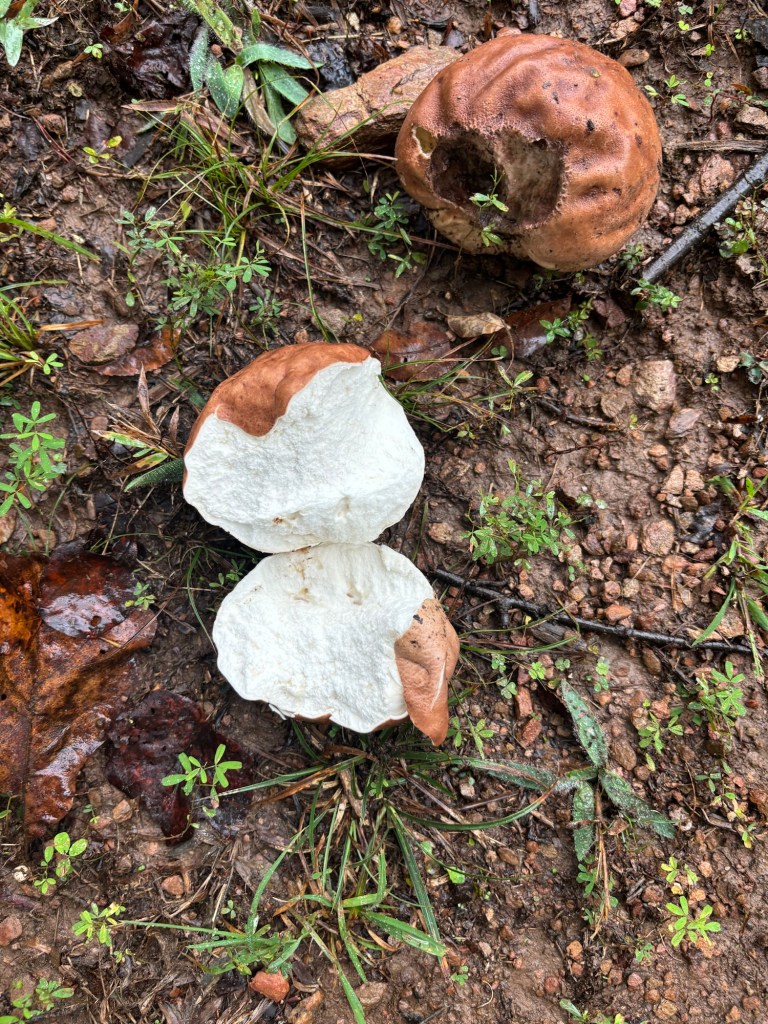
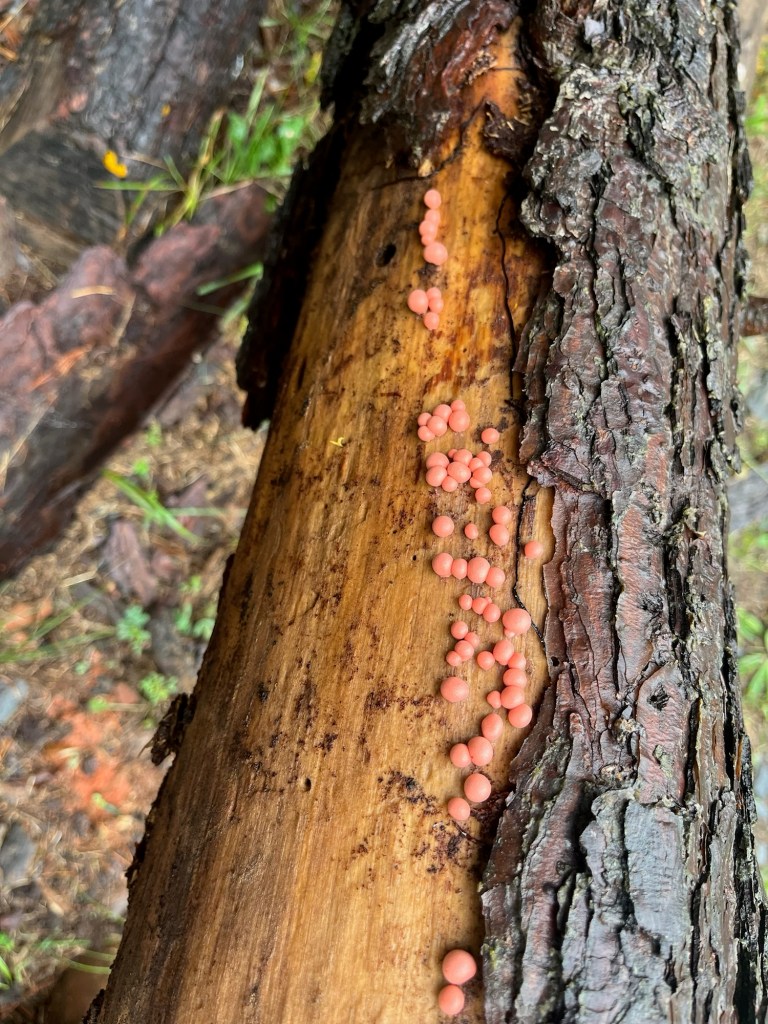
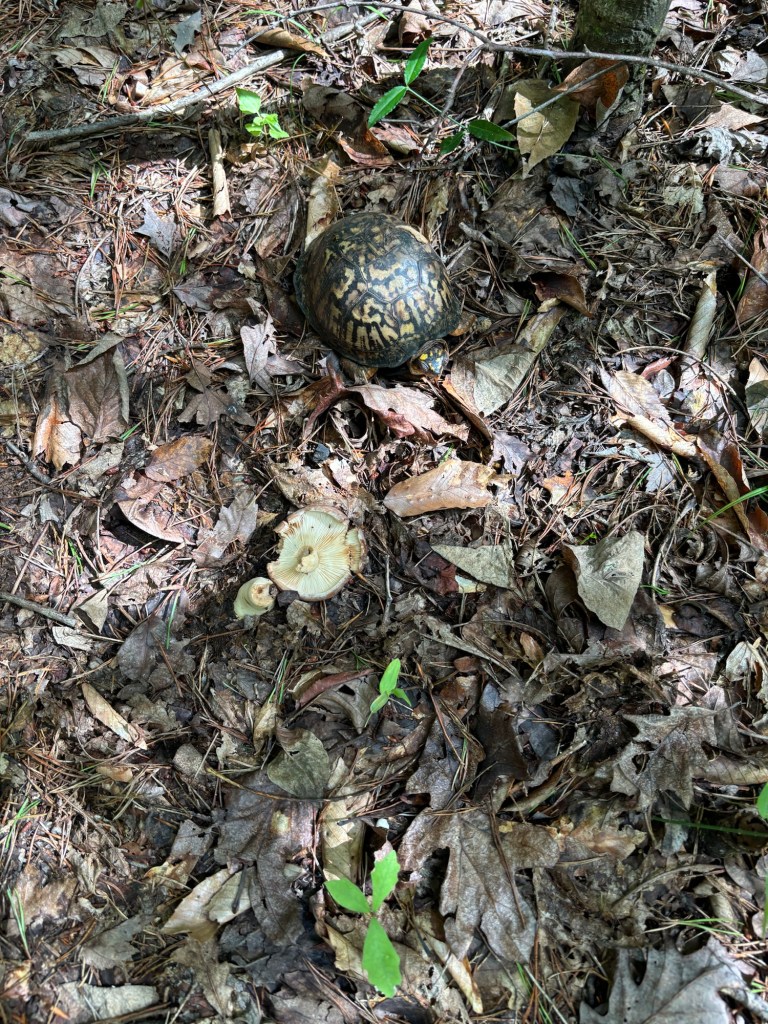
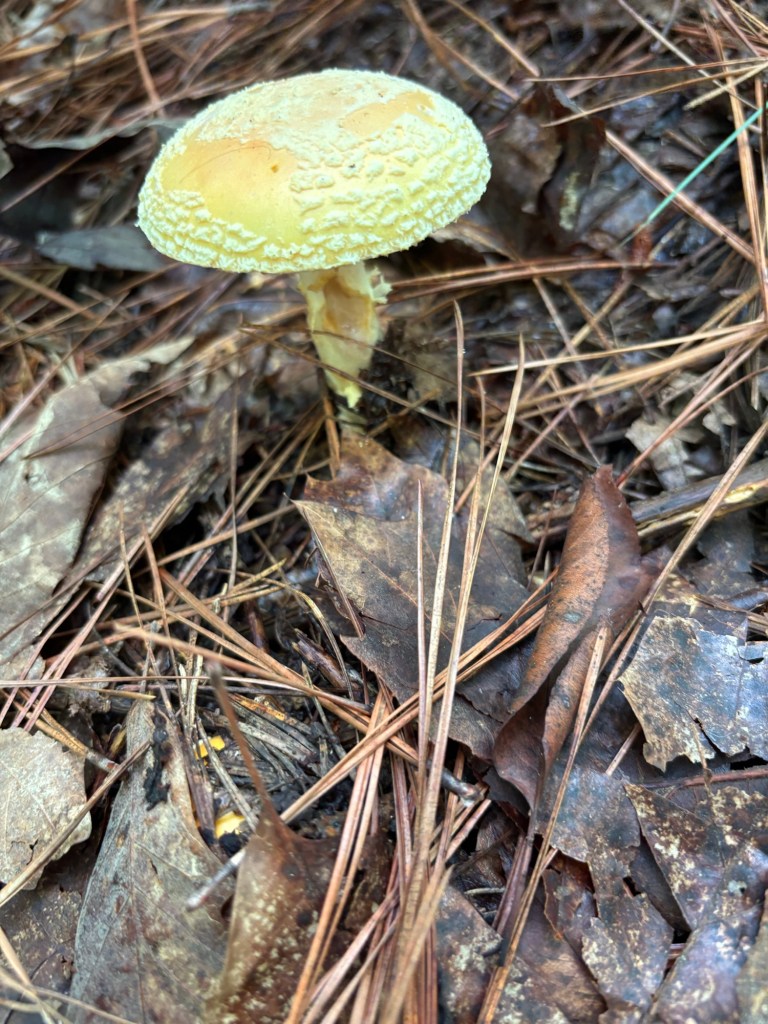
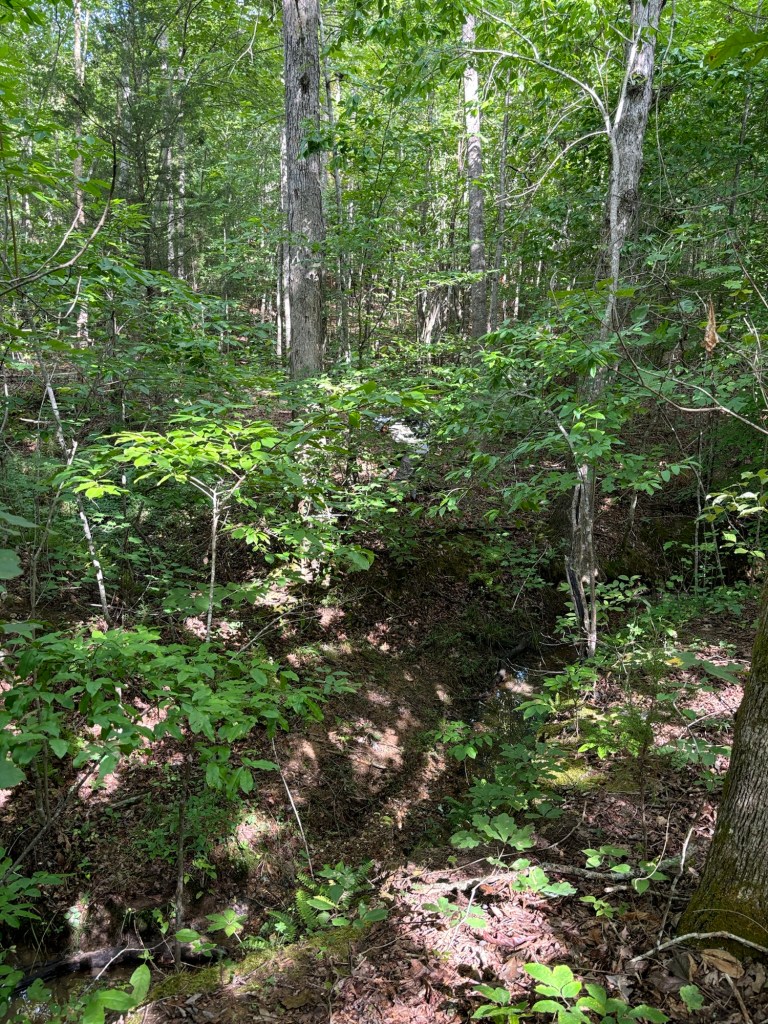
Saprobic fungus thriving with the moisture and temperatures in the perfect range for them to break down forest litter. Stereum complicatum, crowded parchment, growing on multiple stumps and dead hardwood throughout the farm. Chalciporus piperatus, Peppery Bolete, is reported to be edible when thoroughly cooked. It is very peppery so it will spice up a dish. It was a surprise to find a bolete with the weather being cooler. Pawpaws leaves yellowing as part of the trees natural process of going dormant for winter. It makes them very easy to locate right now. We found a few more clusters of pawpaws near the wet weather gully on the south side. More pawpaws going dormant for the winter across the waterway. Amanita bisporigera, Eastern North American Destroying Angel, are found in multiple areas of SAFF this fall. These are deadly. Terrapene carolina carolina, Eastern box turtle, on the north side looking for food.Calvatia craniiformis, Brain puffball, found just off the top clearing in a group of seven. Lycogala epidendrum, Wolf’s milk, found at the gate to SAFF. This is a slime mold instead of a fungus.
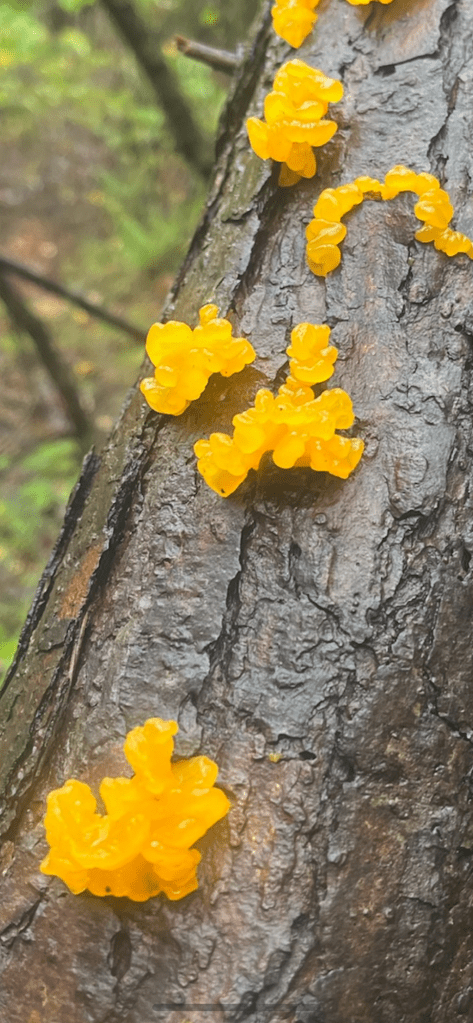
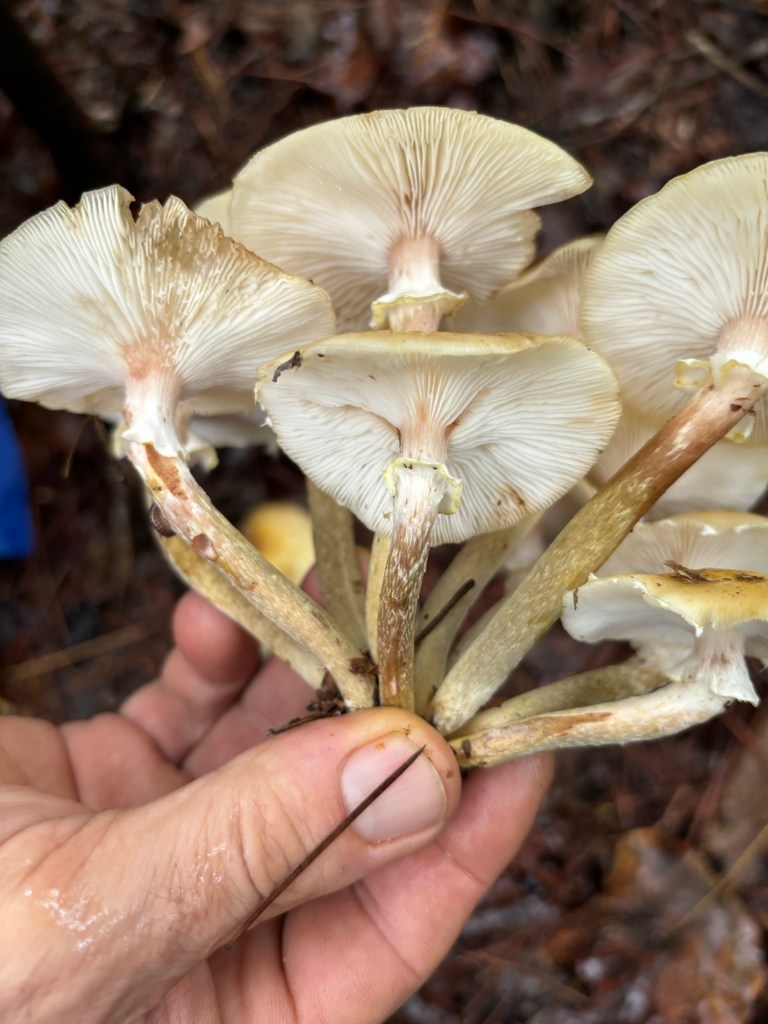
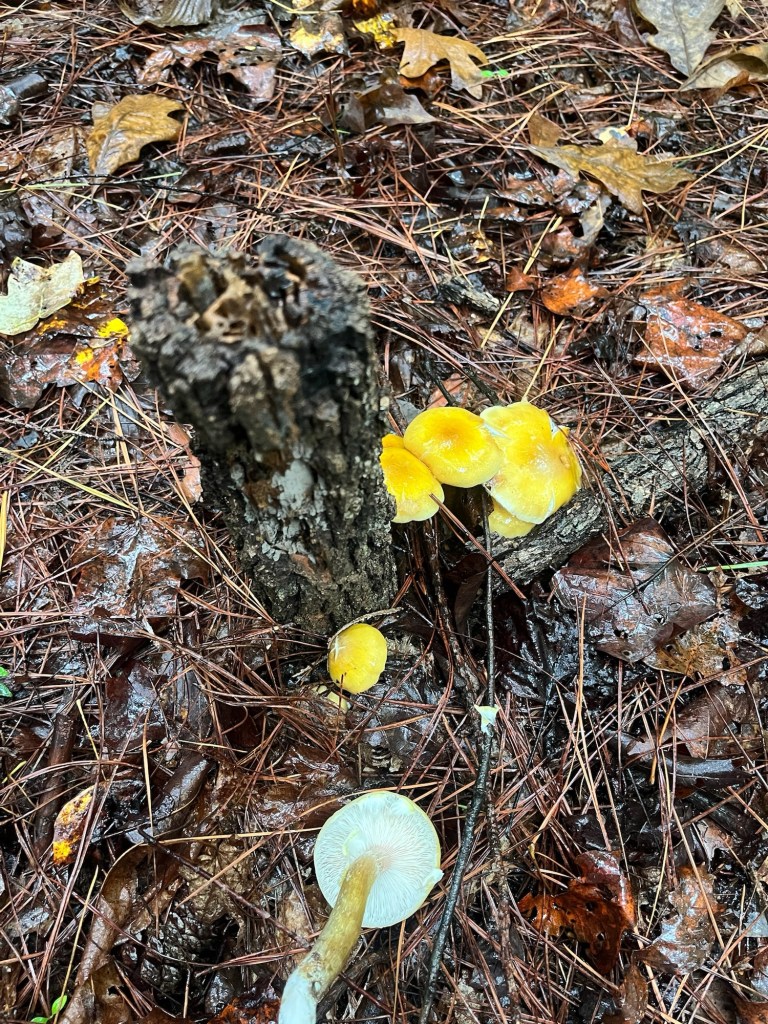
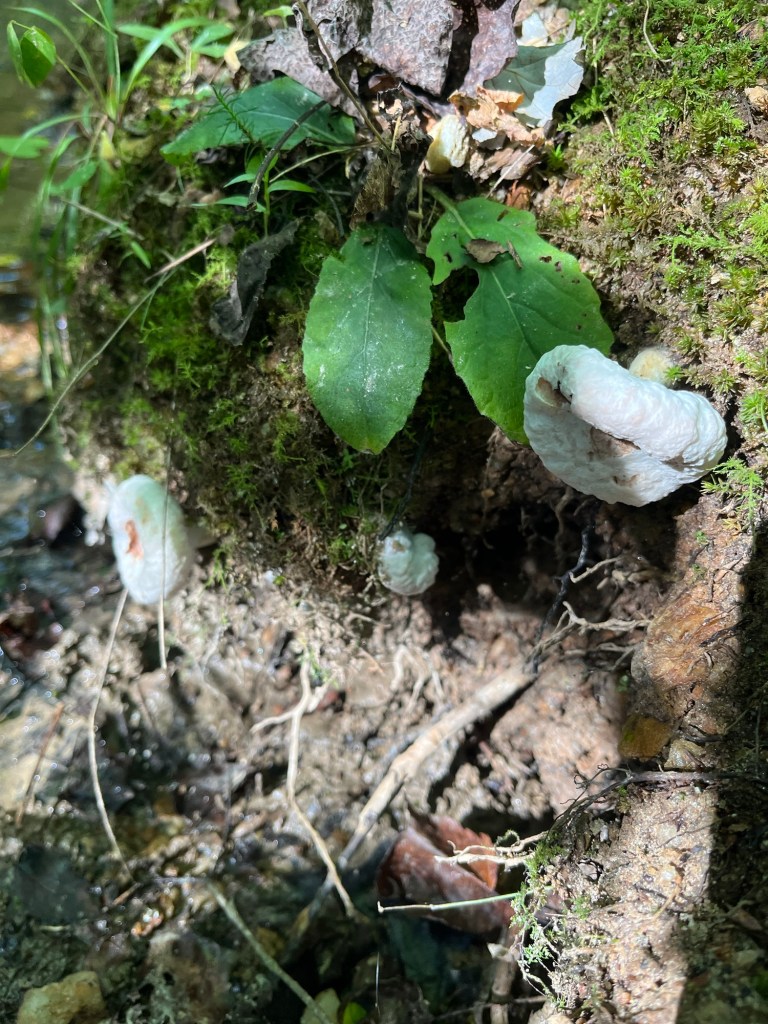
Entoloma abortivum, shrimp of the woods, found along the stream at the bottom of the slope. A choice edible for us. Dacrymyces chrysospermus, orange jelly spot, grows on dead conifers. It is edible but flavorless.Armillaria mellea, Honey mushroom, an edible mushroom found growing in groups up top in the pines.More Honey mushrooms
We took a walk in the rain around Saint Andrews Forest Farm yesterday and saw plenty of fungi to our delight. The animals had eaten some of the Honey mushrooms. These are highly nutritious. We were fascinated by the fairy ring of Honey mushrooms up top which showed this Armillaria to be maybe 15 or 20 feet in diameter. Most of it is underground mycelium.
We’d been waiting for these to emerge along with the Entoloma abortivum which are actually honey mushrooms parasitized by Entoloma. Each year they show up together and it is a helpful identification factor. They are delicious and we are having them for breakfast this morning with our eggs.
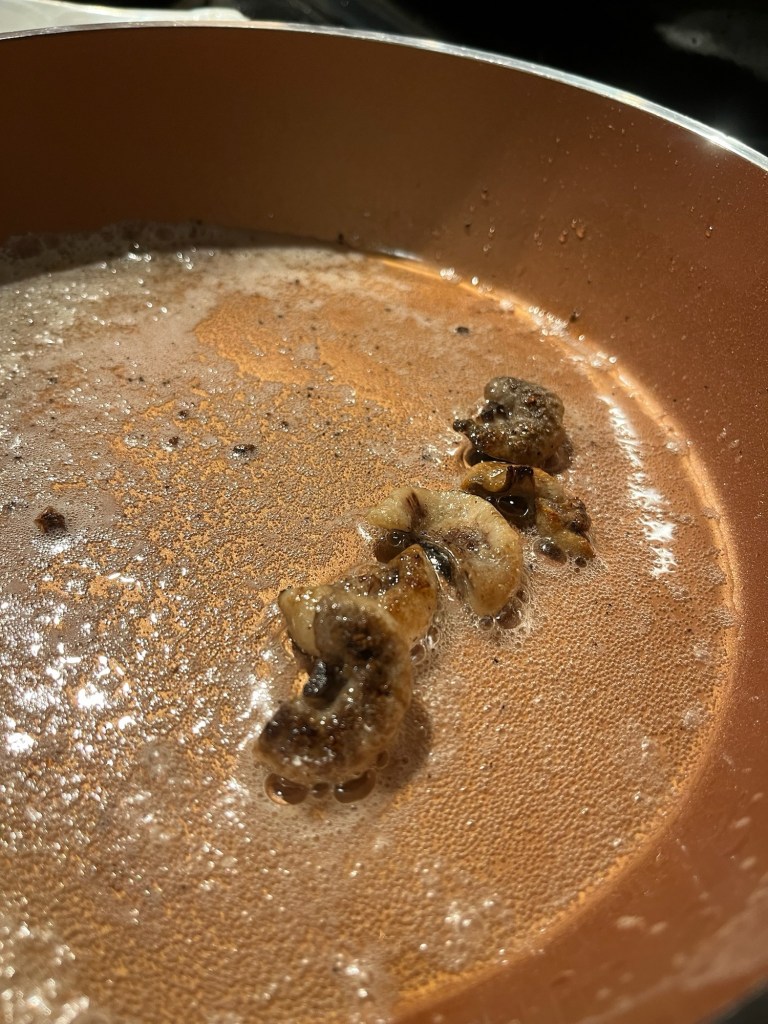
They are best when browned well. 😋
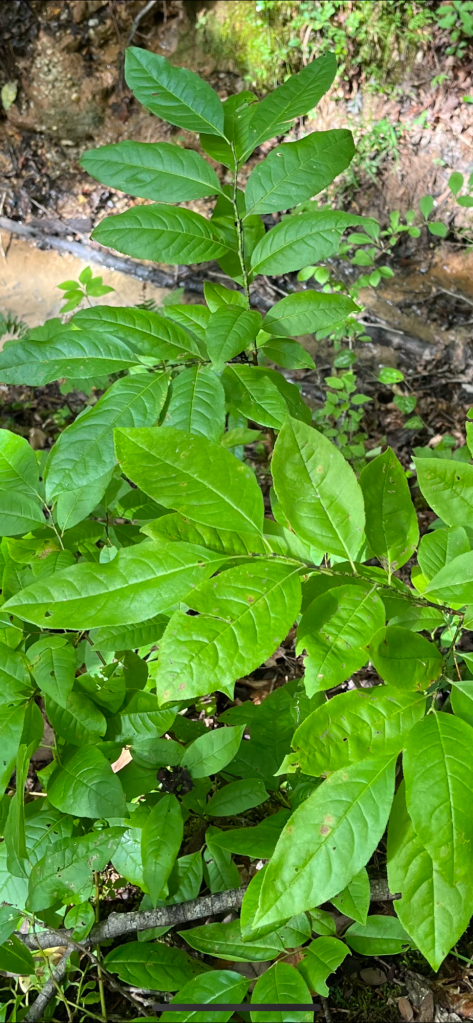
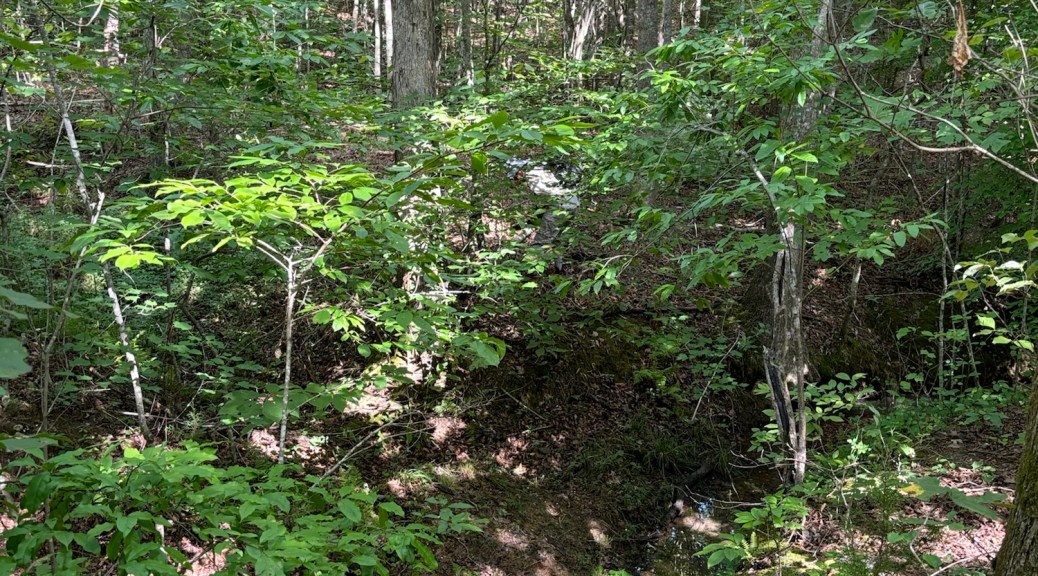
We also found a few more patches of pawpaws growing along the southern wet weather gully! They are easily spotted right now as they are beginning to go dormant for winter as evidenced by their yellowing leaves.
These shrimp of the woods are growing on roots and dead wood along the sides of the waterway. They are decomposers.
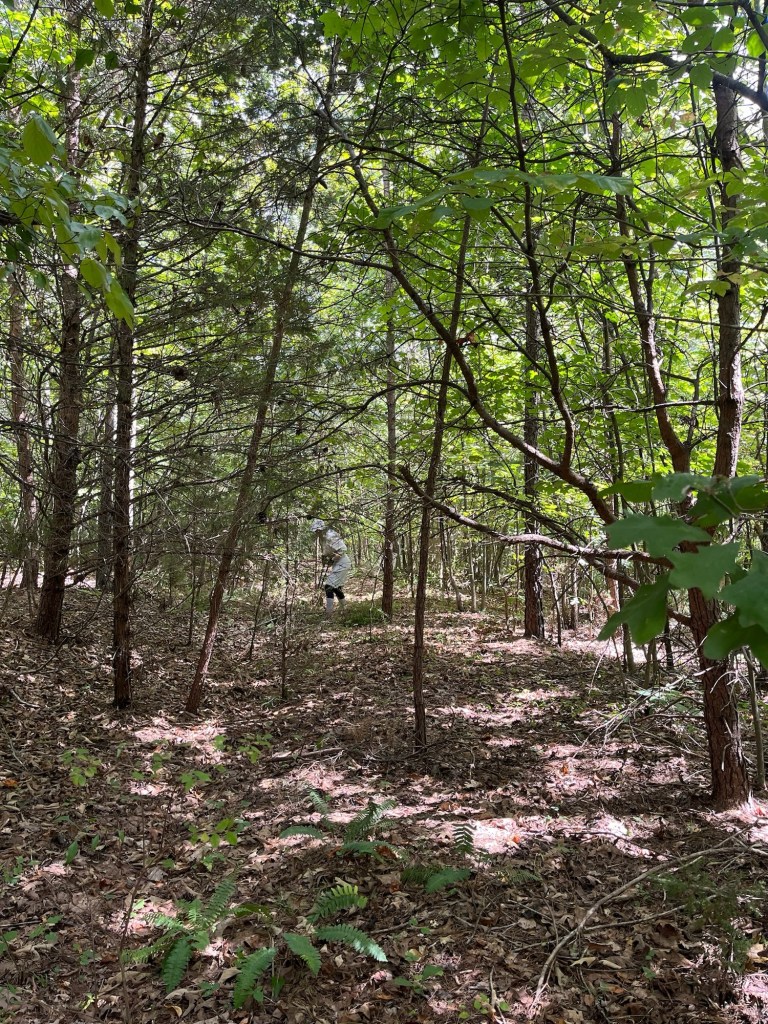
Cutting back trees that have grown up through the roadway on the north side of SAFF.
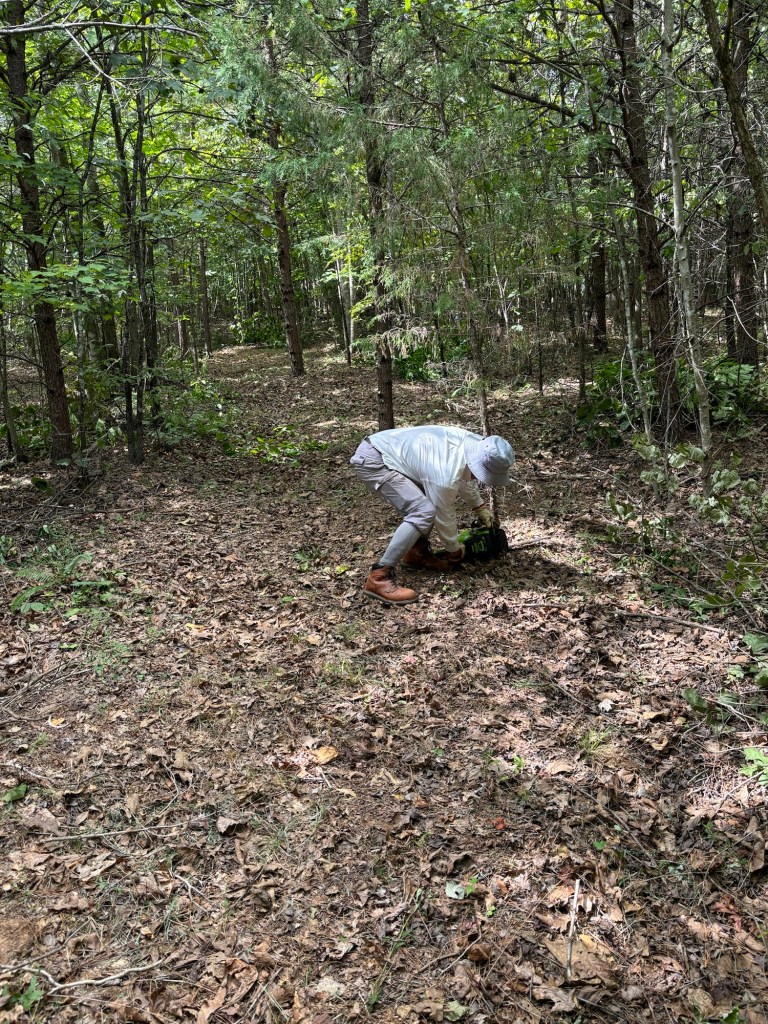
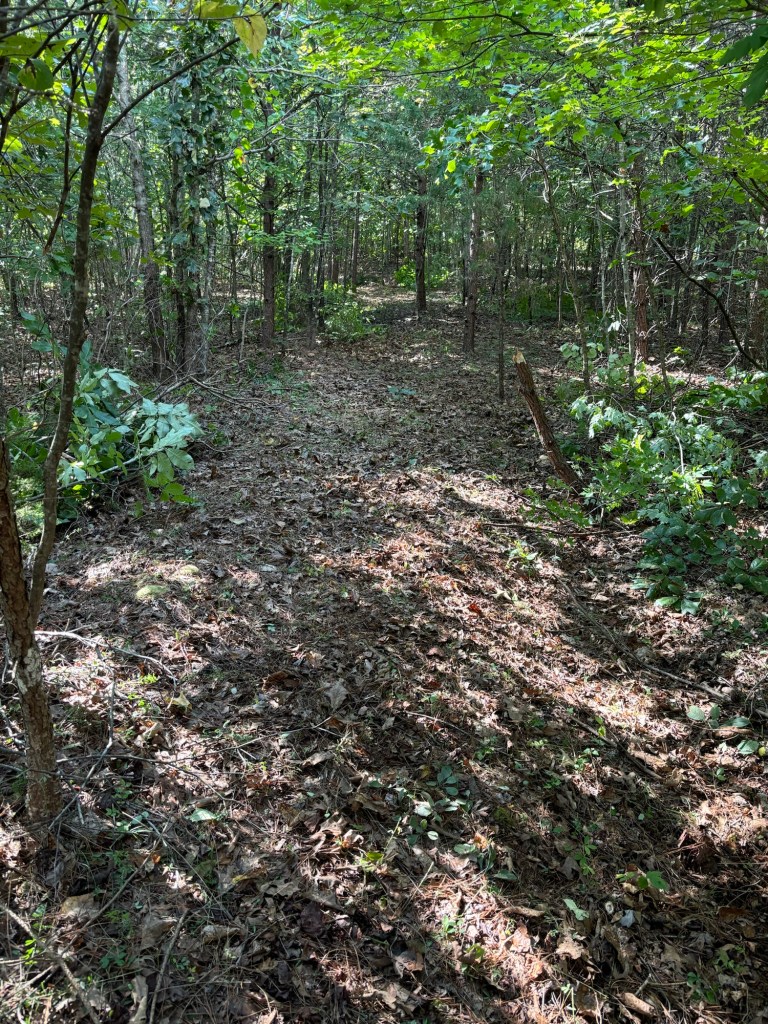
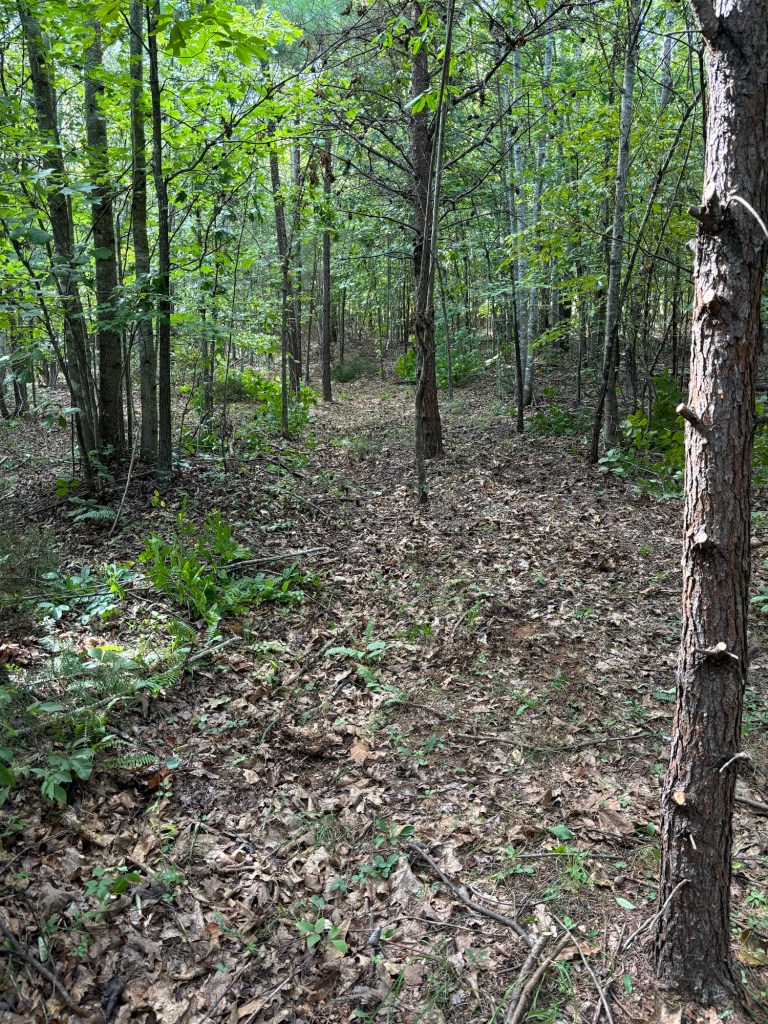
We couldn’t wait to get back out to clear some more trees from the roadway. We used the chainsaw, loppers and the string trimmer to clear out another chunk of the road. This time we made it just past the culvert with the shoe lasts. We were pleased and exhausted. The road is covered with leaves, pine needles and other forest debris so we keep pushing the debris aside with our foot to find stones underneath. It’s a compacted dark gray stone just like our driveway up top. The roadway goes along the northern boundary from the top clearing to the back line near another road. It stretches for acres and gives us truck access to the whole farm. A man stopped by a few weeks ago and said he was a member of the family that owned the property. He said the road ran all around the farm and also mentioned tobacco was grown on SAFF. It’s almost all forest now. We hope to figure out where the tobacco was grown. We’ve been bringing our homemade compost out to the farm to nestle in our new plantings and nourish the soil.
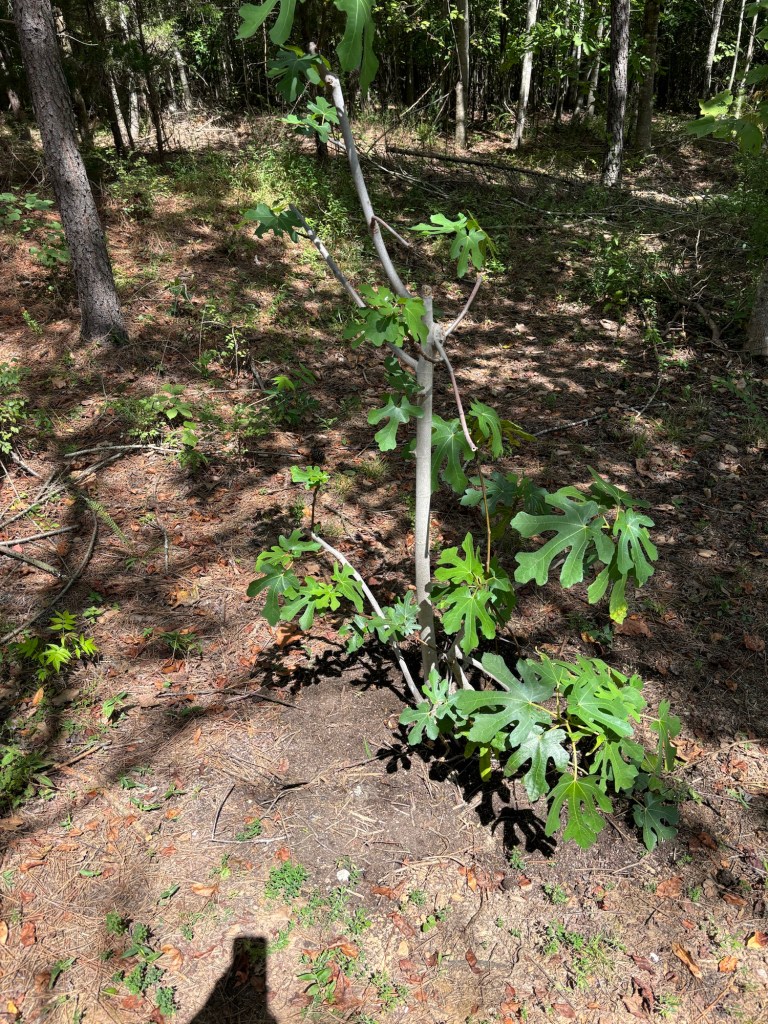
Ferns and trees have grown up through the roadway for more than a decade or two.Our newly planted fig snuggled in with our fresh compost from our wormery at the house garden.
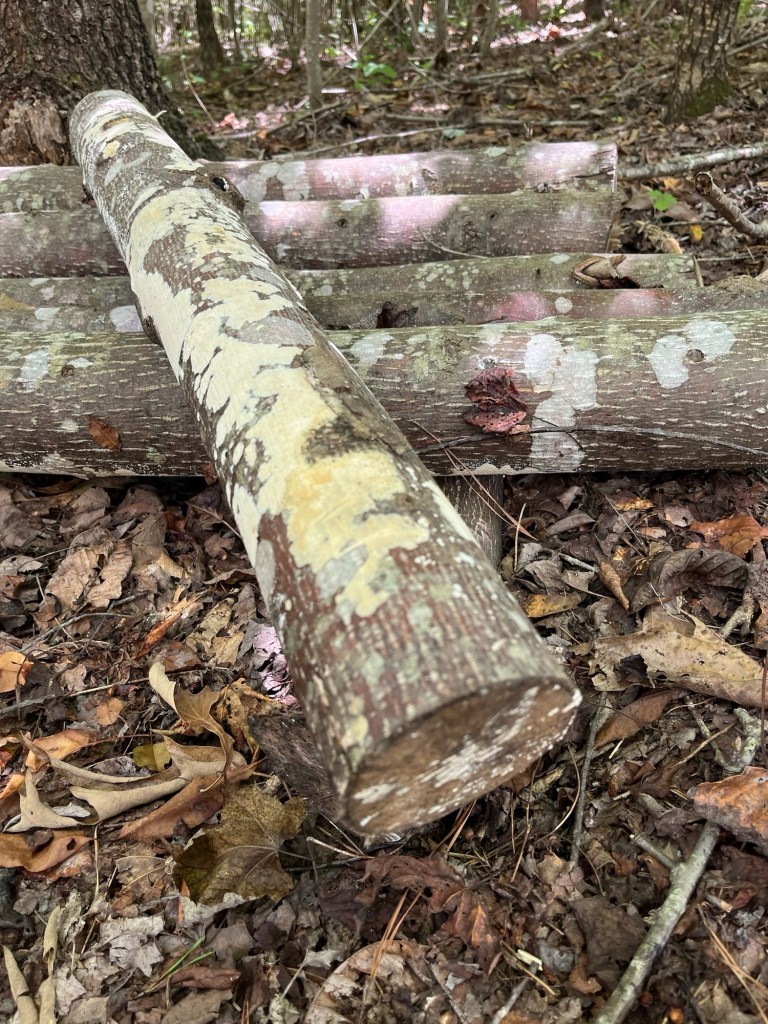
We also checked our lion’s mane experiment right off the clearing. Last fall we inoculated beech logs with lion’s mane mushrooms and yesterday we saw the mycelium creating something that looks like it may be what we hoped for.
Inoculated logs with lions mane spawn. We will keep a close eye on these logs after every rain.
Then we took a walk around and found Shrimp of the woods, Entoloma abortivum, a choice edible mushroom down by the waterway at the bottom in the pawpaw patch. We found it last year in the same spot. These are early and we expect much more with the next rains. The temperature is perfect for mushrooms. We are waiting on rain.
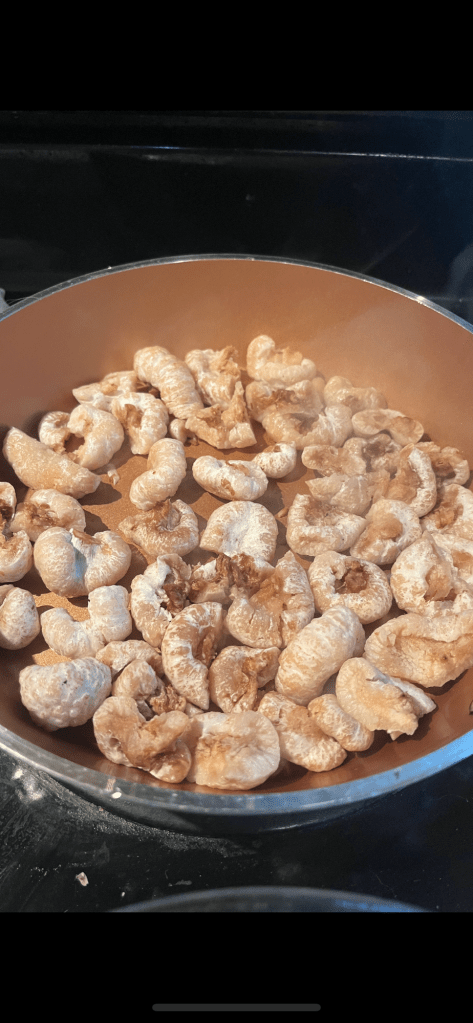
These are delicious treats we sautéed for 25 minutes in a pan with olive oil, garlic, salt and pepper and we had them on our salad for dinner. The texture and appearance is like shrimp and the taste was scrumptious.
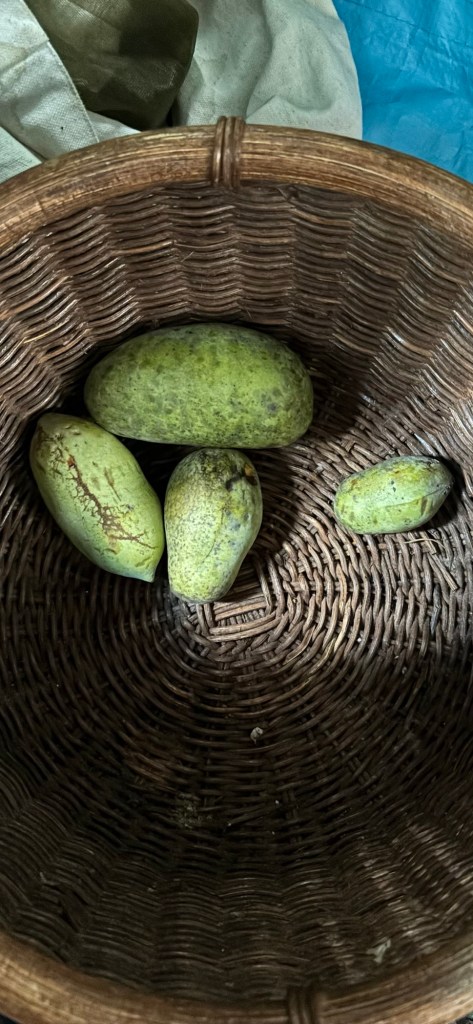
We also continue to forage for pawpaws on public land to and from the farm. We found three more fruits yesterday. Each one has been a tropical delight tasting of mango, banana with hints of caramel and vanilla. Even better, they are full of seeds we are going to plant to further our pawpaw grove and increase production by adding more dna and, in the long run light, to the area.
Sourwood, Genus Oxydendrum, sometimes called sorrel tree is native to Eastern North America. The honey that bees produce from its nectar is sought after for its health benefits and taste. The leaves are edible and have a laxative effect. The Cherokee people used it for seasoning soup and meat, as well as a medicinal tea from its leaves. They also used the shoots to make arrowshafts.Sourwood leaves
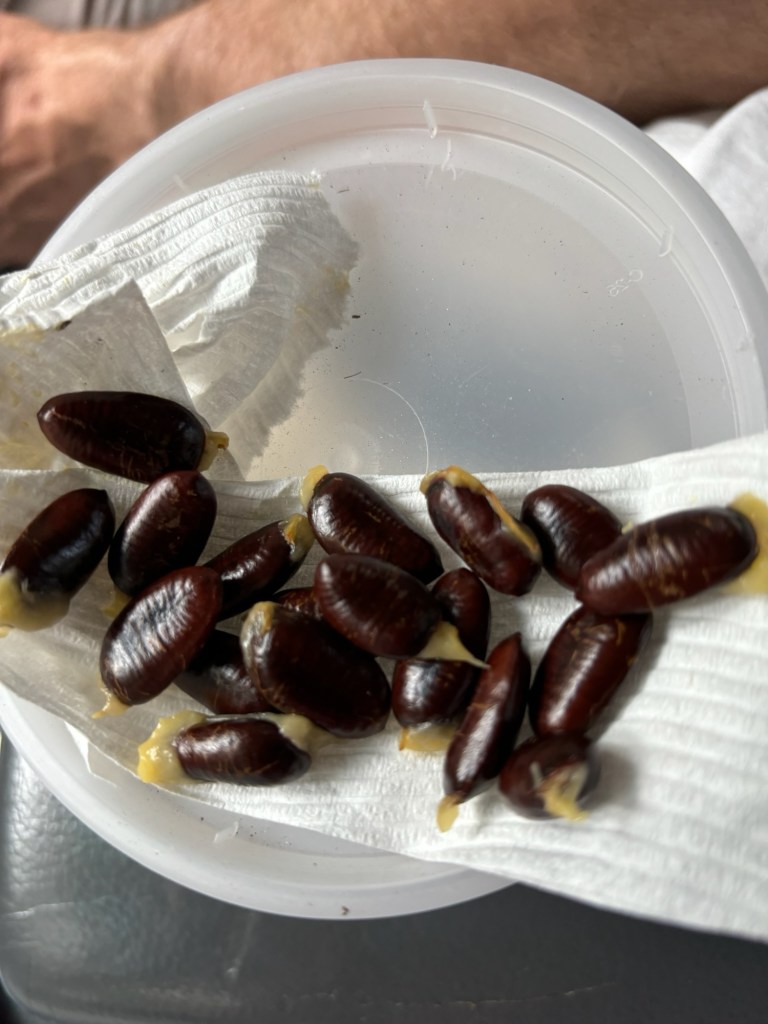
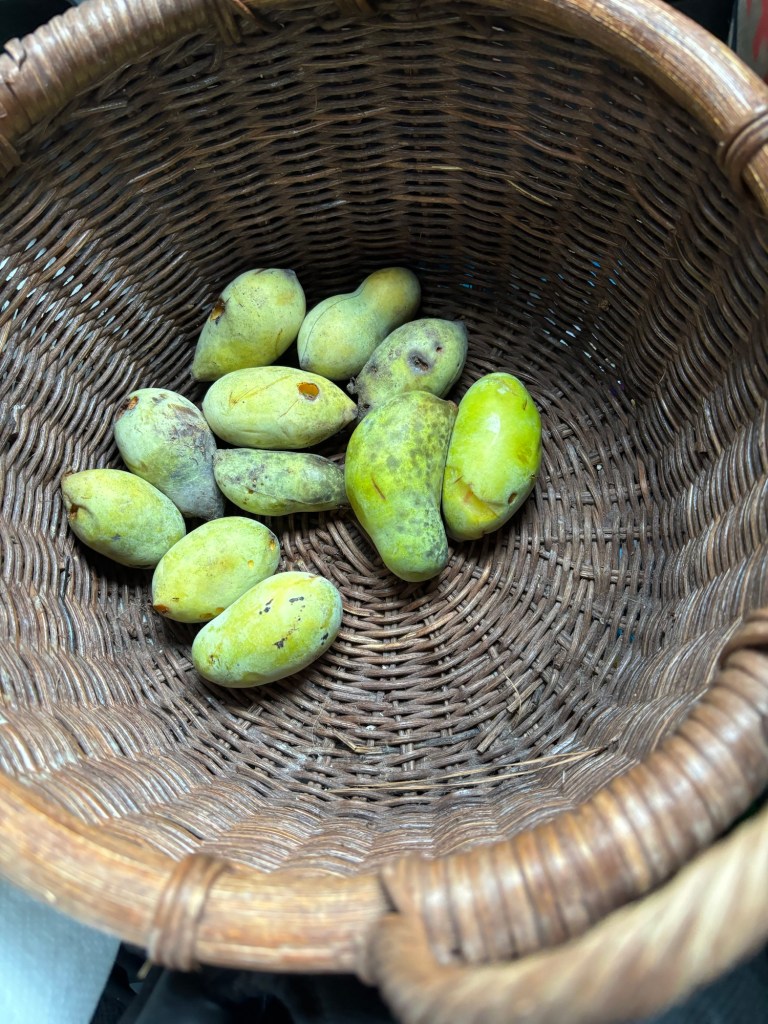
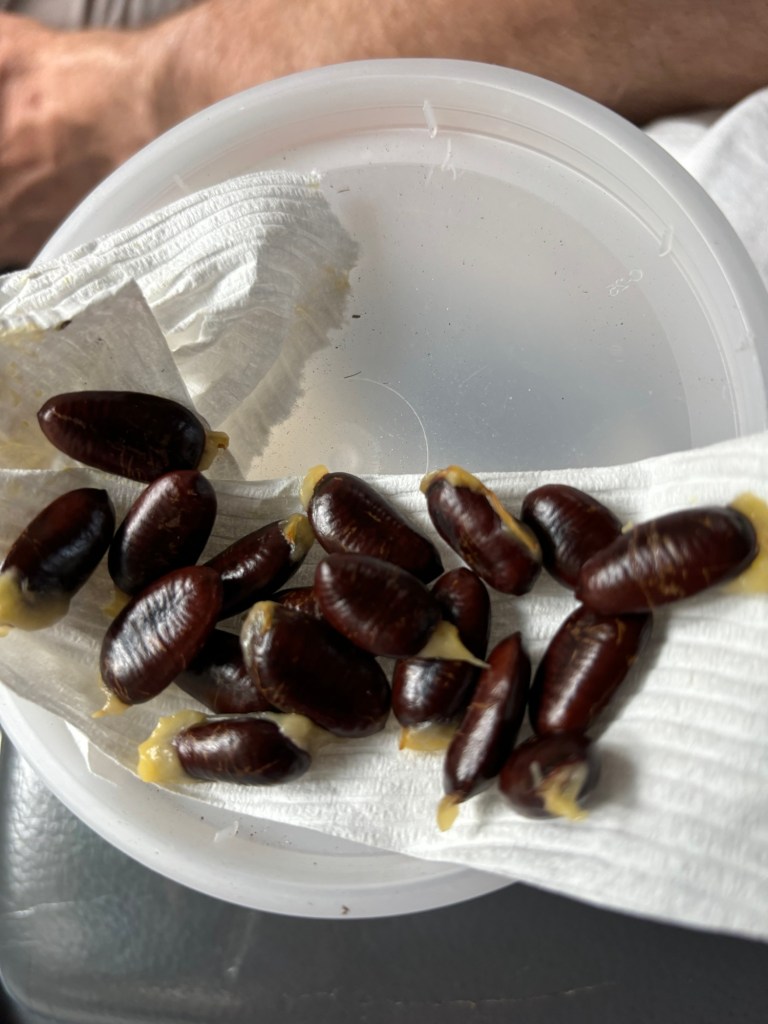
Yesterday was a lovely day at SAFF. It’s gotten cooler and feels much like fall all of the sudden. On the way over, we stopped at the pawpaw patches and found about eight more ripe fruit. Each one has 10 to 14 seeds inside in two rows. We probably have several hundred seeds. Some we have already planted in pots to overwinter outside and cold stratify in nature. Others we have cleaned and placed in a container in the refrigerator to cold stratify for 70-100 days and then we will plant. We will determine best practices from our experience but we hope to add many more trees next year. We are excited to use these to sprout new trees for our pawpaw grove that hasn’t been productive for us yet. While down in the pawpaw patch, we noticed the Sourwood tree. We have quite a few of these down by the main waterway at the bottom of the slope growing, in some cases, right next to the pawpaws. We are still thinning out the forest in every location to allow more light in and room for our trees. We are especially doing this around our older pawpaw trees to encourage production of fruit.
The roadway we found on the north side of SAFF.
We went out to the northern edge and found where the road began and we cut back small trees growing up through the rocks of the road. We cut back grassy areas. We cleared everything we could easily. We got a third of it cleaned up except for the largest pines we will have to use the chainsaw to remove. We imagined this would take us much longer to clear. We were beyond thrilled to get that much accomplished in one swoop.
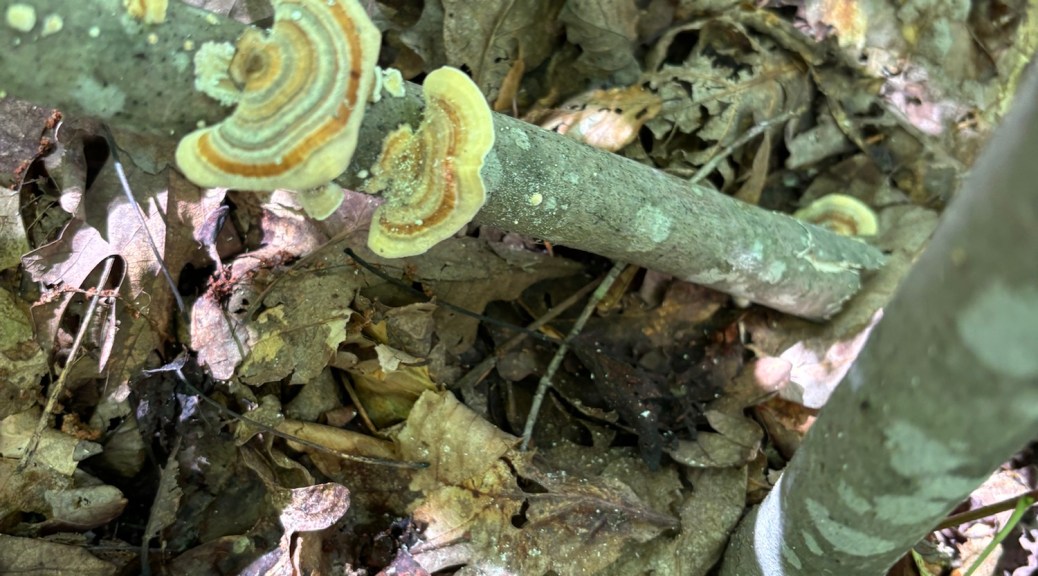
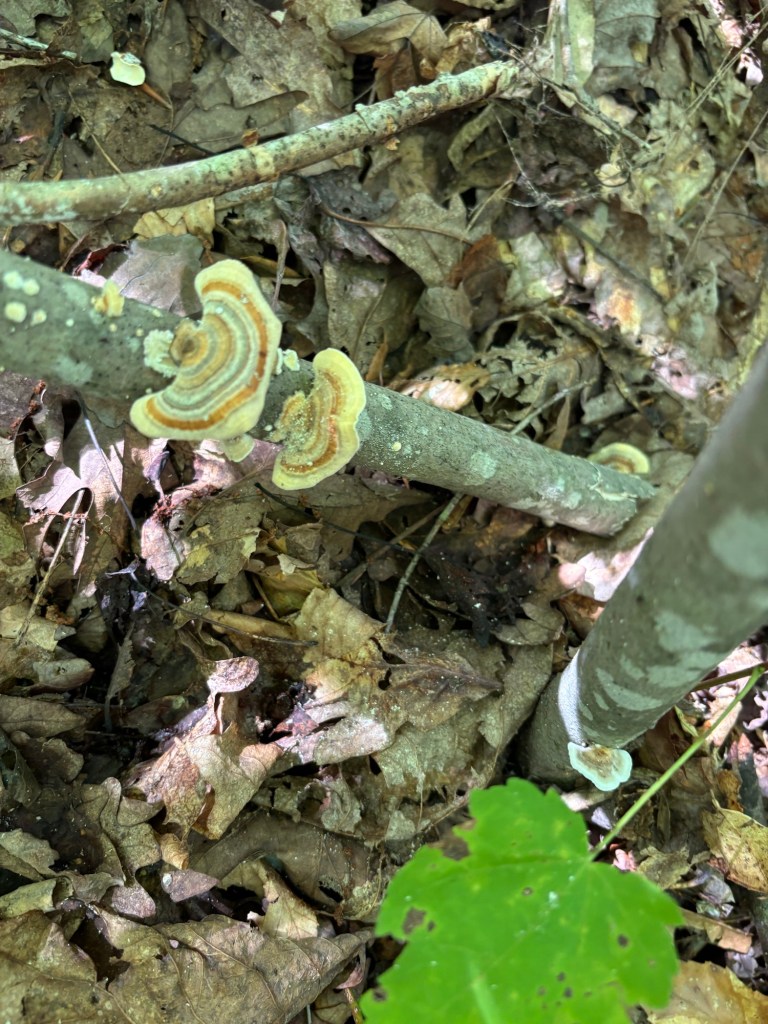
The roadway will make it a whole lot easier to farm on the north side.Turkey tail, Trametes versicolor, on the north side. A common polypore found throughout the world. It’s a medicinal mushroom that’s full of antioxidants and other compounds which fortify our immune system, maintain healthy gut bacteria and support the treatment of certain cancers.
After a busy week, we wrapped up a few local chores and errands at home in Staunton, and started the holiday weekend Friday morning with a specific mission. Inspired by our visit to a local nursery last weekend, we hoped to find ripe pawpaw fruit in the wild. In particular, we wanted to collect some wild fruit to eat, and also collect the seeds to grow new trees with and bring novel dna to our pawpaw patch. We are saving all of the seeds from our fruit and we are going to plant them at the farm. A dedicated search on the iNaturalist app showed us locations along our route from home to the farm in Buckingham County where pawpaw trees, flowers and fruit were observed and identified. Some of the observation sites along or near our route were private land, so we ruled them out. But we began to notice the pawpaw trees by the side of the road as we drove to and from the Farm. Especially where rivers, creeks and streams crossed the road. We saw Black walnut trees and many pawpaw trees. Having tried a couple ripe pawpaws last weekend, we figured it would be worth stopping to take a look if we saw accessible, fruiting pawpaw trees. They fall off the tree when ripe. So far, we have found about 20 in various stages of ripeness. A few were so far gone, we had to just plant them in a pot. We have at least a hundred seeds now and we have them stored in the refrigerator. We’ve also gotten to eat a few of these creamy, tropical-tasting native fruit.
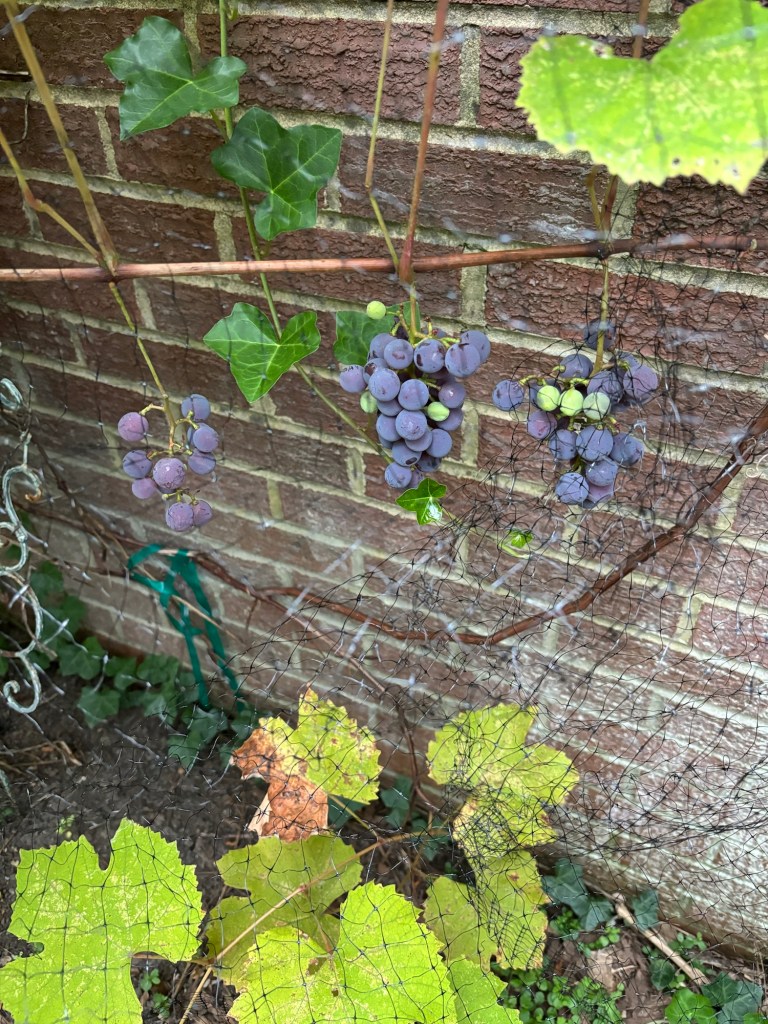
Pawpaws we found yesterday. The seeds we are saving. We will cold stratify these in the refrigerator for 70 to 100 days and then plant these in deep pots to accommodate their need for a long tap root. A turtle we saw working on his mushroom dinner. Amanita flavoconia, Yellow patches. Found along Mary Banning Way. The pawpaw patch. Our Concord grapes we just harvested.
Saint Andrews Forest Farm Blog
Is this your new site? Log in to activate admin features and dismiss this message
 St Andrews Forest Farm