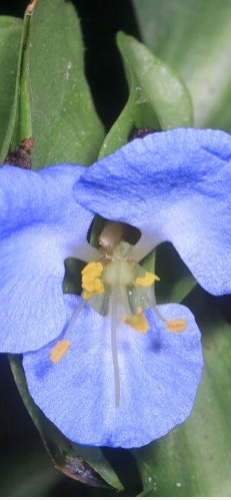
A big thank you to Judy for beginning this list after a walk around SAFF. She found and identified these plants and we hope to keep adding to this list as we continue to identify others.
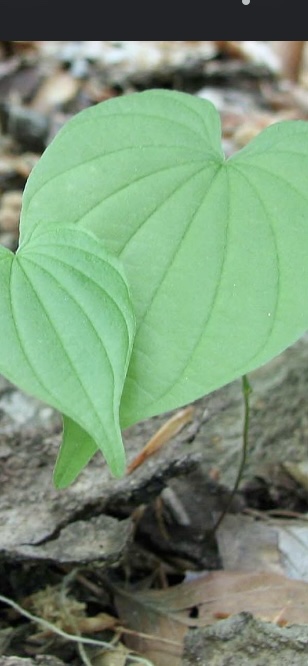
Common names of Dioscorea villosa include wild yam, Atlantic yam, common wild yam, wild yam-root, yellow yam, colic root, and rheumatism root.
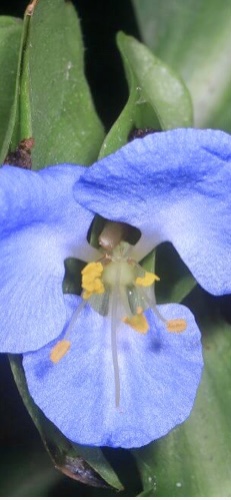
In early homesteads, deer tongue leaves were placed in bureaus to impart a pleasant smell to clothing or hung in bundles in rooms to freshen the air. Deertongue also has medicinal properties; Native Americans and the earliest settlers made a tea that was believed to be an all-purpose cure and tonic.
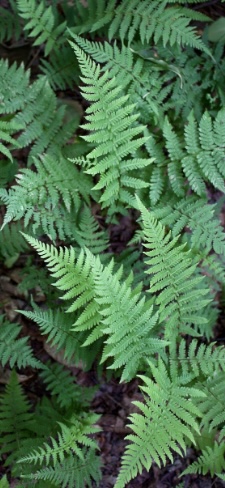
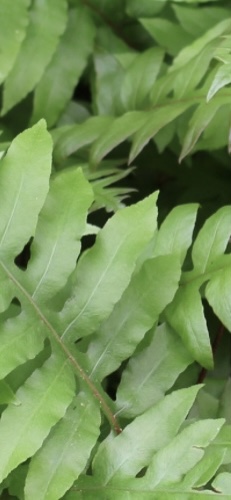
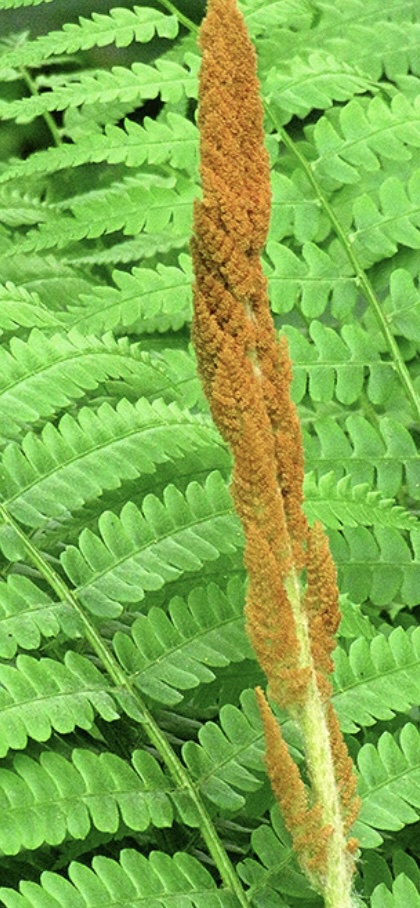
The young unexpanded fronds are eaten as a nibble or cooked in soups. The taste is said to resemble asparagus. The young shoots are seen as a “spring tonic” to cleanse the body with fresh green food after a long winter eating mainly stored foods.
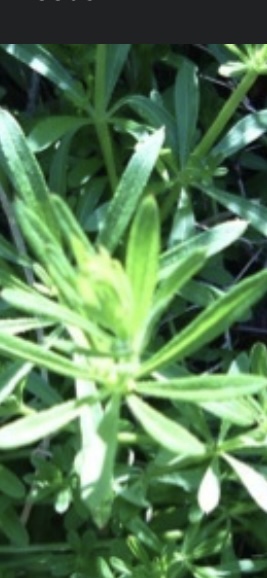
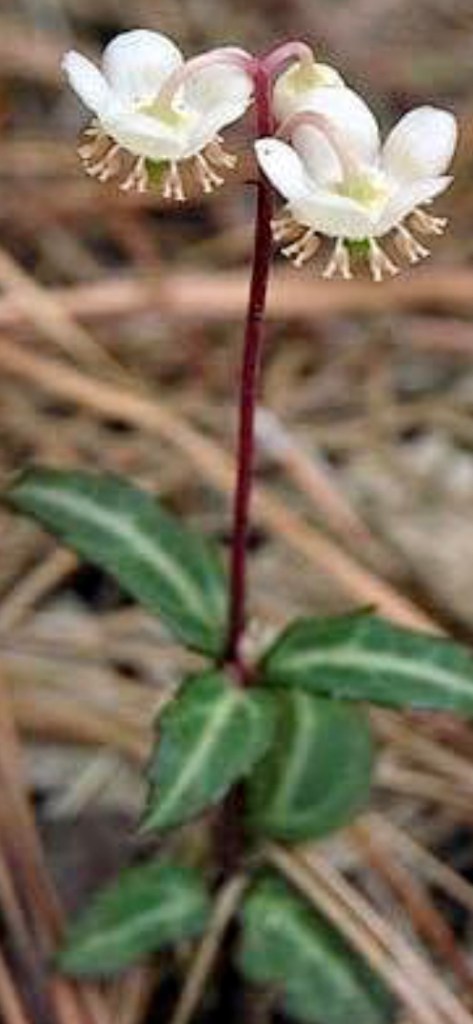
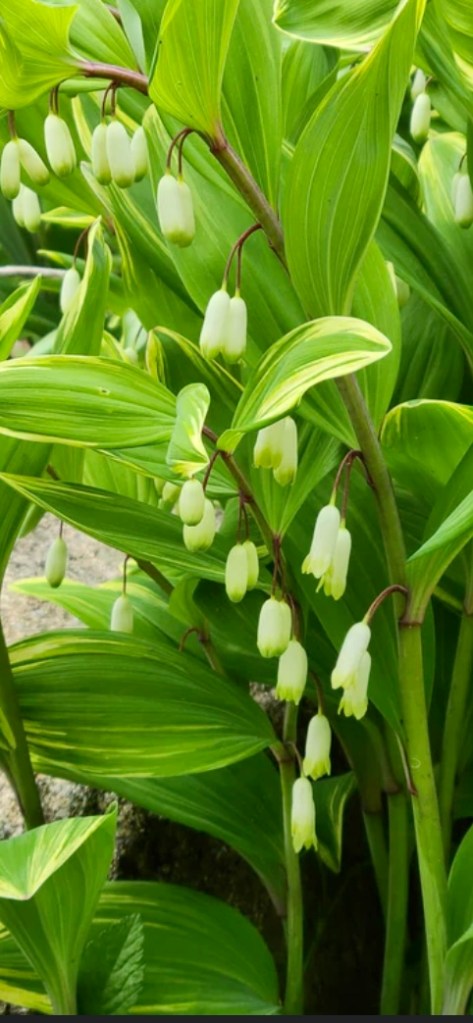
Solomon’s seal is an herb. It is sometimes used to make medicine. Solomon’s seal is used for lung disorders, swelling (inflammation), and skin conditions such as bruises, boils, and hemorrhoids. But there is no good scientific evidence to support any use.
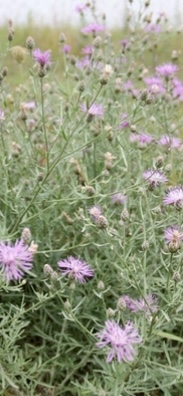
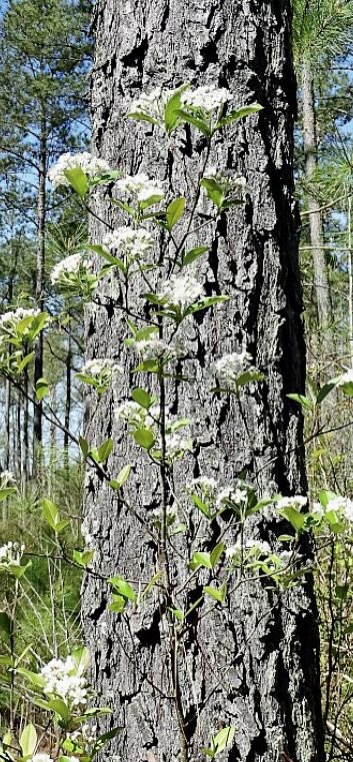
The high-antioxidant fruit is used in baking and to make jams, jellies, syrup, tea, juice and wine. Fruit can persist into winter and serves as a food source for birds and other wildlife.
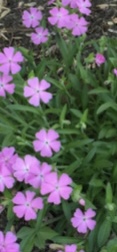
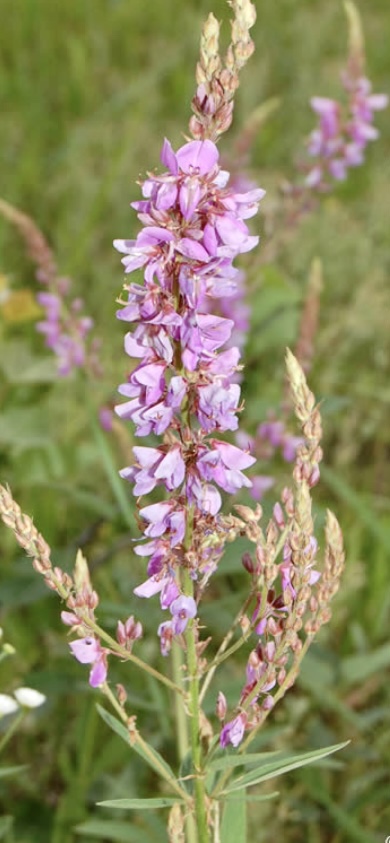
Several Desmodium species release organic compounds, aerially and into the soil, which make them useful for agriculture: Allelopathiccompounds are used there via push-pull technology. Tick-trefoils in agriculture can also be used as living mulch and as green manure, as they improve soil fertility via nitrogen fixation.
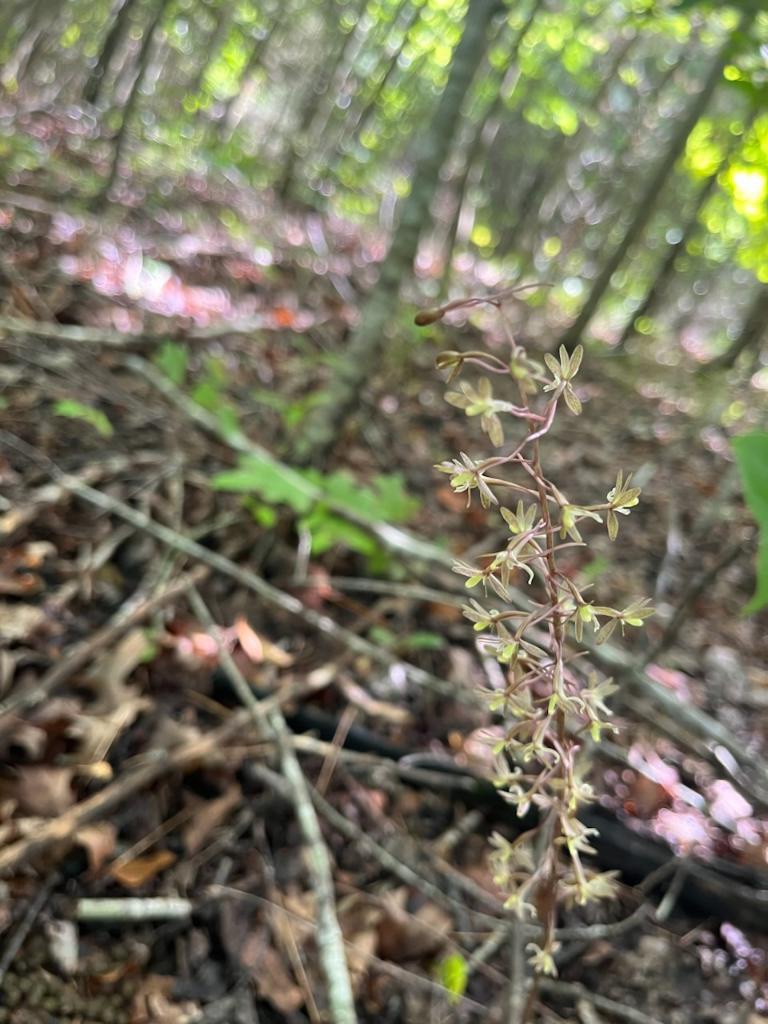
Tipularia discolor grows a single leaf in September that disappears in the spring. The leaf top is green, often with dark purple spots. The leaf underside is a striking purple color. The flower blooms in mid-July to late August. The roots are a connected series of edible corms. This orchid is pollinated by Autographa precationis, Ctenoplusia oxygramma, Cucullia convexipennis, Protoboarmia porcelaria and Pseudaletia unipuncta. The moths visit the flowers and insert their proboscis into the nectar tube, if there is little nectar left the moth will force its proboscis in deeper and increasing the chance of their compound eye coming into contact with the viscidium and removing pollinaria. The stigma is not exposed until the anther cap falls off, which might serve as a barrier to self-pollination. https://goorchids.northamericanorchidcenter.org/species/tipularia/discolor/
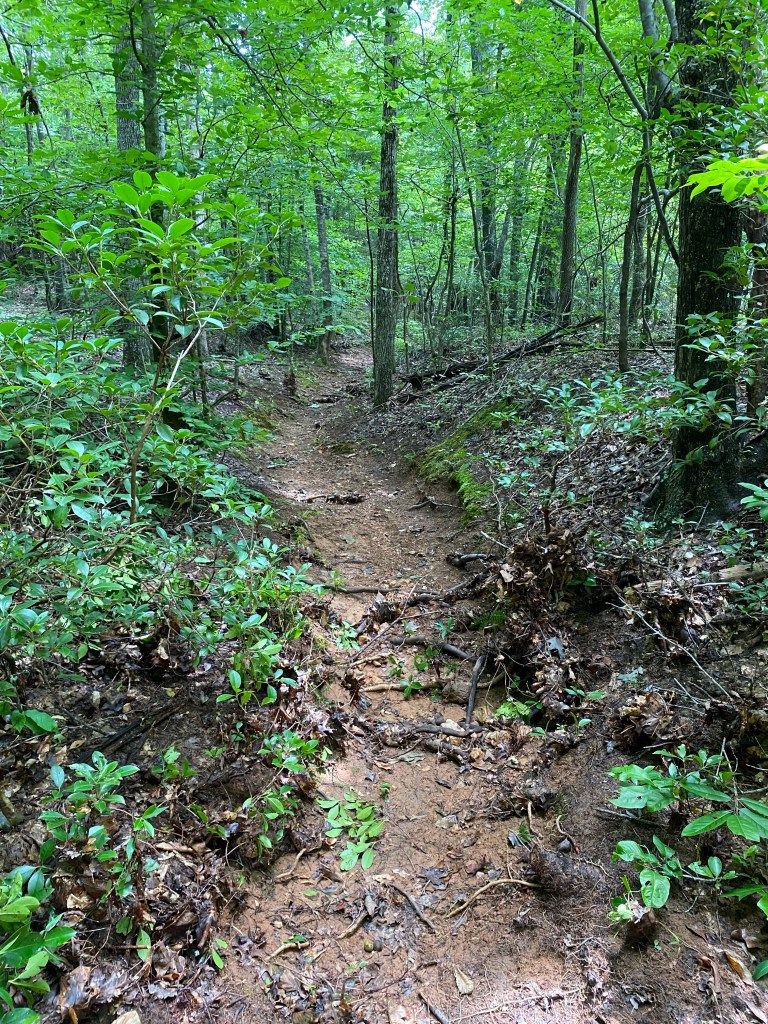
The Cherokee use the plant as an analgesic, placing an infusion of leaves on scratches made over location of the pain. They also rub the bristly edges of ten to twelve leaves over the skin for rheumatism, crush the leaves to rub brier scratches, use an infusion as a wash “to get rid of pests”, use a compound as a liniment, rub leaf ooze into the scratched skin of ball players to prevent cramps, and use a leaf salve for healing. They also use the wood for carving. Mountain laurel is poisonous to several animals, including horses, goats, cattle, deer, monkeys, and humans, due to grayanotoxin and arbutin
 St Andrews Forest Farm