Tag Archives: sweet potatoes

Plants of Saint Andrews Forest Farm

A big thank you to Judy for beginning this list after a walk around SAFF. She found and identified these plants and we hope to keep adding to this list as we continue to identify others.
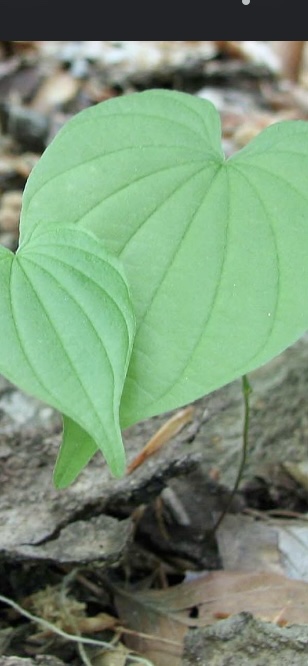
Wild yam vine

Common names of Dioscorea villosa include wild yam, Atlantic yam, common wild yam, wild yam-root, yellow yam, colic root, and rheumatism root.
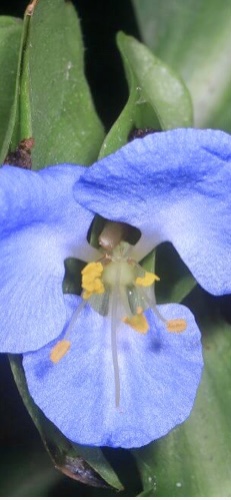
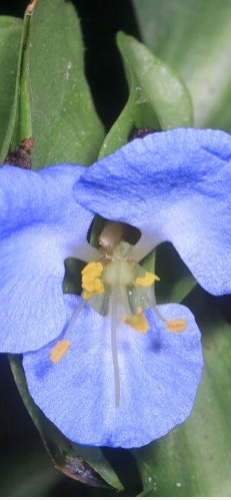
Deer Tongue -Day flower commelina communis

In early homesteads, deer tongue leaves were placed in bureaus to impart a pleasant smell to clothing or hung in bundles in rooms to freshen the air. Deertongue also has medicinal properties; Native Americans and the earliest settlers made a tea that was believed to be an all-purpose cure and tonic.
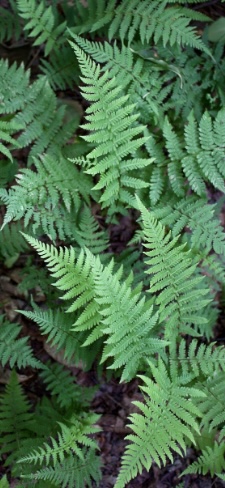
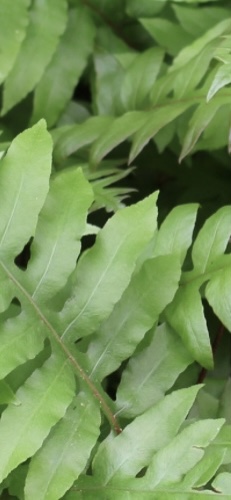
New York Fern provides ground cover for shady woodland gardens and shelter for toads.
Sensitive Fern, chain fern, the young fiddleheads are eaten as vegetables. However it is poisonous to cattle. Requires moist, shady environments.
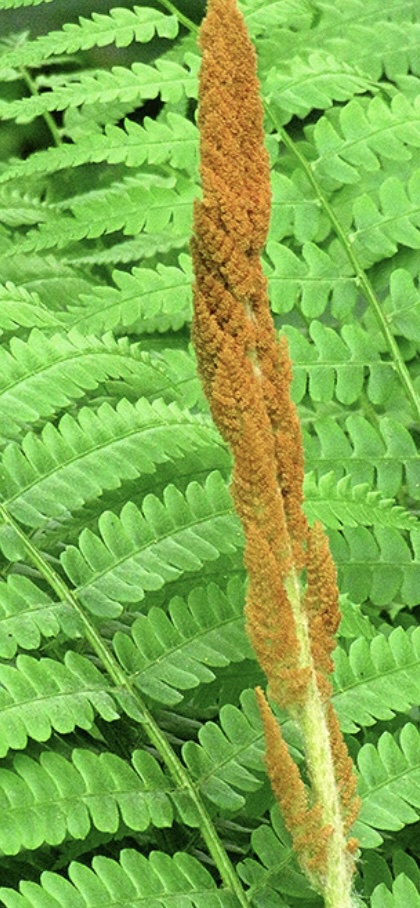
Cinnamon Fern
The young unexpanded fronds are eaten as a nibble or cooked in soups. The taste is said to resemble asparagus. The young shoots are seen as a “spring tonic” to cleanse the body with fresh green food after a long winter eating mainly stored foods.
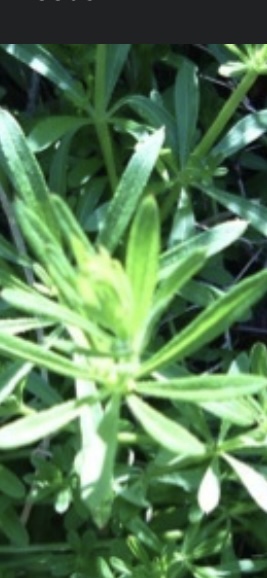
Galium – Bedstraw somewhat clinging
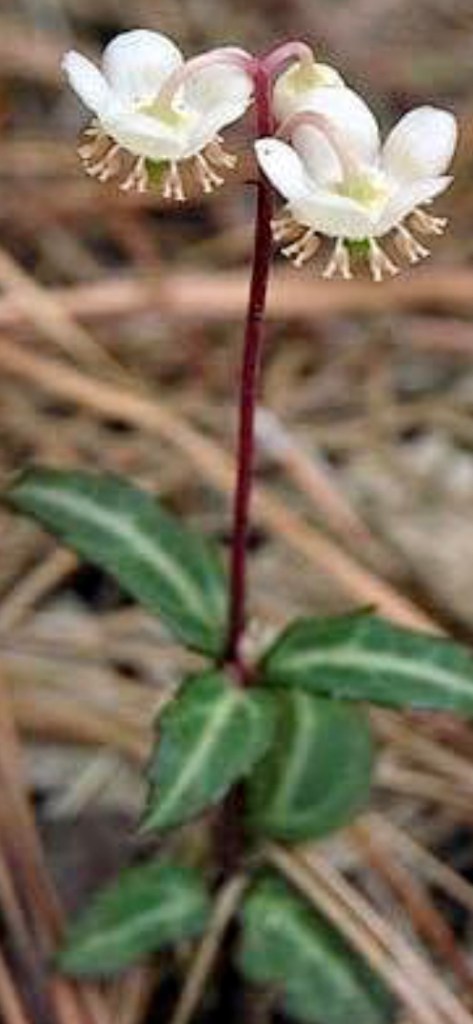
Striped wintergreen, insect pollinated and tolerant of acidic soil. Lives in oak-pine woods. “The Creek Indians called it ‘pipsisikweu’ – which means ‘breaks into small pieces’ – after the supposed ability to break down gallstones and kidney stones. … Native Americans used its leaf tea to treat rheumatism and stomach problems, and crushed leaves were applied as a poultice to sores and wounds.”
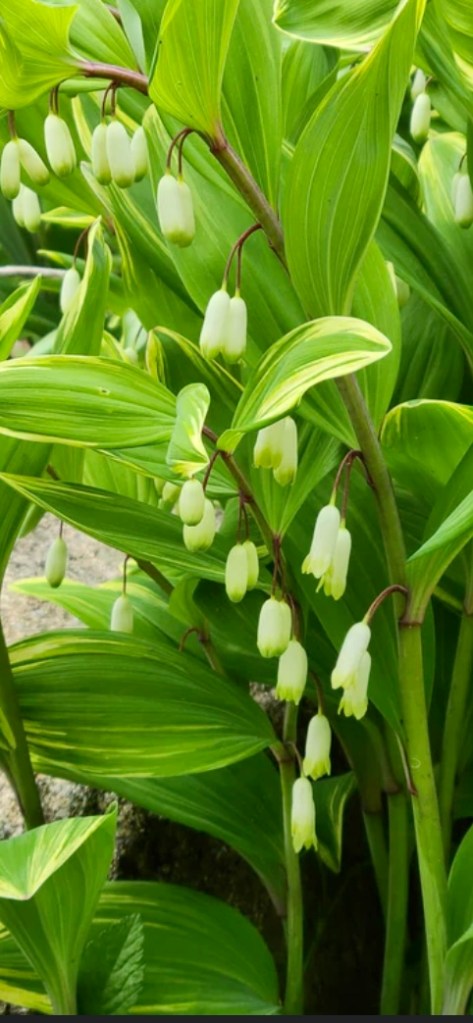
Solomons seal
Solomon’s seal is an herb. It is sometimes used to make medicine. Solomon’s seal is used for lung disorders, swelling (inflammation), and skin conditions such as bruises, boils, and hemorrhoids. But there is no good scientific evidence to support any use.
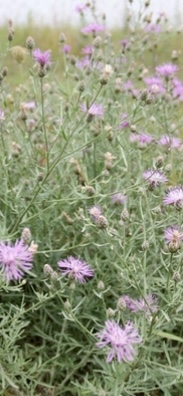
Spotted knapweed, this is invasive from Europe and will need to be pulled when seen at minimum. No reseeding! The flowers are edible. The plant has medicinal properties.
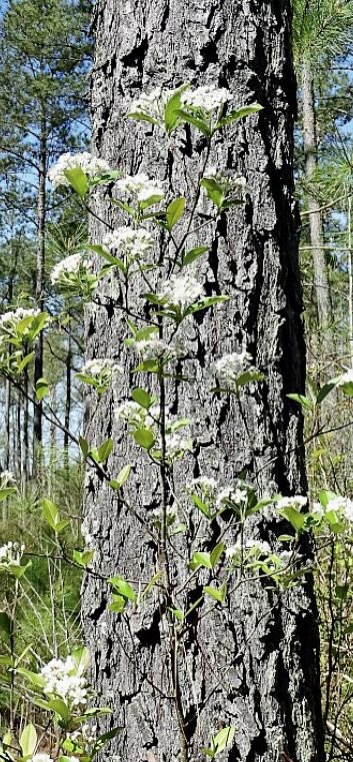
Red or black chokeberry, edible but astringent taste.

The high-antioxidant fruit is used in baking and to make jams, jellies, syrup, tea, juice and wine. Fruit can persist into winter and serves as a food source for birds and other wildlife.
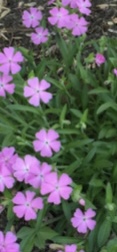
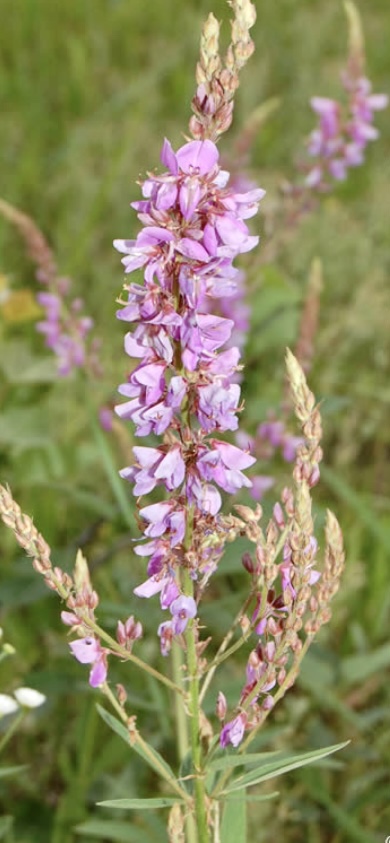
Wild pink. This charming wildflower is native to dry forests, barrens, and outcrops throughout Virginia where it tolerates a range of soils. Its rose-pink flowers, which somewhat resemble those of phlox, bring bright color to the spring garden, and it remains evergreen in winter.

Showy trefoil

Several Desmodium species release organic compounds, aerially and into the soil, which make them useful for agriculture: Allelopathiccompounds are used there via push-pull technology. Tick-trefoils in agriculture can also be used as living mulch and as green manure, as they improve soil fertility via nitrogen fixation.
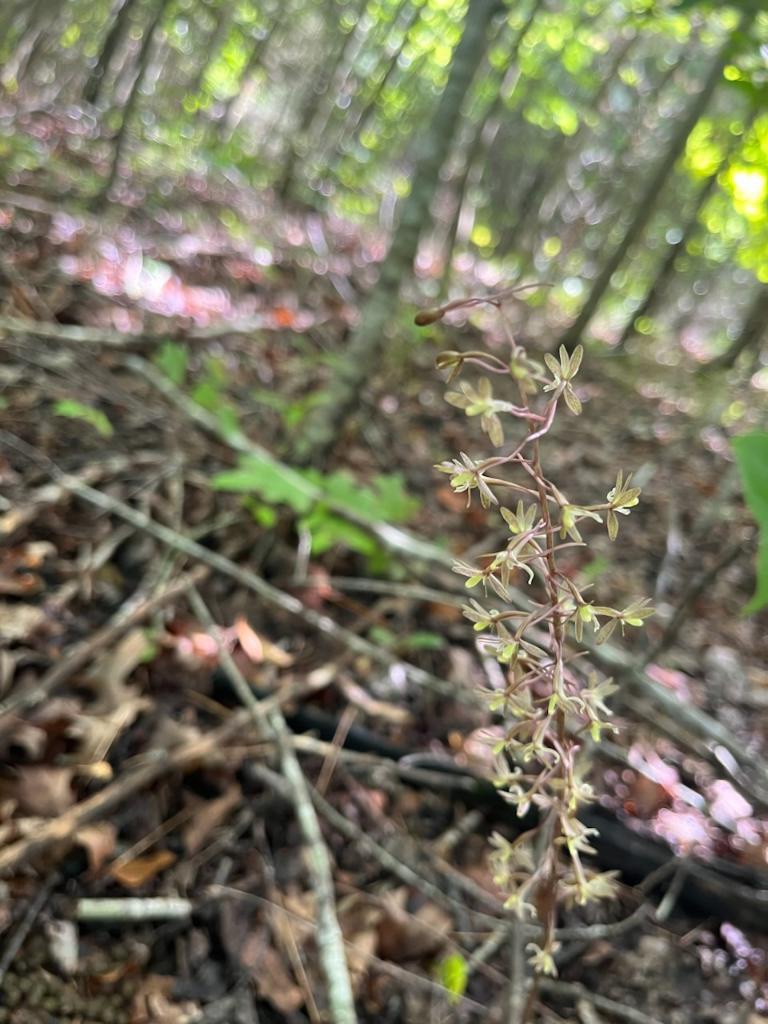
Crane fly orchid, perennial terrestrial woodland orchid growing in moist soil. Potato like edible corms.

Tipularia discolor grows a single leaf in September that disappears in the spring. The leaf top is green, often with dark purple spots. The leaf underside is a striking purple color. The flower blooms in mid-July to late August. The roots are a connected series of edible corms. This orchid is pollinated by Autographa precationis, Ctenoplusia oxygramma, Cucullia convexipennis, Protoboarmia porcelaria and Pseudaletia unipuncta. The moths visit the flowers and insert their proboscis into the nectar tube, if there is little nectar left the moth will force its proboscis in deeper and increasing the chance of their compound eye coming into contact with the viscidium and removing pollinaria. The stigma is not exposed until the anther cap falls off, which might serve as a barrier to self-pollination. https://goorchids.northamericanorchidcenter.org/species/tipularia/discolor/
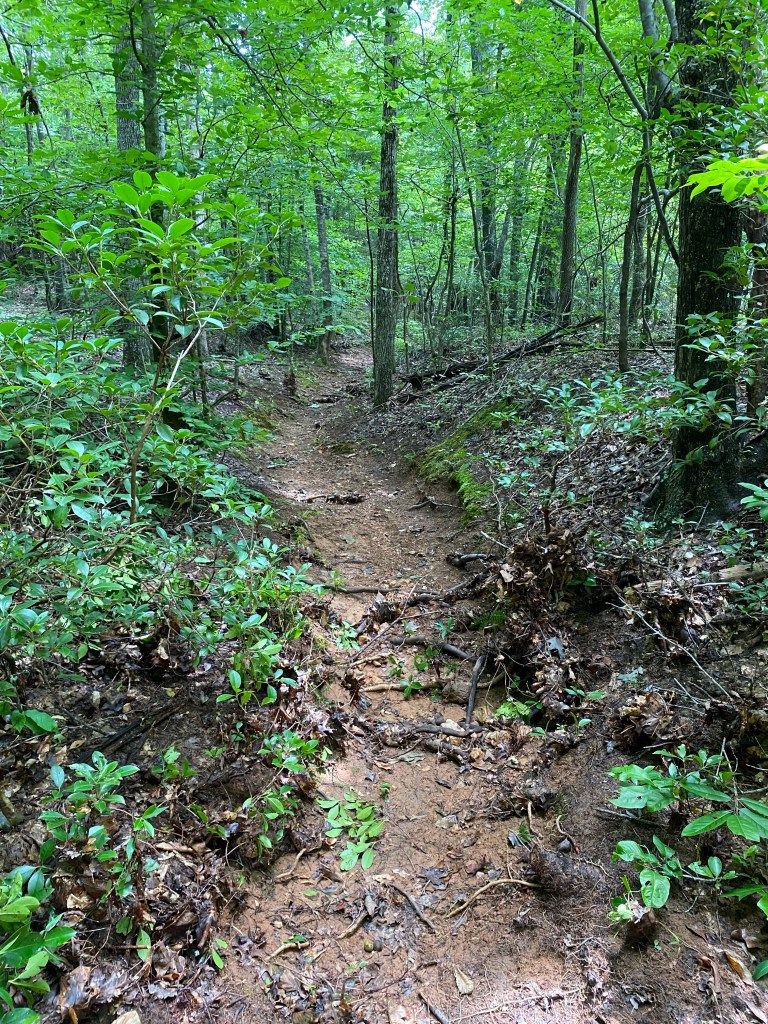
Mountain laurel

The Cherokee use the plant as an analgesic, placing an infusion of leaves on scratches made over location of the pain. They also rub the bristly edges of ten to twelve leaves over the skin for rheumatism, crush the leaves to rub brier scratches, use an infusion as a wash “to get rid of pests”, use a compound as a liniment, rub leaf ooze into the scratched skin of ball players to prevent cramps, and use a leaf salve for healing. They also use the wood for carving. Mountain laurel is poisonous to several animals, including horses, goats, cattle, deer, monkeys, and humans, due to grayanotoxin and arbutin
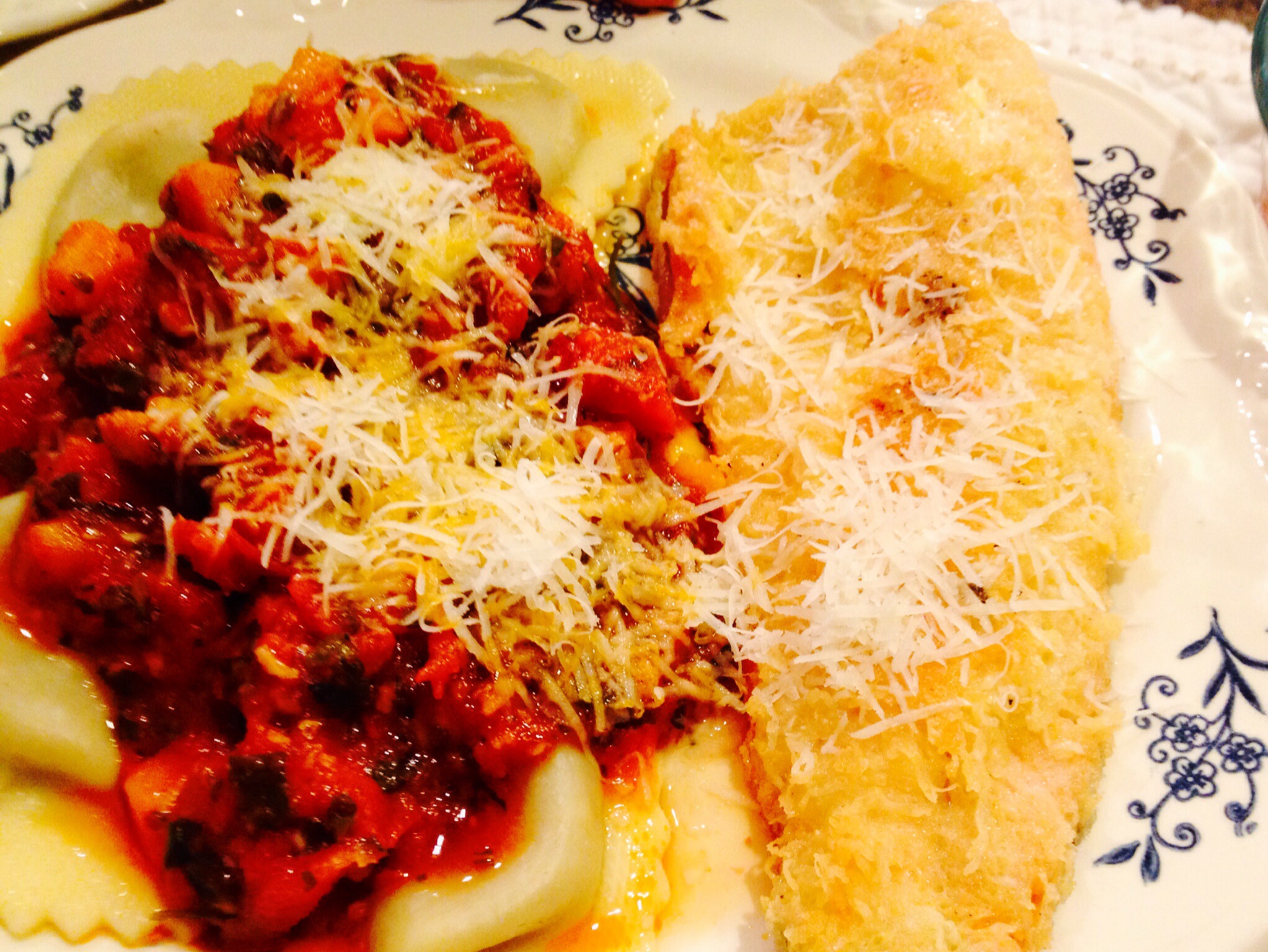
Autumn Marinara & Parmesan Encrusted Trout

3 slices cooked Wright’s naturally smoked applewood bacon

3/4 cup olive oil

1 1-2 bulbs garlic, chopped

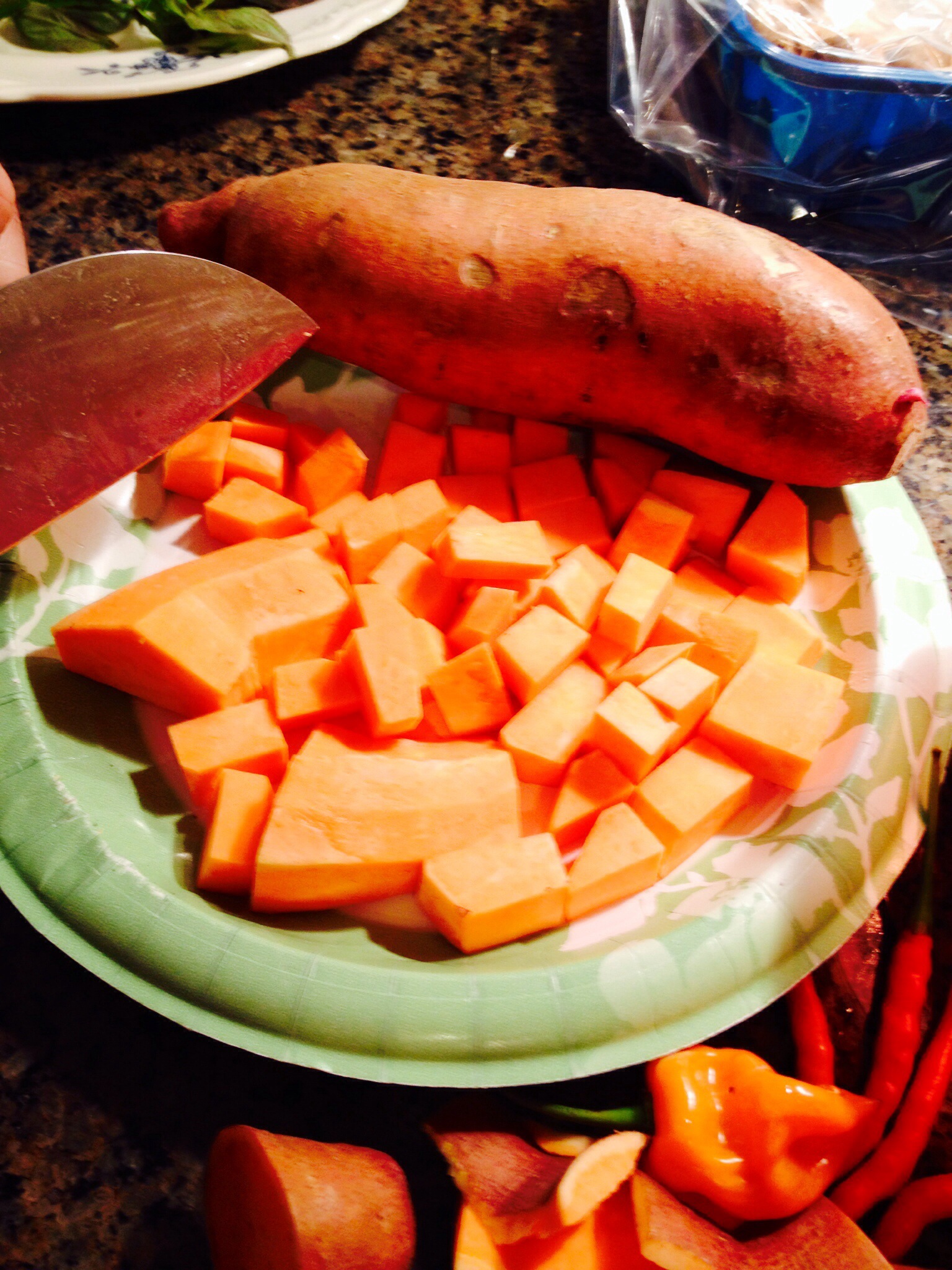
2 ripe sweet potatoes, 1/2″ cubes

fresh basil

“remnant” heirloom tomatoes (whatever you have leftover…)

sliced baby portabella mushrooms

2 andouille sausages, sliced and cut lengthwise

parsley

2 28 ounce cans of tomatoes, crushed or diced depending on the texture you prefer
3 bay leaves
salt and pepper

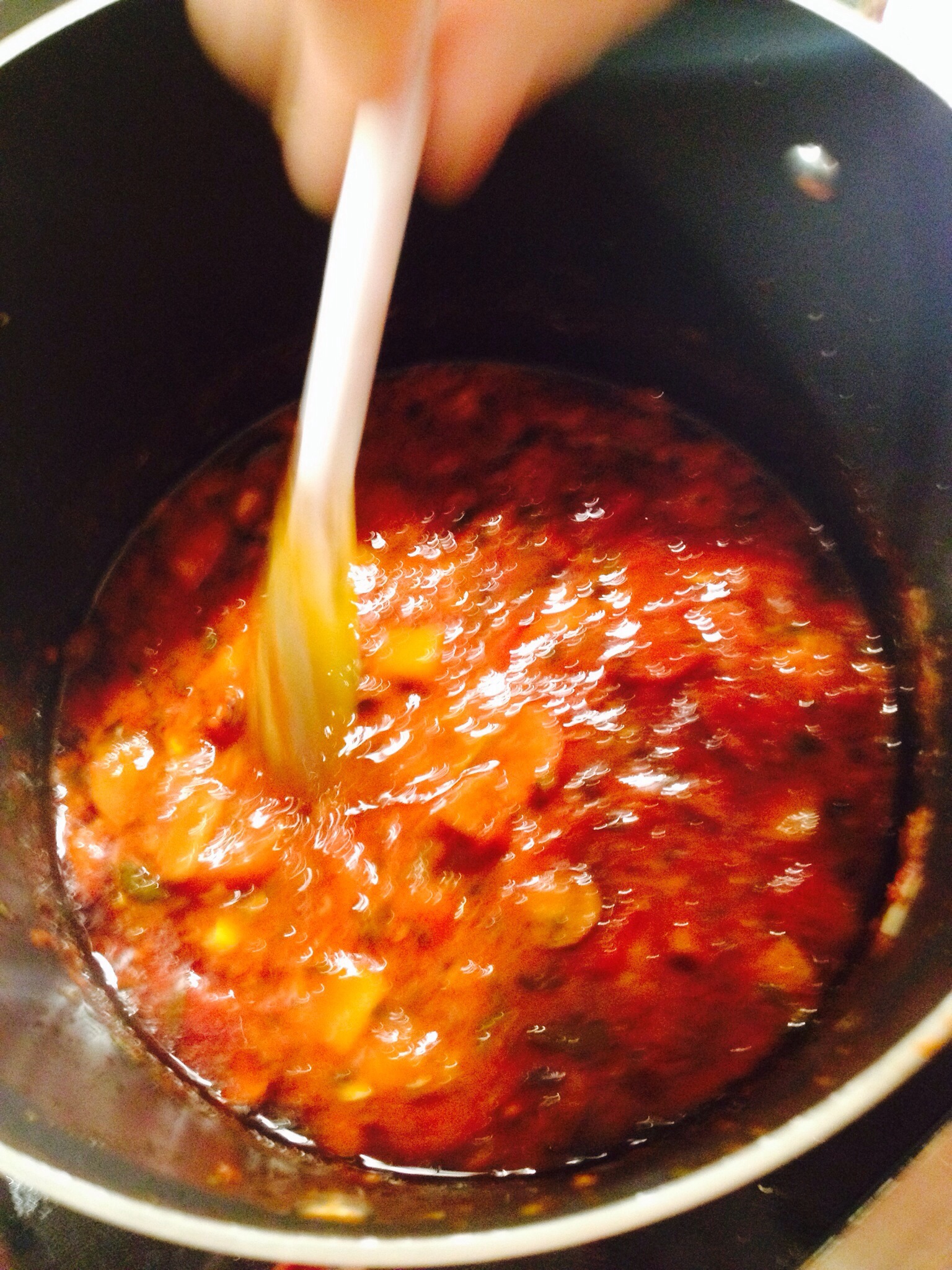
saute bacon and cut into bite size pieces. add in olive oil and garlic and continue to saute over medium low heat.
add in sweet potatoes and saute for 5 minutes longer over low to medium heat. add basil and parsley if dried.
put the tomatoes in the pot and the mushrooms with three bay leaves. saute the sausage in a pan and add it to
marinara. salt and pepper to taste. simmer for hours. just before serving, add fresh basil and parsley.

We’re going to serve it with Parmesan Encrusted Rainbow Trout Filet, pasta and Fruit Salad with Pomegranate.

20131104-162515.jpg

20131104-162609.jpg

Trout Parmesan
Recipe courtesy The Old Ebbitt Grill
Show: Rachael Ray’s Tasty TravelsEpisode: Washington, D.C.
Recipe categories: Dairy, Eggs, Parmesan Cheese, Cheese, Trout, Fish more
Recipe Ratings & Reviews(1)

Photo: Trout Parmesan Recipe
Rated stars out of 5
Rate This Recipe
Read 1 Review
Total Time:
40 min
Prep
30 min
Cook
10 min
Yield:
4 servings
Level:
Intermediate

4 (10 to 11 ounces) whole Shenandoah Valley, Virginia trout, head removed, butterflied and boned
2 cups all-purpose flour, seasoned with salt and pepper
4 whole eggs, beaten with 2 tablespoons water
10 ounces grated Parmesan
Soybean oil or other oil, for frying
Directions
Heat several inches of oil in a large, heavy Dutch oven to 375 degrees F.

Wash and pat dry the trout. Dredge the trout in the flour to lightly coat. Dip the trout into the egg wash.

Firmly pat the trout into the grated Parmesan until the entire fish is coated. Fry for approximately 5 to 6 minutes in the hot oil until golden brown.