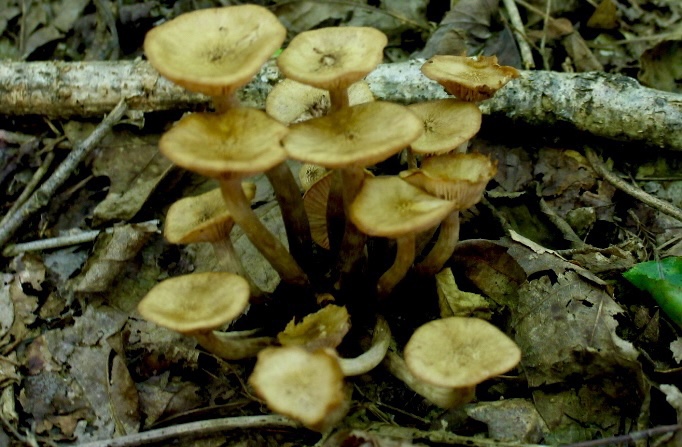
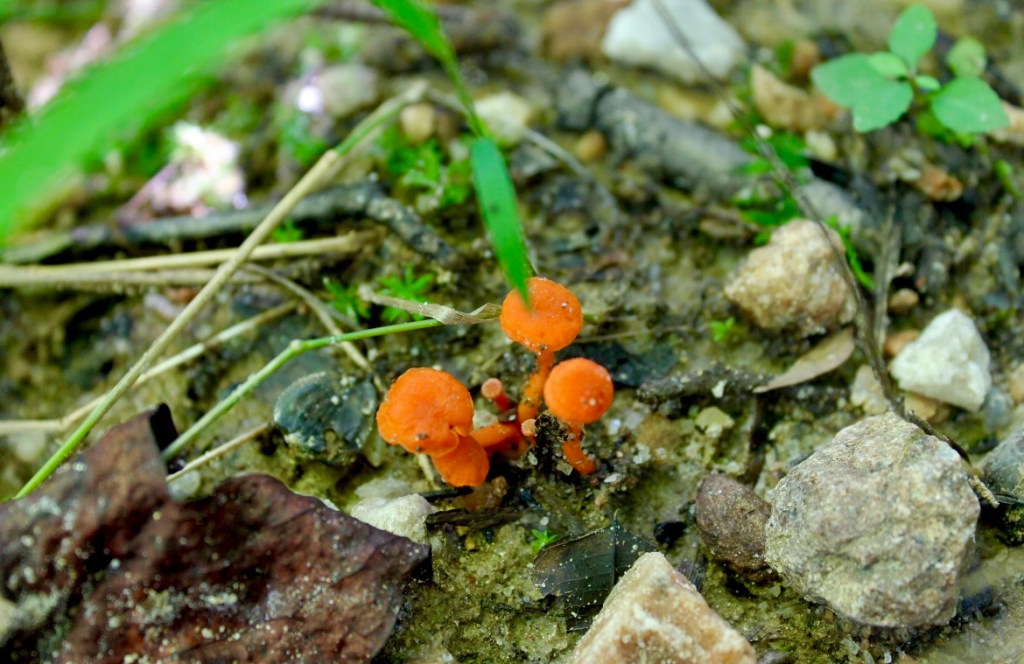
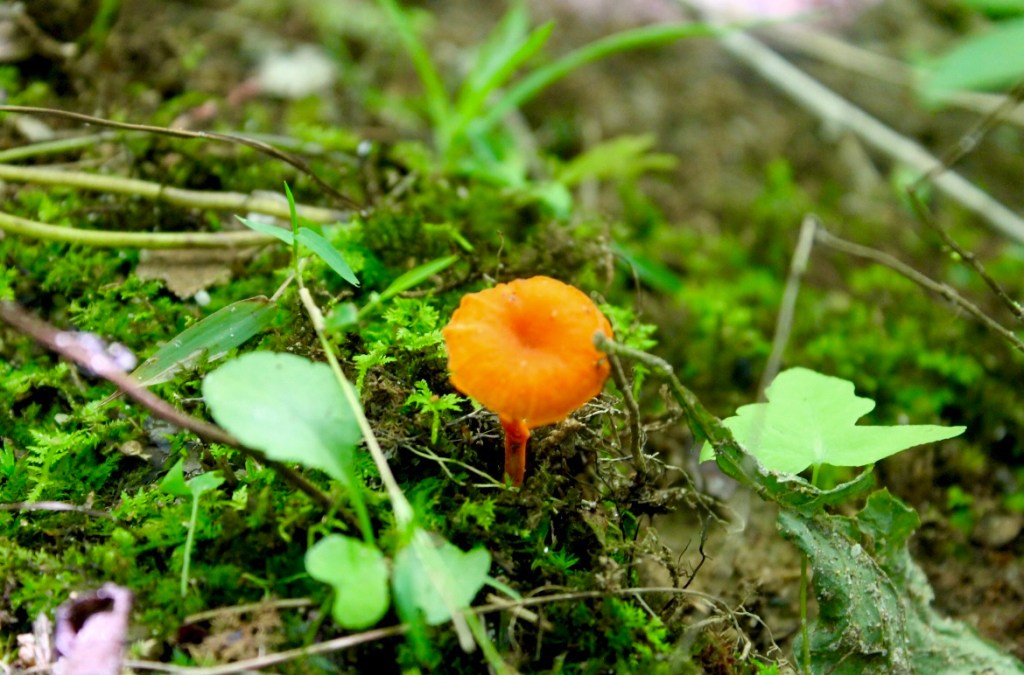
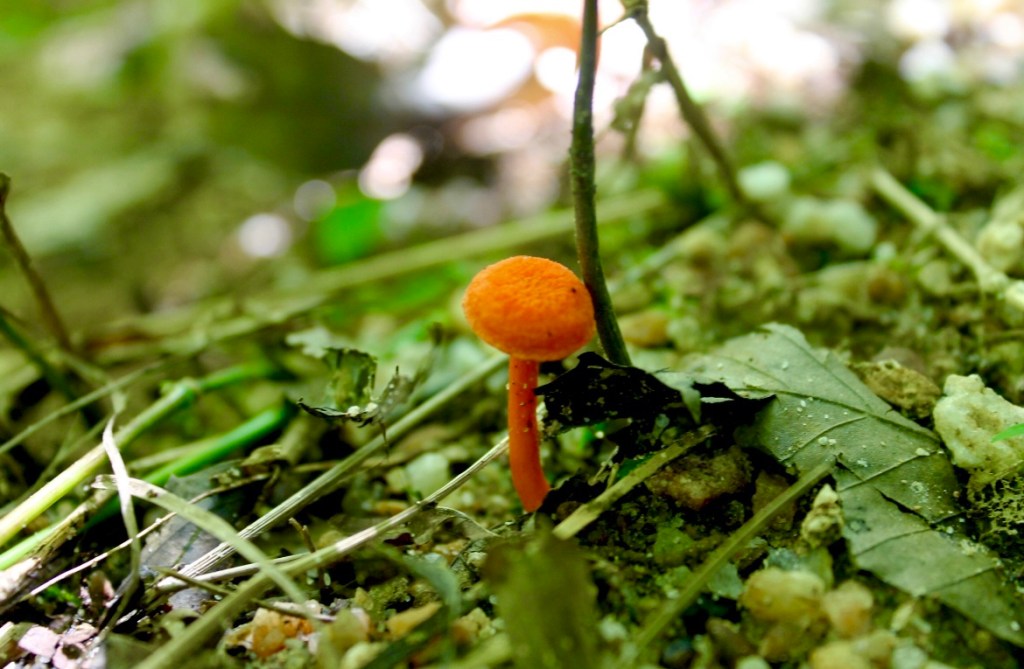
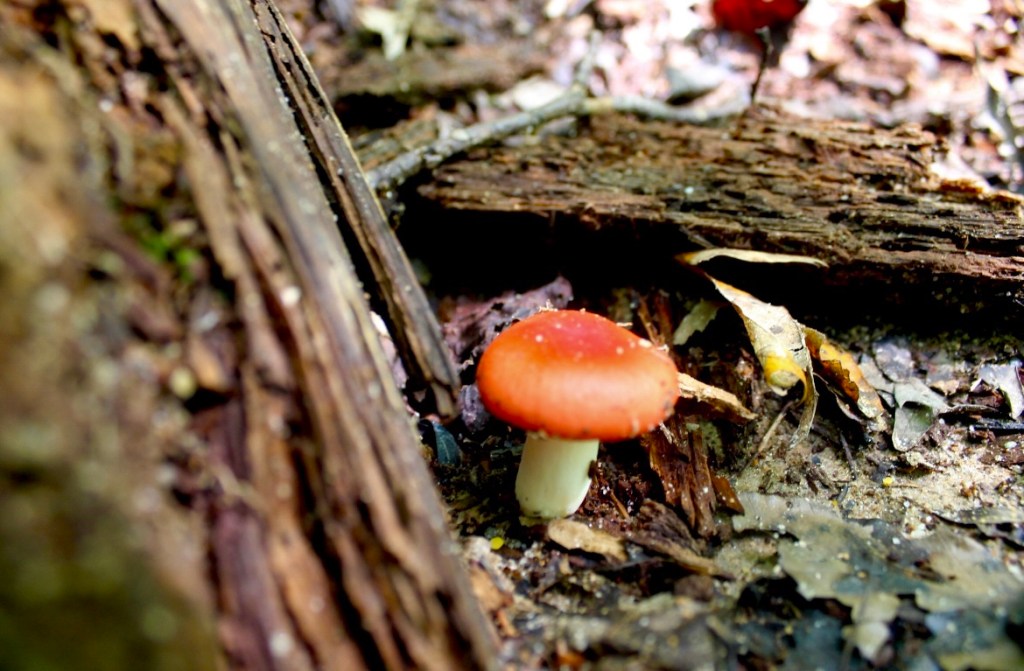
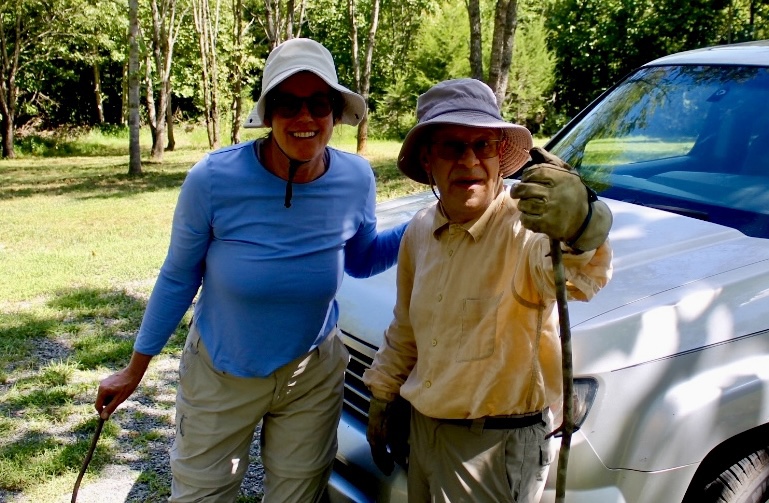
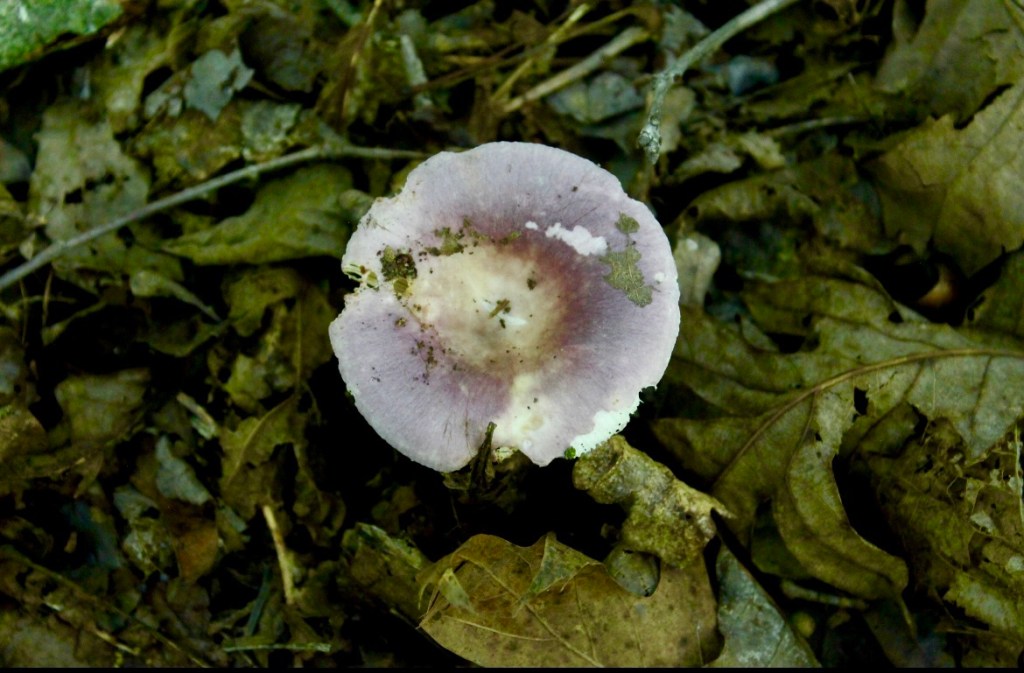
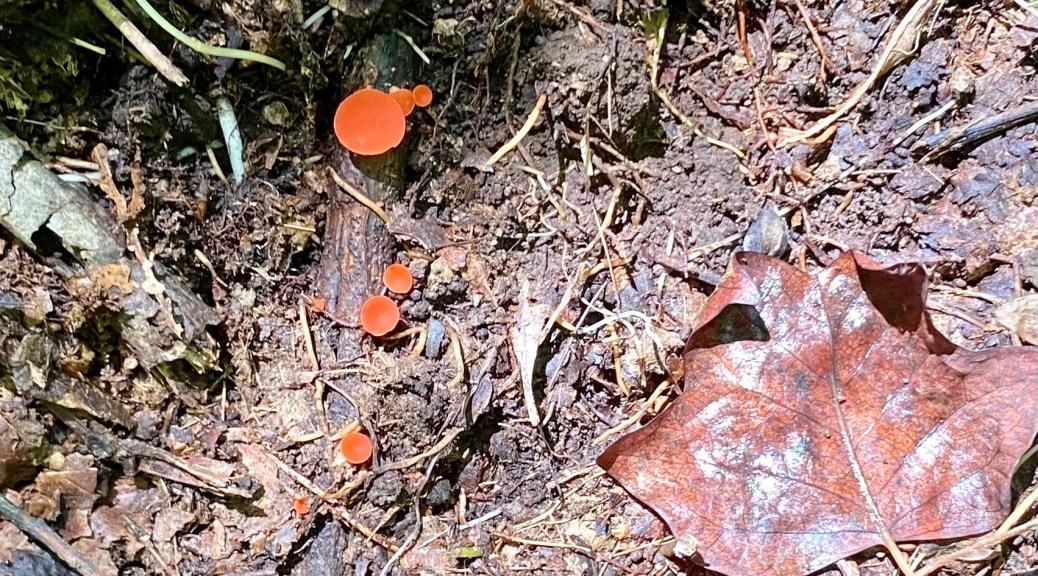
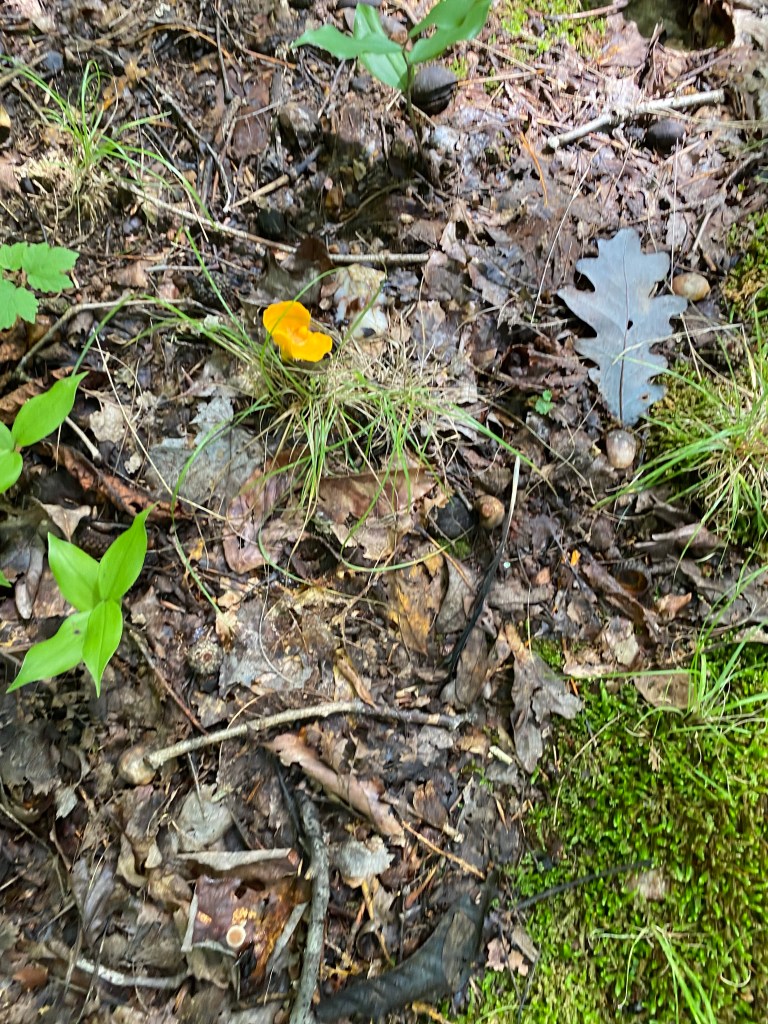
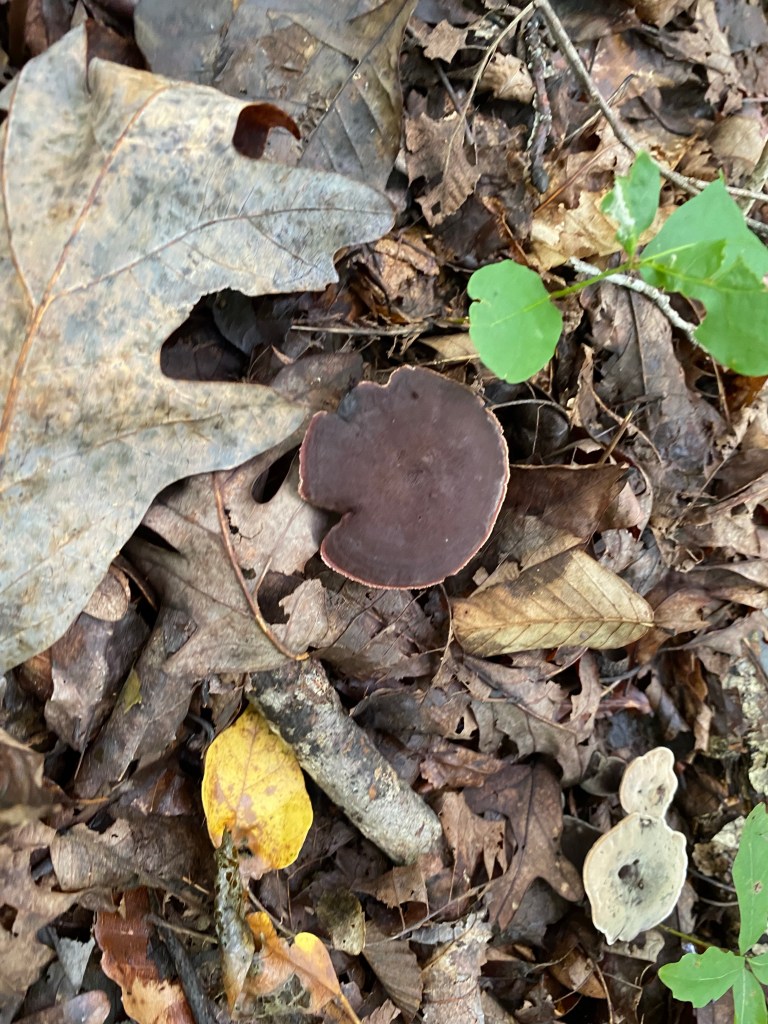
Honey fungus found 8/31/23 at bottom of slope near creek on southern end. Cinnabar Chanterelles on southern end of creek A red RussulaMolly got a picture of us.Polypore Russula cyanoxantha or charcoal burner. Found numerous specimen by southern end at bottom of property near creek.
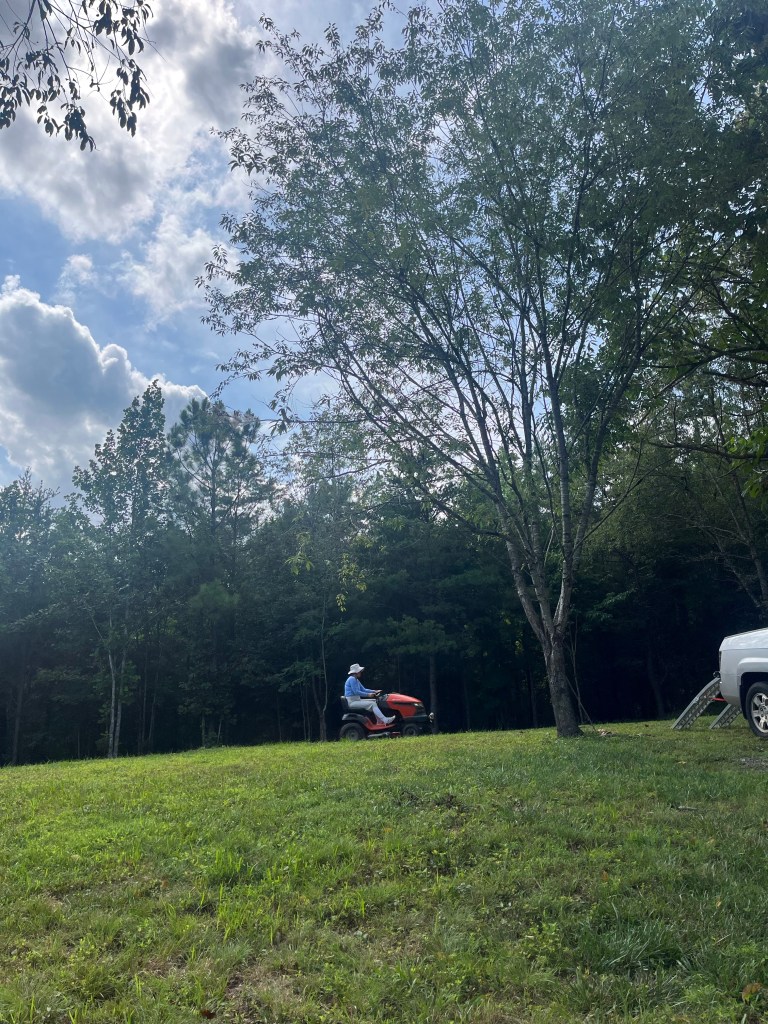
We mowed and planned our swales in the clearing. We walked down the north trail to creek and followed it to the south trail and up. We went down chanterelle trail.
The cooler weather is wonderful. We heard a hawk. We saw toads in the water.
Molly took all of the photos. It was wonderful to walk around the woods with her today. There’s a crispness in the air and moving into the new season at Saint Andrews Forest Farm is exciting with so much to look forward to!
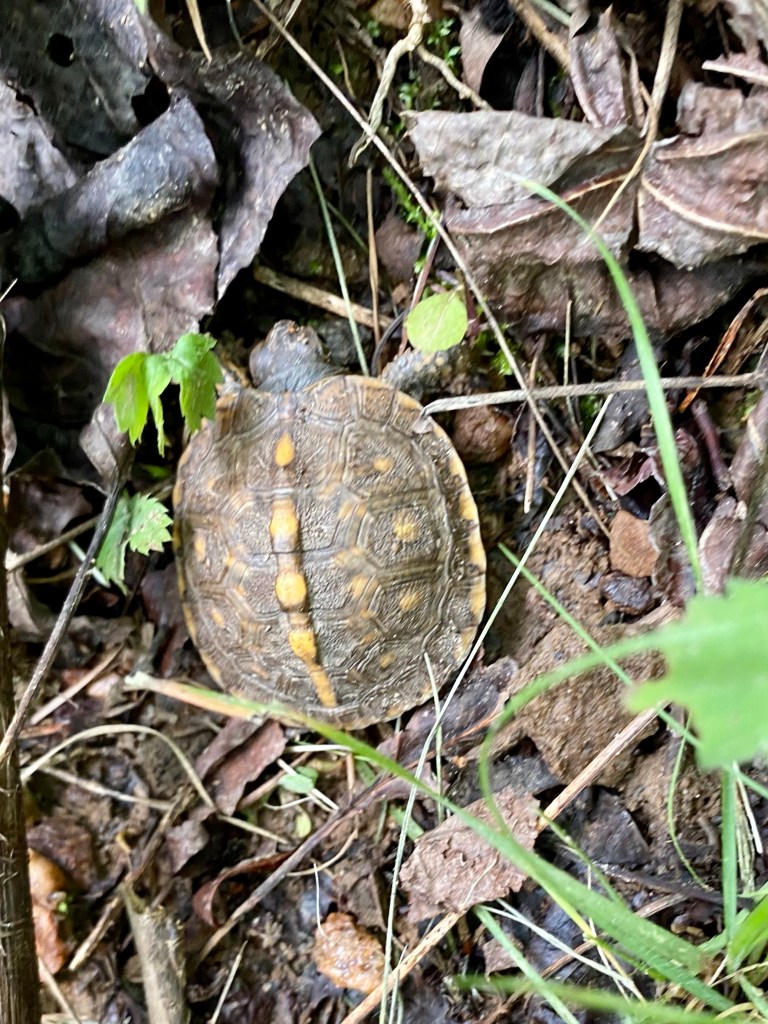
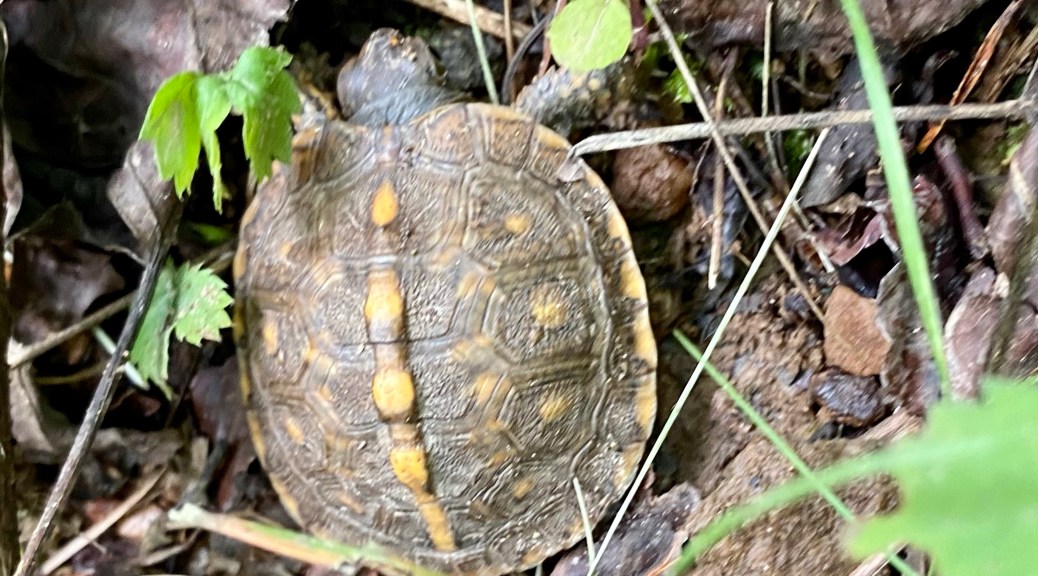
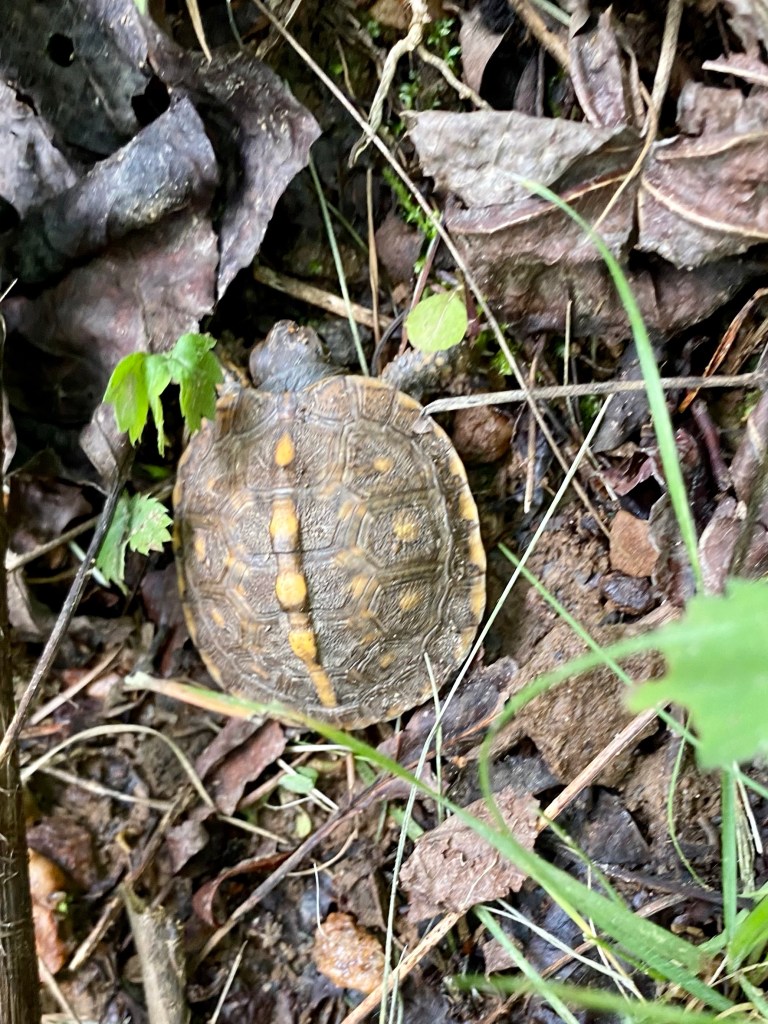
Young eastern box turtle on north trail after rains.
We went out to SAFF yesterday for mowing and checking on those cinnabar chanterelle pins. We harvested a few and followed the waterway from bottom left of property and moved past the midway point. We found cinnabar and golden chanterelles all along the way. Also, other types of mushrooms and we saw a toad and a box turtle right along the north trail. No sighting of our pileated woodpecker friend. Most of the mature cinnabar chanterelles were along the deep sides of the waterway with moss and ferns. Many that we could reach still hadn’t matured. There were so many down in the creek bed along the sides we couldn’t reach! We’ll need a plan to harvest these next year. We brainstormed a few ideas that all seemed to be ridiculous. We will find a way down there!
We have made it a little more than halfway to our south trail via the waterway. We were on the other side of creek. Next time we work on paths at bottom of property, we want to trail blaze along the slope side and continue to take out over abundant trees that have only inches to grow instead of the 10 feet necessary for them to flourish.
Chanterelles harvested yesterday along waterway.
Unknown fungi
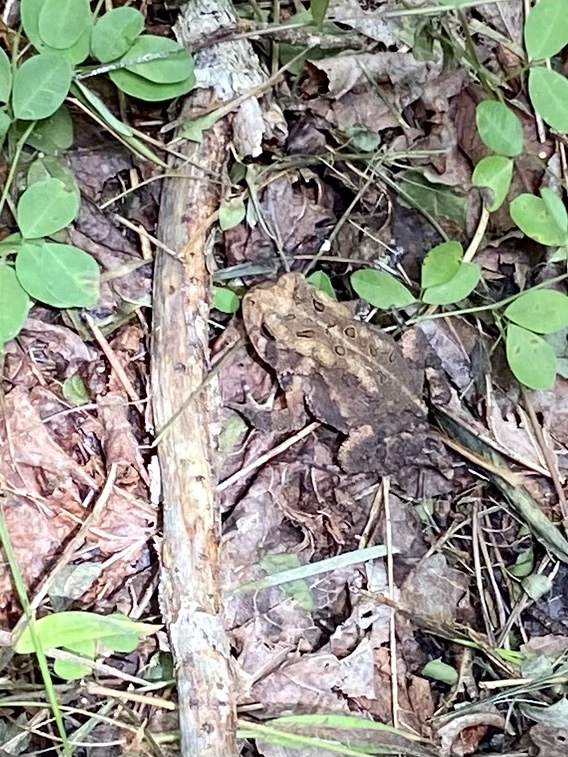
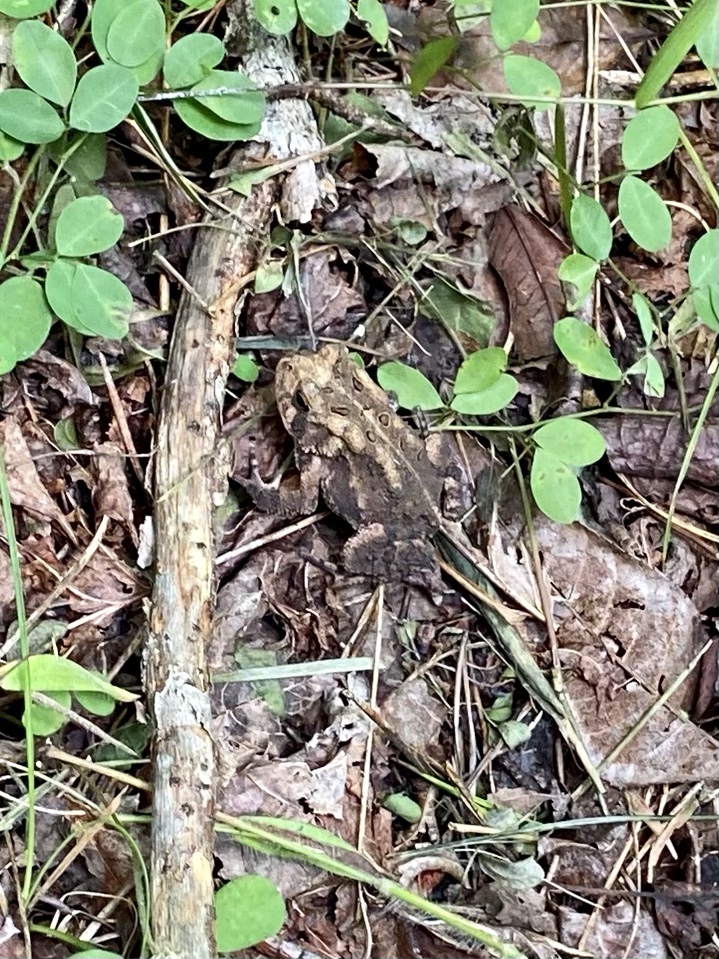
A young toad found hopping along the North Trail.
We got the mowing finished just in time for an alert for a tornado watch in Dillwyn. We drove home. Staunton had a tornado warning with hail. We hope to go back out in the next few days. Our plan is to go on Friday after the thunderstorm Thursday.
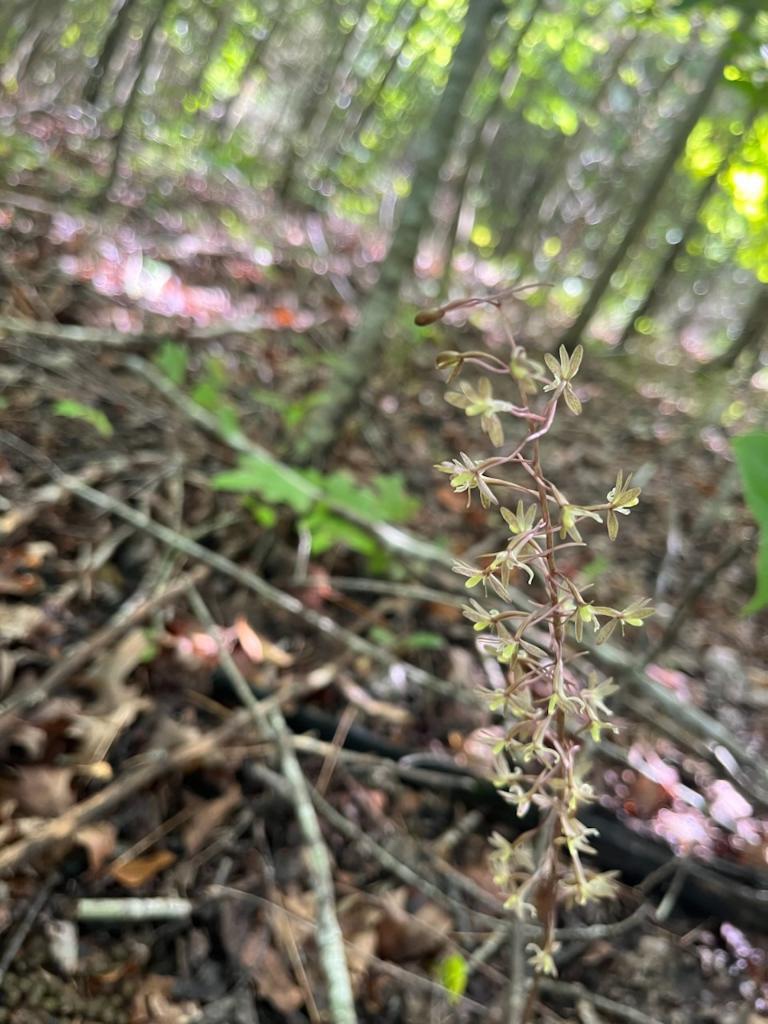
We are planning our initial structures and crops. We hope to use the resources we can find to help shape the farm to become more of a food forest than it already is. Currently, we have blueberries, deer tongue (flowers young leaves and stems) and wild yams (great eyes, Judy) edible mushrooms, cranefly orchids edible corms, several edible fiddlehead ferns, and black cherries. We also hope to find pawpaws.
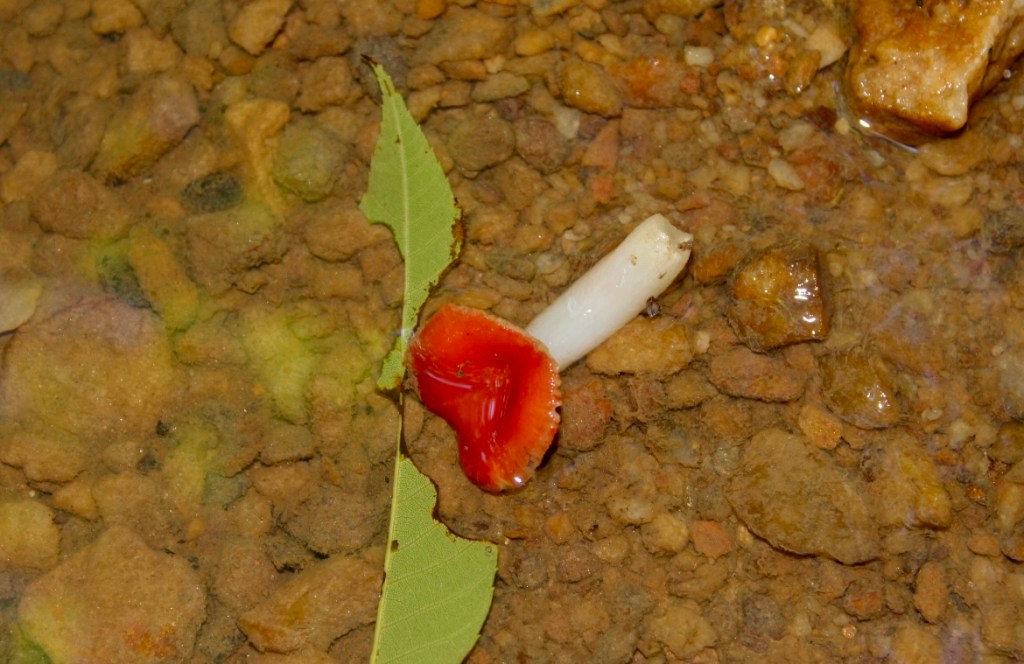
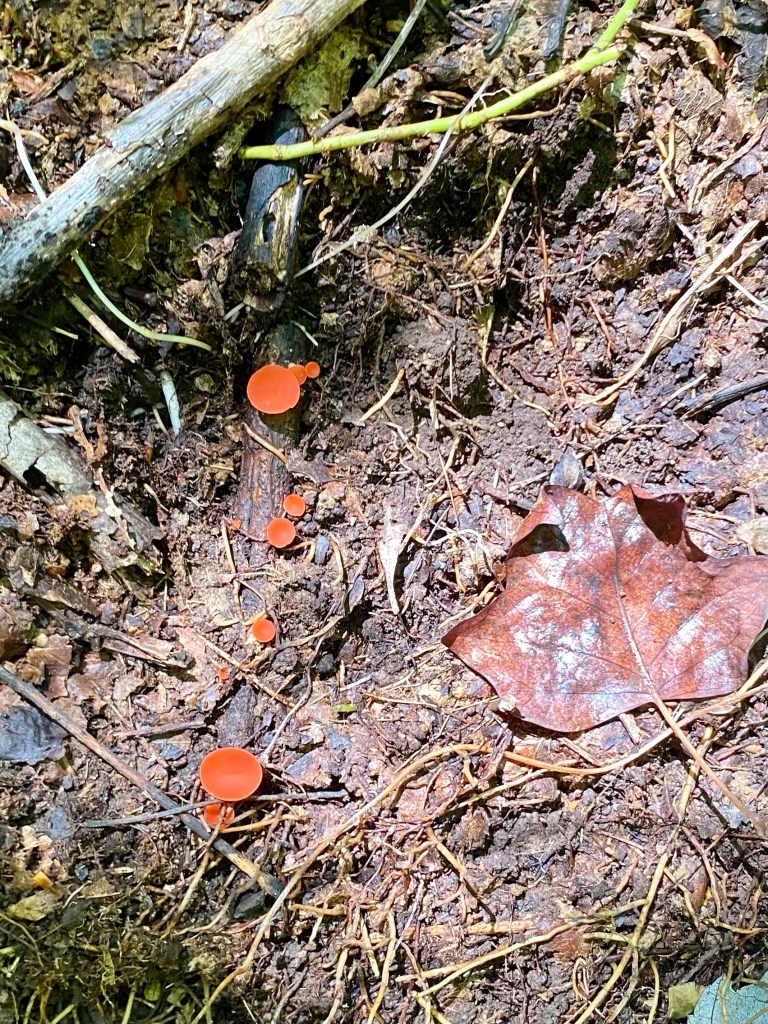
Scarlet elf cups
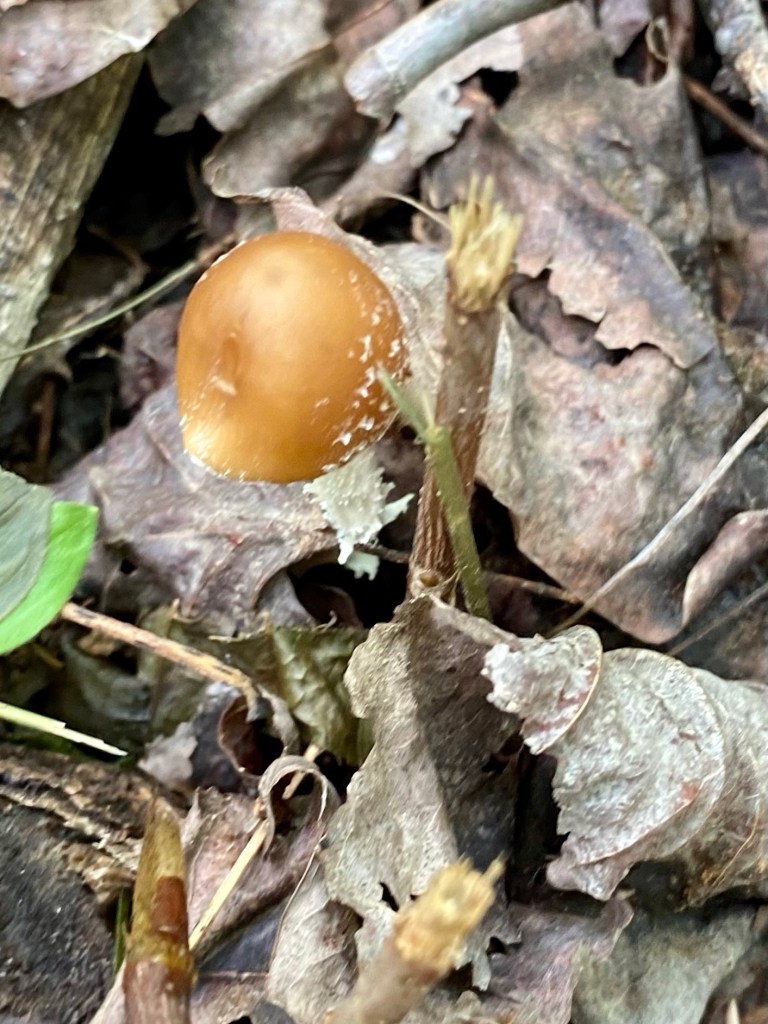
Unknown Amanita. Possibly amanita gemmata. Not a beginner mushroom. So far, anything that looks as though it’s an Amanita, we don’t even touch usually. There are 600 species of agarics (Gilled mushrooms) which includes some of the most deadly. This species is responsible for 95% of mushroom deaths. (If we are in doubt, we throw it out: Or better yet, don’t even pick it. )
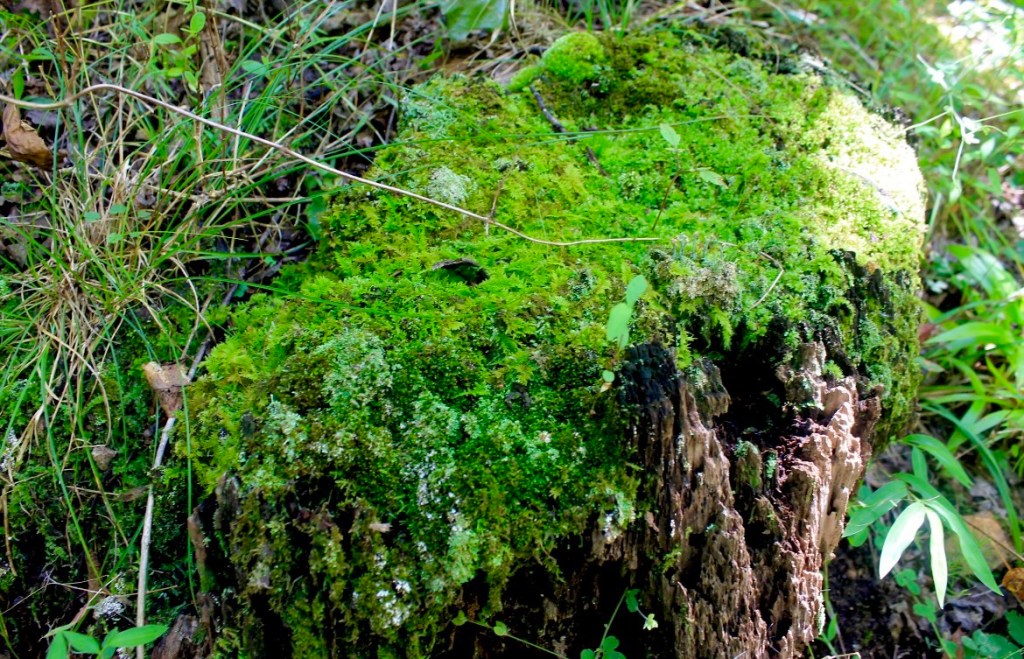
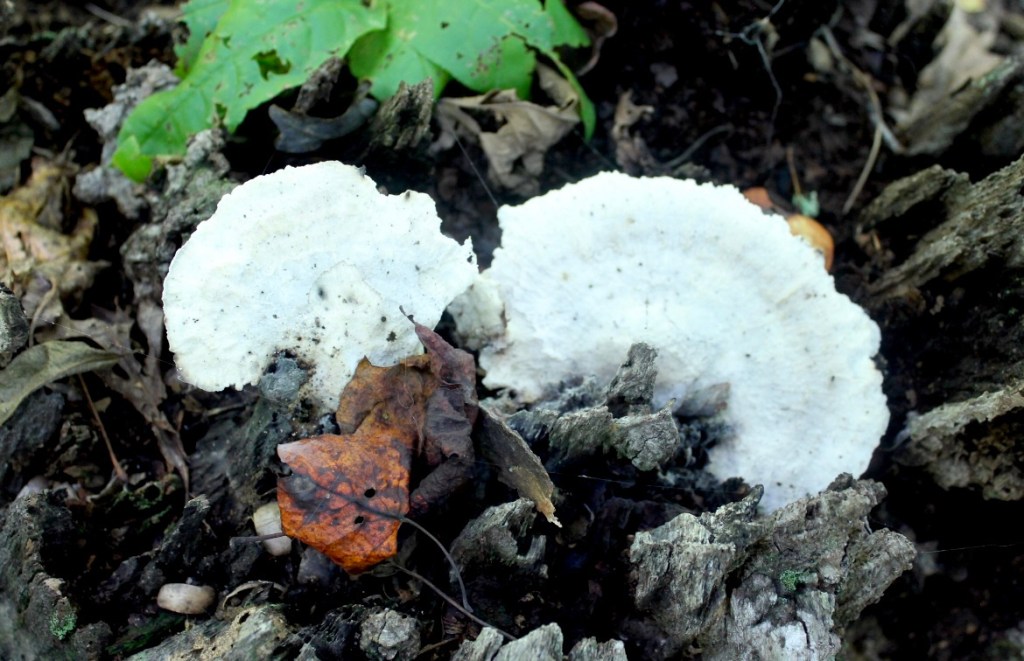
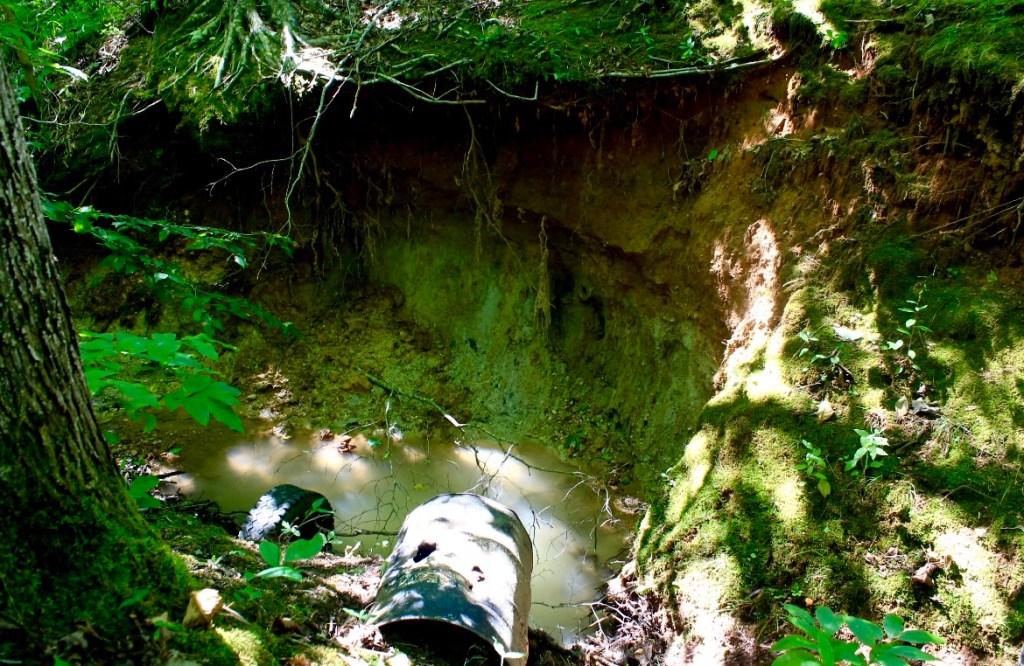
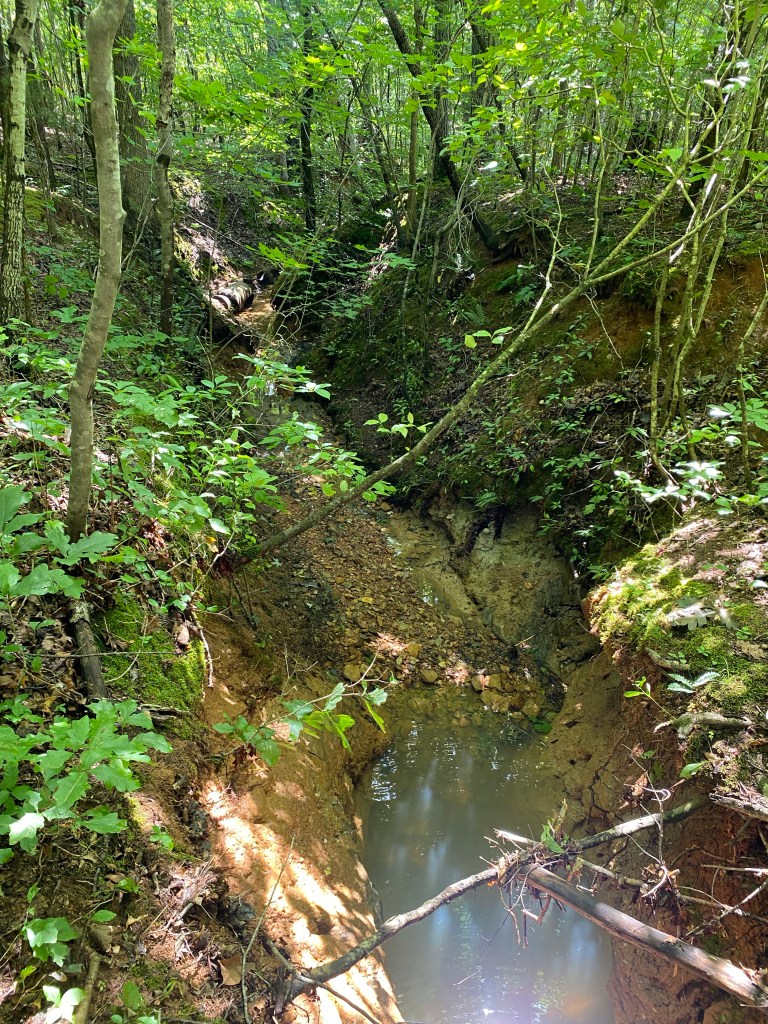
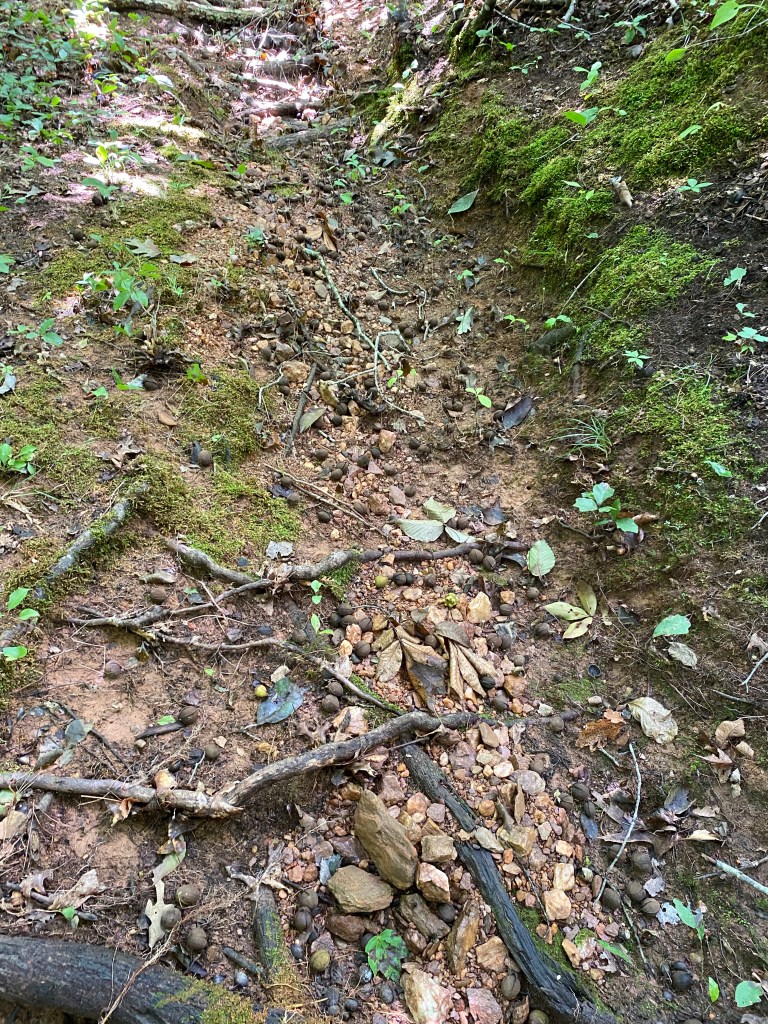
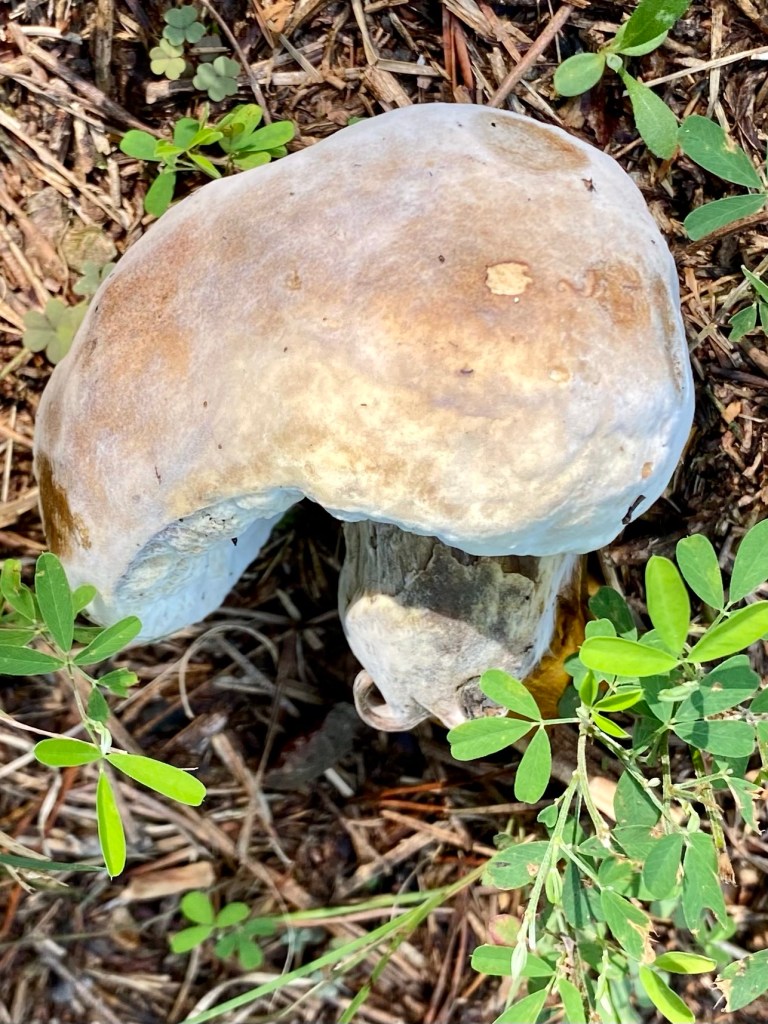
The waterway floor with rocks and sticks and roots. Mosses and plants along the banks. Mountain laurel along the waterway.Potentially Hypomyces chrysospermus or Tylopilus or H. Melanocarpus. More information is needed. Finally! We thought we found a bolete that could potentially be a king bolete, bolete edulis, porcini. Found along driveway up on top of farm near pines. We have been searching all summer. However, it appears as though it could be a bolete with a fungus. Hypomyces chrysospermus, the bolete eater! A parasite turned the bolete white. Not at all a king bolete. Narrowing down identification still. We continue our search for porcinis and are glad for our chanterelles. We will not eat these!Tipularia discolor, the corm is potato-like and edible. Cranefly orchid is found all along the banks of the waterway and in the forest at SAFF.
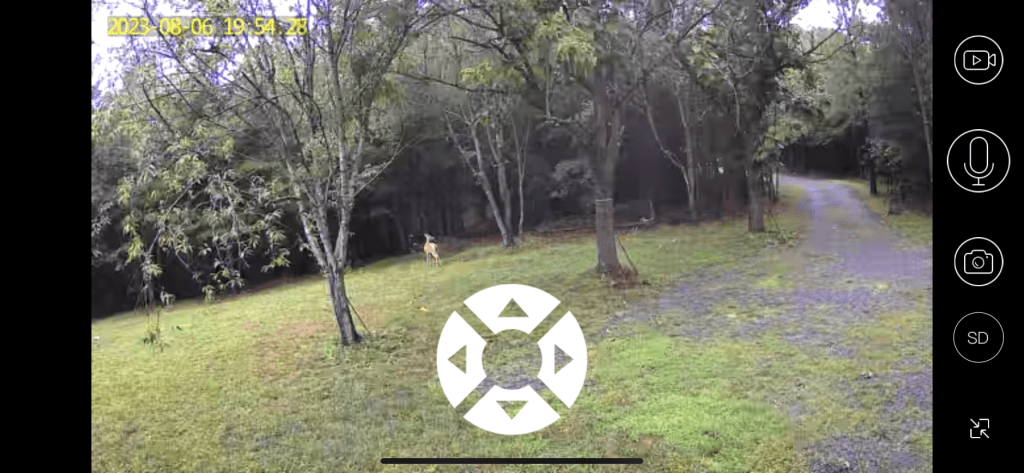
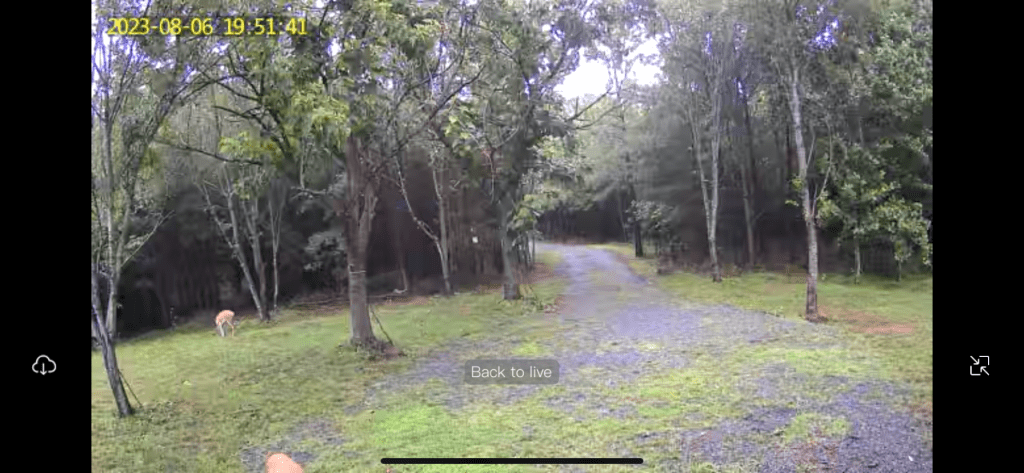
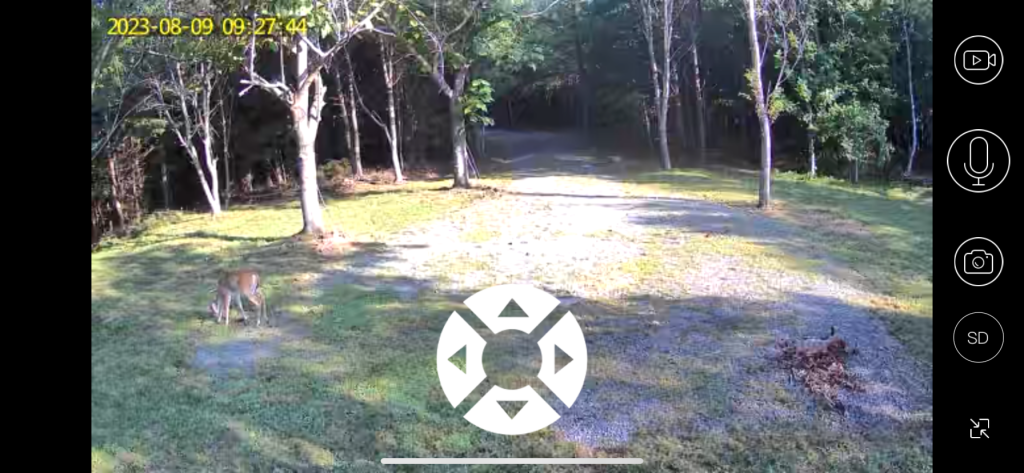
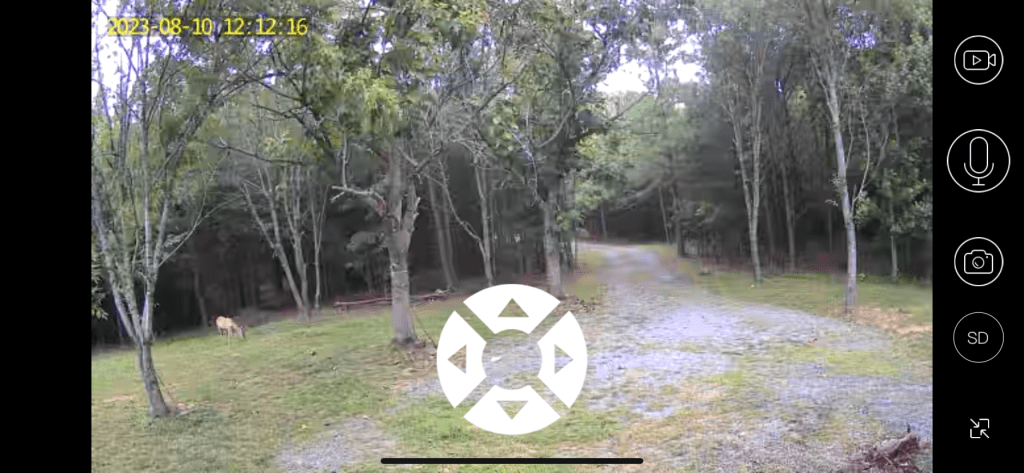
Eastern box turtle 3/4 of the way down the north trail after rains. We thought it was a baby. A young toad. Fowler toad or American toad. Found at bottom of north trail after rains. Farm cam deer sighting. We think they were eating black cherries. August 9, 2023 Farm cam Any ideas on what this is? Appears to be a cat tail? A possum? The camera is about 10 feet up in a tree. It could even be a spider leg or mouse tail that looks big because of the camera and angles. This week we’ve seen deer eating black cherries daily from the farm cam.A fox? 🦊 What insect is this?
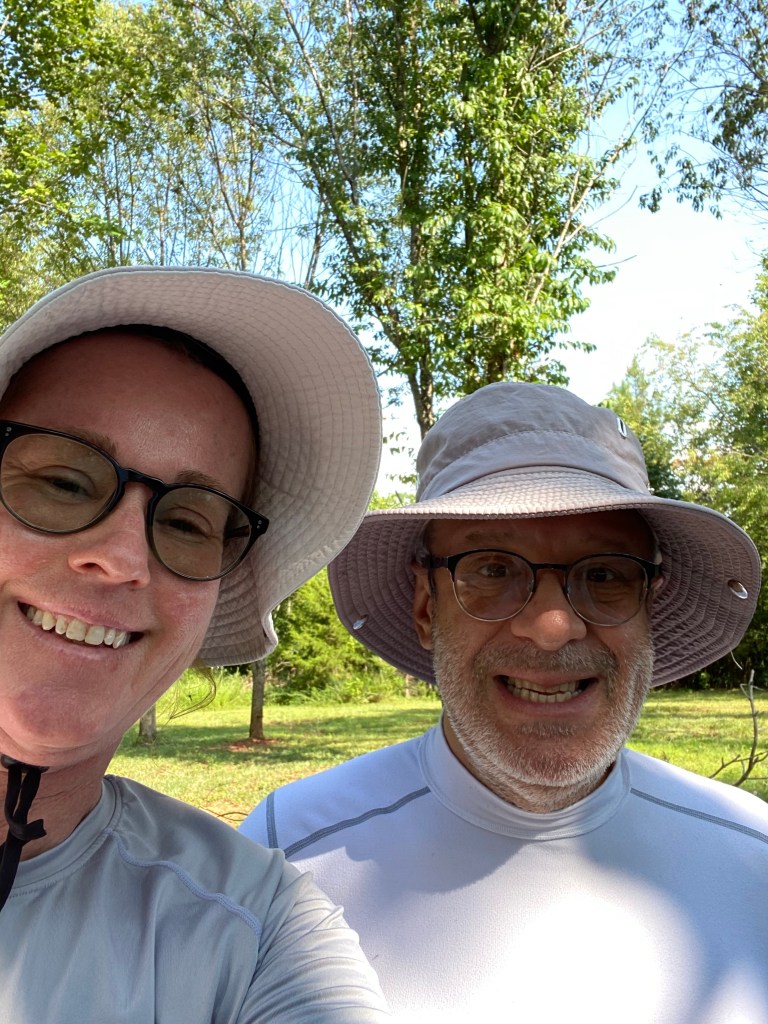
Chris and I excited to be at our newly christened Saint Andrews Forest Farm late spring 2023
On April 13th 2023, Chris wanted to go to Buckingham County to look at a property with forest covering most of the 13 + acres. We drove to Afton, over Route 29 and into Buckingham County going deeper and further into beautiful and old woods. Magical seeming forests with giant trees arching over the roadways creating a canopy of green. Little moss covered hamlets of yesteryear with giant boulders covered in greenness and ferns sitting in a creek bed. Gorgeous vineyards and farms. We also saw forests recently violently cleared by loggers. Jagged and torn and pillaged. The roadways beaten and abused by giant trucks full of timber. We saw what looked as though the forests had regrown a year or two after being cut, and also stands that appeared to be five to 10 years on. We began to see ages and stages of development. It was an incredible journey for us because of its unique beauty as well as other circumstances. We both really needed to be in the woods again. We had been away too long. When we arrived and saw the pines and poplars, we both immediately fell in love with our forest.
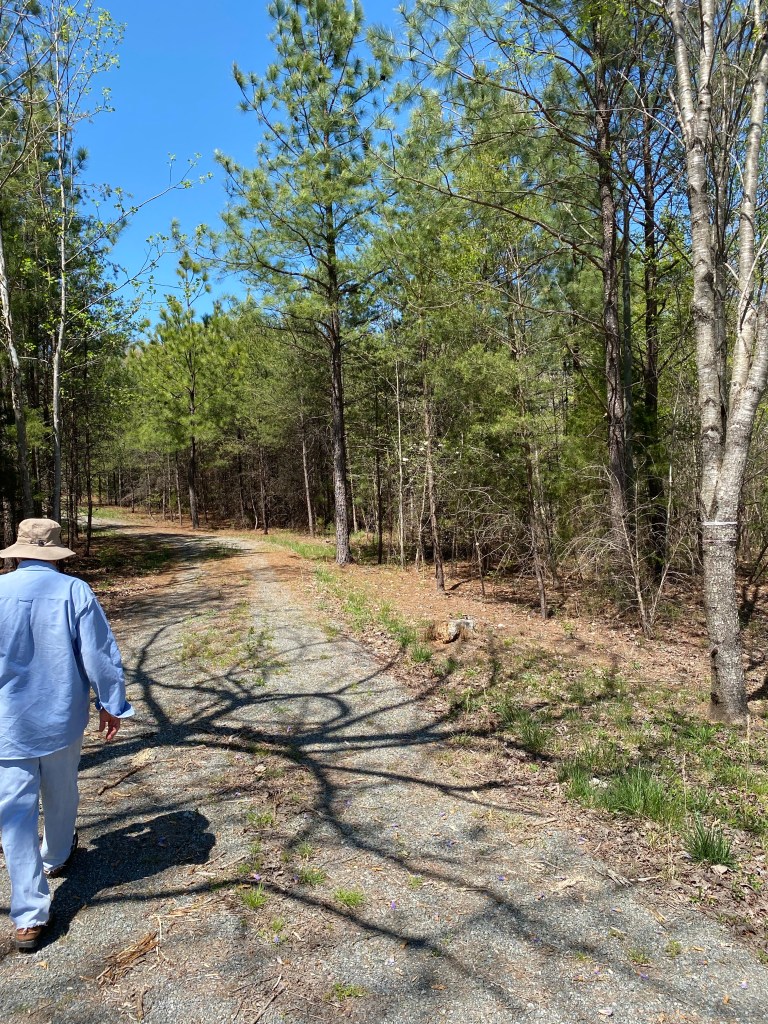
Chris walking down the driveway in the shade of the black cherry tree.
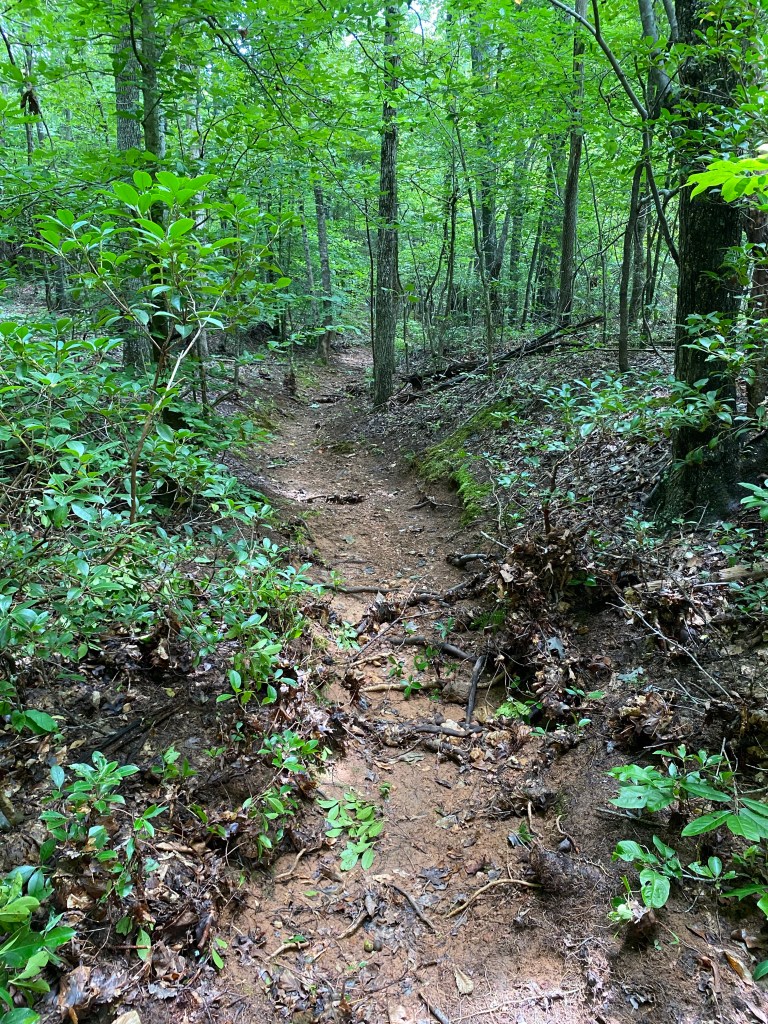
Our guess was that it had been cleared about 20 years ago. Water had made paths through the woods. Right away, we began to find interesting mushrooms with our exploration mostly limited to the top of the hillside and the edges of the clearing.
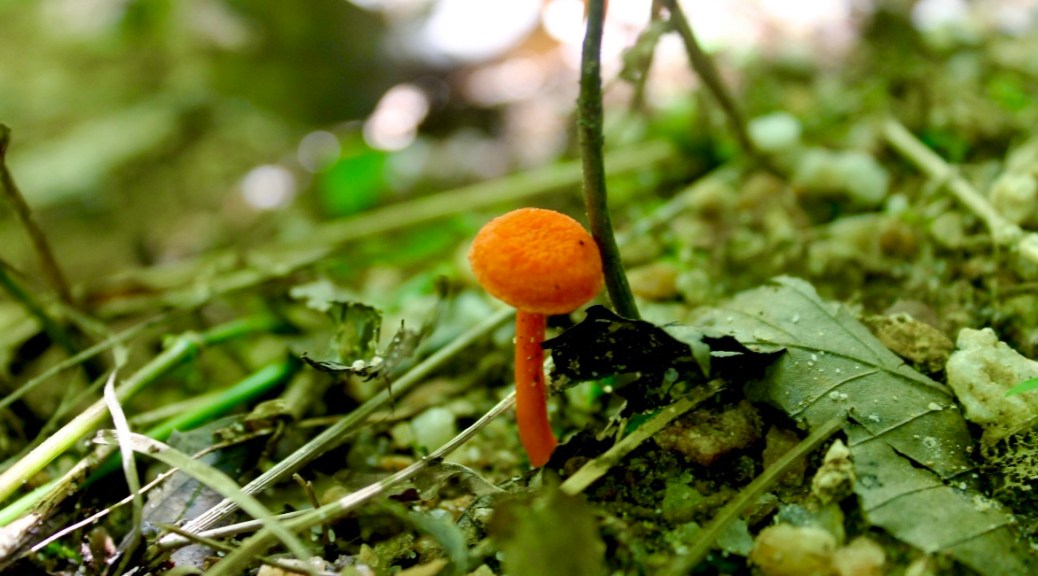
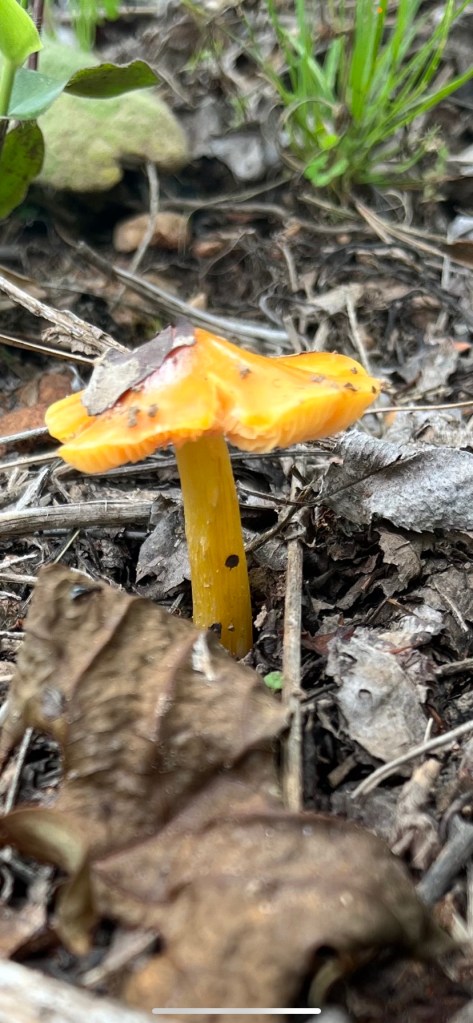
Orange waxy cap: The first mushroom we found at St Andrews Forest Farm on May 19. We narrowed this down to a hygrocybe species maybe conica group. (Thank you Reddit mycologists. ) We found it in the clearing near a tulip poplar and black cherry tree. We became hooked on determining the types of fungus we had growing on the farm. We could not wait to get into the woods and down by the waterways to explore the interesting features down there.
As summer came, we began to realize we had a sizable tick population to deal with and thought we would be kept from our explorations of the woods until winter. Glad that was not the case. As it stands, there are still several areas that are infested with nymph ticks as evidenced by when we walk into that area we immediately see between two and twelve on our shoes and socks.
Right now, we are aware that the ticks appear to like moisture. The drier it is, the safer we are. We always wear our permethrin coated shoes and socks. We wear light colors so we can see them more easily. We watch out for each other’s backs. We want to stay safe. Chris has had several bites this summer. He has removed the ticks immediately and cleaned the area well. So far, no symptoms or side effects. When we camp, we will coat our tent and appropriate supplies with permethrin.
The other note I have about ticks is that it is tall grasses and weeds that they are able to attach to our socks and shoes and then climb up to find skin. Stay out of tall weeds and grasses. If you must walk in, look at the tippy tops and you will see the ticks with their legs out. I’d only do this with a mower or weed whacker in front of me. Anyway, they do not fall from trees. They do not fly. They are opportunistic. (However, they can fling themselves out onto you using static electricity. Look it up. Here https://www.science.org/content/article/watch-ticks-fly-through-air-power-static-electricity or on YouTube). This was all helpful for me to learn in order to determine best practices to avoid them.
Keeping our clearings mowed and weed whacking our paths has been extraordinarily effective. It has become easier now that we have the truck and tractor. Lastly, I’ll add that ticks dislike hot and dry. The clothes dryer kills them after 10-15 minutes. This was also helpful for us to know.
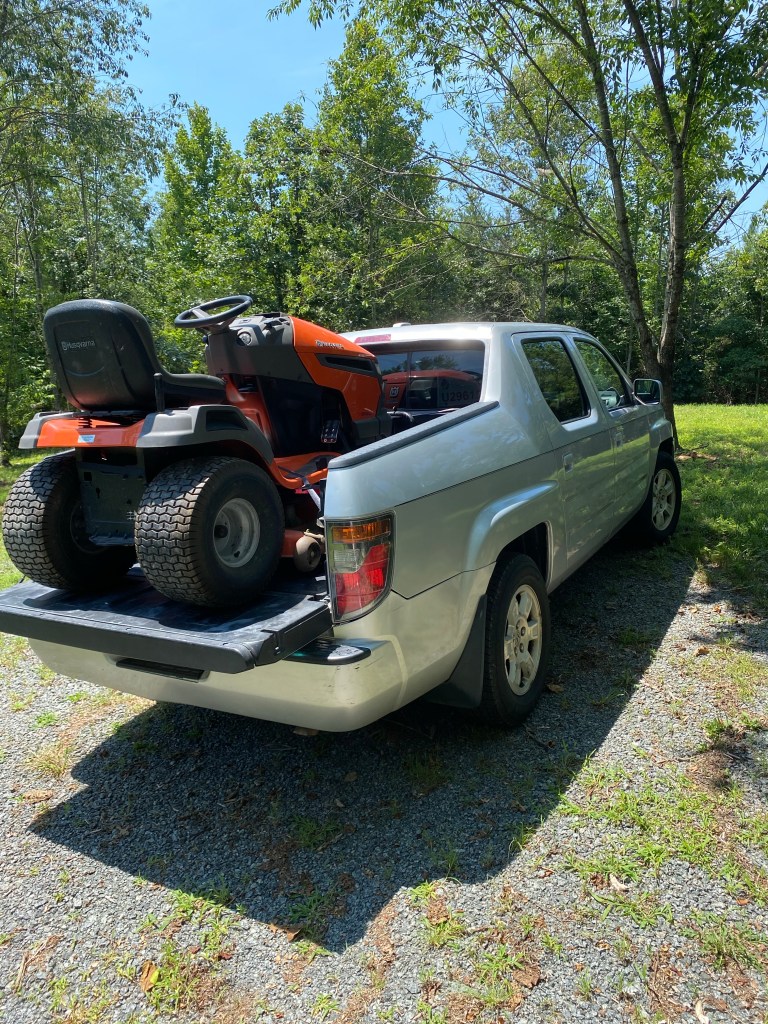
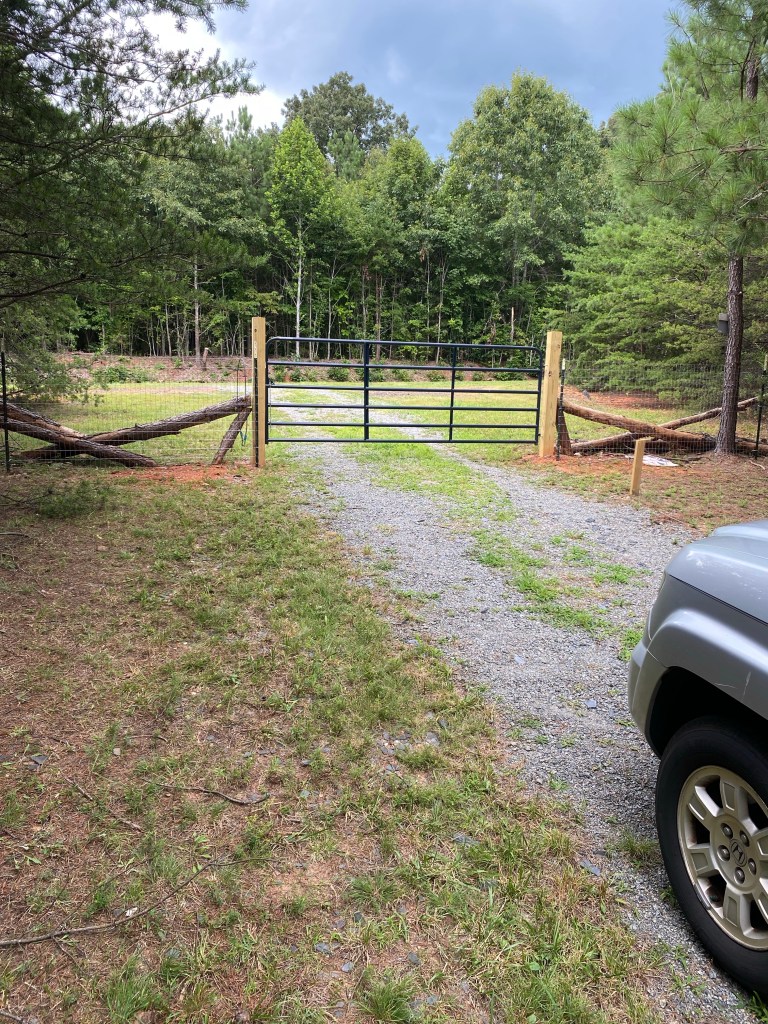
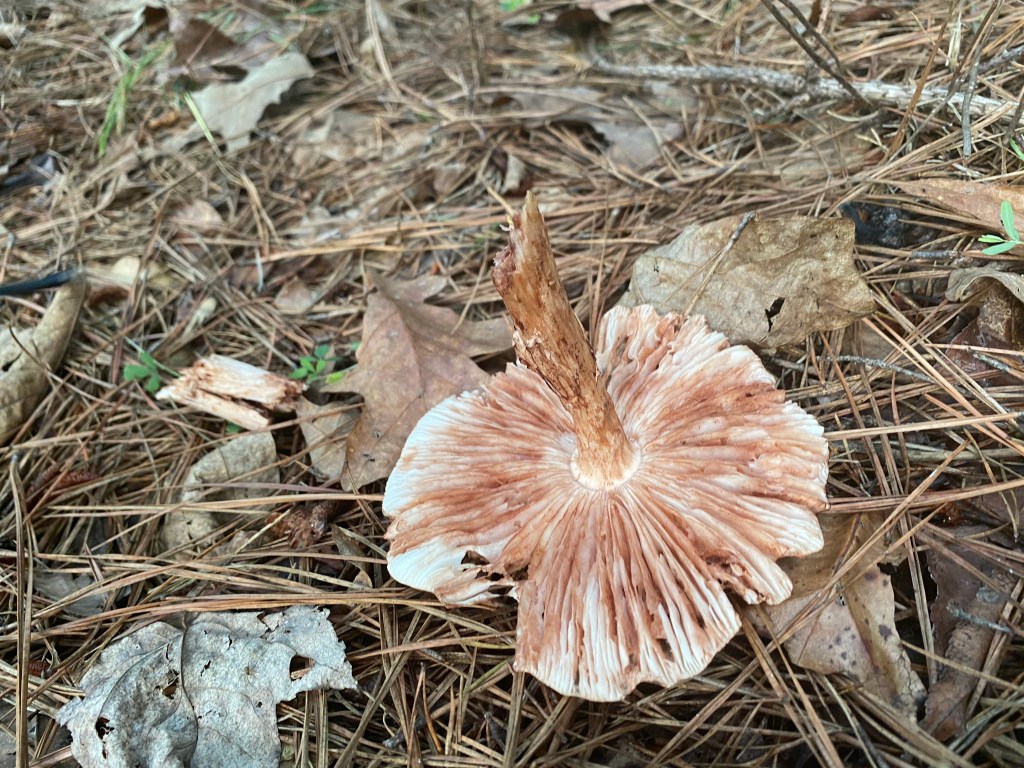
Honda Ridgeline and ancient Husqvarna with a v-twin engine – they don’t make these like this anymore. Lots of steel! Our gate to keep out the neighborhood dogs (and any other riff raff or unwanted mushroom bandits. )Unknown Russula species
One of the best things so far has been looking forward to rain out in Buckingham County. We get very excited and wait as long as we can afterwards to go and see what new mushrooms we can find. We have been surprised and delighted every time with new finds. Mushrooms love moisture. So far SAFF has been moist! We’ve been astonished by the diversity of life and can’t wait to see more.







 St Andrews Forest Farm