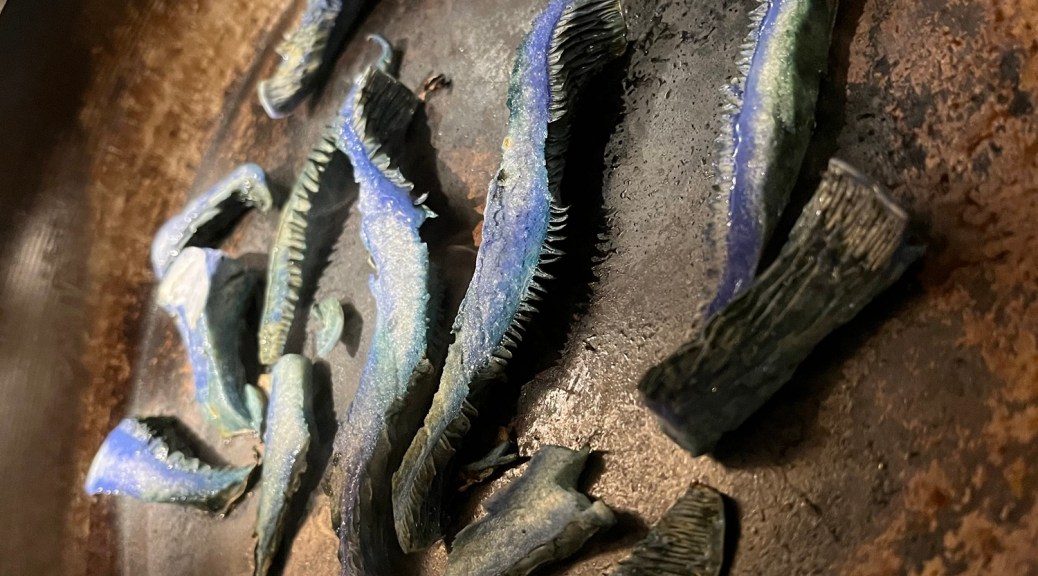
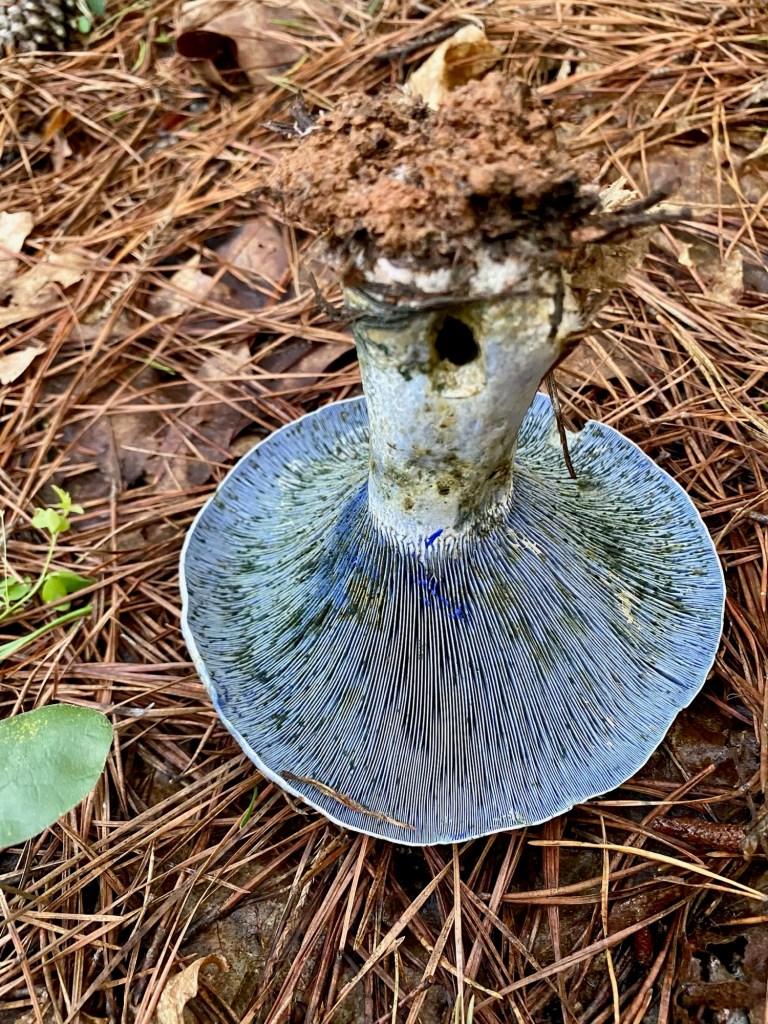
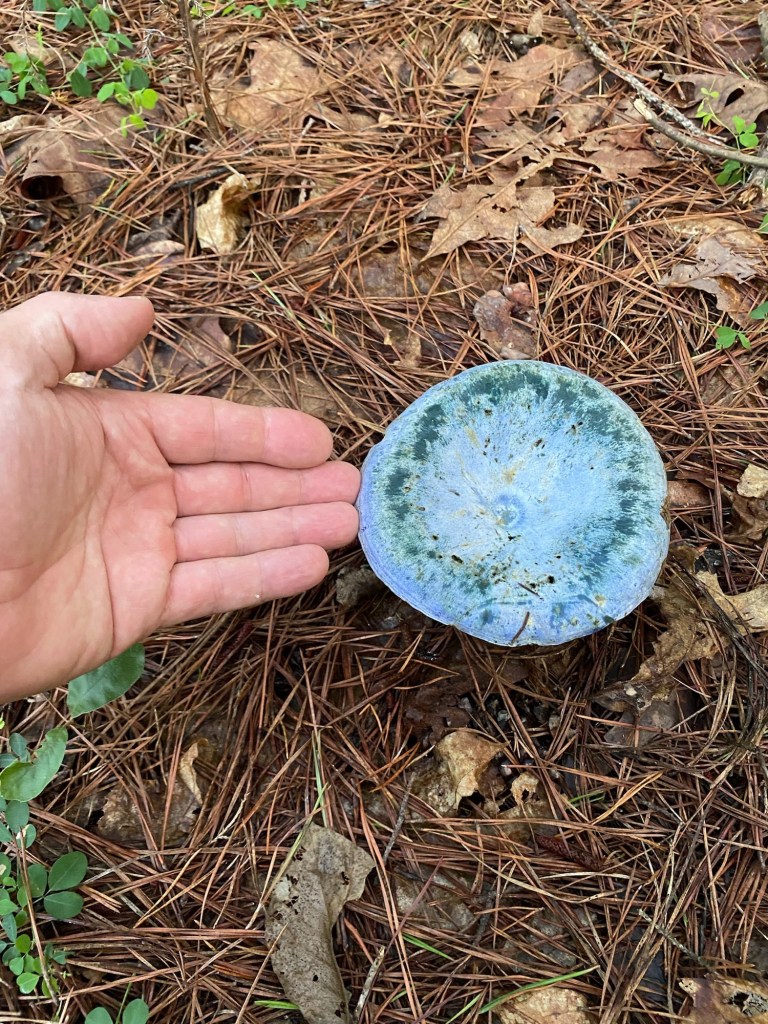
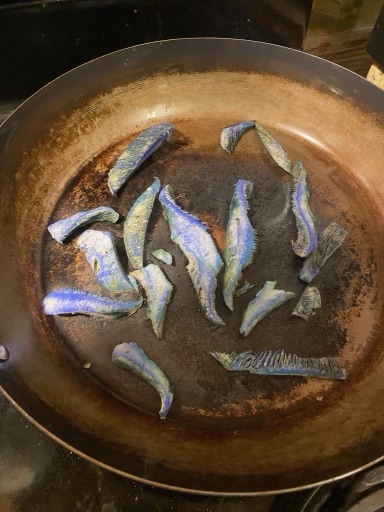
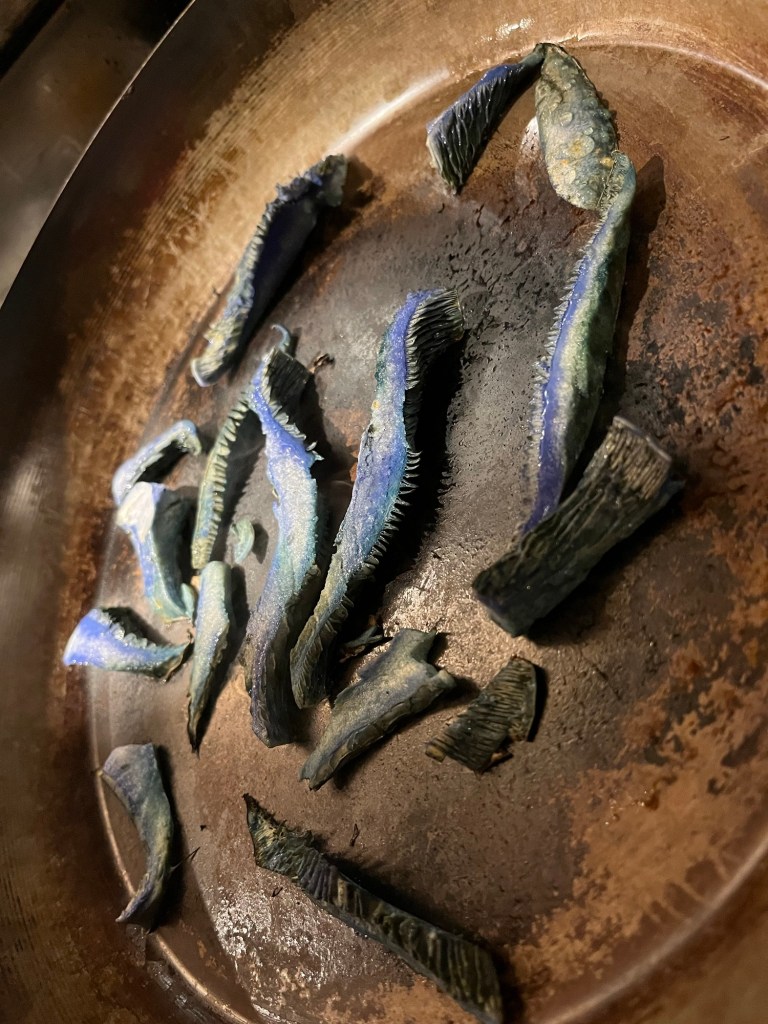
While they cooked they smelled a little bit of fish. Once cooked, this wasn’t detectable in smell or taste. We used these to top our pizza pie.

While they cooked they smelled a little bit of fish. Once cooked, this wasn’t detectable in smell or taste. We used these to top our pizza pie.
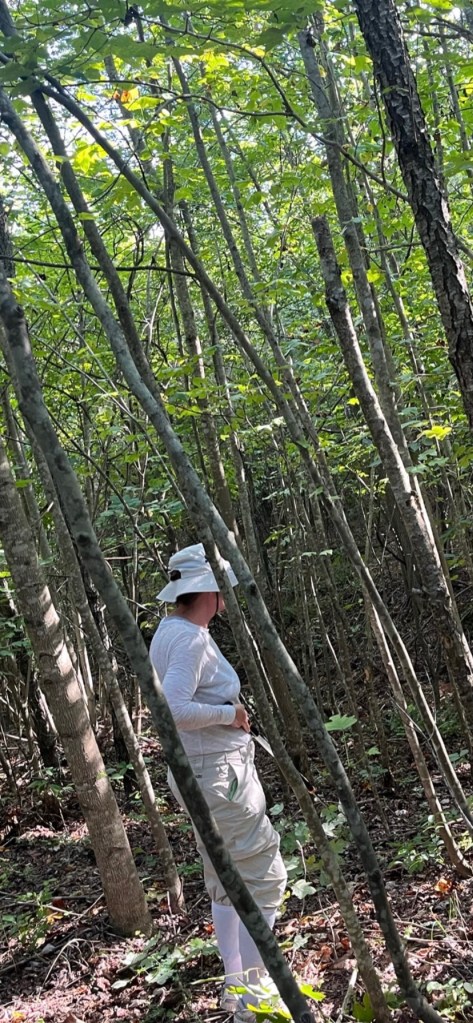
We went to the farm and did weekly chores. After mowing and weed whacking, we blazed a new trail which wound around from the front and followed along a new waterway we found that meets the waterway from the south through to the creek. We made a trail and connected it to chanterelle trail and then made it about half way to the north trail. We used loppers. As we culled these trees, we laid them down along the edge of the trail. We laid them perpendicular to the water flow to begin to build up a berm along the outside of paths. Where we left off, it was still really very dense with tiny light-starved trees.
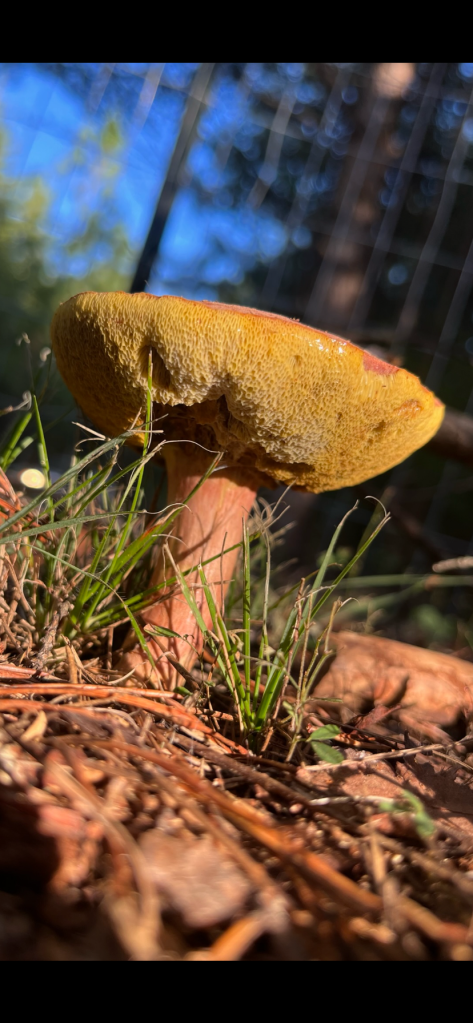
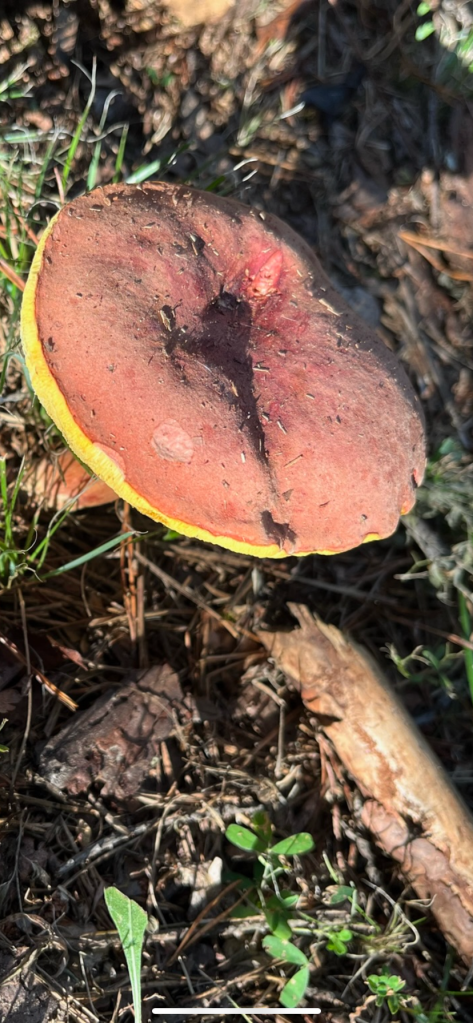
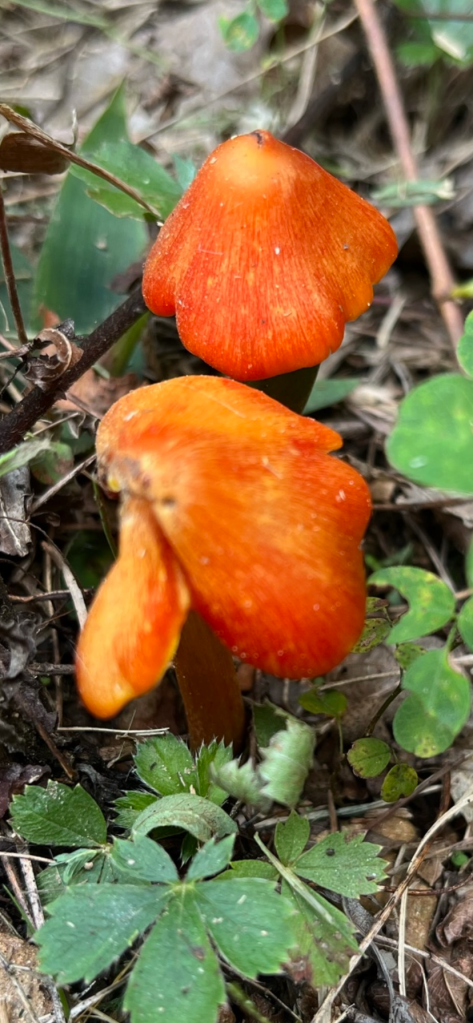
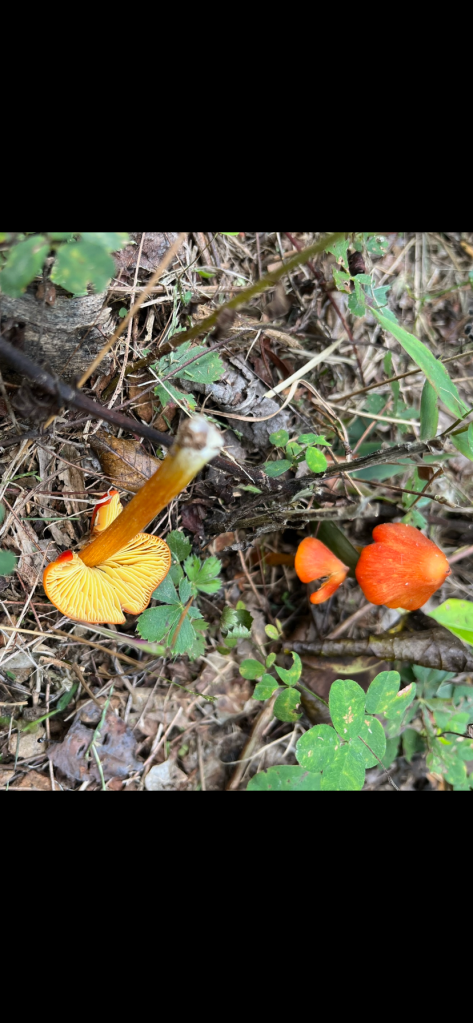
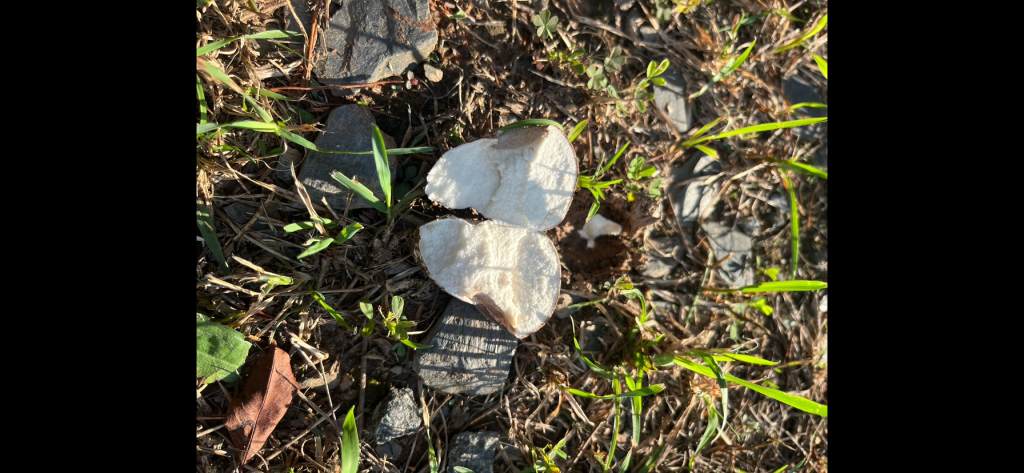
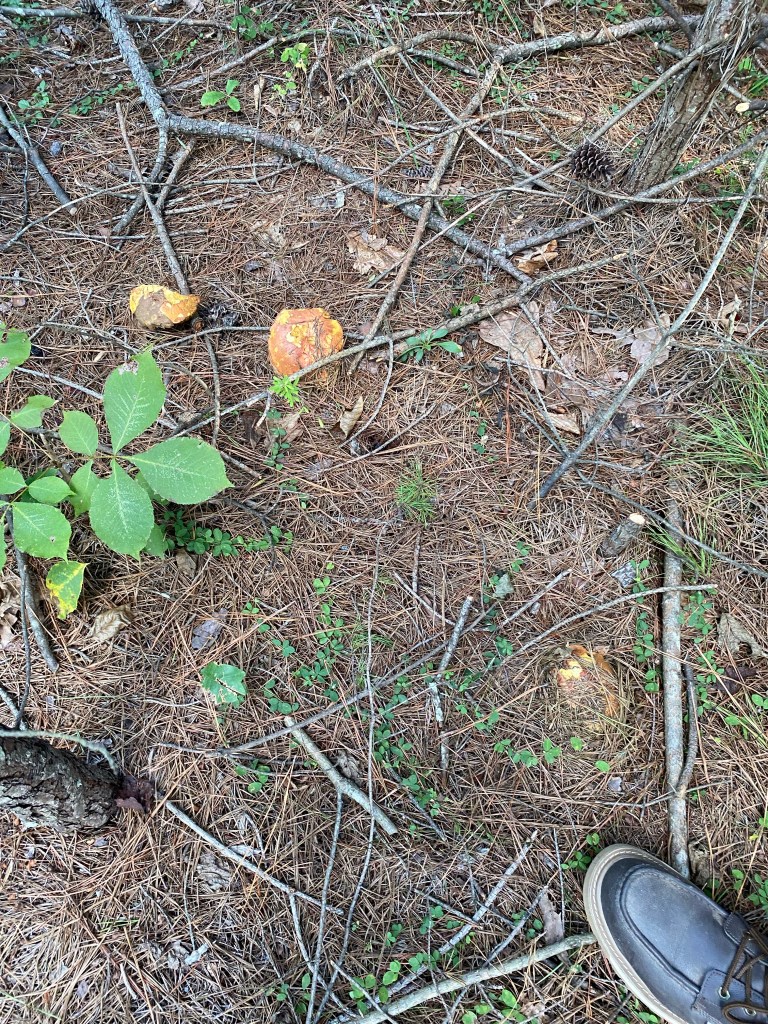
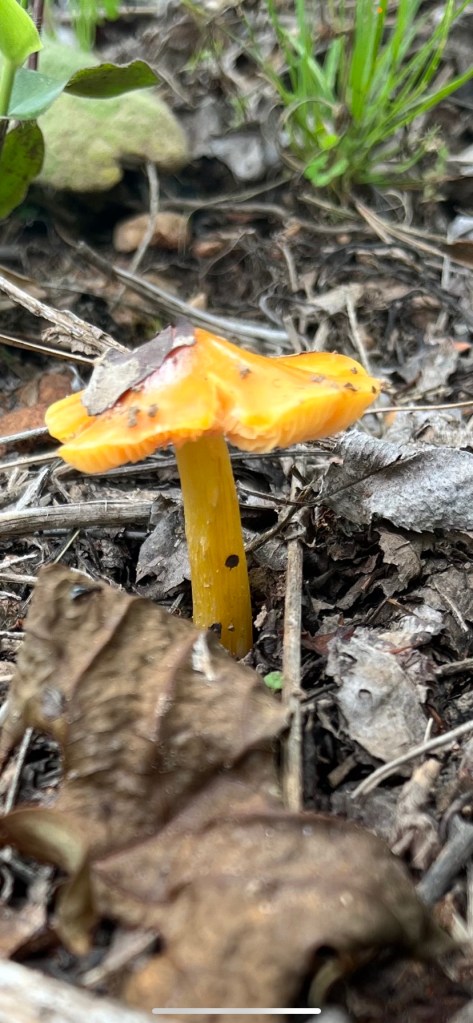
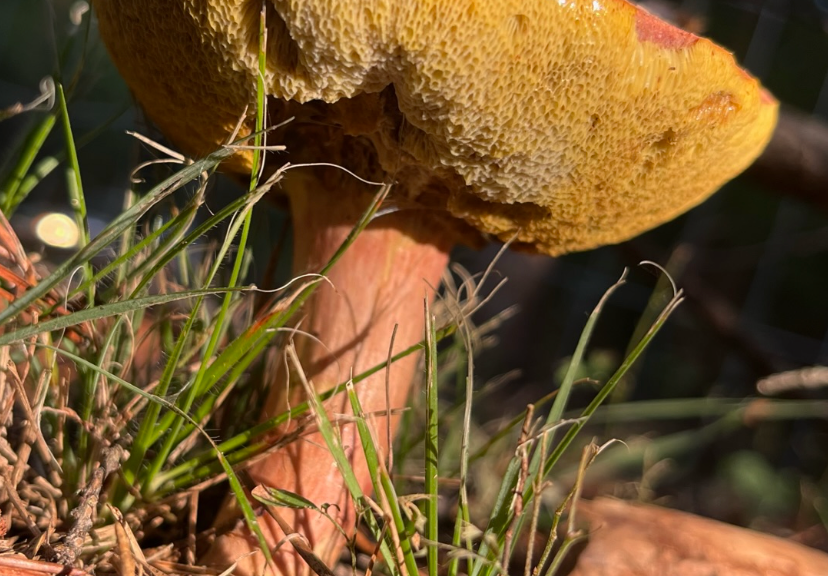
We found multiple types of mushrooms. When we pulled in we found large red and yellow boletes. We have narrowed these down to several possibilities to identify. We need further testing and data but we enjoy looking at them for now and leaving them alone.
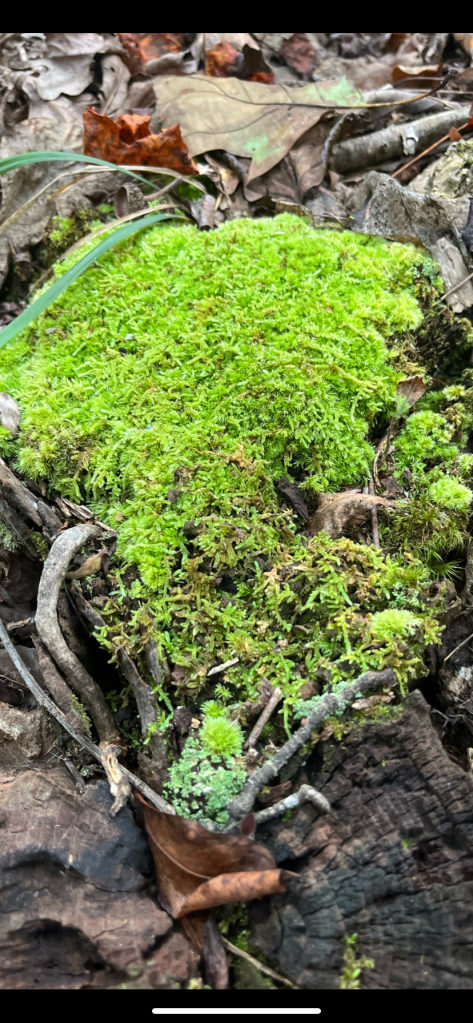
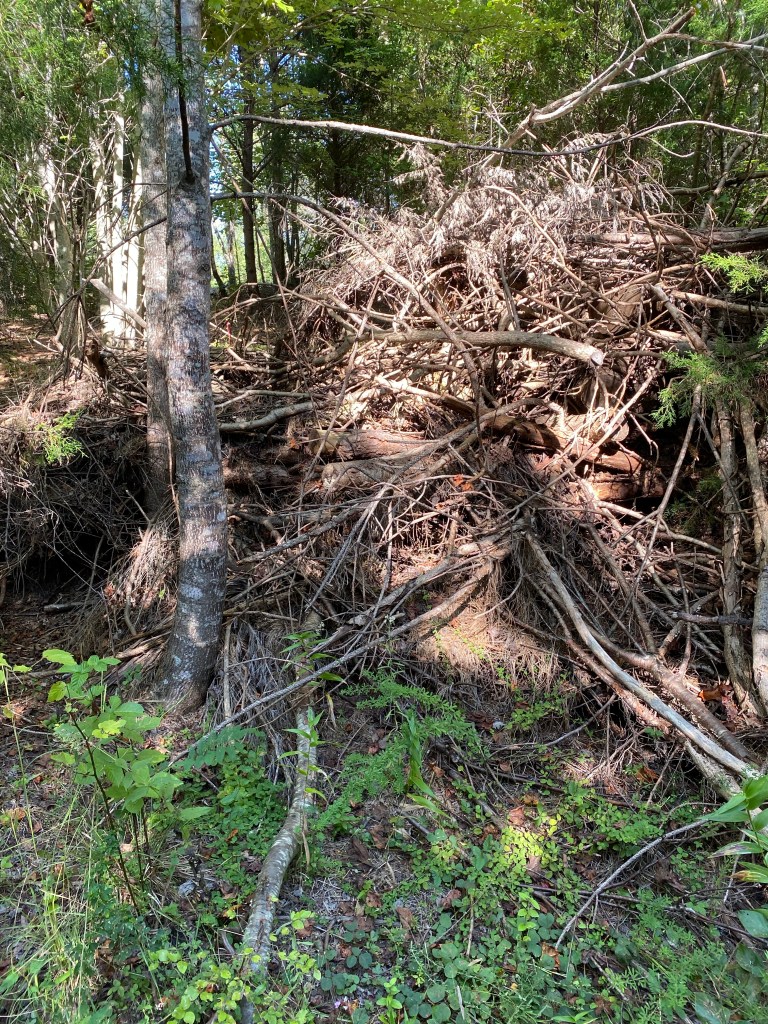
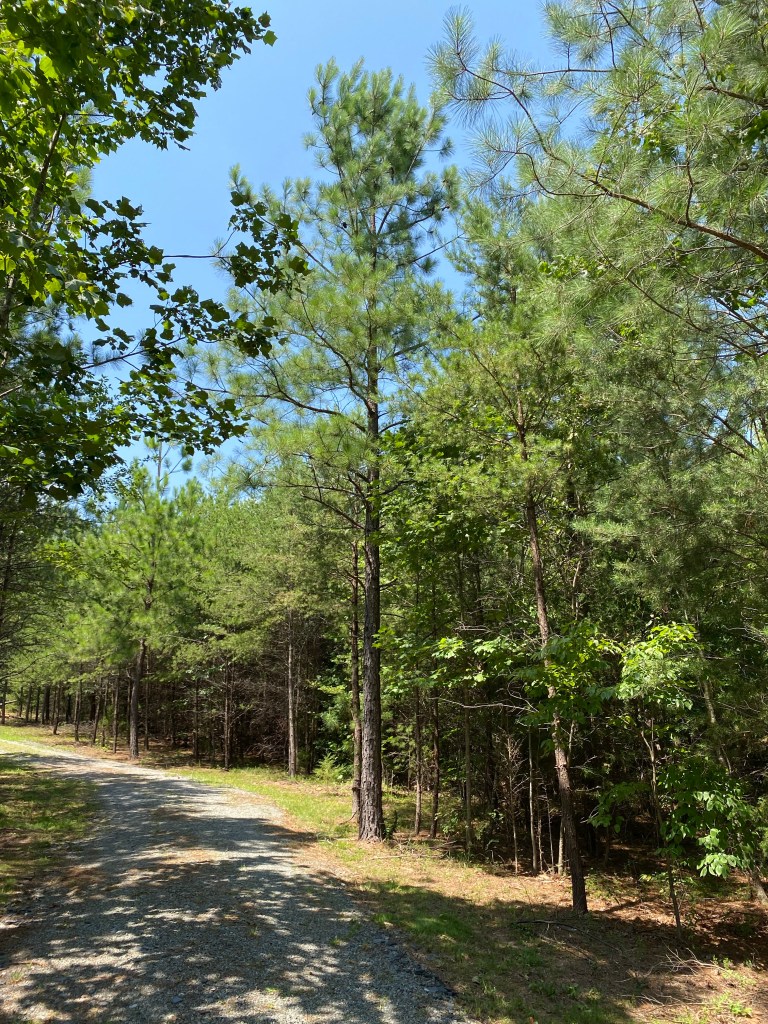
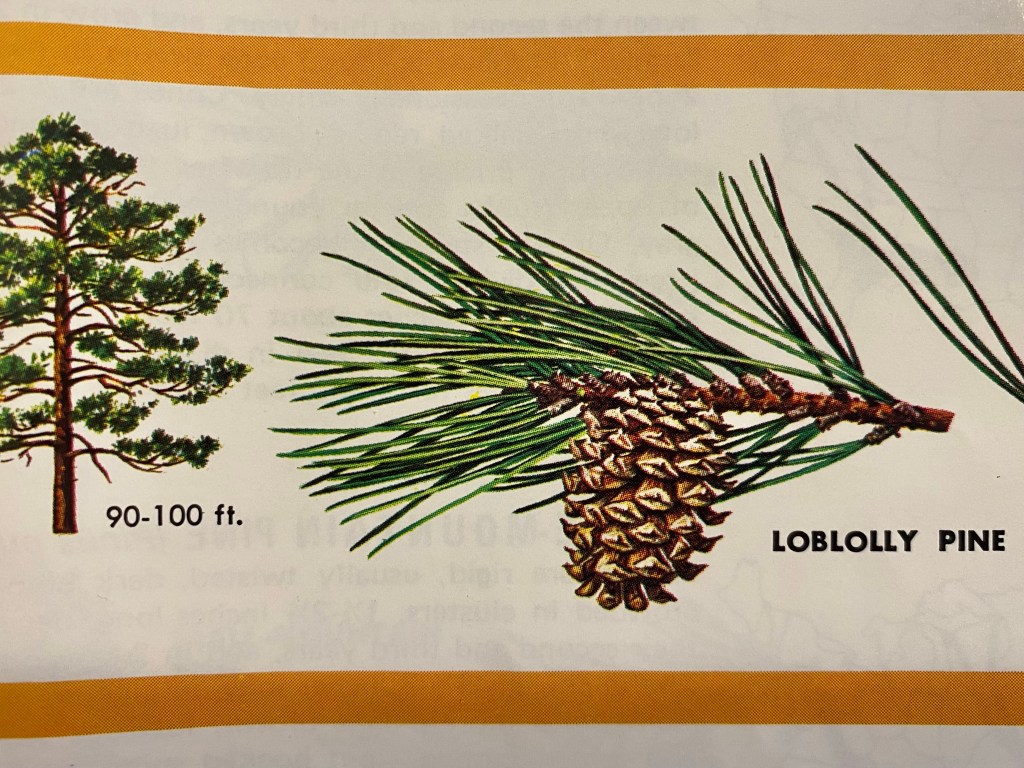
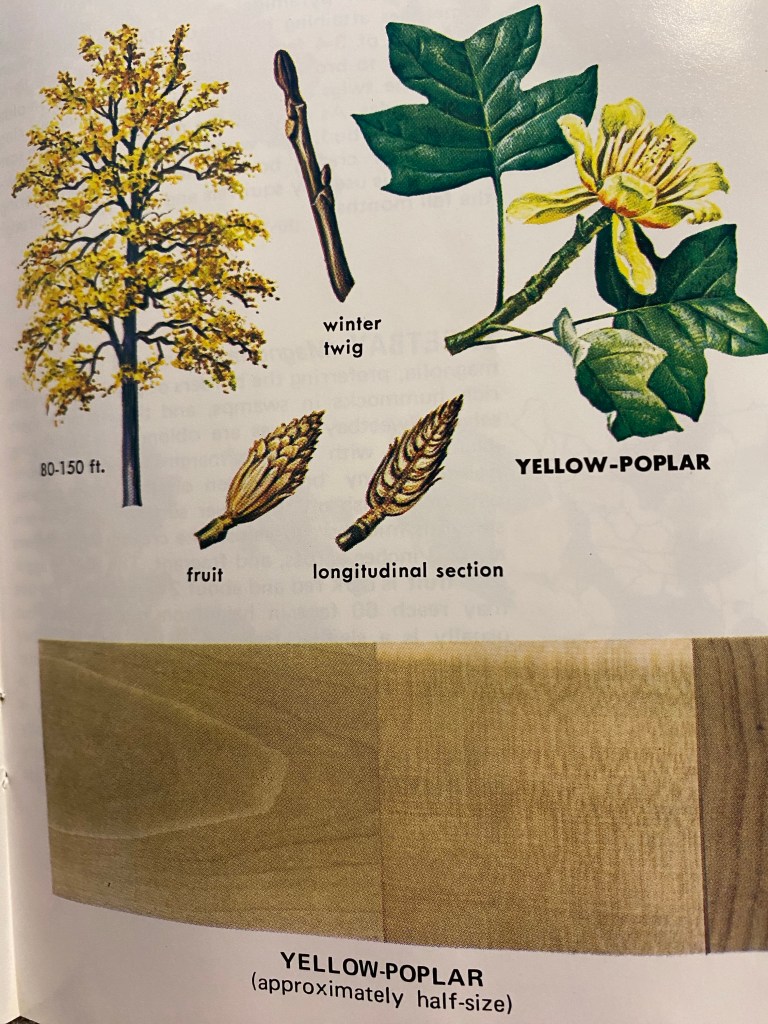
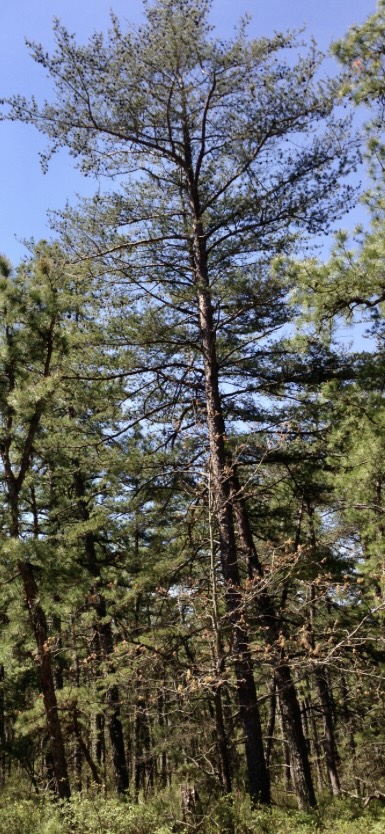
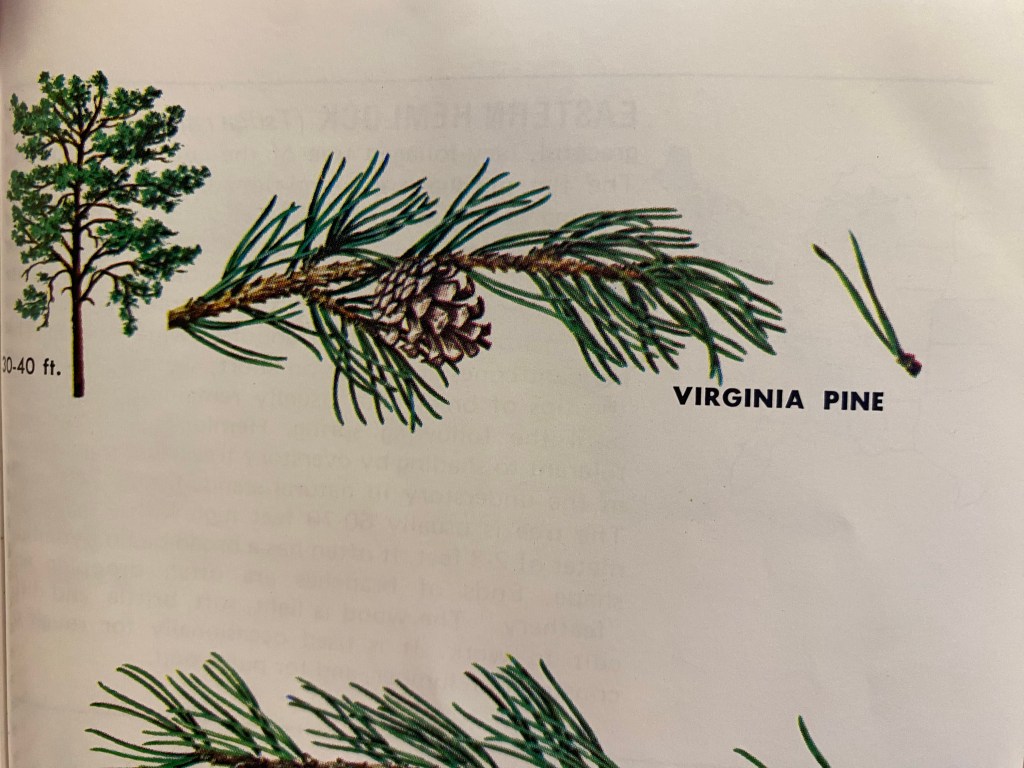
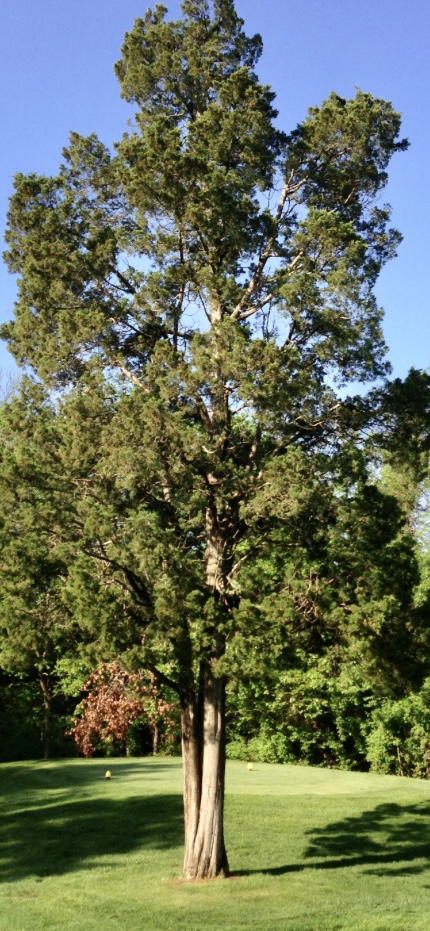
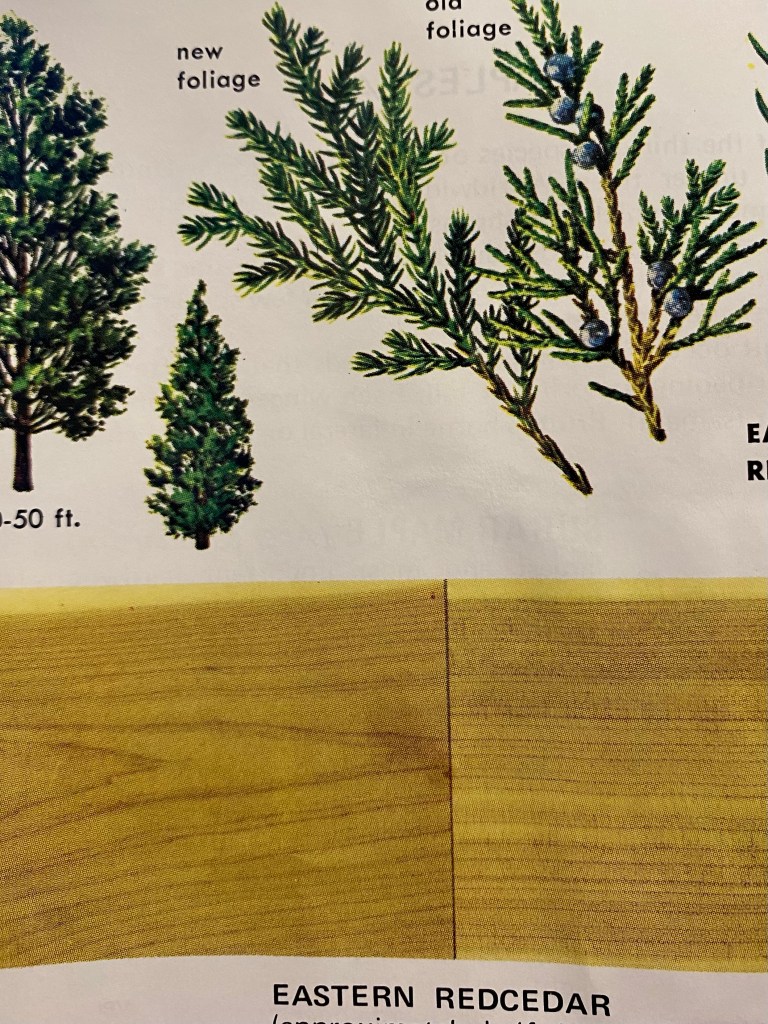
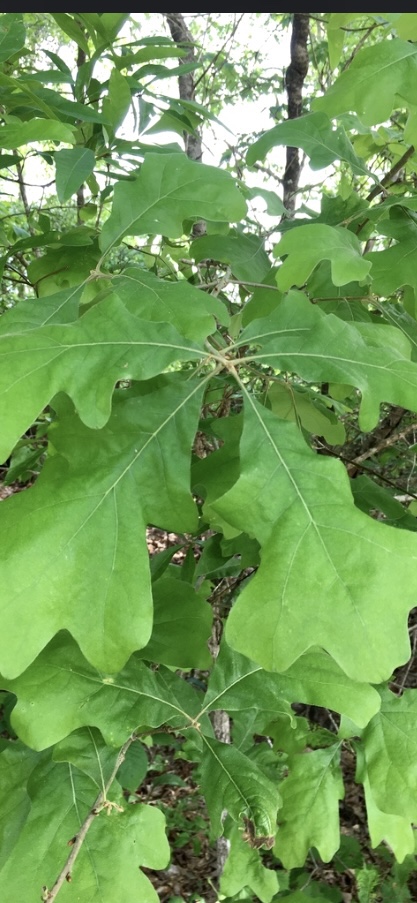
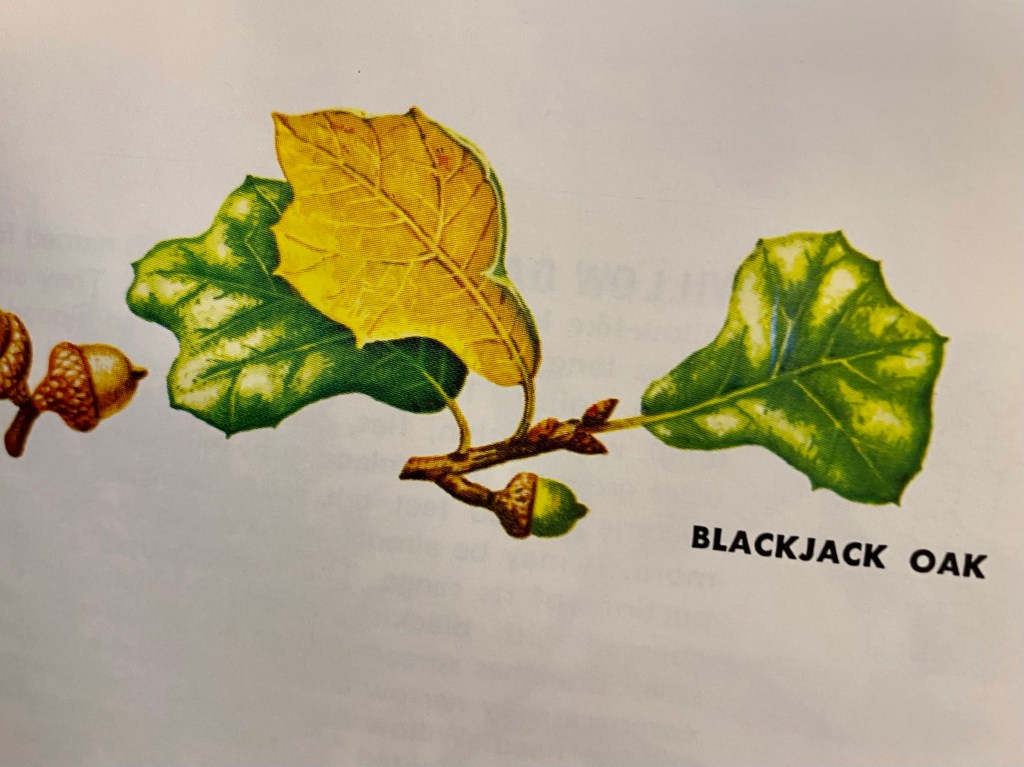
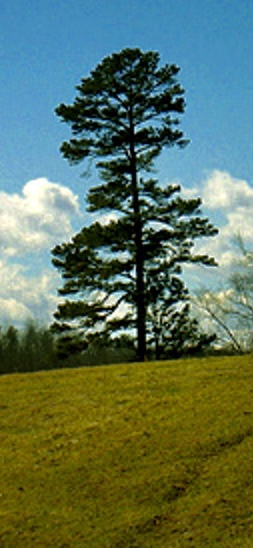
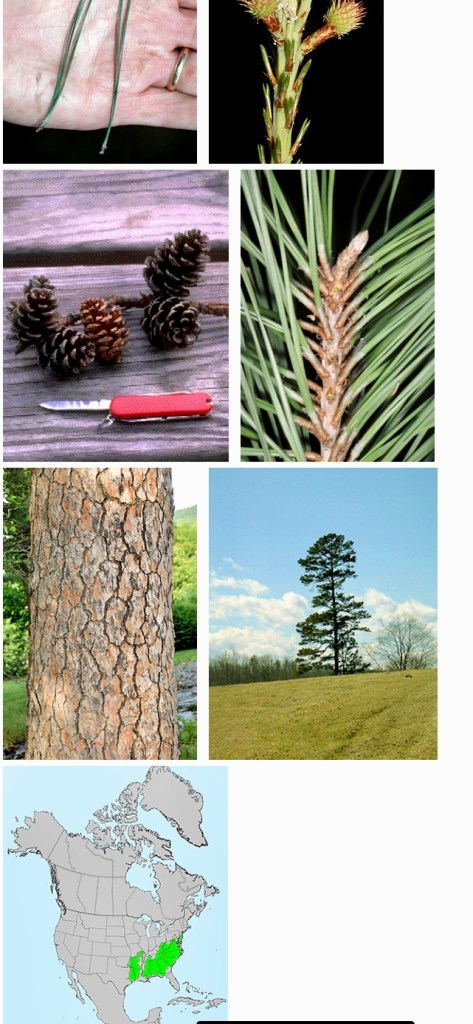
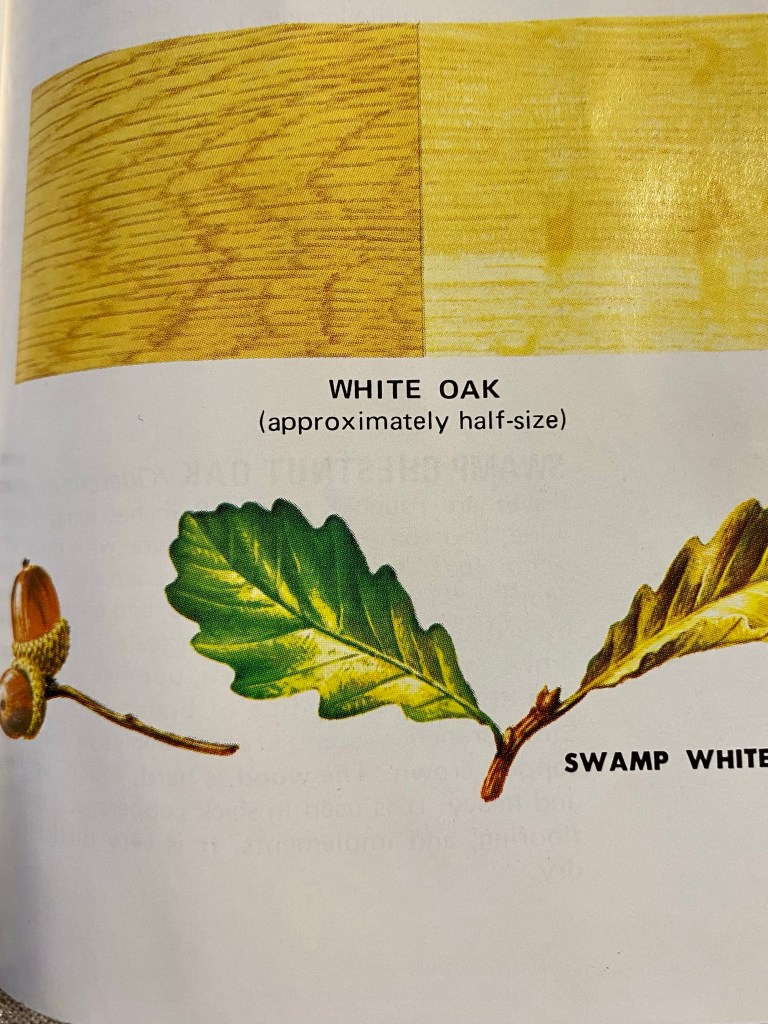
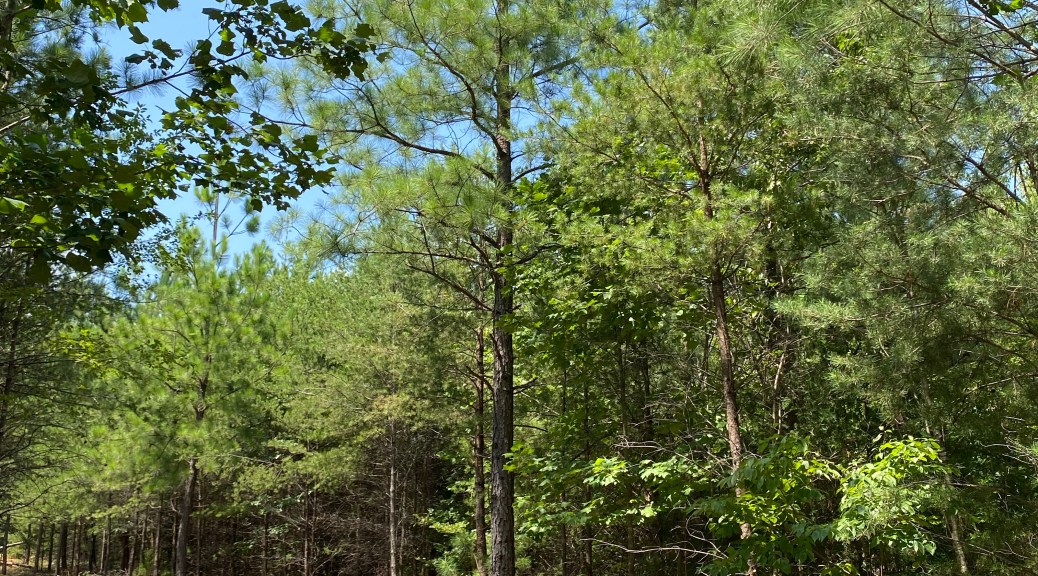
We are learning and growing along with SAFF. For the first several months, we thought our loblolly pines were long leaf pines. ☺️ Luckily, we were gently guided to their true identity. We were also gifted a helpful booklet called Important Forest Trees of the Eastern United States by the US Department of Agriculture-Forest Service. It was clear we did indeed have loblolly pines! We admire these trees for their beauty and hope to nurture and serve them as long as we can.
This is only the beginning of our list of trees. We will add more as we identify them.
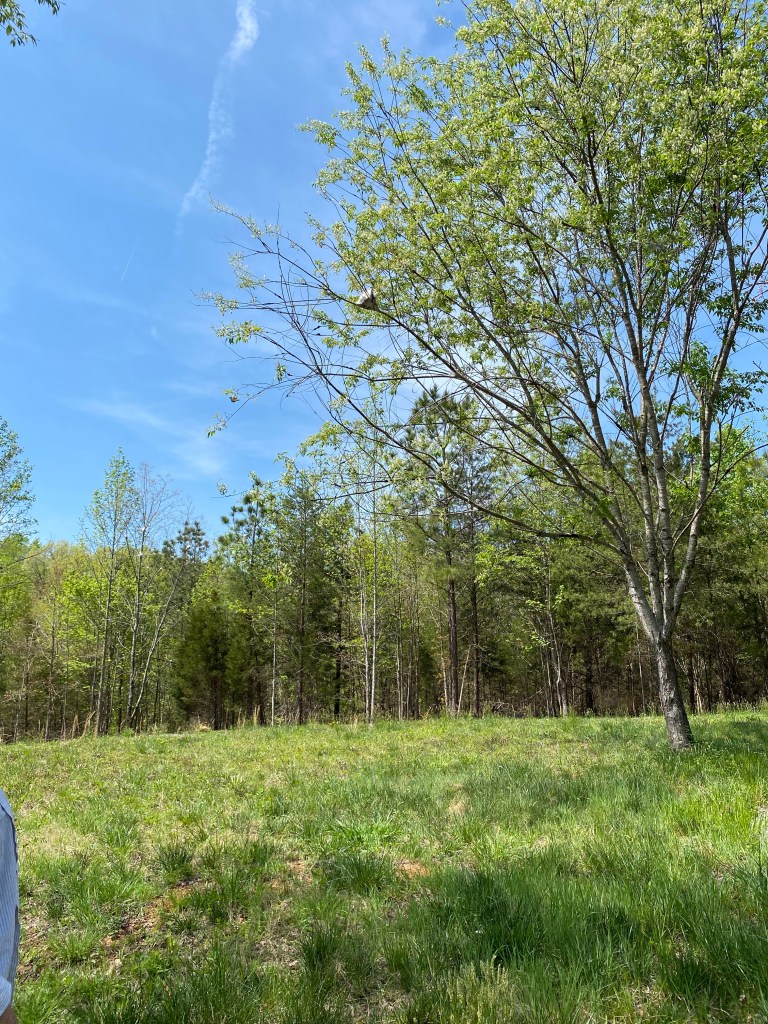
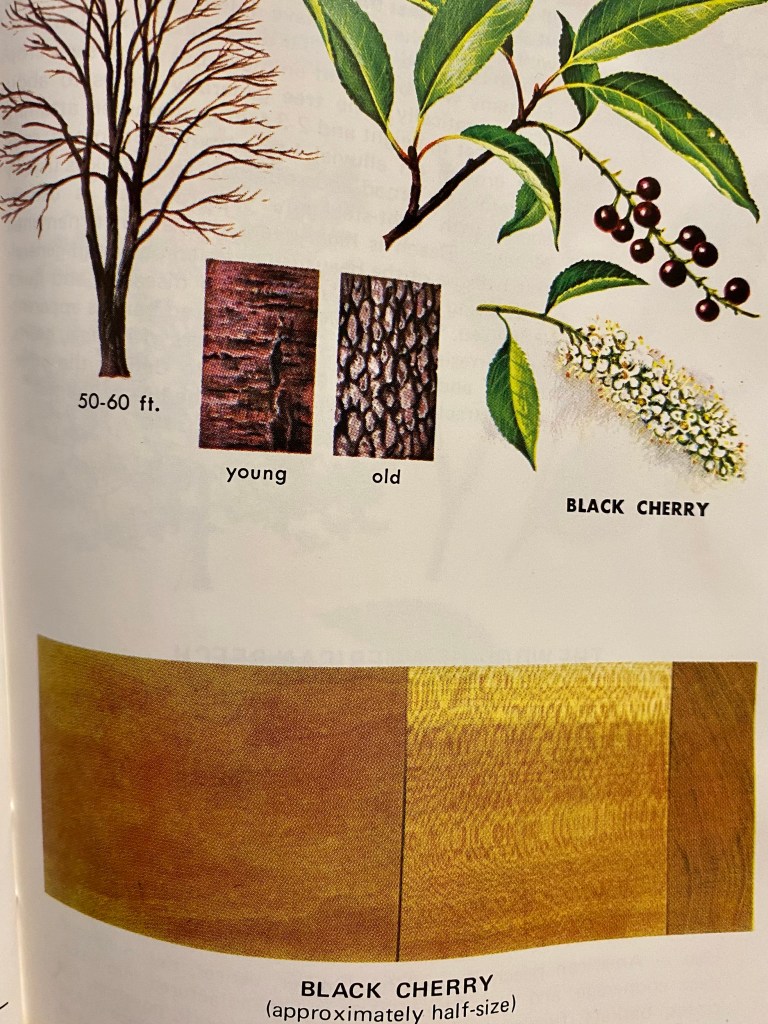
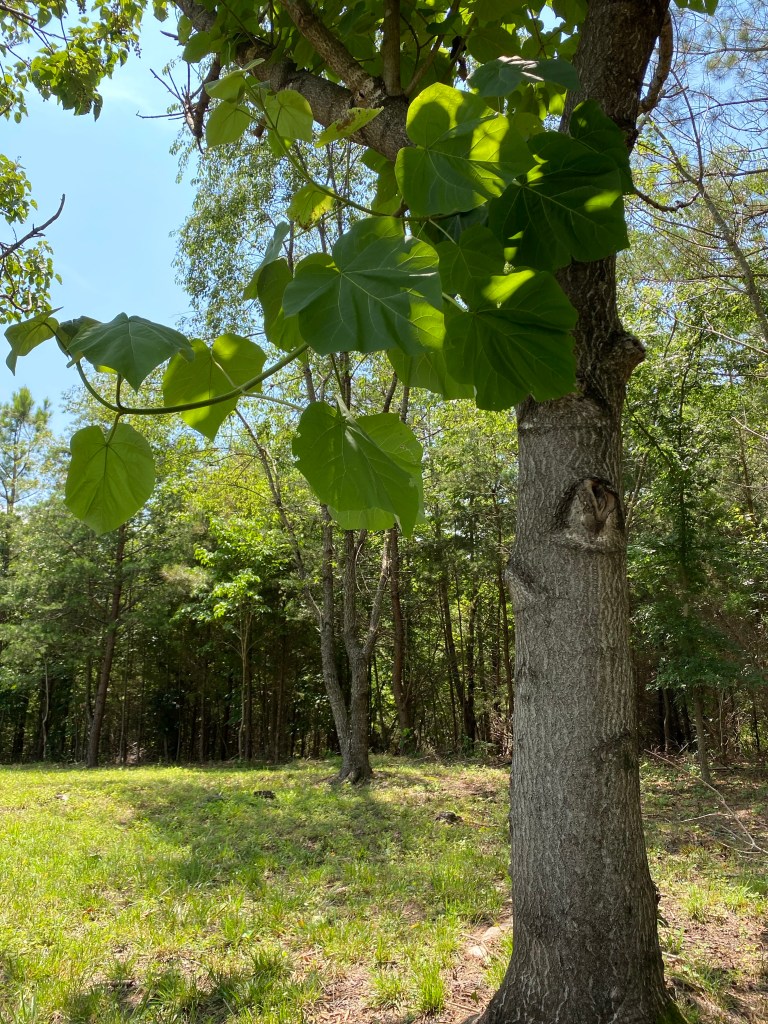
Tree Identification
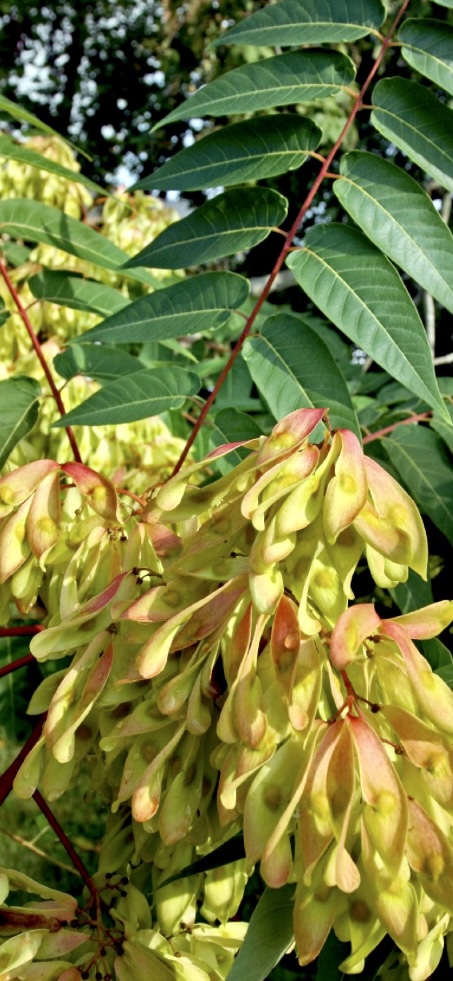
This species is easily confused with some of our native trees that have compound leaves and numerous leaflets, such as staghorn sumac, black walnut, and hickory. The leaflet edges of these native trees all have teeth, called serrations, while those of tree-of-heaven are relatively smooth. The foul odor produced by the crushed foliage and broken twigs is also unique to tree-of-heaven.
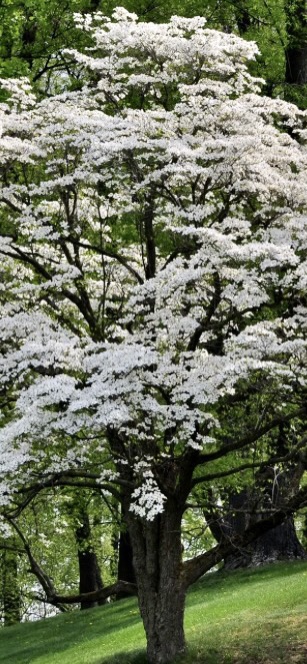
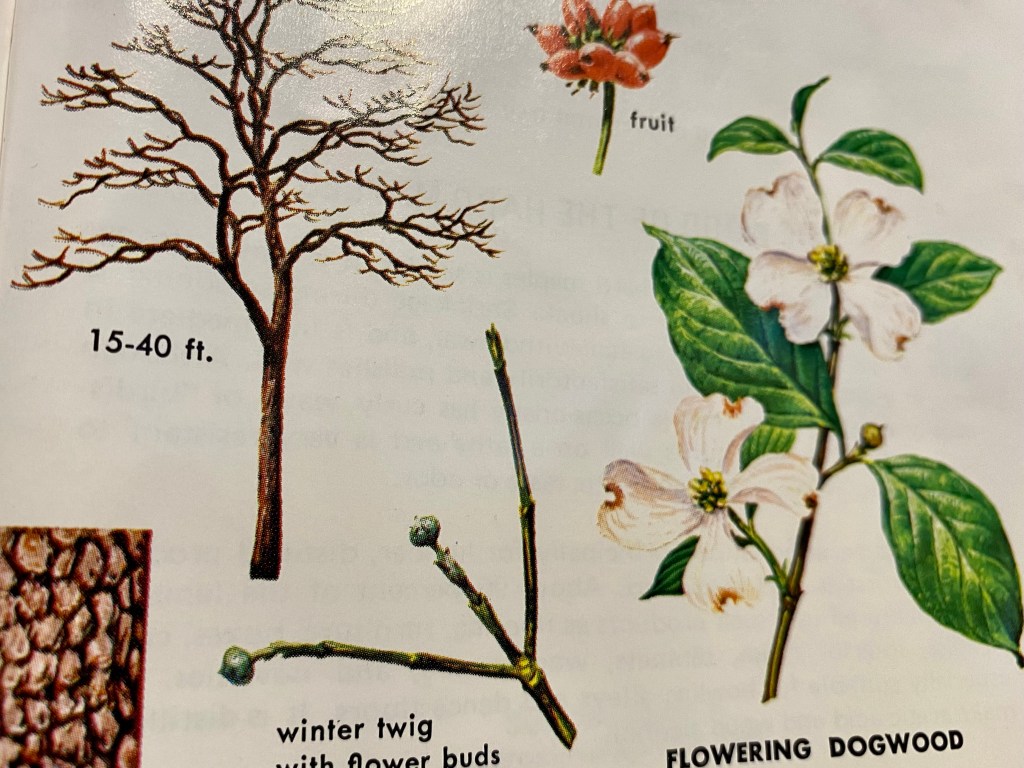
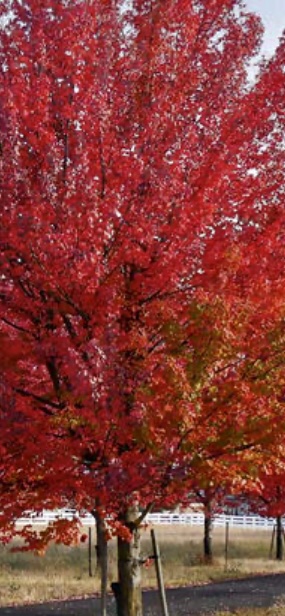
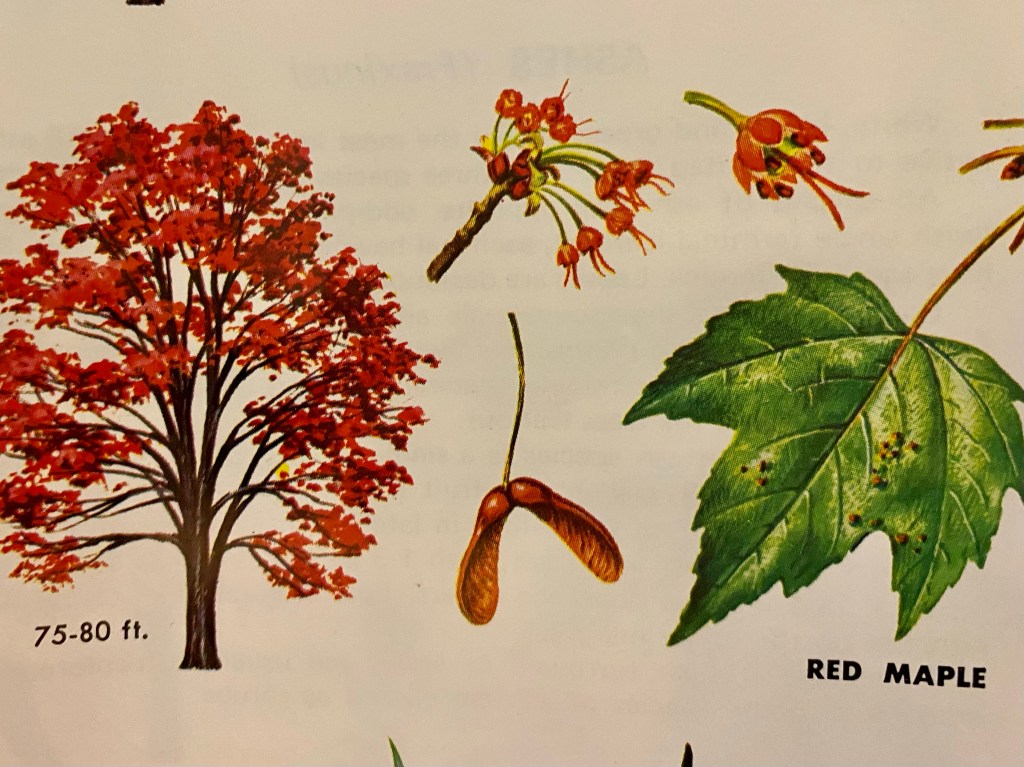
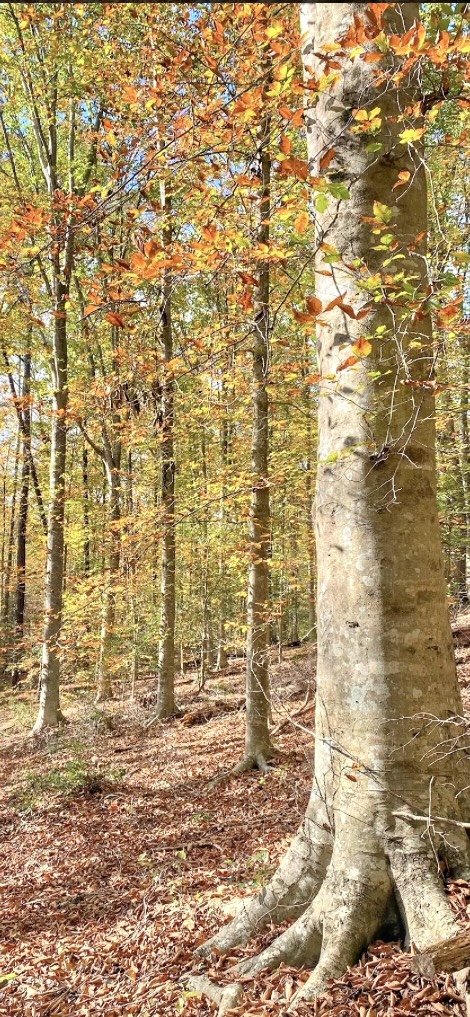
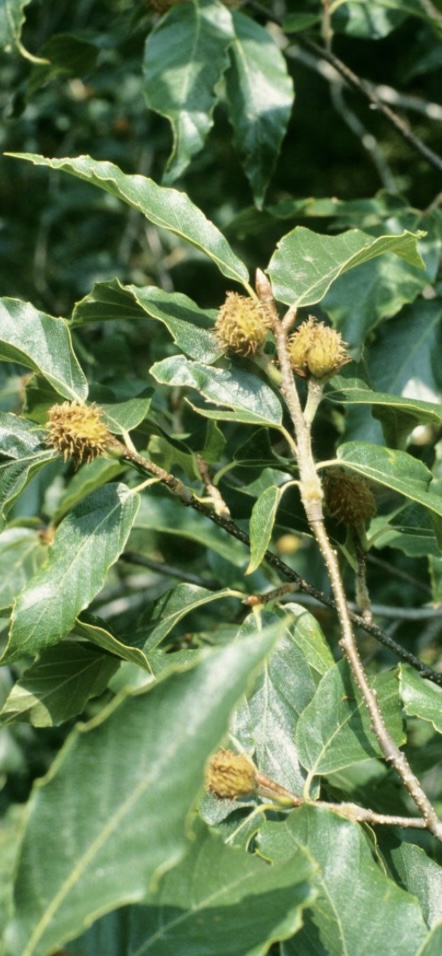
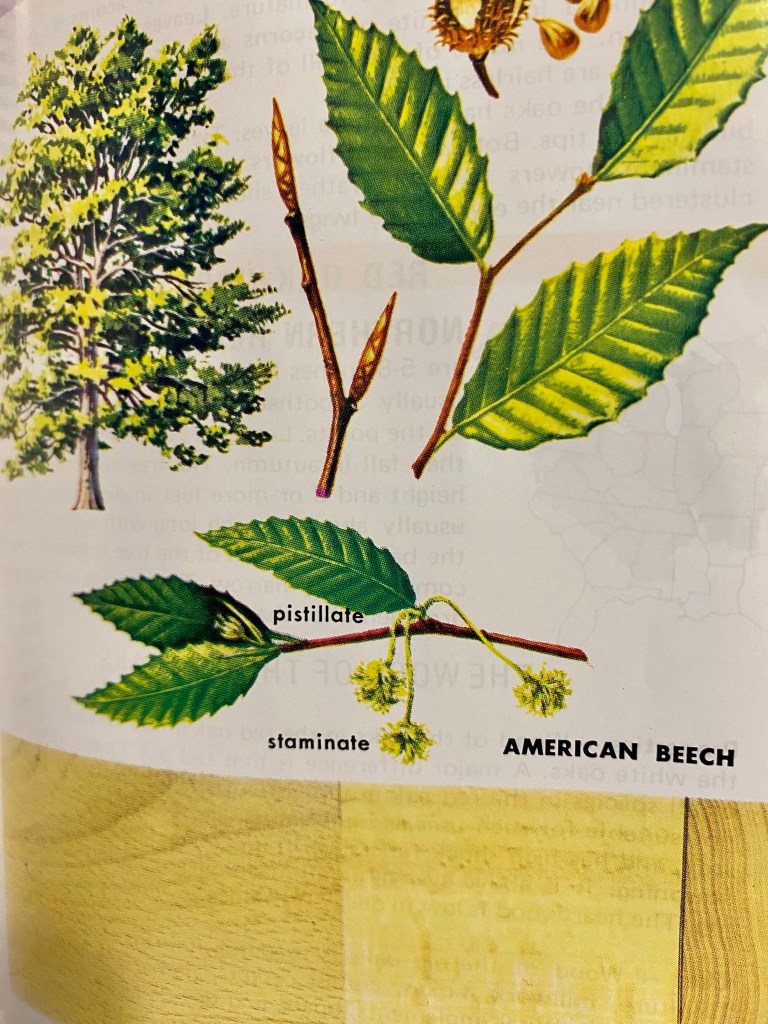
American beech trees are one of our most magnificent native trees, beautiful in every season, especially winter. They are also one of the most easily recognized of our eastern deciduous trees, with their silvery gray bark that appears cast from “molten pewter”. The massive trunks appear smooth to the eye but are slightly rough to touch and sometimes likened to elephant hide. American Beeches are slow growing but reach heights of 60 – 80’ and are known to grow as tall as 120’. This tree has massive smooth trunks with fluted bases that give way to a tracery of fine silvery branches accented with rich brown narrow pointed buds. Oval leaves alternate down the fine branches and are lined with small regular teeth along the margins and distinctive parallel veins on either side of the mid-rib. The lustrous leaves are almost translucent when held up to the sun, casting a dappled light under the trees. The leaves emerge a glowing chartreuse in spring, and light up the woodlands once again in fall when they turn a rich copper which glows against the silvery gray trunks. In winter, some of the leaves curl and fade to a light parchment color and hang on the branches, especially on younger trees and on lower branches of older trees, creating a lovely contrast with the gray trunks and surrounding forest.
In spring, their small yellow-green flowers are rarely noticed but give rise to distinctive three-sided nuts held in a ½” long prickly capsule. Beechnuts have been reported as the primary food source for more than 30 species of wildlife including: squirrels, flying squirrels, chipmunks, deer, foxes, and black bears as well as many birds such as wild turkey, grouse, ducks, blue jays, grosbeaks, woodpeckers, including red headed woodpecker, and nuthatches. Many of these animals cache the seeds helping to disperse them widely. In bygone times, the abundant nuts were readily eaten by pigs who could roam free under the beech trees. The nuts were also a favorite food of the now extinct passenger pigeon who descended to feast on them in such great numbers their weight caused massive branches to break off! The thin smooth bark was also once used for writing paper, and the unfortunate habit continues today with folks still loving to carving their initials into the smooth bark, potentially harming these long lived trees. The bark and leaves have been used historically to dye fabric and a poultice of boiled leaves has been used to treat burns, frostbite, and poison ivy and a tea made from the bark has been used to treat various respiratory ailments.
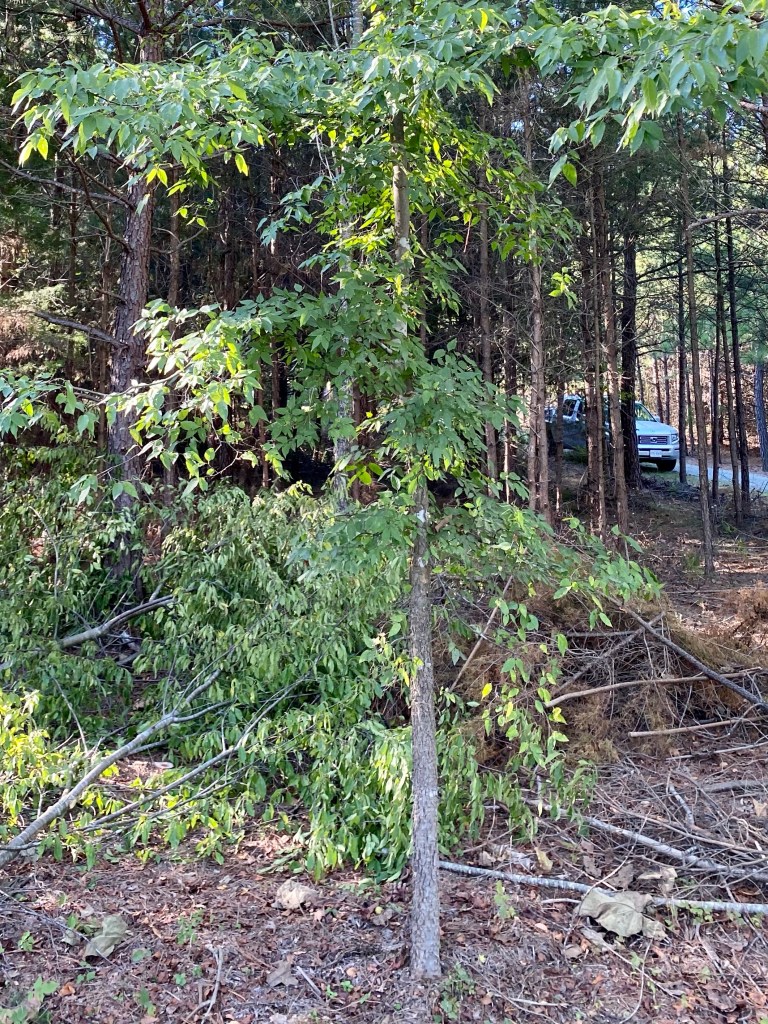
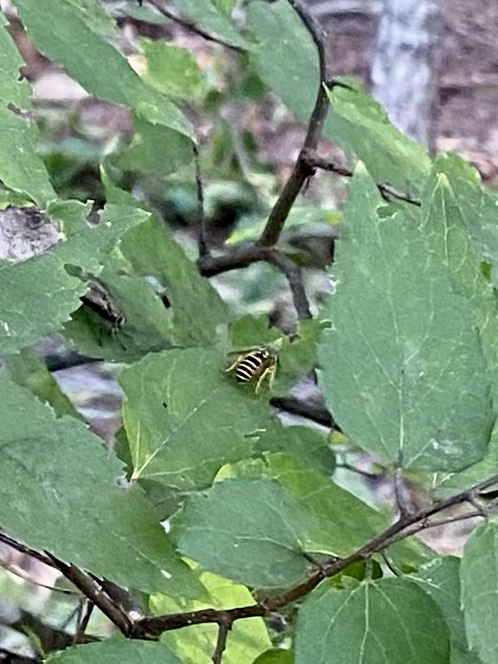
We found this Sugar Hackberry while we were clearing out around large pines on top at edge of clearing. It was covered in leaf cutter bees that had cut out little notches in the leaves to use for their young.
Uses
Conservation: Sugarberry is used in native landscaping and habitat restorations, and windbreaks.
Ethnobotanic: Sugarberry was used by a variety of Native American tribes. The Houma used a concentrate made from the bark to treat sore throats and a decoction made from the bark and ground up shells to treat venereal disease. The Comanche would beat the fruits of sugarberry to a pulp. The pulp was then mixed with animal fat, rolled into balls, and roasted in the fire for food. The Acoma, Navajo, and Tewa all consumed the berries for food. The Navajo boiled the leaves and branches to make dark brown and red dye for wool.
Wildlife: Many species of songbirds including mockingbirds and robins eat the fruit and use the tree for nesting habitat. It is a larval and nectar host for two butterflies: hackberry emperor (Asterocampa celtis) and American snout (Libytheana carineta). White-tailed deer browse the leaves and fruit.
Other Uses: Sugarberry is used for furniture, athletic goods, firewood, and plywood. It has limited use for flooring, creating, and for wood posts. It is used as an ornamental and as a street tree in residential areas in the lower South
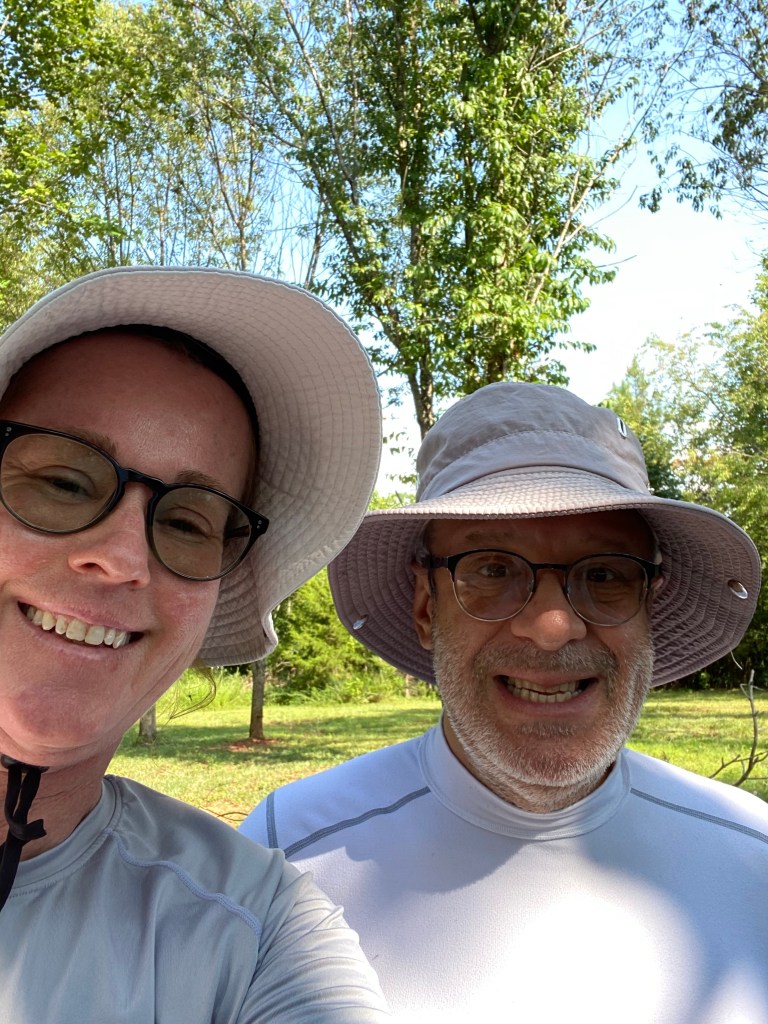
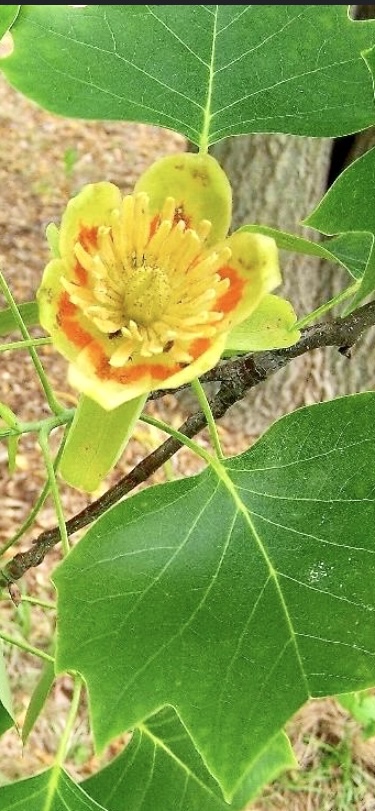
On April 13th 2023, Chris wanted to go to Buckingham County to look at a property with forest covering most of the 13 + acres. We drove to Afton, over Route 29 and into Buckingham County going deeper and further into beautiful and old woods. Magical seeming forests with giant trees arching over the roadways creating a canopy of green. Little moss covered hamlets of yesteryear with giant boulders covered in greenness and ferns sitting in a creek bed. Gorgeous vineyards and farms. We also saw forests recently violently cleared by loggers. Jagged and torn and pillaged. The roadways beaten and abused by giant trucks full of timber. We saw what looked as though the forests had regrown a year or two after being cut, and also stands that appeared to be five to 10 years on. We began to see ages and stages of development. It was an incredible journey for us because of its unique beauty as well as other circumstances. We both really needed to be in the woods again. We had been away too long. When we arrived and saw the pines and poplars, we both immediately fell in love with our forest.
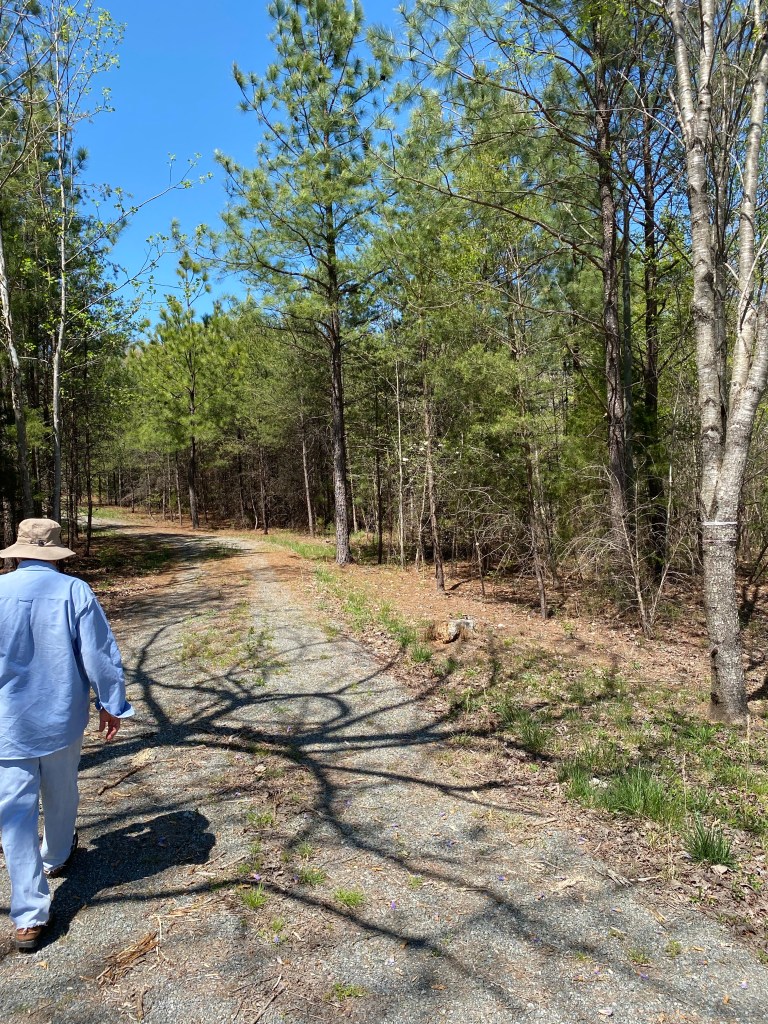
Our guess was that it had been cleared about 20 years ago. Water had made paths through the woods. Right away, we began to find interesting mushrooms with our exploration mostly limited to the top of the hillside and the edges of the clearing.
As summer came, we began to realize we had a sizable tick population to deal with and thought we would be kept from our explorations of the woods until winter. Glad that was not the case. As it stands, there are still several areas that are infested with nymph ticks as evidenced by when we walk into that area we immediately see between two and twelve on our shoes and socks.
Right now, we are aware that the ticks appear to like moisture. The drier it is, the safer we are. We always wear our permethrin coated shoes and socks. We wear light colors so we can see them more easily. We watch out for each other’s backs. We want to stay safe. Chris has had several bites this summer. He has removed the ticks immediately and cleaned the area well. So far, no symptoms or side effects. When we camp, we will coat our tent and appropriate supplies with permethrin.
The other note I have about ticks is that it is tall grasses and weeds that they are able to attach to our socks and shoes and then climb up to find skin. Stay out of tall weeds and grasses. If you must walk in, look at the tippy tops and you will see the ticks with their legs out. I’d only do this with a mower or weed whacker in front of me. Anyway, they do not fall from trees. They do not fly. They are opportunistic. (However, they can fling themselves out onto you using static electricity. Look it up. Here https://www.science.org/content/article/watch-ticks-fly-through-air-power-static-electricity or on YouTube). This was all helpful for me to learn in order to determine best practices to avoid them.
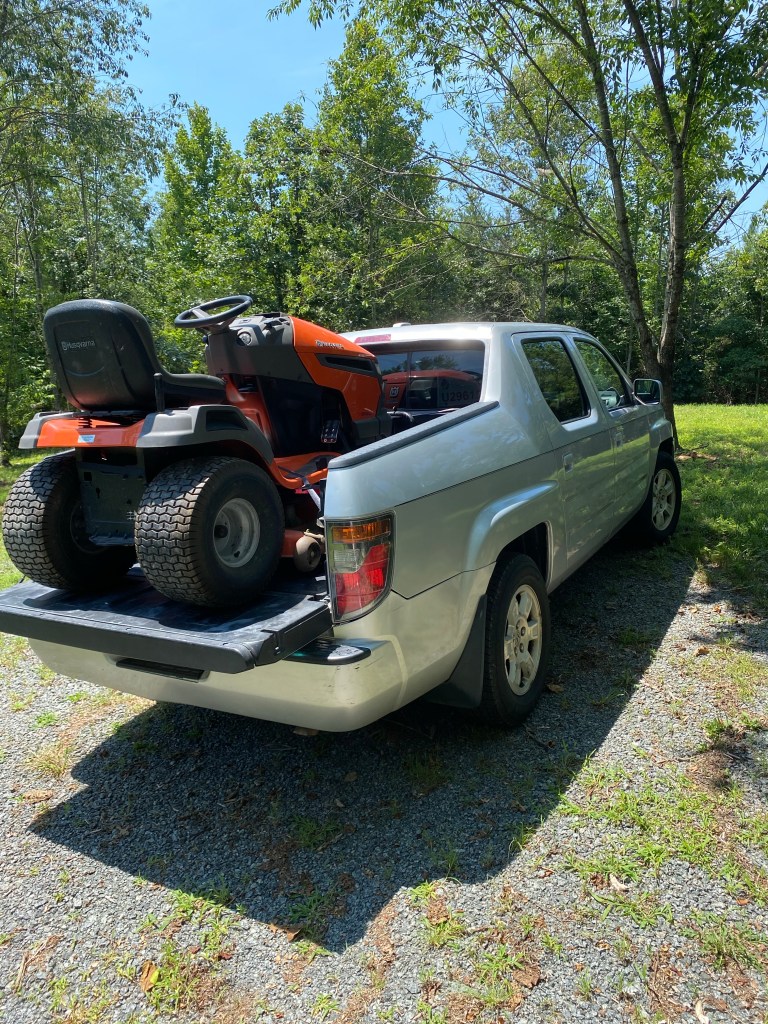
Keeping our clearings mowed and weed whacking our paths has been extraordinarily effective. It has become easier now that we have the truck and tractor. Lastly, I’ll add that ticks dislike hot and dry. The clothes dryer kills them after 10-15 minutes. This was also helpful for us to know.
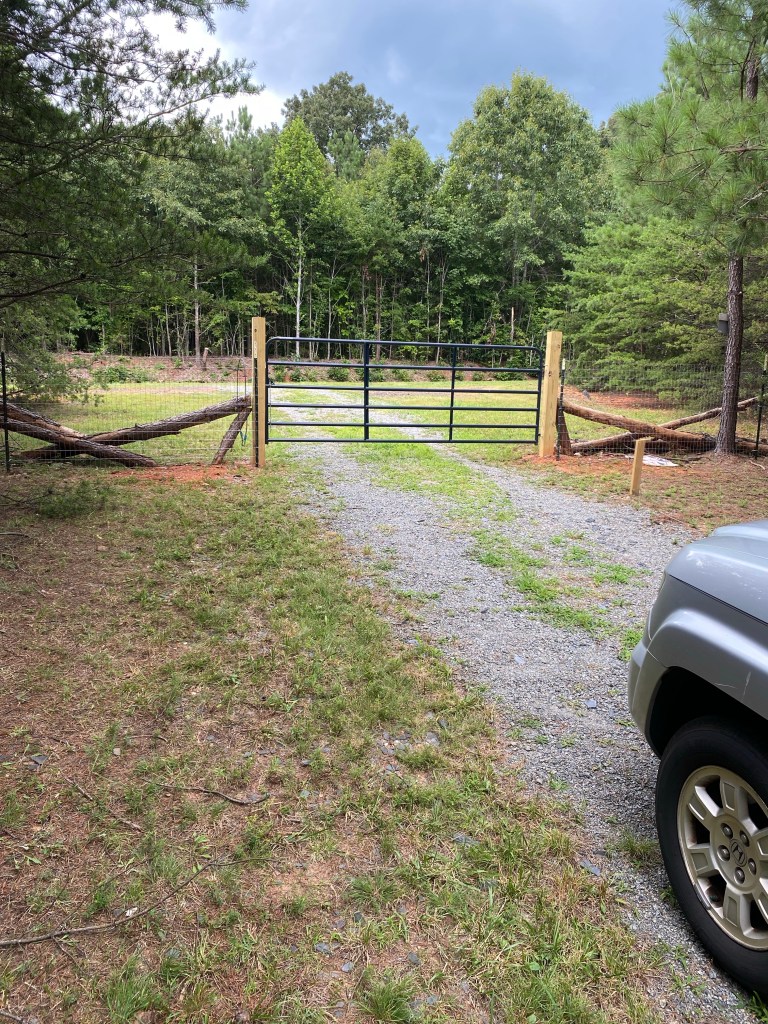
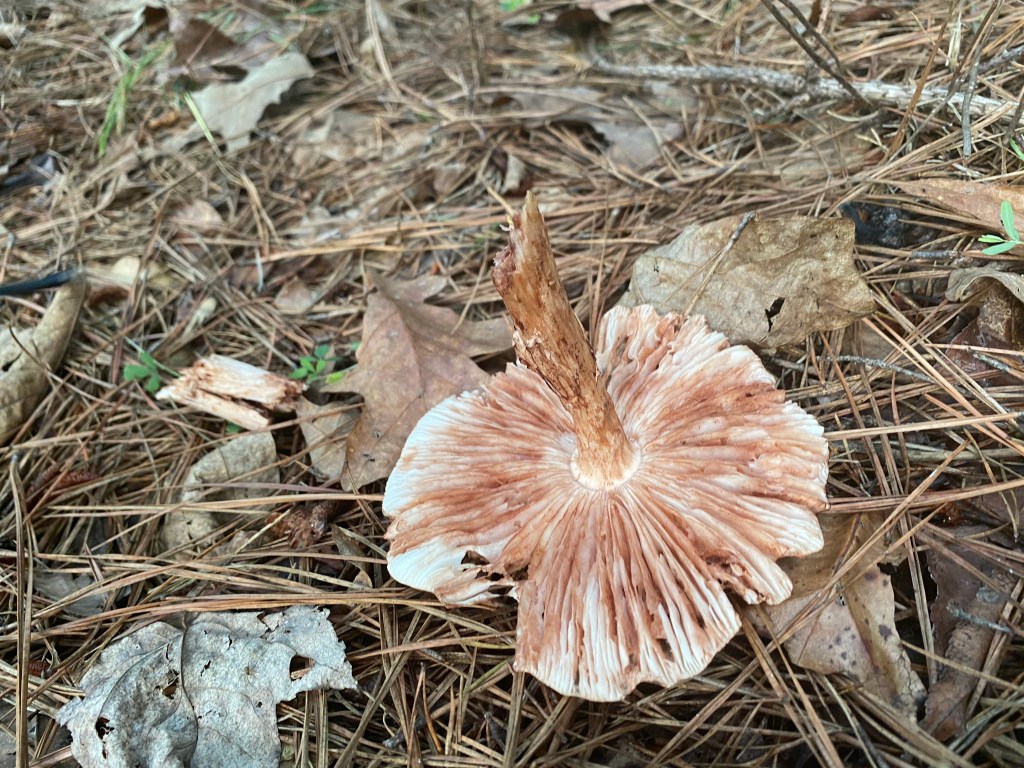
One of the best things so far has been looking forward to rain out in Buckingham County. We get very excited and wait as long as we can afterwards to go and see what new mushrooms we can find. We have been surprised and delighted every time with new finds. Mushrooms love moisture. So far SAFF has been moist! We’ve been astonished by the diversity of life and can’t wait to see more.
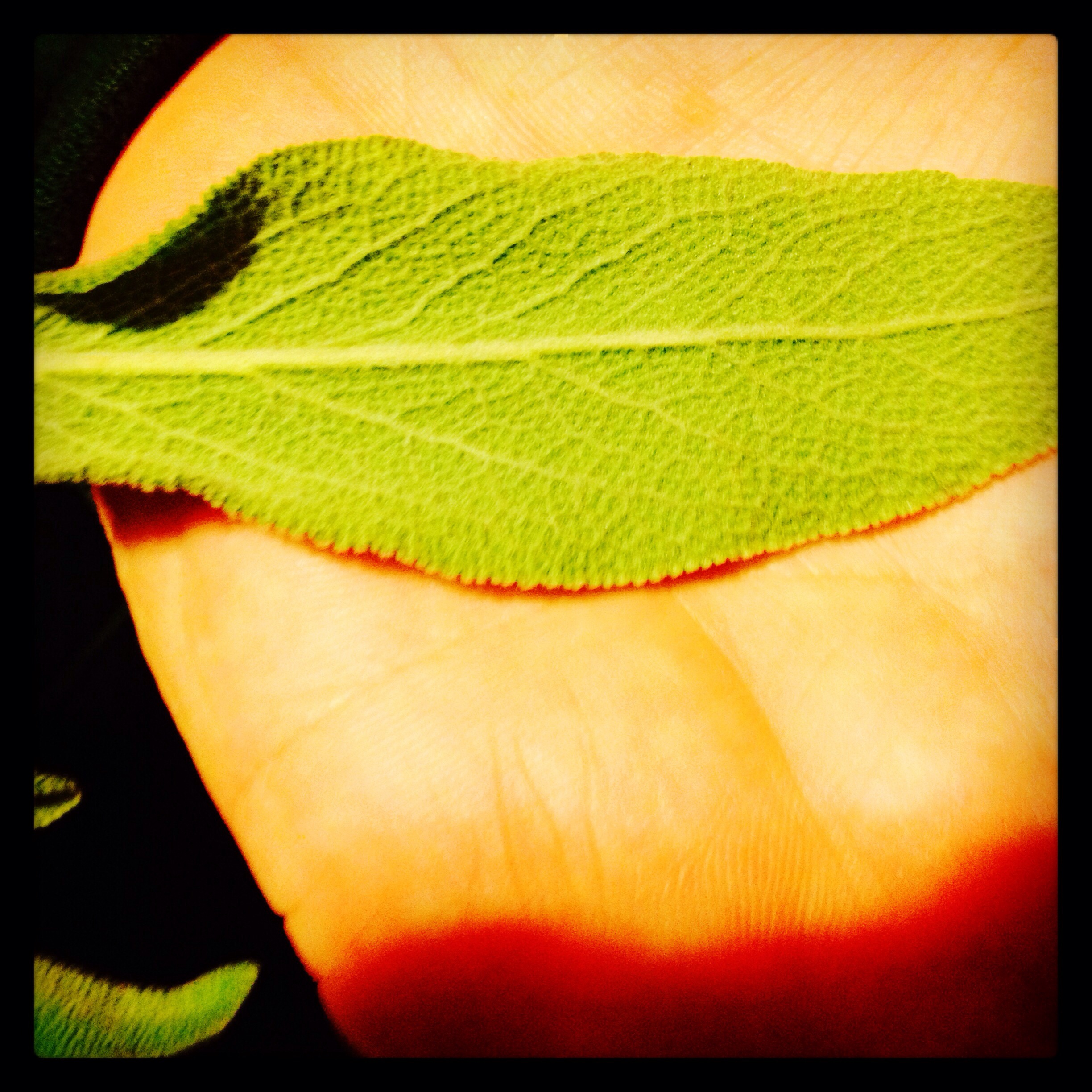
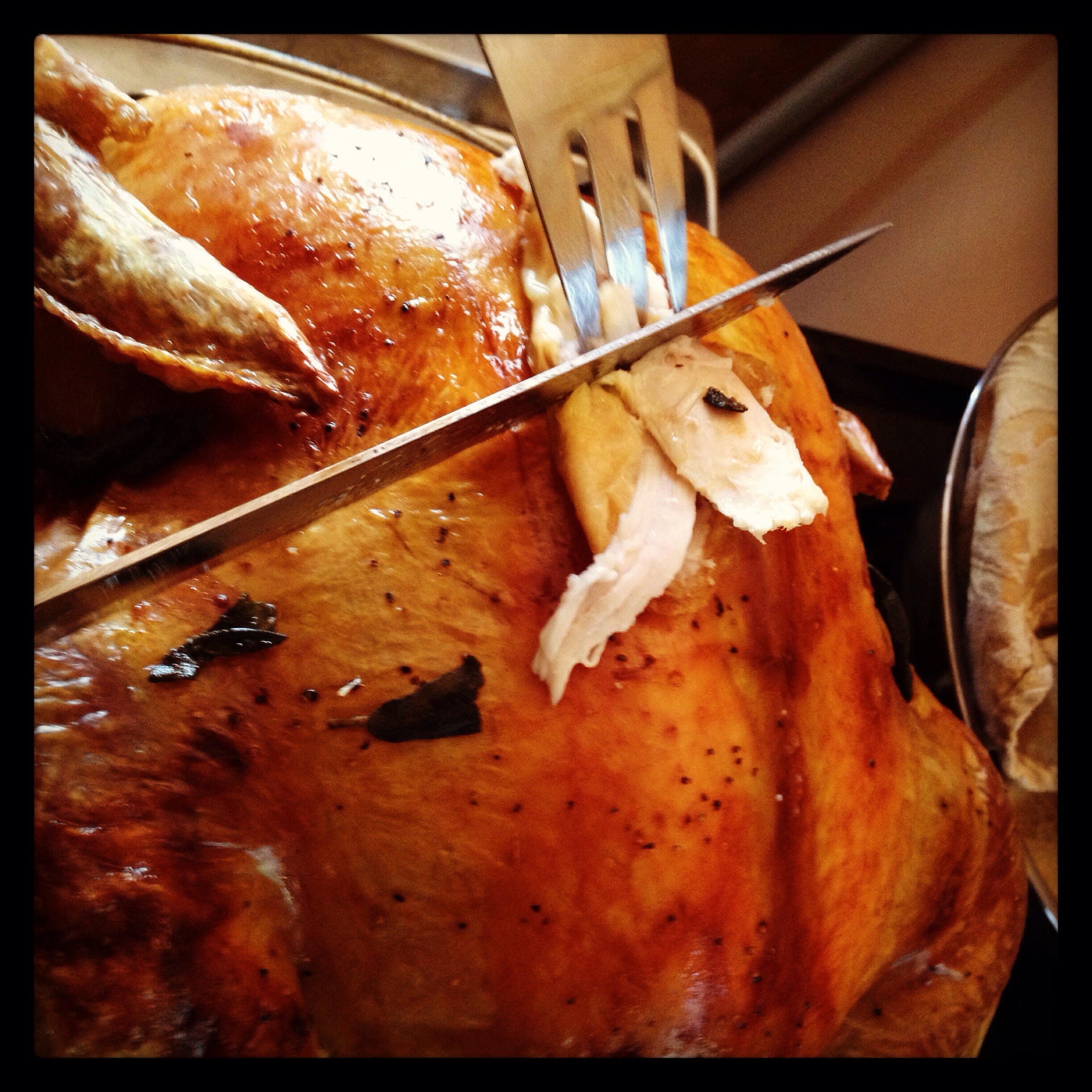
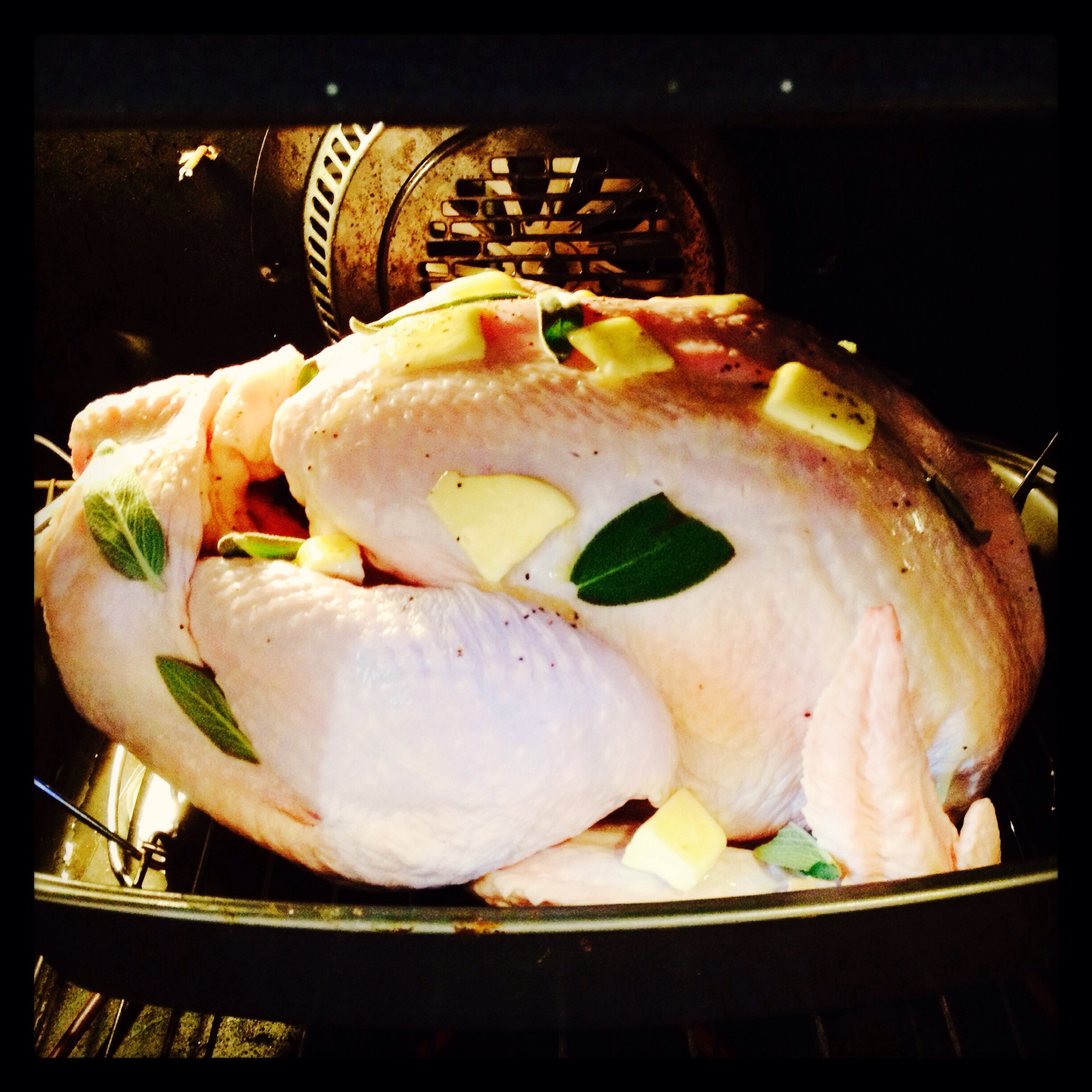
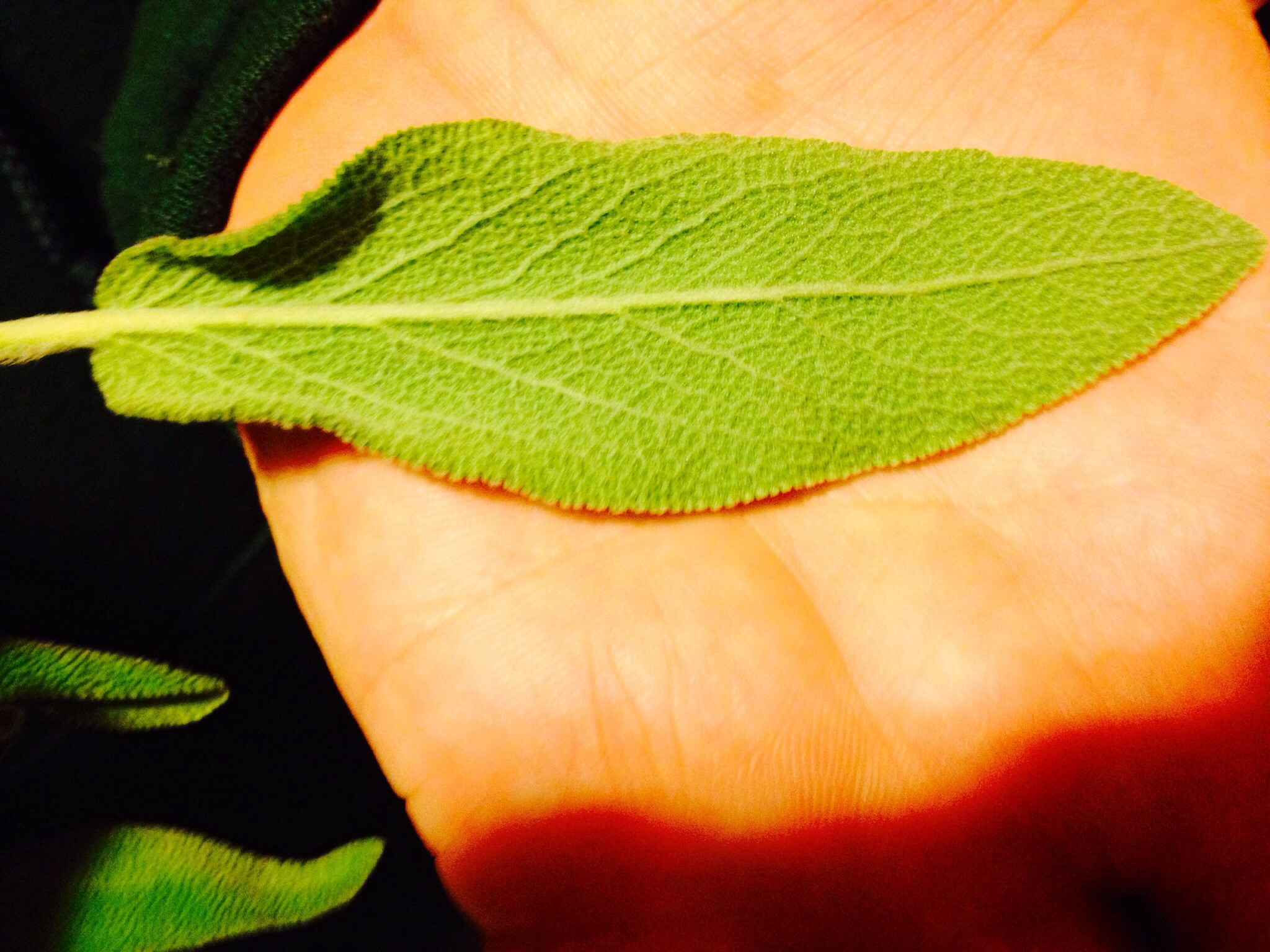
Thanksgiving day was lovely and exhausting. Fabulous food and family all day long! We put the turkey in the oven by 10am after rubbing it with butter, salt and fresh sage.
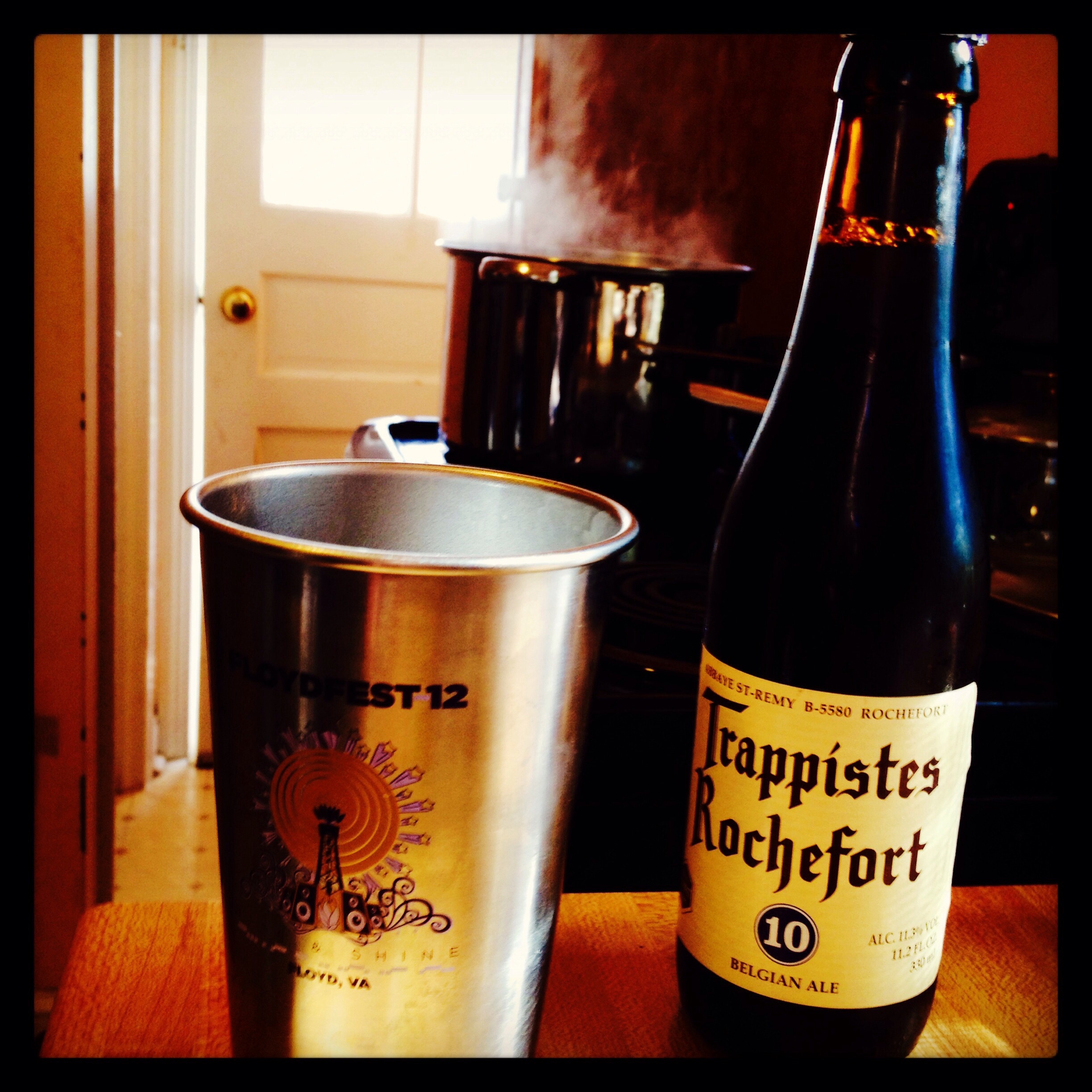
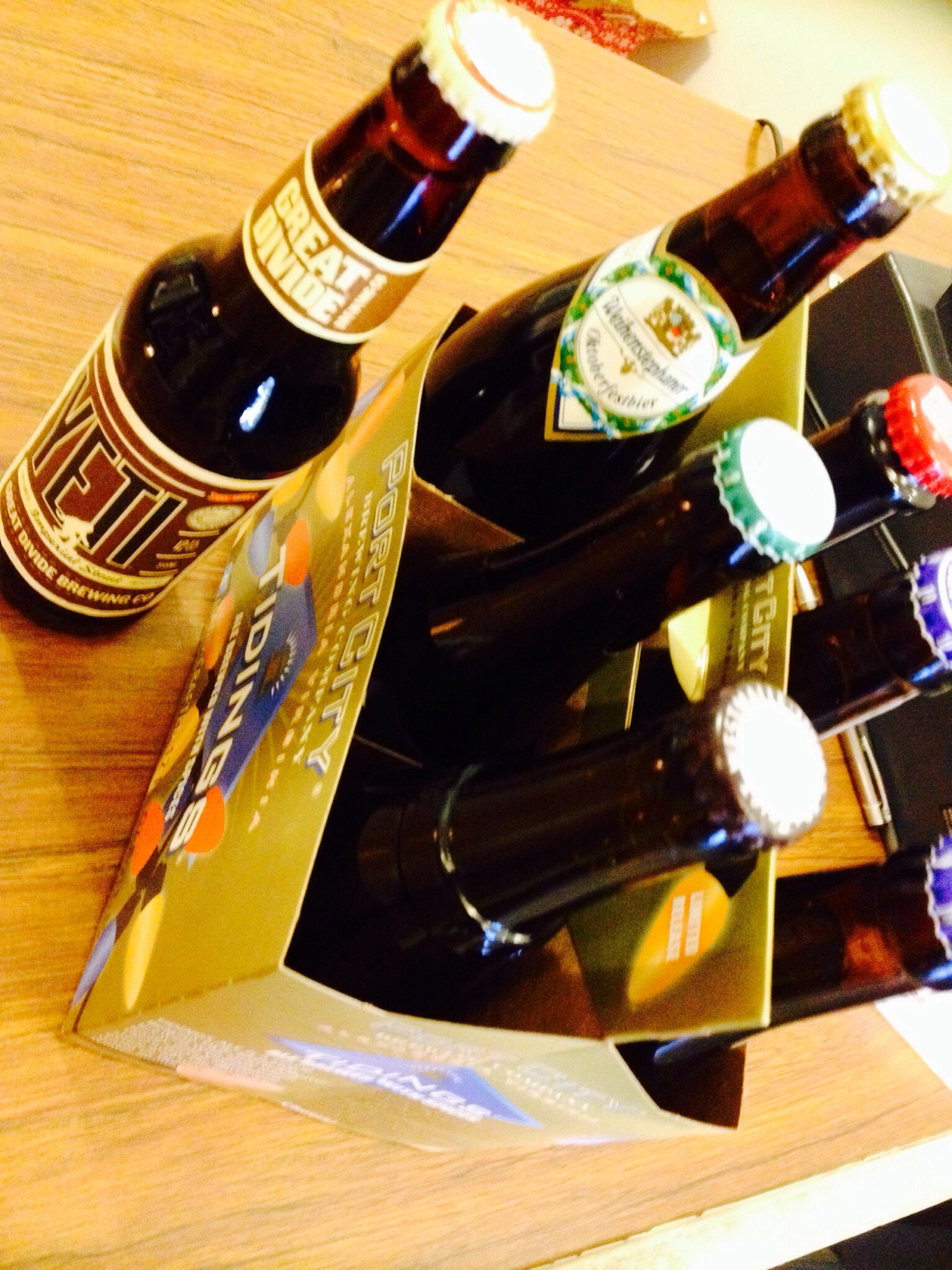
We stayed hydrated with this lovely ale, and plenty of water, of course!
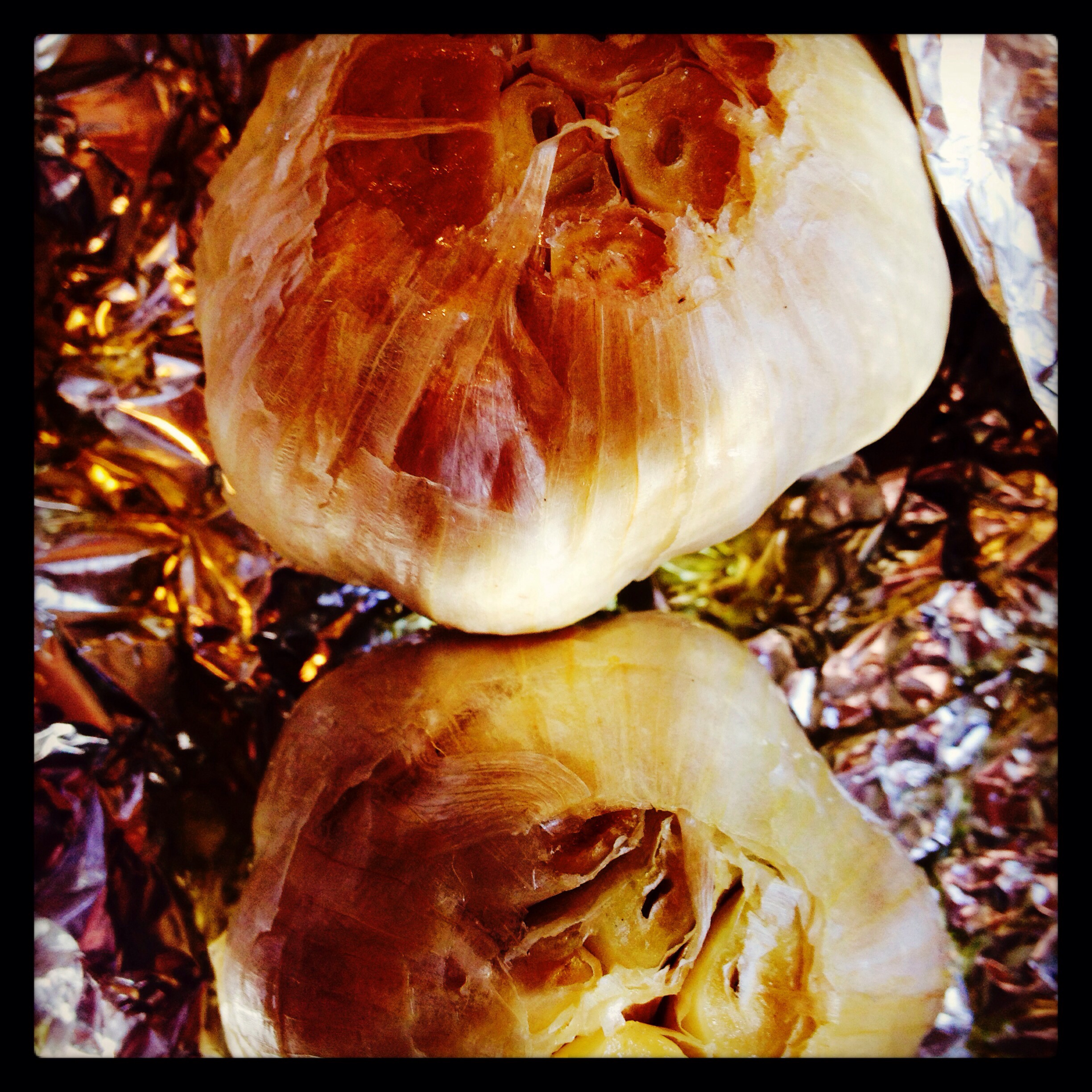
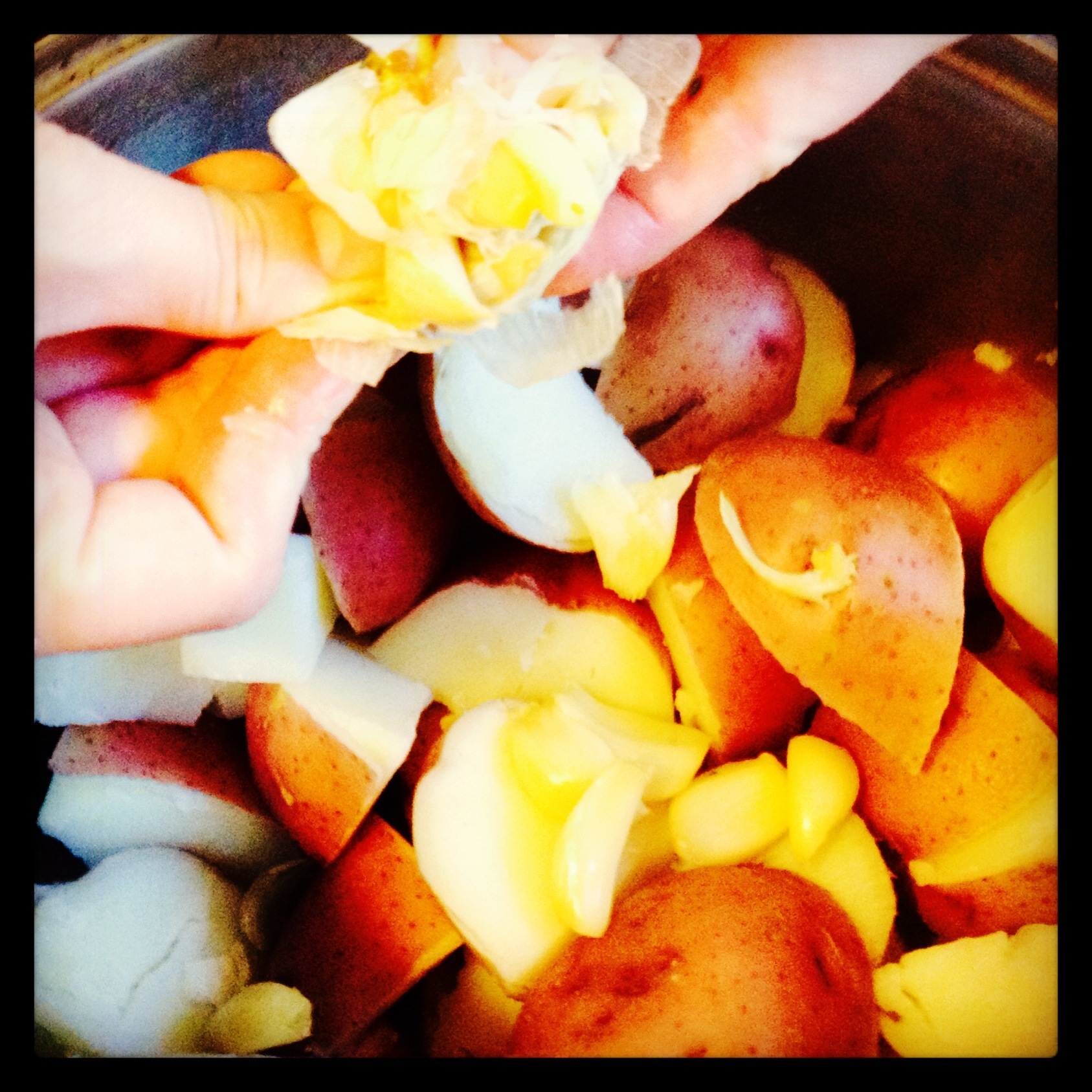
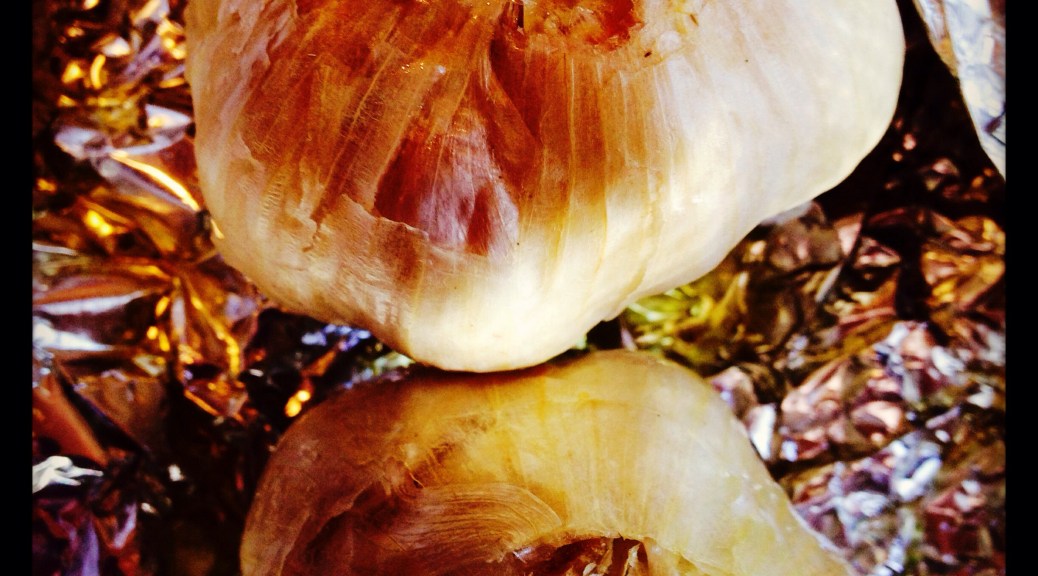
We roasted garlic for the mashed red potatoes.
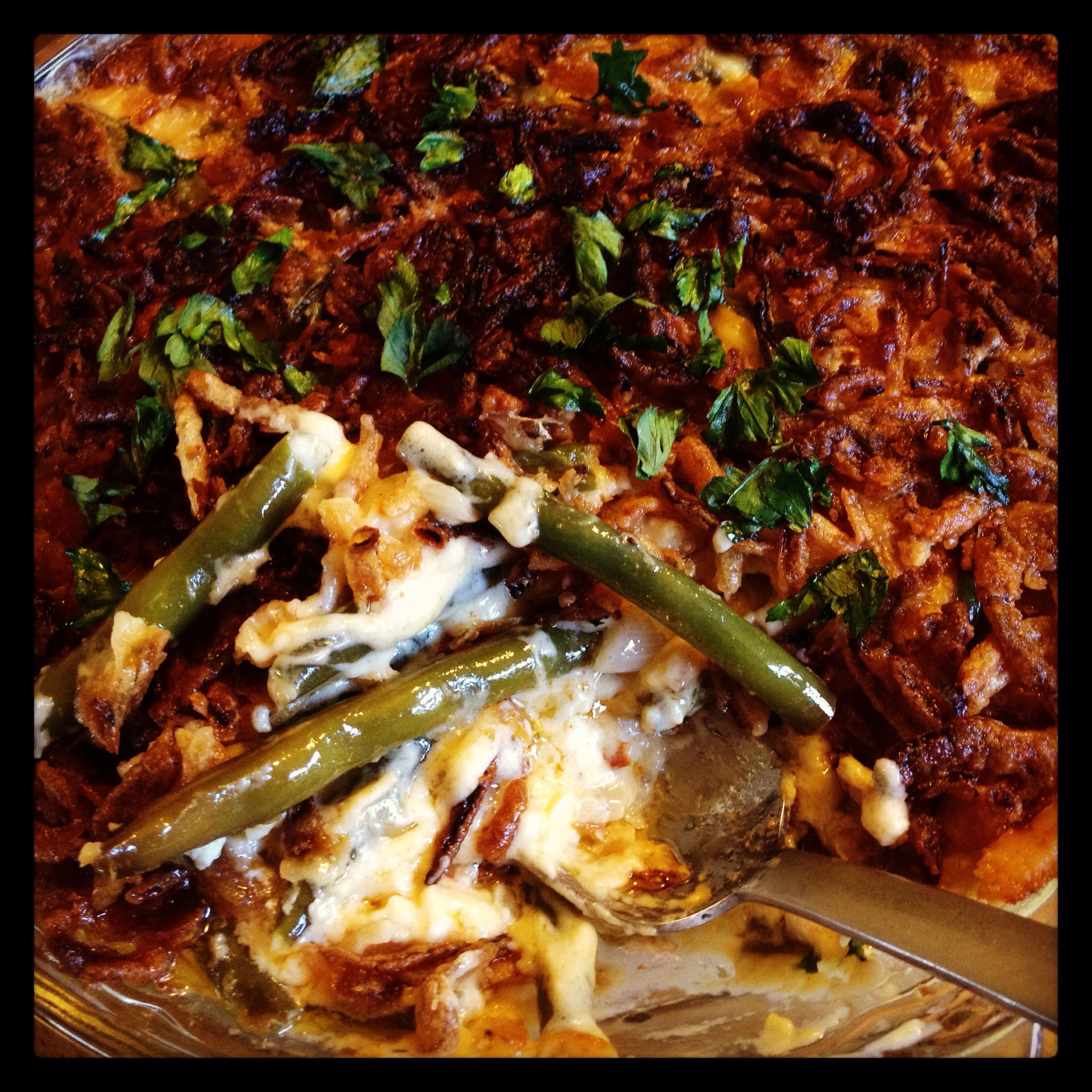
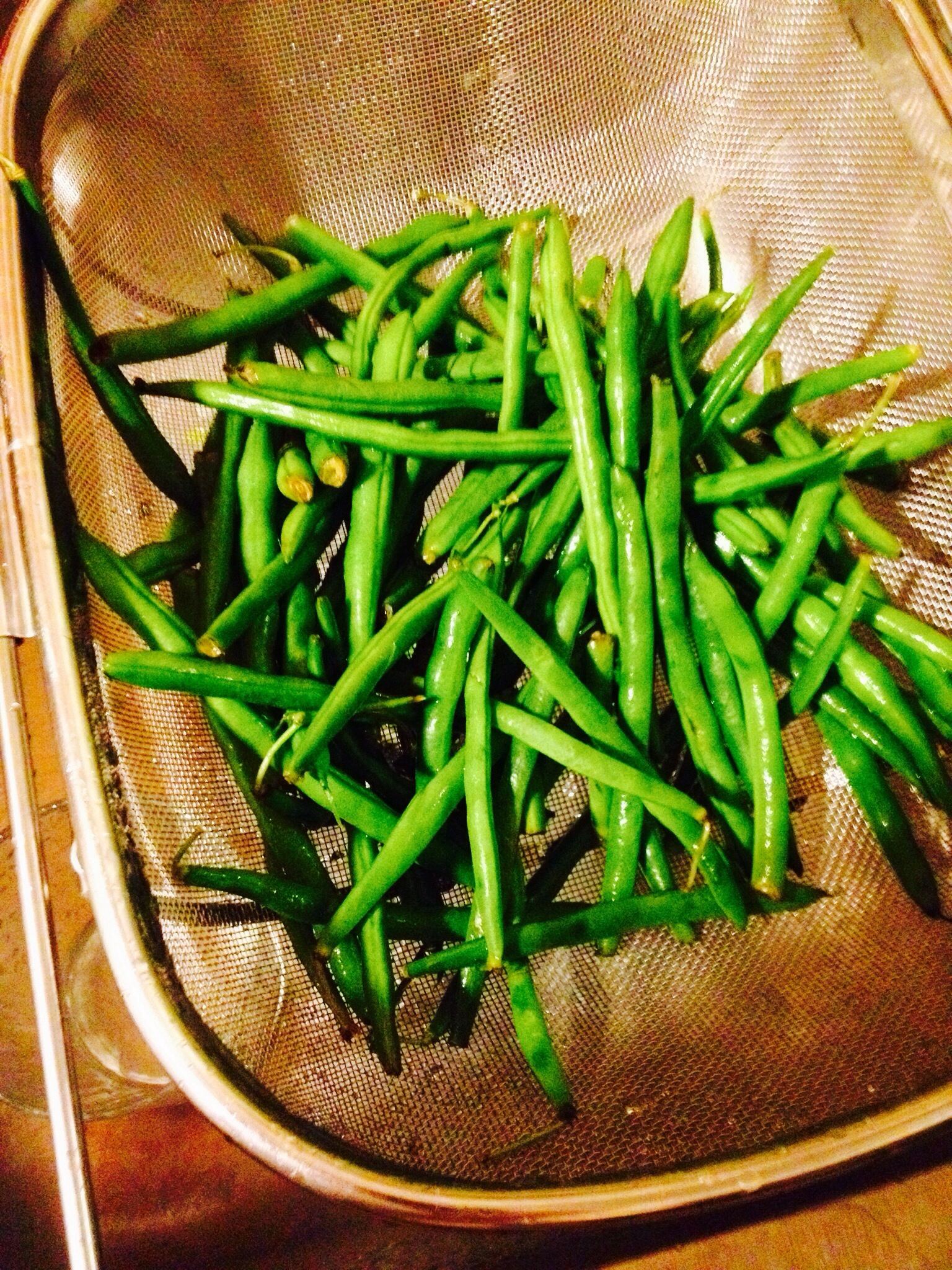
The green bean casserole was cheesy, garlicky goodness!
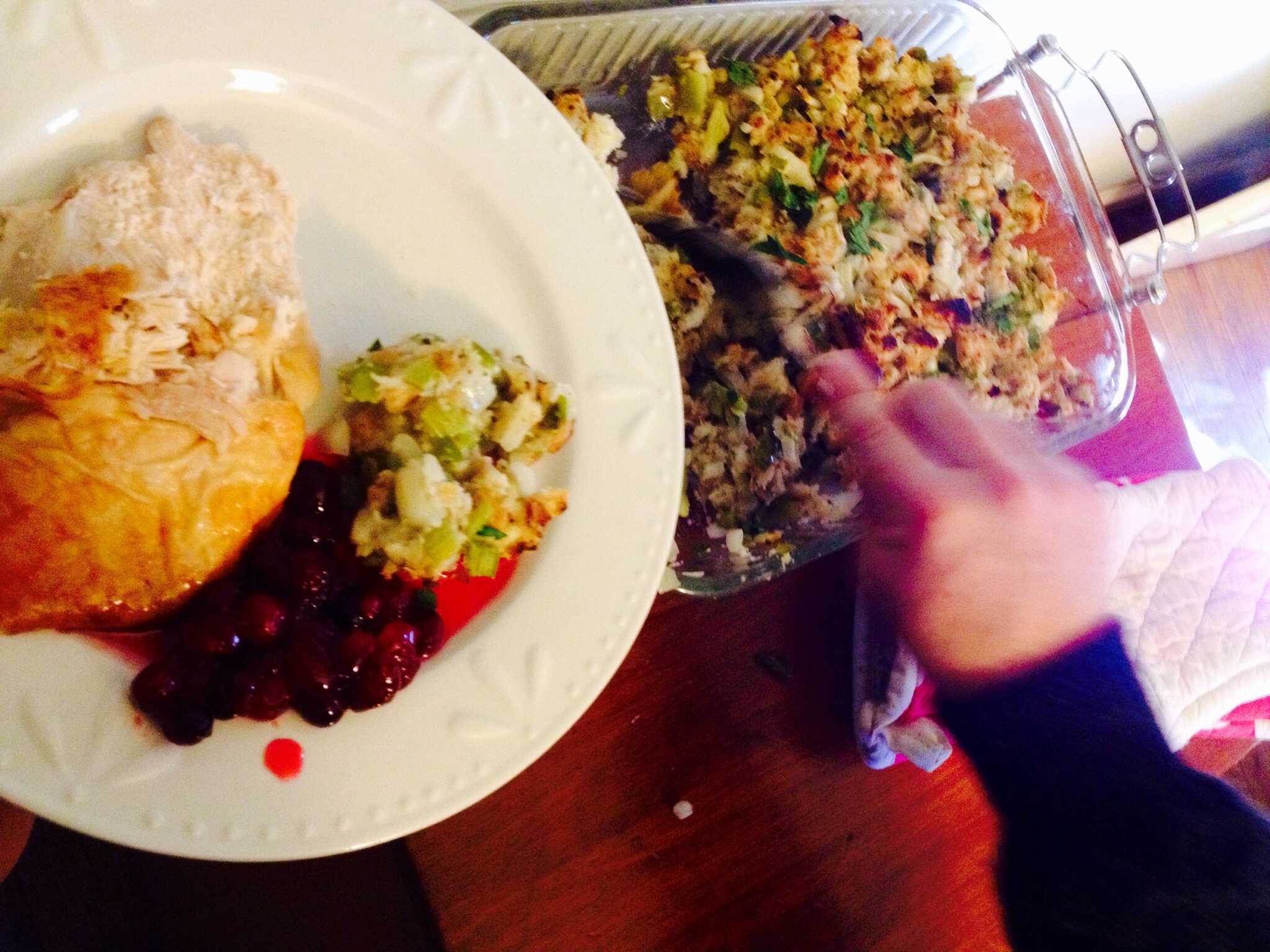
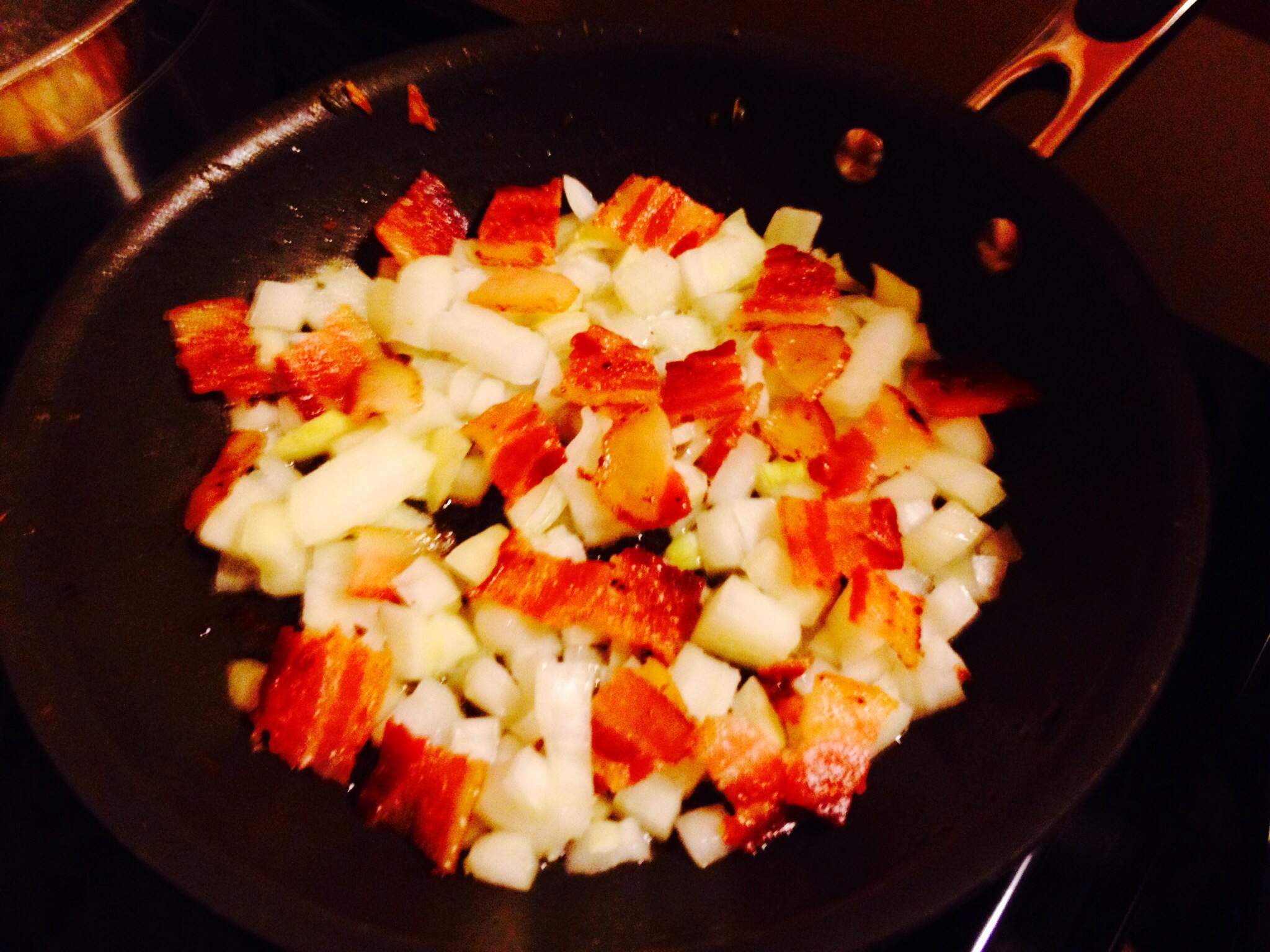
The stuffing was fresh and loaded with flavor and was a big hit.
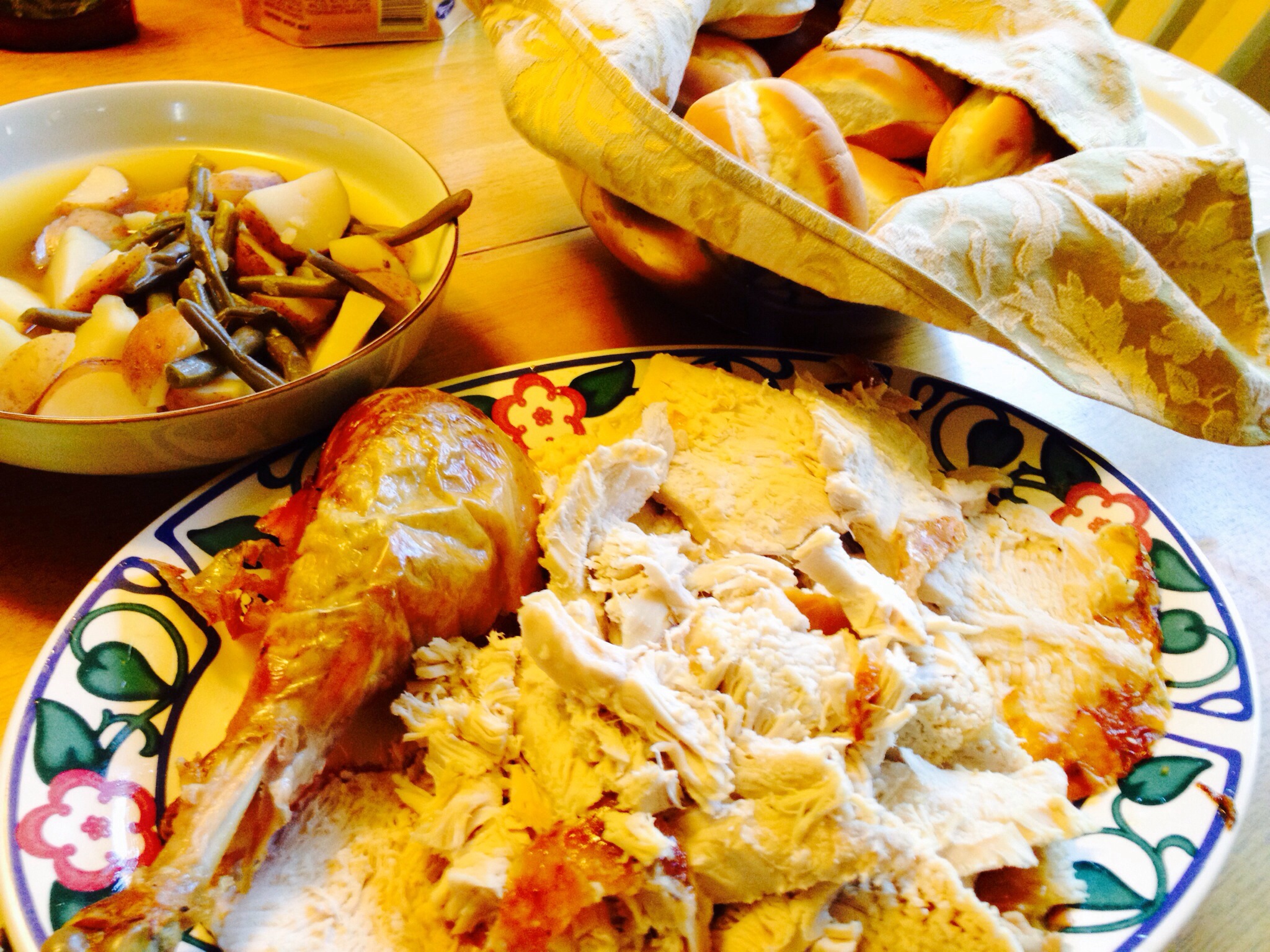
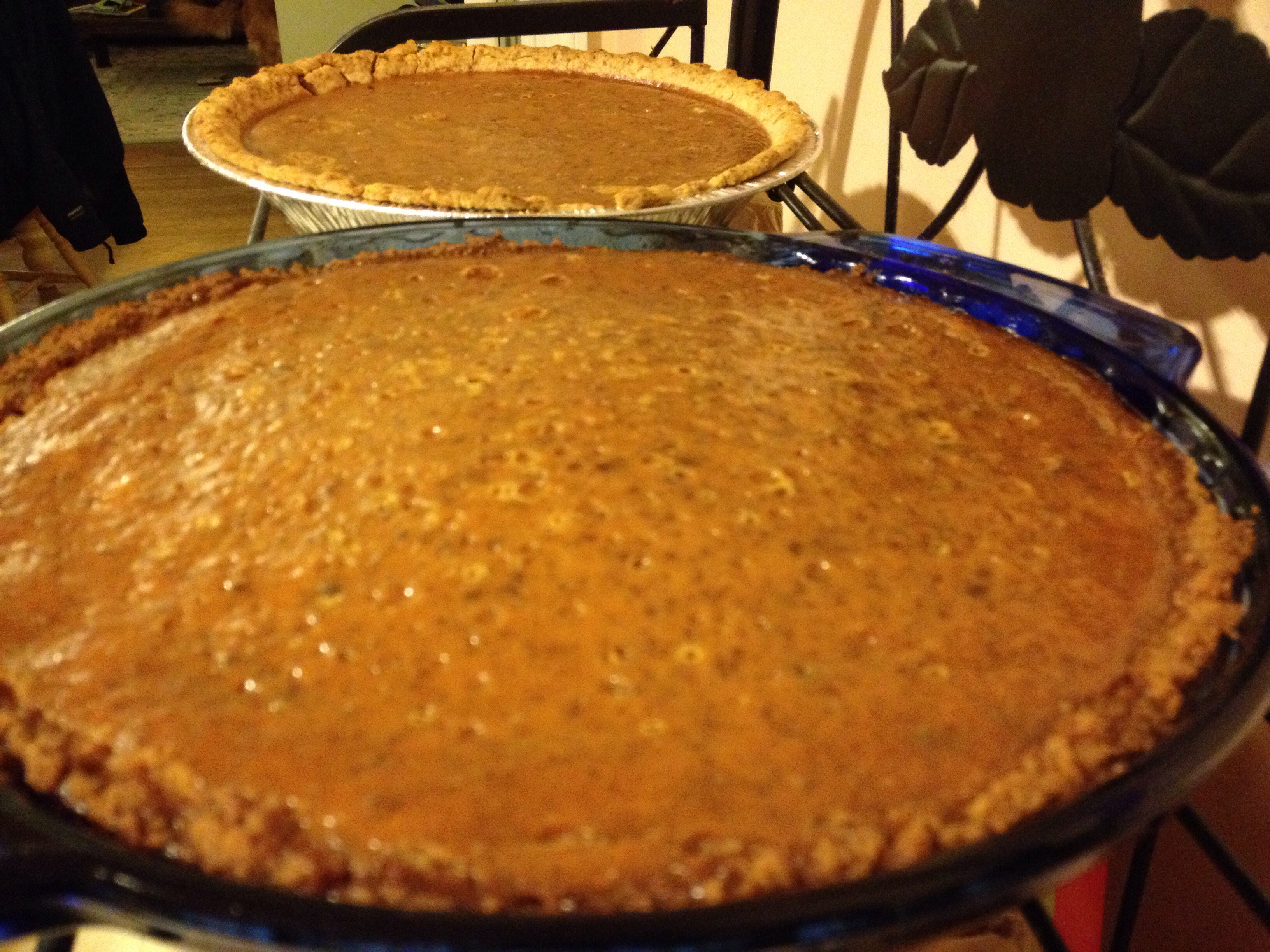
Chris and I cooked most of the day yesterday and are super excited to finish making our delicious feast today! Chris made 3 pumpkin pies. They are beautiful and tasty.
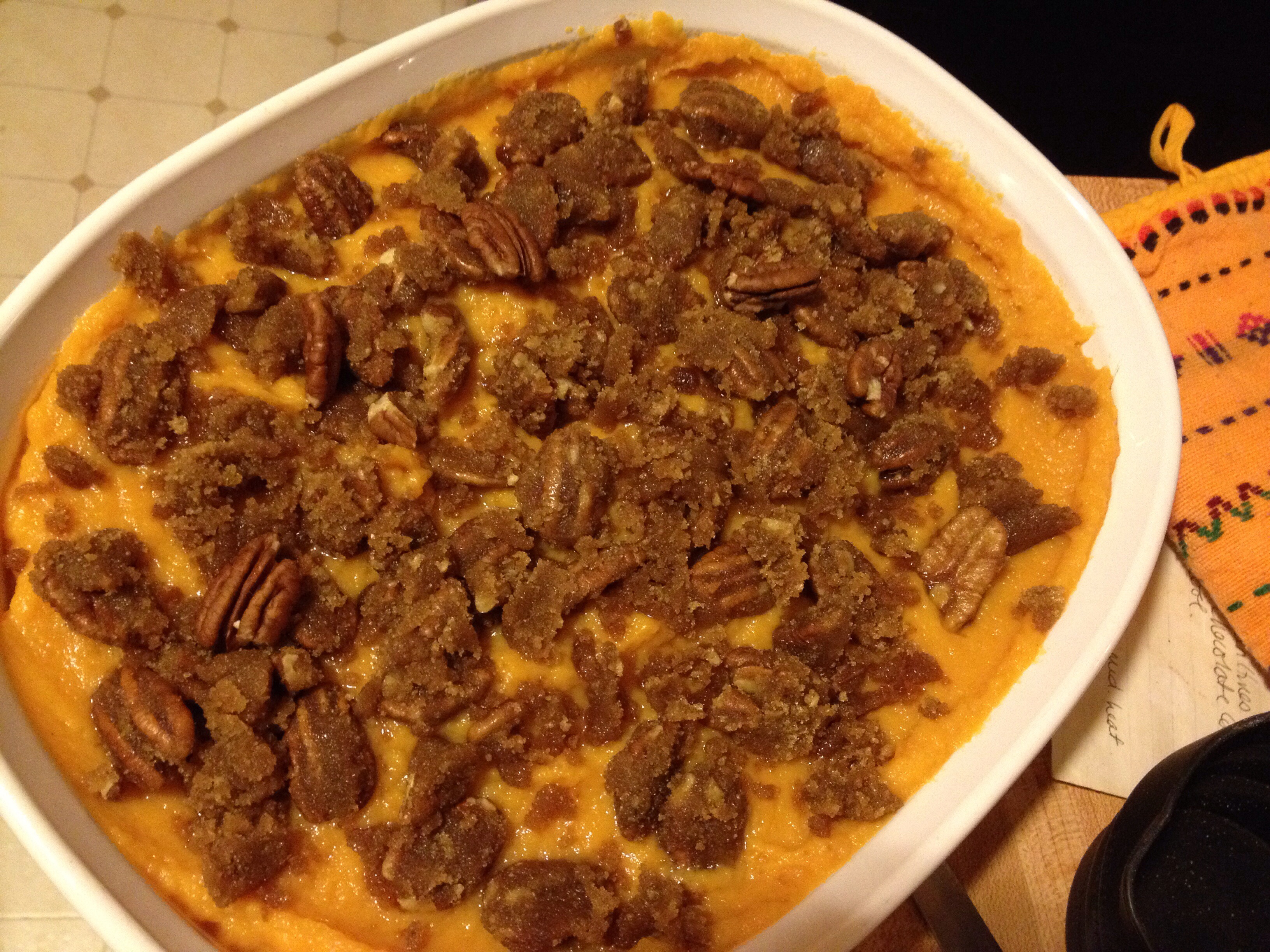
The sweet potato casserole is desserty. And we have a nice selection of fine beers!
We made stuffing and green bean casserole!

We’re off to get the turkey in the oven.

 St Andrews Forest Farm