All posts by Saint Andrews Forest Farm

A food forest in Central Virginia dedicated to sustainable practices and organic agriculture. Committed to the wellbeing and interconnection of all creatures and our planet. 🌎

Central Virginia mushroom foraging at St Andrews Forest farm

We will add to this list as we find more mushrooms. Always assume they aren’t edible. We have more data to collect to determine many identities. If we ever do! We are beginner mushroom foragers, we’re not planning on eating anything we’re not 100% sure about.

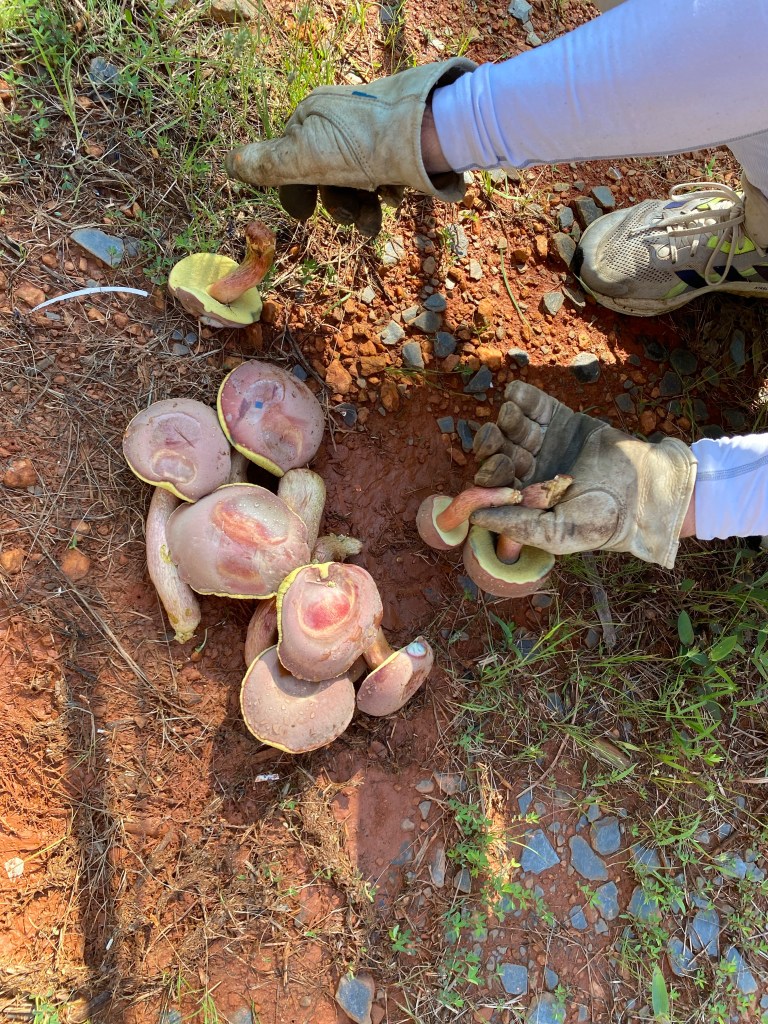
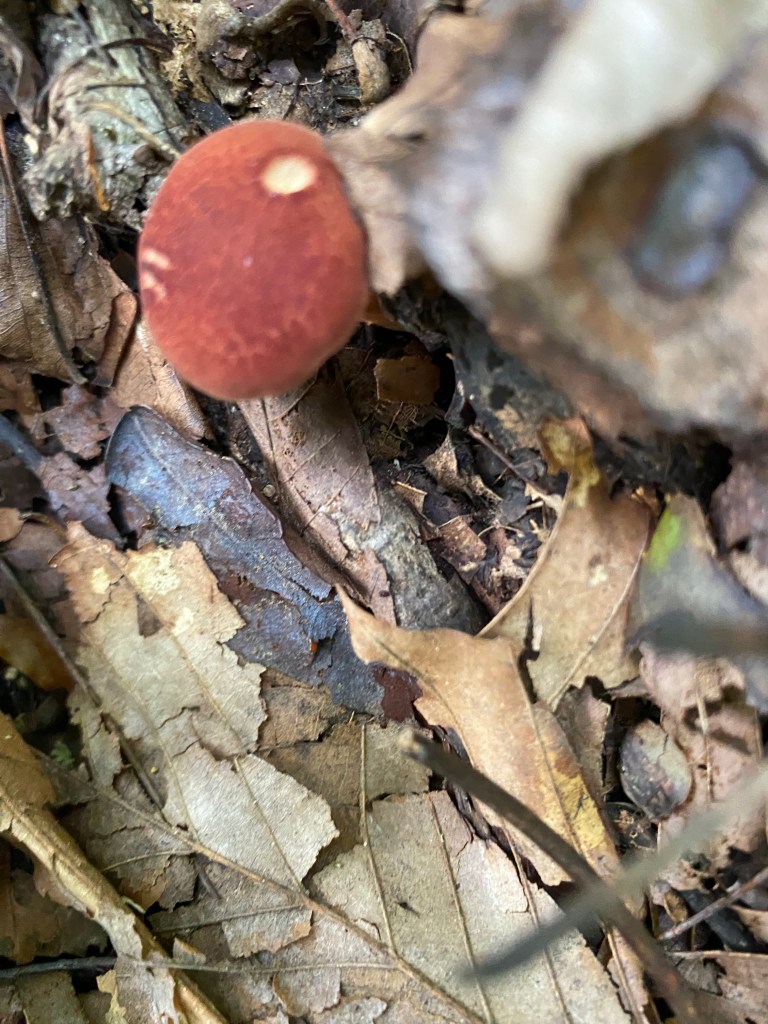
Red capped, blue staining boletes found near the road under the realtor’s sign growing directly from the red clay. These slowly turned blue when bruised, sliced and cut. We composted them as their identity was indeterminable to us at this time. They were suspiciously untouched by insects and animals which leans us toward either bitter taste or poisonous.
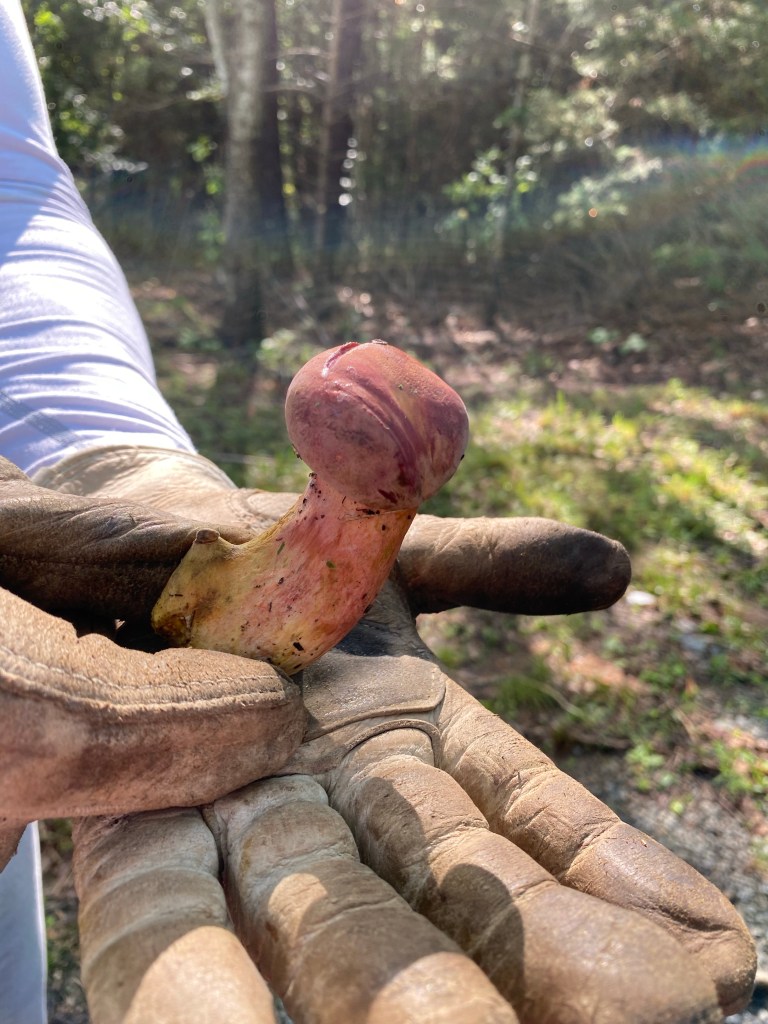
Another red capped, blue staining bolete. It turned blue quickly. Found along driveway. It was also in great condition for a bolete lending us to be dubious of its edibility.

Entoloma murrayi inedible. We found multiple large patches of these in spring and early summer. Our hat has a little flop in it for every single mushroom fruit. The pics for entoloma murrayi did not show this flop. Could be a different species?
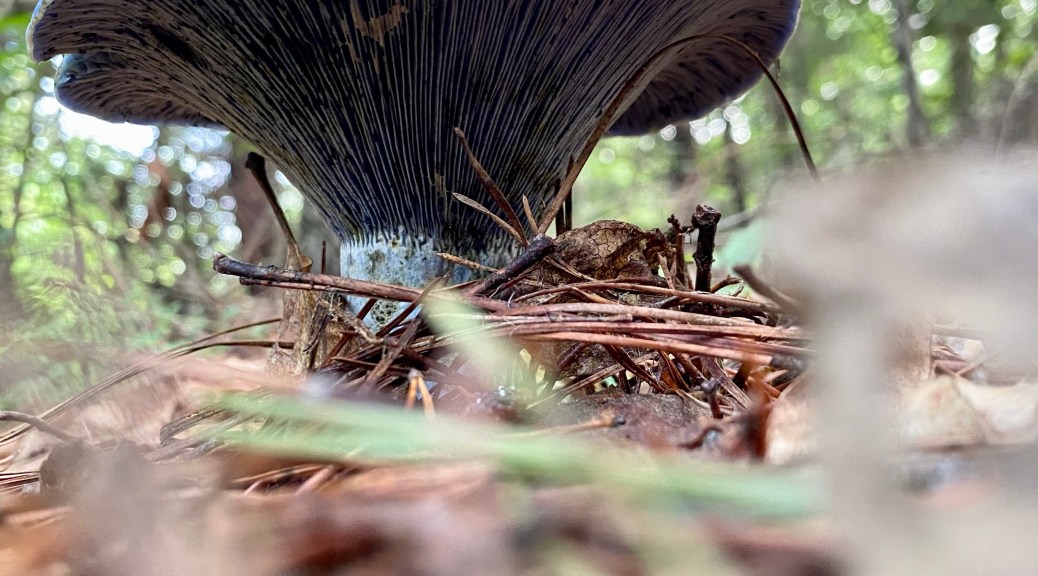
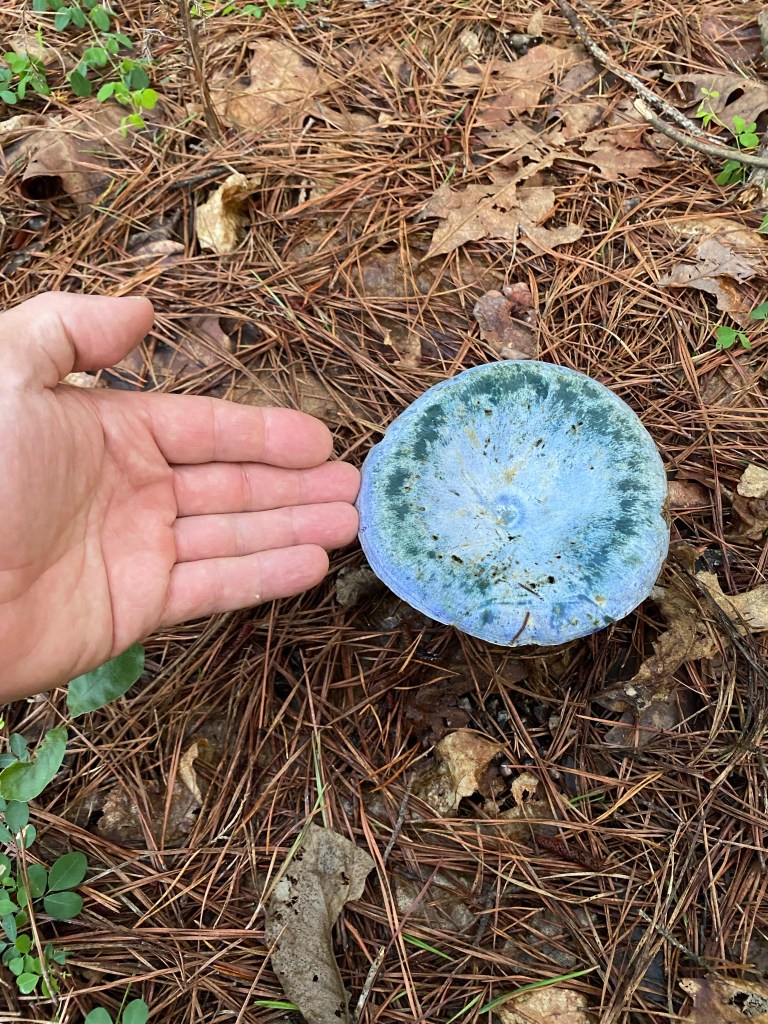
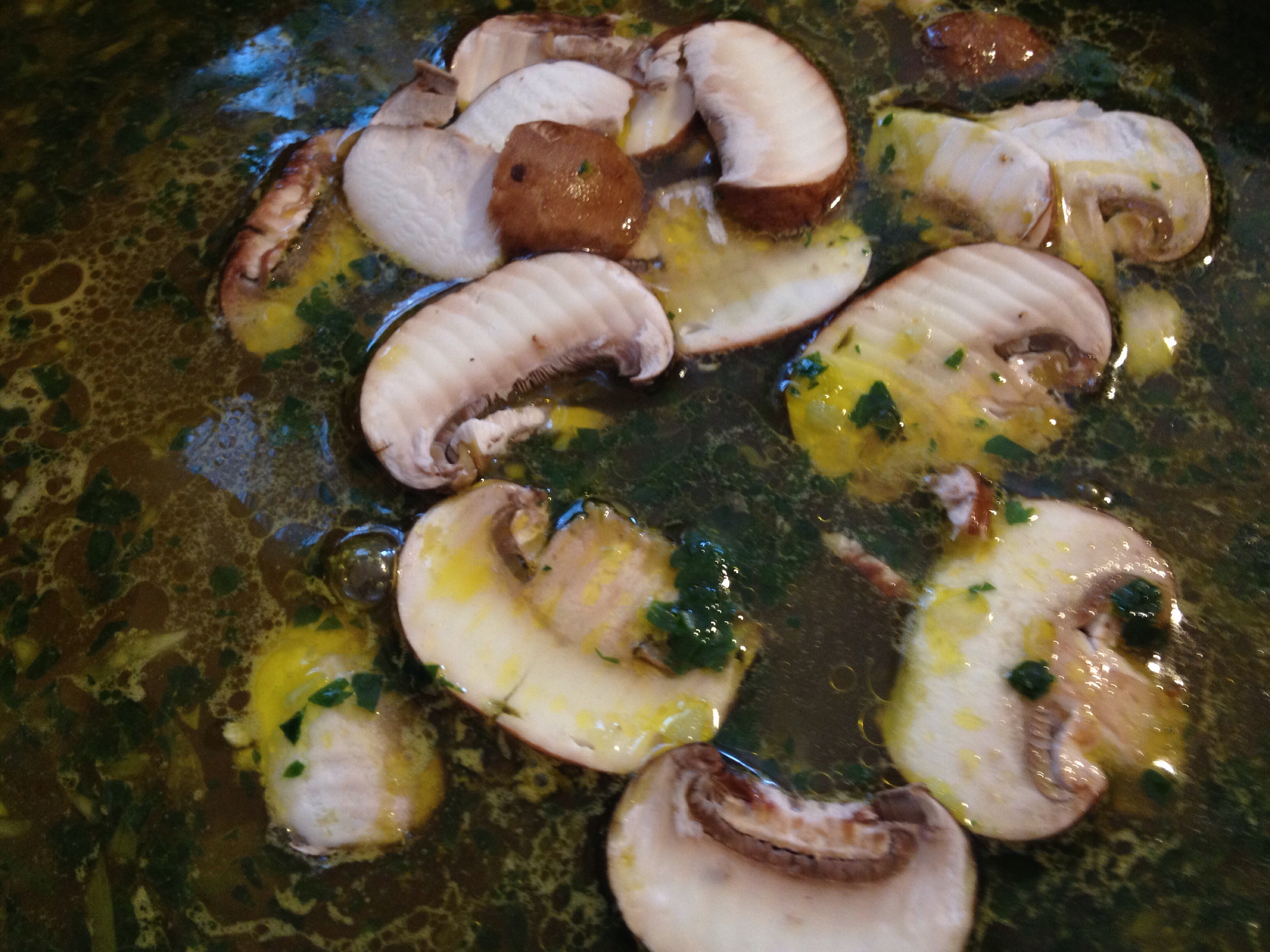
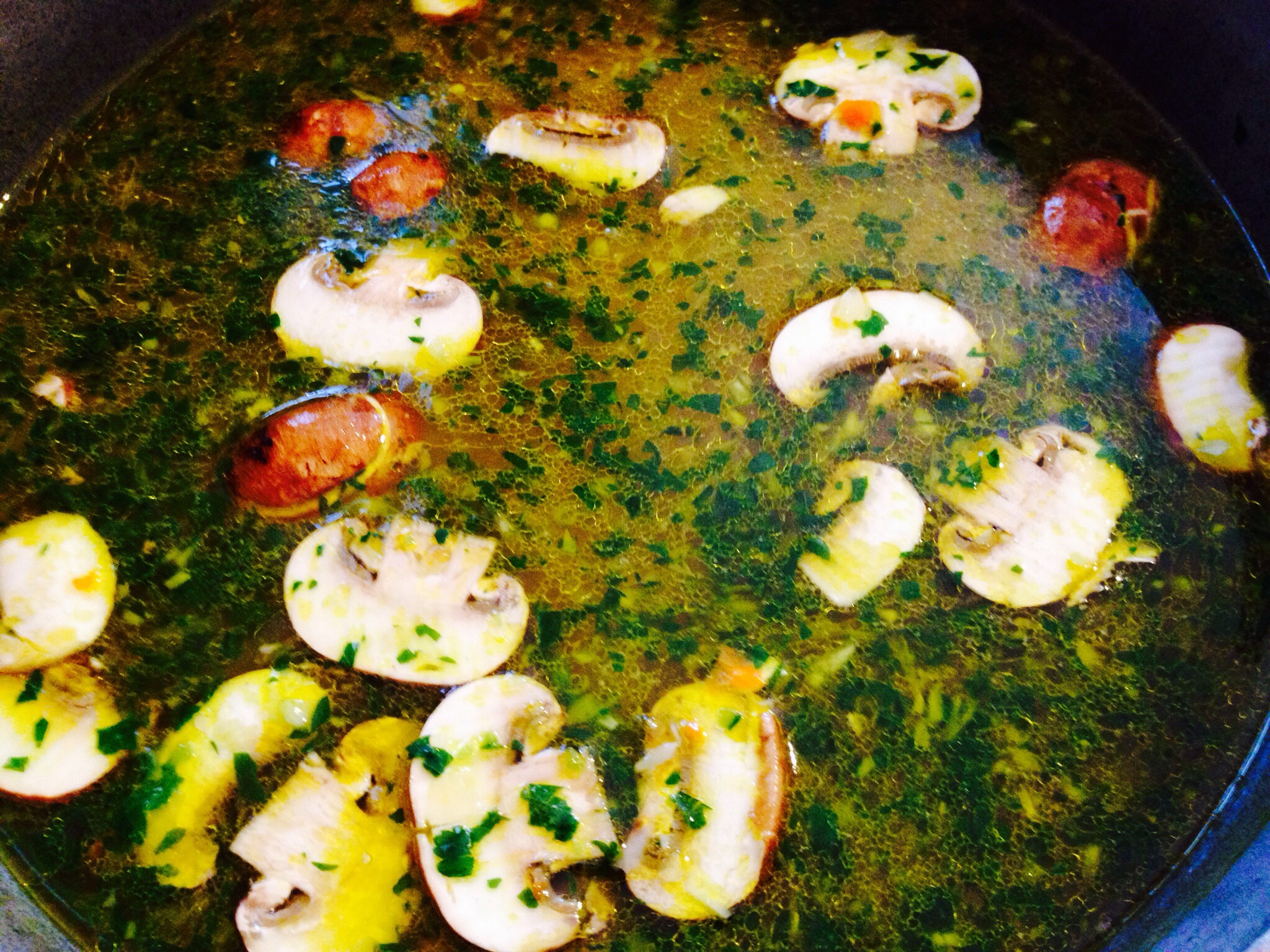
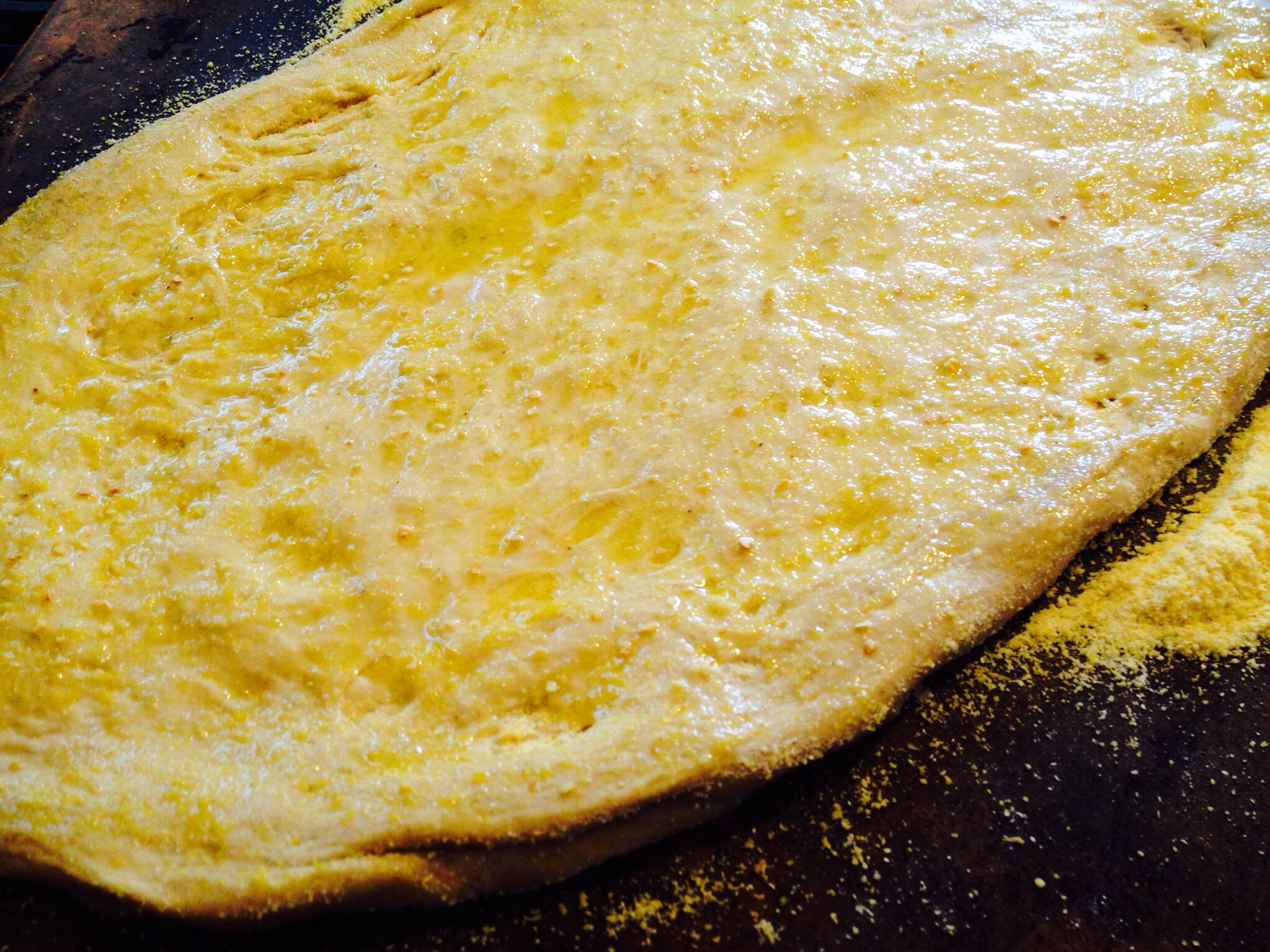
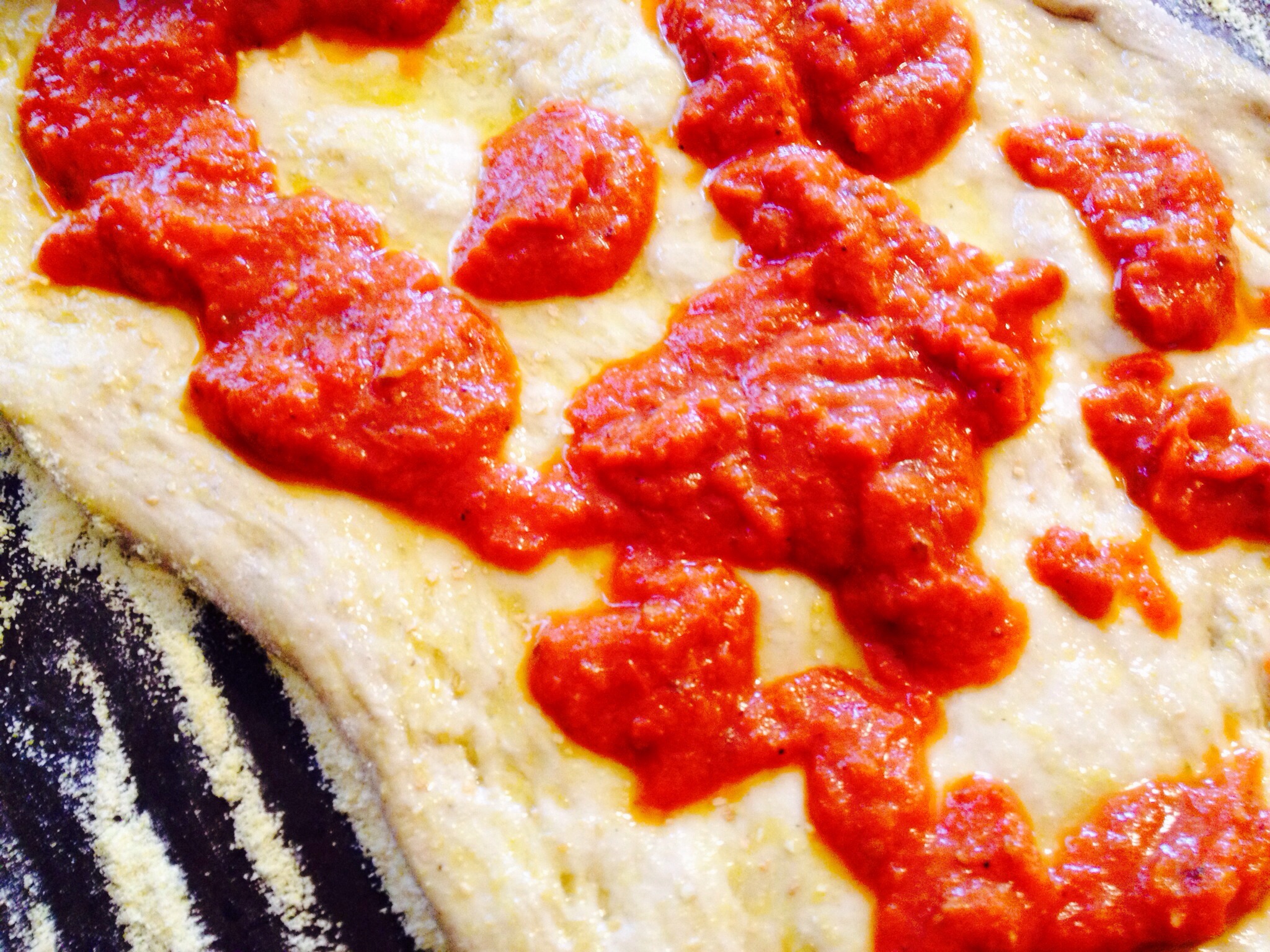
Lactarius indigo – the indigo or blue milk cap mushroom, an edible member of the Russula family. Goes great with the big flavors of a whole wheat veggie pizza. Because there is nothing else that looks like it, it’s considered a great beginner’s mushroom.
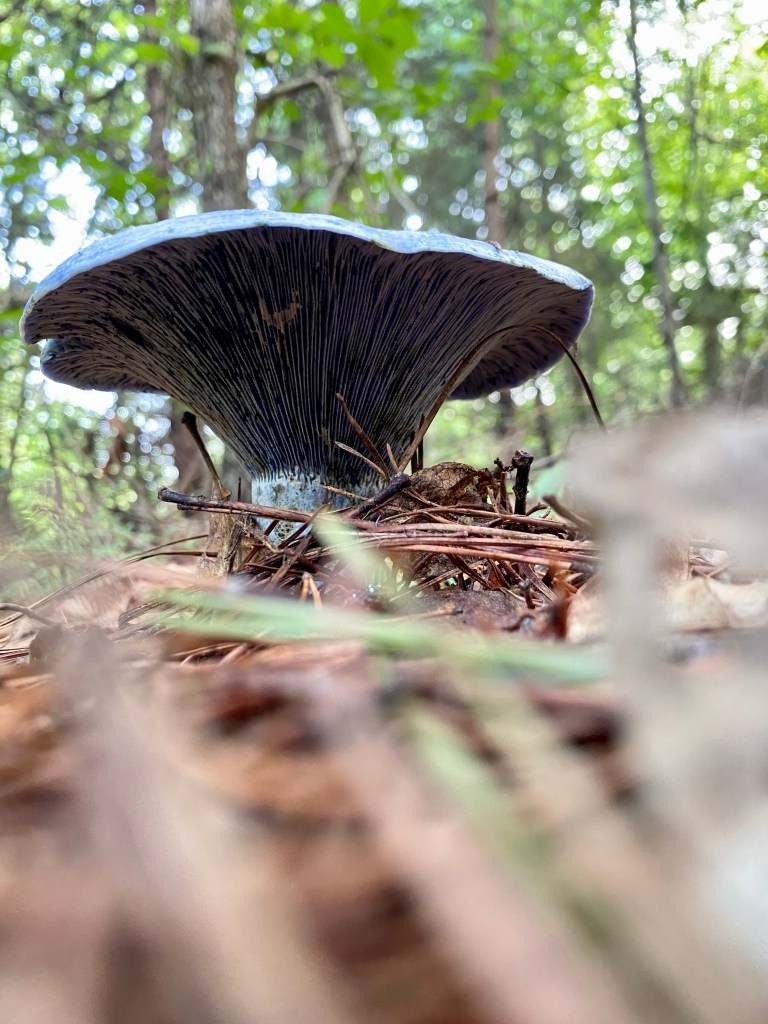
Indigo milk cap from the ground level. All foraged mushrooms need to be thoroughly cooked.
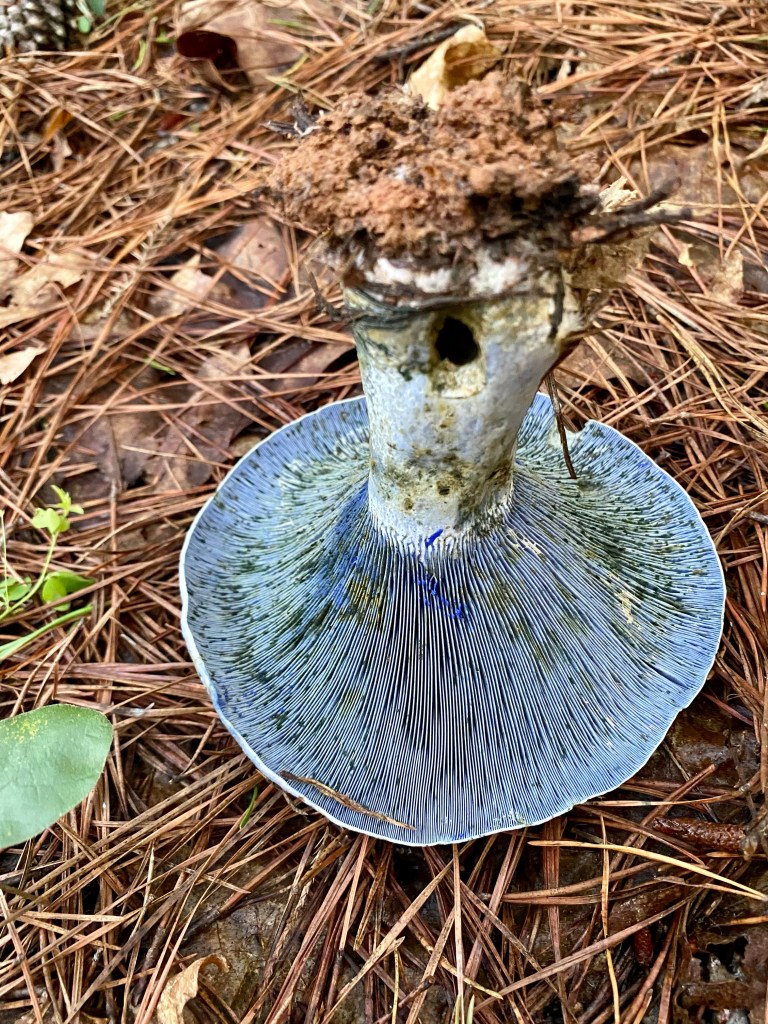
These grow on the ground in mycorrhizal relationships with trees. When sliced, the gills ooze blue latex.
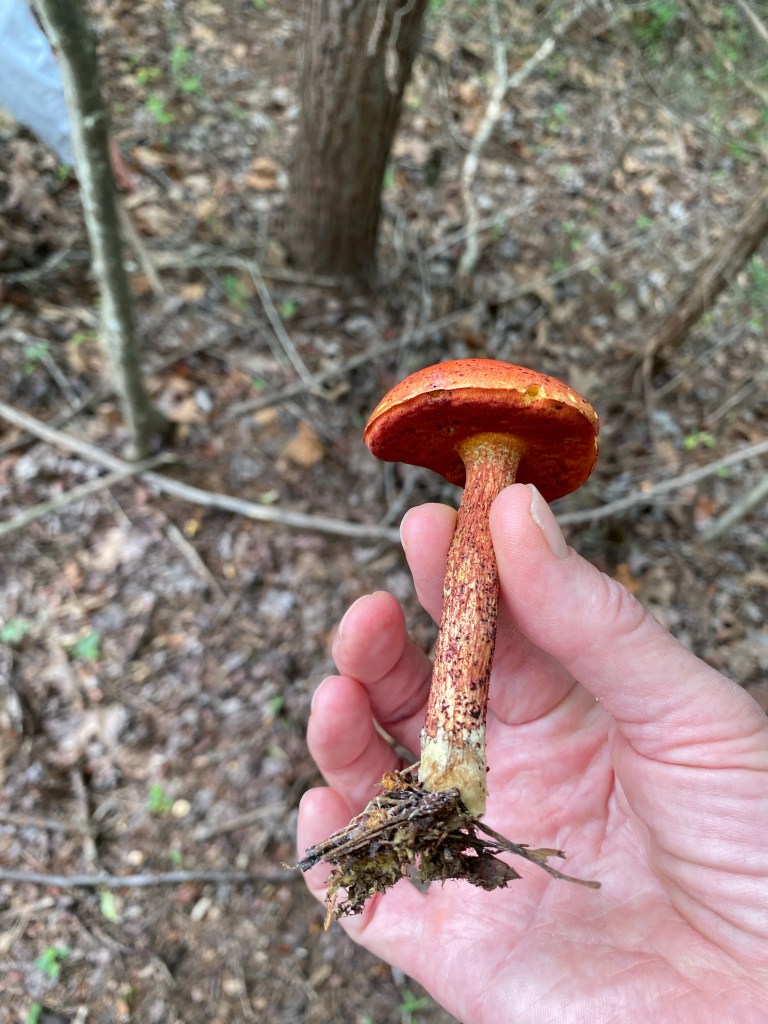
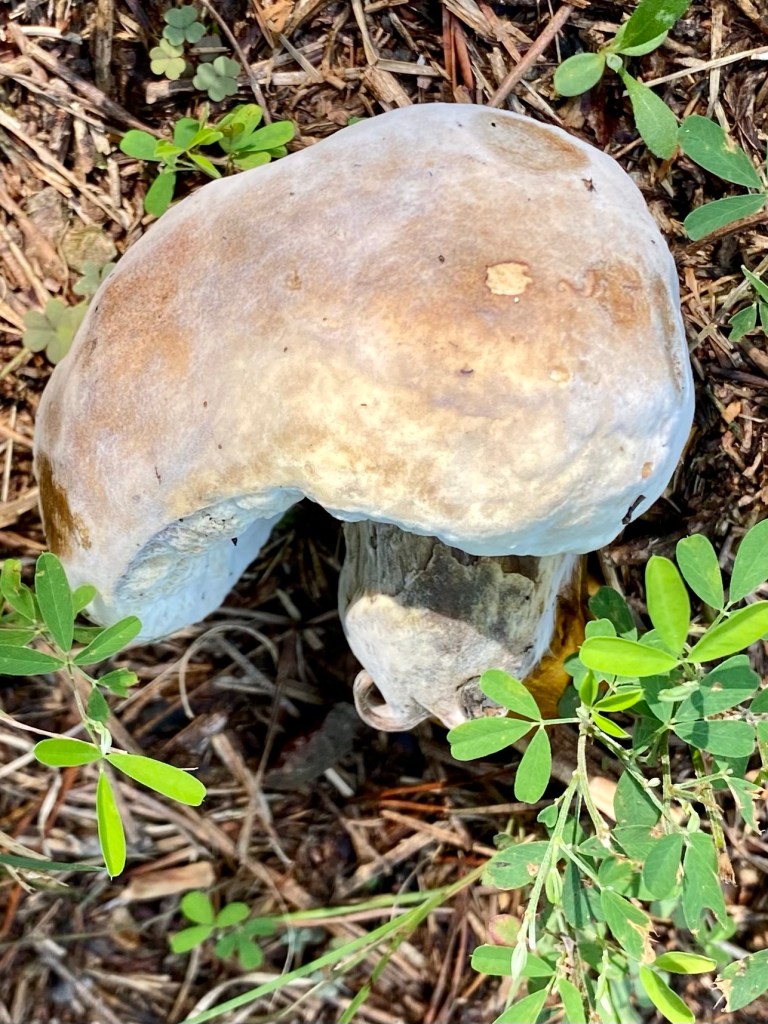
Another red capped bolete. Red pores and did not stain when bruised.
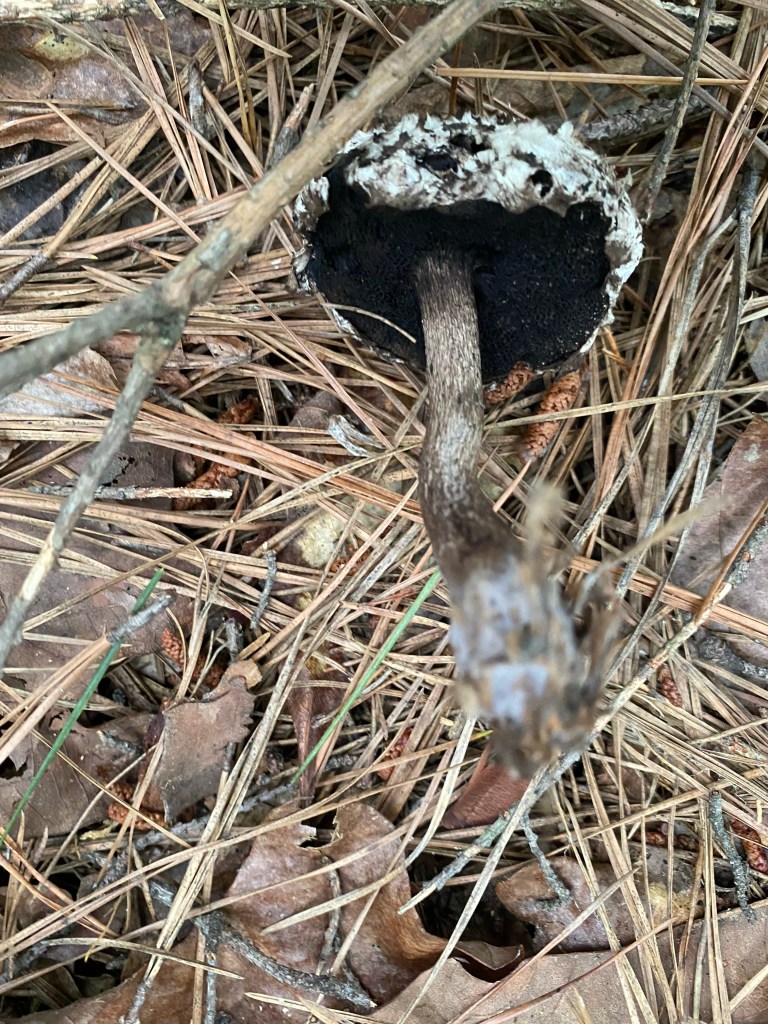
Old Man of the Woods, strobilomyces strobilaceous, found on multiple sites of Saint Andrews Food Forest, singularly and in groups. It is also a bolete and is edible. We’ve not tried it yet. It is mycorrhizal in both deciduous and coniferous forests. We have heard it tastes similar to a button mushroom and will turn other foods cooked along with it gray. Since nothing else looks like it, it a good beginning mushroom foraging find.
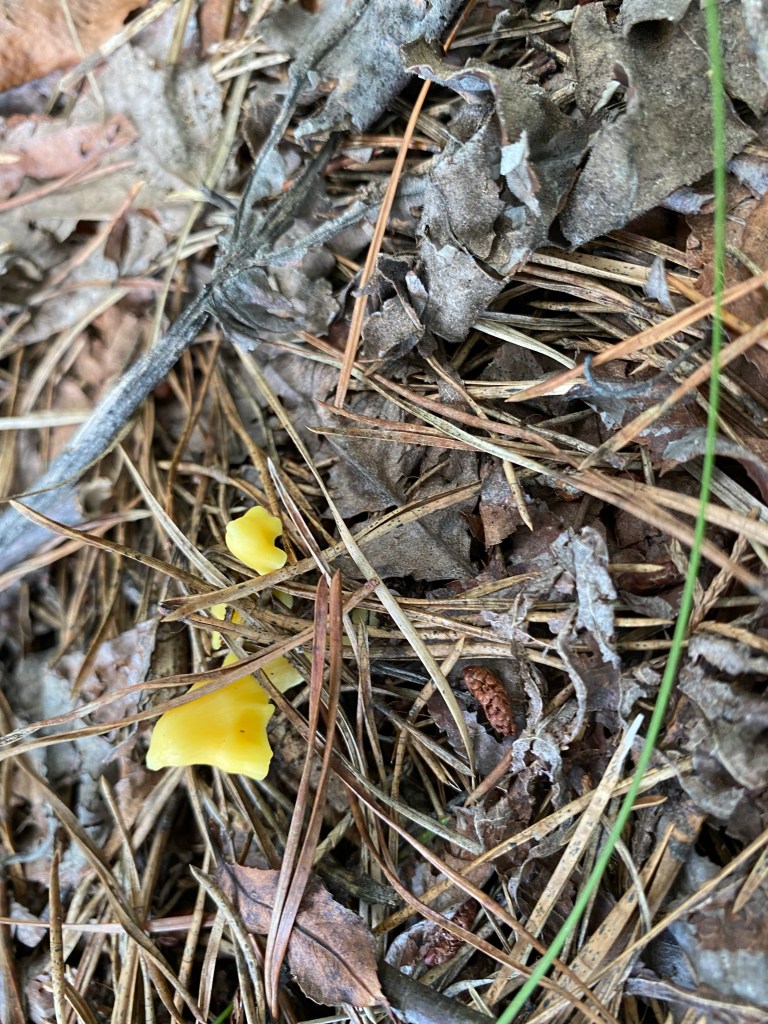
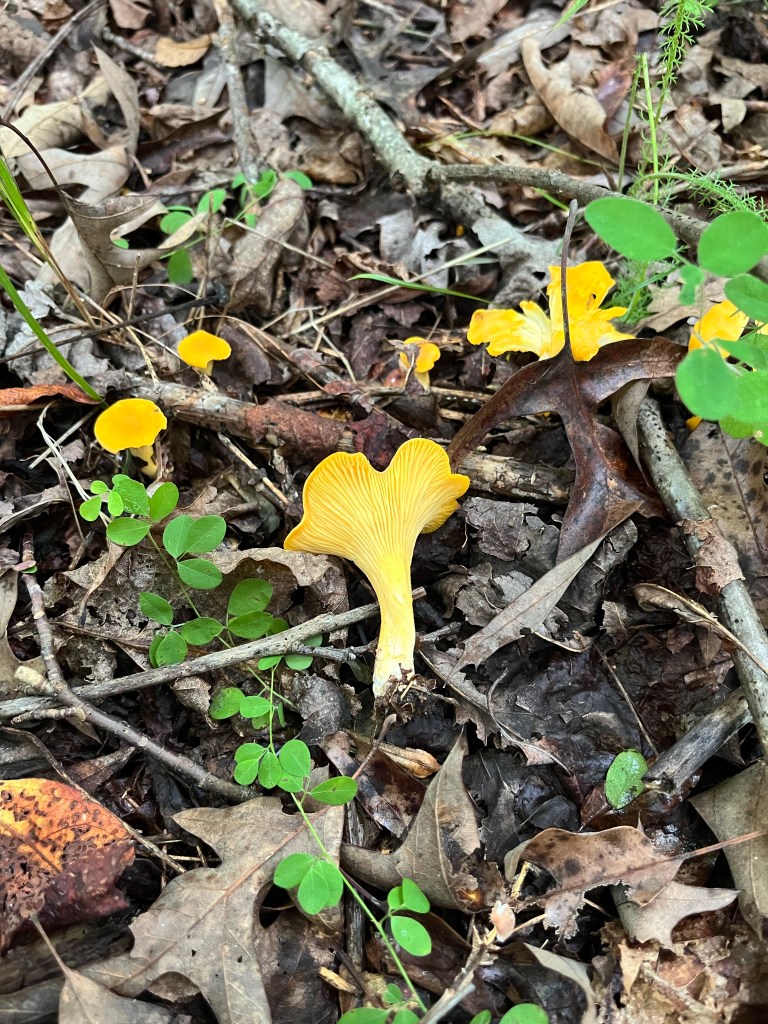
Golden Chanterelles are a choice edible. They were the most delicious mushrooms we’ve ever had. Full of nutrients. We cooked them in a dry skillet on med high for 20 minutes then added olive oil and garlic with salt and pepper and sautéed about 6 more minutes while deglazing the pan with a little wine. They had a silky mouth feel. They are a great beginner mushroom as they have no poisonous lookalikes.
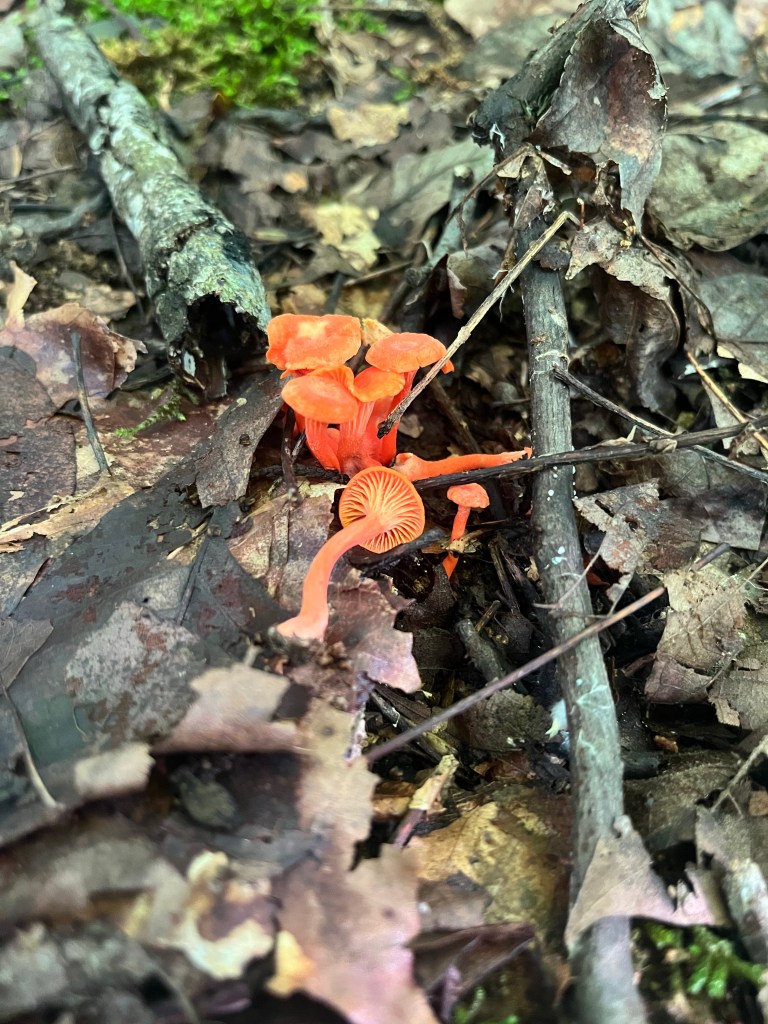
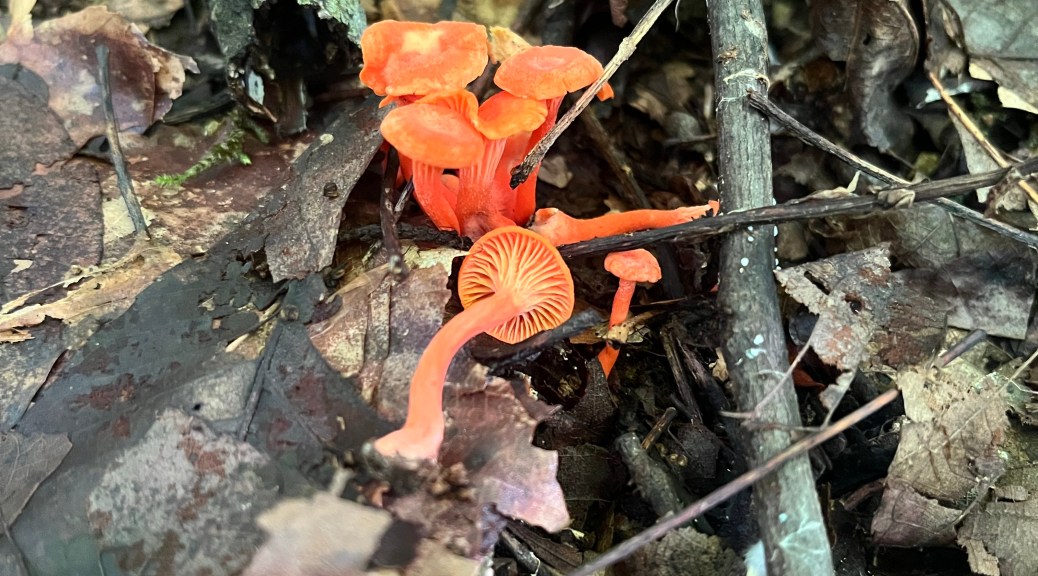
Cinnabar chanterelles found pinning all along the sides of the creek bed growing near mosses. The red color stands out. Another choice edible and a great beginner’s mushroom.
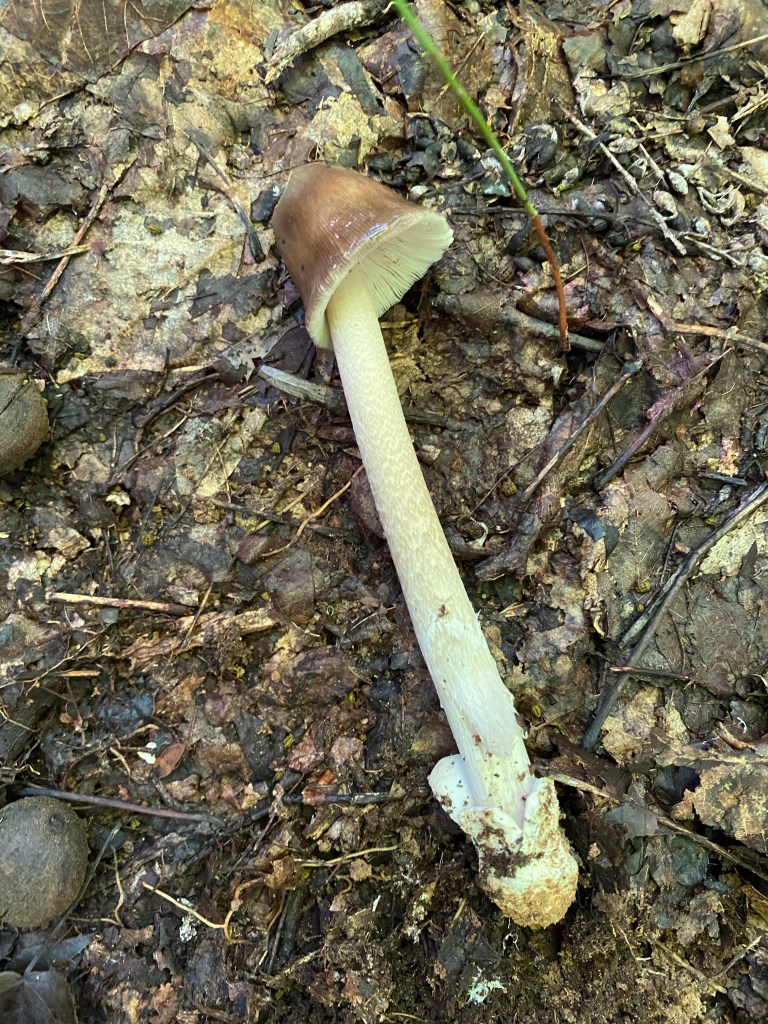
Presumed Amanita Vaginata considered inedible to beginners as there are multiple poisonous lookalikes.

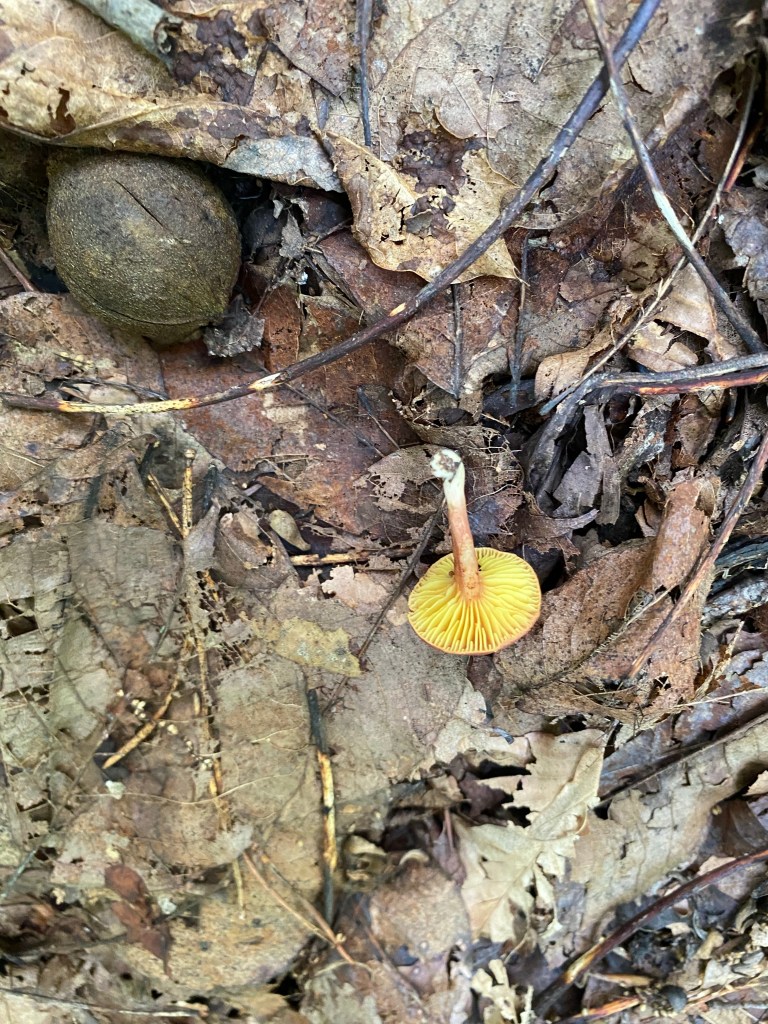
Phylloporus rodoxanthus, the gilled bolete, top above and bottom below. Considered edible but we’ve not tried it. We are only eating what we are confident is safe and accurately identified. Bolete identification is complicated although there are no deadly boletes, some can make your gastrointestinal system feel terrible. We will take our time to get to know these mushrooms.

Bright yellow gills. Found alongside the creek bed.
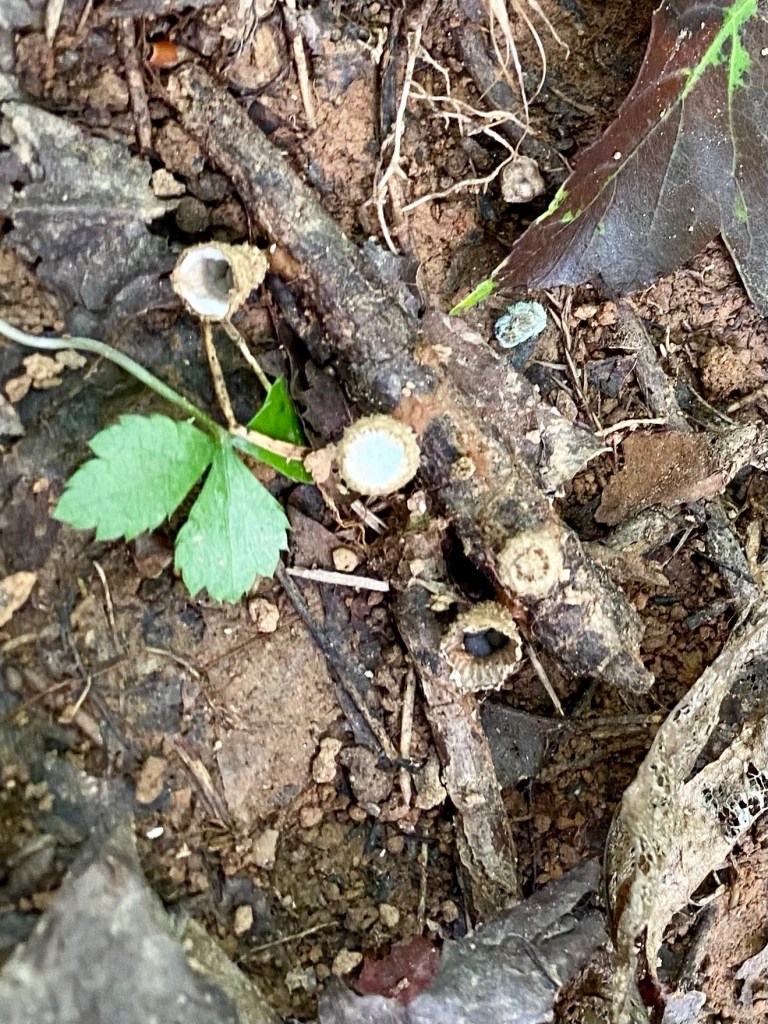
Splash cups, cyathus striatus, or fluted bird’s nest. The white inside of most of the cups are spores. Note the black eggs inside the one. Water droplets will hit the egg and the the spores will drop when wet. Growing along the back left bottom of property on a dead stick next to road in back bottom of property.
Hypomyces chrysospermus, bolete eater fungus turns bolete white, tan or golden yellow. Poisonous.
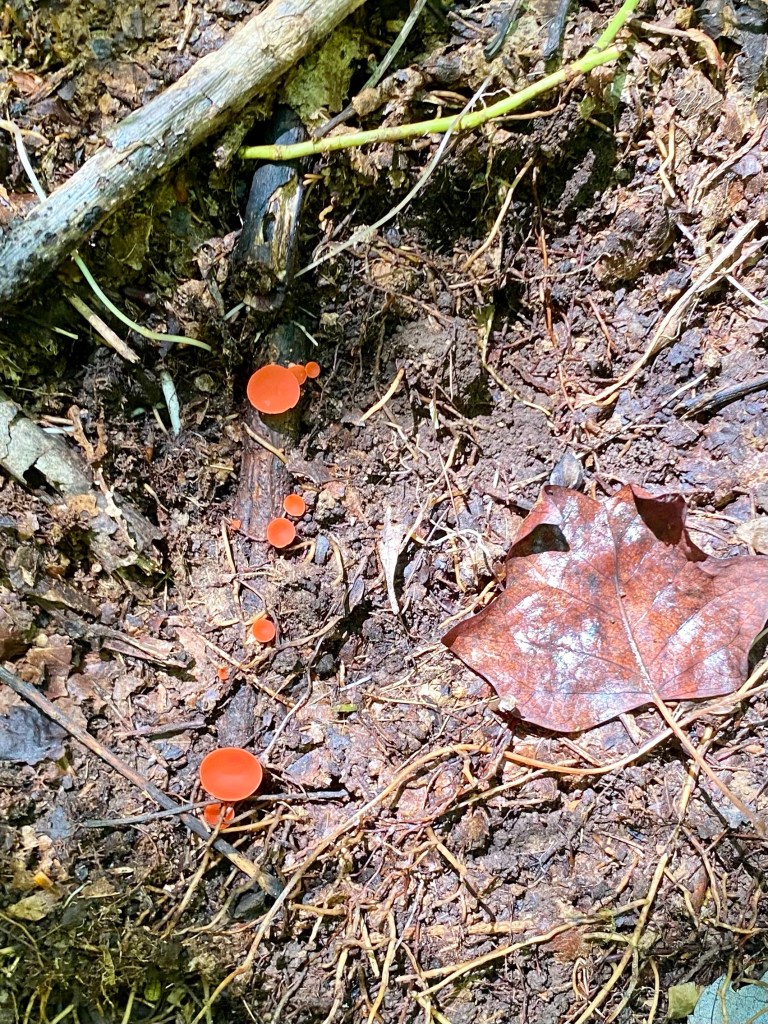
Sarcoscypha dudleyi scarlet elf cup, found along the back bottom waterway on a fallen limb.

August 1, 2023 A walk through the woods.

Cinnabar chanterelles found yesterday in our mixed pine and hardwood forest.

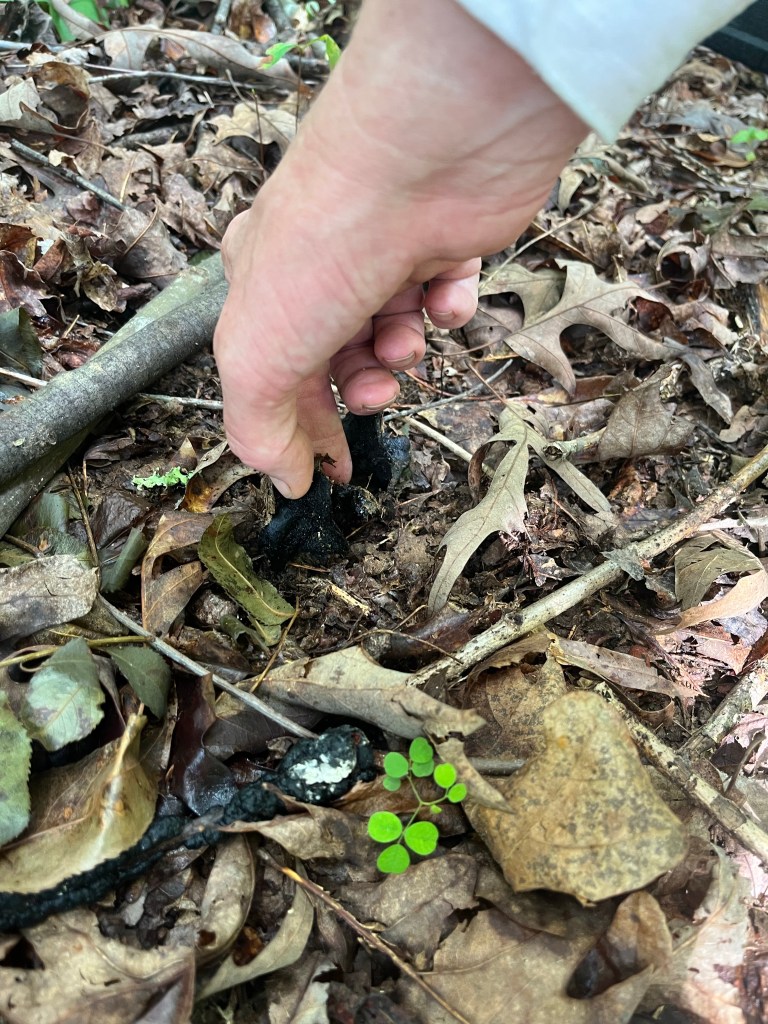
We were able to find the back left property line as well as a large waterway with ferns and mushrooms growing everywhere. It was beautiful and smelled earthy and moist down there. We are going back today to collect the mushrooms and make a trail connecting the two we’ve made down to the creek. We found black trumpet mushrooms on our oldest trail. They were leathery and old, so inedible, but at least we know where to find them now. We were serenaded by a pileated woodpecker.

Pileated woodpecker making a fuss.
Old leathery black trumpet mushrooms. A choice edible when freshly mature.
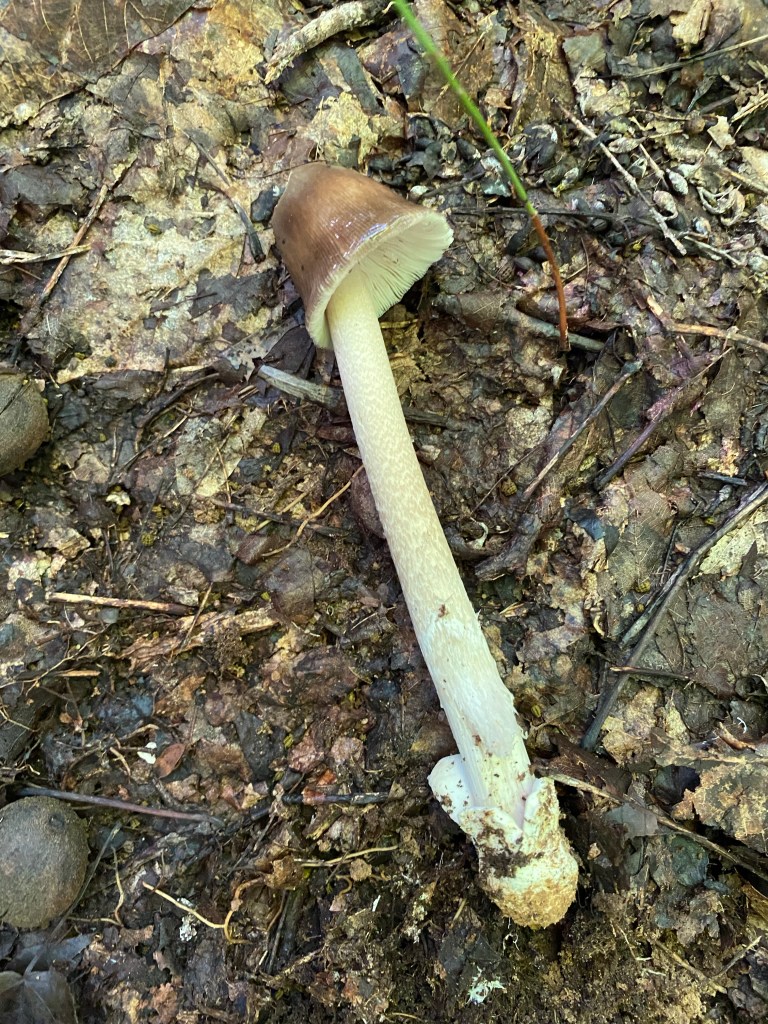
As yet unidentified mushroom (maybe amanita vaginata). It emerged from a volva. Found along the waterway near road behind property.

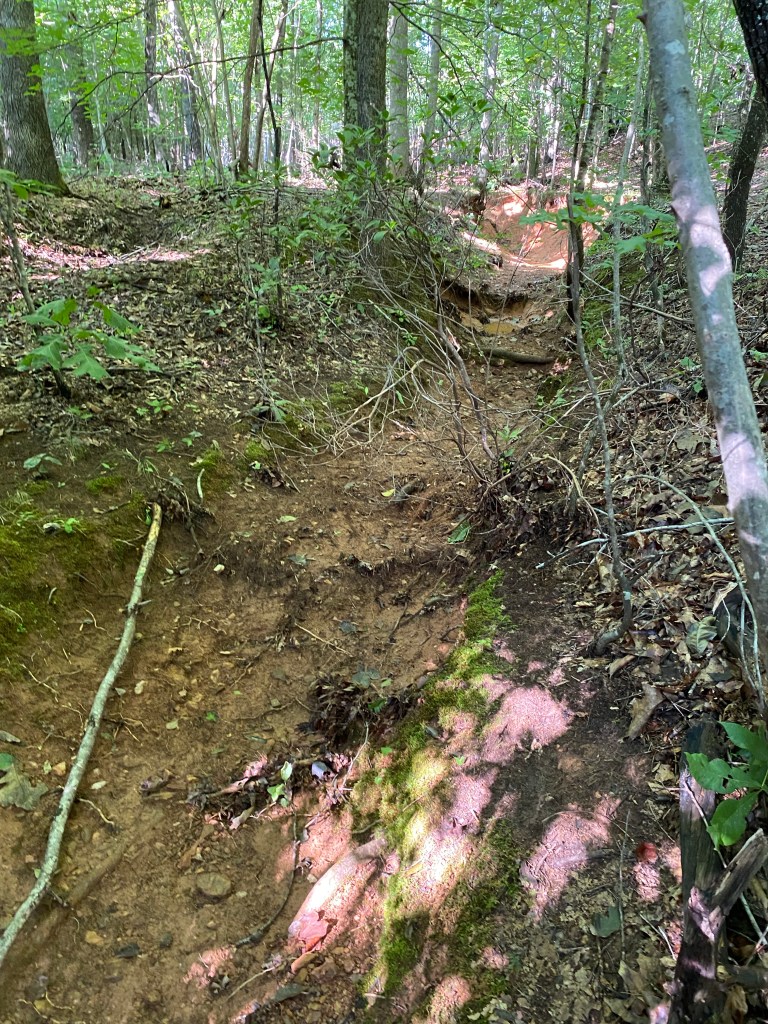
Since it had rained the whole day before, we were able to see the movement of the water from the debris.

We culled some hundreds of tiny thin tulip poplars from multiple sites this week as part of our continuing forest clean up. We extended our trails and tested 3 different locations for pH levels which were all 6.6. Slightly acidic. It looks fertile down by the creek.

Photos the iPhone turned into a movie. 😁

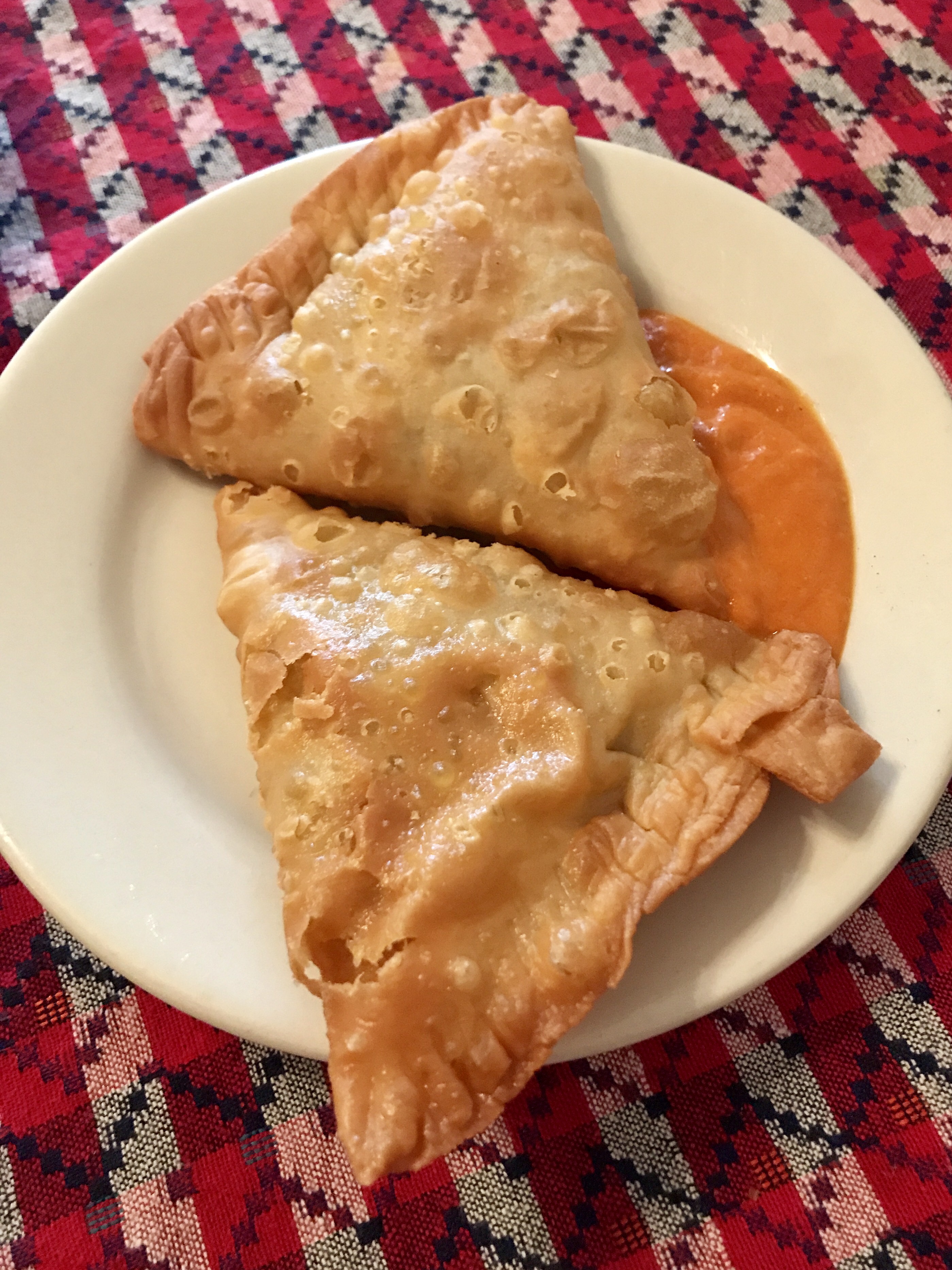
Vegetable Samosas with Tomato Chutney from Indian & American Cafe in Harrisonburg Virginia 

These puff pastries stuffed with curried potatoes and peas before fried and served with a spicy tomato chutney are the best samosas in taste and texture. I’ve attempted to recreate them with limited success and feel grateful to live close enough to the Indian & American Cafe that when I get a craving, I can take a short drive to get them. John and Ramasori are the kindest people serving love and goodness. They’re from Nepal and knew Swami Satchidinanda. They have pictures of my children on their refrigerator. Chris loves their chicken tikka masala. I dip my naan in his sauce because it’s magically delicious with the tastiest herbs and spices. They make paneer miatar with fresh homemade Indian cheese that I’ll explain how to make in a separate post later,  but it’s interesting to note here the texture of their cheese is denser than most Indian paneer. Ramasori sautées the cheese in ghee before adding it to the sauce. 

If you’re in downtown Harrisonburg, do yourself a favor and dine at their restaurant. You’ll be happy you did!

Meatballs, glorious meatballs

20140317-142942.jpg

We had to plan a quick meal for friends and their children for Saturday night.  We checked some recipes, and headed to the market (Martin’s supermarket), where we happily found a 1 lb. ground beef/veal/pork blend called “Meatloaf Blend” in the butcher section.  This was a very happy discovery, because otherwise we would have had to buy separate 1 lb. packages of ground meat and combine them, and we would have had lots of leftovers!

20140317-142956.jpg

For our meatballs recipe, we started with Betty Crocker’s Easy Meatballs recipe, and we also borrowed from an Italian-American Meatballs recipe on allrecipes.com.  We made just a couple easy tweaks to the combined recipes:

1. Rather than use 80% lean ground beef, we used the grocery store butcher’s Meatloaf Blend 1 lb. package (ground veal/beef/pork).

2. When blending the ground meat and ingredients, we added finely chopped garlic and parsely, and

3. We made our own inexpensive bread crumbs in the food processor with some slightly stale sesame sourdough that worked perfectly.

Our meatballs stuck a little to our baking pan, this could have been avoided with a little cooking spray, and perhaps rolling our meatballs around once during cooking to allow for even results :^)

20140317-143020.jpg

Our Saturday night easy meal for friends: Sun Dried Tomato Linguine (Farfalle (bow-tie pasta) for the kids) with Marinara and homemade meatballs, Potato Soup, fruit salad and the ubiquitous bacon crumbles as a garnish.

20140317-143042.jpg

20140317-143056.jpg

20140317-143113.jpg

Freakybites Mini Toasted Italian Meatball Sandwiches on Italian Bread